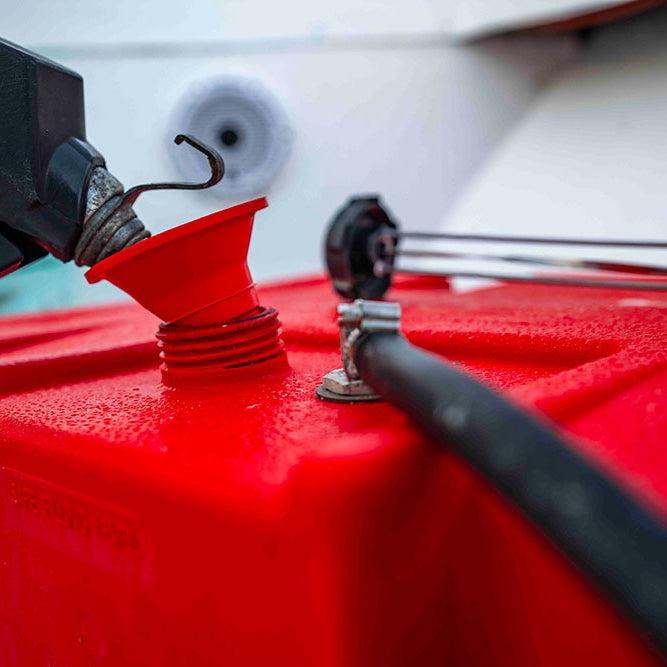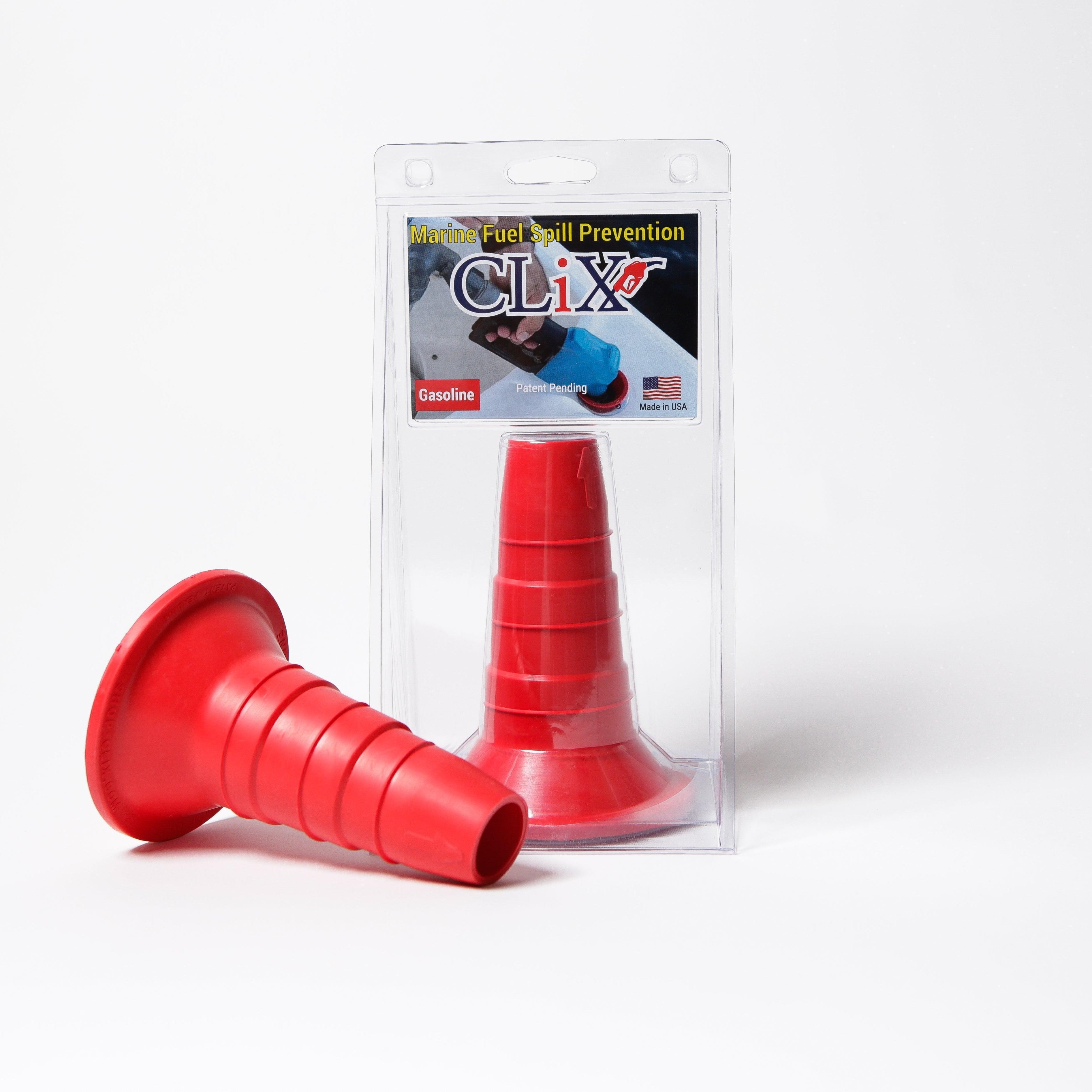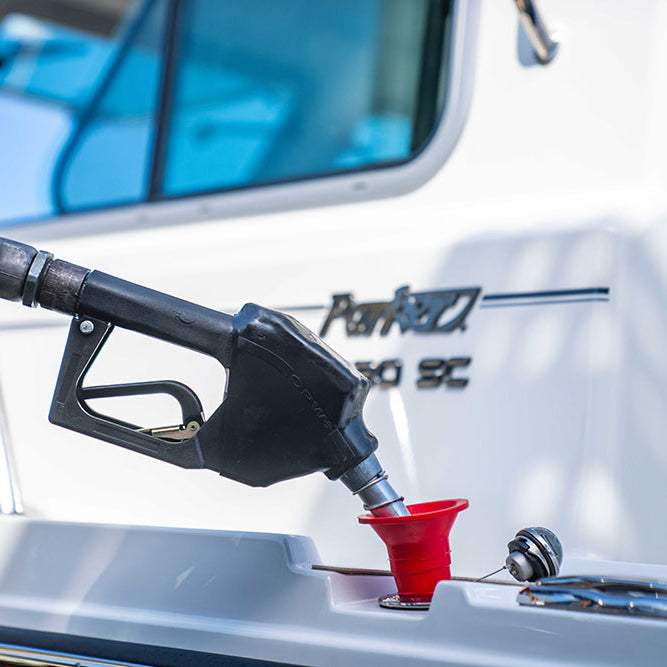
Refueling your boat should be straightforward, but let's be honest—it’s often a source of major headaches. We’ve all been there, trying to balance heavy fuel cans on a moving deck, dreading the inevitable spill.
A good diesel tank transfer pump is the tool that turns that whole stressful ordeal into a safe, clean, and efficient process. It's the core of a smart fueling system, giving you a steady, controlled flow from a storage container right into your main tank. This simple upgrade prevents messy, costly mistakes and protects the water we all enjoy.
Your Guide to Safe and Efficient Marine Fueling
For too many boat owners, just the thought of refueling brings on a familiar wave of anxiety. Wrestling with unwieldy Jerry cans, trying to aim a stream of diesel without it sloshing everywhere, and playing a guessing game of when the tank is actually full—it’s a common, frustrating routine.
But these old-school methods aren't just a pain. They're risky. A single overfill can dump a significant amount of fuel into the water, which is devastating for marine life, can damage your boat's finish, and might even land you with a steep fine.
This is exactly where a dedicated diesel tank transfer pump completely changes the game. It turns a clumsy, hazardous chore into a professional, controlled operation. Think of it like swapping a bucket for a fire hose; it's faster, safer, and infinitely more reliable. By automating the fuel transfer, you get precise control and slash the risk of a spill.
Why a Specialized Pump Matters
Not all pumps are built the same, and the pump that works just fine on a farm or in a garage is often a dangerous mismatch for a boat. The marine environment throws a unique set of challenges at your equipment, and you need a pump specifically designed to handle it.
A proper marine diesel tank transfer pump is engineered to survive and perform in these conditions. Here’s why it’s a must-have:
- Spill Prevention: This is the big one. You’re moving fuel in a closed, sealed system. That means no splashes, no overfills, and no fumes.
- Serious Safety: Marine-grade pumps are built with features like ignition protection to prevent sparks in a fuel-vapor environment—a non-negotiable safety feature on any vessel.
- Time and Effort Saved: A task that takes ages with manual cans can be done in a few minutes with an electric pump. That means more time enjoying the water and less time stuck at the dock.
- Built to Last: These pumps use materials like stainless steel and bronze specifically because they can stand up to the constant assault of saltwater and moisture without corroding.
When you invest in the right equipment, you're not just buying a pump—you're buying peace of mind. A reliable diesel tank transfer pump is a fundamental part of responsible boat ownership. It protects your boat, the environment, and your precious time on the water.
This guide is here to walk you through everything you need to know. We'll cover how these pumps work, what features are critical for a marine setting, and how to make sense of the technical specs. By the end, you'll have the practical knowledge to choose the perfect pump for your boat, making every refueling a simple, stress-free task.
How A Diesel Transfer Pump Actually Works
Ever wondered what's happening inside that box when you're moving diesel from a jerry can to your boat's main tank? A diesel tank transfer pump might seem like a bit of black magic, but the concept behind it is actually pretty straightforward.
Think of it like a powerful, specialized heart for your boat’s fueling setup. Its one job is to move diesel fuel from a storage container into your main tank with a steady, controlled flow. It’s all about creating a difference in pressure—it makes a low-pressure spot to suck fuel in and a high-pressure spot to push it out. This simple mechanical principle turns what used to be a messy, back-breaking job into a clean, quick, and efficient process.
This visual perfectly captures the jump from a risky, manual fueling situation to a much smarter, pump-driven solution.
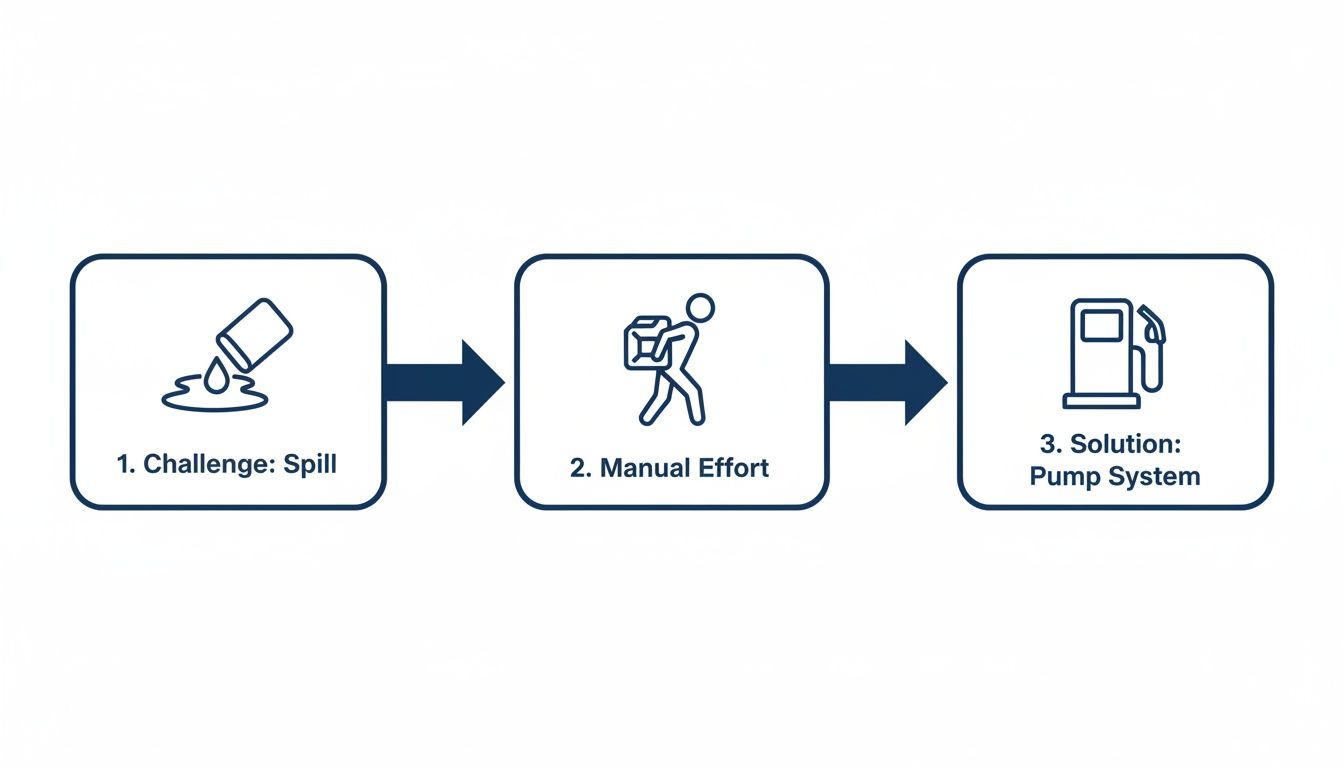
As you can see, a dedicated pump system is the clear answer to avoiding dangerous spills and the sheer hassle of lifting heavy fuel cans.
The Key Components Working Together
To really get what’s going on, it helps to look at the three main parts of the pump. Each piece has a specific role, and they all have to work together perfectly to get that fuel moving safely.
- The Motor: This is the muscle. It’s usually hooked up to your boat’s 12V or 24V DC electrical system. The motor's job is to turn electrical power into the spinning force that gets the whole process started.
- The Pumping Mechanism: This is the clever bit where the real work happens. Inside the pump, you’ll find a mechanism—often a set of gears or spinning vanes—that creates the suction to pull diesel in from the source.
- The Housing: This is the tough outer shell. It does more than just keep the parts together; it’s the pump’s armor against the harsh marine world, fighting off saltwater corrosion and shrugging off bumps and knocks.
The Step-By-Step Fuel Transfer Process
When you flick the switch on your diesel tank transfer pump, a chain reaction kicks off. Let’s walk through it step-by-step.
- Step 1: Priming and Suction: The motor fires up, spinning the internal gears or vanes like crazy. This action pushes all the air out of the pump, creating a vacuum. The normal air pressure pushing down on the fuel in your storage tank does the rest, forcing the diesel up the inlet hose and into the now-empty pump. This is called priming.
- Step 2: Pressurization and Transfer: With the pump full of diesel, the spinning mechanism grabs the fuel and shoves it toward the outlet. This builds up pressure, giving the diesel the push it needs to travel down the outlet hose.
- Step 3: Discharge and Delivery: Finally, the pressurized diesel flows smoothly out of the hose and into your boat’s main tank. The pump will keep this up until you turn it off or, in some systems, an automatic nozzle senses the tank is full and clicks off.
A good pump doesn't just slosh fuel around; it delivers it with precision. You want a consistent, non-pulsating flow that prevents splashing and gives you total control from start to finish.
Getting a handle on these mechanics isn’t just for gearheads. It takes the mystery out of the equipment and helps you choose the right pump in the first place. More importantly, it empowers you to figure out what's wrong when things go sideways. For instance, if a pump won't prime, you know the problem is right at the beginning—it's failing to create suction, which almost always points to an air leak in an inlet hose. Knowing how it should work makes troubleshooting a whole lot easier.
Key Pump Specifications You Need To Understand
Choosing the right diesel tank transfer pump can feel a bit like navigating a new channel for the first time. The spec sheet looks like a complex chart, full of technical terms and numbers. But once you know what those numbers mean for real-world performance, you can confidently pick the perfect pump for your vessel.
Let's translate that technical jargon into practical knowledge. We'll go through the core specs that really determine how a pump will behave at the dock, what it can handle, and if it’s truly built to last in a harsh marine environment. Getting these details right is the key.
Flow Rate: Gallons Per Minute (GPM)
The first number you’ll almost always see is the flow rate, measured in Gallons Per Minute (GPM). This tells you, plain and simple, how fast the pump can move fuel. It's easy to assume that bigger is always better, but that's a common mistake.
Imagine you're filling a small day tank. A high-GPM pump, maybe 20 GPM or more, could fill it so fast you barely have time to react, raising the risk of an overfill and a messy spill. For this job, a slower, more controlled flow of 8-10 GPM gives you precision and safety.
Now, flip the script. If you're a marina operator fueling large yachts or a commercial captain with massive tanks, that high-GPM pump is exactly what you need. It drastically cuts down fueling time, which is everything when you're trying to run an efficient operation.
- Low GPM (5-10 GPM): Perfect for smaller boats, topping off tanks, or any time you need maximum control to prevent spills.
- Medium GPM (10-15 GPM): This is a great sweet spot for many recreational boaters, offering a nice balance between speed and control.
- High GPM (15+ GPM): Best for large vessels or commercial use where getting fuel onboard quickly is the top priority.
Think of it like choosing between a garden hose and a fire hose. You wouldn't use a fire hose to water a potted plant, right? The right tool always depends on the job at hand.
Power Source and Voltage
Next up is a critical choice: the pump's power source. For any piece of gear on your boat, this decision is pretty much made for you by your vessel’s electrical system. The two most common options you'll find are 12V DC and 115V AC.
A 12V DC pump is the go-to standard for most recreational boats. It wires directly into your boat's battery system, which makes it incredibly convenient for use right on board, whether you're at the dock or anchored out. These pumps are built for portability and efficiency in a DC world.
On the other hand, a 115V AC pump needs the same kind of power you get from a wall outlet at home. This makes it a perfect match for fixed installations at a marina fuel dock or on a fuel truck where AC power is always on tap. They tend to offer more power and higher flow rates but aren't portable like their DC cousins.
Choosing the right power source isn't about preference; it's about compatibility. A mismatch can cause serious electrical problems or, at best, leave you with a pump you can't even turn on. Always match the pump's voltage to your boat's electrical system.
Construction Materials and Durability
Diesel is corrosive on its own. Now add the relentless assault of saltwater, humidity, and constant sun, and you've got a recipe for rapid equipment failure. This is exactly why the materials used to build your transfer pump are not something you can compromise on.
Your average, standard-grade pump is often made of cast iron or aluminum, materials that just won't last in a marine setting. Saltwater eats them for breakfast, leading to corrosion, leaks, and a seized pump. For any marine application, you have to find a pump built from materials that can fight back.
Here's what to look for:
- Stainless Steel: The champion of corrosion resistance. It’s a top choice for pump housings and internal parts that are constantly exposed to the elements.
- Bronze: Another fantastic option famous for its toughness and longevity in saltwater.
- Marine-Grade Polymers: Certain advanced plastics are engineered to resist chemical breakdown from diesel and won't degrade under UV exposure.
The pump is only one part of the equation. You also need a tough, reliable 1 inch hose for industrial use to ensure the whole system is safe and efficient. This demand for durability is a big reason why the global market for these pumps is projected to hit $2.1 billion by 2032. Boaters and marina operators are tired of gear that fails and are investing in reliable, long-lasting fuel solutions.
To learn more, check out our complete guide on picking the right marine fuel transfer pump for your boat. Spending a little more on a pump made from the right stuff means it will work reliably for years, not just for a single season.
Essential Safety Features For Marine Environments
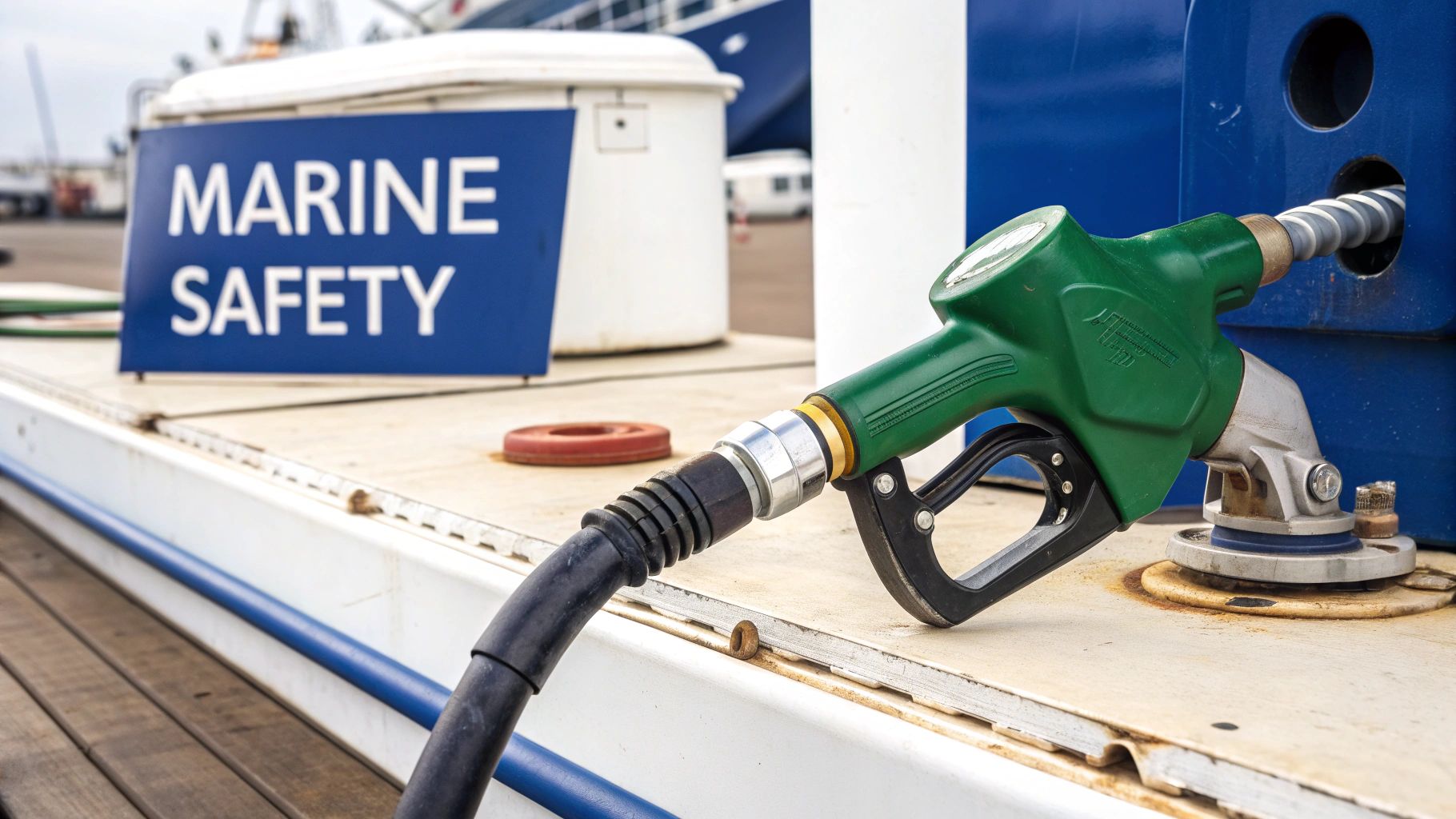
Fueling a boat is a completely different ballgame than filling up a truck on a construction site. On the water, you're always dealing with tight spaces, constant movement, and an environment that’s incredibly tough on equipment. Using a standard industrial pump in a marine setting isn't just a bad idea—it's a massive safety risk. Features that might be optional on land become absolutely critical when you're surrounded by water.
A proper marine diesel tank transfer pump is built from the ground up for these unique challenges. It’s not just about moving fuel from point A to point B; it’s about creating a sealed, safe, and reliable fueling system. Let's break down the non-negotiable safety features that separate a true marine-grade pump from a ticking time bomb.
Ignition Protection For A Volatile Environment
Diesel fuel vapors, when mixed with air in a confined space like an engine room, can be dangerously flammable. It only takes one stray spark from an unsealed electric motor to cause a devastating explosion. This is exactly why ignition protection is the single most important safety feature of any pump used on a boat.
Ignition-protected pumps are designed with completely sealed motors and electrical components. This design traps any potential internal sparks, preventing them from ever reaching the outside air and igniting fuel vapors. This isn't just a good idea; it's a requirement under U.S. Coast Guard regulations for any electrical device operating near gasoline or diesel.
Think of it like this: an ignition-protected pump is your built-in firefighter. It takes the most dangerous element—a spark—out of the equation entirely. Never, ever install a pump in your engine compartment unless it is explicitly rated for ignition protection.
Automatic Shutoff Systems For Spill Prevention
Overfilling a fuel tank is a common, messy, and environmentally damaging mistake. All it takes is a moment of distraction, and you can have gallons of diesel pouring from the fuel vent right into the water. An automatic shutoff system is the best defense against this.
These systems work just like the nozzle at your local gas station. When the fuel level in the tank reaches the tip of the nozzle, it senses the pressure change and clicks off, stopping the flow instantly. This is especially crucial when using a powerful diesel tank transfer pump, as it provides a reliable failsafe against overfills. When you learn about the precision of an automatic fuel shut-off valve, you'll understand why it's a non-negotiable for any responsible boater.
Unyielding Corrosion Resistance
Saltwater is relentless. It will find any weak point in your gear and chew it away, causing rust, corrosion, and eventual failure. A standard cast iron pump might survive a season or two, but it won't be long before it starts to degrade, leak, and become a serious liability.
For marine use, pumps have to be built from materials that can stand up to this constant attack. Look for components made from:
- Stainless Steel: The gold standard for housings, shafts, and internal gears thanks to its incredible resistance to rust.
- Bronze: Extremely durable and proven in saltwater, often used for pump heads and fittings.
- Marine-Grade Polymers: Modern plastics that are totally immune to both saltwater corrosion and the chemical effects of diesel fuel.
Investing in a pump with superior corrosion resistance means you're buying a piece of equipment that will work safely for years, not just a few months. This demand for durability is a major driver in the fuel transfer market. While the oil and gas industry leads with 35% of demand, the marine sector is growing fast as boaters insist on more sophisticated and reliable systems. You can find more insights on the U.S. fuel transfer pump market and its trajectory on OpenPR.com.
Best Practices For Installation And Safe Operation
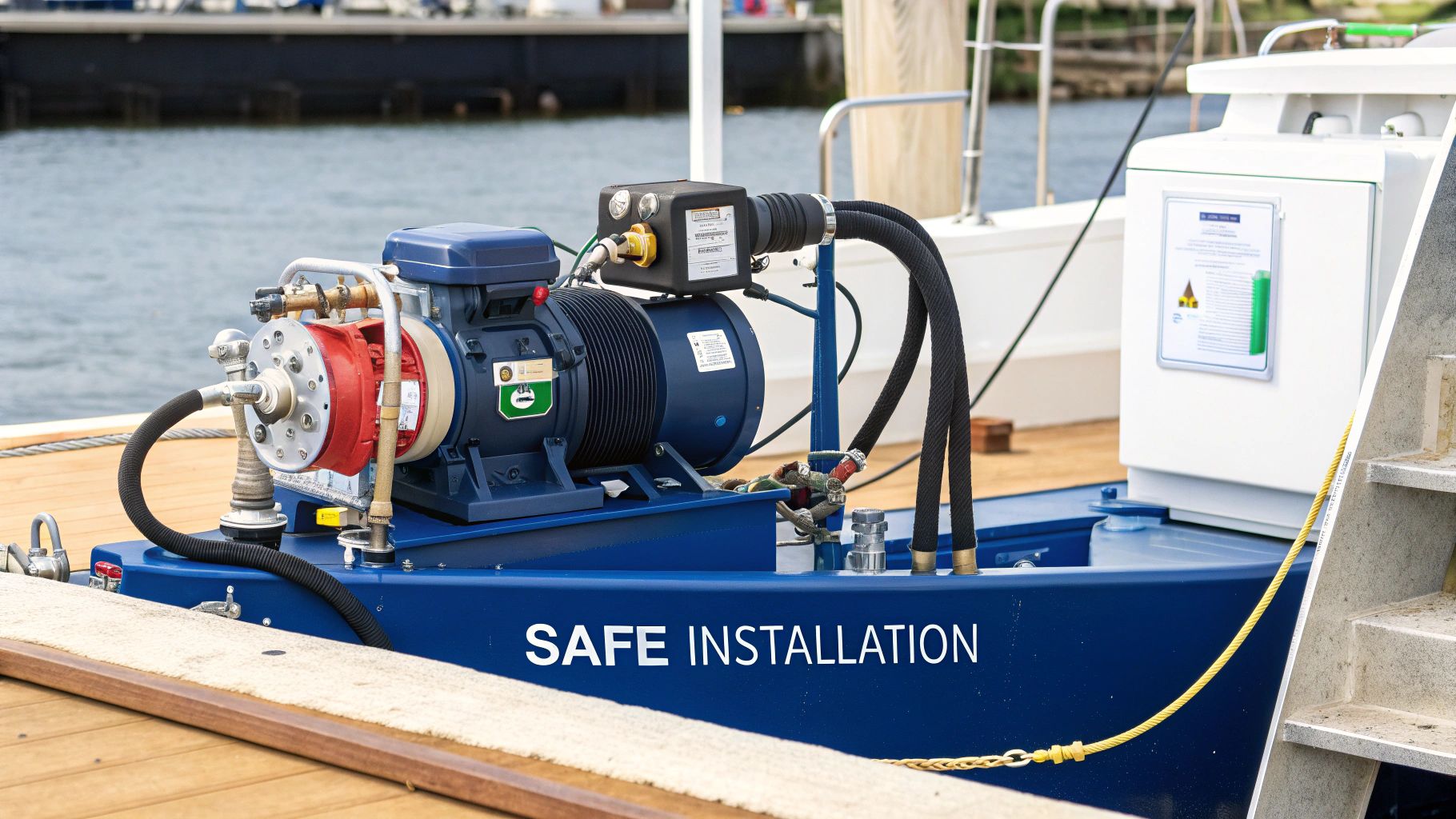
Getting your diesel tank transfer pump installed correctly isn't just about getting it up and running. It's about setting the foundation for safe, reliable fueling for years to come. Do it right, and you'll sidestep frustrating performance glitches and, more importantly, some seriously hazardous mistakes.
Think of this as the essential checklist for getting started. We'll walk through everything from locking down secure electrical connections to making sure every hose is perfectly sealed. Following these steps is the best way to protect your gear and ensure every fuel transfer is a safe one.
Secure Mounting And Electrical Connections
First things first: your pump needs a solid, stable home. Vibration is the silent killer of mechanical equipment—it loosens fittings, causes premature wear, and creates a racket.
- Pick a Solid Surface: Mount the pump on something flat and rigid that won't flex or amplify noise like a thin bulkhead would.
- Use Vibration Dampeners: This is a simple but incredibly effective trick. Placing rubber grommets or a dedicated mounting pad between the pump and the surface will quiet things down and absorb a ton of vibration.
- Nail the Electrical Connections: Every connection has to be clean, tight, and completely protected from moisture. Use marine-grade connectors and seal them up with heat-shrink tubing. This creates a waterproof barrier that stops corrosion dead in its tracks, preventing power loss or dangerous electrical faults down the line.
Proper Hose And Fitting Installation
Your hoses are the lifelines of the entire system. Even a pinhole-sized air leak can stop the pump from working, because it will suck in air instead of fuel.
Always use a high-quality thread sealant that’s specifically rated for diesel on all your threaded fittings. This ensures you get a truly airtight seal. When you’re tightening down hose clamps, get them snug, but don’t go overboard—cranking down too hard can actually damage the hose itself. For a deeper dive, we have a whole guide on choosing the right fuel transfer pump hose.
This level of care really matters. The global fuel transfer pump market hit USD 1.71 billion back in 2021, and the diesel pump segment is a huge piece of that pie. With the marine industry in North America driving much of that demand, the need for safe, professional-grade installations has never been higher. You can dig into the numbers in this fuel transfer pump market report from Grand View Research.
Pre-Operation Safety Checklist
Before you ever hit that switch, take a minute to run through a quick safety check. It’s a simple habit that can prevent just about every common fueling problem.
A consistent pre-fueling routine is the single best way to ensure safety. It turns professional best practices into an effortless habit, protecting your boat, your investment, and the marine environment.
Here’s what your checklist should look like:
- Inspect All Hoses: Give them a quick once-over, looking for cracks, bulges, or any signs of wear and tear, paying close attention to the areas near the fittings.
- Ensure Proper Ventilation: If you’re fueling in a tight or partially enclosed space, make sure there’s plenty of airflow to carry away any fumes.
- Confirm Grounding: Double-check that any grounding straps or connections are secure. This is critical for preventing a static spark.
- Have a Spill Kit Ready: Before you start, make sure you have absorbent pads or a full spill kit right there within arm's reach. Just in case.
Stick to these guidelines, and your diesel transfer pump will be a reliable workhorse for your vessel, not a source of headaches.
Troubleshooting Common Pump Problems
Even the best diesel transfer pump is going to have an off day. When it happens, it’s always frustrating, but the good news is that most common pump problems are surprisingly simple to fix yourself.
Before you reach for the phone to call in a pro, a little bit of know-how can often get you back up and running in minutes. Let's walk through the most frequent issues you'll encounter.
The Pump Runs But Moves No Fuel
This is probably the most common headache. You flip the switch, the motor hums to life, but absolutely no fuel is moving. It sounds like it's working, but the fuel line is bone dry.
Nine times out of ten, the culprit is a loss of prime. This means your pump is sucking in air instead of diesel. A diesel tank transfer pump relies on a perfectly sealed, airtight path on the suction side to create the vacuum needed to pull fuel.
The smallest air leak on the intake side is enough to kill the prime. A pump will always take the path of least resistance, and pulling in air is a whole lot easier than lifting heavy diesel fuel.
To track down the leak, start at the beginning of the fuel line and work your way to the pump:
- Check the connections: Make sure every single fitting on the intake side is wrench-tight and properly sealed with a diesel-rated thread sealant.
- Inspect the hose: Look closely for any tiny cracks, splits, or loose clamps that could be letting air sneak in.
- Examine the strainer: A clogged pre-pump strainer can starve the pump, preventing it from ever getting a solid gulp of fuel.
The Pump Has A Weak Or Slow Flow Rate
Another classic problem: your once-speedy pump now delivers a pathetic trickle. Fueling takes forever, and the flow is noticeably weaker than it used to be.
This is almost always a sign of a restriction somewhere in the system. Something is physically blocking the fuel from moving freely, making the pump work way too hard for very little output.
The usual suspects are:
- A clogged filter: The fuel filter has done its job a little too well and is now packed with debris. Time to clean or replace it.
- A kinked hose: A sharp bend or pinch in the suction or discharge hose will choke off the flow instantly.
- Debris inside the pump: A small bit of grit might have slipped past the filter and is now stuck in the pump’s gears or vanes.
Start with the easy stuff. Walk the length of the hoses and look for any obvious kinks. If they look good, your next stop is the fuel filter.
The Motor Is Overheating
If the pump’s motor is hot enough to cook on or it keeps shutting itself off, you’ve got an overheating problem. This isn't something to ignore—it can permanently damage the motor if you don't sort it out quickly.
The number one cause of an overheating diesel tank transfer pump is running it dry. Most pumps are designed to use the diesel fuel itself as a coolant and lubricant for their internal parts. Without fuel flowing through, friction builds up fast, and so does heat.
Low voltage can also be the culprit. A weak battery or a corroded electrical connection forces the motor to draw more amps to do its job, which generates a ton of excess heat. Make sure your battery is charged and all your electrical connections are clean, bright, and tight.
Common Diesel Pump Issues And How To Fix Them
Sometimes you just need a quick cheat sheet. This table breaks down the most common symptoms, their likely causes, and the steps to get your fuel flowing again.
| Symptom | Potential Cause | Solution |
|---|---|---|
| No Flow, Motor Runs | 1. Loss of prime (air leak in suction line) 2. Clogged intake strainer 3. Suction hose is not submerged in fuel |
1. Tighten all fittings, check hose for cracks 2. Clean or replace the strainer 3. Ensure the hose end is deep in the tank |
| Slow Flow Rate | 1. Clogged fuel filter 2. Kinked hose (suction or discharge) 3. Low voltage to the pump |
1. Clean or replace the filter element 2. Straighten any kinks or sharp bends 3. Check battery charge and clean terminals |
| Motor Overheating | 1. Pump running dry (no fuel) 2. Undersized or long wiring causing voltage drop 3. Pumping against a closed nozzle for too long |
1. Never run the pump for more than a minute without fuel 2. Ensure wiring gauge is appropriate for the length and load 3. Turn off the pump when not actively dispensing fuel |
| Pump Leaking Fuel | 1. Worn out seals or gaskets 2. Loose housing bolts 3. Cracked pump housing |
1. Replace seals (seal kit often available) 2. Tighten bolts to manufacturer's torque specs 3. Replace the pump; a cracked housing is not repairable |
| Circuit Breaker Trips | 1. Motor is seizing or jammed with debris 2. Electrical short in the wiring 3. Pumping fluid that is too thick or cold |
1. Disassemble and clean the pump's interior 2. Inspect wiring for damaged insulation 3. Allow fuel to warm up; check pump viscosity rating |
By working through these common issues systematically, you can solve most pump-related problems without needing to call for backup. A little preventative maintenance goes a long way, too
Frequently Asked Questions About Diesel Transfer Pumps
Even after getting a good handle on how these pumps work, a few common questions always seem to pop up. Let's tackle some of the most frequent ones we hear from boat owners and marina staff to keep you fueling up safely and without any headaches.
Can I Use A Diesel Pump For Gasoline?
Nope. Absolutely not. Think of this as the number one rule you never, ever break. Diesel and gasoline are fundamentally different fuels, and gasoline is dramatically more volatile—its fumes are incredibly explosive.
Trying to pump gasoline with a diesel-rated pump is just asking for disaster. Diesel pumps aren't built with the explosion-proof seals and components needed to handle gasoline safely. A single spark from the motor could ignite the fumes, and the results could be catastrophic. Always, always use a pump that is specifically designed and certified for the type of fuel you're moving.
How Often Should I Replace My Fuel Filter?
This is one of those "it depends" answers. How often you need to swap out the filter really comes down to how clean your fuel source is and how much you're actually using the pump. As a solid starting point, plan on checking the filter after every 500 gallons you transfer, or at the very least, once a season.
Don't wait for your pump to start slowing down to a trickle before you check the filter. Being proactive and checking it regularly is what prevents clogs and keeps tiny, abrasive bits of gunk from tearing up the inside of your pump. A clean filter is cheap insurance for a long pump life.
If you tend to get fuel from different spots or you've noticed sediment in your tanks before, checking it more often is just smart practice. Tossing a spare filter in a locker is a great habit to get into, too.
Is A Self-Priming Pump Really Necessary?
For just about any situation on a boat, yes, a self-priming pump is worth its weight in gold. Priming just means getting the fuel to flow up from the tank and into the pump to get things started. Trying to do that manually with a pump that isn't self-priming can be messy, awkward, and downright frustrating.
A self-priming diesel tank transfer pump does all that work for you. It automatically purges the air from the suction line and creates the vacuum needed to start pulling fuel. It makes the whole process faster and way more reliable, especially if your pump is mounted higher than the tank it's drawing from.
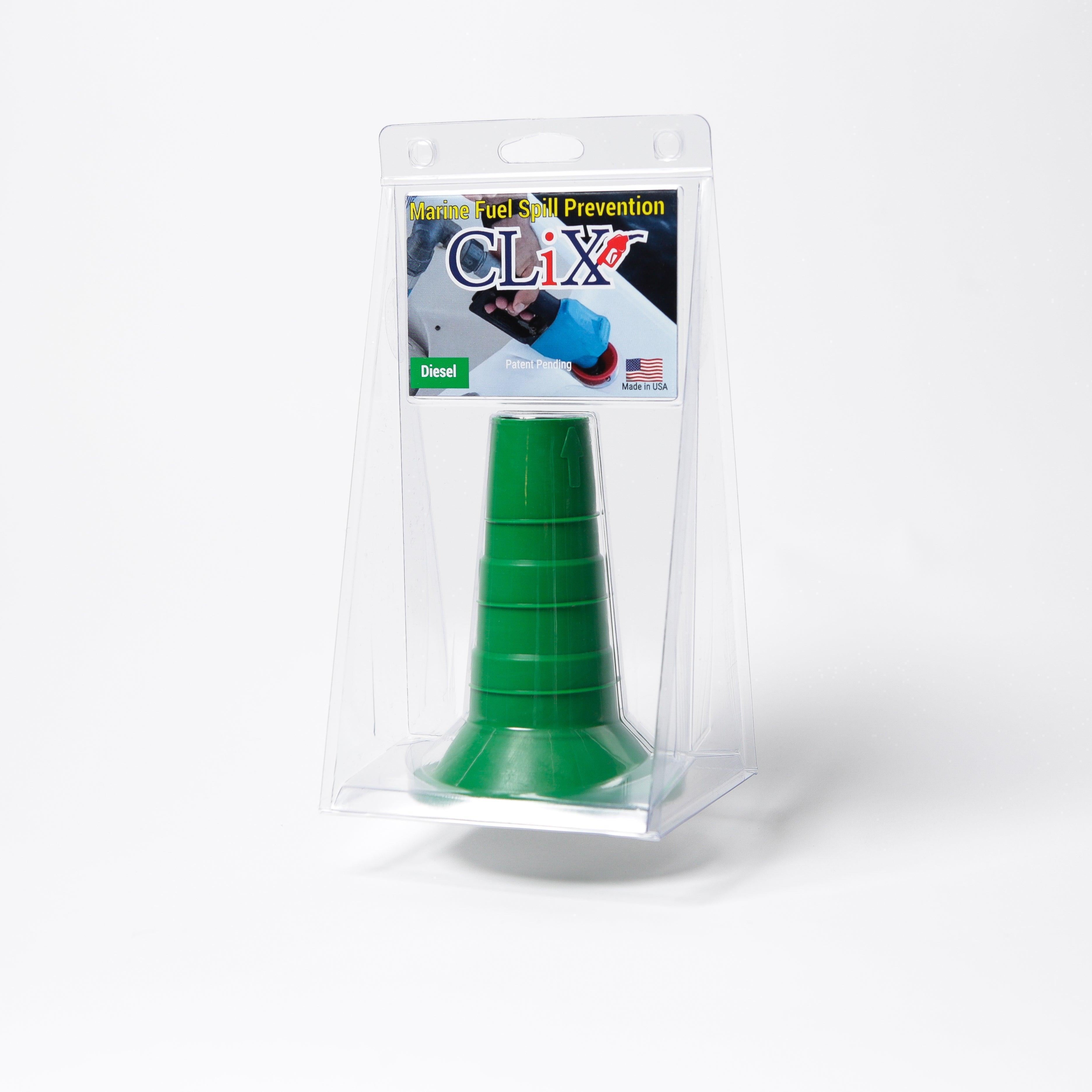
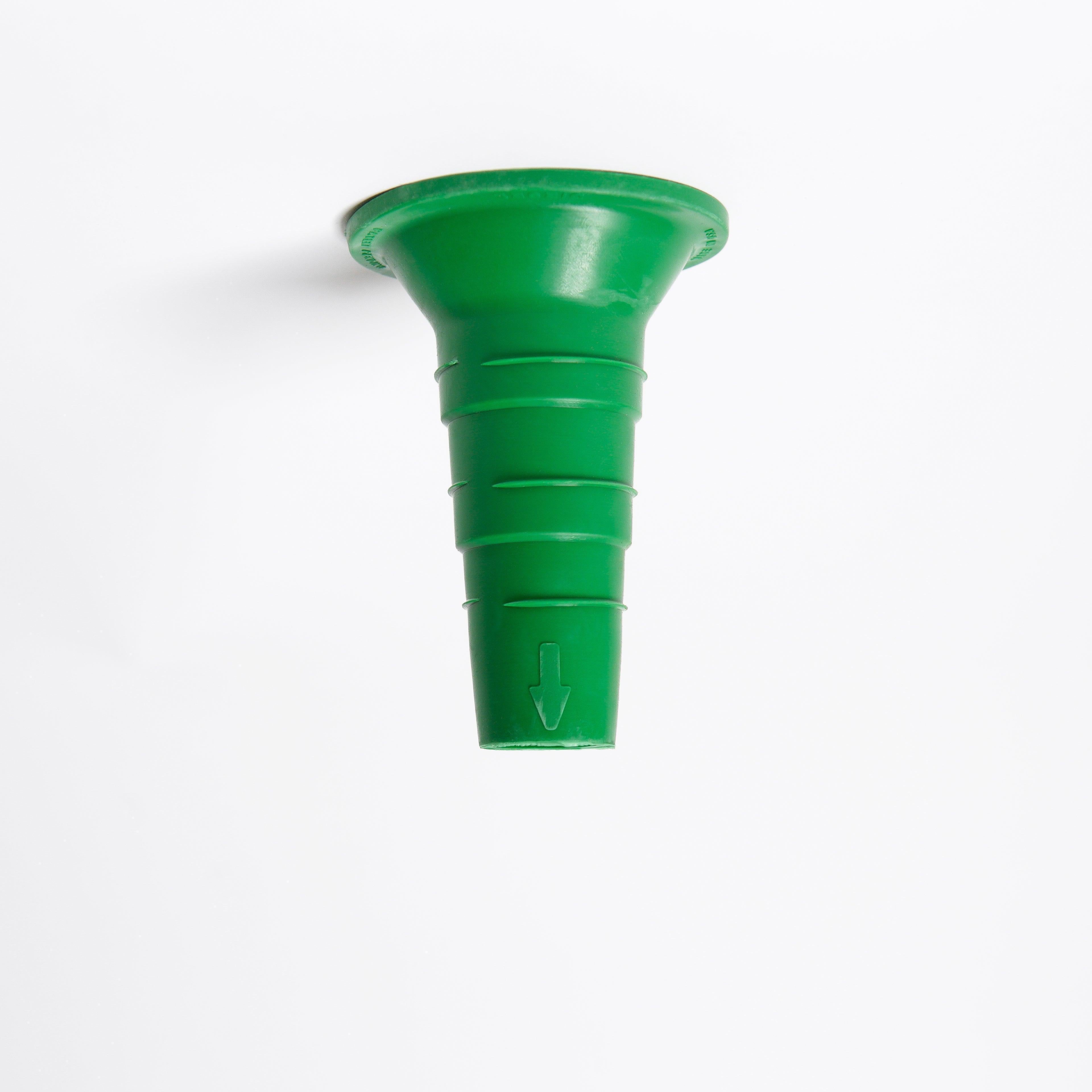
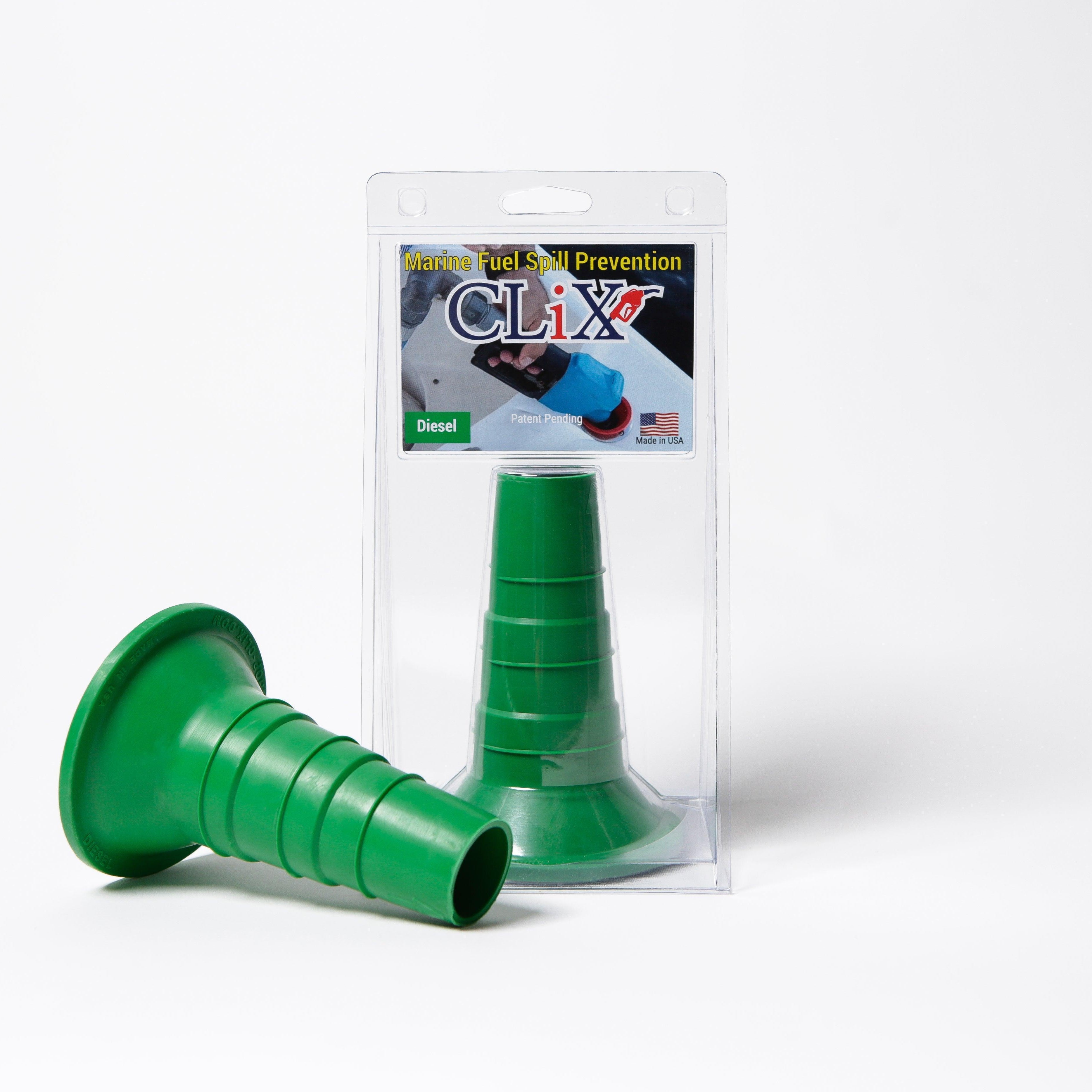
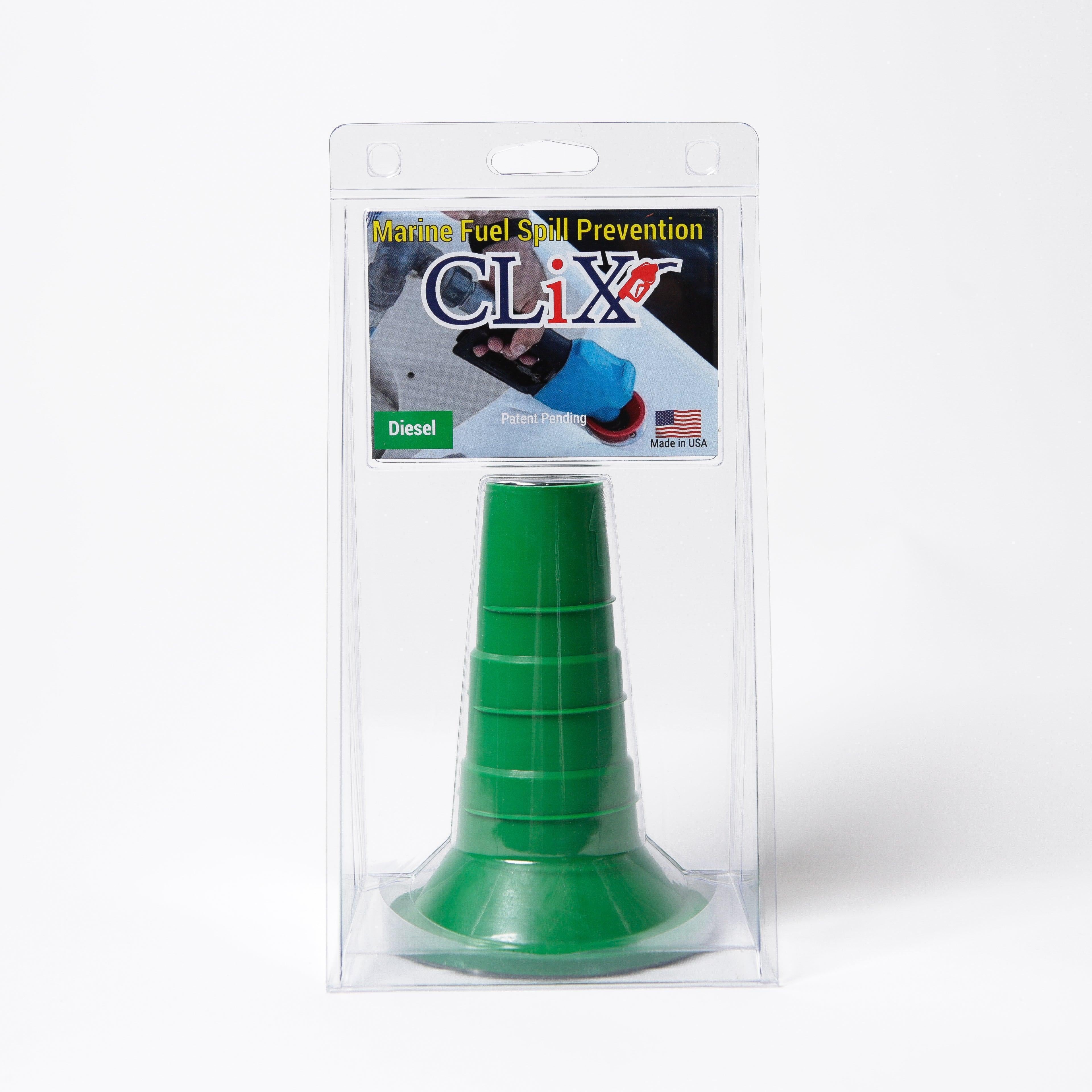
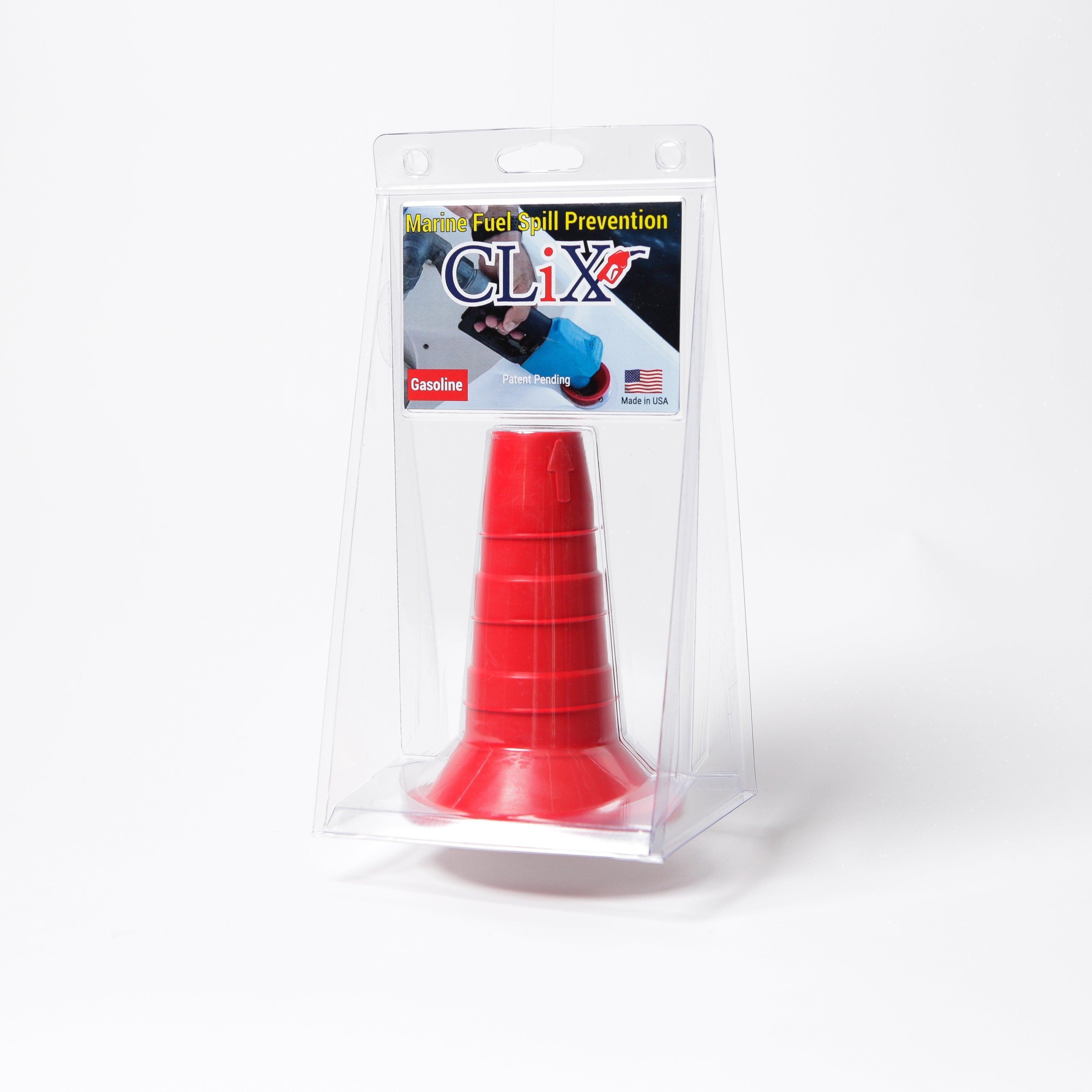
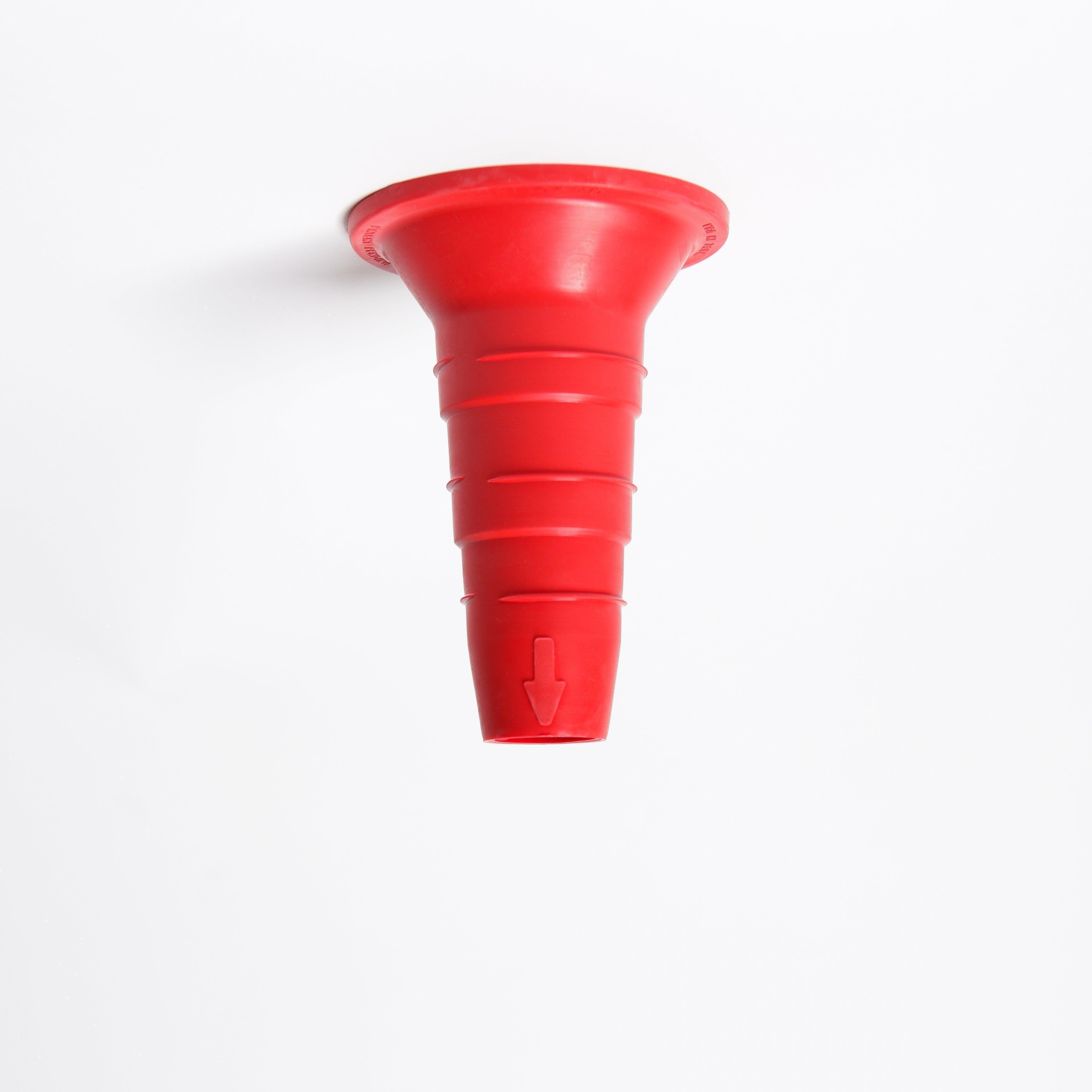
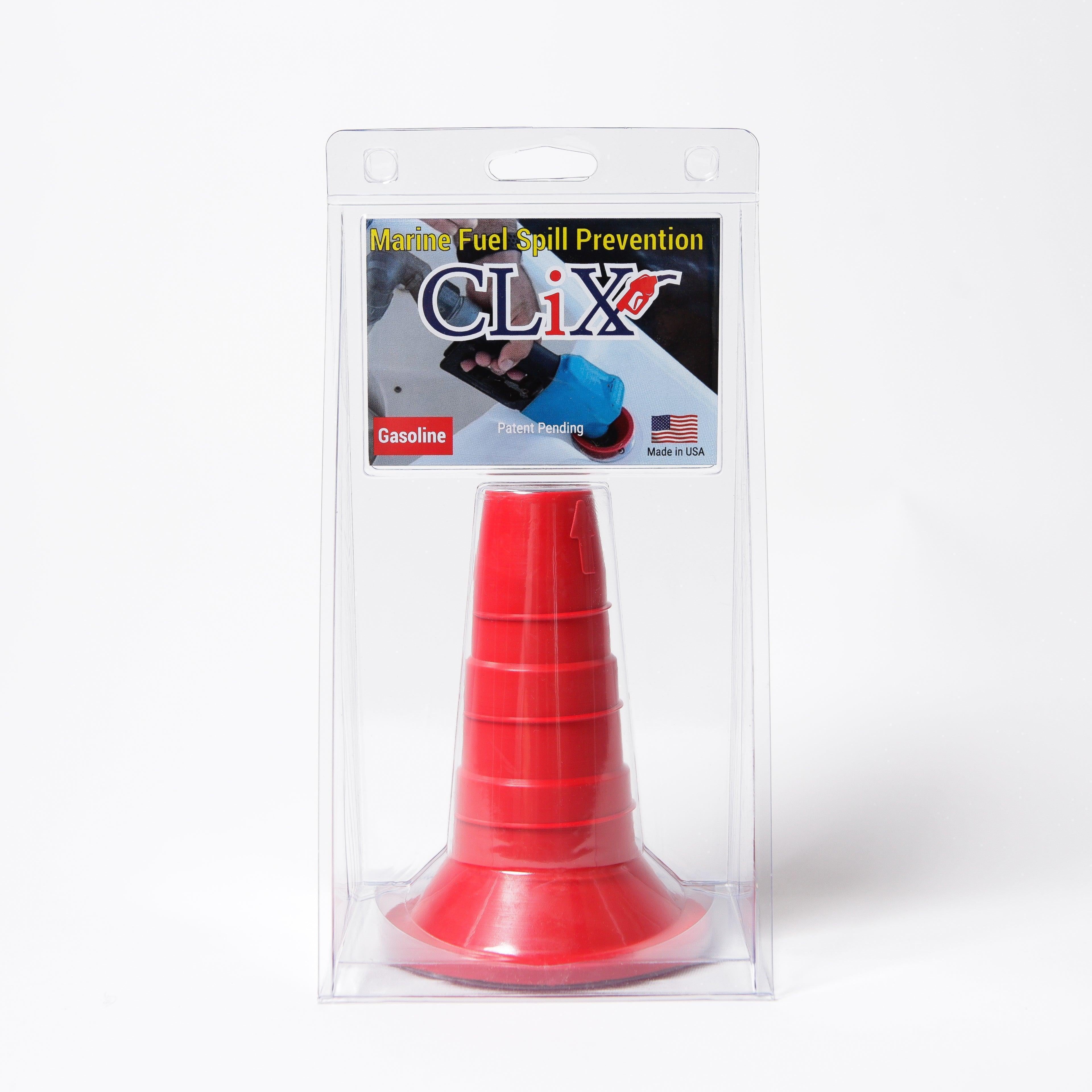
For a truly seamless and spill-free fueling experience, the automatic shutoff system from CLiX Fueling Solutions is the ultimate upgrade for any boater. Ensure every drop goes into your tank and not into the water. Discover the difference at https://clixfueling.com.