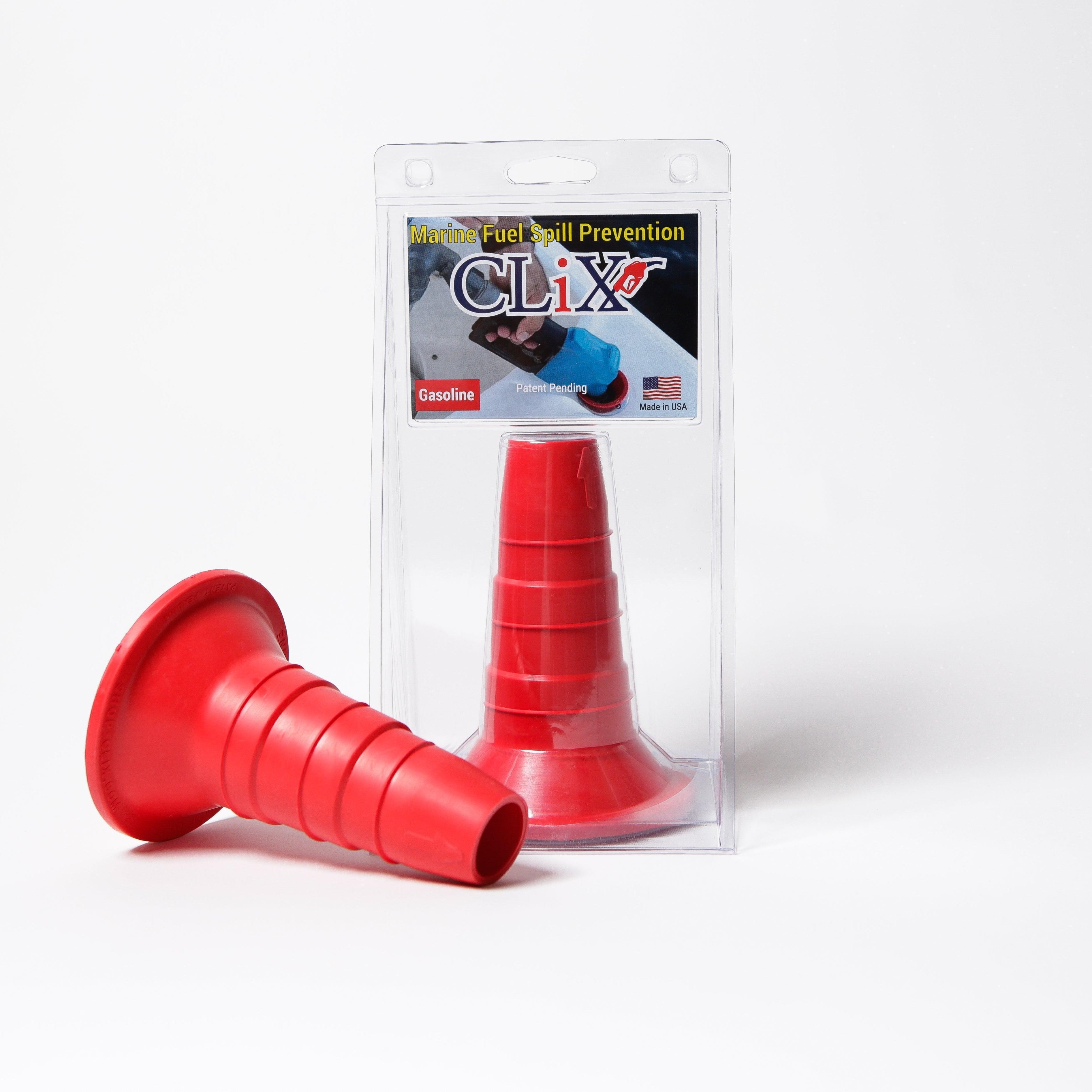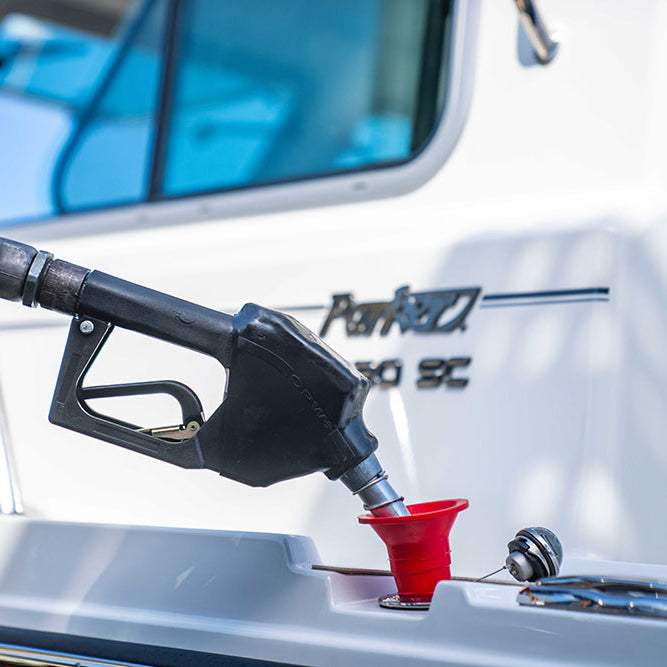
Let's be honest, fueling your boat is probably the least glamorous part of a day on the water. It’s a chore we all have to do, but it shouldn't be a messy or stressful one. The key to a clean, quick fill-up is the gasoline transfer tank pump—the tool that gets fuel from a portable tank into your boat. But not all pumps are up to the task. The wrong one can turn a simple task into a frustrating mess of guesswork, spills, and potential damage.
Why Your Fueling Method Matters
For too many boaters, refueling means wrestling with heavy, awkward gas cans and constantly worrying about an overfill. Even a small mistake can send gasoline spilling onto your boat's beautiful gelcoat, staining the upholstery, or worse, polluting the very water you're trying to enjoy.
The real issue here is a lack of control. Trying to manually stop the flow at the perfect moment is a gamble, especially when you can't see the fuel level rising. This is where a modern, well-designed gasoline transfer tank pump stops being a simple convenience and becomes an essential piece of gear for safe, responsible boating.
The Growing Demand for Safer Fueling
You’re not alone in wanting a better way to fuel up. The global market for these pumps was already valued at USD 1.71 billion in 2021 and is expected to climb to USD 2.51 billion by 2030. That’s a clear signal that boaters everywhere are moving away from old, risky methods and embracing safer, more efficient systems. The latest spill-proof technologies are built from the ground up to take the guesswork and risk out of the equation.
The challenge isn't just about moving fuel from point A to point B. It's about doing it cleanly and safely, every single time. A spill-free experience protects your boat, the environment, and your own peace of mind.
Key Frustrations Modern Pumps Solve
A quality transfer pump is designed to fix the classic headaches boaters have dealt with for years:
- Preventing Overfills: The best feature by far is an automatic shut-off. This technology stops the fuel flow the second the tank is full, completely eliminating those dangerous and costly spills.
- Improving Safety: No spills means no flammable liquid on your deck or in the water. Modern pumps also help contain fumes, reducing fire hazards and your exposure to nasty chemicals.
- Saving Time and Effort: Forget the back-breaking work of lifting and tilting heavy gas cans. An electric pump does all the heavy lifting for you, making the process fast and almost effortless.
To keep your pump running smoothly and protect its internal components, it’s always a good idea to use a fuel tank strainer to catch any debris before it causes a problem.
How Different Types Of Fuel Pumps Work
Ever wondered what’s happening inside that pump when you’re transferring fuel? It’s actually simpler than it looks. At the end of the day, every pump is designed to do one thing: move gasoline from your storage tank into your boat. The real difference between them is how they get that job done.
The basic principle is all about creating a pressure difference. The pump lowers the pressure at the intake, which lets the natural air pressure outside push fuel into the hose. Then, it cranks up the pressure on the other side to push that fuel out and into your boat. It’s a simple push-and-pull system.
Manual Pumps The Simple Siphon
Let's start with the most basic option: the manual pump. Think of it as a fancy straw. You squeeze a bulb or turn a crank to create suction, which gets the gasoline flowing. This starts a siphon effect, and from there, gravity does most of the heavy lifting, pulling the fuel down into your boat’s tank.
They’re cheap and straightforward, but that’s about where the benefits end. Manual pumps are slow and need you to be hands-on the entire time. They're okay for tiny top-offs, but you'll quickly see their limits when you're trying to fill a bigger tank. If you want to know more, we covered the headaches of using a manual gasoline transfer pump in another article.
Electric Pumps The Modern Standard
This is where things get interesting. For most boaters today, electric pumps are the only way to go, and it's easy to see why. These pumps have a small motor—usually powered by a 12V DC source like your boat's battery—that spins an impeller or a set of gears.
This creates a much more powerful and consistent flow than you could ever get by hand. Imagine it as a dedicated little heart for your fueling system, reliably pumping gasoline exactly where you need it. That speed and convenience are precisely why electric models have taken over.
The old mechanical pumps that dominated the 1990s with a 40% market share are now a thing of the past. Today, more efficient electric models hold a commanding 55% share, offering 20-30% higher efficiency for tank-to-tank transfers. For boaters, that means faster, more reliable fueling every time. You can find more insights on this shift in the automotive fuel transfer pump market on psmarketresearch.com.
This isn't just a trend; it's a direct response to what people actually need. Electric pumps deliver the power and consistency required for modern boating, turning a chore like refueling into a quick, simple task. Their reliable performance is also what makes advanced features like automatic shut-offs possible, taking safety and convenience on the water to a whole new level.
Comparing Gasoline Transfer Pump Types For Boating
Choosing the right pump can feel overwhelming, but breaking it down by type makes it much easier. This table gives you a side-by-side look at the most common options so you can see which one fits your boating style, budget, and needs.
| Pump Type | Power Source | Best For | Pros | Cons |
|---|---|---|---|---|
| Manual (Siphon/Crank) | Hand Power | Small fuel transfers (e.g., dinghies, PWCs), emergency use | Inexpensive, portable, no power needed, simple to use. | Very slow, requires constant physical effort, high risk of spills. |
| 12V DC Electric | Boat or vehicle battery | Most recreational boaters, frequent refueling, medium-to-large tanks | Fast and efficient, consistent flow, allows for hands-free operation. | Requires a 12V power source, more expensive than manual pumps. |
| AC Electric | Wall outlet (110V/120V) | Dockside refueling stations, large volume transfers, commercial use | Very powerful and fast, designed for continuous, heavy-duty use. | Not portable, requires an AC power source, overkill for most boaters. |
| Drill-Powered | Cordless drill battery | DIY setups, occasional use, when a dedicated pump isn't available | Portable, uses a tool many people already own. | Flow rate depends on drill speed, can be awkward to handle. |
Ultimately, for most boat owners, the 12V DC electric pump hits the sweet spot. It offers the best balance of power, convenience, and portability, turning what used to be a messy chore into a quick and easy part of your boating routine.
Choosing The Right Pump For Your Boat
Picking the perfect gasoline transfer tank pump for your boat isn’t about grabbing the most powerful or most expensive one off the shelf. It’s about finding the right tool for your specific needs out on the water. Get this choice right, and fueling goes from being a dreaded chore to a quick, clean, and simple task.
This flowchart gives you a good starting point, breaking down the decision between a basic manual pump for small jobs and a more serious electric pump for regular refueling.
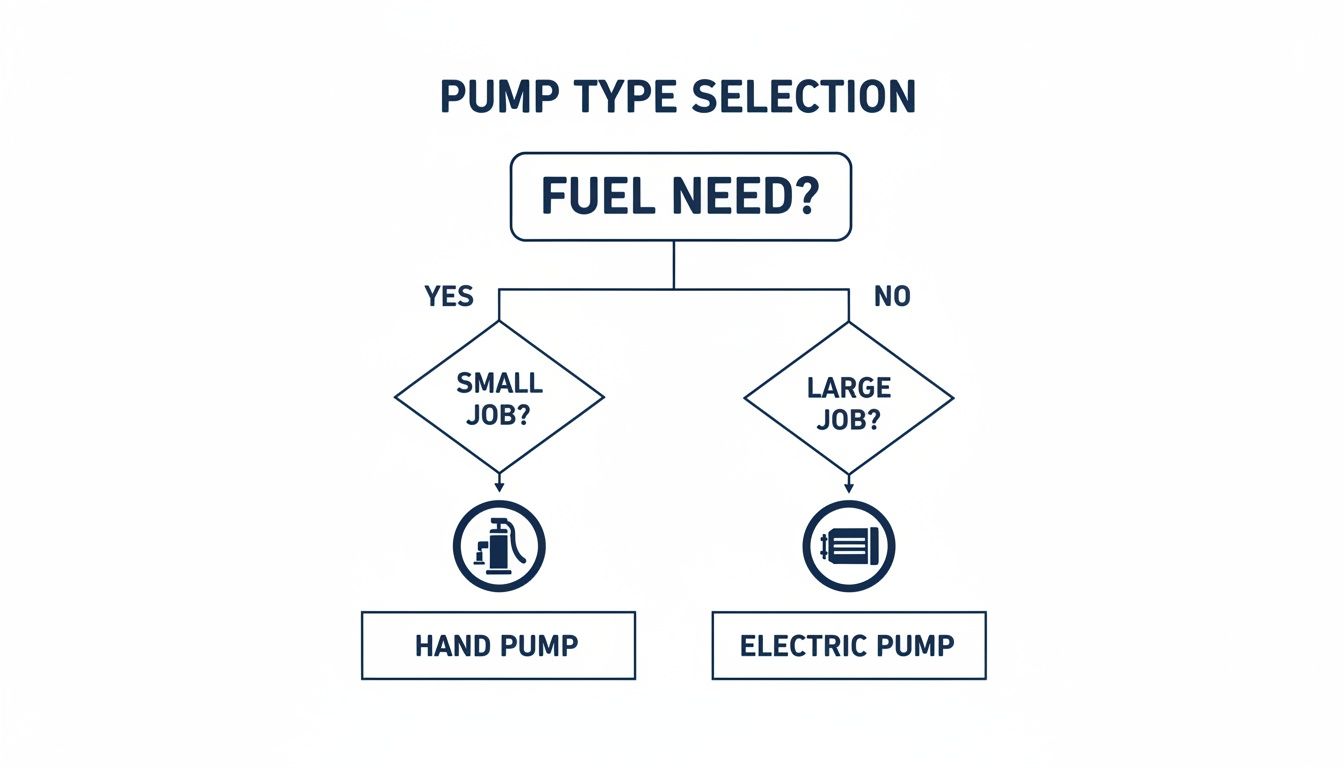
The takeaway here is pretty clear: unless you're just topping off a tiny tank, an electric model is almost always the way to go for boaters. It’s just more practical and efficient.
Understanding Flow Rate
One of the first specs you'll run into is the flow rate, measured in gallons per minute (GPM). This number simply tells you how quickly the pump can move fuel from your transfer tank to your boat. Think of it like the water pressure in your garden hose—a higher GPM means you'll fill up faster.
For most recreational boats, a pump in the 8 to 15 GPM range hits the sweet spot. It’s quick enough to get the job done without turning refueling into a long waiting game, but not so powerful that the nozzle feels like it's trying to wrestle out of your hands. A pump that’s too slow can be a real pain, especially when you're dealing with larger tanks.
Power Source: Portable Or Dockside
Your pump's power source dictates where and how you can actually use it. For boaters, there are really two main choices, and each has its own clear benefits.
- 12V DC Power: These are the champs of portability. Because they connect right to your boat’s or truck's battery, you can refuel just about anywhere—at the dock, on the trailer, or even anchored in a quiet cove. This unmatched flexibility makes them the standard for most boat owners.
- AC Power: An AC pump needs a standard wall outlet to work. They're often incredibly powerful and built for heavy, continuous use, but they're stuck in one place. You’ll really only see these at commercial marina fueling stations where they're moving huge volumes of fuel all day long.
For your own boat, a 12V DC gasoline transfer tank pump is going to give you that ideal mix of power and go-anywhere freedom.
Material And Safety Features
Let's be blunt: when you're handling gasoline, safety is everything. The materials a pump is made from aren't just for show or durability—they're what stand between a smooth transfer and a potential disaster. Gasoline is nasty stuff; it's corrosive and obviously highly flammable, so the pump has to be built specifically to handle it.
Always look for pumps that feature explosion-proof motors and seals made from tough, fuel-resistant materials like Viton. This isn't a place to cut corners. Trying to use a pump designed for water or even diesel with gasoline creates a huge risk of leaks, sparks, and fire.
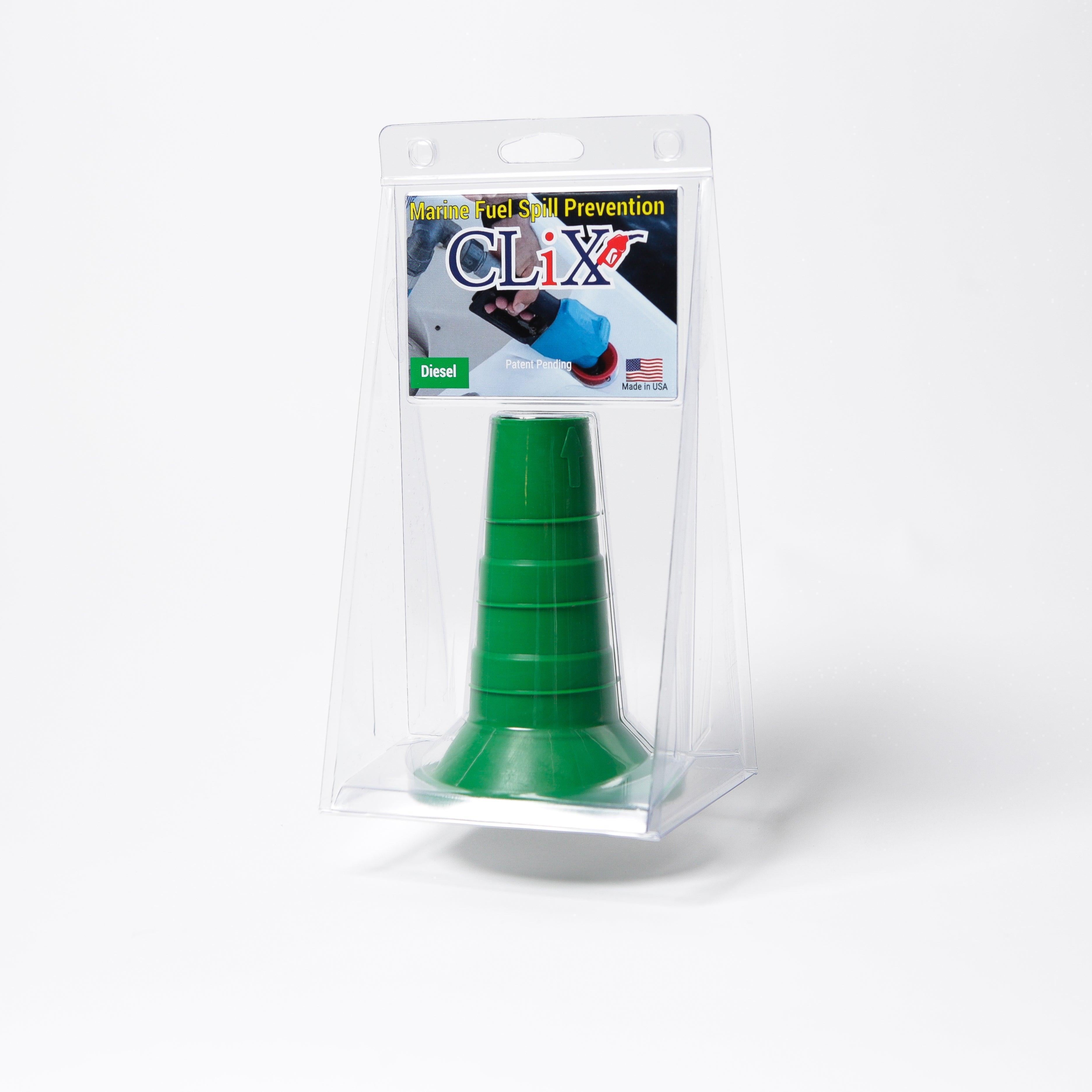
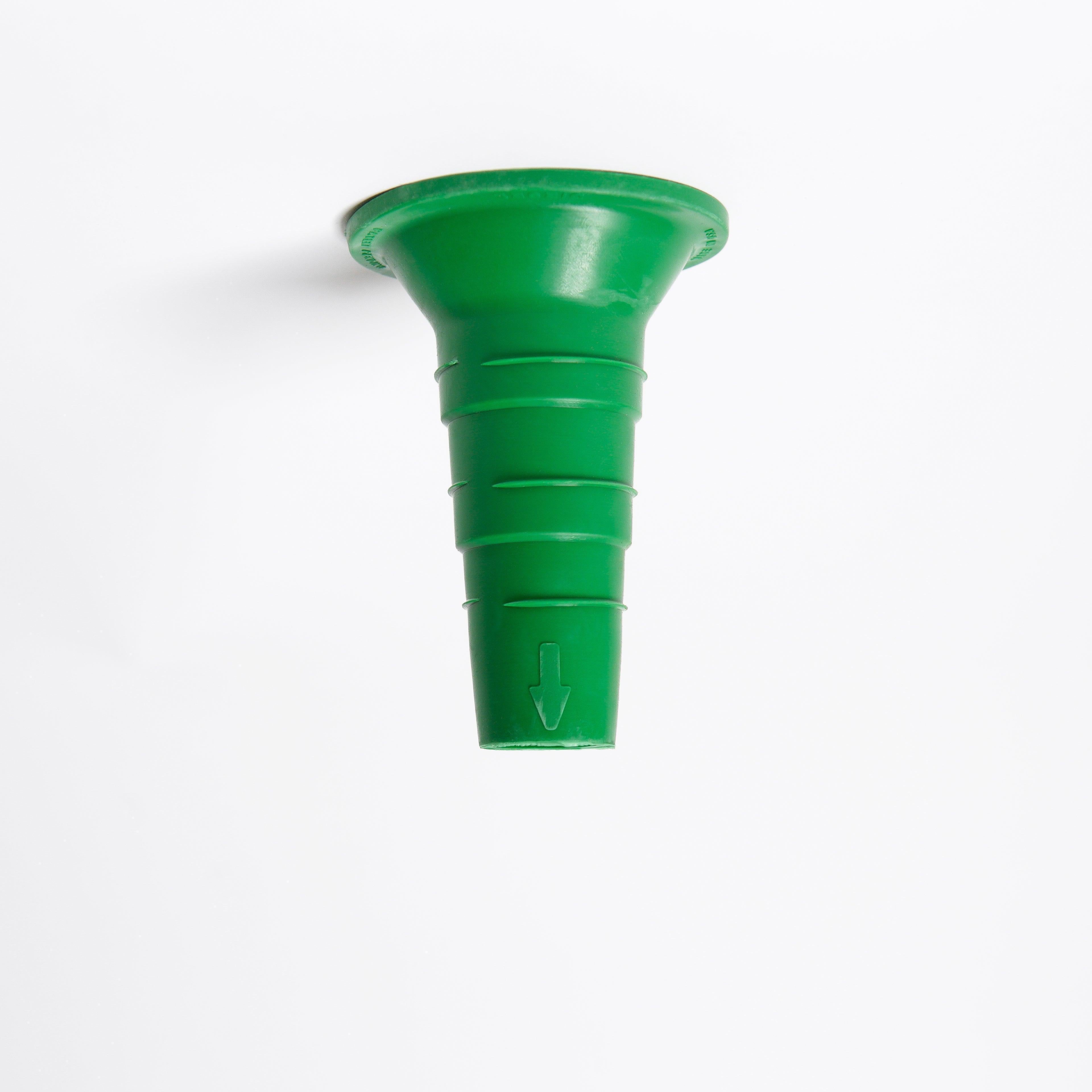
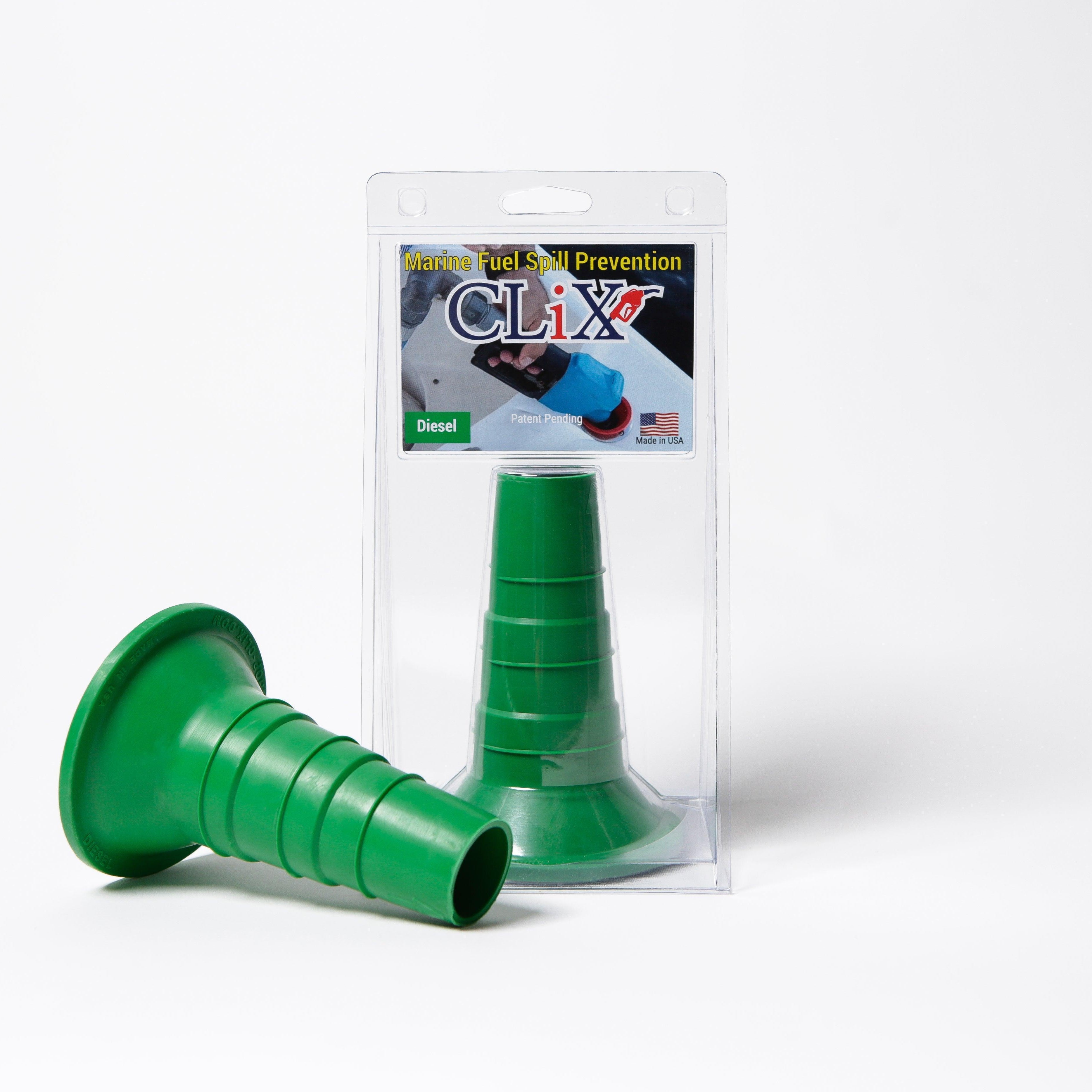
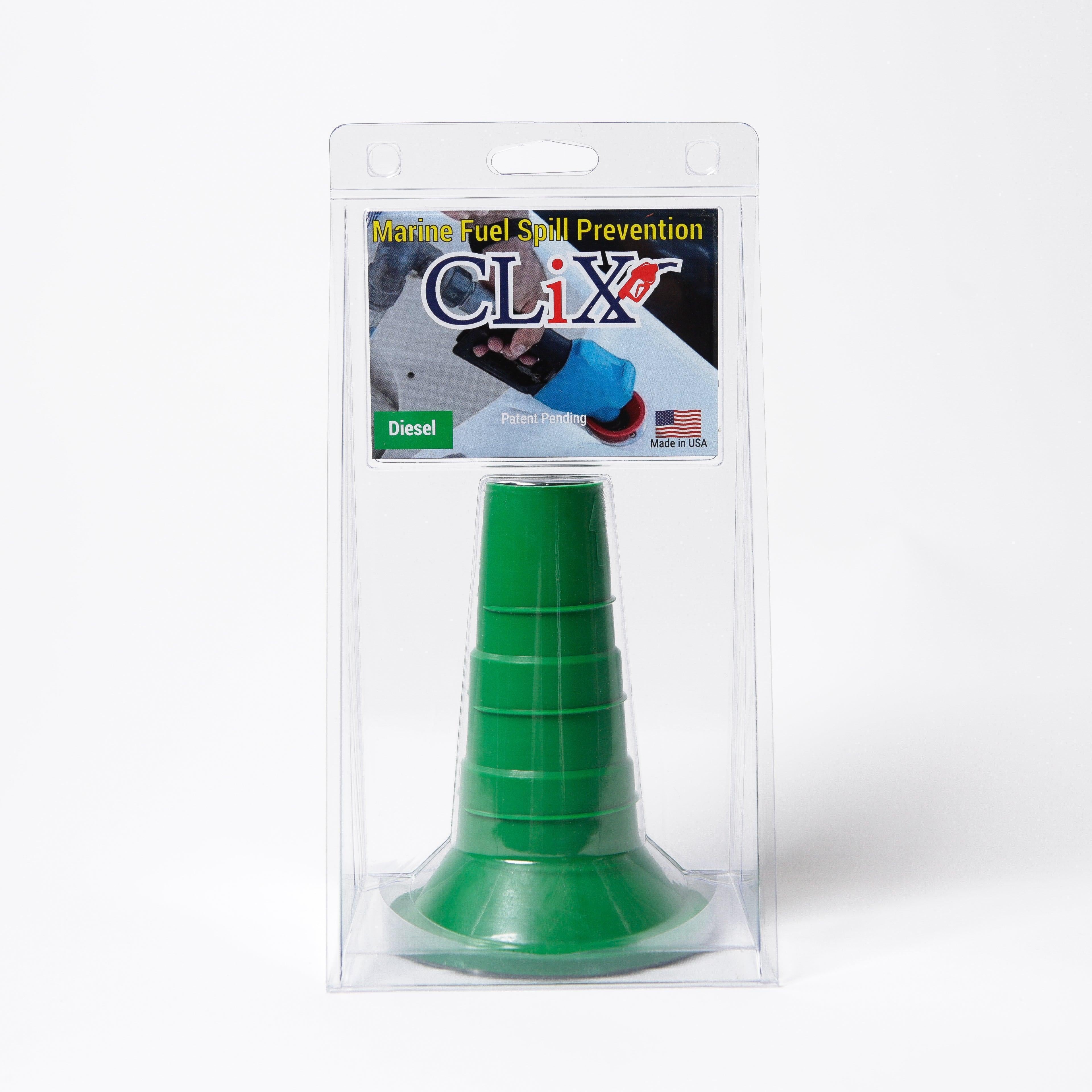
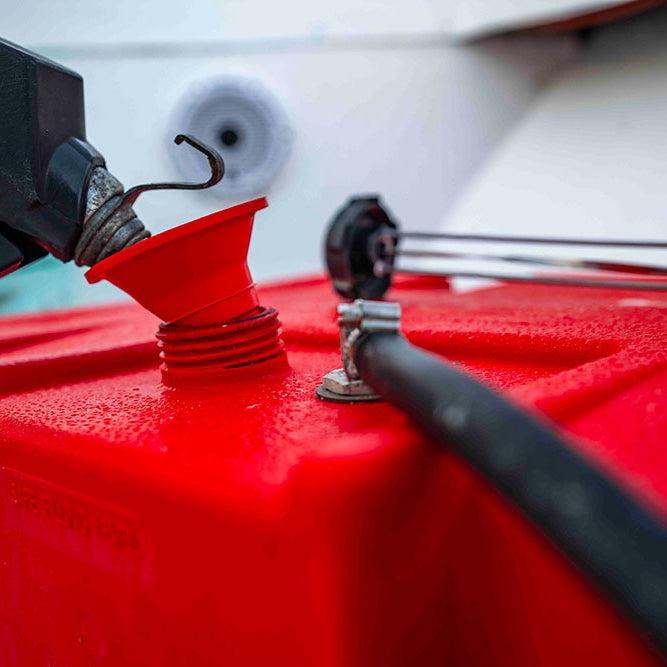
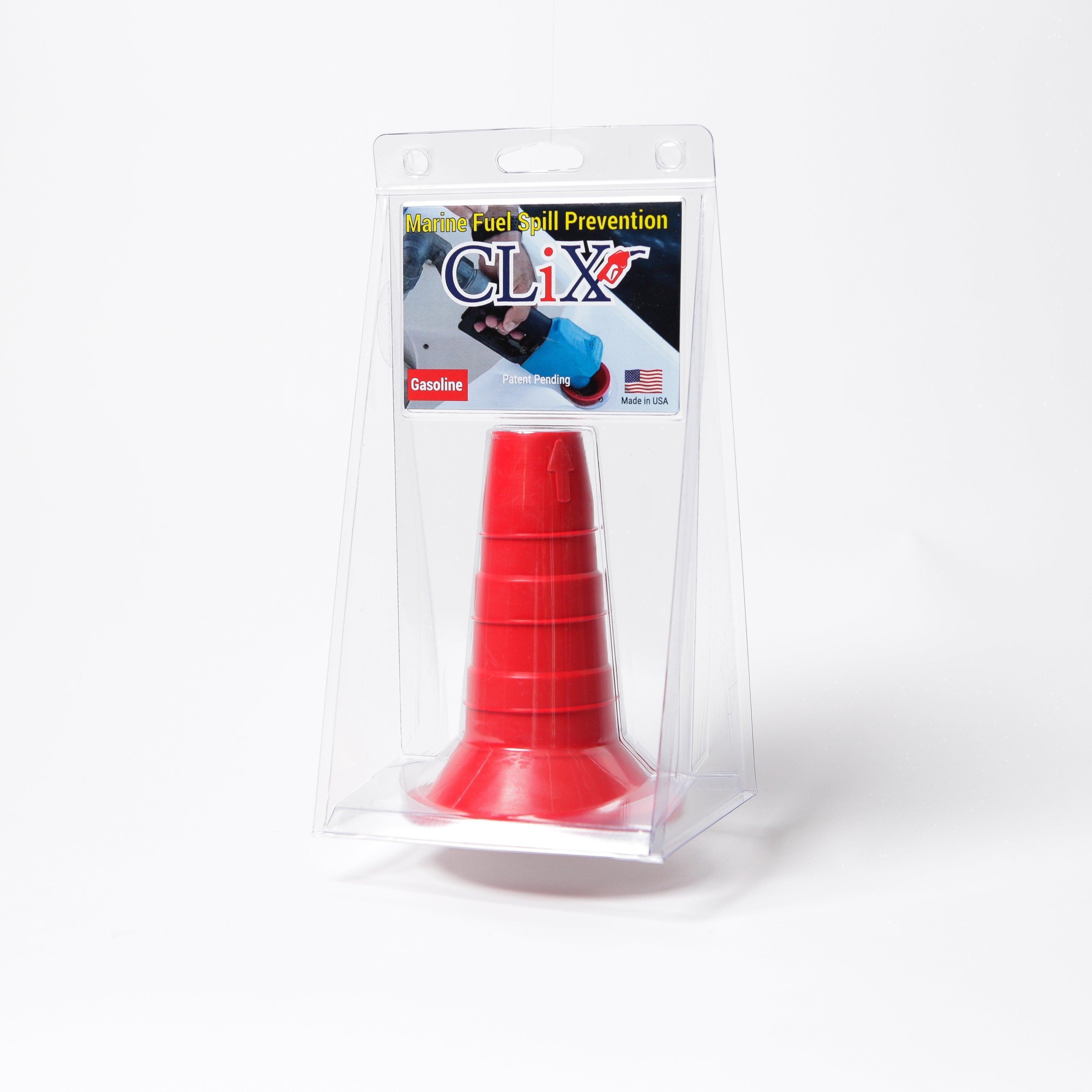
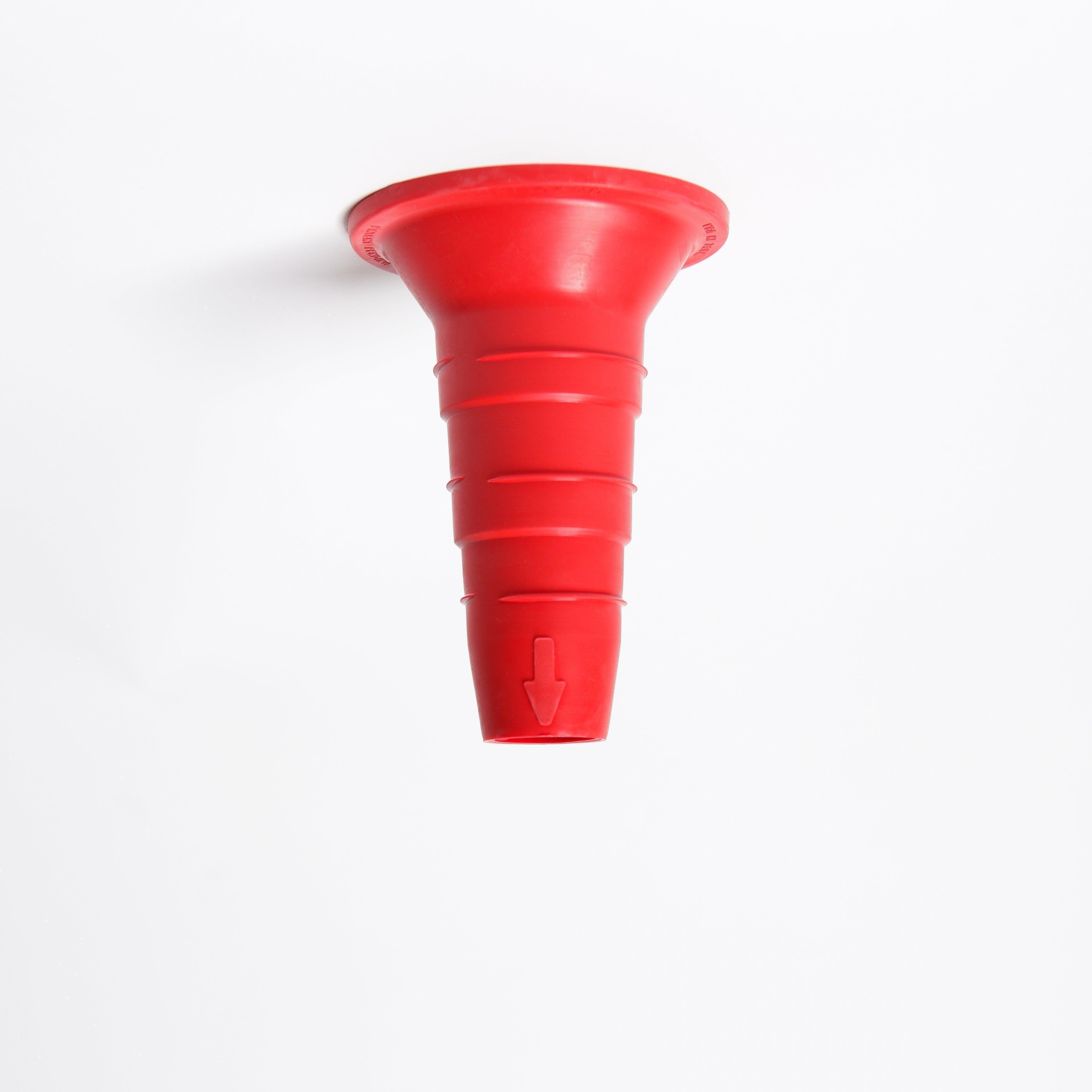
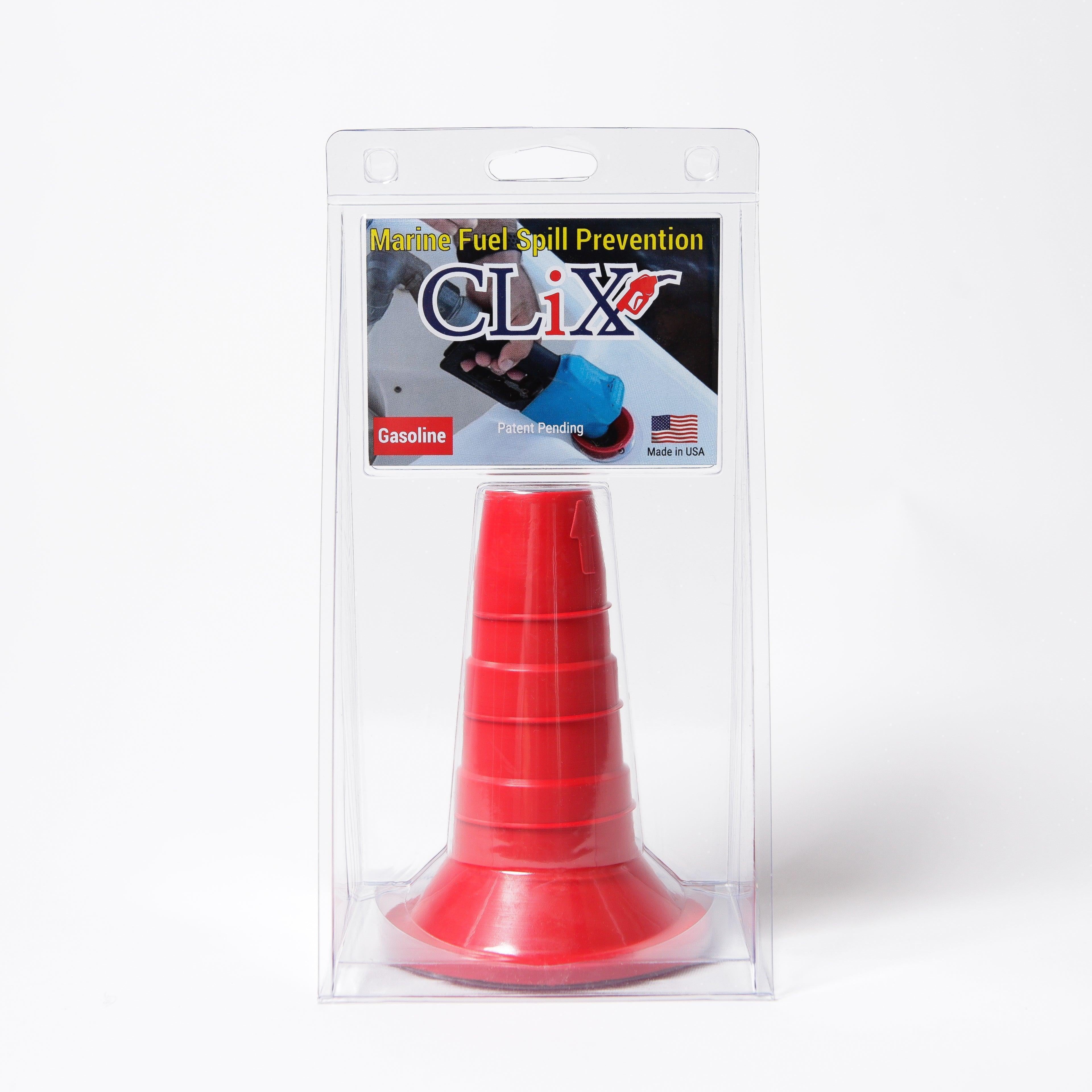
The best safety feature, though, is one that removes the chance for human error. An automatic shut-off system, like the kind found in CLiX Fueling Solutions, takes all the guesswork out of knowing when your tank is full. It cuts the flow at the perfect moment, preventing messy and dangerous overfills.
This kind of technology is a true game-changer because it directly tackles the number one cause of fueling spills. By automating that critical final step, it provides a level of safety and confidence that you just can't get by watching the tank yourself.
The Hidden Costs Of A Simple Fuel Spill
We’ve all been there. A little splash of gasoline on the deck during a fill-up. It seems like a minor annoyance, just another part of a day on the water that you can quickly wipe away and forget. But that seemingly "simple" spill carries a much heavier price than you might think, quietly chipping away at your boat's value and your peace of mind.
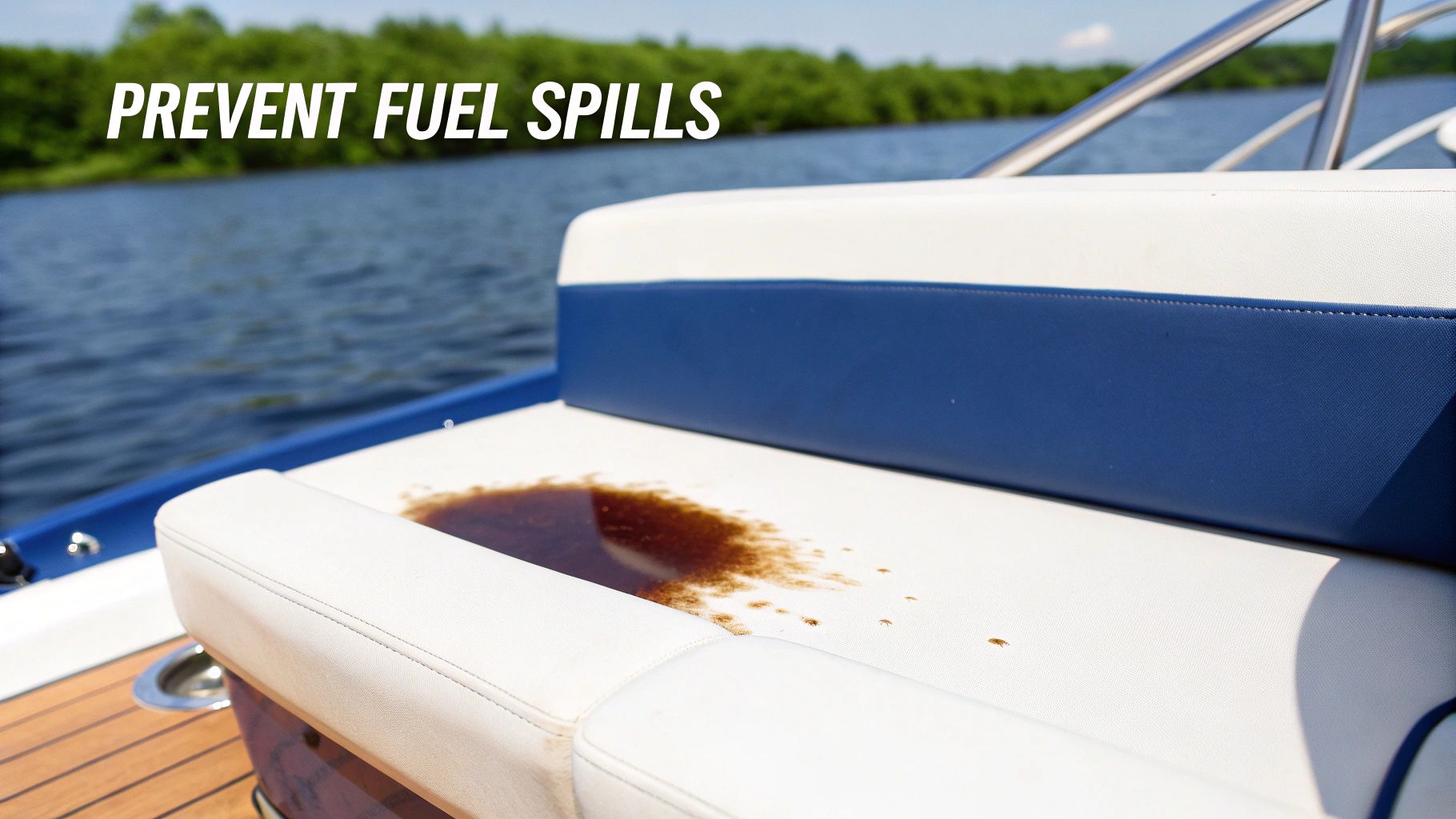
Think about that beautiful, gleaming gelcoat or the expensive marine upholstery you invested in. Gasoline is a harsh solvent, and it doesn't take long for it to cause permanent damage. A small amount left sitting can quickly discolor vinyl, eat away at adhesives, and dull your deck's finish. Suddenly, you're looking at repairs that cost far more than a few gallons of fuel.
More Than Just A Stain
The problem goes way beyond cosmetic damage. A fuel spill creates a serious safety hazard that hangs around long after you've wiped the surface clean. Gasoline vapors are incredibly flammable and, since they're heavier than air, they can settle in low-lying areas like the bilge. One stray spark from a bilge pump or electrical wire is all it takes to turn a perfect afternoon into a catastrophe.
And the consequences don't stop at your boat. Environmental rules are strict for a good reason. Just one gallon of gasoline can contaminate thousands of gallons of water, and the fines for causing a spill can be staggering. What started as a small overfill can quickly spiral into a major legal and financial nightmare. If you do have an accident, our guide on cleaning gasoline spills safely is a must-read.
The Financial Aftermath Of Fuel Spills
These aren't just one-off accidents. Fueling mistakes are responsible for thousands of spills in our waterways every year. In fact, it's estimated that over 10,000 gallons of fuel are spilled in U.S. waters annually just from recreational boaters. This statistic really drives home why automated, no-spill systems are becoming so critical—they can save boat owners a fortune in potential damages. You can find more data on the growing fuel transfer pump market at marketresearchfuture.com.
When you add it all up—gelcoat repairs, new upholstery, environmental fines, and the sheer risk of fire—it’s obvious that preventing a spill is always cheaper than cleaning one up. A reliable, spill-proof gasoline transfer tank pump isn't a luxury; it's smart insurance for your boat, your wallet, and your safety.
Safe Fueling Practices Every Boater Should Know
Even the best gasoline transfer tank pump on the market is only as safe as the person using it. Let's be honest—handling gasoline always comes with risk, but a solid, common-sense routine can all but eliminate it. These habits protect you, your crew, your boat, and the water we all love.
Before a single drop of fuel moves, think about one thing: ventilation, ventilation, ventilation. Gasoline fumes are sneaky. They’re heavier than air and love to settle in low spots like your boat's bilge, creating a serious explosion risk. Always, always fuel up in an open area, never in an enclosed garage or shed.
Next, kill any potential spark. That means no smoking, no grilling, and shutting down every engine, generator, or power source that could create one. It’s a simple step, but one that’s tragically easy to forget when you're in a hurry.
The Hidden Danger of Static Electricity
One of the most overlooked hazards when transferring fuel is static electricity. You can't see it, but the simple act of gasoline flowing through a hose can build up a static charge. A tiny, invisible spark is all it takes to ignite those fumes.
This is where grounding your equipment comes in. It sounds technical, but it’s easy. Just make sure you maintain solid metal-to-metal contact between the fuel nozzle and your boat's fuel fill opening. This simple connection gives any static charge a safe path to dissipate before it can cause a disaster.
"Safety isn't a single action; it's a habit. The few minutes you spend on proper grounding, ventilation, and preparation are the most important investment you can make in a safe day on the water."
Once the pump is going, don't walk away. Hoses can pop out, connections can spring a leak, and a moment of distraction can lead to a messy, dangerous overfill. Staying focused from start to finish is your best line of defense.
Your Go-To Safety Checklist
The best way to stay safe is to build a routine you don’t even have to think about. Run through this quick mental checklist every single time you fuel up.
- Prep the Area: Make sure you have plenty of fresh air. Get all passengers off the boat and close up all hatches and ports to keep fumes from getting inside.
- Kill the Sparks: Do a final check—all engines off, no open flames, and electronics are switched off.
- Ground Everything: Before you start pumping, touch the nozzle to the fuel deck fill for a few seconds. This equalizes any static charge. Keep them connected the entire time.
- Inspect Your Gear: Give your pump, hoses, and connections a quick once-over. Look for cracks, wear, or any signs of a leak. A tiny drip can turn into a big problem fast.
- Stay Focused: Never leave a running pump. Listen to the sound of the tank filling up so you know when it's getting close to full.
Following these steps is critical, but they also show where things can go wrong—it all relies on you. This is exactly why systems that automate safety, like shutting off the pump when the tank is full, offer such a huge advantage. They provide a reliable backstop, ensuring a safe outcome even if you get distracted for a second.
Keeping Your Fuel Pump in Top Condition
If you want your gasoline transfer tank pump to be reliable, you have to take care of it. It's really no different from any other critical piece of gear on your boat—a little routine maintenance makes all the difference, ensuring it works perfectly every single time.
Think of it as a small investment of your time that pays you back with reliable performance and, most importantly, safety. This isn't about complicated mechanical work. It’s about building good habits and doing quick visual checks that can catch a small problem before it turns into a huge headache out on the water.
Your Simple Maintenance Checklist
Let's start with the basics. Your pump’s hoses are its lifelines, but constant exposure to sunlight and fuel will eventually make them brittle.
-
Inspect Hoses Regularly: Before you fuel up, run your hands along the hoses. Give them a gentle flex. You're looking for any cracking, brittleness, or even mushy spots that could mean a leak is about to happen.
-
Check Electrical Connections: If you have a 12V pump, corrosion is your biggest enemy. Pop the hood and make sure the connections to your battery are clean, snug, and tight. Any of that fuzzy green or white buildup is a sign of trouble that can kill the power right when you need it.
-
Clean Filters and Strainers: Most pumps have a small strainer or filter designed to keep gunk out of the motor. When that gets clogged, it chokes the fuel flow, making your pump work way too hard and shortening its life.
A well-maintained pump is a predictable pump. By keeping components clean and connections secure, you eliminate the common failure points that can turn a simple refueling into a major frustration.
Looking for a deeper dive? Our complete boat fuel pump maintenance guide has tons of expert advice. For those dealing with really complex machinery, new tech like maintenance augmented reality is even changing how the pros approach troubleshooting these days.
Got Questions About Fuel Transfer Pumps? We've Got Answers.
Even after you get the hang of how a gasoline transfer tank pump works, a few specific questions always seem to pop up. Let's tackle some of the most common ones we hear from boaters to help you run your gear safely and make smart choices on the water.
What's The Right Flow Rate For A Boat Fuel Transfer Pump?
For most weekend warriors and recreational boats, you'll want to look for a flow rate between 8-15 gallons per minute (GPM). This is the sweet spot.
It's quick enough that you're not standing there all day filling up, but not so aggressive that the nozzle is bucking in your hand and splashing fuel everywhere. Go too slow, and refueling becomes a chore. Go too fast, and you risk a messy, dangerous overfill—those high-speed pumps are really meant for commercial vessels.
Can I Just Use A Diesel Pump For Gasoline?
No, absolutely not. This is a critical safety rule: only use a pump specifically built and rated for gasoline.
Gasoline is way more volatile and flammable than diesel. A real gasoline pump is engineered with an explosion-proof motor and uses special seals and materials that won't break down from contact with gas. Trying to use a diesel pump is just asking for a fire or an explosion. Don't risk it.
Ever wonder why the auto shut-off on a standard gas station nozzle never seems to work right on your boat? It’s usually because the fill pipe angles and tank vents are different, which is a huge reason for spills. A purpose-built marine system, on the other hand, creates a sealed connection and uses a float that shuts off the fuel flow when the tank is full—every single time.
How Can I Prevent Static Sparks While I'm Fueling?
Good question—preventing static is non-negotiable for safe fueling. The golden rule is to maintain constant metal-to-metal contact.
Keep the fuel nozzle pressed firmly against the boat's metal fuel fill opening the entire time you're pumping. A lot of transfer pumps also come with a grounding wire for a reason, so make sure you connect it properly. And whatever you do, stay away from plastic funnels; fuel flowing over plastic is a classic way to build up a dangerous static charge.
Ready to take the guesswork and risk out of fueling your boat forever? The CLiX Fueling Solutions system offers a truly spill-proof, automatic shut-off solution that protects your boat and the environment. Discover the peace of mind that comes with a perfect fill-up every time at clixfueling.com.