For boaters, having a 10-gallon diesel can on board is all about striking that perfect balance between extending your range and still being able to manage the weight. It's the key to gaining real peace of mind out on the water.
This isn't just about carrying extra fuel; it’s about having the confidence to push a little further, knowing you have what it takes to get back to the dock safely. It's a safety net that lets you focus on the journey, not the fuel gauge.
Why a 10-Gallon Can is Essential for Boaters
Picture this: you're miles from shore, the coastline is just a thin line on the horizon, and your fuel gauge suddenly dips into the red. It's a scenario every boater dreads. A reliable 10-gallon diesel can is your best defense against that very situation.
This specific size hits the sweet spot for most marine needs. A smaller 5-gallon can might not give you enough juice for a significant range boost. On the other hand, larger commercial drums are just too heavy and awkward to wrestle with on a recreational boat. A full 10-gallon can weighs in at about 70-80 pounds—it's substantial, but still manageable for one or two people.
The Power of Ten Gallons at Sea
Diesel engines are the workhorses of the marine world, and for good reason. They're efficient, powerful, and reliable. According to U.S. transportation data, a single gallon of diesel packs a serious punch with 138,700 BTUs of energy.
For a boat with an efficient diesel engine, that extra 10 gallons can easily translate to over 100 nautical miles of additional range. When you're cruising in areas where marinas are few and far between, that’s not just a convenience—it's a critical safety buffer.
But carrying extra fuel brings its own set of challenges, with spills being the most common and costly. Trying to pour from a heavy, sloshing can on a rocking boat is a recipe for disaster. Spills lead to stiff environmental fines, potential damage to your boat's finish, and, of course, wasted fuel.
This is exactly why modern fueling solutions were developed—to eliminate the guesswork and mess. You can learn more in our comprehensive guide on portable fuel cans. It's this very problem that paved the way for systems like CLiX, which are designed to make dangerous and messy spills a thing of the past.
How to Choose the Right Marine Diesel Can
Picking the right container for your diesel isn't just about grabbing the first yellow can you see at the hardware store. Out on the water, in a harsh marine environment, your choice has a direct line to safety, convenience, and even the health of your boat. It’s like picking the right tool for a critical job—the wrong one can make a simple task a real headache, or worse, dangerous.
When you’re looking at diesel cans 10 gallon models specifically for your boat, the first big decision you'll face is the material. Each option has its own set of pros and cons, especially when you factor in saltwater, sun, and the constant jostling of being on board.
Material Matters: HDPE vs. Steel
High-Density Polyethylene (HDPE) is a very popular choice, and for good reason. These plastic cans are lightweight, they won't rust, and they’re usually easier on the wallet. Plastic is naturally immune to the corrosive saltwater spray that chews through other materials. The main catch? If they’re left out in the sun constantly, the plastic can eventually become brittle from UV exposure.
Steel cans, on the other hand, are the tanks of the fuel can world. They offer incredible durability and are much more resistant to punctures. A well-built steel can is designed to take a beating and offers better protection in a fire. The big downside for boaters is their vulnerability to rust. You have to stay on top of maintenance to keep corrosion at bay, especially around the welds and seams.
To help you decide which material fits your needs, here's a quick breakdown.
Comparing Marine-Grade Diesel Can Materials
| Feature | High-Density Polyethylene (HDPE) | Steel |
|---|---|---|
| Corrosion Resistance | Excellent; naturally immune to rust from saltwater. | Poor; requires diligent maintenance to prevent rust. |
| Durability | Good, but can become brittle with long-term UV exposure. | Excellent; highly resistant to punctures and impacts. |
| Weight | Lightweight and easy to handle when empty. | Heavy, which can be challenging when full. |
| Cost | Generally more affordable. | Typically a higher upfront investment. |
| Fire Safety | Can melt in a fire, releasing fuel. | Offers superior fire resistance, containing fuel better. |
Ultimately, HDPE is often the practical choice for its rust-proof nature, but if you need maximum durability and can commit to keeping it clean and dry, steel is a time-tested option.
This handy flowchart can also help you think through the decision of carrying extra fuel on your boat.
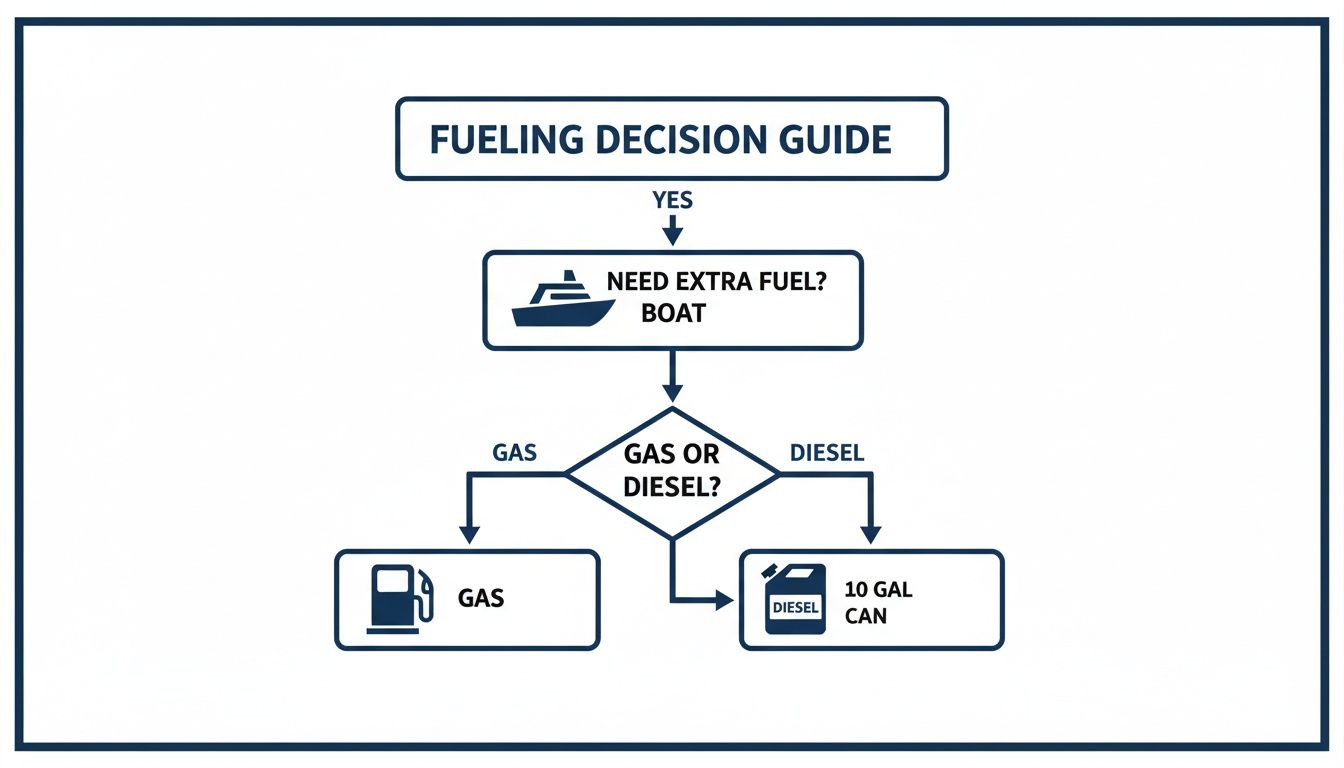
The logic is straightforward: if your boat runs on diesel and you need to push your range further, a 10-gallon can often hits that sweet spot for capacity and manageability.
Essential Features for On-the-Water Use
Beyond the basic material, a few key features really separate a standard fuel jug from a true marine-grade can.
- Venting System: You'll find cans with either self-venting or manual-venting spouts. Self-venting spouts are simple, but they can be painfully slow. Manual vents give you a much faster, smoother pour—a huge advantage when you’re trying to refuel on a rocking deck without making a mess.
- Handle Design: Look for a can with multiple handles. A three-handle design is the gold standard, allowing two people to carry it securely and giving one person much better control when pouring. It makes managing the can’s 80-pound weight when full so much easier.
- Nozzle Quality: A flimsy nozzle is the Achilles' heel of many fuel cans. They leak, kink, or just snap, turning a simple top-off into a hazardous spill. Either invest in a can with a tough, well-designed nozzle or think about upgrading to a system that avoids manual pouring altogether.
A fuel can is only as reliable as its weakest part. For boaters, that weak link is almost always the nozzle. A secure, leak-proof connection is non-negotiable for preventing spills that pollute the water and can damage your boat.
Navigating Marine Fuel Safety Regulations
When you’re handling diesel on a boat, common sense is only half the battle. You’re also operating under a specific set of rules designed to keep you, your crew, and our waterways safe. These regulations aren't just paperwork—they're practical safeguards against fires, spills, and pollution. Think of them like the rules of the road on the water.
Organizations like the U.S. Coast Guard and the Environmental Protection Agency (EPA) are the ones setting these standards. So, when you're shopping for diesel cans 10 gallon or any other size, making sure they meet these official requirements is your first priority. Using a non-compliant can isn't just a gamble with safety; it can also land you some serious fines.
Understanding Key Compliance Terms
As you get into the weeds of fuel safety, you'll run into a few acronyms. Knowing what they mean is part of being a responsible boater. Two of the most important terms you’ll see on quality fuel cans are CARB compliance and Flame Mitigation Devices (FMDs).
- CARB Compliance: This stands for the California Air Resources Board. Even though it's a California agency, its tough emissions standards are widely respected and often adopted elsewhere. A CARB-compliant can has special features to keep fuel vapors from escaping into the air.
- Flame Mitigation Device (FMD): This is a simple but brilliant safety feature. It's usually a small mesh screen just inside the spout that acts as a flame arrestor. It's designed to stop an external spark or flame from igniting the vapors inside the can, which helps prevent a dangerous flashback explosion.
Investing in a can with these features isn't just about following the rules—it's about actively managing risk. A compliant can is a smarter, safer can.
The High Cost of Non-Compliance
Cutting corners on fuel regulations can hit you hard, both financially and environmentally. Spills from manually pouring fuel are a huge problem, causing a shocking 40% of all environmental violations at U.S. marinas. Fines for these spills can climb as high as $50,000 per violation, a price no boater wants to pay.
This is exactly why modern systems like CLiX were developed. They stop fuel flow automatically to prevent overflows, much like the precision fueling systems professional truckers rely on to eliminate spills and waste.
Proper equipment and a little know-how are your best defense. For a closer look at how to stay on the right side of the law, check out our guide on environmental compliance training for boaters. At the end of the day, a compliant 10-gallon diesel can combined with spill-proof tech is a small price to pay to protect yourself from massive financial and environmental headaches.
Mastering Spill-Free Fueling at Sea
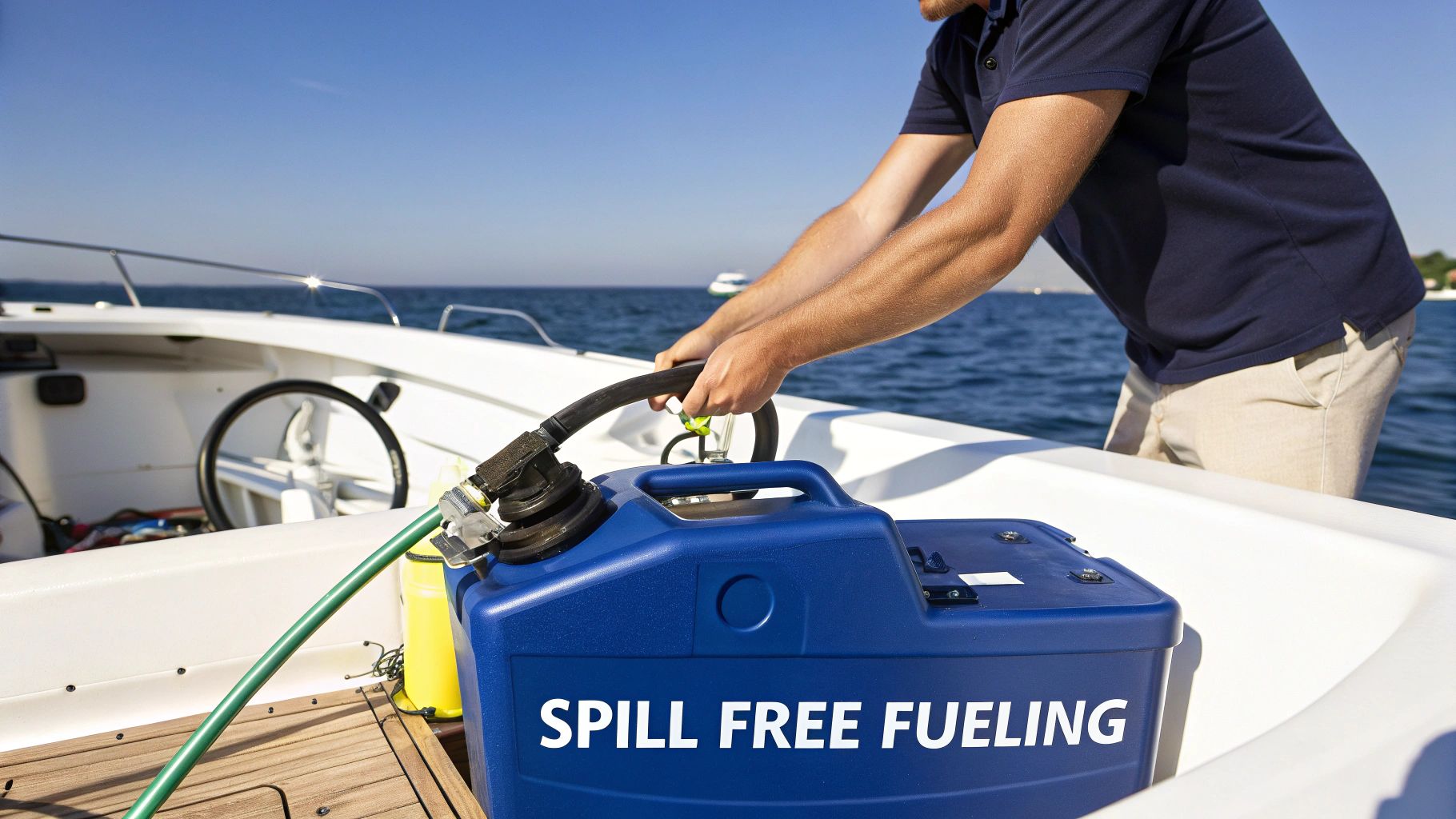
Knowing what makes a good marine-grade can is one thing, but putting that knowledge into practice is where safety really clicks. Let's be honest: transferring nearly 80 pounds of fuel from a diesel can 10 gallon container into your boat while you're on the water is a tricky business. With the boat rocking, awkward angles, and the sheer weight of the can, you’ve got a recipe for a spill.
Traditional pouring methods just aren't cut out for this. One good wave or a momentary slip of the hand, and you’ve got diesel all over your deck, staining the finish and polluting the very water you came to enjoy. This is why a solid technique and the right gear are non-negotiable for any responsible boater.
The Old Way Versus the Smart Way
For years, boaters have just accepted that wrestling with heavy cans and flimsy spouts—and the inevitable spills—was just part of the deal. It’s clumsy, it’s messy, and it’s inefficient. Trying to listen for that gurgle of a nearly full tank over the sound of wind and waves is a losing game that almost always ends in an overfill.
Thankfully, there’s a much smarter approach that takes the guesswork out of the equation. Modern fueling systems are designed to make this risky job feel as routine as filling up your car. They create a secure, sealed connection from the can straight to the tank, so you never have to precariously balance a heavy container again.
Think of it like a modern gas pump nozzle that automatically clicks off when your car’s tank is full. The best new fueling systems bring that same "set it and forget it" technology to your boat, turning a hazardous chore into a clean, controlled, and automatic process.
This change in equipment pretty much makes overfills and messy cleanups a thing of the past. It’s the simple solution to an age-old boating headache.
Introducing CLiX Fueling Solutions
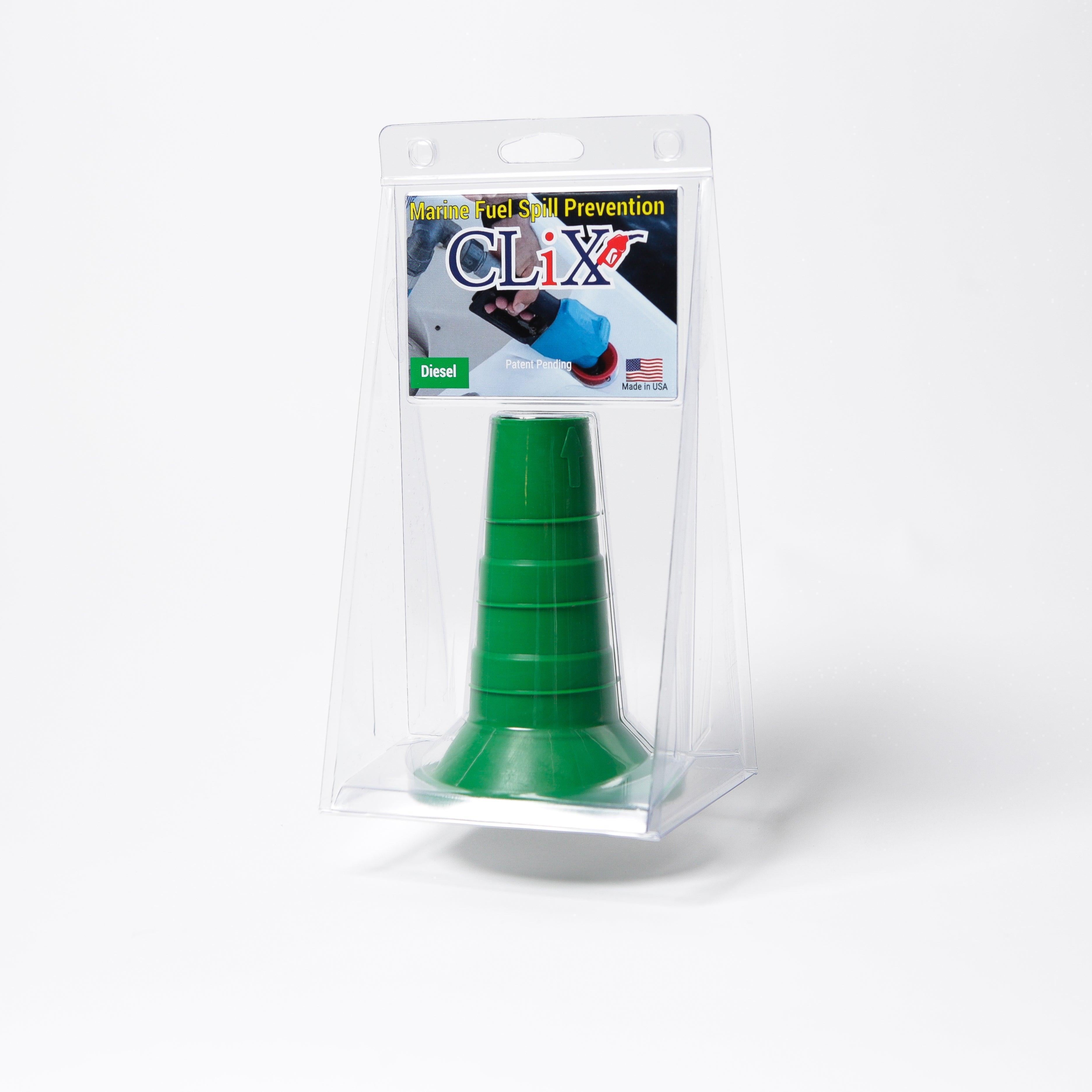
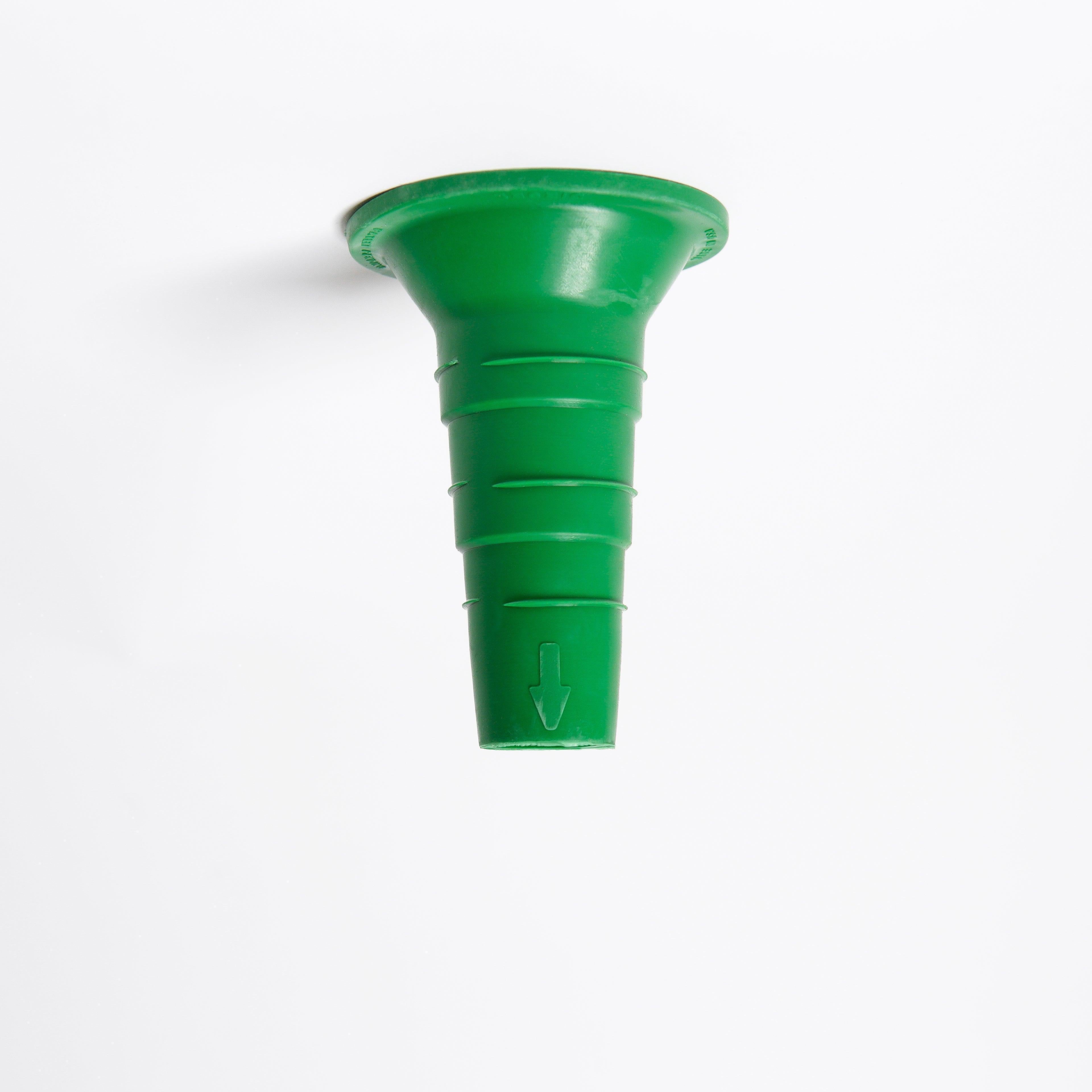
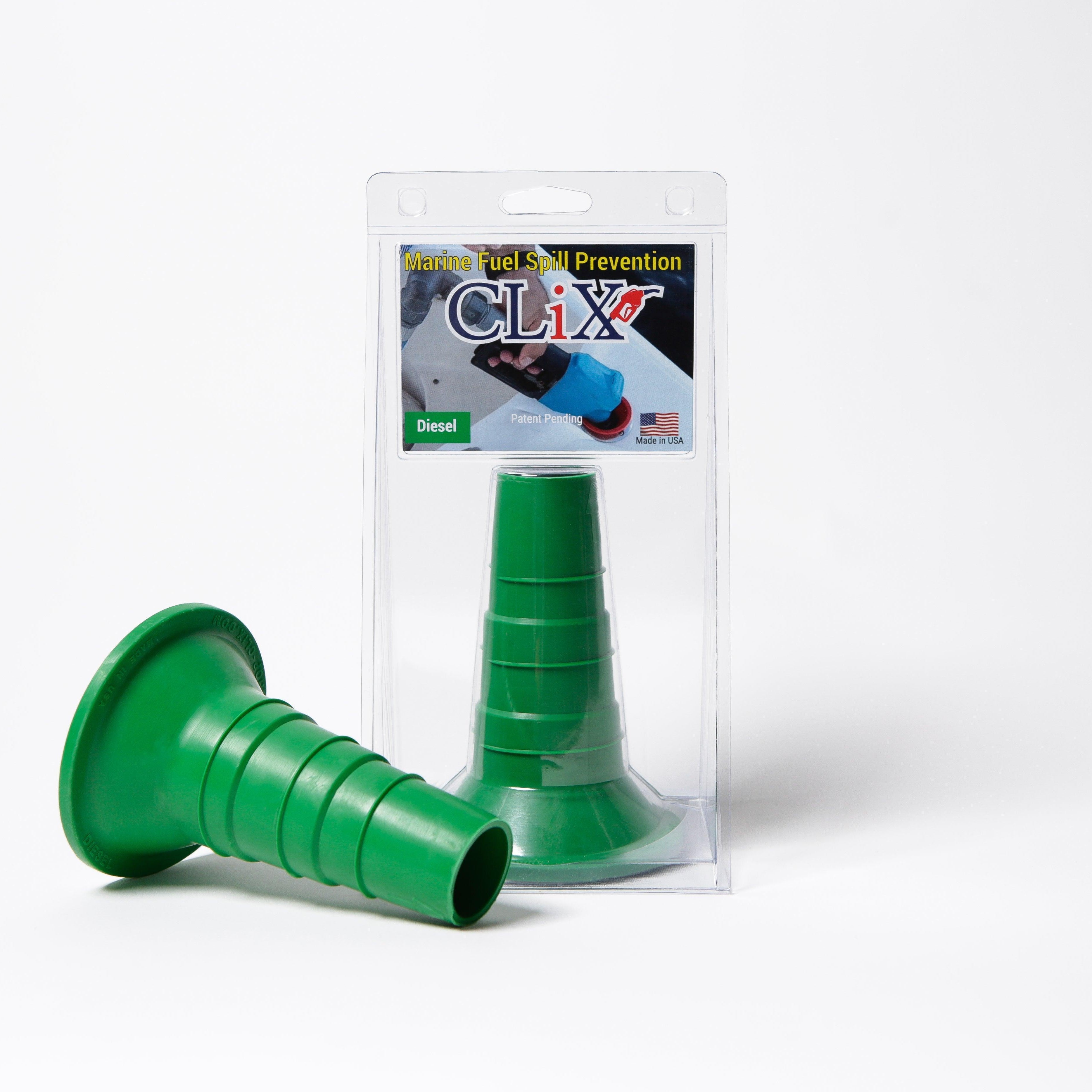
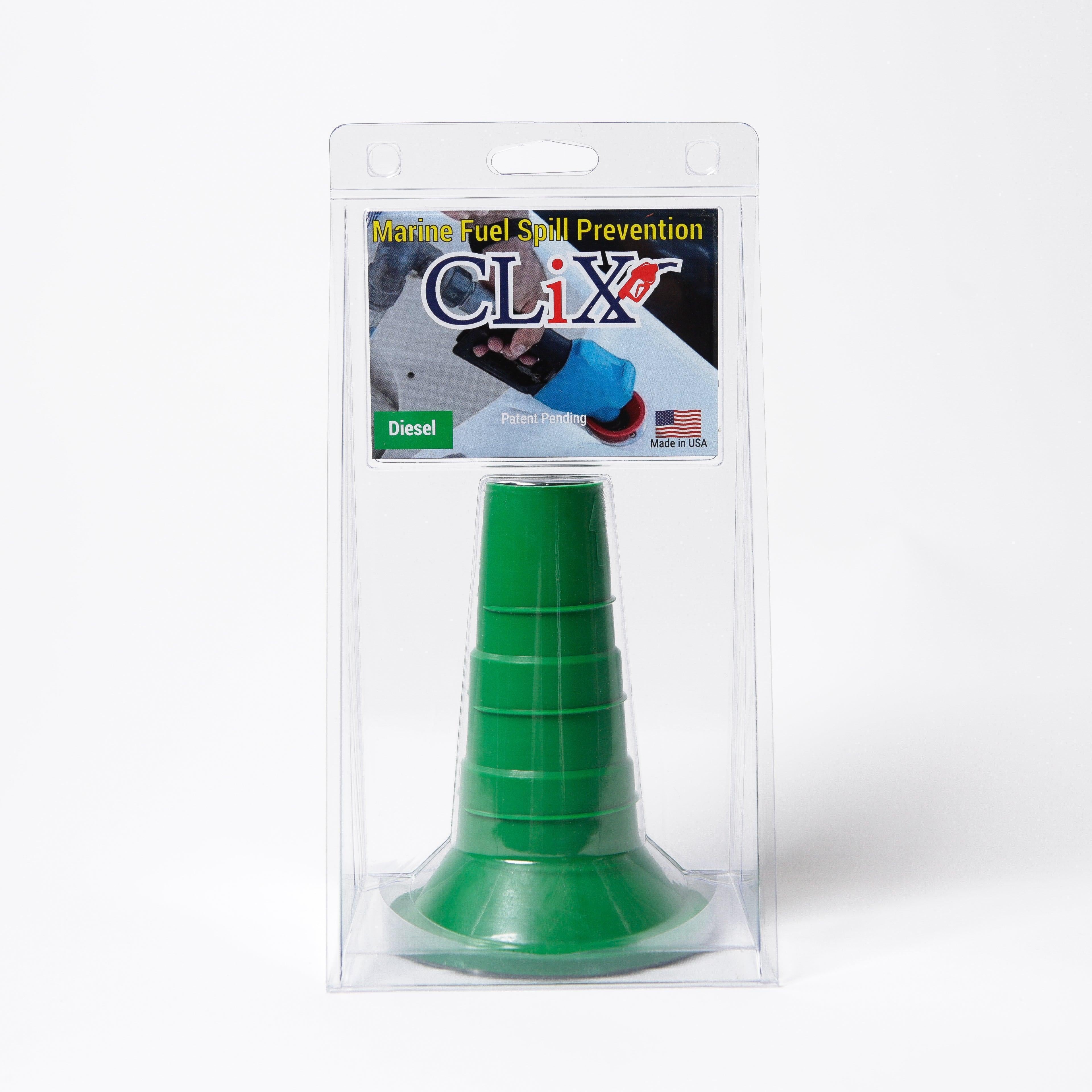
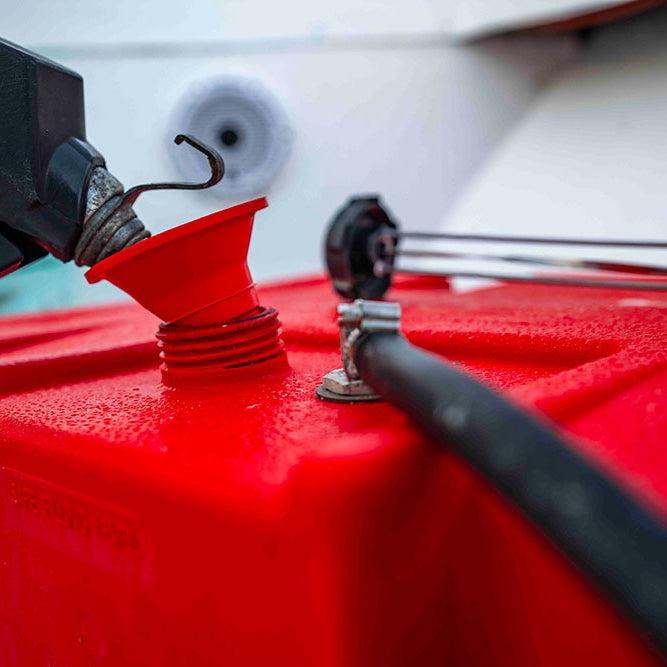
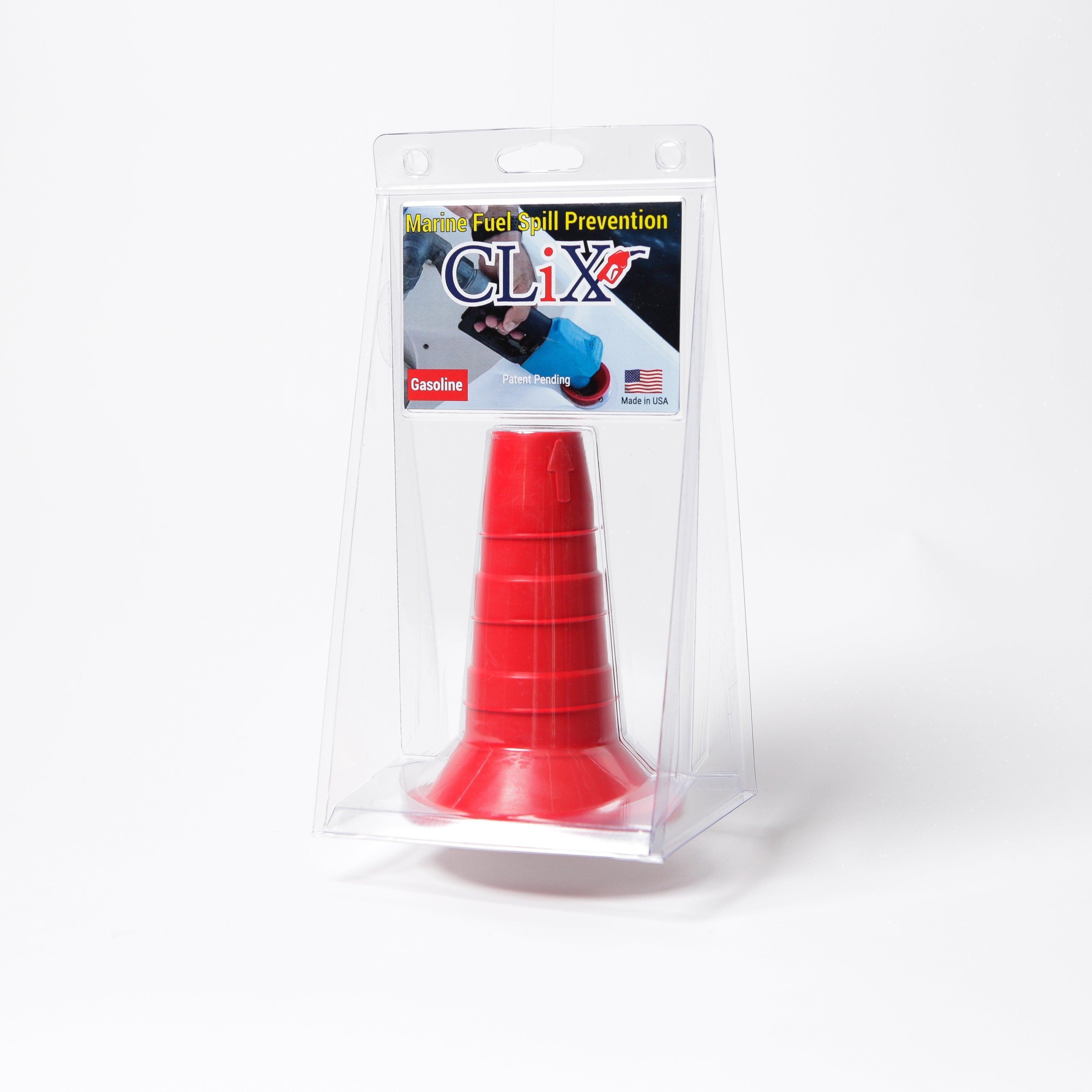
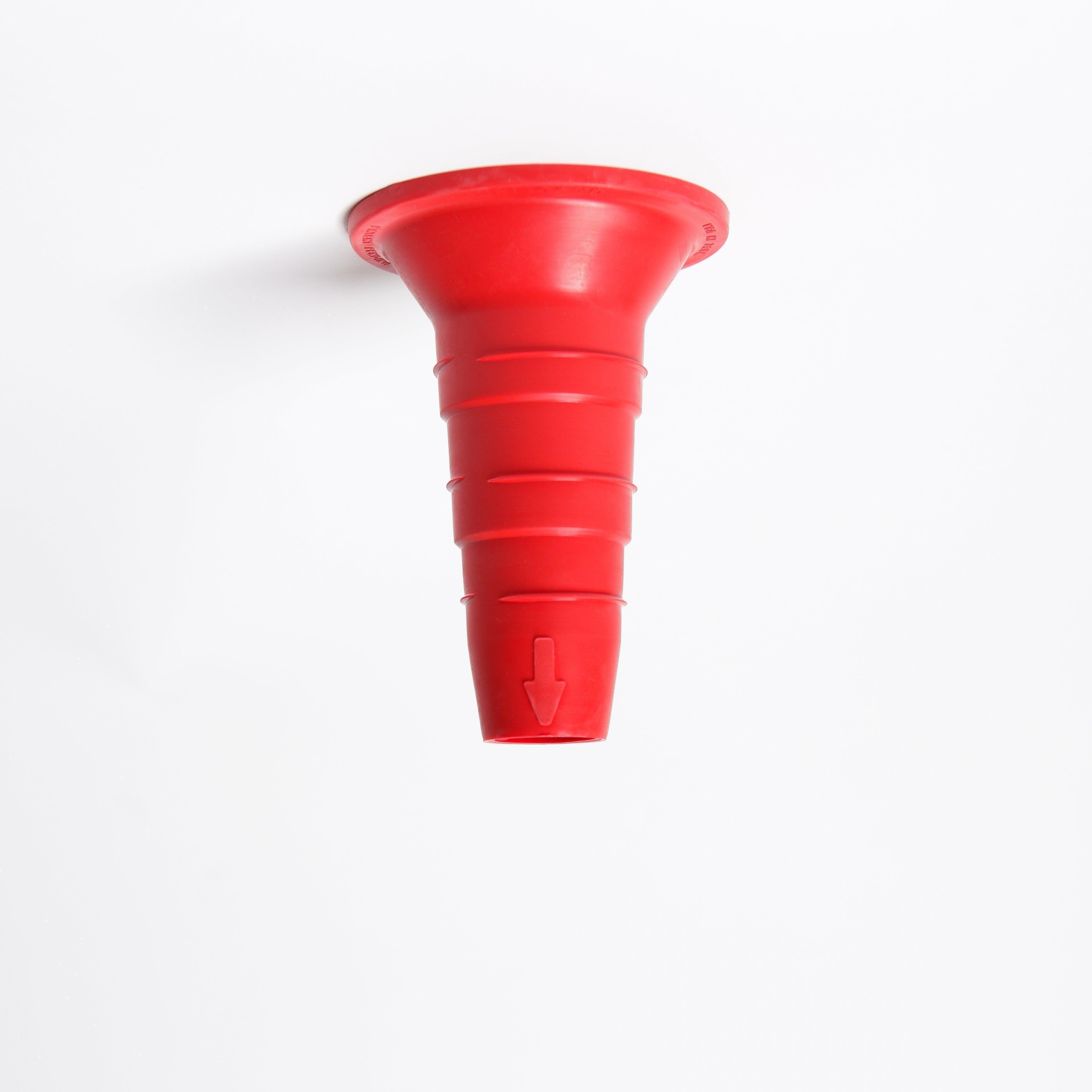
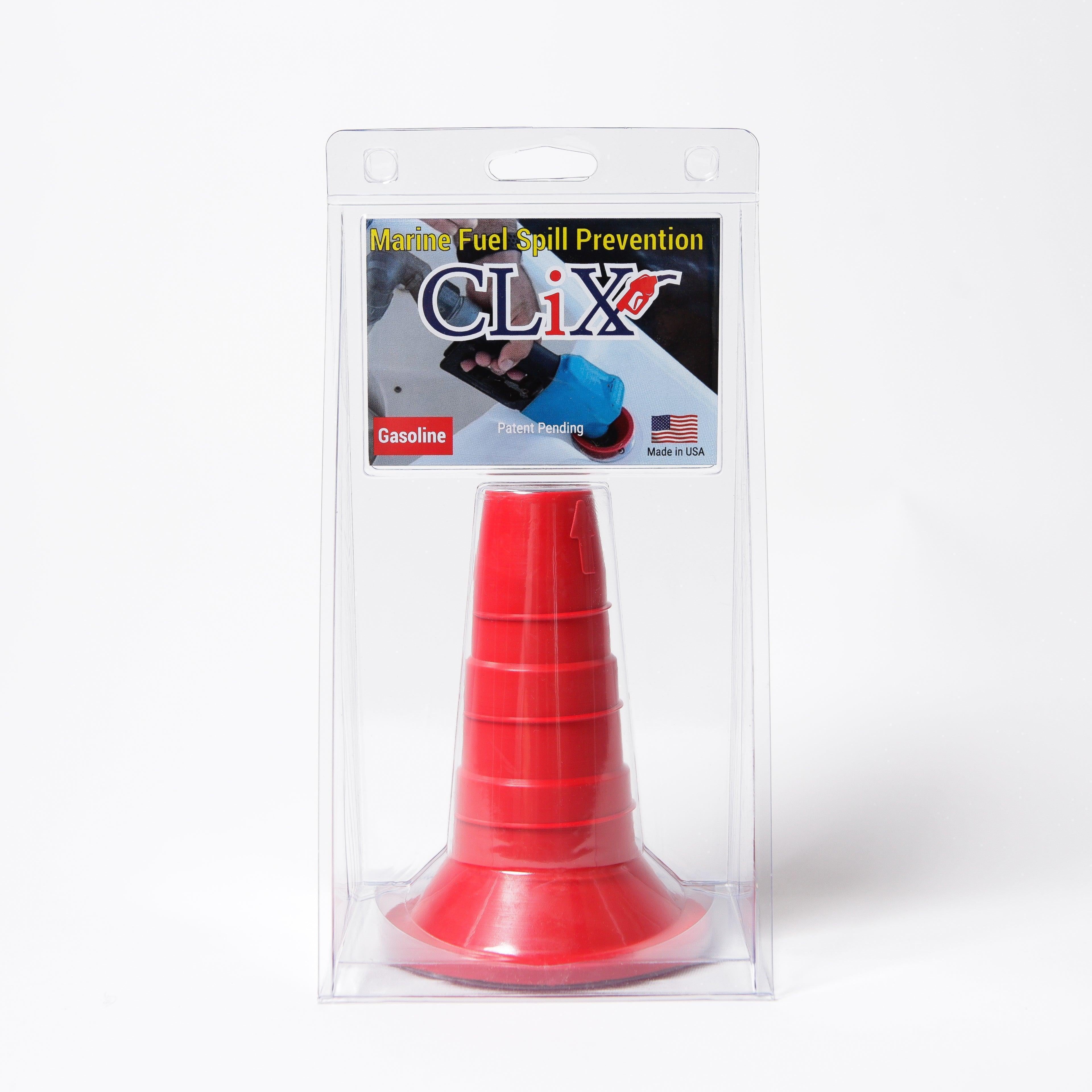
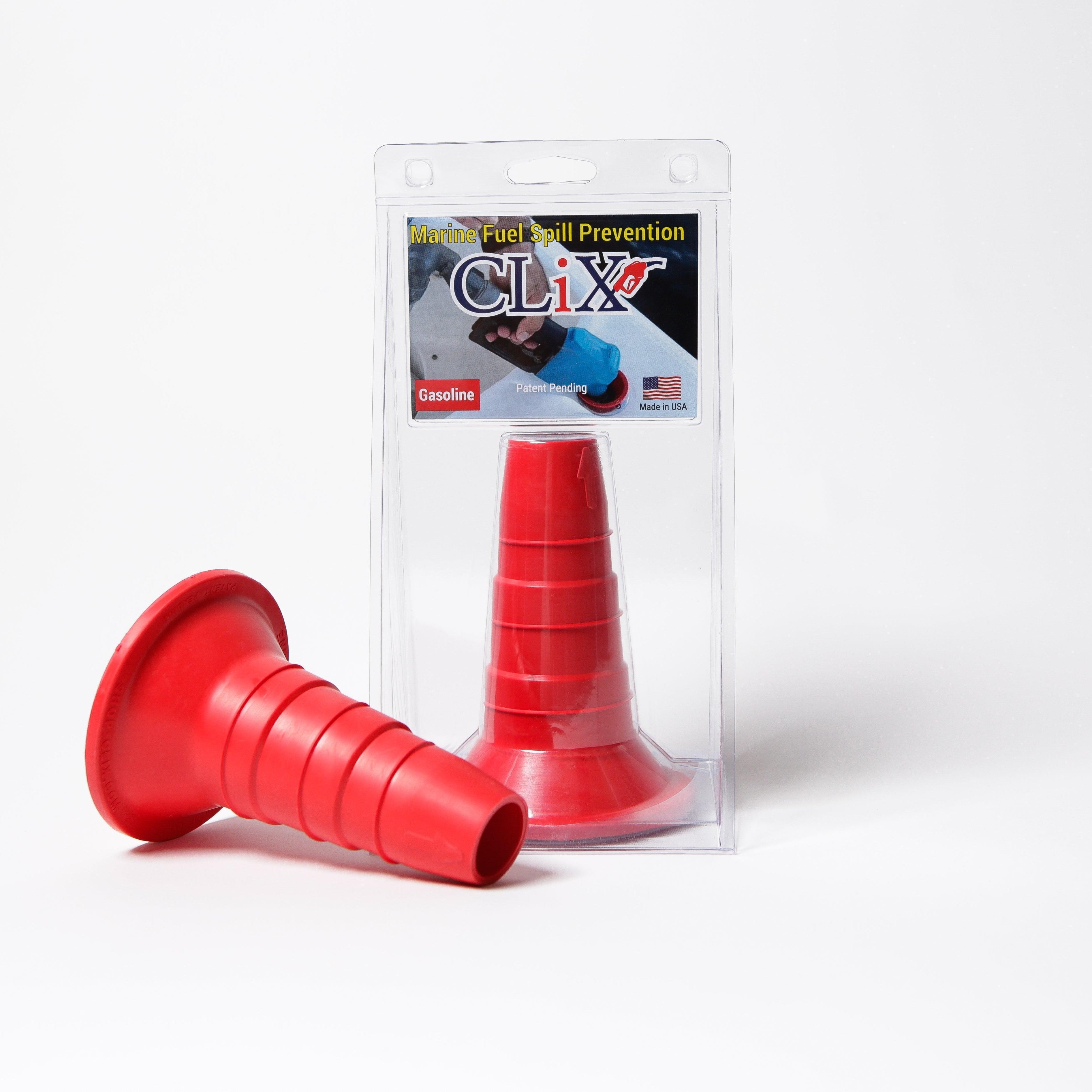
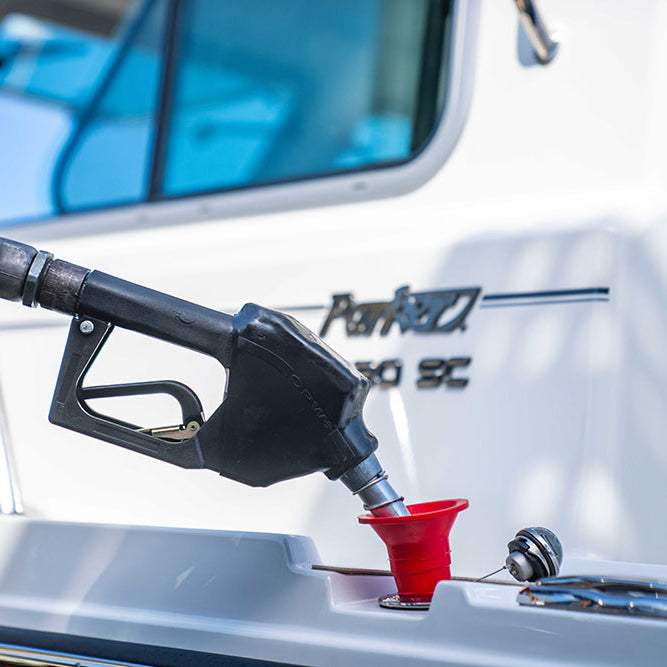
One of the best tools for the job is the CLiX Fueling Solution. It’s a system designed specifically to attach to your diesel can 10 gallon spout and lock into your boat’s fuel intake, creating a completely closed loop. Once it's connected, the fuel flows, and the system automatically stops the second your tank is full. No drips, no splashes, and zero chance of an overfill.
In major boating hubs like the U.S. East Coast and the Great Lakes, where no-spill regulations are taken very seriously, tools like CLiX are quickly becoming essential. On average, they can cut fuel waste by 30-50% every time you refuel and prevent the corrosive diesel damage that can cost boat owners $500-$2,000 a year in repairs. For a deeper dive into fuel management, you can see how truck fleets manage fuel efficiency.
The system's design works especially well with diesel, which is heavier and thicker than gasoline. If you're looking to get your setup just right, it helps to understand how different adapters can work together. To learn more, check out our guide on choosing the right diesel nozzle adapter for your system. By adopting this kind of technology, you're not just making fueling easier—you're protecting your boat and the marine environment.
Storing and Maintaining Your Diesel Cans
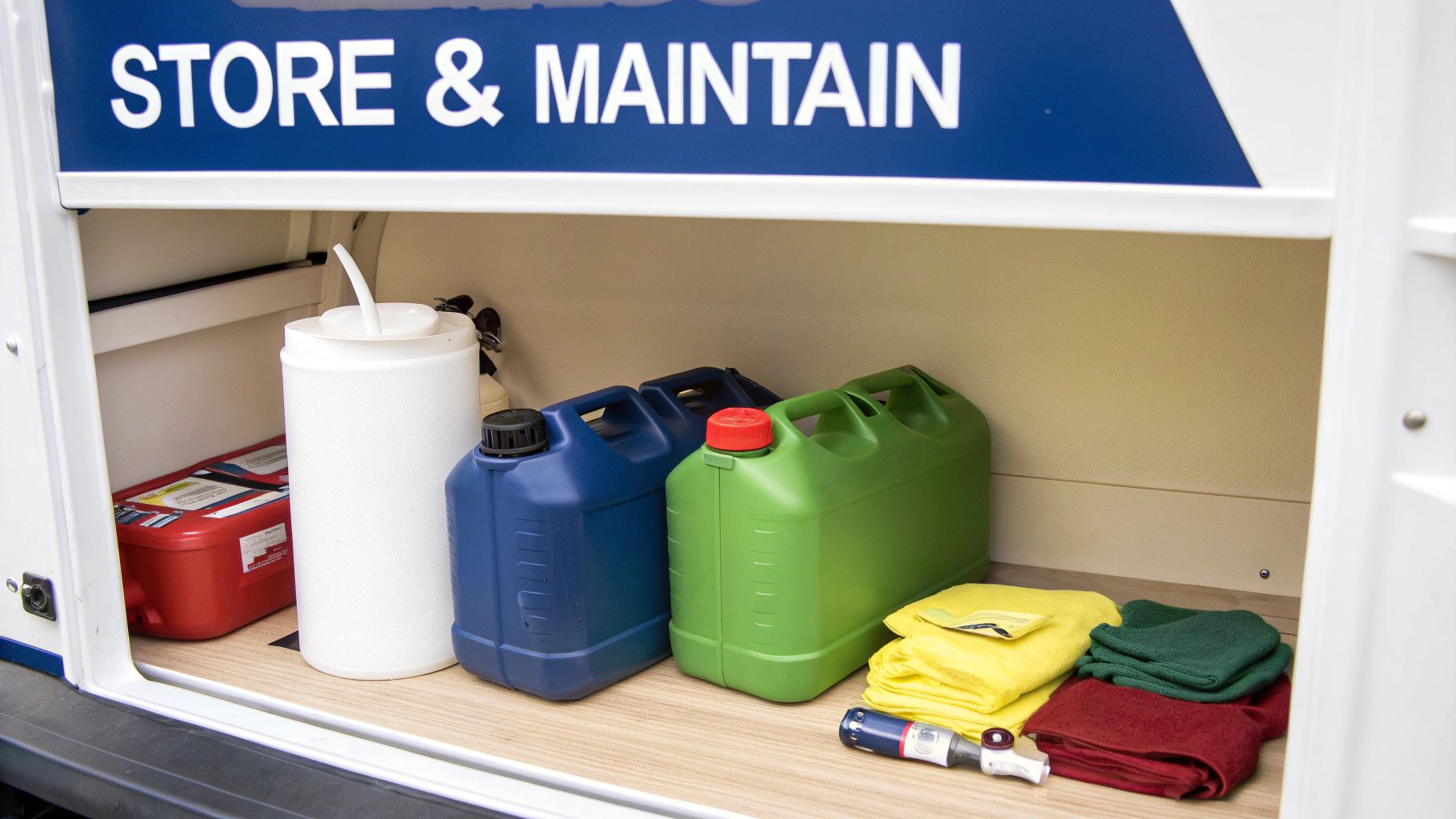
Think of your 10-gallon diesel can as more than just a box for fuel—it’s a critical piece of safety gear. Taking care of it properly means it will work without a hitch when you’re miles from the dock, preventing dangerous leaks and keeping your fuel clean.
Just like the rest of your boat's equipment, a little routine maintenance goes a long way. These simple checks can be the difference between a smooth trip and a serious headache on the water.
Proper Storage On and Off the Water
Where and how you stash your diesel cans makes a huge difference in their lifespan and your safety. The marine environment is unforgiving, constantly hitting your gear with UV rays, salt, and wild temperature swings.
Onboard, always lash your cans down in a spot with good airflow, far from direct sunlight and anything that could spark a flame. Back on shore, find a cool, dry place like a garage or a storage locker. This simple step protects plastic cans from sun damage and even helps slow down the natural aging of the diesel inside.
Pro Tip: Storing your fuel correctly is your best defense against contamination. Sunlight and heat encourage nasty microbial growth and condensation, which is a one-way ticket to engine trouble.
Your Simple Maintenance Checklist
Give your 10-gallon diesel cans a quick once-over before you fill them and after you use them. It’s the easiest way to spot a small problem before it turns into a big, messy one.
Here’s a quick checklist to run through:
-
Look for Damage: Scan the can's body for any dents, cracks, or rust. Give extra attention to the seams and handles, as these are the areas that take the most abuse.
-
Check the Seals: The gasket inside the cap is your first line of defense against leaks and fumes. Make sure it’s soft, flexible, and not cracked. If it looks worn out, replace it. For some general guidance on container seals, this is a helpful resource.
-
Keep it Clean Inside: Before you head to the pump, peek inside to make sure there's no dirt, water, or gunk. If you see something, swish it out with a little bit of clean diesel. Never use water to clean a diesel can—it can cause major damage to your engine.
-
Don't Let Fuel Get Stale: Diesel fuel is best used within 6 to 12 months. If you know it's going to sit for a while, pour in a quality diesel fuel stabilizer. This will keep the fuel fresh and prevent microbes from turning it into sludge.
Answering Your Top Questions About 10-Gallon Diesel Cans
Even after you've got the basics down, you'll always have a few lingering questions. It’s only natural. Let's tackle some of the most common things boaters ask when it comes to using a diesel can 10 gallon model out on the water.
How Much Range Does 10 Gallons Really Add?
This is the million-dollar question, isn't it? The real answer depends entirely on your boat's engine and how you run it. For a boat with a reasonably efficient diesel engine, a full 10-gallon can could easily push your range out by another 50 to 100 nautical miles. Sometimes even more.
Think of it less as extra mileage and more as a safety buffer. It’s what gives you the confidence to explore that distant cove instead of nervously watching the fuel gauge and wondering if you'll make it back to port.
Can I Use an Additive to Extend Diesel Shelf Life?
You bet. And honestly, you absolutely should if that fuel might sit for more than a few months. Diesel fuel isn't immortal; it can start to break down in as little as six months, especially in the heat and humidity of a marine environment.
Using a quality diesel fuel stabilizer is cheap insurance for your engine. It fights off microbial growth (the nasty "diesel bug") and stops sludge from forming that can wreck your fuel lines and filters.
A good stabilizer can easily keep your diesel fresh and ready for a year or longer, so you know it’ll fire up without a problem when you need it most.
Are Plastic or Metal Cans Better for Marine Use?
They both have their pros and cons, but for most of us recreational boaters, a high-quality HDPE (plastic) can is just the more practical option. Plastic cans are lighter, they'll never rust in the salty air, and they're usually easier on the wallet. Their only real weakness is that they can get brittle if you leave them baking in direct sunlight for years on end.
Steel cans, on the other hand, are incredibly tough and more resistant to fire. But they demand a constant watch for rust, which is a never-ending battle at sea. If you need something truly bombproof and you're meticulous about maintenance, steel is a great choice. For everyday practicality, though, the "set it and forget it" corrosion resistance of HDPE is hard to beat.
What Is the Safest Way to Fill My Boat from a Can?
Plain and simple: the safest way is to avoid pouring it by hand. Trying to pour fuel on a rocking boat is just asking for a dangerous, messy spill. Your best bet is to invest in a purpose-built, spill-proof fueling system.
These systems lock onto both the can and your boat's fuel tank, creating a sealed connection. Gravity does the work, transferring the diesel without a single drop hitting the deck or the water. Many systems, like the one from CLiX, even have an auto-shutoff that stops the flow the second your tank is full. It takes a risky chore and makes it clean, safe, and completely foolproof.
Ready to make fueling your boat safer and easier? Explore how CLiX Fueling Solutions can eliminate spills and give you complete peace of mind on the water. Discover the CLiX difference today.