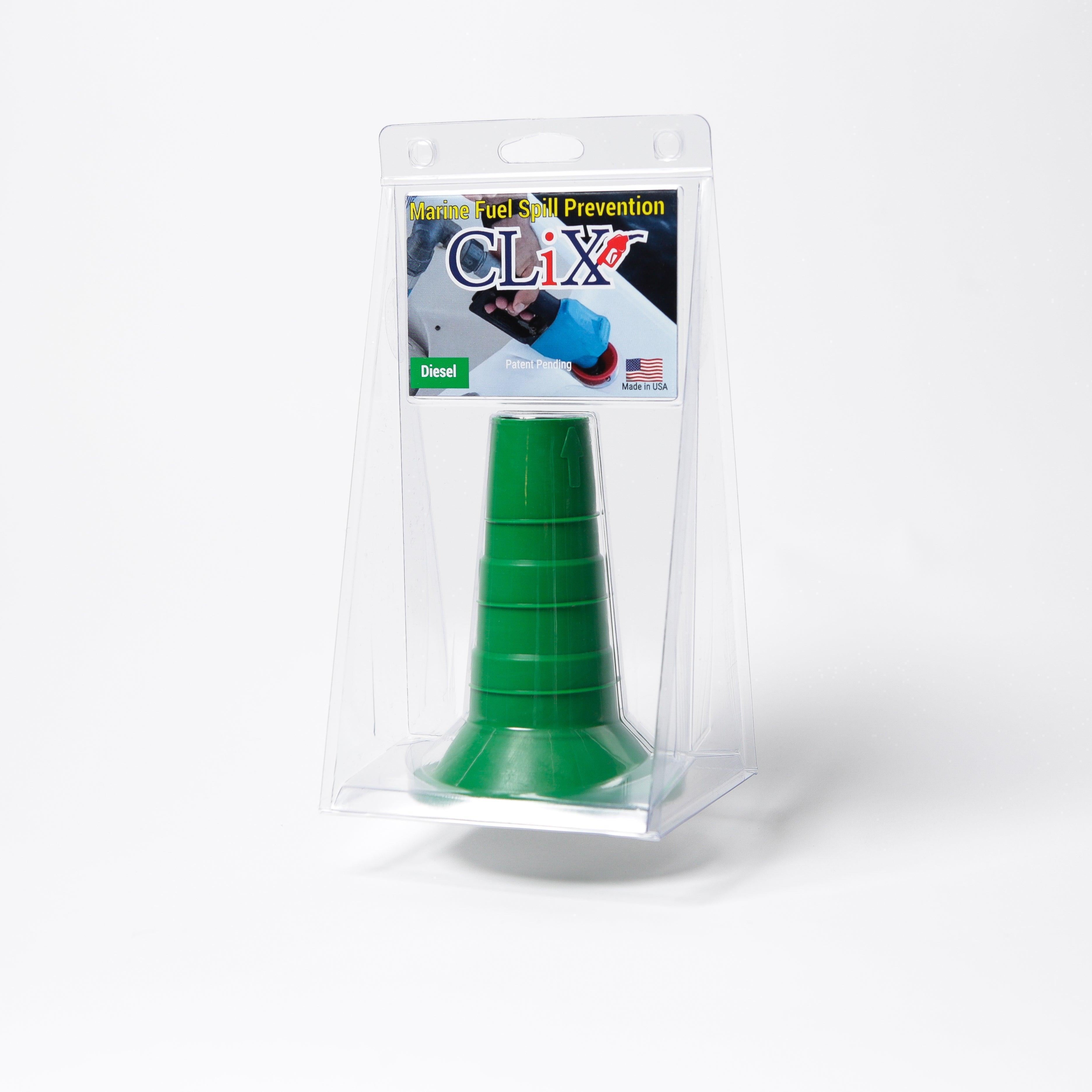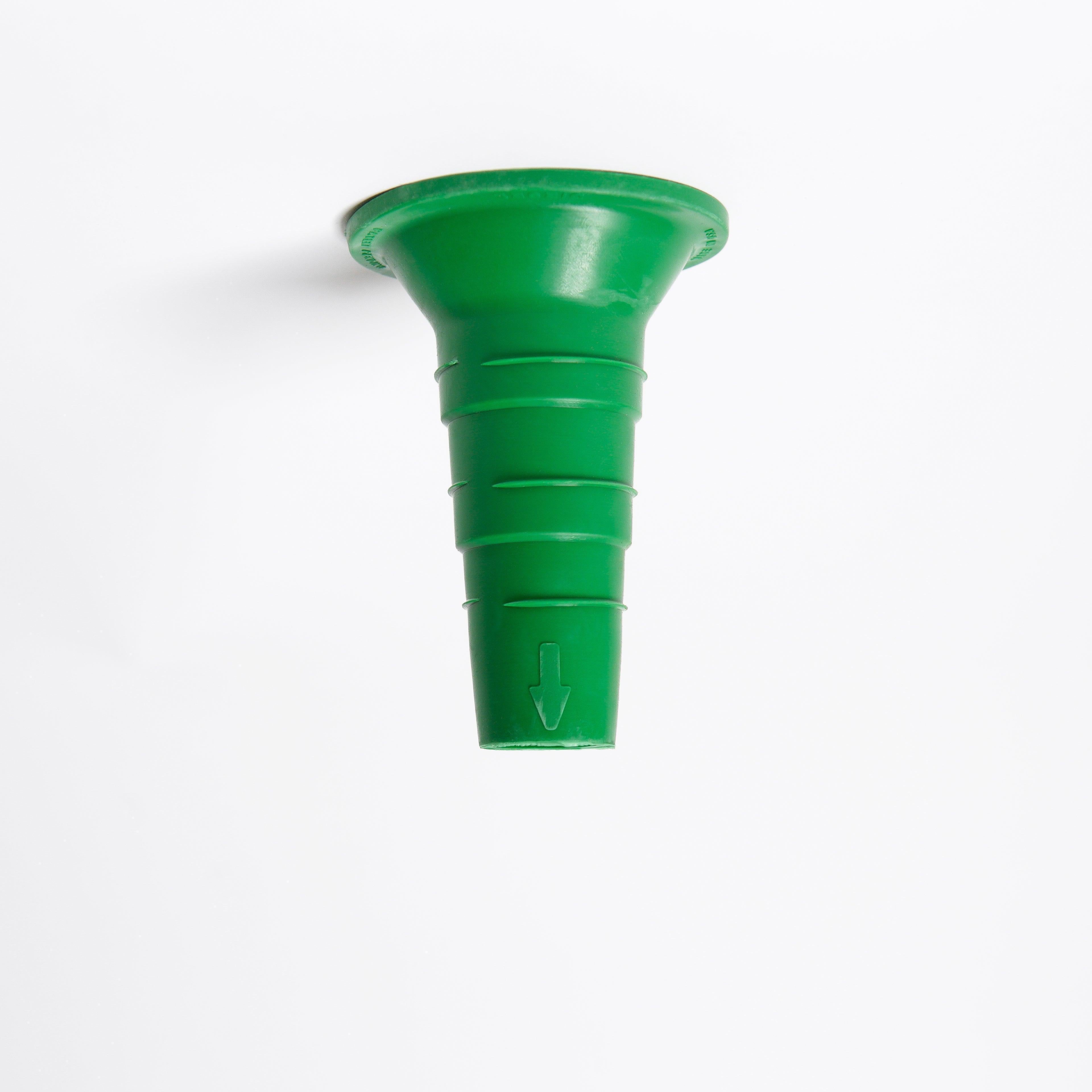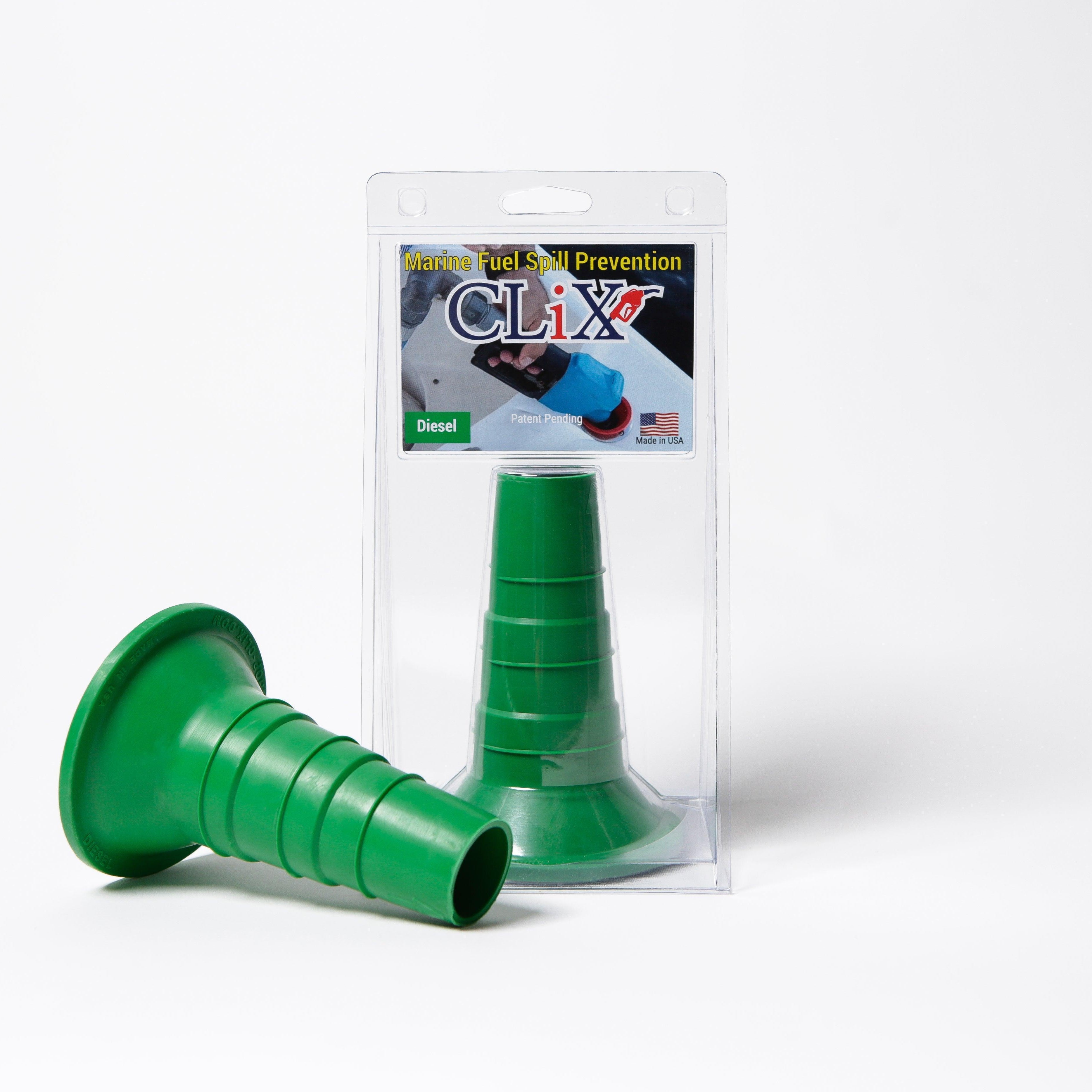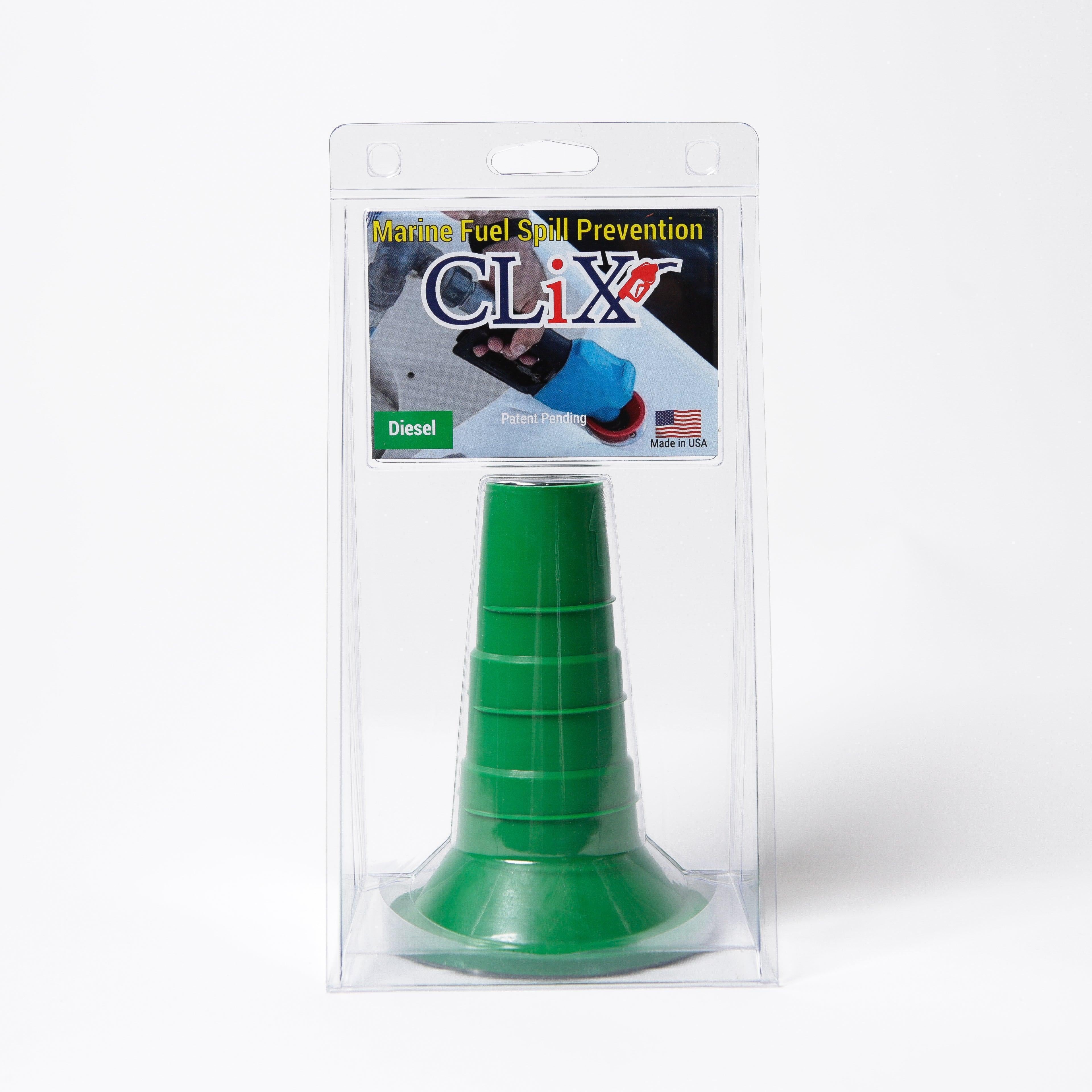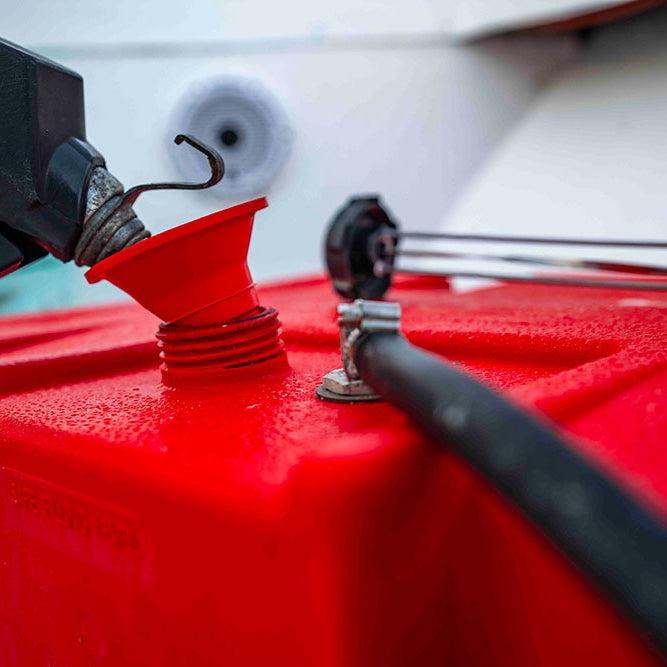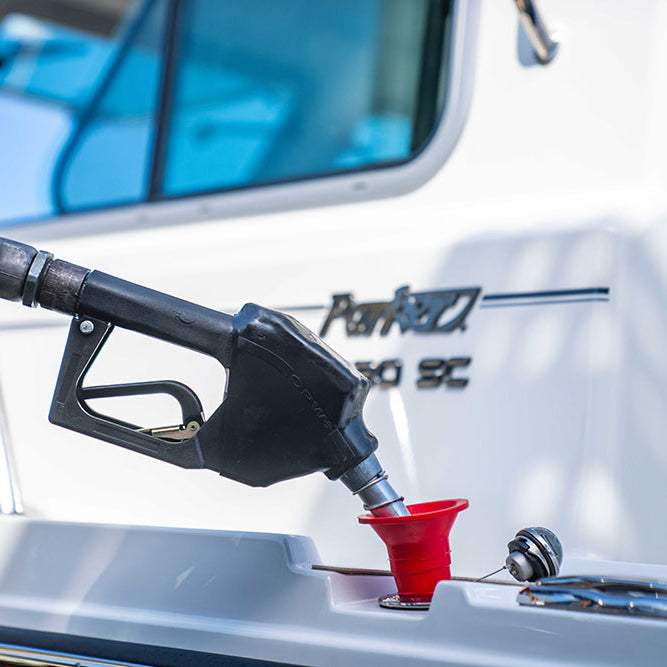
Let's be real—fueling a boat can be a pain. Between awkward deck fill angles and that notorious "fuel burp," it's way too easy to end up with gasoline or diesel splashing onto your deck and, worse, into the water. This is exactly why a simple funnel with a tube should be a non-negotiable part of your gear.
Why a Funnel With a Tube Is a Boater's Best Friend
Think of this tool as your first line of defense against messy, expensive, and environmentally damaging spills. As boaters, we're always dealing with fuel inlets tucked away in hard-to-reach places, like under a seat or along a narrow gunwale. A regular, stubby funnel just can't cut it. It won't navigate those tight spots, and you’re left with a spill that can stain your boat and pollute the marina.
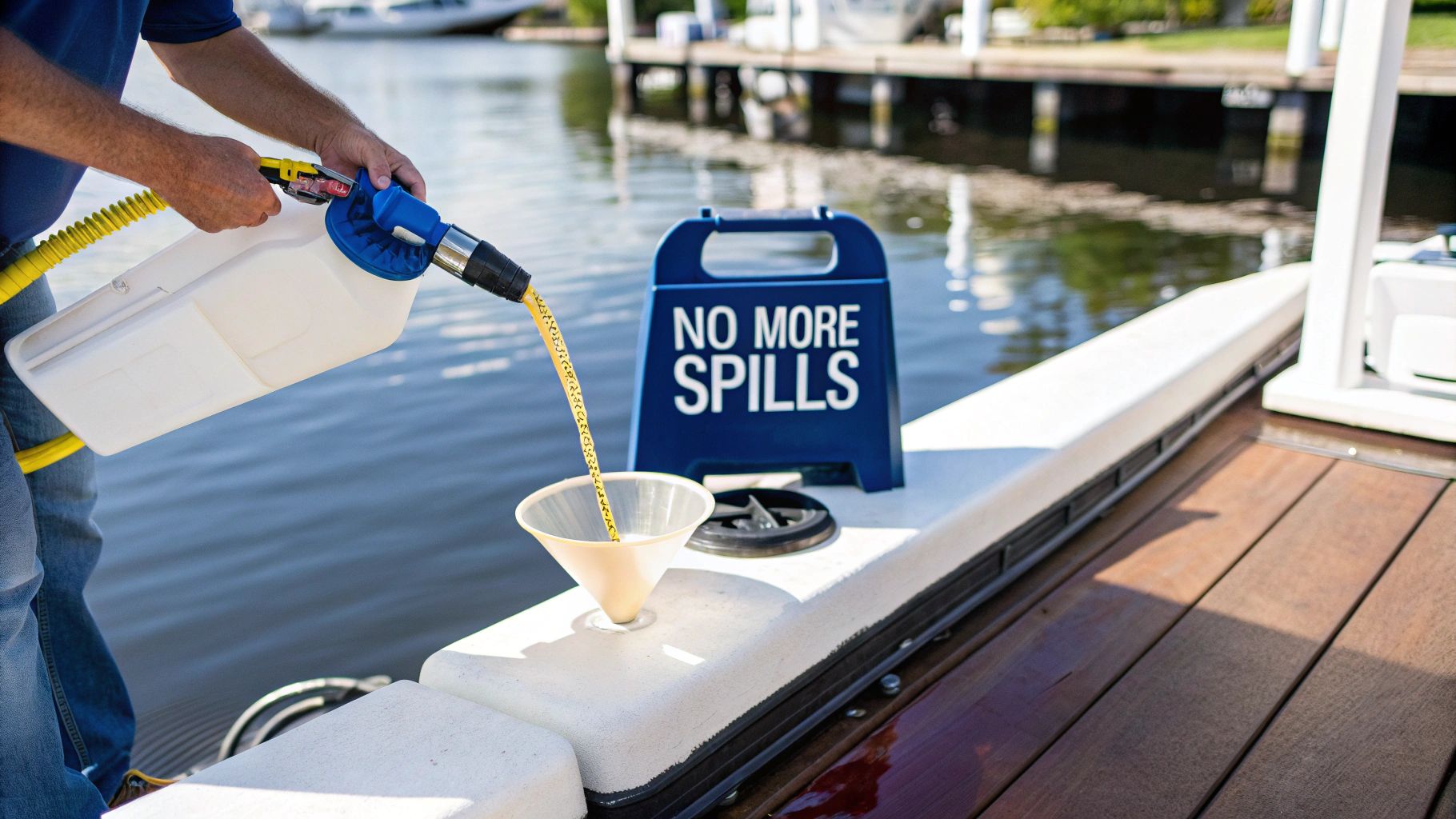
Overcoming Common Fueling Frustrations
A funnel with a flexible tube solves these problems instantly by giving you total control over where the fuel goes. It’s a simple fix that makes a world of difference.
This little tool helps you:
- Reach Awkward Angles: The hose can easily bend around seats, railings, and other obstacles to create a direct line straight into the fuel tank.
- Prevent 'Fuel Burps': By ensuring a smoother, more consistent flow, it helps minimize the air pockets that cause fuel to surge back out of the fill pipe.
- Minimize Waste: Every drop of fuel ends up in the tank where it belongs—not on your deck or in the water. That saves you money and protects the environment.
Using a funnel with a tube is more than just a convenience; it's about being a responsible boater. It protects your boat's finish from corrosive fuel damage and drastically reduces your environmental footprint. And speaking of protection, taking a comprehensive approach to boat care also means shielding the vessel itself with something like a durable marine ceramic coating to guard against the harsh marine elements.
At the end of the day, this small investment in the right tool makes for a cleaner, safer, and less stressful experience for everyone at the dock. It’s a foundational piece of equipment for any boater who cares about their vessel and the waters they enjoy.
How to Choose the Right Funnel and Tube for Your Boat
Not all funnels are created equal, and that’s especially true when you're dealing with gasoline on the water. Picking the right funnel with a tube is more than just finding one that fits; it's about making a smart choice to keep fueling safe and clean.
The most important thing to look for is the material. You absolutely need a funnel made from anti-static or conductive plastic. Fuel flowing through a regular plastic funnel can build up static electricity, creating a spark that could easily ignite fuel vapors. This is a non-negotiable safety feature.
Sizing and Flow Rate Considerations
Next up is the size of the funnel's opening and the tube's diameter. If the funnel is too small, the gas pump nozzle will constantly click off. We’ve all been there—it’s frustrating and almost always leads to a slow, splashy mess.
You want a high-flow design that can keep up with the pump. This prevents fuel from backing up and "burping" out of your boat's fill pipe, which is how most spills happen.
Pro Tip: Find a funnel with a built-in screen or filter. It’s a simple feature that can save you a world of hurt by keeping water, dirt, and other gunk out of your fuel tank and away from your engine.
The tube itself is just as critical. It needs to be long enough to reach the fuel inlet easily and flexible enough to get around cleats or other gear without kinking. A kinked hose is a recipe for a sudden overflow. Measure the distance you need and get a tube with a little extra length to make life easier.
For a deeper dive, check out our complete guide to selecting a fuel funnel for your boat to make sure you get the perfect fit.
Comparison of Marine Fueling Funnels
To help you narrow down the options, here's a quick look at the common types of marine funnels you'll find. Each has its place, but they're not all suited for every situation.
| Funnel Type | Key Features | Pros | Cons |
|---|---|---|---|
| Standard Plastic Funnel | Basic, wide-mouth design; often includes a flexible spout. | Inexpensive; widely available. | May not be anti-static; can be flimsy and prone to kinking. |
| Anti-Static Funnel | Made from conductive plastic to prevent static buildup. | Significantly safer for fueling; reduces spark risk. | More expensive; less common in big-box stores. |
| Filtered Funnel | Includes a built-in screen (often brass or stainless steel). | Filters out water, debris, and contaminants. | Screen can clog and slow down flow rate if not cleaned. |
| High-Flow Funnel | Large diameter and tall walls to handle high pump speeds. | Prevents fuel "burping" and splashing; fills tanks faster. | Can be bulky to store on smaller boats. |
Ultimately, the best choice is often a funnel that combines several of these features—an anti-static, high-flow funnel with a built-in filter is the gold standard for safe and efficient fueling at the dock.
The Smart Way to Fuel Your Boat Without Spills
Safely fueling your boat is more than just pouring gas. It’s a skill, a deliberate process that requires your full attention. When you do it right with a funnel with tube, you prevent dangerous spills, protect your boat's finish, and keep the water clean. Let's walk through how to make every fueling session a safe and successful one.
Before you even think about unscrewing the fuel cap, a few quick checks are in order. This is arguably the most important part of the whole process. First, make sure your boat is properly grounded to get rid of any static electricity—a serious fire hazard. Next, take a second to sniff the air around the engine compartment and bilges. If you smell fuel fumes before you start, you’ve got a problem that needs investigating.
With the all-clear, it's time to position your funnel. You need it to be rock solid. The last thing you want is the funnel slipping out of place mid-pour. Shove the tube all the way into the fill pipe and check that the funnel itself isn’t wobbly. A stable setup is your best friend for a spill-free fueling.
Mastering the Pour
The secret to a clean pour is keeping it steady and controlled. Resist the urge to jam the fuel nozzle all the way in and squeeze the trigger full blast. That’s a surefire way to get fuel backing up the pipe, which trips the nozzle's automatic shut-off and can cause a messy splash-back. Instead, go for a moderate, consistent flow.
One of the best tricks I've learned over the years is to simply listen. Pay attention to the sound the fuel makes as it enters the tank. As it gets closer to full, the sound will change—it becomes higher-pitched, almost hollow. That’s your signal to ease up and slow the flow way down to prevent an overflow.
Here's a pro tip: Don't yank the funnel out the second the tank is full. That's a classic rookie mistake. Instead, just tilt the funnel a bit and let that last bit of fuel in the tube drain completely into the tank. Then you can slowly pull it out. This one simple move stops those annoying last few drips from hitting your deck.
When you're picking out your gear, there are a few key things to look for. This infographic nails the essentials.
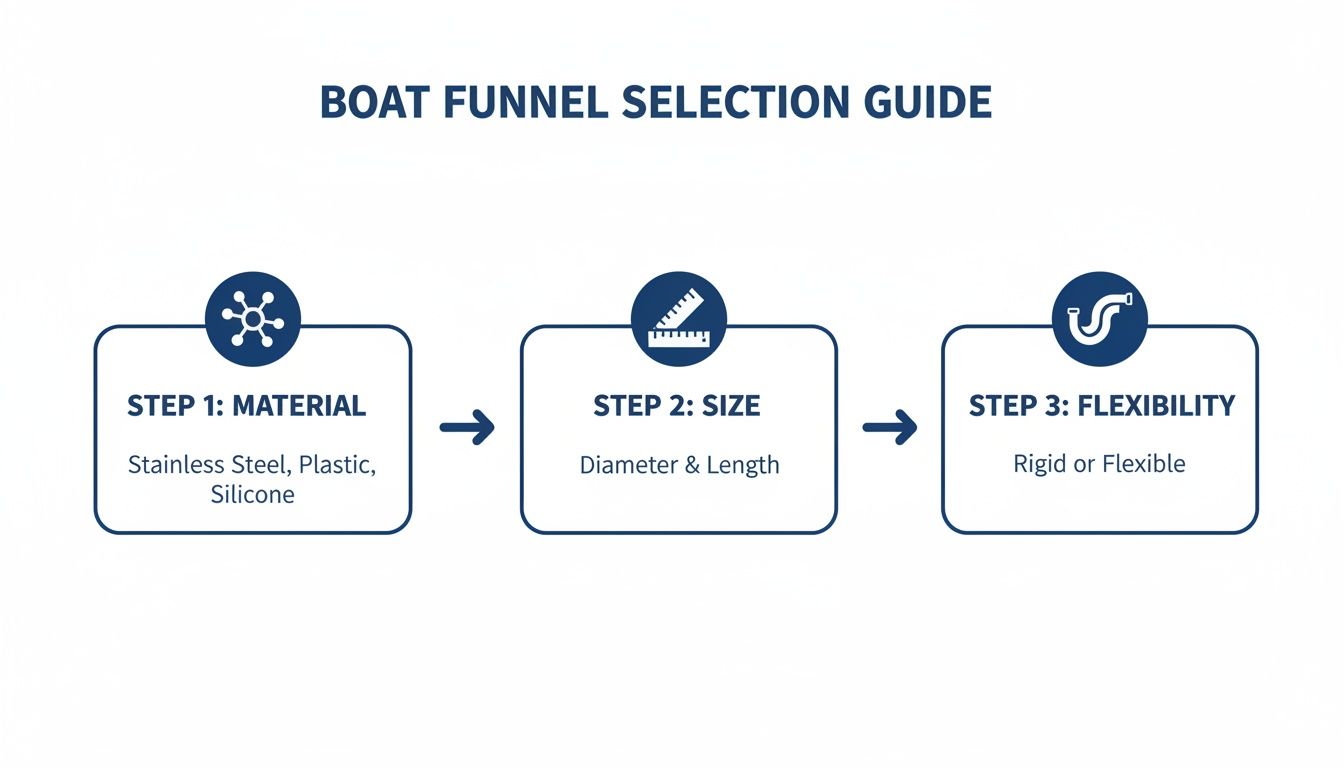
As you can see, it really comes down to a combination of the right material, a size that matches your needs, and a flexible tube that can navigate tricky angles.
Post-Fueling Safety Checks
Just because the cap is back on doesn't mean you're done. Always give the area around the fuel fill a quick wipe-down to catch any stray drops. For a deeper dive into getting this part of your boat set up perfectly, check out our guide on the marine fuel fill.
Finally, and this is non-negotiable, open up your engine compartment or hatches and let the area air out for a few minutes. You want to make absolutely sure any fumes have cleared out before you even think about starting the engine. This final ventilation step is your best defense against a potential ignition.
The Hidden Dangers of Fueling and Common Mistakes
Grabbing a funnel with a tube is a great move for cleaner fueling, but it's not a silver bullet. The biggest wild card in the whole process is still us—the boaters. It's easy to get complacent, and that's when simple mistakes can turn into serious problems that go way beyond a messy deck. Most of us are thinking about avoiding a big, dramatic spill, but the real enemy is often the constant drip, drip, drip that adds up over time.
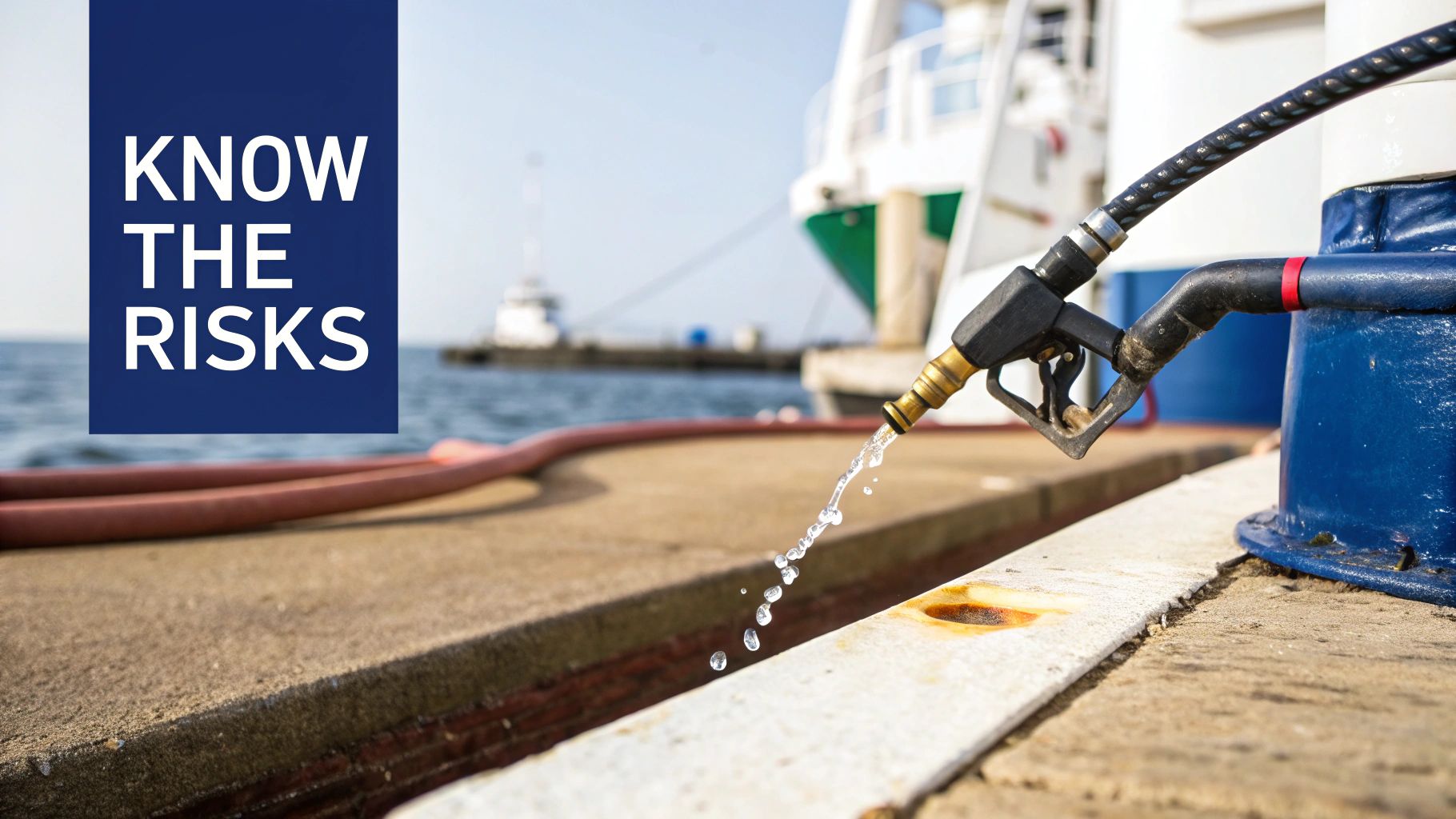
We all see the news stories about massive oil tankers, but the vast majority of fuel spills are small ones. In fact, research has shown that during manual fueling at a marina, 0.5% to 1.0% of fuel can end up in the water from drips and overfills if you're not using any protective gear. Think about that across a whole season at a busy marina—it amounts to thousands of liters of pollution. You can dig into the data on small-scale spills over at itopf.org if you're curious.
More Than Just an Environmental Concern
The risks go beyond the ecological impact; they're a direct threat to you and your vessel. One of the most overlooked dangers is static electricity. As fuel rushes through a standard plastic funnel, it can build up a static charge. That tiny spark is all it takes to ignite gasoline vapors. This is exactly why grabbing a cheap, all-purpose funnel from the hardware store is a terrible idea for your boat.
Then there's the issue of vapor inhalation. Gasoline fumes are nasty stuff, and breathing them in can lead to real health problems. You should always fuel up in a well-ventilated space. And just as important, make sure all your hatches and portholes are sealed tight. The last thing you want is for those heavy fumes to sink down into the bilge and create a ticking time bomb.
The single most common mistake I see? Distraction. It only takes a second of looking away for a tank to overfill. That's how you get a dangerous spill that can stain your beautiful gelcoat, pollute the water, and create a massive fire hazard. A funnel directs the fuel, but it won't tell you when the tank is full.
The Most Common Fueling Blunders
I’ve seen it all at the docks. Here are the mistakes that pop up time and time again:
- Using the wrong material: Choosing a regular plastic funnel instead of one made from anti-static material specifically designed for fuel.
- Forgetting about ventilation: Letting those flammable vapors creep into the cabin or bilge.
- Overfilling the tank: Not paying close attention and listening for the gurgle that signals the tank is almost full.
- Pulling the funnel too soon: Yanking the funnel out before the tube has completely drained, which always leaves a trail of drips.
Knowing what can go wrong is half the battle. A good funnel is a critical piece of gear, but it's your technique and awareness that truly keep you safe on the water.
Beyond the Funnel: The Next Step in Fueling Safety
A funnel with a tube is certainly better than trying to free-pour fuel into your boat. We can all agree on that. But even with a funnel, you're still walking a tightrope. It all comes down to you paying perfect attention to prevent the most common—and costly—mistake: overfilling.
The second your attention drifts, whether it's a conversation on the dock or a wave rocking the boat, is the exact moment a spill can happen. That spill can stain your gelcoat, damage your boat, and pollute the water. True safety isn't just about making the task easier; it's about removing human error from the equation altogether.
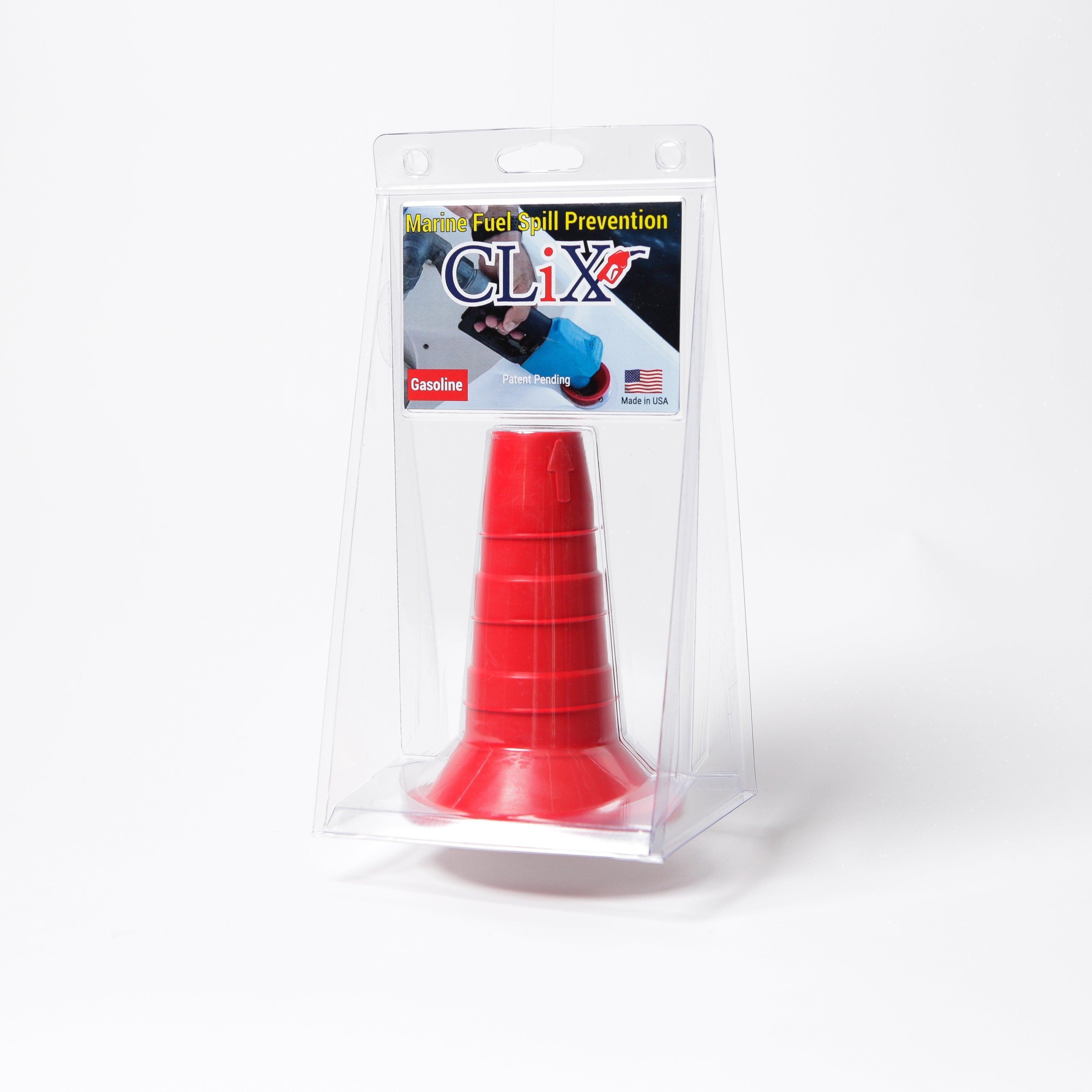
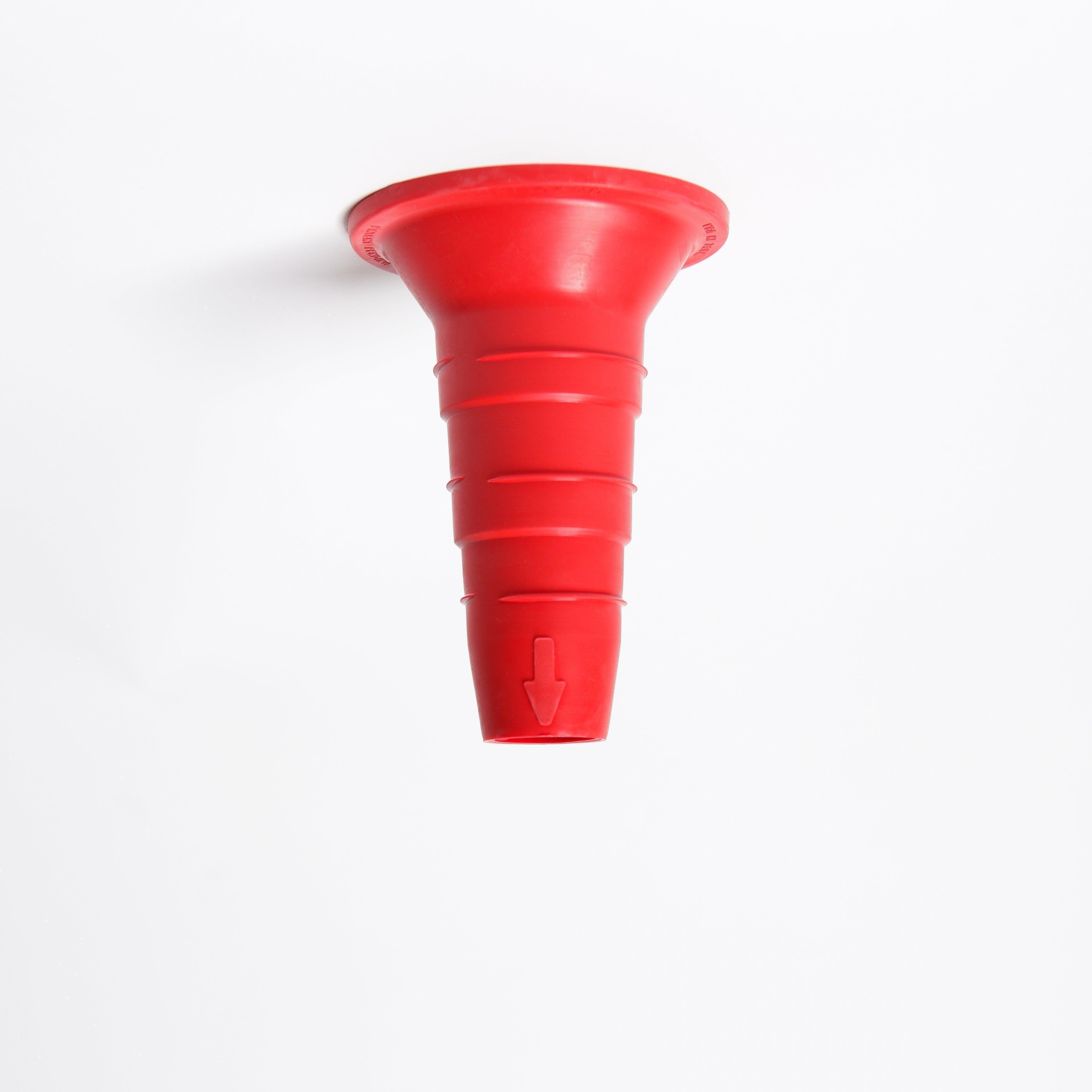
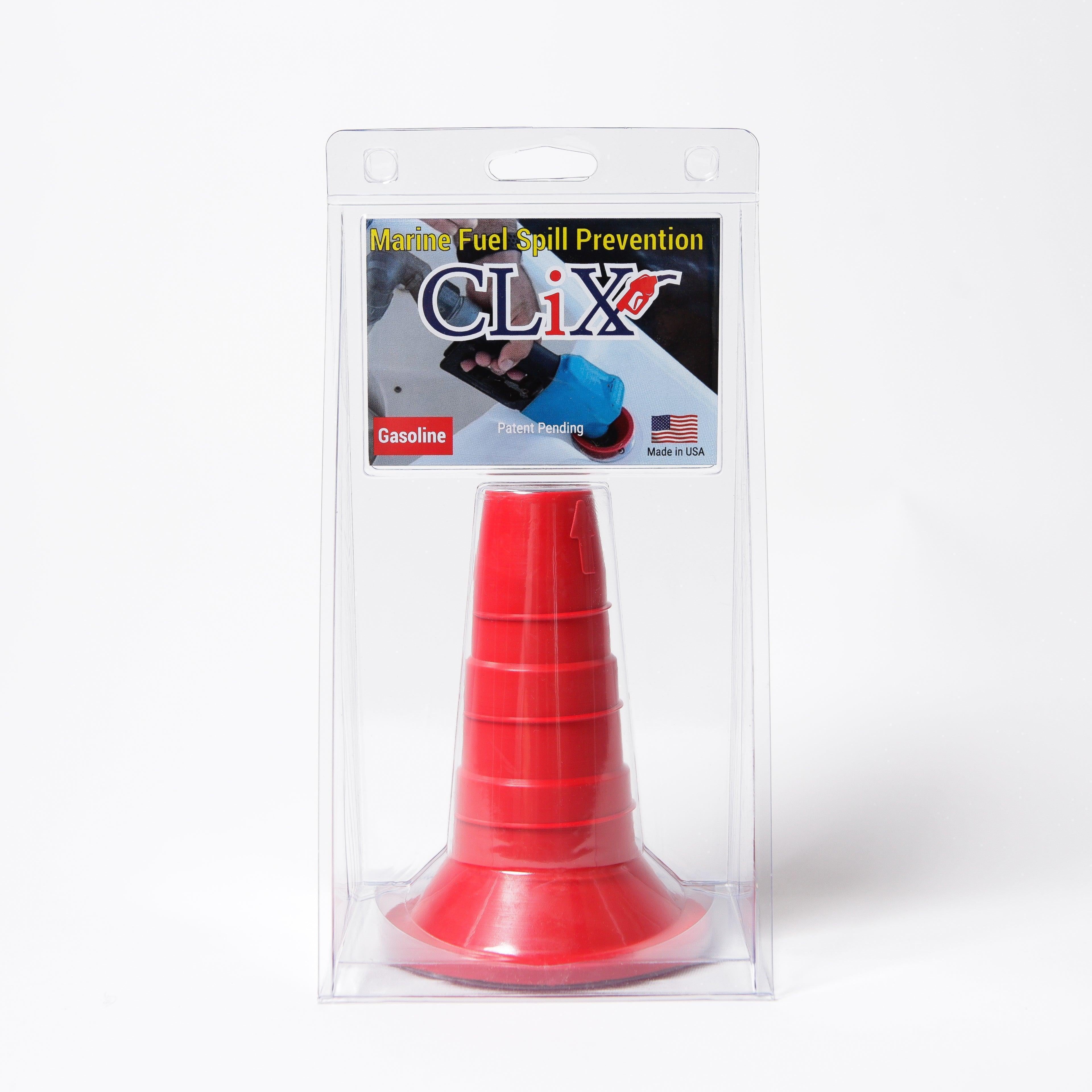
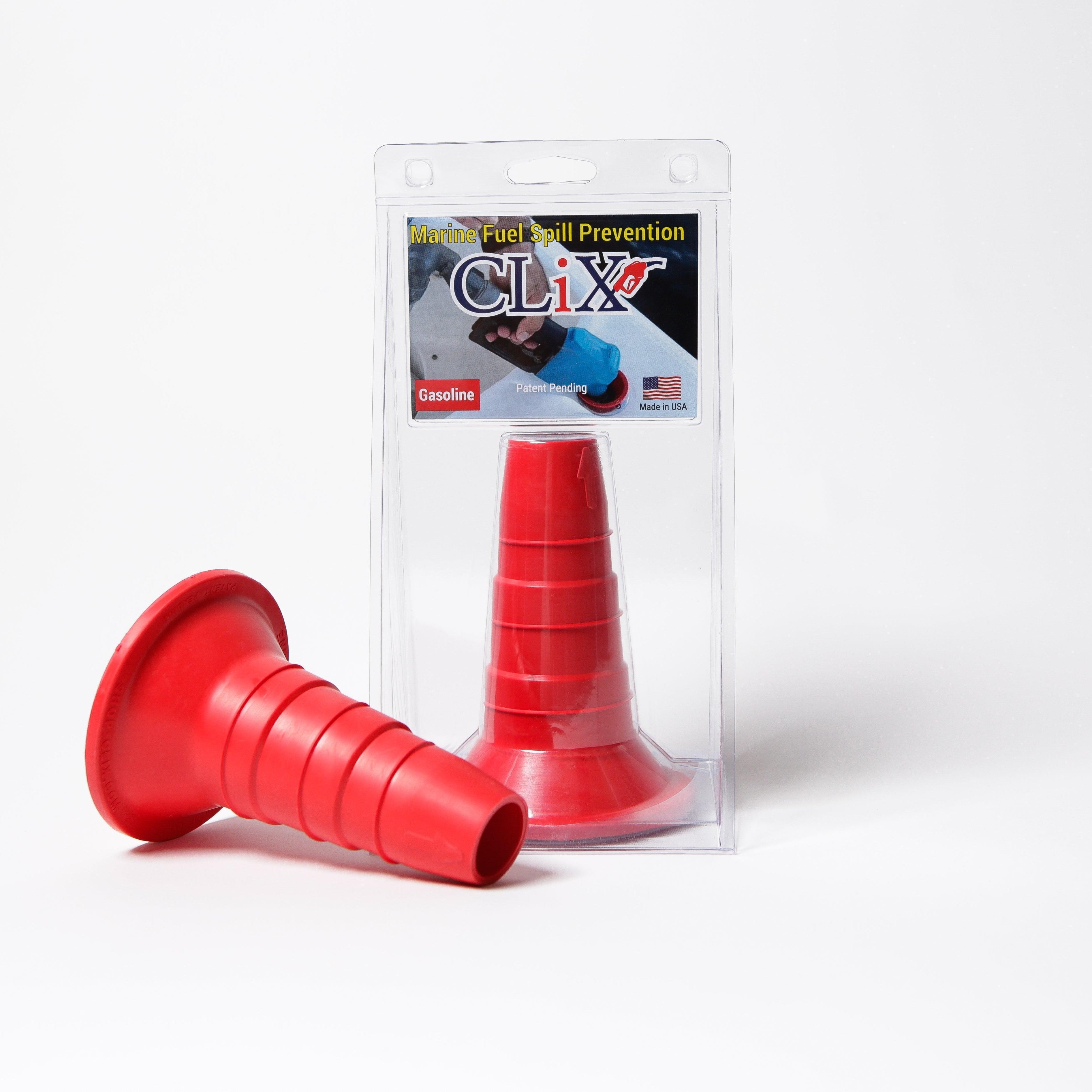
This is where smart, modern fueling systems come into play. Instead of just guiding the fuel and hoping for the best, solutions like CLiX Fueling Systems actively stop spills before they even start. The system creates a secure, sealed connection and, most importantly, automatically shuts off the fuel nozzle the moment your tank is full. No more guesswork, no more listening for that gurgle.
How Fueling Technology Has Evolved
This move toward automated safety isn't new; it's exactly what we've seen happen in the commercial shipping world. Pan-European data clearly shows that designing equipment to reduce human error has led to a real drop in serious marine incidents. It just makes sense to apply that same logic to our own boats. Moving from a simple funnel with tube to a system that stops the flow for you is the next logical step. You can see the data for yourself in the European Maritime Safety Agency’s annual overview.
By taking the guesswork out of fueling, you’re not just making the process easier—you’re protecting your investment from costly gelcoat repairs and ensuring a stress-free experience at the dock every single time.
This technology transforms fueling from a high-stakes chore into a clean, simple, and repeatable process. When the system handles the shut-off for you, you can finally fuel up with total confidence. If you're curious about how it all works, our guide on the automatic fuel shut off valve breaks down the mechanics that make a spill-free experience possible.
Common Questions at the Fuel Dock
Even the most seasoned boaters run into questions when fueling up. Getting the right answers is key to staying safe and making the process smoother. Let's walk through a couple of things I hear all the time about using a funnel with a tube.
What’s the Right Kind of Funnel for Fuel?
One of the most important questions is whether you can just grab any old plastic funnel for gasoline or diesel. The answer is a firm no.
You absolutely have to use a funnel made from anti-static or conductive plastic, one that’s specifically built for handling fuel. The reason is simple: as fuel rushes through a standard plastic funnel, it can generate static electricity. That tiny spark is all it takes to ignite flammable vapors, and that's a risk no one should ever take. Always check the label to make sure your funnel is rated for fuel.
How Do I Stop the Fuel Nozzle from Constantly Shutting Off?
It’s incredibly frustrating when the fuel nozzle keeps clicking off every few seconds. This almost always happens because fuel is splashing back up the fill pipe, which tricks the nozzle's automatic shut-off sensor.
Here’s how to fix it:
- Make sure you’re using a funnel designed for a high flow rate.
- Keep the tube as straight as you can—any kinks or sharp bends will cause a backup.
- Go easy on the trigger. A steady, moderate flow is much better than squeezing the handle at full blast.
A funnel and tube combo is a great way to guide the fuel, but it won't stop a spill. The number one cause of fuel spills is overfilling the tank, and a simple funnel does nothing to prevent that. You still have to pay close attention and listen for the tell-tale gurgle that means you're getting full.
If you're looking for a solution that truly takes the guesswork and human error out of fueling, the system from CLiX Fueling Solutions is designed to do just that. It actively prevents overfills by automatically stopping the flow when your tank is full.
You can learn more about a stress-free fueling experience at clixfueling.com.