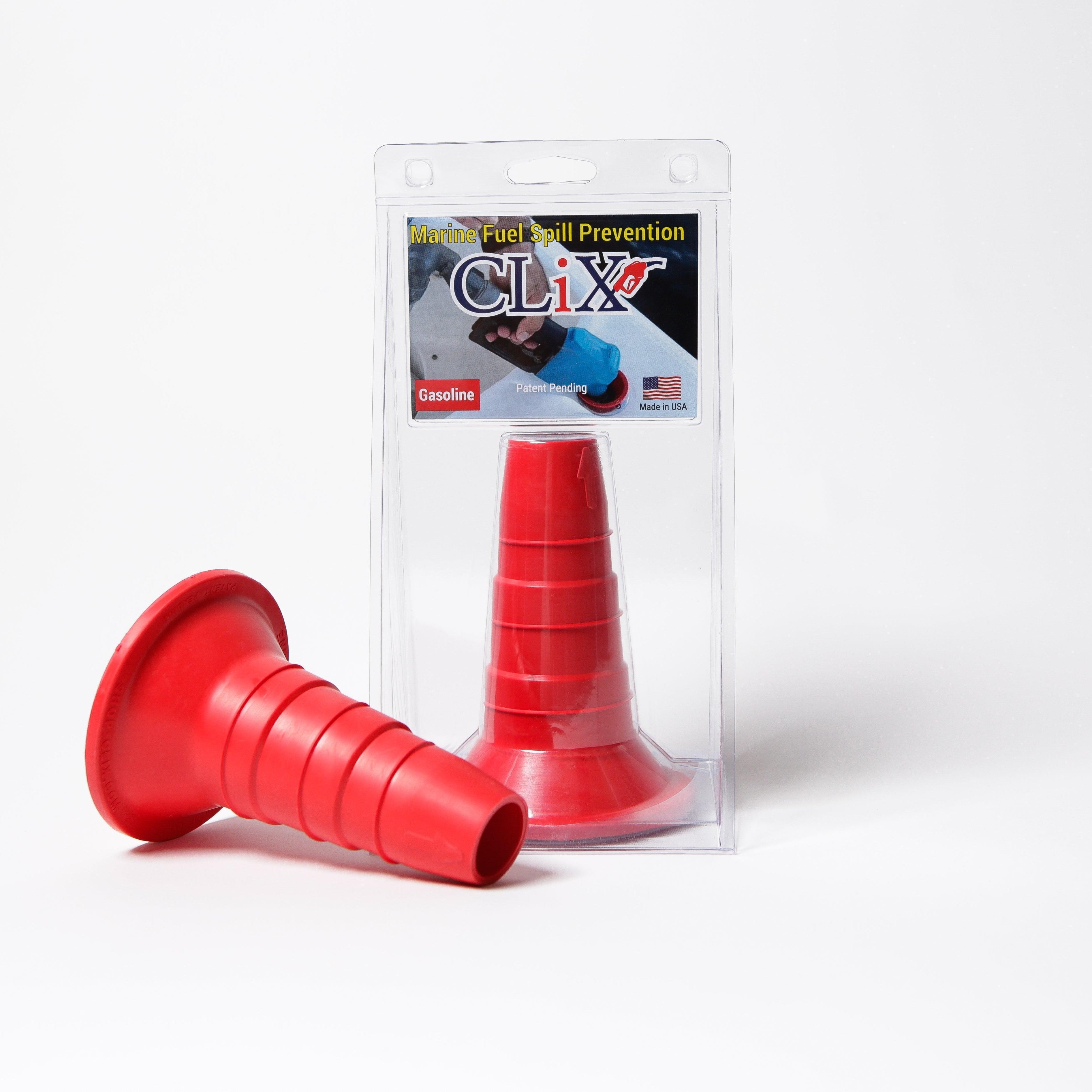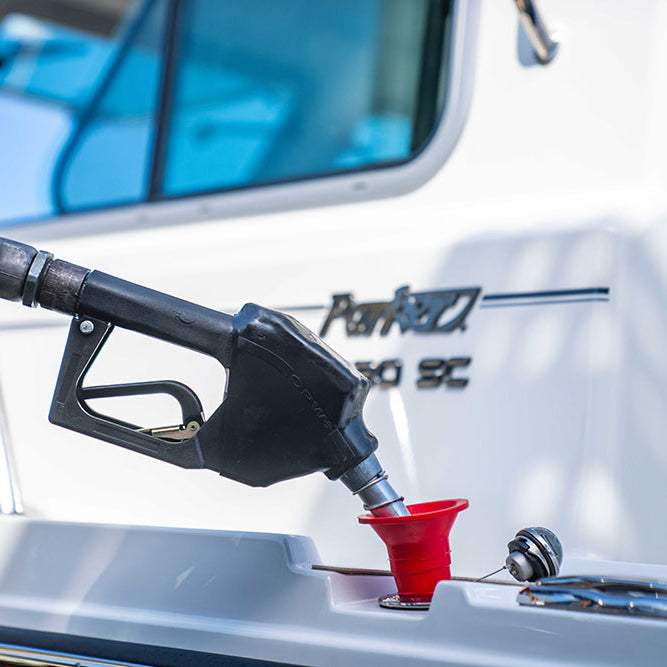
Picking the right portable fuel can is one of the most critical safety decisions you'll make as a boater. This guide is designed to cut through the noise, walking you through everything from the fundamentals to mastering safe fueling. Think of it as your practical roadmap to becoming a more confident and responsible boat owner.
Why Your Choice of Fuel Can Matters
For plenty of boaters, a portable fuel can is just a simple, grab-and-go item—a basic container to lug gasoline or diesel from the station to the dock. But looking at it that way is like seeing a life jacket as just another seat cushion. The truth is, the design, material, and features of your fuel can are vital parts of your boat's overall safety system. A good can stops spills before they happen, protects your engine from contamination, and helps you stay on the right side of environmental laws.
This isn't a niche concern, either. The need for dependable fuel transport is growing in boating, farming, and even for everyday drivers. The global market for portable fuel tanks was valued at around USD 1.2 billion in 2023 and is expected to hit nearly USD 2.1 billion by 2032. This growth just goes to show how essential these containers have become. You can dig deeper into these trends by exploring the growing portable fuel tank market analysis.
More Than Just a Container
A modern, compliant fuel can is a piece of engineered equipment, built to handle specific challenges. It’s designed to withstand the harsh marine environment, prevent dangerous vapor leaks, and do a lot more than just hold liquid.
Here’s why sweating the small stuff pays off:
- Environmental Protection: It’s a shocking fact: a single gallon of spilled gas can contaminate up to 750,000 gallons of water. A quality can with features like an auto-shutoff spout is your best defense against causing that kind of accidental pollution.
- Personal Safety: Gasoline fumes aren't just flammable; they're also bad for your health. Cans designed to seal tightly and minimize vapor release protect you, your family, and your guests from breathing in harmful chemicals.
- Engine Health: Using a cheap, old, or dirty can is a great way to introduce water and debris into your fuel tank. That gunk can lead to expensive engine repairs and, even worse, leave you dead in the water when you least expect it.
The best way to think about your fuel can is to give it the same respect you'd give any other critical piece of boating gear. It’s not just an accessory—it's an investment in safety, reliability, and protecting the waters we all love.
Choosing Between Plastic and Metal Fuel Cans
When you're picking out a portable fuel can, the first big choice you have to make is the material. It's a bit like choosing between a modern, lightweight hiking backpack and a classic, rugged suitcase. Both get the job done, but one is usually a much better fit for the journey you're on.
In the tough marine world, the choice between High-Density Polyethylene (HDPE) plastic and traditional metal cans is more than just personal taste. It affects everything from how the can holds up on a rocking boat to how it deals with sitting in the hot sun. Let’s walk through the real-world differences to help you find the right fit for your boat.
The Rise of Modern Plastic Cans
For a long time, metal was the only game in town. But as material science has advanced, that's completely changed. We now have incredibly durable containers made from advanced plastics that are not only lighter but also packed with better safety features.
For most boaters, modern plastic fuel cans have some serious advantages:
- No Rust, Ever: This is a huge one. Unlike metal, HDPE plastic will never corrode, which is a massive plus when you're constantly around salt water.
- Built to Bounce Back: Today's plastic cans are surprisingly tough. They can often take a hit that would permanently dent a metal can, flexing and popping right back into shape.
- A Lighter Load: When you’re lugging a couple of 5-gallon cans down to the dock, the lighter weight of plastic really makes a difference.
This flowchart breaks down the key things to think about when you're choosing your next fuel can.

As you can see, your needs for durability, the environment you're in, and how much weight you want to carry should point you toward the right material right from the start.
When Metal Still Makes Sense
Even with plastic's popularity, metal fuel cans are still a go-to choice for a lot of people, especially when puncture resistance is the top priority. A quality steel or aluminum can is simply less likely to get pierced by a sharp object and is naturally more resistant to fire.
If you’re storing cans in a rough-and-tumble utility area or transporting them next to sharp gear, the sheer toughness of a metal can offers an extra layer of security.
The trade-off? Metal cans need more looking after. You have to keep an eye out for rust, particularly around the seams and base, and make sure the inner lining is still in good shape to avoid contaminating your fuel. Dents can also weaken the can over time.
For a deeper look at the details, check out our guide on portable gas containers for boats. In the end, it’s all about finding the right balance between convenience, durability, and how you use your boat.
Portable Fuel Can Material Comparison
To make the choice a bit clearer, here’s a quick side-by-side look at how plastic and metal stack up for marine use.
| Feature | Plastic (HDPE) | Metal (Steel/Aluminum) |
|---|---|---|
| Corrosion Resistance | Excellent; will not rust in saltwater environments. | Fair to Poor; requires a protective coating and regular inspection for rust, especially on steel. |
| Impact Resistance | Good; can flex and absorb impacts without permanent damage. | Good; can withstand heavy impacts but is prone to denting, which can weaken the structure. |
| Puncture Resistance | Good; but can be punctured by very sharp objects. | Excellent; offers the best protection against punctures. |
| Weight | Lightweight; much easier to carry when full. | Heavy; significantly heavier, especially steel models. |
| Maintenance | Low; requires simple cleaning and seal checks. | High; needs regular checks for rust, dents, and liner integrity. |
| Cost | Generally more affordable. | Typically more expensive. |
Ultimately, there isn't one "best" answer for everyone. If you prioritize ease of use and rust-free performance for typical boating, plastic is probably your winner. But if your cans will be in a high-risk environment where puncture-proof durability is non-negotiable, a well-maintained metal can is a very solid choice.
Decoding Fuel Can Colors and Labels
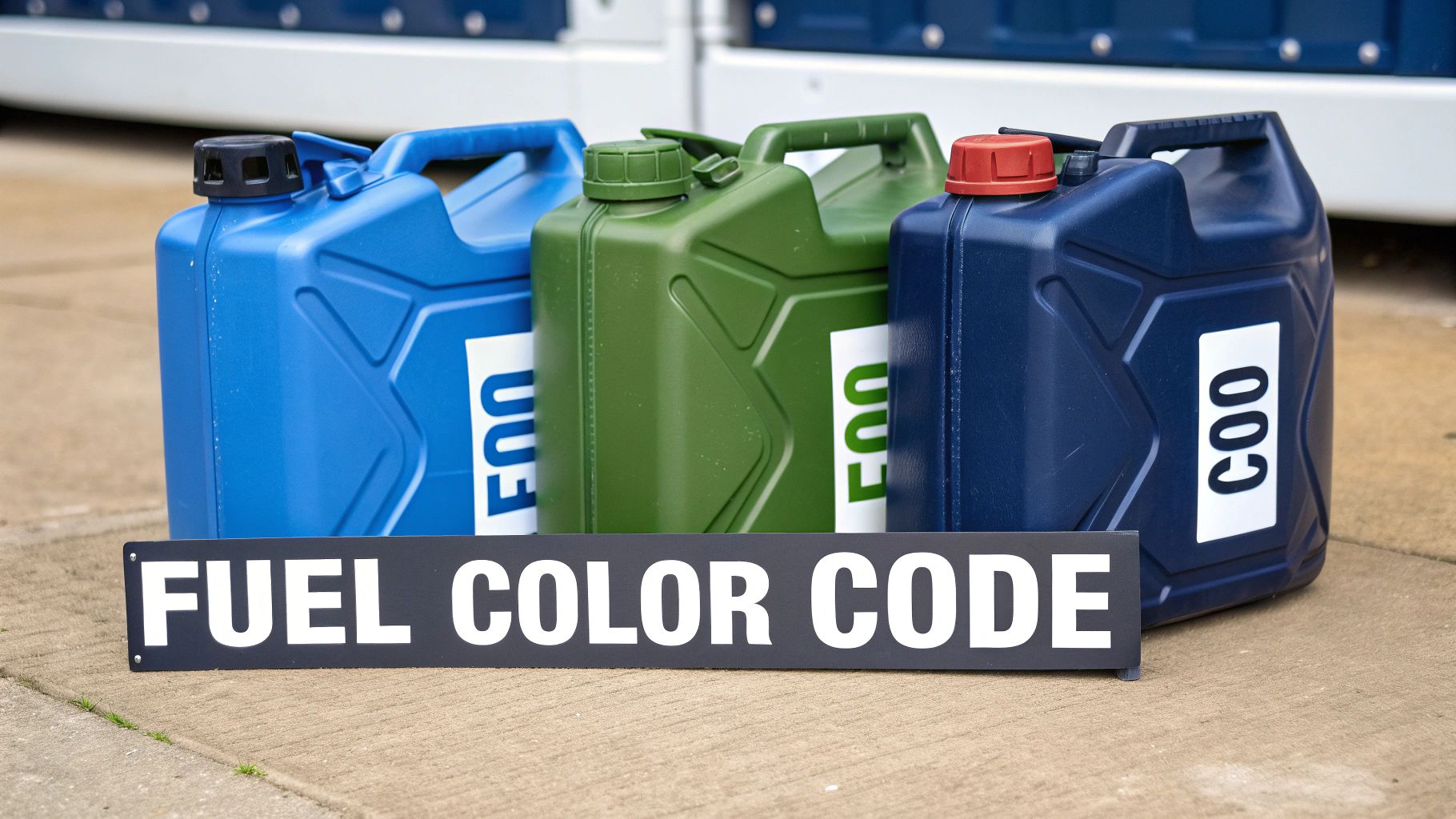
Those colors on fuel cans aren't just for show. They're part of a simple, universal safety language designed to stop you from making a very expensive mistake. Pouring the wrong fuel into your boat’s engine can wreck it, so knowing what each color means at a glance is non-negotiable.
Think of it as a visual shortcut to what's inside. This industry-standard color-coding system is something every boater should have memorized. Honestly, mixing up fuels is one of the most damaging—and easily avoidable—mishaps out there.
The Universal Color Code
Getting these colors down is your first step to safe fueling. The system is incredibly straightforward and used by virtually every manufacturer.
- Red for Gasoline: This is the one you'll see everywhere. Red cans are strictly for gasoline, including ethanol blends.
- Yellow for Diesel: If you’ve got a diesel engine, yellow cans are your go-to. Keeping these separate is critical. Gasoline in a diesel engine is a recipe for catastrophic failure.
- Blue for Kerosene: You won't see these as often for modern boat engines, but blue cans are for kerosene, which is typically used in heaters and lamps.
There's no room for error here. Grabbing the wrong can when you're in a hurry could lead to thousands in repair bills and, worse, leave you stranded.
Never rely on memory alone. The color of your portable fuel can is your first and best defense against accidentally contaminating your fuel tank. Always double-check the can's color before you fill it and before you pour.
Reading the Fine Print on Labels
Beyond the color, the labels on a fuel can tell you everything you need to know about its safety and compliance. These aren't just stickers; they're proof that the can meets strict standards designed to protect you and the environment. This is more important than ever, with the portable fuel container segment expected to make up about 36% of the entire fuel storage market by 2025.
When you buy a new can, keep an eye out for a few key certifications on the label:
- EPA (Environmental Protection Agency): This stamp means the can is designed to prevent harmful gasoline vapors from escaping into the air.
- CARB (California Air Resources Board): CARB standards are often even tougher than the EPA's, focusing on minimizing air pollution. A CARB-compliant can is a good sign you’re getting a high-quality, well-designed product.
Learning about the logic behind custom warning signs and their design for safety can give you a better appreciation for why these labels are so specific. Taking a second to check for these marks ensures your gear is up to snuff.
Mastering Safe Fuel Handling and Transport
https://www.youtube.com/embed/Rfdm3av5h8I
Handling fuel is serious business. It demands a healthy dose of respect and a routine you follow every single time. Thinking about how you handle your portable fuel cans isn't just about ticking boxes on a checklist; it’s a core part of being a responsible boater. Get these habits right, and you'll protect yourself, your boat, and the waters we all love to be on.
The First Step: Filling Up at the Station
Your safe fueling routine kicks in the second you pull up to the pump. The single most important thing to remember? Always place your portable fuel can on the ground before you start filling it.
Never, ever fill a can while it's sitting in the bed of your truck, on your boat trailer, or—worst of all—inside your car. This isn't just an old wive's tale. It's a critical step to prevent a static electricity buildup, which can easily create a spark and ignite fuel vapors in a flash.
As fuel rushes into the can, it generates a static charge. Placing the can on the ground gives that charge a safe path to dissipate. For good measure, make sure the metal tip of the gas station nozzle stays in contact with the can’s opening the entire time you’re filling.
Getting Your Fuel Home Safely
With your cans full, the next challenge is getting them to the marina without incident. An unsecured fuel can rolling around in your vehicle is a disaster waiting to happen. Your goal is to make sure it doesn't move an inch, no matter how bumpy the road is.
Here's a simple checklist for safe transport:
- Lock It Down: Always keep your fuel cans upright. Use tie-down straps, bungee cords, or a purpose-built can holder to wedge them securely so they can’t slide around or tip over.
- Let It Breathe: Transporting fuel inside a sealed space like a car trunk or passenger cabin is a big no-no. Fumes can build up to dangerous levels. The bed of a pickup truck is the best place. If you have an SUV, crack the windows to ensure plenty of fresh air is circulating.
- Keep It Cool: Try to keep the cans out of direct sunlight and away from any other heat sources. This helps minimize vapor expansion inside the can.
This kind of careful attention isn't just for boaters. Anyone using a portable generator for home backup power needs to follow the same rules. In fact, it's a good idea to Learn more about using generators safely during outages to keep your property and family safe.
Preventing Spills at the Dock
The final transfer—from the can to your boat's tank—is where things often go wrong. This is prime time for spills, usually caused by trying to pour at an awkward angle with a clunky, old-fashioned spout. A steady hand and the right gear make all the difference.
A single pint of spilled fuel can create a slick the size of a football field on the water's surface. This is a stark reminder of why every drop counts and why preventing spills is every boater's duty.
To make sure you have a spill-free experience, find a stable position on the dock or your boat. Get a solid grip on the can and pour with a slow, steady motion. If you're struggling with an old-school can, a simple funnel can dramatically improve your aim.
Of course, the best way to avoid spills is to use equipment designed for the job. To see this in action, check out our guide on the proper way to fill a gas container. By taking these simple steps, you'll build the muscle memory for safe, clean fueling every time you head out.
How Modern Spouts Prevent Spills and Fumes
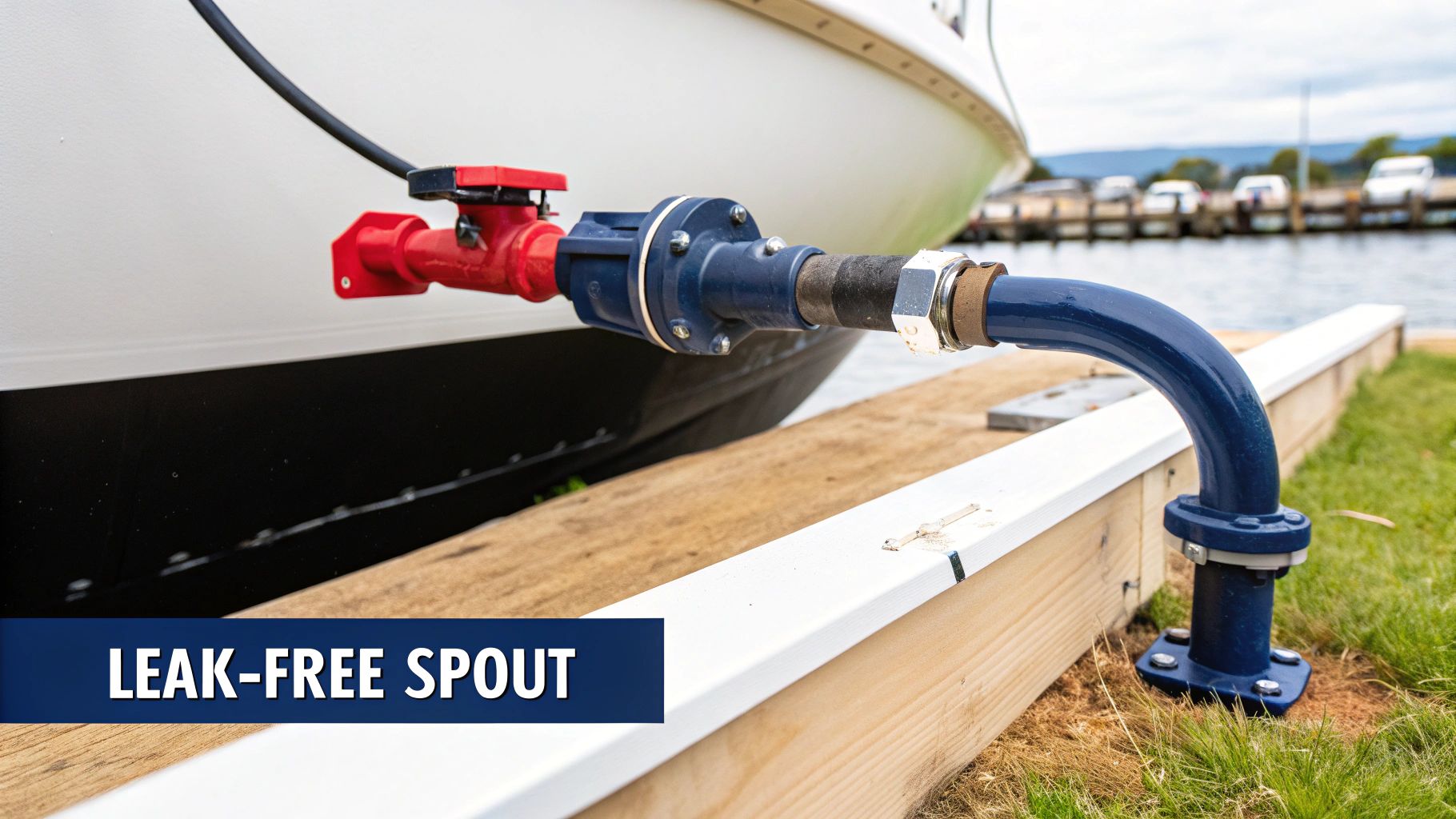
If you've ever refueled a boat, you know the frustration of a clumsy, leaky fuel can spout. It's a messy, wasteful, and environmentally damaging problem that many of us have just learned to live with. But modern engineering is changing that for good.
The difference between old spouts and new systems is night and day. Think of it like swapping a leaky, dripping garden hose for the satisfying and secure click of a high-pressure air hose. One is sloppy and unreliable; the other creates a clean, sealed connection every single time. That’s the leap in performance modern spout technology offers.
The Problem With Outdated Designs
Let's face it, most traditional spouts on portable fuel cans are just not up to the task. They're often rigid, seal poorly, and have no way of stopping the fuel flow when your tank is full. This design flaw is the direct cause of the most common fueling headaches.
- Overfills and Spills: Without an auto-shutoff, it's incredibly easy to misjudge and send fuel gushing onto your deck and into the water.
- Vapor Release: Poorly sealed caps and spouts constantly leak harmful fumes, which contributes to air pollution and creates a serious fire hazard.
- Wasted Fuel: Every drip and splash is money down the drain and a pollutant introduced directly into the marine environment.
These aren't just minor annoyances; they're significant safety and environmental risks. To really understand the issue, it's worth digging into the limitations of the typical gas can flexible spout and why an upgrade is so important.
How Modern Connections Change the Game
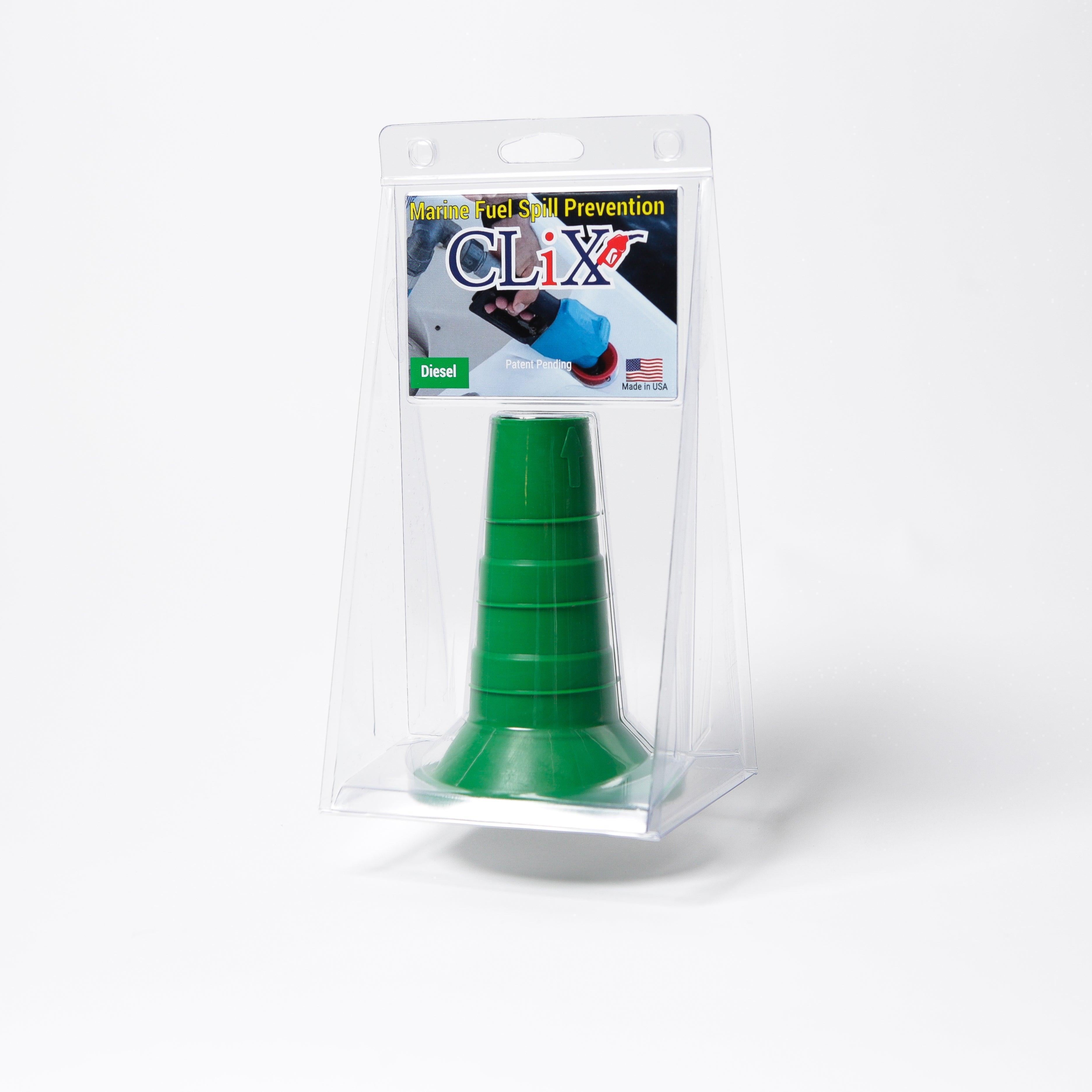
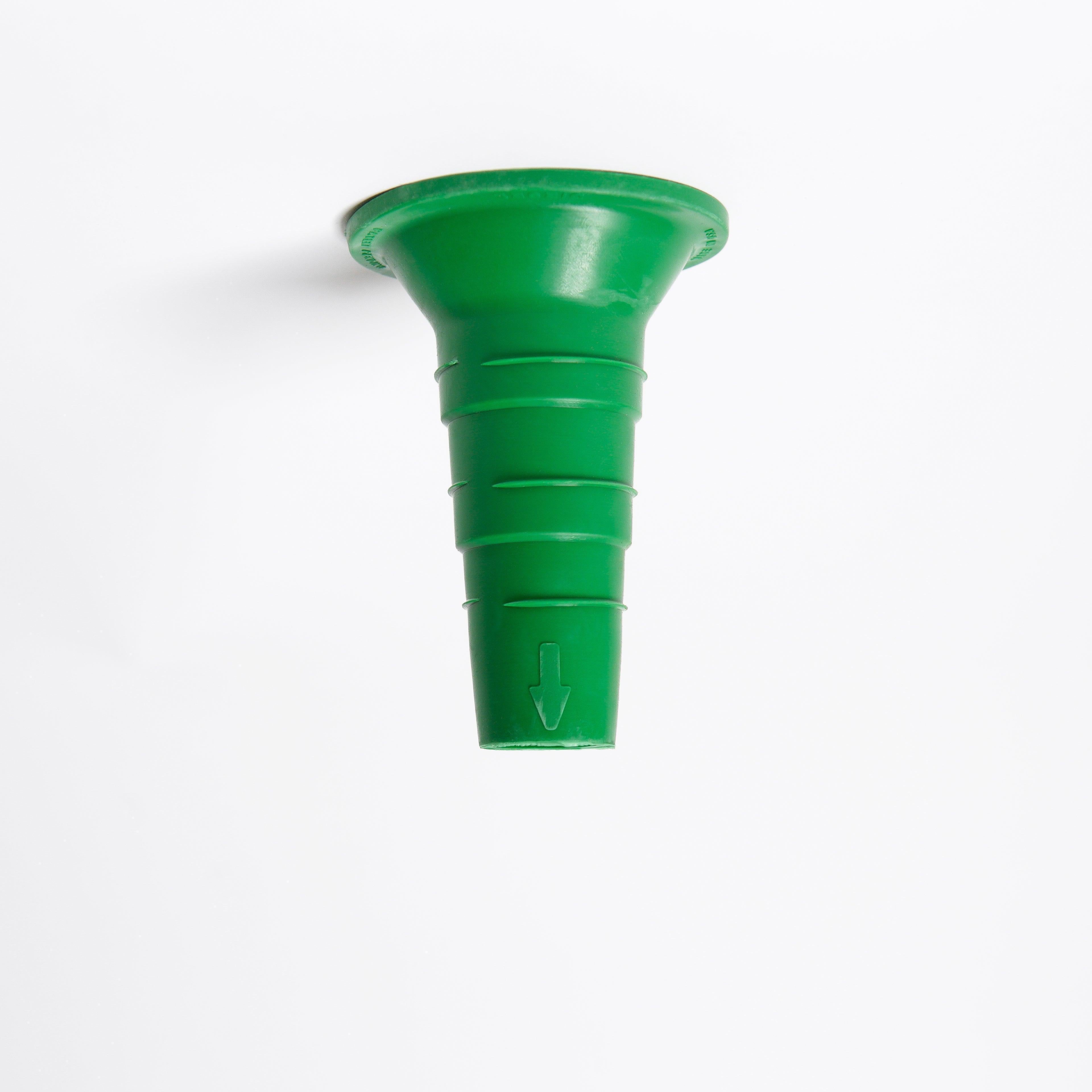
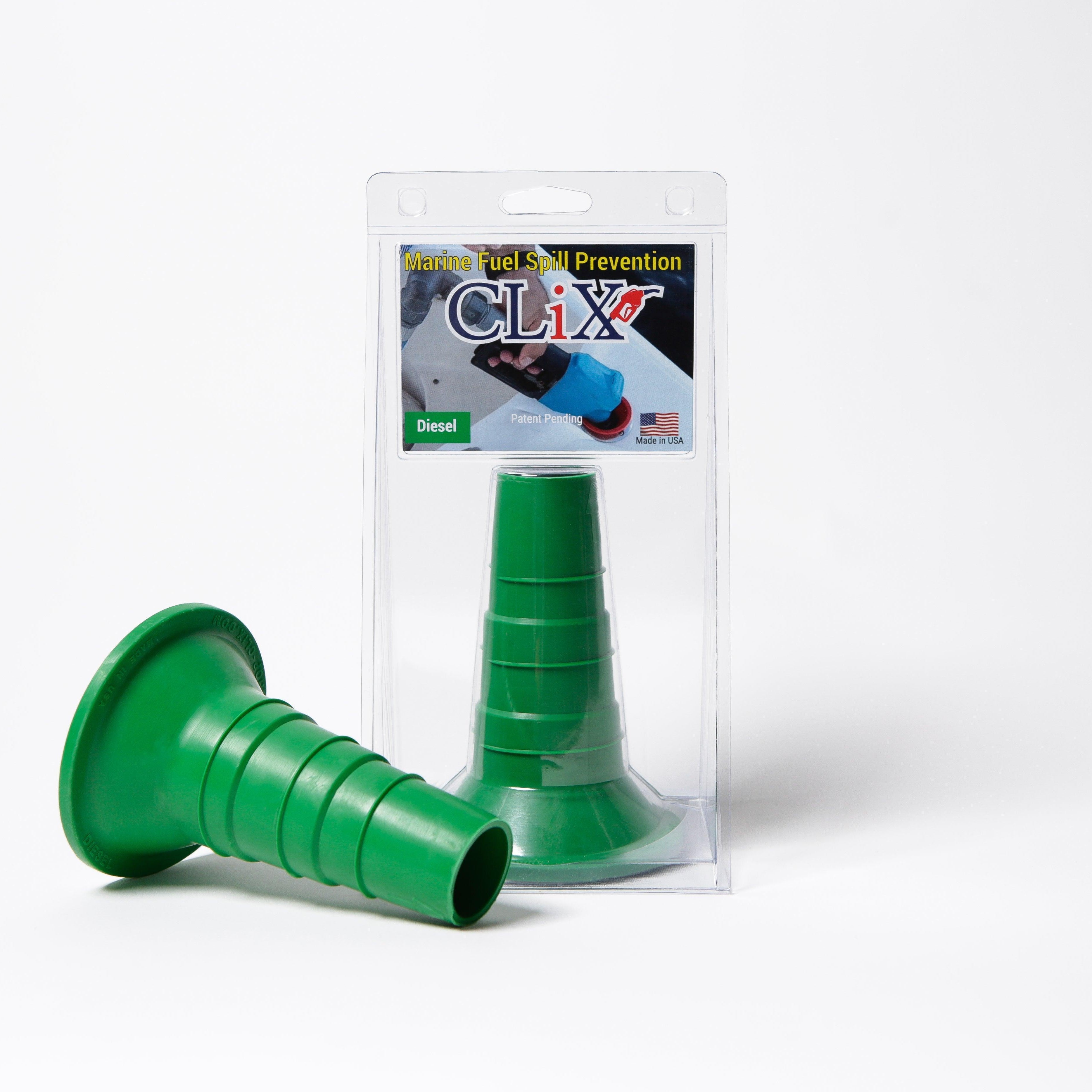
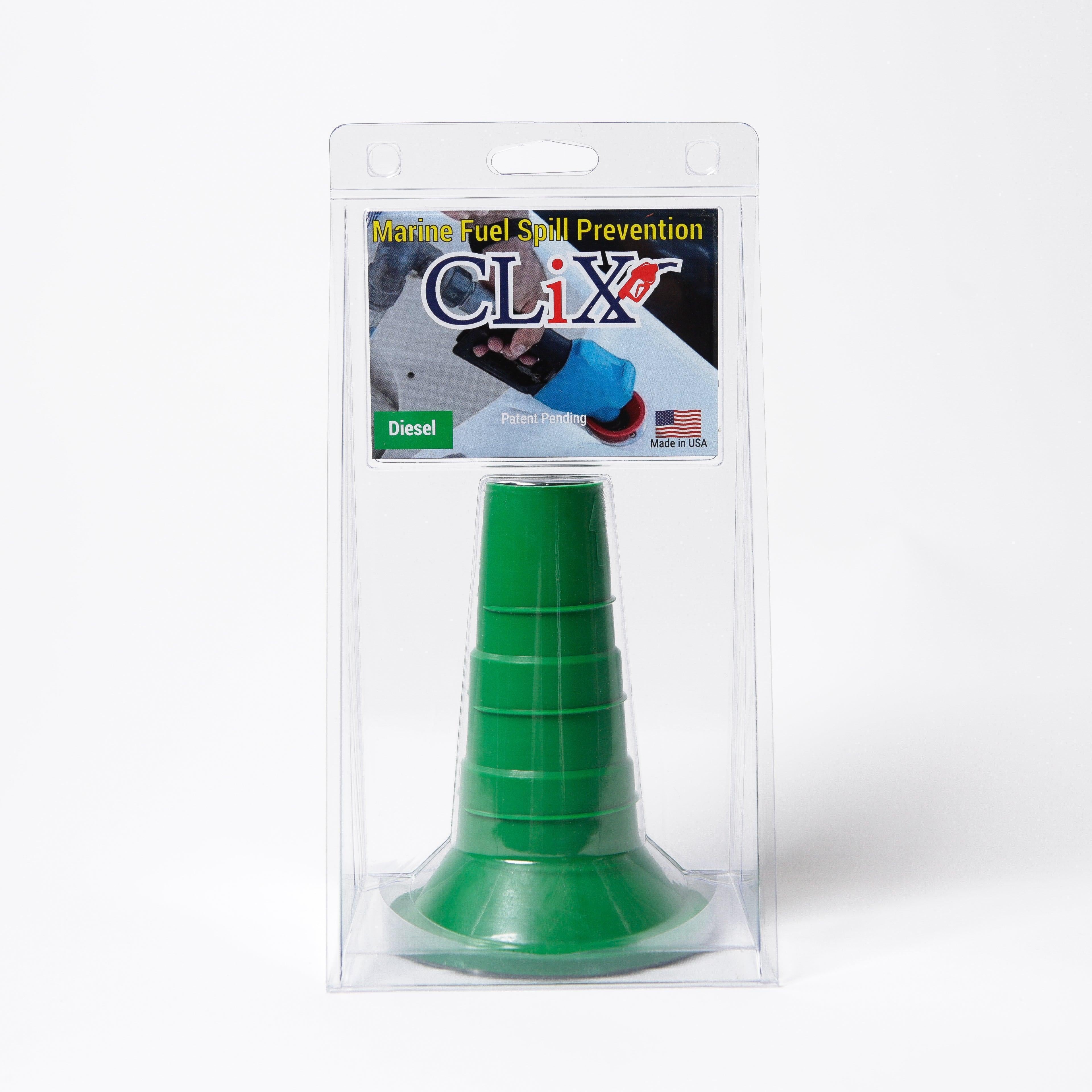
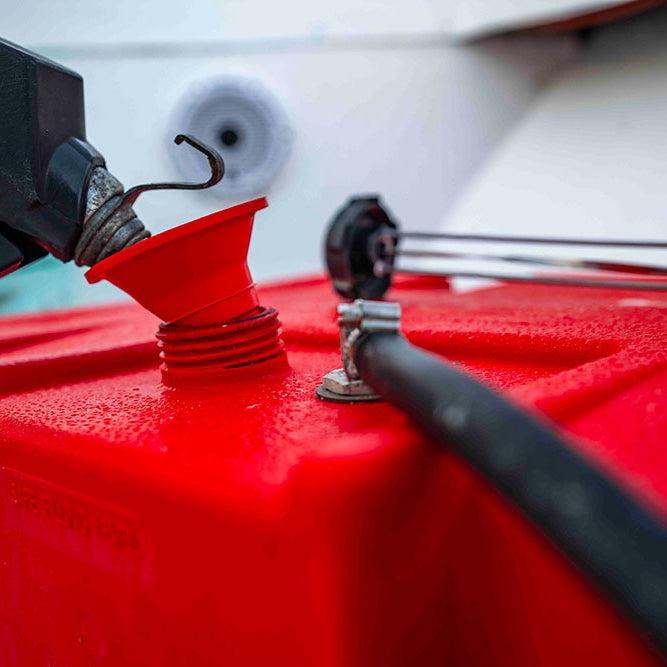
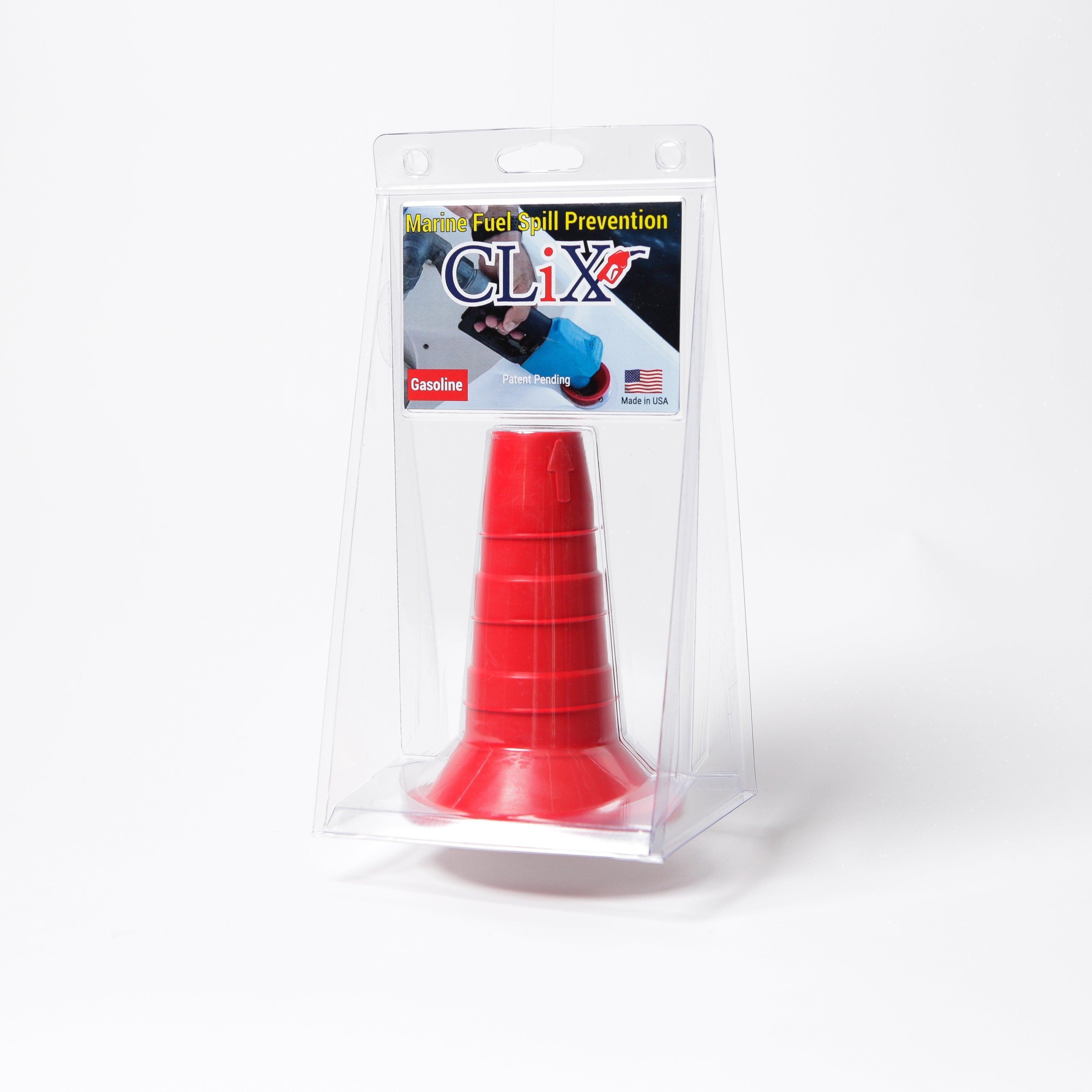
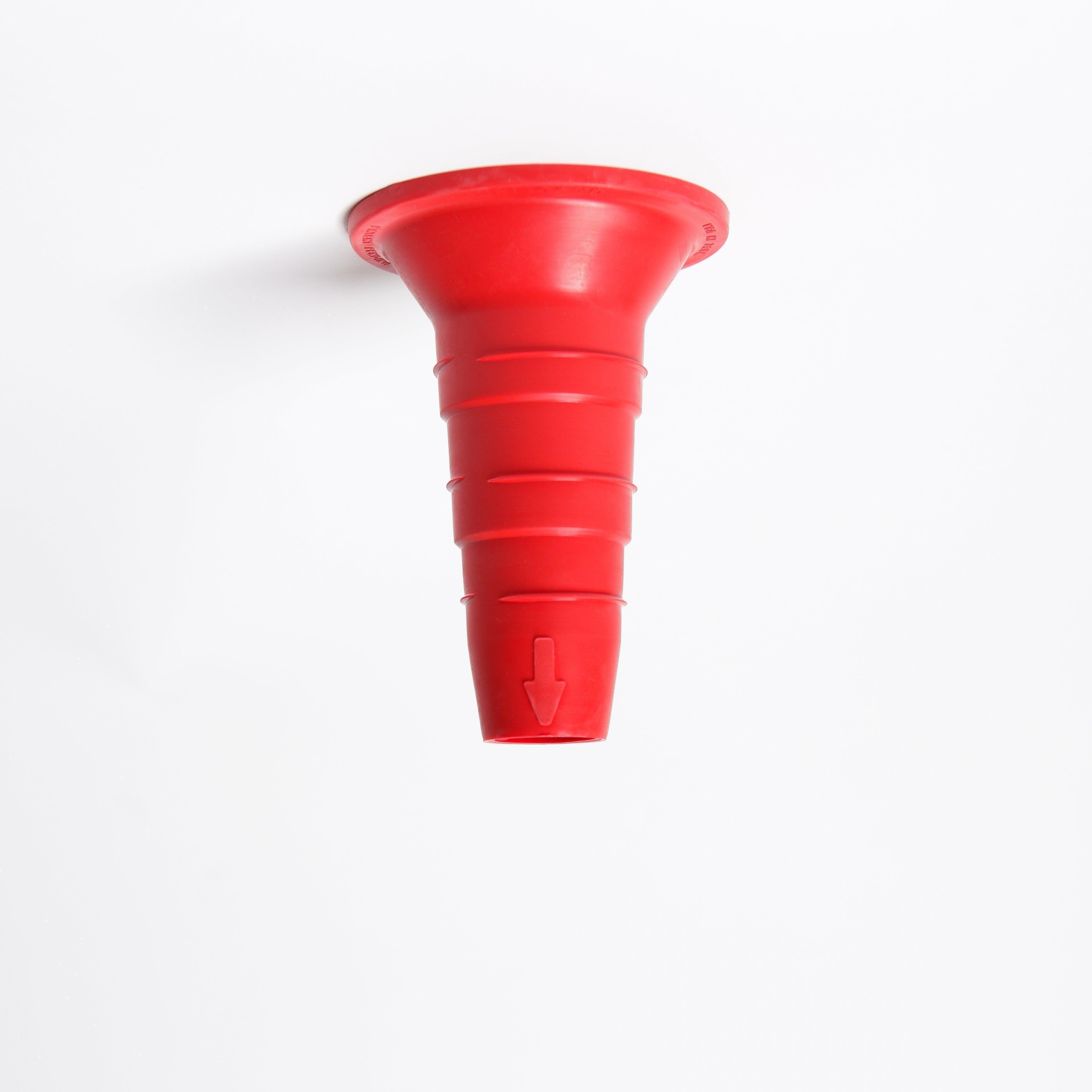
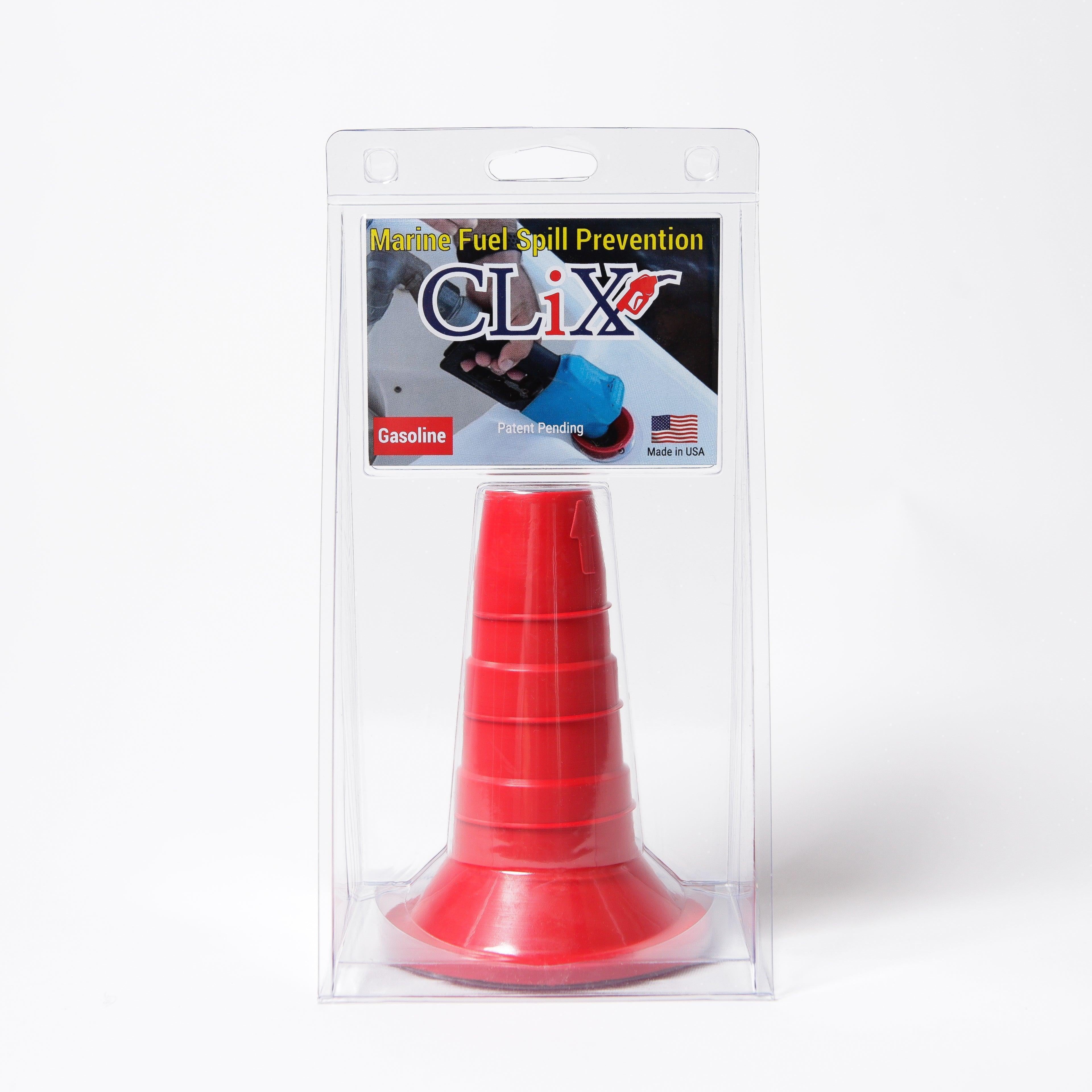
Smart fueling solutions like CLiX are engineered to create a completely closed and secure system from the can all the way to the tank. This approach tackles spills and fumes at their source with a few practical, game-changing features.
A secure, sealed connection ensures that fuel only goes where it’s supposed to—into your tank. It’s a simple concept that eliminates guesswork and prevents the accidental pollution that plagues so many docks and marinas.
This technology delivers a clean transfer by incorporating a few key innovations. An automatic shut-off stops the flow the moment your tank is full, completely preventing messy overfills. The secure, leak-proof connection also contains all the vapors, protecting the air quality and your own safety. It's an efficient design that makes sure every drop of fuel is used, saving you money and protecting our waterways from contamination.
Your Fuel Can Inspection and Replacement Guide
A portable fuel can is one of the most rugged pieces of gear on your boat, but nothing lasts forever. Like any other piece of safety equipment, it needs regular check-ups to make sure it doesn’t fail when you need it most. A quick, simple inspection routine is the best way to catch problems early, keeping your can a reliable tool instead of a dangerous liability.
Think of it as basic preventative maintenance for your boat, your safety, and the environment. A damaged can is a classic source of fuel spills and hazardous vapor leaks. Just a few minutes of your time before the season starts—or even once a month—buys a whole lot of peace of mind.
What to Look For During Inspection
You don't need a complicated process here. You're just looking for the obvious signs of wear and tear that tell you a can is on its last legs. Grab your can and give it a good look, focusing on these key areas:
- Cracks or Crazing: On plastic cans, search for a network of tiny, hairline cracks. This often happens on surfaces that get a lot of sun, as UV radiation makes the plastic brittle.
- Brittle or Missing Gaskets: The rubber gasket inside the cap is what stops leaks. If it’s dried out, cracked, or gone, you’ve lost your airtight seal.
- Rust and Corrosion: For metal cans, pay close attention to the seams, the base, and the area around the spout. Even a tiny spot of rust can weaken the can's structure.
- Faulty Vents and Spouts: Check that any vent mechanisms work smoothly and the spout seals up tight. Any visible damage here is a red flag.
A fuel can’s lifespan isn’t really about its age; it’s all about its condition. A can that’s stored properly indoors might last a decade, but one left baking in the sun could be shot in just a couple of seasons. If you spot any of these warning signs, it's time for a replacement.
To make this even easier, here's a simple checklist you can run through every month. It only takes a minute and helps you systematically check for the most common failure points.
Monthly Fuel Can Inspection Checklist
| Check Point | Condition (Good/Fair/Replace) | Notes |
|---|---|---|
| Can Body | Check for deep scratches, dents, or bulging. | |
| Plastic Surfaces | Look for hairline cracks (crazing) from UV damage. | |
| Metal Surfaces | Inspect seams and base for any signs of rust. | |
| Cap Gasket | Is the gasket soft and pliable or cracked and hard? | |
| Spout & Vent | Do they operate smoothly and seal tightly? | |
| Handles | Are they secure and free of cracks? | |
| Labeling | Are all safety warnings and capacity labels still readable? |
Keeping a log, even a simple one like this, helps you track the condition of your cans over time and decide when it's truly time to retire them.
Retiring an Old Fuel Can Safely
When a fuel can has done its job and needs to be replaced, you can’t just chuck it in the bin. It needs to be disposed of correctly to prevent environmental harm and fire risks.
First things first, make sure the can is completely empty. Leave it open in a well-ventilated area—far away from any heat or sparks—until all the fumes have evaporated.
Once it's fume-free, get in touch with your local hazardous waste disposal facility. They’ll give you the exact instructions for dropping it off so it can be handled responsibly.
Common Questions About Portable Fuel Cans
Even after you've got a handle on the materials, safety rules, and fancy new tech, you're still going to have questions. It's only natural. Let's tackle some of the most common things boaters ask about their portable fuel cans and clear the air.
How Long Can I Safely Store Gasoline?
This is a big one. You've got half a can left over from your last trip—is it still good? Generally, gasoline starts to go bad after about 3 to 6 months if it's just sitting in a sealed, standard can. After that, it starts to oxidize, creating gunk and varnish that can do a real number on your boat's engine.
If you want to get more life out of your fuel, a good fuel stabilizer is your best friend. A quality stabilizer can keep gas fresh for a year or even longer. It stops that chemical breakdown process that gums up fuel lines and carburetors. And remember, always store your cans in a cool, well-ventilated spot away from the sun to keep evaporation and degradation to a minimum.
Is It Legal to Transport Fuel Cans Inside My Car?
Let's be crystal clear: hauling fuel cans inside the passenger area of your car is a terrible idea. It’s incredibly dangerous and often illegal. Gasoline fumes can build up fast in a closed space, creating a massive fire risk and a serious health hazard if you're breathing them in. Just don't do it.
So, how should you move them? You need an open, ventilated area.
- The bed of a pickup truck is perfect.
- The trunk of your car works, as long as it's completely separate from the passenger cabin.
- An external rack is another solid choice.
No matter where you put it, make sure the can is secured upright so it can't tip and spill. Good ventilation is everything when it comes to safely moving fuel.
Never underestimate the risk of fuel vapors. A sealed car on a hot day can turn a small vapor leak into a highly flammable situation. Always prioritize ventilation and secure storage when moving fuel.
Can I Use an Old Can Without a Modern Spout?
Look, I get it. You've got that old metal can that's been in the family for years. It's tough, right? But while you can physically use it, you really, really shouldn't. Modern regulations from the EPA are pretty strict: any new fuel can sold in the U.S. has to have features like automatic shut-off spouts and vapor-sealing caps.
These rules aren't just red tape; they're there for a reason. They're designed to protect our waterways from spills and cut down on air pollution from fumes. Using an old, non-compliant can not only makes a messy, dangerous spill more likely, but it could also get you fined. Making the switch to a modern, compliant can with a good spout system is simply the smart and responsible thing to do.
Ready to stop worrying about spills and make fueling your boat a breeze? CLiX Fueling Solutions offers a spill-free, automatic shut-off system that connects securely to your portable fuel cans. Check it out and grab yours at https://clixfueling.com.