Let's be honest, nobody enjoys the awkward, back-straining process of hoisting a heavy gas can over the side of their boat to refuel. It’s a recipe for spills, messes, and frustration. This is where a 12 volt gasoline transfer pump comes in—it’s a small, portable device that safely moves gasoline from a container, like a jerry can, directly into your boat's tank.
For boaters, this simple tool is a total game-changer. It takes the guesswork and the heavy lifting out of refueling on the water.
Your Personal Fuel Station on the Water
Think of a 12 volt gasoline transfer pump as your own personal, mobile gas station. It’s a straightforward but powerful gadget that hooks up to your boat's battery, letting you move flammable liquids from a portable tank right into your main fuel system. This completely changes how you refuel, making the whole process safer and cleaner.
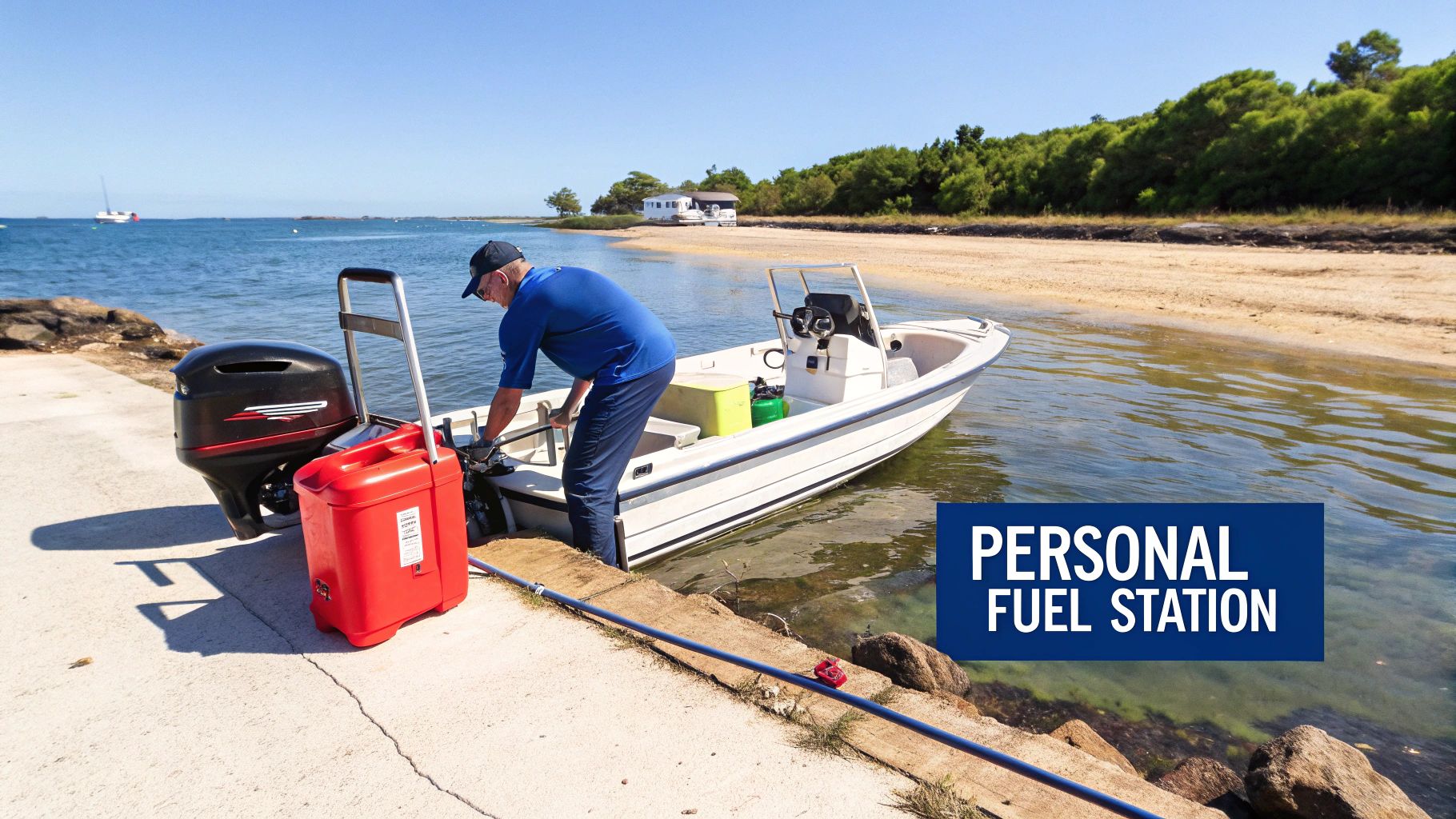
It puts an end to that precarious balancing act with sloshing fuel cans. More importantly, it replaces the risky and unreliable method of manual siphoning—a practice that too often leads to nasty spills or, even worse, accidentally swallowing fuel.
Convenience Meets Control
This little pump proves its worth in all sorts of real-world situations every boater knows well. Picture this: you're anchored in a perfect, remote cove, miles from the nearest marina, and you notice the fuel gauge is dipping low. With a portable pump and a spare can, you can top off your tank right there and keep the adventure going.
This kind of convenience brings some huge benefits:
- Better Safety: Drastically cuts down on the risk of spilling fuel on your deck or into the water, which is better for your boat and the environment.
- No More Heavy Lifting: You can skip the physical strain of wrestling with a 5-gallon fuel container that weighs around 40 lbs.
- Precise Fueling: You get total control over the fuel flow, which helps stop messy and wasteful overfills.
A Growing Market for Safer Fueling
The push for safer, more efficient fueling isn't just a trend among boaters; it’s part of a bigger industry shift. The global fuel transfer pump market is growing steadily, driven by rising energy needs and tougher environmental rules that demand better fuel handling to prevent spills and emissions.
For boat owners, this growth means more investment in fueling technology, leading to better, safer, and more reliable gear. You can dig deeper into these market dynamics in a detailed report from Maximize Market Research.
The real value of a 12 volt gasoline transfer pump isn’t just about moving fuel—it’s about freedom. It gives you the power to refuel safely and confidently wherever your adventures take you, without being tied to a marina’s schedule or location.
At the end of the day, a dedicated transfer pump gives you three critical things: safety, convenience, and control. Learning how to pick the right one and use it correctly can transform refueling from a dreaded chore into a simple, clean, and safe task.
Making Sense of Marine Fuel Pump Specifications
Choosing the right 12 volt gasoline transfer pump can feel a bit like reading a foreign language. You're staring at a page full of acronyms and technical specs that, let's be honest, don't mean much without some real-world context.
Let's cut through that jargon. We’re going to break down the key numbers—flow rate, pressure, and those all-important safety ratings—so you can look at any pump and know exactly how it will perform on your boat. The goal here is to help you make a smart choice, so your fueling setup is both quick and, most importantly, safe.
Key 12V Pump Specifications for Boaters
When you're comparing pumps, it's easy to get lost in the details. This table cuts to the chase, showing you what each spec really means when you're out on the water.
| Specification | What It Means | What to Look For |
|---|---|---|
| Flow Rate (GPM) | How fast the pump moves fuel. Higher GPM = faster fill-ups. | 8 to 15 GPM is the sweet spot for most boats. |
| Pressure (PSI) | The force behind the flow. Helps push fuel up or through long hoses. | Not a primary concern for most, but indicates a strong motor. |
| Materials | How well the pump resists gasoline, which is highly corrosive. | Cast iron/aluminum body, Viton seals, and gasoline-rated hoses. |
| Safety Rating | Proof the pump is designed to prevent sparks and explosions. | UL Listed or ATEX Certified. This is non-negotiable. |
Ultimately, a well-balanced pump with the right GPM and a solid safety certification is what you're after. These specs ensure you get a pump that’s both efficient for your needs and built to handle fuel safely.
Flow Rate: How Fast is Too Fast?
The first number that usually jumps out is the flow rate, measured in Gallons Per Minute (GPM). Simply put, this tells you how quickly the pump can get fuel from your can into your boat's tank. A higher GPM means you'll be done fueling faster.
For instance, a pump rated at 10 GPM could empty a 5-gallon jerry can in about 30 seconds. But hang on—faster isn't always better. A high-flow pump might be a dream for filling up a large yacht, but for a smaller boat, it could be total overkill.
Trying to force fuel too quickly into a small tank or a narrow fill neck is a recipe for splash-back and dangerous spills. For most recreational boaters, a flow rate between 8 to 15 GPM hits that perfect balance between speed and control. You can find more tips in this detailed guide to selecting the right marine fuel transfer pump.
Pro Tip: Think of it like a garden hose. You'd use a powerful jet stream to blast grime off the driveway, but you need a gentle shower setting for your flowerpots. Match the pump's GPM to your boat's tank size to avoid a messy and hazardous overfill.
There's a reason the 12V DC fuel transfer pump is so popular—it commanded a massive 32.7% of global revenue back in 2021, according to Grand View Research. Its sweet spot of 8 to 15 GPM is just right for countless boaters and other light-duty uses.
Pressure and Materials: Built to Last?
While flow rate is about speed, pressure—measured in Pounds per Square Inch (PSI)—is about the force behind that flow. A higher PSI means the pump has enough muscle to push fuel through longer hoses or lift it from a low-slung container up to a high deck fill.
For most typical on-deck fueling, a super-high PSI isn't the most critical thing, but a decent rating does tell you the motor is robust and won't struggle to deliver a consistent stream.
Just as important is what the pump is made of. Gasoline is nasty stuff and will eat away at the wrong materials.
- Seals and Gaskets: Look for pumps with Viton or similar chemically resistant seals. Standard rubber just won't cut it; it’ll get gummy and leak.
- Pump Housing: Cast iron or high-grade aluminum housings are tough and stand up to corrosion in a marine environment.
- Hoses: Make sure any included hoses are specifically rated for gasoline. If they aren't, they'll turn brittle and crack, creating a serious safety risk.
Safety Certifications: The Absolute Must-Have
When you're handling something as flammable as gasoline, safety isn't a feature—it's everything. This is where safety certifications come in. Think of them as a seal of approval from an independent lab that guarantees the pump is engineered to prevent sparks and ignition.
Never, ever buy a pump for gasoline unless it has a recognized safety certification. The two you'll see most often are:
- UL Listed (Underwriters Laboratories): The gold standard in North America. It means the product has passed tough safety tests for use with flammable liquids.
- ATEX Certified: This is the European equivalent, required for any equipment used in potentially explosive atmospheres. It's another mark of an ignition-proof design.
A certified 12 volt gasoline transfer pump is built with a completely sealed motor and internal components. This design ensures that no electrical spark can ever meet flammable fuel vapors, making it the only safe way to fuel your boat.
Safe Installation and Wiring for Your Boat
Getting your 12 volt gasoline transfer pump installed correctly is the most important thing you can do for safe, reliable fueling. This isn't just about hooking up a few wires and hoses; it's about building a secure system that prevents leaks, power issues, and dangerous sparks around gasoline.
When you take the time to do it right, you can trust your pump to work perfectly every time. Let's walk through the key steps, from picking the best spot for the pump to ensuring every electrical connection is rock-solid.
Choosing the Right Mounting Location
Where you mount the pump is just as critical as how you wire it. You're looking for a spot that's stable, well-ventilated, and protected from the elements, but still easy to get to for use and maintenance.
Keep these three things in mind:
- Find a solid surface. The pump needs to be bolted down on a flat, sturdy surface where it won't vibrate itself loose or tip over. Constant vibration is a sure way to loosen fittings over time, which is how leaks start.
- Keep it dry and aired out. Even marine-grade pumps last longer when they're not sitting in bilge water or getting blasted by sea spray. Good airflow is also non-negotiable—it helps dissipate any fuel vapors that might be present.
- Stay close to the battery. The shorter the wire run from the battery to the pump, the better. Longer wires lead to voltage drop, which means your pump motor might not get the full power it needs to run at peak performance.
Getting the location right helps ensure your pump delivers on its core specs: flow rate, pressure, and safety.
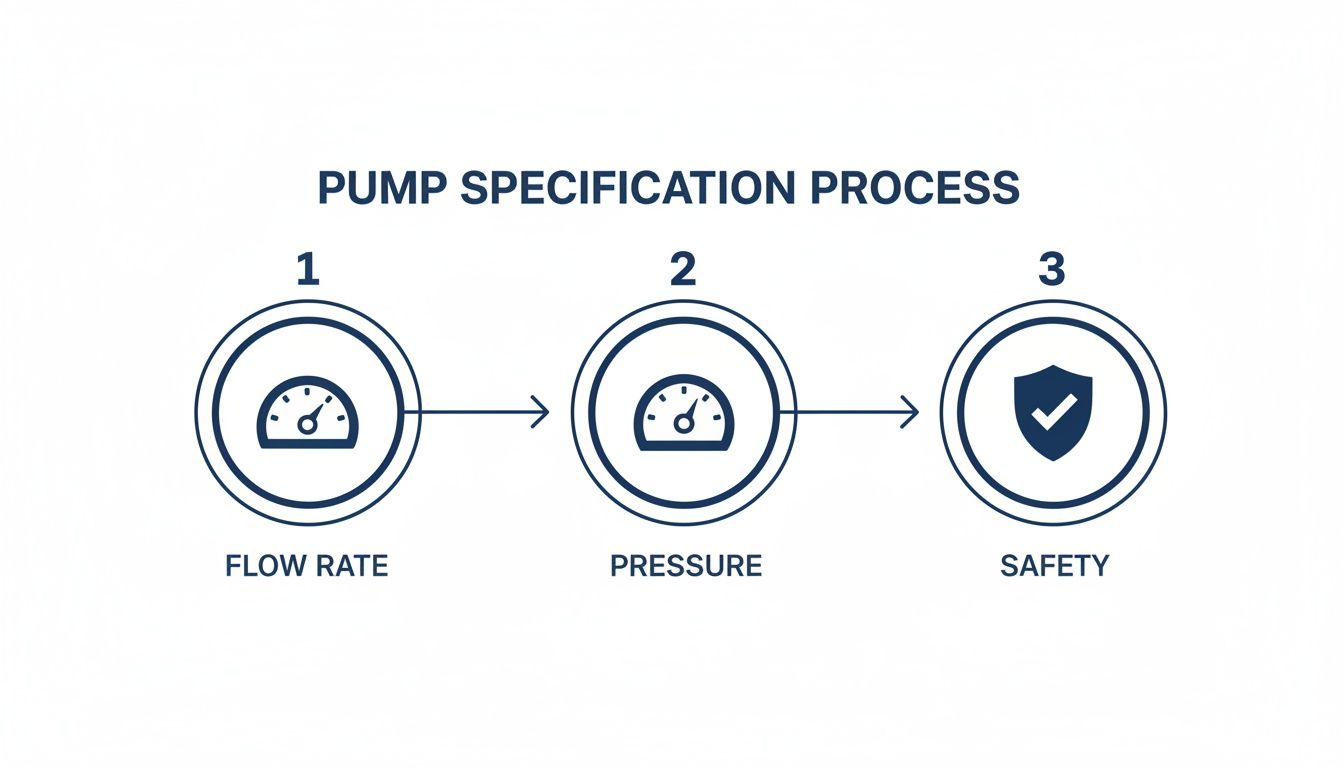
Think of a proper installation as the key that unlocks your pump's full potential for speed, power, and safe operation.
Securing Hoses and Fittings
With the pump mounted, it's time to connect the hoses. Loose connections are the #1 reason for suction problems and, far more seriously, fuel leaks. You need an airtight seal on the suction side and a leak-proof connection on the discharge side.
Always use high-quality, stainless steel hose clamps that can stand up to the marine environment. Get them good and snug at every connection point. Before you use the pump, it's also a great habit to quickly check the hoses for any cracks or signs of wear. For a deeper dive, check out our guide on choosing the right fuel transfer pump hose.
A word of caution from experience: don't crank down on the clamps with all your might. Overtightening can bite into the hose and, ironically, create the very leak you're trying to prevent. You're aiming for a firm seal, not a crushed hose.
Critical Steps for Electrical Wiring
This is where you absolutely cannot cut corners. We're dealing with gasoline vapors, and a single stray spark can be catastrophic. Following proper wiring practices is all about protecting your pump, your boat's electrical system, and most importantly, yourself.
-
Select the Correct Wire Gauge: Using wire that's too thin for the job is a major fire hazard. The wire can't handle the amperage the pump motor draws, causing it to overheat, melt its insulation, and create a short. Always check the pump's manual for the recommended wire gauge, which will depend on the length of the wire run. When in doubt, go with a thicker wire (which means a lower gauge number), especially for longer runs.
-
Install an In-Line Fuse: If you do nothing else, do this. A fuse is your pump's personal bodyguard. It needs to be installed on the positive (red) wire, as close to the battery as you can get it. If the pump ever shorts out or jams, it will draw a surge of current, and the fuse will blow instantly, cutting the power. This single, tiny component prevents electrical fires. Having a basic knowledge of why breakers and fuses trip is helpful for anyone working with 12V systems, and you can learn more by understanding circuit breaker issues.
-
Ensure Solid Connections: Use marine-grade, heat-shrink connectors to make every connection waterproof and corrosion-proof. Loose or corroded terminals don't just stop working—they create electrical resistance, which generates heat and starves your pump of power. A clean, tight connection is both a safe connection and an efficient one.
Getting Your Pump Primed and Keeping It Maintained
A reliable 12 volt gasoline transfer pump is one that’s been primed correctly and looked after consistently. Once you’ve got it set up, this is where you make sure that investment pays off for years to come. A little proactive care goes a long way in preventing those frustrating moments when the pump motor is humming but no fuel is flowing.
First off, let’s talk about "priming." It’s a simple concept. Think of it like taking that first sip to get a drink flowing through a straw. Some pumps, especially the vane or diaphragm types, need a little bit of liquid already inside them to create the suction required to pull gasoline from your tank or can. A pump running dry is just spinning air, which does nothing but stress the motor and cause it to heat up.
Now, not all pumps need a helping hand. Many are "self-priming," meaning they're engineered to create that initial vacuum all on their own, even when they're completely dry. But there’s a catch: their self-priming magic only works if the suction hose is perfectly sealed. Even a tiny air leak can break the vacuum, and you’ll be right back to square one.
The Art of Priming Your Pump
If your pump isn’t the self-priming kind, or if it has lost its prime for some reason, getting it started is straightforward but absolutely critical. The whole idea is to get a splash of fuel into the pump housing to kick things off.
- Safety First: Always do this in a well-ventilated area, and make sure a fire extinguisher is within arm's reach. Kill the power to the pump before you start.
- Get Gravity on Your Side: If you can, position the pump so it’s sitting below the fuel source. Gravity will give you a big assist in getting fuel into the pump body.
- Add a Little Fuel: Pop off the discharge (outlet) hose and carefully pour a small amount of gasoline directly into the pump's outlet port. Then, reconnect the hose and make sure it's on tight.
- Power Up and Check: Connect the pump to your 12V battery and flip the switch. It should now grab the fuel and start transferring it smoothly.
A correctly primed pump is a happy pump. Running it dry is one of the fastest ways to cause premature wear on its internal components, especially the vanes or impeller. Just a few seconds of priming can add years to its operational life.
Your Simple Maintenance Checklist
Good maintenance is all about spotting small issues before they turn into big headaches. A quick look-over before each use, plus a more thorough check every so often, will keep your 12 volt gasoline transfer pump ready for anything.
- Inspect Hoses Regularly: Before every use, run your hands along both the suction and discharge hoses. You're feeling for any cracks, brittle spots, or soft patches. These are tell-tale signs that the material is breaking down from fuel and sun exposure.
- Clean the Inlet Strainer: That little strainer on the end of the suction hose is your pump's first line of defense against gunk. After a few uses, give it a look. If it's clogged with sediment, the pump has to work much harder to pull fuel.
- Check Electrical Connections: Corrosion is the enemy in a marine environment. Every so often, check the battery clamps and wire terminals for any rust or that classic green-and-white buildup. Clean connections ensure your pump gets the full voltage it needs to run at its best.
Troubleshooting Common Pump Problems
Even with the best care, things can still go sideways. The good news is that most problems with a 12 volt gasoline transfer pump are pretty easy to diagnose and fix. Here are the usual suspects.
Problem 1: The Pump Runs, But No Fuel Moves
This is almost always a priming or suction issue. It’s the #1 complaint.
- Lost Prime: The pump is dry. It just needs to be re-primed using the steps we covered above.
- Air Leak: This is the most likely culprit. You have to be a detective here. Meticulously check every single connection on the suction side, from the strainer all the way to the pump inlet. A pinhole leak is all it takes to kill the suction.
Problem 2: The Pump Has Lost Its Punch
If the pump is moving fuel but the flow just seems weak or sluggish, you're probably dealing with a blockage or a minor leak.
- Clogged Strainer: First thing to check. Debris from the bottom of a fuel can will clog that inlet strainer in a heartbeat, starving the pump.
- Kinked Hose: It sounds obvious, but make sure the suction hose isn't bent or folded over on itself. A sharp kink will choke off the flow immediately.
- Worn Impeller/Vanes: Over time, the internal moving parts just wear out, and the pump loses its efficiency. If you’ve checked everything else, it might be time to open up the manual and see about replacing these parts.
By mastering these simple priming and maintenance tasks, you turn your pump from just another piece of gear into a truly reliable partner for every trip. A few minutes of care ensures it's ready to go when you need it most.
Preventing Spills and Overfills When Fueling
A good 12 volt gasoline transfer pump is fantastic for the first part of the job—getting fuel from the can to your boat without a mess. But the real moment of truth comes at the very end. How do you know when to stop? This is where things often go sideways, leading to dangerous and costly spills.
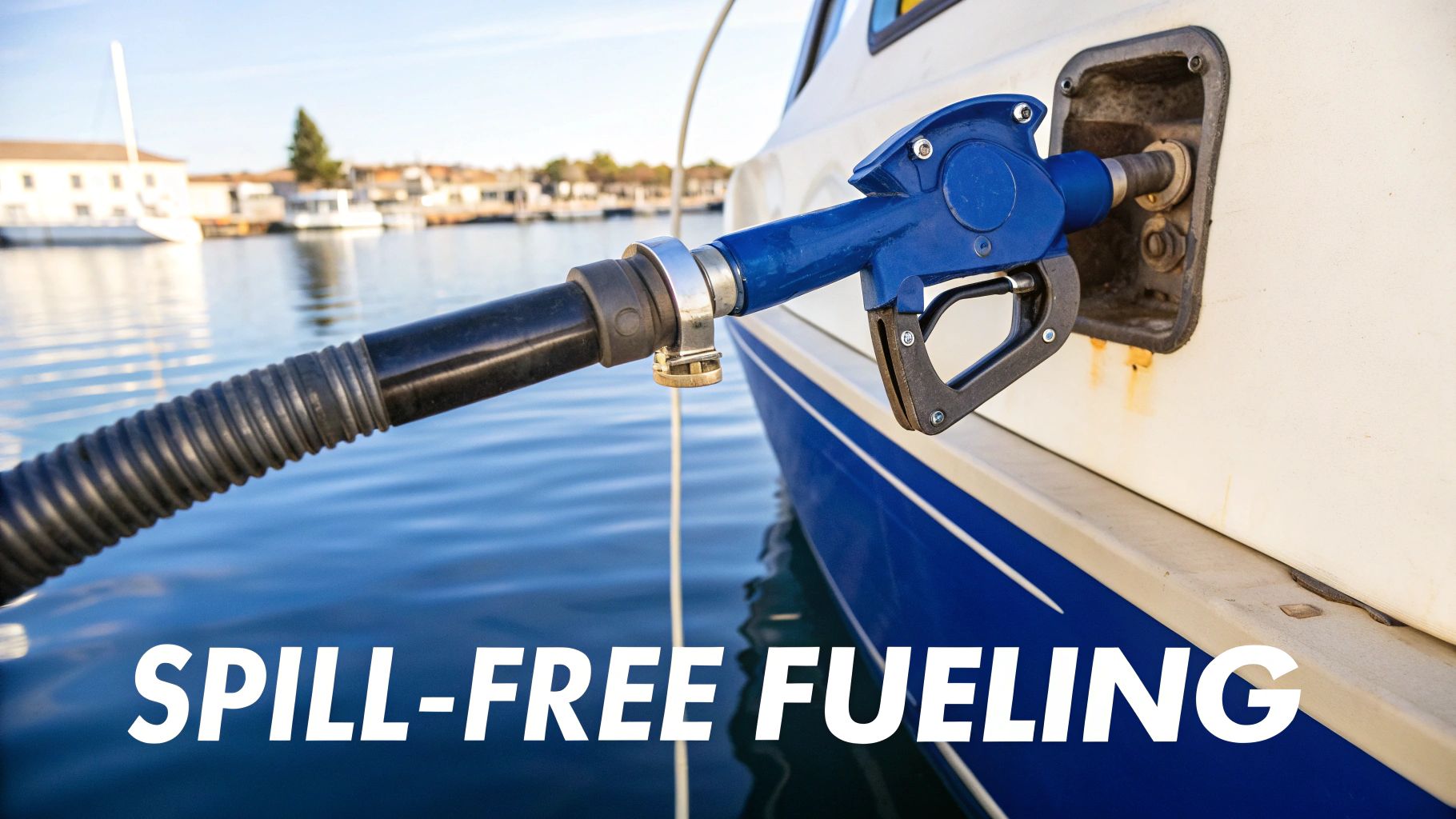
We've all been there, doing the "listen and guess." You're hunched over, trying to hear that subtle gurgle that signals the tank is almost full. The problem is, it's a terrible way to fuel. One cough from a nearby engine or a moment of distraction, and you’ve got gasoline gushing out of the fill port.
The Limits of Manual Control
Even with a top-notch pump, you're still the one making the split-second decision to shut it off. Human error is the weakest link in the chain. All it takes is a simple misjudgment, and you’re dealing with a hazardous mess.
And let's be clear, a gasoline spill is a whole lot more than just an ugly stain and a bad smell.
- Environmental Damage: A single gallon of gasoline can contaminate up to one million gallons of water, causing serious harm to marine ecosystems.
- Boat Damage: Fuel strips wax, eats through gelcoat, and can permanently stain your deck materials. It's an expensive cleanup job.
- Fire Hazard: Gasoline on deck or in the water creates highly flammable vapors. It’s a huge fire risk that no boater should ever have to face.
The core issue isn't the pump; it's the fact that you're fueling blind. You have no real feedback from the tank. You’re just guessing when you've hit that sweet spot of 90% full to leave room for thermal expansion.
A Smarter Way to Prevent Spills
This is exactly why modern fueling technology is such a game-changer. It takes the guesswork completely out of the equation. The best way to stop an overfill is with a system that has an automatic shutoff, adding a brain to the end of your fuel hose.
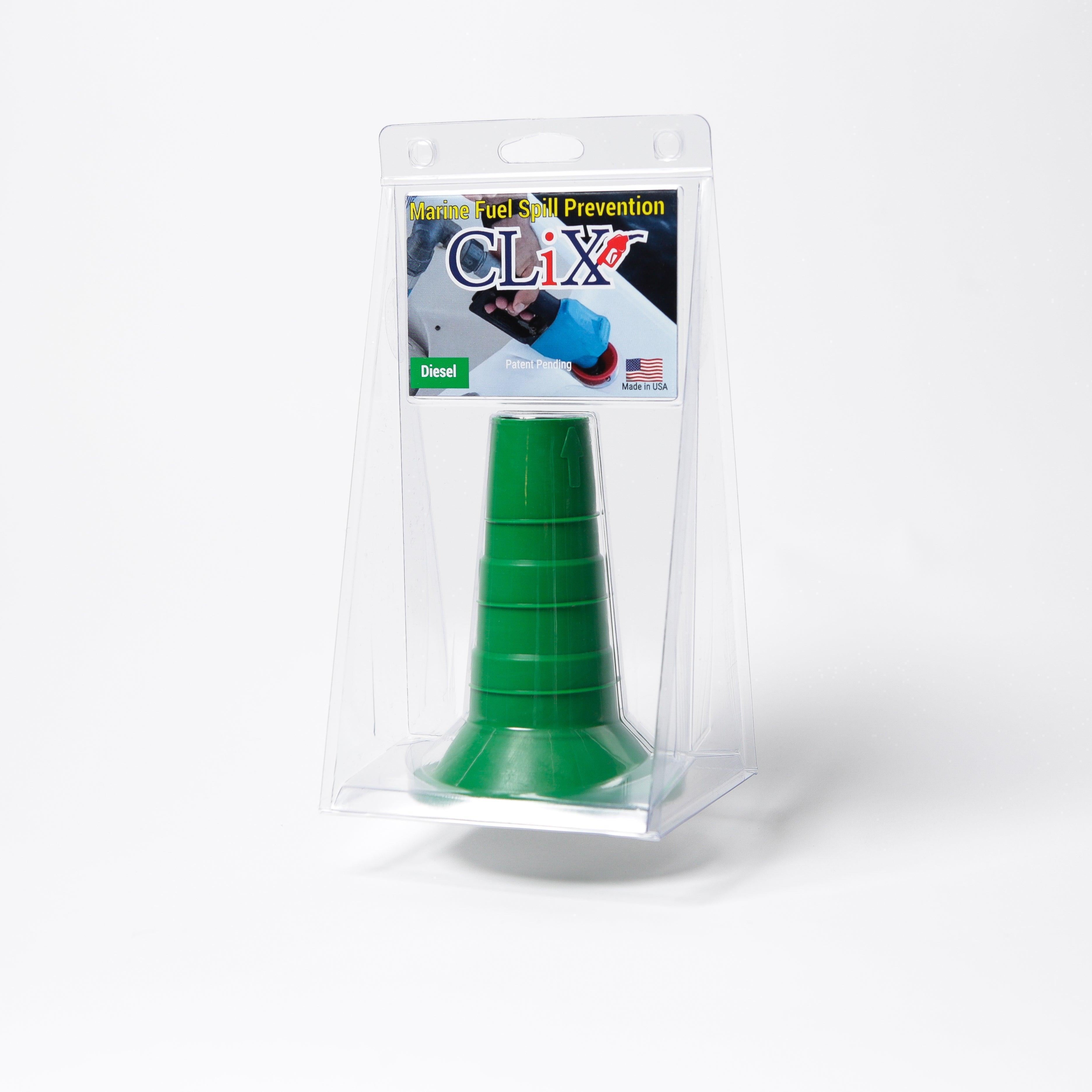
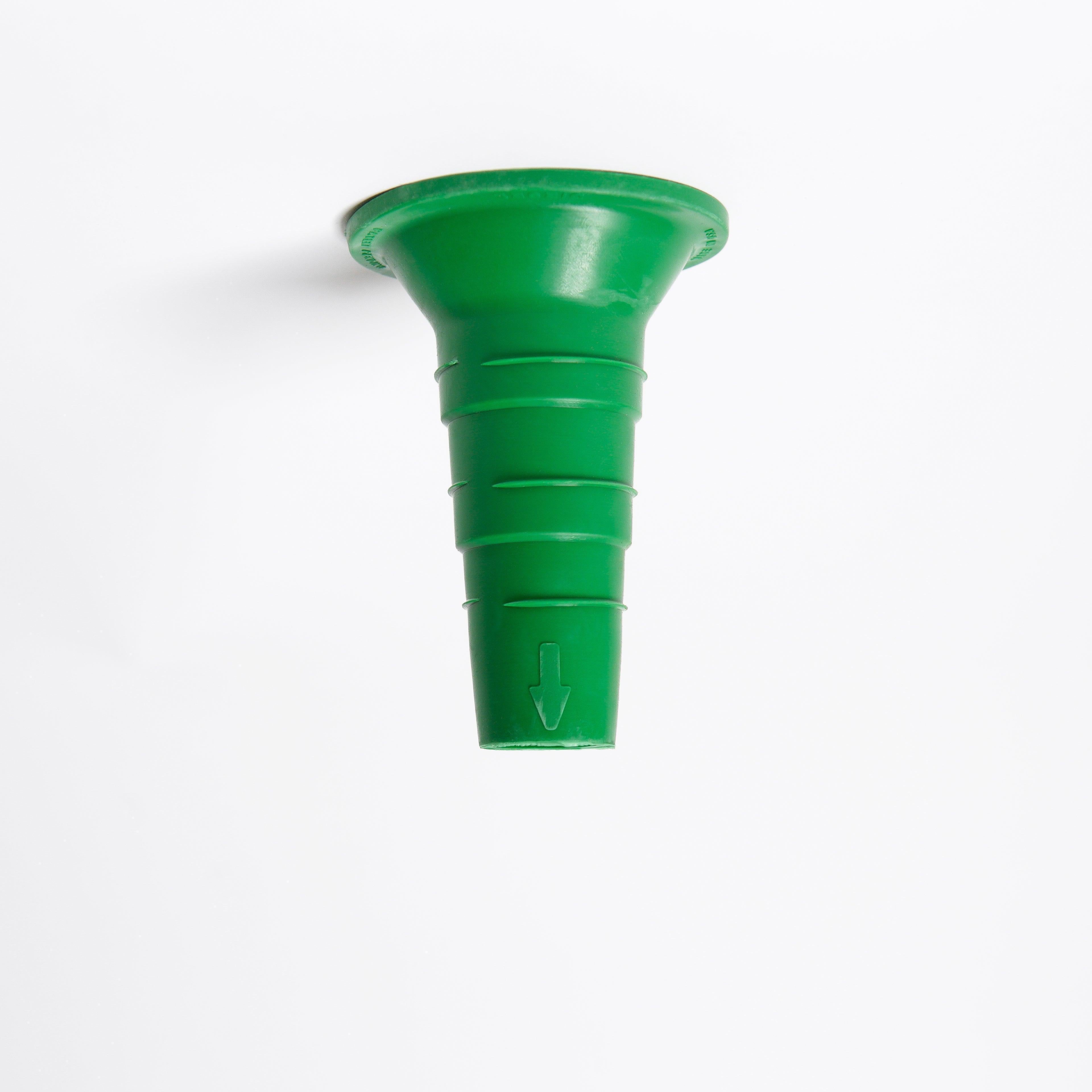
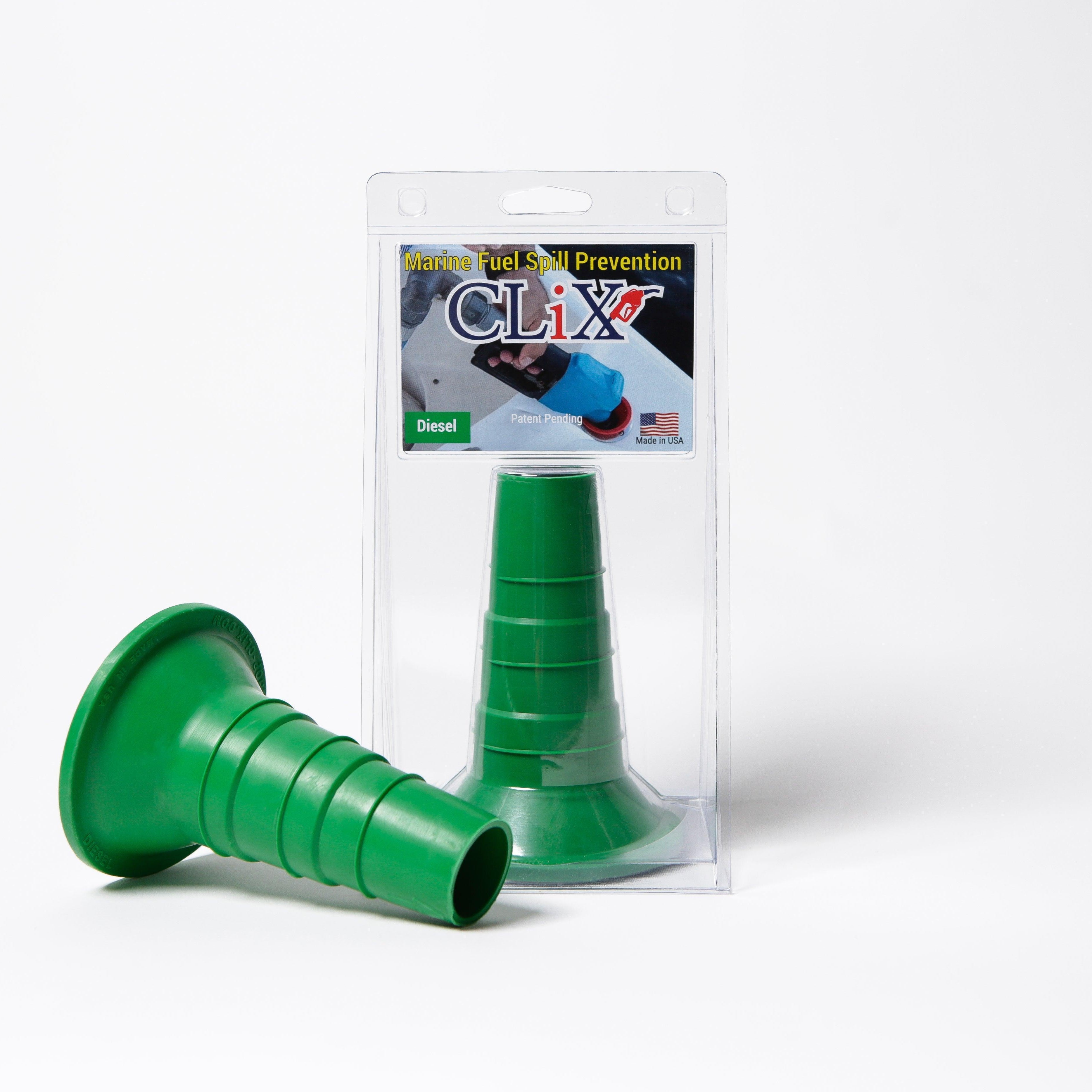
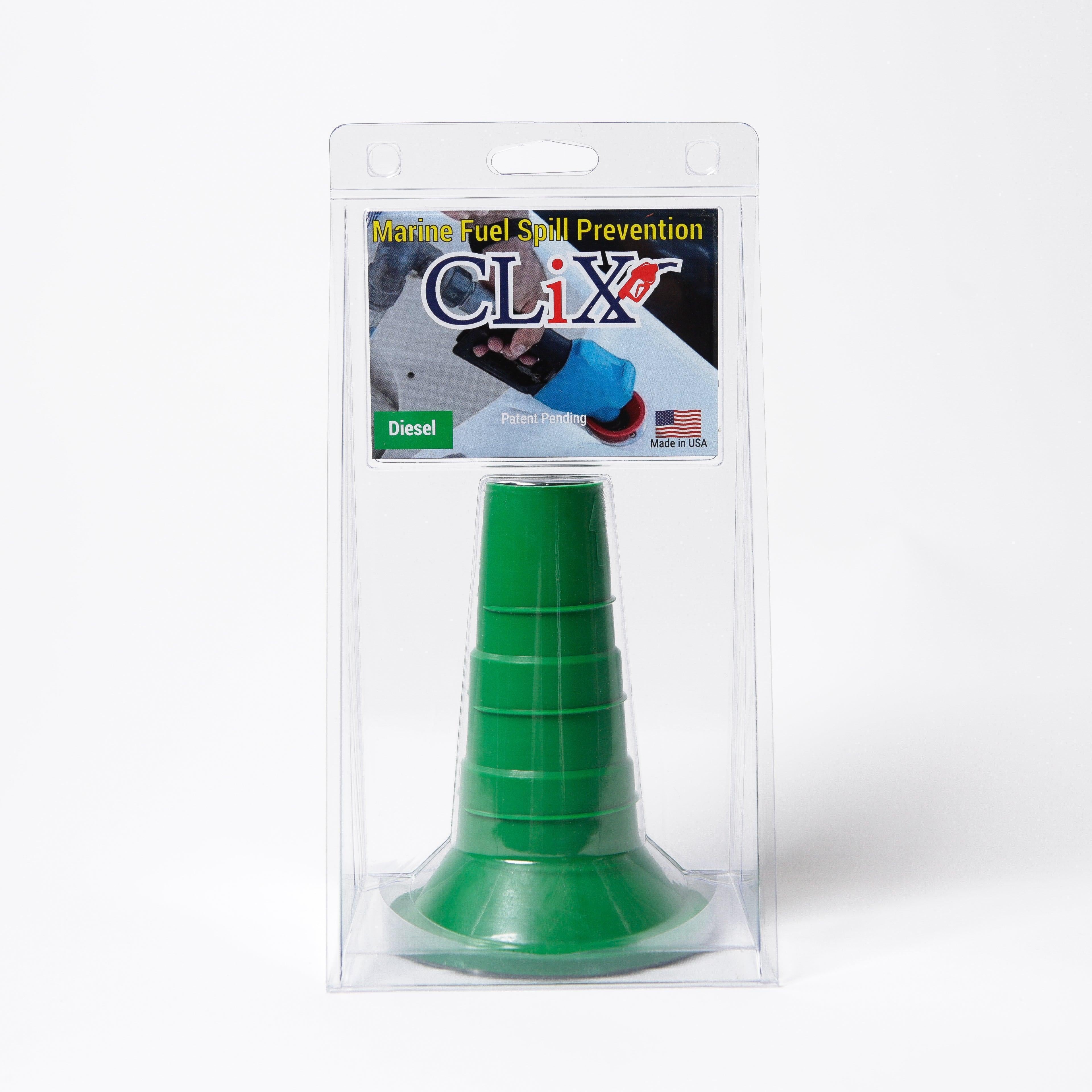
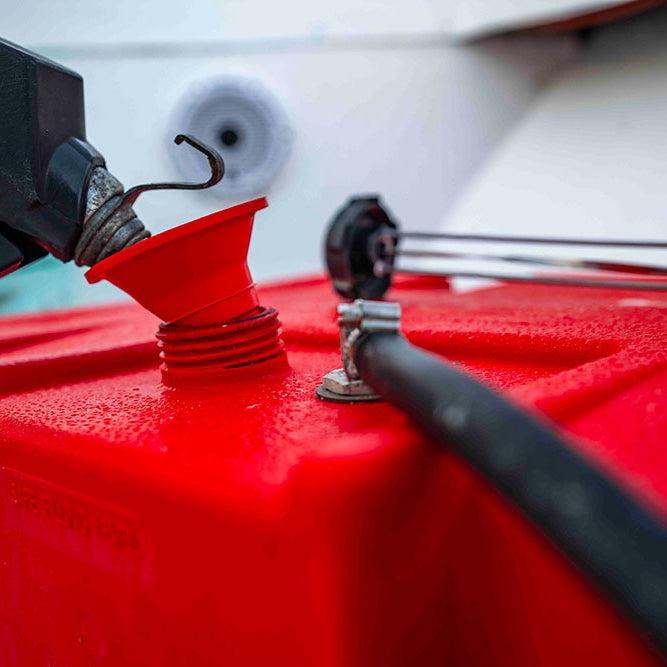
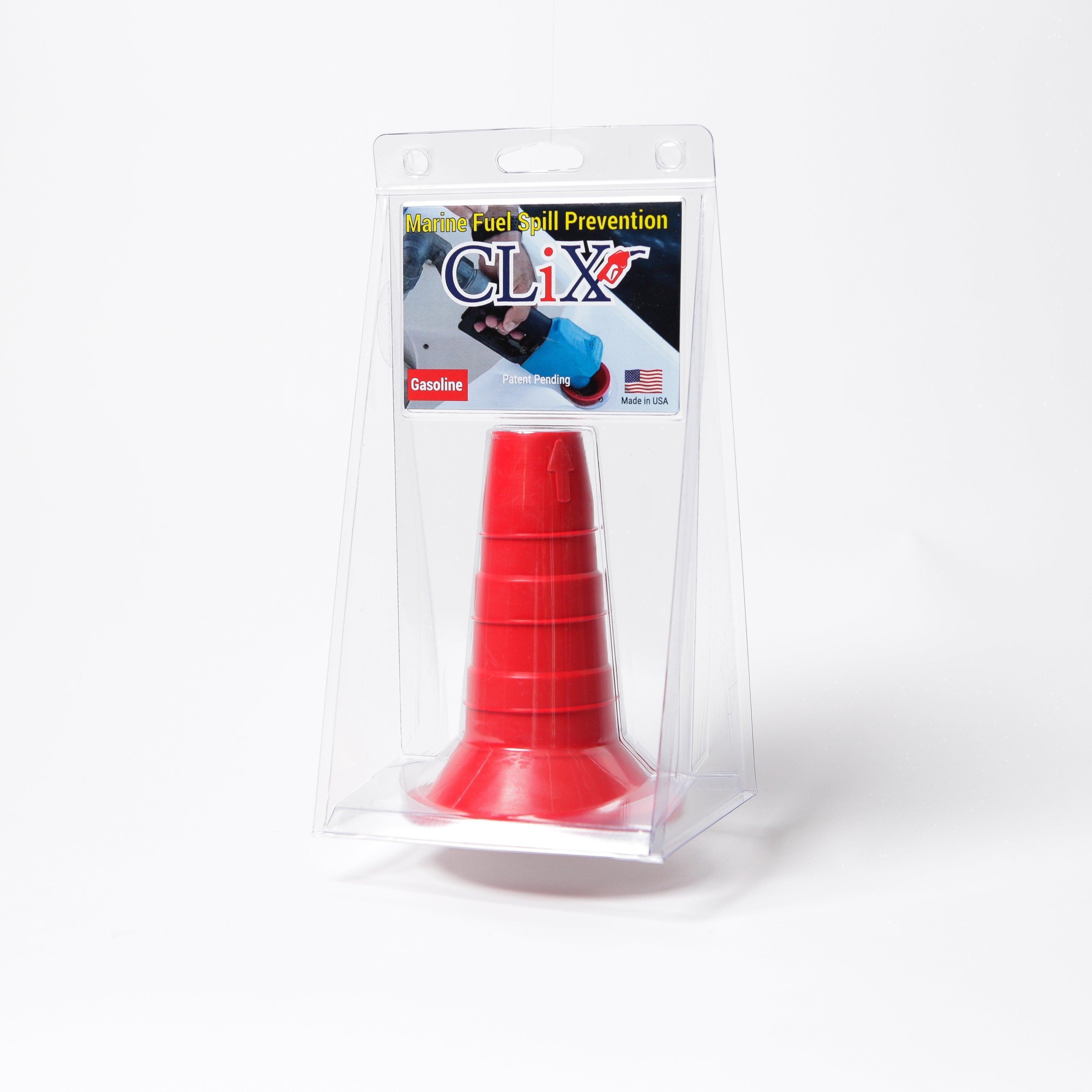
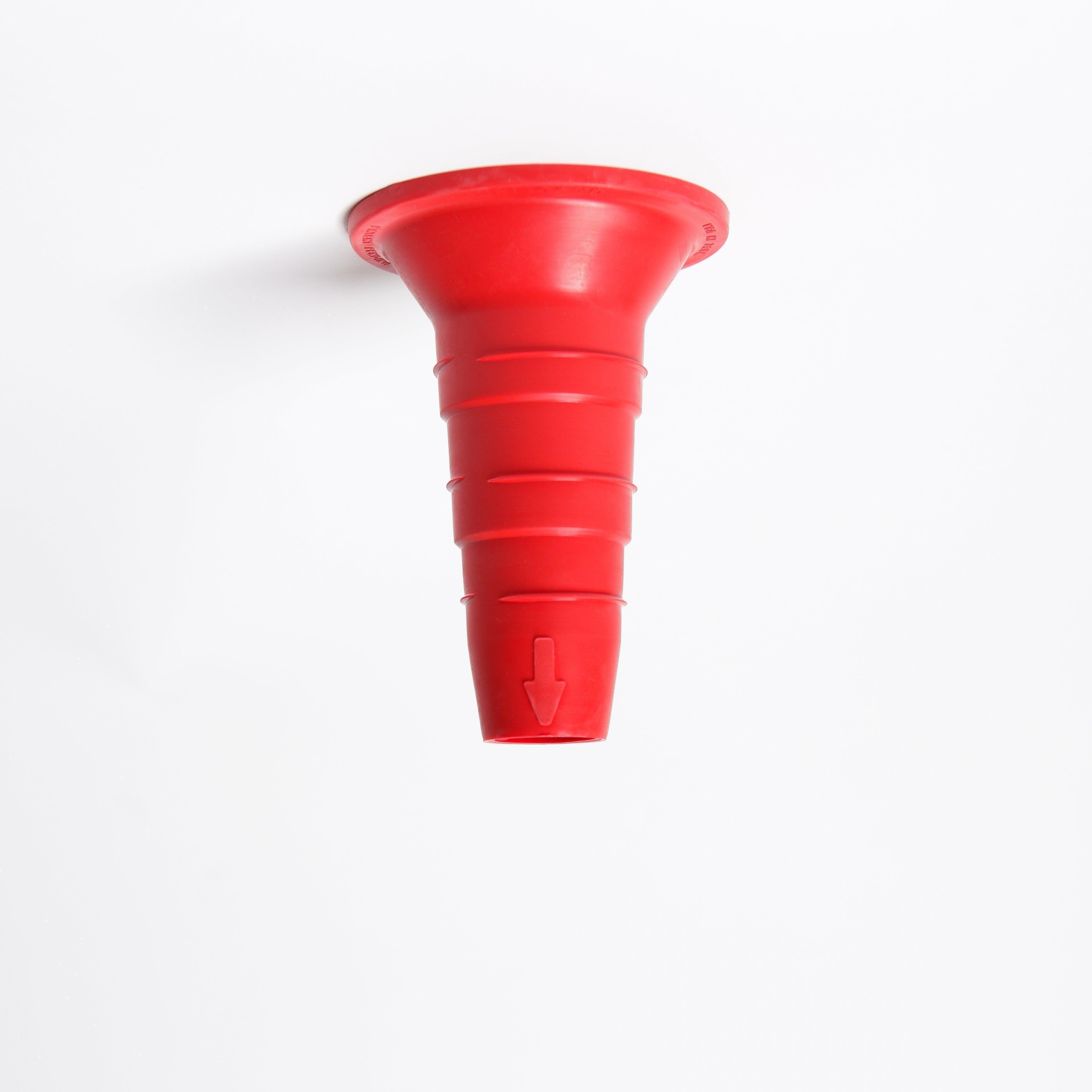
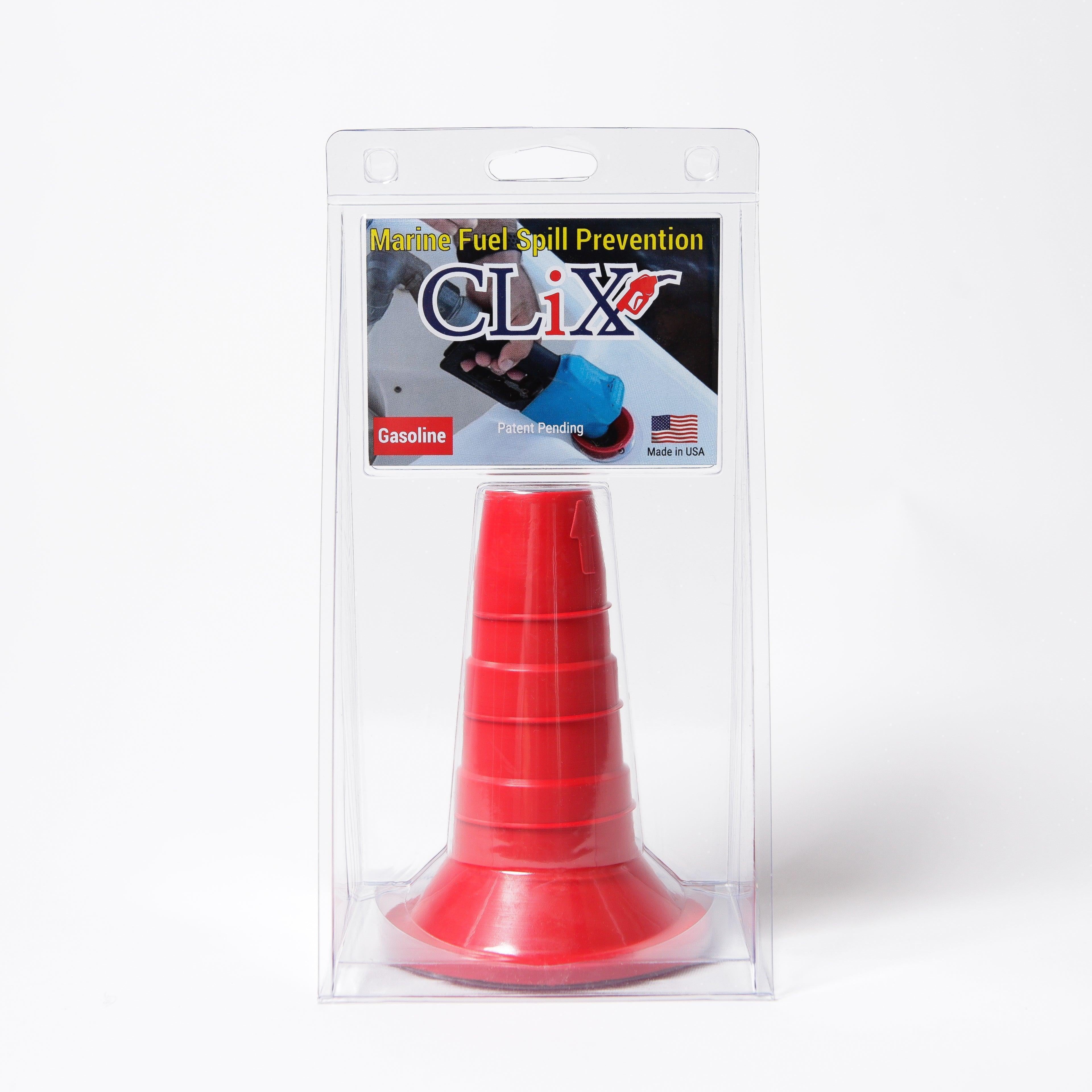
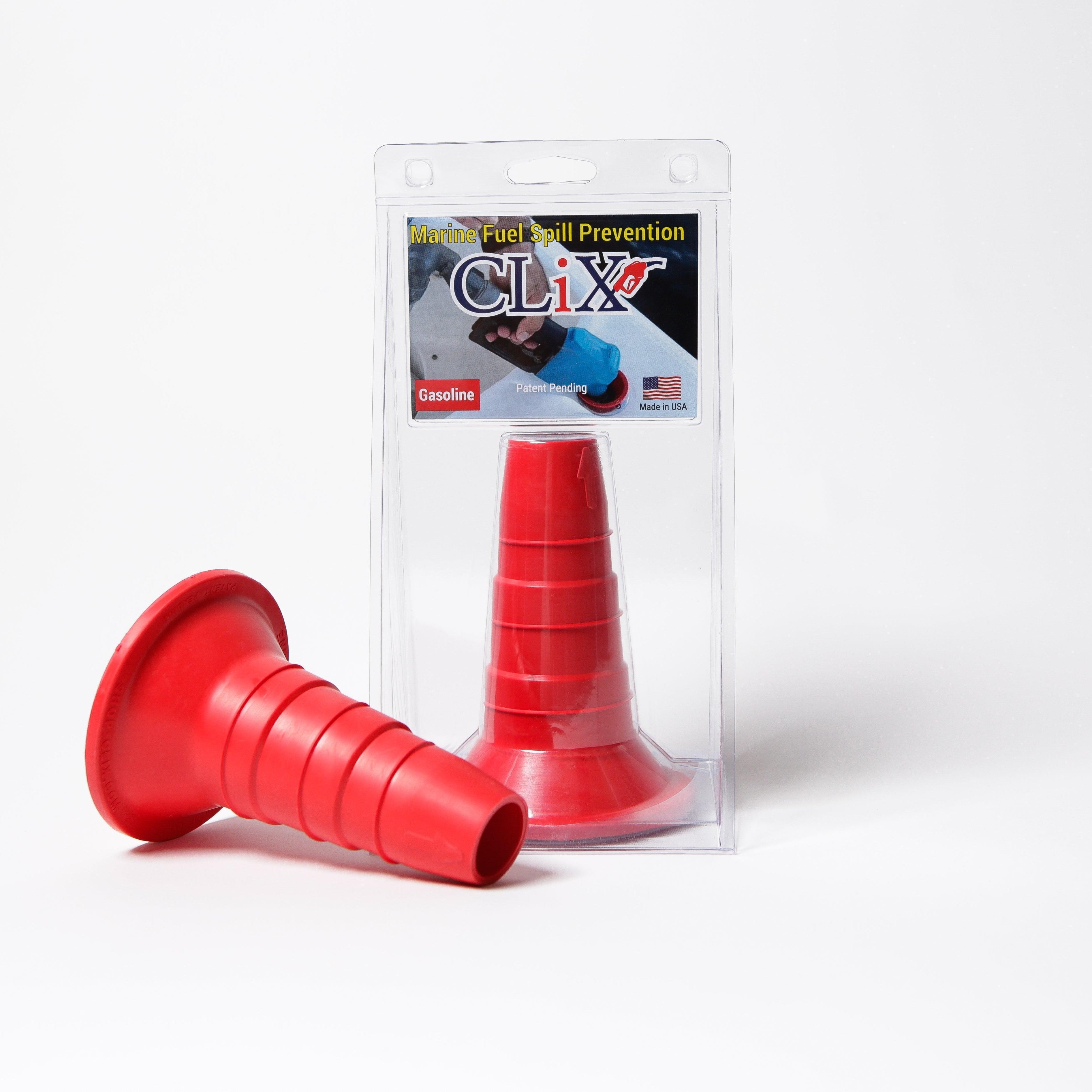
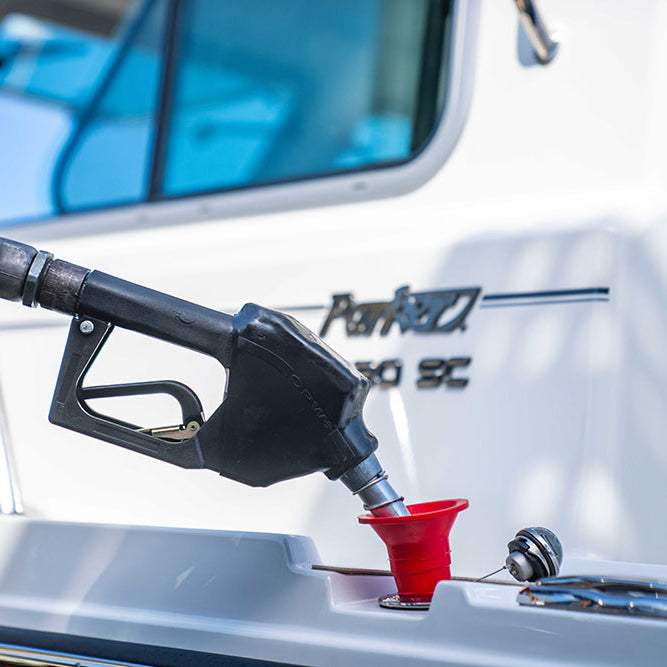
Think about it—a system that knows your tank is full and instantly stops the fuel flow for you. That’s the idea behind solutions like CLiX Fueling Solutions. It provides an essential layer of safety that turns a manual, high-stakes task into a guaranteed, spill-free process. These systems work much like the nozzle at a gas station, sensing the pressure change when the tank is full and shutting off automatically.
To see exactly what’s happening inside your tank during this process, check out our guide on the dynamics of gas tank filling. Adding this final, intelligent step is what closes the safety loop that your 12 volt gasoline transfer pump opens, giving you a clean and totally stress-free fueling experience every time.
Your Top Questions About 12V Fuel Pumps Answered
When you're dealing with a 12 volt gasoline transfer pump, you're bound to have questions. And getting the right answers is a big deal—it affects your safety, your engine's health, and how long your gear will last. Let's tackle the most common things boaters ask, so you have solid, practical advice you can count on.
We'll clear up the confusion about using one pump for different fuels, break down what a "duty cycle" actually means for your time at the dock, and give you a quick checklist for when your pump just isn't working right. Think of this as your go-to guide for using your pump safely and without any headaches.
Can I Use the Same 12V Pump for Both Gasoline and Diesel?
This is probably the most frequent—and most critical—question we hear. The answer is a hard no. You should never use the same pump for both gasoline and diesel, even if the pump itself is rated for both fuel types. The risk of cross-contamination is just too high, and the damage it can cause to your engine is serious.
Think of your pump and hoses like a sponge. Once you run diesel through them, a residue is left behind. If you switch to gasoline, you’re basically injecting a small amount of that diesel oil straight into your gasoline engine's fuel supply.
This tiny mistake can lead to a world of hurt:
- Engine Damage: Diesel is an oil; it doesn't ignite like gasoline. It can foul your spark plugs, gunk up the fuel injectors, and lead to nasty carbon buildup that kills your engine's performance.
- Serious Safety Hazards: On the flip side, putting even a little gasoline into a diesel system is incredibly dangerous. Gas dramatically lowers the flashpoint of diesel, making it way more volatile and creating a real risk of explosion in an engine that was never designed for it.
For the sake of your engine and your own safety, the rule is simple and non-negotiable: keep two completely separate, clearly labeled pump systems. One for gas, one for diesel. Period.
What Is a Pump's Duty Cycle and Why Does It Matter?
A pump’s duty cycle is just a simple way of telling you how long it can run before it needs to take a break. You'll often see it printed on the pump or in the manual, looking something like "30 minutes on / 30 minutes off." Pushing a pump past its duty cycle is a surefire way to make it overheat and burn out the motor for good.
It helps to think of it like a sprinter versus a marathon runner. A pump with a short duty cycle is your sprinter—it gives you a powerful burst of work but needs a long rest afterward. A "continuous duty" pump is the marathoner, built to keep going for long stretches without a problem.
This spec is a make-or-break detail when choosing a 12 volt gasoline transfer pump. You have to match it to your needs. If you're just topping off a small tank from a 5-gallon jerry can, a pump with a 30-minute duty cycle will do the job just fine. But if you’re trying to move 50 gallons into your main tank, that same pump might quit on you halfway through, leaving you stuck waiting for it to cool down.
For bigger jobs or frequent use, investing in a continuous duty pump from the start is always the smarter move.
What Are the Most Important Safety Precautions When Fueling?
Safety has to be your number one priority whenever you're handling gasoline. A good 12 volt gasoline transfer pump is a huge step up from trying to pour fuel by hand, but it doesn't magically erase all the risks. Sticking to a strict safety routine is key.
- Get Some Fresh Air: Always fuel up in an open, well-ventilated space. Gasoline fumes are heavier than air and can pool in low spots, which is an explosion waiting to happen.
- Inspect Your Gear: Before you even think about starting, do a quick visual check of your pump, hoses, and wiring. Look for any frayed wires, cracked hoses, or loose connections that could cause a leak or a spark.
- Stop Static in Its Tracks: Grounding the pump and fuel cans is crucial for preventing a static spark. Make sure you keep the fuel nozzle in constant contact with the boat's fill port the entire time you're transferring fuel.
- Have a Fire Extinguisher Ready: This isn't optional. Always have a marine-rated (Type B) fire extinguisher right there within arm's reach before you start.
Following these simple rules turns a potentially dangerous task into a safe, everyday procedure.
My Pump Lost Suction Power. What Should I Check First?
It's one of the most frustrating things that can happen: you hear the motor whirring, but the fuel has slowed to a trickle or just stopped. Nine times out of ten, a loss of suction means one thing: you have an air leak somewhere on the intake side of the pump.
Your pump is designed to pull a solid, unbroken stream of liquid. The moment it starts sucking in air—even a tiny bit—it loses its prime and can't create that vacuum anymore.
Here’s your troubleshooting checklist, starting with the most common culprits:
- Check the Inlet Strainer: This is the first place to look and the easiest fix. The little strainer on the end of your suction hose can easily get clogged with gunk from the bottom of a fuel can. A quick cleaning is often all it takes.
- Inspect All Suction-Side Connections: Go over every single fitting between the strainer and the pump’s inlet. Make sure every hose clamp is cranked down tight and that the hose itself doesn't have any tiny cracks or splits.
- Look for a Kinked Hose: A sharp bend or kink in the suction hose will choke off the flow just as effectively as a clog. Make sure the hose has a nice, clear path from the can to the pump.
If you’ve run through this list and still have no luck, and your pump isn't self-priming, it might have just lost its prime. You'll need to re-prime it to get the fuel flowing again.
At CLiX Fueling Solutions, we think fueling should be a safe, clean, and totally routine part of your boating experience. While a great transfer pump gets the fuel to your boat, our system makes sure it gets in your tank—without spilling a single drop. It even shuts off automatically the second you're full.
Learn more about how you can put spills and overfills behind you for good at https://clixfueling.com.