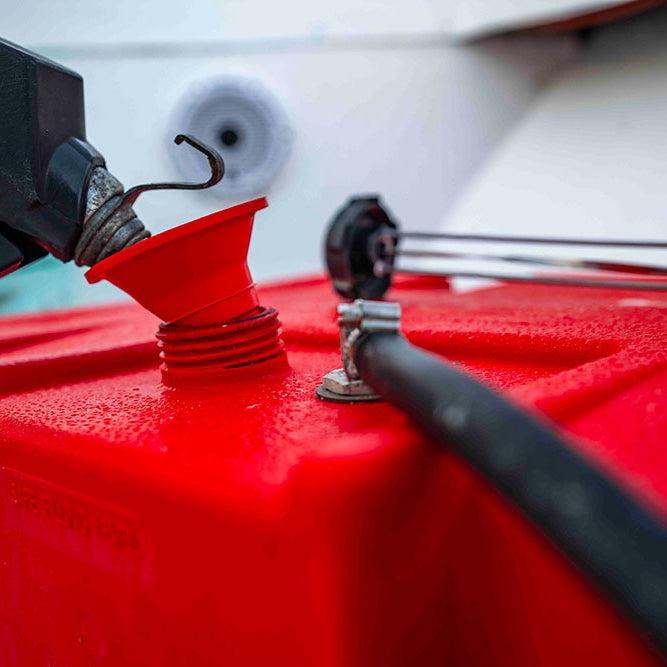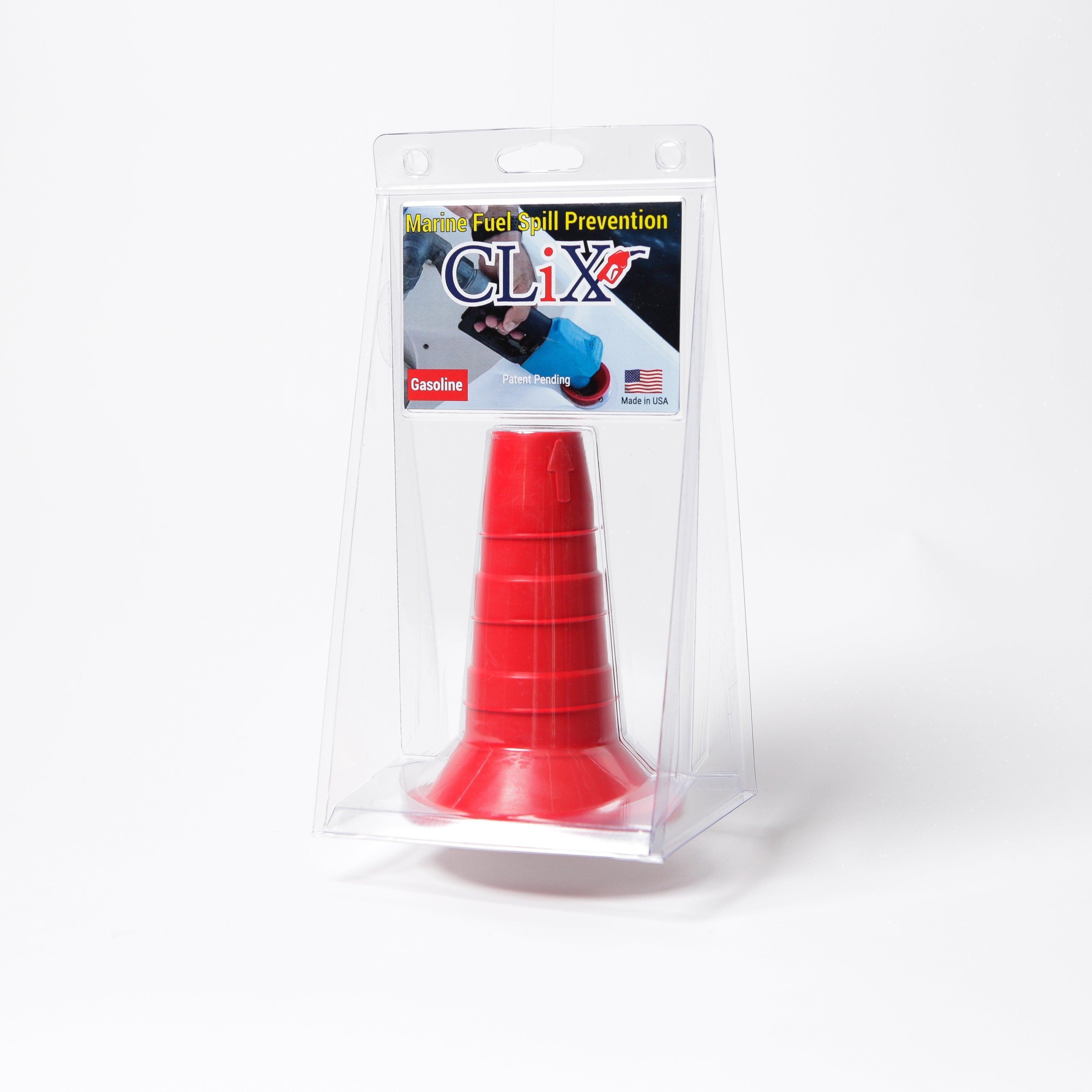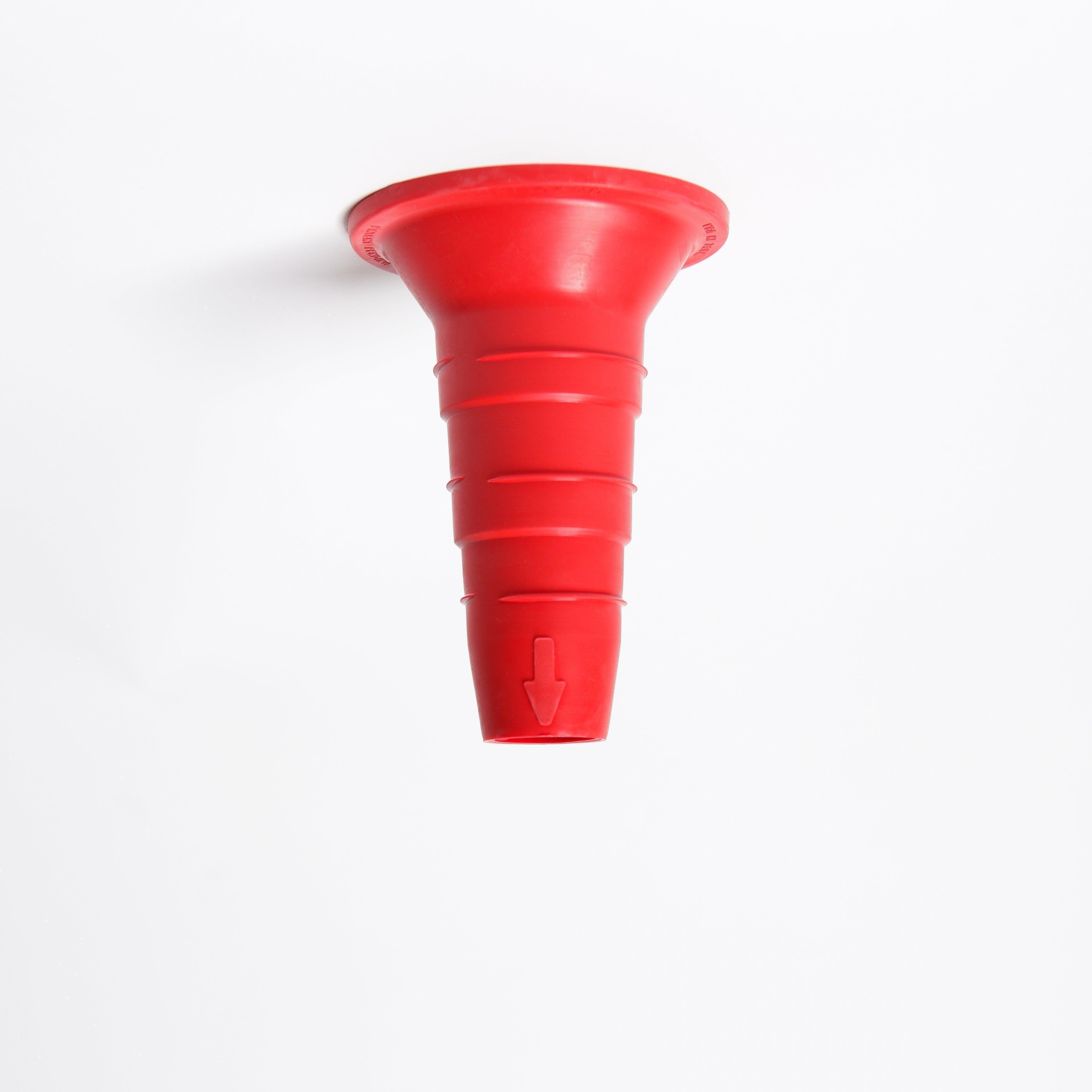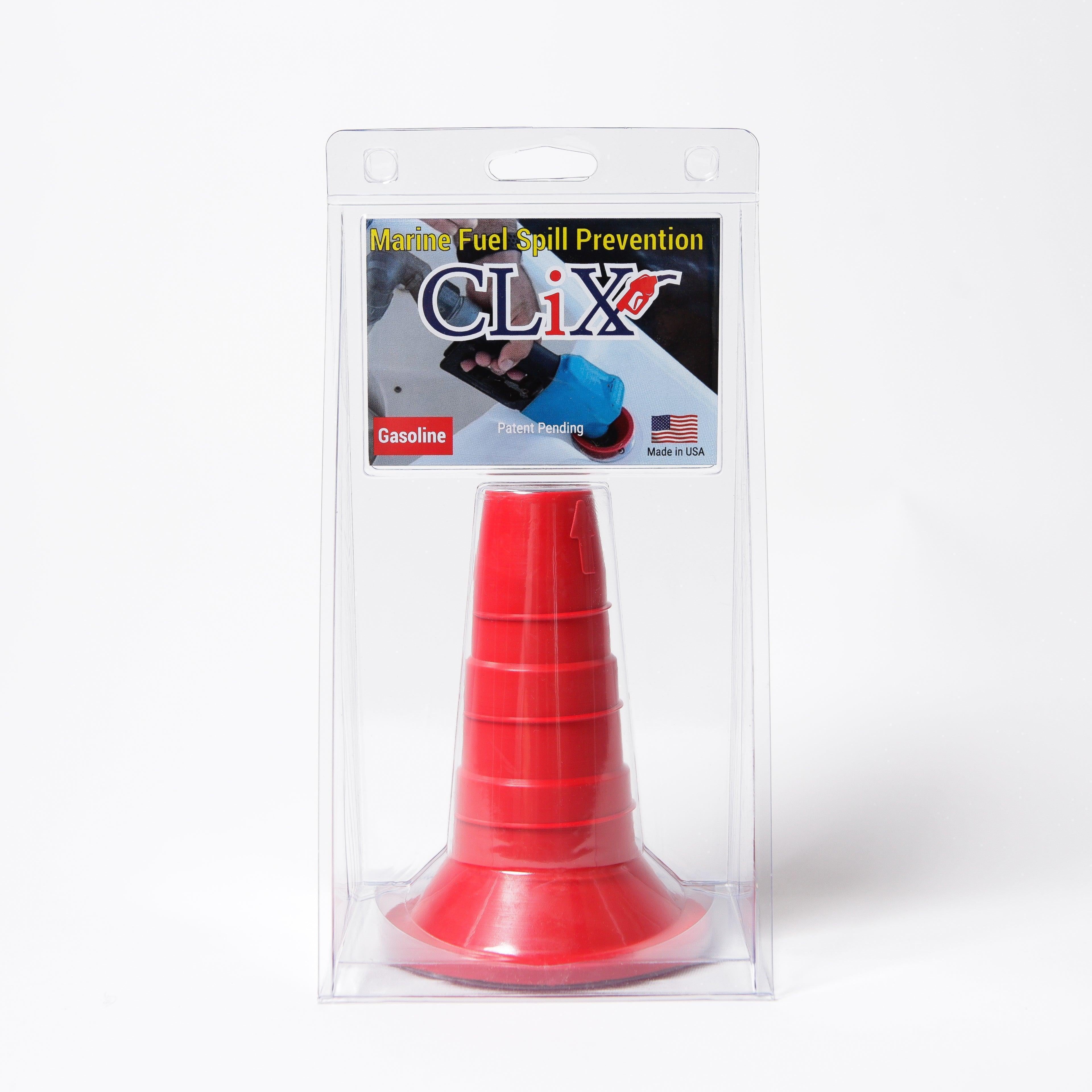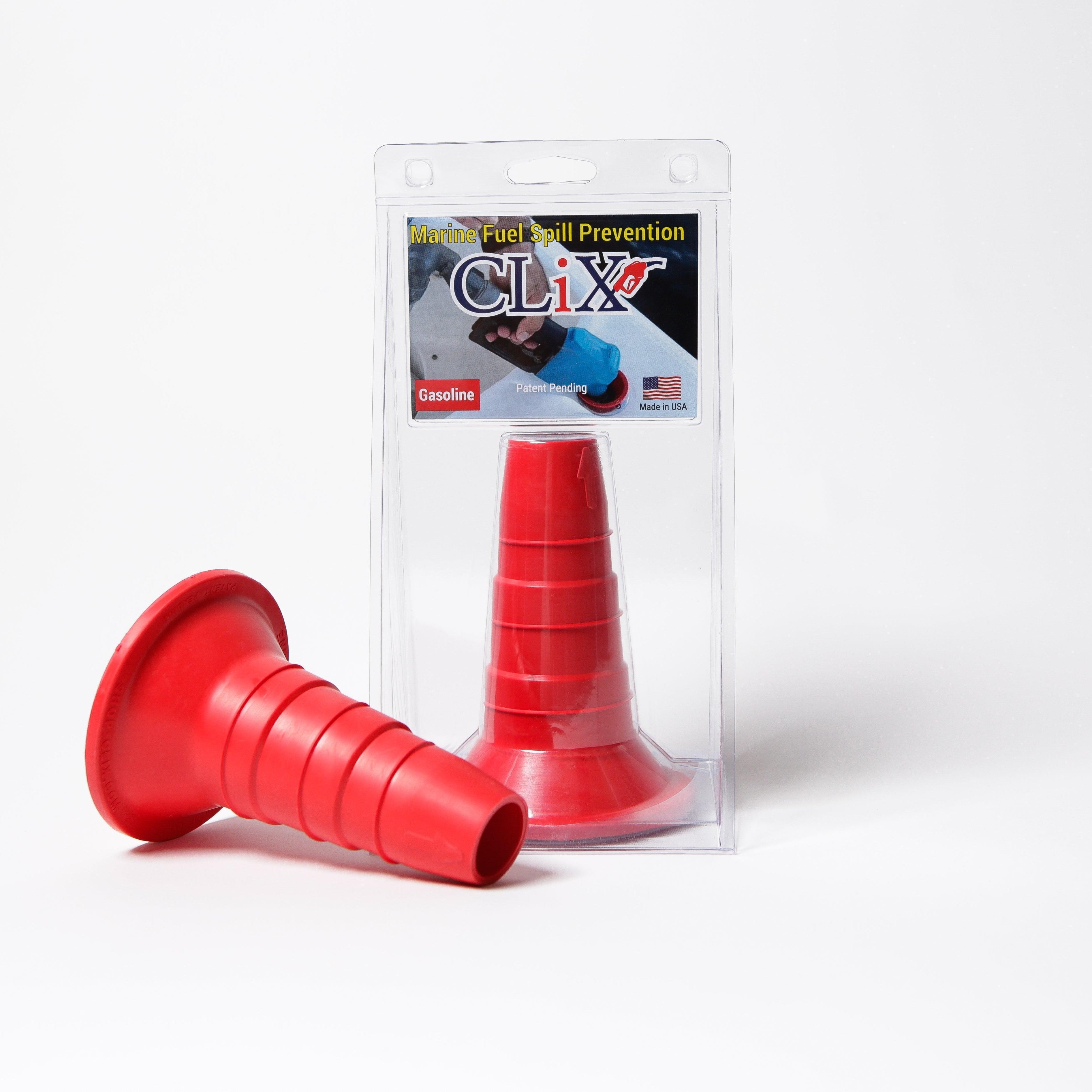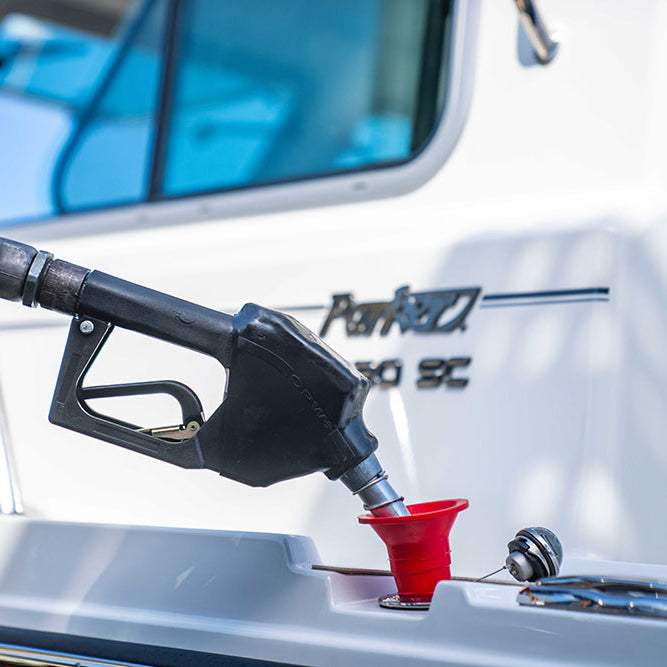
Let's face it: refueling a boat can be a frustrating, messy, and even dangerous chore. Juggling heavy fuel cans while trying to avoid a spill is a headache nobody wants.
Making Refueling Safer and Smarter on the Water
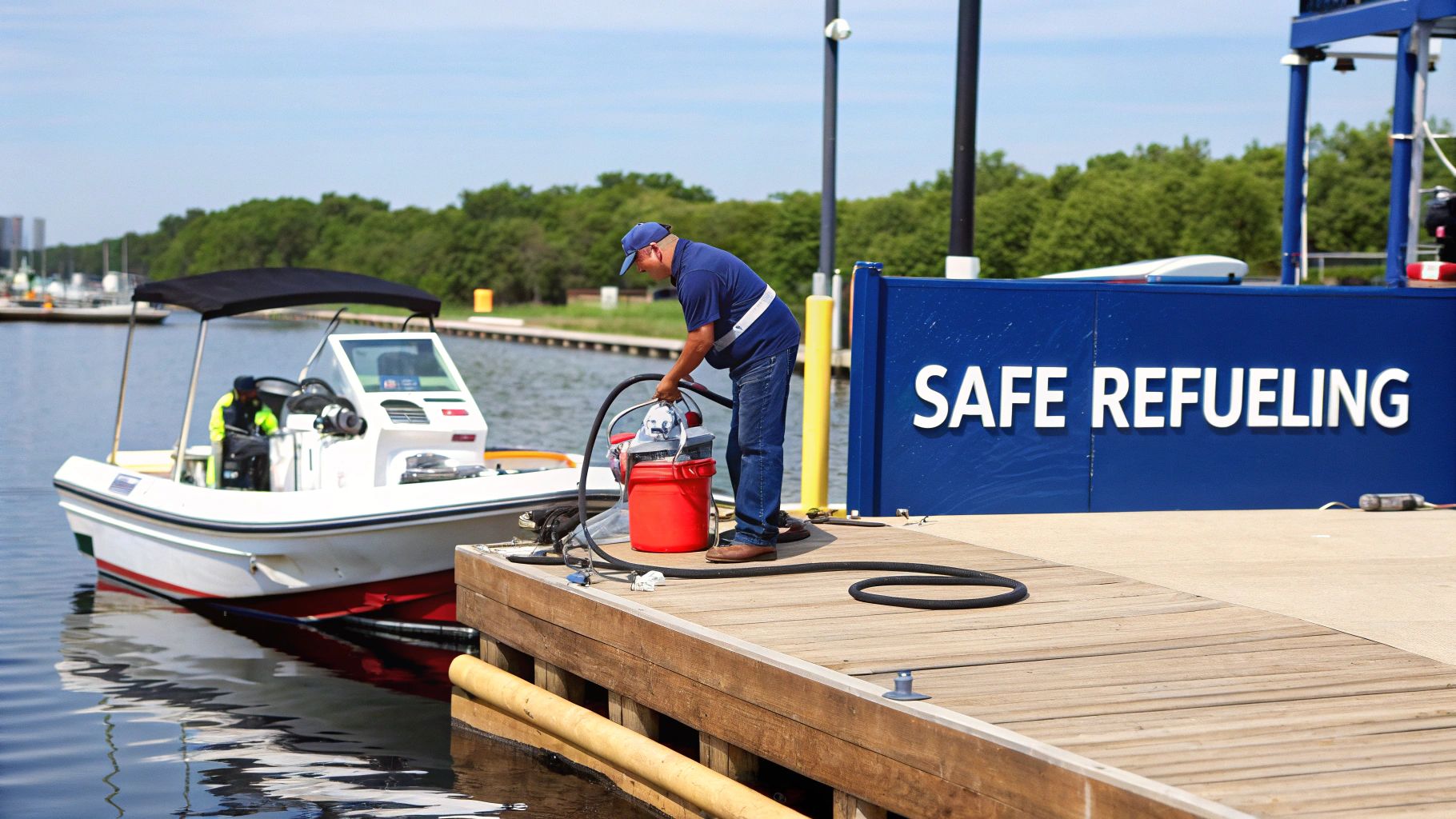
For too many boat owners and marina operators, transferring fuel is a constant source of anxiety. Between lifting heavy jerry cans, wrestling with finicky siphons, and just guessing when the tank is full, spills feel almost inevitable. Those spills don't just stain your boat's finish—they're a serious threat to our marine ecosystems and can lead to hefty fines.
This is where portable transfer pumps come in. Think of them as a controlled, powerful bridge between your fuel source and your boat’s tank, taking all the guesswork and physical strain out of the equation.
A Modern Approach to Marine Fueling
Instead of tipping and pouring, a portable transfer pump gives you a clean, controlled way to move fuel. These pumps are built to handle liquids like gasoline and diesel quickly and safely, turning a dreaded chore into a simple, worry-free task. They’re a must-have for anyone who takes boat maintenance and environmental responsibility seriously.
By making the switch, you’ll see some immediate wins:
- Preventing Costly Spills: A steady, controlled flow means no more overfills or accidental drips, protecting your boat and the water.
- Improving Safety: A sealed transfer system drastically cuts down on your exposure to flammable vapors and reduces the risk of ignition.
- Saving Time and Effort: A task that used to involve a lot of muscle can now be done in minutes, getting you back on the water where you belong.
This guide will walk you through everything you need to know, from how these pumps work to picking the perfect one for your boat. Consider this your go-to resource for making fueling a safe and simple part of your routine.
We’ll cover the essential safety checks and maintenance tips you need to protect yourself, your investment, and the environment. To dive even deeper into optimizing your boat's entire fueling setup, check out our article on the modern marine fuel fill. Our goal is simple: to give you the confidence to handle fueling with precision every single time.
How a Portable Transfer Pump Actually Works
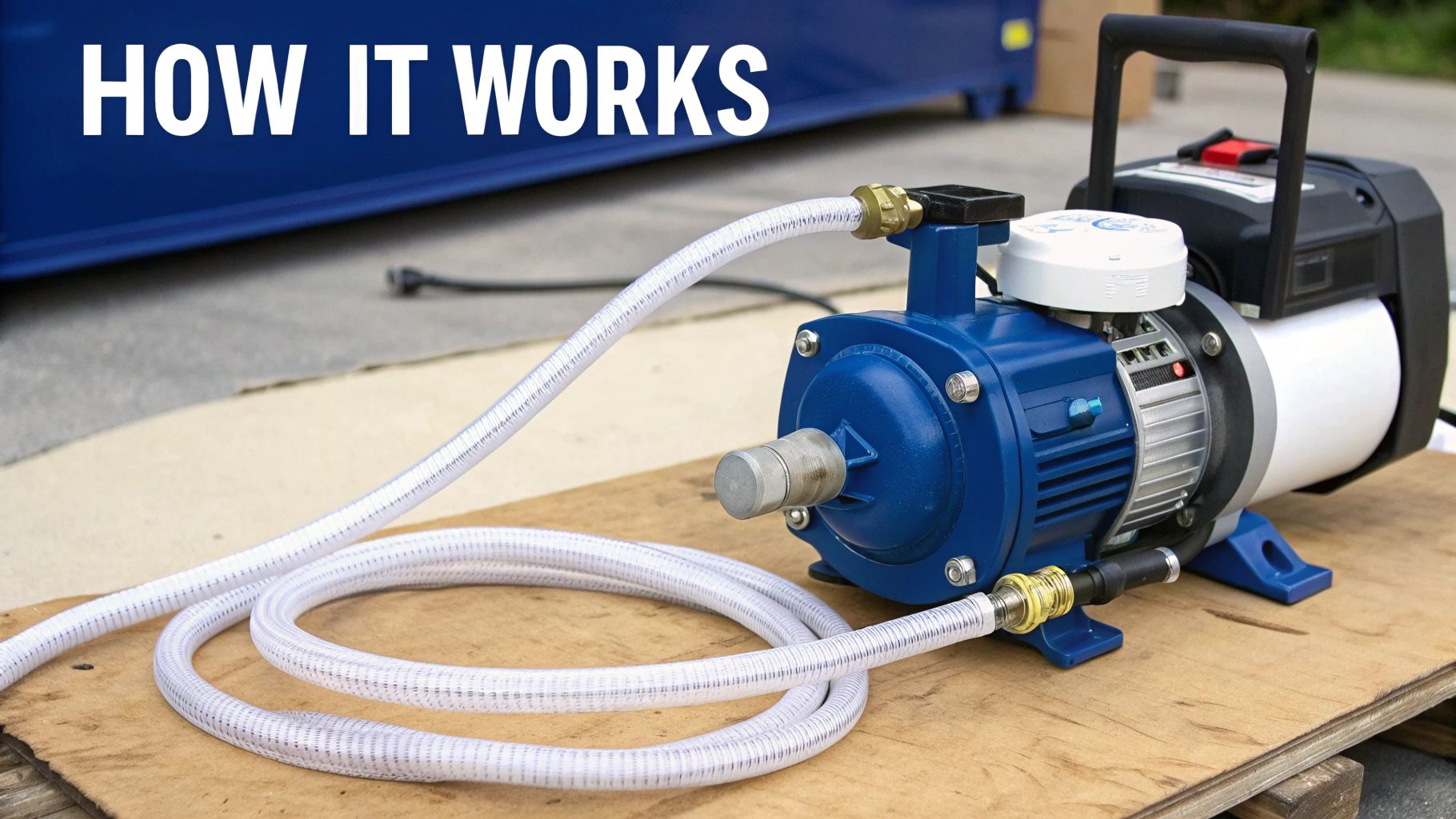
Ever tried to siphon fuel from a jerry can with just a hose? It's a messy, unpredictable, and often frustrating job. A portable transfer pump is essentially a smart, powerful siphon that takes all the guesswork and spillage out of the equation.
Forget gravity and hoping for the best. These pumps use a simple mechanical process to move fuel exactly where you need it. The core idea is creating a pressure difference: the pump creates a vacuum at its intake, which pulls fuel from your container and into the pump. From there, an internal mechanism gives that fuel the push it needs to flow through the outlet hose and into your boat's tank.
It’s this controlled process that turns a risky task into a routine one, protecting both your boat and the water around it.
The Engine Behind the Flow
The heart of any electric transfer pump is its motor. This is what turns electricity into the muscle needed to move liquid. For most boaters, the go-to is a DC motor that hooks up to a 12V or 24V battery—the same kind you already have on your boat or in your truck.
This is what makes them so incredibly useful. You aren't tied to a wall outlet. You can refuel at the marina, while your boat is on the trailer, or even out on the water, as long as you have a battery handy. The motor's sole job is to power the part that does the actual pumping.
Creating Suction: Impellers and Diaphragms
So, how does the pump actually create that pull? Once the motor spins up, it drives one of two common mechanisms: an impeller or a diaphragm.
-
Impeller Pumps: Picture a small propeller, but with flexible rubber blades. As this impeller spins at high speed, it slings fuel outward with centrifugal force. This action creates a vacuum at the center, constantly pulling more fuel into the pump. They’re fantastic for moving a lot of fluid smoothly and quickly.
-
Diaphragm Pumps: These work more like the human heart. A flexible membrane, the diaphragm, pulses back and forth. When it pulls back, it creates a void that sucks fuel in. When it pushes forward, it squeezes the fuel out through the hose. A huge advantage here is their self-priming ability—they can pull fuel even if the intake hose starts out full of air.
The demand for these kinds of mobile, efficient pumps is skyrocketing. The global market for mobile pumps is expected to hit nearly $6.1 billion by 2033, climbing from $3.4 billion in 2023. That’s a clear signal that people in all kinds of industries need reliable ways to move fluids on the go.
This is why a pump is infinitely better than a simple hose. It gives you a steady, predictable flow rate, which is key for filling up without accidentally overfilling. To get a better handle on the options out there, you can learn more about the different types of marine fuel transfer pumps. Knowing how these components work is the first step to reading the specs on a box and confidently picking the right tool for the job.
Choosing the Right Pump for Your Boat
Picking the right portable transfer pump isn’t a one-size-fits-all deal. Think of it like choosing a fishing rod—what works for a small pond won’t cut it for deep-sea fishing. The pump you need for a 15-foot skiff is worlds away from what’s required for a 50-foot yacht.
Getting this wrong can lead to painfully slow refueling or, much worse, a dangerous situation on board. The goal is to match the pump's specs—its power, materials, and safety features—to your specific vessel and the fuel you use.
Flow Rate: Gallons Per Minute
The first spec to look at is the flow rate, measured in gallons per minute (GPM). This simply tells you how fast the pump can move fuel. A higher GPM gets the job done quicker, but it also means you need to be more vigilant to avoid overfills.
For most boaters, the ideal GPM really comes down to tank size:
- Small Boats (Under 25 feet): A pump with a 2-5 GPM flow rate is the sweet spot. It’s fast enough for smaller tanks without being so powerful that you risk a spill.
- Mid-Size Vessels (25-50 feet): Look for something in the 5-10 GPM range. This strikes a great balance between speed and control for those larger fuel tanks.
- Large Yachts and Commercial Boats: Here, you’ll want a pump that can push 10+ GPM to make refueling practical and keep you from being stuck at the dock all day.
Match the Pump to Your Fuel Type
This is, without a doubt, the most critical safety decision you'll make. Gasoline and diesel are completely different animals, and using the wrong pump is asking for trouble. Gasoline is incredibly volatile, and its fumes are highly flammable, so it demands a pump built with special components to prevent sparks.
Never use a pump designed only for diesel to transfer gasoline. Diesel pumps don't have the explosion-proof motors or chemically-resistant seals needed to handle gasoline safely. It's a huge fire risk. Always double-check that the pump is rated for your specific fuel.
The global market for fuel transfer pumps was valued at around $1.71 billion back in 2021, which shows just how much demand there is for safe, reliable fueling gear. Interestingly, the direct current (DC) pumps that most boaters rely on made up nearly 49.6% of that market, underscoring their importance. For a closer look at these industry trends, you can find more insights on the fuel transfer pump market from Grand View Research.
Electric vs. Manual Pumps
Next up is deciding on the power source. Manual pumps have their uses, but for most boaters, electric models are far more convenient and efficient.
-
Electric Pumps: These are typically powered by a 12V DC connection to your boat’s battery and do all the hard work for you. They deliver a steady flow rate and are the go-to for anyone who refuels often or moves large volumes of fuel. The key is to find models with safety certifications and features like thermal overload protection, which automatically shuts the motor off if it starts to overheat.
-
Manual Pumps: These are the simple, hand-operated pumps, like rotary or siphon styles. They’re cheap and don’t need a power source, but they are much slower and take a lot of elbow grease. They’re best for tiny fuel transfers or as a backup in an emergency.
To help you sort through the options, a side-by-side comparison can be really useful. Here’s a quick breakdown of the common pump types you’ll encounter.
Portable Transfer Pump Type Comparison for Marine Use
| Pump Type | Power Source | Ideal For | Pros | Cons |
|---|---|---|---|---|
| Rotary Vane | Electric (12V DC) | Frequent refueling of small to large boats | Consistent flow rate, reliable, easy to use | Requires a power source, more expensive |
| Diaphragm | Electric (12V DC) | Pumping fuel with small debris, self-priming needs | Can run dry without damage, versatile | Often have a lower flow rate, can be noisy |
| Manual Rotary | Hand Crank | Small fuel transfers, backup pump | Inexpensive, no power needed, portable | Slow, requires physical effort, not for large volumes |
| Siphon | Manual (Gravity/Bulb) | Emergency use, transferring very small amounts | Very cheap, simple design | Very slow, hard to control, high spill risk |
As you can see, the right choice really depends on how you plan to use it. When you’re comparing specific models, a detailed guide can make all the difference. To help you narrow it down, check out our guide on the top portable fuel pump picks for 2025.
Paying attention to things like build quality, hose material, and whether it includes an automatic shut-off nozzle will ensure you end up with a complete and reliable system. Putting your money into a quality pump isn't just about convenience—it's a critical part of boating safely and responsibly for years to come.
Best Practices for Safe Fueling and Installation
When you're dealing with gasoline or diesel, there's just no margin for error. A portable transfer pump is a fantastic tool, but safety isn't just a feature on the box—it's a process you have to follow every single time. Getting the installation and fueling procedure right is what stands between a smooth top-off and a dangerous spill.
Think of it as a pilot's pre-flight checklist. Each step is small, but together, they ensure a safe trip. Before you even flip the switch, give everything a quick once-over. Are the hoses free of cracks or weak spots? Are all the connections snug? A leak under pressure is the last thing you want.
Setting Up for a Safe Transfer
Where you set up is your first line of defense against accidents. Always, always use your pump in a well-ventilated area. Fuel vapors are sneaky; they're heavier than air and can pool in enclosed spaces, creating a massive fire risk. Fueling on an open deck or a breezy dock lets those fumes blow away safely.
Grounding is another step you simply can't skip, especially with gasoline. As fuel rushes through the hose, it can build up a static charge. A tiny spark is all it takes to ignite the fumes.
- Connect the Grounding Wire First: Your pump should have come with a grounding wire and clamp. Before you do anything else, attach that clamp to a clean, unpainted metal part of the boat or the fuel drum.
- Create a Safe Path: This connection gives any static electricity a safe path to the ground instead of building up to a dangerous level.
- Keep It Away From the Fill Point: Attach the clamp a good distance from the nozzle and the tank opening. You don't want a potential spark anywhere near the highest concentration of fumes.
The whole point is to create a sealed, controlled system where fuel only goes where you want it to. Rushing the setup is the fastest way to have a very bad day. A couple of minutes of prep work can prevent a disaster.
Taking these simple precautions turns fueling from a risky chore into a routine task. It all starts with a solid, safe setup.
The Right Steps for Operation
Once your pump is properly set up and grounded, the actual fueling process is straightforward. Following the right sequence is key to preventing messy drips and dangerous overfills. You want to prime the pump correctly and shut it down cleanly, without leaving fuel pressurized in the hoses.
This visual guide is a great starting point for making sure you have the right gear for the job in the first place.
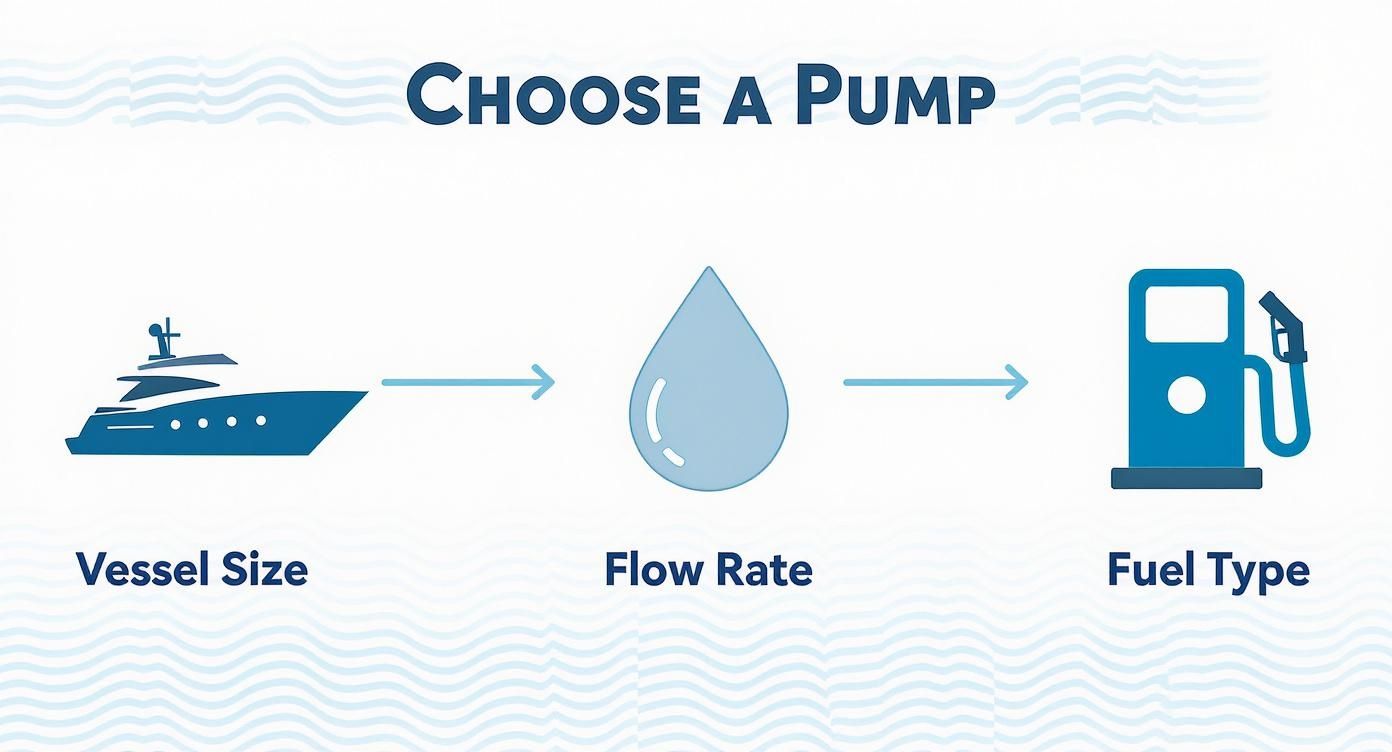
As the infographic shows, matching the pump to your boat isn't just about speed; it's a fundamental part of operating safely.
Here’s a simple, step-by-step process for a spill-free transfer:
- Place the Nozzle First: Secure the nozzle deep inside your boat’s fuel tank before you turn anything on.
- Turn On the Pump: With the nozzle in place, switch the pump on. The system will prime itself and start moving fuel in a controlled way.
- Monitor the Flow: Never, ever walk away from a running pump. Keep one hand on the nozzle and an eye on your fuel gauge. Even if your nozzle has an automatic shut-off, think of it as a backup, not your primary control.
- Shut Off the Pump First: As the tank gets close to full, switch the pump's motor off. This immediately stops the flow and takes the pressure out of the system.
- Remove the Nozzle Last: After the pump is off, you can safely remove the nozzle. This sequence is the secret to preventing that last-second gush of fuel that makes a mess on your deck.
Just remember this simple order: nozzle in, pump on, pump off, nozzle out. It’s a small habit that makes a huge difference in keeping your boat, and the water, clean and safe.
Keeping Your Pump Running Smoothly Season After Season
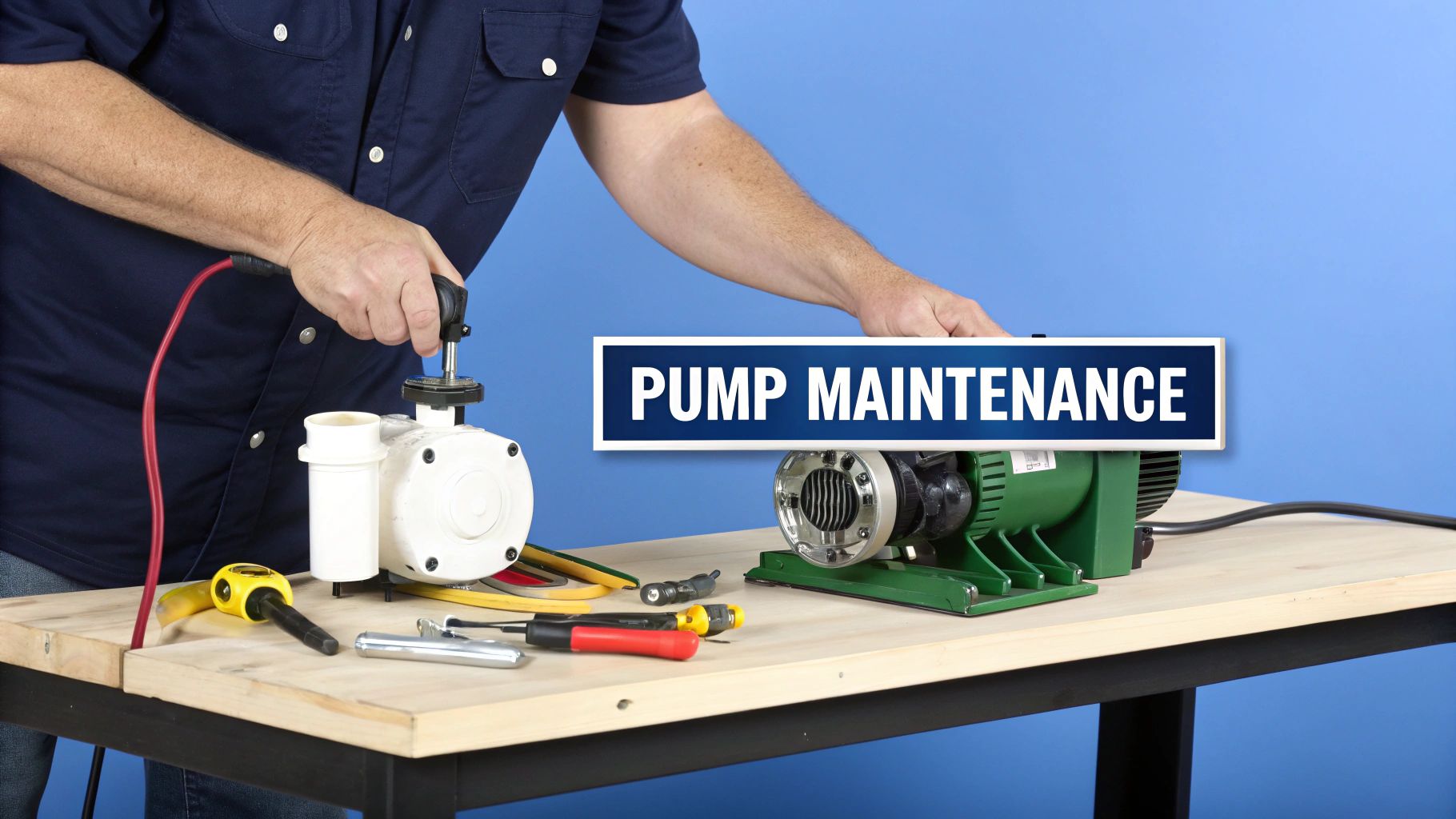
A portable transfer pump isn't a "set it and forget it" piece of gear. Just like your boat's engine, it needs a little TLC to perform reliably when you need it most. If you neglect it, you’re just asking for it to quit mid-transfer, turning a simple task into a frustrating mess.
Think of maintenance as cheap insurance. A few minutes of preventative care now can save you from a costly replacement or, worse, a dangerous failure down the line. Most pump problems start small, and catching them early is the whole game.
This is more important than ever. The global market for these pumps is expected to hit $500 million by 2025, with electric models becoming incredibly common. That means more boaters are counting on them to work every time. You can dig into the specifics by checking out the research on the portable pump kit market.
Your Seasonal Maintenance Checklist
Whether you're pulling your pump out for the first time in the spring or getting ready to store it for the winter, a quick once-over is a smart move. Running through this checklist covers the most common points of failure and makes sure you're good to go.
- Clean the Strainer and Filter: Debris is the number one enemy of a transfer pump. That inlet strainer is your first line of defense, so keep it clear of gunk that can clog the system or wreck the internals.
- Inspect All Hoses: Give your hoses a good look. Feel for any cracks, brittle spots, or soft areas, especially right at the fittings where they take the most stress. A leaky hose is a fire hazard waiting to happen.
- Check Seals and Gaskets: Rubber and fuel don't stay friends forever. Seals and gaskets can break down over time, so inspect all your connection points. If anything looks worn or cracked, replace it. It's the only way to guarantee a leak-proof seal.
Troubleshooting Common Pump Problems
Even a well-maintained pump can act up. Don't panic. Before you assume it's dead, check for these simple fixes—they solve the problem nine times out of ten.
Pump Won’t Start? Check the Power Source First.
It sounds almost too simple, but a weak battery or a bad connection is the most common reason a pump won't turn on. Make sure your battery has a full charge and the clamps have a solid, corrosion-free grip on the terminals.
If the pump is running but not moving fuel, you're likely dealing with one of two things:
- Slow Flow: A weak flow rate almost always points to a blockage. Start with the easiest fix: clean the inlet strainer. If that doesn't do it, check the entire length of your hoses for any kinks or hidden obstructions.
- Loss of Suction: If the pump runs but won't prime, you've probably got an air leak. An airtight seal on the suction side is non-negotiable. Double-check that every single hose connection is clamped down tight. Even a tiny leak will prevent the pump from building the vacuum it needs to pull fuel.
By making this quick inspection a regular part of your routine, your portable transfer pumps will remain a safe and dependable tool for years. It's a small investment of time that delivers a huge return in peace of mind.
Questions We Hear All the Time
Even after you get the hang of how these pumps work, there are always a few lingering questions. Let's walk through some of the most common ones we hear from boaters, because getting clear answers is what keeps you safe and helps you buy the right gear.
The big one, and for good reason, is about fuel compatibility. People always ask, "Can I use the same pump for both gasoline and diesel?" The answer is almost always a hard no, unless the pump is specifically designed and certified for both.
Trying to move gasoline with a diesel-only pump is a recipe for disaster. Gasoline is incredibly volatile, and its fumes can be ignited by the smallest spark. Pumps built for gasoline use special explosion-proof motors and seals that can stand up to its corrosive nature. Don't guess—always double-check the manufacturer's specs before you even think about plugging it in.
How Much Flow Do I Really Need?
Another thing that comes up a lot is flow rate, which is just a fancy way of saying how fast the pump moves fuel in gallons per minute (GPM). Is faster always better? Not necessarily. It all comes down to the size of your boat and its fuel tanks.
Get this wrong, and you're either stuck with a painfully slow fill-up or a firehose-like flow that’s just begging to cause a spill. Here’s a simple breakdown to get you in the right ballpark:
- Smaller Boats (under 25 feet): A pump moving 2-5 GPM is your sweet spot. The flow is easy to manage and perfect for smaller tanks.
- Mid-Size Vessels (25-50 feet): Step it up to the 5-10 GPM range. You'll get a nice balance of speed without sacrificing control.
- Large Yachts and Commercial Craft: For the big tanks, you'll need 10+ GPM just to make refueling practical and not an all-day affair.
Remember, a higher flow rate demands more of your attention. Never, ever walk away from a running pump. A lot can happen in just a few seconds.
Let's Talk About Grounding (It's a Big Deal)
Finally, we get a lot of questions about how to properly ground an electric fuel pump. This isn't an optional step; it's a critical safety measure. The simple act of fuel flowing through a hose can create static electricity, and a static spark is all it takes to ignite fuel vapors.
Your pump kit should come with a grounding wire and a clamp. Before you do anything else, attach that clamp to a clean, unpainted metal surface on the boat, the fuel tank, or the drum you're pumping from. This gives any static buildup a safe path to the ground, taking away the ignition risk.
A pro tip: always make that grounding connection far away from the fuel opening. You want to keep any potential spark as far from the fumes as possible. It's a simple habit that makes every transfer a safe one.
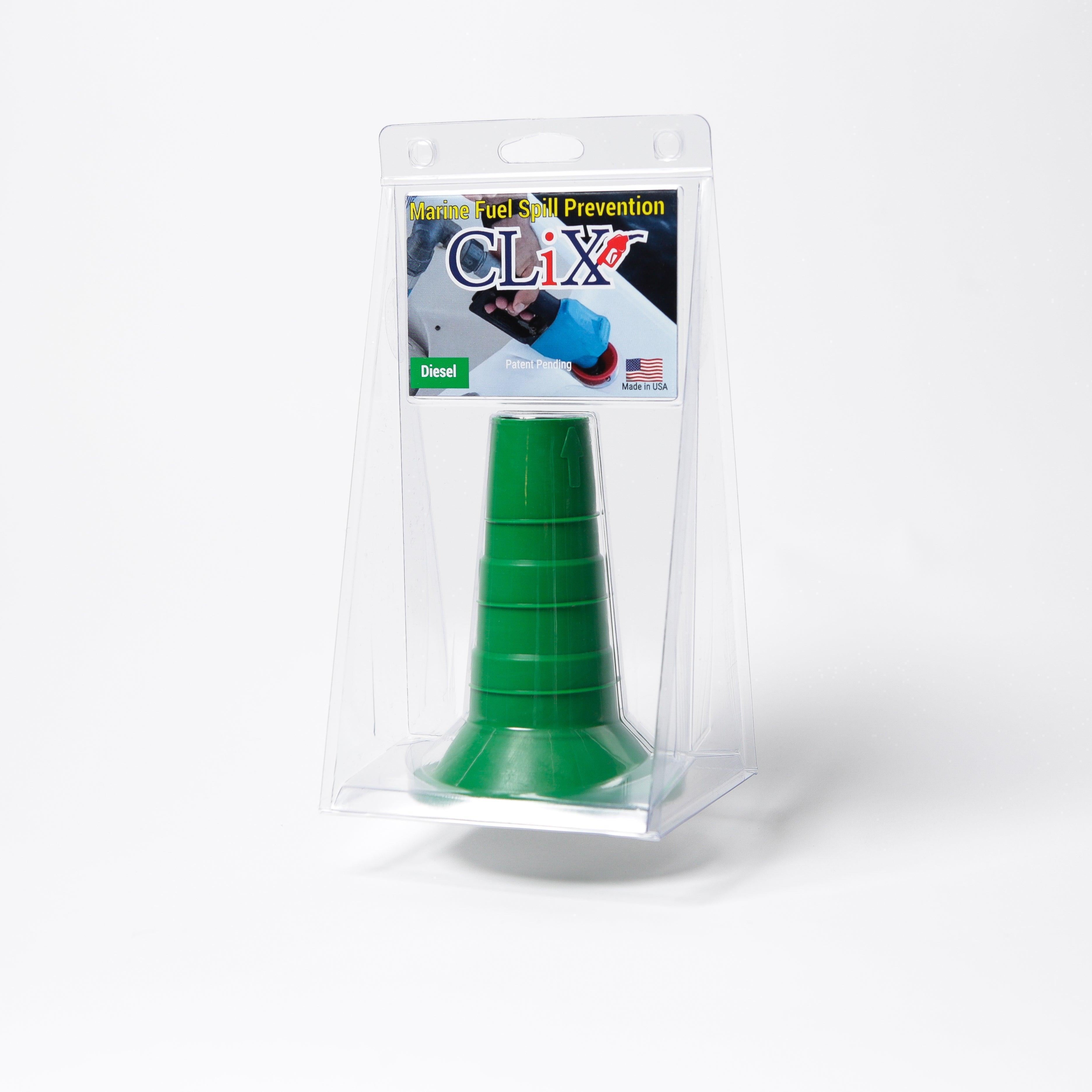
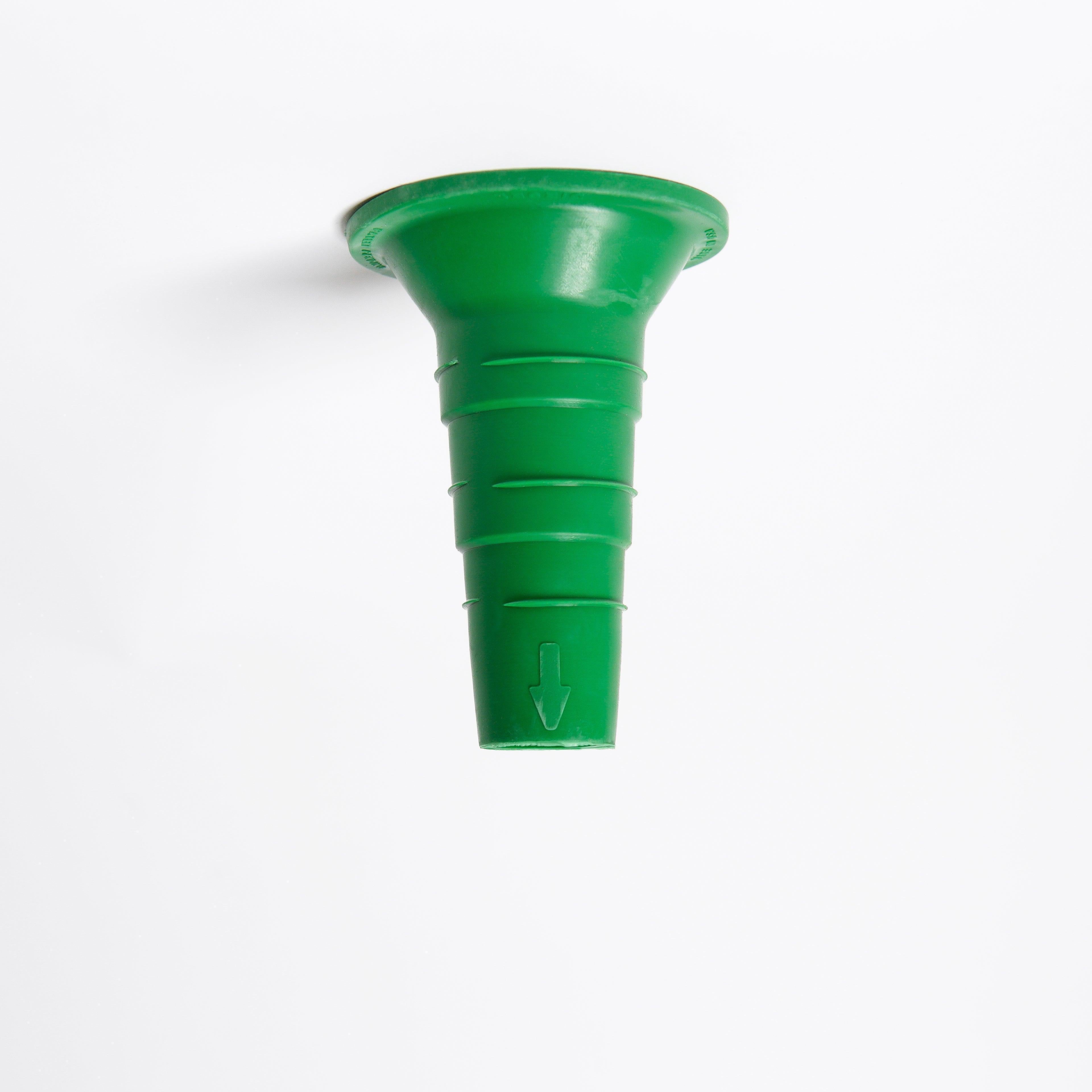
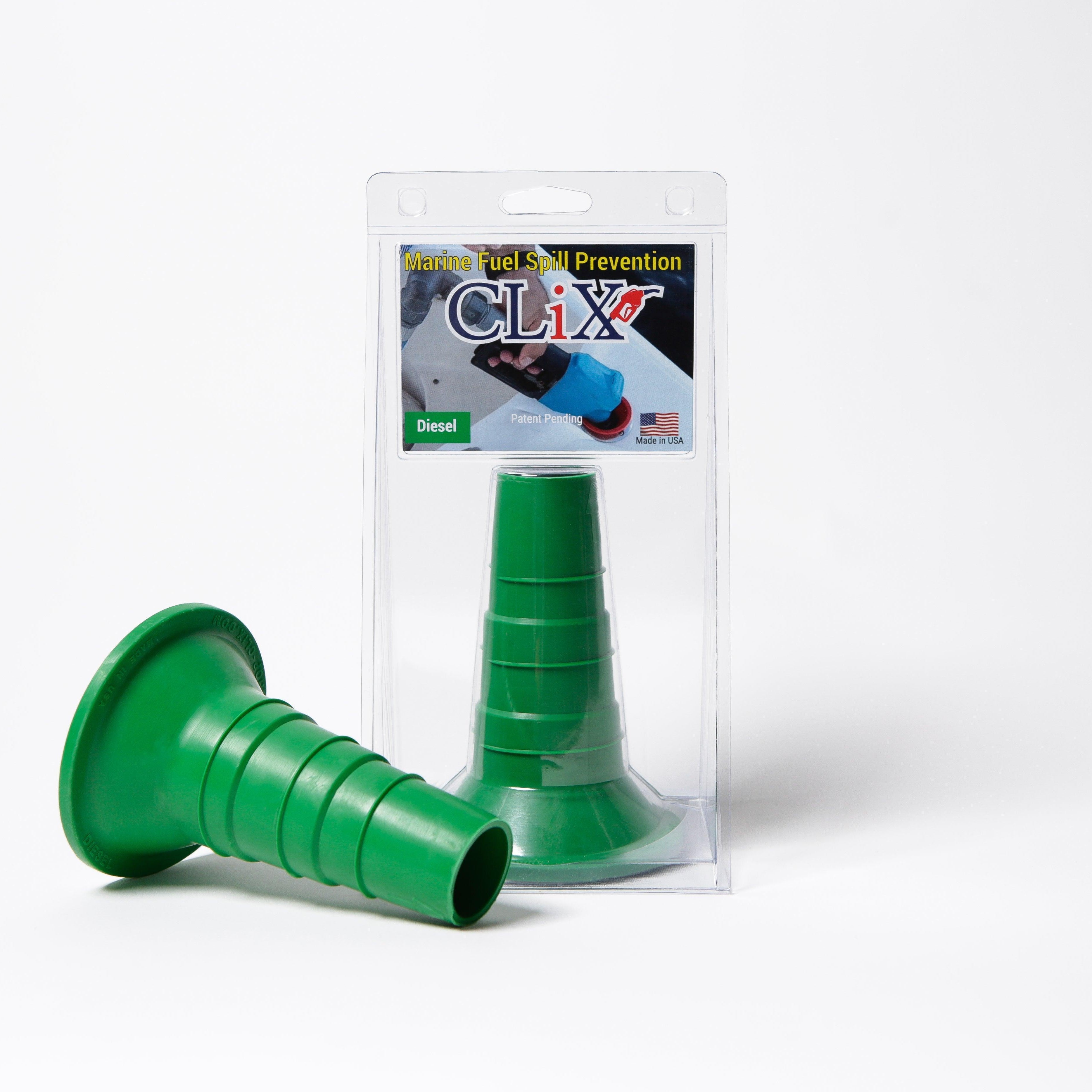
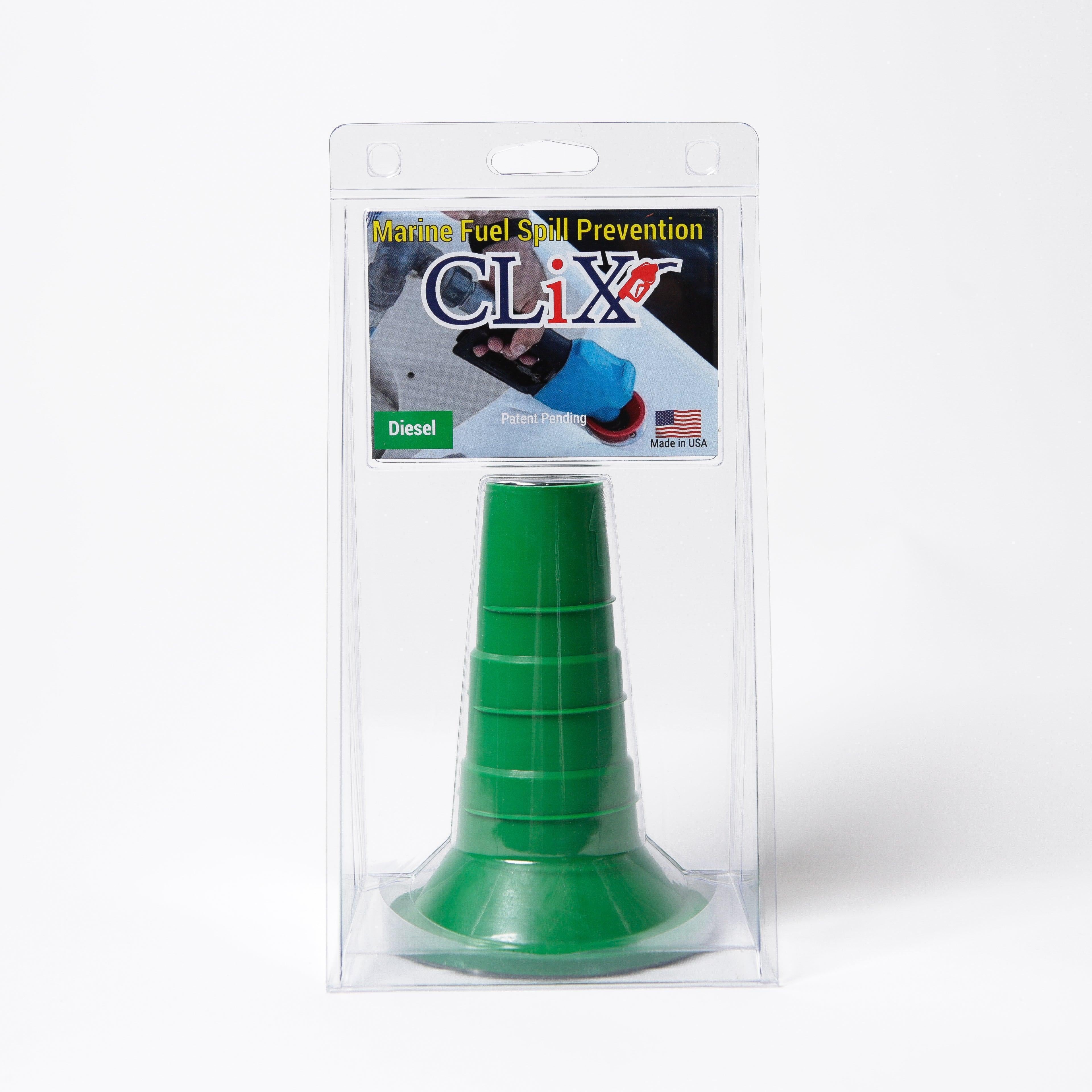
If you're looking for a truly spill-free fueling experience, the pump is only half the battle. CLiX Fueling Solutions has developed a system that automatically shuts off the nozzle when your tank is full. It takes the guesswork out of the equation and prevents those messy, costly overfills. Protect your boat and the water by checking out the next level of fueling safety at https://clixfueling.com.