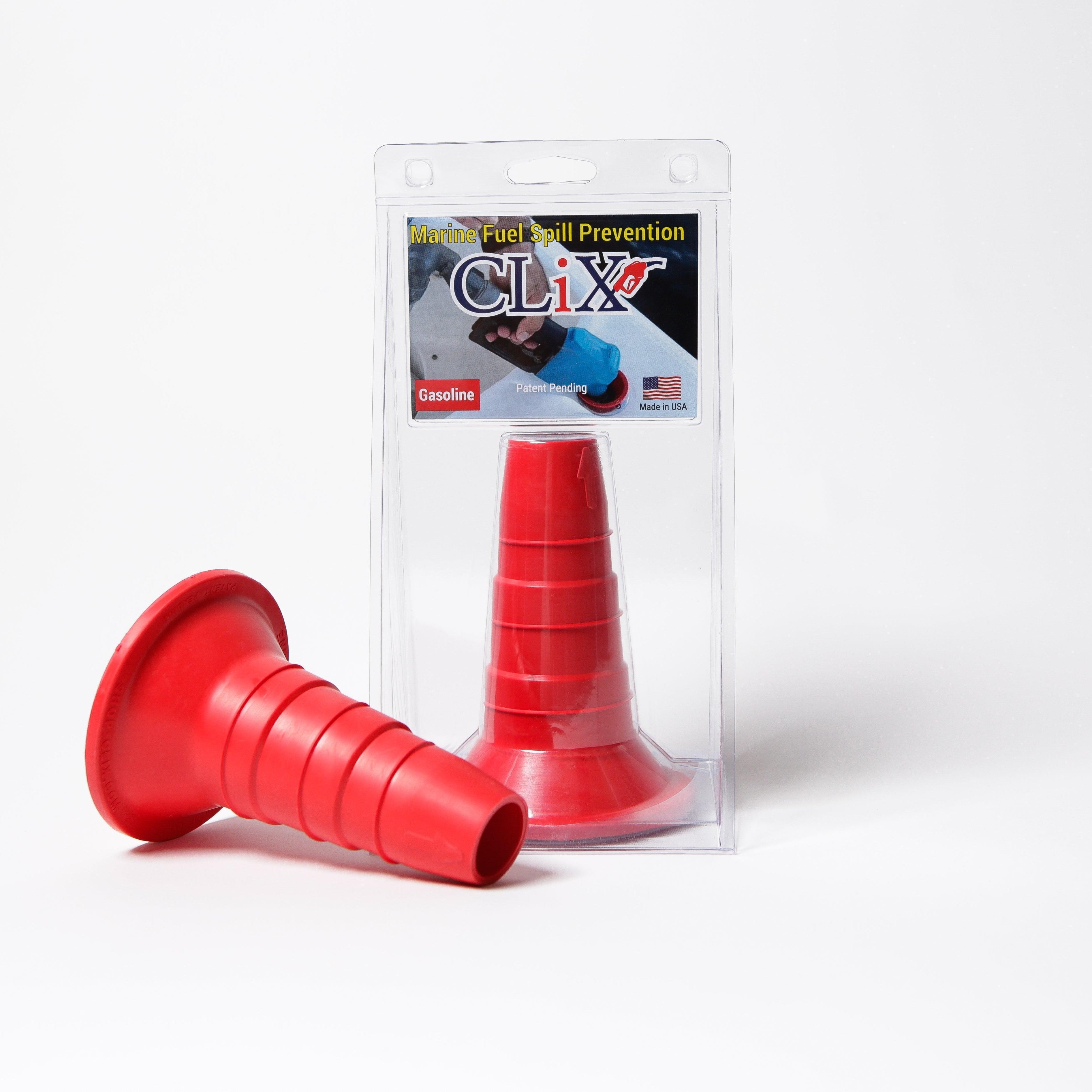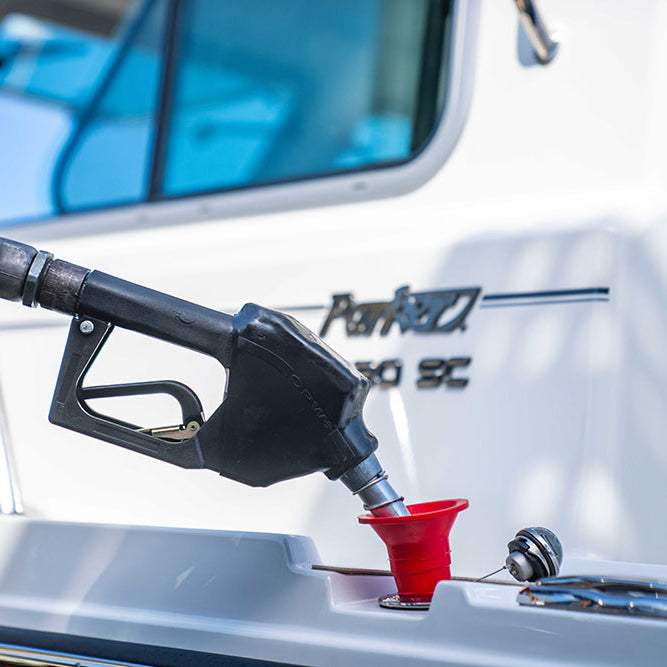
Ever seen the difference between a garden hose and a fire hose? That’s the easiest way to think about a fast flow pump. It's a high-capacity fueling system built to move huge amounts of fuel in a very short time, specifically for larger boats.
Why a Fast Flow Pump Changes Everything at the Dock
For anyone on the water, time is precious. Whether you're running a busy marina or you're just itching to get your boat off the dock and into open water, nobody wants to waste time fueling up. This is exactly where a fast flow pump makes its mark, turning a long, tedious wait into a quick pit stop.
The standard fuel pumps you see at most docks are a lot like the ones at your local gas station. They do the job just fine for smaller boats, but they create a serious bottleneck when a vessel with a big fuel tank pulls up. A fast flow pump, on the other hand, is built from the ground up for high-volume jobs.
The Need for Speed and Efficiency
The biggest win here is simple: you spend way less time tied to the dock. A boat that needs 200 gallons of fuel could be stuck at a standard pump for a long while, holding up the line and causing frustration for everyone. A high-speed system gets that same job done in a fraction of the time.
This efficiency pays off for everyone involved:
- For Boaters: It’s the difference between a long, drawn-out chore and a quick top-off. You get back to enjoying your day on the water much faster.
- For Marina Operators: Faster fill-ups mean you can service more boats in an hour. This keeps your customers happy and can significantly boost your fuel dock revenue.
- For Commercial Vessels: When you're running a business, time is money. Less time fueling means more time working, which directly impacts the bottom line.
Standard vs Fast Flow Fuel Pumps at a Glance
To really get a feel for the difference, it helps to see the numbers side-by-side. The contrast between a standard pump and a fast flow system is pretty dramatic.
| Feature | Standard Marine Pump | Fast Flow Marine Pump |
|---|---|---|
| Typical Flow Rate | 10-15 GPM | 25-100+ GPM |
| Best For | Smaller recreational boats | Yachts, commercial boats, large vessels |
| Fueling Time | Slower; can create bottlenecks | Extremely fast; high throughput |
| Risk of Spills | Lower, due to slower flow | Higher, requires automatic shut-off systems |
Ultimately, a fast flow pump isn't just a little bit quicker—it's a completely different class of equipment designed for a different kind of job.
Understanding Flow Rate Differences
Let's put some real numbers to this. Flow rate is measured in Gallons Per Minute (GPM), and while the exact figures can change depending on the setup, the difference is night and day.
A high-speed pump delivering 40 GPM can fill a 200-gallon tank in just five minutes. A standard 10 GPM pump would take a full twenty minutes to do the same job.
That massive performance gap is why fast flow systems are a must-have for any marina that services yachts, charter fleets, or commercial boats. But all that power comes with a major responsibility. The same force that fills tanks in minutes can create serious spills if it isn't managed with the right safety gear. We'll get into that next.
How High-Speed Fuel Pumps Actually Work
Ever wonder what gives a fast flow pump its serious power? The concept is actually pretty simple. Think about a spinning merry-go-round and how it tries to fling you outwards. A high-speed fuel pump does the exact same thing, but instead of people, it's slinging fuel with incredible force.
At the very heart of the pump is a critical part called an impeller. This is basically a rotor with a set of curved blades (or vanes) that spins at a dizzying speed. As fuel gets pulled into the pump, the impeller catches it and accelerates it outward using centrifugal force—the same force you feel on that merry-go-round.
This rapid acceleration creates a vacuum-like, low-pressure area at the impeller's center, which keeps sucking more fuel into the system. At the same time, the fuel that’s been sped up is shot out of the pump's discharge port under high pressure. It's a continuous, powerful cycle that lets the pump move a huge volume of liquid in a short amount of time.
The Key Players Inside the Pump
It takes three main components working in harmony to make this high-speed transfer happen. Each has a specific job, and if one part isn’t pulling its weight, the whole system’s performance takes a nosedive.
- The Motor: This is the muscle. It provides the rotational power to spin the impeller. The motor's horsepower directly dictates how fast the impeller can turn and how much pressure it can build. In a marine setting, these motors are specially sealed to prevent corrosion and eliminate any ignition risk.
- The Impeller: This is the star of the show. The impeller’s design—its size, shape, and the number of vanes—is carefully engineered to grab the fuel and convert the motor's speed into fluid velocity with maximum efficiency.
- The Nozzle and Hose: These aren’t just along for the ride. The hose has to be wide enough to handle the high flow without creating a bottleneck, and the nozzle is designed to safely control and direct that powerful stream of fuel.
This diagram really brings home how these parts work together to deliver the benefits every boater and marina operator is looking for.
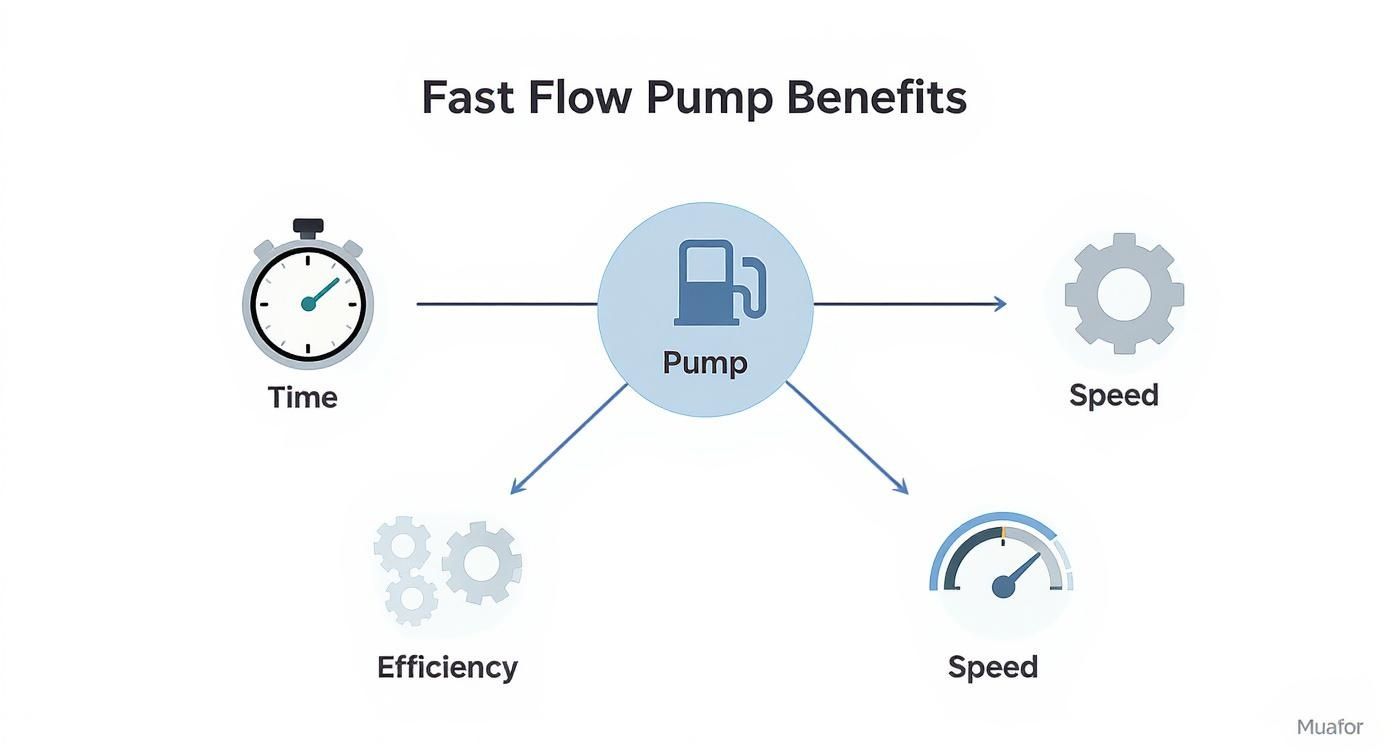
As you can see, the pump’s mechanical design is the foundation for getting boats fueled up faster, making the entire dock more efficient and saving everyone a whole lot of time.
Why Centrifugal Pumps Are the Gold Standard
The specific pump type we've been talking about is known as a centrifugal pump. They are the undisputed champion for high-volume jobs, not just at the marina but across countless industries worldwide.
You’ll find centrifugal pumps everywhere from municipal water systems to huge industrial processing plants. Their ability to move massive volumes of fluid reliably makes them indispensable. The market for these pumps was valued at USD 33.7 billion in 2025 and is expected to hit USD 55.4 billion by 2035, according to data from Future Market Insights.
This massive popularity comes down to their simple, robust design. With very few moving parts, they are incredibly durable and don't require a lot of maintenance. For a busy marina, that means you get a workhorse system that can handle the constant demand without breaking down. To learn more about the nuts and bolts, take a look at our guide to the essential features of a marine fuel transfer pump.
When all these pieces are properly matched and installed, you get a system that’s much more than just a collection of parts. It becomes a specialized tool, perfectly engineered for one job: fueling large boats as quickly and safely as possible.
Managing the Risks of High-Speed Fueling
The incredible power of a fast flow pump is a double-edged sword. While it’s great for filling up tanks in record time, that same speed creates some serious risks if you’re not prepared. With that much fuel moving that quickly, a small mistake can turn into a huge problem in a matter of seconds.
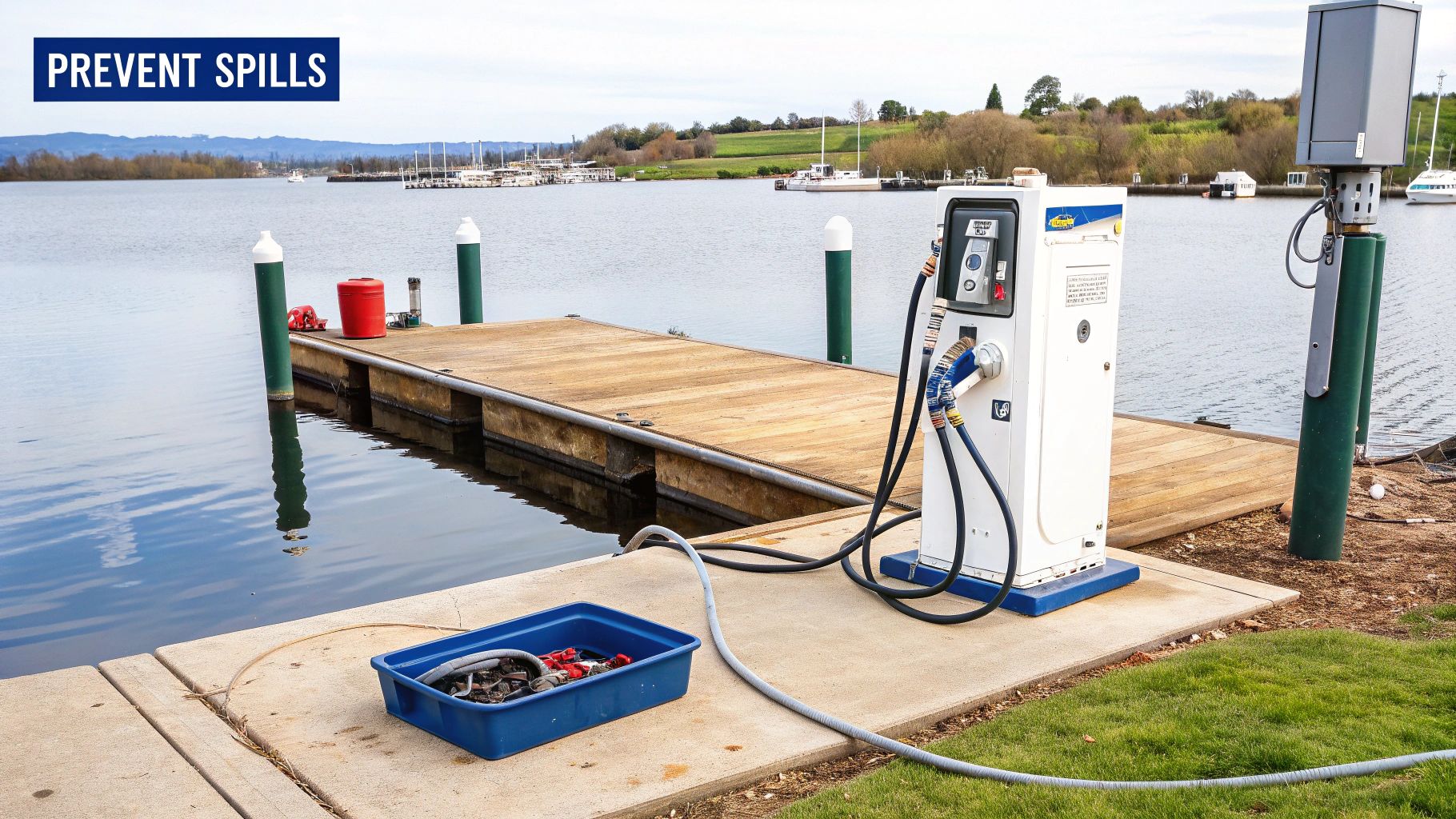
Think of it like trying to fill a glass of water with a fire hose. Without precise control, you’re practically guaranteed to make a mess. The two biggest dangers are fuel spills and tank overfills, and both have consequences that go way beyond a simple cleanup job.
The High Cost of a Fuel Spill
A fuel spill is never a small deal. Even just a few gallons of diesel or gas hitting the water can spread like wildfire, creating a slick that harms marine life, damages nearby boats, and pollutes the entire area. The financial hit is just as bad.
Cleanup costs can easily soar into the tens or even hundreds of thousands of dollars. And that’s before you even think about the hefty fines from environmental agencies. A single spill can wreck a marina's reputation, driving away customers and creating legal nightmares that last for years.
Why Overfills Happen So Quickly
The physics of high-speed fueling make overfills a constant threat. A boat's fuel system has a vent line that lets air escape as the tank fills up. At the slow pace of a standard pump, this works just fine.
But a fast flow pump shoves fuel in so hard and fast that the vent line just can't keep up. Air gets trapped, and the pressure inside the tank skyrockets. This can end in two very bad ways:
- Fuel Blow-Back: The trapped air can violently shoot fuel right back out of the fill pipe, spraying it all over the deck and into the water.
- Tank Rupture: In the worst-case scenario, the pressure gets so high it actually damages or bursts the fuel tank itself—a catastrophic failure.
The real problem is a speed mismatch. The pump is pushing fuel faster than the boat’s vent system can breathe, creating a recipe for disaster. This is exactly why just “paying attention” isn’t a good enough safety strategy.
Your First Line of Defense: Safety Equipment
To safely handle the speed of a fast flow pump, you need more than just a careful hand on the nozzle. You need specialized equipment designed to stop spills before they even start. These tools aren't just nice-to-haves; they are absolutely essential for any responsible high-speed fueling station.
The most important pieces of gear are Overfill Prevention Devices (OPDs) and automatic shut-off systems. These technologies work hand-in-hand to create a smart, closed-loop system that manages the whole process, taking the human error and guesswork out of the equation.
An automatic shut-off system, for example, talks directly to the boat’s fuel tank. The second the tank is full, it sends a signal that instantly cuts off the pump. This completely removes the risk of an overfill and makes sure every drop of fuel goes where it’s supposed to.
Essential Safety Protocols
Beyond the hardware, you need solid, clear rules for every fueling operation. These steps should be non-negotiable:
- Verify Compatibility: First thing's first—make sure the boat is actually set up for high-speed fueling and has a compatible receiver for your automatic shut-off system.
- Maintain a Secure Connection: Double-check that the nozzle is locked securely onto the fuel fill. A tight seal prevents leaks and dangerous blow-back.
- Constant Monitoring: Even with automated systems, never walk away from a high-speed fueling job. Someone needs to be watching at all times.
- Have Spill Kits Ready: Every fuel dock needs fully stocked spill response kits that are easy to grab in an emergency.
Putting these safety measures in place is fundamental to running a modern marina. For an added layer of safety, especially around wet dock environments, it’s worth reviewing a complete guide to ground fault protection. At the end of the day, using a fast flow pump without the right safety gear isn't just careless—it's a massive risk to your business, your customers, and the environment.
Using Automatic Shut-Offs for Safer Fueling
https://www.youtube.com/embed/ssa6njb5nV4
After looking at the serious risks of high-speed fueling, it’s pretty obvious that just "being careful" isn't going to cut it. The power and speed of a fast flow pump demand a better safety net. This is exactly where modern automatic shut-off systems come in, changing the whole process from a risky guessing game to a precise, automated task.
These systems create a smart, closed-loop connection between the fuel nozzle, the pump, and your boat’s tank. Think of it like a digital handshake that makes sure every component is perfectly in sync. Instead of relying on someone to listen for a gurgle or watch for fuel burping out of the fill pipe, the technology handles the critical moment of shutdown with split-second timing.
This takes the biggest variable out of the equation: human error. By automating that final, crucial step, these systems become your best defense against spills and overfills.
How Smart Fueling Technology Works
The real magic of an automatic shut-off system is communication. A special nozzle and a matching receiver on the boat's fuel tank work together, constantly monitoring the fuel level as it rises. The second the fuel hits the full mark, the receiver triggers a signal that instantly cuts off the pump.
This isn't a gradual slowdown or a warning light—it's an immediate, decisive stop. The pump shuts down in a fraction of a second, far faster than any person could possibly react. It’s this incredible speed that prevents that last-second surge of fuel that causes so many messy and dangerous spills. This precision is what allows you to use a fast flow pump with complete confidence.
By creating a direct line of communication between the tank and the pump, automatic shut-off systems effectively give your fueling setup a brain. It knows exactly when to stop, every single time, without fail.
This automation is the key to both safety and efficiency. It lets marina staff and boaters handle fueling with total peace of mind, knowing the system has their back. To get a better look at how these parts work together, you can dig into the mechanics of a fuel nozzle auto shut-off and see how it all clicks.
The Critical Role of Compatibility
For any of this to work, all the parts have to speak the same language. You can't just mix and match any nozzle with any tank receiver. That’s why integrated systems, where the nozzle and tank hardware are specifically designed to work together, are so vital.
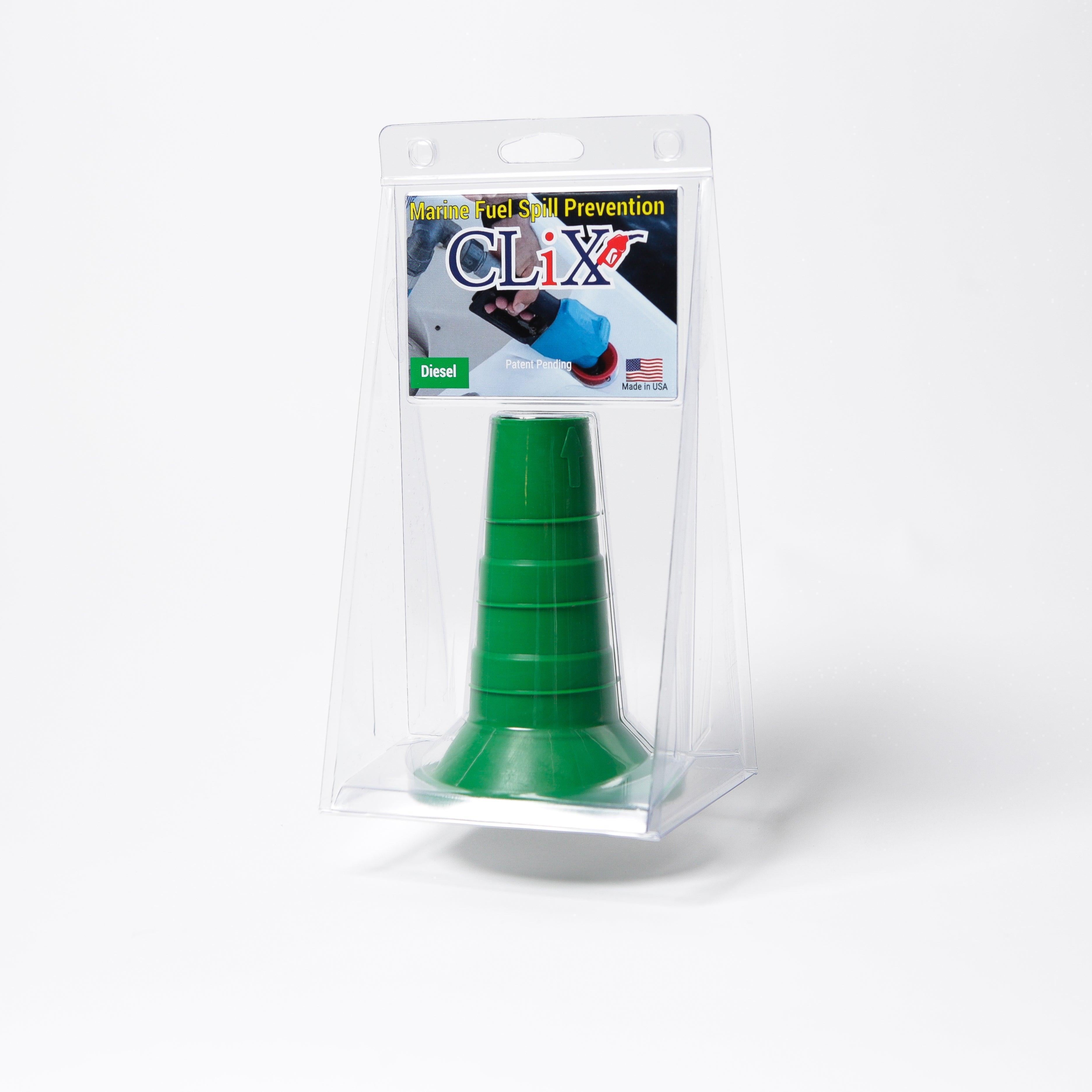
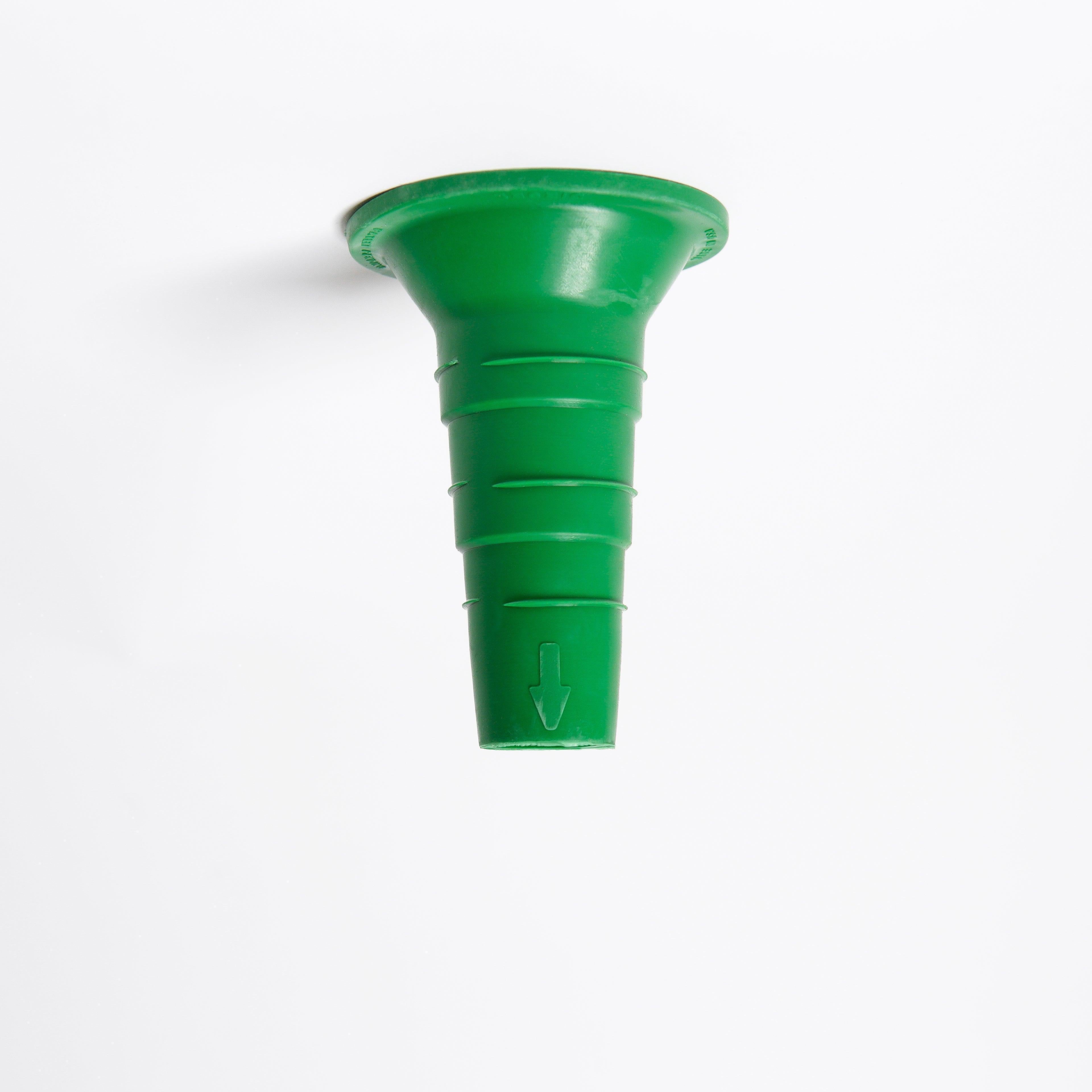
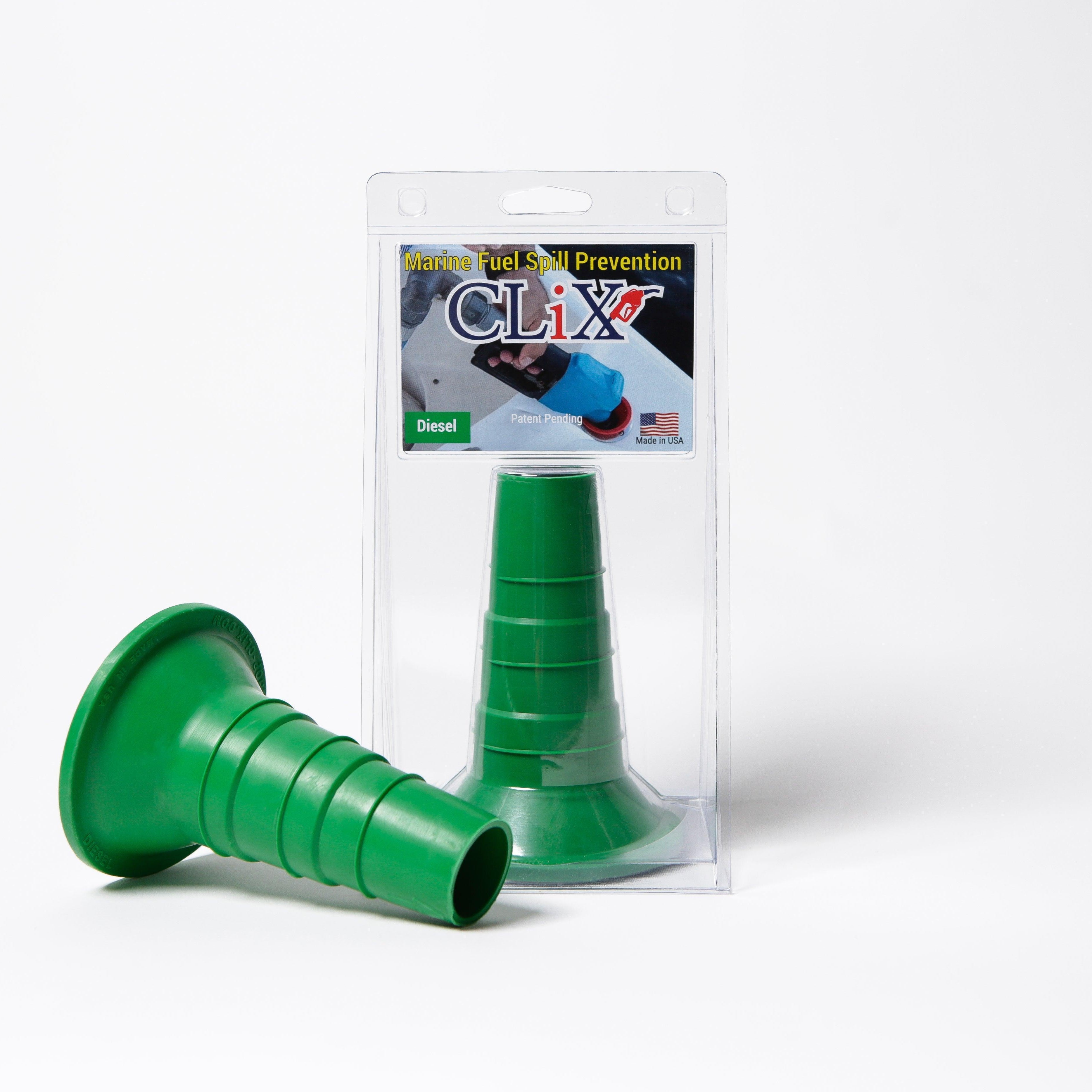
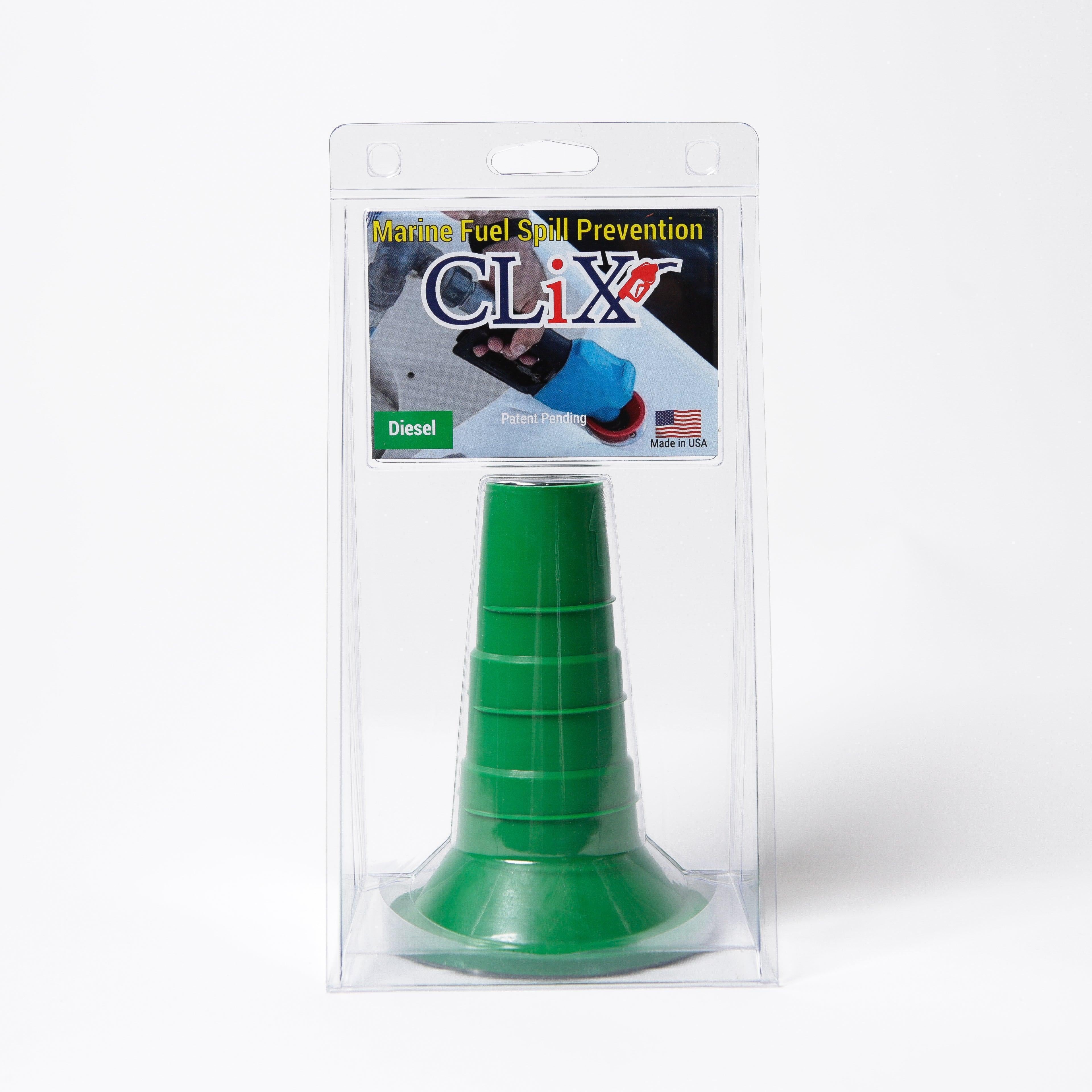
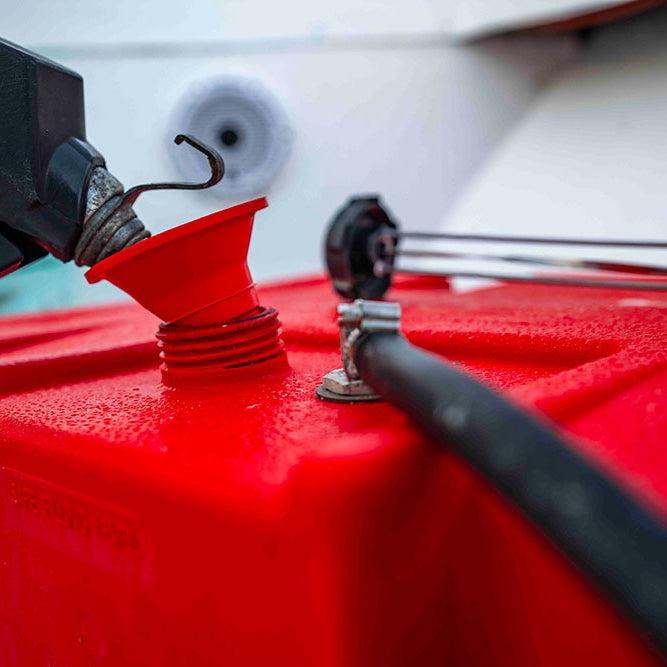
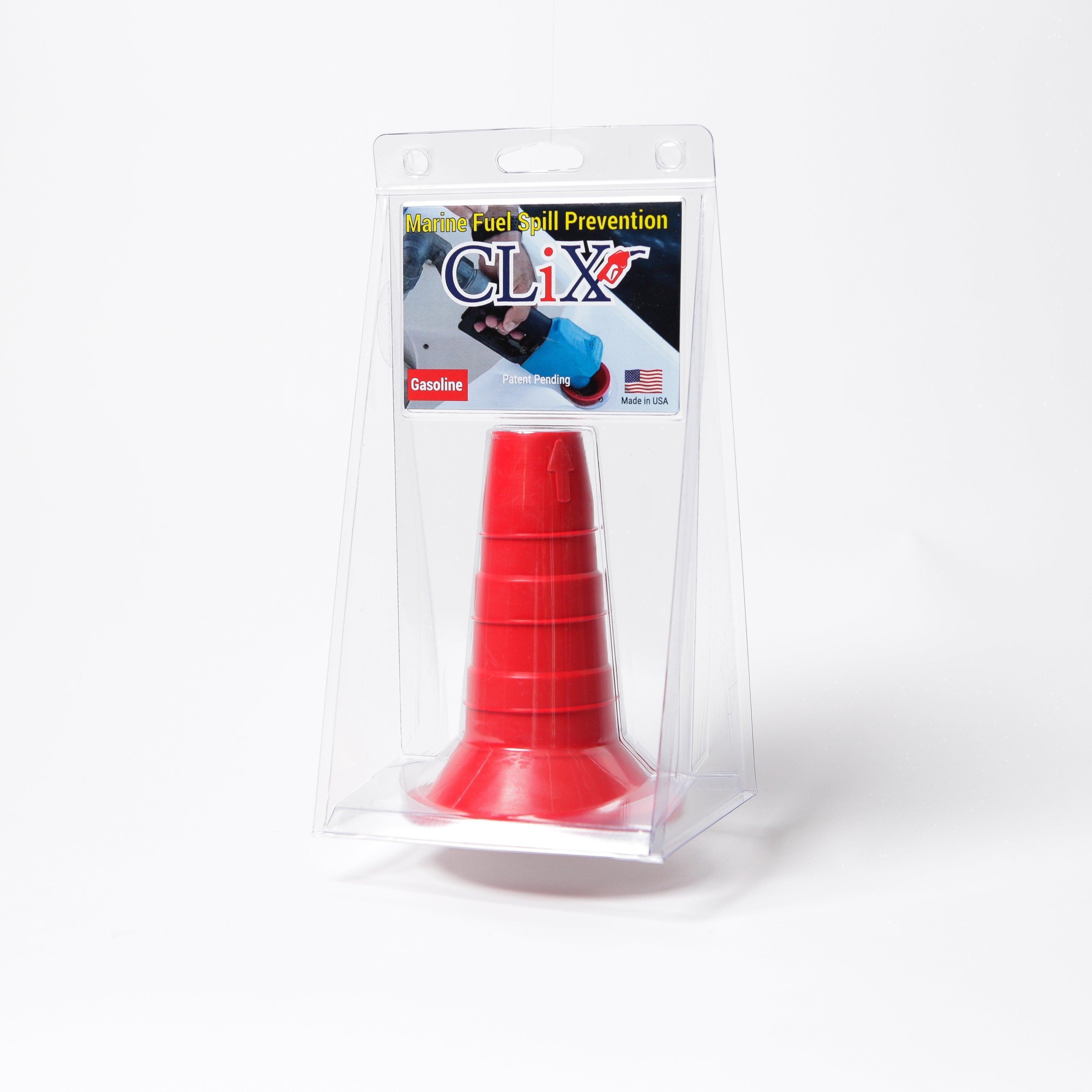
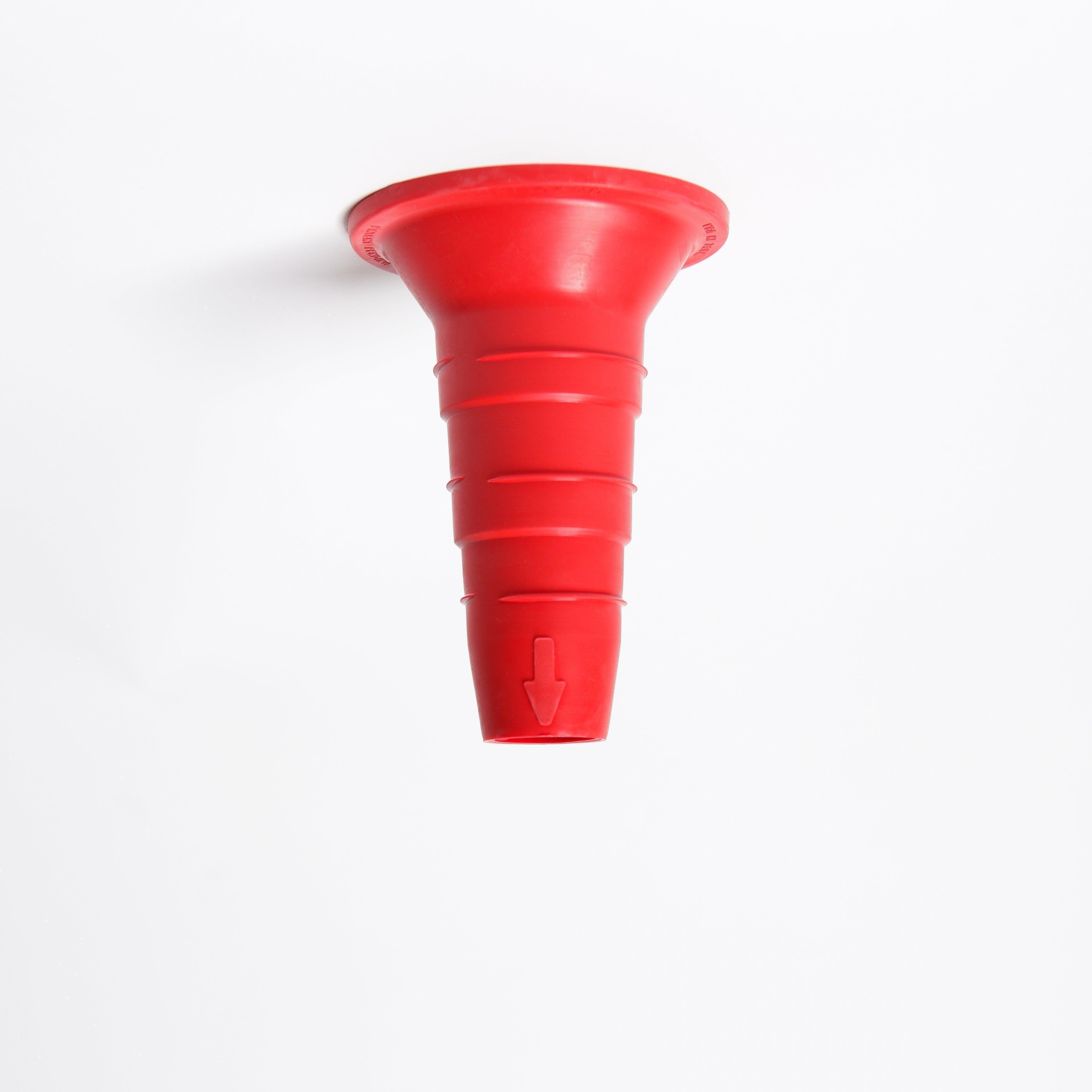
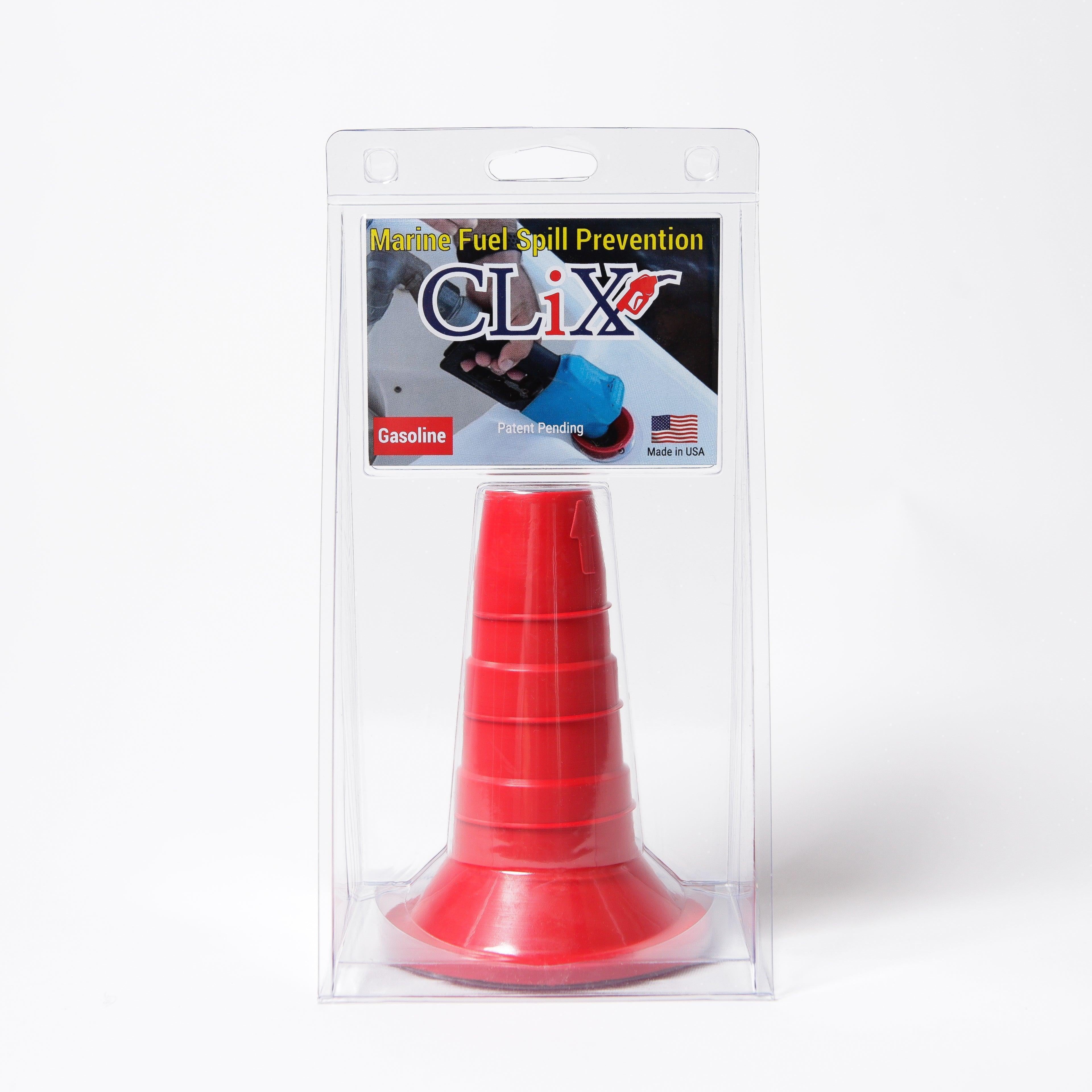
A complete system like CLiX Fueling Solutions guarantees a perfect, sealed connection. This secure link doesn't just enable the automatic shut-off signal; it also physically prevents fuel from splashing or leaking around the fill pipe—a common source of small but environmentally damaging drips.
Before you even think about fueling, it's absolutely essential to confirm the boat is equipped with a compatible receiver. Trying to use a high-speed system on an incompatible boat completely defeats the purpose of the safety technology and brings all those risks right back into the picture.
Building a Comprehensive Safety System
While an automatic shut-off is the star of the show, it works best as part of a complete safety strategy. When you're choosing or upgrading a fast flow pump system, it's wise to run through a checklist of features that work together to protect people, property, and the environment.
A well-designed system layers multiple safety features to create a robust defense against accidents. Here are the essential components to look for:
Safety Feature Checklist for Fast Flow Fueling Systems
| Safety Feature | Purpose | Importance Level |
|---|---|---|
| Automatic Shut-Off Nozzle | Instantly stops fuel flow when the tank is full, preventing overfills. | Critical |
| Compatible Tank Receiver | Creates a secure connection and communicates with the nozzle. | Critical |
| Emergency Shut-Off Button | Allows for immediate manual override of the pump in any situation. | High |
| High-Quality, Lined Hoses | Prevents degradation and leaks from high-pressure flow. | High |
| Spill Containment Kits | Provides the necessary materials for immediate response to any spill. | Essential |
By integrating these elements, you create multiple layers of protection. This ensures you can harness the full power of a fast flow pump without compromising on safety or environmental responsibility. Ultimately, this approach transforms a potentially hazardous task into a safe, clean, and remarkably efficient process.
How to Choose the Right Fast Flow Pump
Picking the right fast flow pump isn't as simple as grabbing the one with the biggest Gallons Per Minute (GPM) number on the box. It’s really about striking a smart balance between fueling speed, on-deck safety, and the real-world needs of your marina or vessel. A good decision here means you get all the benefits of faster fueling without creating new headaches like spills or constant maintenance.
Think of it as a long-term investment. You need to look past the initial price tag and consider the entire picture. From the size of the boats you're filling up to the harsh, salty air, every detail matters in finding a pump that’s not just powerful, but perfect for the job.
Assess Your Fueling Demands
First things first: what do you actually need? A busy commercial dock refueling a fishing fleet has totally different demands than a quiet marina that mostly serves weekend boaters. You have to be honest about your daily operations to figure out what scale of equipment makes sense.
Start by asking yourself a few key questions:
- Vessel Size: What’s the typical fuel tank capacity you’re dealing with? Filling a 500-gallon yacht requires a much different setup than topping off a small fleet of runabouts.
- Dock Throughput: How many boats are lining up on a busy Saturday? If you’ve got high traffic, a faster, more robust pump is essential to keep things moving and prevent frustrating logjams at the fuel dock.
- Fuel Type: Are you pumping diesel, gasoline, or both? Make sure any pump you consider is specifically rated for the fuels you handle, since the internal seals and materials are different.
Getting clear on these points helps you build a profile for the right pump. It’s the best way to avoid overpaying for a system that's complete overkill or, even worse, getting stuck with one that just can't keep up.
Material and Build Quality Matter
Let's face it, the marine environment is brutal. Saltwater spray, relentless humidity, and UV exposure will chew through substandard equipment in no time. When you’re looking at pumps, get picky about what they’re made of.
You want to see components built from materials that can take a beating, like stainless steel, brass, or other marine-grade alloys. The motor housing needs to be completely sealed to keep moisture away from the critical electrical parts. A cheaper pump might look tempting, but if it’s made from inferior materials, you're just buying yourself future downtime and replacement costs.
Investing in a well-built pump is like buying professional-grade tools. It’s a direct investment in reliability and peace of mind, meaning fewer repairs and a system that’s ready to go whenever you are.
Power, Safety, and System Integration
Raw pumping power is only part of the equation. This is a heavy-duty piece of equipment, and it has to play nice with your dock’s existing electrical and safety systems.
Before you pull the trigger, run through these final checks:
- Motor and Power Source: Double-check the pump’s voltage and phase requirements. Do they match what your dock can supply? A mismatch is a surefire way to get poor performance or even burn out the motor.
- Safety Certifications: Look for pumps that are certified by organizations like Underwriters Laboratories (UL). This tells you it was designed with crucial safety features, like being spark-resistant and explosion-proof.
- Compatibility with Shut-Off Systems: This one is a deal-breaker. You absolutely need to confirm the pump works seamlessly with automatic shut-off devices like CLiX Fueling Solutions. This integration is your best defense against overfills and spills, keeping your fueling operations safe and clean.
Ultimately, choosing the right fast flow pump is a careful calculation. You’re looking for that sweet spot where speed, durability, and safety all come together to create a reliable fueling station you can count on for years.
Keeping Your Fast Flow Pump in Top Shape: Installation and Maintenance
A high-performance fueling system is a fantastic asset, but it's only as good as its installation and maintenance. Getting the setup right from the very beginning and sticking to a regular upkeep schedule is the secret to a fast flow pump that runs safely, efficiently, and for a long, long time. It’s all about protecting your investment and avoiding the kind of dangerous, expensive downtime that no marina operator wants to deal with.
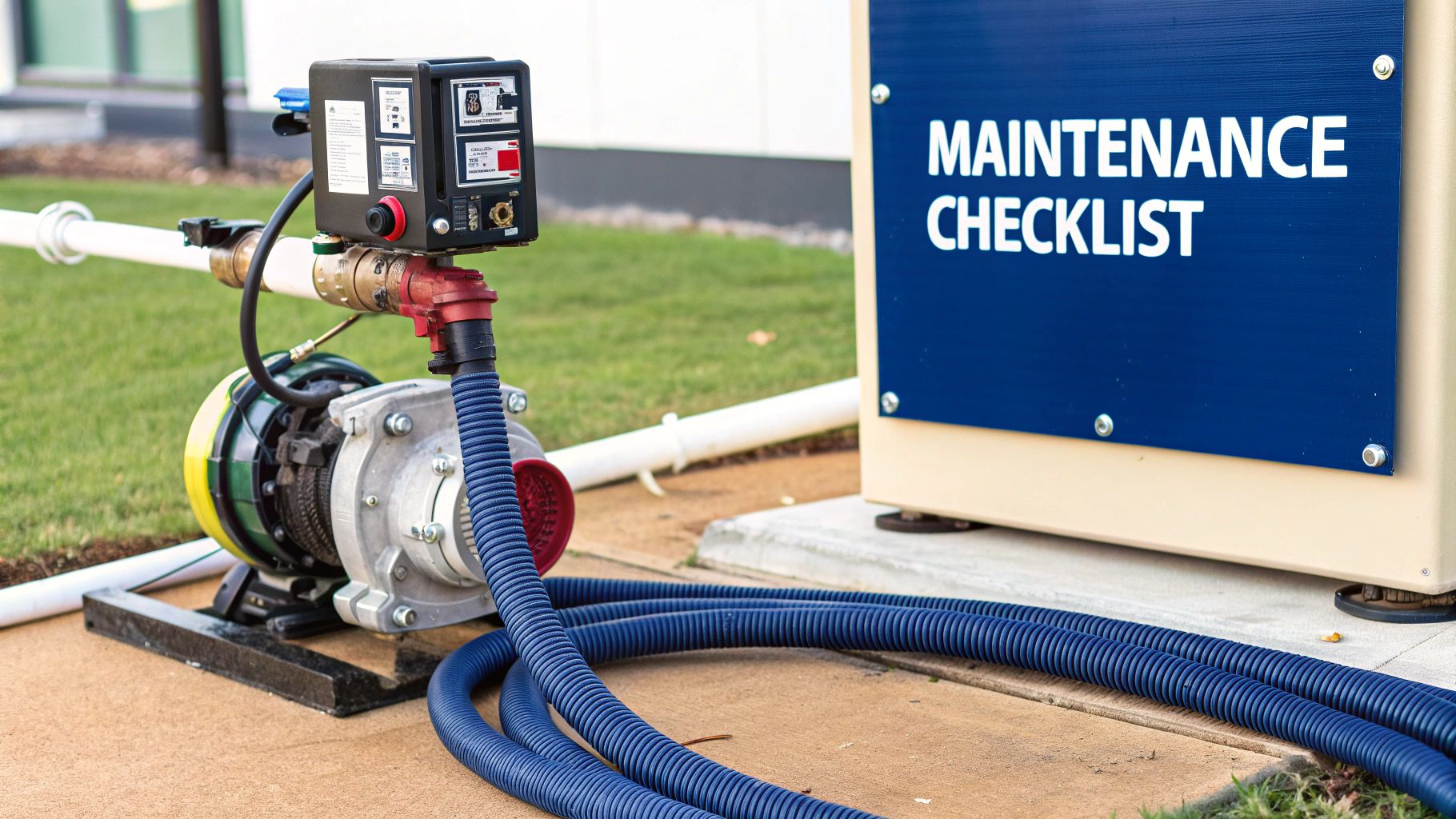
Think of the installation as the foundation you're building for years of reliable fueling. If you rush it or cut corners, you’re just setting yourself up for performance headaches and premature wear and tear down the road.
Nailing the Installation
Getting a fast flow pump installed correctly is about more than just hooking up a few hoses. Every little detail plays a part in the system’s safety and overall performance.
Here are the absolute must-dos when setting up your system:
- Secure Mounting: Your pump needs to sit on a solid, level surface. This simple step cuts down on vibration, which can shake connections loose and cause unnecessary wear on the motor and internal parts over time.
- Proper Electrical Grounding: This is a non-negotiable safety step. In a marine environment, proper grounding is your number one defense against static sparks—a potential disaster waiting to happen around fuel vapors.
- Correct Hose Diameter: Don't sabotage your pump's performance with a hose that's too small. Sticking to the manufacturer-recommended hose diameter is crucial for hitting the flow rates you paid for and maintaining proper pressure.
By focusing on a solid installation and consistent upkeep, you're directly reducing the total cost of ownership for your equipment.
Your Routine Maintenance Checklist
Once your pump is up and running, a little preventative maintenance goes a long way. Having a simple checklist makes it easy to spot small issues before they spiral into big, expensive failures. These quick checks don't take much time but can save you a world of hurt.
Think of routine maintenance as a regular health checkup for your fueling system. It’s a small time investment that pays off with improved reliability, enhanced safety, and a much longer operational lifespan for your equipment.
Here's a basic checklist to get you started:
- Inspect Hoses and Connections: Take a walk around the pump and look for any signs of wear—cracks, bulges, or brittle spots on the hoses. Give the fittings a check to make sure everything is tight and leak-free. Even a tiny drip can signal a much bigger problem on the horizon.
- Check and Clean Filters: The fuel filters are your pump's gatekeepers, stopping debris from getting inside and wrecking the components. Clogged filters are a real performance killer; they restrict flow and make the motor work way too hard. Clean or replace them on the schedule your manufacturer recommends.
- Test Safety Features: Don't just assume the safety features work. Regularly test the emergency shut-off button and make sure any automatic shut-off devices are triggering correctly. When you need them, you need them to work, no questions asked.
Sticking to a schedule is the key. For a deeper dive, our comprehensive boat fuel pump guide with expert maintenance tips has tons of great info to help you out. This kind of proactive care is what keeps your pump running like a champ for years to come.
Got Questions About Fast Flow Pumps? We've Got Answers.
When you're dealing with high-speed fueling, a few practical questions always pop up. Getting these sorted out is key to making sure everyone, from seasoned marina staff to first-time visitors, can fuel up safely and with confidence.
Let's walk through some of the most common questions we hear at the dock.
Can Just Any Boat Use a Fast Flow Pump?
This is a big one, and the answer is a hard no. Not every boat is built to handle the pressure and volume of a fast flow pump.
A boat’s fuel system—especially its tank and vent lines—has to be up to the task. Older boats, or even smaller ones, often have narrow vent lines that can't let air escape fast enough. Trying to force fuel in too quickly can create dangerous pressure, causing fuel to blow back out the fill pipe or, even worse, damage the tank itself. It's crucial to only use these powerful pumps with boats designed for them, and ideally, boats that have a modern automatic shut-off system.
How Fast Is a "Fast Flow" Pump, Really?
The difference is night and day. Your standard fuel pump at the marina probably dispenses fuel at about 10-15 gallons per minute (GPM). A fast flow pump? It's in a completely different league.
High-speed systems can deliver anywhere from 25 GPM to over 100 GPM. For most marinas catering to larger recreational boats and yachts, pumps in the 30-60 GPM range hit the sweet spot. They offer a huge time-saving advantage without being overkill.
Are There Special Regulations for These Pumps?
You bet. High-speed fueling is serious business, and it's regulated for a reason. Agencies like the EPA and your local fire marshal have strict rules in place to prevent spills and keep everyone safe on the dock.
These regulations often require specific safety gear. You'll typically see mandates for:
- Approved automatic shut-off nozzles
- Compatible overfill prevention devices (OPDs)
- Properly certified and maintained hoses and fittings
Marinas have to follow these rules to the letter. It’s not just about staying legal—it’s about protecting the environment and making sure the dock is a safe place for boaters.
For the ultimate spill-free, high-speed fueling experience, trust CLiX Fueling Solutions. Our automatic shut-off system takes the risk out of filling up, protecting your boat, your investment, and our waterways. See how you can get total peace of mind at the CLiX Fueling website.