A portable marine gas tank is a purpose-built container designed to safely carry and store fuel for your boat's outboard motor. It's much more than just a fancy jerry can; it’s a piece of engineered safety equipment built to handle the rigors of life on the water.
Why Your Boat Needs a Dedicated Marine Gas Tank
It's tempting to think that any old red gas can from the hardware store will do the job for your boat. That’s a common—and potentially dangerous—misconception.
Think of it this way: you wouldn't use a regular rope from a hardware store for mountain climbing. While it might hold some weight, it lacks the specific design, durability, and safety features of professional climbing gear. A proper marine gas tank is that professional-grade equipment for your boat.
This isn't just about holding fuel. It's about a complete fuel delivery system designed for a constantly moving, corrosive, and sun-drenched environment. Your boat gets tossed around, sprayed with saltwater, and baked by the sun. A standard plastic can just wasn't made for that kind of abuse.
Built for the Bouncing, Corrosive Marine World
A dedicated marine tank is engineered from the ground up with features that set it apart. These aren't just nice-to-haves; they're essential for keeping your engine running smoothly and everyone on board safe.
Here’s what makes them different:
- Marine-Grade Materials: Modern tanks are typically made of high-density polyethylene (HDPE). This stuff is tough—it resists impacts, stands up to UV rays, and won't break down from constant exposure to fuel and sun.
- Vented Fuel Caps: As the tank heats up or gets sloshed around, pressure builds inside. Vented caps safely release that pressure to prevent the tank from swelling or, in extreme cases, bursting. They also ensure a steady, uninterrupted flow of fuel to your engine.
- Proper Fuel Fittings: Marine tanks have standardized fittings that create a secure, vapor-tight seal with your boat's fuel line. A simple pour spout can't do that, and a loose connection can leak dangerous fumes into your boat.
The need for this kind of specialized gear is bigger than ever. With over 12.1 million registered recreational boats reported by the U.S. Coast Guard in 2023, there's a huge demand for reliable fuel systems. It’s no surprise that tanks in the 5-15 gallon range make up over 55% of the market, as they're the perfect fit for the smaller boats so many people enjoy. You can read the full research on the portable fuel tank market to dig into the data yourself.
Simply put, a portable marine gas tank isn't an optional accessory. It’s a core piece of safety equipment, specifically designed to protect your engine, your crew, and the water you love. Using anything less is a risk to both performance and safety.
Choosing the Right Tank Size and Material
Picking the right portable gas tank for your boat is a balancing act. You need enough fuel for your trip, a tank that can handle the rough-and-tumble marine environment, and something that’s practical to lug around. Get this right, and you’re set for a great day on the water. Get it wrong, and you might be calling for a tow.
Your choice really comes down to two things: what the tank is made of and how much gas it holds. Let’s walk through how to match these to your boat and your plans.
This simple chart cuts right to the chase.
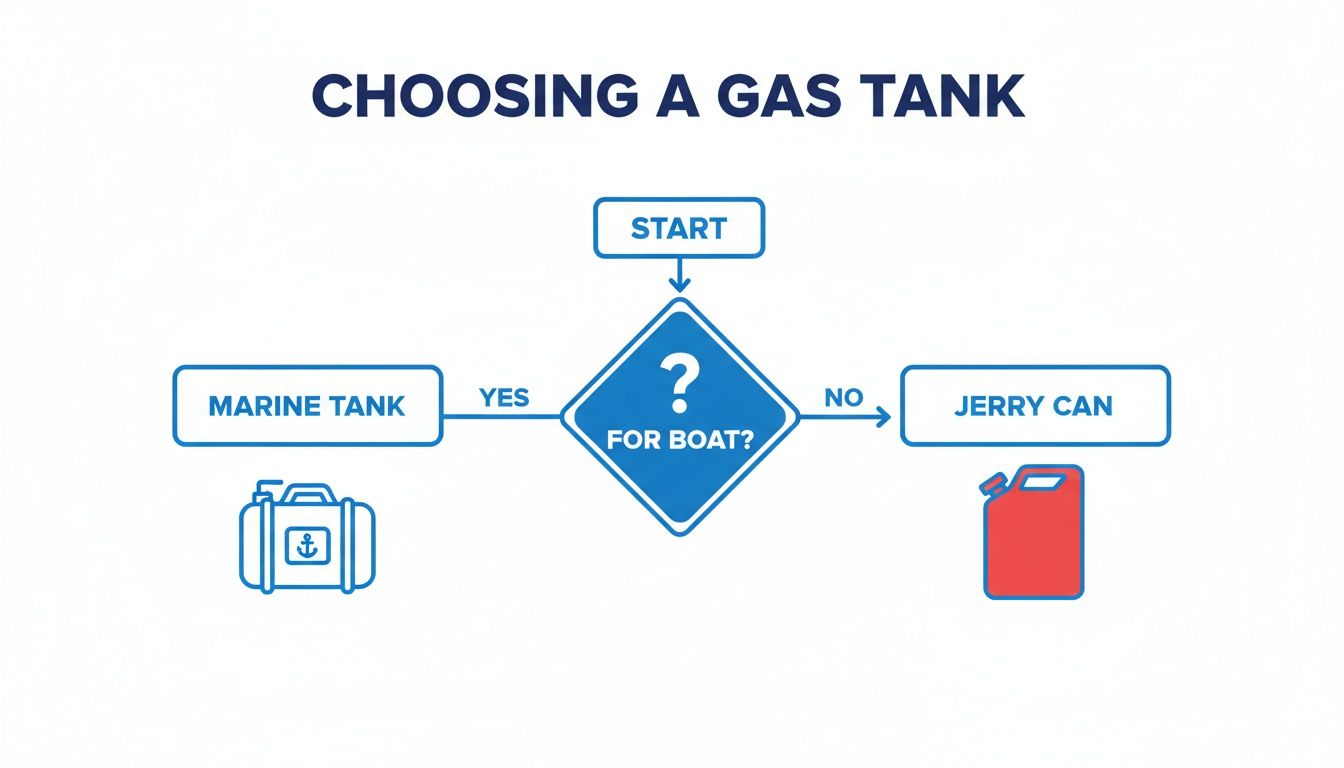
As you can see, if you're fueling a boat, a dedicated marine-grade tank isn't just a good idea—it's the only safe and legal way to go.
HDPE vs. Metal: What's Your Tank Made Of?
Most portable marine tanks you'll find today are made from high-density polyethylene (HDPE), and for very good reasons. HDPE is tough stuff. It can take a beating from waves and being knocked around the deck without cracking or denting, which is a common problem with metal tanks.
Plus, HDPE is naturally immune to saltwater corrosion and it’s surprisingly light. That makes a world of difference when you’re carrying a full 6-gallon tank down a long dock. While those classic red metal tanks have a certain old-school charm, they're heavy, they rust, and a bad dent can compromise the tank's integrity. For the vast majority of boaters, HDPE simply offers a better mix of durability, safety, and convenience.
To help you decide, here's a quick rundown of how the common materials stack up.
Portable Marine Gas Tank Material Comparison
| Material | Pros | Cons | Best For |
|---|---|---|---|
| High-Density Polyethylene (HDPE) | Lightweight, dent-resistant, rust-proof, affordable. | Can swell in heat, potential for UV degradation over many years. | The vast majority of recreational boaters; excellent all-around choice. |
| Aluminum | Lightweight, corrosion-resistant, durable. | Can be dented, more expensive than HDPE. | Boaters who want a premium, long-lasting metal option without the rust risk. |
| Steel (Coated) | Very tough, resistant to punctures. | Heavy, prone to rust if coating is scratched, can dent. | Older or classic boats where authenticity is desired; less common today. |
Ultimately, while metal has its place, modern HDPE tanks are typically the most practical and reliable choice for today's boater.
Sizing Your Tank with the Rule of Thirds
Deciding on tank capacity isn’t just about how far you want to go—it’s about safety. Boating old-timers and seasoned pros live by the "rule of thirds" for fuel planning. It’s a simple, brilliant principle that ensures you always have enough gas to get home safely.
Here’s how it works:
- One-Third Out: Use a third of your fuel for the trip to your destination.
- One-Third Back: Keep a third of your fuel for the return journey.
- One-Third Reserve: That last third is your safety net. It’s for fighting a strong current, navigating bad weather, or helping another boater in a jam.
Following the rule of thirds takes the guesswork out of fuel management. It’s the single best practice to avoid that sinking feeling of running out of gas miles from shore.
So how do you apply this? Easy. If your average fishing trip burns two gallons, a standard 6-gallon tank is perfect. That gives you two gallons out, two gallons back, and a two-gallon reserve. Planning a longer offshore trip that might take four gallons each way? You’ll need at least a 12-gallon capacity, either in one big tank or two smaller ones. Always err on the side of having too much fuel.
This common-sense approach has shaped the modern market. What started as a niche need after the post-WWII boating boom has grown into a significant industry, with the portable fuel tank market projected to hit $500 million by 2025. That growth is fueled by strong demand in places like North America, where boaters bought 280,000 new powerboats in 2023 alone. The most popular 5-15 gallon tanks are a perfect fit for the 80% of small craft on the water, showing just how central these simple tanks are to recreational boating. You can dig deeper into these market trends and their historical context.
Essential Safety and Handling Practices
A portable marine gas tank is an incredibly useful piece of gear, but it demands respect. Gasoline on the water introduces risks you just don't have on land—from fuel vapors collecting in low spots to the constant motion of the waves. Getting safety right isn't about memorizing a bunch of rules; it's about building smart habits that prevent fires, spills, and other serious headaches.
Think of your fuel tank as another passenger on the boat. It needs to be secured properly, handled with care, and kept an eye on throughout your trip. The U.S. Coast Guard (USCG) and the American Boat and Yacht Council (ABYC) have laid out a solid foundation for this. These aren't just arbitrary guidelines; they're safety protocols developed from decades of real-world boating incidents.
Securing Your Tank Onboard
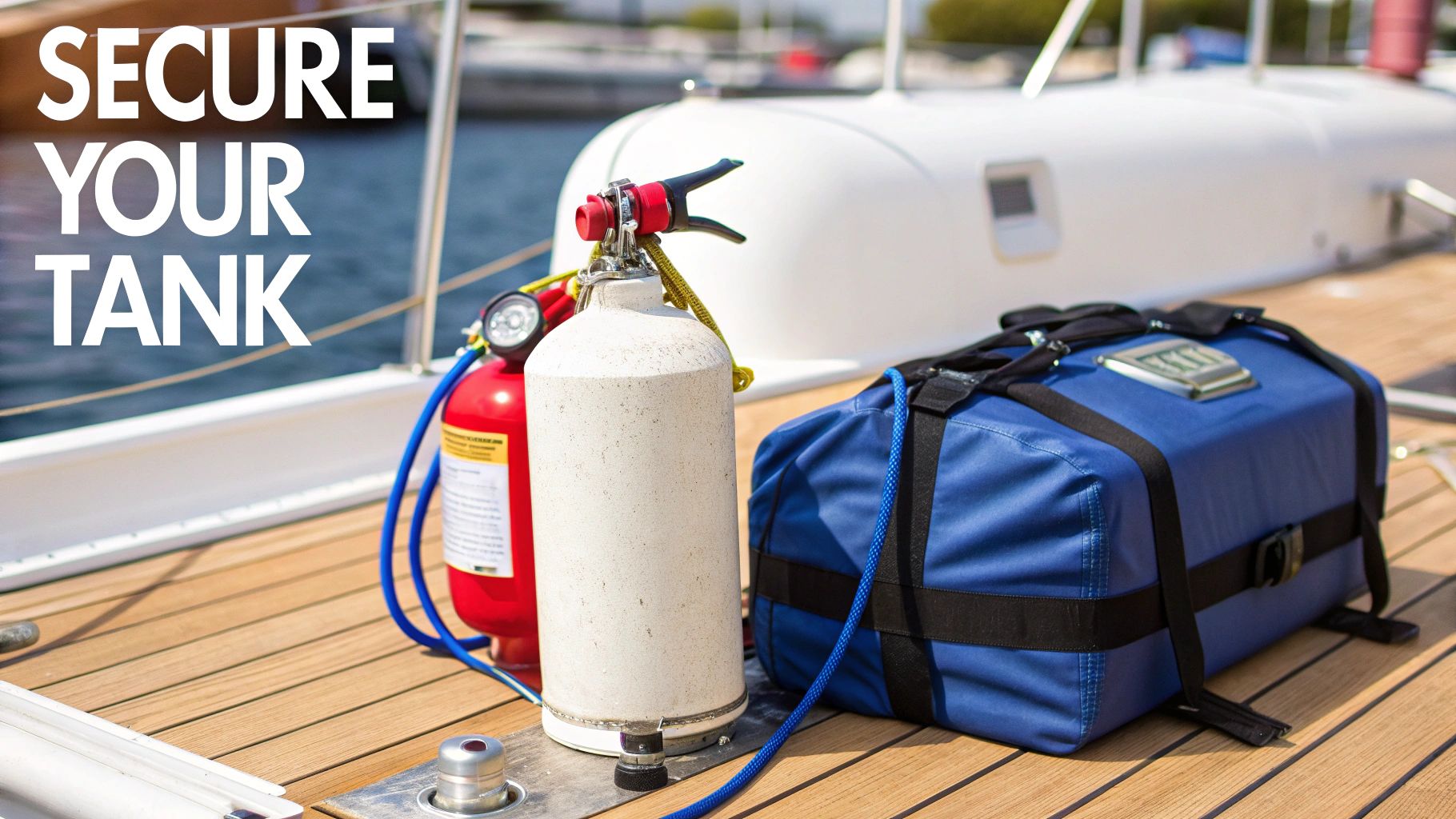
One of the easiest and most important safety steps is also one of the most overlooked: properly securing your portable tank. In choppy water, a loose tank can become a dangerous projectile, smashing into gear, injuring a passenger, or even rupturing and spilling fuel everywhere.
The goal is simple: stop it from moving. No sliding, no tipping, no bouncing around. You’ll want to place it in a well-ventilated area, out of direct sunlight, and away from any potential spark sources like batteries or electrical wiring. Never, ever store it in an enclosed cabin or compartment where flammable fumes can get trapped.
Here are the best ways to lock it down:
- Dedicated Trays: Many boats come with built-in tank trays that have tie-down straps made for this exact job. Use them!
- Strap Systems: If your boat doesn’t have a tray, grab some heavy-duty nylon straps with non-corrosive buckles and lash the tank to a fixed point on the boat.
- Bungee Cords are Not Enough: Standard bungees stretch, rot in the sun, and simply aren't strong enough. They are unreliable for securing a heavy, sloshing fuel tank. Stick to proper tie-down straps.
A secured tank is a safe tank. Taking thirty seconds to strap it down before you leave the dock is one of the easiest ways to prevent a fuel-related emergency.
Understanding Modern Fuel Caps and Vents
If you’ve purchased a portable tank recently, you've probably noticed the fuel cap looks a little different. That's because new EPA regulations require self-venting caps that automatically manage the pressure inside the tank. This is an environmental win, as it stops vapors from escaping into the atmosphere.
This design also means the tank might swell a bit on a hot day as pressure builds up. Don't worry, that's normal. The cap is designed to release excess pressure on its own. It's critical that you never replace a modern self-venting cap with an old-style manual vent cap. Doing so can create a dangerous pressure situation.
Safe Transport and Storage Practices
Your job isn't over when you get back to the boat ramp. How you transport fuel in your vehicle and store it at home is just as crucial for safety.
When moving your portable tank in a vehicle, always follow these steps:
- Secure It Upright: Put the tank somewhere it can't tip over or slide around, like the bed of a truck, and use straps to hold it in place.
- Keep It Ventilated: Never transport a fuel tank in an enclosed space like a car trunk or an SUV cabin. Fumes can quickly build up to dangerous levels.
- Take It Out to Fill It Up: Static electricity can build up in a vehicle, and it only takes one spark to ignite gasoline vapors. Always take the tank out and place it on the ground before you start pumping. We cover this in more detail in our guide on where and how portable gas tanks should be filled.
For long-term storage, like over the winter, find a cool, dry spot with plenty of ventilation that's away from your home's living areas. A detached garage or shed is perfect. Make sure to keep it far from any ignition sources like a furnace, water heater, or power tools. By making these simple practices a routine, you can handle fuel with confidence and focus on what really matters—enjoying your time on the water.
The True Cost of a Simple Fuel Spill
Every boater knows the sound—that little gurgle that means your portable tank is almost full. But let's be honest, the "listen and guess" method is a gamble. That little overflow you didn't quite catch is far more than just a messy inconvenience. A few ounces of spilled fuel can cause a surprising amount of damage to your boat, the water, and your wallet.
Think about what happens when a splash of gasoline hits your boat’s deck. That small spill immediately starts to work its magic in the worst way, leaving a permanent yellowish stain on the bright white gelcoat that no amount of scrubbing will ever fully remove. It doesn't stop there. The fuel eats away at deck fittings, makes non-skid surfaces dangerously slick, and can even start to dissolve the adhesives holding your rub rail in place.
Beyond the cosmetic damage, there’s a real fire hazard. Gasoline vapors are heavier than air, so they sink into the lowest parts of your boat—like the bilge. All it takes is one stray spark from an electrical connection to turn a great day on the water into a disaster.
The Ripple Effect on Marine Life
The damage quickly spreads beyond your boat. As soon as gasoline hits the water, it creates a thin, toxic film. Harmful components like benzene, a known carcinogen, are poison to the very marine ecosystems we all cherish. It's a sobering fact: a single gallon of spilled fuel can contaminate up to one million gallons of water.
This contamination has a direct, devastating impact on aquatic life. Even tanks from top manufacturers like Moeller Marine and Attwood aren't foolproof. Industry audits show that up to 20% of tanks can fail pressure tests, risking leaks that poison waterways. EPA studies have shown that fish populations in affected bays can drop by 15-25% due to this kind of pollution. You can discover more insights about these findings on the portable fuel tank market.
A fuel spill isn't just a personal mistake; it's an environmental event. The toxic chemicals poison the very water and wildlife that make boating worthwhile, leaving a lasting scar on the ecosystem.
Tallying the Financial Damage
The financial hit from a "minor" spill can be surprisingly steep. First, there's the wasted fuel itself, which really adds up over a season of small overfills. Then you have the cleanup costs. Specialized absorbent pads, chemical cleaners, and proper safety gear aren't cheap.
The aftermath of a fuel spill, even a small one, often requires specialized attention akin to a broader hazardous materials cleanup to mitigate environmental and financial damage.
If a more significant spill occurs, you could be on the hook for hefty fines from the U.S. Coast Guard or local environmental agencies—fines that can easily run into thousands of dollars. It's a messy, expensive headache. Our detailed guide offers expert advice on https://clixfueling.com/blogs/news/fuel-spill-cleanup-procedures-expert-response-guide to help you manage the aftermath safely and effectively.
In the end, preventing spills is about more than just being careful. It’s about protecting your investment, keeping everyone on board safe, and preserving the clean water we all love. The old way of fueling leaves too much to chance, making a smarter approach a must for any responsible boater.
How CLiX Ends Fuel Spills for Good
For years, boaters have accepted fuel spills as a messy, unavoidable part of a day on the water. We’ve all been there: listening for that subtle change in sound as gasoline rushes into a portable tank, hoping we pull the nozzle out in time. It's an imprecise method that's unreliable on a good day and downright hazardous on a bad one.
But what if you could take the guesswork out of it entirely? What if fueling up could be a clean, safe, and completely automated process?
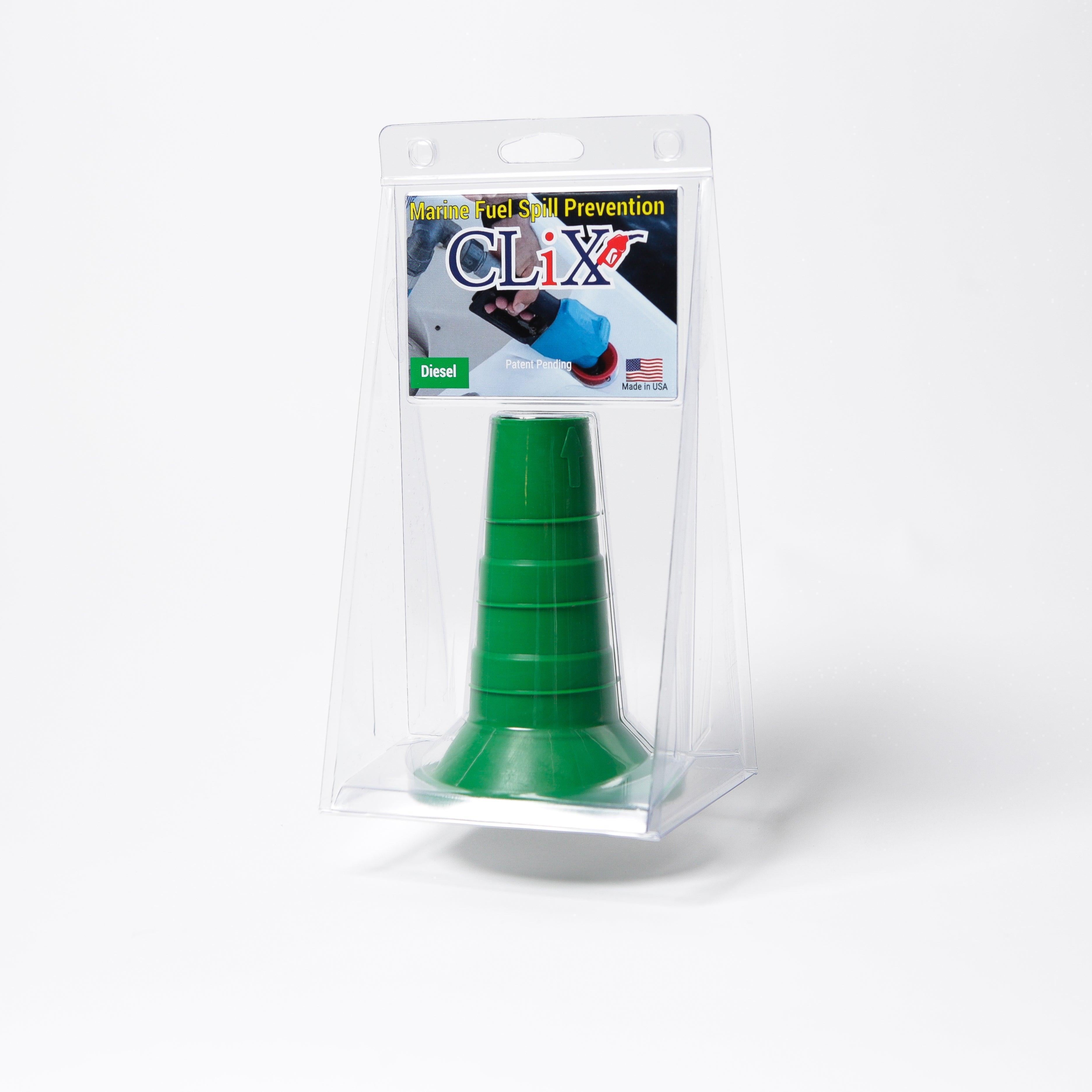
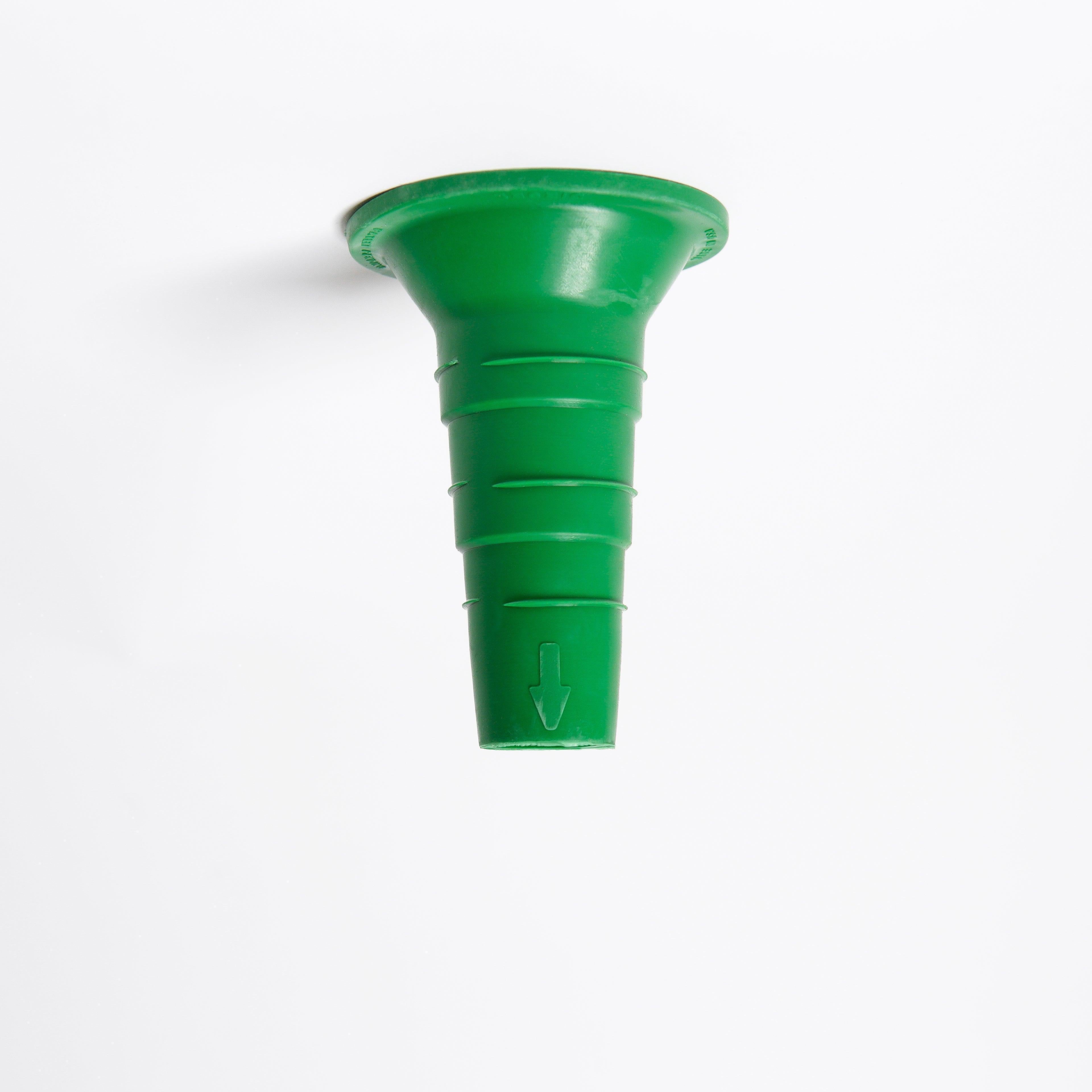
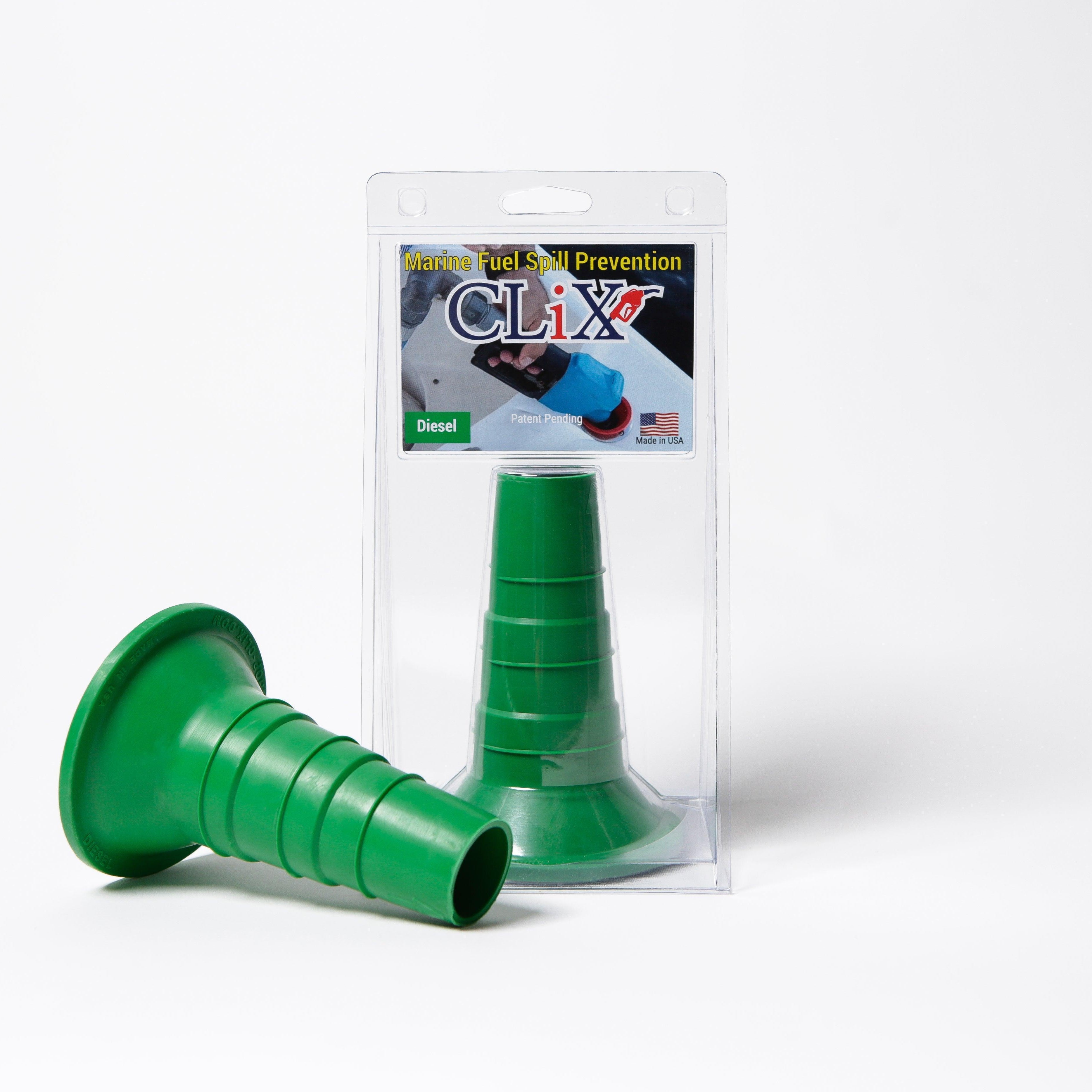
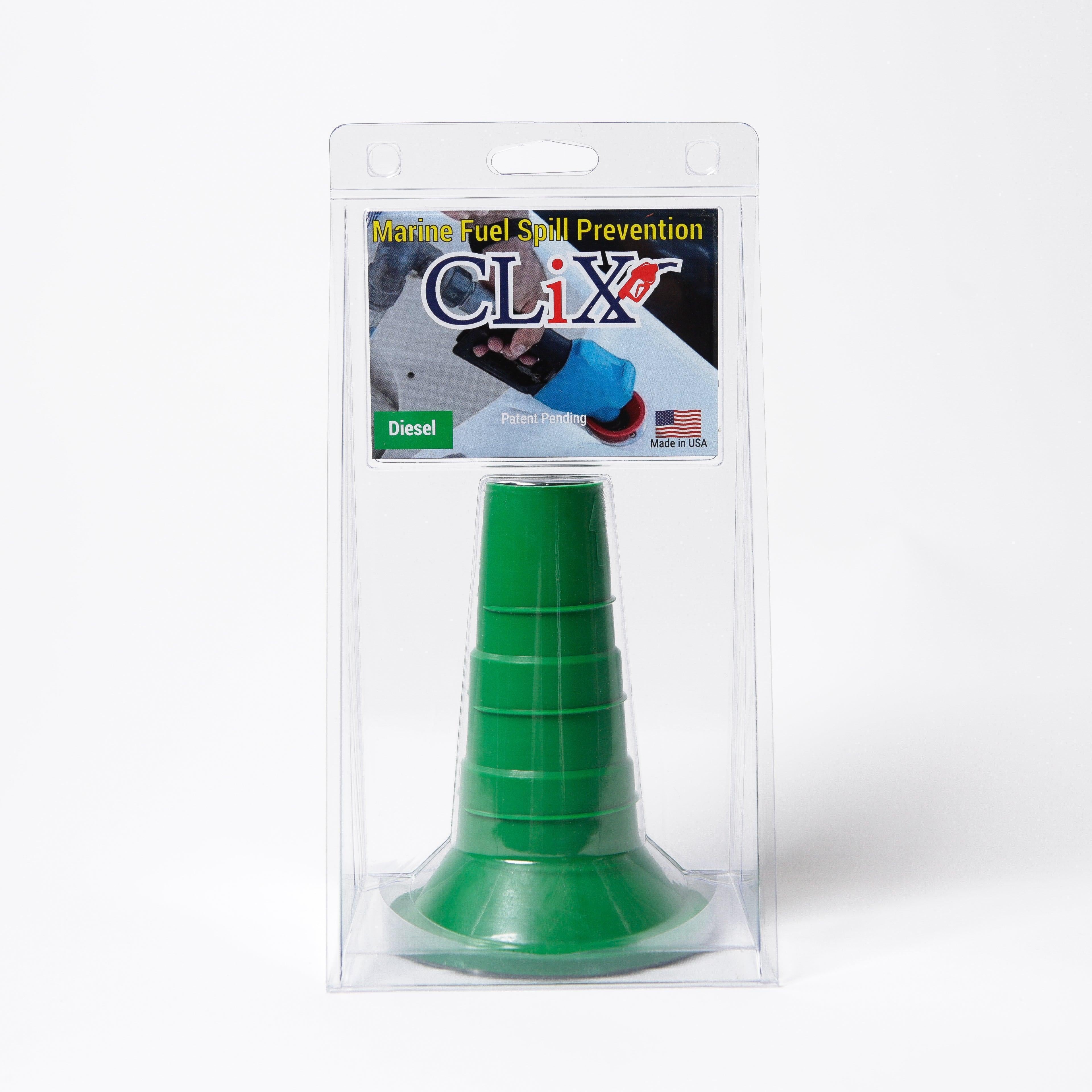
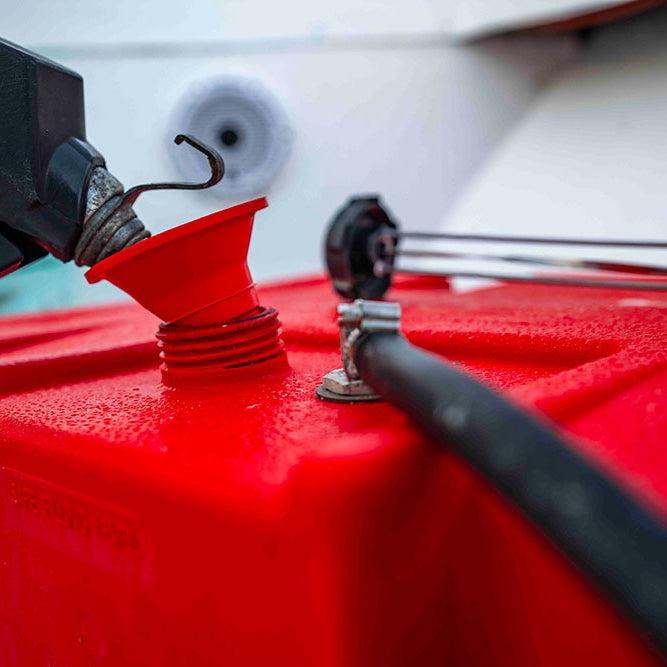
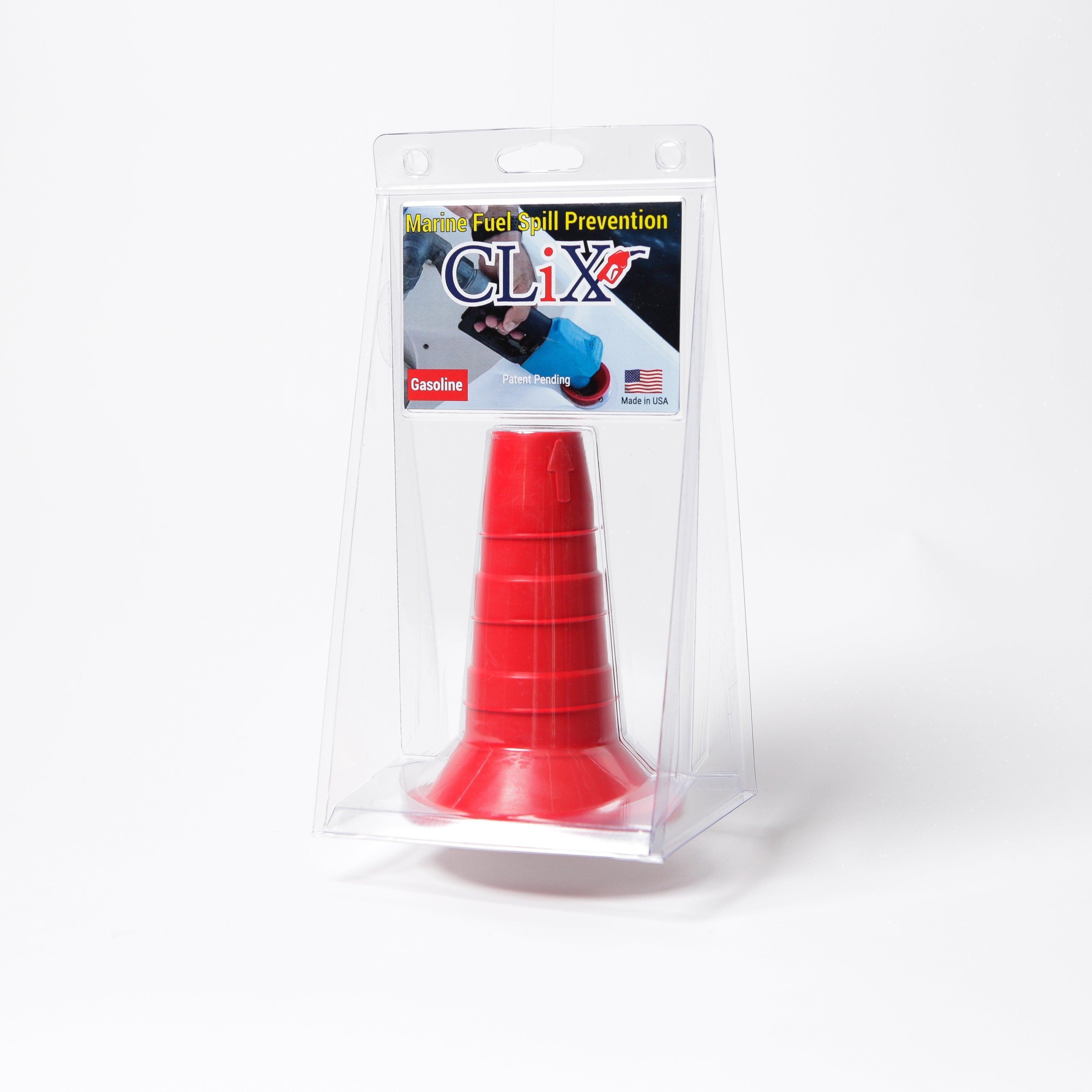
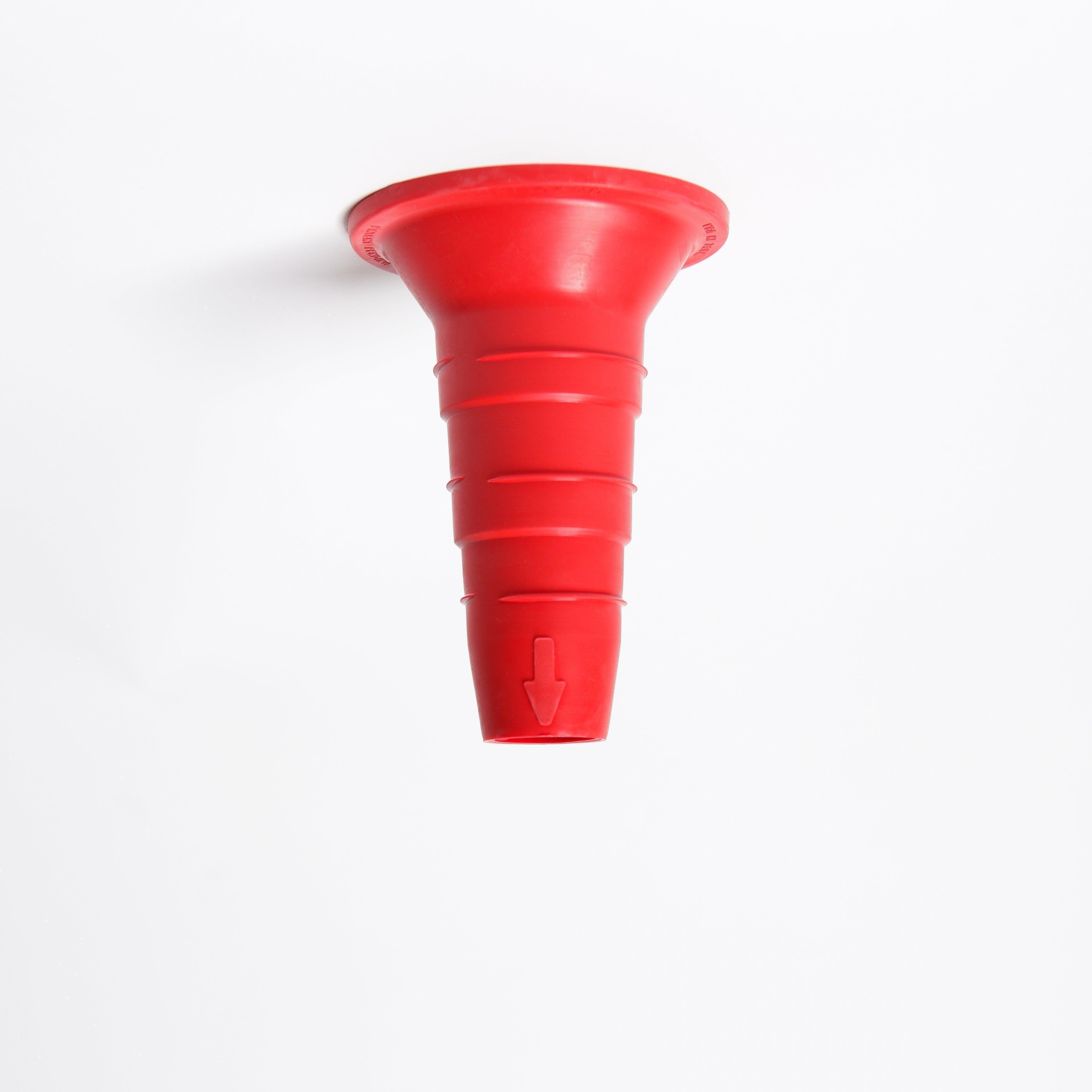
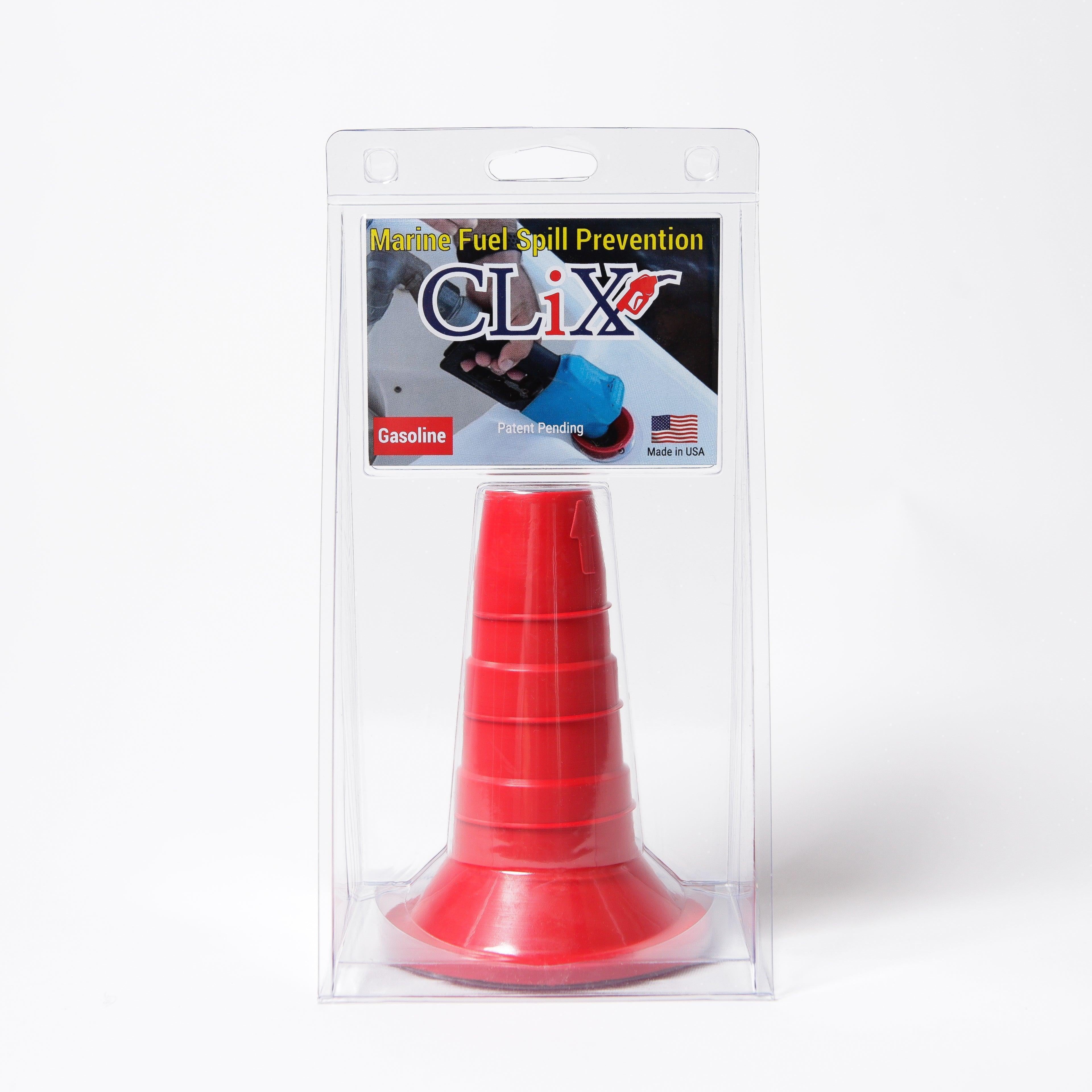
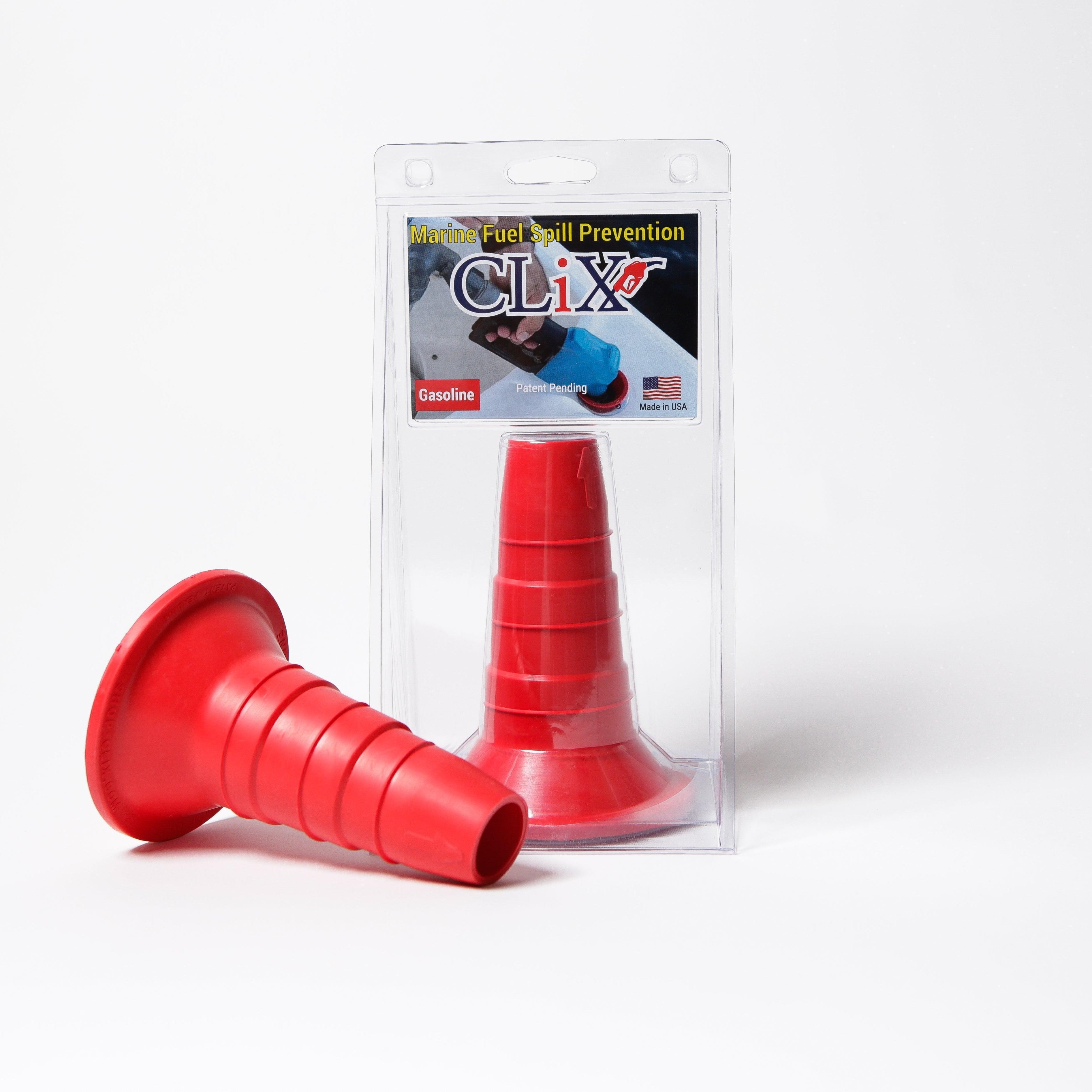
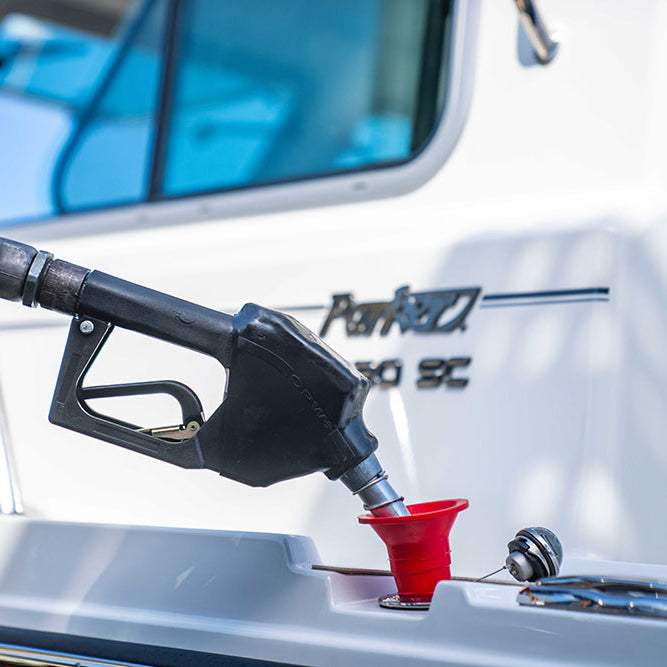
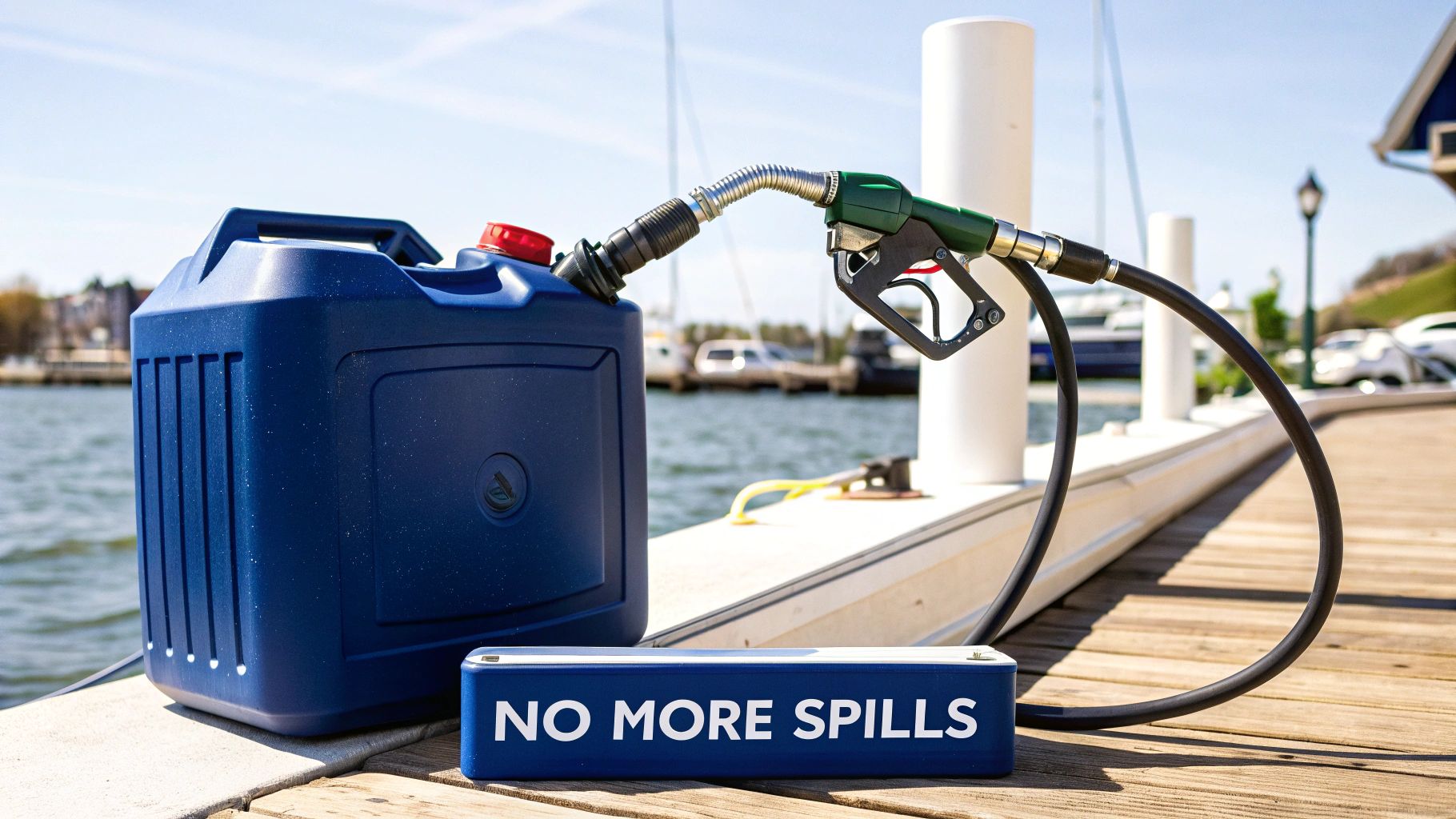
That's where CLiX Fueling Solutions comes in. Think of it as a smart, simple key for your fuel tank. It communicates directly with the gas pump nozzle to stop the flow before an overfill can ever happen. This isn't about being more careful—it's about making spills physically impossible.
A Simple System for a Perfect Fill
The brilliance of the CLiX system is its elegant simplicity. It’s an intelligent device that you can install on your existing portable marine gas tank in just a few moments, right on the filler neck. Once it's on, it works seamlessly with any standard auto-shutoff fuel nozzle you'd find at a gas station or marina.
The process couldn't be easier:
- Attach It: The CLiX unit screws onto your tank's filler neck.
- Start Fueling: Insert the nozzle and begin filling like you normally would.
- Get a Perfect Shutoff: The instant the fuel reaches the ideal fill level, CLiX triggers the nozzle's own auto-shutoff mechanism—exactly like your car does.
The result is a perfect, spill-free fill, every single time. No more guessing games, no more anxiously listening, and absolutely no more fuel overflowing onto your deck or into the water. It works with both gasoline and diesel tanks, making it a go-to solution for just about any boater.
CLiX effectively removes human error from the fueling equation. It turns one of the most stressful parts of prepping for a day out into a safe, clean, and predictable task.
The Real-World Impact on Your Wallet and the Water
This move to smart fueling is about more than just convenience; it has a real impact on your finances and the environment. Sailors have praised CLiX for its zero-spill performance, which immediately cuts down on wasted fuel and helps boaters avoid the average $1,200 in yearly repair costs many face from fuel-related damage.
With 87 million recreational boaters in the U.S. alone, this technology goes a long way. It protects boats from corrosion—reducing related claims by an estimated 35%—and helps preserve our fragile marine ecosystems. It’s no surprise it's becoming an essential tool for boaters who just want to enjoy their time on the water. You can explore more about the shift to smart fueling technology in recent market reports.
By making fuel spills a thing of the past, CLiX offers more than a clean deck. It gives you peace of mind, protects your investment, and shows a real commitment to responsible boating. This simple upgrade is one of the smartest ways to ensure every trip starts and ends safely, without leaving a toxic mess behind.
Proper Tank Maintenance and Storage for Longevity
Your portable marine gas tank puts up with a lot. It gets baked in the sun, sprayed with salt, and constantly sloshed around on the water. Just like any other critical piece of your boating gear, it needs a little TLC to stay safe and reliable.
Think of it as a quick pre-flight check for your fuel system. A few minutes of care can extend the life of your tank, protect your engine from bad fuel, and prevent a real headache out on the water. Before every trip, give your tank a quick once-over. It’s a simple habit that can save you from a stalled engine miles from shore.
Your Routine Inspection Checklist
Make it a habit to give your entire portable fuel system a quick visual and physical inspection before you head out. This is all about catching small problems before they turn into dangerous failures.
Here’s what to look for on your pre-launch check:
- Check for Cracks and Bulging: Look closely at the tank body itself, paying special attention to corners and fittings. Any fine cracks or swelling are a bad sign, indicating the plastic is getting brittle or has been damaged.
- Inspect the Fuel Hose: Give the fuel line and primer bulb a good squeeze. They should feel firm but still flexible. If the hose feels rock-hard, mushy, or you see any cracks, it's time for a replacement.
- Confirm a Tight Seal: Make sure the fuel cap is screwed on tight and all the hose fittings are secure. A loose connection is a prime source for dangerous gasoline vapor leaks.
- Look for Leaks: Check for any tell-tale signs of fuel weeping from seams, fittings, or the hose. If you smell gas when the tank hasn't been used, that's a major red flag.
A brittle fuel hose or a cracked tank fitting is more than just a minor issue; it's a breakdown waiting to happen. Catching these problems on the dock is always better than discovering them in the middle of a channel.
Off-Season Storage for Peak Performance
How you store your portable tank during the off-season directly impacts how your first trip of the next season will go. Believe it or not, old fuel is one of the top culprits for engine starting problems. Over time, gasoline breaks down, loses its punch, and can form gummy deposits that will clog up your entire fuel system.
The secret weapon here is a quality marine fuel stabilizer. This additive is a lifesaver—it stops the chemical breakdown of gasoline, fights phase separation in ethanol-blended fuels (E10), and essentially keeps your fuel fresh for months on end.
When it comes to long-term storage, experts generally recommend one of two approaches:
- Store It Nearly Full: Fill the tank to about 95% capacity, add the right amount of fuel stabilizer according to the instructions, and seal it up tight. This leaves very little air inside, which drastically cuts down on the chances of water condensation forming in the tank.
- Store It Completely Empty: The other option is to run the tank completely dry. This completely removes the risk of old fuel causing problems, but it can be a real pain to get every last drop out.
Both methods are solid, but most boaters find that storing the tank nearly full with a stabilizer is the most practical choice. For a more detailed look at this topic, check out our guide on how to store gasoline safely. A little prep now ensures your tank and your engine are ready to fire right up when boating season returns.
Frequently Asked Questions
Even the most seasoned boaters run into questions about their fuel systems now and then. Let's tackle some of the most common ones that come up about portable marine gas tanks.
Can I Use a Regular Red Gas Can on My Boat?
That’s a hard no. A standard red gas can from the hardware store has no place on a boat, and for good reason.
Portable marine gas tanks are built differently. They have to meet strict U.S. Coast Guard (USCG) safety standards, which means they're made from materials that stand up to constant sun and saltwater. More importantly, their caps and fuel fittings are designed to create a sealed, vapor-tight connection to your engine's fuel line. Using a regular can is asking for a dangerous fuel leak and could get you a hefty fine.
When Should I Replace My Portable Marine Gas Tank?
The best approach is to give your tank a quick inspection every time you use it. You’ll want to replace it right away if you spot any obvious signs of trouble.
Keep an eye out for these red flags:
- Visible Damage: Look for deep gouges, cracks (pay close attention to the areas around the fittings), or any sign that the tank is bulging or swelling.
- Material Breakdown: If the plastic looks faded, discolored, or has a chalky texture, it's becoming brittle from UV exposure and is no longer reliable.
- Leaking or Fumes: Any hint of weeping fuel or a constant smell of gasoline means the tank’s integrity is gone. It's time for a new one, period.
As a rule of thumb, it's smart to plan on replacing any portable marine gas tank once it hits the 10-year mark. Even if it looks okay, the marine environment is tough, and the materials will break down over time.
A compromised fuel tank isn't just an inconvenience; it's a serious risk. Proactively replacing an old or damaged tank is one of the smartest safety investments you can make.
What Is Fuel Phase Separation and How Do I Prevent It?
This is a huge headache for boaters, especially since most gas now contains ethanol (E10). Fuel phase separation happens when the ethanol in your gasoline absorbs too much water—something that’s easy to do in the humid air on the water.
When the fuel gets saturated, the ethanol and water combine, drop out of the gasoline, and sink to the bottom of your tank. What you’re left with is a nasty, corrosive sludge that can wreck an engine. The best defense is a good offense: always use a quality marine fuel stabilizer. It helps keep the water suspended in the fuel. Also, try to store your tank mostly full, which leaves less air space for condensation to form in the first place.
Will the CLiX System Fit My Brand of Tank?
The CLiX Fueling system was designed to work with the vast majority of popular portable marine gas tanks out there. It’s built to fit any tank with a standard 1.5-inch filler neck.
This sizing covers a huge range of tanks on the market, so it’s an easy upgrade for most boaters. To be absolutely sure, it’s always a good idea to double-check the product details on the CLiX website to confirm it’s a match for your specific tank. The whole point is to make spill-free fueling simple and accessible for everyone.
Ready to eliminate fuel spills and protect your boat for good? CLiX Fueling Solutions offers a simple, reliable way to achieve a perfect fill every time. Visit clixfueling.com to learn more and make fueling guesswork a thing of the past.