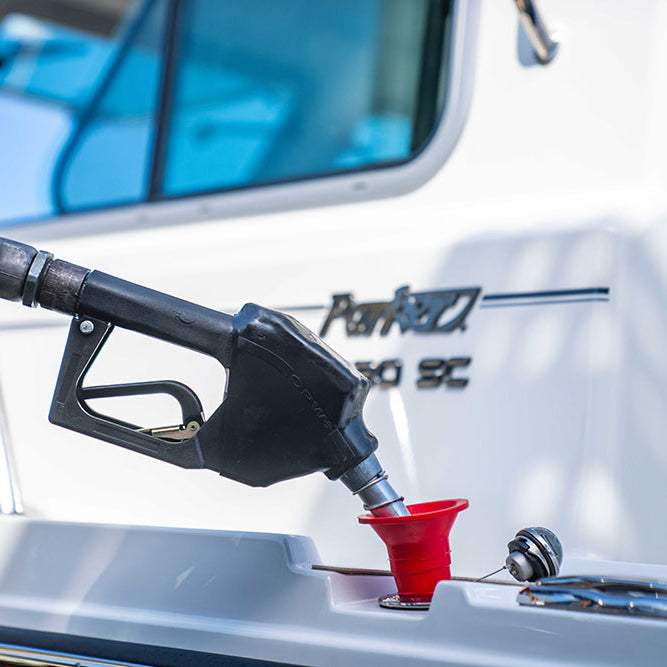
Your boat's fuel fill inlet is the port on the deck or hull where you stick the fuel nozzle to fill up the tank. It’s easy to overlook, but it's much more than just a hole—it's the gateway to your boat's engine and your first defense against expensive, eco-damaging fuel spills.
Your Boat's Gateway for Fuel and Spills
Think of the fuel fill inlet as the front door to your entire fuel system. It’s a simple part, but it plays a huge role in keeping your boat running safely and efficiently. Its main job is to give you a secure place to pump in gasoline or diesel, but it's also responsible for ensuring a clean transfer, free from water or debris that could wreck your engine.
This is also where things can go sideways. For any boat owner, the fuel inlet is ground zero for overfills and spills that stain fiberglass, eat away at your gelcoat, and pollute the water. In places like the U.S. and Europe, where boating is a way of life, having a modern, reliable fueling setup isn't just a nice-to-have—it’s a must for safety and environmental stewardship.
To give you a quick snapshot, here’s what the fuel fill inlet is all about and the common headache it can cause.
Fuel Fill Inlet At a Glance
| Primary Function | Common Risk |
|---|---|
| To provide a secure, sealed entry point for refueling the boat's fuel tank. | Accidental overfills and spills, leading to environmental contamination, vessel damage, and potential fines. |
This simple component manages the critical exchange between the fuel pump and your tank, making it central to a clean and safe boating experience.
The First Line of Defense Against Spills
Every time you fuel up, that inlet is the crucial connection. A bad seal on the cap, a tiny crack in the housing, or just looking away for a second can cause a spill. These aren't just messy—they're expensive, toxic to marine life, and can get you fined.
An effective fuel fill inlet does more than just let fuel in; it actively keeps it from getting out. It's the gatekeeper that separates a smooth day on the water from a hazardous cleanup at the dock.
For professionals on the water, mastering every system is part of the job. For instance, knowing the ins and outs of fueling is one of the key responsibilities of a dive boat captain to keep passengers and the vessel safe. That same mindset helps every boater. When you really understand what your fuel fill inlet does, you can see why it’s so important for preventing accidents and protecting your investment.
Understanding Your Marine Fuel Fill System
To really get a handle on what a fuel fill inlet is, it helps to think of it as part of a team. Your boat's fueling setup is essentially a secure pipeline, with each part playing a role to get fuel from the pump to your tank safely and without any gunk getting in. When everything works in harmony, the whole process is smooth and safe.
It all starts with the deck plate, that metal or plastic fitting you see on the deck. This is where the whole assembly is mounted. Screwed into it is the fuel cap, which does more than just plug a hole. The most important piece here is the O-ring—that little rubber gasket is what creates the airtight and watertight seal.
The Critical Flow Path
Below deck, the fill hose is the main artery. It's a heavy-duty tube designed specifically to carry gasoline or diesel from the inlet straight to the tank without breaking down. Working right alongside it is the vent line, a smaller hose with a big job: letting air escape the tank as fuel goes in. This prevents dangerous pressure from building up and stops fuel from "burping" back out at you.
If you want to go deeper into how all these parts work together, check out our complete guide to the boat fuel system. Understanding this relationship is the first step to preventing problems.
This diagram shows how the fuel fill inlet is the gateway between the fuel pump and your boat, but also where spills can happen.
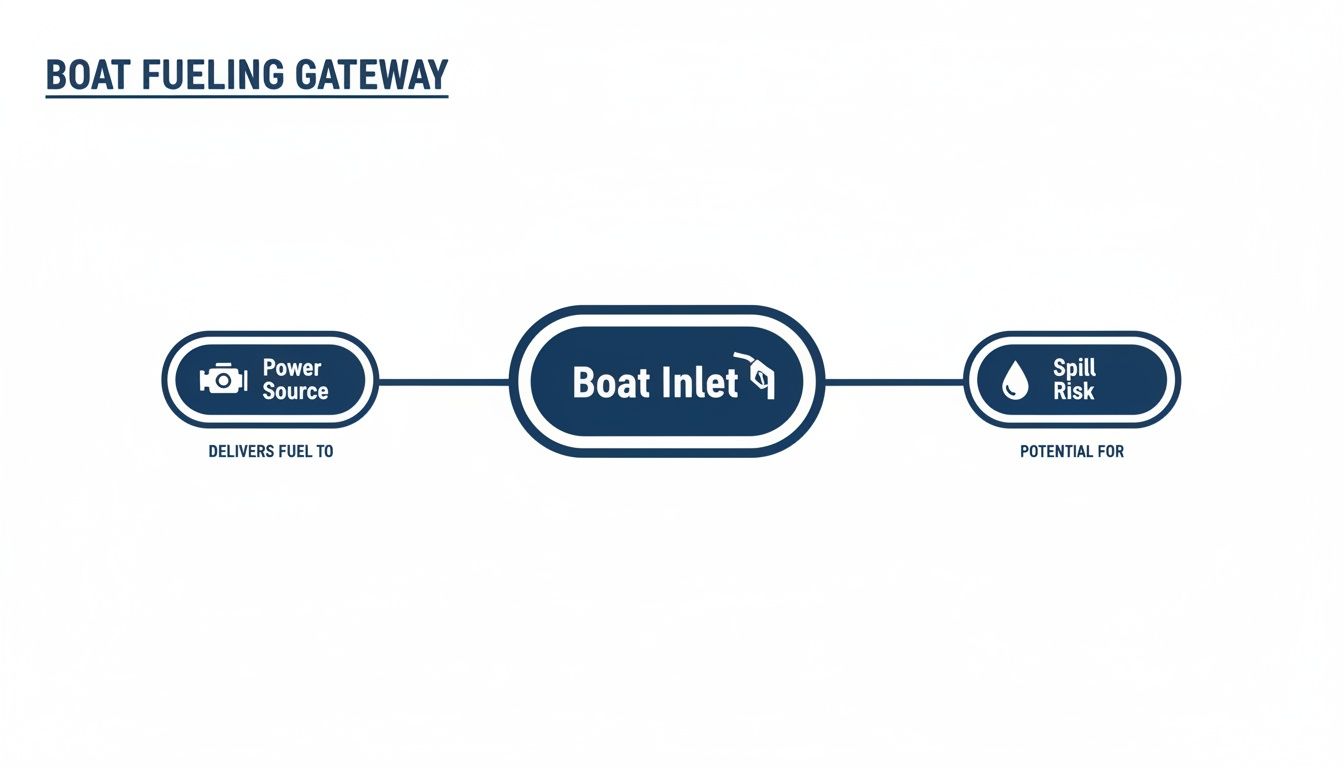
As you can see, the inlet is essential for fueling up, but it's also ground zero for potential spills.
A single point of failure can throw the whole system out of whack. A cracked O-ring might let water seep into your fuel, and a clogged vent line can cause fuel to splash back violently when you're filling up.
Every single piece, from the cap you twist off to the hoses you never see, contributes to a clean, safe fueling experience. They're all connected. That’s why a tiny, seemingly minor issue can quickly turn into a massive headache out on the water. Knowing how they all function together makes it much easier to spot trouble and keep things running right.
Comparing Common Fuel Fill Inlet Materials
When you're looking at a boat's fuel fill inlet, it’s easy to think they’re all the same. But the material it's made from actually says a lot about its durability, cost, and how well it will hold up to the elements. This isn't just a cosmetic choice; it's a practical one that affects the long-term health of your entire fuel system.
Most marine fuel fill inlets are made from one of three common materials: stainless steel, high-grade plastics (polymers), or chrome-plated metals. Each has its own trade-offs, and what's right for a small lake boat might be a terrible choice for an offshore vessel.

Let's break down what you'll typically find out there and why it matters.
Comparing Fuel Fill Inlet Materials
Here’s a quick rundown of the pros and cons for each material, which should help you spot what you have on your boat or what to look for in a new one.
| Material | Pros | Cons |
|---|---|---|
| Stainless Steel | Superior corrosion resistance, especially in saltwater. Extremely durable and long-lasting. | The most expensive option. Can be heavier than other materials. |
| High-Grade Plastics | Lightweight and affordable. Completely rust-proof and resistant to fuel. | Can become brittle and crack over time due to UV exposure. Not as strong as metal. |
| Chrome-Plated Metals | Offers a classic, shiny look. More durable than plastic. Less expensive than stainless steel. | The chrome plating can chip or peel, leading to corrosion of the base metal underneath. |
Ultimately, the best material really depends on your boat and where you use it.
Your boating environment should be the number one factor in this decision. For anyone in saltwater, spending the extra money on a high-quality stainless steel fuel fill inlet is one of the smartest preventative maintenance moves you can make.
You'll also notice design differences, like straight versus angled necks. An angled inlet often makes it easier to get the fuel nozzle in without it constantly clicking off or "burping" fuel back at you, especially on boats with tricky hull shapes. Knowing these subtle differences helps you make a better choice, whether you’re buying a new boat or just upgrading a small but crucial part of your current one.
How to Stop Fuel Spills Before They Happen
Every boater knows that little knot of anxiety at the fuel dock. You’re watching the pump, listening for that subtle change in sound that tells you the tank is almost full. It’s a familiar routine, but one where a simple mistake can lead to a messy problem.
The most common causes of fuel spills are surprisingly basic: an unreliable fuel gauge, a clogged vent line, or just a split-second of distraction. But these aren't just minor mishaps. Spills are costly, damaging your boat’s finish and harming the very water you love to be on.
Instead of just reacting to spills after they happen, the smart move is to stop them before they even start. This is about getting rid of the guesswork and using a proactive solution for a clean fill, every single time.
The Power of an Automatic Shut-Off
Imagine a system that could tell the fuel pump nozzle to stop the instant your tank is full. That’s the simple but brilliant idea behind modern spill-prevention technology. By creating a direct, physical link between your marine fuel fill and the pump, these systems offer a foolproof way to prevent overfills.
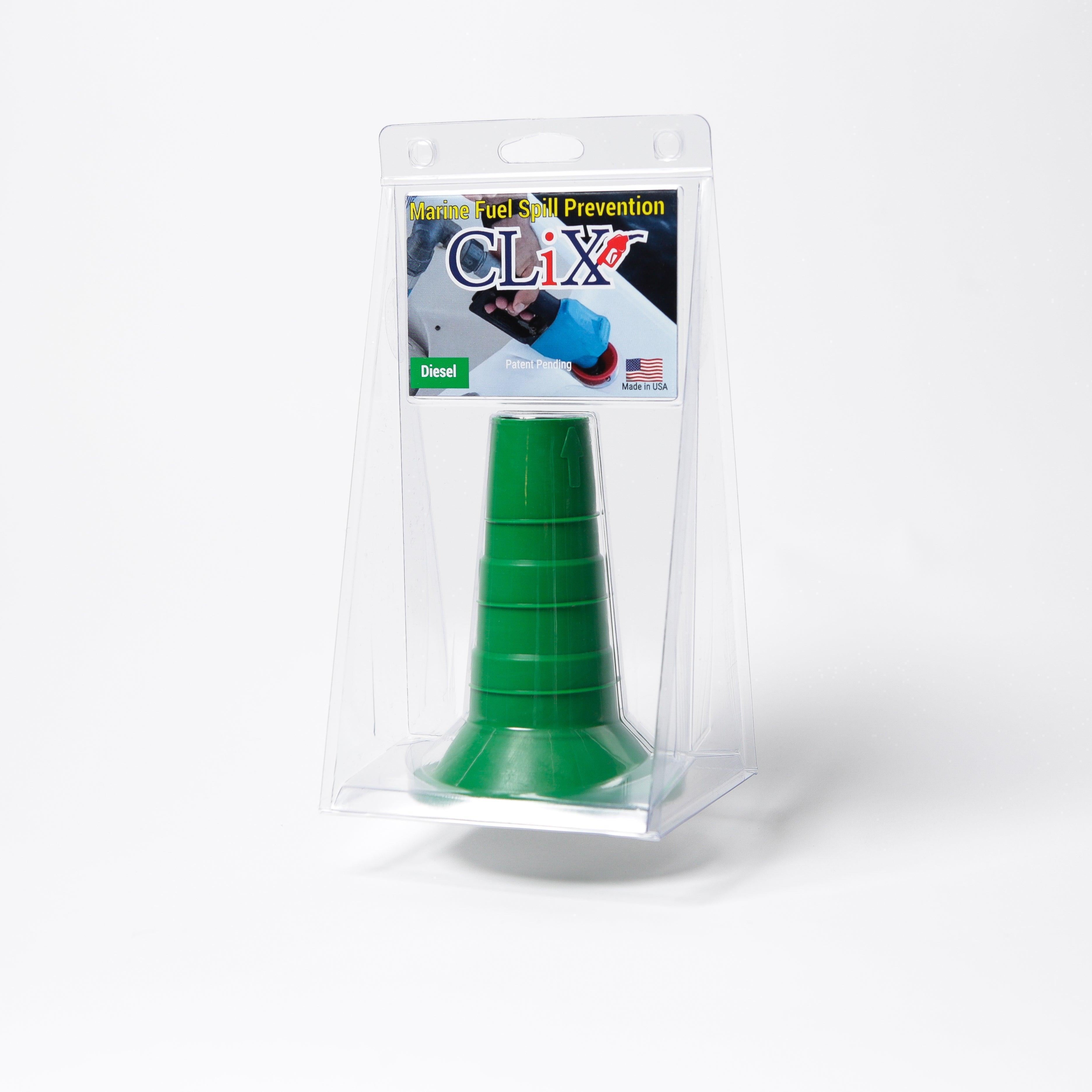
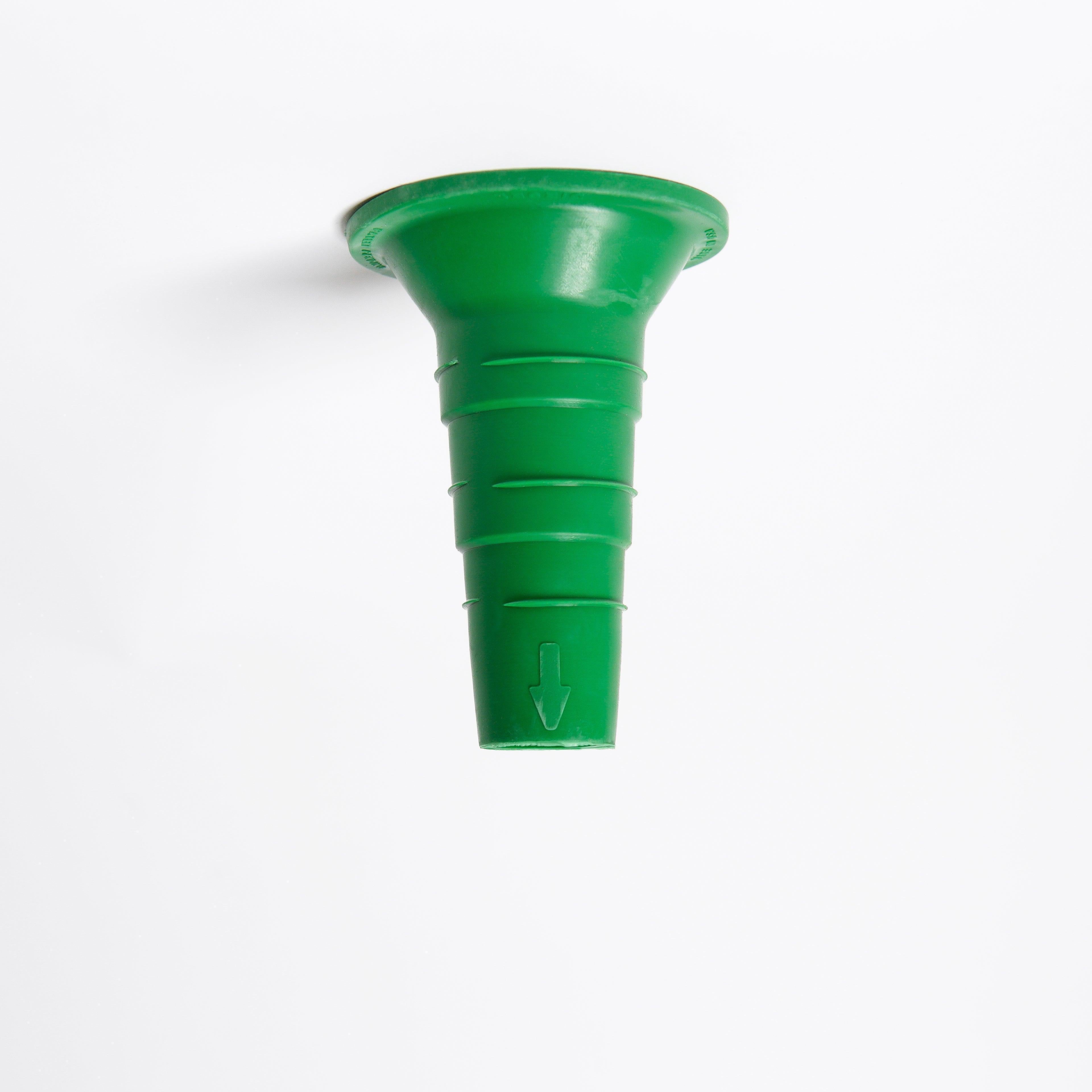
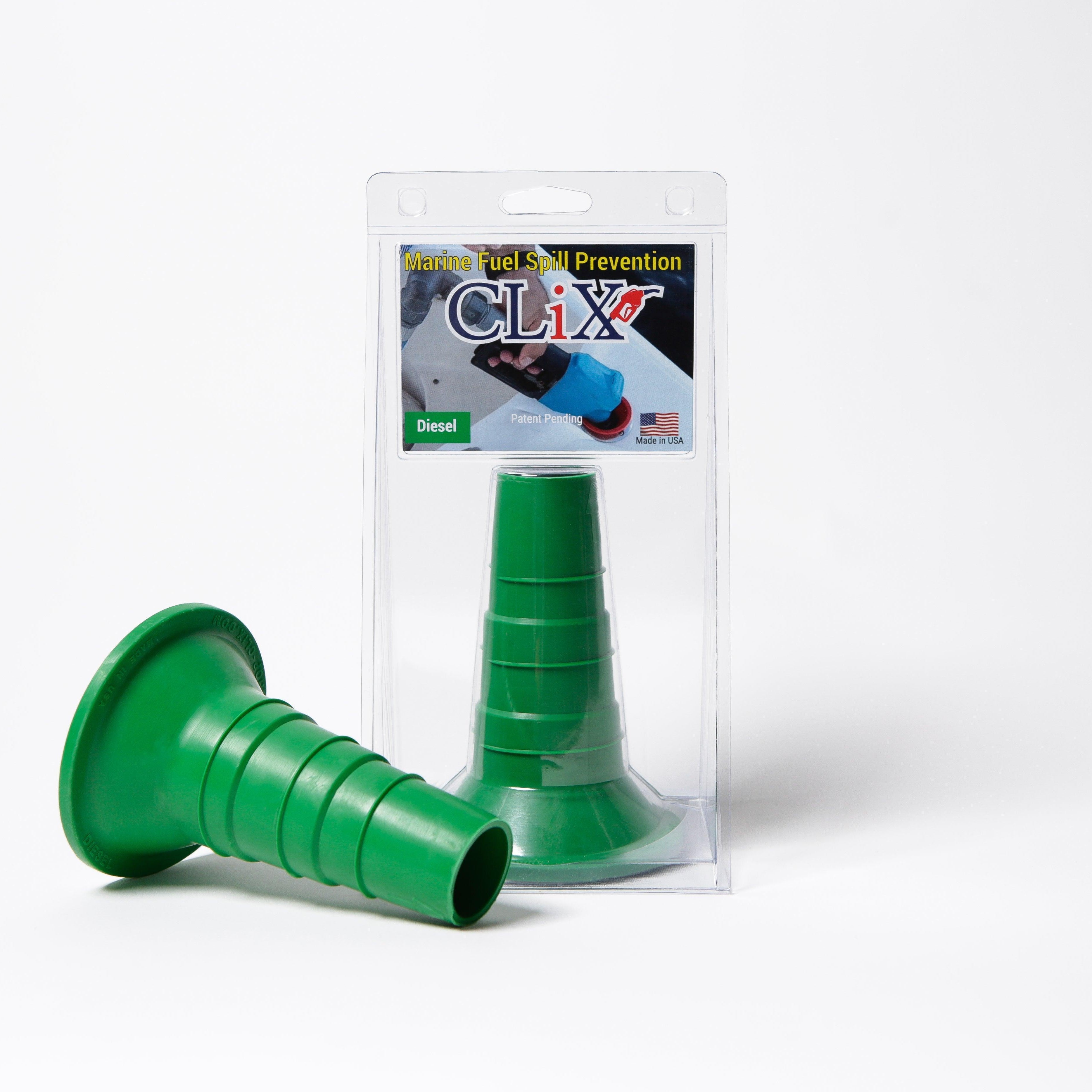
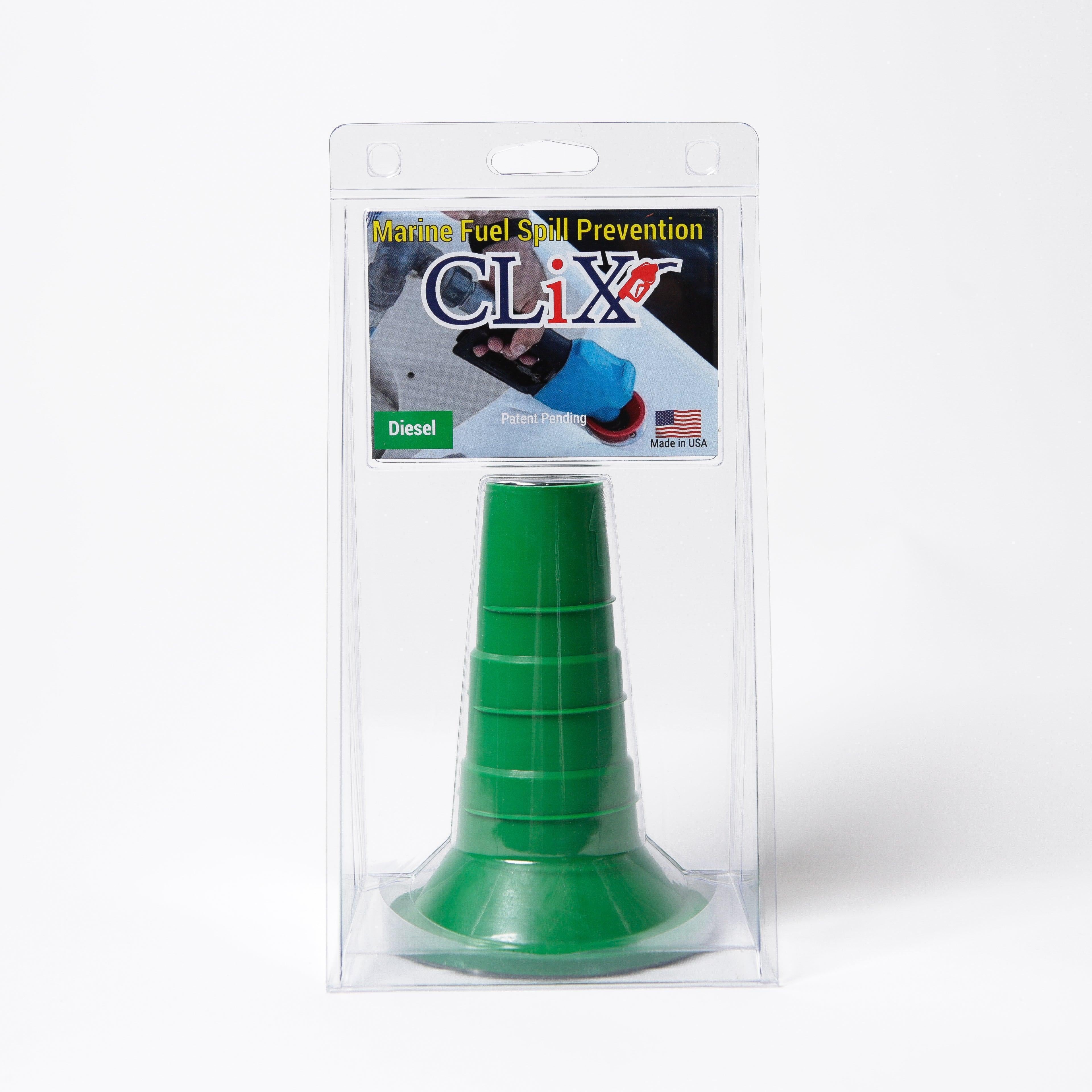
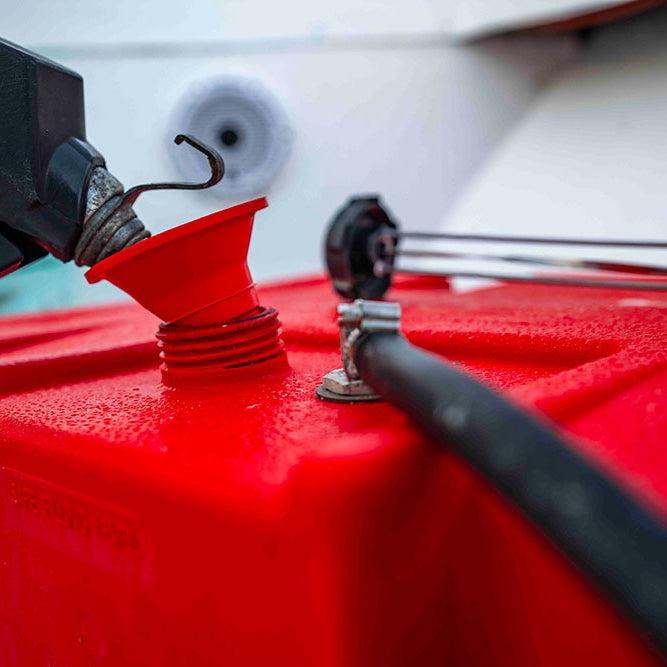
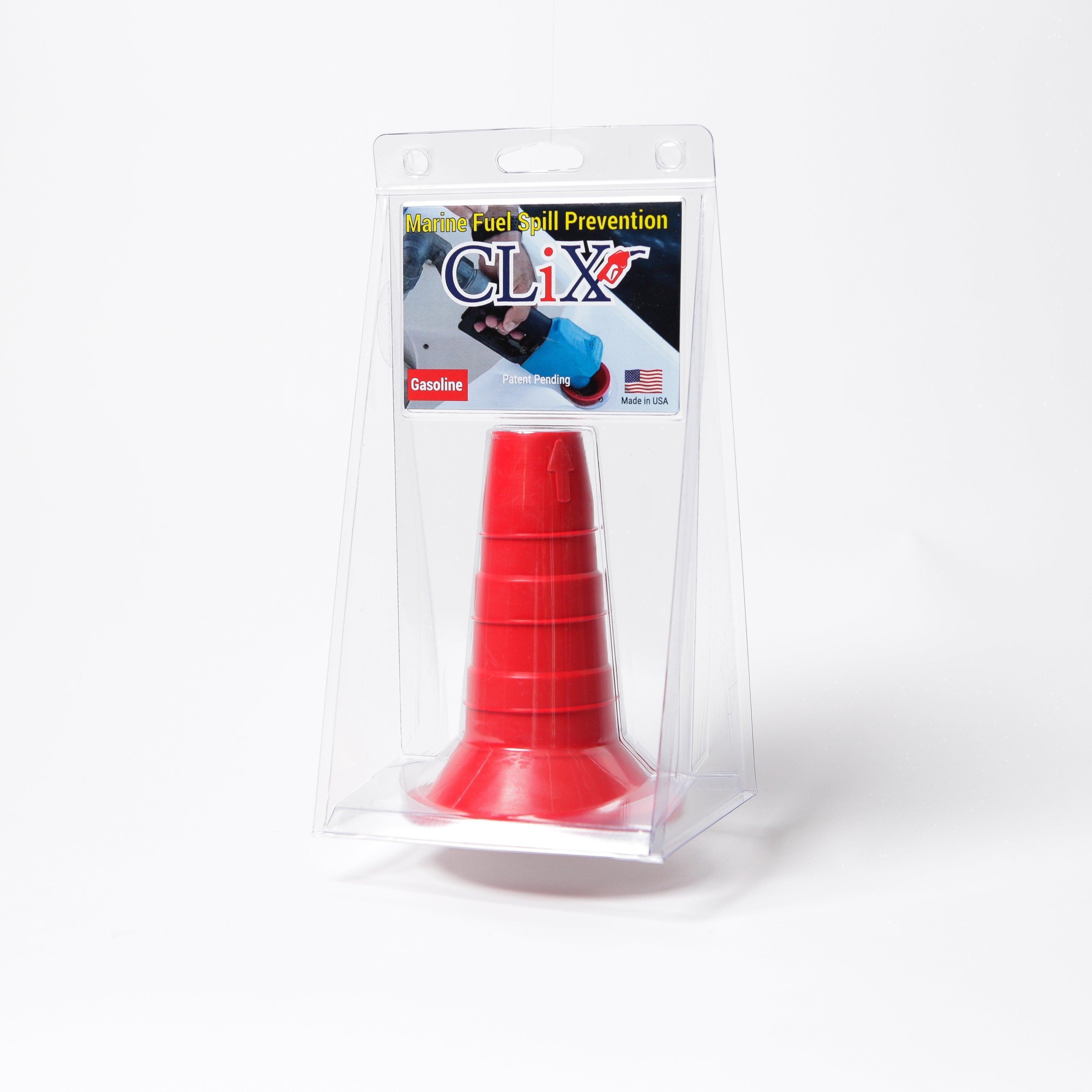
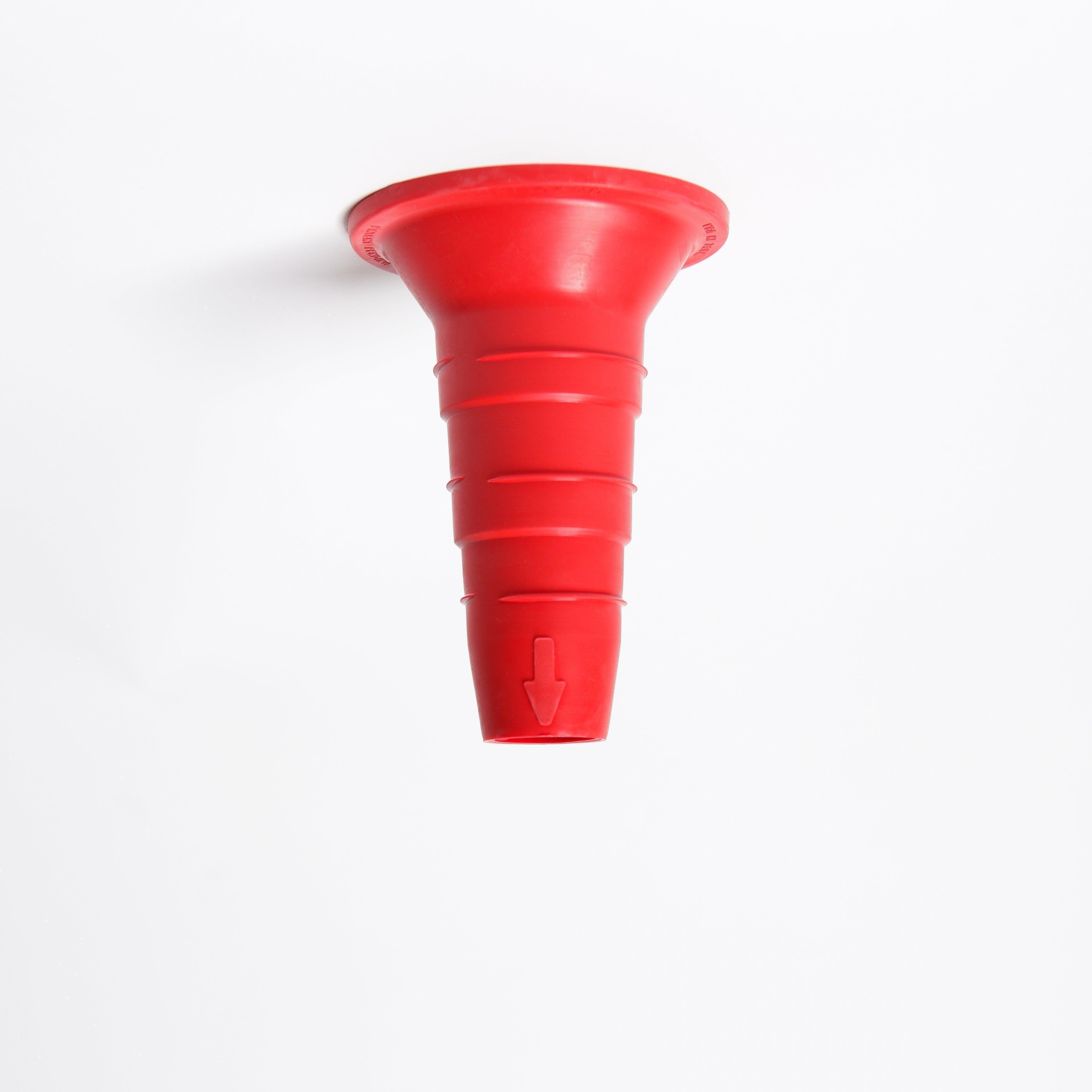
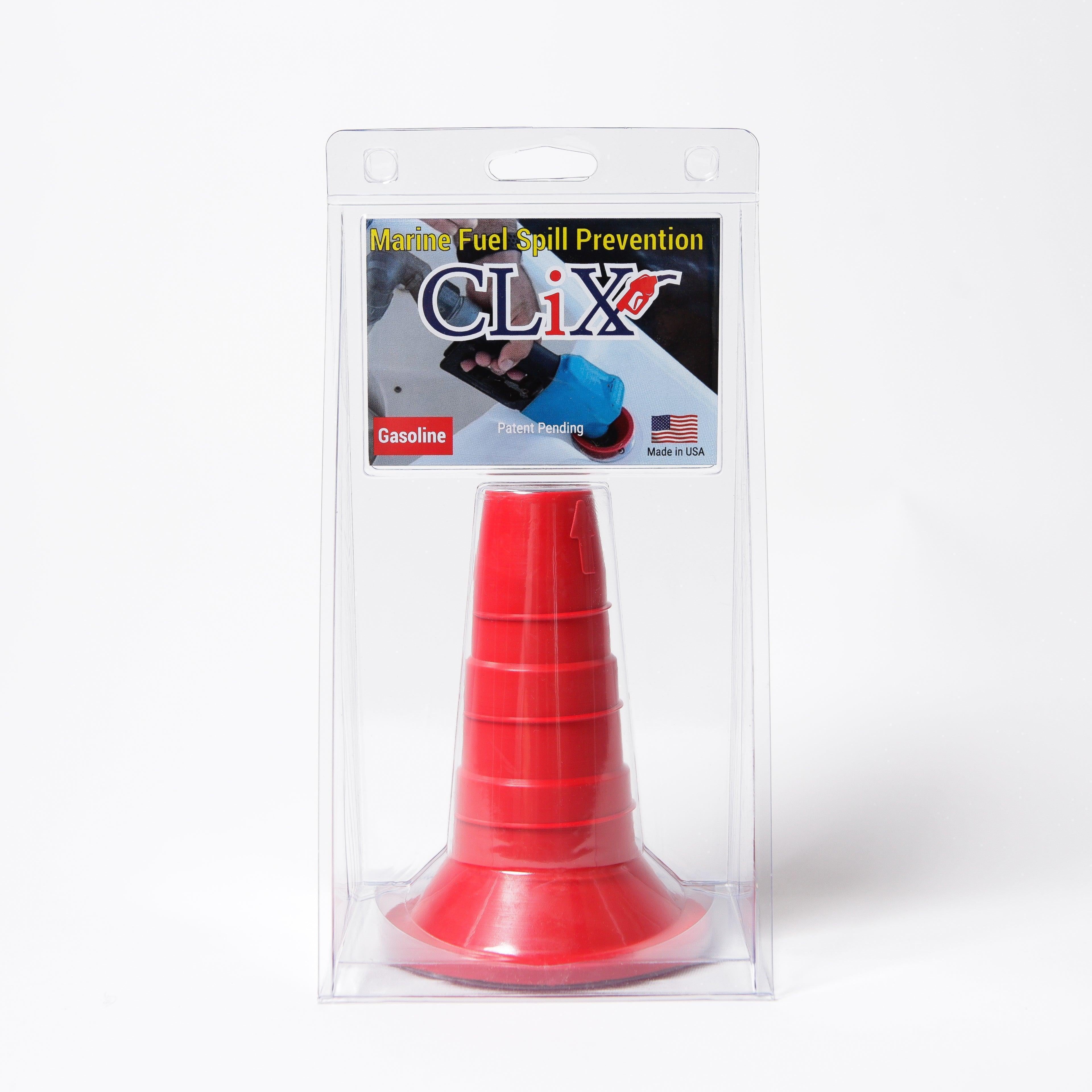
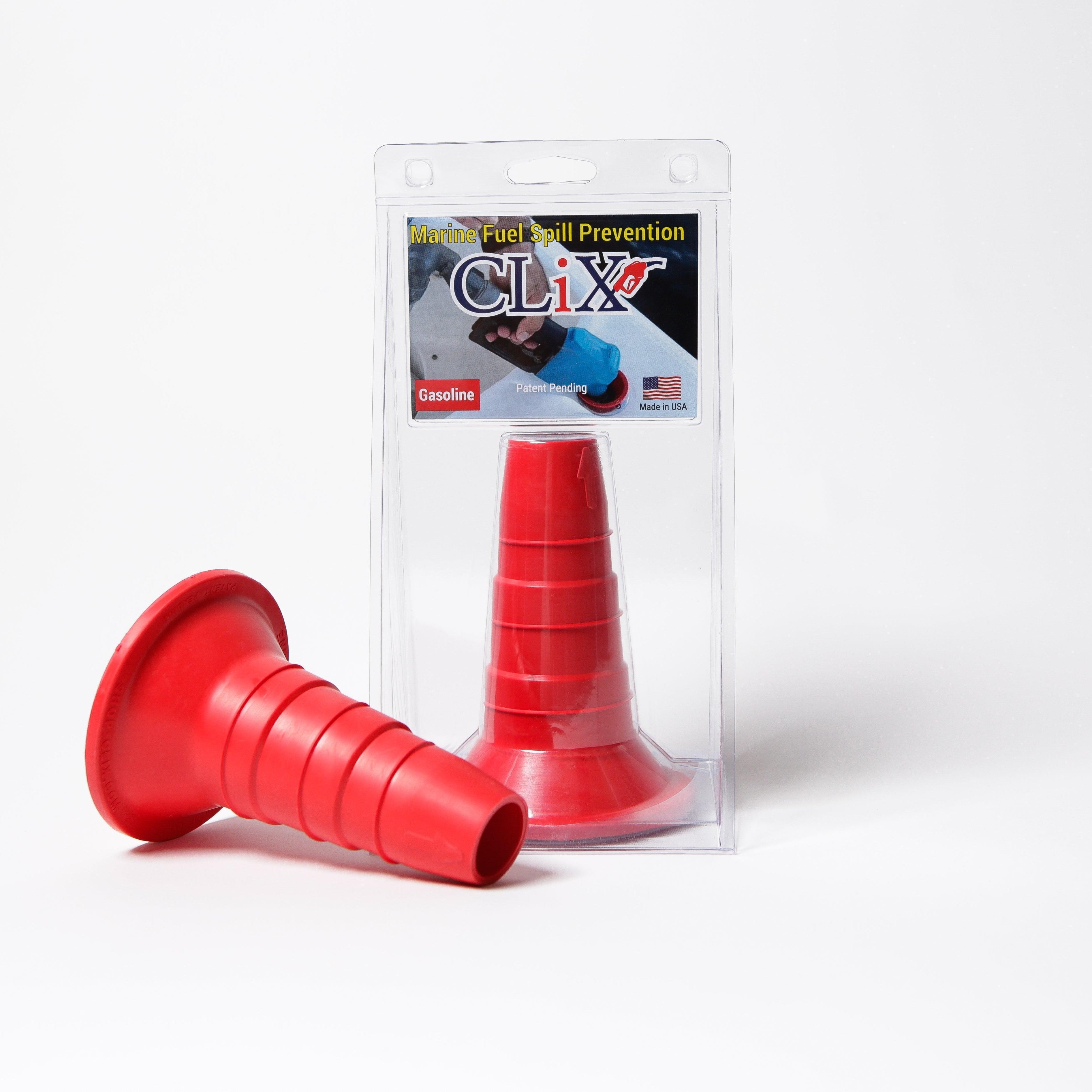
For instance, a solution like CLiX Fueling Solutions creates a secure connection that automatically cuts the fuel flow right when the tank hits capacity. It turns a manual, often stressful task into a clean, simple, and safe one.
This technology takes the guesswork out of fueling. It's not about trying to be a more focused boater; it's about having a system that makes spills virtually impossible, protecting your investment and the water.
This evolution is a huge step forward for the modern boater. With recreational boating more popular than ever, fuel overfills remain a nagging issue. Upgrading your fuel inlet doesn't just cut down on wasted fuel; it helps you avoid cleanup and repair bills that can easily run from $2,000 to $10,000 per incident.
Ultimately, these systems give you peace of mind. You can fuel up with complete confidence, knowing you won’t be faced with a messy cleanup, a damaged gelcoat, or a potential fine.
Simple Maintenance Checks for Your Fuel Inlet
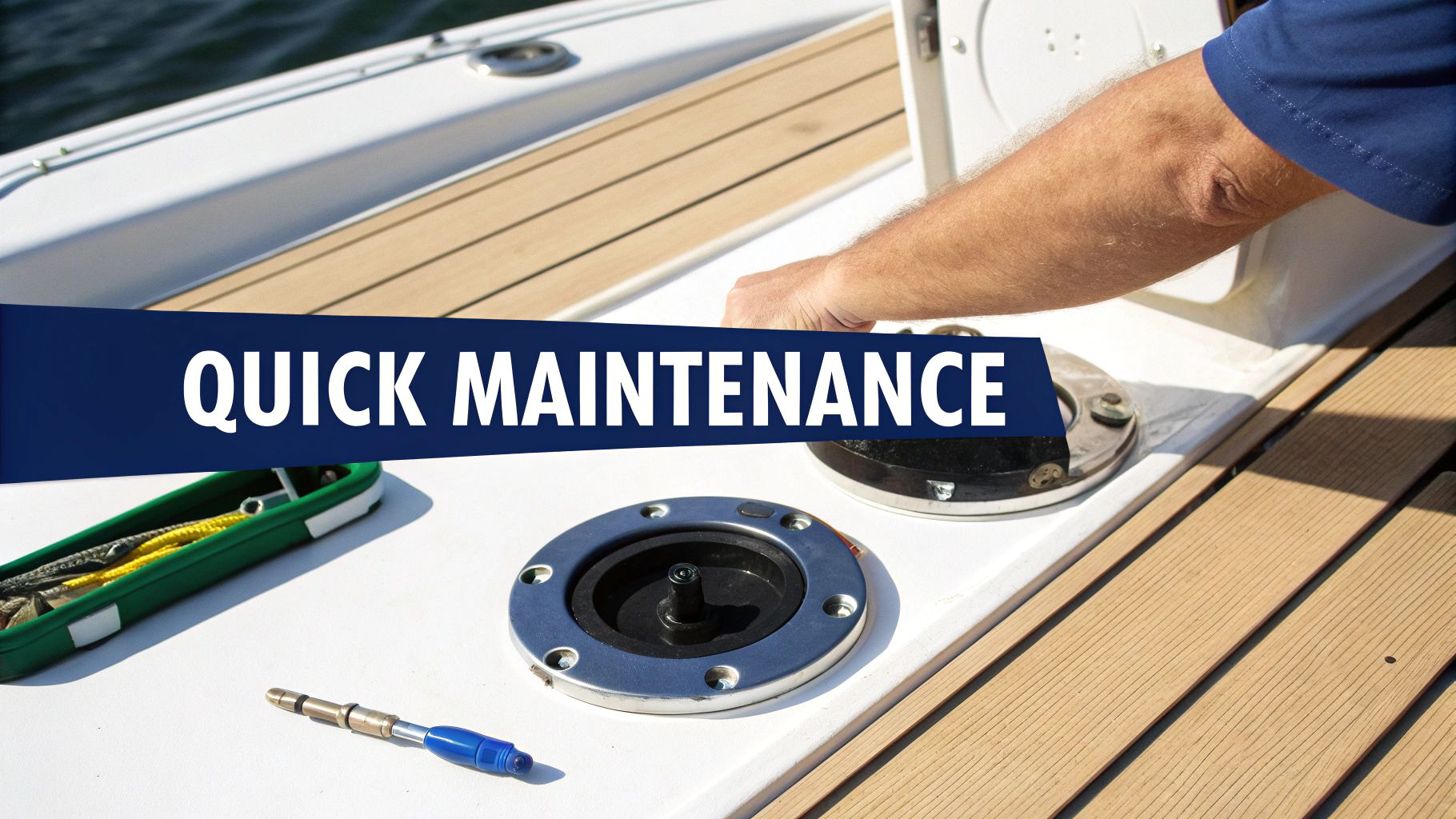
Keeping your boat's fuel system in top shape doesn't have to be complicated. In fact, it all starts right where you put the fuel in. A few quick, regular checks on your fuel fill inlet can stop small issues from turning into major headaches out on the water. You don't need a pro toolbox—just a few minutes and a sharp eye.
First thing's first: the fuel cap. Give it a twist and take a good look at the O-ring or gasket inside. This little rubber seal is your first line of defense against water getting into your tank. If you see any signs that it’s cracked, dry-rotted, or flattened out, it's time for a new one. A bad seal is no seal at all.
While you're there, check out the deck plate itself. It should sit flush and be sealed tight against the deck. If you see gaps or notice a lingering fuel smell even when the cap is on tight, that’s a serious red flag telling you something isn't right.
Quick Troubleshooting Checklist
Running into trouble at the pump? Before you panic, run through this simple checklist. Most fuel fill issues are easy fixes if you catch them early.
- Stuck or Cross-Threaded Cap: Is the cap hard to turn? Dirt and gunk in the threads are the usual suspects. A quick cleaning of both the cap and inlet threads can make all the difference.
- Visible Cracks or Damage: Look closely at the fill hose connected below the deck, if you can get to it. If that hose feels stiff as a board or has visible cracks, it’s a leak waiting to happen and needs to be replaced.
- Water in Fuel: Finding water in your fuel is a boater’s nightmare, and a worn-out cap seal is often the culprit. Swap it out immediately and think about adding a good fuel-water separator to your system.
A well-maintained fuel fill inlet is more than just a convenience; it's a critical safety component. Regular checks prevent fuel leaks, stop water contamination, and ensure your entire system operates reliably.
Taking these simple steps puts you in control of your boat’s fuel integrity. And when you understand how all the pieces fit together, including the equally important fuel vent for boats, you’ll have the confidence to keep everything running smoothly all season long.
Common Questions About Boat Fuel Fill Inlets
Even when you know the basics, real-world questions always pop up at the dock. Let's tackle some of the most common things boaters ask about their fuel systems, so you can feel confident handling any issues that come your way.
Think of this as your quick-reference guide for everything from a leaky cap to telling a fill from a vent.
When to Replace Your Fuel Cap
So, how can you tell it's time for a new fuel cap? Look for a few key warning signs.
The first thing to check is the O-ring or gasket. If it’s cracked, brittle, or looks squashed flat, it’s not making a good seal anymore. That’s how water gets in and how fuel vapors get out.
Next, take a look at the threads on the cap itself. If they're stripped or beat up, you'll never get it to tighten down properly. And finally, if you always smell fuel around the inlet—even when the cap is on tight—that’s a dead giveaway the seal is shot. A new cap is cheap insurance against expensive fuel contamination.
Fuel Fill vs. Fuel Vent
What’s the difference between the fuel fill and the fuel vent? It's a simple but critical distinction.
The fuel fill inlet is the big opening where the fuel nozzle goes. The fuel vent is a much smaller fitting, usually somewhere nearby on the hull, that’s connected to the tank with a separate, smaller hose.
The vent's job is to let air escape as fuel flows in, which prevents a dangerous pressure buildup. A clogged vent is bad news—it can cause fuel to splash back out of the fill or even starve your engine of fuel while you're underway.
Think of it this way: the fuel fill is the mouth, and the fuel vent is the nose. Both need to be clear for the system to "breathe" correctly during fueling and operation.
Compatibility with Spill-Proof Solutions
Can I add a spill-proof device to any boat’s fuel inlet? For the most part, yes. Modern spill-proof systems are designed to be compatible with the standard fuel fill inlets found on most recreational boats.
Installation is usually a simple affair that works with your existing setup to give you that automatic, no-spill shut-off. That said, it's always a smart move to double-check that the solution you're looking at is a perfect match for your boat's specific inlet size and type.
Regulations on Fuel Spills
Are there actually rules about fuel spills from a fill inlet? Absolutely. And they have teeth.
In the United States, the Clean Water Act is very clear: discharging any amount of oil or fuel into the water is illegal. A spill from your boat, no matter how small, is a violation that can lead to some hefty fines. You are legally required to report any spill that leaves a sheen on the water. This makes preventing spills a legal duty, not just good environmental practice.
Eliminate fuel spills and the stress of filling up for good. CLiX Fueling Solutions provides a simple, effective way to protect your boat and the environment. See how it works at https://clixfueling.com.