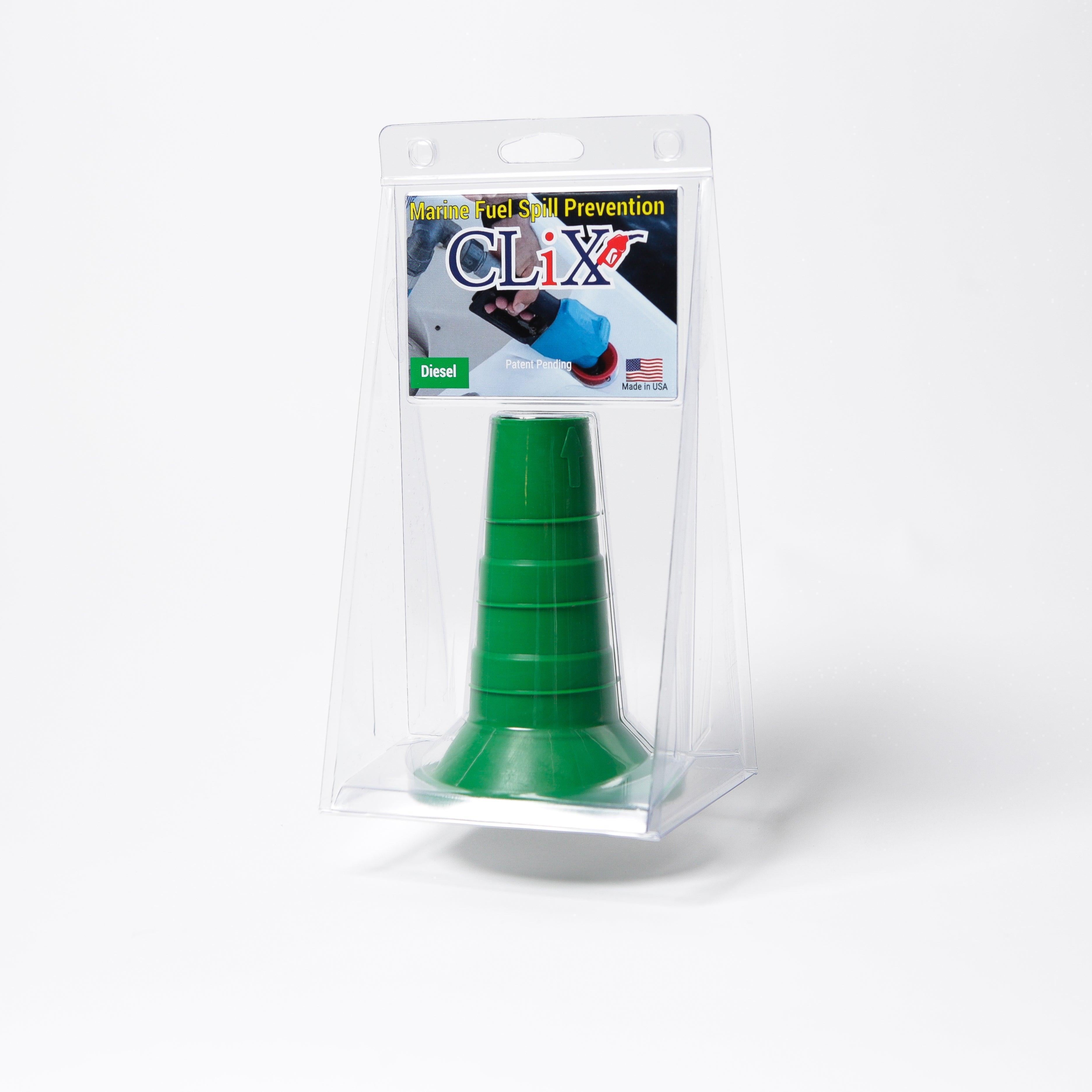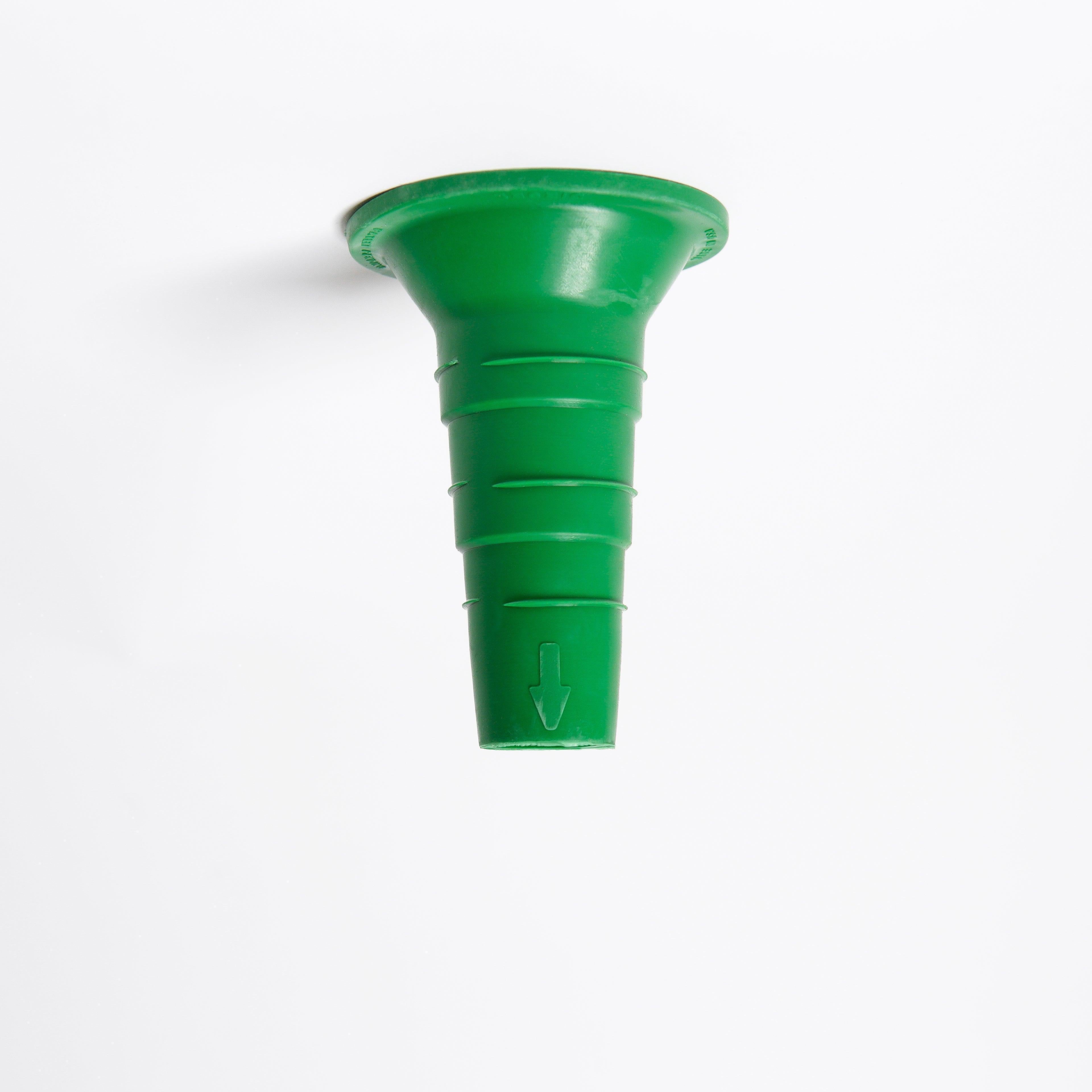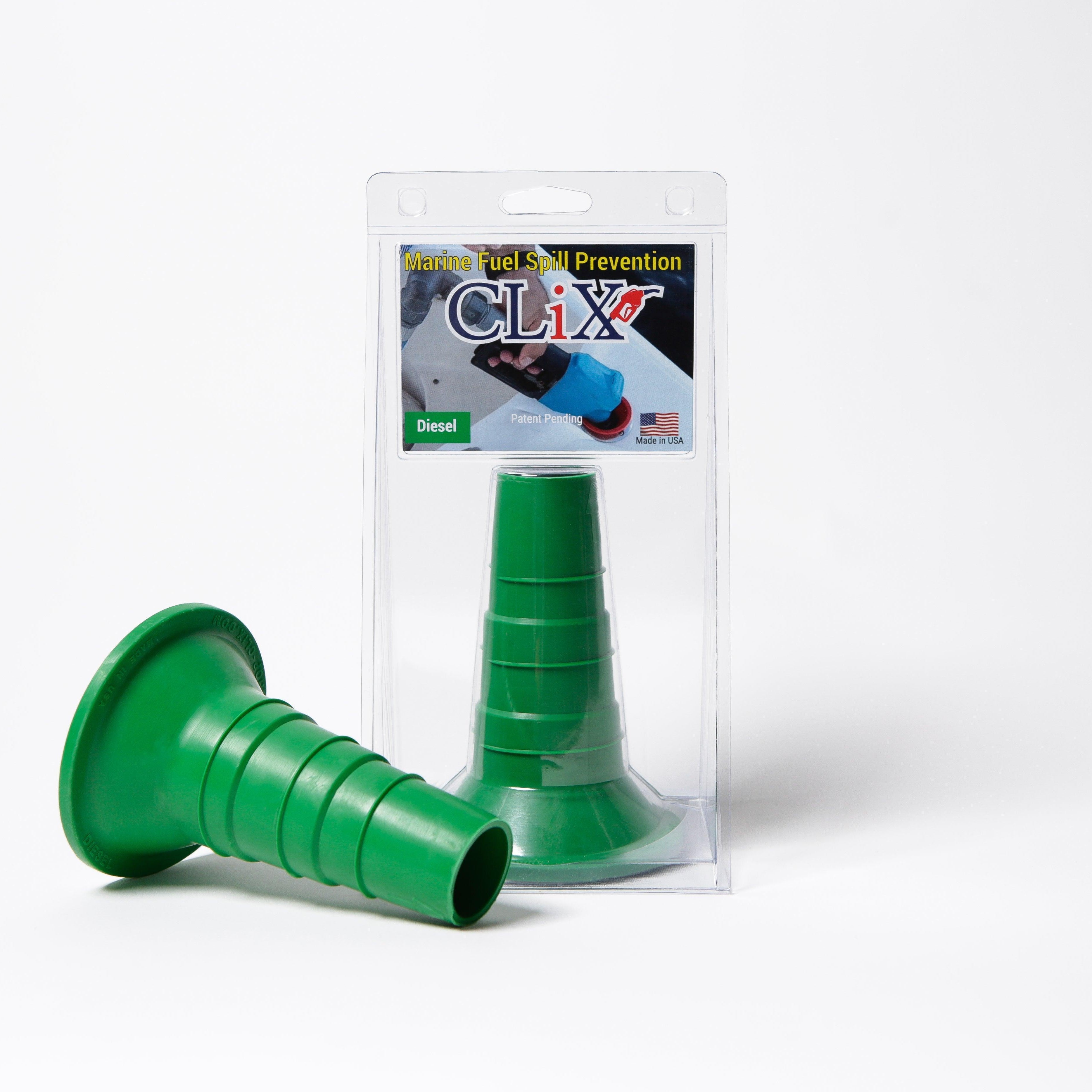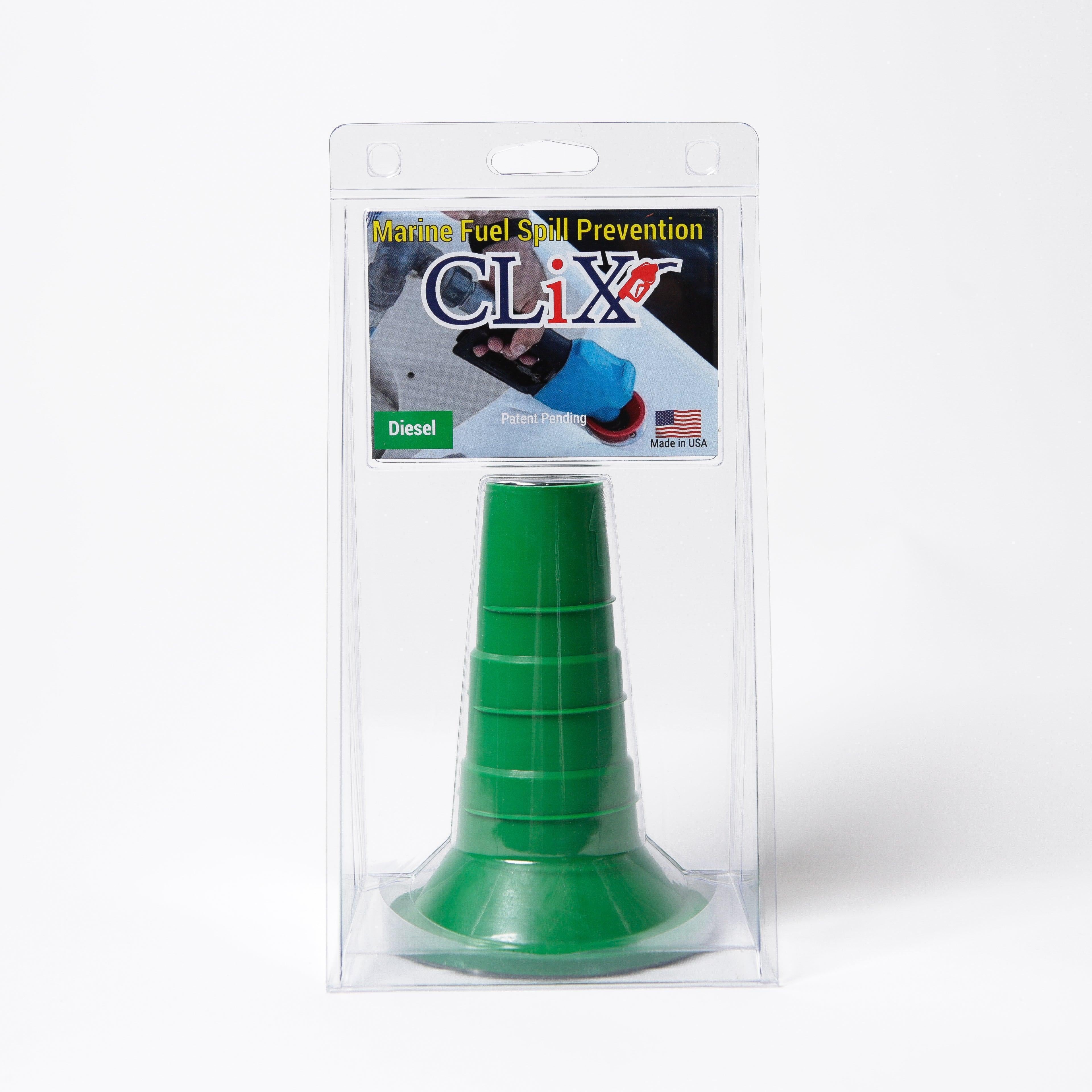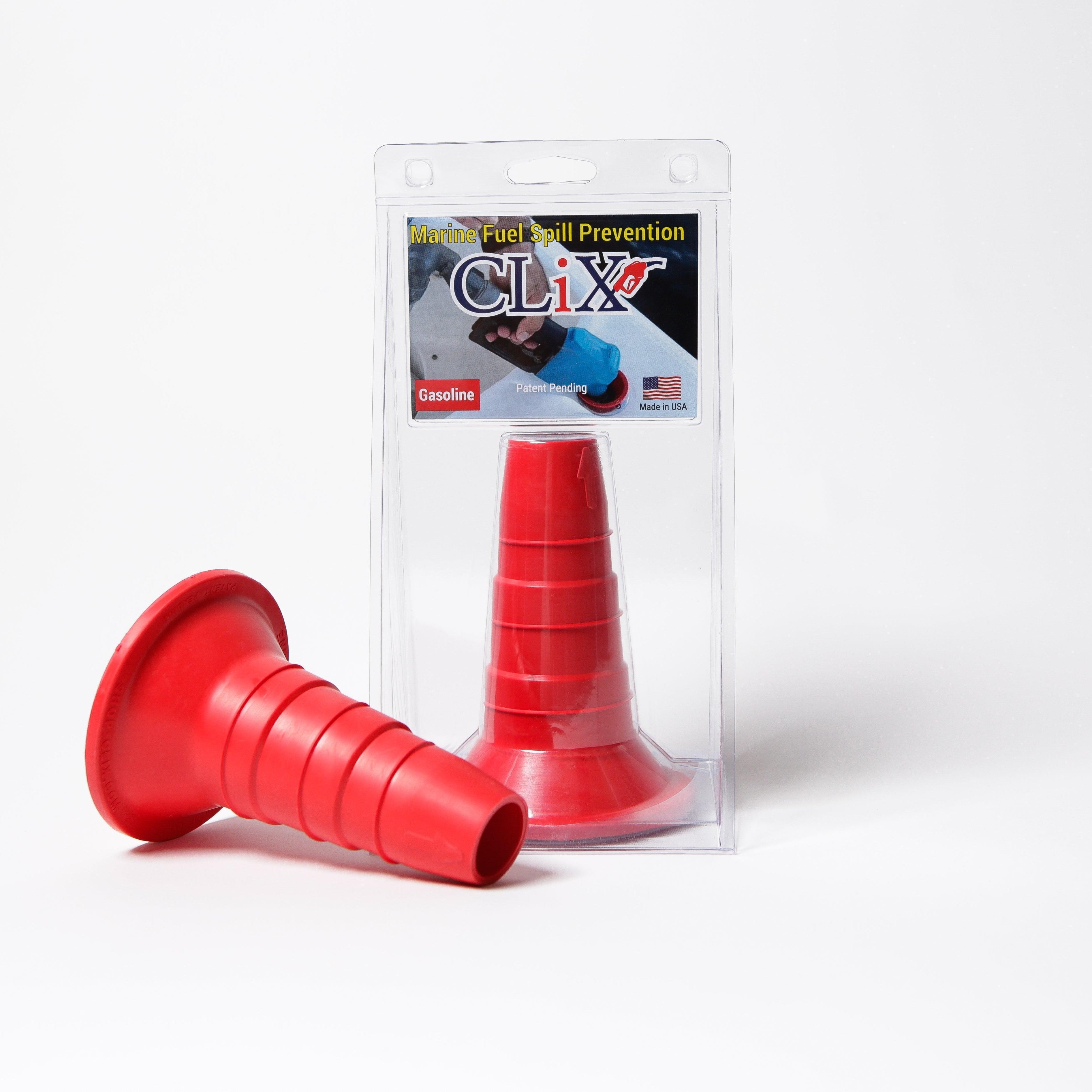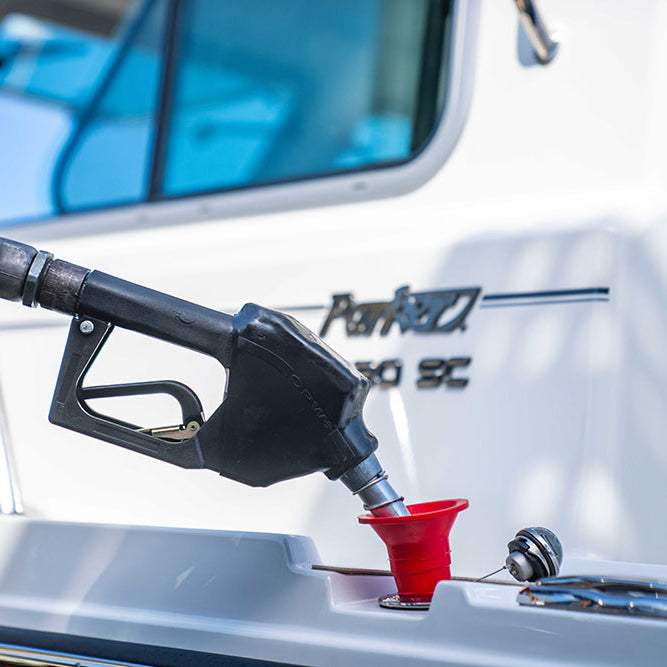
Let's be honest, nobody enjoys wrestling with a heavy gas can on a rocking boat. The back strain from hoisting a full can, the anxiety of trying not to spill fuel all over your clean deck—it's a chore we'd all rather skip. That's exactly why the portable gas can with a pump is becoming a must-have for boaters. It’s a smart, simple fix for an age-old problem.
A Better Way to Fuel Your Boat
Imagine this: instead of tipping a clumsy, heavy can and hoping for the best, you just push a button. Fuel flows smoothly and stops automatically when the tank is full. No mess, no strain, no guessing. That’s the reality of using a modern fuel can with an integrated pump. It turns one of the riskiest parts of boating into a safe, clean, and ridiculously easy task.
This isn't just about a new gadget; it's a real shift in how boaters are approaching safety and convenience. The numbers back it up, too. The market for these smarter fuel solutions is growing fast because people are tired of the old, messy way of doing things.
The global portable fuel tank market was valued at USD 1,665.54 million back in 2023, and it's expected to climb to USD 2,275.30 million by 2031. That's a steady growth rate of 4.02% each year, driven by people who want better, safer equipment. You can learn more about the growth of the portable fuel tank market if you're curious.
This trend is especially strong in recreational boating, where keeping our waterways clean and our decks safe is a top priority.
Why Every Boater Should Consider an Upgrade
Switching to a pump-equipped fuel can is about more than just avoiding a little hassle. The practical benefits hit on some of the biggest pain points of manual fueling.
- No More Heavy Lifting: A full 5 or 6-gallon gas can weighs between 30-40 lbs. Trying to hold that steady while pouring is just asking for a back injury. A pump does all the work for you.
- Say Goodbye to Messy Spills: Fuel spills aren't just ugly; they can permanently stain your boat's finish and create a serious slip hazard. A controlled pump keeps the fuel where it belongs—in your tank.
- Protect the Water: We all want to keep our lakes and oceans clean. Even a small fuel spill is incredibly toxic to marine life. Using a spill-proof system is a simple way to be a more responsible boat owner.
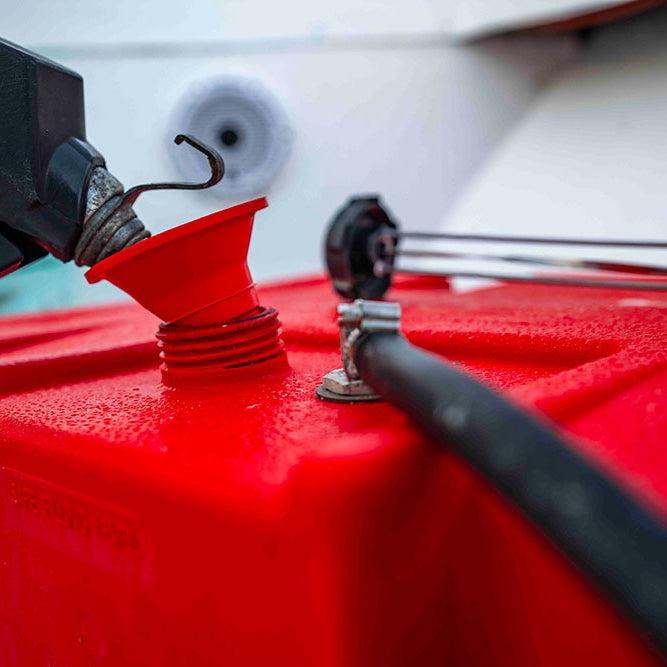
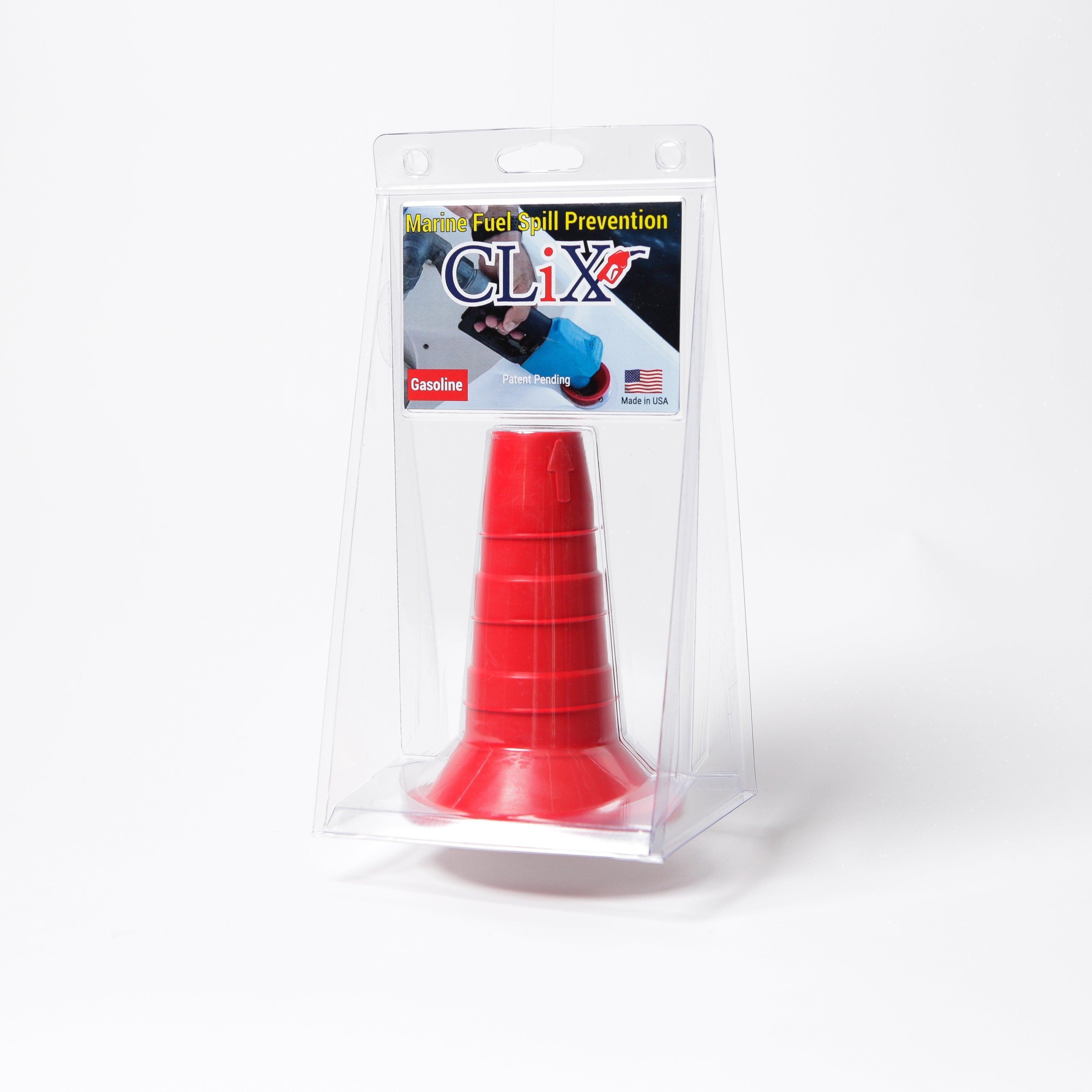
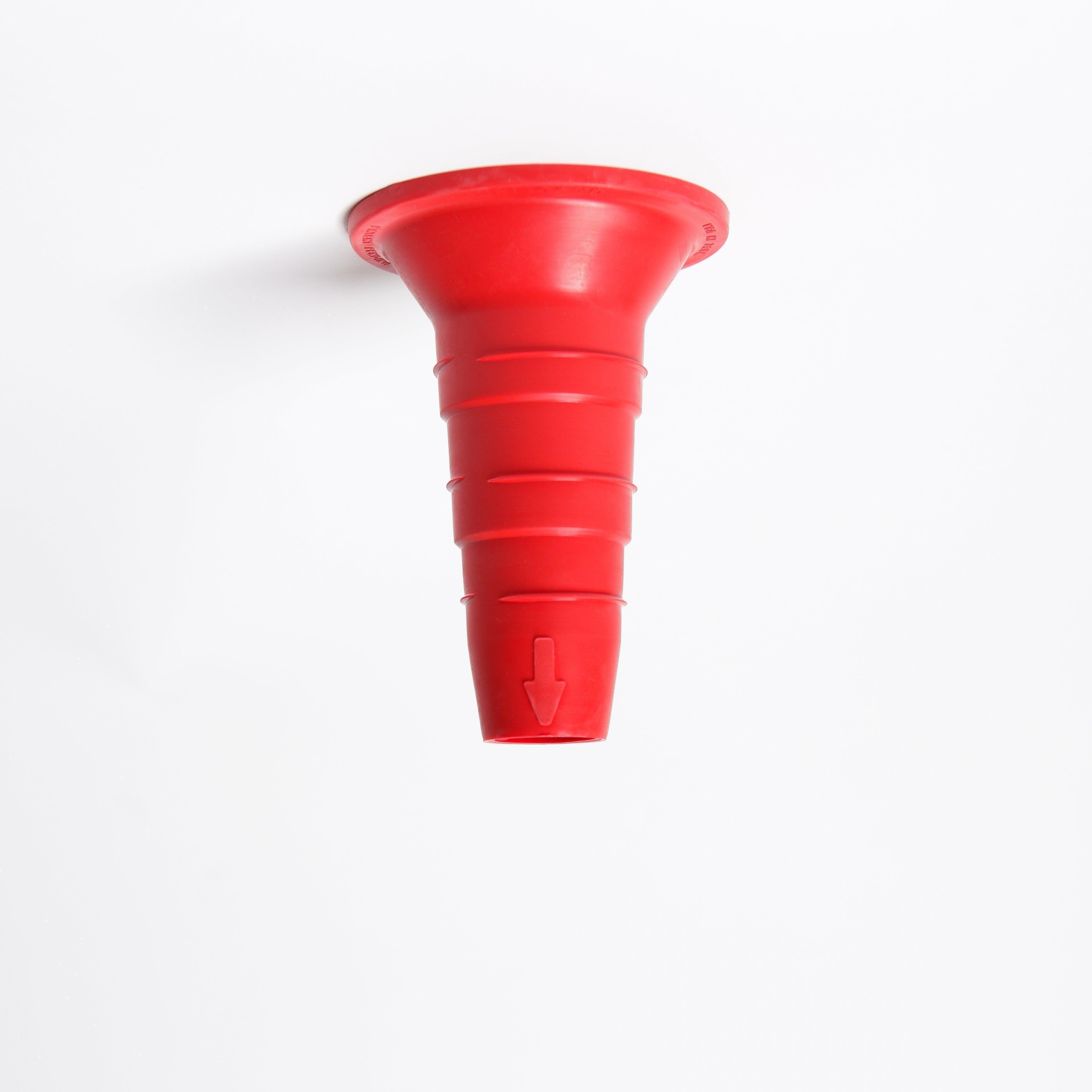
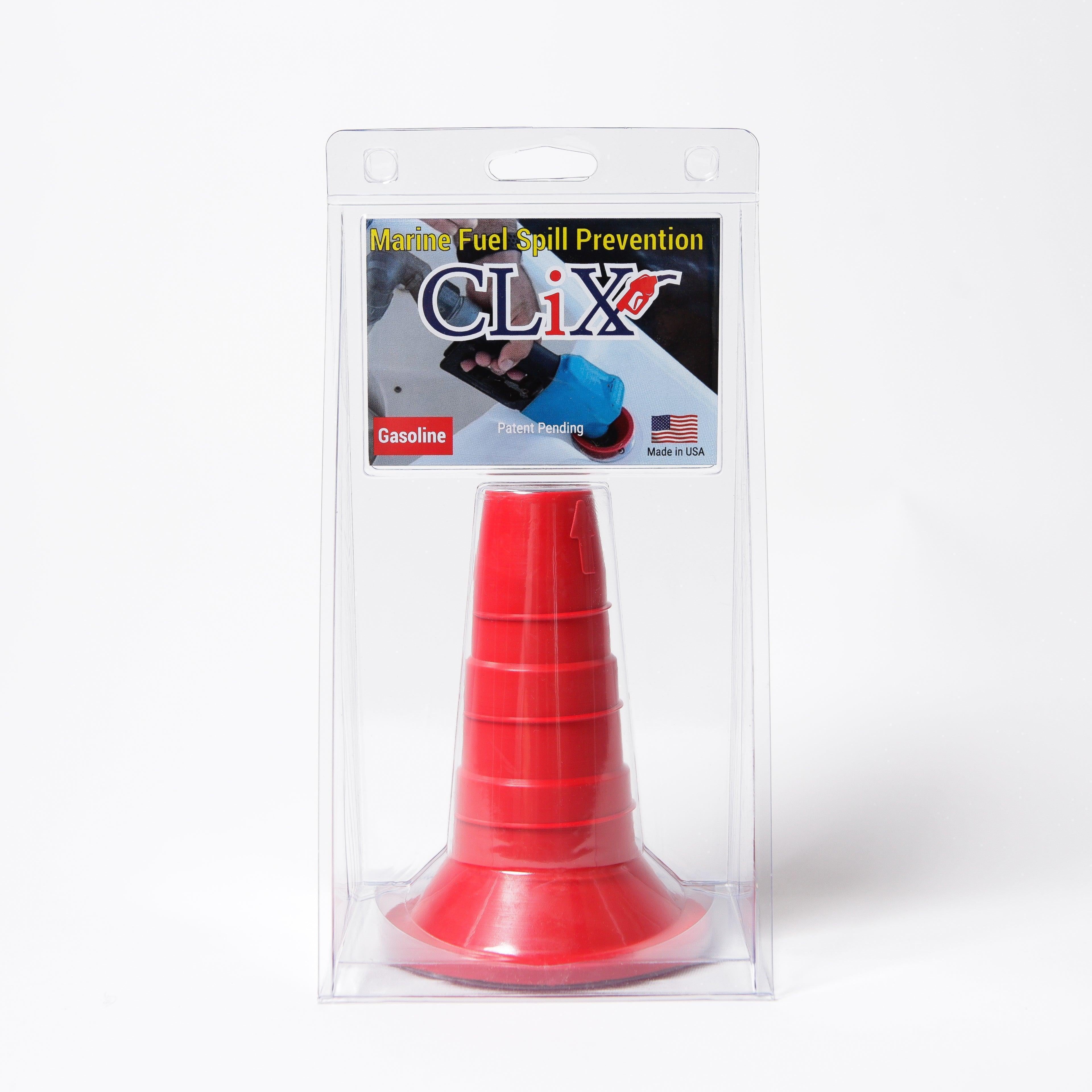
Companies like CLiX Fueling Solutions have really nailed this technology. They’ve built in features like automatic shutoff, which stops the pump the second your tank is full. It completely changes the game, turning a frustrating chore into a safe and predictable part of your boating routine.
How a Portable Gas Can with a Pump Really Works
Ever wrestled with a heavy, awkward gas can, trying to pour fuel into your boat without spilling it everywhere? It's a frustrating, and frankly, messy experience. A portable gas can with a pump is the simple, brilliant solution to that problem. Think of it as your own personal, miniature gas station, designed to move fuel safely and cleanly, without any heavy lifting or sloshing.
The whole system is surprisingly straightforward, relying on four key parts working together. You have the durable fuel can itself, which holds the gas. Then there's the transfer pump, which is the real workhorse. A flexible hose gets the fuel from point A to point B, and a smart nozzle at the end gives you total control.
This image really highlights the difference between the old, risky way of doing things and the modern, clean approach.
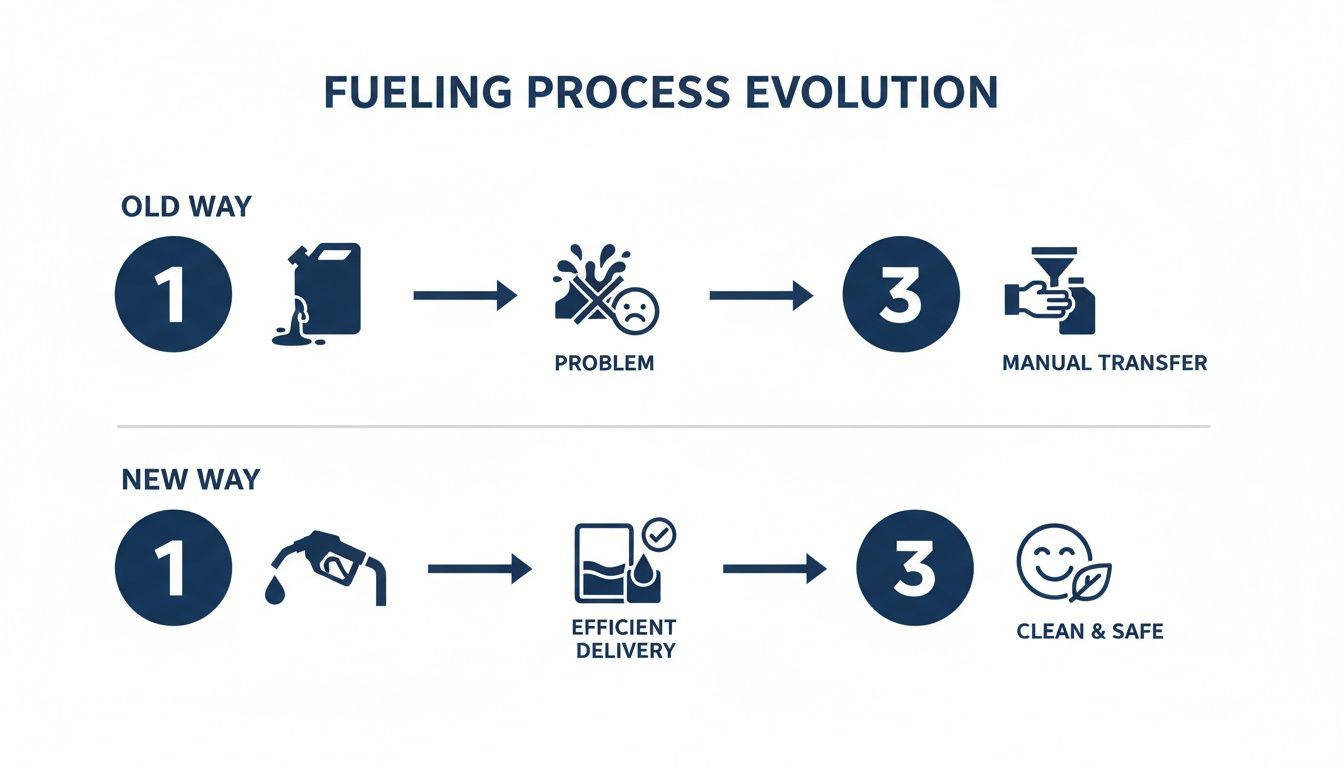
You can see the struggle of manual pouring on one side and the effortless, controlled transfer you get with a pump system on the other. It's a game-changer.
The Power Behind the Pump
The pump is what makes all the magic happen, saving your back and preventing spills. They generally come in two flavors, each getting the job done a little differently.
- Manual Pumps: These are the most basic type, often using a squeeze bulb or a hand crank. A few pumps get a siphon going, and the fuel starts flowing. They still require a little elbow grease, but it’s a massive improvement over trying to tip a 40-pound can on its side.
- Battery-Powered Pumps: This is where things get really easy. A small electric motor, usually powered by a couple of D-cell or AA batteries, does all the work for you. Just push a button, and the pump starts moving fuel at a nice, steady pace—typically around 2 to 4 gallons per minute.
It's no surprise these systems are catching on. The global market for fuel transfer pumps was valued at $1.71 billion back in 2021 and is expected to hit $2.51 billion by 2030. You can discover more insights about fuel transfer pump market trends to see just how fast this technology is growing.
The Smartest Feature: Automatic Shutoff Technology
While the pump provides the muscle, the automatic shutoff feature provides the brains. This is, without a doubt, the most important innovation in portable fueling. It’s what stops that dreaded overflow of gasoline that stains your boat's deck and pollutes the water.
So, how does it work? It's the same basic idea as the nozzle at the gas station, just shrunk down.
Advanced systems, like those from CLiX Fueling Solutions, build a tiny sensor right into the nozzle. The second the fuel in your boat’s tank touches that sensor, it instantly cuts power to the pump. The flow stops on a dime.
This instant shutoff means not a single drop gets wasted. You don't have to guess anymore—no more hovering over the fuel fill, trying to listen for the gurgle that means it's almost full. The system takes care of it for you, giving you a perfect, clean fill every single time. It's more than just convenient; it's a critical safety feature for any responsible boater.
A Safer, Cleaner Way to Fuel Your Boat
Choosing a portable gas can with a pump is about so much more than convenience. It's a genuine commitment to making your time on the water safer and more environmentally friendly. Every time you refuel, you're dealing with two big risks: getting hurt and harming the environment. A pump system tackles both head-on, turning a risky chore into a clean, controlled process.
Let's be honest, the old way of fueling is an accident waiting to happen. Hoisting a heavy, sloshing gas can—a full 5-gallon can weighs over 30 pounds—while balancing on a wet or rocking deck is a perfect recipe for a back strain or a dangerous fall.
Plus, trying to pour fuel manually is just asking for a spill. One little slip-up or an unexpected wave can send gasoline all over your deck, creating a slick surface and a serious fire hazard. The steady, controlled flow from a pump completely sidesteps this danger, keeping you and your boat safe.
Keeping Our Waterways Clean
This commitment to safety is also a commitment to protecting the water we all love. Even a tiny amount of spilled fuel is incredibly toxic to marine life and can cause long-term damage to the ecosystem. It's a sobering fact: a single gallon of gasoline can contaminate up to one million gallons of water. Preventing spills isn't just a good idea; it's our responsibility.
Using a gas can with a pump is one of the most effective ways to stop spills before they start. It creates a closed system from the can straight to your boat's tank, virtually eliminating the drips, splashes, and overflows that pollute the water.
By preventing spills, you're not just protecting the environment—you're also avoiding potential fines and the headache of cleanup. A controlled fueling system is your best defense against accidental pollution, making sure our waterways stay pristine for years to come.
Taking a proactive approach to spill prevention is what being a responsible boater is all about. Cleaning up a spill is a far bigger ordeal than preventing one, as our guide on fuel spill cleanup procedures makes clear.
Meeting Today's Standards for Safety
The move toward safer fueling isn't happening in a vacuum; it's part of a larger shift in the industry toward better environmental protection and regulatory compliance. This is driven by boaters who want better gear and by increasingly strict standards.
You can see this focus on smarter, more compliant fueling in the growing demand for advanced dispensing solutions. The market for mobile fuel storage is expanding because people need flexible systems with built-in features to minimize environmental risk and prevent spills. If you want to dive deeper into this trend, you can explore the latest analysis of the mobile fuel pumps market.
Ultimately, investing in a portable gas can with a pump gives you a three-for-one win:
- Your Safety: No more physical strain or risk of injury from lifting heavy, awkward fuel cans.
- Environmental Protection: You drastically cut down the chances of a fuel spill that could poison marine life.
- Peace of Mind: You can refuel with confidence, knowing the process is clean, efficient, and safe every single time.
How To Choose The Right Gas Can With A Pump
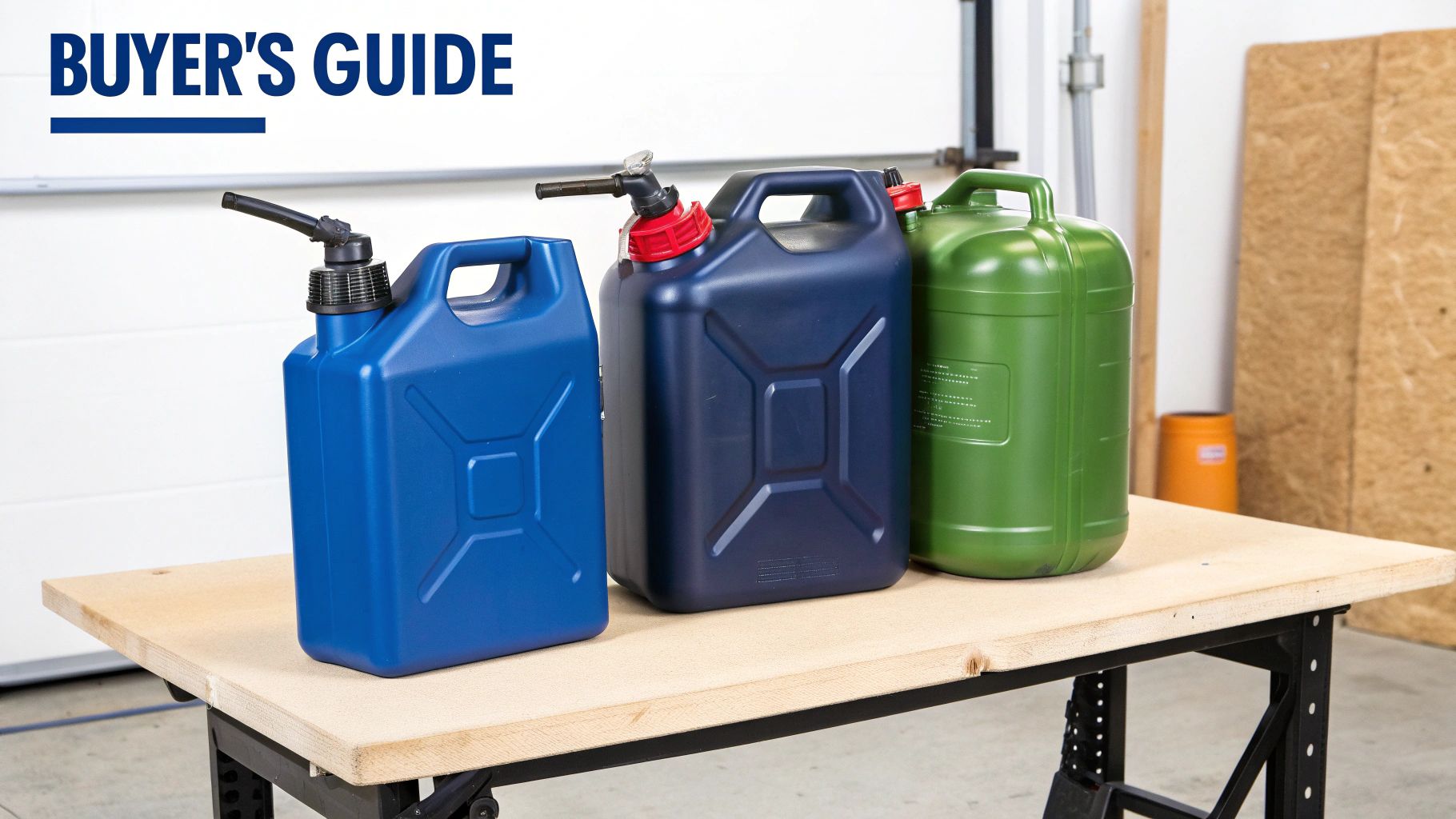
Picking the right gas can with a pump isn't as simple as grabbing the first one you see. You're choosing a piece of equipment that should make your life easier and safer on the water. The best system for you depends on your boat, how you use it, and what you value most—convenience, speed, or simplicity.
Think of it this way: you wouldn't use just any old rope for your anchor, would you? The same logic applies here. Getting the details right—from the can's size to the pump's technology—is what turns refueling from a frustrating chore into a quick, clean, and simple task.
Assess Your Fuel And Capacity Needs
First things first, let's talk about how much fuel you actually need and what kind you're using. The boater who takes a small fishing boat out for a few hours has completely different needs than someone running a larger vessel for a full day on the ocean.
- Capacity: Most portable cans with pumps fall in the 5 to 14 gallon range. A 5-gallon can is light and easy to handle, but you might be making a few trips. A 14-gallon jug means fewer refills, but it’s going to be a lot heavier to haul around.
- Fuel Type: This one is critical: never mix fuels. Using a can for both gasoline and diesel is a surefire way to wreck an expensive engine. Always use dedicated, color-coded cans—red for gasoline, yellow for diesel—to avoid a costly and dangerous mistake.
Choose A Durable And Compliant Material
The material your gas can is made from directly impacts its longevity and your safety. The vast majority of modern fuel cans are made from high-density polyethylene (HDPE), a rugged plastic that stands up to corrosion, sun, and the occasional bump or drop. It's the industry standard for a good reason.
But beyond the material itself, the certifications are what really matter.
Make sure any can you buy is EPA (Environmental Protection Agency) and CARB (California Air Resources Board) compliant. These aren't just fancy stickers; they're your assurance that the can is built to prevent harmful vapor leaks and is tough enough for the marine environment.
Compare Different Pump Types
The pump is what makes the whole system work, and there are a few different styles to choose from. Each has its own strengths and weaknesses, so the "best" one really depends on your specific situation.
To see how these pumps perform in the real world, check out our guide to the top quick-fill gas cans for 2025, where we take a closer look at the leading models on the market.
Choosing the right pump mechanism is crucial, as it determines how easy and efficient your refueling process will be. The table below breaks down the three common types to help you decide.
Comparing Pump Types for Portable Gas Cans
| Pump Type | How It Works | Best For | Pros | Cons |
|---|---|---|---|---|
| Manual | A hand crank or squeeze bulb creates a siphon to move fuel from the can to the tank. | Boaters on a tight budget or those who only transfer small amounts of fuel now and then. | Inexpensive, no batteries needed, simple and reliable mechanical design. | Requires physical effort, slower transfer rate, less control over flow. |
| Battery-Powered | An electric motor, typically powered by D-cell batteries, does all the work at the push of a button. | Most boaters looking for a fast, effortless, and controlled refueling experience. | Effortless operation, consistent flow (2-4 GPM), often includes an auto-shutoff feature. | Needs batteries, higher initial cost, more complex components that could fail. |
| Siphon | A basic hose that relies on gravity and a good shake to get the fuel flowing. | Emergency situations or very small fuel transfers where the can is well above the tank. | Extremely cheap, no moving parts, very compact and easy to store. | Very slow, requires a significant height difference, offers almost no control, high risk of spills. |
For the average boater, a battery-powered pump is the clear winner. It offers the best blend of convenience, speed, and safety, taking the physical work out of the equation—a huge plus when you're on a boat that's gently rocking in the water.
Insist On Automatic Shutoff Technology
If there’s one feature that should be a deal-breaker, it’s an automatic shutoff. This is the single most important innovation for preventing spills. Systems with this tech, like those from CLiX Fueling Solutions, use a sensor in the nozzle that cuts the flow the instant your tank is full.
This isn’t just a nice-to-have gadget; it’s an essential safety feature. It completely removes the guesswork and human error that lead to messy, hazardous, and environmentally damaging fuel overflows. When you're shopping, make sure an automatic shutoff is at the very top of your list.
Keeping Your Pump System in Ship-Shape
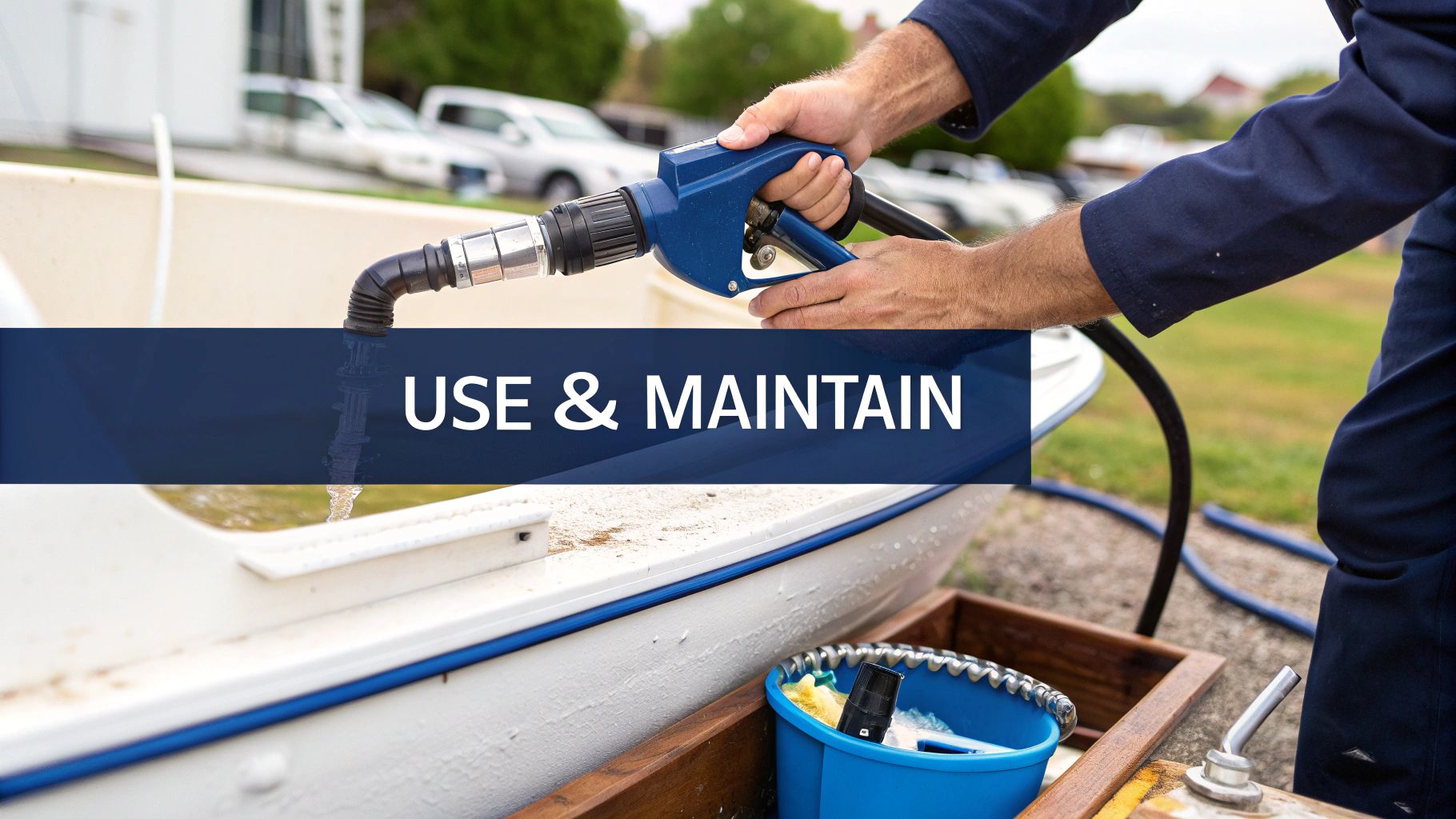
Your new portable gas can with pump is built to last, but just like any critical boating gear, a little TLC goes a long way. Using it correctly keeps every fill-up safe and clean, and a bit of upkeep ensures it works perfectly every time. Think of it like flushing your outboard—a quick routine that saves you from major headaches later on.
Getting into a good habit with your fuel can makes refueling second nature. It’s all about building confidence so you can top off the tank without a second thought.
A Step-by-Step Guide to Safe Refueling
Using the pump is a breeze, but doing it in the right order is the secret to a spill-free experience. Following these steps lets the technology do its job flawlessly.
- Get Stable: First things first, plant the gas can on a flat, solid surface. Whether it's on the dock or your boat deck, make sure it won’t tip over if the boat rocks. A stable base is your best defense against accidents.
- Seat the Nozzle: Push the nozzle firmly all the way into your boat’s fuel opening. You want a snug fit. This is critical for the automatic shutoff to work and for preventing any fuel from splashing back.
- Push the Button: With everything secure, just press the button to start pumping. Fuel will flow at a nice, steady pace. No need to hover over it, but stay close by.
- Let It Do Its Thing: Here’s the magic. The pump’s built-in sensor knows when the tank is full and will shut off automatically. You'll hear the motor stop—that’s your signal for a perfect, no-mess fill.
Quick tip: Always fuel up in a well-ventilated spot. This lets any gas vapors blow away safely, which is a simple but essential step to keep everyone on board safe from fumes.
Your Simple Maintenance Checklist
Spending just a few minutes on upkeep each season guarantees your portable gas can with pump is ready when you are. This isn’t about heavy-duty repairs; it's about quick, simple checks to catch small issues before they grow.
Run through this list regularly to keep your gear in prime condition:
- Check Hoses and Seals: Give the hose a quick once-over before you use it. Look for any cracks, kinks, or wear and tear. Double-check that the connections at both ends are tight and the seals look good. A tiny leak is a big deal.
- Clean the Filter Screen: Most pumps have a little filter screen at the intake to keep gunk out of your boat’s tank. Peek at it now and then and clean off any debris. A clear filter means a smooth, steady flow of fuel.
- Test the Batteries: If your pump is battery-powered, give it a quick test run before you leave the dock. It’s smart to stash a spare set of batteries on the boat, too. Dead batteries are a pain you can easily avoid.
Smart Storage for the Off-Season
When it’s time to winterize the boat, don't forget your fuel pump. Storing it properly is the key to making sure it’s ready to go next spring without any surprises.
First, run the pump dry to get any leftover fuel out of the hose and mechanism. Next, pop the batteries out—this stops corrosion from ruining the battery compartment while it sits. Finally, find a cool, dry, well-ventilated spot to store it, far away from direct sunlight or anything that could ignite fumes. A few minutes of prep now saves you from buying a new pump next season.
Why a Spill-Proof Solution Belongs on Every Boat
Making the switch to a portable gas can with a pump isn't just about getting a new piece of equipment. It’s a genuine upgrade to your entire boating experience. We've walked through the mechanics and the safety features, but let's tie it all together and really drive home why this is a must-have for any modern boater.
Refueling is one of those jobs we all have to do, but for too many, it’s a constant headache. Let's be honest, hoisting a 40-pound can and trying to pour it cleanly without straining your back or spilling fuel is a frustrating, messy ordeal. A pump system gets rid of that problem entirely, replacing raw muscle with the simple push of a button.
Redefining Your Day on the Water
The payoff goes way beyond just making life easier. You’re actively protecting your boat from those ugly, hard-to-remove fuel stains that can ruin a finish. Even more importantly, you’re taking a real step toward protecting our waterways. For anyone looking to learn powerboating, mastering safe and clean fueling is a core part of being a responsible owner.
Ultimately, this is about peace of mind. It’s the confidence that comes from a clean, safe, and predictable process every single time you refuel. No more worrying about overflows, accidents, or that dreaded rainbow sheen on the water.
When you think about it, why would you stick with a stressful, risky method for a task as critical as fueling? Investing in a better process means investing in safer, more enjoyable days on the water. Taking these proactive steps makes a huge difference, as we explore in our guide on how to prevent marine pollution.
Why put up with the strain and the spills when a clean, effortless solution is right there? It's time to embrace the smarter way to fuel and make every trip out on the water a better one.
Frequently Asked Questions
It's smart to have questions, especially when you're thinking about new gear for your boat. And when it comes to something as vital as fueling, you need to feel 100% certain about your equipment. Let's tackle some of the most common questions we hear about portable gas cans with pumps to give you that confidence.
We've pulled together the real-world questions boaters ask, so you can get clear answers and focus on what matters: safe, easy fueling.
Safety And Compatibility Questions
On the water, safety comes first—no exceptions. That’s especially true when you’re handling fuel. Here’s what you need to know about how these pump systems are built to keep you safe.
Are battery-powered pumps actually safe to use with gasoline?
Yes, absolutely. It's a great question and one we hear a lot. Pumps that are certified for fuel use are designed from the ground up to handle flammable liquids. They use sealed electronics, components that won't create a spark, and circuitry that's "intrinsically safe," which is an engineering term for preventing ignition. Reputable brands put their products through intense testing to meet strict safety standards, so you can be sure they’re safe for gasoline.
Can I use the same pump for both gasoline and diesel?
You really shouldn't. Mixing even a tiny bit of gasoline into a diesel engine (or vice-versa) can lead to some seriously expensive repairs. For instance, gasoline can ruin diesel fuel injectors and lower the diesel's flashpoint, creating a hazard. The best practice is to have separate, clearly labeled cans and pumps for each fuel type. You'll even see that many companies sell different models specifically for gas or diesel to help avoid any mix-ups.
Performance And Troubleshooting
Knowing what to expect from your pump and what to do if a hiccup occurs will make for a much smoother experience. Here are a couple of performance questions that pop up often.
How fast do these pumps actually transfer fuel?
Most battery-powered pumps will move fuel at a rate of about 2 to 4 gallons per minute. This is a real sweet spot—it’s quick enough that you aren't waiting around forever, but slow and steady enough that you have complete control. You get an efficient, predictable flow that makes the whole process clean and simple.
Think about it: that controlled flow is a huge improvement over trying to pour from a heavy can, where the speed is all over the place and often leads to splashes. A pump’s consistent rate means a cleaner, safer fill, every single time.
What should I do if the auto shutoff doesn't work?
These automatic shutoff systems are incredibly reliable, but it's always good to have a plan B. If the pump doesn't stop, the first thing to check is the nozzle's position. Most of the time, the sensor isn't working because the nozzle isn't inserted fully or correctly into the fuel tank opening.
If you've checked the fit and it still doesn't stop, stop fueling immediately to prevent a spill. Don't try to force anything. The next step is to get in touch with the manufacturer's customer support. High-quality systems are built to last, but if you run into a problem, their team is there to help you figure it out or handle a repair.
Ready to make spills a thing of the past and turn refueling into the easiest part of your boating day? Get the confidence that comes with a perfect, clean fill every time. Check out the CLiX Fueling Solutions systems and find the right fit for your boat at https://clixfueling.com.