When you're out on the water, your portable gasoline tank is so much more than just a can of extra fuel. It’s your ticket to exploring a little further, your backup plan when the main tank runs low, and your guarantee of a safe trip back to the dock. It truly is freedom on the water.
Why Your Portable Gasoline Tank Is a Boater’s Lifeline
Alright, let's get real about one of the most important—and often underestimated—pieces of gear on your boat. Your portable gas tank is your lifeline. It's what lets you push past that familiar cove and see what's around the next bend. It’s the difference between a great story and a costly call for a tow.
But we all know that freedom comes with responsibility. How many times have you dealt with a messy spill, worried about overfilling, or felt unsure about the rules for carrying extra fuel? A simple mistake can lead to environmental fines, a nasty cleanup job, or a genuinely dangerous situation on board. These aren't just small headaches; they’re real risks to you, your boat, and the waters you enjoy.
From Annoyance to Essential Gear
This guide is here to clear all that up. We're going to cover everything you need to know, from picking the perfect tank to fueling up without spilling a single drop. Getting this right is a core boating skill, just as crucial as running through a proper safe boating checklist before you cast off.
And this isn't some niche topic. The global market for portable fuel tanks was valued at a massive USD 1,665.54 million in 2023 and is expected to grow to over USD 2,275 million by 2031. With its massive boating community, North America is a huge part of that growth.
A portable tank isn't just about carrying extra fuel; it's about carrying peace of mind. It allows you to confidently push past the next cove, knowing you have the range to get back safely.
We're going to tackle these common fueling frustrations head-on, so you can spend more time enjoying the water and less time worrying. By the time you're done reading, you'll know exactly how to:
- Choose the perfect tank for your boat and your typical trip length.
- Navigate safety rules and legal requirements with confidence.
- Master spill-free fueling techniques that protect your boat and the environment.
What Goes Into A Portable Fuel Tank? Construction And Materials
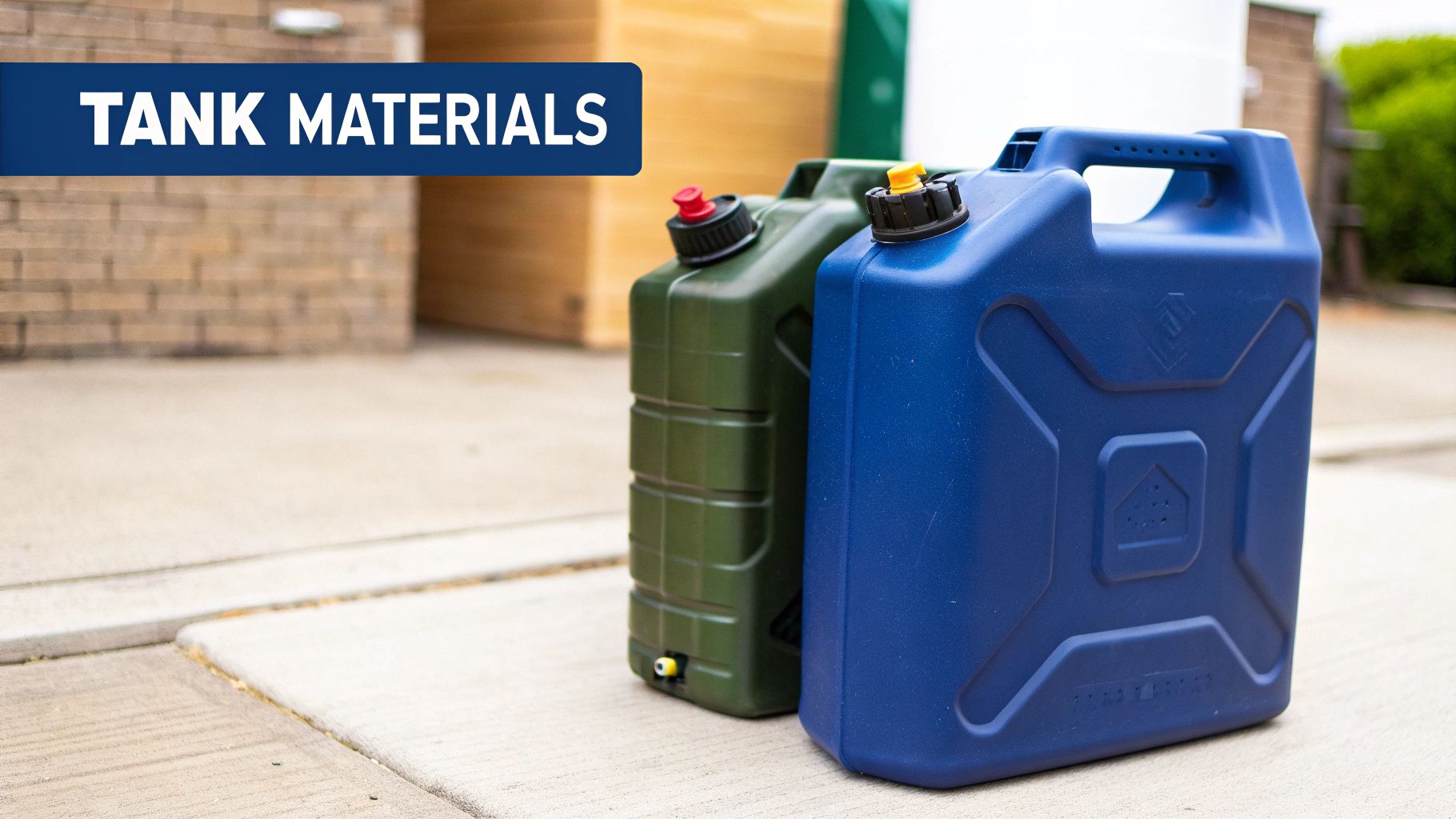
A portable gasoline tank is far more than just a box to hold fuel; it’s a carefully engineered safety system. The materials and components aren't chosen by accident—they're selected specifically to stand up to the tough marine environment and the volatile nature of gasoline. Getting to know what your tank is made of is the first step toward handling it with confidence.
When you're shopping for a tank, you'll generally find two options: high-density polyethylene (HDPE) plastic and traditional metal, usually steel or aluminum. Each has its own set of pros and cons, making them better suited for different types of boating.
The Modern Standard: High-Density Polyethylene (Plastic)
Forget any ideas about flimsy plastic. Modern fuel tanks are made from high-density polyethylene (HDPE), an incredibly tough material known for its durability and total resistance to corrosion. For anyone out on the water, this is a game-changer.
Think about it: constant saltwater spray and humid air are brutal on equipment. While metal can eventually rust, HDPE is completely immune. It’s also surprisingly impact-resistant, meaning it can handle the bangs and bumps of life on a boat without easily cracking or denting. It's no wonder HDPE has become the go-to choice for most recreational boaters.
This trend toward better materials is happening across the fuel storage industry. The growing popularity of collapsible and flexible tanks shows just how much mobility and smart storage are driving innovation. As environmental rules get stricter, old-school polymers are facing more restrictions, and there's a huge focus on preventing punctures and spills. This pressure is pushing manufacturers to engineer smarter, safer portable fuel solutions. You can learn more about the evolving collapsible fuel tank market here.
The Classic Choice: Metal Tanks
While plastic tanks are everywhere, metal tanks definitely still have their place. Built from rugged steel or lightweight aluminum, they offer unmatched rigidity and are often the preferred choice for commercial or heavy-duty use. Their biggest advantage is puncture resistance—a sharp corner that might gouge plastic might only leave a dent in metal.
The trade-off? They need a bit more TLC. Metal is vulnerable to rust and corrosion, especially if the protective coating gets scratched. They're also quite a bit heavier than plastic tanks, which can be a real factor on smaller boats where every pound counts.
Comparison of Portable Gasoline Tank Materials
To help you decide, here’s a quick look at how HDPE and metal tanks stack up against each other.
| Feature | HDPE (Plastic) Tanks | Metal (Steel/Aluminum) Tanks |
|---|---|---|
| Corrosion Resistance | Excellent; immune to rust. | Poor to Moderate; requires protective coatings. |
| Impact Resistance | Good; flexible and can absorb impacts. | Good to Excellent; highly resistant to punctures. |
| Weight | Lightweight and easy to handle. | Heavier, which can impact portability. |
| Maintenance | Low; requires basic cleaning. | Higher; needs regular checks for rust and coating damage. |
| Cost | Generally more affordable. | Typically more expensive. |
Ultimately, choosing between plastic and metal comes down to your specific needs—durability versus weight, maintenance tolerance, and your boating environment.
The Critical Safety Components Inside
No matter what the tank is made of, every modern portable fuel tank is equipped with key safety features that work together as a system. These aren't optional extras; they are essential for preventing accidents.
A portable fuel tank is a system, not just a container. The vented cap, fuel gauge, and flame arrestor all work in concert to ensure gasoline is stored and delivered safely, preventing pressure buildup and ignition risks.
Here’s a breakdown of the parts you need to know:
- Vented Fuel Cap: This might be the most important safety feature of all. As temperatures change, gasoline expands and creates vapor. This special cap acts as a pressure-release valve, allowing vapor to escape slowly. This prevents the tank from swelling, deforming, or even bursting under pressure.
- Flame Arrestor: Look inside the filler neck and you'll see a fine metal mesh screen. That’s the flame arrestor. Its simple but crucial job is to stop an external spark or flame from traveling into the tank and igniting the gasoline vapor inside. Think of it as a firewall for your fuel.
- Built-in Fuel Gauge: A simple float and dial can save you a lot of trouble. The fuel gauge gives you an instant reading of how much fuel is left, which is critical for planning your trip and, just as importantly, preventing the dangerous mess that comes from overfilling.
Choosing the Right Portable Gasoline Tank for Your Boat
Picking the right portable gas tank isn't as simple as grabbing the biggest one on the shelf. It’s really a balancing act between how much fuel you actually need, the physical space you have on board, and making sure it’ll connect to your engine. Get it right, and you’ll have plenty of range for your adventures. Get it wrong, and that spare tank becomes a dangerous piece of loose cargo.
Think of it like packing for a hike. You wouldn't lug a giant pack for a short trail walk, but you also wouldn't bring a tiny daypack for a week in the backcountry. It’s all about matching your gear to the journey. The same logic applies here.
The first step is to get past the guesswork and figure out your real fuel needs. This takes a tiny bit of math, but it's easily the most important part of the whole process.
Calculate Your True Fuel Needs
To nail down the right capacity, you have to know your engine's fuel consumption. Your outboard motor's manual is the best place to find this, usually listed as gallons per hour (GPH) at different throttle settings. If you can't track down the manual, a decent rule of thumb for modern four-stroke outboards is to divide the horsepower by ten. That gives you a rough estimate of GPH when you're running at full throttle.
Once you know your GPH, think about your typical day on the water. How many hours are you usually out cruising? Just multiply your average cruising time by your engine's GPH, and you'll have your average fuel usage for a trip.
For example, if your engine sips about 2 gallons per hour at a nice cruising speed and you're usually out for 4 hours, you’ll burn through 8 gallons of fuel.
But don’t stop there. Any seasoned boater knows you have to plan for what you don't expect.
Always build a safety margin into your fuel calculation. The "rule of thirds" is a classic for a reason: plan on using one-third of your fuel to get out, one-third to get back, and keep one-third in reserve for emergencies. You never know when bad weather, strong currents, or an interesting detour will pop up.
Following that logic, if your trip needs 8 gallons, you should really have a total capacity of 12 gallons. That reserve isn't just extra gas; it's your ticket home when things go sideways.
Measure Twice, Buy Once
Once you know the capacity you need, the next critical step is to measure the actual storage space on your boat. A portable gas tank can't just be left to slide around on the deck. It needs to be secured in a designated spot, like a locker or compartment, where it can be ventilated and won't turn into a missile in rough water.
Grab a tape measure and get the exact dimensions of that storage area—height, width, and depth. Thankfully, manufacturers know that boat space is a premium, so they offer tanks in all sorts of shapes:
- Low-Profile Tanks: These are wide and short, designed to tuck under seats or into shallow compartments.
- Tall/Slim Tanks: With a smaller footprint, these are perfect for squeezing into narrow lockers or alongside other gear.
Remember, a snug fit is a safe fit. A tank that's wedged in securely is far less likely to tip over and spill, which is a massive safety and environmental problem.
Match Your Connectors
Last but not least, you have to make sure the new tank can actually talk to your engine. Fuel line connectors aren't a one-size-fits-all deal; they are specific to the engine brand (like Yamaha, Mercury, or Honda). A mismatch means you simply can't hook up the fuel line, which makes the tank pretty useless when you need it.
Before you buy anything, double-check the connector on your existing fuel line or engine. Most portable tanks have a standard threaded output, but you’ll almost always need to buy a separate fuel line assembly with the right connectors for both the tank and your specific motor. Snapping a quick photo of your engine’s fuel connector on your phone before heading to the marine store can save you a whole lot of frustration and a second trip. This final check ensures your entire fuel system works seamlessly, from the tank right to the engine.
Fuel Safety Regulations and Best Practices: A Common-Sense Guide
Handling gasoline on the water comes with a set of rules that can seem a bit overwhelming at first. But when you boil it down, they all share one simple goal: keeping people, boats, and the environment safe. Think of these regulations less like a rulebook you have to memorize and more like a set of smart, practical habits for handling your portable gas tank.
You don't need to be a lawyer to get it right. The trick is to understand who the main players are—like the U.S. Coast Guard (USCG) and the Environmental Protection Agency (EPA)—and see how their requirements shape the gear you use and the way you use it.
Cracking the Code on Labels and Agencies
Grab any modern portable gas tank and you’ll see a bunch of codes and labels stamped right into the plastic. They aren’t just for looks; they’re your proof that the tank is built to handle the tough demands of boating and meets strict federal standards. They’re a seal of approval from the folks dedicated to our safety.
-
U.S. Coast Guard (USCG): These are the experts in marine safety. The USCG sets the standards for all kinds of equipment on recreational boats. For fuel tanks, they require critical features like flame arrestors and rugged construction to prevent fires and explosions. When a tank is USCG-approved, you know it’s built for the job.
-
Environmental Protection Agency (EPA): The EPA's main focus is on preventing pollution. Their rules for portable tanks aim to stop gasoline vapors from escaping into the atmosphere. That’s why your newer tanks have self-venting caps and are made from low-permeation materials—it's all designed to keep the fumes locked inside.
These safety and environmental standards have become a huge priority, especially on the water where even a tiny spill can have a big impact. This focus is showing up in the market, too. The global fuel storage container industry is expected to jump from USD 28.6 billion in 2024 to USD 47.3 billion by 2035. For us boaters, that means we're seeing more and more gear designed for spill-proof, compliant fueling. You can get a better sense of this trend by checking out the latest research on the mobile fuel storage market here.
Getting Your Tank from Point A to Point B Safely
How you move your portable tank is just as important as how you use it. Whether it's in the back of your truck or strapped down on your boat, a few simple precautions can prevent a world of trouble.
When you're driving, always secure the tank so it’s standing upright. Don’t just let it slide around in the trunk or the bed of your truck. A couple of bungee cords or straps will keep it from tipping over and leaking. It’s also a good idea to crack a window to keep fresh air circulating.
The same logic applies on the boat. Your tank needs a designated spot—a well-ventilated locker or a secure area where it won't move. A loose tank on deck is a serious hazard; it can become a projectile in choppy seas or slide around and damage the fuel line.
The Boater's Code: Protecting Our Waterways
Beyond the official rules, we all have a shared duty to protect the waters we love. It only takes a few drops of gasoline to create that ugly, rainbow-colored sheen on the water and harm marine life. Thankfully, being a good environmental steward is pretty straightforward.
Environmental responsibility on the water isn't about massive, complex changes. It's about the small, consistent habits: wiping up a single drop of fuel, using an absorbent pad, and choosing gear that prevents spills before they happen.
Here are a few best practices every boater should make second nature:
- Always Use an Absorbent Pad: Before you even open the cap, place a fuel-absorbent pad or bib around the fill opening. It’s the easiest way to catch any drips or splashes.
- Don’t Top It Off: Overfilling is the number one cause of fuel spills. As the tank gets full, you'll hear the sound change. Stop fueling before it’s completely full to leave room for the fuel to expand in the heat.
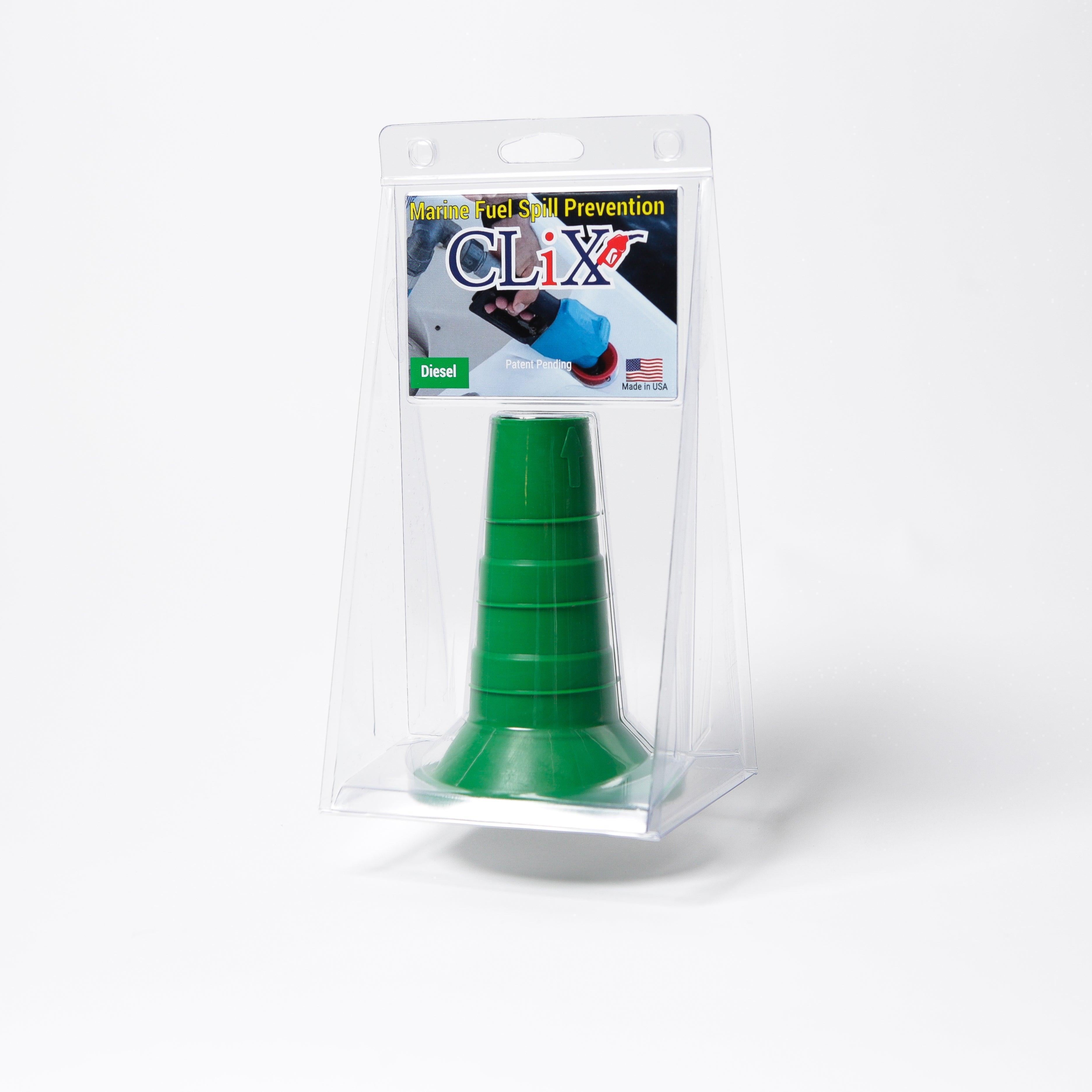
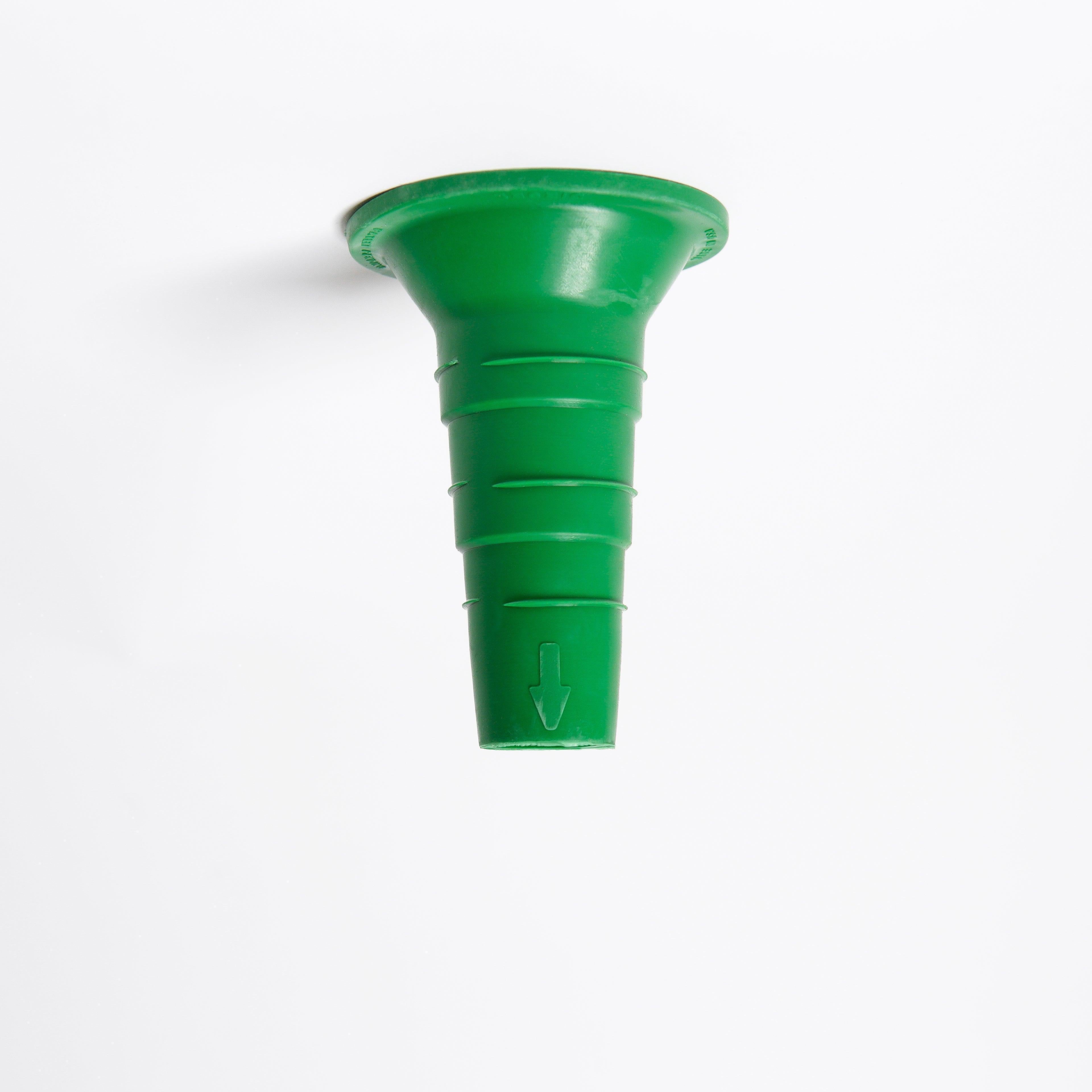
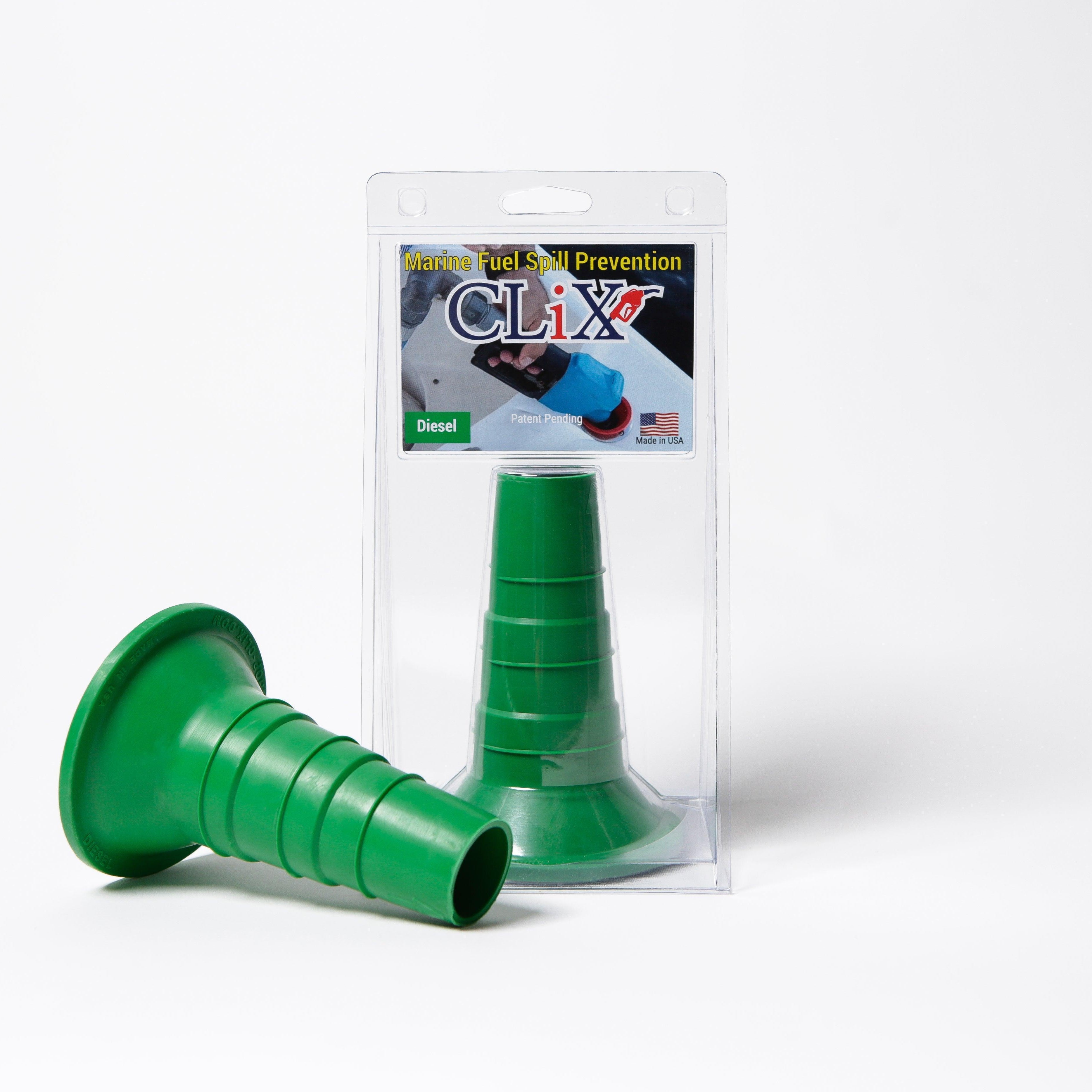
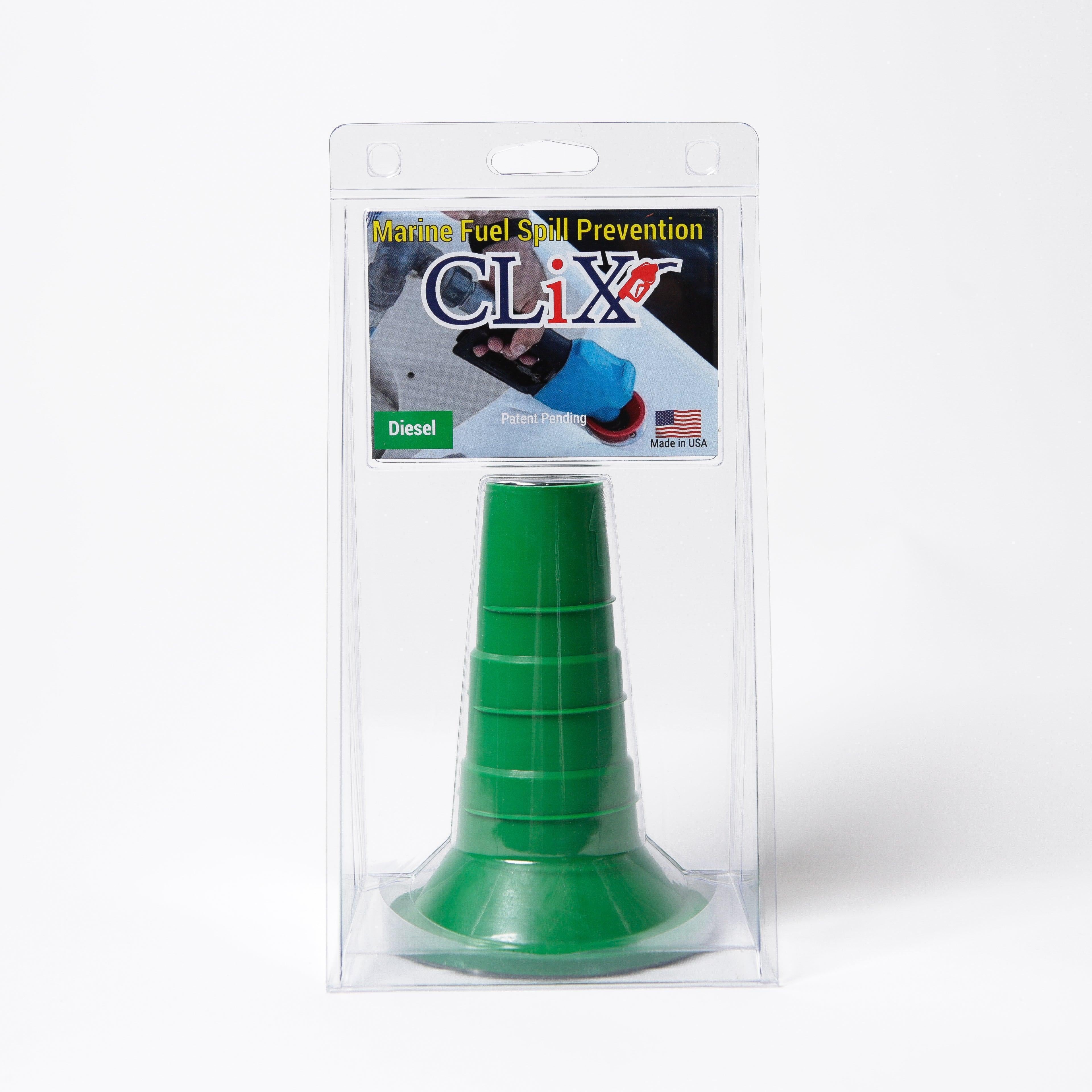
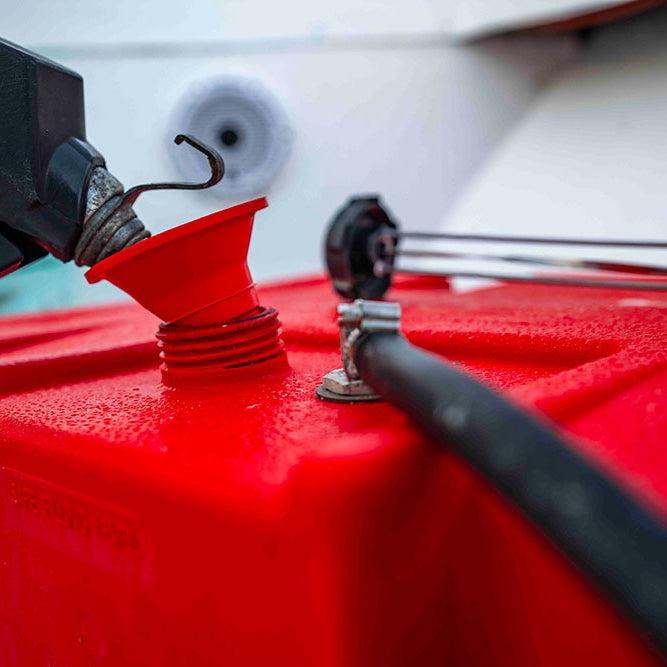
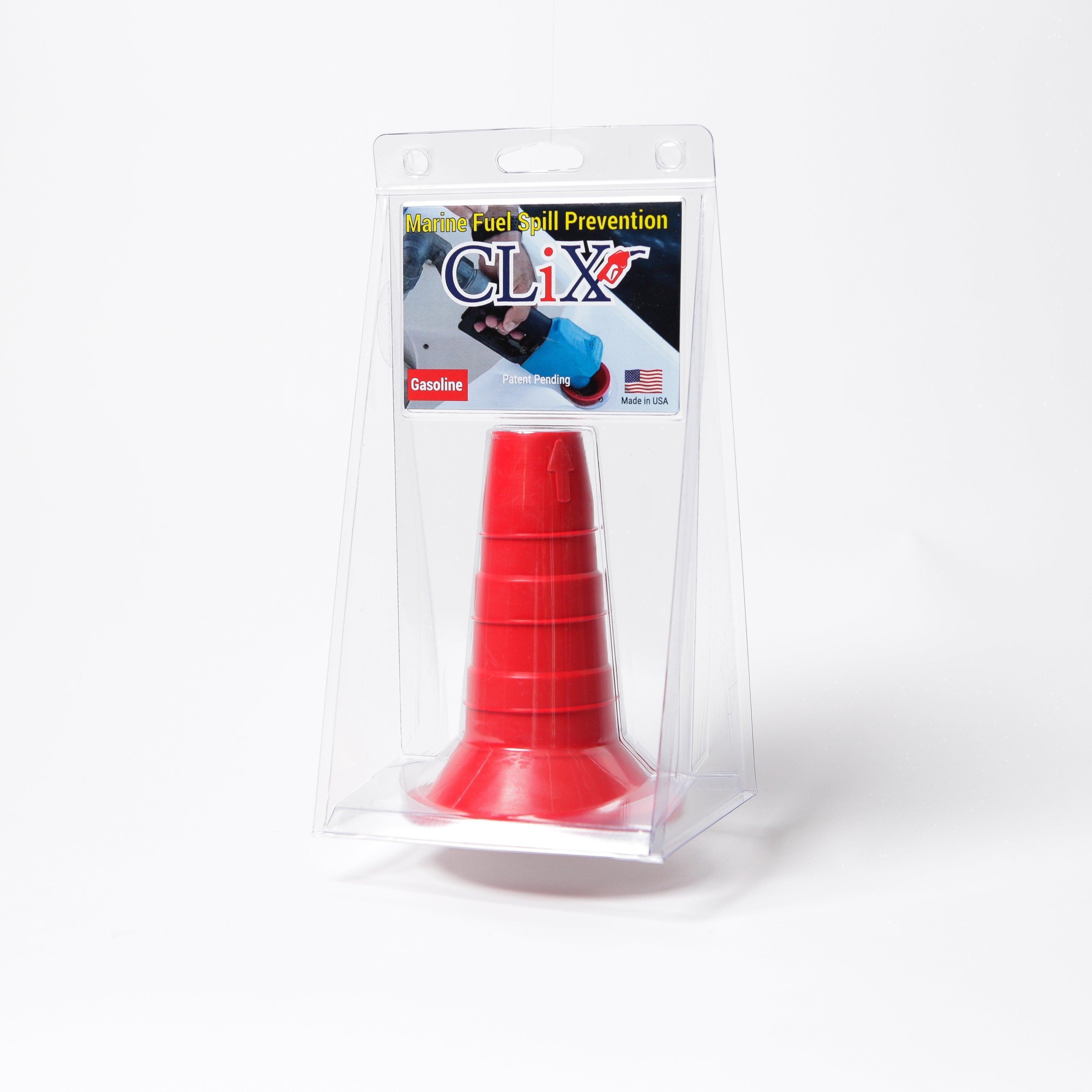
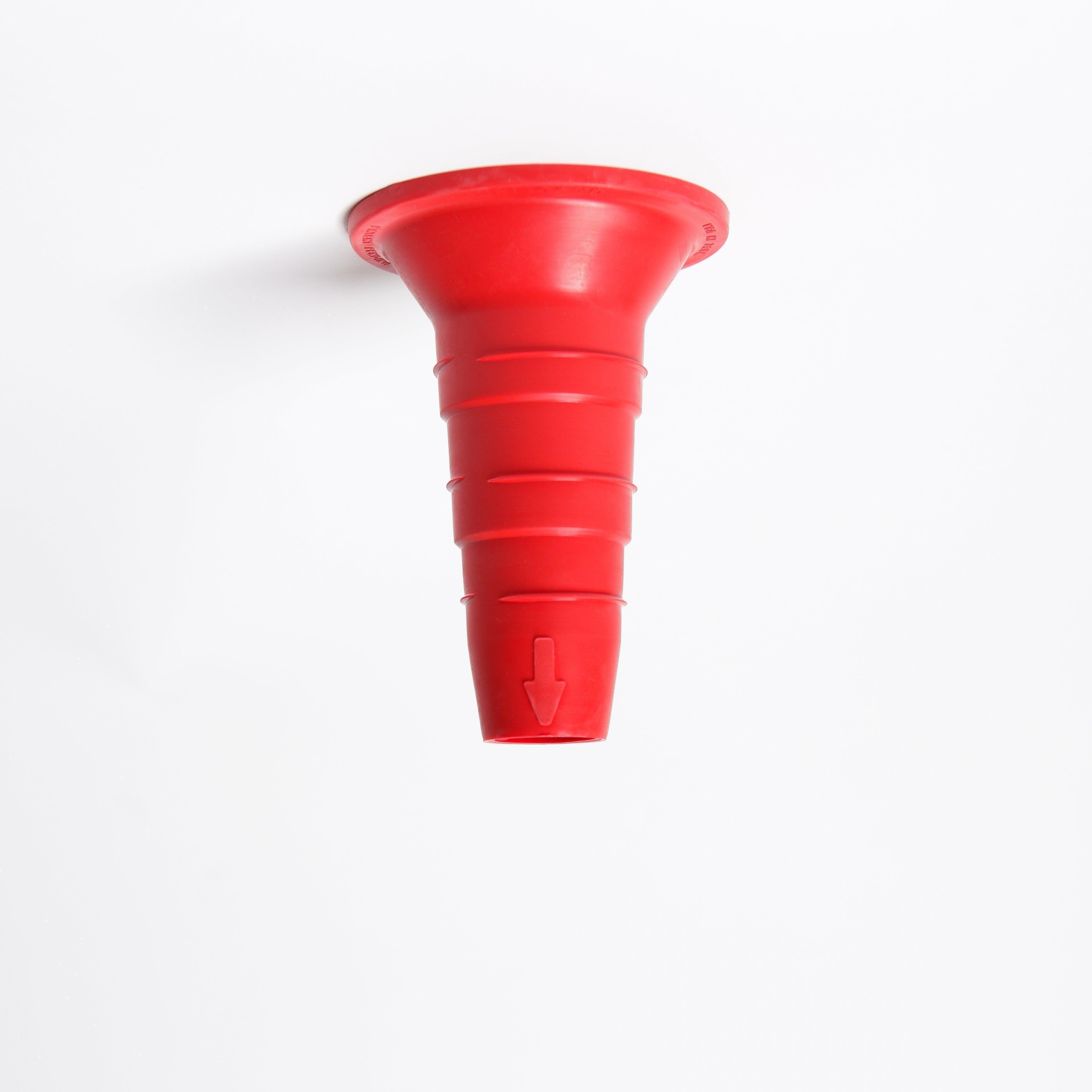
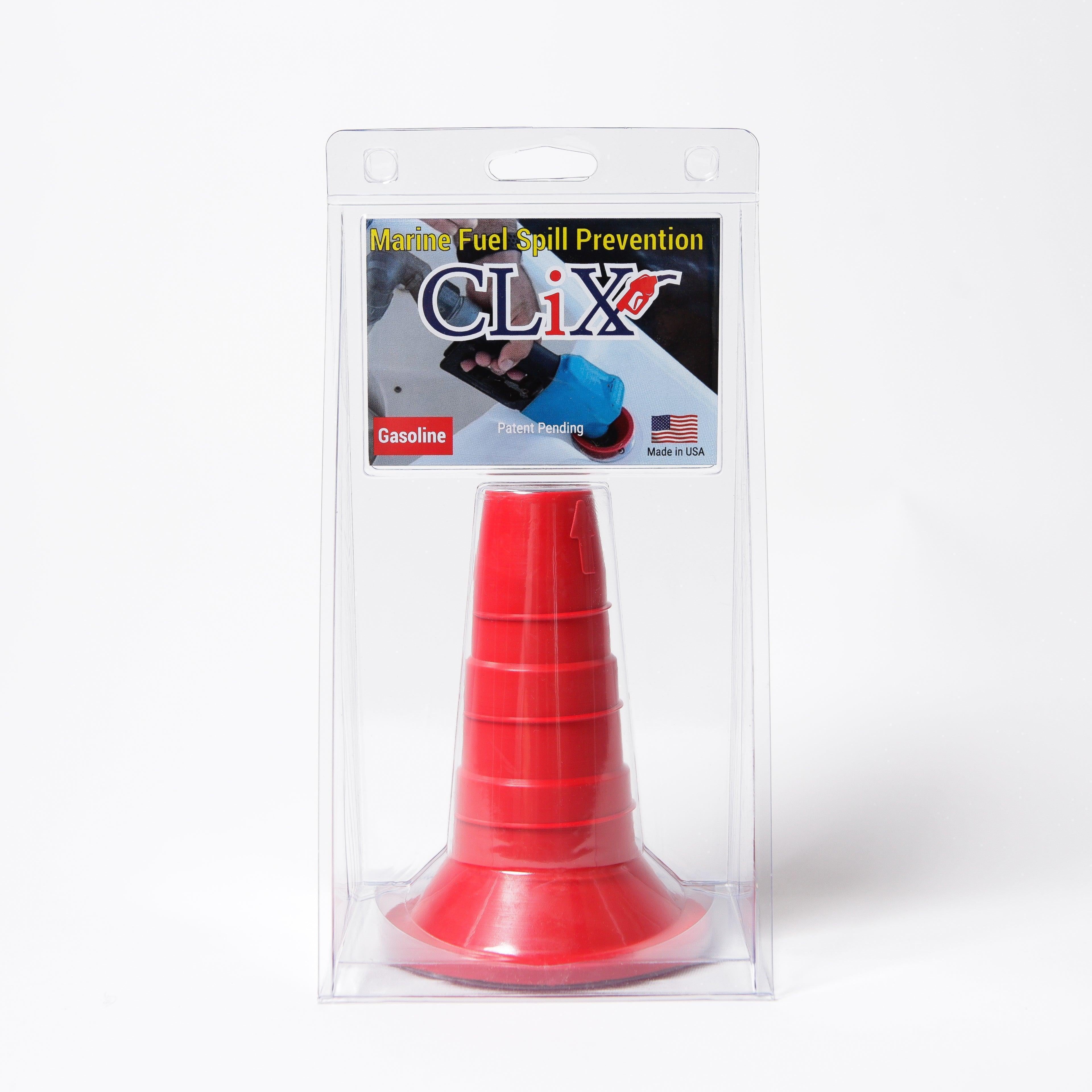
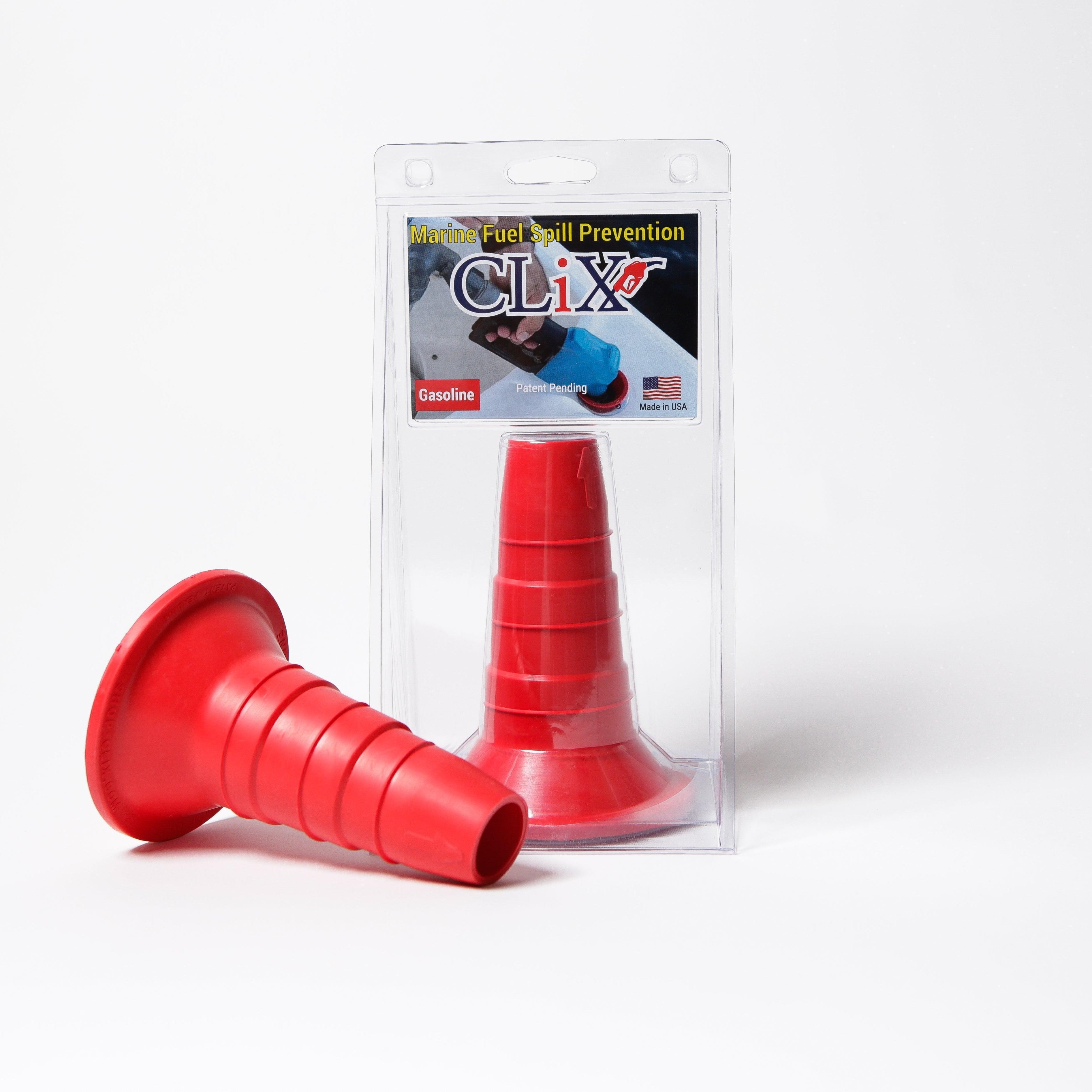
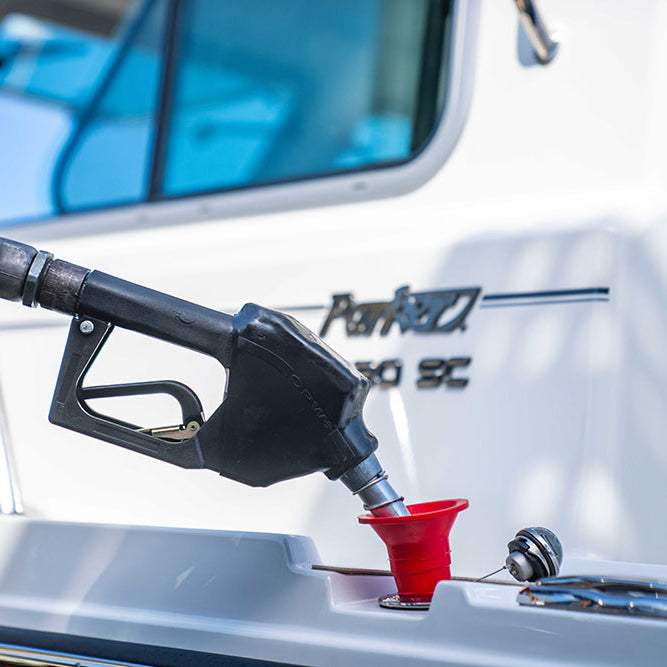
- Use Modern Spill-Proof Tech: New innovations are taking the guesswork out of fueling. For instance, systems like the CLiX fueling solution offer an automatic shut-off that ensures a clean, spill-free fill every single time.
- Know What to Do If a Spill Happens: If a little fuel does get in the water, resist the urge to use soap or detergent. That actually makes things worse by breaking the fuel down and sending it deeper into the water column. Instead, use absorbent pads to soak it up, and then dispose of them properly once you're back on shore.
Your Step-By-Step Guide to Spill-Free Fueling
Fueling your boat should be a routine task, not a moment of stress. With a bit of preparation and a solid process, you can make sure every fill-up is safe, clean, and spill-free. This guide walks you through the exact steps to take the guesswork and anxiety out of the process.
Think of it like a pilot's pre-flight checklist. Each step is there for a reason, designed to catch potential problems before they happen. Taking just a couple of minutes to get set up on the dock can save you a world of trouble later on.
Before You Begin: The Pre-Fueling Checklist
The safest fill-up starts well before you even touch the gas cap. Getting the scene set correctly is the single most effective way to prevent spills and accidents. These first few steps are non-negotiable.
First, get your boat tied up securely to the dock. A boat that's drifting or rocking can easily cause the fuel nozzle to slip, creating a dangerous mess in a split second. Use good dock lines to make sure the boat is stable and won't shift while you're handling fuel.
Next, and this is critical, get rid of any potential ignition sources. It’s a step that’s too easy to forget but has serious consequences.
- Kill the power: Shut down the engine, all electronics, bilge pumps, and anything else that could create a spark.
- No open flames: Put out any cigarettes, cigars, or grills. This applies to both the boat and the immediate dock area.
- Clear the boat: For everyone's safety, it's a great habit to have all passengers get off the boat and wait on the dock until you're done.
This simple routine is your best defense against gasoline vapors finding a spark—the number one cause of boat fires at the fuel dock.
This infographic breaks down the core safety mindset for handling portable fuel tanks.
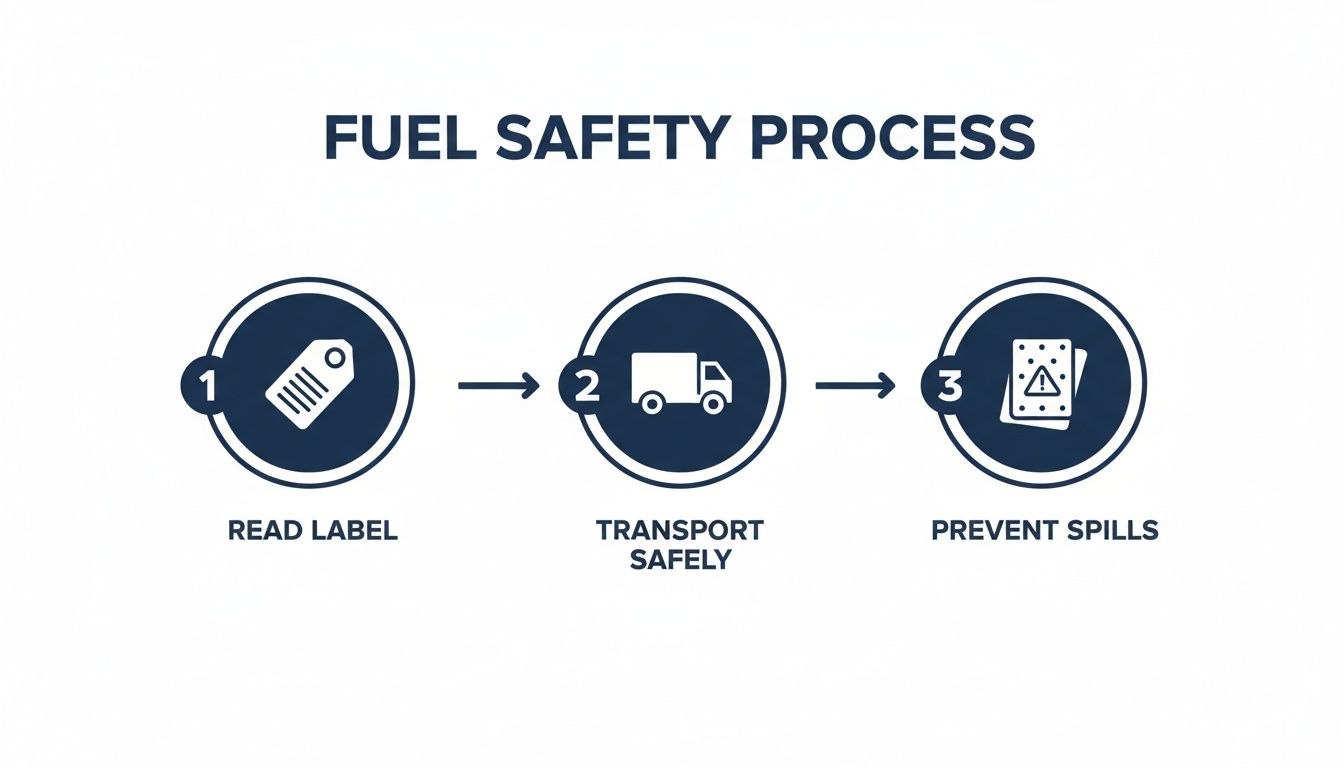
As you can see, safety is a full-circle process that starts with knowing your gear and ends with actively preventing spills.
The Fueling Process, Done Right
Okay, your boat is secure and all spark-risks are gone. You're ready to fuel. How you handle the portable tank and nozzle from here on out is what separates a clean fill from a costly cleanup.
Start by placing your portable tank on a stable, level spot on the dock—not in the boat. This simple habit ensures that if any small drips occur, they land on the dock instead of in your bilge or the water.
When you put the nozzle into your boat’s fuel fill, always keep the metal nozzle in direct contact with the rim of the fill opening. This contact grounds the nozzle, preventing a static spark from building up and igniting fuel vapors. For a closer look at the mechanics, check out our complete guide on the boat fuel fill process.
One of the biggest mistakes boaters make is trying to "top off" the tank. Pay attention to the sound of the fuel filling—you'll hear it change as it gets near the top. Stop pumping immediately. That little bit of extra space is crucial for fuel expansion on a hot day.
Go slow and stay focused. Never use the trigger lock to keep the nozzle on automatically. You need to be in full control to stop the flow in an instant if something goes wrong.
Upgrading to a Spill-Proof System
Following these manual steps will drastically improve your safety, but at the end of the day, we're all human. Modern tools can completely remove the risk of human error, guaranteeing a perfect fill without any guesswork.
This is where an automatic shut-off system really shines.
A solution like CLiX, for instance, connects to your boat's fuel fill and works with the gas pump nozzle to physically stop the flow the second your tank is full. It makes overfills and blow-back spills a thing of the past. Adding this kind of gear to your routine offers the ultimate peace of mind and turns fueling into just another simple, clean task. You’ll be back on the water faster and without any of the old worries.
A Simple Maintenance Checklist for Your Portable Tank
Your portable gas tank is a workhorse, but it’s definitely not a "set it and forget it" piece of gear. Think of it like any other critical part of your boat—it needs regular attention to stay safe and reliable. A little bit of preventative care can mean the difference between a perfect day on the water and a dangerous, frustrating failure.
Luckily, you don’t need to be a marine mechanic to keep your tank in top shape. A quick visual once-over before each trip and a more thorough check at the start of the season will catch most problems before they have a chance to start. This simple checklist will walk you through exactly what to look for.
The Essential Visual Inspection
First things first, just give the tank a good look. What you’re looking for depends on what it’s made of.
- For Plastic (HDPE) Tanks: Keep an eye out for any swelling or bloating, which is often a red flag for a blocked vent cap. You'll also want to check for deep scratches, cracks, or any discoloration. Over time, UV exposure can make the plastic brittle.
- For Metal Tanks: Rust is your number one enemy here. Check carefully for any corrosion, paying special attention to the seams and the base where moisture can sit. Also, look for any serious dents that might weaken the tank's structure or damage parts inside.
This regular check is non-negotiable. A compromised tank is a huge hazard, and it's always smarter to replace a questionable portable gasoline tank than to roll the dice on a leak.
Think of your portable fuel tank like a tire on your car. You wouldn't drive on a tire with a bulge or visible cracks. The same principle applies here—small signs of wear and tear can lead to a major failure at the worst possible time.
Checking the Connections and Components
Beyond the body of the tank, it’s often the smaller parts that give out first. The fuel line and its connections are prime suspects, as this is where most leaks tend to happen.
Your quick-check list should include:
- Fuel Lines and Primer Bulb: Give the primer bulb a squeeze and run your hands along the fuel line. It should feel firm but still flexible. If it’s hard, brittle, or you spot any cracks, it's time for a replacement. Old, degraded fuel lines are one of the most common causes of fuel leaks and engine trouble.
- Hose Clamps: Make sure all the hose clamps are snug and aren't rusting out. A loose or corroded clamp can let the fuel line pop right off, leading to a dangerous spill.
- Vented Cap: Unscrew the cap and check that the vent is clear of any gunk or debris. A blocked vent can cause dangerous pressure to build up inside the tank or create a vacuum that starves your engine of fuel.
- Gaskets and Seals: Look at the gasket inside the fuel cap and any seals around the fuel gauge. If they look cracked, dried out, or squashed flat, replace them to keep a tight seal.
Off-Season Storage and Fuel Care
How you put your tank away for the winter is just as important as your regular checks. Storing a tank with untreated gas is asking for trouble. After a few months, gasoline starts to break down, forming gummy varnish that will clog up your engine's carburetor and fuel injectors.
To head this off, always add a quality marine fuel stabilizer to the tank before you store it. After adding it, run the engine for a few minutes so the stabilized fuel can work its way through the entire system. And while you're at it, remember that a clean tank is a healthy tank. For a deeper dive, check out our expert guide on marine fuel tank cleaning. Taking this simple step protects your engine and practically guarantees a smooth start next season.
Answering Your Top Questions About Portable Fuel Tanks
Even after you've got a handle on the basics, real-world questions always come up. To wrap things up, we’ve put together a quick Q&A to tackle some of the most common things we hear boaters ask about their portable fuel tanks. Consider this your go-to reference for keeping things safe and simple on the water.
How Long Can I Store Gasoline in a Portable Tank?
You might be surprised to learn that untreated gasoline can start going bad in as little as 30 days. Over time, it breaks down and leaves behind gummy, varnish-like deposits. Those deposits are a boater's nightmare, clogging up fuel lines and carburetors and leading to a rough-running engine—or one that won't start at all.
This is exactly why so many boats have trouble firing up after being stored for the winter.
If you plan on storing fuel for more than a month, a good marine fuel stabilizer is a must. Adding it to your portable tank can keep your gas fresh for a year or even longer. Just be sure to follow the directions on the bottle to get the stabilizer-to-fuel ratio right.
Is It Safe to Leave a Portable Gasoline Tank in Direct Sunlight?
In a word: no. You really want to avoid leaving your portable gas tank baking in the sun for any length of time. The heat makes the gasoline expand and builds up a surprising amount of vapor pressure inside the tank. It’s simple physics—the hotter it gets, the more pressure builds.
While modern tanks have vented caps designed to release this pressure, constantly exposing the tank to intense heat puts a lot of stress on the plastic. It can shorten the tank's life and raise the risk of a vapor leak, which is a fire hazard and bad for the environment.
The best practice is to always tuck your tank away in a cool, well-ventilated spot. A dedicated locker on your boat or even just a shaded area will do the trick.
Can I Use a Portable Tank for an Inboard Engine?
As a general rule, you should not use a portable gas tank as the main fuel supply for an inboard engine. Inboard engines are engineered to pair with permanently installed fuel systems, which are built to meet very specific U.S. Coast Guard (USCG) safety standards.
There’s a critical reason for these rules: ventilation. Permanent fuel systems are designed to safely vent dangerous gasoline fumes out of enclosed spaces like the bilge. If those fumes were to build up, a single spark from the engine could lead to a disastrous explosion.
Portable tanks are really meant for outboard engines, where the whole setup is out in the open air and any vapors can just blow away. It’s all about using the right tool for the job.
Ready to eliminate fueling spills for good? CLiX Fueling Solutions offers a simple, automatic shut-off system that prevents overfills and protects your boat and the environment. Experience stress-free fueling by visiting the official CLiX Fueling website today.