Choosing the right fuel container for your boat goes way beyond just picking the biggest one you can find. It's really about safety, convenience, and making sure you have peace of mind when you're out on the water. The right tank will get you through your longest adventures without the worry of leaks, spills, or running dry miles from shore.
Choosing the Right Big Gas Container for Your Boat
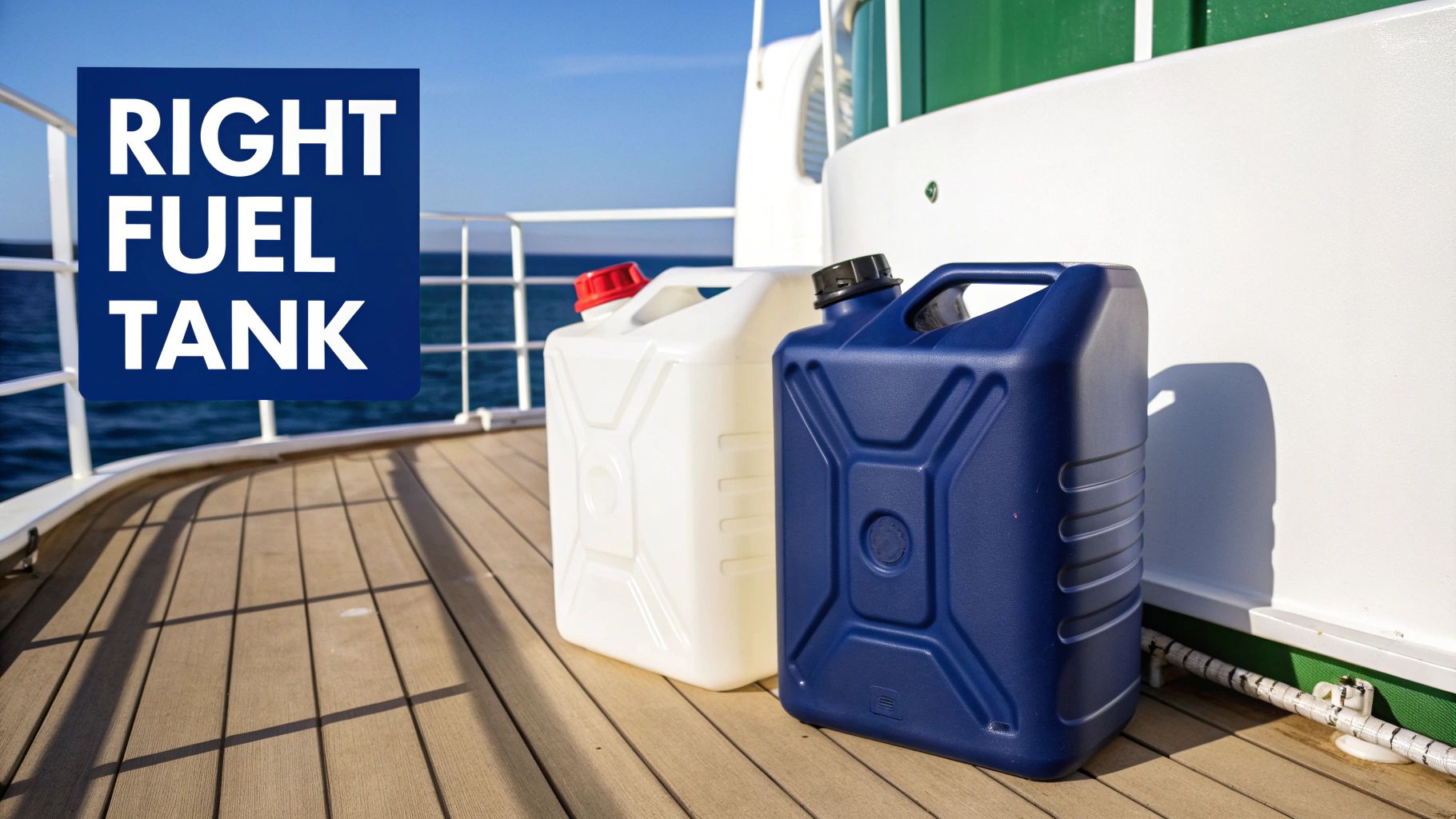
When you’re out on the water, the last thing you want to think about is your fuel supply. That's why starting with the right material is so important. These days, most portable marine fuel tanks are made from high-density polyethylene (HDPE). It's a fantastic material for the job—a tough, corrosion-proof plastic that can handle saltwater spray and the occasional knock without missing a beat.
Gone are the days of heavy, rust-prone steel cans. Modern HDPE containers are both lightweight and incredibly durable, which makes them the go-to for most of us. Just make sure you're buying from a reputable brand, because a well-made tank will last for years.
Comparing Big Gas Container Materials
To really see the difference, it helps to compare the two main options side-by-side. While steel has its place, it's clear why plastic has become the standard for portable marine use.
| Feature | HDPE Plastic Containers | Steel Containers |
|---|---|---|
| Corrosion Resistance | Excellent; completely rust-proof in saltwater environments. | Poor; susceptible to rust and corrosion unless properly coated and maintained. |
| Weight | Lightweight and easy to handle, even when full. | Heavy and cumbersome, making transport difficult. |
| Durability | High impact resistance; won't dent easily. | Can be dented, which may compromise its integrity and paint. |
| Cost | Generally more affordable and widely available. | More expensive upfront. |
| Maintenance | Low; requires minimal upkeep beyond regular cleaning. | Requires regular inspection for rust and paint damage. |
For most recreational boaters, the benefits of a high-quality HDPE plastic container are hard to ignore. They simply offer a more practical, low-maintenance solution for the harsh marine environment.
Matching Container Size to Your Needs
Once you know what material you want, it's time to think about capacity. A big gas container can be anything from a trusty 5-gallon can to a larger 20-gallon tank. The right size for you boils down to how you use your boat.
To figure this out, ask yourself a few questions:
- How thirsty is my engine? Check your owner's manual for the gallons per hour (GPH) your engine burns at cruising speed. This is your starting point.
- How long are my typical trips? Are you doing quick afternoon jaunts or full-day offshore fishing trips? Calculate the total fuel you'd need for your longest planned outing.
- Am I following the "Rule of Thirds"? This is a classic boater's rule for a reason. Plan on using one-third of your fuel to get there, one-third to get back, and keep one-third in reserve for emergencies like bad weather or a change of plans.
Let's put it into practice. Say your boat burns 5 GPH and you're planning a four-hour trip. That's 20 gallons right there. Applying the Rule of Thirds means you should have a total capacity of 30 gallons to be truly safe. For more real-world advice, you can check out our guide on selecting portable gas containers for boats.
Here's a common mistake I see all the time: buying the biggest tank you can find without thinking about how heavy it will be. Remember, gasoline weighs about 6 pounds per gallon. A full 20-gallon container will tip the scales at over 120 pounds—that's a two-person job and can be downright dangerous to move around on a rocking boat.
Understanding Safety and Usability Features
Beyond the basics of material and size, you need to look for features that make the tank safe and easy to use. Any big gas container sold today must have Environmental Protection Agency (EPA) and often California Air Resources Board (CARB) certifications. These aren't just suggestions; they ensure the tank is built with low-permeation plastic to stop fuel vapors from escaping and includes a modern, self-venting, spill-proof spout.
Don't overlook the simple things, either. Good ergonomic handles are essential, especially on larger cans. Look for tanks with multiple grip points that let you use two hands for a steady, controlled pour. A well-designed spout can mean the difference between a clean fill-up and a dangerous fuel spill all over your deck and into the water.
How to Legally Transport and Store Boat Fuel
Moving fuel around for your boat is more than just a chore—it’s a serious responsibility with real rules and consequences. Getting this wrong can lead to hefty fines, but more importantly, it can create a genuinely dangerous situation. When you're hauling a large gas container, you're carrying a lot of flammable material, and there's simply no room for error.
First things first, make sure the container you're using is actually legal for transport. Flip it over or check the side for a Department of Transportation (DOT) stamp. This little mark tells you it’s been built and tested to handle the bumps and vibrations of the road without breaking or leaking. Most quality plastic cans you buy today will have this certification.
Transporting Fuel Safely in Your Vehicle
Got a DOT-approved can? Great. Now you need to make sure it stays put. I’ve seen too many people just slide a full can into the back of a truck and hope for the best. That’s a recipe for disaster.
Always secure your fuel container in an upright position. Use bungee cords or, even better, ratchet straps to anchor it firmly so it can't tip over or slide around. This one simple step can prevent a messy and hazardous spill.
Ventilation is another big one. Even a sealed container can vent fumes, especially as temperatures change throughout the day. If you're carrying fuel inside an SUV or van, crack a window to keep the air moving. If you have a truck with a tonneau cover, make sure there's enough airflow to stop fumes from building up underneath. For anyone regularly handling large amounts of fuel, using specialized gas monitors is a smart way to get an early warning if vapor levels become unsafe.
Smart and Safe Fuel Storage Practices
Once you're back home, where you store that fuel is just as critical. The best spot is a detached shed or garage—somewhere well-ventilated and away from your house.
Keep it out of direct sunlight at all costs. The sun heats the fuel, causing it to expand and build pressure inside the container. This seriously increases the risk of a leak or a sudden release of flammable vapor.
A crucial rule of thumb: always store your big gas container at least 50 feet away from ignition sources. We're talking about things like pilot lights on water heaters, furnaces, and even a random spark from an electrical outlet. It's a simple precaution that drastically cuts down your fire risk.
This focus on safe storage isn't just for boaters. It's a massive global industry. The liquefied petroleum gas (LPG) storage market, for instance, was valued at around USD 84.4 billion in 2025 and is expected to hit nearly USD 100 billion by 2035, all driven by the demand for safe, compliant storage.
For a deeper dive into the specifics, check out our guide on how to store gasoline safely. Following these guidelines isn't just about ticking boxes; it's about protecting yourself, your family, and your boat.
Fueling Your Boat Without Spills or Headaches
Let's be honest, wrestling a heavy, sloshing fuel container is probably the least favorite part of any boater's day. It often feels like a spill is inevitable. But it doesn't have to be. With a little prep and the right gear, you can make refueling a quick, clean, and safe job instead of a chore.
Before you even touch the fuel cap, get your boat properly set up. Make sure it's tied off securely to the dock. A boat that shifts unexpectedly while you're holding a big gas container is a recipe for disaster.
Next, kill any potential ignition sources. That means engines off, electronics off, and absolutely no open flames nearby. It’s the gasoline vapors that are incredibly flammable, not just the liquid, so good ventilation is just as important as watching for sparks.
Positioning for a Perfect Pour
Stability is everything when you're pouring fuel. Always place the container on a solid, level spot, like right on the dock next to your boat's fuel intake. Trying to pour while balancing the can on the deck is asking for trouble—one small wave is all it takes to cause a dangerous spill.
And if you're dealing with a really large container, don't try to be a hero. A container holding over 100 pounds of fuel is awkward and can easily lead to a back injury or a huge mess. A quality siphon hose or a dedicated fuel pump is your best friend here. It’s far easier on your body and drastically cuts down the risk of splashing fuel everywhere.
For those sticking with a traditional spout, a good, wide-mouthed funnel makes a world of difference. For a deeper dive into making this process easier, check out our guide on using a fuel funnel for your boat.
This graphic breaks down the journey of getting fuel safely from your vehicle to the dock.

As you can see, a spill-free experience starts long before you get to the water, beginning with how you secure the container for the drive.
Modern Solutions for a Spill-Free Experience
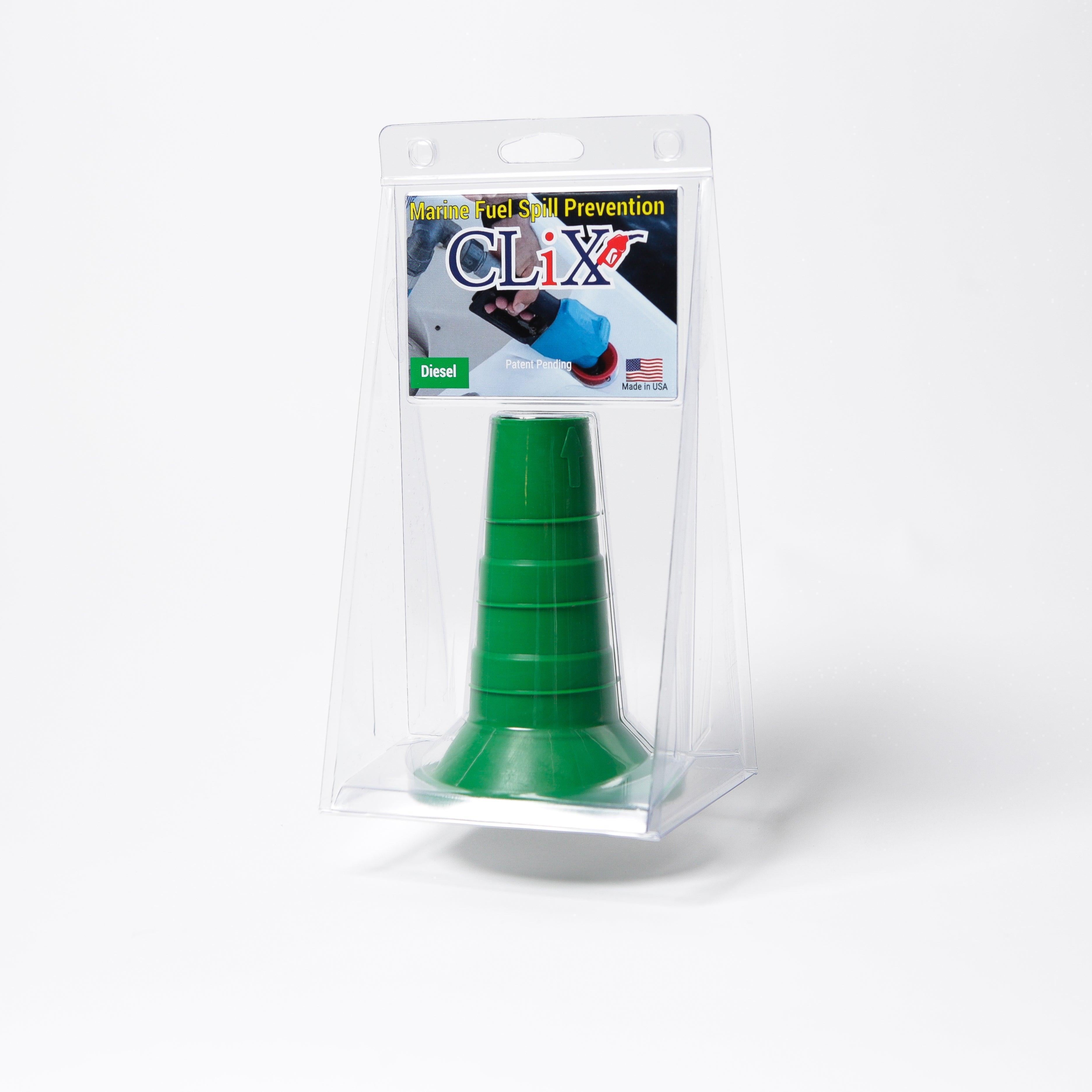
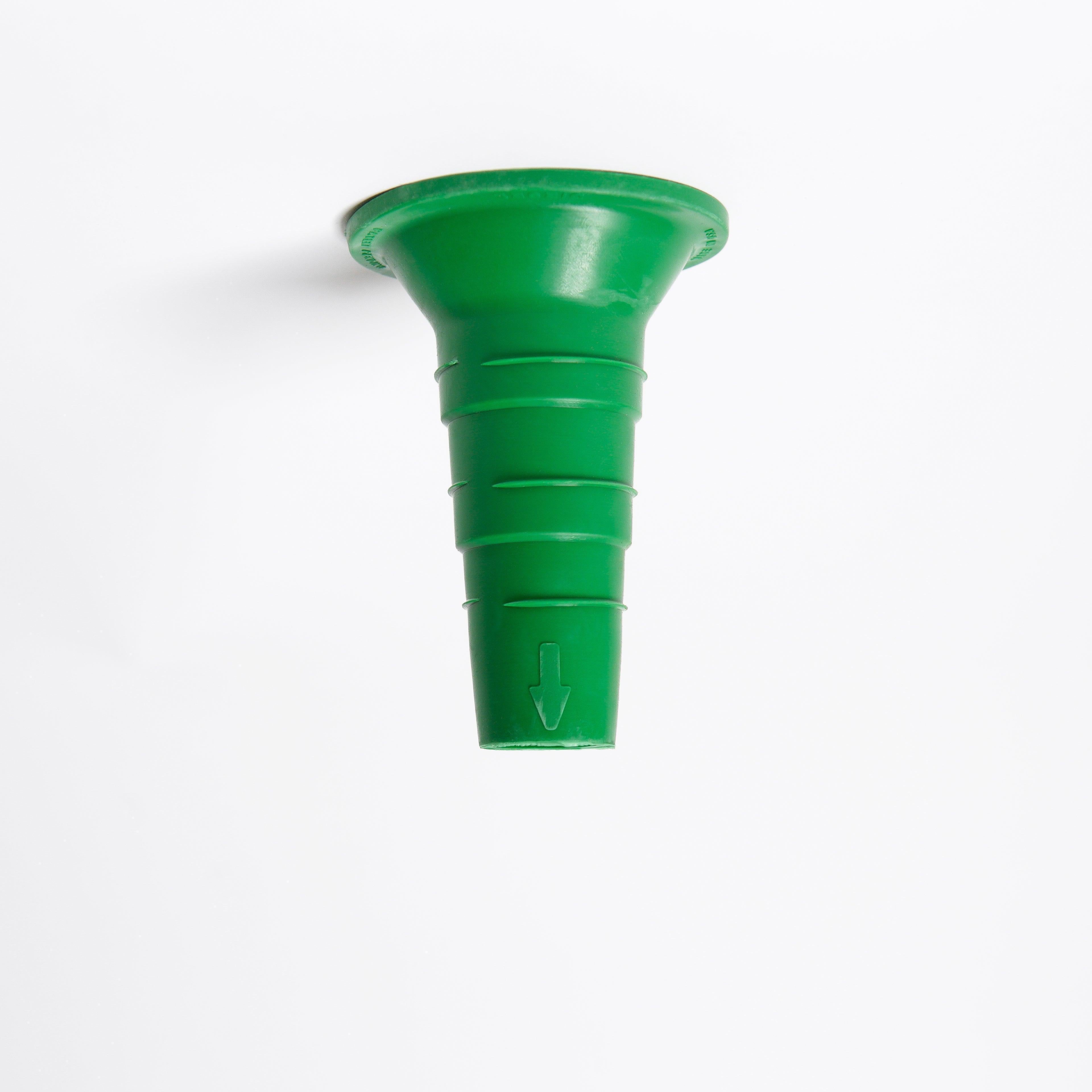
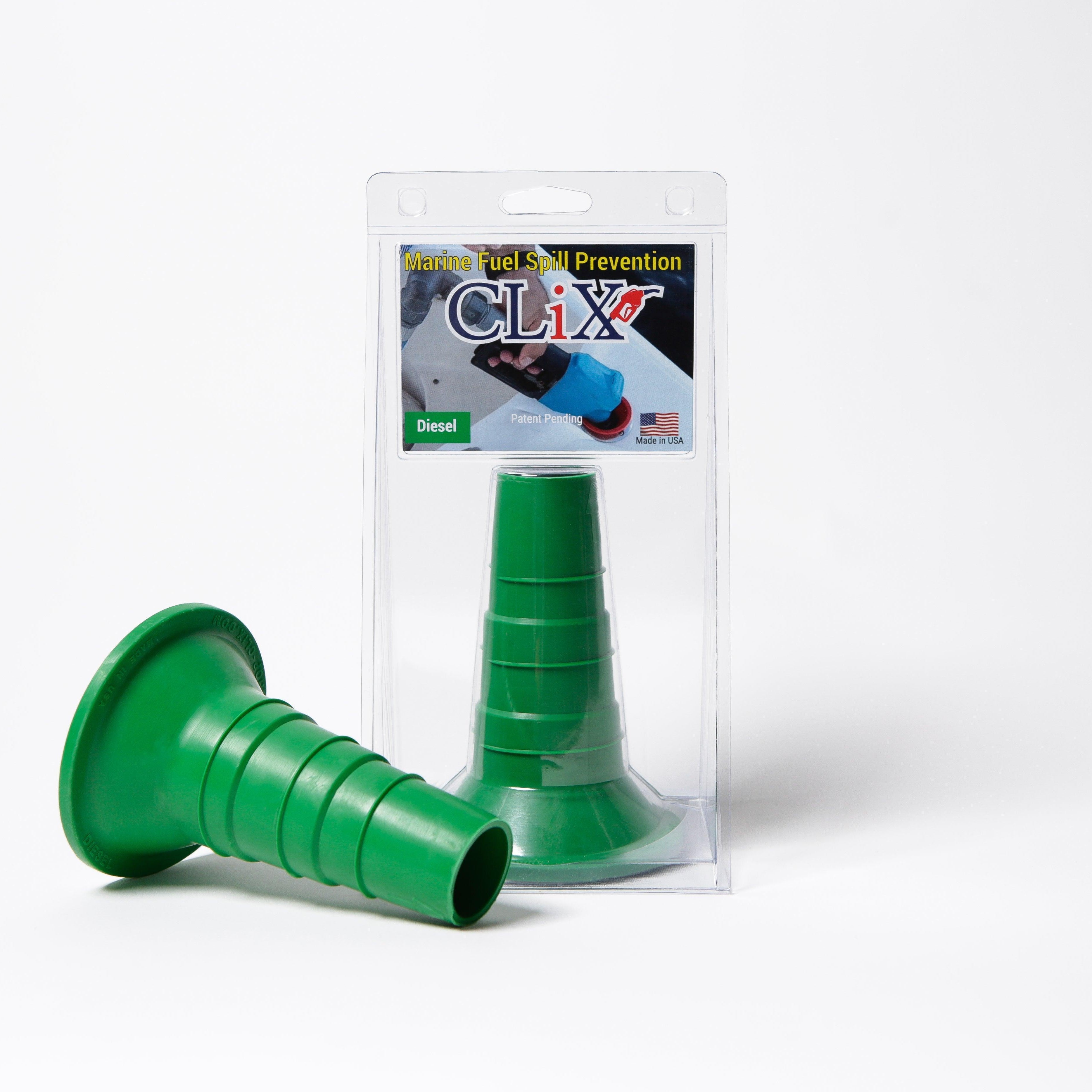
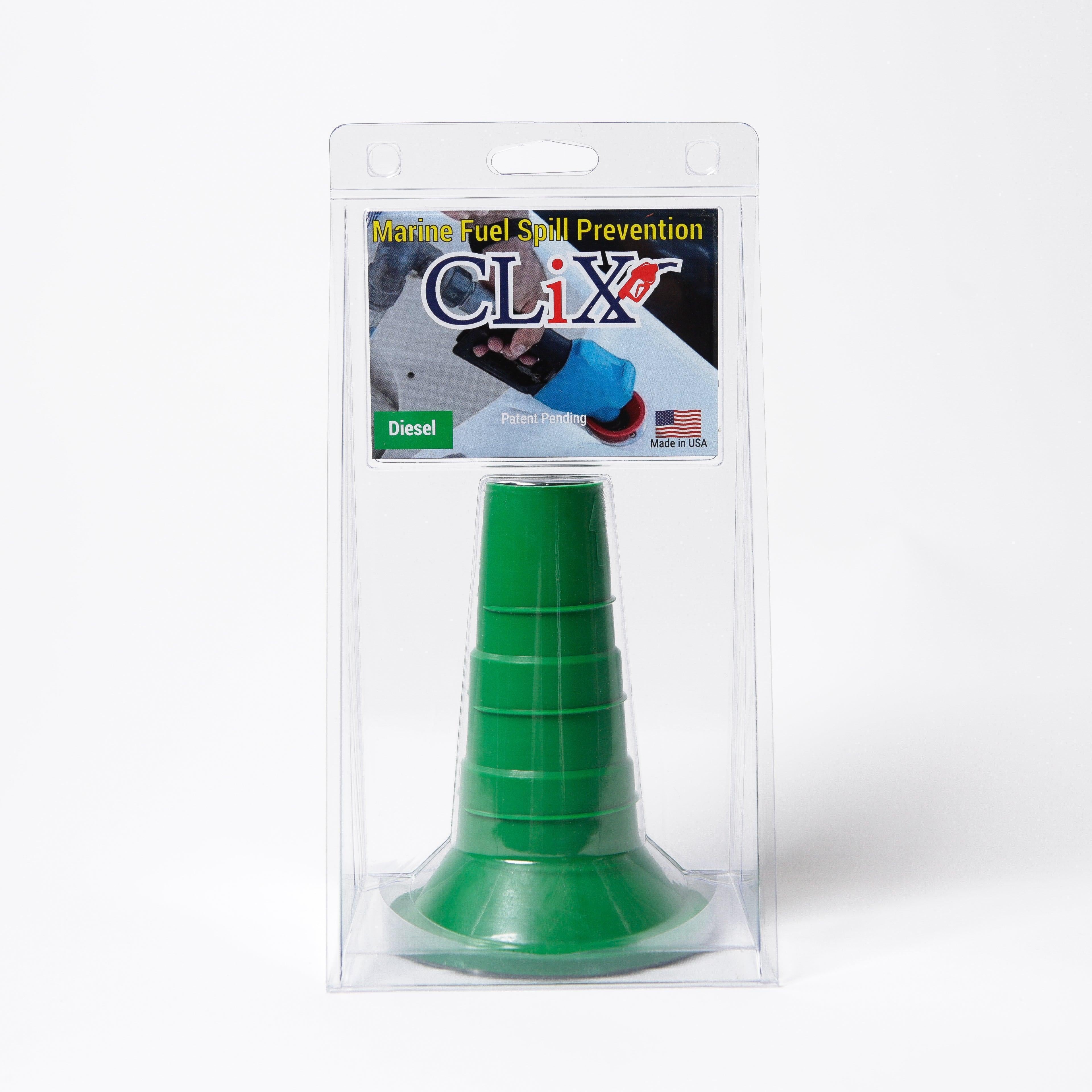
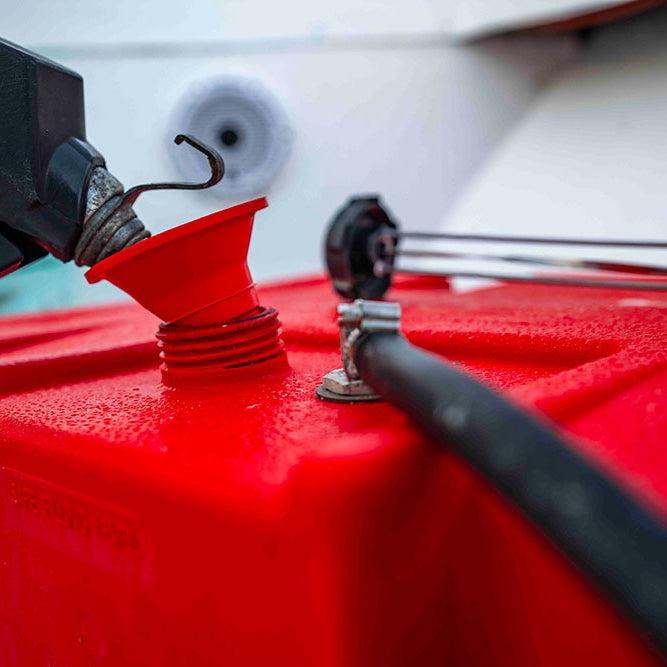
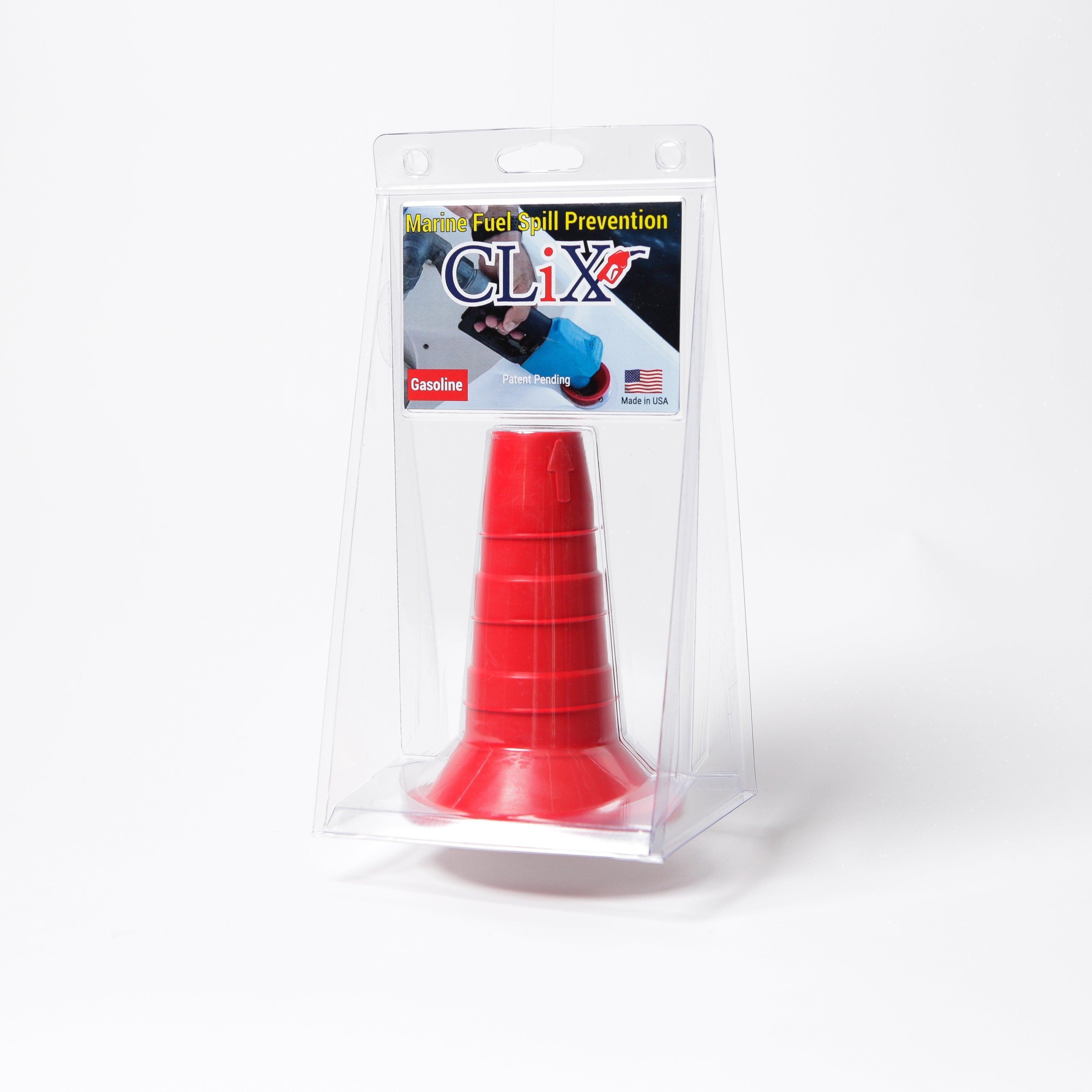
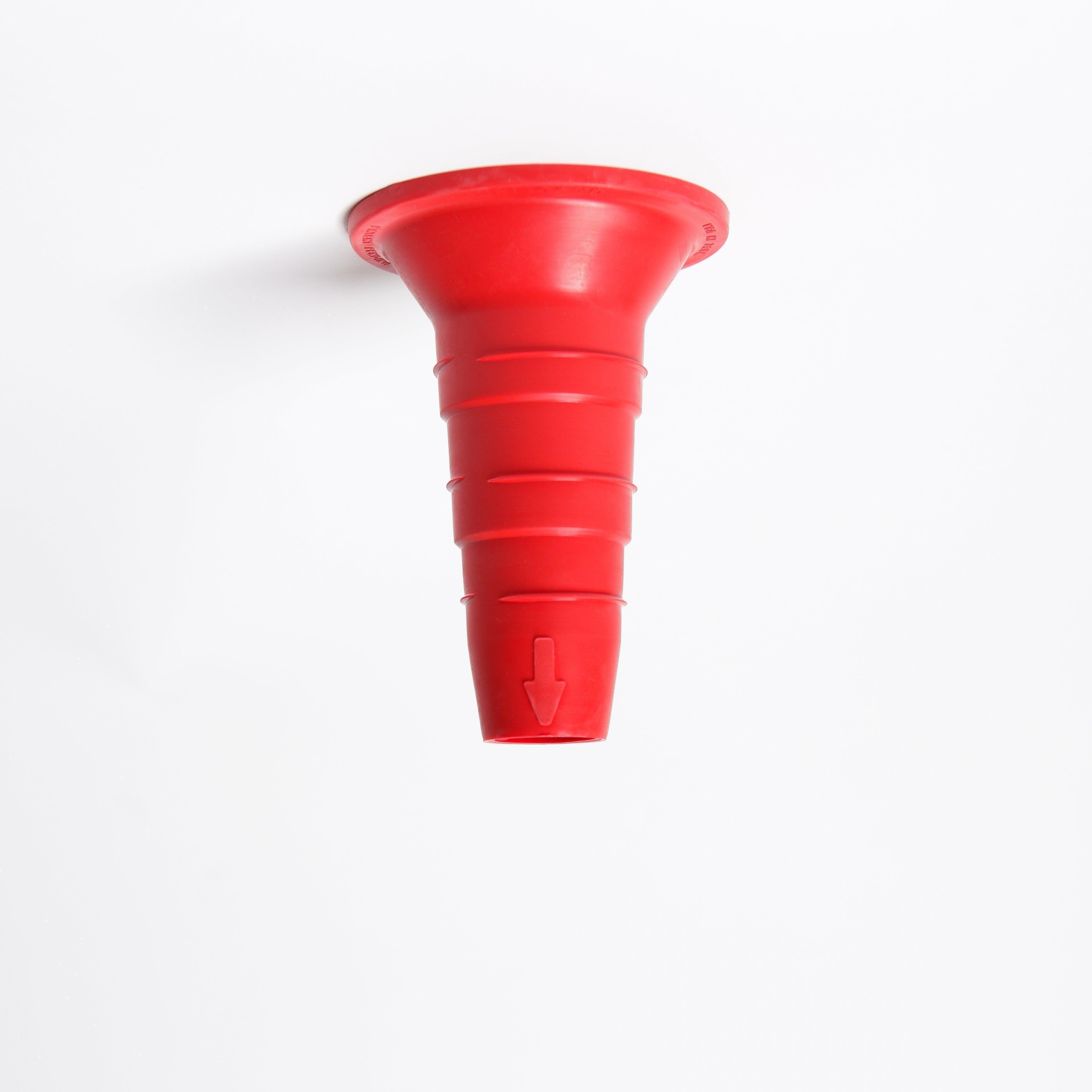
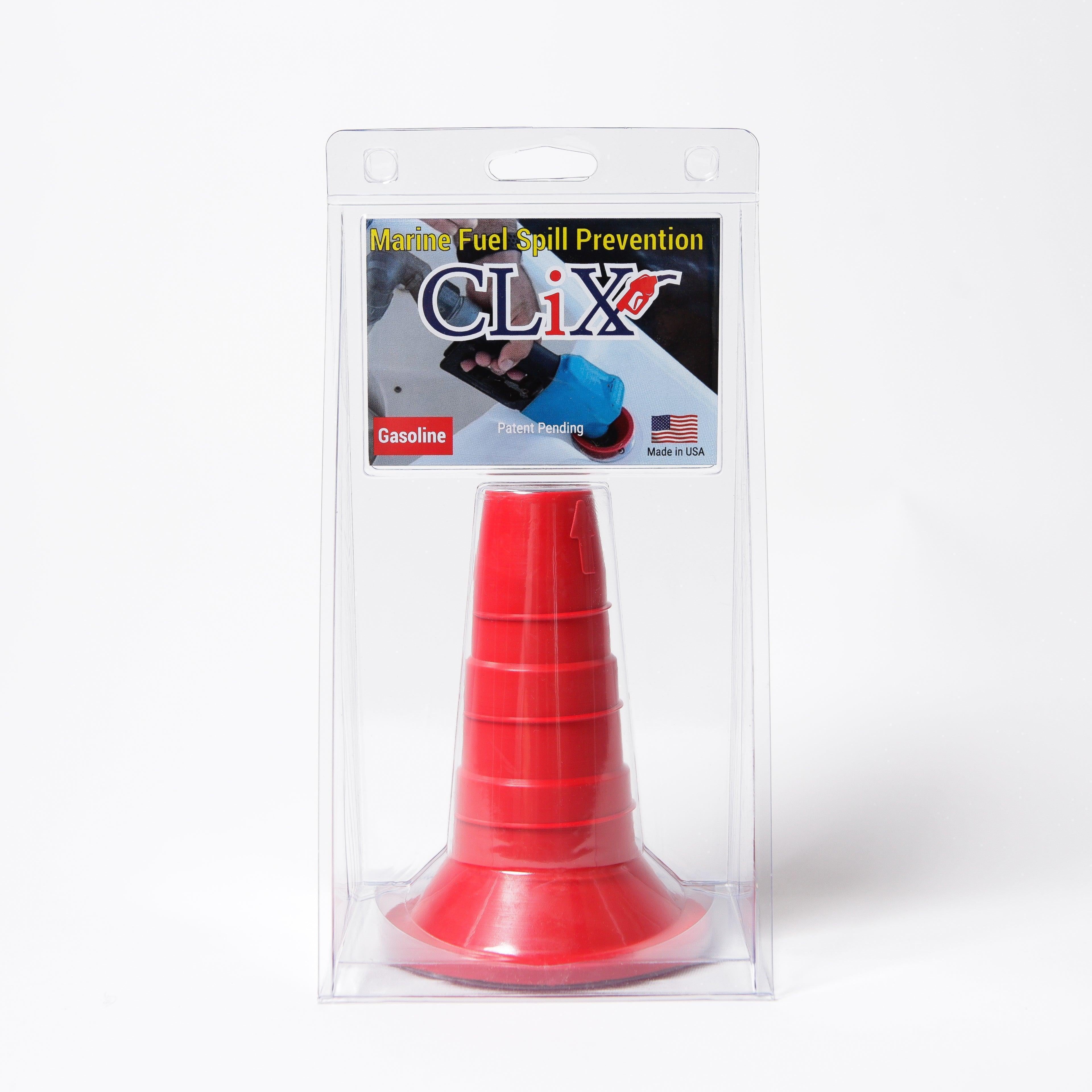
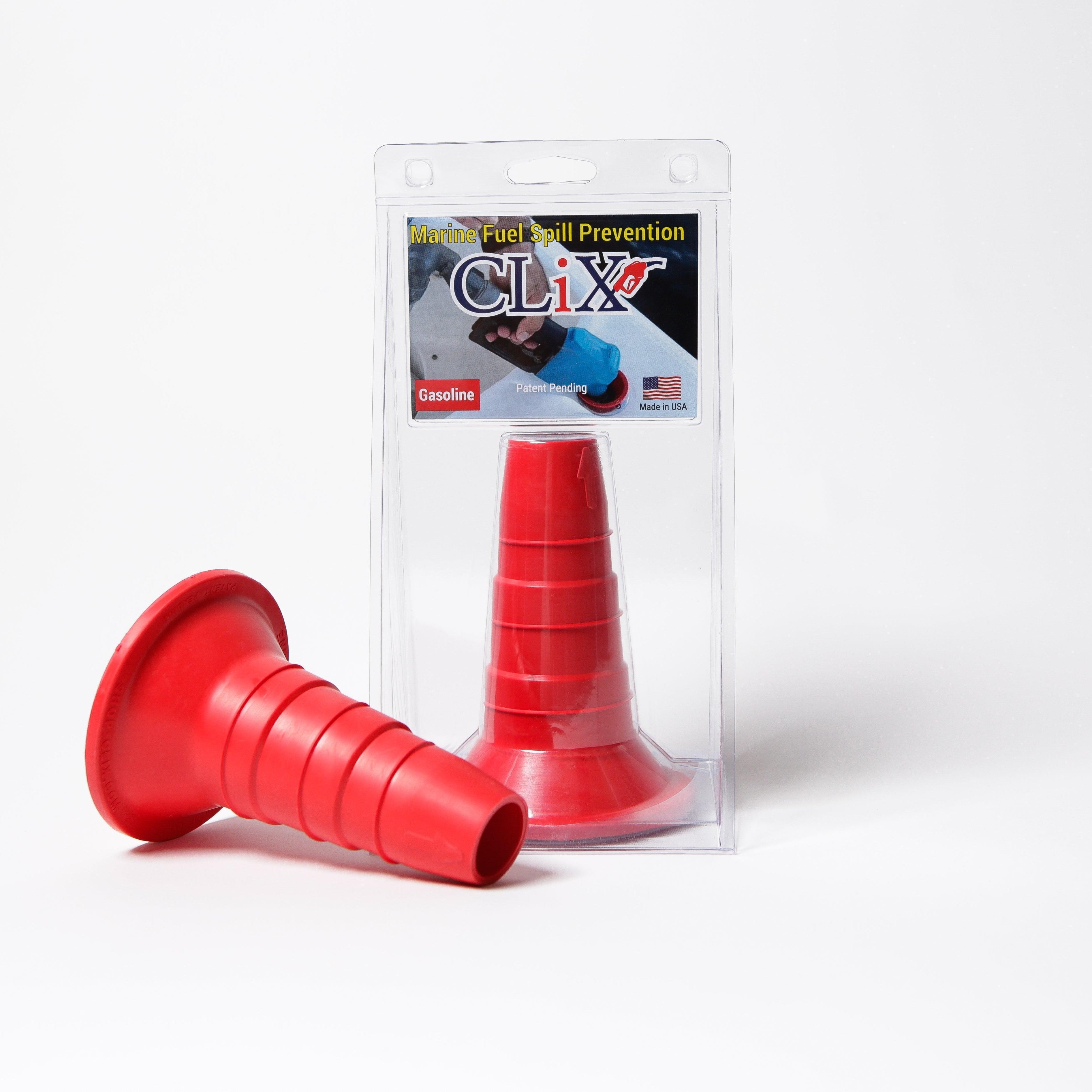
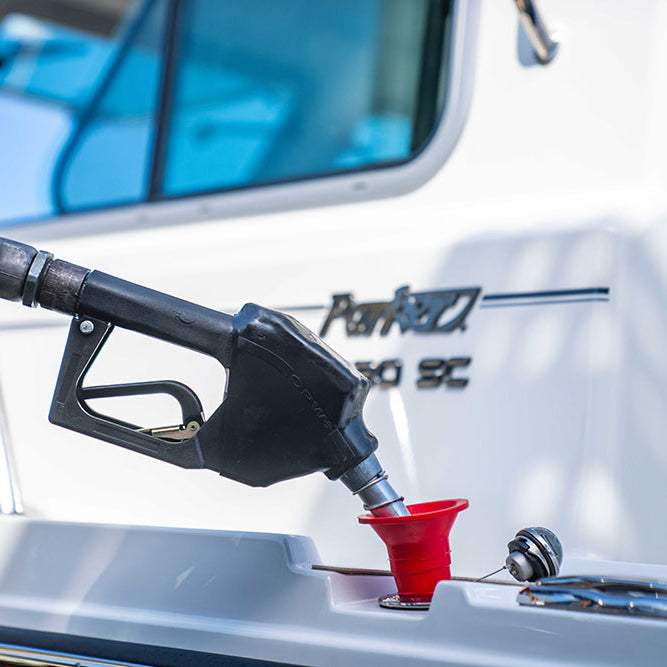
While the old ways work, today's technology offers a much smarter, nearly foolproof approach. Systems like CLiX Fueling Solutions were specifically designed to eliminate overfills and spills. They create a sealed connection from the nozzle to your tank and, best of all, automatically stop the flow once the tank is full.
That automatic shut-off is a real game-changer. It completely removes the guesswork. You no longer have to listen for that gurgling sound that signals you're seconds away from an overfill. It’s total peace of mind, knowing you won’t be polluting the water or ruining your boat’s finish with spilled fuel.
The push for safer fuel handling isn't just a marine issue; it's a global one. The worldwide storage capacity for liquefied petroleum gas (LPG) has grown to include almost 1,300 large facilities, holding a combined 68.9 thousand tonnes. This massive scale underscores the importance of advanced safety features and corrosion resistance in fuel storage—principles that directly apply to making boating safer for everyone.
By blending proven safety habits with the right modern equipment, you can turn refueling from a dreaded task into a simple, worry-free part of your boating routine.
Keeping Your Fuel Container in Top Shape
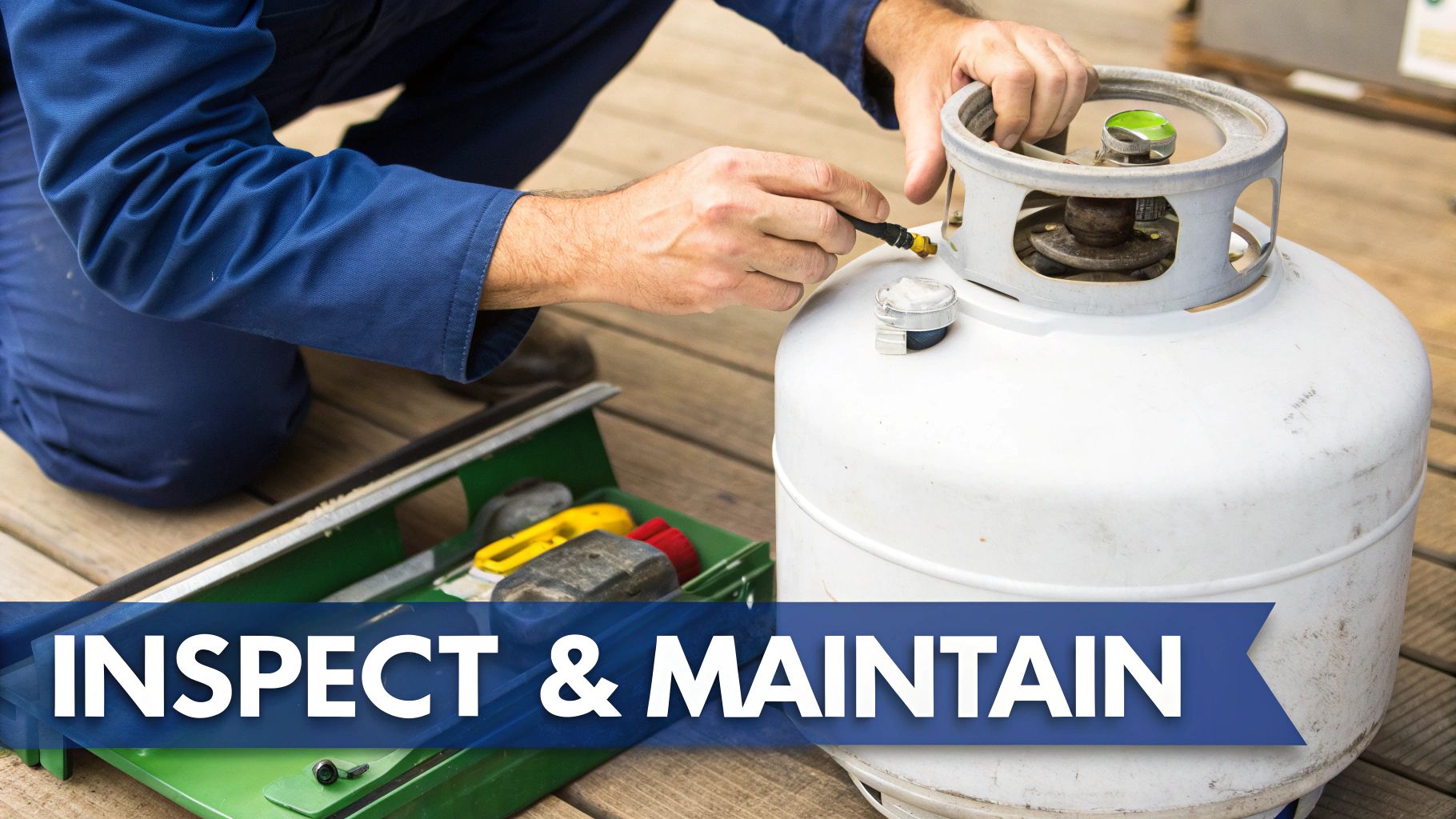
It’s easy to see your big gas can as just a bucket for fuel, but it’s really a critical piece of safety equipment. Just like any other gear on your boat, it needs a little TLC to work safely and reliably. A simple, consistent inspection routine is all it takes to head off dangerous failures and get years of service out of your container.
I make it a habit to give my cans a quick once-over before every single use. It takes less than a minute but has saved me from more than one potential disaster. You're looking for both the obvious damage and the subtle signs of wear that can creep up over time.
Your Quick Inspection Checklist
Start with a slow, deliberate look at the container's body. I just turn it around in my hands, checking every angle for anything that seems off.
- Cracks and Gouges: Pay extra attention to the corners and seams. What looks like a tiny hairline crack today can easily become a major leak after vibrating in the back of a truck or on the boat deck.
- Discoloration or Swelling: If you see a plastic can looking bloated or faded to a chalky color, that's a bad sign. It often means the material is getting brittle from UV exposure and is ready to fail.
- Rust Spots: On a steel can, any hint of rust is a major red flag, especially around the welds or the base. Address it immediately.
Next up are the seals. The gasket in the cap and any O-rings on the spout are your main defense against leaks. If they look dry, brittle, or permanently squashed, it's time to replace them. This is a super cheap fix that prevents a very expensive—and dangerous—problem. For small nicks or cracks, you can sometimes get away with a repair using plastic gas tank repair epoxy, but replacement is almost always the safer bet.
A leaking fuel container isn't just a mess; it's a ticking time bomb. Gasoline vapors are heavier than air and can pool in your boat's bilge, creating an explosive hazard just waiting for a spark. Good maintenance is your best prevention.
Cleaning and Off-Season Storage
When boating season wraps up, don't just toss your container in the shed. Take a few minutes to prep it for storage. The best practice is to empty any leftover fuel into your car's tank or another approved container so it doesn't go stale.
I like to rinse the inside with a tiny bit of fresh gas, swish it around to grab any sediment or water, and then let it air out completely. Make sure you do this in a well-ventilated spot far from any ignition sources. Once it's bone dry, seal the cap tight and store it in a cool, dark place. A garage or shed is perfect. That way, it'll be clean and ready to go for your first trip next season.
Solving Common Fuel Container Frustrations

Even the best fuel container can give you a headache now and then. We’ve all been there—dealing with messy pours, a can that looks like it’s about to pop, or worse, contaminated fuel. Luckily, most of these common frustrations are easy to solve once you know what's going on. A little know-how can save you from a minor issue spiraling into a day-ruiner.
One of the biggest culprits is the dreaded "glug-glug" pour that sends fuel splashing everywhere but the tank. This is a classic sign that air isn't getting into the container to replace the fuel flowing out, which creates a vacuum and that jerky, messy flow.
Modern EPA-compliant spouts are designed to stop this, but they can be finicky. The trick is to press the nozzle firmly against your boat's fuel intake and hold it there with steady pressure. If you're still getting that glugging, try adjusting the tilt of the container. Sometimes a slightly different angle is all it takes to help the air vent work properly.
Dealing With Pressure and Contaminants
Ever left your plastic fuel can in the sun and come back to find it swollen up like a balloon? Don't panic. This is completely normal. It's just gasoline vapors expanding in the heat, building up pressure inside the container. They're designed to flex and handle this.
Before you try to pour, just vent the can. Slowly twist the cap in a well-ventilated spot, far away from any sparks or flames, and you'll hear a distinct hiss as the pressure escapes. Taking a few seconds to do this makes pouring much safer and a whole lot easier.
Finding water or crud in your fuel is another all-too-common problem that can spell disaster for your engine. Contamination usually sneaks in from condensation building up inside the can or from a cap that isn't sealed tight.
If you even think your fuel might be contaminated, do not pour it into your boat. The safest bet is to pour the fuel into a separate, clear container and let it settle. Water is heavier than gas and will sink to the bottom. Once it separates, you can carefully siphon the clean gasoline off the top.
Handling Minor Leaks Safely
A small leak around the cap or spout might not seem like a big deal, but it needs your immediate attention. Even a tiny drip can release a shocking amount of flammable vapor, creating a serious fire hazard.
If you spot a leak from the cap or spout, here’s what to do:
- Check the Gasket: A worn-out or poorly seated gasket is almost always the cause. Take it out, look for any cracks or damage, and make sure it's seated correctly. If it looks toast, just replace it. Gaskets are cheap and a simple fix.
- Tighten It Right: You can actually cause a leak by cranking the cap on too hard, which can damage the seal. Tighten it until it feels snug, but don't go crazy with tools or brute force.
Now, if the leak is coming from the body of the container itself, that's a different story. The container is compromised, and it's time for a new one. While you might see patch kits for sale, the risk of a failed repair just isn't worth it with something as dangerous as gasoline. The only safe move is to buy a new, reliable big gas container.
Your Top Questions About Big Gas Cans, Answered
If you're using large fuel containers for your boat, you've probably got questions. It's only natural. Getting the right answers is crucial for keeping things safe, legal, and hassle-free. Let's dive into some of the most common questions boaters ask and get you the straightforward info you need.
How Long Can I Safely Store Gas in a Portable Container?
You might be surprised to learn that gasoline has a relatively short shelf life. On its own, fuel can start to break down in just three to six months. This degradation can gum up your fuel lines and make your engine a real pain to start.
The good news is, a quality fuel stabilizer can easily extend that life to a year, sometimes even longer. It's a simple, cheap insurance policy against bad fuel.
For best results, always keep your container in a cool, well-ventilated spot, far from direct sunlight or anything that could spark it. I also make it a habit to rotate my fuel. Using the oldest gas first ensures my engine is always getting a fresh supply, which saves me a lot of headaches when I'm ready to hit the water.
Is It Legal to Carry Multiple Gas Cans in My Car?
This is a big one, and the rules can get a little tricky since they vary by state and sometimes even by town. However, there are some hard-and-fast federal guidelines. First and foremost, you absolutely must use DOT-approved containers. These are specifically designed and tested for safely hauling fuel on the road.
When you load them up, make sure they're standing upright and are secured so they can't tip over or slide around while you're driving.
It's also worth noting that most places have a limit on the total amount of gasoline you can carry in a personal vehicle. Before you load up a half-dozen big cans, do yourself a favor and check your local fire code and transportation laws. A quick online search for your area can save you from a hefty fine.
What Is the Best Way to Avoid Spills from a Heavy Container?
Wrestling with a heavy, full gas can is a recipe for a messy spill, but it doesn't have to be. It all comes down to stability and control.
Always start by making sure your boat and the container are on a stable, level surface. From there, a few simple tools can make all the difference:
- A siphon hose is a fantastic way to transfer fuel without having to lift the heavy can at all.
- A wide-mouthed funnel gives you a much bigger target, catching any splashes before they hit your deck.
- Modern spill-proof systems are a game-changer. They create a sealed connection and shut off the flow automatically when your tank is full.
Systems like the ones from CLiX Fueling Solutions take the guesswork out of it. They practically eliminate the risk of spills and overfills, turning a chore I used to dread into a quick, clean job.
Can I Use the Same Container for Gas and Diesel?
Let me make this simple: absolutely not. Mixing fuels, even in tiny amounts, is asking for trouble.
Cross-contamination can lead to some seriously expensive engine damage. A little gasoline in your diesel can lower its flash point, making it a fire hazard. On the flip side, diesel in a gas engine will foul up your spark plugs and injectors in no time.
The only safe way to handle this is to have dedicated, clearly labeled containers for each fuel. The industry standard is simple: a red can for gas, a yellow can for diesel. This one small habit completely prevents a costly and dangerous mix-up.
Stop guessing and start fueling with confidence. CLiX Fueling Solutions provides a spill-proof, automatic shut-off system that makes refueling your boat simple, safe, and clean. Protect your boat and the environment by visiting the CLiX Fueling Solutions website to get yours today.