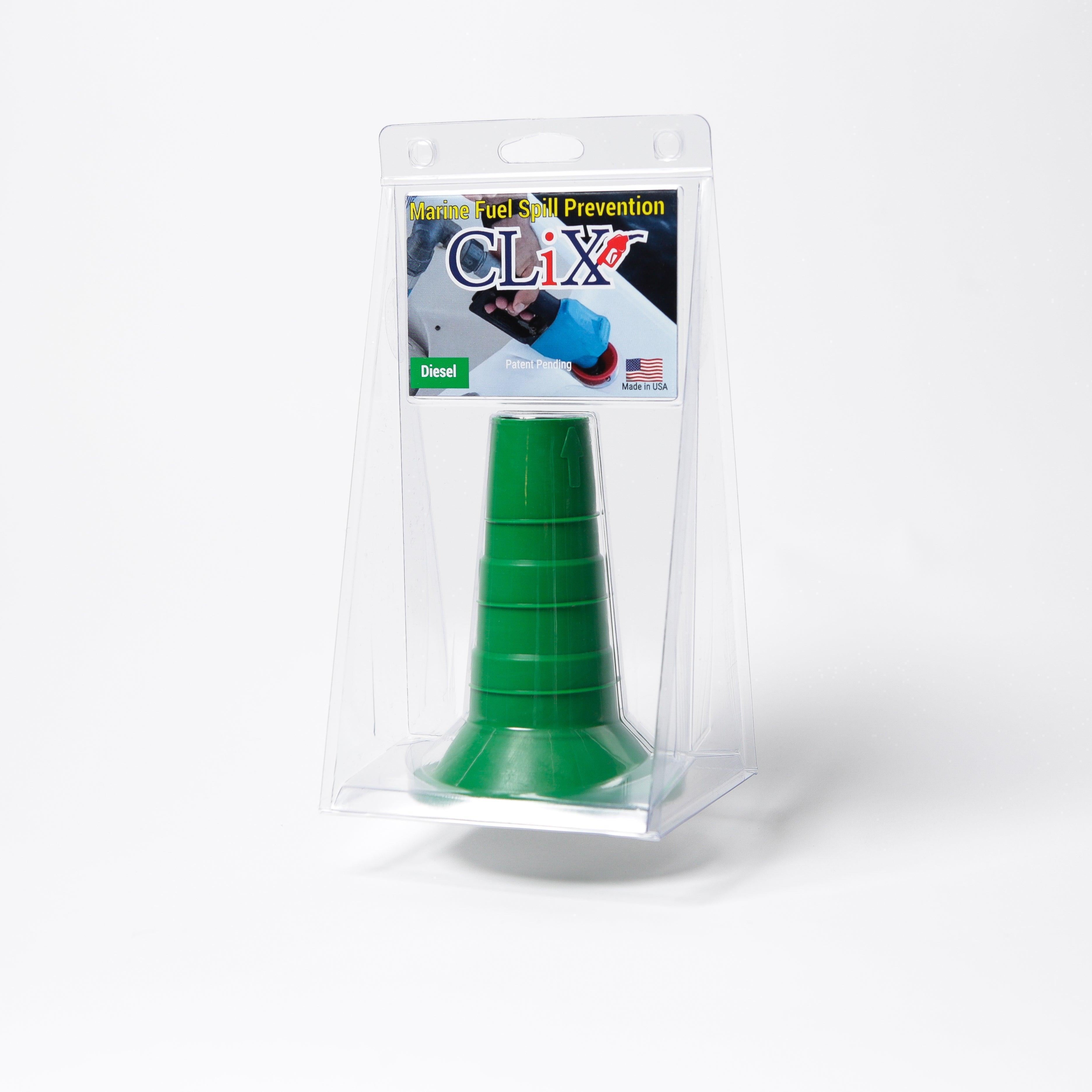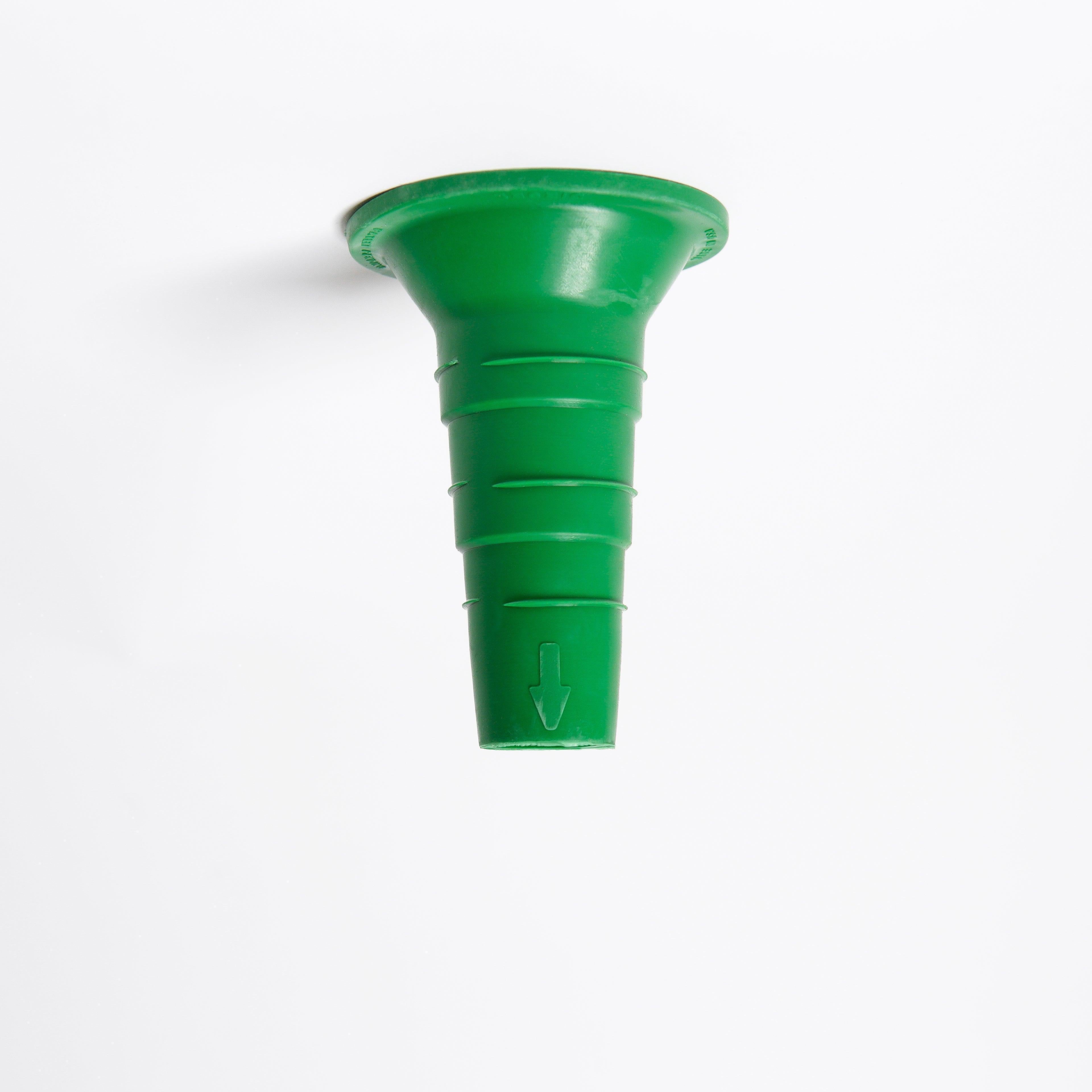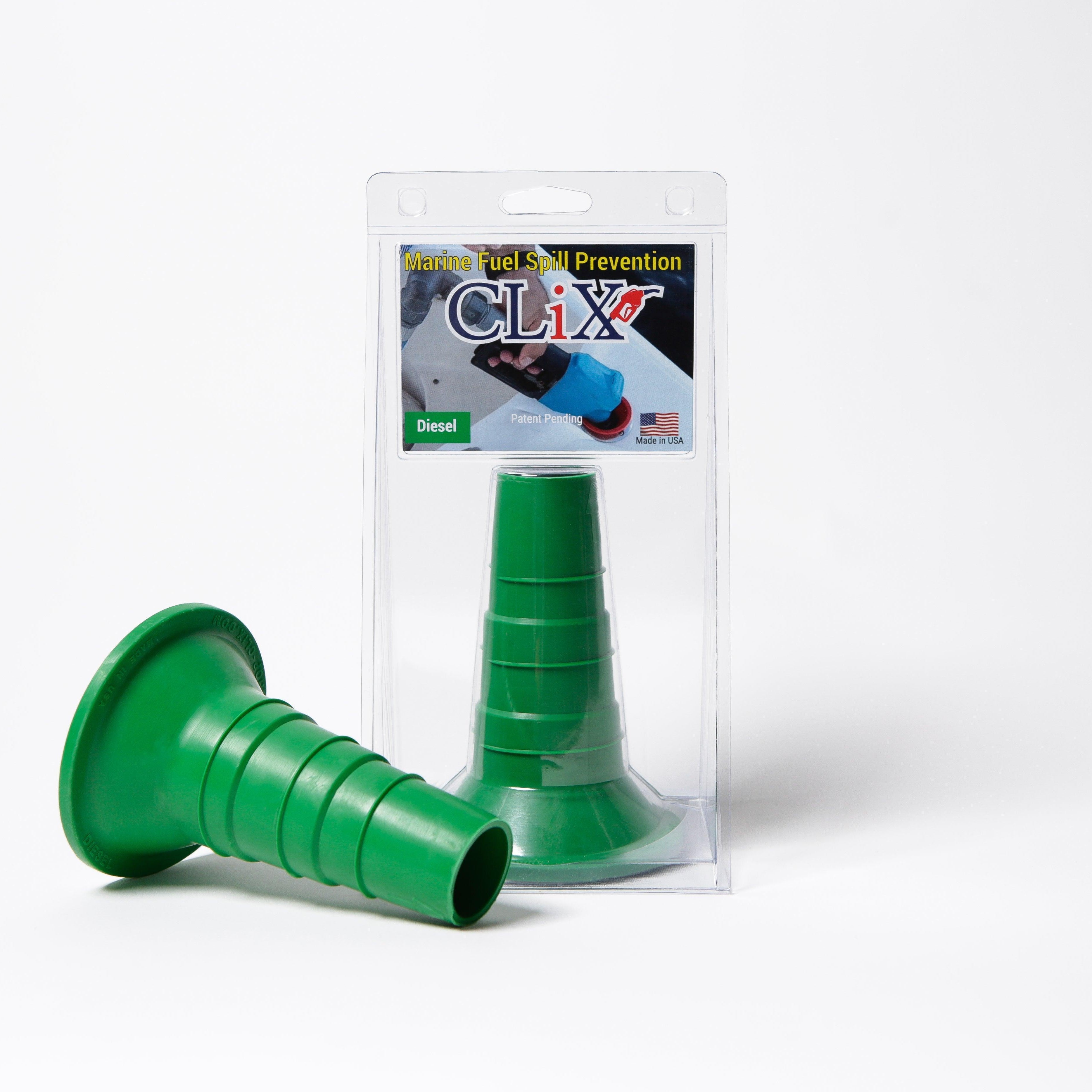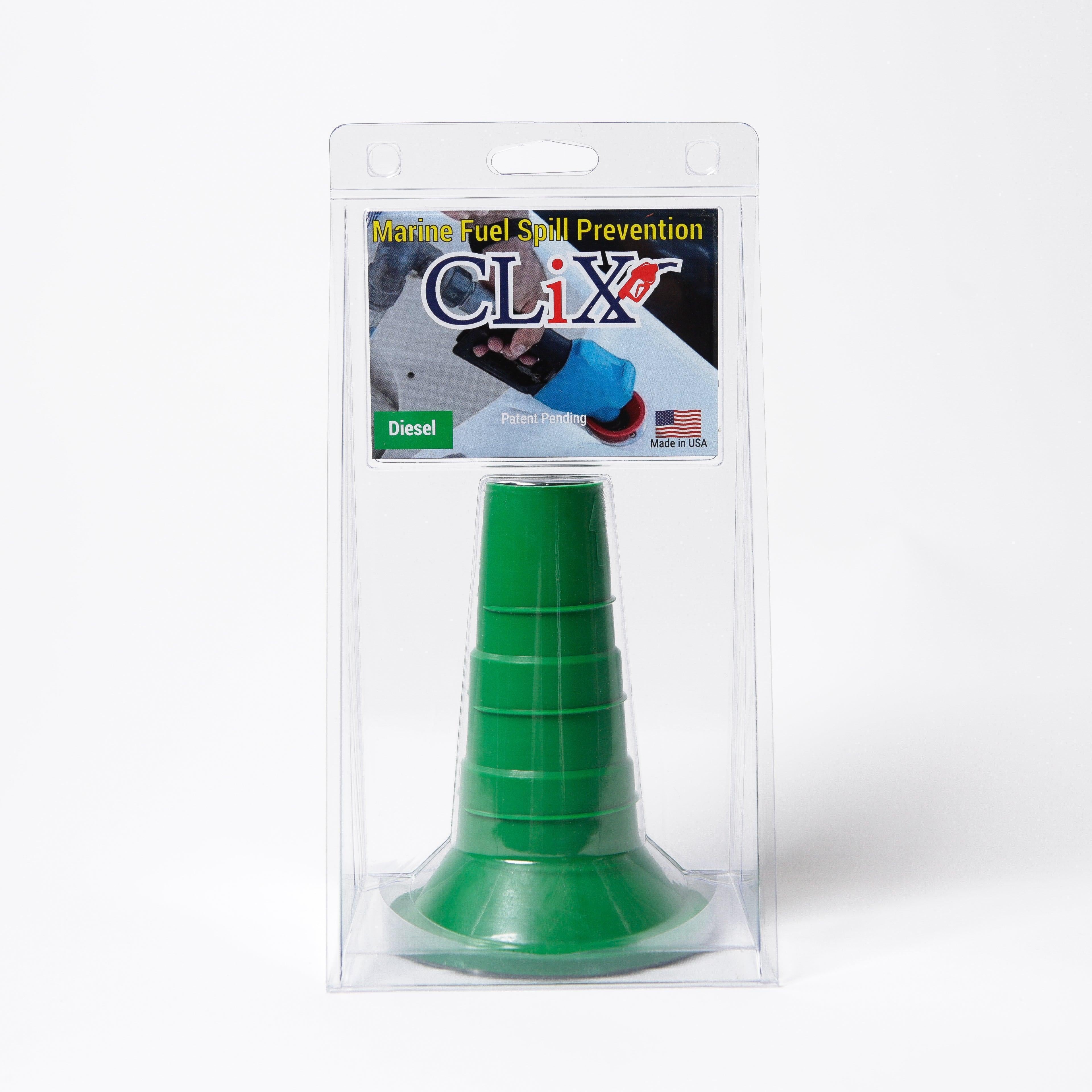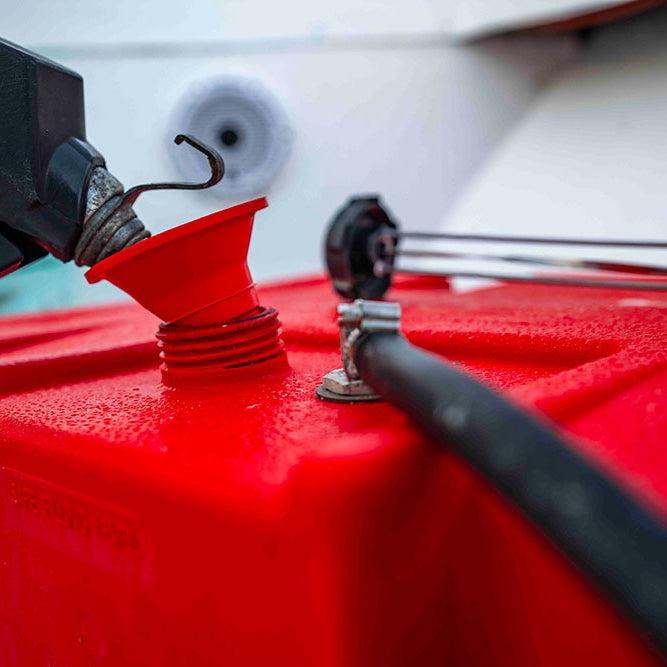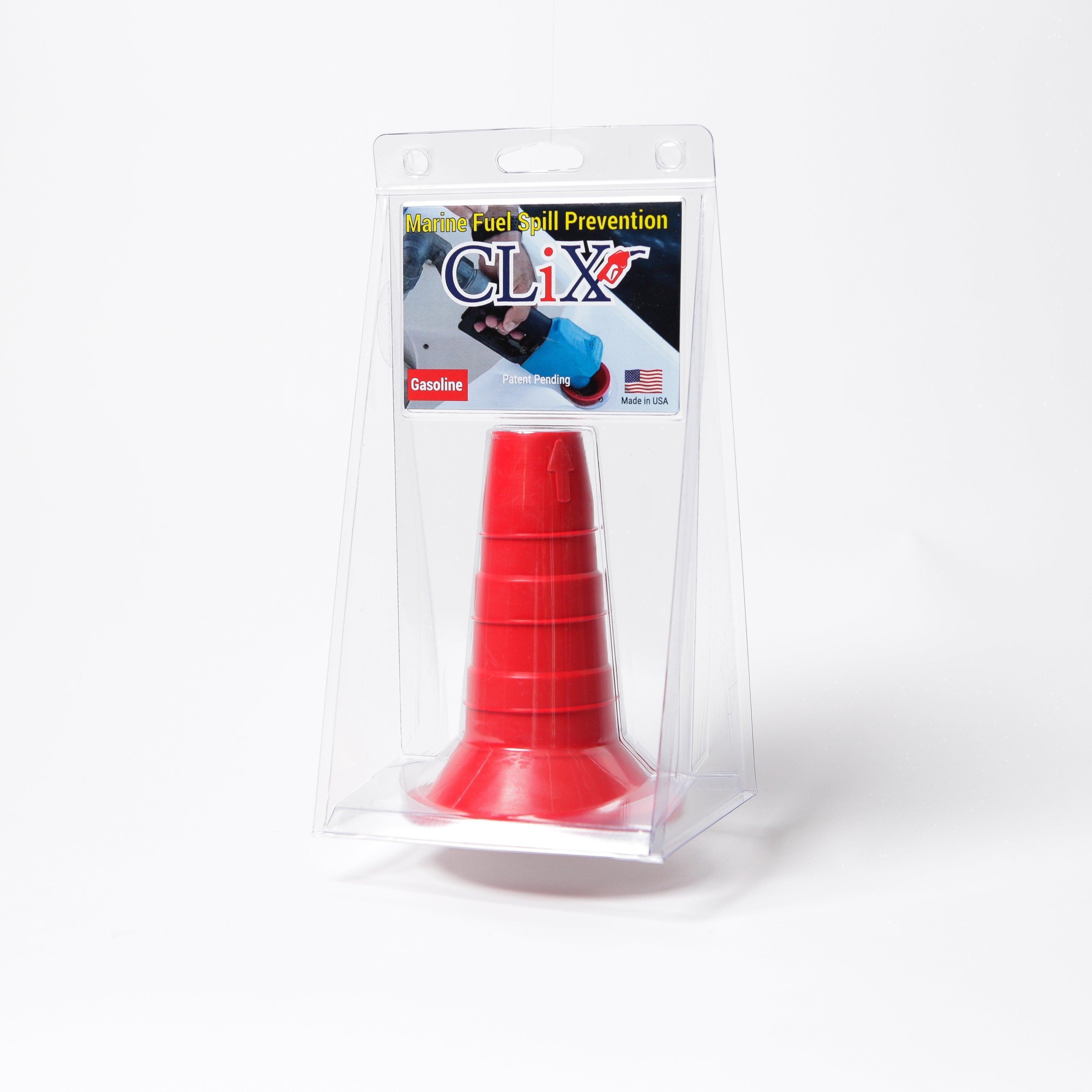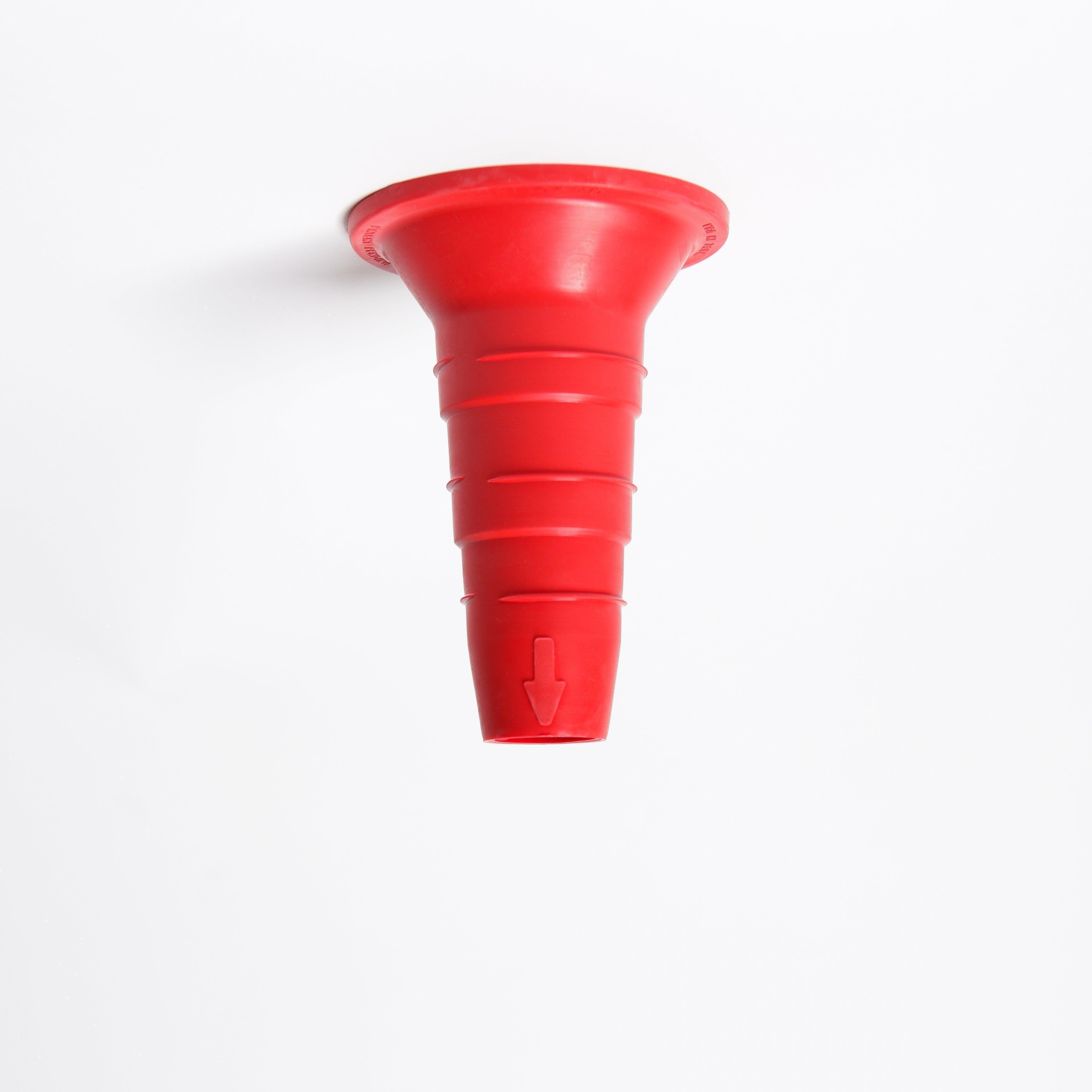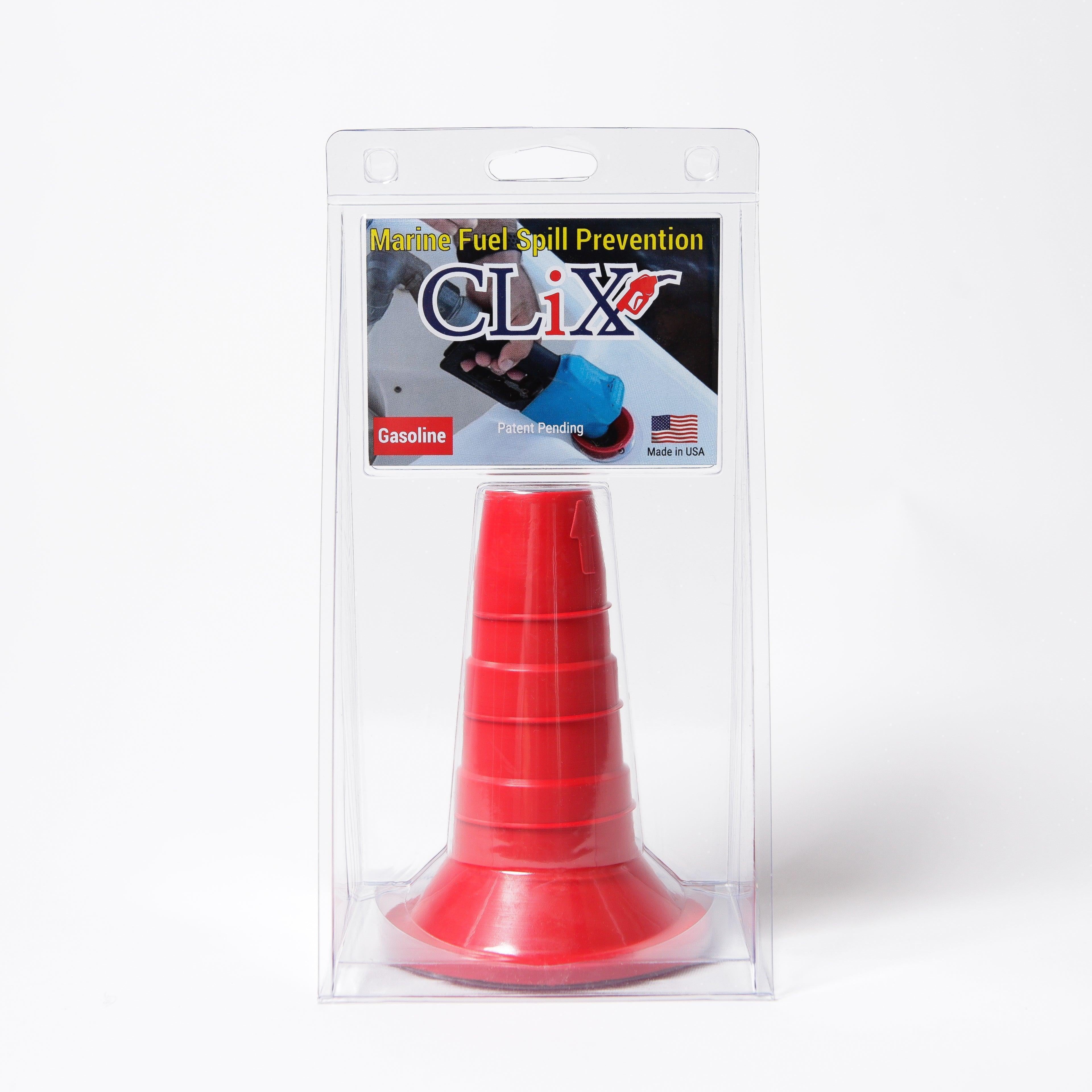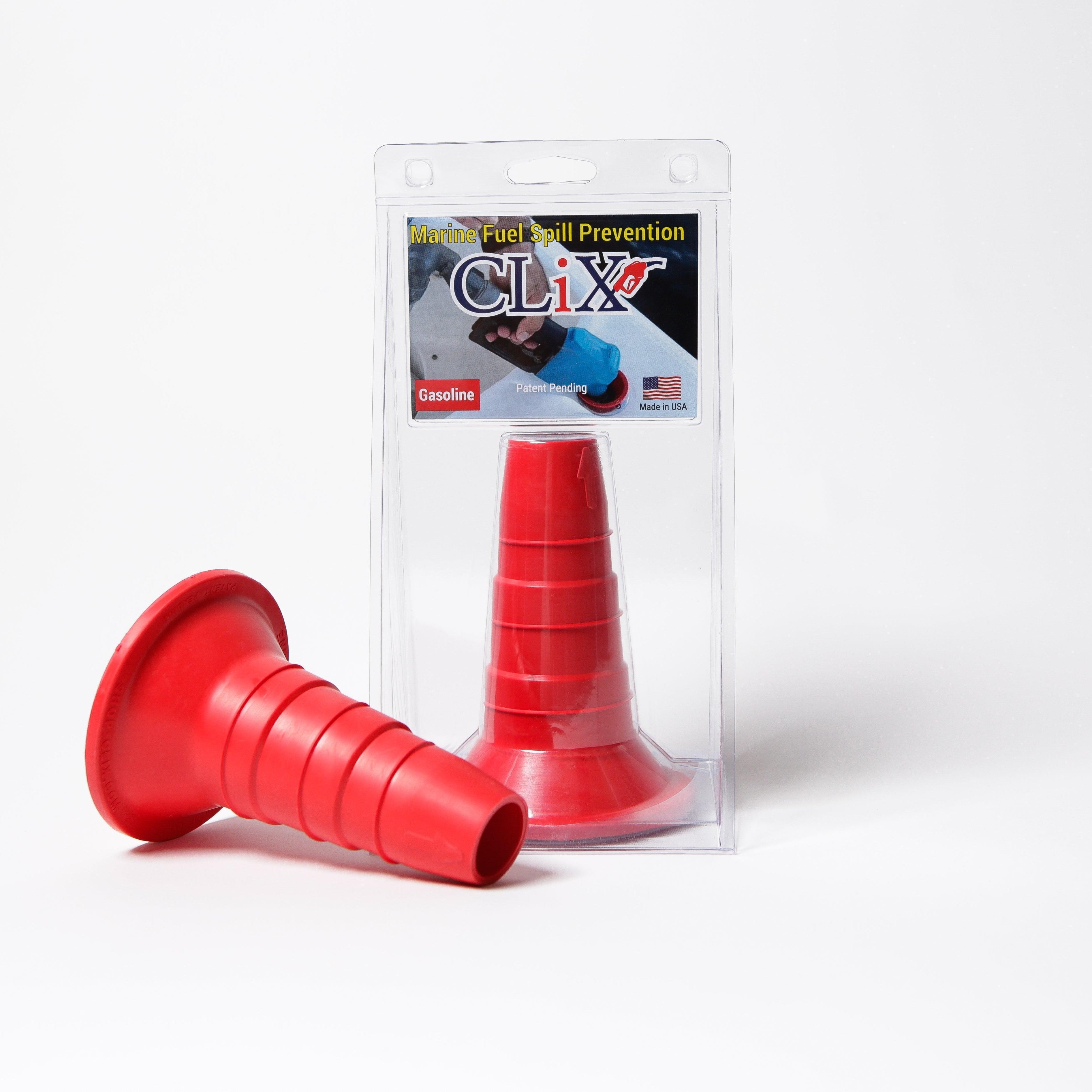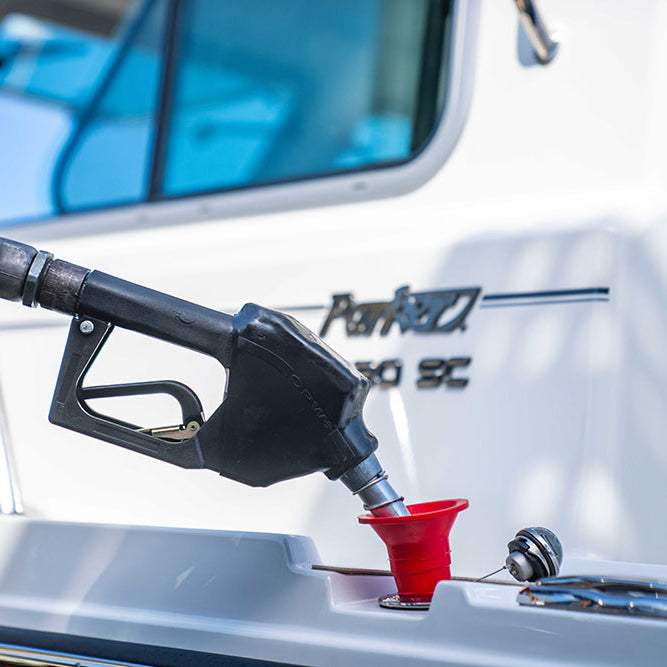
A funnel with a filter is a pretty straightforward tool, but it's an absolute game-changer for your boat's fuel tank. Its main job is to act as a gatekeeper, trapping water and solid debris before they have a chance to get in and mess with your engine.
Think of it as a specialized strainer you use every single time you fill up. It separates all the nasty gunk from your gasoline or diesel, making sure only clean fuel makes it into your engine.
Why Your Boat's Engine Needs a Funnel with Filter
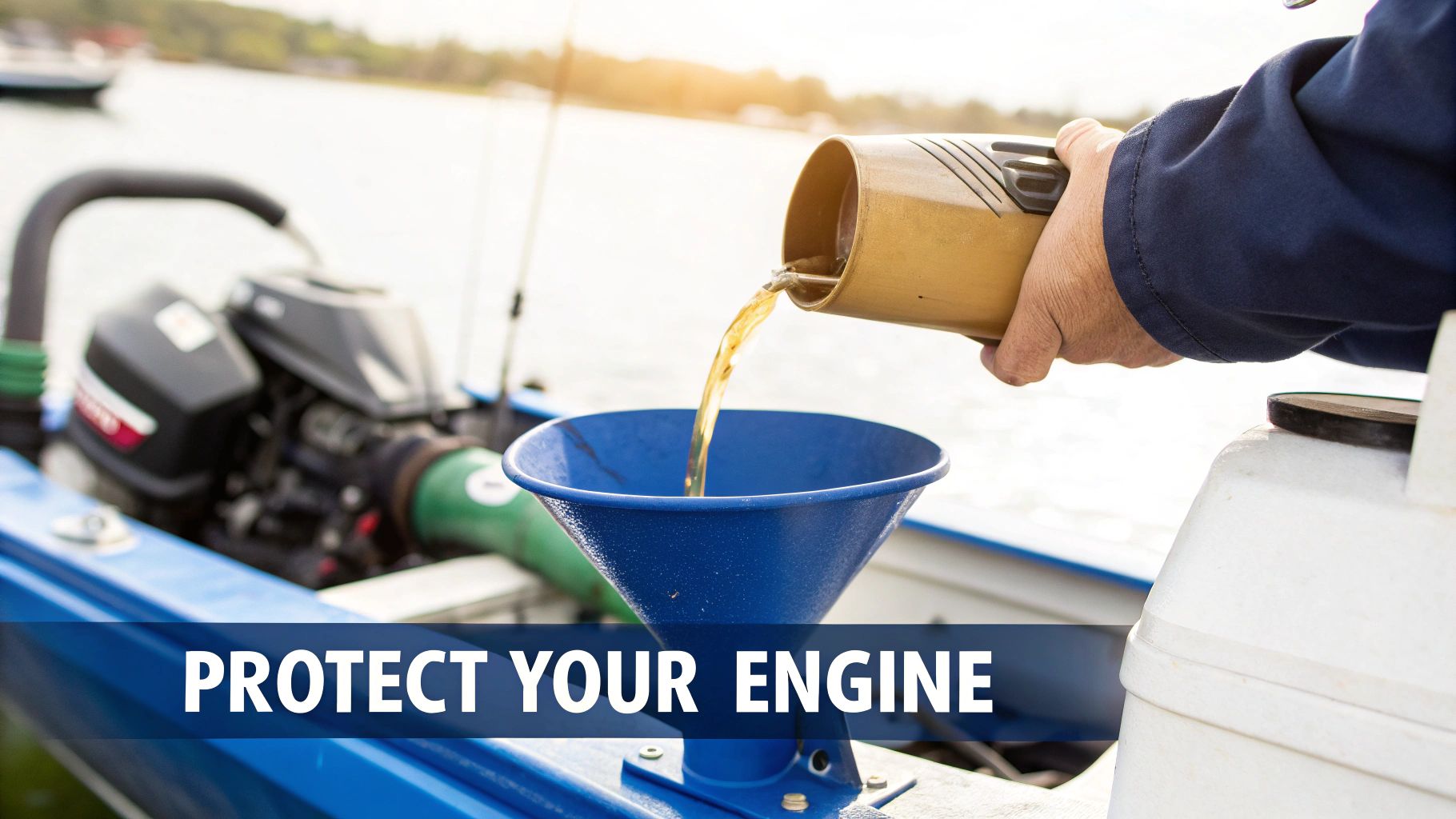
Picture this: you’re out on the water, enjoying a perfect day, miles from the nearest shore. Suddenly, your engine sputters and dies. It’s a frustrating and potentially dangerous situation, often caused by something tiny and totally preventable—contaminated fuel.
Every time you gas up, you're rolling the dice on introducing microscopic troublemakers into your tank. Contaminants can sneak in from all sorts of places:
- Condensation that builds up inside a portable fuel can or a storage tank.
- Rust flakes and sediment from older pumps at the marina.
- Dirt and grit that inevitably find their way into fuel containers.
Once these particles get into your fuel system, they can cause serious problems, like clogged injectors, corroded parts, and some very expensive repair bills.
Your First Line of Defense
This is where a simple funnel with a filter proves its worth. It’s your first and best line of defense, catching these threats before they even get a chance to enter your boat’s fuel tank. For anyone running a vessel, from a weekend boater to a professional dive boat captain, engine reliability is non-negotiable for keeping operations safe and smooth.
Think of it this way: You wouldn't drink water from a questionable source without filtering it first. Your boat's engine is just as sensitive to impurities, and giving it clean fuel is the single best thing you can do for its performance and longevity.
This guide is for any boat owner who wants to avoid breakdowns, get more life out of their engine, and enjoy some peace of mind on the water. We'll walk through everything, from how these essential tools work to picking the right one and using it safely. By the end, you’ll know exactly what you need to do to keep your engine humming for years to come.
How a Filter Funnel Separates Bad from Good
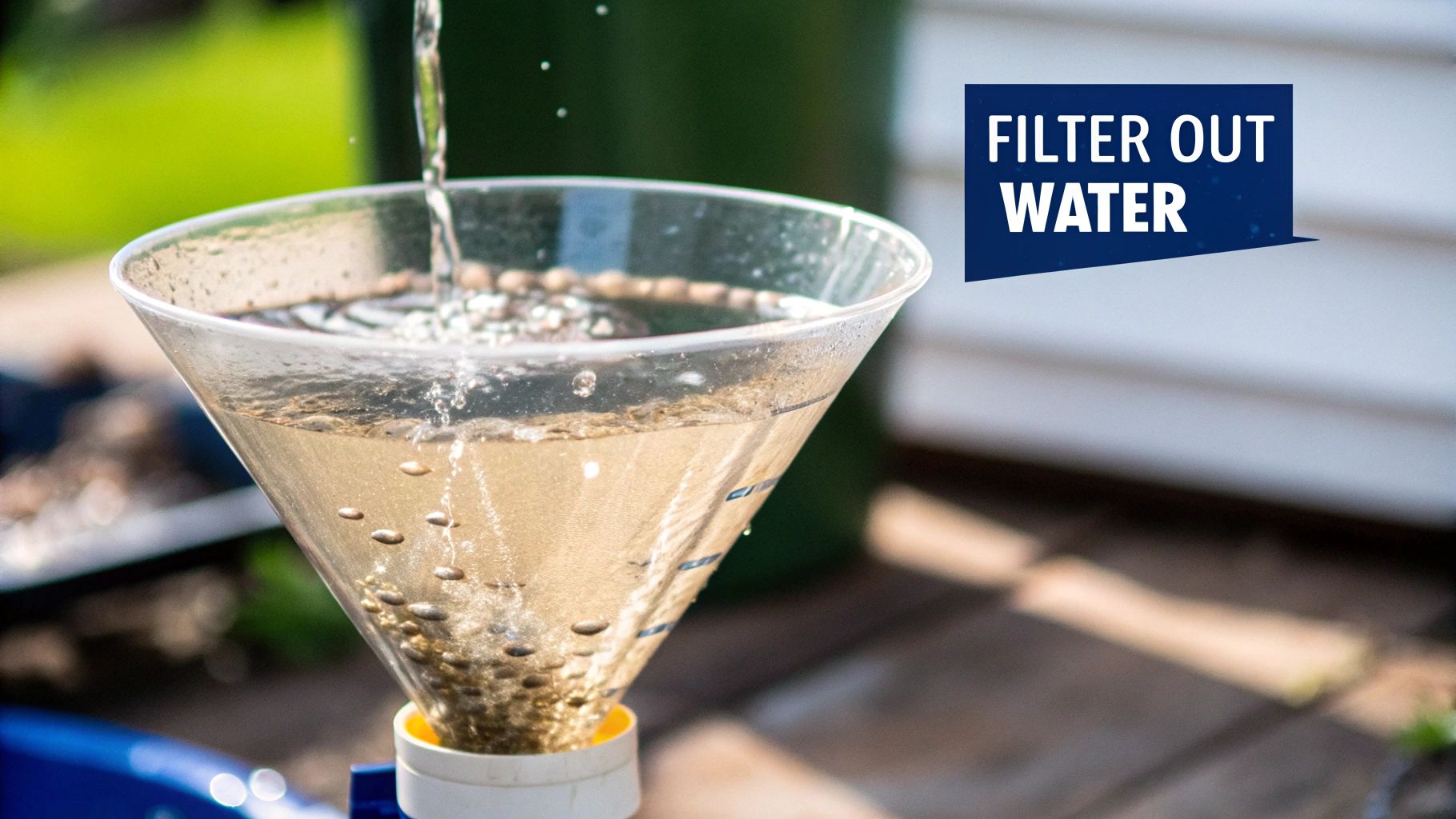
So, how does this simple-looking tool pull off such an important job? Think of a funnel with filter as a bouncer at the door of your fuel tank. It has a strict "clean fuel only" policy and is remarkably good at enforcing it.
While a regular funnel just gets fuel from point A to point B, a filter funnel actively cleans the fuel on its way into the tank. It’s a two-stage process that targets the two biggest threats to your boat’s engine: solid gunk and sneaky water droplets.
The First Barrier: Catching the Grime
First up is the physical barrier. Inside the funnel, there's an incredibly fine mesh screen, usually made of stainless steel so it won't rust. This screen's only job is to catch all the solid stuff you don't want in your engine.
This mechanical filter is your first line of defense against common contaminants. Before you pour, that fuel might look clean, but this screen is designed to stop things like:
- Rust Flakes: Tiny bits of corrosion that flake off from old jerry cans or even the marina's storage tanks.
- Sand and Dirt: It's amazing how easily grit can get into a fuel can, and it only takes a little to cause problems.
- Other Debris: Any random particulates that have found their way into your fuel supply.
By trapping this junk, the funnel keeps your fuel lines, filters, and injectors from getting clogged. It’s a simple step that can save you from a world of performance headaches and expensive repairs down the road.
Before we dive into how these funnels tackle water, it's worth taking a closer look at the kind of solids they're designed to block.
Common Contaminants Blocked by a Fuel Filter Funnel
| Contaminant Type | Examples | Potential Engine Damage |
|---|---|---|
| Metallic Particles | Rust, metal shavings | Clogged fuel injectors, scored cylinder walls, fuel pump failure |
| Organic Debris | Dirt, sand, paint chips | Clogged filters, abrasive wear on engine components |
| Sludge & Varnish | Gummy deposits from old fuel | Blocked fuel lines, poor atomization from injectors |
As you can see, stopping these contaminants before they ever enter the tank is a huge win for engine health and longevity.
The Second Barrier: Kicking Out the Water
Now for the really clever part: water separation. This is what sets a true fuel filter funnel apart from a simple screen. The filter element is coated with a hydrophobic material. The name says it all—"hydro" for water and "phobic" for fearing. This special coating makes water bead up and roll away, refusing to let it pass through.
Here’s what happens when you pour: gasoline and diesel are less dense than water, so they flow right through the coated screen without any trouble. But when water hits that same screen, it balls up and gets trapped. The heavier water droplets collect in a small sump at the bottom of the funnel, physically separated from the clean fuel going into your tank.
This hydrophobic separation is critical for any boat engine. Even tiny amounts of water can lead to rust inside your fuel system, encourage nasty microbial growth (the dreaded "diesel bug"), and cause rough running or stalling. For a deeper dive into onboard filtration, it's helpful to understand the role of a fuel water separator filter and how these funnels complement them.
By using a filter funnel, you’re catching water at the absolute first opportunity—before it ever gets a chance to settle in your tank and cause problems.
The Real-World Payoff for Your Boat and Your Wallet
It’s one thing to understand the mechanics of a funnel with a filter, but it’s another to see how it directly impacts your boat and your bank account. That's where this simple tool really proves its worth. The biggest, most immediate win is engine protection—think of it as a rock-solid insurance policy against some seriously expensive problems.
By catching all that gunk before it even thinks about entering your fuel system, you head off a whole chain reaction of potential issues. You're dodging clogged injectors, those notoriously frustrating carburetor problems, and the kind of internal corrosion that can quietly chew away at your engine. Fewer breakdowns mean more time with the wind in your sails and less time stranded with a hefty repair bill on the horizon.
Squeezing Every Ounce of Performance Out of Your Engine
Clean fuel isn’t just about avoiding disaster; it’s about getting the best possible performance. When your engine is sipping on pure, contaminant-free fuel, it just runs better. You'll often notice a smoother idle, a crisper throttle response, and you might even see a bump in fuel economy over time.
Every boater knows that feeling of pure confidence in a reliable engine. A filter funnel gives you that peace of mind, letting you refuel from a portable can or an unfamiliar dock without worrying about what junk might be going into your tank along with the gas.
This idea of filtering out the bad stuff to get a better result is everywhere, not just in boating. Take digital analytics, for instance. Experts use a similar concept called funnel analysis with filters to track how people use a website. By applying filters, they can isolate specific groups and figure out what’s working. They might discover that one group of users is 1.2 times more likely to make a purchase, which helps them focus their efforts. Just like that, your fuel filter funnel removes the bad variables (water, dirt) to ensure a good outcome for your engine. You can dive deeper into how data funnels are used to understand this powerful analytical approach.
How a Small Purchase Saves You Big Money
When you get down to it, the financial case for a filter funnel is a no-brainer. The upfront cost is tiny compared to the monster bills it helps you avoid. Just think about the price tags on some common fuel-related headaches:
- Engine Repairs: Having a mechanic clean or replace fuel injectors, carburetors, or fuel pumps can easily run you hundreds, if not thousands, of dollars.
- Emergency Tows: Breaking down on the water isn't just a hassle; the tow back to the marina can be shockingly expensive.
- Lost Time: Every moment your boat is in the shop is a moment you're not out on the water. You can't put a price on that.
By making a small investment in this one simple piece of gear, you’re actively protecting the most valuable asset on your boat—the engine. You're making sure your money goes toward fuel for fun, not forked over for frustrating repairs.
How To Choose The Right Funnel With Filter
Picking the right funnel with a filter isn't a one-size-fits-all kind of deal. What works great for a little outboard dinghy could be a real pain for a big inboard cruiser. To make the right call, you need to think through a few key things that will make a real difference in how easy, safe, and effective the funnel is.
Spending a few minutes thinking about this now will save you a ton of headaches down at the dock.
Evaluate The Flow Rate
The first thing you’ll want to look at is the flow rate. This is simply how fast fuel can pour through the funnel, usually measured in gallons per minute (GPM). If you've got a big tank to fill, a high flow rate of 5 GPM or more is pretty much non-negotiable.
Imagine trying to fill a 100-gallon tank with a funnel that trickles fuel out—you'd be there all afternoon. On the flip side, a small boat with a portable tank doesn't need a firehose-level flow rate. Match the funnel's speed to your typical fill-up to keep things moving.
Understand Filter Micron Ratings
Next up is the filter micron rating. This number tells you just how small of a particle the filter can snag. A smaller micron number means a finer filter, which translates to catching even tinier bits of gunk.
- Higher Micron Rating (e.g., 100 microns): This is great for stopping bigger stuff like sand, rust flakes, and obvious debris.
- Lower Micron Rating (e.g., 50 microns or less): This level of filtration is much more thorough, grabbing fine silt and other nasty particles that can mess with your engine.
While it seems like finer is always better, it can sometimes slow down the flow. For most boaters, the trick is to find a balance—a filter that offers great protection without making you wait forever. You can dive deeper into this by reading up on the ideal marine fuel filter for your specific engine.
Choosing the right filter is about finding a sweet spot. You need filtration fine enough to protect your engine but a flow rate fast enough to respect your time on the water.
This idea of filtering to get better results shows up in all sorts of places. For instance, an e-commerce team once noticed a huge drop-off in their sales funnel—only 41% of visitors were adding an item to their cart. By using funnel analysis to filter their data and spot the problem, they made a small tweak and boosted that number to 56%. You can see how funnel analysis drives results on Funnel.io.
Compare Materials And Ergonomics
Finally, don't overlook the funnel's physical design. The materials and how it feels in your hand—the ergonomics—are huge for safety and just making it easy to use.
A little forethought here can make a world of difference when you're trying to pour fuel without making a mess. Here’s a quick guide to help you compare your options.
Feature Comparison For Selecting A Fuel Filter Funnel
| Feature | What to Look For | Why It Matters |
|---|---|---|
| Material | Anti-static conductive plastic or durable metal. | Prevents static electricity buildup, which is a serious fire hazard when handling fuel. |
| Ergonomics | A comfortable, sturdy handle and a well-designed spout. | Ensures a secure grip and controlled pour, minimizing spills and messes. |
| Extra Features | Splash guards, a wide mouth, and a sump to collect water. | These details make the fueling process cleaner, safer, and more effective. |
By thinking through the flow rate, filtration level, and physical design, you can pick a funnel that will genuinely protect your engine and make your fueling routine a whole lot smoother.
Proper Use and Maintenance for Lasting Performance
Having the right funnel with filter on board is one thing, but knowing how to use it and keep it clean is what will actually save your boat's engine. Good habits make all the difference, turning a simple tool into your best defense against fuel contamination.
First things first, make sure the funnel is sitting snugly and securely in your fuel tank's opening. You don't want it wobbling around, especially if the boat is rocking, as that’s an easy way to cause a spill.
Then, pour your fuel slowly and steadily. If you dump it in too fast, you can overwhelm the filter, which might force contaminants right through it or cause fuel to splash back out. Let the funnel work its magic at a reasonable pace. Once you’re done, always take a quick look at the sump at the bottom of the funnel to see if it's caught any water or junk.
Keeping Your Filter Funnel in Top Shape
Like any piece of gear on your boat, your funnel needs a little upkeep to do its job right. It’s absolutely essential to clean it after every use. Otherwise, you’re just washing the gunk from your last fill-up straight into your tank with the new fuel.
Cleaning is simple. Just wipe the inside with a clean, lint-free cloth. If you’ve got some stubborn debris stuck in there, a quick rinse with a little bit of clean fuel or a recommended solvent will clear the screen. Avoid using water or harsh soaps, because they can ruin the special hydrophobic coating and leave behind a residue that you definitely don’t want in your engine.
Storage matters, too. Keep your funnel somewhere clean and dry—tucked away in a plastic bag or its original box is perfect. This keeps dust and moisture from settling on it between trips, so it’s always clean and ready to go.
This diagram breaks down the thought process for picking the right funnel—balancing flow rate, how fine the filtration is, and the material itself.
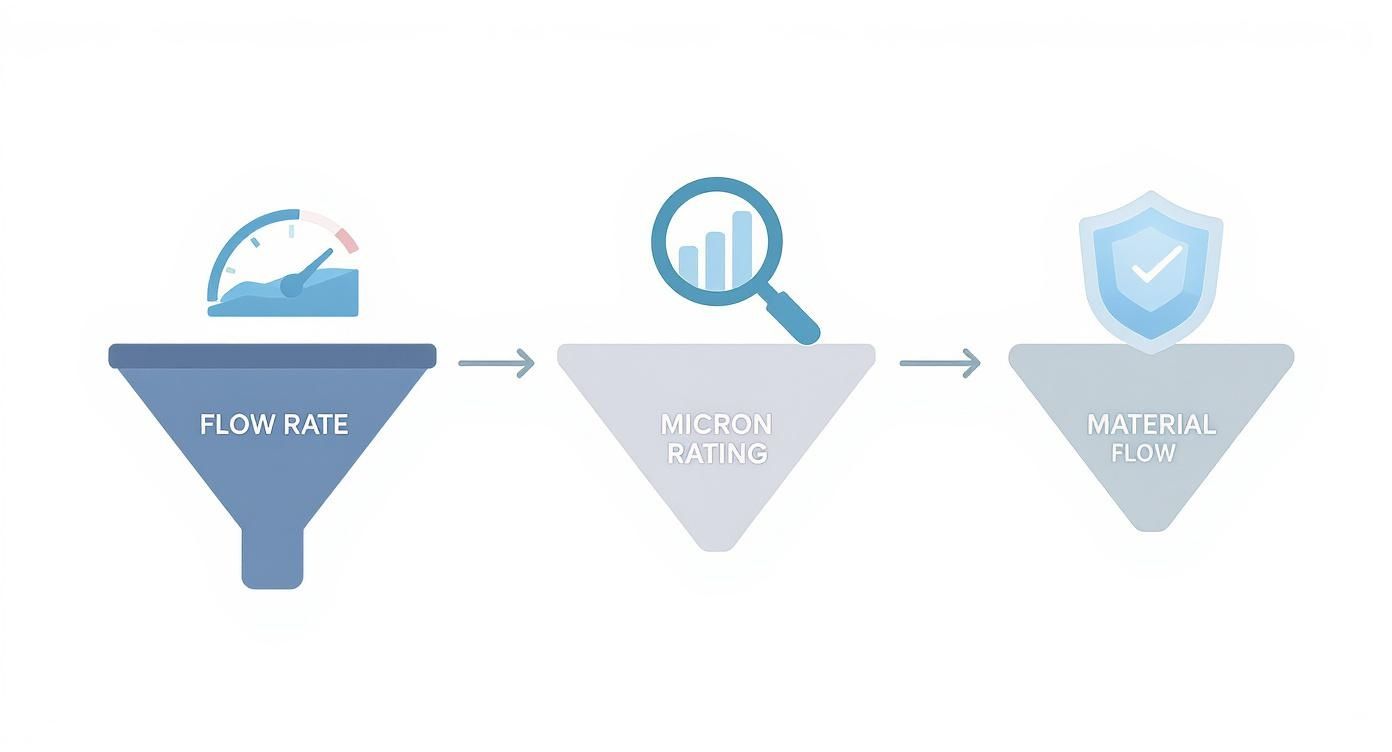
It’s a good reminder that choosing the right tool from the start is the key to smooth fueling and a happy engine.
Common Mistakes to Avoid
It’s easy to make a small mistake that renders your filter funnel pretty much useless. If you can steer clear of these common blunders, you’ll be in much better shape.
- Pouring Too Fast: This is probably the number one mistake people make. Rushing it can create a backup of fuel that literally pushes dirt and water right through the filter screen.
- Neglecting the Sump: Forgetting to check and empty the little collection area at the bottom is a huge risk. All that captured water and debris could get knocked right into your tank.
- Improper Cleaning: Grabbing a dirty old rag to wipe out your funnel just reintroduces new contaminants. It completely defeats the purpose.
- Skipping the Funnel: It's tempting to skip a step, but you should never assume fuel is clean, even from a marina you trust. Use it for every single fill-up. It’s not worth the risk.
This idea of filtering out the bad stuff to get a better result isn't just for boating. Think about sales teams. They use funnel reports to analyze their process, filtering leads by where they came from or when they came in. It helps them spot which channels are working best, just like a fuel filter removes the bad stuff to improve engine performance. You can learn more about how to increase conversions with funnel reports at Streak.com.
Fueling Safety and Environmental Responsibility
Let's be honest, handling fuel requires a healthy dose of respect and caution. Grabbing a funnel with a filter is a great start, but it's really just one piece of the puzzle when it comes to staying safe and protecting our waterways. Every time you refuel, you're handling a hazardous material, and it pays to do it right.
The biggest and most immediate danger? Fuel vapors. They're highly flammable and, because they're heavier than air, they love to settle in low, unventilated spaces—like the bilge of your boat. This creates a serious explosion hazard, which is why you always want to make sure you have plenty of airflow when you’re fueling up.
Another sneaky risk is static electricity. You might not think about it, but the simple act of fuel flowing can generate a static charge. A tiny spark is all it takes to ignite those vapors. This is exactly why a funnel made from anti-static conductive plastic is such a smart choice; it's engineered to safely get rid of any static buildup.
Protecting Our Marine Environment
Beyond keeping ourselves safe, how we fuel has a direct impact on the environment. It’s staggering, but a single quart of spilled fuel can contaminate up to 250,000 gallons of water. That little bit creates a massive slick that suffocates marine life and wrecks fragile ecosystems. A sturdy funnel with good splash guards is a simple, effective tool to prevent those accidental spills from happening in the first place.
A clean wake starts at the fuel dock. Preventing spills isn't just about following rules; it's about preserving the very waters we love to explore. Every drop saved makes a difference.
And what about the gunk your filter catches? That soupy mix of water and debris in your funnel's sump is hazardous waste. It’s critical to remember that you can't just dump it overboard.
Responsible Disposal Practices
Making sure the contaminants you just filtered out don't end up right back in the environment is part of the job. It's pretty straightforward if you follow these steps:
- Contain Carefully: First, pour the collected water and debris from the sump into a sealed, approved container.
- Locate a Facility: Most marinas and boatyards have designated spots for hazardous waste disposal. Just ask.
- Follow Local Rules: Check with the facility staff about their specific procedures to make sure you're doing it by the book.
Making these practices a habit—from getting good ventilation to disposing of waste correctly—is what good seamanship is all about. If you want to dive deeper into making every fill-up safer, it helps to understand the different types of marine fuel fill systems and how they contribute to a cleaner process.
Got Questions? We've Got Answers
Even with a tool as simple as a fuel filter funnel, a few questions always pop up. Getting these sorted out helps you build good habits and make sure you’re giving your engine the best protection every time you top off the tank. Here are a few of the most common things we hear from boaters.
How Often Should I Clean My Filter Funnel?
The short answer? After every single use. It’s the only way to be sure.
This is non-negotiable, especially if you can see gunk or water sitting in the sump. A quick clean-out stops you from accidentally washing old contaminants into your fresh tank of fuel on the next fill-up. It also keeps the filter screen from getting clogged, which helps maintain a fast, steady flow. Just be sure to check what the manufacturer recommends for cleaning your specific model.
Can I Use the Same Funnel for Gas and Diesel?
You really shouldn't. The best and safest practice is to have separate, dedicated funnels for gasoline and diesel.
Even a thorough cleaning can't guarantee you've removed every last drop. Getting a little diesel in a gas engine (or the other way around) can cause all sorts of performance nightmares and, in a worst-case scenario, catastrophic damage. The smart move is to have two different funnels, maybe even different colors, clearly labeled to avoid any mix-ups.
Think of it this way: You wouldn't use the same cup for your morning coffee and for changing your oil, even if you washed it out. The risk of contaminating something as vital as your engine's fuel supply just isn't worth it.
What Do I Do with the Trapped Water and Debris?
Whatever you do, don't just dump it overboard. That gunk is considered hazardous waste. Tossing it into the water harms marine life and could land you with some hefty fines.
The right way to handle it is to carefully pour the junk from the funnel's sump into a sealed, approved container meant for hazardous materials. Most marinas, boatyards, and local recycling centers have special drop-off points for this kind of waste. Always check with your local spot to make sure you’re following their rules. It's a small step that makes a big difference in responsible boating.
Tired of the guesswork and the constant risk of spills? The CLiX Fueling Solutions system offers a modern, automated solution that prevents overfills before they happen, ensuring a clean and stress-free fueling experience every time. Discover how to make spills a thing of the past.