If you own a small boat, you know the value of a good portable fuel tank. Think of it as a trusty jerry can for the water, giving you the freedom to stay out longer and explore further without worrying about your next fuel stop. It's the piece of gear that ensures a great day of fishing or cruising doesn't get cut short.
Why Portable Fuel Tanks Are a Boater's Best Friend
Most smaller boats—like your average jon boat, skiff, or inflatable—don't have built-in fuel systems. It just wouldn't be practical. That's where portable tanks really come into their own. They offer a straightforward, effective way to manage your fuel, letting you venture far beyond the marina.
There's a certain peace of mind that comes with having an extra six gallons of gas securely stowed away. It means you can stop nervously glancing at the fuel gauge and just enjoy the ride. It’s the difference between staying close to shore and finally checking out that secluded cove you've heard about. That kind of freedom is what boating is all about.
The Trade-Off: Convenience vs. Risk
But with that convenience comes a bit of responsibility. Because these tanks are meant to be moved around—carried to the gas station, filled up, and reconnected to your motor—there's more room for error. Anyone who's tried to handle a fuel nozzle on a boat that's rocking in the waves knows how easy it is to spill. And those spills aren't just a mess; they're bad for your boat, the environment, and your wallet.
Overfilling is one of the most common ways spills happen. Fuel spills can stain your boat's finish, pollute the water, and even lead to hefty fines. Learning how to prevent them is just part of being a smart, responsible boater.
A Key Piece of Boating Gear
You can tell how important these tanks are just by looking at the numbers. The global marine fuel tank market was valued at a whopping USD 15.32 billion and is expected to hit USD 20.45 billion by 2033. For most of us in recreational boats, the tanks in the 45L–70L range (that's about 12-18 gallons) are the sweet spot, giving us enough fuel without being too bulky to handle. You can dive deeper into the marine fuel tank market growth to see where things are headed.
When you know how to pick the right tank and use it safely, it becomes more than just a plastic container. It becomes a reliable partner for all your adventures on the water. This guide is here to walk you through exactly that.
How to Choose the Right Portable Fuel Tank
Picking the right portable fuel tank for your boat isn’t as simple as grabbing the first one you see. You need to match the tank to how you actually use your boat. Think of it like this: you wouldn't use a daypack for a week-long trek. The right fuel tank directly impacts your safety, how much fun you have, and how long you can stay out on the water.
The smart way to choose is to focus on three things: what it’s made of, how much fuel it holds, and the key features that make it safe and easy to handle. Nail these three, and you'll have a reliable piece of gear that won't let you down.
This flowchart gives you a quick visual guide to help you think through your needs.
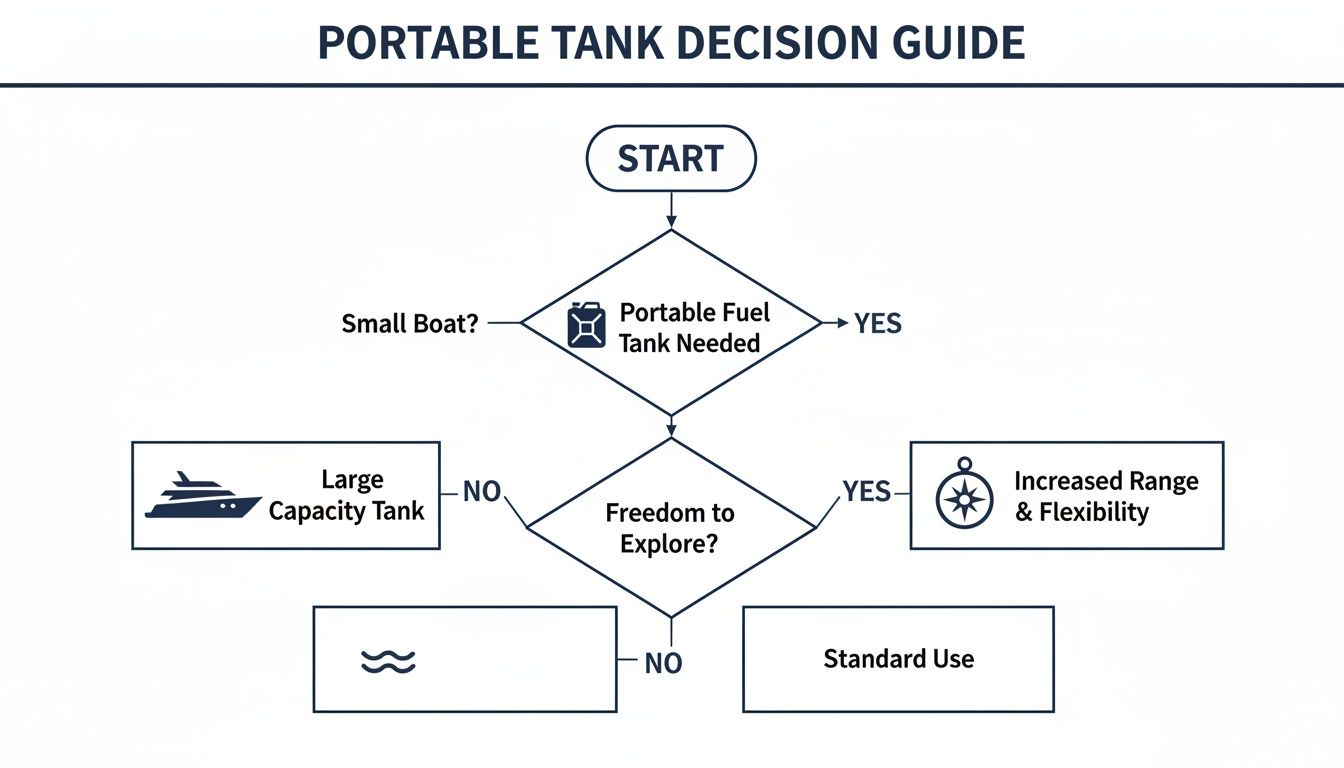
As you can see, for smaller boats that need flexibility, a portable tank is a no-brainer. It’s what gives you the freedom to go further.
Material Matters: Plastic vs. Metal
Your first big choice is the material. Most portable tanks are either high-density polyethylene (plastic) or metal, like aluminum or steel. Each has its pros and cons, and what's best for one boater might not be for another.
For most people, plastic tanks are the way to go. They're lightweight, they won't rust (a huge plus around saltwater), and they’re easier on the wallet. Because they're molded in one piece, there are no seams to fail, which is a big win for preventing leaks.
Metal tanks, on the other hand, are the tough guys. They’re heavy and can corrode if you don't look after them, but they can take a serious beating without getting punctured. Honestly, though, for the average weekend boater, a modern, well-made plastic tank hits the sweet spot between performance and price.
To help you decide, here’s a quick rundown of how they stack up.
Portable Marine Fuel Tank Material Comparison
This table gives you a quick-reference comparison of the most common materials used for portable marine fuel tanks. It's designed to help boaters choose the best option for their needs at a glance.
| Feature | High-Density Polyethylene (Plastic) | Aluminum/Steel (Metal) |
|---|---|---|
| Weight | Lightweight and easy to carry | Heavier and more difficult to transport |
| Corrosion | Completely rust-proof and resistant to saltwater | Can rust or corrode over time, especially in saltwater |
| Durability | Dent and impact-resistant, but can be punctured | Highly puncture-resistant but can dent |
| Cost | More affordable | Generally more expensive |
| Maintenance | Low maintenance required | Requires regular checks for corrosion |
Ultimately, today's high-quality plastic tanks offer the best all-around package of durability, safety, and value for most recreational boaters.
Finding the Right Capacity for Your Boat
Okay, so you’ve picked a material. Now, how big of a tank do you need? Portable tanks usually come in 3-gallon and 6-gallon sizes. It's tempting to just grab the biggest one, but that’s not always the smartest move.
Think about these things to land on the right size:
- Your Engine: A little 5-horsepower kicker is just going to sip fuel. A 25-horsepower outboard, not so much. Dig up your engine's manual and find its fuel consumption rate (gallons per hour) at cruising speed.
- Your Trips: Are you usually just popping out on a small lake for a couple of hours of fishing? A 3-gallon tank is probably all you need. But if you’re planning all-day adventures or running offshore, a 6-gallon tank—or even two of them—is essential for peace of mind.
- Your Boat's Layout: This is just plain practical. Make sure the tank you choose actually fits somewhere safe and secure. It needs to be in a well-ventilated spot where it won’t be sliding around when you hit a wake.
Rule of Thumb: A great boater’s habit is the "one-third rule." Plan on using one-third of your fuel to get where you're going, one-third to get back, and always keep one-third in reserve for emergencies. You never know when bad weather or a strong current will pop up.
Must-Have Features for Safety and Convenience
Modern portable fuel tanks are packed with features that are required by law for safety and environmental reasons. These aren't just nice-to-haves; they're critical for keeping you and your passengers safe.
First, a built-in fuel gauge is a must. They aren’t always 100% precise, but having a visual on your fuel level can keep you from getting stranded. The newer direct-sight gauges are super easy to read with just a quick look.
Next, check out the fuel line connector. It absolutely must be a secure, quick-disconnect fitting. A cheap or poorly designed connector is one of the most common causes of dangerous fuel leaks and engine stalls.
Finally, you need to understand the venting system. Federal regulations updated after 2011 mandate automatic vents that reduce fuel vapor emissions. This is great for the air quality, but it can cause tanks to swell up like a balloon in the hot sun. Knowing how your specific tank works is key. To get a better handle on all the options, you can learn more about the best portable marine gas tank picks in our other guide. Being informed helps you buy a tank that's not just compliant, but truly reliable.
Getting Fuel Safety and Spill Prevention Right
Fueling your boat should be a simple, routine part of getting out on the water, not a source of anxiety. The key to a stress-free day is getting the fundamentals of safe fuel handling down pat. This isn't just about keeping the dock clean; it’s about protecting your boat, the environment, and yourself from accidents that are entirely preventable.
Think of your portable fuel tank as a container of concentrated energy. When you treat it with respect, it’s perfectly safe. But getting complacent can lead to real trouble, from a dangerous static spark to a nasty spill that can ruin your day and harm local wildlife.
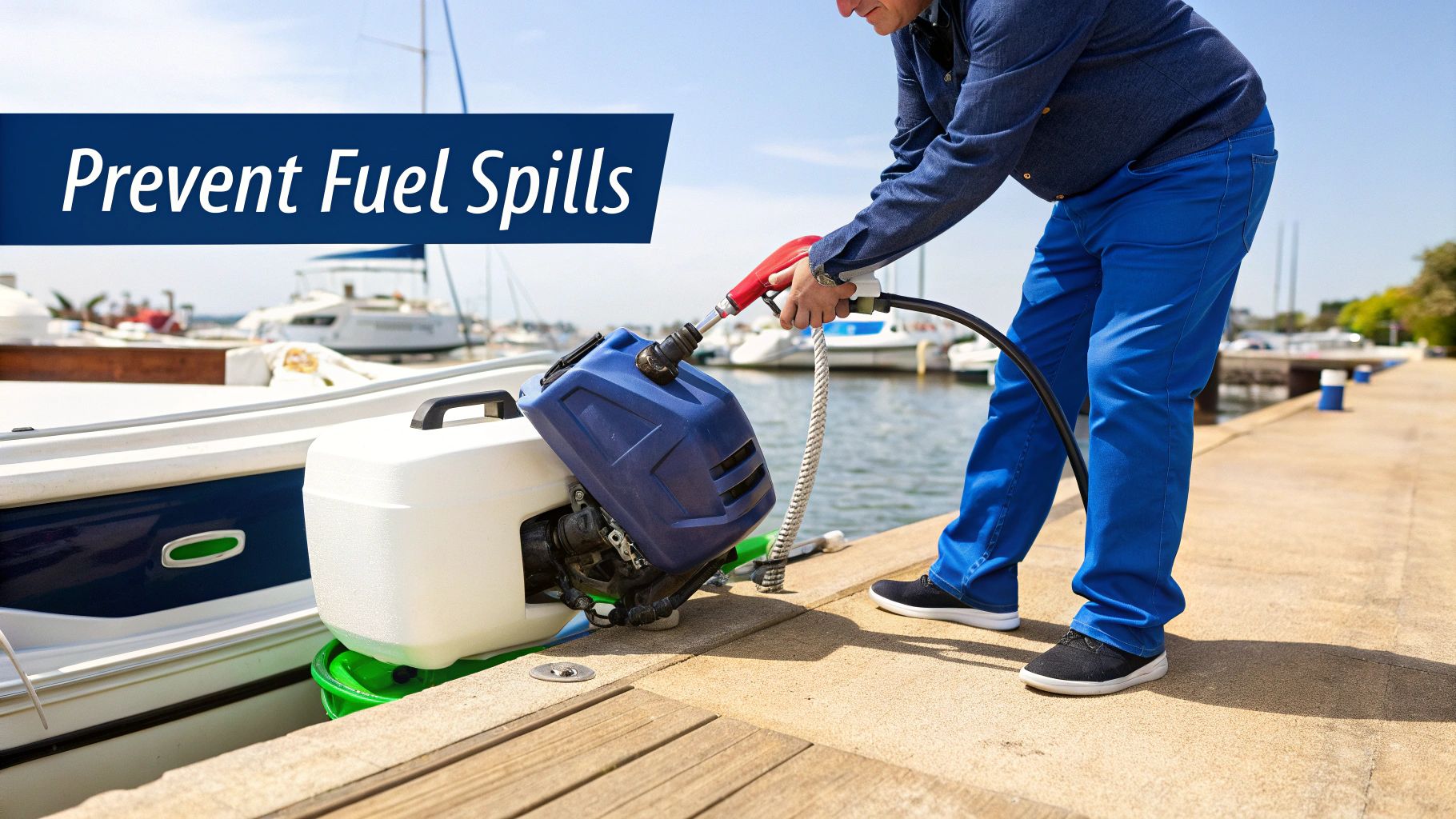
Let’s walk through the essential best practices for handling, transporting, and storing your tank, so you can make every fill-up a clean, safe, and efficient one.
The Refueling Ritual: A Step-by-Step Guide
Most mistakes happen during the simple act of filling the tank. The best way to avoid them is to build a consistent, safe routine. The first and most important rule? Never, ever try to refuel a portable tank while it's still inside your boat or vehicle.
Follow these steps every single time:
- Take the Tank Out: Always remove the portable tank from the boat and set it on a stable, flat surface on the dock or the ground. This one simple move grounds the tank and dramatically cuts down the risk of static electricity building up.
- Keep Nozzle in Contact: Make sure the fuel nozzle is always touching the tank's fill opening. This physical contact creates a bond that prevents static sparks from jumping and igniting fuel vapors—a primary cause of fires at the pump.
- Go Slow and Listen: Don't rush it. Fill the tank slowly to prevent splashing and to give the air inside a chance to escape. As it fills, you can hear the sound change, which helps you gauge how close you are to full.
- Leave Room for Expansion: Never fill a portable tank all the way to the brim. Gasoline expands when it warms up, and modern EPA-compliant tanks are designed to contain those vapors. A good rule of thumb is the 95% rule—leave about 5% of the tank empty to give the fuel room to expand safely.
For a deeper dive, check out our dedicated article on where you should fill your portable gas tank. Following these steps turns a potentially hazardous task into a safe, predictable routine.
The Hidden Dangers: Overfilling and Static Electricity
The two biggest risks you face when handling marine portable fuel tanks are overfilling and static discharge. The good news is that both are easy to prevent once you know what to look for.
Overfilling is way more than just a messy problem. Spilled gas is a serious pollutant that can eat away at your boat’s gelcoat, create a dangerous slip-and-fall hazard, and wreak havoc on the environment. Unfortunately, it happens all the time because of pure guesswork.
Spills from portable marine fuel tanks are a massive issue. Up to 25% of all marine fuel spills—adding up to over 10,000 gallons annually in U.S. waters alone—come from overfilling these portable units. The U.S. Coast Guard also reports that small-vessel fueling mishaps are responsible for 40% of all pollution incidents from recreational boating, releasing toxins that can devastate marine life. You can discover more insights about the global marine fuel market and its environmental impact.
Static electricity is the silent threat. As fuel rushes through a hose and into a tank, it can generate a static charge. If that tank isn't grounded, the charge can build until it creates a spark hot enough to ignite gasoline vapors, causing a terrifying flash fire. This is exactly why you must take the tank out of the boat and place it on the ground before you start pumping.
Stop Guessing and Start Using Modern Solutions
The number one cause of overfilling is simply not knowing the tank is full until fuel is gushing out. That gurgling sound you hear is a terrible indicator, and relying on it leads to thousands of gallons of fuel being spilled every year.
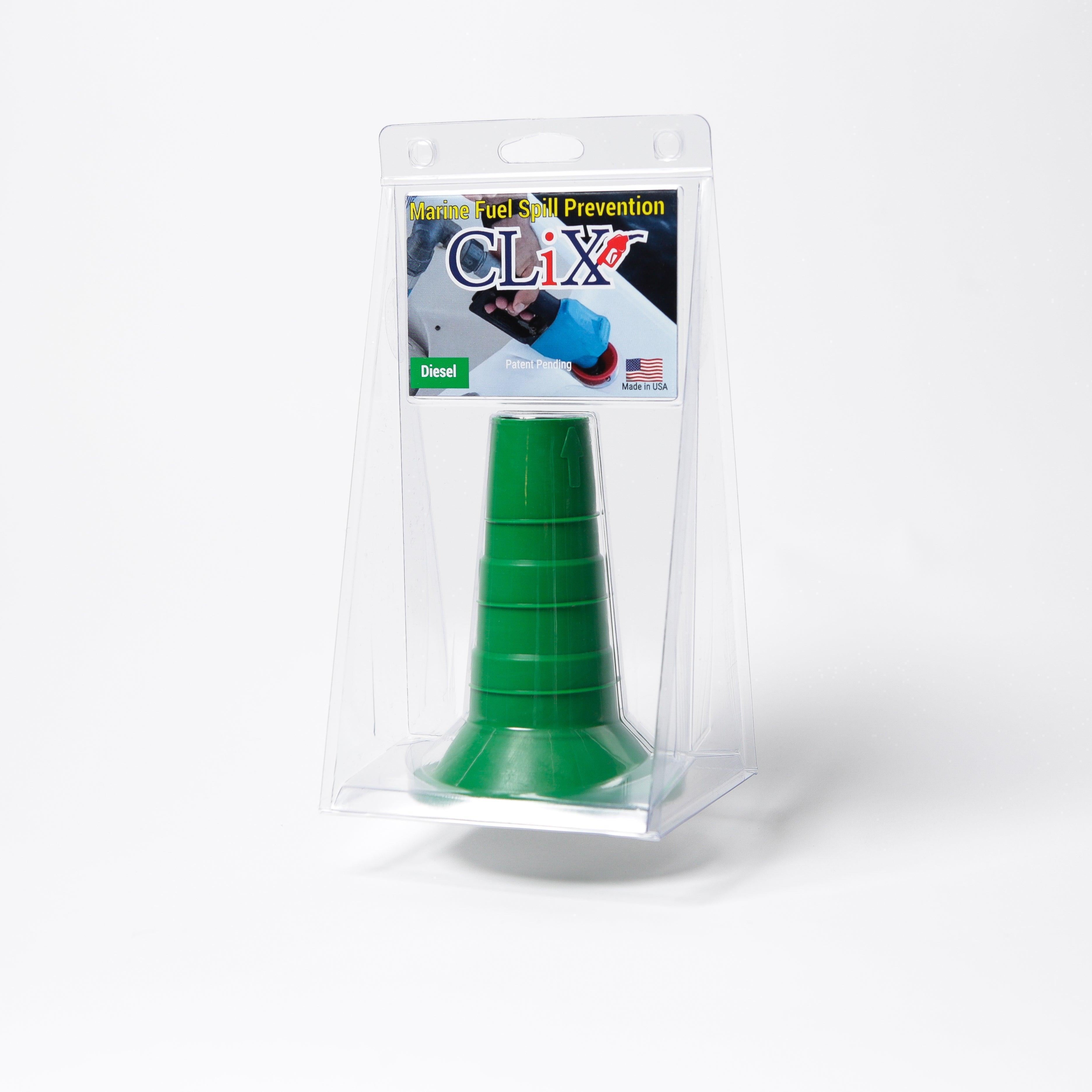
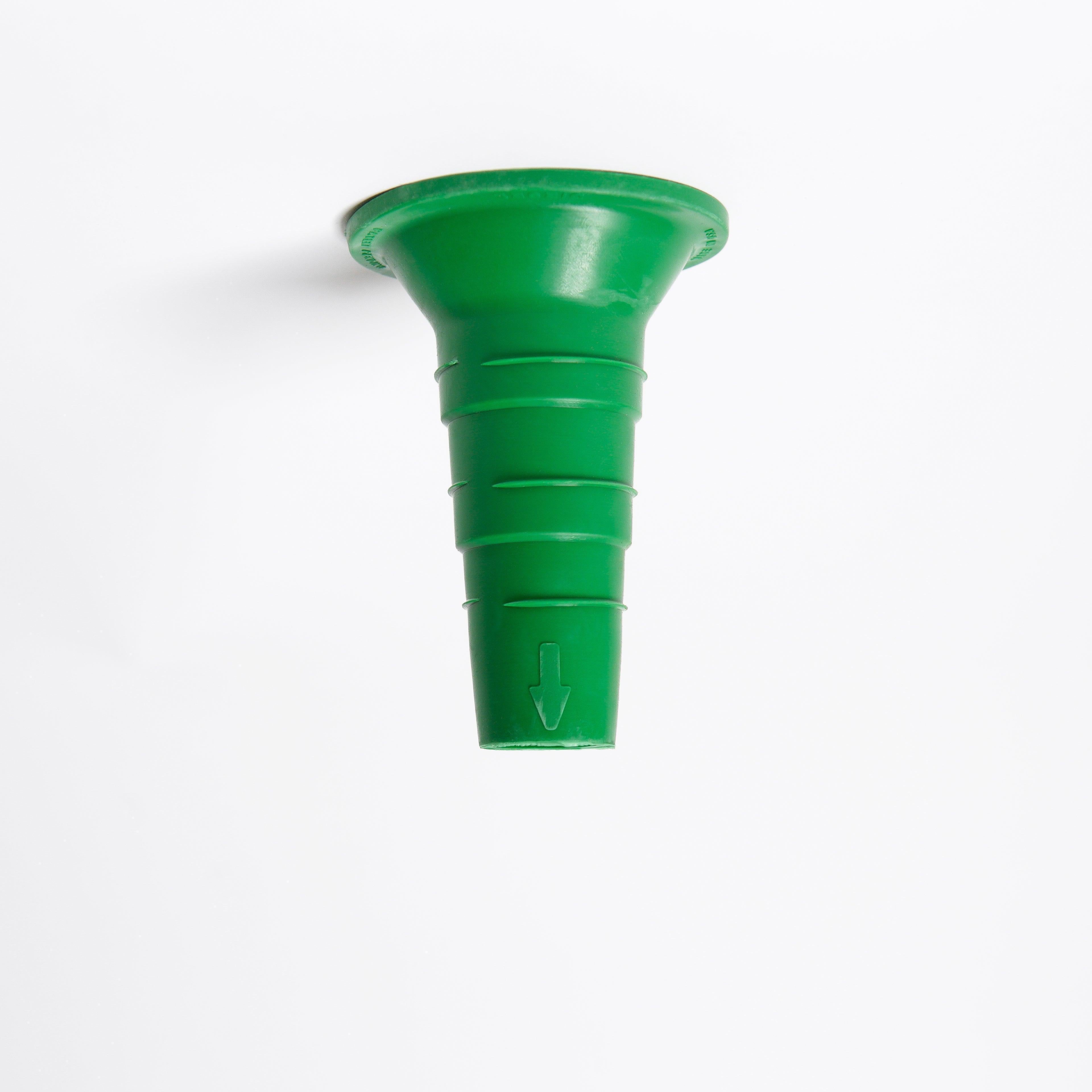
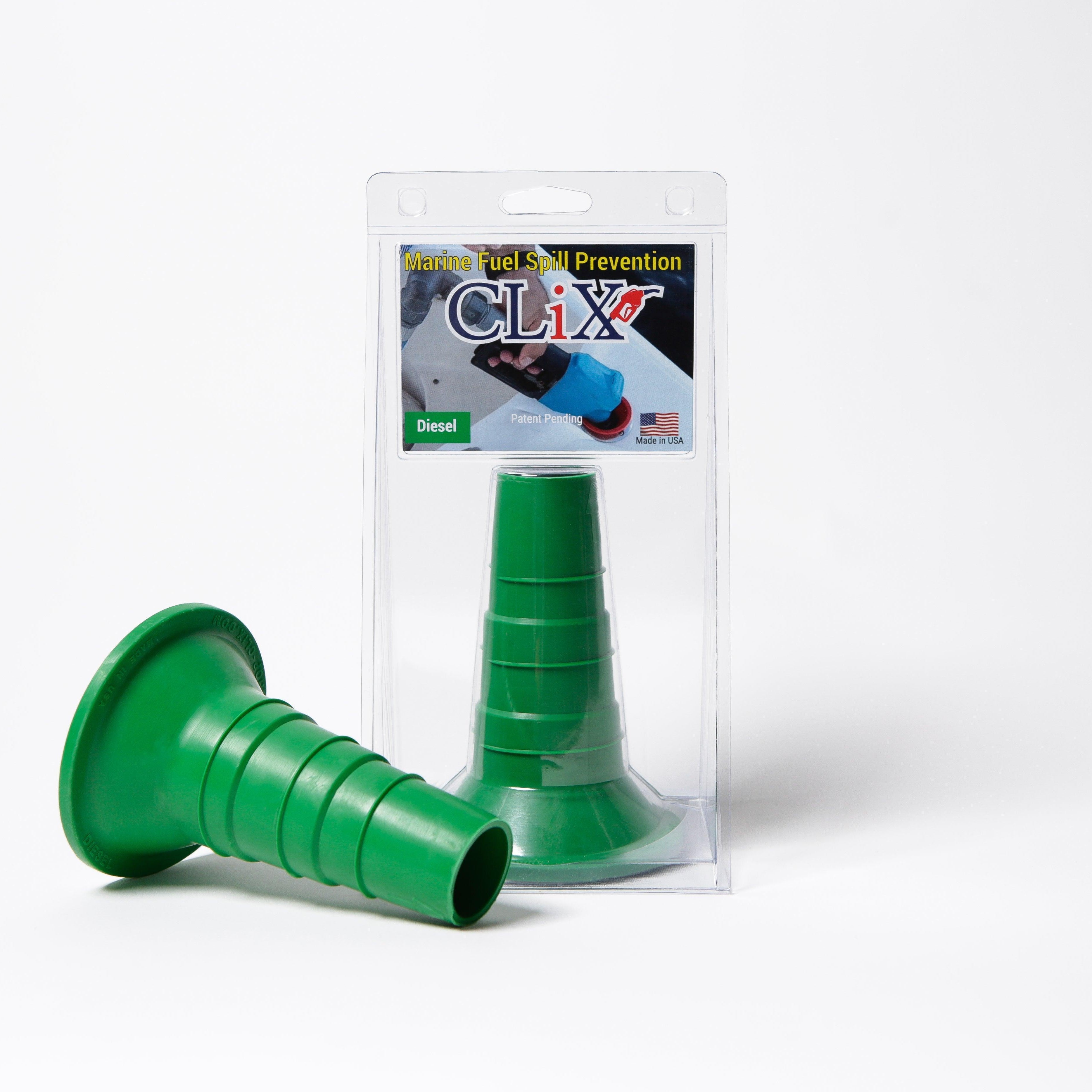
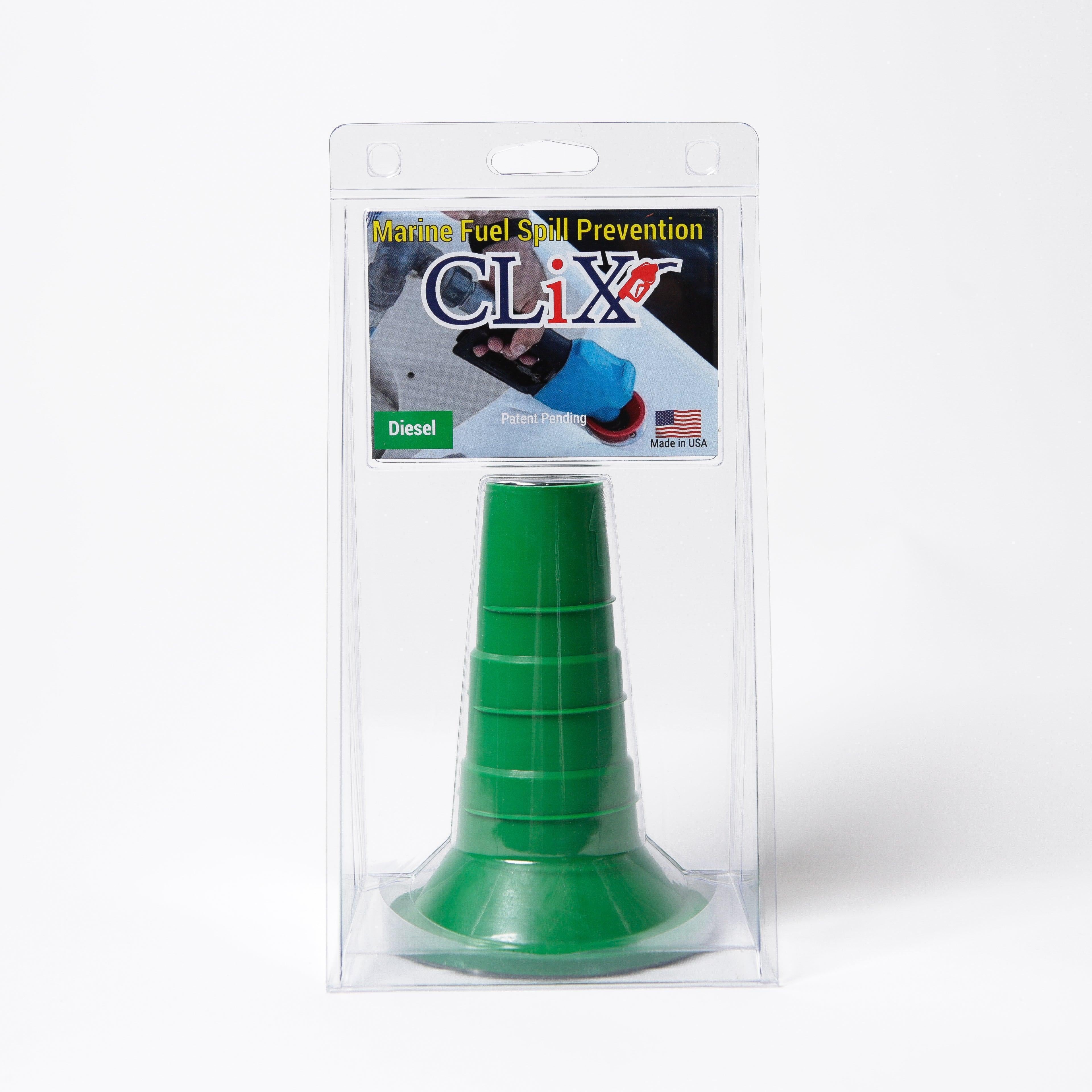
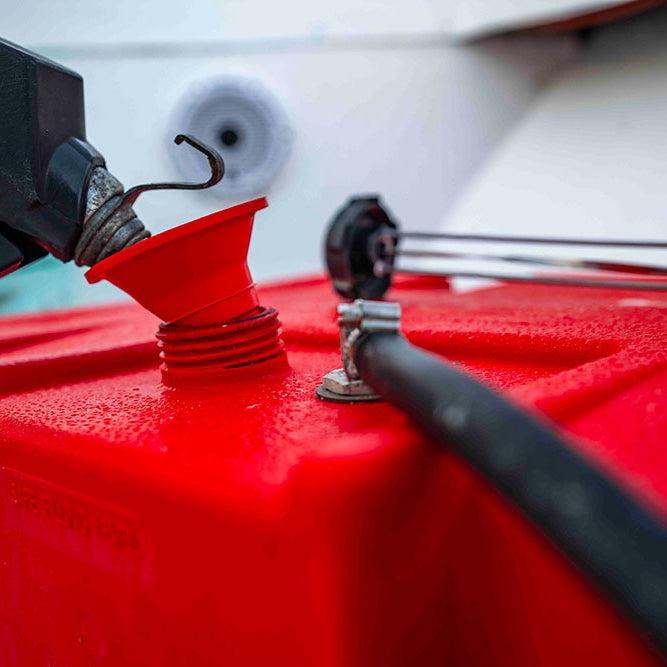
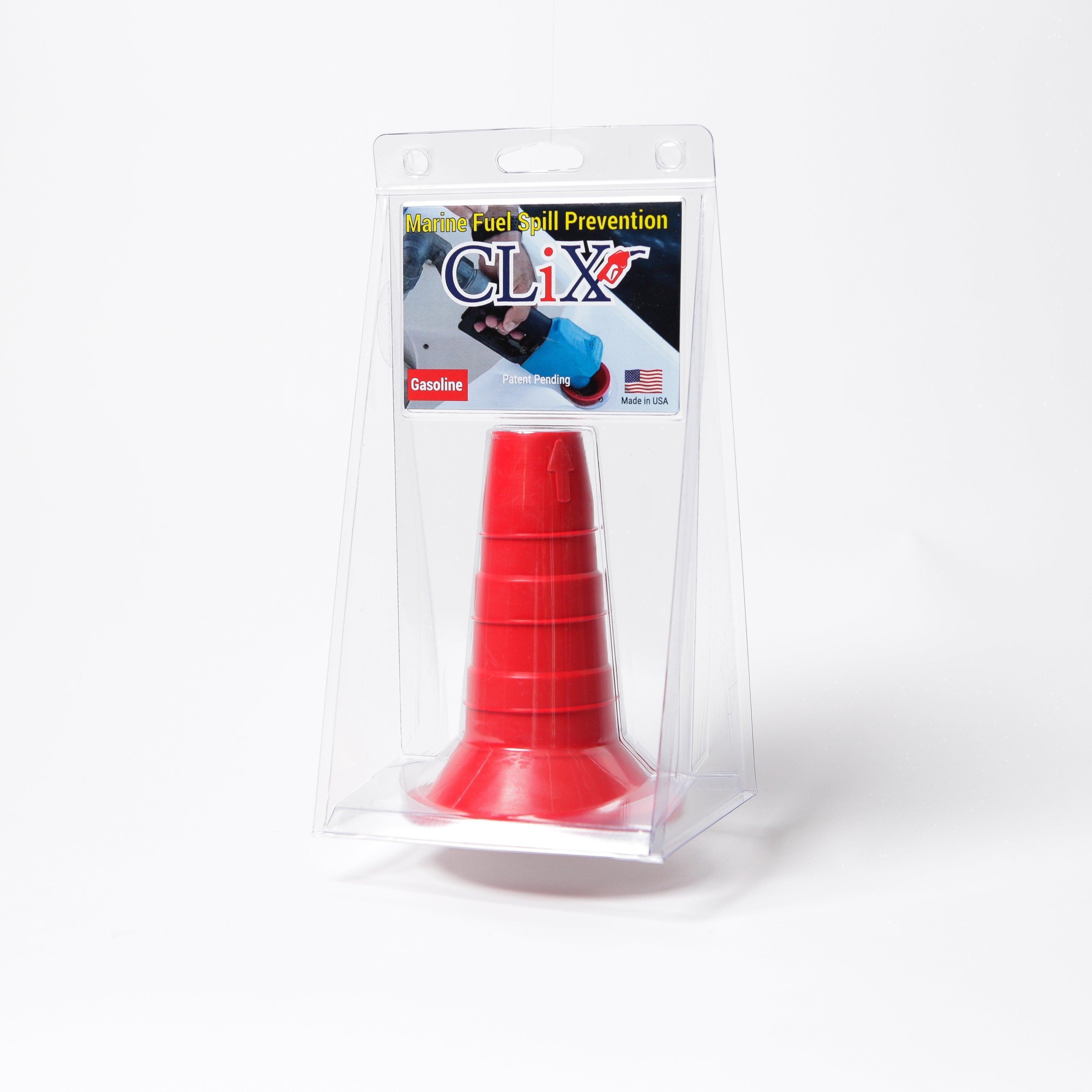
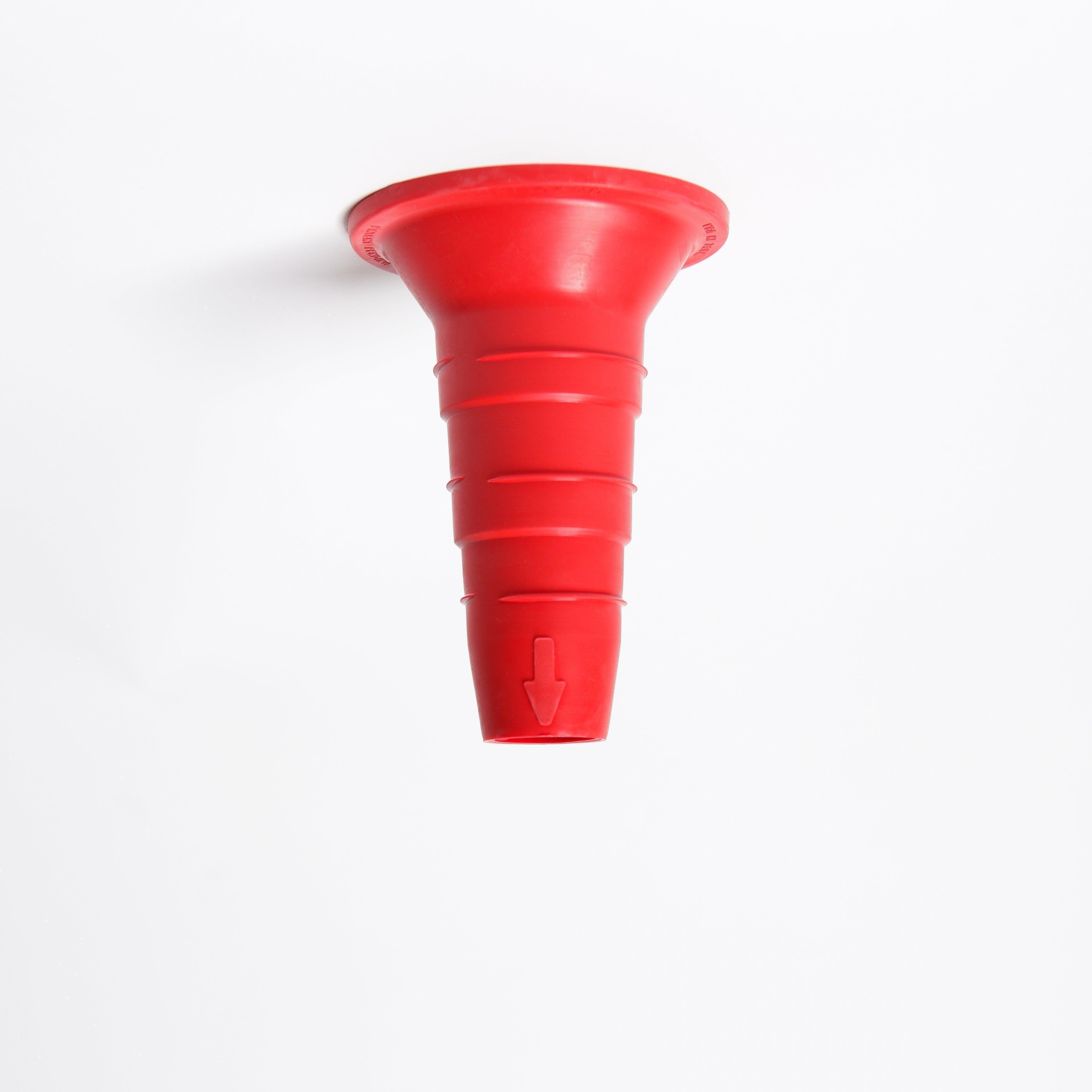
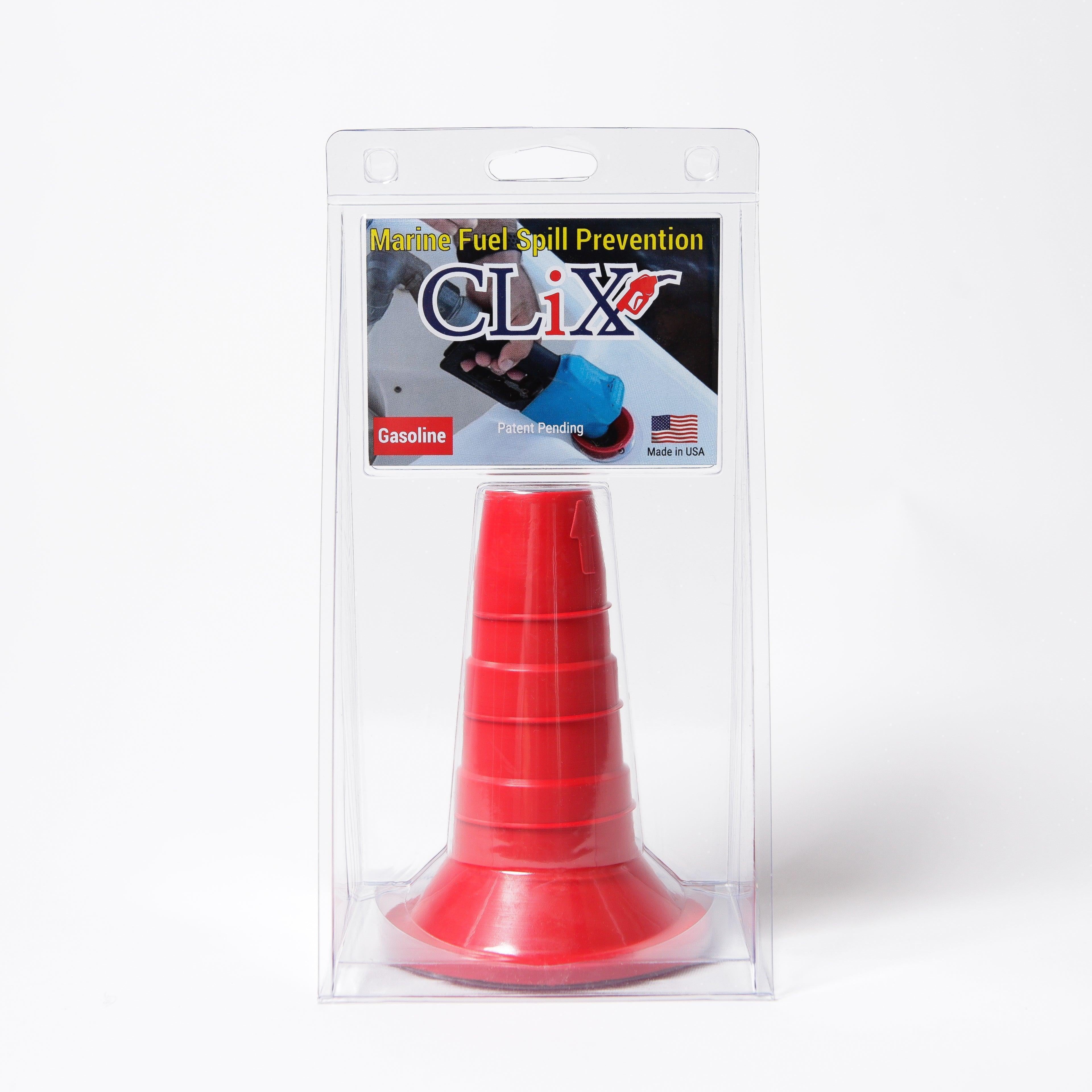
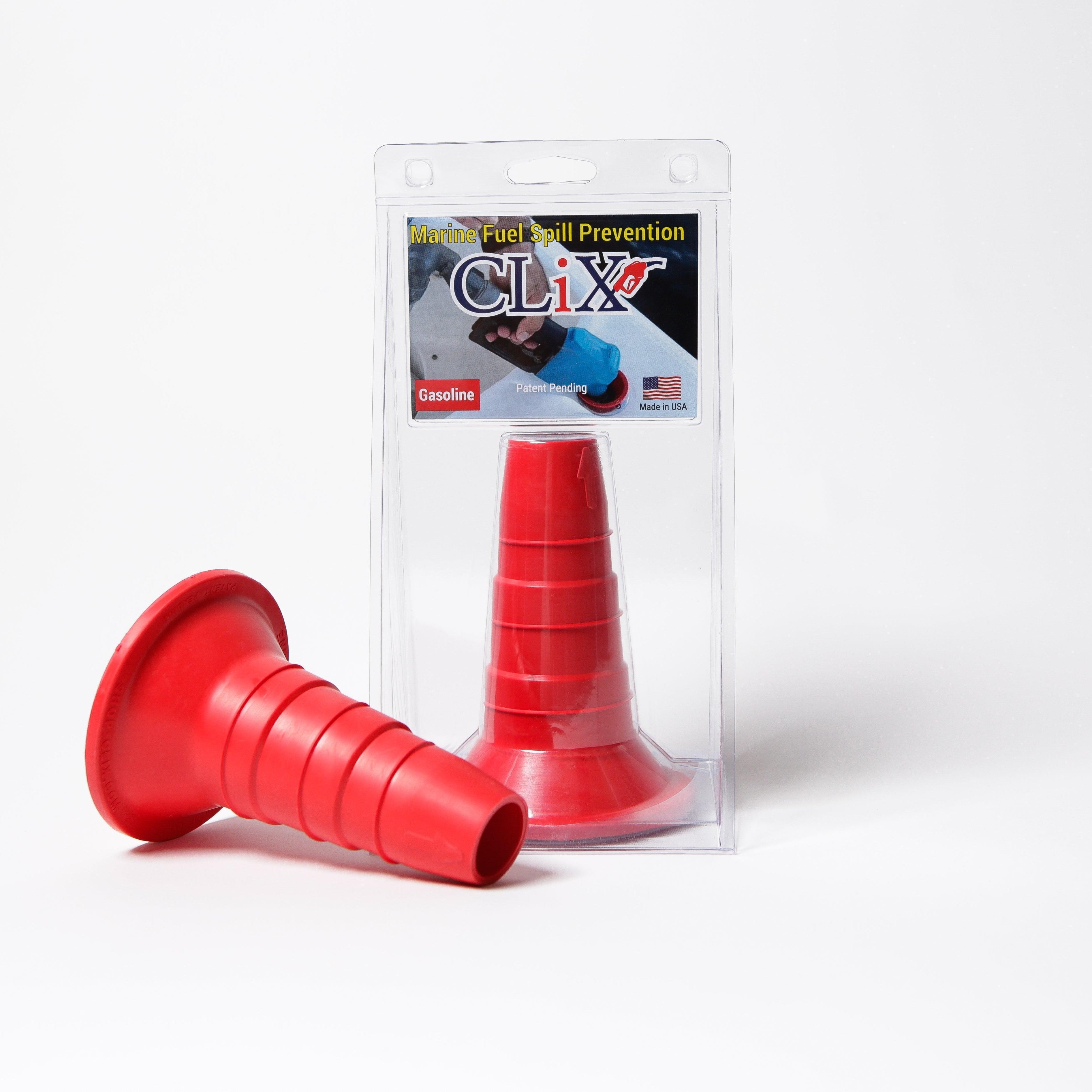
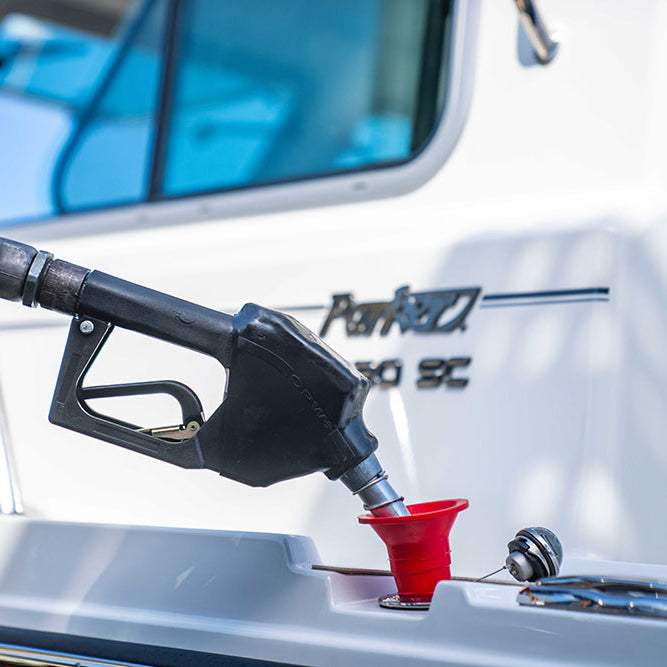
This is where tools designed specifically for spill prevention can make all the difference. The CLiX Fueling Solution is a fantastic example of how a bit of smart technology can solve this all-too-common problem. It's a simple device that attaches right to your tank and allows the automatic shut-off feature on a standard fuel nozzle to do its job.
Here’s the breakdown:
- Simple to Attach: The CLiX unit just screws onto your tank's filler neck.
- Enables Auto Shut-Off: It lets the gas pump nozzle work just like it does with your car, automatically clicking off when the tank is full.
- Guaranteed Spill Prevention: By creating a proper seal, it takes all the guesswork out of the equation and stops the fuel flow at precisely the right moment, every single time.
Using a solution like CLiX turns fueling from a risky chore into a clean, confident process. It’s a small investment that prevents spills, protects your boat and the environment, and gives you invaluable peace of mind. With the right habits and the right gear, you can make sure every trip starts and ends safely.
Understanding Fuel Tank Rules and Regulations
Navigating the rules for fuel on the water can feel a bit overwhelming, but it all comes down to two simple things: keeping everyone safe and protecting the environment. These regulations aren't just bureaucratic red tape; they're a shared agreement among boaters to keep our waterways clean and our days on the water free from accidents.
In the United States, the two big players setting the standards are the U.S. Coast Guard (USCG) and the Environmental Protection Agency (EPA). They’ve written the rulebook on everything from the materials your tank is made of to the design of its cap. Once you understand why these rules exist, following them becomes second nature.
The EPA and the New Reality of Vented Tanks
If you've bought a portable fuel tank anytime since 2011, you've probably noticed it's a different beast than the old ones. It might swell up like a balloon in the hot sun or let out a loud hiss when you open the cap. That’s not a defect—it’s the EPA at work.
Newer regulations were put in place to stop gasoline vapors from escaping into the atmosphere. Your tank now has an automatic venting system that holds those vapors inside until the pressure hits about 5 PSI. This is a world away from the old-school manual screw-vents that people would often forget to close, letting fumes leak out all day long.
What does this mean for you on the boat?
- Don't panic about pressure. Your tank is designed to expand and contract with the temperature. A little swelling on a hot day is perfectly normal.
- The vent is automatic. The tank knows when to release pressure all by itself.
- Fume-capturing technology. Many modern tanks also have a carbon canister inside to absorb vapors, making them even cleaner.
The bottom line is this: trust the new design. These are legally required safety features. Whatever you do, don't try to modify or "fix" the venting system. It's illegal, dangerous, and could get you a hefty fine.
USCG Rules for a Tough Marine Life
While the EPA worries about what you can't see (emissions), the U.S. Coast Guard is focused on what you can: fire and tank failure. They have a strict set of standards for any marine portable fuel tanks sold in the U.S. to ensure they can take a beating.
A USCG-approved tank has been dropped, crushed, and even set on fire in testing to make sure it won't leak or explode when things go wrong. This is exactly why you can't just grab a standard red gas can from the hardware store and throw it in your boat. Those cans aren't built for the constant pounding and corrosive environment of the water.
Always check for a label that says the tank meets USCG and EPA requirements. That label is your peace of mind, proving the tank is built to keep you safe.
This push for better, safer standards isn't just happening here. In Europe, the market is growing at over 5% a year, largely driven by new green regulations that demand low-emission tanks. It's part of a much larger story about the changing outlook for global marine fuels.
This is where smart, simple solutions come into play. A USA-made device like CLiX, for example, directly tackles the 80% of spills caused by simple human error during fueling. By providing an auto-shutoff mechanism, it prevents the overfills that so many boaters know all too well, a fact backed by countless boater testimonials.
Your Essential Fuel Tank Maintenance Checklist
A well-maintained portable fuel tank is more than just a container; it's your engine's lifeline. If you neglect it, you're asking for engine trouble, dangerous leaks, and a much shorter lifespan for your gear. Just like any other critical part of your boat, your marine portable fuel tanks need regular check-ups to stay reliable and safe.
Think of it as a quick health screening for your fuel system. A simple, consistent inspection routine helps you spot small issues before they spiral into big, expensive headaches. This checklist will walk you through the key steps to keep your tank in prime condition for every outing.
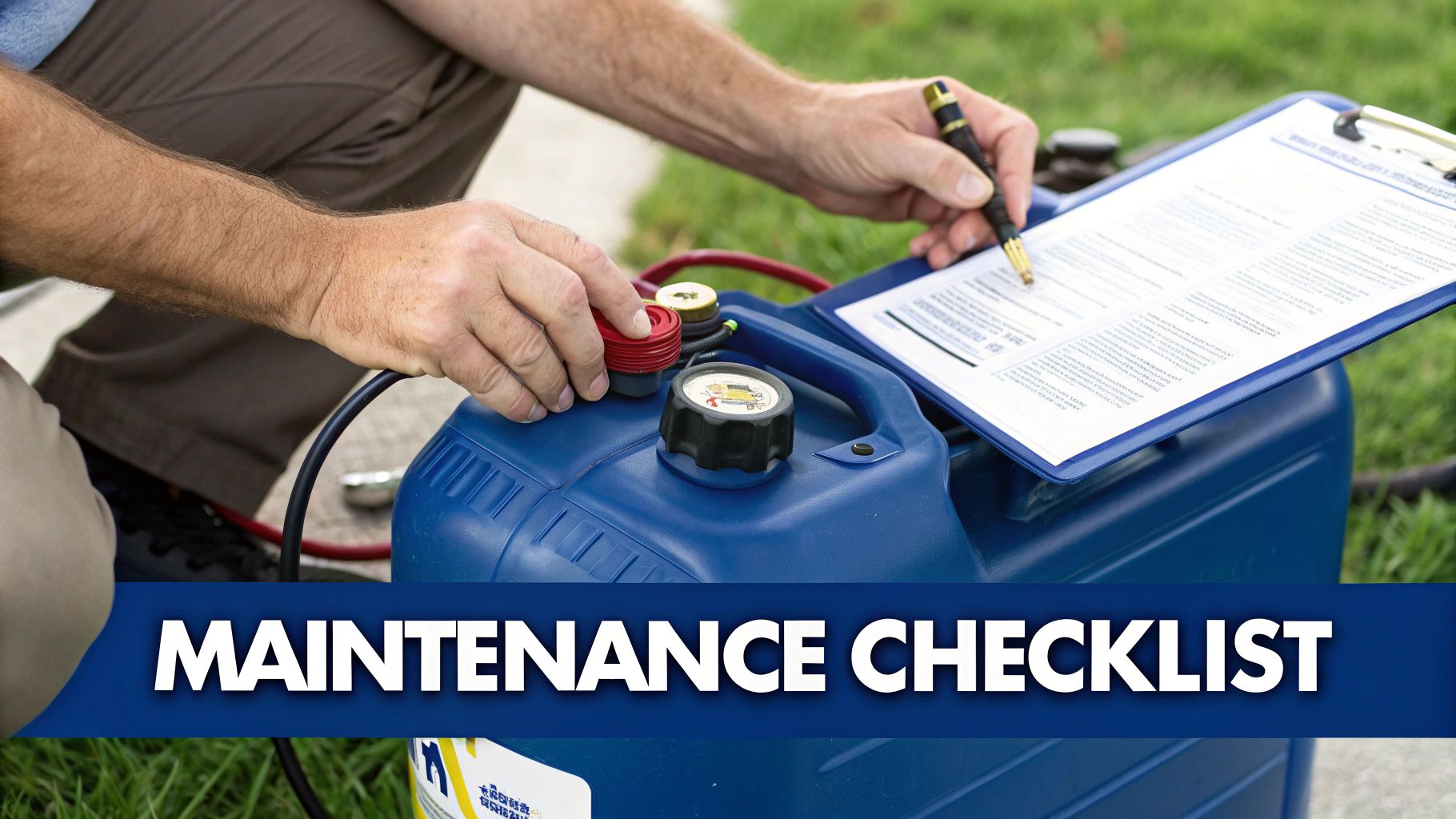
Visual Inspection Before Every Trip
Before you even think about heading to the dock, give your tank a quick once-over. This five-minute check can save you from a world of trouble later on.
- Check for Damage: Scan the tank body for any cracks, deep gouges, or weird swelling and discoloration. A compromised tank is a major hazard and needs to be replaced, no questions asked.
- Inspect the Cap and Seal: The gasket on your fuel cap is what creates that all-important vapor-tight seal. Make sure it's still pliable and doesn't have any cracks. A dried-out seal is a guaranteed vapor leak.
- Examine Fittings: Check that the fuel line connector is clean and clicks firmly into place. Any gunk or damage here can cause leaks or prevent a good connection to your engine.
This simple pre-launch routine is your first and best line of defense against fuel problems on the water.
Deep Cleaning and Fuel System Checks
At least once a season, you’ll want to do a more thorough cleaning and inspection. Over time, condensation can sneak water into your fuel, and sediment can build up, just waiting to clog your engine’s fuel system.
Start by safely emptying all the old fuel from the tank. With the tank empty, grab a flashlight and peek inside. You're looking for debris, sludge, or any signs of water, which usually looks like bubbles or a separate layer at the bottom. If you see junk in there, rinse the tank with a small amount of fresh gasoline, swirl it around, and then dispose of it properly. Never use water to clean the inside of a fuel tank—it’s nearly impossible to get every last drop out.
With the tank empty, it’s a perfect time to inspect your fuel line components.
- Fuel Hose Inspection: Gently bend the fuel hose along its entire length. Look for any cracking, brittleness, or soft, spongy spots. A bad hose can leak fuel or suck in air, which will cause your engine to stall.
- Primer Bulb Check: Give the primer bulb a good squeeze. It should feel firm and pop back into shape quickly. If it feels mushy, stays collapsed, or has visible cracks, replace it immediately.
A clean fuel system is a happy fuel system. Sediment and water are the two biggest enemies of good engine performance. A seasonal deep clean is the single best way to keep them from ever reaching your motor.
Seasonal Inspection At a Glance
Keeping track of your tank’s condition throughout the year doesn't have to be complicated. Use this simple checklist to stay on top of pre-season prep, mid-season checks, and post-season storage.
| Seasonal Fuel Tank Inspection Checklist |
| :--- | :--- | :--- |
| Inspection Point | What to Check For | Recommended Action |
| Tank Body | Cracks, swelling, deep gouges, discoloration. | Replace tank if any significant damage is found. |
| Fuel Cap & Gasket | Tight seal, pliable gasket, no cracks. | Replace gasket or entire cap if seal is compromised. |
| Fuel Hose & Fittings | Brittleness, cracks, secure connections. | Replace fuel line assembly if hose is damaged. |
| Primer Bulb | Firmness, quick rebound, no cracks. | Replace if bulb is mushy, cracked, or fails to prime. |
| Tank Interior | Debris, sludge, water contamination. | Clean with fresh fuel (never water) before refilling. |
| Venting System | Clear and unobstructed vent (manual or automatic). | Ensure vent is open during use and clear of debris. |
Following this schedule helps ensure you catch potential problems early, keeping your outings safe and your engine running smoothly.
Smart Off-Season Storage
How you store your tank in the off-season is just as crucial as how you use it. To stop fuel from going bad and gumming up your engine, fill the tank to about 95% capacity and add a quality marine fuel stabilizer.
Filling it up minimizes the air space inside, which cuts down on condensation. The stabilizer keeps the fuel fresh for your first trip next season. Store the tank in a cool, well-ventilated spot away from direct sunlight and any potential sources of ignition. It’s a simple step that makes a huge difference when boating season rolls around again.
Got Questions About Portable Fuel Tanks? We've Got Answers
Even when you know the basics, a few practical questions always seem to surface when you're dealing with portable fuel tanks. Getting clear, simple answers is the best way to build confidence and ensure you're being safe out on the water.
Let's dive into a few of the most common questions we hear from fellow boaters.
Can I Just Use a Regular Gas Can on My Boat?
That’s a hard no, and for some very important reasons. Marine portable fuel tanks are engineered specifically to meet tough U.S. Coast Guard (USCG) and EPA safety rules for the punishing marine environment.
They're made from materials that won't break down from constant sun exposure or get eaten away by saltwater. Plus, they have special venting systems to stop dangerous fuel vapors from building up inside your boat. Your standard red gas can from the hardware store just isn't up to the job.
When Should I Replace My Portable Fuel Tank?
There isn't a stamped expiration date, so you have to be the judge. Your tank's physical condition is your best guide. If you see any obvious signs of damage—like deep gouges, cracks, fading, or bulging that doesn't go away—it's definitely time for a new one.
Safety standards are always improving. If your tank was made before 2011, it probably doesn't have the modern, EPA-required emission controls you'll find on new tanks. Upgrading is a smart investment in both safety and environmental responsibility.
What's the Best Way to Secure a Tank on My Boat?
A fuel tank sliding around your boat is a recipe for disaster. You need to lock it down.
Always secure your tank in a spot with good airflow where it can't tip over or slide. Use things like dedicated tank chocks, heavy-duty straps, or a holder designed specifically for the task. Make sure it's not too close to the engine's heat and that the fuel line has a straight, clean run to the motor without any kinks.
How Do Spill-Proof Nozzles Work With My Tank?
This is where smart tools like CLiX come in. These spill-prevention systems are made to be incredibly simple and versatile. They connect right onto your tank's filler neck, creating a solid seal that lets the gas pump’s automatic shut-off feature work just like it does with your car.
This auto-stop function works with almost every standard marine portable fuel tank out there, making it an easy fix for preventing messy overfills. If you're looking for a new tank that works great with these systems, take a look at our guide on the best portable marine fuel tank picks for 2025.
Ready to make fuel spills a thing of the past? CLiX Fueling Solutions gives you a simple, foolproof way to make every fill-up clean and worry-free. Visit https://clixfueling.com to see how it works.