Imagine you're anchored in a quiet, secluded cove, miles from the nearest marina. The day is perfect, but a quick look at your fuel gauge tells a different story—you're running on fumes. This is a classic boater's headache, and it’s exactly where the old-school hand gasoline transfer pump comes into play.
For many, this simple tool is a go-to solution for refueling on the go or handling an emergency when a fuel dock is just a distant dream. It's a manual fix for a common, frustrating problem.
Why Manual Fueling Still Matters for Boaters
The hand pump is a boater's lifeline in a pinch. It’s designed to do one thing: move fuel from a jerry can into your boat's tank without needing any power. It seems straightforward enough, but anyone who's done it knows the process is loaded with potential pitfalls, from the awkward physical strain to the ever-present risk of a messy, dangerous spill.
For many boat owners, especially those with smaller vessels, this pump isn't just hardware; it's a necessary backup plan. It bridges the gap when you're far from modern conveniences. However, relying on this manual method shines a light on a bigger issue in boating: finding a safe and efficient way to refuel every single time. Exploring better boat gas delivery strategies is a big part of having a stress-free day on the water.
While simple, these hand pumps are a small but significant slice of the larger fuel transfer pump market, which was recently valued between USD 1.71 billion and USD 1.91 billion. Their appeal for boaters is obvious: they offer precise manual control, they're cheap to buy, and they're easy to maintain.
The real problem with any manual pump is that it completely depends on you, the operator, to avoid a spill. One moment of distraction is all it takes to overfill the tank and create a hazardous mess.
This total reliance on human attention is exactly why so many boaters are on the lookout for a better way. A hand pump solves the immediate issue of getting fuel into the tank, but it leaves the door wide open for human error—an error that can be costly for both your wallet and the environment.
How a Manual Fuel Pump Really Works
Ever used a straw? Then you already get the basic idea behind a hand gasoline transfer pump. At its heart, this simple tool is all about moving a very flammable liquid from one place to another—usually uphill—without any electricity.
It all comes down to creating a pressure difference. When you sip from a straw, you lower the pressure inside it, and the higher air pressure outside pushes your drink up into your mouth. A manual fuel pump does the exact same thing, just on a bigger scale. Whether it's a simple squeeze-bulb or a more heavy-duty hand crank pump, the goal is to create a low-pressure zone, or a vacuum, inside the transfer hose. That vacuum is what gets the fuel moving from your gas can into your boat's tank.
For a boater, this process usually kicks in when you're far from a fuel dock and notice the gauge dropping faster than you'd like.
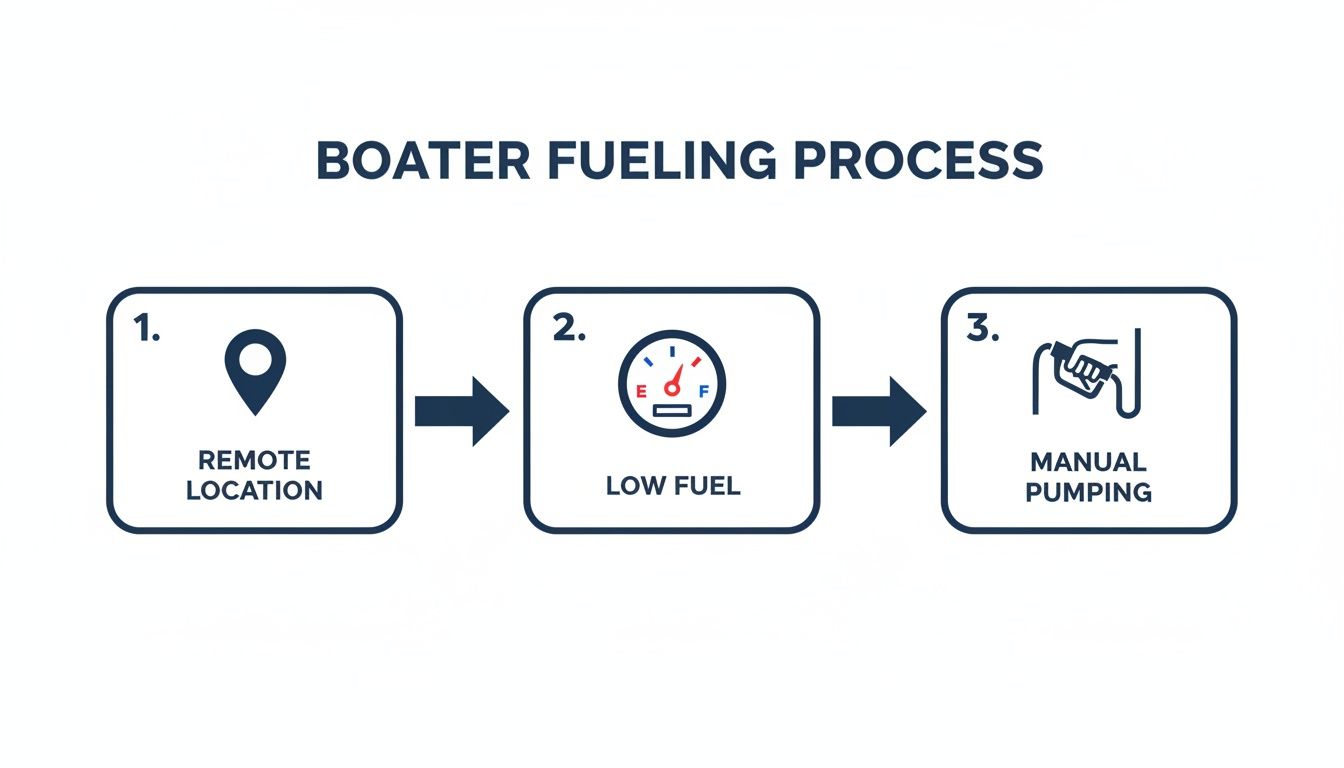
As you can see, the hand pump becomes your go-to solution when you've got a can of spare fuel but no easy way to get it into the tank.
The Science of Suction
So, how do these pumps actually create that all-important suction? Let's look at the two most common types you'll find on the market. They use slightly different mechanics to get the same job done.
1. Siphon Pumps (Bulb or Shaker Style)
This is the simplest and most common design. That little rubber bulb is the engine of the whole operation.
- The Squeeze: When you squeeze the bulb, you push air out through a one-way valve.
- The Vacuum: As the bulb bounces back to its original shape, it creates a low-pressure pocket. The normal air pressure pushing down on the gas in your jerry can is now higher, so it forces fuel up into the hose to fill that empty space.
- Let Gravity Do the Work: Once you've got a steady stream going, and as long as the gas can is sitting higher than the fuel tank opening, gravity takes over. The siphon effect will keep the fuel flowing with little to no more squeezing required.
2. Piston or Lever-Action Pumps
These are a step up in power and control. Think of them like a bicycle pump working in reverse—instead of pushing air out, you're pulling liquid in.
When you pull the handle up, you're raising a piston inside a chamber. This creates a powerful vacuum underneath it, which yanks the gasoline up from the can and into the pump. Pushing the handle back down forces that trapped fuel out the other end and into your boat's tank. This gives you way more mechanical advantage, making the process faster and easier to manage, especially if you're transferring a lot of fuel.
Choosing the Right Manual Pump for Your Boat
Picking the right hand gasoline transfer pump is a lot like choosing any other tool for your boat. What works perfectly for a small dinghy just won’t cut it for a larger cruiser.
Not all manual pumps are built the same, and knowing the differences can save you a ton of hassle when you’re in a tight spot. The best choice really boils down to your boat's size, how often you’ll be moving fuel, and how quickly you need the job done.
The three main types you'll run into are siphon pumps, piston pumps, and rotary vane pumps. Each works a little differently and comes with its own set of pros and cons. Let's figure out which one makes the most sense for you.
Comparing Common Manual Pump Types
Think of it this way: a simple siphon pump might be great for a quick, emergency top-off, but you’d be there all day trying to fill a 50-gallon tank with one. On the flip side, a big rotary pump is serious overkill for transferring just 2 gallons.
Let's break down the common options to see where they fit in:
-
Siphon Pumps (Bulb or Shaker): These are as basic and affordable as it gets. You just squeeze a bulb or shake the hose to get the fuel flowing, and gravity takes over from there. Their biggest selling point is simplicity—no complex parts to break, making them a reliable backup to keep on board.
-
Piston Pumps (Lever-Action): A solid step up in power. These pumps use a lever handle to pull fuel into a chamber and then push it out. You get much more control and a faster flow rate than with a siphon, which is why they’re a popular middle-of-the-road choice for boaters who transfer fuel fairly often.
-
Rotary Vane Pumps (Hand-Crank): When you need to move a lot of fuel and you need to do it fast, this is your pump. A hand crank spins internal vanes that create a strong, continuous flow. They're the most efficient manual pumps you can get, but they’re also the biggest and carry the highest price tag.
The core trade-off here is always between simplicity and efficiency. A basic siphon is small and cheap but slow. A rotary pump is fast but more complex and costly. Your ideal pump is somewhere in the middle, right where your need for speed meets your budget and patience.
To make things even clearer, I’ve put together a table comparing the different types head-to-head.
Comparing Manual Fuel Pump Types for Marine Use
This table breaks down the key features of the three main types of hand pumps, helping you see at a glance which one might be the best fit for your boat.
| Pump Type | Mechanism | Best For | Pros | Cons |
|---|---|---|---|---|
| Siphon Pump | Gravity & Vacuum | Small tanks, emergencies | Inexpensive, compact, simple | Very slow flow, requires elevation difference |
| Piston Pump | Piston & Lever | Medium tanks, regular use | Good flow rate, more control | More physical effort, bulkier |
| Rotary Vane | Hand Crank & Vanes | Large tanks, frequent transfers | Fastest manual flow, efficient | Most expensive, largest size |
Ultimately, choosing the right hand pump is all about being prepared. Having the right tool means you can handle any low-fuel situation safely and get back to enjoying your time on the water.
For a closer look at specific models and our top picks, check out our guide on the top manual transfer pumps for fuel in 2025.
The Hidden Dangers of Manual Fuel Transfer
A hand gasoline transfer pump might seem like a straightforward, handy tool to have on board, but it’s one of those things that comes with some serious risks. Every boater needs to understand what they're dealing with. The very thing that gives you control—the manual, hands-on process—is also its biggest Achilles' heel. It puts all the responsibility on you to be focused and flawless, which is a tall order when you're out on the water.
Picture this: you're trying to pour fuel from a heavy, awkward jerry can, listening for that tell-tale gurgle that means the tank is almost full. Suddenly, a wake from a passing boat jostles you. Or maybe a guest yells your name, and you glance away for just a second. That's all it takes. Fuel overflows, sloshing onto your deck and straight into the water. This isn't a rare occurrence; it's the most common danger of manual fueling.
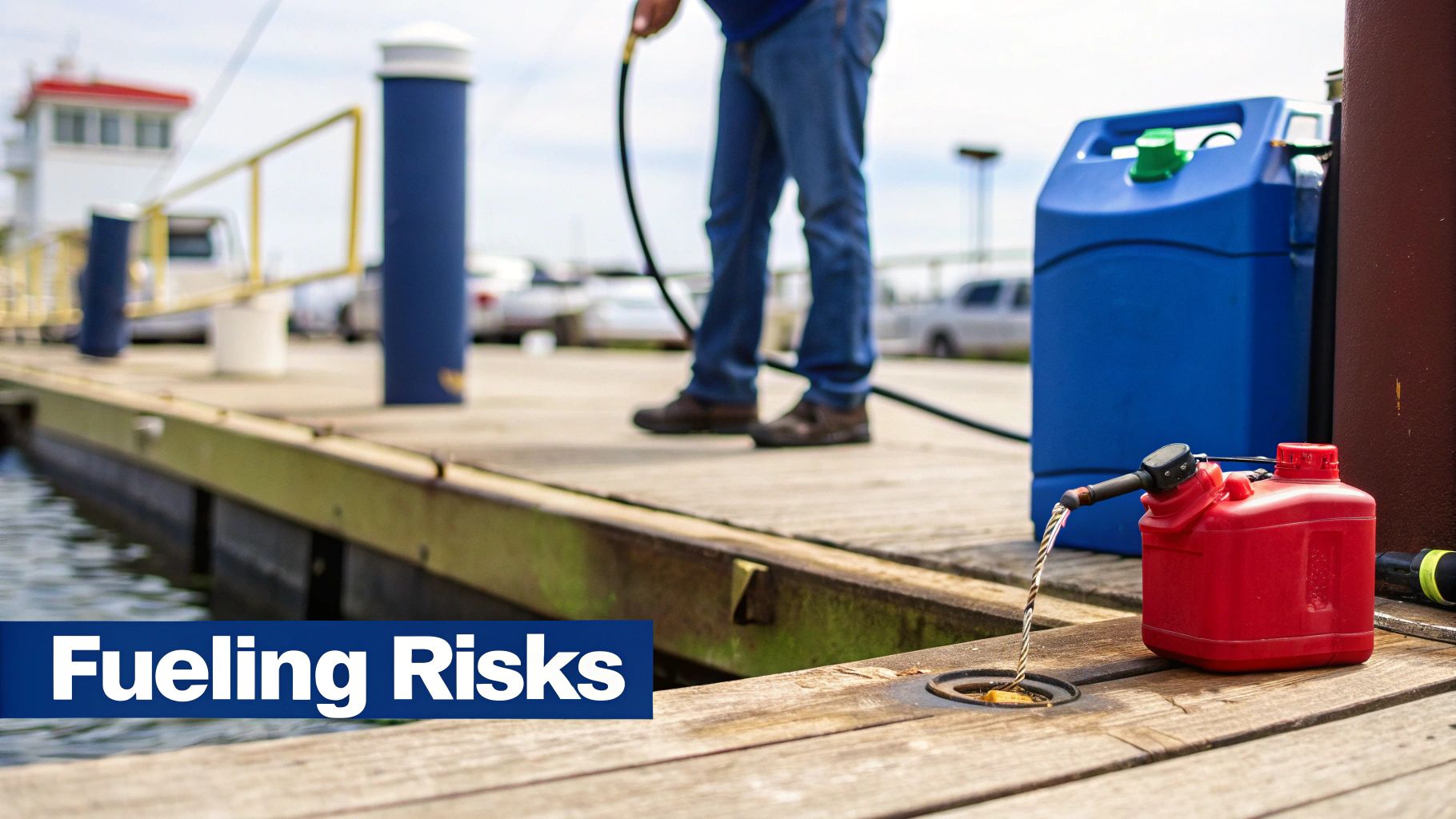
The Triple Threat of Manual Fueling
It’s not just about making a mess. The real dangers of using a manual pump fall into three main buckets, each one a serious threat to you, your boat, and the environment.
-
Spills and Environmental Damage: A gasoline spill is a double whammy—a major fire hazard and an ecological nightmare. Even small, seemingly harmless spills at the dock add up over time, poisoning the water we all enjoy. As a responsible boater, knowing the proper fuel spill cleanup procedures isn't optional; it's essential.
-
Hazardous Fume Inhalation: Gasoline fumes are nasty stuff. When you're hunched over an open fuel tank, you're breathing those vapors directly. This can lead to dizziness and headaches in the short term, and real health problems down the line. In a confined area like a boat cabin or bilge, those fumes can quickly build up to dangerous, flammable levels.
-
Static Electricity and Fire Risk: This is the one that really keeps me up at night. The simple act of fuel flowing through a hose can generate static electricity. If the pump and hose aren't properly grounded, that charge can build until it creates a spark. A tiny spark is all it takes to ignite gasoline vapors and cause a devastating explosion. This is exactly why you can't just use any old pump—it must be rated for flammable liquids.
The True Cost of a Small Mistake
Looking out for the environment is becoming a bigger and bigger deal in the world of boating gear. Think about this: a single gallon of gasoline can contaminate up to one million gallons of water. Those little overfills and drips suddenly seem a lot more significant, don't they? This is why the market is pushing for safer, more eco-friendly equipment.
The fundamental problem with any manual pump is the lack of a failsafe. It assumes the user will be perfect every single time. But we're human. Distractions happen, and mistakes are inevitable.
This built-in risk is why so many experienced boaters are moving away from the old-school "just get it done" approach. The new mindset is all about "getting it done safely." Thankfully, modern, automated solutions are designed specifically to take human error out of the equation, making the whole process far less hazardous.
Proper Maintenance and Safe Fueling Practices
Being a responsible boat owner is about more than just a great day on the water. It means looking after every piece of equipment, especially anything that handles fuel. A hand gasoline transfer pump might seem like a basic tool, but if you don't keep it in good shape, you're asking for trouble.
Think of maintenance as a non-negotiable part of your pre-launch routine. Before you even think about fueling, give your pump a quick once-over. Run your hands along the hoses—are there any cracks, brittle spots, or kinks? Check that every connection and seal is snug and secure.
Essential Safety Checks for Your Pump
A pump that’s looked after is a pump you can trust. Here’s a simple checklist to keep your gear working safely and prevent a bad day on the water:
- Inspect Hoses and Seals: Look for any visible damage. Even a tiny crack is a potential spill.
- Confirm Secure Connections: Give the fittings a quick twist to make sure they're tight before you start. This is where most leaks begin.
- Clean After Use: Wipe everything down to get rid of any stray gasoline. Fuel residue can eat away at the materials over time.
- Store Properly: Don't just toss it in a locker. Keep your pump in a cool, dry spot away from sunlight and, most importantly, any potential sources of ignition.
Your Legal and Environmental Duties
Here’s the hard truth: if you spill fuel, you’re on the hook for it. Laws like the Clean Water Act come with stiff fines for polluting waterways, and what seems like a small mistake can quickly become a very expensive problem.
This is why every boater should have a spill kit on board and know how to use it—it’s not optional. The legal and environmental risks are pushing boat owners everywhere to find better, safer ways to fuel up. This trend is a big reason why automated, spill-proof systems are becoming the go-to choice for anyone serious about safety.
A Smarter Way to Fuel Your Boat
Let's face it: the biggest problem with using a hand gasoline transfer pump isn't the pump itself. It’s the person holding it. Spills, dangerous fumes, and the ever-present risk of an overfill all boil down to one simple, unavoidable fact: human attention wanders. A split-second distraction is all it takes to turn a routine chore into a messy, hazardous, and expensive mistake.
But what if you could take human error out of the equation? Imagine if fueling your boat was as safe and simple as filling up your car at the local gas station. That's exactly where the next generation of marine fueling technology comes in, designed from the ground up to eliminate the headaches of manual pumps.
The Shift to Automated Fueling
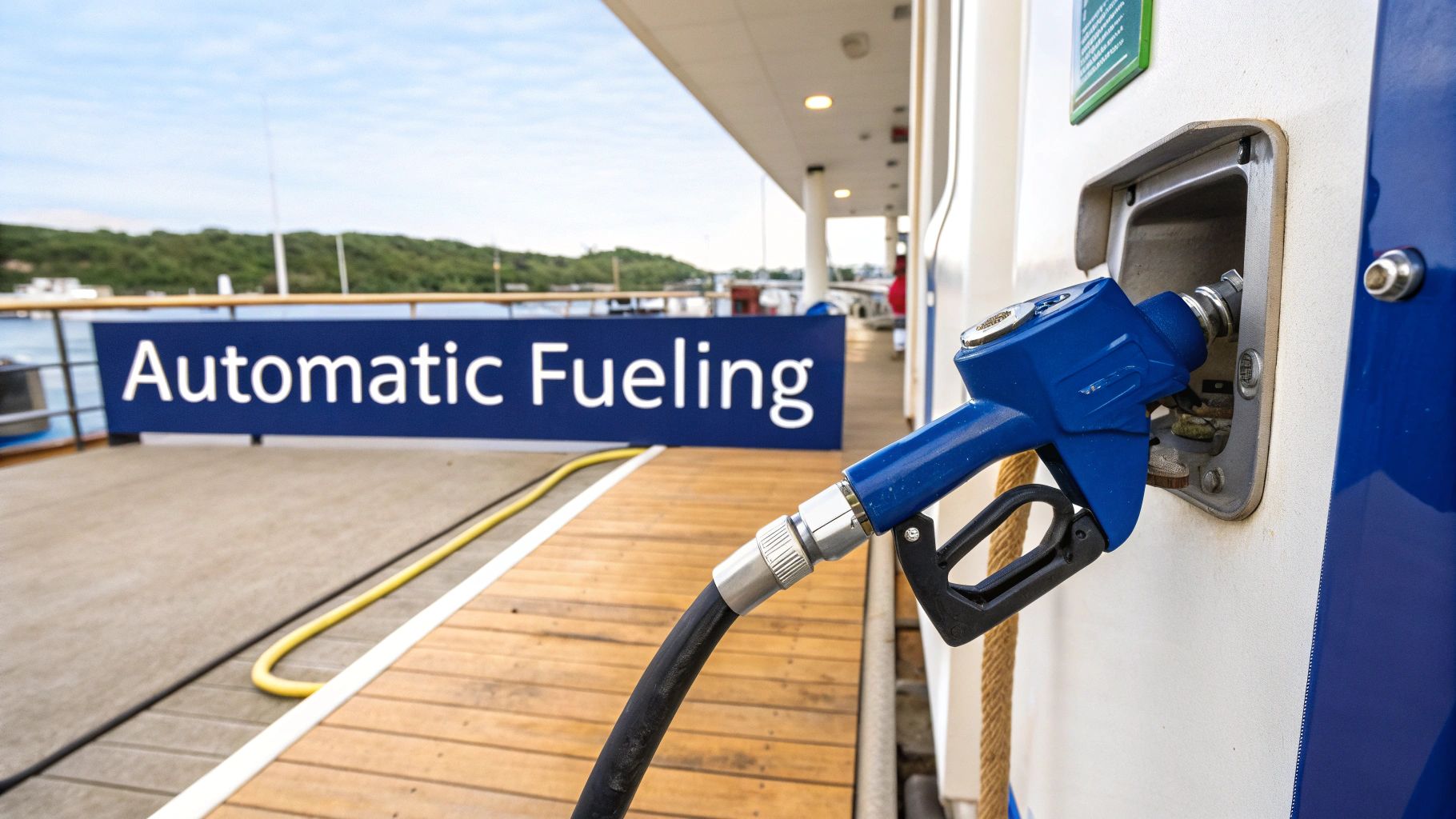
Modern fueling systems are built on one powerful idea: automatic shutoff. Instead of listening for the gurgle of a full tank or guessing how much fuel you need, these systems use smart technology to sense precisely when the tank is full and stop the flow instantly. This isn't just a nice-to-have feature; it's a complete change in how boaters can handle fuel safely.
By making overfills impossible, automatic systems tackle the single biggest weakness of any manual pump. They give you a reliable, built-in failsafe that protects your boat, the water, and your wallet.
This technology transforms refueling from a high-stakes, stressful job into a clean, predictable, and frankly, boring task—which is exactly what you want.
Why Automatic Shutoff Is a Game Changer
The reasons to move on from old-school manual methods are pretty clear. An automated system is simply a smarter way to manage one of the most critical parts of owning a boat.
Here’s a quick look at how it completely changes the fueling experience:
- Zero Spills, Guaranteed: This is the big one. An automatic shutoff means not a single drop of fuel gets wasted or spilled into the water. You protect the marine environment and stay on the right side of environmental laws without even trying.
- Enhanced Safety: Fuel and fumes stay contained, which dramatically cuts the risk of fire. You won't have open containers or overflows creating a flammable hazard on deck or in the bilge.
- Effortless Operation: The whole process becomes incredibly simple. Just connect the system and let the technology handle the rest, knowing it will stop at exactly the right moment.
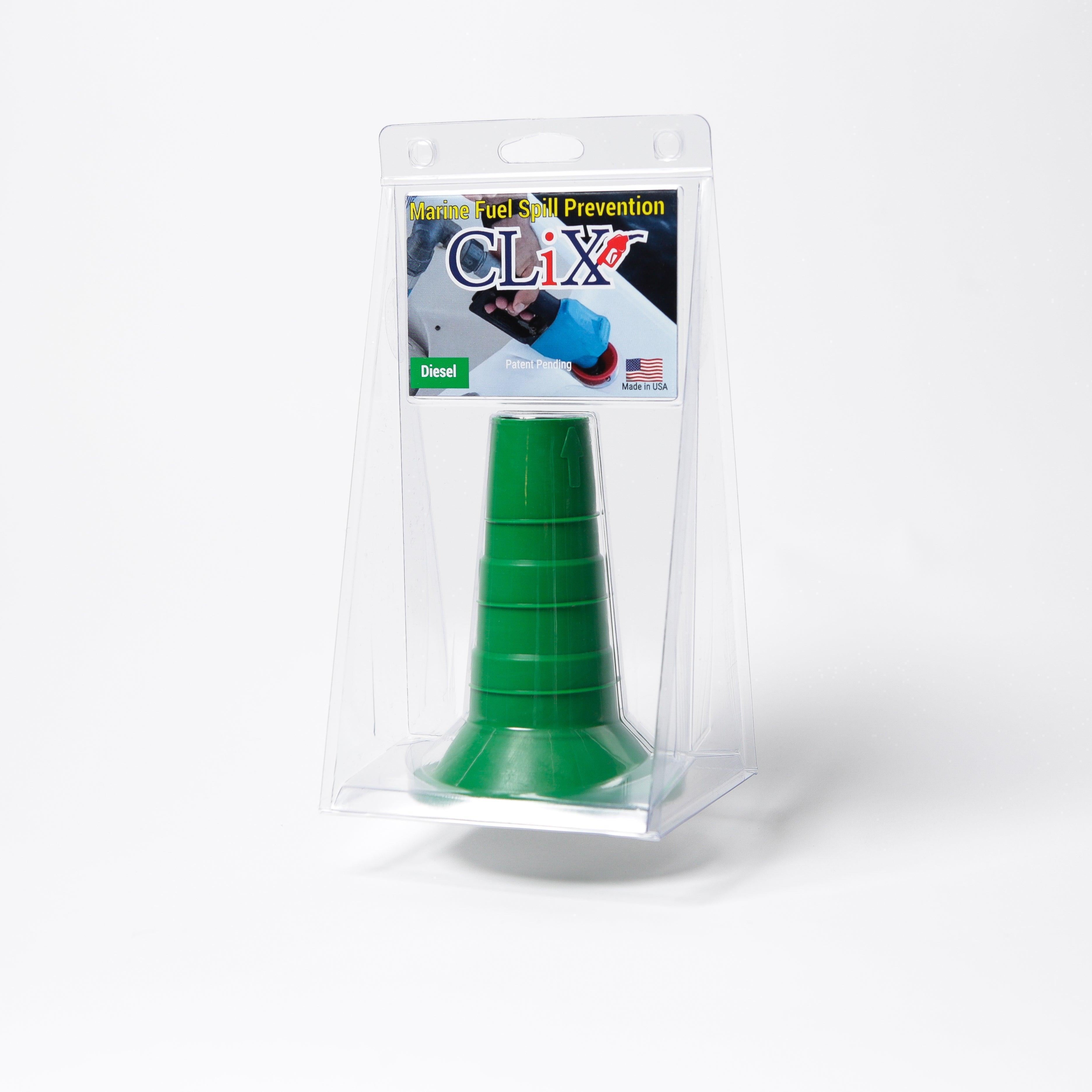
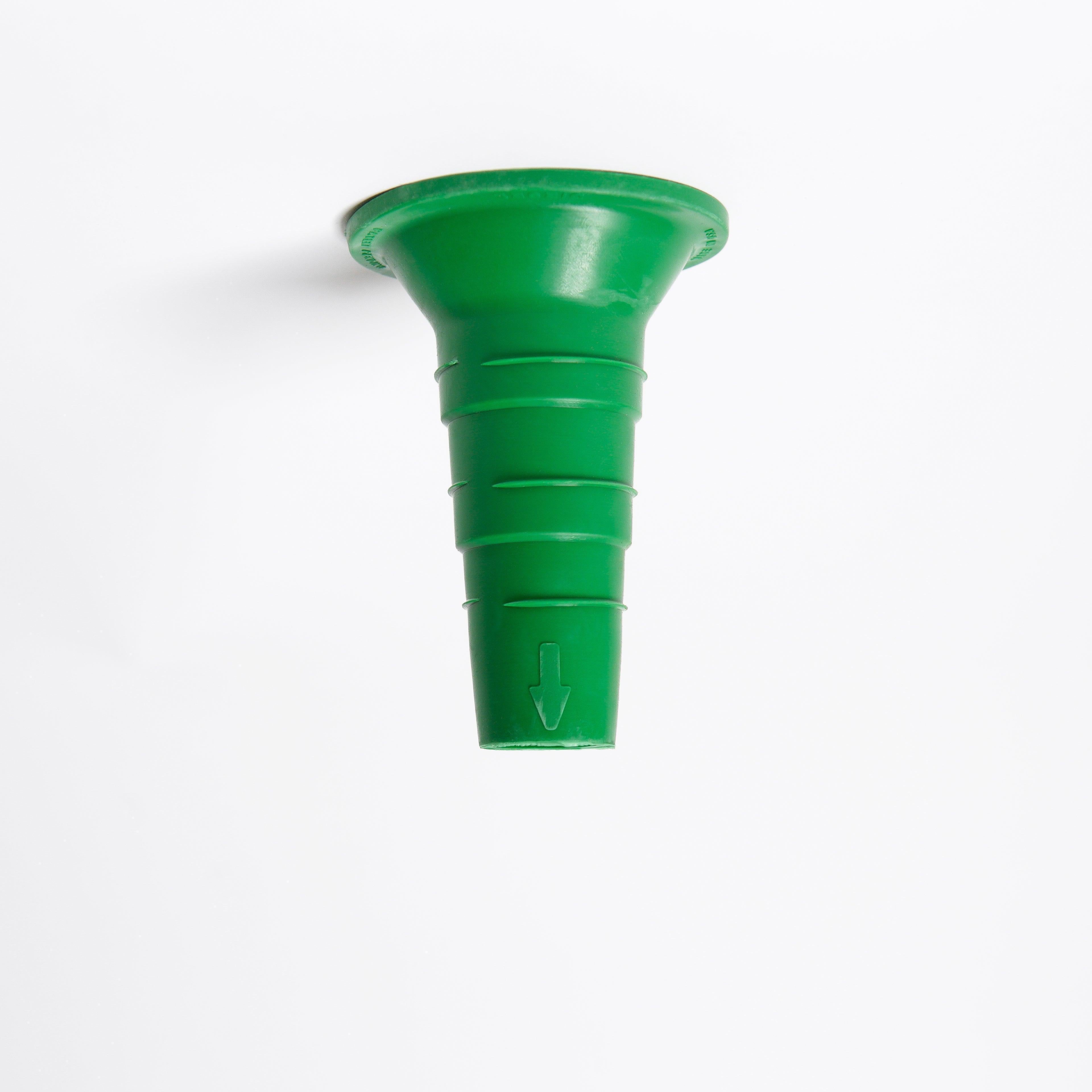
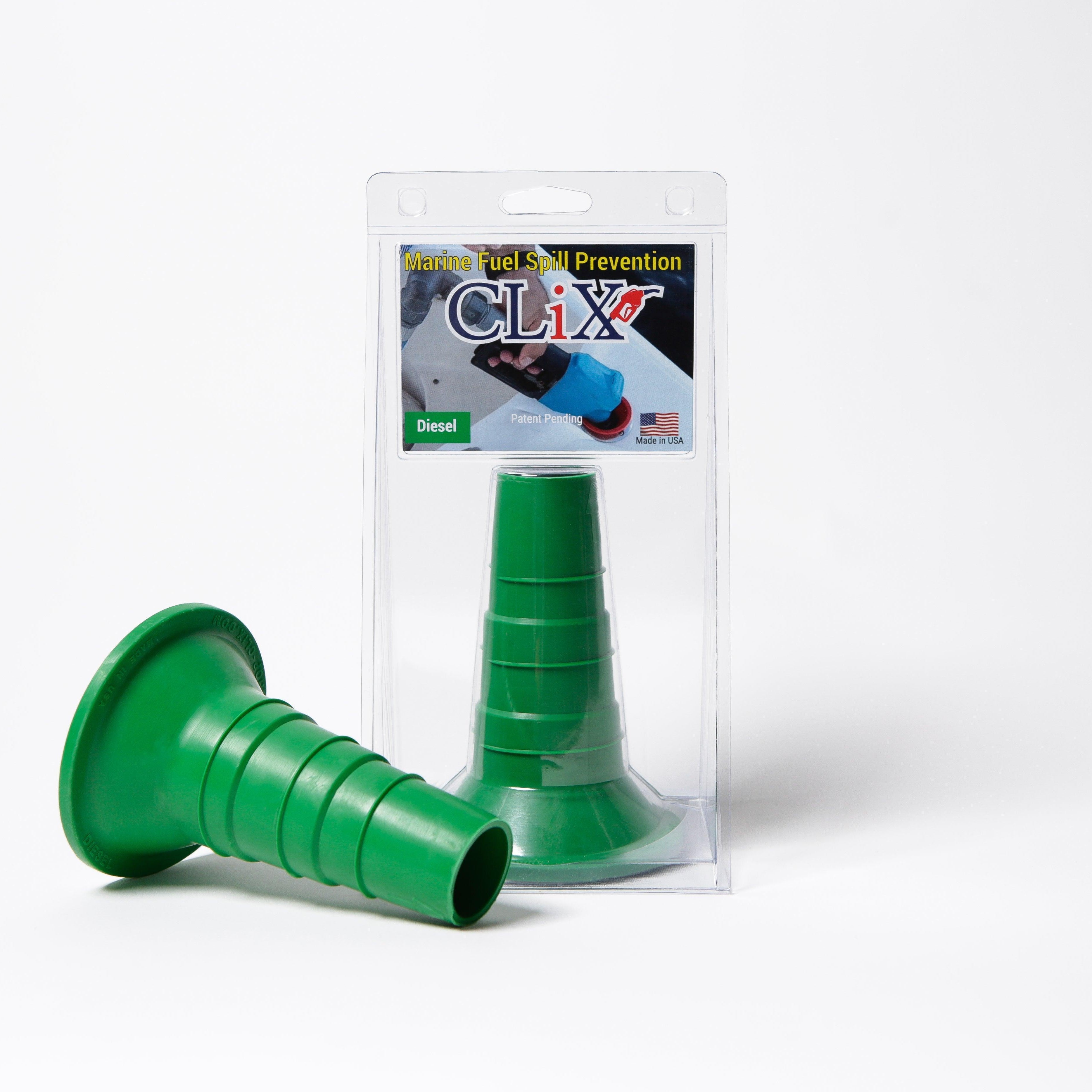
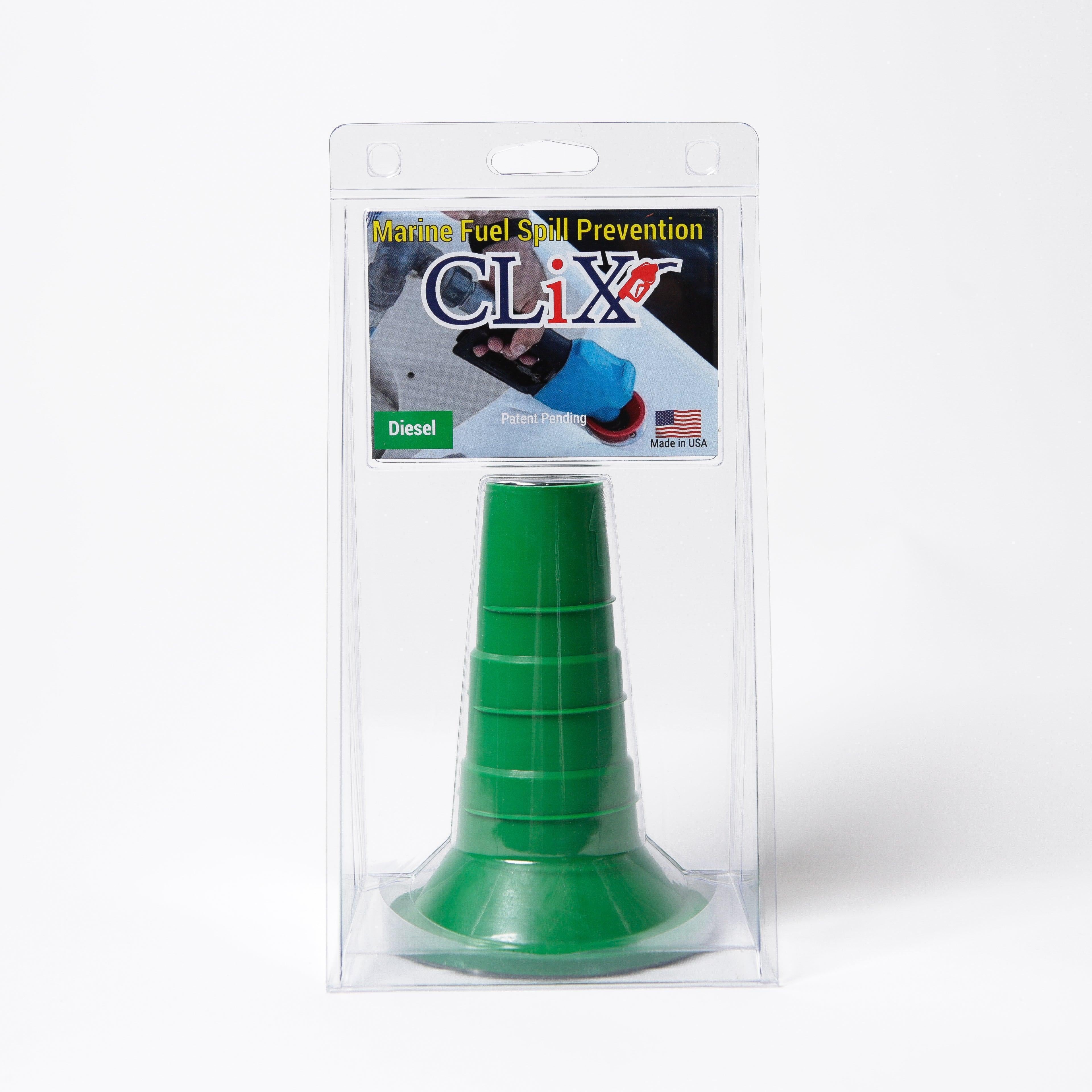
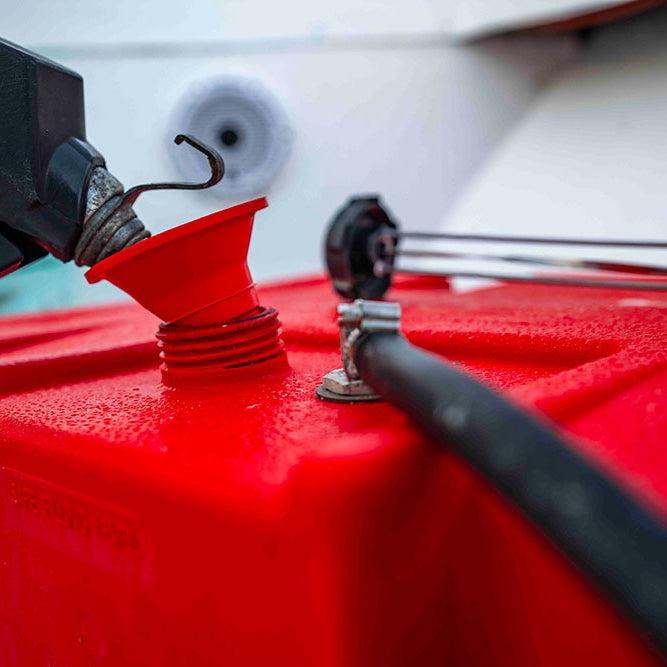
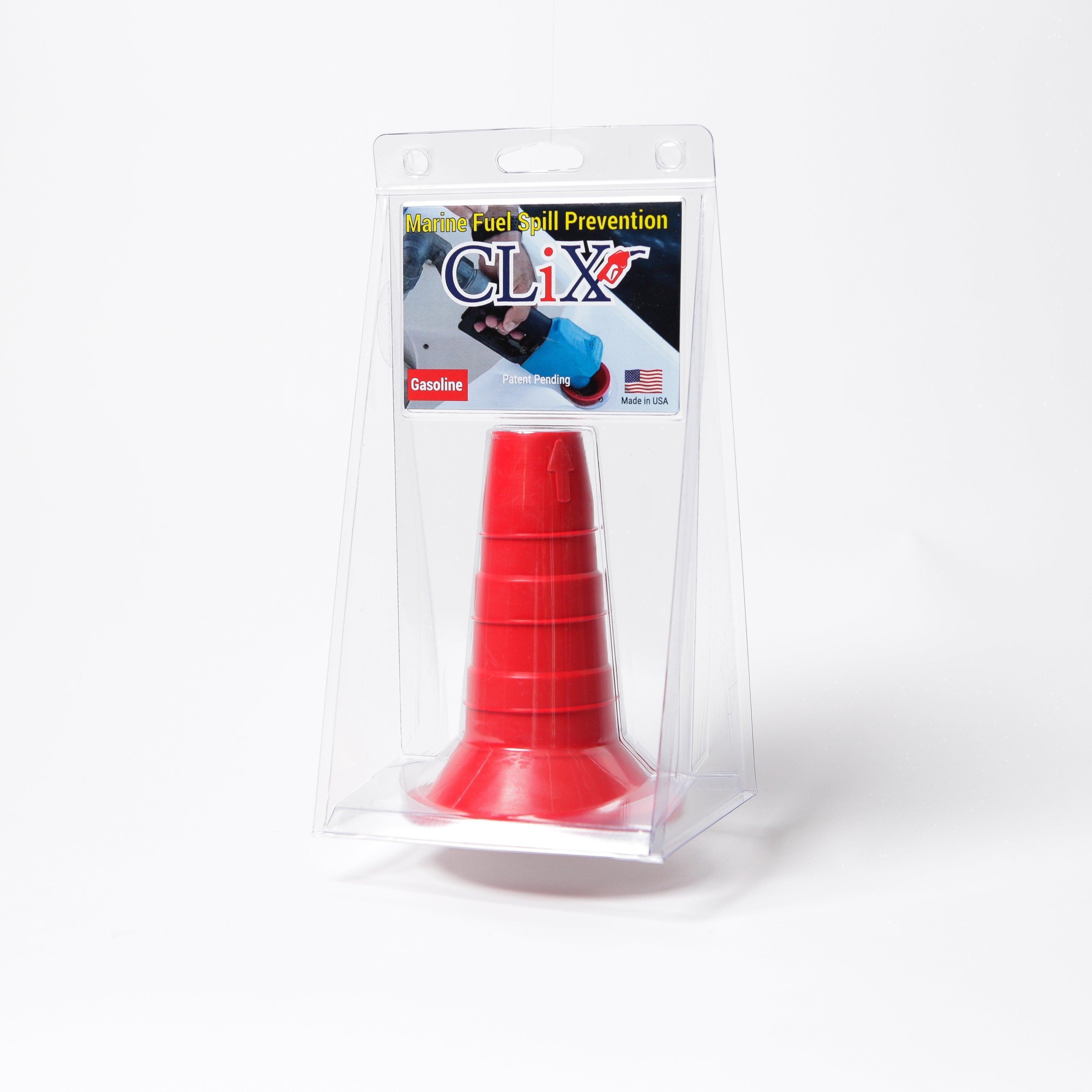
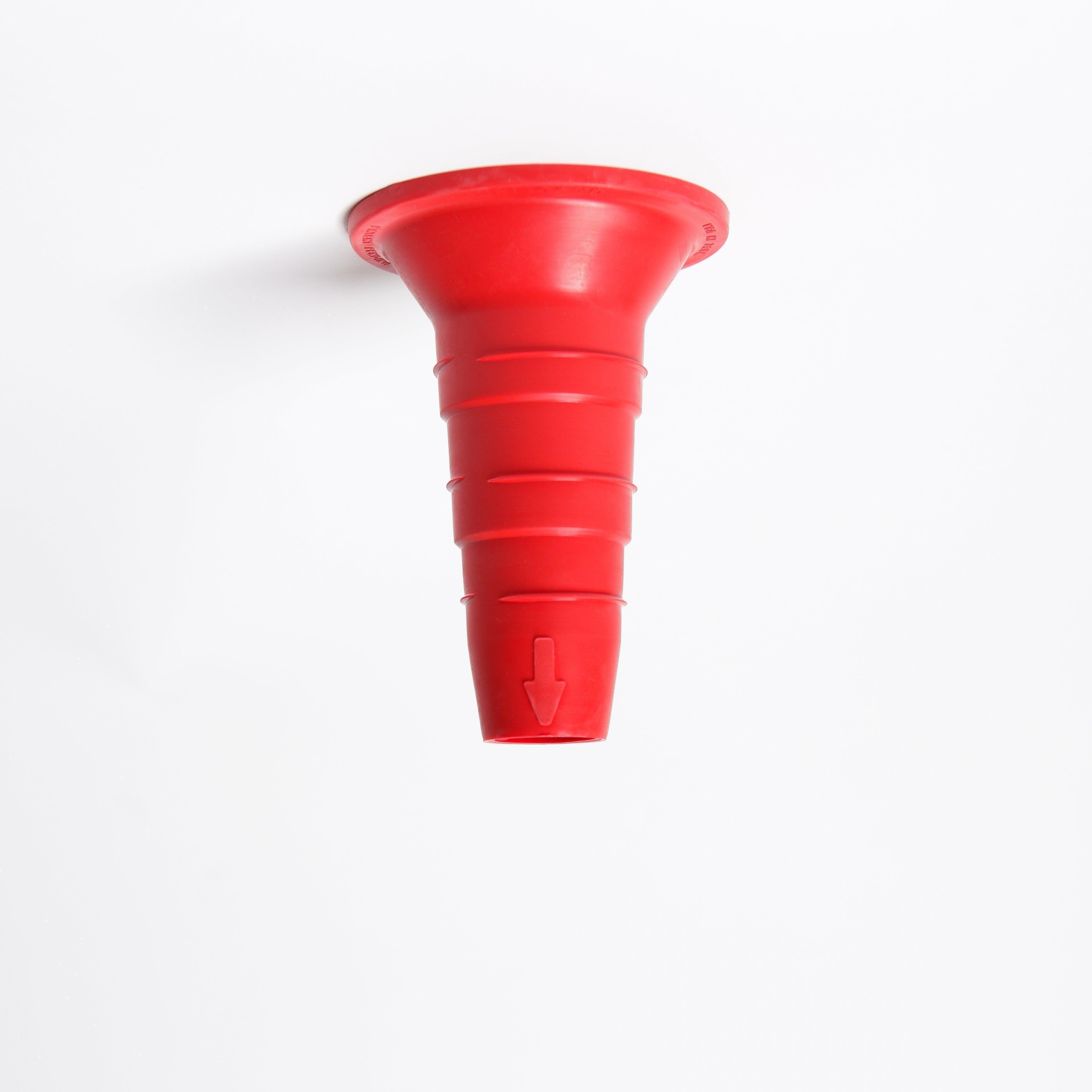
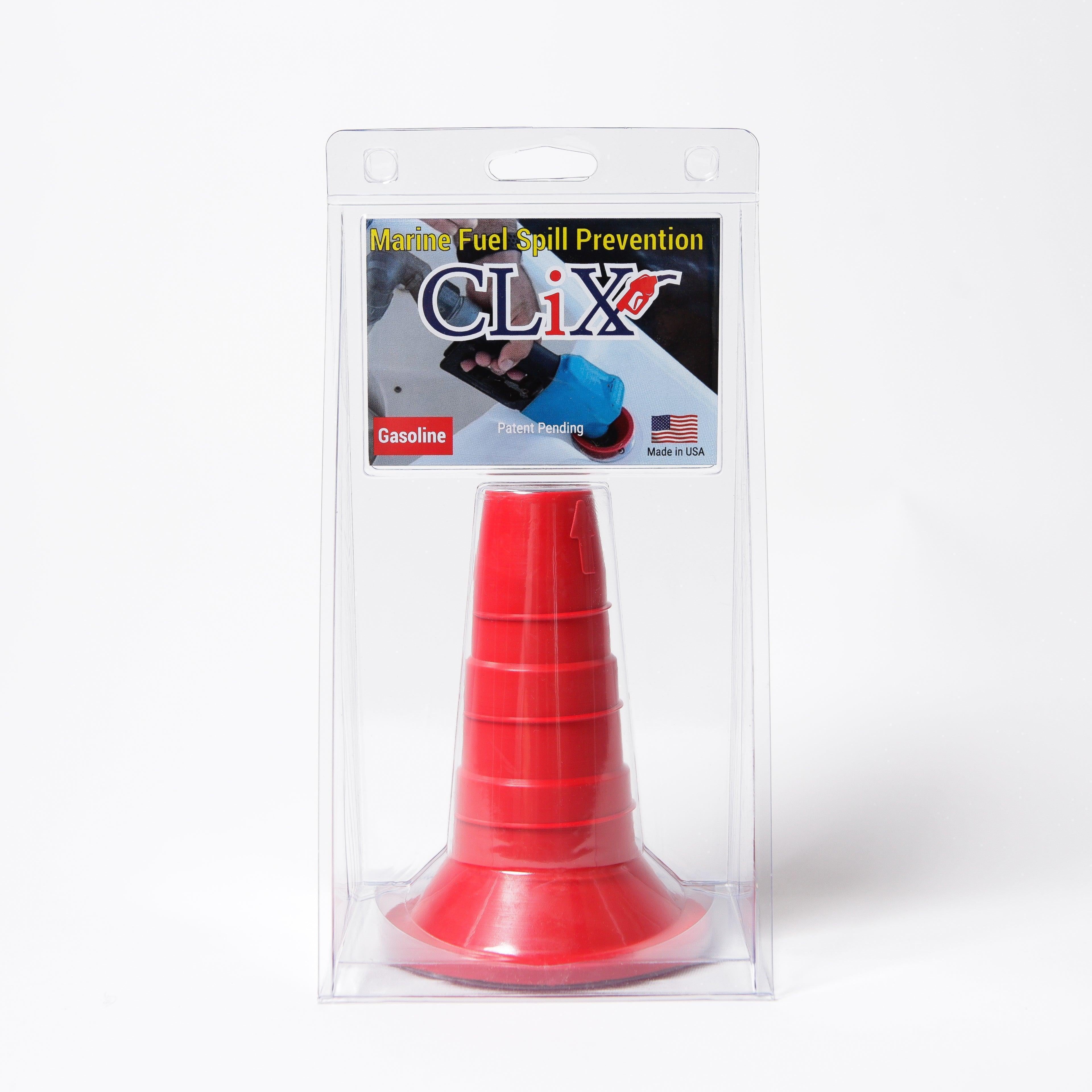
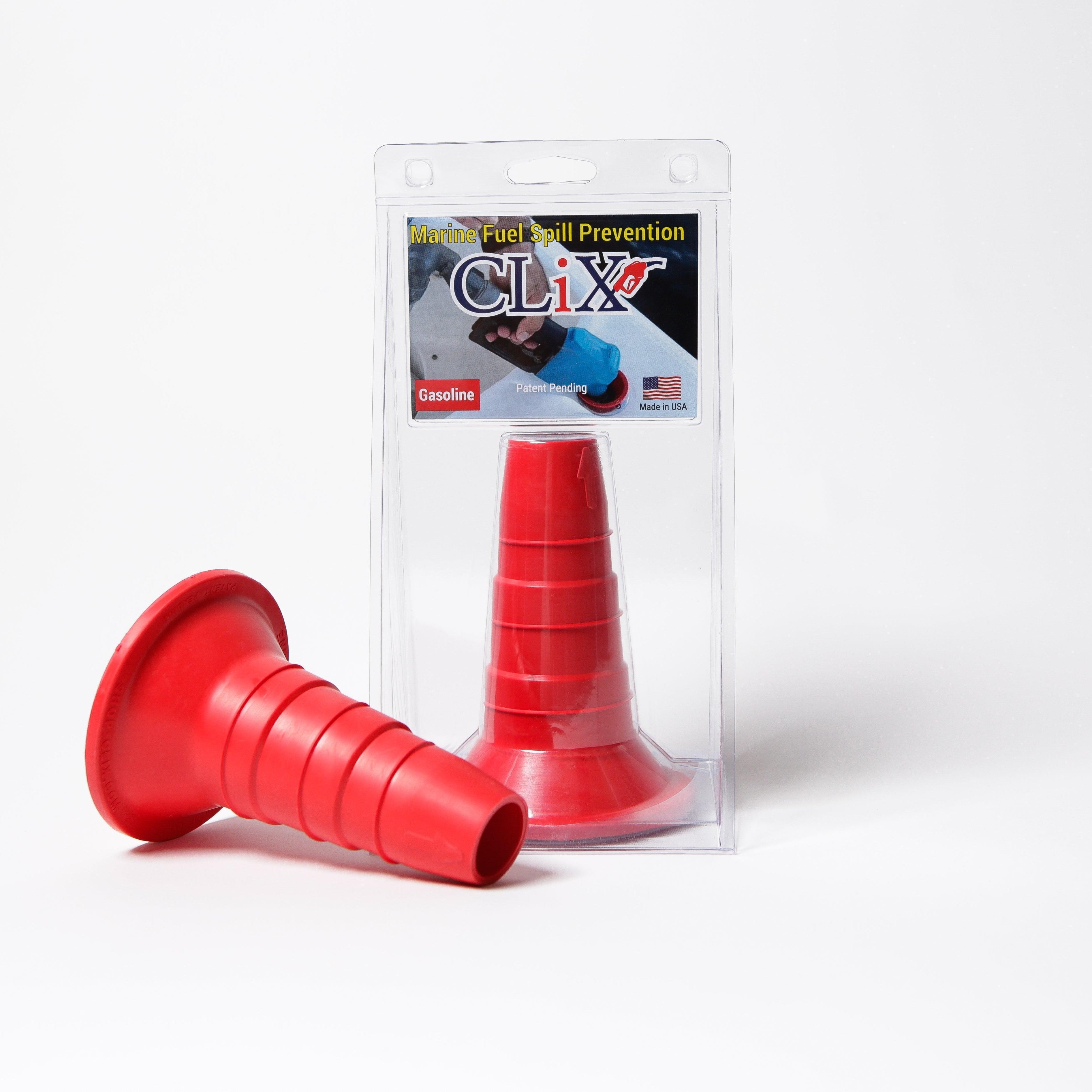
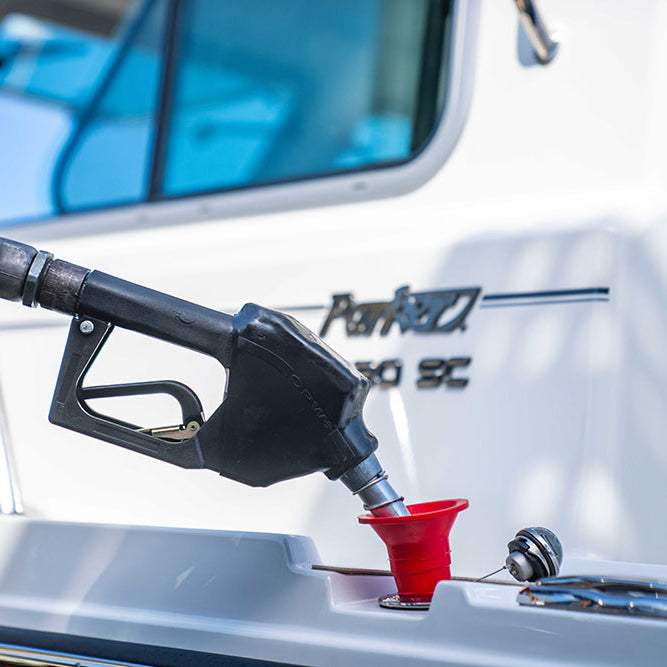
This shift from manual to automatic is a huge leap forward for responsible boating. For anyone tired of the mess and anxiety of a hand gasoline transfer pump, innovative solutions like CLiX Fueling offer a modern, reliable alternative that makes every trip to the fuel dock a safe one.
Got Questions About Hand Fuel Pumps? We've Got Answers
When you're out on the water, the last thing you want to worry about is fueling. Hand pumps are a classic tool, but they definitely raise some important questions. Let's tackle some of the most common ones boaters ask to make sure you're fueling safely, legally, and without the mess.
Are Hand Gasoline Transfer Pumps Actually Legal for Boats?
In a word, yes. It's generally legal to use a hand gasoline transfer pump to fuel your boat. But here's the crucial detail that often gets overlooked: you are legally responsible for every single drop of fuel you spill.
Laws like the Clean Water Act have serious penalties for discharging fuel into the water. This means preventing spills isn't just good practice—it's a legal must. The only surefire way to stay on the right side of the law is to use a fueling system that stops spills before they happen.
What's the Single Biggest Safety Risk with a Manual Pump?
The most common and dangerous risk is overfilling the tank. It happens in a split second, and suddenly you have a major problem on your hands. Spilled gasoline creates an immediate fire hazard, especially if it hits a hot engine part or finds an electrical spark in the bilge. On top of that, it's a serious environmental hazard.
There's also a sneakier danger: static electricity. As fuel moves through a hose, it can build up a static charge. That tiny spark is more than enough to ignite gasoline fumes, leading to a potential disaster.
At the end of the day, the biggest issue with any manual pump is that it's all guesswork. You're trying to listen for a change in sound or watch a fuel vent—both are famously unreliable ways to guess when a tank is full. It's a recipe for spills.
Can I Just Grab a Cheap Siphon Hose from the Hardware Store?
Please don't. This is one of the most dangerous shortcuts you can take. That cheap plastic hose you find in the plumbing aisle is almost certainly not rated for gasoline.
Fuel is a powerful solvent, and it will eat away at the wrong kind of plastic, making it brittle and prone to cracking and leaking. Even worse, those unapproved plastics can generate a ton of static electricity, creating a huge fire risk right next to your fuel tank. For your own safety, always use a pump and hose specifically made for flammable liquids like gasoline.
Tired of the guesswork and ready to make fueling a non-issue? See how the automatic, spill-free technology from CLiX Fueling Solutions can completely change your time on the water. Check it out at https://clixfueling.com.