Think of a marine portable fuel tank as more than just a gas can for your boat. It’s a purpose-built container, engineered to safely carry and store fuel in the rough-and-tumble marine world. Unlike the can you use for your lawnmower, these tanks have to meet tough U.S. Coast Guard standards to handle the constant sloshing, sun exposure, and potential for corrosion, all while preventing dangerous leaks and spills.
Your Guide to Marine Portable Fuel Tanks
A great day on the water depends on a fuel system you can trust. For anyone running a small to mid-sized boat, the portable fuel tank is the heart of the operation. This guide goes beyond the basics to show you why picking the right tank, handling it safely, and keeping it in good shape are crucial for your safety, your boat's performance, and the health of the waterways you enjoy.
We'll cover everything you need to know, from materials and sizing to smart, spill-proof fueling. It's easy for boaters—new or old—to overlook the details of this critical piece of gear. But these tanks are engineered systems, not just simple plastic jugs, and understanding them is a key part of being a responsible boat owner.
The Foundation of Good Fuel Management
Getting your fuel management right really boils down to three things. Nail these, and you'll avoid engine trouble, dangerous spills, or the dreaded scenario of being stranded far from the dock.
- Choose Wisely: Start by selecting a tank made from the right stuff, like UV-stabilized high-density polyethylene, and make sure it’s the right capacity for your engine and the kinds of trips you take.
- Handle Safely: Always follow the proper steps for carrying, securing, and refueling to cut down on spill risks. This means everything from grounding the nozzle to making sure you have good ventilation.
- Maintain It: Get in the habit of regularly checking your tank, fuel lines, and all the connections for any signs of wear and tear. Proper off-season storage is just as important.
It’s a classic mistake to treat a marine fuel tank like a regular gas can. A boat is a world of constant vibration, saltwater spray, and big temperature swings, which demands a much tougher and more reliable piece of equipment.
So, whether you’re just getting your sea legs and feel a bit swamped by the technical gear, or you're a seasoned boater looking to tighten up your safety game, this guide has the straightforward advice you need. By the time you're done, you'll feel confident managing your boat's fuel system, making sure every trip is a good one.
Choosing Your Tank Material and Design
When you think about your boat's fuel system, your mind probably jumps to the engine. But the real foundation, the unsung hero of a safe day on the water, is the tank itself. Picking the right marine portable fuel tank is about more than just its capacity; it’s about the material it's made from.
It’s a bit like choosing between a modern carbon-fiber fishing rod and a classic split-cane bamboo one. One is lightweight, tough, and needs almost no care, while the other is strong but requires a bit more attention to keep it in top shape. The best one really depends on how and where you'll be using it. For most of us, that choice boils down to plastic or metal.
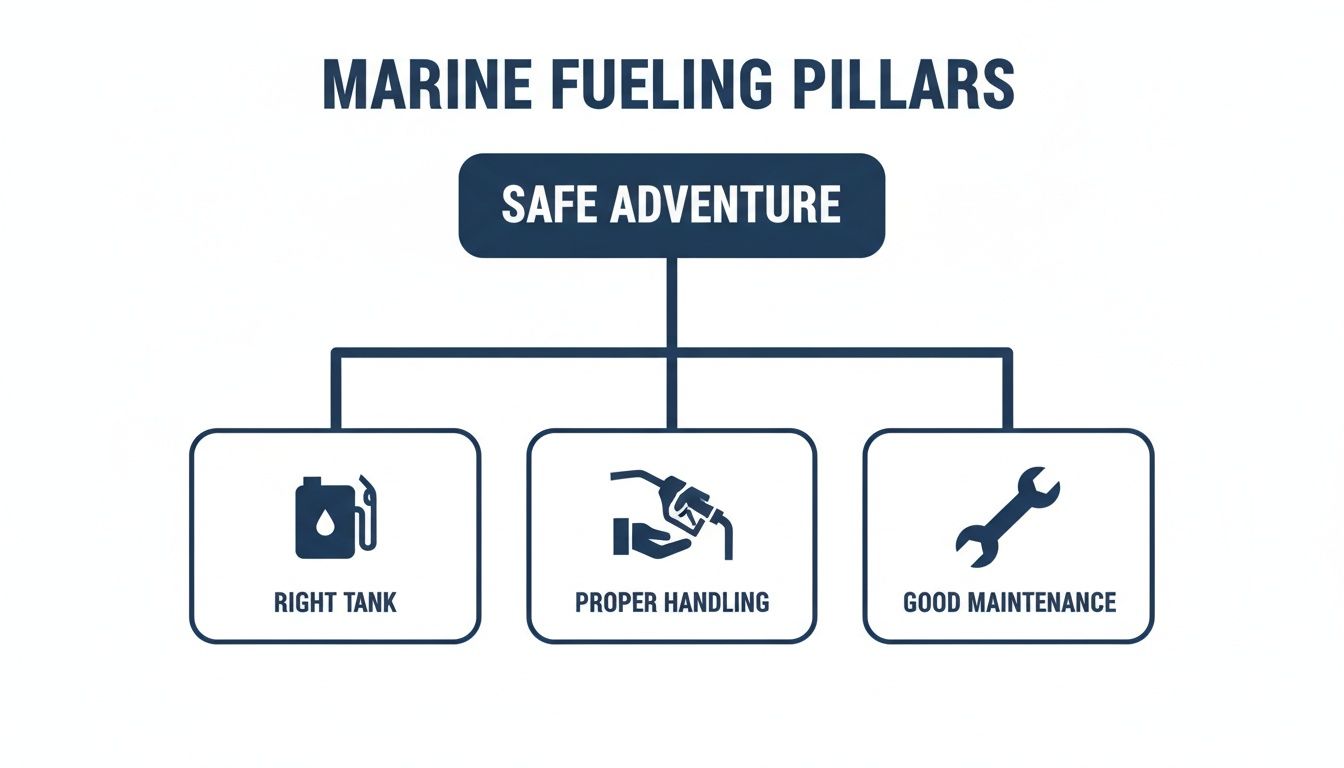
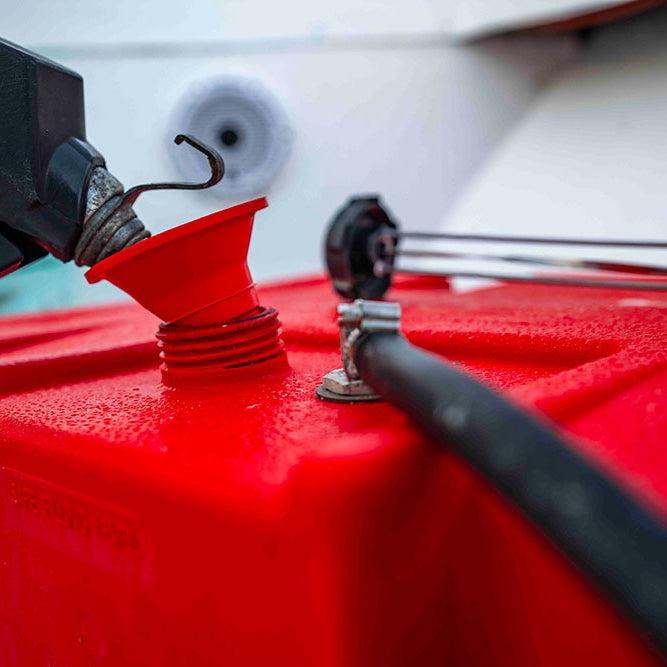
This image really drives the point home. A great day on the water starts with having the right gear, and that's just the first step. Knowing how to handle it and keeping it maintained are just as crucial.
Plastic Tanks: The Modern Standard
There’s a reason you see so many plastic tanks on docks these days. High-density polyethylene (HDPE) has pretty much taken over, and for good reason. These tanks are light enough to lug around without throwing your back out, and they laugh in the face of saltwater corrosion—a huge plus.
Modern plastic tanks are also molded in one piece, which means no seams or welds that could fail and spring a leak. They're also built with UV protection, so the sun won't make them brittle over time. All in all, they’re a reliable, low-maintenance, and affordable choice for the average boater. You can see a great rundown of options in our guide on portable gas containers for boats.
Metal Tanks: The Traditional Workhorse
While plastic is king for recreational use, metal tanks still have a solid place, especially in more demanding situations. These tanks, usually made of aluminum or powder-coated steel, are built like, well, tanks. They’re incredibly tough and resistant to punctures.
If you’re a commercial operator or someone who’s constantly navigating rough, rocky areas where your gear gets banged around, that extra durability brings serious peace of mind. But that toughness comes at a cost. Metal tanks are heavy, and you have to keep an eye on them for rust and corrosion, especially if the protective coating gets scratched.
Choosing your material really comes down to how much maintenance you’re willing to do. Plastic is a set-it-and-forget-it kind of deal, whereas metal requires you to stay vigilant about rust and damage to keep it safe.
To help you decide, here’s a quick side-by-side comparison:
Comparing Plastic vs Metal Marine Fuel Tanks
This table breaks down the key differences between plastic and metal fuel tanks to help boaters make an informed decision.
| Feature | Plastic (HDPE) Tanks | Metal (Steel/Aluminum) Tanks |
|---|---|---|
| Durability | Highly impact-resistant but can be punctured by very sharp objects. | Extremely puncture-resistant and rugged, ideal for harsh environments. |
| Corrosion | Naturally immune to rust and corrosion, making it perfect for saltwater. | Prone to rust (steel) or corrosion (aluminum) if the coating is damaged. |
| Weight | Lightweight and easy to carry, even when full. | Significantly heavier, which can make transport and handling difficult. |
| Maintenance | Very low maintenance; requires occasional cleaning. | Needs regular inspection for scratches, dents, and signs of corrosion. |
| Cost | Generally more affordable and cost-effective. | Typically more expensive upfront. |
| Best For | Recreational boaters, small to mid-sized boats, and saltwater use. | Commercial use, rugged conditions, and boaters who prioritize puncture resistance. |
Ultimately, both materials get the job done. Your choice depends on whether you value lightweight convenience and corrosion resistance (plastic) or absolute toughness (metal).
Tank Designs: Finding the Right Fit
Beyond what it’s made of, the shape of your fuel tank matters. You want something that will sit securely in your boat without sliding around. Luckily, there are a few common designs to choose from.
- Classic Rigid Tanks: These are the familiar rectangular tanks you see everywhere. They’re sturdy, easy to strap down, and come in just about any size you can imagine. A true all-rounder.
- Low-Profile Tanks: These are built short and wide, giving them a low center of gravity. This design makes them incredibly stable and perfect for tucking under seats or into other tight spots.
- Flexible Bladder Tanks: Need to fit fuel in an awkward spot? Bladder tanks are the answer. Made from a tough, pliable material, they can be squeezed into oddly shaped compartments where a rigid tank just won't go. They're a lifesaver for small boats where every inch of space counts. It's a growing market, too, with some experts projecting it to top $3.2 billion by 2032.
Sizing Your Fuel Tank for Safety and Range
Picking the right size for your marine portable fuel tank is one of the most important calls you’ll make as a boat owner. If you guess, you risk one of two bad outcomes: carrying too little fuel and getting stranded, or hauling too much and weighing down your boat for no reason. Getting the size right isn't just about convenience—it's about staying safe on the water.
Think of it like packing water for a hike. You wouldn’t head out with just a tiny bottle, but you also don't want to lug a five-gallon jug up a mountain. The trick is to figure out what you actually need based on your trip, with a healthy safety margin built in.
This is where a lot of boaters, especially newcomers, get a little stuck. But don't worry, there's a simple, time-tested rule that takes all the guesswork out of it.
The Cornerstone of Fuel Planning: The Rule of Thirds
The single most important idea in marine fuel planning is the Rule of Thirds. It’s a straightforward but incredibly effective way to make sure you always have enough gas to get home, even if the weather turns or things don't go as planned.
The rule breaks down your fuel supply like this:
- One-third of your fuel to get where you're going.
- One-third of your fuel for the trip back.
- One-third of your fuel kept in reserve for emergencies.
That last third is your lifeline. It's there for the unexpected, like a sudden storm that forces you to take a longer route home, a strong current fighting you the whole way, or even helping another boater in trouble.
Never leave the dock without a clear plan for your fuel. Following the Rule of Thirds turns fuel management from a guessing game into a reliable safety habit.
By making this rule a non-negotiable part of every trip, you're building a critical safety buffer into your day on the water.
Calculating Your Boat's Fuel Needs
Once you’ve embraced the Rule of Thirds, the next step is to figure out how much fuel your boat actually burns. It’s not an exact science—consumption changes with your speed, how much weight you're carrying, and the water conditions—but you can get a very solid estimate.
A good rule of thumb for an outboard motor is that it will burn roughly 1 gallon per hour (GPH) for every 10 horsepower when running at full throttle. Of course, you'll probably be cruising at a more efficient speed, somewhere around 75-80% of the max.
Let's walk through a real-world example.
Example: A Small Fishing Boat
- Engine: Let's say you have a 30-horsepower outboard.
- Estimate Max Burn: At full throttle, it might burn around 3 GPH (30 HP / 10).
- Estimate Cruising Burn: At a comfortable cruise, it’s probably closer to 2 GPH.
- Plan Your Trip: You're planning a 4-hour fishing trip with about 2 hours of total travel time.
- Calculate Trip Fuel: 2 hours of travel x 2 GPH = 4 gallons needed for your round trip.
Now, let's apply the Rule of Thirds. That 4 gallons is the first two-thirds of your fuel. This means you need another 2 gallons for your reserve, bringing your total to a minimum of 6 gallons. A standard 6-gallon portable tank is the perfect fit. To dive deeper, check out our guide on how to maximize your boat's fuel tank capacity.
Balancing Range with Performance
It might be tempting to just buy the biggest tank you can find, but there's a serious trade-off to consider: weight. Fuel is heavy—gasoline weighs about 6 pounds per gallon. A full 12-gallon tank adds over 70 pounds to your boat, and that weight has a direct impact on performance.
- Less Efficient: A heavier boat works harder to push through the water, which means it burns more fuel.
- Slower on the Draw: The boat will feel sluggish and take longer to get up on plane.
- Handling Changes: The extra weight can change how the boat sits in the water and responds at the helm.
The goal is to find that sweet spot. You want enough fuel to follow the Rule of Thirds for your typical outings, but not so much that you're just dragging around extra weight. For most small recreational boats, this usually means a tank in the 3 to 6-gallon range.
Market trends back this up. The global portable fuel tank market is expected to grow to USD 2.28 billion by 2031, with a huge chunk of that demand coming from small boat owners who rely on these exact tank sizes. It just goes to show how vital these simple containers are to the boating community. You can find more insights on the portable fuel tank market from Verified Market Research.
Mastering Spill-Proof Fueling Procedures
Fueling a boat seems straightforward enough, but one small mistake can lead to a seriously dangerous mess. A fuel spill isn't just a hassle—it's a fire hazard, an environmental nightmare, and a costly problem to clean up.
The good news? With a solid routine and the right tools, you can make every refueling stop completely safe and spill-free. Think of it like a pilot's pre-flight checklist. It's a series of simple, deliberate steps that, when you follow them every single time, take human error out of the equation. This simple discipline turns a potentially stressful chore into a safe, predictable part of your day on the water.
Your Pre-Fueling Safety Checklist
Before a single drop of fuel goes into your marine portable fuel tank, you need to take a few minutes to prep the area. This isn't about being paranoid; it's about controlling the environment to stamp out common risks before they can start.
- Secure the Boat: First things first, make sure the boat is tied securely to the dock. The last thing you want is for it to drift away mid-fueling, yanking the hose and tank with it.
- No Passengers Onboard: Get everyone off the boat. This keeps your crew safe and out of the way in the unlikely event of a fire.
- Extinguish All Flames: Kill the engine, shut down all electronics, and turn off anything that could create a spark. That means no cigarettes, no portable stoves—no open flames, period.
- Close All Hatches: Shut all ports, hatches, and doors. This is critical for preventing fuel vapors from creeping into enclosed spaces below deck. Those fumes are heavier than air and can pool in low areas, creating a serious explosion risk.
The most dangerous part of fueling isn't the liquid fuel itself, but the invisible, highly flammable vapor it creates. Proper ventilation and eliminating ignition sources are your most powerful tools for preventing a disaster.
The Old Way vs. The Smart Way
For years, boaters had to rely on a risky and surprisingly imprecise method for filling a portable tank: listening for the gurgle. You’d stand there, holding the nozzle, trying to guess when the tank was almost full and stop just before it overflowed. As you can imagine, this guesswork often led to messy, hazardous overfills.
This has been a chronic problem on the water. Research shows that recreational boating contributes millions of liters of fuel pollution to coastal waters every year, mostly from those "small" drips and overfills. In fact, some studies have found that 10% to 25% of fuel transfers for small boats result in some level of spill, especially when trying to top off a marine portable fuel tank.
A Modern Solution for Spill-Proof Fueling
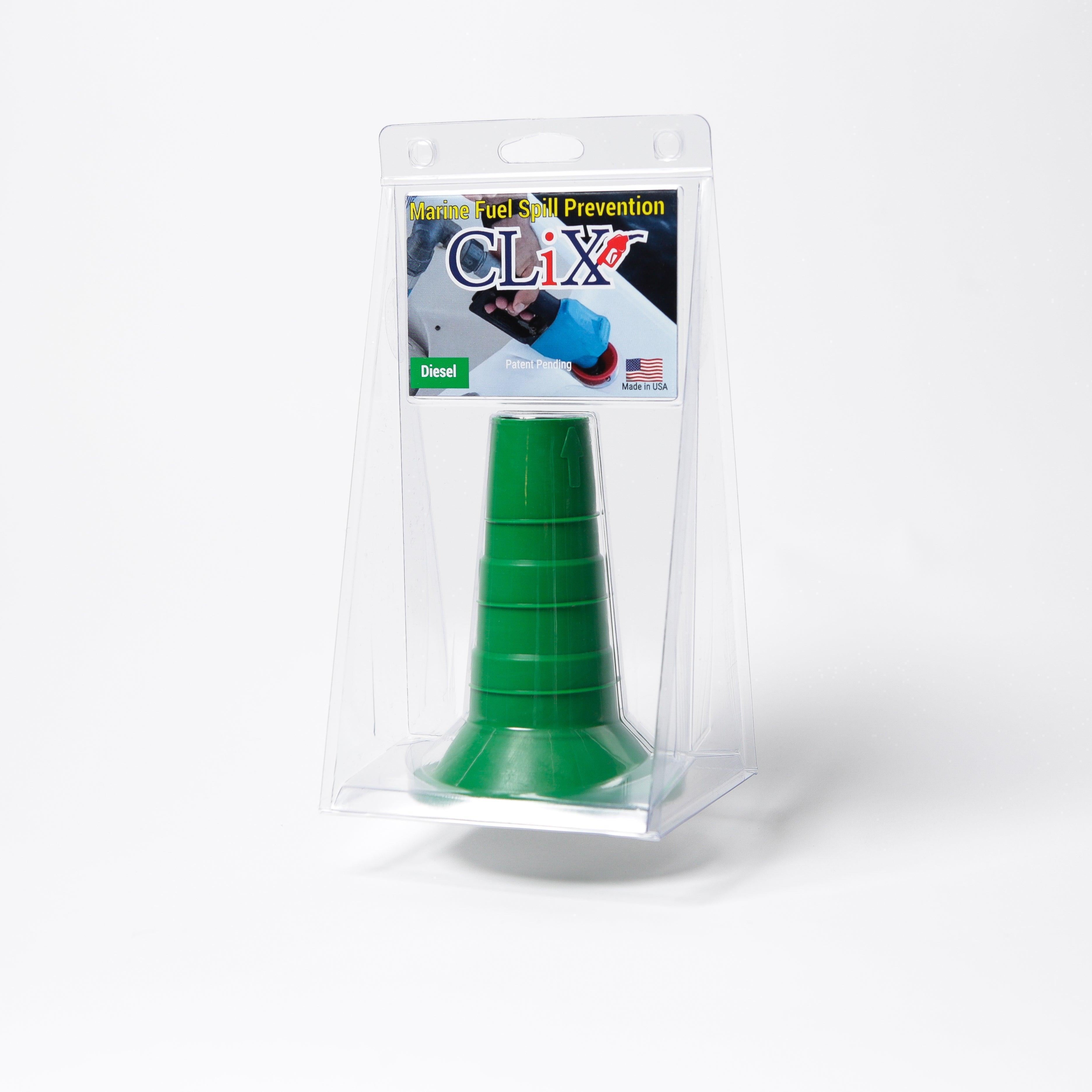
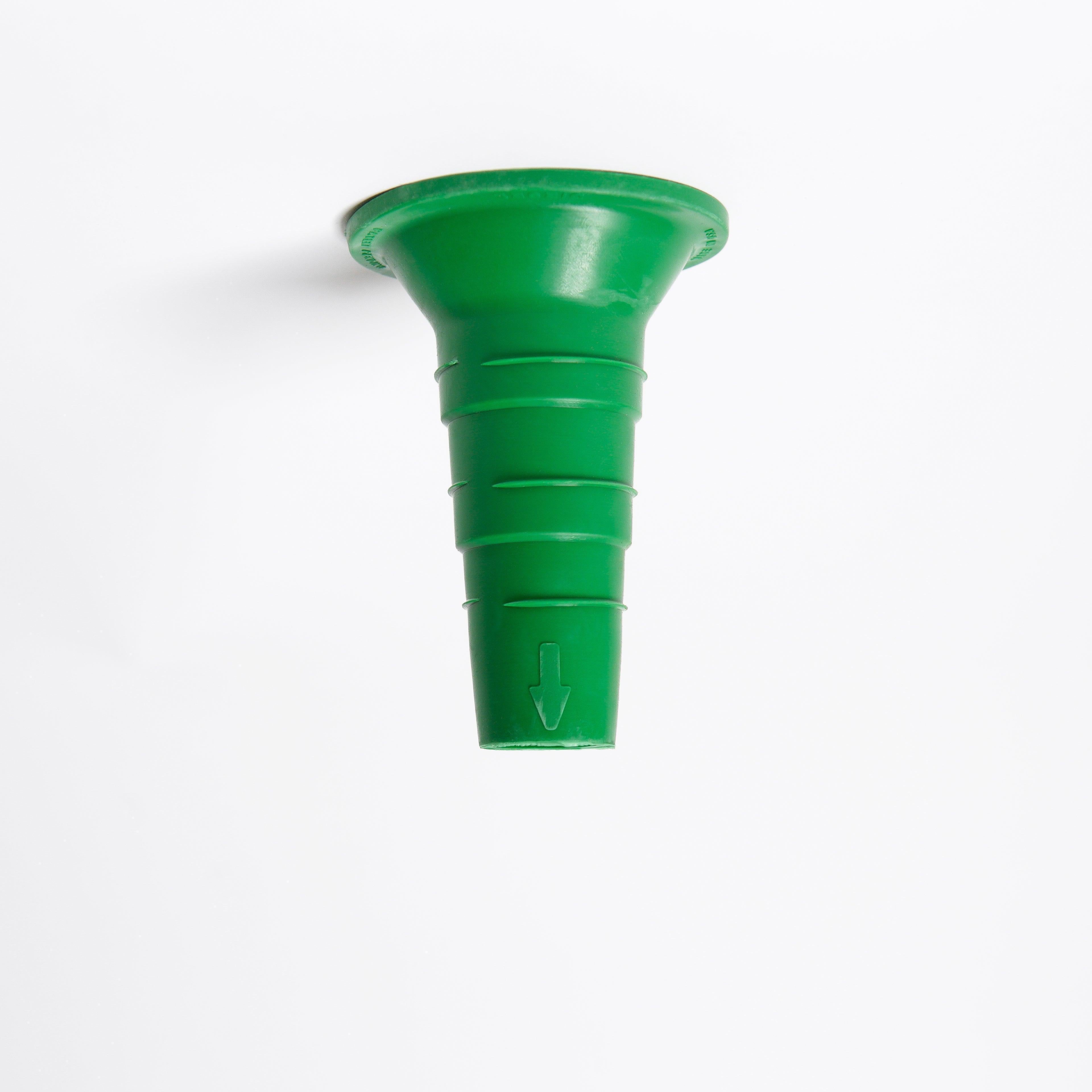
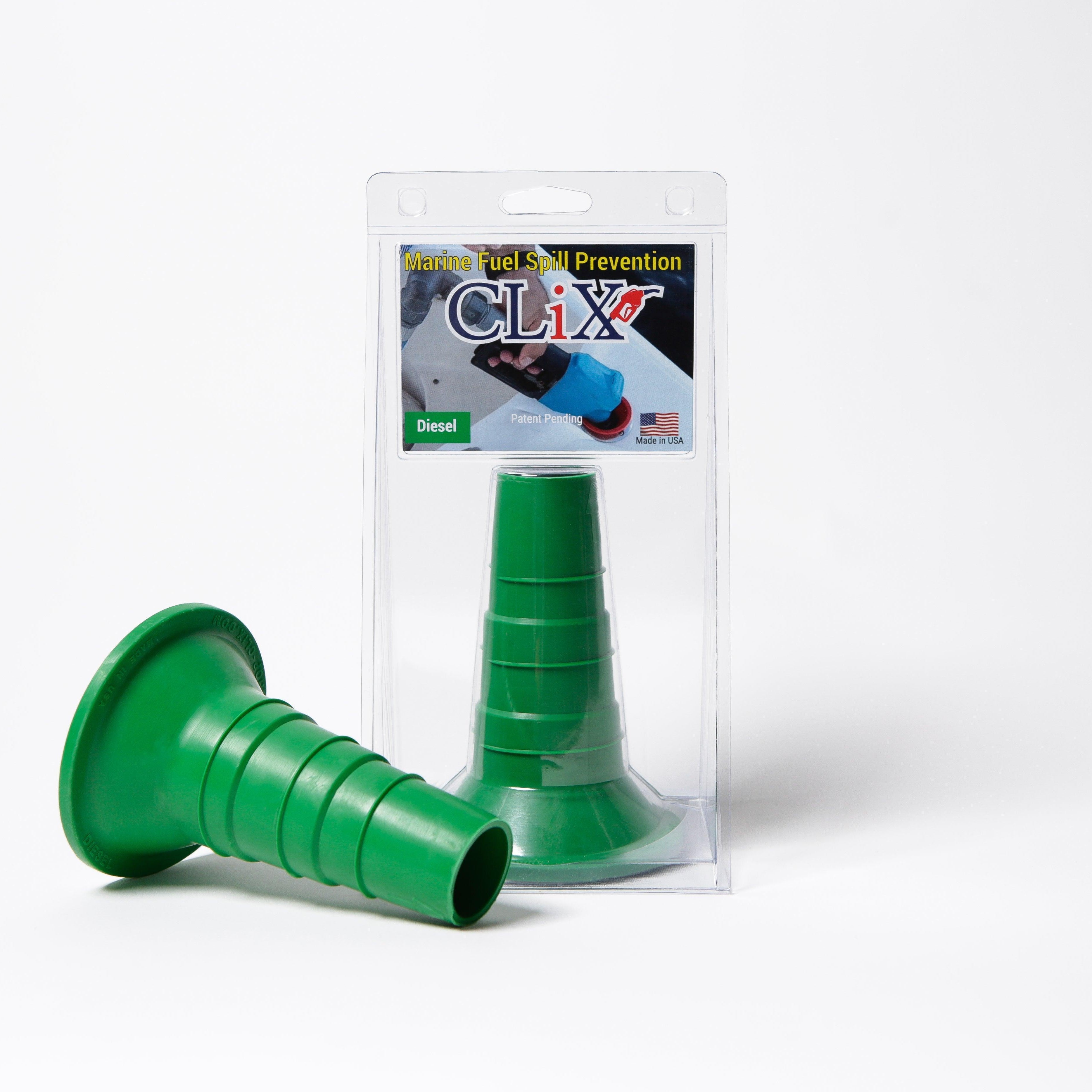
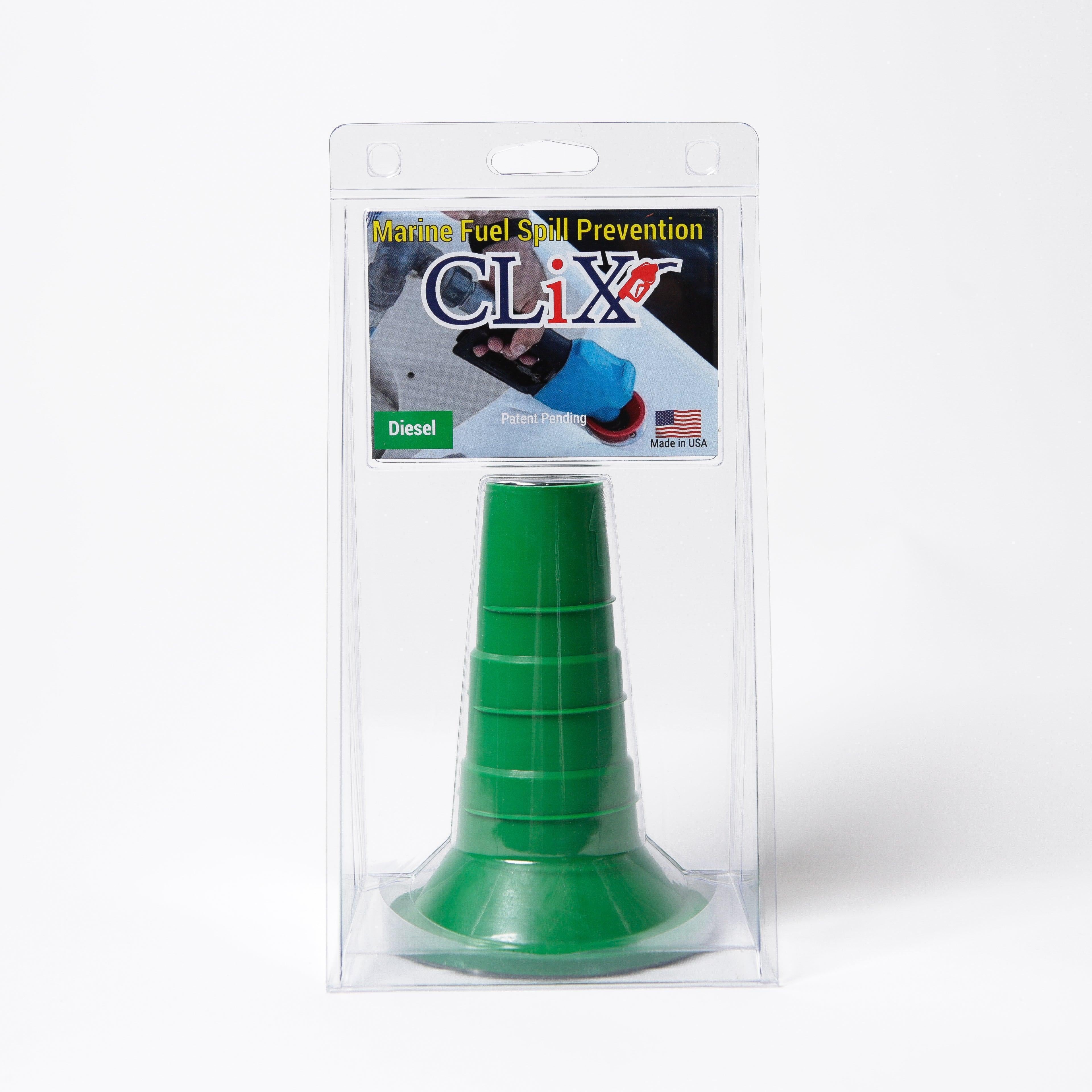
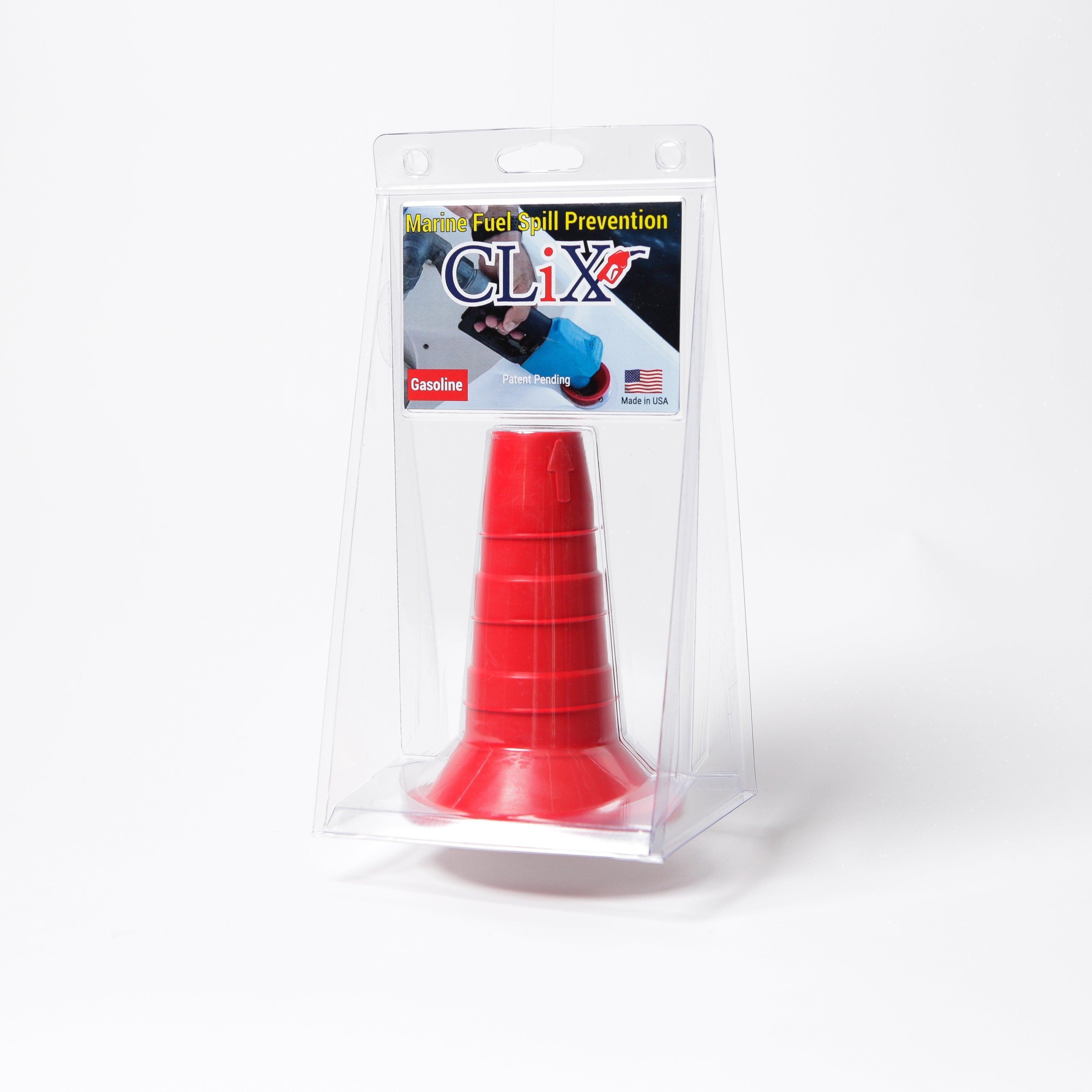
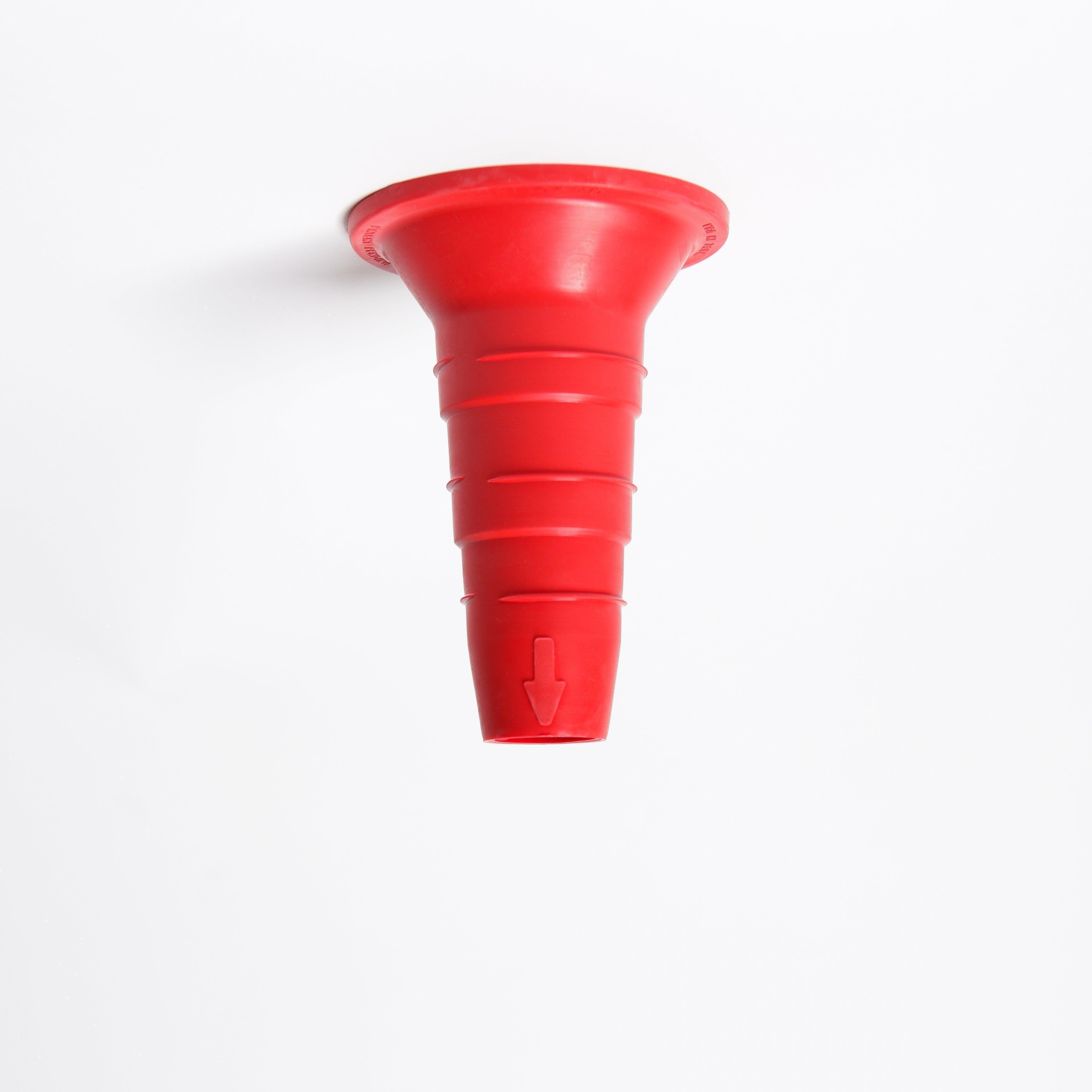
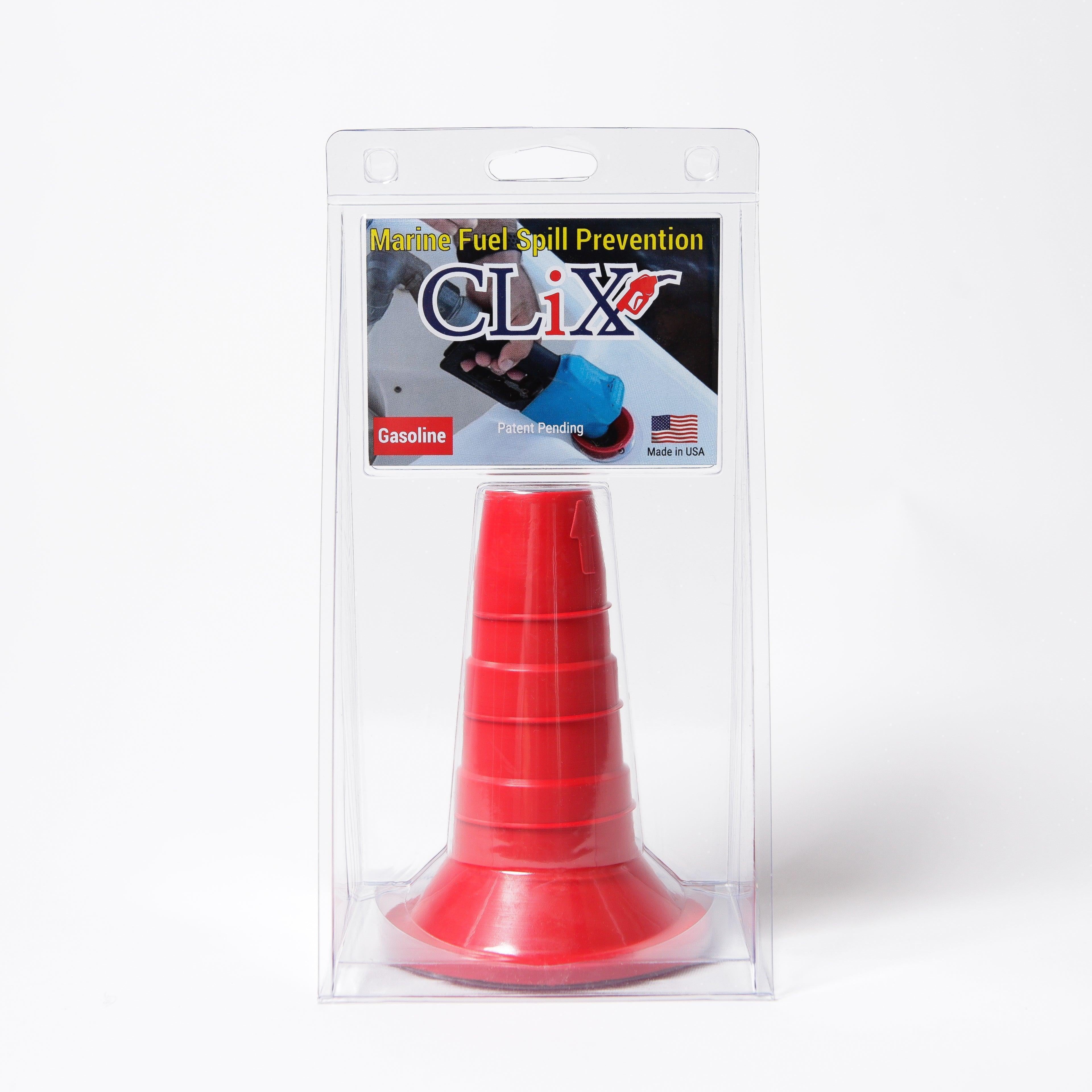
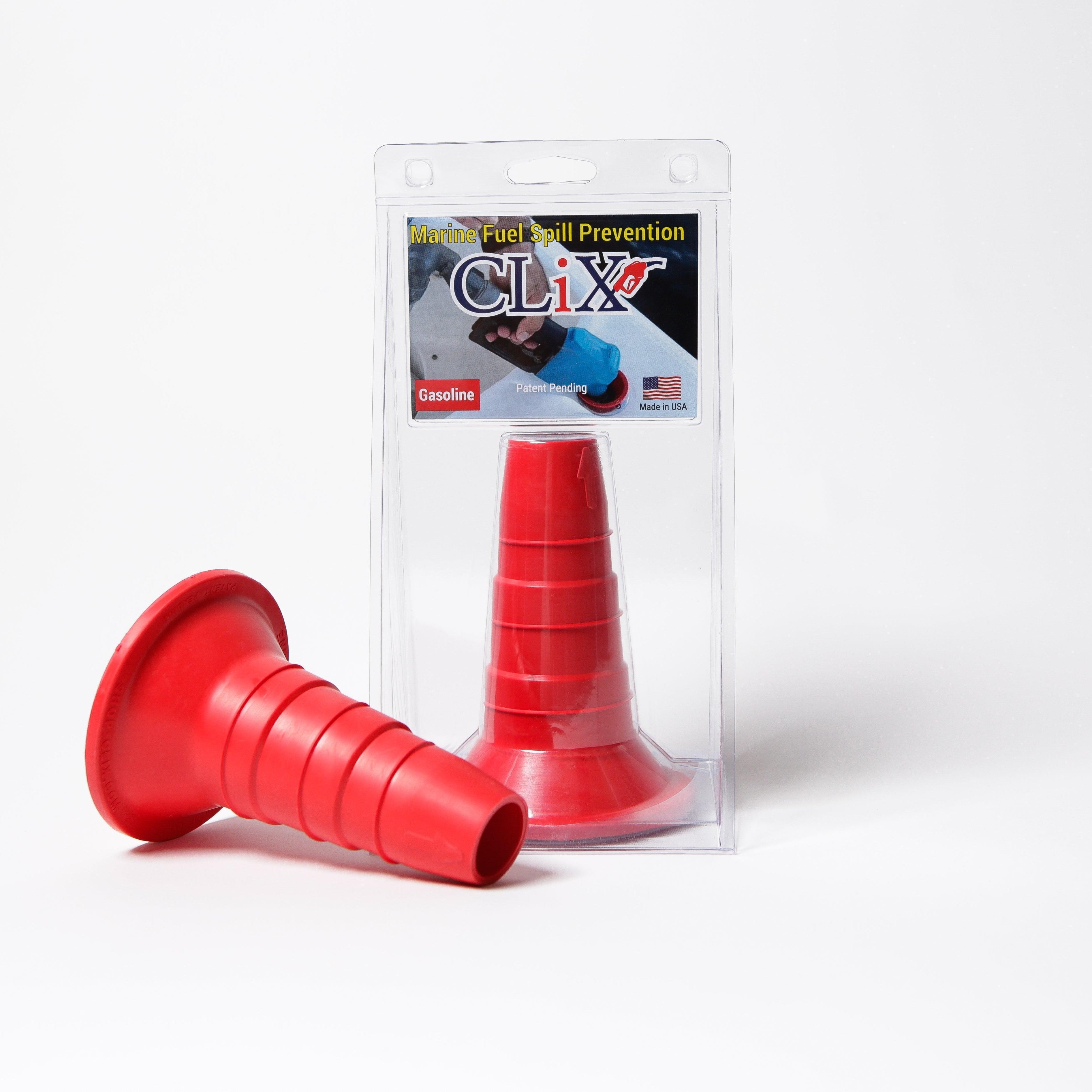
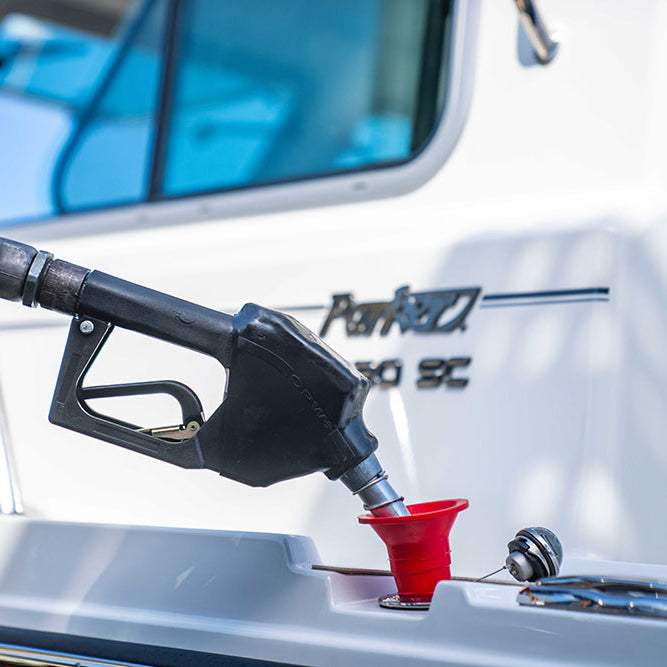
Thankfully, technology has finally moved us beyond the guesswork. Modern solutions like the CLiX Fueling System bring the same automatic shut-off convenience you're used to at the gas station right to your boat. Instead of listening and hoping for the best, you get a clean, precise fill every single time.
The system works by creating a secure, sealed connection between the fuel nozzle and the tank. When the tank is full, it automatically triggers the pump nozzle to click off, just like it does when you're filling up your car. This simple but brilliant device completely eliminates the risk of overfilling.
It’s a fundamental shift from fueling anxiety to complete confidence. You’re no longer guessing; you're letting a purpose-built tool handle the most critical part of the job. You can learn more about this approach in our guide to properly filling a gas tank without spills.
Step-by-Step Spill-Proof Fueling
With your pre-fueling checks done and the right tools in hand, the actual process becomes dead simple.
- Place the Tank on the Dock: Never, ever refuel a portable tank while it’s inside the boat. Putting it on the dock gives you a stable platform and ensures any spilled fuel doesn't end up in your bilge.
- Maintain Contact: Keep the metal fuel nozzle in constant contact with the tank’s filler neck. This simple action grounds the nozzle and prevents static electricity from building up and creating a dangerous spark.
- Fill Slowly and Watchfully: Don't jam the nozzle trigger down all the way. Fill the tank at a slow, steady pace to reduce splashing and give the automatic shut-off system plenty of time to react.
- Don't Top Off: When the nozzle clicks off, the tank is full. Period. Resist the temptation to squeeze in that "little bit extra." That's how most spills happen.
- Clean Up: Wipe up any small drips on the tank or nozzle immediately with an absorbent rag, then screw the tank cap on tight.
- Ventilate Before Starting: Before you bring the tank back on board and fire up the engine, open all your hatches and run the blower for at least four to five minutes to clear out any leftover fumes.
By adopting these modern procedures, you transform fueling from a messy chore into a clean, safe, and environmentally responsible habit.
4. Keeping Your Fuel Tank in Top Shape: Maintenance and Storage
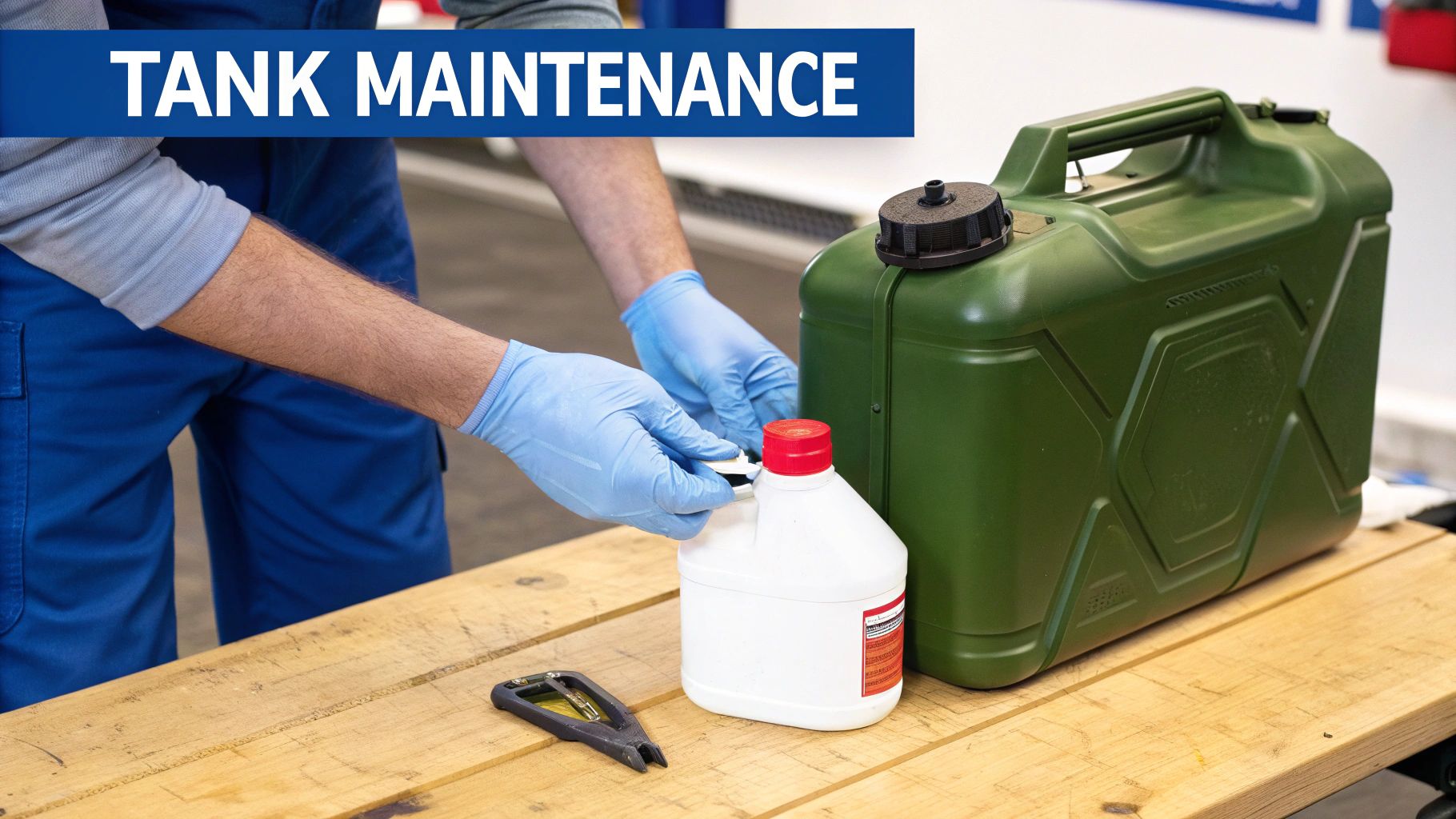
A marine portable fuel tank isn’t a "set it and forget it" piece of gear. Think of it like your engine—it needs a little TLC to stay safe, reliable, and last for years. Taking a few minutes for proper care can prevent clogged fuel systems, engine damage, and dangerous leaks.
Ignoring your tank is like never changing the oil in your car. Eventually, you’re going to run into a costly and completely avoidable breakdown. A few simple checks and smart storage habits will save you a world of headaches later on.
Your In-Season Inspection Checklist
Every time you head out on the water, get into the habit of giving your fuel system a quick once-over. It’s the best way to catch small issues before they turn into big problems when you’re miles from shore.
Make this visual check a standard part of your pre-launch routine. Here’s what you need to look for:
- The Tank Itself: Look for cracks, suspicious bulges, or a chalky, faded appearance. Too much sun can make plastic brittle and weak.
- Fuel Lines: Give the fuel line a gentle squeeze. It should feel firm but still flexible. If it’s mushy, stiff, or has visible cracks, it’s time for a replacement—no questions asked.
- Connections & Fittings: Check that every clamp and fitting is snug and free from corrosion. A loose connection is the number one cause of fuel leaks and can let air into the system, which will stall your engine.
- The Vent: Make sure the tank's vent is open and clear of any gunk or debris. A clogged vent creates a vacuum that can starve the engine of fuel or, on a hot day, cause dangerous pressure to build up inside the tank.
Since leaks are a huge safety and environmental concern, it's also a good idea to learn about maintaining aluminum seals on any related marine components.
Off-Season Storage: The Great Debate
When it’s time to winterize the boat, what you do with your portable fuel tank is a huge deal. The goal is to keep the fuel from going bad and protect the tank itself from damage. This leads to the age-old question: should you store it full or empty?
Honestly, there are good arguments for both sides. The best choice often comes down to where you’ll be storing it and what you’re comfortable with.
"The biggest enemy to stored fuel is oxidation and water contamination. How you store your tank directly impacts the quality of the fuel you'll have at the start of the next season."
Let’s look at the pros and cons of each method.
| Storage Method | The Good Stuff | The Downsides |
|---|---|---|
| Store Full with Stabilizer | No Room for Condensation: A full tank prevents moist air from getting inside and forming water droplets. | Heavy and Awkward: A full tank is a pain to move and needs a very secure place to sit for months. |
| Store Empty | Lower Fire Risk: An empty, dry tank is simply safer—no liquid fuel, no fumes to worry about. | Condensation Magnet: As temperatures fluctuate, moisture can form inside, leading to potential corrosion. |
If you decide to store your tank full, adding a high-quality marine fuel stabilizer is absolutely non-negotiable. The ethanol in today's gasoline can start to break down in as little as 30 days, which creates a gummy mess that clogs fuel lines and carburetors. A good stabilizer will keep your fuel fresh for months.
Where to Store It Safely
Whether it’s full or empty, where you store your tank is critical. Never, ever keep a fuel tank in a living space, basement, or attached garage. Gasoline fumes are heavier than air and can creep along the floor until they find an ignition source, like a furnace or water heater pilot light.
Your marine portable fuel tank should always be stored in a well-ventilated area, away from direct sunlight and anything that could create a spark. A detached shed or a covered, secure spot outdoors is your best bet. This isn’t just about maintenance—it's basic fire safety.
Understanding Essential Safety Regulations
Navigating the world of marine regulations can feel like trying to read a nautical chart in the dark, but it’s a lot simpler than it looks. When it comes to your marine portable fuel tank, two main players set the rules in the United States: the U.S. Coast Guard (USCG) and the Environmental Protection Agency (EPA).
Think of these agencies as your safety net. When you see their stamp of approval on a tank, it's not just a sticker—it’s a guarantee that the tank was built to handle the rough-and-tumble marine environment. That means it’s been tested to resist fuel leaks from constant vibration and won’t get brittle and crack after sitting in the sun all summer.
What the Labels Really Mean
A compliant marine portable fuel tank will have specific labels that tell you it’s safe and legal for on-the-water use. These aren't just suggestions; they are serious requirements put in place to prevent fires, explosions, and pollution.
Here’s what to look for:
- USCG Approval: This stamp confirms the tank meets federal standards for fire resistance and overall toughness. It’s your peace of mind that it’s built for boating.
- EPA Regulations: This marking shows the tank meets strict evaporative emission standards. Modern tanks are designed with low-permeation materials that stop harmful gasoline vapors from escaping into the air.
A compliant tank isn’t just about following the rules—it’s about having a piece of equipment that is actively working to keep you safe. Features like automatic vents and flame arrestors are engineered to prevent catastrophic failures.
This is why you'll notice modern tanks swell a bit in the heat. They are sealed systems designed to contain pressure, only releasing vapor when absolutely necessary through a specially calibrated vent. While you're focused on your fuel tank, don't forget to consider other vital maritime topics, like broader marine insurance aspects for your vessel and its cargo.
Ultimately, by choosing a tank with the right markings, you're not just buying a piece of plastic; you're investing in a safer, cleaner, and more responsible day on the water.
Got Questions? We've Got Answers
Even the most seasoned boaters run into questions about their gear. When it comes to something as important as your fuel tank, you want clear, straightforward answers. Let’s tackle some of the most common things we hear from boaters out on the water.
Can I Just Use a Regular Red Gas Can for My Boat?
In a word: no. This is one of the most important safety rules to follow. That red plastic can from the gas station is not built for the marine world, and using one on your boat is asking for trouble.
A true marine portable fuel tank is specifically engineered to meet strict U.S. Coast Guard (USCG) standards. Think about it—a boat is a tough environment with constant vibration, corrosive saltwater, and direct sun. Marine tanks are built to handle all of it.
They have critical safety features that your standard can just doesn't have:
- Flame Arrestors: A fine mesh screen in the opening that stops an external spark from igniting fuel vapor inside the tank.
- Specialized Vents: These are designed to safely manage pressure changes from temperature swings without leaking fuel.
- Tougher Materials: They're made from plastics that stand up to years of UV exposure and direct contact with fuel without breaking down.
Using a non-approved can isn't just cutting a corner; it's a serious fire hazard. It puts you, your passengers, and your boat at real risk.
How Do I Know When It’s Time to Replace My Plastic Fuel Tank?
This is a great question. You can’t just go by age—it’s all about looking for the physical signs of wear and tear. Your tank will tell you when it’s had enough.
Be on the lookout for visible cracks (even small ones), a chalky or discolored appearance from sun damage, or any obvious warping or swelling. If the plastic feels brittle, or if you can smell gas around the tank even when it's sealed tight, it's time. Don't wait for a leak to happen.
As a general guideline, you should probably plan on replacing a plastic tank every 5-10 years. A tank that lives under a cover will last a lot longer than one that bakes in the sun all season.
Why Does My Portable Fuel Tank Swell Up Like a Balloon?
Seeing your fuel tank puff up in the sun can be a little alarming, but don't panic! It’s actually supposed to do that. This is a normal function of modern, EPA-compliant marine fuel tanks.
These newer tanks are designed as sealed systems to stop gas fumes from escaping into the atmosphere.
A swelling tank isn't a defect; it's a sign that the environmental and safety features are working as designed. The system is built to contain vapor pressure safely.
As the sun heats up the tank, the fuel and the vapor inside expand. That creates pressure, causing the tank to swell. The tank has a special vent that will automatically release that pressure once it hits a certain level, but it’s designed to hold it in otherwise. It's a key safety feature, not a sign that something is wrong.
Don't let fuel spills ruin your day on the water. The innovative system from CLiX Fueling Solutions provides a stress-free, automatic shut-off to prevent overfills every single time. Visit the CLiX website to make your fueling process safer and cleaner.