For most of us who love being on the water, grabbing a few diesel fuel jugs is just part of the pre-launch checklist. It feels as routine as checking the lines. But what if I told you this simple task is secretly one of the riskiest things you do?
Why Smart Fuel Handling Is a Boater's Best Friend
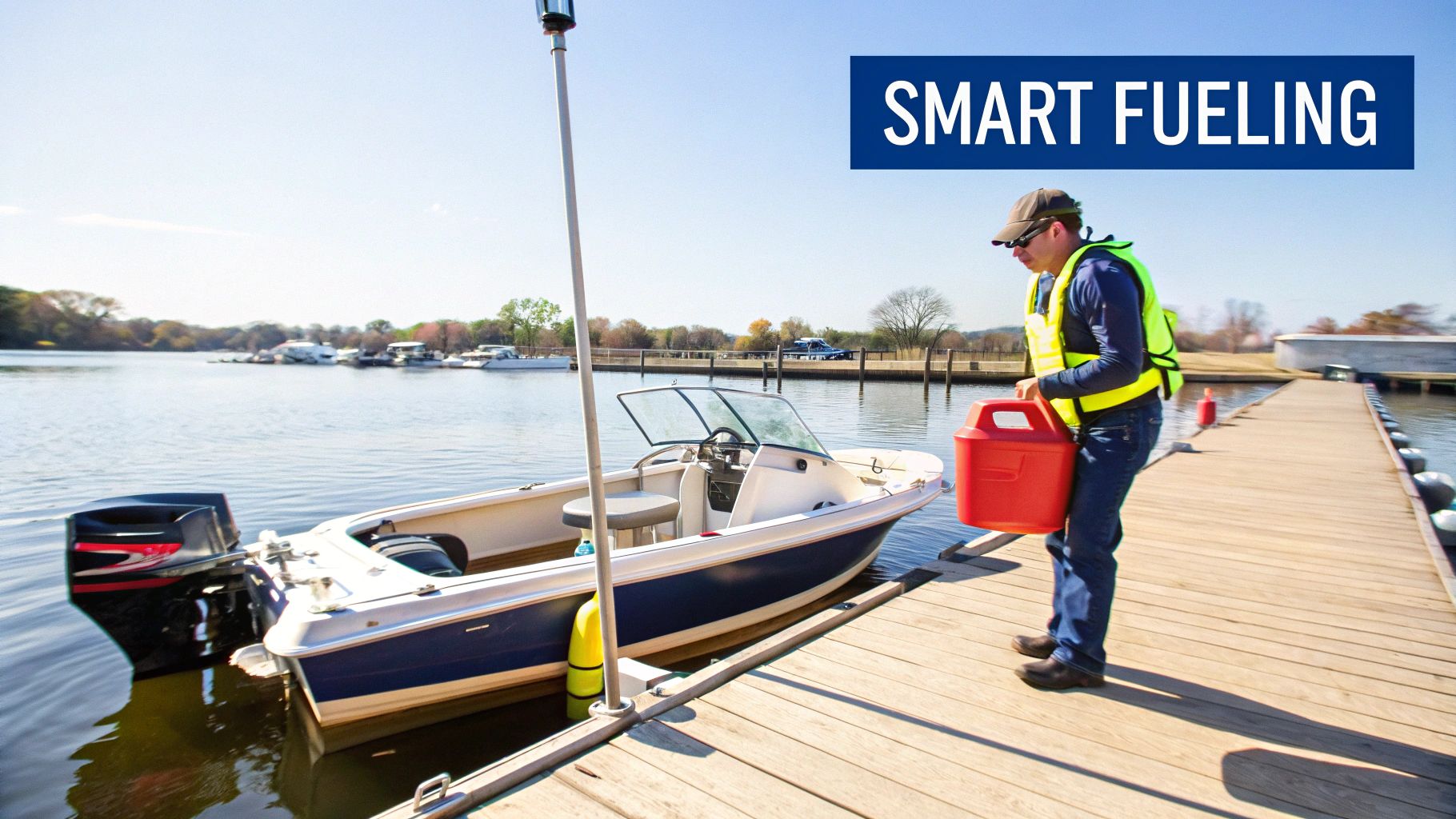
We're all about preparation, right? We check the weather, give our safety gear a once-over, and map out our trip. But somehow, the one job that involves a flammable liquid—refueling from a portable jug—often gets treated like an afterthought. It seems straightforward, but it's a moment loaded with potential for expensive, messy mistakes.
Let’s be honest. We've all been there: the awkward balancing act on a rocking boat, the glug-glug-glug of the jug, and the constant fear of that one little splash that stains the deck. Or worse, the dreaded overfill that sends diesel into the water. These aren't just minor headaches; they're serious problems that can damage your boat, waste your money, and harm the environment we all enjoy.
The Hidden Costs of Old-School Fueling
It's easy to brush off a small spill, but the true cost of sloppy fueling really adds up. While diesel fuel jugs are a lifesaver when you can't get to a fuel dock, they're also a huge source of waste. Marine industry surveys have found that boaters can lose 5-10% of their fuel per fill-up from spills and overfills. Across the world, that adds up to millions of gallons of wasted diesel every year.
Here in the U.S., where over 50 million of us get out on the water, the Coast Guard deals with roughly 14,000 fuel-related incidents annually. The kicker? A staggering 25% of these cases come from portable jugs, usually because someone overfilled a tank they couldn't see into. You can dive deeper into the global diesel market data on Chemanalyst.com.
Refueling shouldn't be a game of guesswork. A single overfill can mean diesel in the bilge, a stained hull, and a cleanup headache that ruins your day on the water. Smart fuel handling isn't about avoiding a chore; it's about protecting your investment.
Think of this guide as your roadmap to a better way of fueling. By understanding the common pitfalls and learning a few simple techniques, you can turn a task you dread into a quick, clean, and stress-free part of your boating routine.
Choosing the Right Diesel Fuel Jug for Your Boat
Picking the right diesel fuel jug for your boat isn't just a matter of convenience—it's a critical safety decision. Think of it like choosing the right tool for an important job; the right one makes everything smoother, safer, and more efficient. Not every jug is built the same, and the best choice for you will really depend on your boat's size, how much fuel you burn, and the storage space you have to work with.
The first thing to consider is what the jug is made of. The vast majority of diesel fuel jugs you'll find today are made from high-density polyethylene, or HDPE. There's a good reason for that: this stuff is tough, lightweight, and won't corrode. For most boaters, it's the perfect material. You'll still see the classic metal jugs, usually steel, which are fantastic for puncture resistance. But they're also a lot heavier and can rust over time if you don't keep them in top shape.
Material and Capacity Considerations
Next up is capacity. It can be tempting to grab the biggest jug you can find to cut down on trips to the fuel dock, but bigger isn't always the answer on a boat. A standard 5-gallon jug, when full, weighs about 40 pounds. That’s a manageable weight for most people to lift and pour. But jump up to a 10-gallon jug, and you're suddenly wrestling with over 80 pounds—a real challenge on a rocking deck.
Think about how much fuel you actually use and what you need the jug for. A smaller 2.5 or 5-gallon jug is perfect for topping off the tank on a smaller boat. If you have a larger vessel or you're planning a long trip, a few 5-gallon jugs are often a much safer and more practical solution than one massive container.
Pro Tip: Always leave a little room at the top when you fill your jug. An air gap of about 5% gives the diesel room to expand as temperatures change. This simple step prevents the jug from swelling up or, worse, leaking under pressure.
To help you sort through the options, here’s a quick breakdown of the common types of diesel jugs you'll encounter.
Comparison of Diesel Fuel Jug Types
| Jug Type | Common Material | Typical Capacity (Gallons) | Key Advantages | Potential Drawbacks |
|---|---|---|---|---|
| Standard Plastic Jug | High-Density Polyethylene (HDPE) | 2.5, 5, 6 | Lightweight, durable, corrosion-resistant, affordable. | Can be prone to swelling; safety spouts can be slow. |
| Metal "Jerry" Can | Steel or Aluminum | 5 | Extremely durable, puncture-resistant, classic design. | Heavy, can rust (steel), more expensive. |
| Utility/Racing Jug | HDPE | 5, 10+ | Fast pouring, often larger capacity. | Not always CARB/EPA compliant for fuel transport. |
| Portable Fuel Tank | HDPE or Metal | 3-12 | Designed with integrated hoses for direct connection. | Bulkier, not ideal for simple pouring/refueling. |
Ultimately, the standard 5-gallon HDPE jug is the sweet spot for most boaters, balancing capacity with safe, easy handling.
Essential Features for Safety and Compliance
Beyond the basics of material and size, a few key features are what separate a good fuel jug from a great (and safe) one. Always look for jugs that are EPA (Environmental Protection Agency) and CARB (California Air Resources Board) compliant. These certifications are your assurance that the jug is designed to prevent vapor leaks and spills, which is good for both the environment and your safety.
There are also a few modern features that are simply non-negotiable for anyone on the water. Make sure any jug you buy has:
- Child-Resistant Caps: A simple but vital feature to keep fuel out of the wrong hands.
- Automatic Shut-Off Spouts: These spouts are lifesavers. They stop the fuel flow automatically when your tank is full, preventing those messy and dangerous overfills.
- Flame Mitigation Devices (FMDs): This is usually a small mesh screen inside the spout. It's designed to stop an external spark from igniting the vapors inside the jug—a critical safety guard.
Choosing a jug with these features means you're not just following the rules, you're actively protecting your boat and everyone on it. Yes, some of the newer safety spouts can feel a bit slow and cumbersome, but the peace of mind they provide by preventing spills is well worth it. If you're looking for better ways to pour, our guide on choosing a diesel fuel can with a pump explores some excellent alternatives.
Mastering Safe Fuel Handling and Storage Onboard
Picking the right diesel fuel jug is a great start, but it's really only half the battle for a safe day out on the water. Real safety comes from how you actually handle, transport, and store that fuel. It's best to think of it as a core boating skill, just like navigating a channel or tying a bowline.
The whole process starts before you even cast off the lines. When you're filling your diesel fuel jugs, always put them on the ground first. This simple move grounds the container and prevents a static spark from igniting the fumes—a small detail that makes a huge difference. Fill them up slowly to avoid any splashing, and be sure to leave about 5% of air space at the top. This gives the fuel room to expand when it gets warm.
This guide walks you through the main things to consider when you're choosing a jug, zeroing in on the material, how much it holds, and the features that matter most.
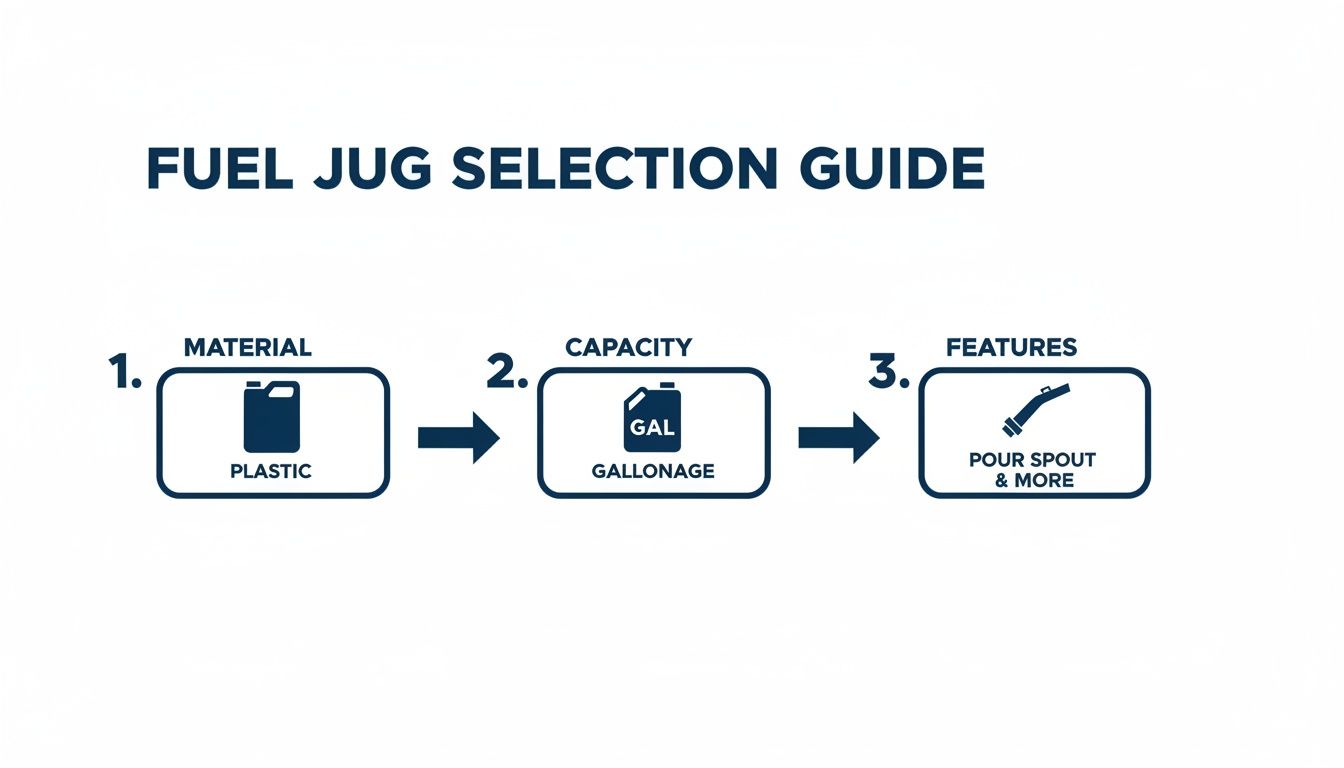
As you can see, the sweet spot is a jug that's durable, not too heavy to manage, and has the essential safety features like a good, compliant spout.
Secure Transport and Smart Onboard Storage
Once your jugs are filled, it's time to get them secured for the ride. On your boat, this means finding a spot that is:
- Well-ventilated: You don't want flammable fumes building up in a confined space.
- Away from heat sources: Keep them far from the engine compartment, batteries, or any area that gets blasted by direct sun.
- Upright and secured: Lash them down with straps or tuck them into a dedicated locker. The last thing you want is a heavy fuel jug sliding around in rough water.
Before you leave the dock, give each jug a quick once-over. Make sure the cap is screwed on tight and look for any signs of cracks or leaks. It’s a 30-second check that could save you from a world of trouble. The numbers don't lie when it comes to fuel handling mistakes.
According to the NFPA, the U.S. sees about 4,000 fuel-related boat fires every year. A staggering 15% of those are tied to diesel handling errors like static sparks. Even worse, 30% of incidents involve overfilling, which leads to spills that can cost anywhere from $2,000 to $20,000 to clean up and repair. You can dig deeper into the global diesel fuel market on Fortune Business Insights for more context.
Pouring Fuel Safely and Efficiently
When it's time to actually pour the fuel, the conditions you're in make all the difference. Refueling in a calm marina is one thing; trying to do it in choppy seas is another entirely. If you can, wait for a stable moment. And always, always kill your engine and any nearby electronics before you start.
A good funnel or a flexible pouring spout is your best friend here—it dramatically cuts down the risk of spilling. Get a firm two-handed grip on the jug and pour at a slow, steady rate. Rushing is your enemy. A deliberate, controlled pour gets the fuel right where it belongs.
Turn these steps into a habit, and what could be a stressful chore becomes a safe, clean, and efficient part of your routine every single time.
Understanding Fuel Spill Regulations and Responsibilities
It’s shocking, but even a single drop of fuel can spread into a massive, shimmering sheen on the water. The legal fallout from that one drop can be just as wide-reaching. While the rules around fuel spills can seem intimidating, they’re actually built on a pretty simple idea: protecting the marine environments we all love.
In the U.S., the two big players enforcing these rules are the Environmental Protection Agency (EPA) and the U.S. Coast Guard. They’re the ones behind what’s often called the "sheen law." Put simply, if a fuel spill creates any visible film or discoloration on the water, it's illegal and you have to report it. It doesn't matter if it was a teaspoon or a gallon—if you can see it, you’ve got a problem.
The Real Cost of a Spill
Most boaters would be stunned to learn how severe the penalties for a fuel spill can be, even for what seems like a minor accident. If you don't report a spill or are caught discharging fuel, the fines can be steep. And these rules aren't just for big commercial ships; recreational boaters are held to the exact same standard.
The bottom line is this: zero discharge. Any amount of fuel that leaves a visible trace on the water is a violation. This puts all the focus on prevention, because one little slip-up with a diesel jug can end up costing you a fortune.
The financial hit goes way beyond just the legal fines. According to the U.S. Coast Guard, small boat spills—many of them involving diesel fuel jugs—account for more than 10,000 incidents in U.S. waters every single year. The EPA figures the average cleanup cost for one of these small spills lands somewhere between $5,000 and $15,000. That number doesn't even touch on what it might cost to repair your boat's gelcoat or other systems damaged by fuel. If you're curious about the bigger picture, you can learn more about industry trends from Grand View Research.
Protecting Our Marine Ecosystems
Beyond the legal headaches and financial pain, handling fuel responsibly is just about being a good steward of our waters. Diesel is flat-out toxic to marine life. It harms everything from the tiny plankton that form the base of the food chain to fish, birds, and dolphins.
A spill can suck the oxygen out of the water, destroy fragile habitats like seagrass beds, and stick around in the ecosystem for years.
This is exactly why prevention is everything. Every step you take to avoid a spill, from choosing better gear to being more careful when you pour, is a direct investment in the health of our waterways. Knowing what to do if the worst happens is also key; you can check out our guide on the diesel fuel spill cleanup procedure to be prepared. When we keep our waters clean, we ensure that boating is something we can all enjoy for years to come.
The Smart Alternative to Risky Jug Fueling
Let's be honest. Spills, leaks, and the "pour and pray" method of fueling with diesel fuel jugs have been the status quo for too long. We’ve all just accepted that wrestling with a heavy jug and risking an overfill is part of a normal day on the water.
But what if you could take the risk out of the equation entirely? It's time to stop managing the mess and start preventing it with a far better approach.
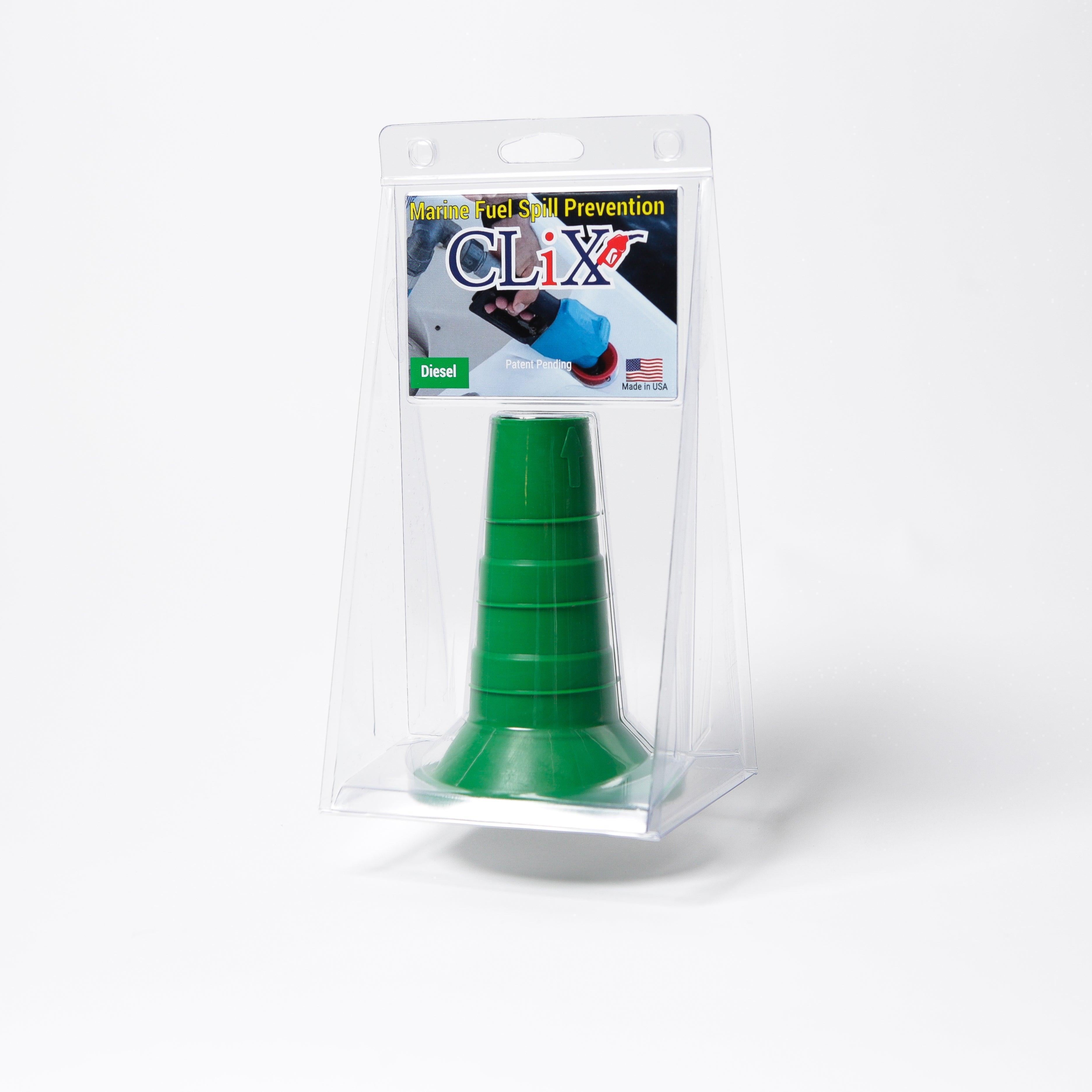
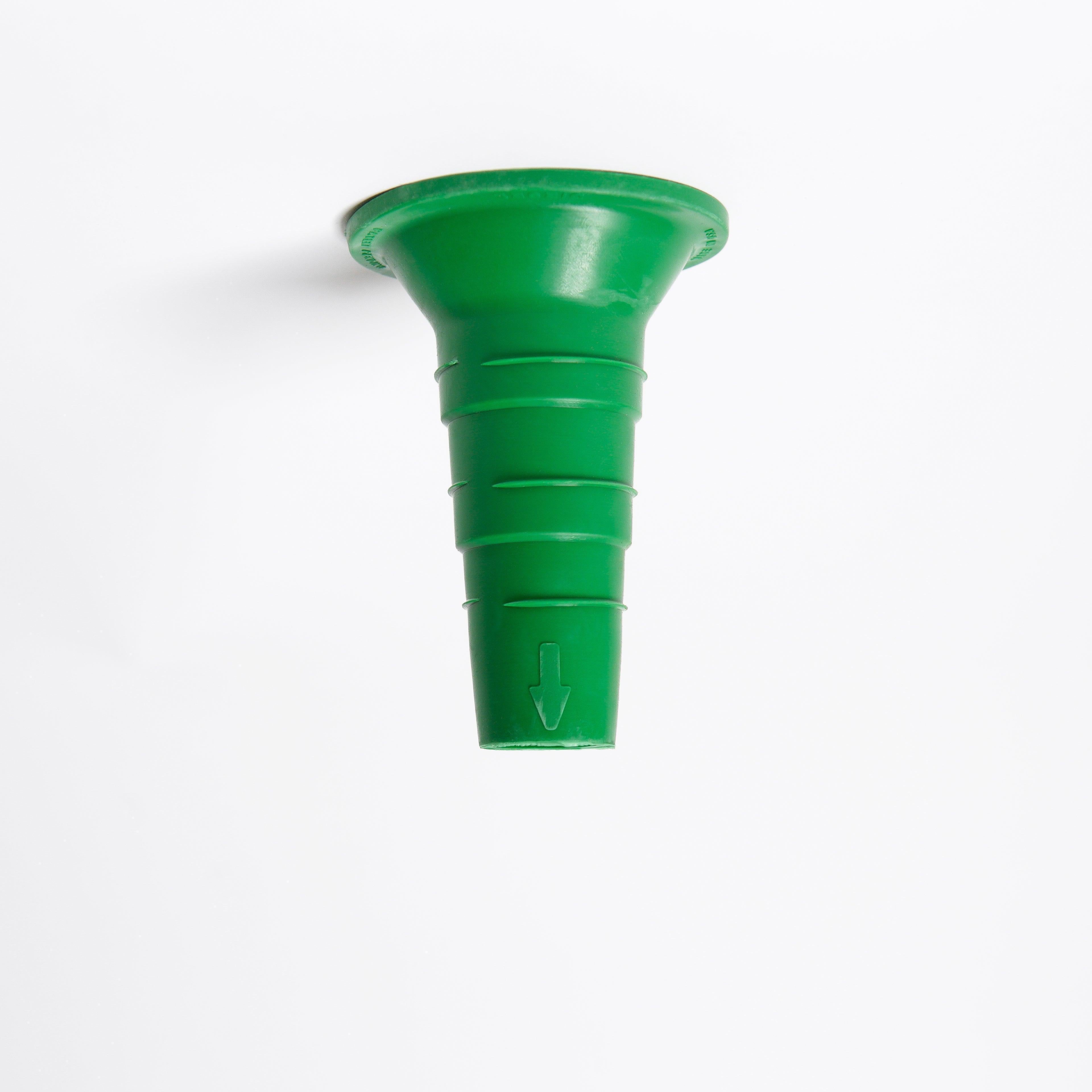
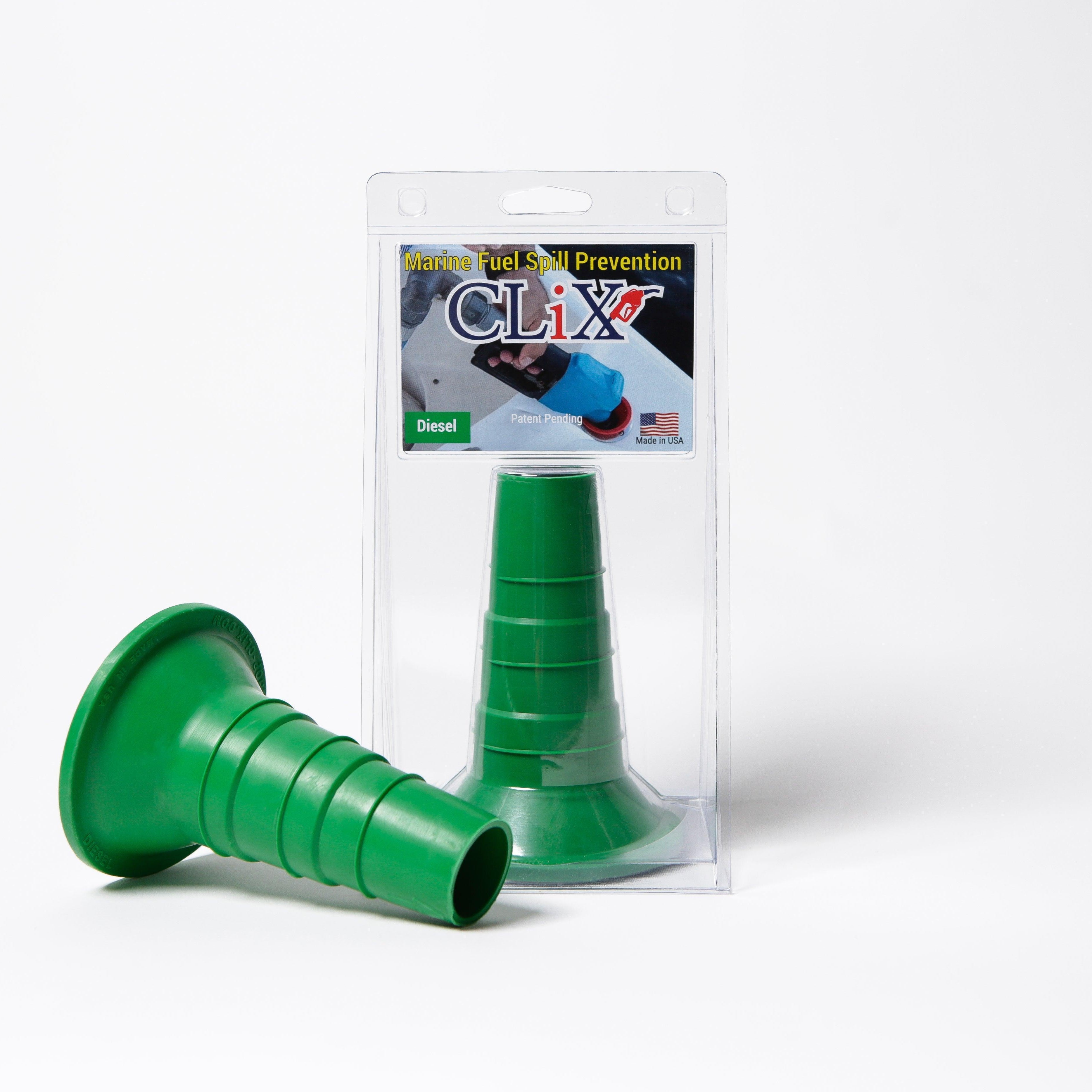
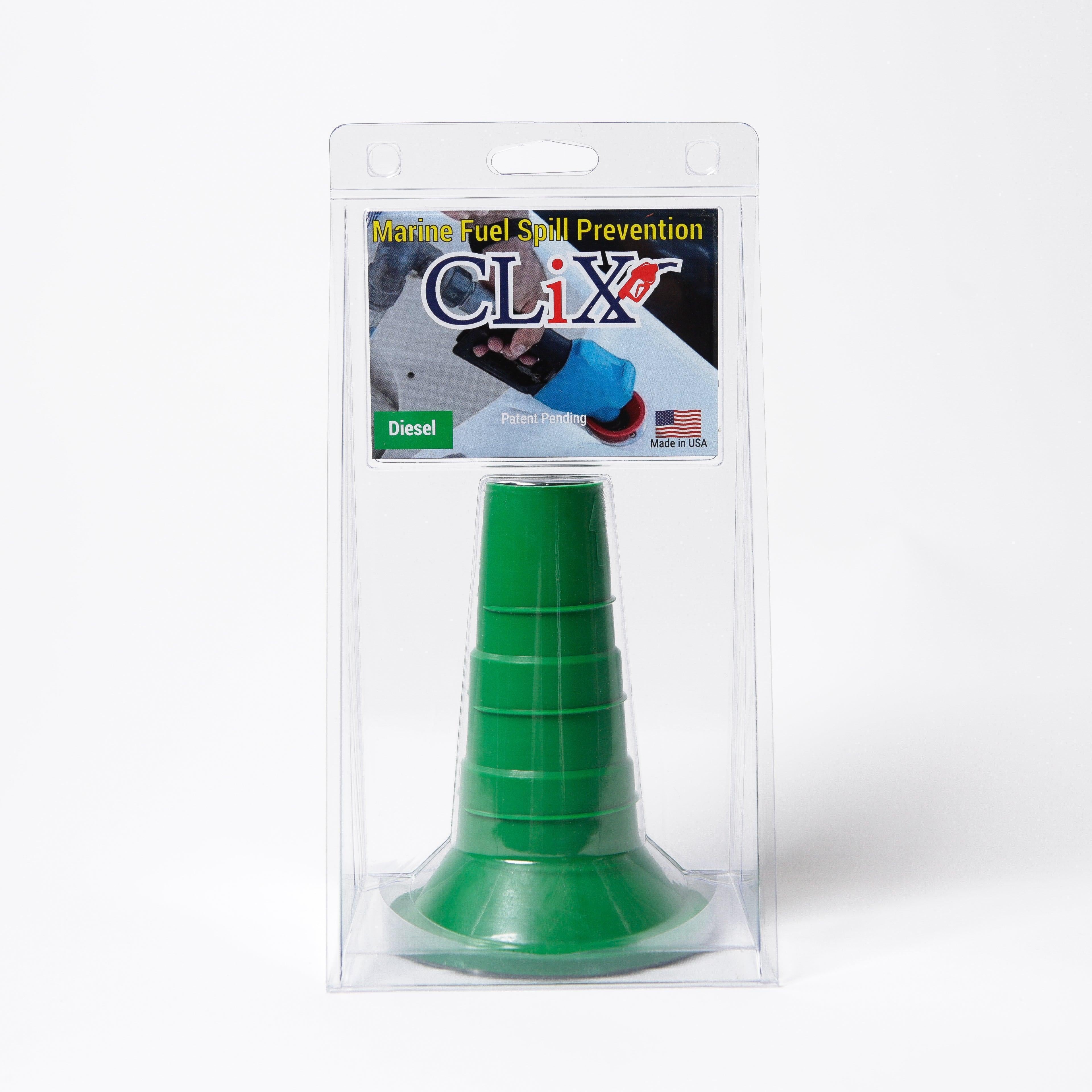
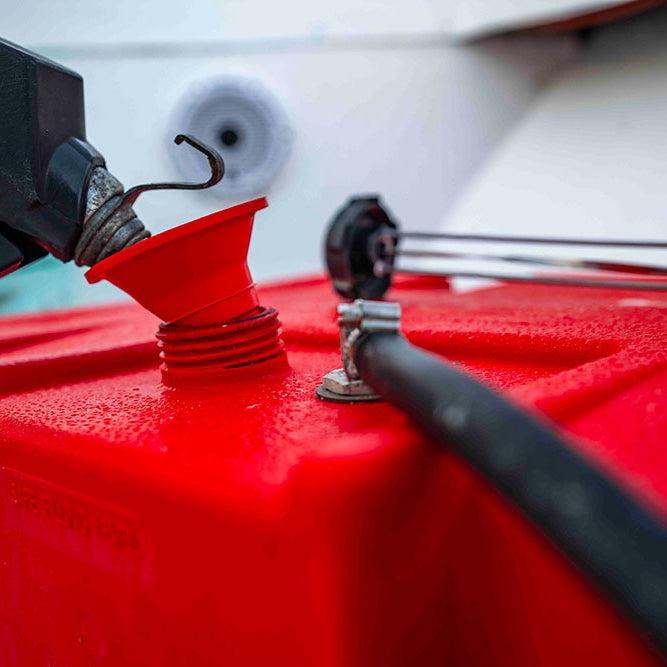
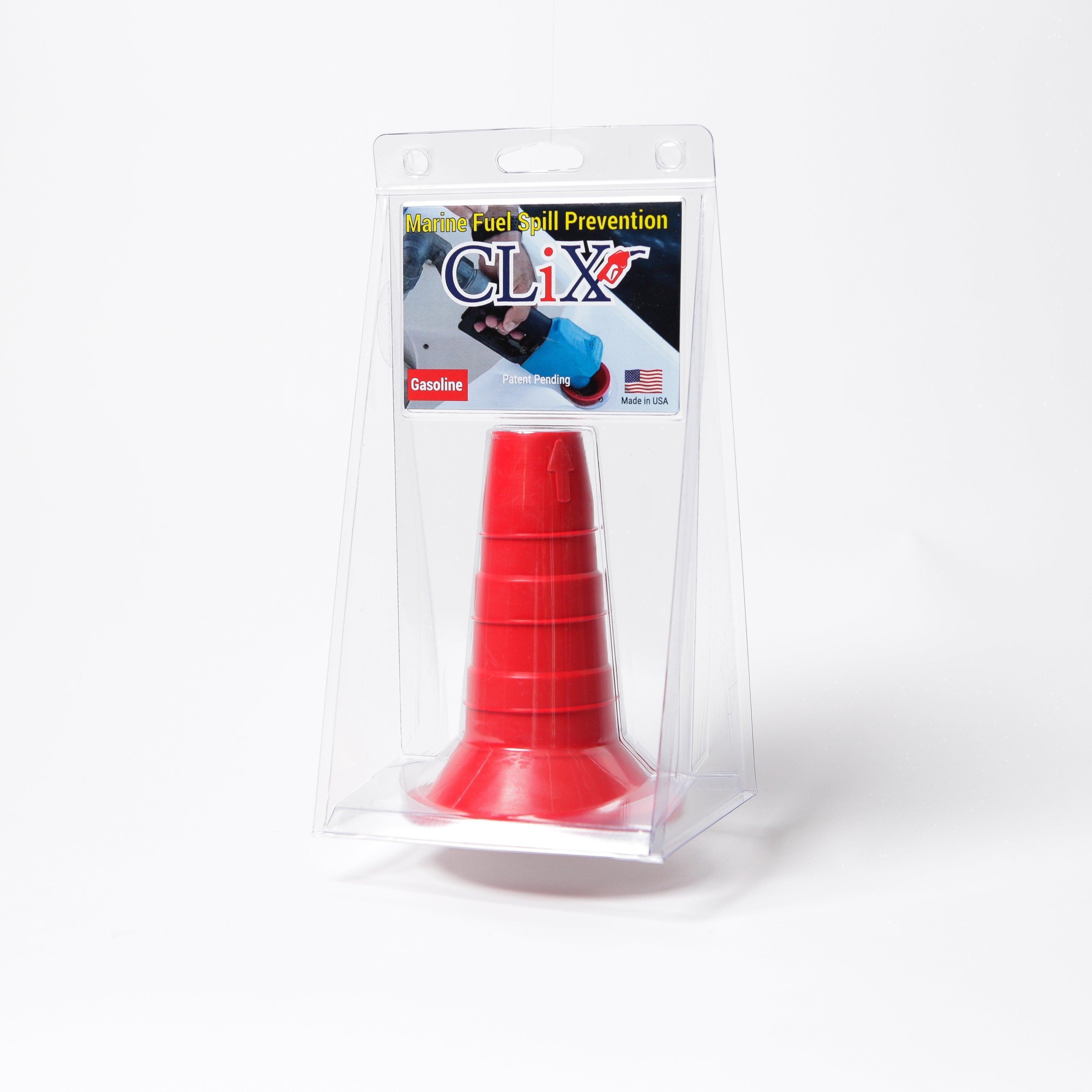
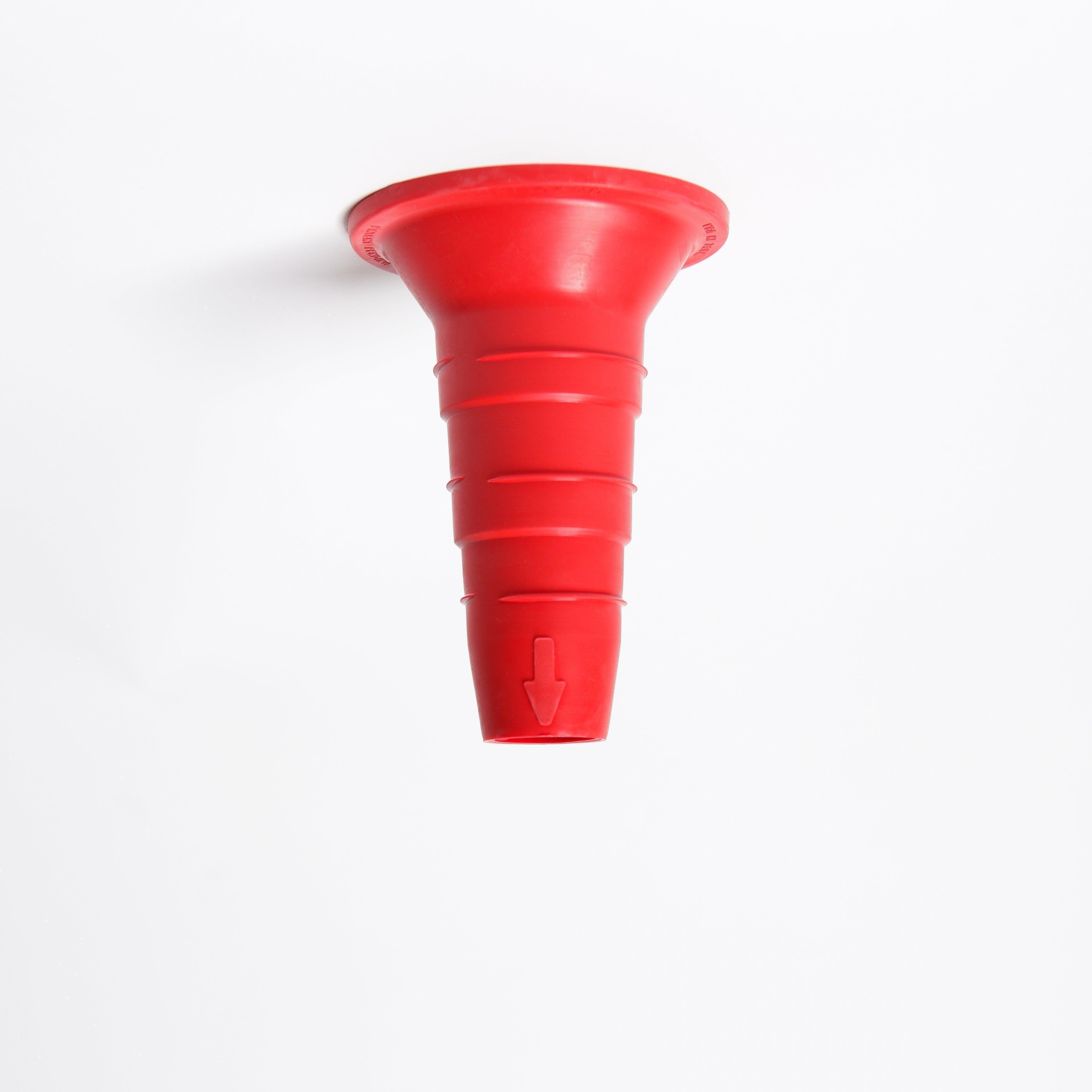
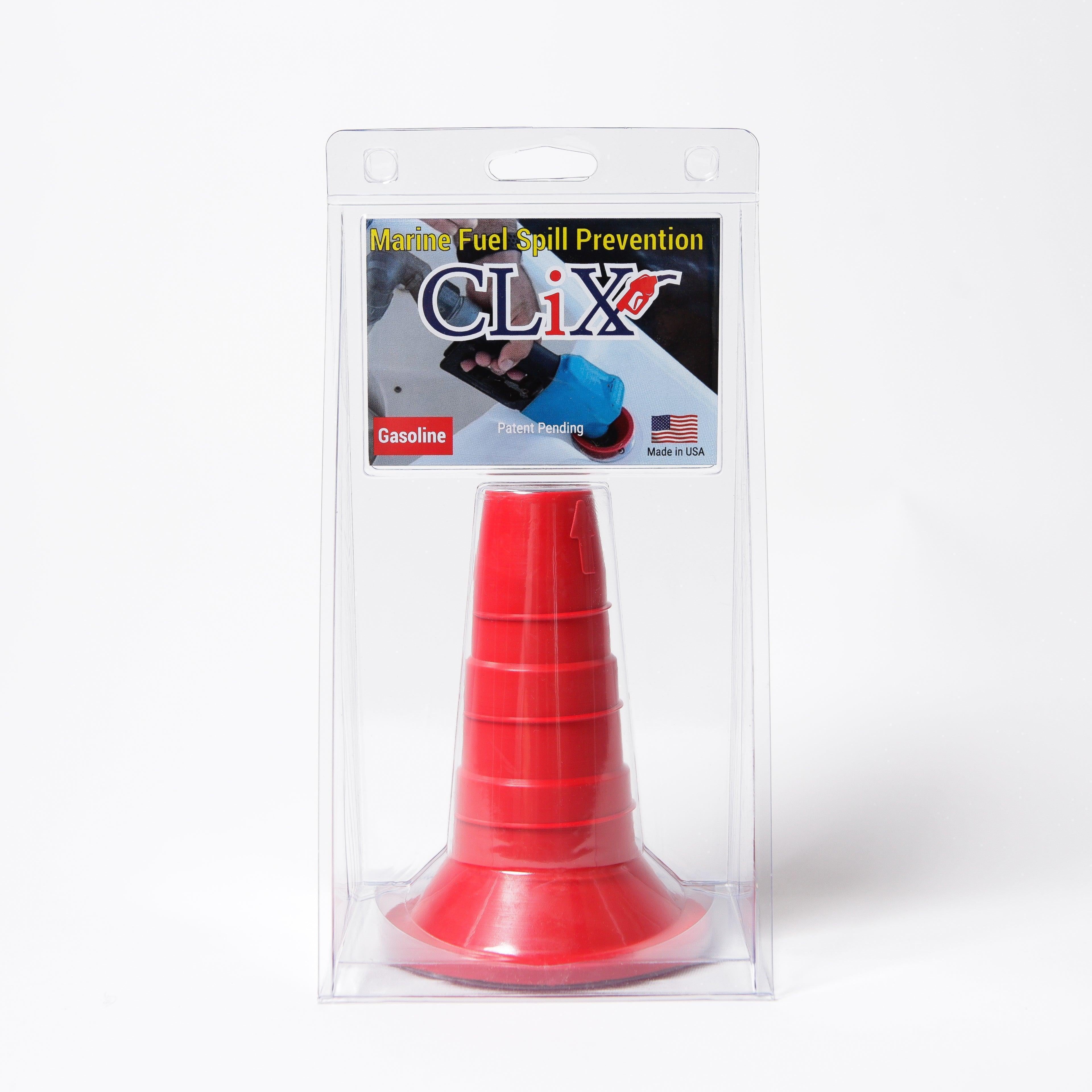
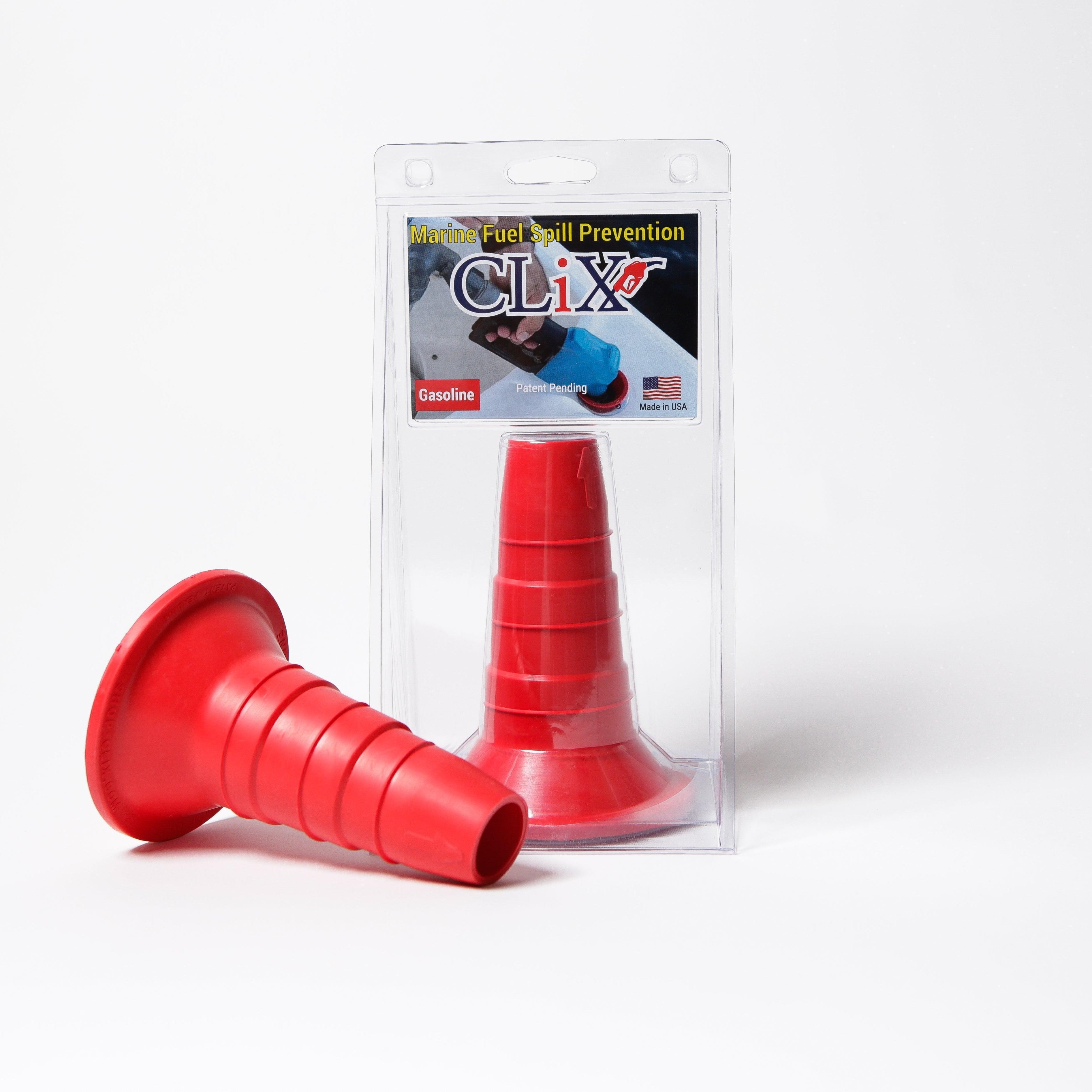
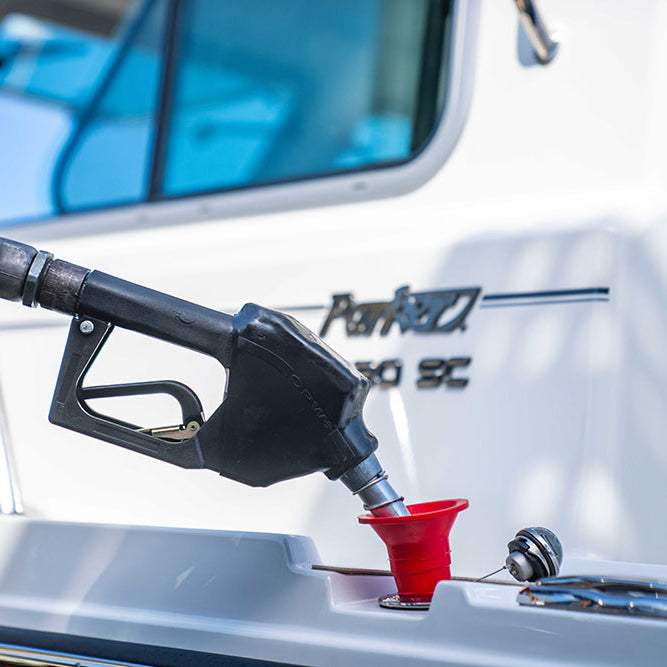
This is exactly where CLiX Fueling Solutions comes in. It’s not just another accessory; it’s a complete upgrade to your boat's fueling system. Forget listening for the gurgle that means your tank is almost full—CLiX gives you an automatic, mechanical shut-off that makes overfills a thing of the past.
From Guesswork to Guaranteed Precision
Every boater knows that feeling of anxiety while fueling. You’re trying to keep your balance on a rocking boat, holding a cumbersome jug, and hoping you hear the subtle sound change before diesel is spewing all over your deck. One little distraction, and you’ve got a serious mess on your hands.
CLiX swaps that entire stressful process for automated precision.
Think about the difference:
- Before CLiX: You’re gingerly tipping a heavy diesel jug, slowing the pour as you guess the tank is nearing its limit. You stop, check the level, pour a bit more, and cross your fingers you don’t go too far. It's slow, awkward, and practically begging for a spill.
- After CLiX: You connect your fueling hose, start the flow, and let the system do the work. The moment the tank is full, the fuel stops. Instantly. Automatically. No guessing, no stress, and zero spills.
This is the solution to a problem that has frustrated boaters for years. It turns a high-stakes chore into a simple, worry-free task.
CLiX works just like the automatic shut-off on a gas station pump, but it's engineered specifically for your boat and portable jugs. It creates a sealed connection that stops the flow right when the tank is full, guaranteeing a perfect fill every time.
Why a Smart System Matters
Moving to a smarter fueling system is about more than just convenience—it’s about protecting your boat and the water you enjoy. Spills from diesel fuel jugs can permanently stain a gelcoat, ruin sensitive wiring, and lead to some pretty hefty fines and cleanup bills.
By stopping the spill before it can even happen, CLiX saves you time, money, and the headache of a mess that was completely preventable. For those looking to optimize their setup even further, our article on using a fuel jug pump provides some great additional tips.
At the end of the day, it's an essential upgrade for any boater who values their vessel and wants true peace of mind.
Troubleshooting Common Problems with Diesel Jugs
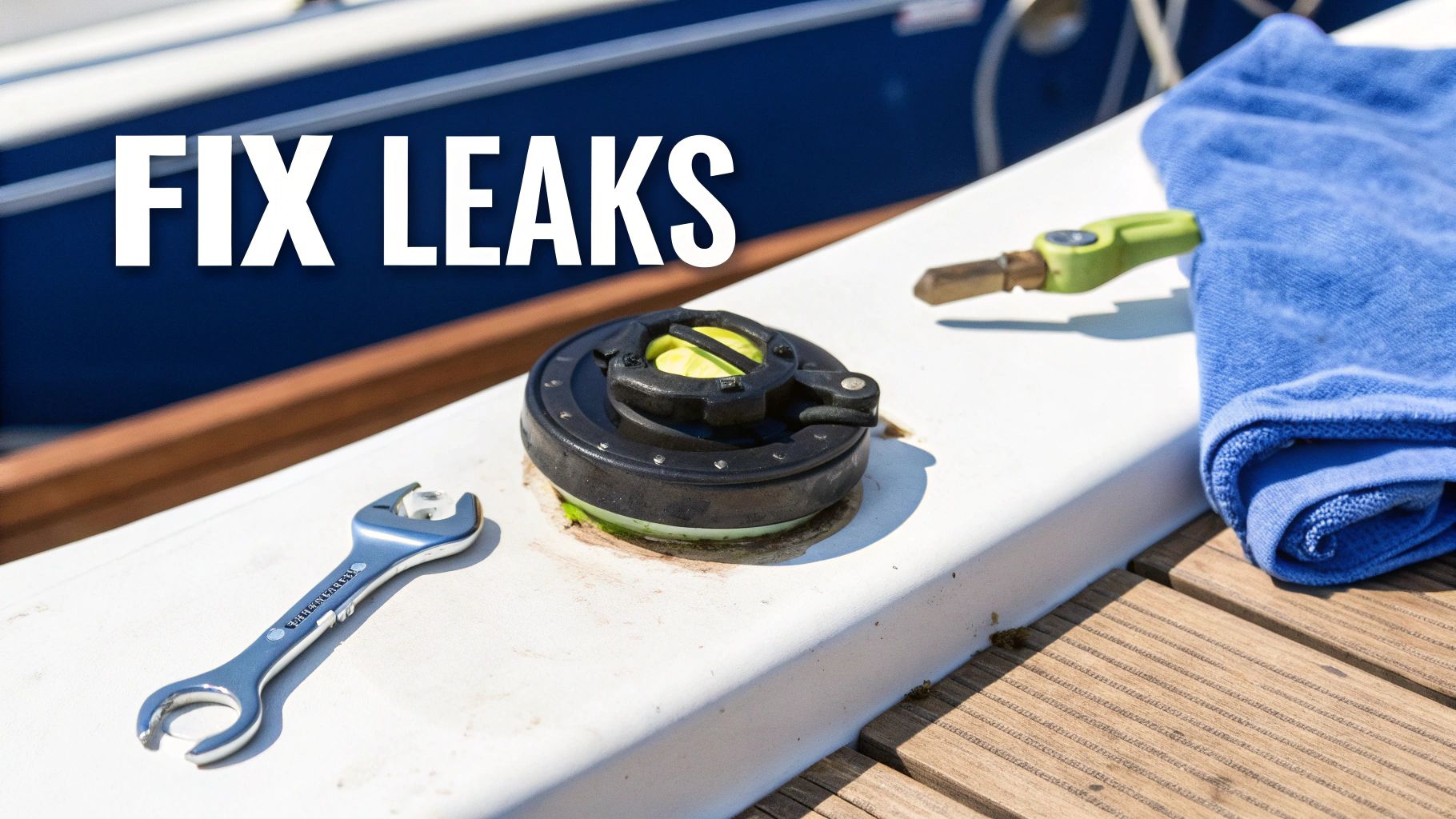
Even the best diesel fuel jugs can give you a bit of grief now and then. We've all been there—a spout that pours slower than molasses in winter or a mysterious drip that just won't quit. These little frustrations can turn refueling into a real chore, but the good news is that most fixes are surprisingly simple.
A classic complaint is the painfully slow "glugging" you get from modern safety spouts. It feels like it takes forever, right? This is almost always a venting problem. As fuel leaves the jug, air needs to get in to replace it. If it can't, a vacuum forms and slows the flow to a trickle.
The solution is usually straightforward. If your jug has a separate vent cap, make sure it's open before you start pouring. For jugs with those all-in-one safety spouts, double-check that you're pressing it correctly to open the air channel. Sometimes, just finding the right angle and holding a steady pour can make a world of difference.
Solving Leaks and Swelling
Nothing is more annoying than a leaky spout or cap. That little diesel drip seems to get everywhere. More often than not, the culprit is a gasket that’s worn out, dried up, or just not seated properly. And a word of warning: cranking down on the cap as hard as you can usually makes things worse by crushing the seal.
If you've got a leak, run through this quick checklist:
- Inspect the Gasket: Take the cap off and have a close look at the rubber gasket. Is it cracked, brittle, or squished out of shape?
- Clean the Threads: Give the threads on both the jug and the cap a good wipe-down. A little bit of grit or dirt is all it takes to break the seal.
- Replace if Necessary: If that gasket looks tired, just replace it. You can find new ones easily, they're cheap, and a fresh gasket is often the magic bullet for stopping leaks.
What about a jug that swells up like a balloon on a hot day or looks like it's collapsing in on itself when it gets cold? Don’t worry, this is perfectly normal. It's just the jug reacting to changes in temperature and the diesel's vapor pressure.
Key Takeaway: Swelling and collapsing are signs that your jug is doing its job and containing fuel vapors. Just be sure to vent it by slowly loosening the cap in a well-ventilated area before you pour. This safely releases any pressure that has built up inside.
Once you get the hang of these common quirks, you can keep your diesel fuel jugs working properly, which means a safer, cleaner, and much less aggravating experience at the fuel dock.
Got Questions About Diesel Fuel Jugs? We’ve Got Answers.
Even the most seasoned boaters run into questions when it comes to hauling diesel. When you're out on the water, you want clear, simple answers to keep things safe and legal. Let's tackle some of the most common questions we hear.
How Much Fuel Can I Legally Carry Onboard?
This is a big one, and the answer isn't always cut and dry, as state and local rules can differ. The U.S. Coast Guard provides the main guidelines for recreational boats, and their focus is less on a specific number of gallons and more on how you carry it.
The key is using jugs that are specifically made and approved for marine environments. Make sure they’re strapped down tight in a spot with good airflow, far away from any heat sources or potential sparks. Before you load up, it’s always a good idea to double-check the latest federal and local maritime regulations to stay on the right side of the law.
Why Do My Plastic Diesel Jugs Look Like They’re Breathing?
Ever come back to your boat to find your fuel jug has either puffed up like a balloon or caved in on itself? It can look a little scary, but it’s just physics at work. It all comes down to vapor pressure reacting to temperature.
- Swelling: On a hot day, a little bit of the diesel evaporates inside the sealed jug. That vapor expands in the heat, pushing the walls of the jug outward.
- Collapsing: When things cool down, the opposite occurs. The vapor contracts, creating a slight vacuum that sucks the walls of the jug inward.
A crucial pro-tip: Always vent the jug before you pour. Just slowly crack open the cap in a well-ventilated area to let that pressure—or vacuum—equalize. It makes the jug far safer and easier to handle.
Can I Just Use a Gas Can for My Diesel?
Nope. Never. This is one rule you don't want to bend. Using a gasoline jug for diesel (or the other way around) is a recipe for disaster. That color-coding system on fuel cans isn't for decoration; it's a critical safety feature to prevent you from putting the wrong fuel in your engine, which can lead to catastrophic damage.
Here's the standard color key:
- Yellow: Diesel
- Red: Gasoline
- Blue: Kerosene
Stick with a clearly marked, yellow jug built for diesel. It's the only surefire way to protect your engine, avoid a massive repair bill, and stay compliant.
Stop guessing and start fueling with confidence. CLiX Fueling Solutions offers a spill-proof, automatic shut-off system that makes overfills a thing of the past. Protect your boat and the environment by visiting https://clixfueling.com to learn more.