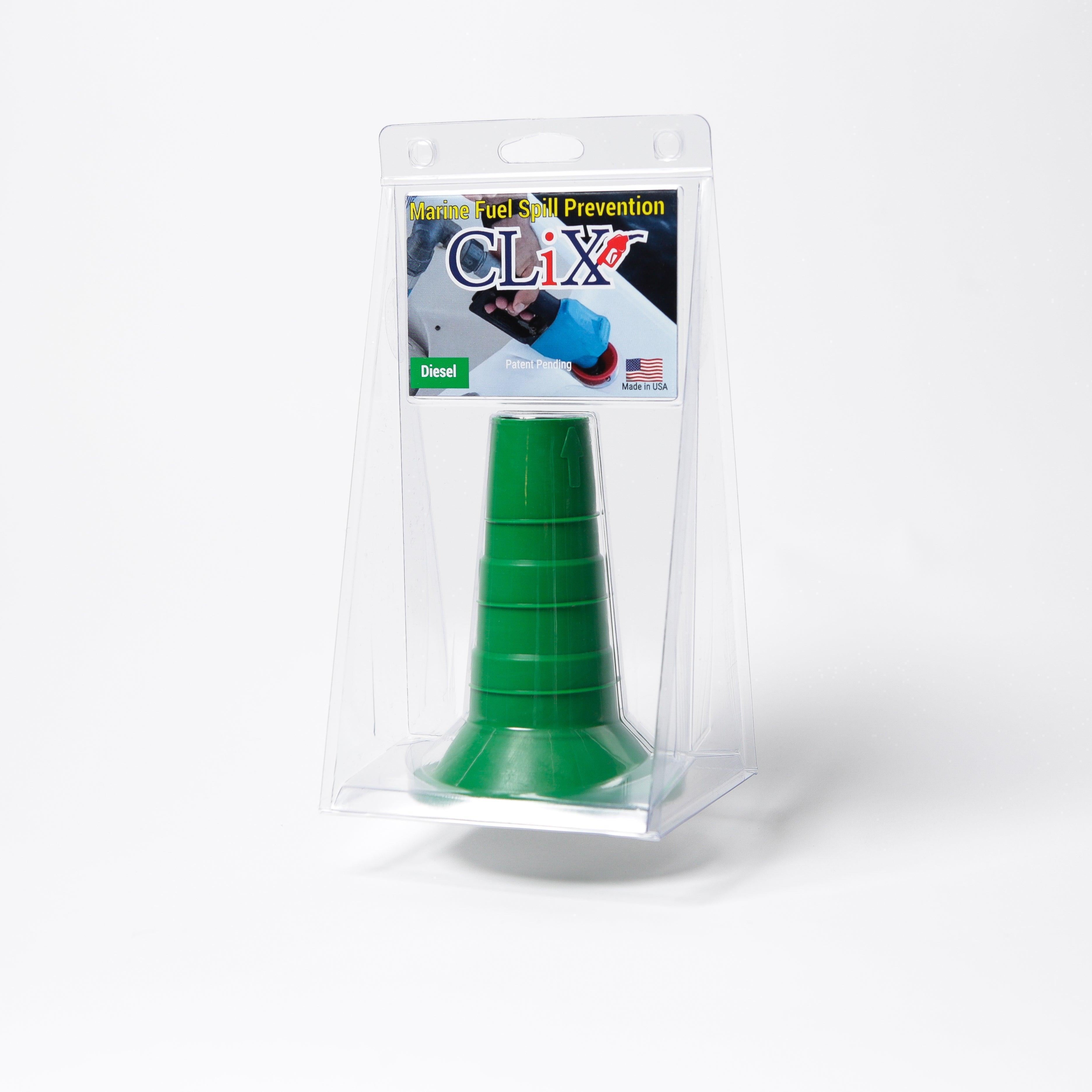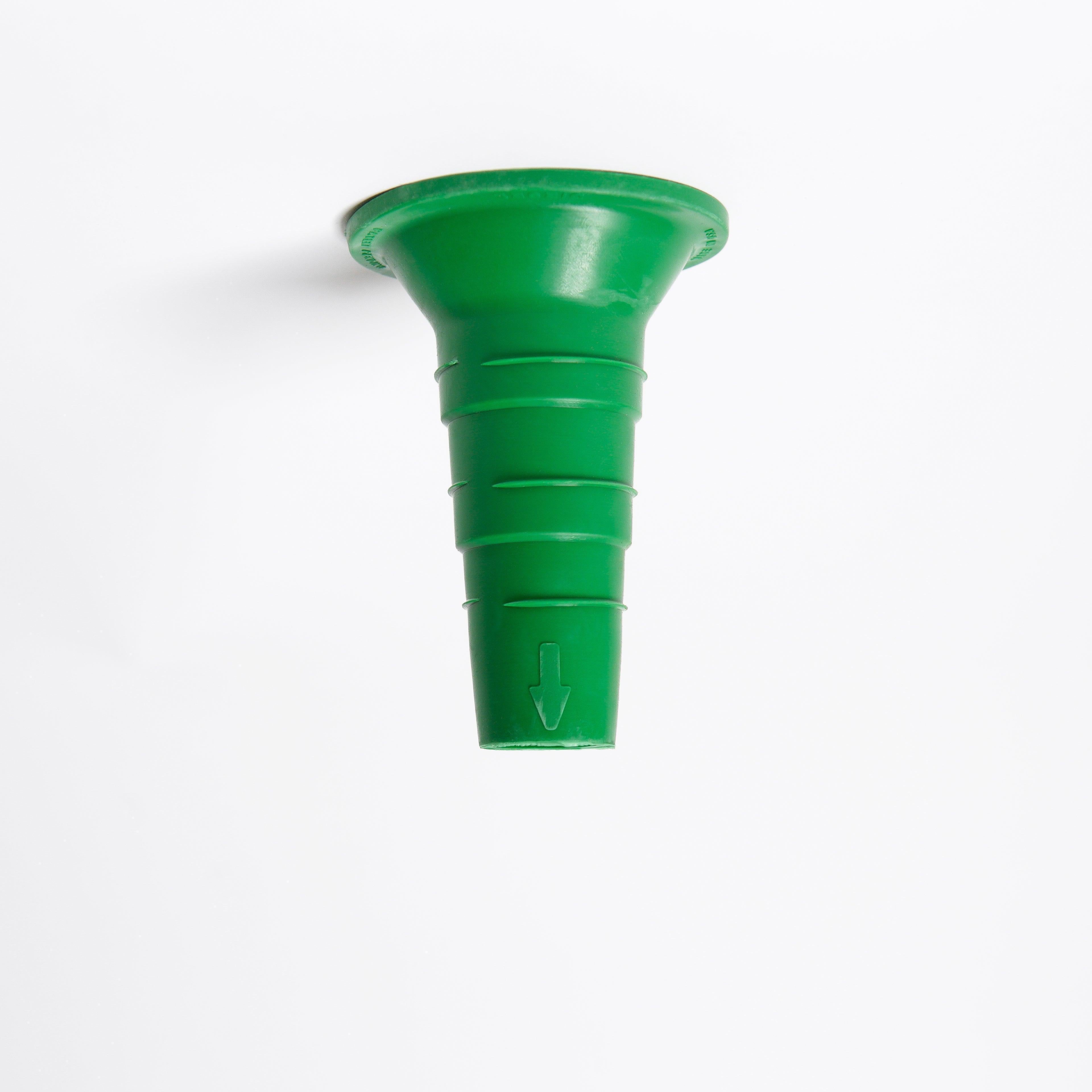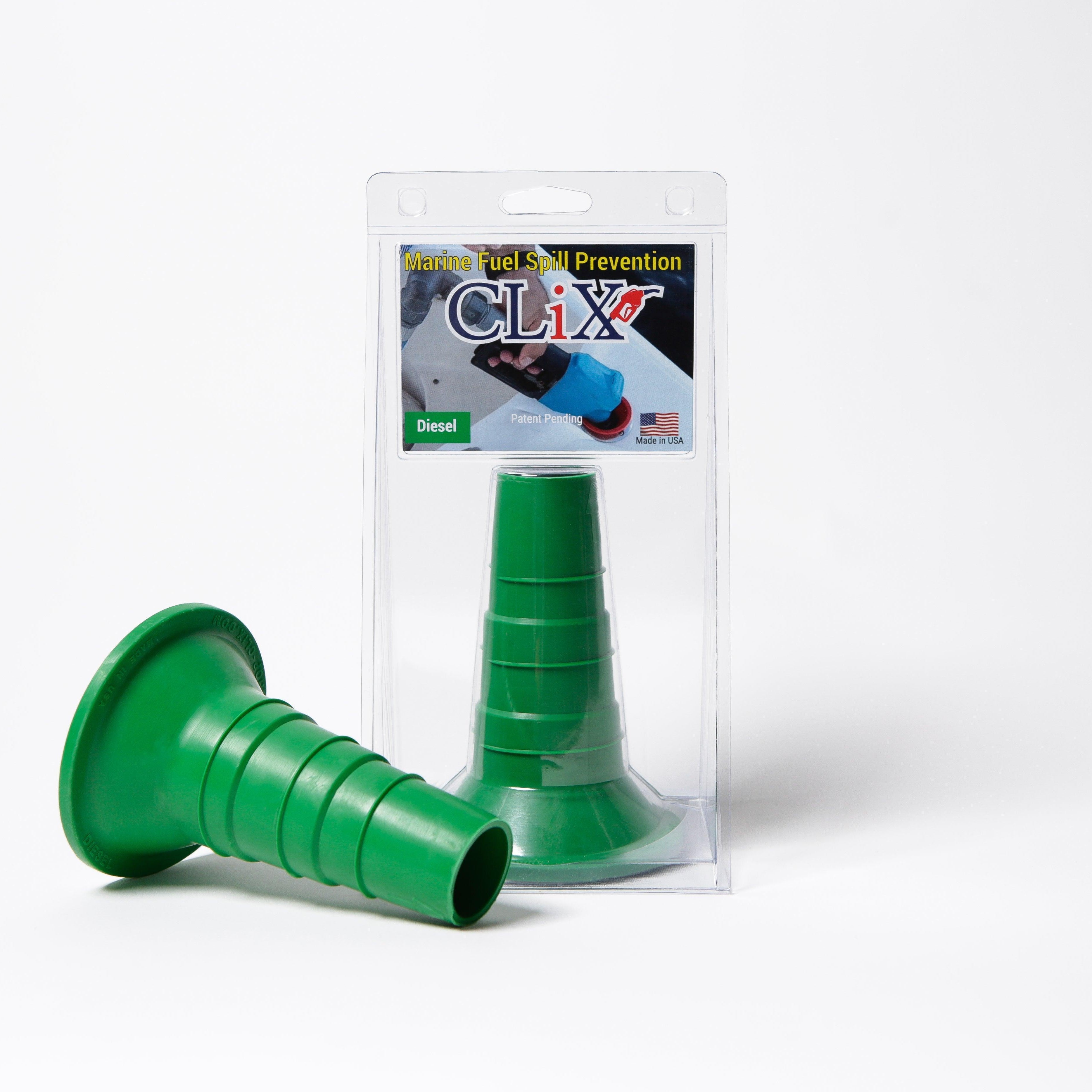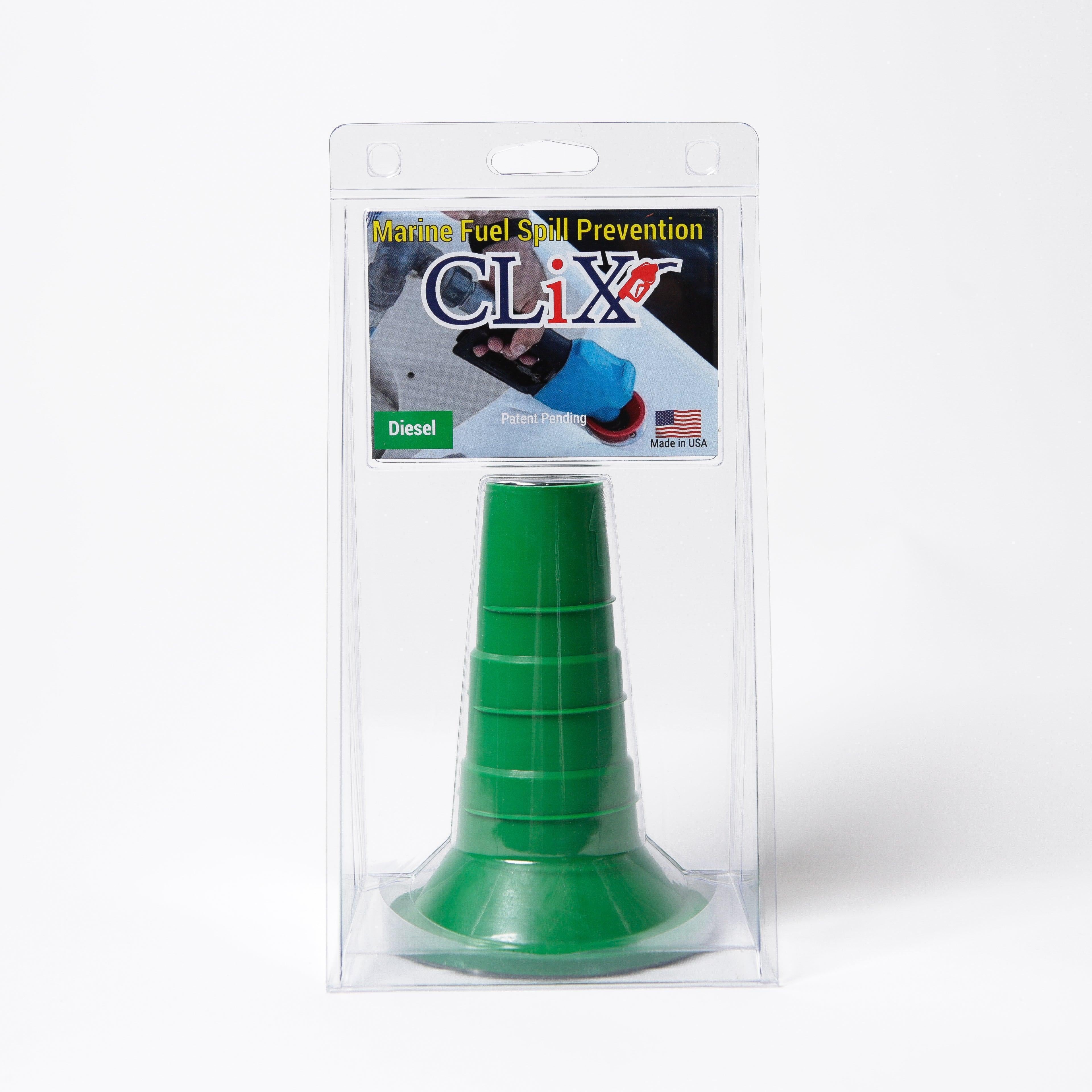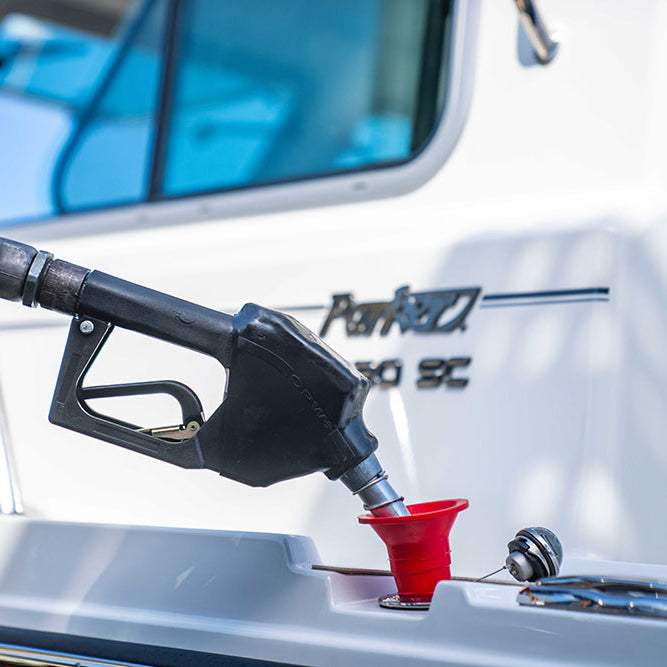
Let's be honest, staring at a fuel nozzle, trying to guess when your boat's tank is about to be full, is a feeling most boaters know all too well. It’s a common anxiety. Your marina’s gas tank pumps should be your first line of defense for a safe, clean, and efficient fill-up, but that’s only if you can use them correctly. This guide is all about taking the guesswork out of fueling and turning it into a confident, stress-free process.
Your Guide to Stress-Free Boat Fueling
The steady hum of a marina fuel pump is the soundtrack to the start of a great day on the water. But it's also a moment that carries real responsibility. Whether you're a seasoned captain or a brand-new boat owner, getting a handle on the equipment at the fuel dock is non-negotiable. This is about more than just topping off the tank; it’s about protecting your boat, keeping everyone safe, and preserving the beautiful waters we all love to be on.
Fueling a boat by "ear" is a lot like trying to fill a glass of water in a pitch-black room—you’re basically just waiting for it to overflow. That familiar gurgle from the fuel vent that many boaters listen for? It’s often a sign that you're already too late. By the time you hear it, fuel is likely already rushing up the fill pipe, and a spill is just moments away.
Why the Old Way of Fueling Just Doesn't Work
The heart of the problem is the huge difference between how cars and boats are designed. A car has a pretty straightforward fuel tank, usually right next to the fill port. Boats, on the other hand, often have complex fuel systems with long, twisting fill hoses and complicated vent lines. This unique marine setup makes it nearly impossible for the automatic shutoff feature on a standard gas pump nozzle to work the way it's supposed to.
This design flaw leads to a few common, frustrating scenarios:
- The Constant Click: The nozzle shuts off over and over again, long before the tank is full, forcing you to stand there manually trickling fuel in.
- The Guessing Game: You're left trying to estimate when the tank is almost full, a method that’s wide open to human error.
- The Inevitable Spill: Overfills happen all the time, dumping gas or diesel straight into the water.
Fuel spills aren't just messy; they're a serious environmental problem. Some estimates suggest that recreational boaters in the U.S. are responsible for over 10,000 fuel spill incidents every single year.
A Better Way to Fuel Safely
Thankfully, we don't have to rely on guesswork anymore. Modern solutions have been developed to solve these exact problems. Instead of depending on finicky nozzle sensors, these systems give the pump a clear, positive signal to stop at the perfect moment—no ifs, ands, or buts.
By understanding how this technology works with the gas tank pumps at your marina, you can make every trip to the fuel dock a safe, clean, and confident one. Think of it like someone finally flipping the light switch on in that dark room, giving you a perfect, spill-free fill every single time.
How Marina Gas Tank Pumps Really Work
Ever wondered what’s actually happening when you squeeze the handle at the fuel dock? It feels simple enough, but the journey fuel takes from the marina's storage tank to your boat is powered by some serious hardware designed for a tough, high-volume environment. Knowing a little about the mechanics is the first step toward fueling with more confidence and a lot less guesswork.
At the heart of it all are the pumps themselves. These aren't like the little pump in your car's fuel tank; they're industrial-grade workhorses. And while they all do the same basic job, they don't all work the same way. You'll generally find one of two main types at a modern marina.
The Two Main Types of Marina Pumps
Most of the time, you'll be using a centrifugal pump. The easiest way to picture how it works is to think of a spinning sprinkler head. An internal propeller, called an impeller, spins at high speed and flings the fuel outward. This creates the intense pressure needed to push a large volume of gasoline or diesel through the hose and into your tank—fast.
The other type is a positive displacement pump. For this one, a better analogy is a medical syringe. It traps a very specific, fixed amount of fluid and then methodically pushes it out. This method delivers a perfectly consistent flow, which is great for certain jobs but not ideal for filling up a 100-gallon tank on a busy Saturday.
For a closer look at these systems, check out our guide on the different kinds of marine fuel transfer pumps.
As any boater knows, the process isn't without its stresses. The anxiety of listening for the "gurgle," the very real risk of a spill, and general safety concerns are always there.
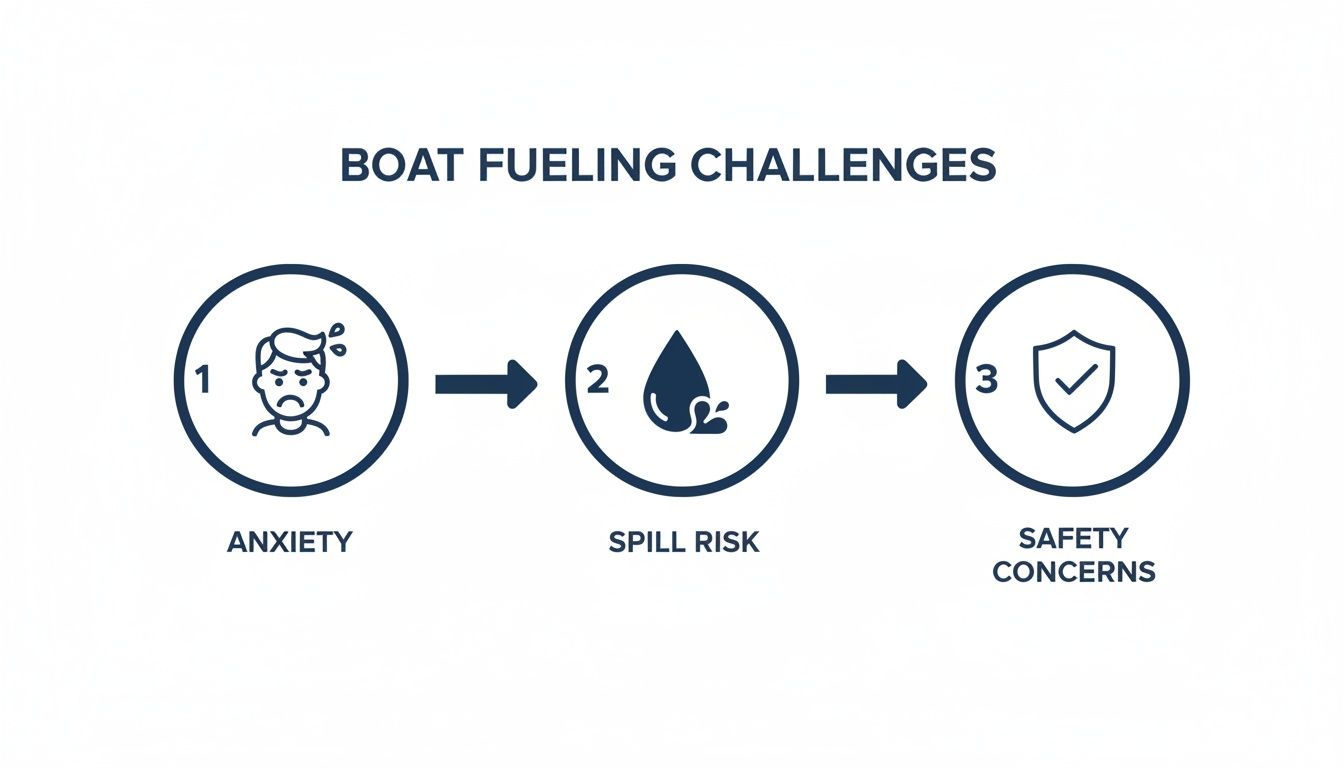
This constant tension between speed and safety is exactly why understanding the equipment matters so much.
Tracing the Path of Fuel
So, what happens when you pull that lever? You’re completing a circuit. An electronic signal tells the main pump to kick into gear, drawing fuel from the marina’s massive storage tanks, which can be above or below ground. That fuel is then pushed through a series of filters and pipes right to the dispenser on the dock.
The hose and nozzle are just the final touchpoints in a long and powerful chain. The pump's internal design is what truly dictates the speed and volume you're dealing with. It's an impressive bit of engineering, and it's part of a massive global industry. The oil and gas pumps market was valued at around USD 9.34 billion and is on track to hit USD 12.63 billion by 2032. That growth underscores the huge demand for reliable fueling technology everywhere.
The bottom line: Marina fuel pumps are built for one thing: moving a lot of fuel, fast. But that power and speed are exactly what makes a manual, guesswork-based approach to fueling so risky. One moment of distraction can easily lead to a messy, dangerous, and expensive overfill.
Comparing Common Marine Fuel Pump Types
To put it all into perspective, here’s a quick comparison of the two pump technologies you're likely to encounter at the marina.
| Pump Type | How It Works (Simple Analogy) | Best For | Pros | Cons |
|---|---|---|---|---|
| Centrifugal | A spinning sprinkler head flinging water outward. | High-volume, fast fueling at the dock. | Simple design, very reliable, delivers a high flow rate to fill tanks fast. | Flow can fluctuate with pressure, less precise than other types. |
| Positive Displacement | A syringe pushing out a precise, measured amount of liquid. | Oil changes, transferring fluids, or applications needing exact metering. | Highly consistent and accurate flow, works well with thicker fluids. | More complex mechanics, slower flow rate, not practical for filling large tanks. |
This side-by-side really clarifies why centrifugal pumps are the undisputed king of the fuel dock. Their ability to get boaters fueled up and on their way is crucial for any busy marina. But it also highlights the core challenge: all that speed puts the responsibility squarely on the boater to know exactly when to let go of the handle.
The Hidden Costs of Fuel Spills and Overfills
It’s easy to think of a small fuel spill at the dock as just a minor annoyance. A quick wipe-down, a bit of a smell, and it’s over, right? But that’s a dangerous assumption. The reality is that those seemingly small mishaps pack a surprisingly big punch, hitting you in the wallet, damaging your boat, and poisoning the very water you love to be on.
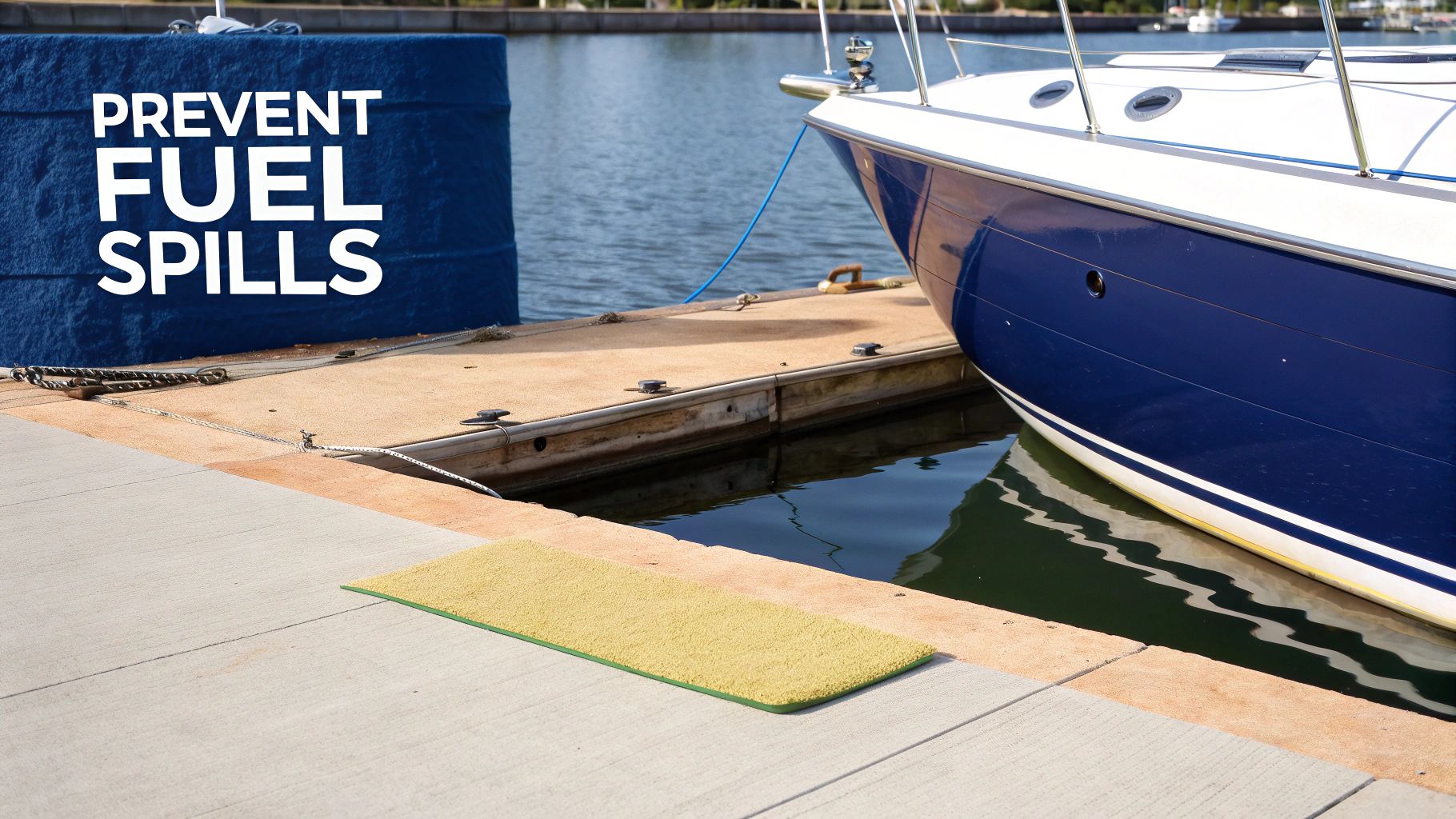
Preventing spills isn't just about being a good captain; it's a fundamental part of responsible boating. A single moment of distraction at the marina gas tank pumps can kick off a chain reaction of damage and expense that’s hard to stop.
The Environmental Toll
The most immediate—and irreversible—damage is to the environment. Gasoline and diesel are flat-out toxic to aquatic life. Even a tiny amount of fuel can have an outsized, devastating impact on a fragile ecosystem.
Think about it this way:
- It Poisons the Water: Fuel spreads into a thin, rainbow-colored sheen on the water's surface. That sheen blocks sunlight, choking out the underwater plants that form the very foundation of the marine food web.
- It Harms Wildlife: Birds and marine mammals that get coated in fuel can die from hypothermia or poisoning. It can even make it impossible for them to fly or swim. Nearby shellfish beds can be rendered toxic for years after a single spill.
- It Creates Lasting Damage: Fuel doesn't just float away. It eventually breaks down and sinks, settling into the sediment on the seafloor. From there, it can continue to leach toxins for years, poisoning the habitat for everything that lives on the bottom.
Spills at the pump are a huge problem. It's estimated that boaters manually overfill their tanks 70-80% of the time, fouling our waterways with every mistake. Here’s a sobering fact: just one gallon of spilled fuel can contaminate up to eight acres of a sensitive marsh ecosystem.
The Damage to Your Boat
Beyond the environmental nightmare, spilled fuel is a direct threat to your boat. Gasoline and diesel are powerful solvents that can cause ugly, expensive, and often permanent cosmetic damage. For most boat owners, this is where the cost of a spill becomes painfully real.
Fuel can easily cause:
- Gelcoat Stains: That beautiful white gelcoat doesn't stand a chance. Spilled fuel leaves behind nasty yellowish stains that are incredibly difficult—if not impossible—to get out.
- Destroyed Graphics: Vinyl striping, boat names, and other decals will literally dissolve when they come into contact with fuel, leaving you with a costly replacement job.
- Fire and Explosion Hazards: This is the scariest one. Fuel that drips into the bilge or splashes onto a hot engine creates a highly volatile situation. The vapors are extremely flammable, and a single spark is all it takes to cause a catastrophic fire or explosion.
These spills are a constant headache for boaters and marina staff. In U.S. recreational boating alone, we see more than 10,000 fuel spill incidents every year. Globally, that adds up to a staggering $1 billion in annual environmental cleanup costs.
The Steep Financial Penalties
Finally, let’s talk about money. Spilling fuel isn't just a clumsy mistake; it’s a violation of federal law. Under the Clean Water Act, you can’t discharge any amount of fuel that creates a visible sheen on the water. Period. And the penalties are no joke.
Both boaters and the marinas they fuel at can be held responsible. Fines from the U.S. Coast Guard and the Environmental Protection Agency (EPA) can run from hundreds to thousands of dollars, even for a small, accidental spill. For a marina, repeated violations can trigger even tougher oversight and crushing financial penalties. You can get a sense of the federal focus on these issues by looking into how programs like the US EPA Grant Funding support environmental protection.
When you tack on the potential cost of hiring a professional cleanup crew, the financial toll of one little spill can become astronomical. These hidden costs make one thing crystal clear: prevention is the only smart path forward. A great first step is understanding how a fuel tank overfill alarm can give you that crucial layer of protection.
From Guesswork to Automation: The Evolution of Fueling
For as long as most of us can remember, the sound of a gurgling fuel vent was the only signal to stop pumping. It was an imprecise art form, relying on a sharp ear, a keen eye for splash-back, or just a gut feeling. This manual approach was all we had, but it left boaters in a constant state of low-grade anxiety, trying to avoid a messy, expensive, and dangerous overfill.
The old ways fail because a boat’s fuel system is nothing like a car's. The long, winding fill hoses and complex vent lines create all sorts of unpredictable pressure changes. That’s precisely why the automatic shutoff on a standard gas station nozzle—built for the straight, simple fill pipe of a car—is so notoriously unreliable at the dock. It either clicks off constantly or, worse, fails to shut off at all, making spills feel almost inevitable.
From Gas Stations to Docksides
The real solution to this problem actually started on land. The journey of gas tank pumps at your corner gas station is a story of moving from pure guesswork to dependable automation. Think about it—the clunky piston pumps of the 1920s eventually became the sophisticated dispensers we use today. This shift wasn't just for convenience; it was a massive leap in safety, reducing industrial accidents by an estimated 75% by the 2000s, all thanks to sensor technology now being adapted for our boats.
This drive for precision is a huge industrial trend. The global market for oil and gas pumps is on track to hit USD 12.57 billion by 2032. This isn't just about bigger numbers; it reflects a deep demand for smarter, safer fluid handling—a revolution that is finally reaching the marine world. You can dig into the specifics of this growth in a comprehensive industry report.
At its core, the challenge has always been knowing exactly when the tank is full. Marine surveys have found that inaccurate tank gauging is the root cause of nearly 90% of all fueling errors. That number alone shows just how badly we needed a better method than listening for a gurgle.
Engineering a Smarter Solution for Boats
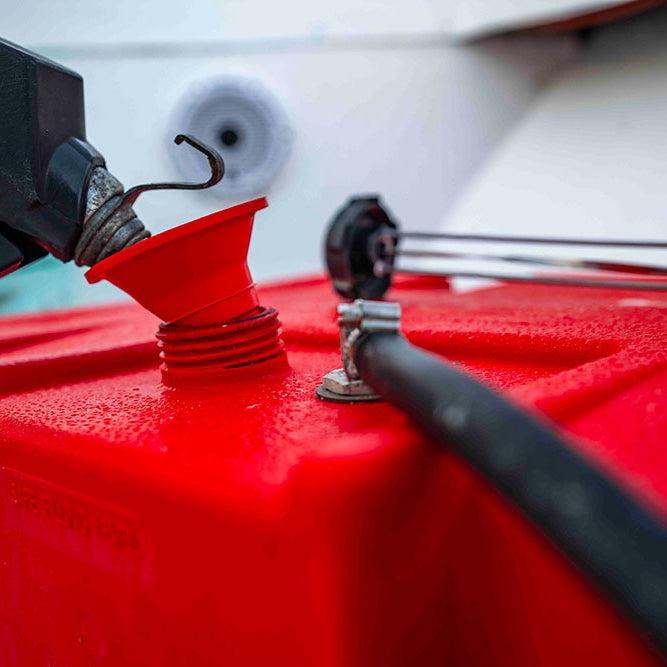
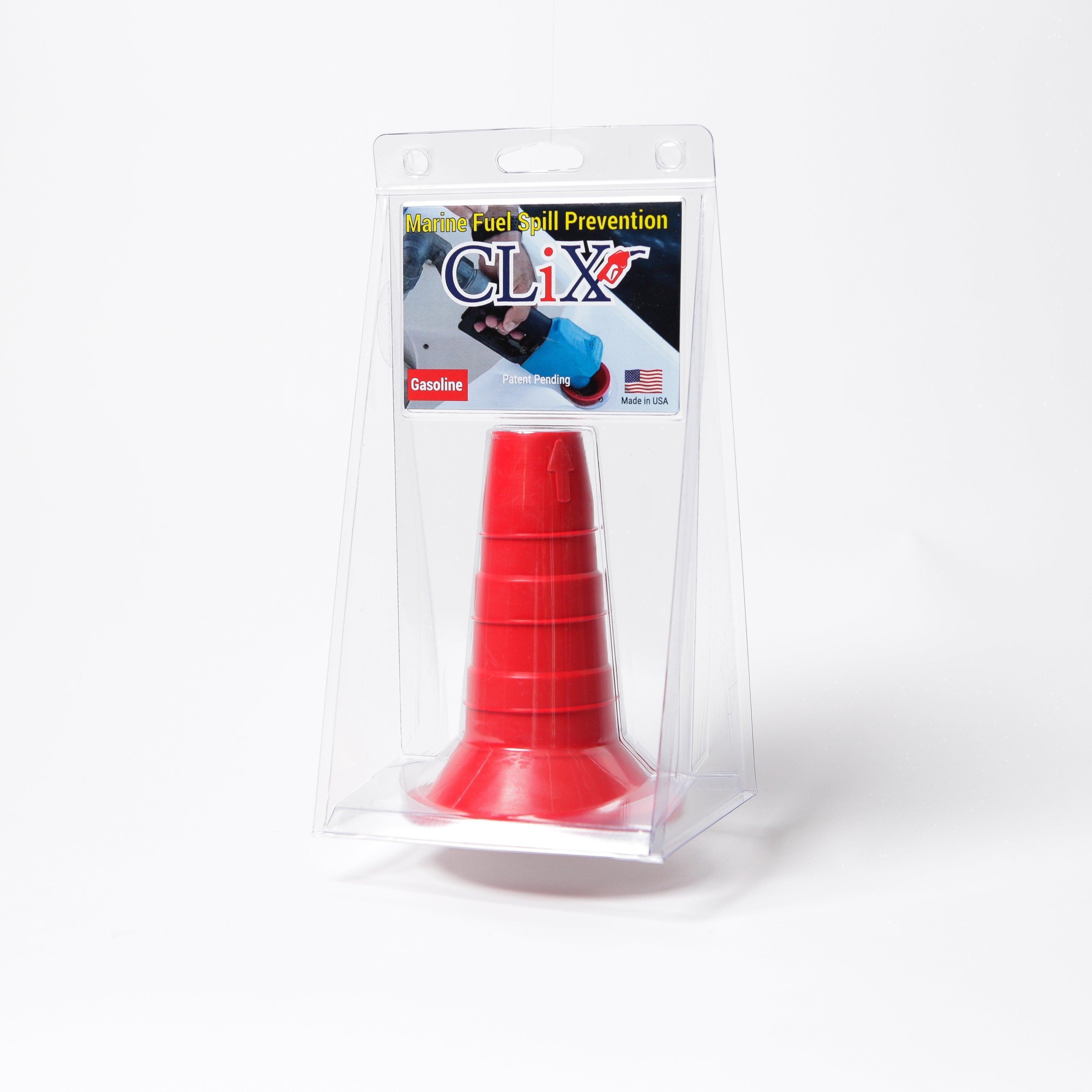
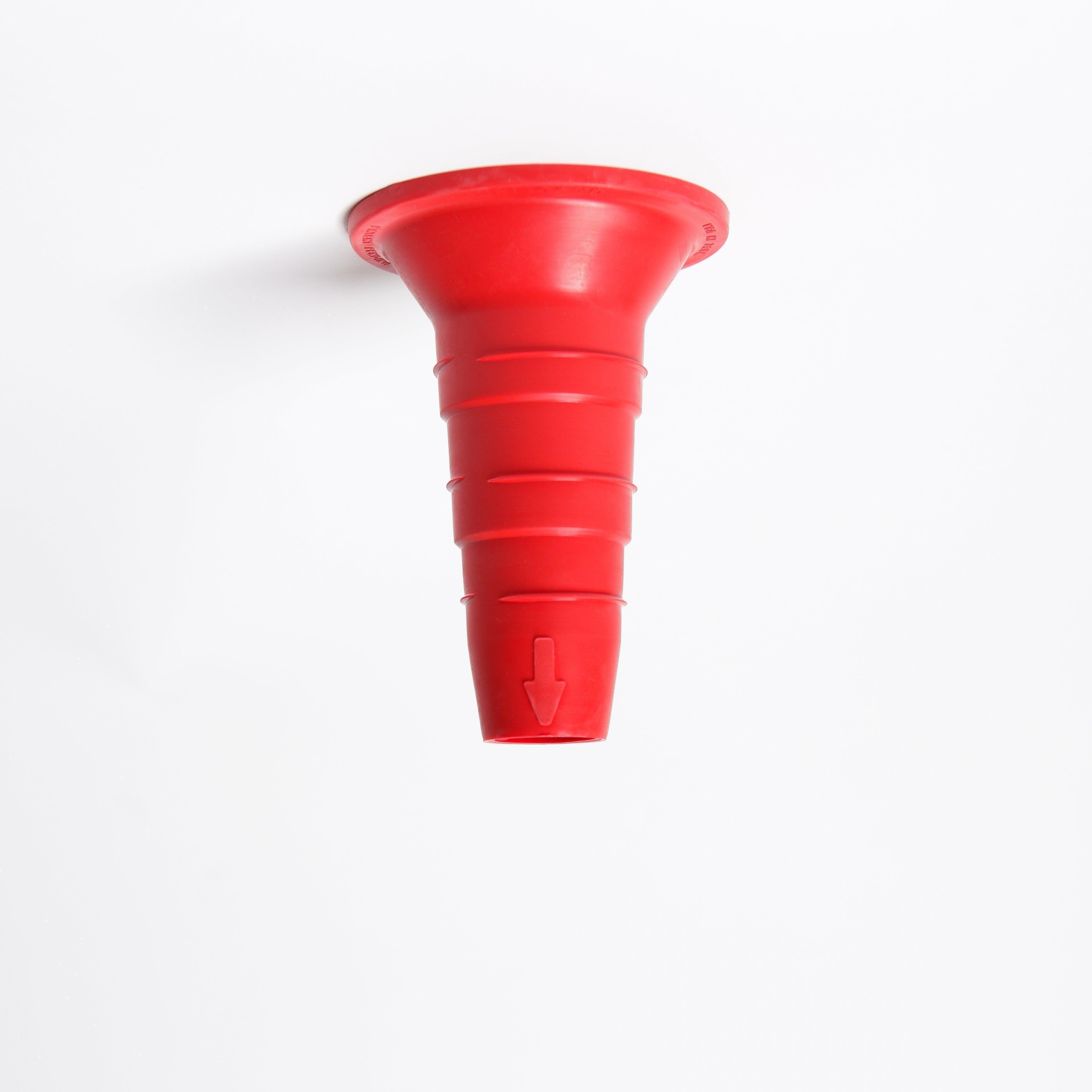
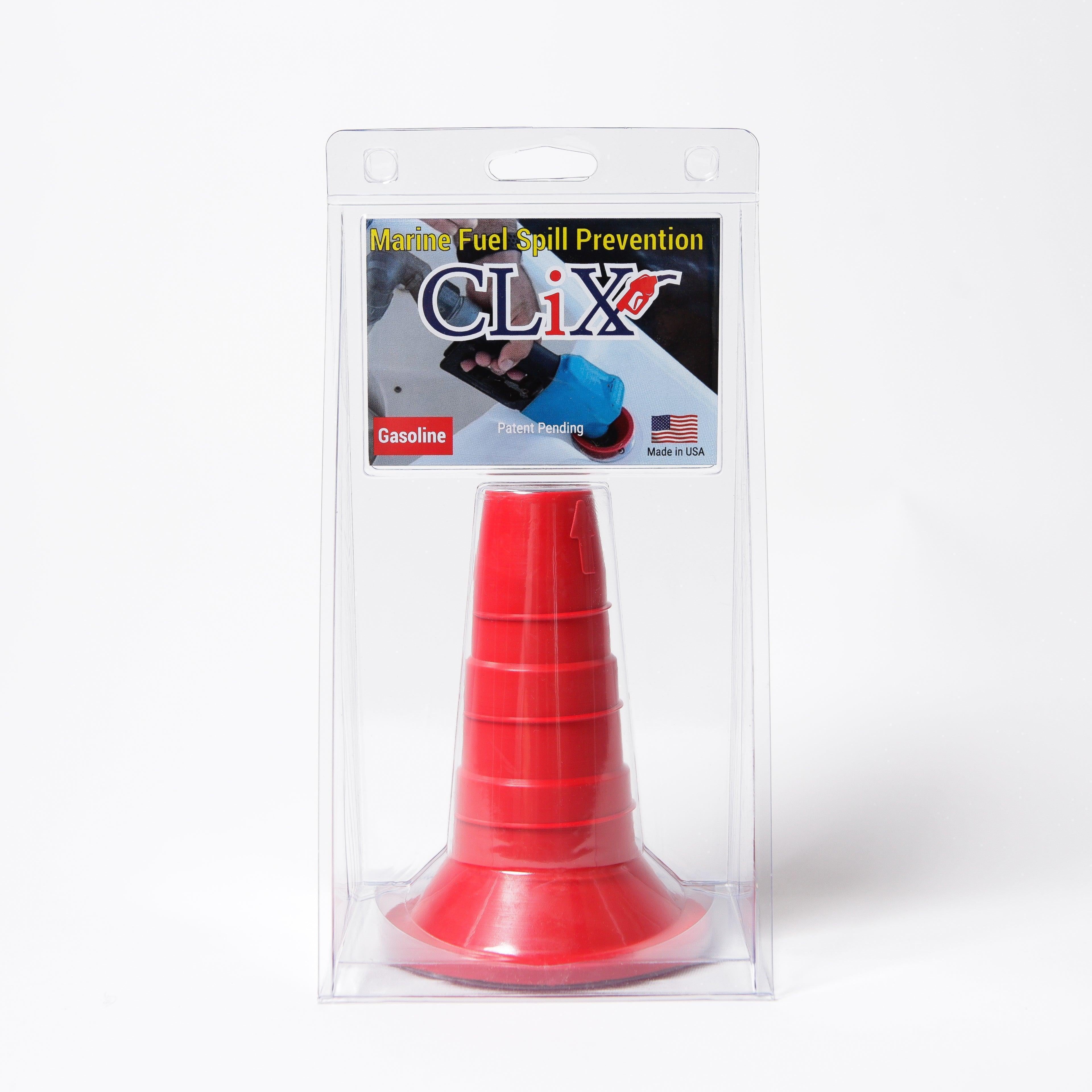
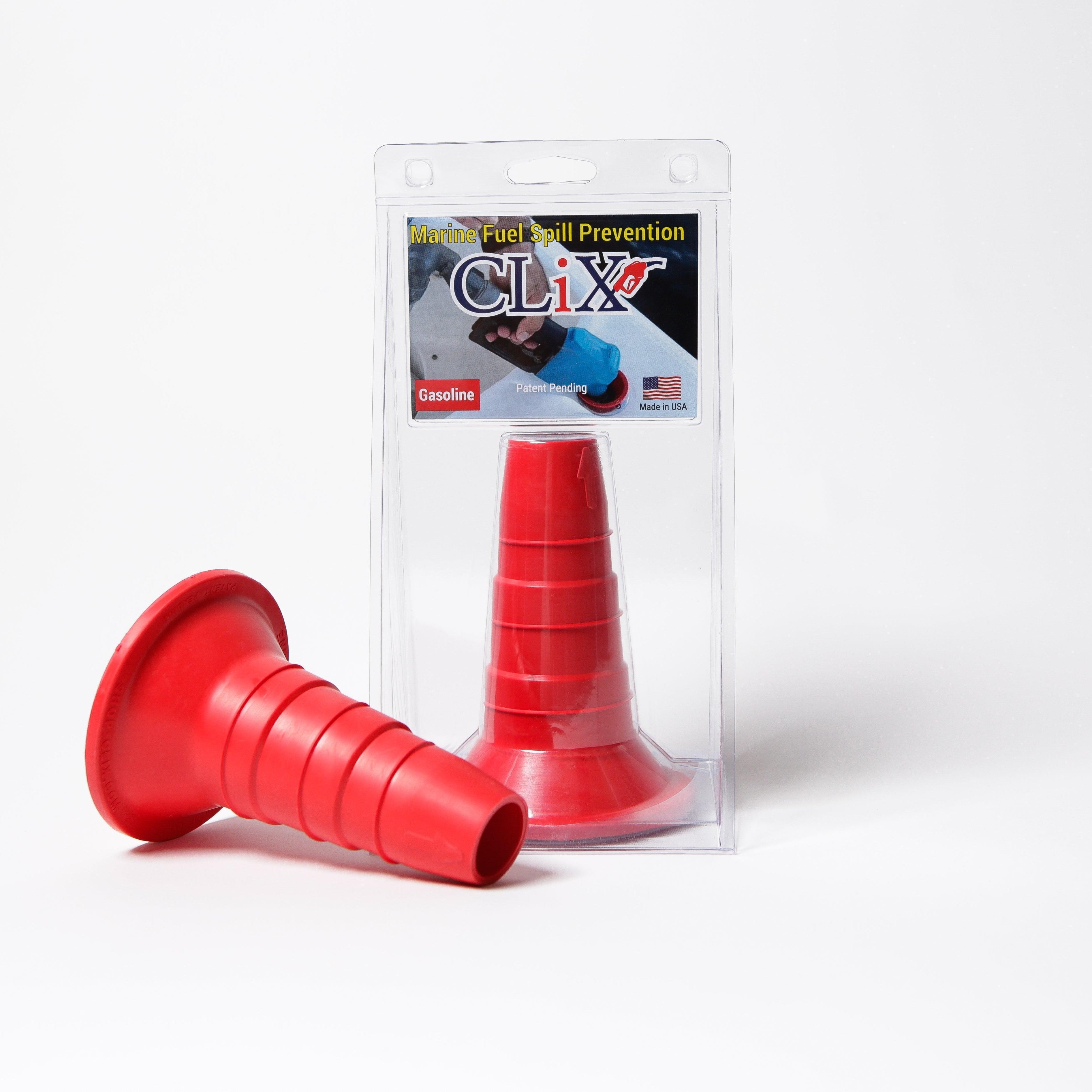
Bringing this kind of automated precision to the water required a totally fresh approach. The unique physics of a boat’s fuel system demanded a solution built from the ground up for the marine environment. This is where dedicated systems like CLiX Fueling Solutions enter the picture, completely changing the game.
Instead of trying to make the pump nozzle's fickle internal sensor work, this technology creates its own clear, foolproof signal by integrating directly into the boat's fuel vent line.
A common misconception is that adding an automated system is complicated. In reality, it’s a straightforward upgrade that creates a positive, mechanical signal for the pump, telling it exactly when to stop. It’s like having a lookout on your fuel tank who never gets distracted.
This creates a reliable communication link between your tank and the nozzle. When the fuel reaches the perfect level, the system automatically triggers the pump's own shutoff mechanism. No more guesswork, no more listening, and no more last-second panic. It just works, delivering a perfect, spill-free fill every single time.
The New Standard in Fueling Safety
This shift from manual methods to automated systems is a massive step forward for boating safety and environmental care. For marina operators, it directly addresses a major liability; surveys show that a whopping 85% of operators list fuel spills as a top operational concern. For boat owners, it simply removes the single most stressful part of getting ready for a day on the water.
The proof is in the results. Captains who have made the switch consistently report completing hundreds of fueling cycles with zero overflows. This real-world performance proves that the era of guesswork is over. Automation provides the reliability that boaters and marinas have desperately needed for years, making it an essential upgrade for anyone serious about protecting their vessel and our waters.
How to Maintain Your Marine Fuel System
Even the best automated fueling system is only as good as the boat's fuel system it's connected to. Think of it like this: putting premium tires on a car with a bad alignment won't give you the smooth ride you're looking for. To get the most out of your time at the marina gas tank pumps, you need a well-maintained fuel system.
Regular, proactive care is your best defense against dangerous and expensive failures. It's how you spot the small issues before they snowball. When every component—from the tank to the vent—is working properly, you create a reliable, predictable system where automated shutoff devices can do their job perfectly.
Your Simple Maintenance Checklist
A few times each season, take a moment to give your fuel system a quick once-over. Trust me, catching a problem early will save you a massive headache later.
Here’s a straightforward checklist to get you started:
- Inspect Fuel Lines: Run your hands along the fuel hoses. Are there any cracks, brittle spots, or signs of rubbing? Give them a gentle squeeze—they should feel firm, not mushy.
- Check Fittings and Clamps: Look closely at all hose clamps. They should be tight and free of rust. Any corrosion on the fittings is a major red flag that needs to be addressed right away.
- Examine the Fuel Filter: Take a peek at your water-separating fuel filter. If you see water, gunk, or any discoloration in the bowl, it’s definitely time to replace it.
- Clear the Fuel Vent: Your fuel vent is crucial for a smooth fill-up. Make sure the opening isn't clogged with wasp nests, wax, or other debris. A blocked vent is the number one cause of slow fueling and dangerous pressure buildup.
Think of your fuel system as your boat’s circulatory system. A blockage or leak anywhere can cause serious problems for the entire vessel. Consistent check-ups are the best preventative medicine.
Troubleshooting Common Fueling Frustrations
Even with diligent maintenance, you might still run into problems. Knowing what to look for can help you diagnose and fix common issues fast.
Slow Fueling or Frequent Nozzle Clicks
Is the fuel pump nozzle constantly clicking off, even when you know the tank is nearly empty? This is almost always an airflow problem. The most likely culprit is a blocked or restricted fuel vent line. When air can't escape the tank fast enough, the backpressure builds and tricks the nozzle's sensor into shutting off.
First, check the external vent fitting for obvious blockages. If that looks clear, the issue could be a kink or a low spot in the vent hose itself, where a little fuel has pooled and created an air trap. You can get a deeper understanding of how all these parts work together in our complete guide on the essentials of a boat fuel system.
Inaccurate Fuel Gauge Readings
A fuel gauge that's stuck on "E" or won't budge from "F" isn't just an inconvenience; it's a safety risk. This usually points to a bad fuel sending unit inside the tank. Over time, the float can get stuck, or the electrical components can corrode. Replacing a sender can be a bit of a project, but knowing your true fuel level is non-negotiable for safe boating.
Hidden Leaks and Fuel Smells
If you smell fuel in the bilge or cabin, treat it as an emergency. Never, ever ignore it. Immediately shut down all engines and electronics, and get the area ventilated. Use your eyes and nose to track down the source, carefully checking every hose, fitting, and connection from the fuel tank to the engine. Even a tiny drip can produce a massive amount of explosive vapor.
Choosing the Right Spill Prevention Solution
Upgrading your fueling setup is one of the smartest moves you can make—for your boat, your wallet, and the local waterways. When a single gallon of fuel can contaminate up to 750,000 gallons of water, a reliable spill prevention solution isn't just a nice gadget; it's essential gear. Let's walk through how to pick a system that works seamlessly with marina gas tank pumps and lets you fuel up without worry.
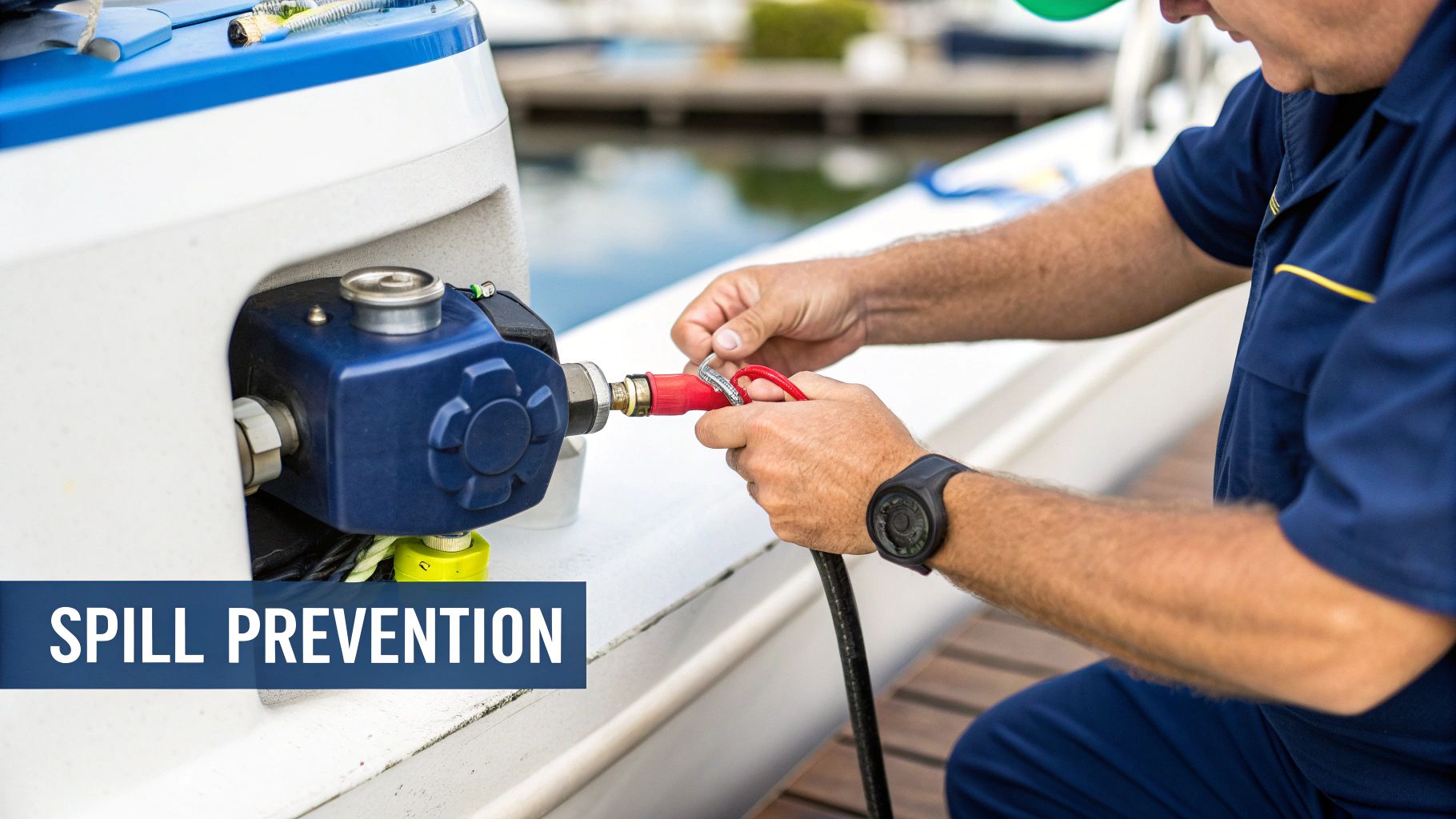
You'll find plenty of options out there, but they're not all built the same. Your job is to find a solution engineered specifically for the tough demands of a marine fuel system, not just one that makes a good promise.
Key Factors for Selecting Your System
When you start comparing systems, a few key things should be at the top of your list. These points will help you cut through the noise and find a device you can actually count on.
- Boat Compatibility: First and foremost, does it fit your boat? Check if it’s designed for your specific fuel type (gas or diesel) and vent line size. One-size-fits-all rarely works well on a boat, so find a product matched to your setup.
- Durability and Materials: The marine environment is unforgiving. Look for components made from tough, corrosion-resistant materials like marine-grade stainless steel or specialized polymers that can handle constant contact with fuel and saltwater.
- Ease of Installation: Good news—the best modern solutions are surprisingly simple to install. A system like CLiX Fueling Solutions is designed so that a handy boat owner or a marine tech can get it done in under an hour.
- Regulatory Compliance: The right system helps you stay on the right side of the law. Look for solutions designed to meet or exceed environmental regulations, protecting you from the hefty fines that come with fuel spills.
The most effective spill prevention devices aren't passive measures like fuel bibs or absorbent pads. They are active systems that create a positive, mechanical shutoff signal, stopping an overfill before it can even start.
The Marina Operator Advantage
For marina operators, encouraging boaters to adopt these systems is a game-changer. By promoting proven anti-spill technology, a marina can dramatically cut its own liability and the cleanup costs that come from those all-too-common spills at the fuel dock.
Even better, it builds a stellar reputation as an environmentally conscious facility. That commitment to clean water doesn't just attract more responsible boaters; it elevates the entire experience, making the marina a cleaner, safer, and more professional place for everyone. It’s a win for the business, the boater, and the environment.
Your Top Marine Fueling Questions, Answered
Even after you get the hang of how marine fuel pumps work, specific questions always pop up at the fuel dock. Getting straight answers to these common worries is the last piece of the puzzle. It's what gives you the confidence to fuel up safely and get it right every single time.
Let's tackle the questions we hear most often.
Why Do Gas Station Nozzles Always Click Off on My Boat?
It’s a classic frustration. You try to fill up, and the nozzle clicks off constantly... or not at all. The reason is simple: those standard auto-shutoff nozzles were designed for cars, not boats.
In a car, the fill pipe is short and straight. The nozzle senses a tiny change in air pressure when the fuel level reaches the tip, and that pressure change instantly trips the handle. But a boat's fuel system is a different beast entirely. You're dealing with long, winding fill hoses and complex vent systems that create all sorts of unpredictable air pressure. Fuel also tends to foam up on its way into the tank. This chaos either fools the nozzle into thinking the tank is full when it isn't, or—far more dangerously—it fails to sense anything, leading to an overfill.
The pump nozzle isn't "broken." It's just the wrong tool for the job. You're trying to fit automotive tech into a marine system, and the two just don't speak the same language. Relying on that sensor is a gamble that leads to overfills an estimated 70-80% of the time.
Is It a Huge Hassle to Install an Automatic Shutoff System?
Not in the slightest. A lot of people assume that upgrading to a real spill prevention system is a major, complicated overhaul. The truth is, the best systems are engineered to be surprisingly simple to install.
A handy boat owner or any marine technician can get the whole job done in less than an hour. The device simply fits into your boat’s existing fuel vent line—no need for invasive or complex modifications to the fuel tank itself. The kits usually come with everything you need, making it one of the easiest and most impactful safety upgrades you can make.
What Are the Actual Fines for Spilling Fuel?
The penalties are no joke. Under the federal Clean Water Act, it's illegal to discharge any amount of fuel that leaves a visible sheen on the water. This applies to everyone—the boater and the marina operator.
Fines from the EPA and the U.S. Coast Guard can easily run from hundreds into thousands of dollars, even for a small, accidental spill. For a marina, a pattern of spills can trigger much steeper fines and force them to implement expensive, mandated spill prevention plans. Using technology to stop spills before they happen is the best way to stay compliant and avoid a very bad, very expensive day.
Can Spilled Fuel Really Hurt My Boat?
Yes, without a doubt. The damage from a fuel spill is much more than just a bad smell that lingers for a few days. Gasoline and diesel are aggressive solvents that can cause permanent, costly cosmetic damage.
- Permanent Stains: Spilled fuel can leave behind ugly, yellowish stains on your boat's gelcoat that are almost impossible to scrub out.
- Melted Graphics: It acts like a paint stripper on vinyl graphics, boat names, and decorative striping, forcing a complete and costly replacement.
- Fire Hazard: This is the big one. Fuel that drips into the bilge creates a serious risk of fire and explosion. Those fumes are incredibly flammable, and a single stray spark is all it takes to cause a disaster.
Ready to put fueling worries behind you for good? CLiX Fueling Solutions offers a simple, foolproof way to prevent spills and protect your investment. Get a perfect, stress-free fill-up, every single time. Learn more and get yours today at CLiX Fueling Solutions.