Picking the right portable fuel container for your boat is one of those decisions that seems small but has a huge impact. It's not just about having extra fuel; it’s about keeping your boat, the environment, and everyone on board safe. Honestly, it's a choice that directly affects your peace of mind out on the water.
Your Guide to Choosing Portable Fuel Containers
Think of your portable fuel can as a critical piece of safety gear, right up there with your life jackets and fire extinguisher. A cheap, poorly designed can is a ticking time bomb—it can lead to dangerous leaks, stiff environmental fines, and even a fire. A good one, on the other hand, gives you the confidence to focus on the fun, not on your fuel supply.
This guide will walk you through everything you need to know, from understanding the pros and cons of different materials to making sense of the safety regulations. We’ll look at real-world problems, like how to stop fuel from sloshing out in choppy water, and help you find a container that’s a perfect match for your vessel.
Why the Right Container Matters
Getting this right from the start is a big deal for a few key reasons:
- Safety First: A well-built and properly sealed container drastically cuts down the risk of spills and vapor leaks, which are serious fire hazards on any boat.
- Environmental Protection: Even a small fuel spill can do real damage to marine life. A secure container is your best defense against causing accidental pollution.
- Regulatory Compliance: Using a can that isn't approved can land you with some hefty fines. The right container ensures you're following all the rules set by agencies like the EPA and the U.S. Coast Guard.
A good fuel container is a true investment in safety. It saves you from costly gelcoat repairs caused by spills, helps you avoid environmental cleanup bills, and, most importantly, protects you and your passengers from accidents that are entirely preventable.
At the end of the day, you're looking for a container that is tough, legal, and easy to manage in a marine environment. We'll cover everything from material durability to the latest in spill-proof spout technology. To see what's out there, check out some of the best portable marine fuel tank picks for 2025 and see how the top-rated models solve these very problems.
Choosing the Right Fuel Container: Materials and Design Matter
Picking the right portable fuel container is a lot like choosing the right tool for a job. You wouldn't use a hammer to turn a screw, and you shouldn't grab just any old gas can for the unique demands of a marine environment. The material and design of your fuel container have a huge impact on its safety, how long it lasts, and how easy it is to use on your boat.
Let's walk through the three main types you'll find on the market.
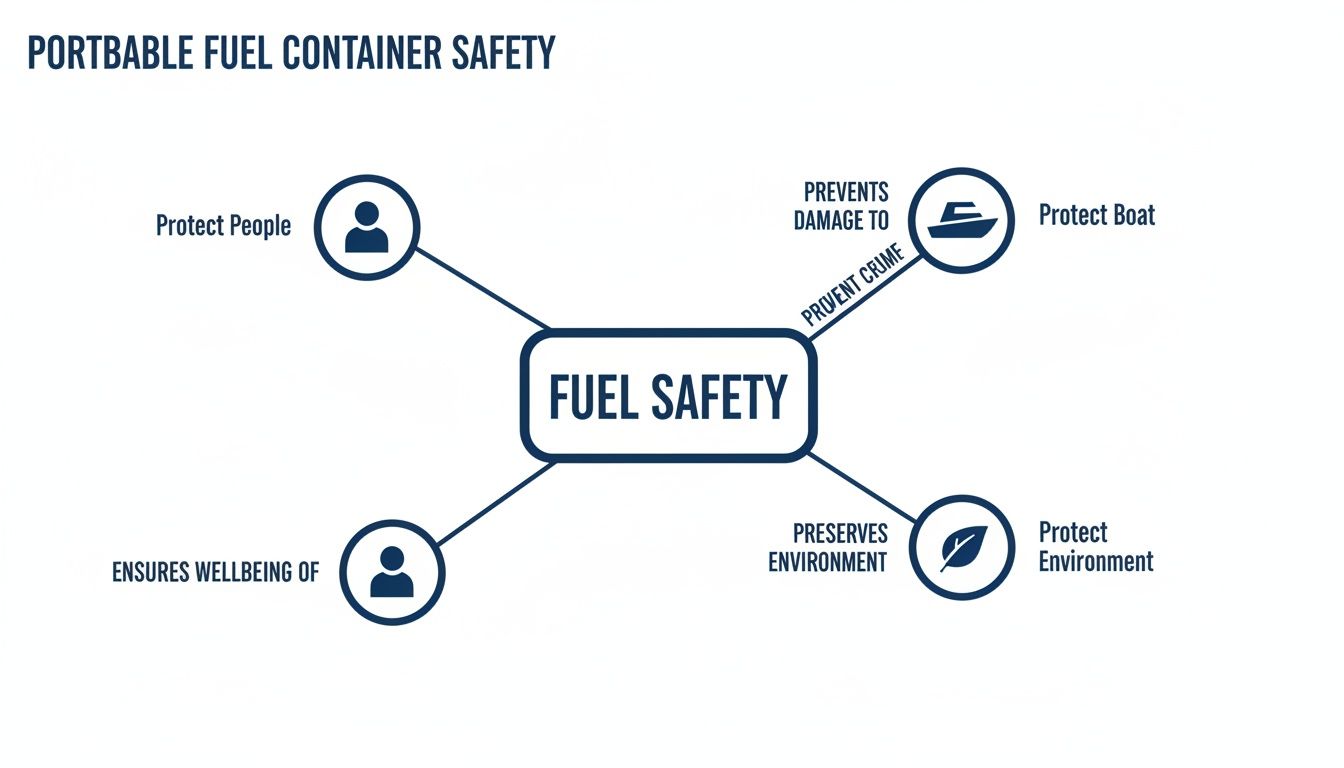
Ultimately, selecting the right container comes down to protecting three things: the people on board, your boat, and the water we all enjoy.
Rigid Plastic (HDPE): The Modern Go-To
For most recreational boaters, High-Density Polyethylene (HDPE) containers are the standard, and for good reason. They are tough, surprisingly lightweight, and stand up well to bumps and knocks. Most importantly, they are completely immune to rust and corrosion, a massive advantage when you're constantly around saltwater.
Unlike old-school metal cans, a quality HDPE container won't dent if it gets dropped, and it's less likely to create a spark. They're typically molded as a single, seamless piece, which means you don't have to worry about welds failing and causing a leak down the road. You'll usually see them in bright red for gasoline or yellow for diesel, so you can't mix them up.
That said, they aren't perfect. If left in the sun for years, the plastic can eventually become brittle. To get the longest life out of them, look for cans made with UV inhibitors and try to store them out of direct sunlight.
Steel Cans: The Old-School Classic
The classic "jerry can" is what most people picture when they think of a fuel can. Made from stamped steel, these things are built like tanks and are incredibly puncture-resistant. They really shine in rough-and-tumble situations where they might get banged around a lot.
Steel is also less likely to swell or shrink with big temperature swings compared to plastic.
But for life on a boat, steel cans have some serious downsides:
- Rust is the Enemy: Even with a good coat of paint, one deep scratch is all it takes for saltwater to start a rust patch. That rust can flake off, contaminate your fuel, and eventually eat right through the can.
- They're Heavy: A full 5-gallon steel can is a beast to handle, especially on a rocking boat.
- Welds Can Fail: The welded seams are the weakest point. Over time, with enough vibration and stress, they can develop slow leaks.
Flexible Fuel Bladders: The Space-Saving Specialist
Think of fuel bladders as the collapsible water bottles of the fuel world. Made from incredibly tough, military-grade polymer fabrics, their killer feature is that when they're empty, you can roll them up and tuck them away. This makes them perfect for long-distance cruisers who need to carry extra fuel but don't have the deck space for a bunch of rigid cans.
Because they are soft, they can be squeezed into odd-shaped lockers. Another neat benefit is that as you use the fuel, the bladder collapses, which pushes out the air and minimizes the buildup of dangerous fuel vapors.
Comparing Portable Fuel Container Materials
To make the choice a little easier, here's a quick rundown of how these materials stack up against each other.
| Material Type | Primary Advantage | Key Consideration | Best For |
|---|---|---|---|
| Rigid Plastic (HDPE) | Corrosion-proof and lightweight | Can become brittle with long-term UV exposure | Most recreational boaters; general day-to-day use |
| Steel | Extremely durable and puncture-resistant | Prone to rust; very heavy when full | Rugged, land-based use or commercial applications |
| Flexible Fuel Bladder | Folds down for compact storage | More susceptible to punctures than rigid cans | Long-distance cruisers needing extra range; limited storage |
While the classic steel can has its place, the boating world has largely moved on. Concerns over safety and spills have pushed boaters and manufacturers toward modern polymers. By 2023, plastics had already overtaken metal in market share, driven by their lighter weight, rust-proof nature, and lower cost. For a deeper dive into this trend, you can check out a detailed report on the collapsible fuel tank market.
Getting the Size Right and Knowing the Rules
Choosing the right size for your portable fuel container is a classic balancing act. You need enough fuel to feel secure and extend your time on the water, but not so much that you're wrestling with a heavy, dangerous tank on a rocking boat. It’s all about finding that perfect blend of convenience and rock-solid safety.
For most day-trippers, a 5 or 6-gallon can is the gold standard. This size offers a decent reserve for most recreational boats and is still light enough for one person to handle easily, even when conditions get a little choppy. If you just need a quick top-off or have a smaller vessel like a dinghy, a 1 to 2.5-gallon can is an even better fit.
Of course, longer trips or bigger boats demand more fuel. That’s when larger portable tanks, some holding up to 25 gallons, become necessary. Just keep in mind that a full 25-gallon tank can weigh over 150 pounds. Moving that around is definitely a two-person job.
Decoding the Labels: What All Those Letters Mean
When you look at a compliant fuel can, you'll see it’s covered in codes and certifications. This isn't just bureaucratic red tape; it’s a shorthand for safety, enforced by some serious government agencies. Knowing what these markings mean helps you buy a product that’s been rigorously tested for the harsh marine environment.
In the U.S., three main players set the standards for portable fuel containers:
- EPA (Environmental Protection Agency): Their rules are all about preventing fuel vapors—a major source of air pollution—from escaping. This is why modern cans have those self-venting, spill-proof spouts.
- CARB (California Air Resources Board): California often has the strictest environmental regulations in the country, and CARB is the reason. Many manufacturers design their cans to meet these tougher standards nationwide.
- U.S. Coast Guard (USCG): The USCG sets the bar for fuel systems and containers specifically for recreational boats. They ensure a can can handle the unique stresses of life on the water.
A USCG-approved container is built to resist fire, stop leaks, and endure the constant vibration and movement of a boat. Grabbing a standard automotive can from the hardware store isn't just a shortcut; it's illegal on the water and could even void your insurance.
The need for different sizes varies. For boaters, the trade-off between capacity and portability is everything. Market data highlights that the 25–100 gallon range is a huge deal for marine use, where long-range capability is a top priority. In fact, one forecast suggested this size category alone would make up nearly 42.8% of market revenue by 2025.
Non-Negotiable Safety Features
Beyond the official approvals, today's fuel cans have some brilliant, built-in safety features. Think of them as the mandatory safety gear for your fuel.
First up is the flame arrestor. This is a small metal screen tucked inside the can's opening. Its job is simple but critical: to stop an external spark or flame from igniting the fuel vapor inside the can and causing a catastrophic explosion.
Another essential is the self-venting spout. These spouts create a tight seal to keep fumes from escaping, but they also have a safety valve. If the temperature rises and pressure builds inside the can, the spout will automatically vent just enough to prevent the can from swelling or bursting. Understanding the engineering behind a modern portable fuel can really helps you appreciate these vital innovations. Always check for these features before you buy.
Safe Fuel Handling and Storage on Your Boat
Knowing how to handle and store fuel on your boat isn't just another box to check—it’s probably the single most important thing you can do to prevent accidents. One loose container or a moment of distraction while refueling can quickly turn a perfect day on the water into a disaster. Let's walk through the best practices for managing your fuel safely, step-by-step.
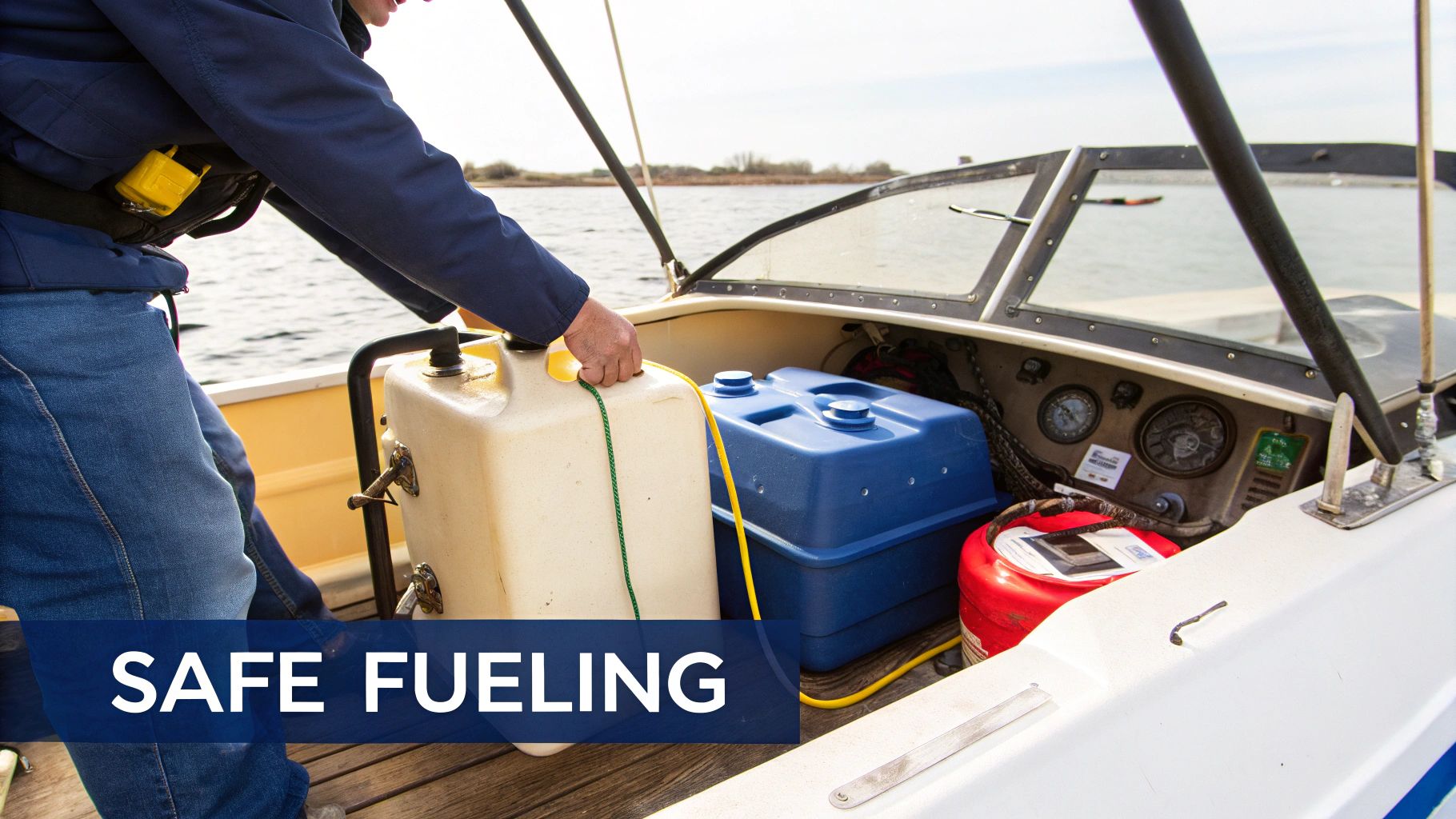
We’ll cover everything from tying down your cans to mastering the refueling process itself. The goal is to make every trip as safe as it is fun.
Securing Your Containers on Deck
Picture your boat rolling in some choppy waves. An unsecured fuel can instantly becomes a 150-pound missile, sliding across the deck, just waiting to rupture or go overboard. Tying down your fuel is absolutely non-negotiable.
Always secure portable fuel containers in a designated spot with heavy-duty straps or bungee cords. Make sure the container is braced against a solid surface, like a bulkhead or a dedicated fuel locker, to eliminate any chance of it moving.
Here’s a quick mental checklist for securing your cans:
- Keep Them Upright: Always store and secure your containers vertically. If you lay them on their side, you're asking for leaks from the spout or vent.
- Make it Snug: Pull those straps tight enough that the can can't tip, slide, or even wobble. It’s a good idea to check them every so often, especially on longer trips.
- Stay Away From the Edge: Keep containers clear of the boat’s gunwales. You don't want a big wave or an accidental bump to send your fuel into the water.
Finding the Right Storage Spot
Where you store your fuel is just as critical as how you secure it. The perfect spot has a good balance of ventilation, is safe from heat, and is still accessible. Never, ever store fuel in an enclosed cabin, the engine compartment, or any other area where fumes can get trapped.
Gasoline vapors are heavier than air. This means they’ll sink to the lowest point of your boat and collect, creating a highly explosive hazard. Your best bet is always an open, well-ventilated area on deck, preferably out of direct sunlight, which can cause pressure to build up inside the can.
A common mistake is storing fuel near potential ignition sources. This includes batteries, electrical panels, or even a hot engine exhaust. A single spark is all it takes to ignite gasoline fumes with devastating consequences.
The Dangers of Static Electricity
Static electricity is an invisible but very real threat when you're fueling up. As gasoline flows through a hose and into a container, it can generate a static charge. If that charge finds a path to ground, it can create a spark big enough to ignite fuel vapors.
To stop this from happening, you have to ground your container. If you’re filling a portable can at a gas station, always place it on the ground before you start pumping. The ground will safely dissipate any static charge. Never fill a container while it’s sitting in your truck bed, on a boat trailer, or in the boat itself. For a deeper dive on this and other storage tips, our complete guide has everything you need to know about how to store gasoline safely.
Mastering the Refueling Process
The refueling dock is where most spills happen. A brief distraction, a leaky nozzle, or just misjudging how full the tank is can lead to an overfill. This doesn't just pollute the water; it soaks your deck in a flammable liquid that can damage your boat's gelcoat.
Think about this scenario: you're holding the nozzle, listening for that gurgling sound that tells you the tank is almost full. A buddy on another boat waves, you look over for a split second, and boom—gasoline is pouring out of the fuel fill all over your deck.
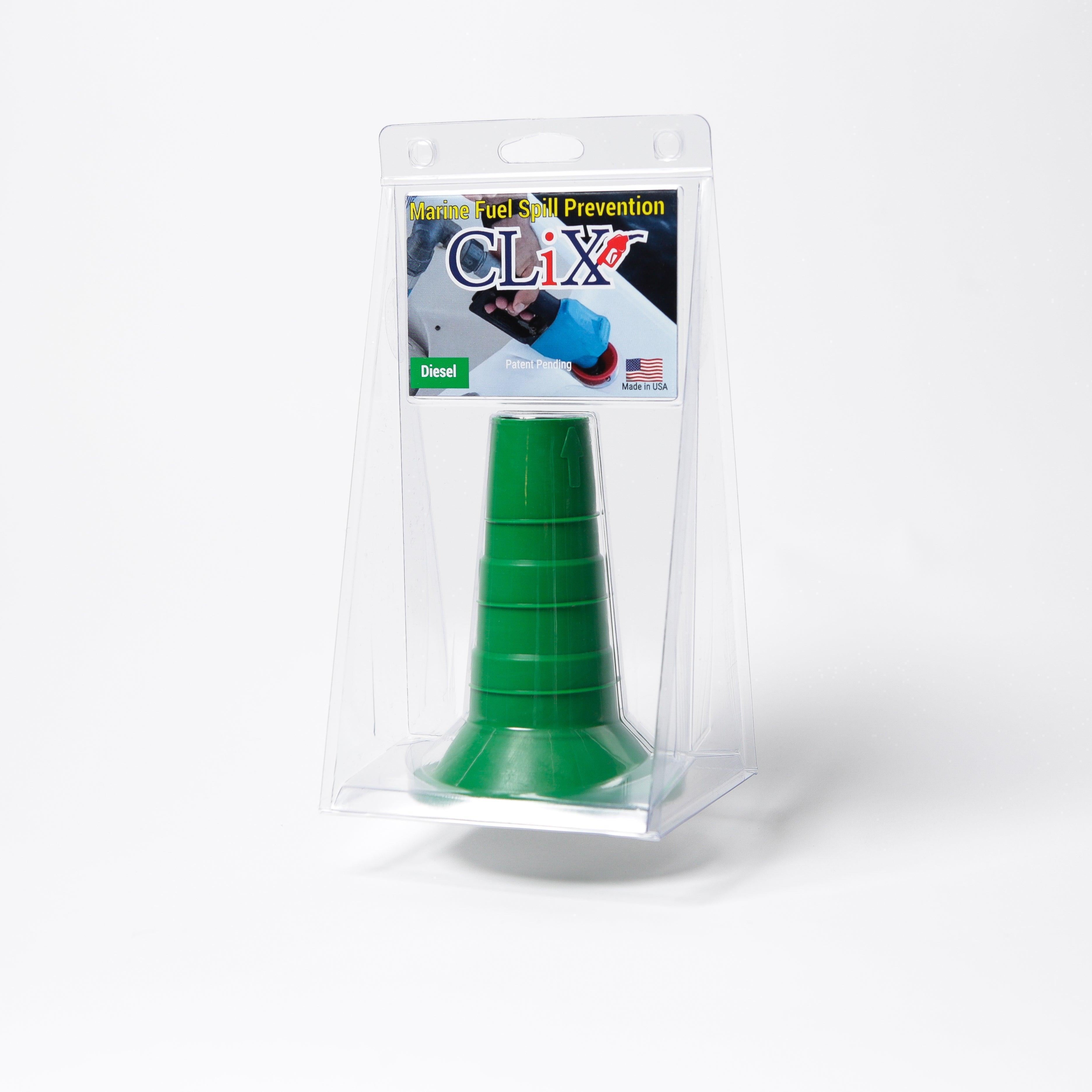
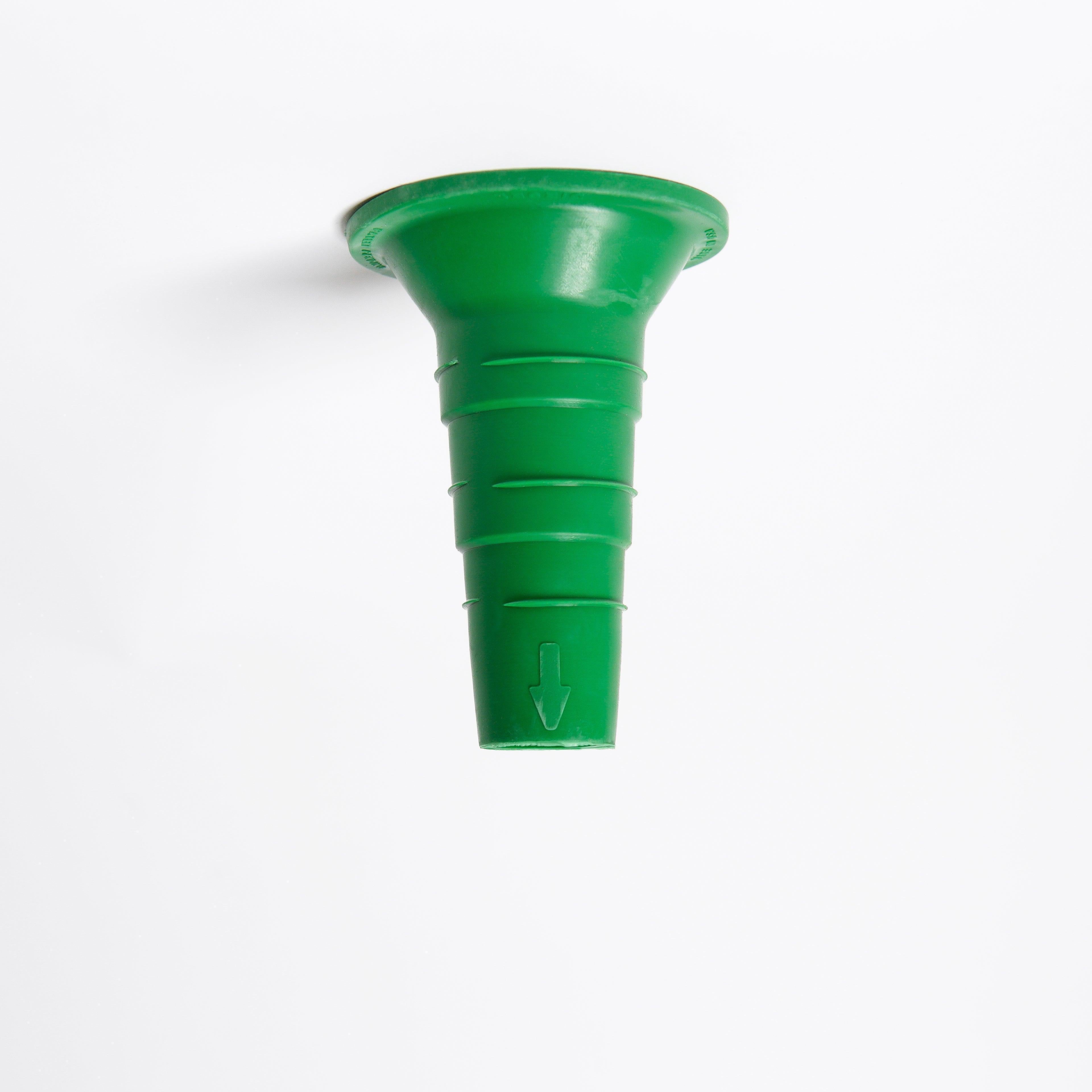
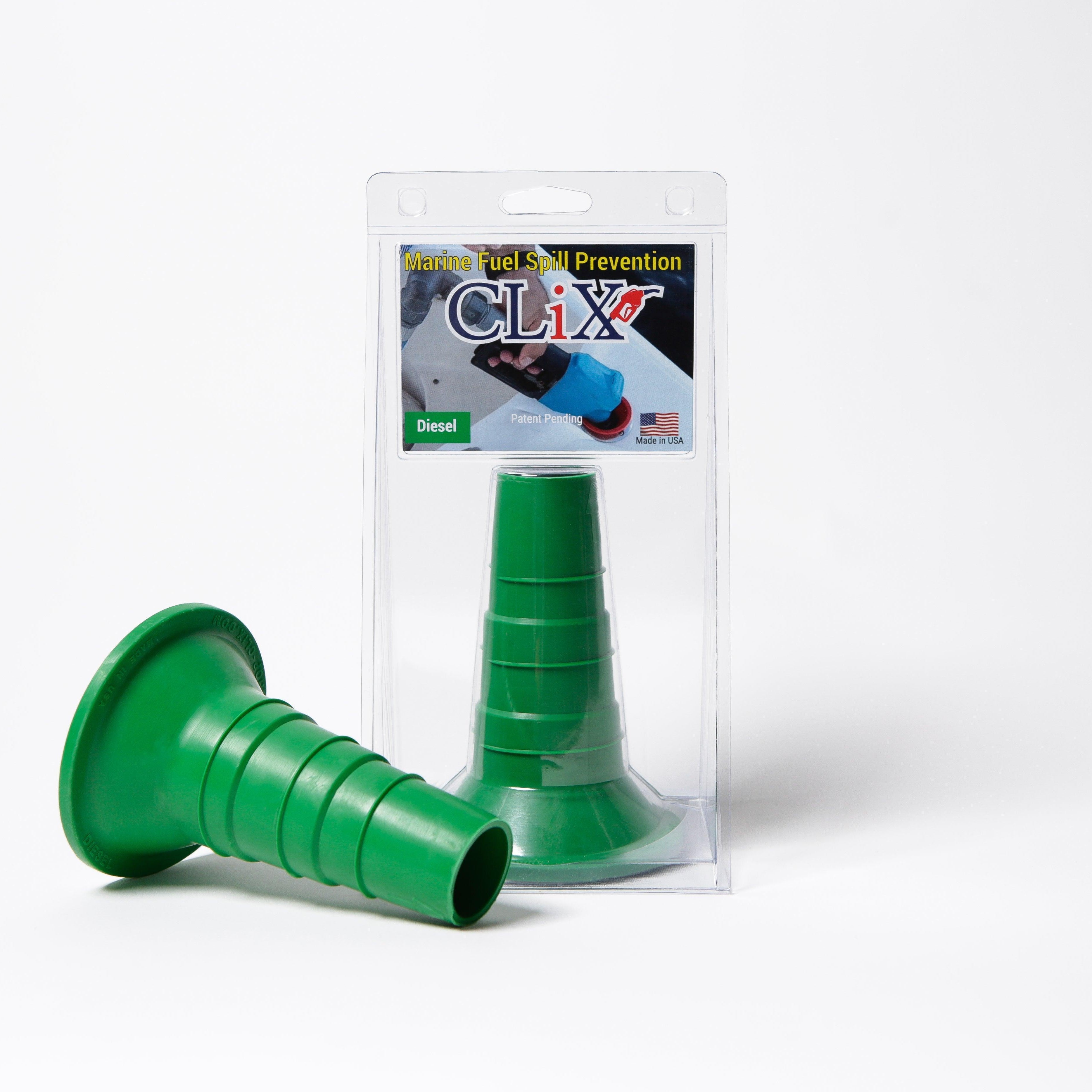
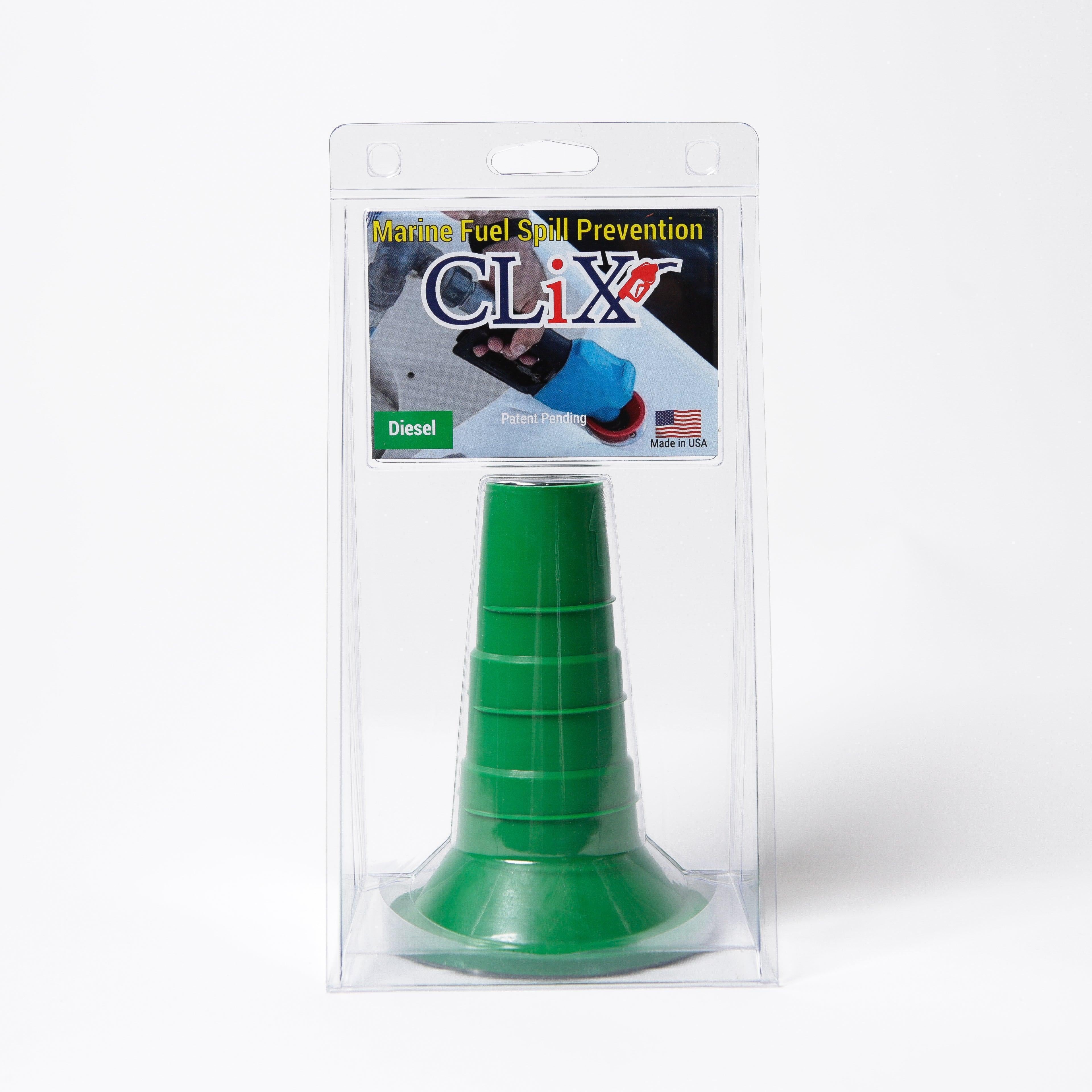
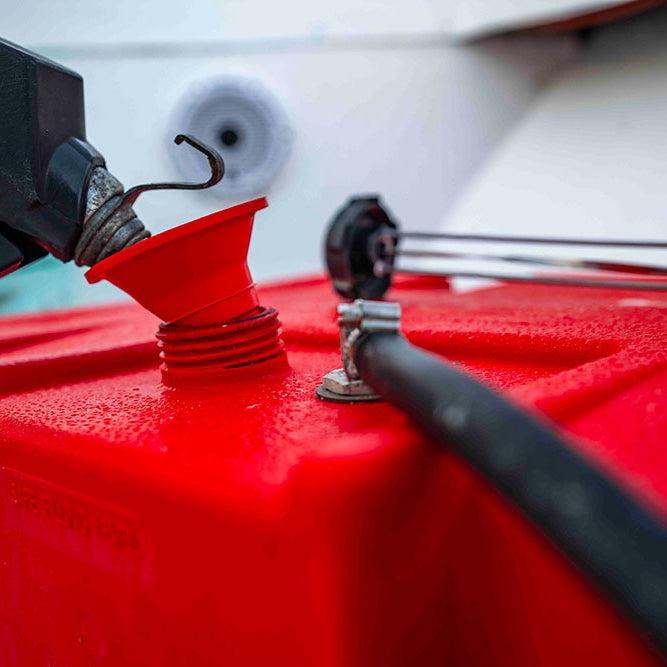
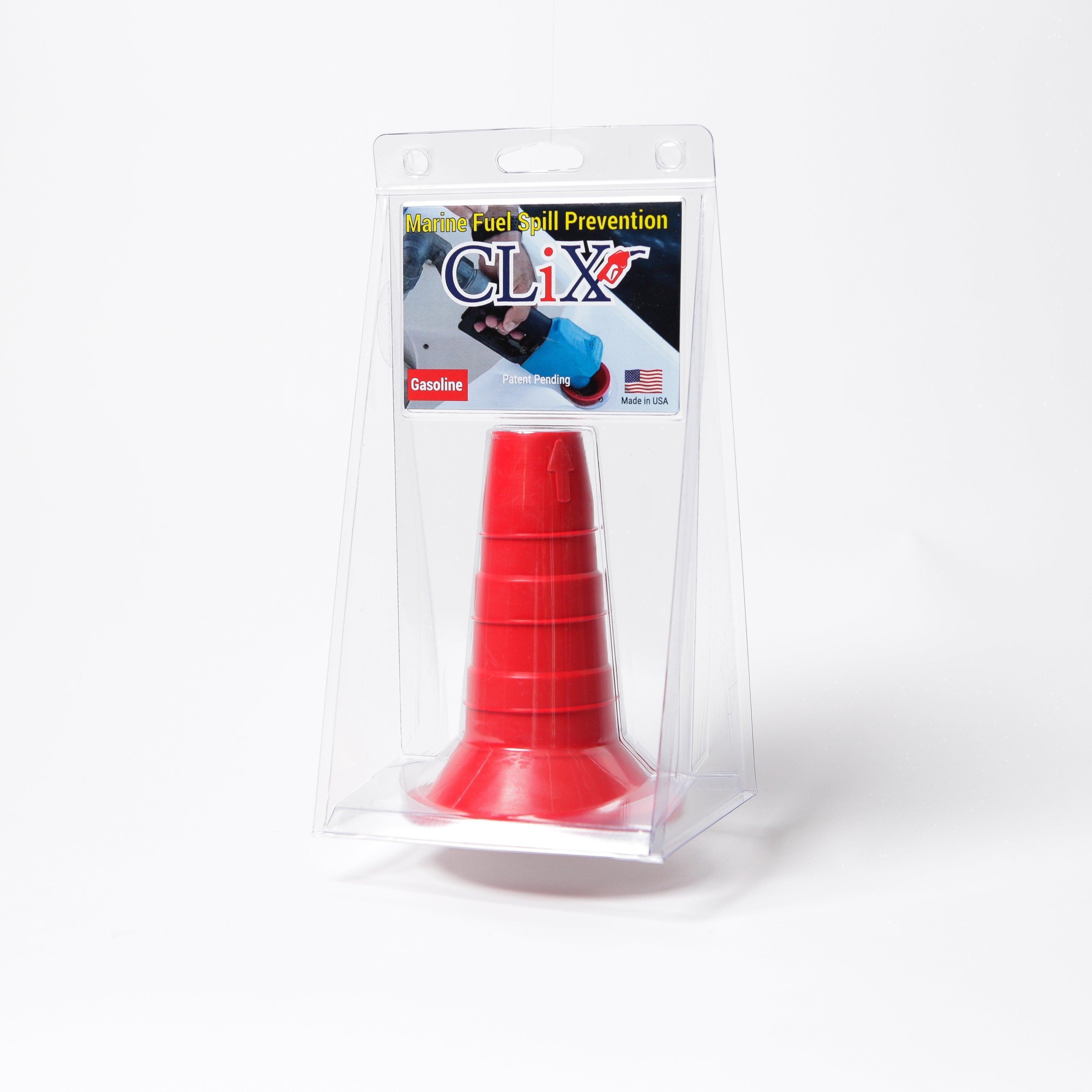
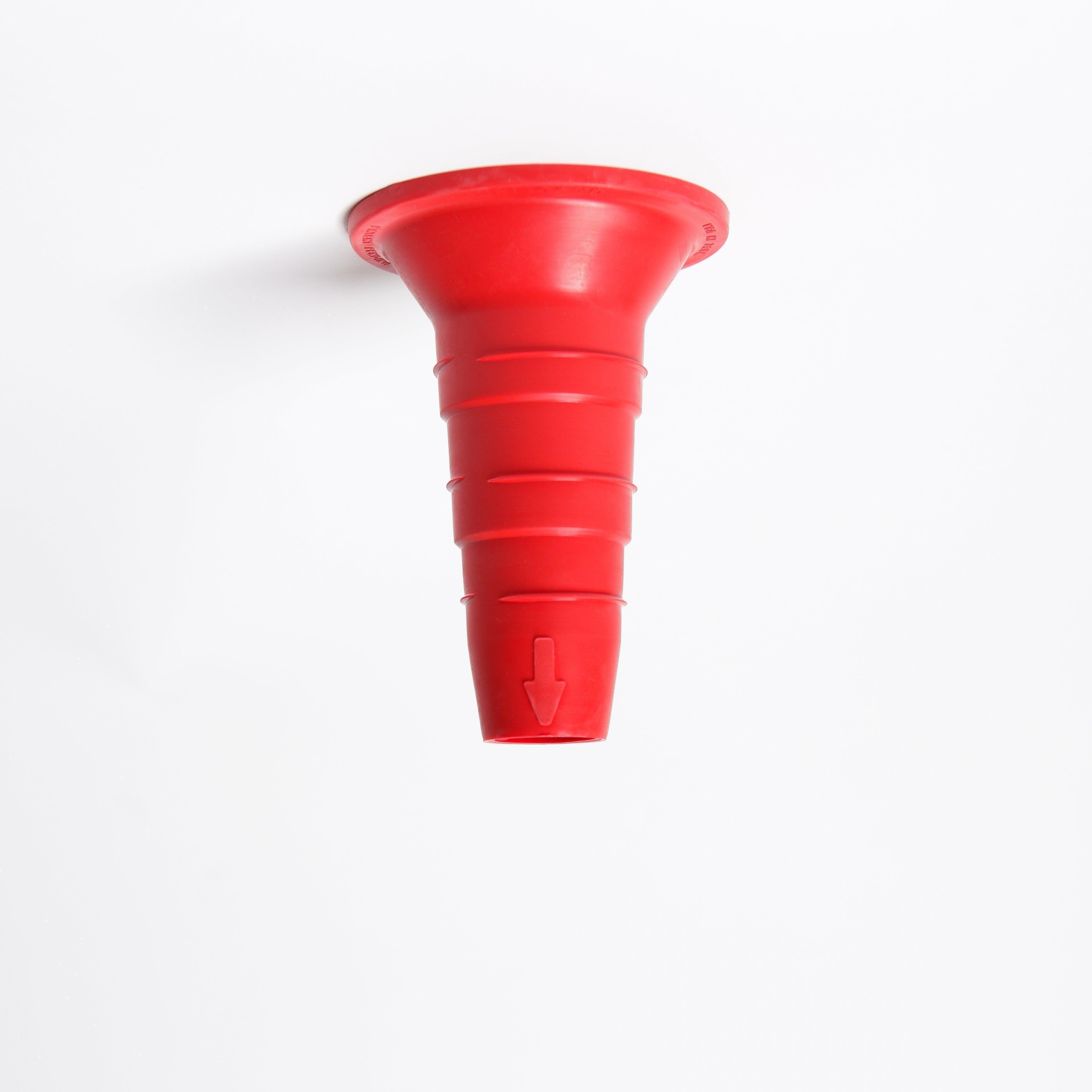
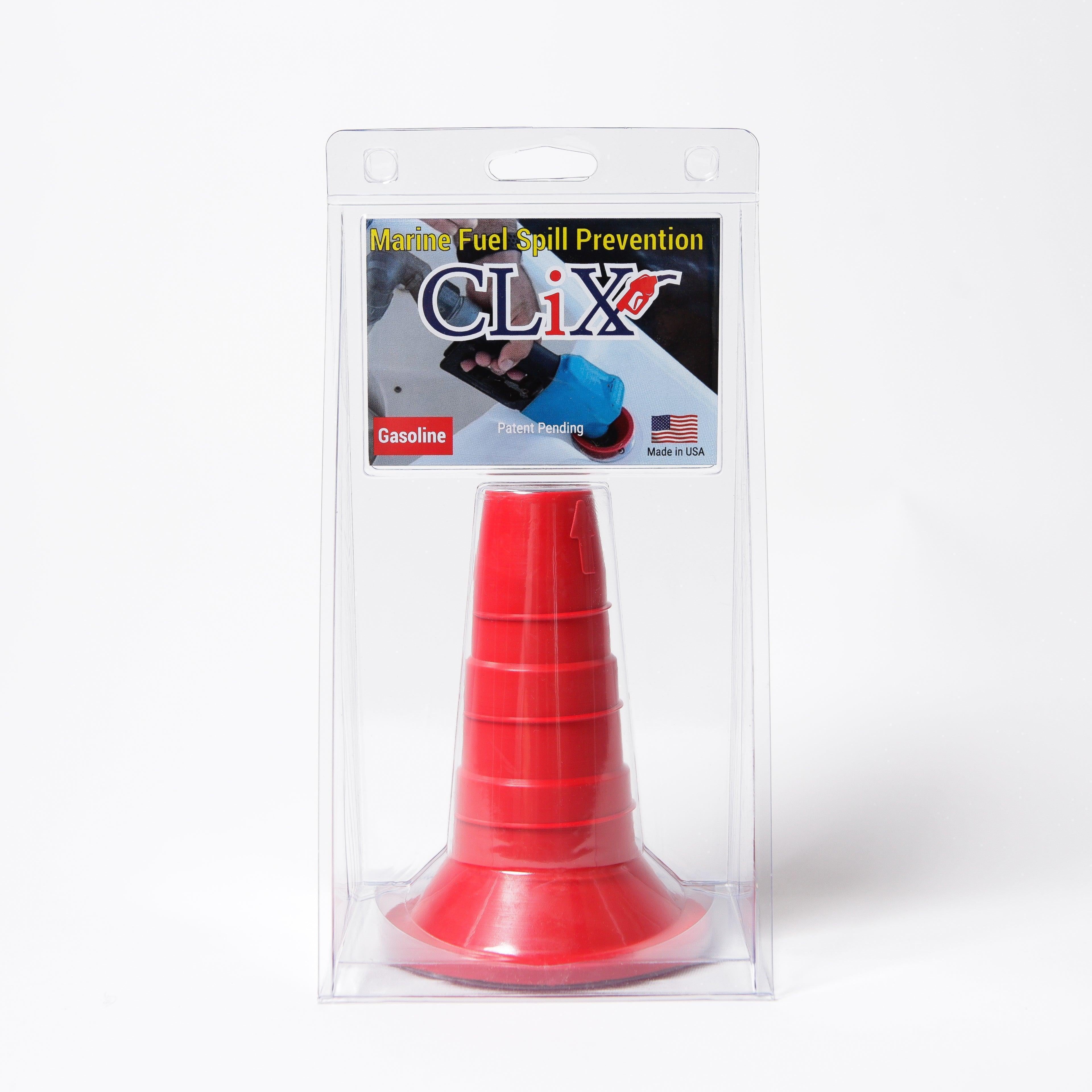
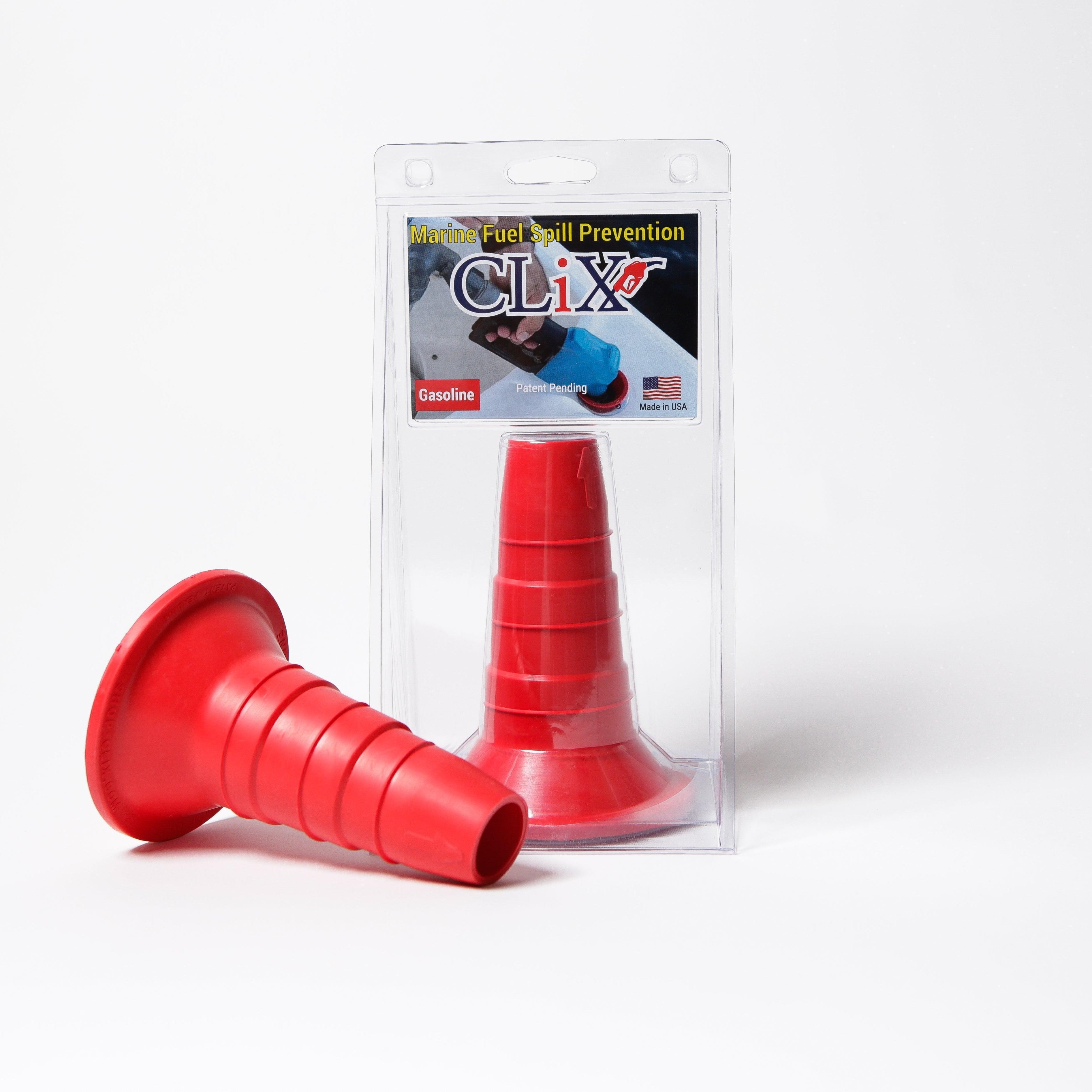
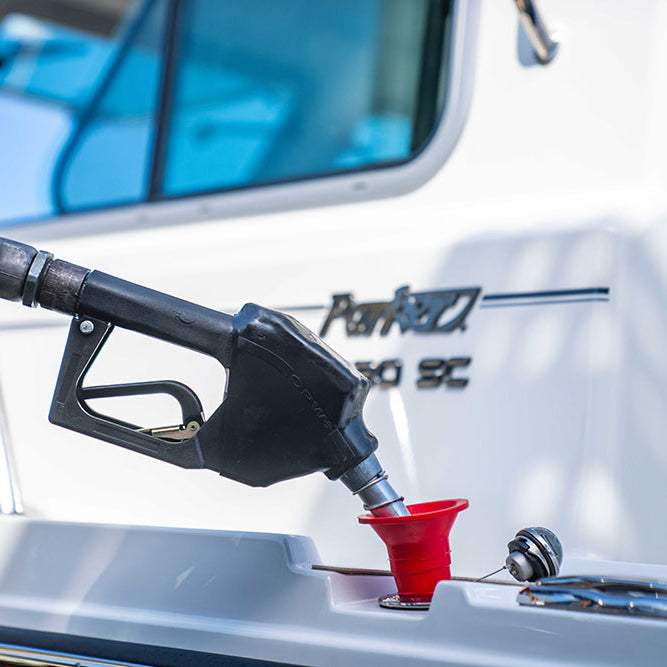
This is exactly the problem CLiX Fueling Solutions was created to solve. It acts like a safety co-pilot, connecting to your boat’s fuel fill and automatically shutting off the gas pump nozzle the moment the tank is full. It takes all the guesswork and risk out of refueling, turning a high-stakes task into a worry-free one. Knowing some general hazmat waste management guidelines can also offer great insights into safely handling fuel. With a tool like CLiX, you can fuel up with confidence, knowing an automatic shut-off system is protecting your boat and the environment.
How to Inspect and Maintain Your Fuel Containers
Think of your portable fuel container like any other essential piece of boating gear—it's a workhorse, but it won't last forever without a little care. Regular check-ups are crucial for keeping it safe and reliable, season after season. It's really just preventative maintenance. Spending a few minutes on a quick inspection can stop a container failure that could lead to a dangerous fuel leak on your boat or at the dock.
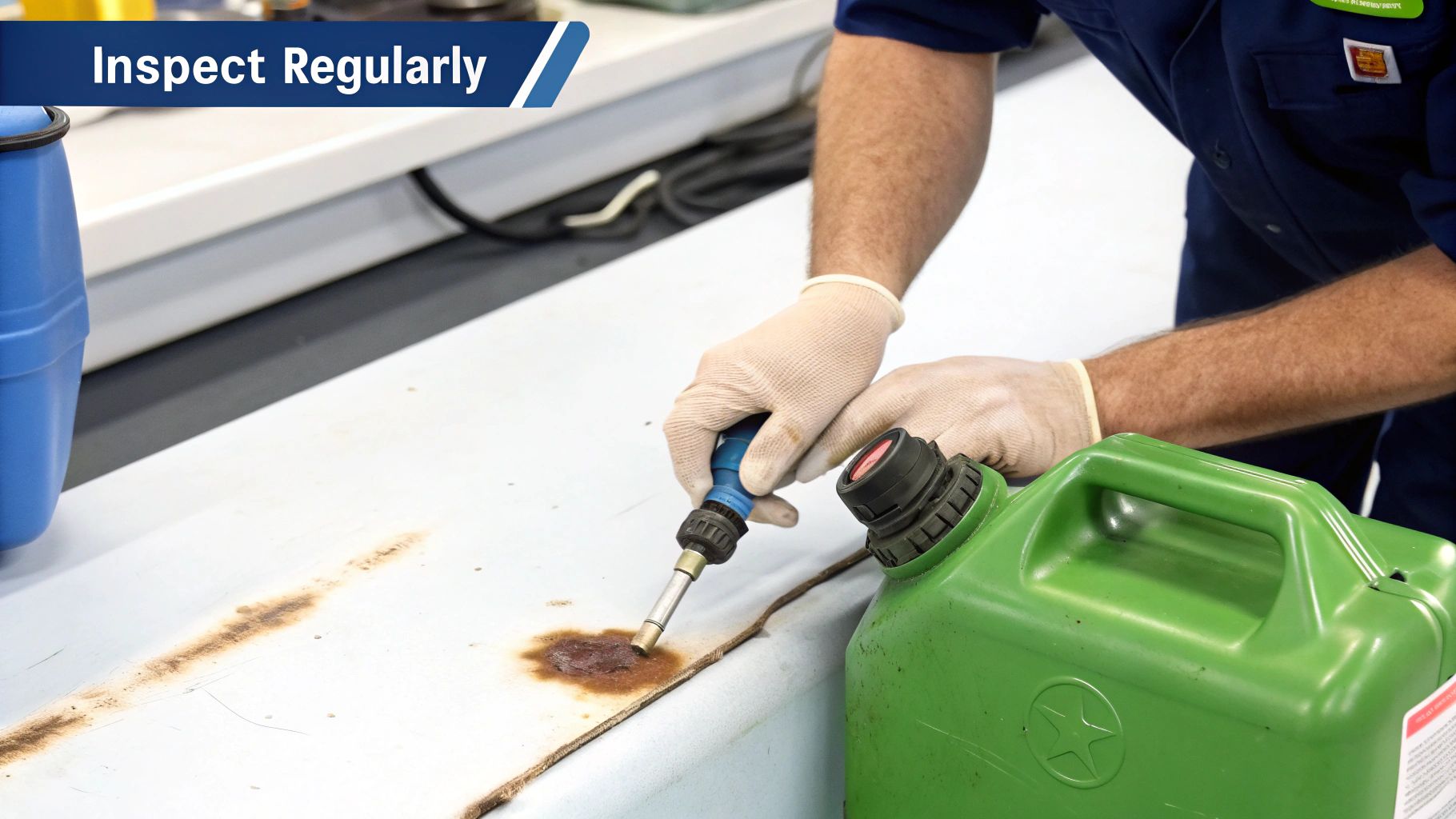
The secret is catching small problems before they become big ones. A tiny crack or a worn-out gasket is an easy, cheap fix. If you ignore it, you could be looking at a serious hazard. A simple, consistent routine ensures your fuel storage containers portable systems are always good to go.
Performing a Visual Inspection
The first and easiest step is a thorough visual once-over. You don't need any special tools for this—just your eyes and a few moments before you head out. What you’re looking for are the subtle signs of wear and tear that signal a problem is brewing.
For plastic (HDPE) containers, run your eyes over the entire surface. Keep a lookout for:
- Hairline cracks or crazing, paying extra attention to the seams and the base where stress is common.
- Discoloration or fading, a tell-tale sign that UV rays are degrading the plastic.
- Swelling or bloating, which often means the vent system is clogged and pressure is building up inside—a very bad sign.
If you're using metal cans, your main adversary is rust. Check the welded seams, the bottom edges, and the area around the spout for any hint of corrosion. Even a tiny rust spot can weaken the container's structure over time.
A container that looks chalky, feels brittle, or shows any sign of physical damage has reached the end of its useful life. Never try to patch up a compromised fuel can—the risk just isn't worth it. It’s time for a replacement.
Checking Gaskets and Spouts
More often than not, the spout and its gasket are the first things to fail on a fuel can. These parts get twisted, flexed, and soaked in fuel constantly, so they naturally wear out much faster than the body of the container.
Take a close look at the rubber or plastic gasket inside the cap. It should feel soft and pliable. If it’s hard, brittle, or you can see cracks, it won’t create a vapor-tight seal anymore. This is a huge source of fuel leaks and dangerous fumes. The good news? Replacement gaskets are cheap and widely available.
While you're at it, inspect the spout itself for cracks and make sure the venting mechanism works smoothly. A vent that’s stuck can cause fuel to glug and splash when you pour, creating a mess and a serious spill hazard. Making this quick check part of your pre-departure routine is one of the smartest things you can do.
Your Monthly Fuel Container Inspection Checklist
Making inspections a regular habit is the best way to stay ahead of trouble. We've put together this simple checklist to guide you through a quick but thorough check-up at least once a month.
| Check Point | What to Look For (Plastic) | What to Look For (Metal) |
|---|---|---|
| Body/Surface | Cracks, crazing, chalkiness, discoloration, swelling | Dents, punctures, rust spots, peeling paint |
| Seams & Base | Hairline cracks, signs of impact or stress | Rust along welds, deep scratches, corrosion |
| Cap & Gasket | Gasket is soft and pliable; cap threads are intact | Gasket is free of cracks; locking mechanism works |
| Spout & Vent | No cracks; vent operates smoothly without sticking | Spout is secure; vent is clear of debris |
| Labels | All required safety labels are present and legible | All warning and capacity labels are easy to read |
Just run through these points before you fill up each month. It only takes a minute and gives you complete peace of mind that your gear is in top shape.
What's Next for Safer Fueling?
The world of portable fuel containers is changing, and it's happening fast. Boaters are looking for smarter, safer gear, and that simple demand is shaking things up. As more people hit the water and environmental rules get tighter, the days of the old-school, no-frills gas can are definitely numbered.
This isn't just a small shift; it's a huge evolution in the market. What used to be a basic product has exploded into a multibillion-dollar industry, driven by everyone from boaters to emergency response teams. Just look at the numbers: the global market for portable fuel tanks was valued at USD 1.665 billion in 2023 and is expected to climb to nearly USD 2.275 billion by 2031. To get the full story on this trend, you can explore the portable fuel tank market projections.
The Drive for Smarter Designs
This growth isn't just about selling more cans. It's about moving away from simple storage and toward integrated safety systems. Today’s boaters want more than a plastic box to hold fuel; they expect smart designs that actively prevent spills and vapor leaks. That's why you're seeing more portable fuel storage containers with features like automatic shut-off spouts and better venting technology becoming the new standard.
This isn't just about adding a few new bells and whistles. It's a complete rethink of how we handle fuel, putting safety, environmental care, and simple usability first.
Meeting the Needs of Today's Boaters
Modern boaters are savvier and more safety-conscious than ever. They get the risks involved with refueling—from ruining their boat’s expensive gelcoat to harming the very water they love to be on. Because of this, they're actively looking for gear that takes human error out of the equation.
This is exactly where innovations like CLiX Fueling Solutions come into the picture. These aren't just clever gadgets; they're a direct answer to the industry's call for better, safer equipment. They point to the future of fueling—one that’s cleaner, more reliable, and ultimately, makes for a better day on the water for everyone.
Common Questions About Portable Fuel Containers
When you're dealing with portable fuel containers, a lot of practical questions pop up. Getting straight answers is the best way to handle fuel with confidence and keep your time on the water safe. Here are some of the most common things boaters ask, which will help reinforce the safety basics we've covered.
How Long Do Portable Fuel Cans Last?
This is a big one, and the real answer comes down to the container's material and where you keep it. A good quality plastic (HDPE) container can last you a solid 5 to 10 years, but only if you store it out of direct sunlight. UV rays are the enemy here; they'll break down the plastic over time.
The key is to give it a good look-over regularly. If you spot any signs of cracking, serious fading, or see the plastic getting brittle, don't risk it—it's time for a replacement.
Metal containers can go even longer, often 10+ years, but their biggest weakness is rust. In a marine environment, even one deep scratch that exposes the metal can be the beginning of the end. That’s why frequent checks for any hint of corrosion are non-negotiable for metal cans.
Can I Store a Fuel Container on Its Side?
Absolutely not. You should never store or transport a portable fuel container on its side. They are specifically designed to be kept upright, and for good reason.
Tipping a fuel can on its side puts all that weight and pressure directly onto the spout and vent seals. They weren't built for that, and a leak becomes almost a certainty.
These cans have vents and seals that only work properly when they're vertical. Laying them down completely defeats their built-in safety features, creating a serious risk of fuel spills and dangerous vapor leaks. Always make sure your containers are secured upright in a well-ventilated spot.
What’s the Best Way to Pour Fuel Without Spilling?
Spills happen most often when you're actually pouring, especially when the boat is rocking. The best way to avoid a mess is by using a little technique and the right gear.
- Get a Good Funnel: A wide-mouthed marine funnel, especially one with a screen, is your best friend. It helps guide the fuel right where it needs to go and catches any gunk from the can.
- Pour Slow and Steady: Don't just turn the can upside down and hope for the best. A controlled, steady pour lets air flow back into the can smoothly, which stops that "glug-glug" surge that causes splashes.
- Listen for the Fill: As your boat's tank gets full, the sound of the fuel going in will change. That's your signal to slow down and stop before it overflows.
Of course, the most surefire way to prevent a spill is to take the guesswork out of it. Modern automatic shut-off systems are the ultimate safety net, stopping the flow for you.
Is It Safe to Leave Fuel in a Container Long-Term?
Unlike propane, which can last forever, gasoline and diesel have a limited shelf life. Untreated gasoline can start breaking down in as little as 30 days. When it does, it leaves behind gummy deposits that will clog up your engine's fuel lines and carburetor.
If you know you'll be storing fuel for more than a month, adding a quality fuel stabilizer is a must. A good stabilizer can keep gasoline fresh for a year or even longer. Still, it's always a good habit to use and cycle through your stored fuel, so you know your engine is getting a fresh supply. Always label your fuel storage containers portable with the date you filled them and when you added the stabilizer.
Ready to eliminate spills and the stress of refueling for good? CLiX Fueling Solutions offers a patented system that automatically stops the fuel flow when your tank is full, protecting your boat, the environment, and your peace of mind. Discover a safer way to fuel your boat at clixfueling.com.