Pulling up to a busy marina fuel dock can be a mix of excitement and anxiety. On one hand, it’s a vital hub of boating life. On the other, it’s where one of the most common and frustrating mishaps happens: the dreaded fuel spill. If you've ever worried about overfills, costly fuel waste, or harming the environment, this guide is for you.
Your Guide to Marina Fuel Docks
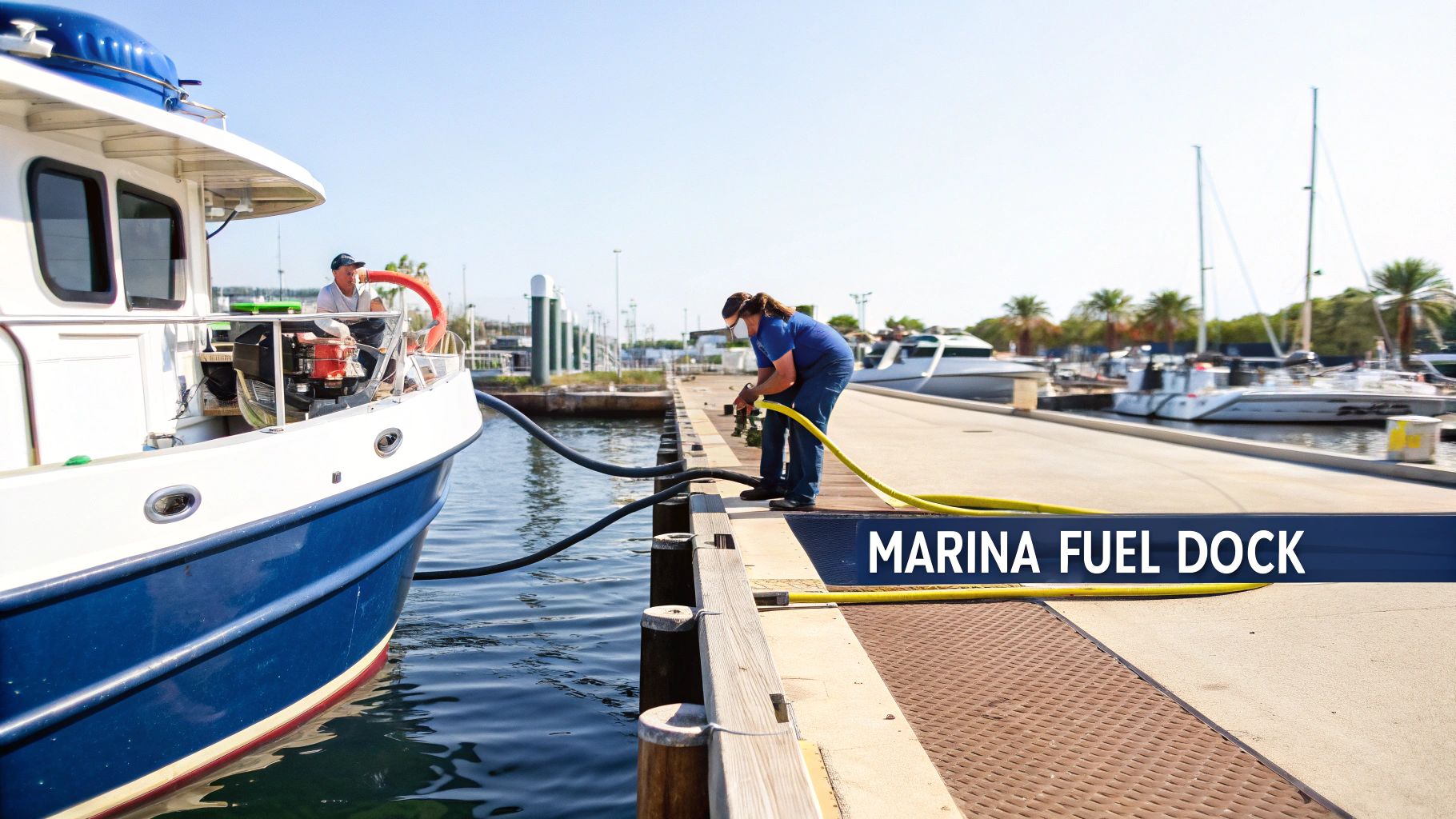
A “gas station for boats” is what we call a marina fuel dock or marine fueling station. But it’s so much more than just a place to fill up the tank. Think of it as a critical pit stop in the boating world, where you get essential services before heading out on the water or docking for the day.
Unlike your typical gas station on the highway, a fuel dock is built specifically for vessels of all shapes and sizes, from small fishing boats to massive yachts. The whole process is fundamentally different and comes with its own set of risks. Fueling a boat requires real attention to detail to prevent spills that can damage your vessel and pollute the very water you came to enjoy.
Why Safe Fueling Matters
The biggest headache at any boat gas station is preventing overfills. Your car's fuel nozzle clicks off automatically when it's full, right? Well, most boats don't have that luxury. This makes it incredibly easy to accidentally send fuel pouring into the water. It's a common mistake, but one that leads to several problems every boater wants to avoid.
- Environmental Harm: Even a small amount of spilled fuel can spread quickly, contaminating a huge area of water and harming fish, birds, and delicate marine ecosystems.
- Financial Costs: Spilled fuel is literally money poured down the drain. Plus, you could face hefty fines from marinas or environmental agencies, not to mention the cost of professional cleanup.
- Vessel Damage: Gasoline and diesel are harsh on your boat’s finish. Spills can stain the gelcoat and strip away wax, leading to expensive cosmetic repairs down the road.
Understanding how these specialized stations work is the first step toward a safer, cleaner, and more enjoyable day on the water. It turns a routine chore from a source of stress into just another confident part of your journey.
We’ll walk you through everything you need to know, from the different types of marine fuels to mastering a spill-free fill-up. To dive even deeper, check out our detailed overview of marine fueling stations. We'll also introduce a solution that takes the guesswork out of fueling, making every trip to the dock safe and simple.
Picking the Right Fuel for Your Boat
Pulling up to a marine fuel dock might feel like a regular trip to the gas station, but there’s a crucial difference. The "gas station for boats" offers fuels specially designed for marine engines, and grabbing the wrong one isn't a small mistake—it can lead to poor performance and seriously expensive repairs. It’s not just about topping off the tank; it’s about giving your engine exactly what it needs to run safely and reliably.
The first and most important choice is between gasoline and diesel. Just like with cars, boat engines are built to run on one or the other, and you can't mix and match. Pumping diesel into a gas engine (or vice versa) will cause immediate, severe damage. If you're ever unsure, your manufacturer’s manual is your best friend.
What to Know About Marine Gasoline
Most recreational boats, especially the small to mid-sized ones with outboard or sterndrive engines, run on gasoline. But don't be fooled—the gas you find at the marina isn't the same stuff you put in your car. The biggest difference is usually the ethanol content.
Most of the fuel at your local gas station contains up to 10% ethanol (E10), but this additive is a real problem for marine engines. Ethanol is "hygroscopic," meaning it loves to attract and absorb water—something you have plenty of in a marine environment. This can cause "phase separation," where a gooey mix of water and ethanol sinks to the bottom of your fuel tank, just waiting to get sucked into your engine.
Fuel with high ethanol content can eat away at fuel lines, gunk up your filters, and cause major engine damage over time. That’s why so many marinas sell ethanol-free gasoline; it’s the best way to protect your boat.
The Deal with Marine Diesel
Head over to the slips with the bigger vessels—yachts, trawlers, and commercial fishing boats—and you’ll find they almost always run on diesel. Marine diesel engines are the workhorses of the water, known for their powerful torque, incredible fuel efficiency for long trips, and sheer durability.
The diesel you get at a boat gas station is also specially formulated for life on the water. It has a higher energy density, which is perfect for pushing heavy boats through rough seas without missing a beat.
Marine Fuel Types at a Glance
Making the right choice at the pump is vital for the millions of boaters out on the water. In fact, the leisure boat engine market was valued at USD 5.92 billion in 2023 and is projected to hit USD 9.02 billion by 2030. That growth is fueled by people who depend on their engines running perfectly. You can learn more about this impact on recreational boating.
To help you make sense of your options at the fuel dock, here's a quick comparison.
| Fuel Type | Common Use | Key Benefit | Important Consideration |
|---|---|---|---|
| Ethanol-Free Gasoline | Outboard & Sterndrive Engines | Prevents water absorption and protects fuel system parts. | Can be more expensive but is the safest bet for gas engines. |
| Marine Diesel | Inboard Engines on Larger Boats | High torque and great fuel efficiency for long-range cruising. | Needs clean fuel and regular filter changes to avoid clogs. |
Ultimately, it all boils down to knowing your vessel. A quick look at your owner’s manual or the label right next to your fuel cap will tell you exactly what your engine needs. Using the right fuel is the easiest—and most important—maintenance you can do.
Why Spills Happen and How to Prevent Them
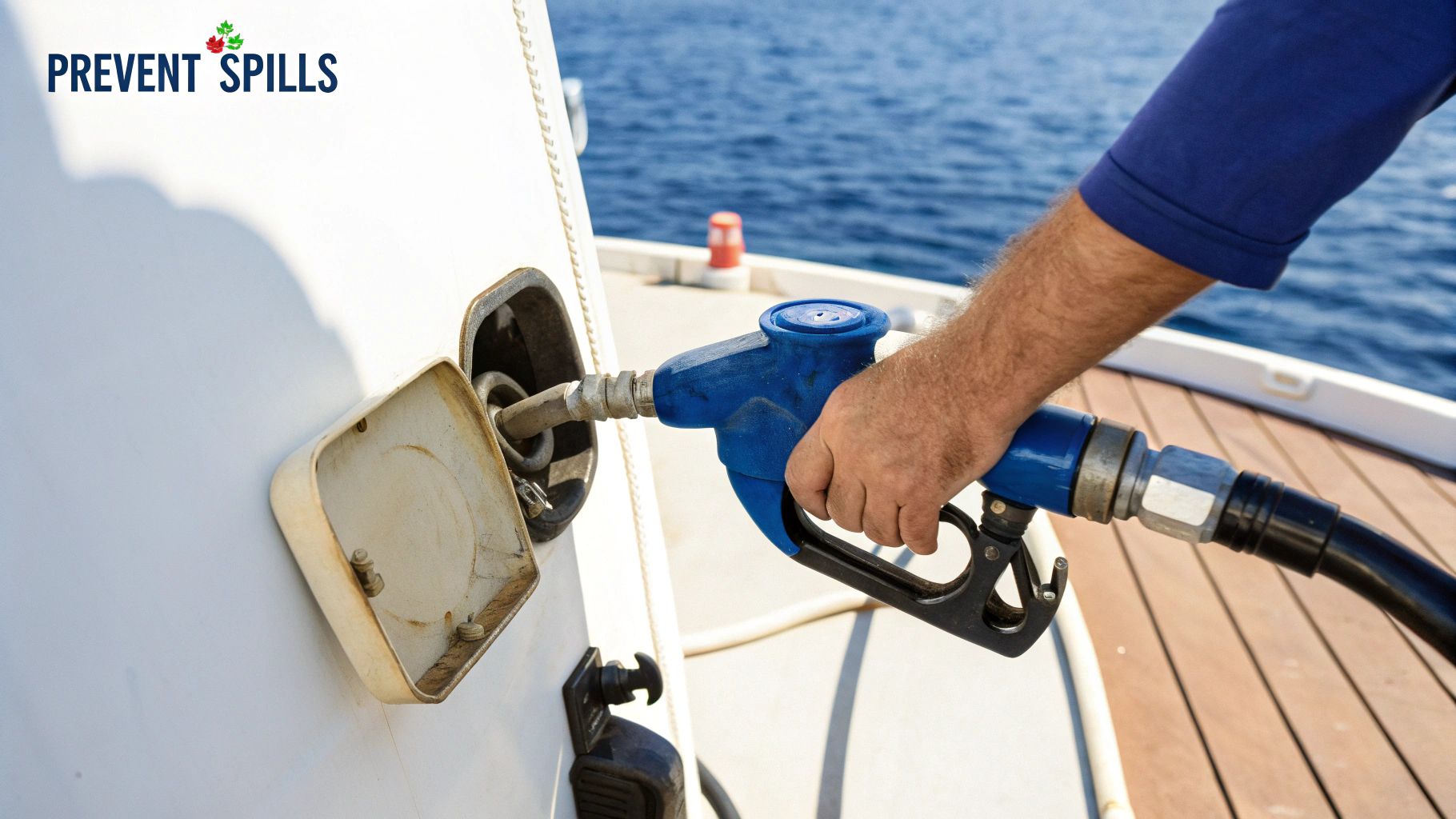
When you fill up your car, you stick the nozzle in, squeeze the handle, and wait for that satisfying click when the tank is full. It’s automatic. But at a gas station for boats, things are completely different. That familiar click is almost always missing, and this one simple difference is the root cause of countless fuel spills.
A boat’s fuel tank and vent system just isn't built the same way as a car's. Without an automatic shutoff, your only cue that the tank is full is fuel spitting out of the vent—all over your deck and into the water. By the time you see it and react, it’s already too late. The spill has happened.
This design flaw turns every refueling into a guessing game. You find yourself listening for a change in the gurgling sound or trying to trust a fuel gauge that’s notoriously inaccurate. One moment of distraction is all it takes to make a messy, dangerous, and expensive mistake.
The Real Cost of a Small Spill
That little bit of overflow might not seem like a big deal, but it sets off a chain reaction with serious consequences. The most immediate damage is to your boat itself. Gasoline and diesel are powerful solvents that eat away at your gelcoat, strip off its protective wax, and leave behind ugly stains that hurt both the look and the value of your vessel.
But the damage doesn't stop at your boat. Fuel spreads incredibly fast on the water's surface, wreaking havoc on marine life and fragile ecosystems. In fact, just one pint of spilled fuel can create an oil slick the size of a football field.
This kind of environmental damage can hit you hard in the wallet. Marinas and government agencies don't take spills lightly and will issue hefty fines, turning a routine fill-up into a major expense. Suddenly, you're not just paying for wasted fuel; you're on the hook for cleanup costs and penalties, too.
Taking Control of Your Fueling Process
Understanding why spills are so common is the first step. It’s usually not because a boater is careless; it’s because the system itself is flawed and sets you up to fail. So, that frustration you feel while wiping diesel off your hull? It’s completely justified.
Given the high stakes, preventing spills is more than just a nice idea—it’s a fundamental part of being a responsible boat owner. Taking steps to avoid overfills protects your investment, your bank account, and the very waters you enjoy. If you're looking for ways to be more proactive, you can learn more about how to prevent marine pollution with a few key actions.
Ultimately, the best solution is one that takes the guesswork out of the equation entirely. When you equip your boat with a system that gives you a reliable, automatic shutoff, you change fueling from a stressful chore into a simple, predictable task. This is how you can ensure every trip to the gas station for boats is clean, efficient, and completely spill-free.
Finding the Best Gas Station for Boats

Let's be honest, not all fuel docks are created equal. Just like you might drive an extra block for a gas station with clean pumps and good service, the same thinking applies on the water. Finding a quality gas station for boats isn't just about convenience—it's about protecting your vessel and having a smooth, safe experience every single time.
Thankfully, you don't have to guess. Modern tech makes scouting out the best spots easier than ever.
Your marine navigation app, whether on your phone or chartplotter, is the perfect place to start. Most of these apps feature crowd-sourced reviews and ratings from fellow boaters. You can get the real scoop on things like fuel quality, pump speed, and staff helpfulness before you even cast off.
What to Look for When You Arrive
Once you pull up to a marina, a quick visual inspection can tell you almost everything you need to know about their standards. A clean, well-maintained fuel dock is a dead giveaway that you're dealing with a professional operation that takes safety and service seriously.
Keep an eye out for these key details:
- Safety Gear: Are the fire extinguishers easy to spot, get to, and recently inspected? Is there a fully stocked spill kit right there on the dock? Seeing this equipment means they’re prepared, not just hoping for the best.
- Dock Condition: The docks themselves should be clean and solid, without a bunch of clutter creating trip hazards. Frayed hoses or busted nozzles are major red flags that signal a lack of proper maintenance.
- Helpful Staff: A professional and friendly staff can make all the difference. They should be able to answer your questions and be ready to lend a hand with docking, especially when the marina is hopping.
Choosing a reputable fuel dock is a lot like picking a good mechanic—it’s an investment in your peace of mind. A clean, safe, and well-managed facility is far less likely to have issues like contaminated fuel that could lead to expensive engine trouble later on.
The need for reliable marine fueling is only getting bigger. The global boats market was valued at USD 32.47 billion in 2023 and is projected to jump to USD 61.19 billion by 2032. This explosive growth just underscores how many boaters depend on trustworthy fuel docks to power their time on the water. You can find more about this expanding market and what it means for boaters.
At the end of the day, taking an extra minute or two to size up a gas station for boats before you tie up can save you from a world of hurt. By combining the tools on your phone with your own good judgment, you can confidently choose a marina that values safety and quality just as much as you do.
Achieving a Perfect Fill Every Time
Let’s be honest, we’ve all been there. That low-grade anxiety that builds as you’re fueling your boat, trying to time the perfect shutoff. You're leaning in, listening for that gurgle, watching the vent for any sign of a spit-back, and hoping you get it right. But what if you could take all that guesswork and stress out of the equation? Imagine fueling your boat being as simple and mindless as filling up your car.
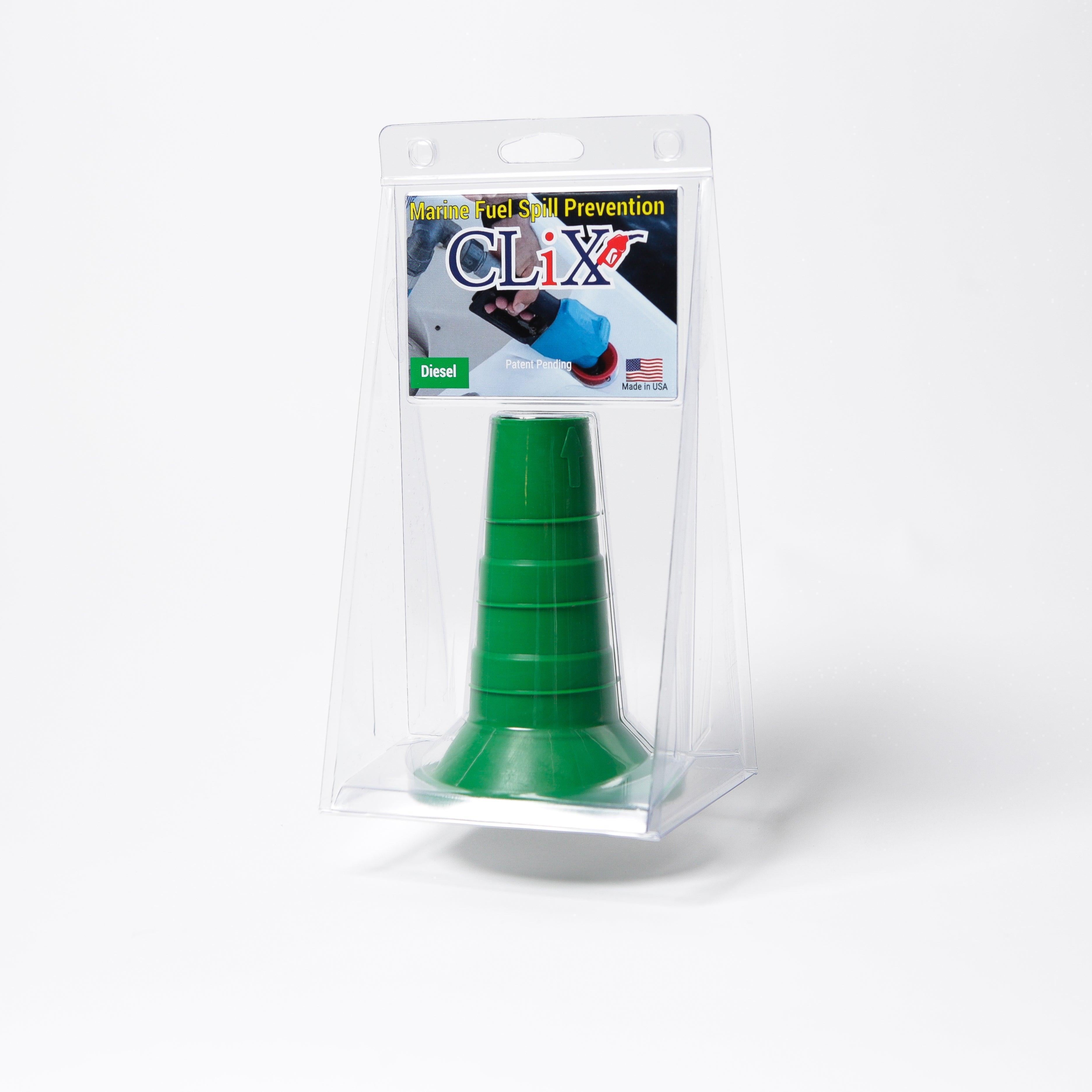
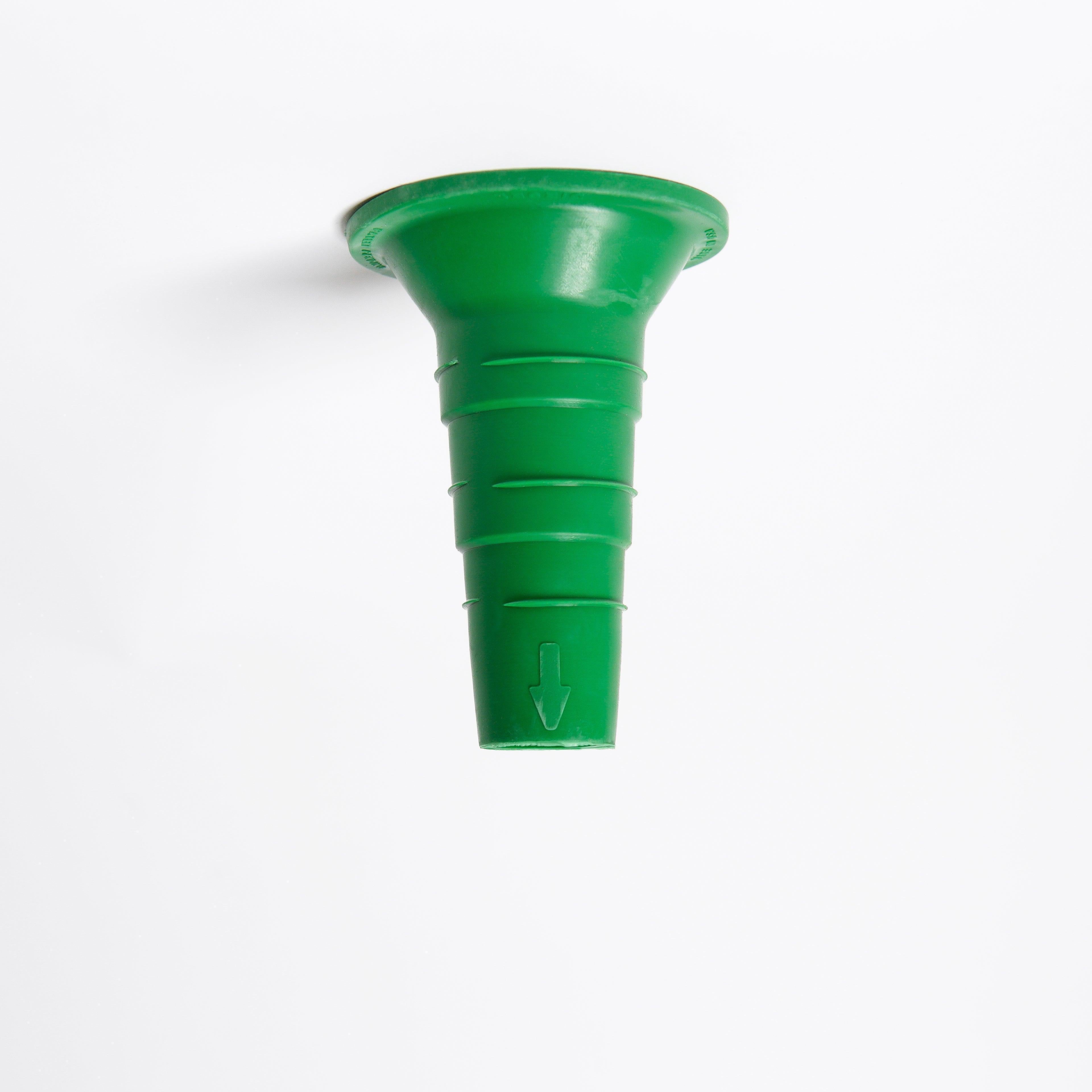
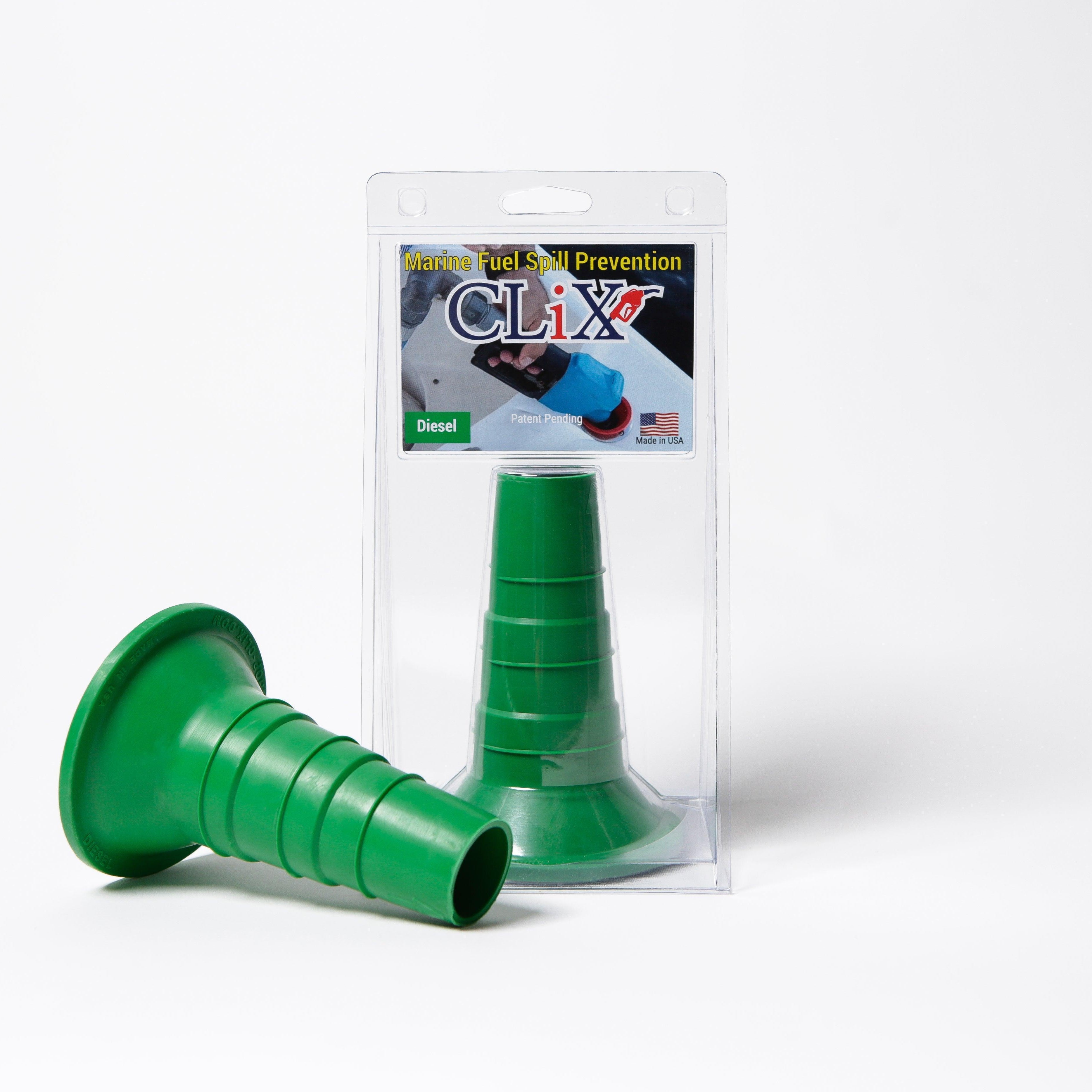
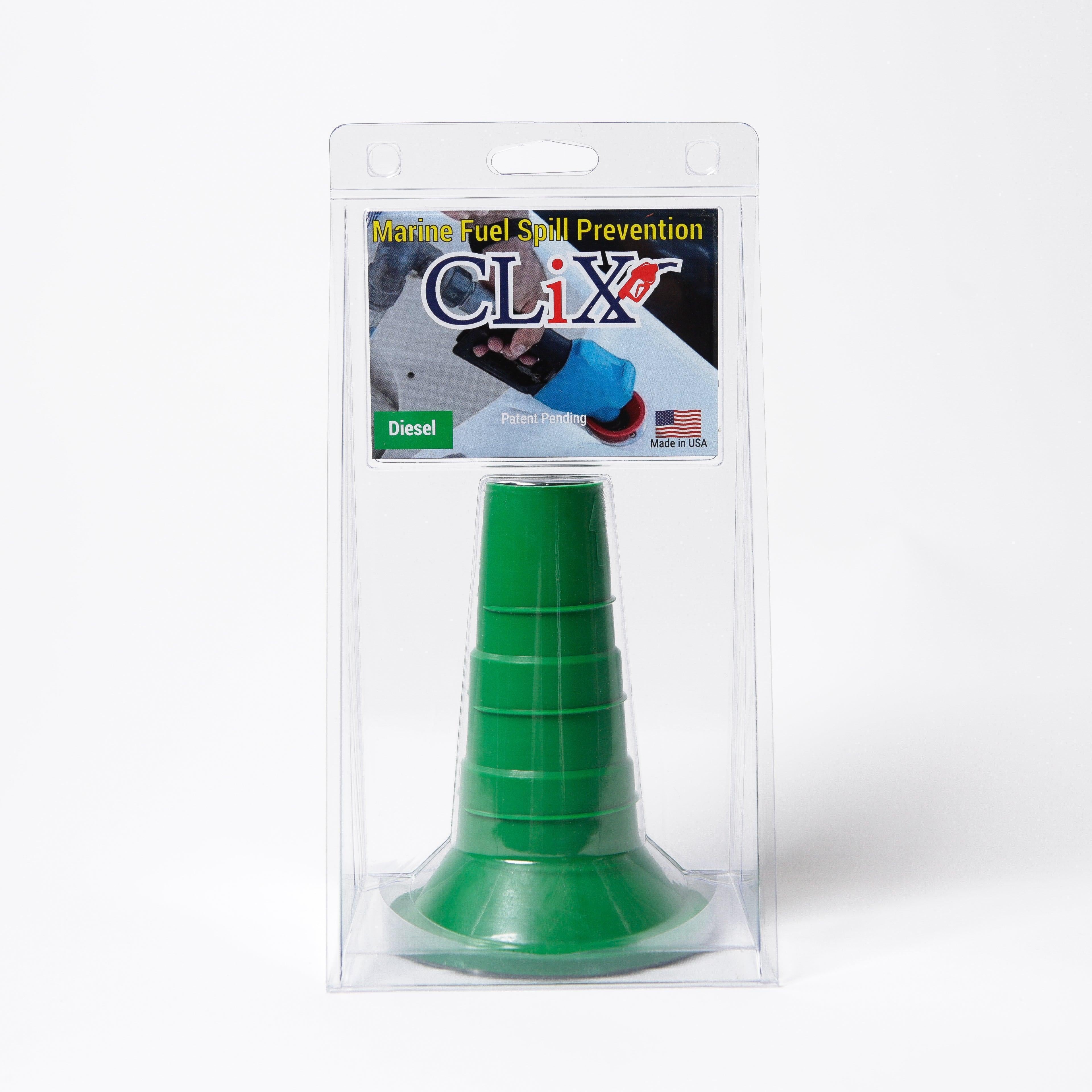
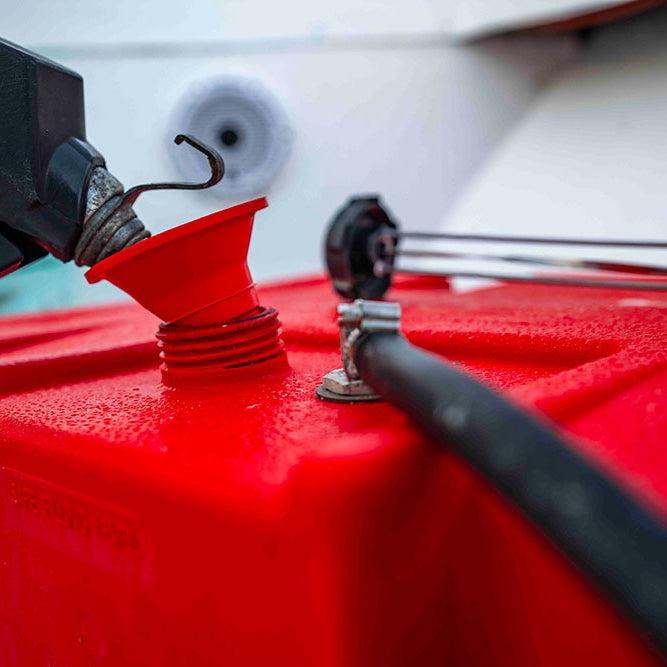
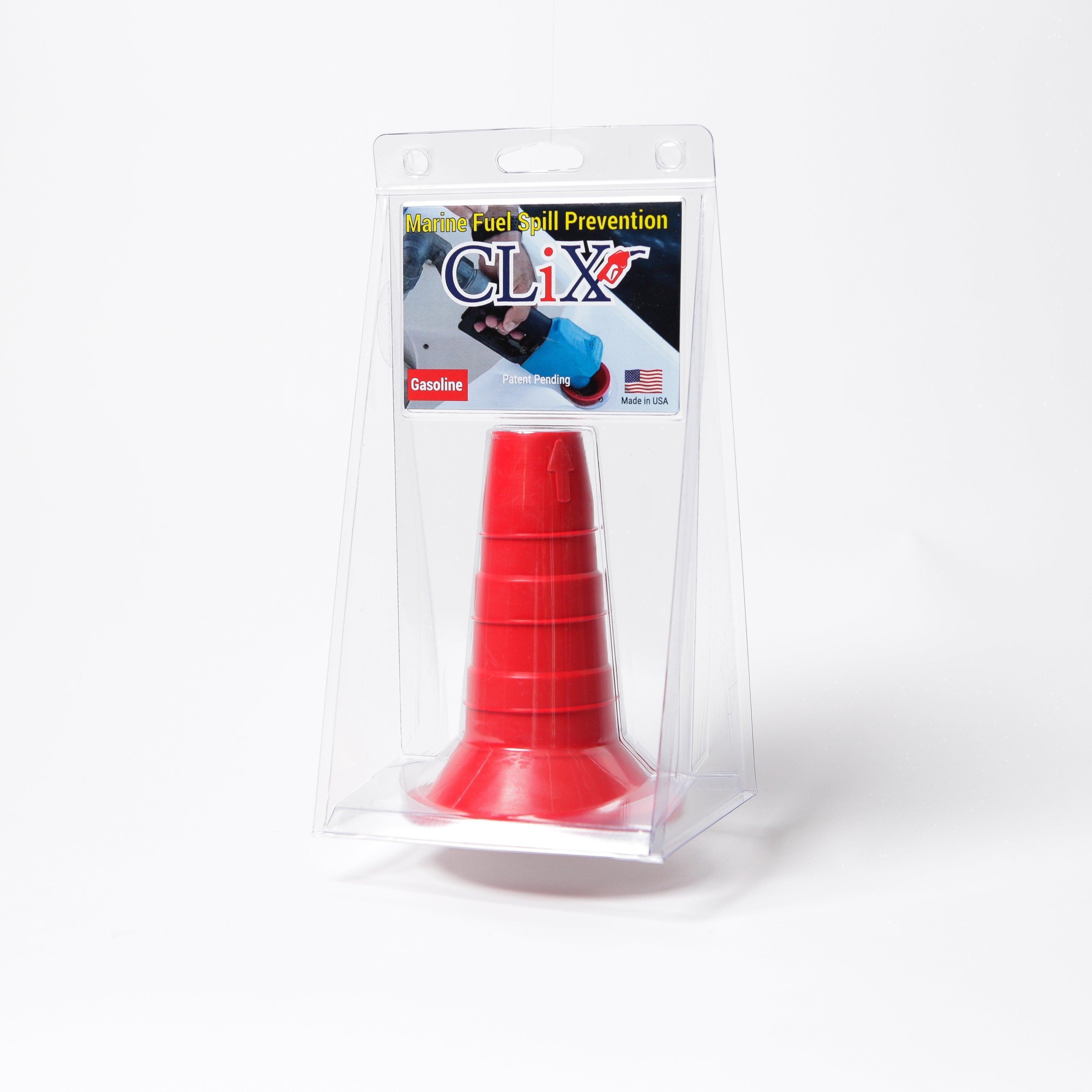
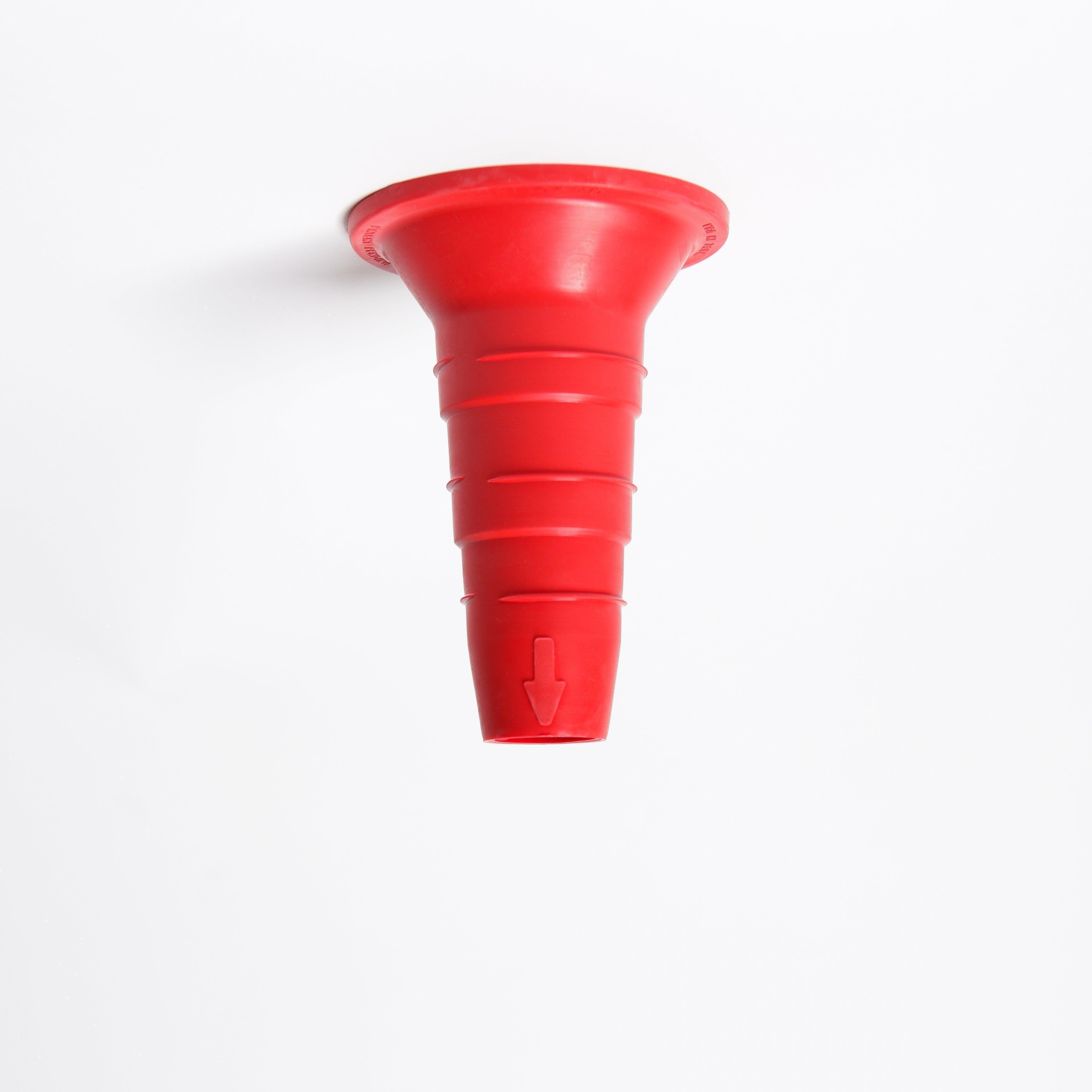
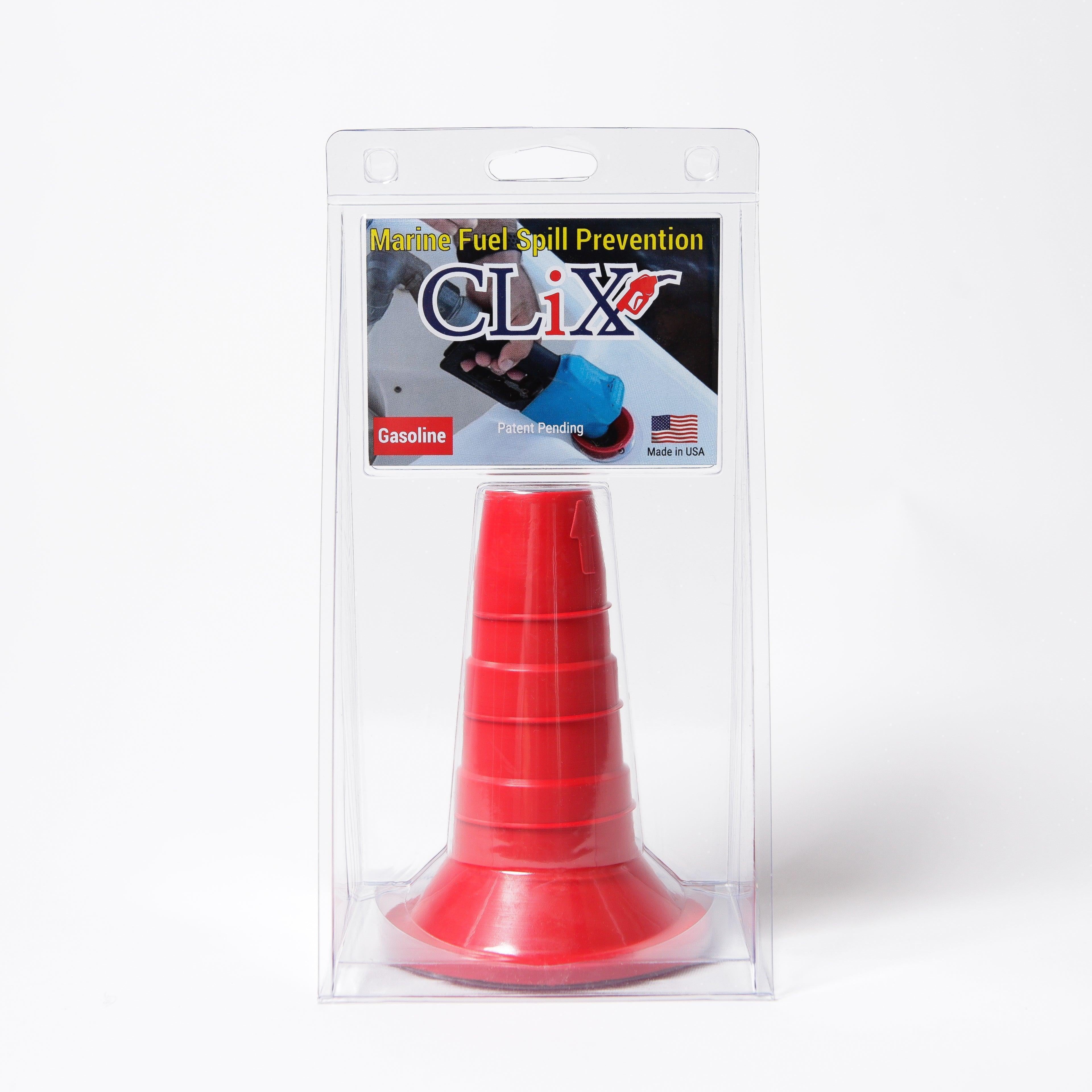
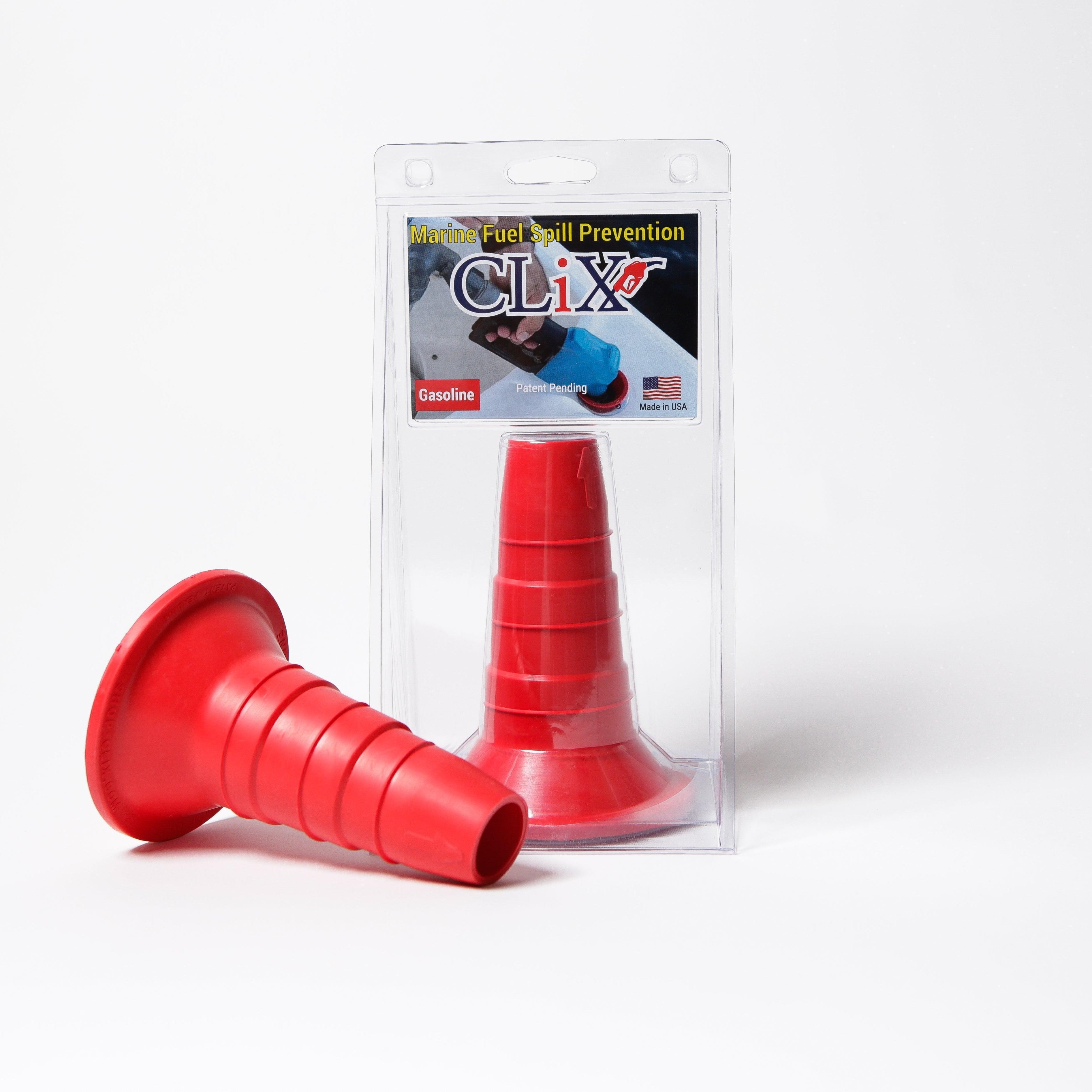
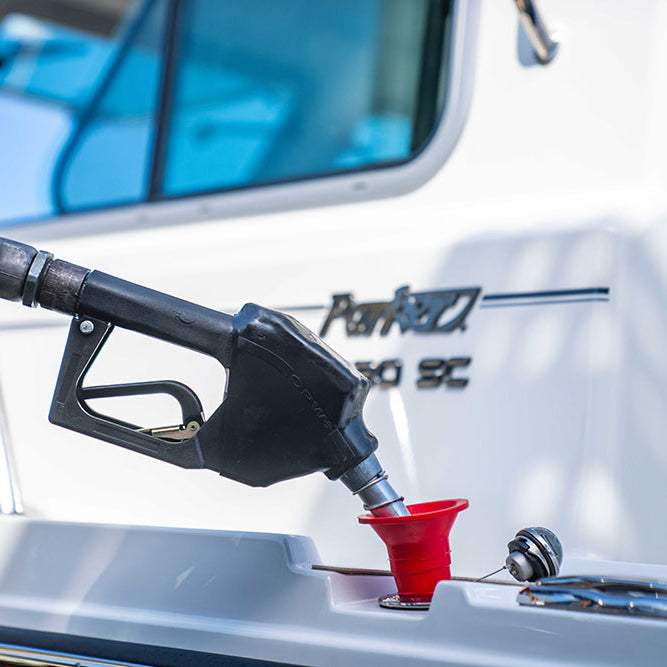
That's not a far-off dream anymore. The CLiX system is a brilliant little device that acts like a smart valve for your fuel tank. It’s designed to work perfectly with your boat's existing fuel system, giving you the one thing every boater has wished for at the fuel dock: a reliable, automatic shutoff.
When your tank is full, the system automatically cuts the fuel flow from the pump. No more guessing games, no more listening for subtle sounds, and absolutely no last-second panic. It just works. Every single time.
How CLiX Delivers a Spill-Free Fill
The idea behind it is simple, but the execution is what makes it so effective for both diesel and gas engines. The CLiX device hooks into your fuel vent line. As the fuel rises and hits the top of the tank, it triggers a mechanism that instantly shuts off the pump nozzle. This prevents that final surge of fuel that always seems to cause the overfill.
This gives you a 100% reliable stop, completely eliminating the risk of a spill. For boat owners, the difference is night and day.
- No More Stress: Fueling stops being a high-stakes event and becomes just another routine task.
- No Wasted Fuel: Every drop of fuel you pay for ends up in your tank, not on your deck or in the water.
- Protection for Your Boat: You don't have to worry about spilled fuel damaging your boat’s beautiful gelcoat and finish.
For the first time, boaters can actually fuel up with total confidence. The CLiX system delivers the kind of peace of mind that only comes from knowing your tank will be perfectly full without spilling a single drop.
A Safer Dock for Everyone
The benefits don't just stop with one boat. Think about it from a marina operator's perspective. A fuel dock where every boat is CLiX-equipped is a much safer, cleaner place to be. Fuel spills are a massive liability, creating dangerous slip hazards, fire risks, and the headache of potential environmental fines.
By stopping spills right at the source, CLiX helps reduce a marina's risk and builds its reputation for being safe and professional. It also means happier customers who can get in, fuel up cleanly, and get back out on the water. It’s a win for the entire boating community. You can learn more about why a clean boat gas fill is so crucial for a great day on the water.
This kind of technology is quickly moving from a "nice-to-have" to essential safety gear for any responsible boater. We're hearing it directly from seasoned captains and weekend cruisers who use the system. They all tell the same story: CLiX takes the most frustrating part of visiting a gas station for boats and makes it completely effortless. It turns fueling from a necessary evil into a simple, worry-free task.
Safe Fueling Habits for Every Boater
Even the best spill-proof tech can't replace good old-fashioned common sense. As a boater, developing safe habits at the fuel dock is one of the most important things you can do. Think of it like a pre-flight checklist for your boat—a simple routine that protects you, your passengers, and the water from accidents like fires or spills.
To really appreciate why these steps matter, it helps to understand the basic principles of fluid transfer. Knowing how fuel behaves as it moves from the pump to your tank makes it crystal clear why every safety precaution is so vital.
Your Pre-Fueling Safety Checklist
Before you even think about picking up that fuel nozzle, run through this quick but critical checklist. It takes just a few moments but can make all the difference.
- Secure the Boat: Tie your boat snugly to the dock. The last thing you want is for it to drift while you're pumping fuel.
- Get Everyone Off: Ask all your passengers to step safely onto the dock. The only person who should be on the boat is the one handling the fueling.
- Power Down Everything: This is a big one. Shut off the engine, all electronics, and anything else that could create a spark. Don't forget to put out any open flames from a galley stove or a lantern.
- Close All Openings: Seal up the cabin by closing all windows, ports, hatches, and doors. This simple step keeps dangerous fuel vapors from collecting in enclosed spaces where they can ignite.
A common mistake is leaving a fan or generator running. Remember, a single spark from any electrical device can ignite fuel vapors, so a complete shutdown is non-negotiable for safety.
The fuel itself is also changing. The market for sustainable marine fuels is exploding, projected to grow from USD 9.34 billion in 2023 to an incredible USD 414.08 billion by 2032. While these greener biofuels are a fantastic step forward, spill prevention remains just as important as ever.
This is where smart technology comes in. The process below shows how a system like CLiX can automate spill prevention, taking the guesswork out of a risky manual job.

By integrating right into your boat's fuel system, this device acts as a final, foolproof gatekeeper. It simply ensures not a single drop of fuel escapes the tank.
Your Top Boat Fueling Questions, Answered
Whether you're new to boating or have spent years on the water, a few questions always seem to pop up at the fuel dock. Getting straight answers helps build confidence and reinforces those all-important safety habits. Let's tackle some of the most common ones.
What Should I Do If I Spill Fuel?
First things first: stop the fuel flow immediately.
If you have a spill kit handy, grab the absorbent pads and start soaking up any fuel on your boat's deck and in the water. Never, ever use soap or dish detergent—it just breaks up the slick and sends the fuel sinking deeper into the water, causing much more harm to the environment.
The next step is to alert the marina staff right away. They have the training and equipment to handle spills and know exactly who to report it to. It’s a situation that underscores why preventing a spill in the first place is always the best move.
Can I Use Regular Car Gas in My Boat?
This is a big one, and the short answer is no. It's highly advised against using automotive gasoline in your boat.
The problem is ethanol. Most of the gas you get at a regular corner gas station contains ethanol, which loves to absorb water—something that’s impossible to avoid in a marine environment. Over time, this water-logged fuel can wreak havoc on your boat's engine and fuel system, leading to some seriously expensive repairs.
Stick to fuel specifically formulated for marine engines from a proper gas station for boats. It’s the single best way to keep your engine running smoothly and avoid problems that are completely preventable.
How Is a Spill-Proof Device Installed?
A system like CLiX is designed to be pretty straightforward. It connects directly to your boat’s existing fuel vent line. The instructions are clear, and a boat owner who's comfortable with DIY projects could likely handle it.
That said, we always recommend having a qualified marine technician do the installation. A pro will ensure everything is fitted perfectly for either a diesel or gas setup, guaranteeing it works exactly as it should. It’s a small step for total peace of mind.
Stop guessing and start fueling with confidence. With CLiX Fueling Solutions, you can make every fill-up a perfect, spill-free experience. Learn more and protect your boat today at https://clixfueling.com.