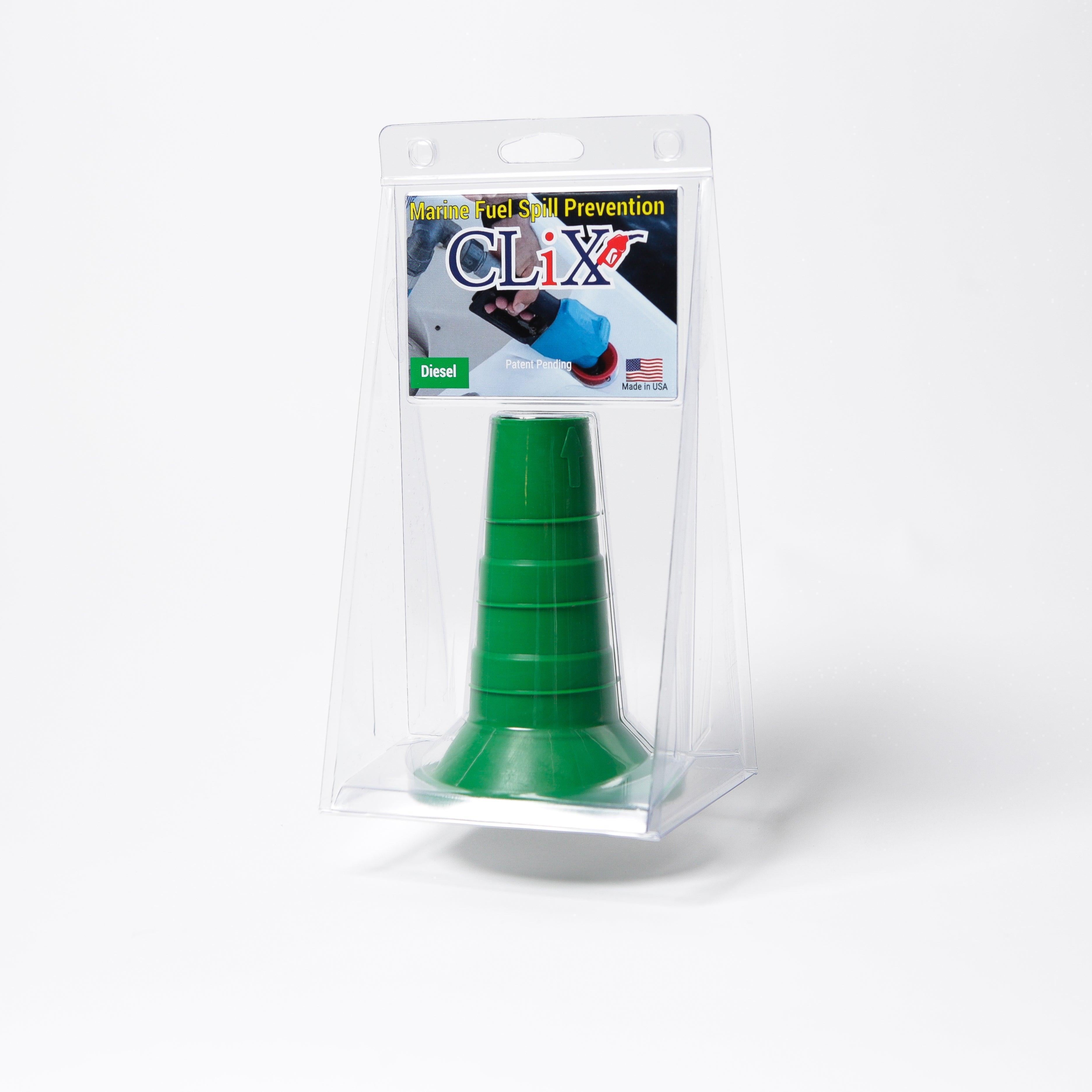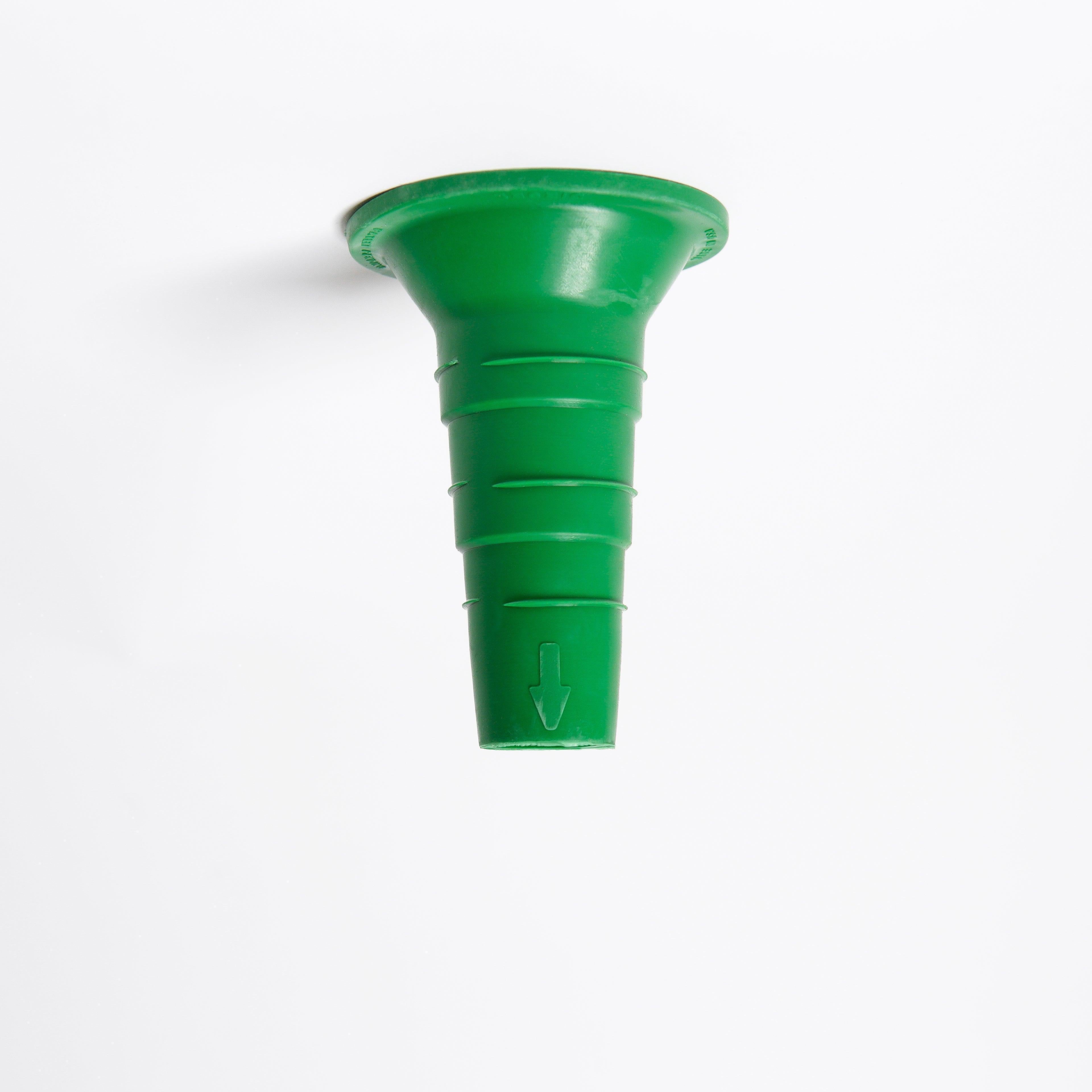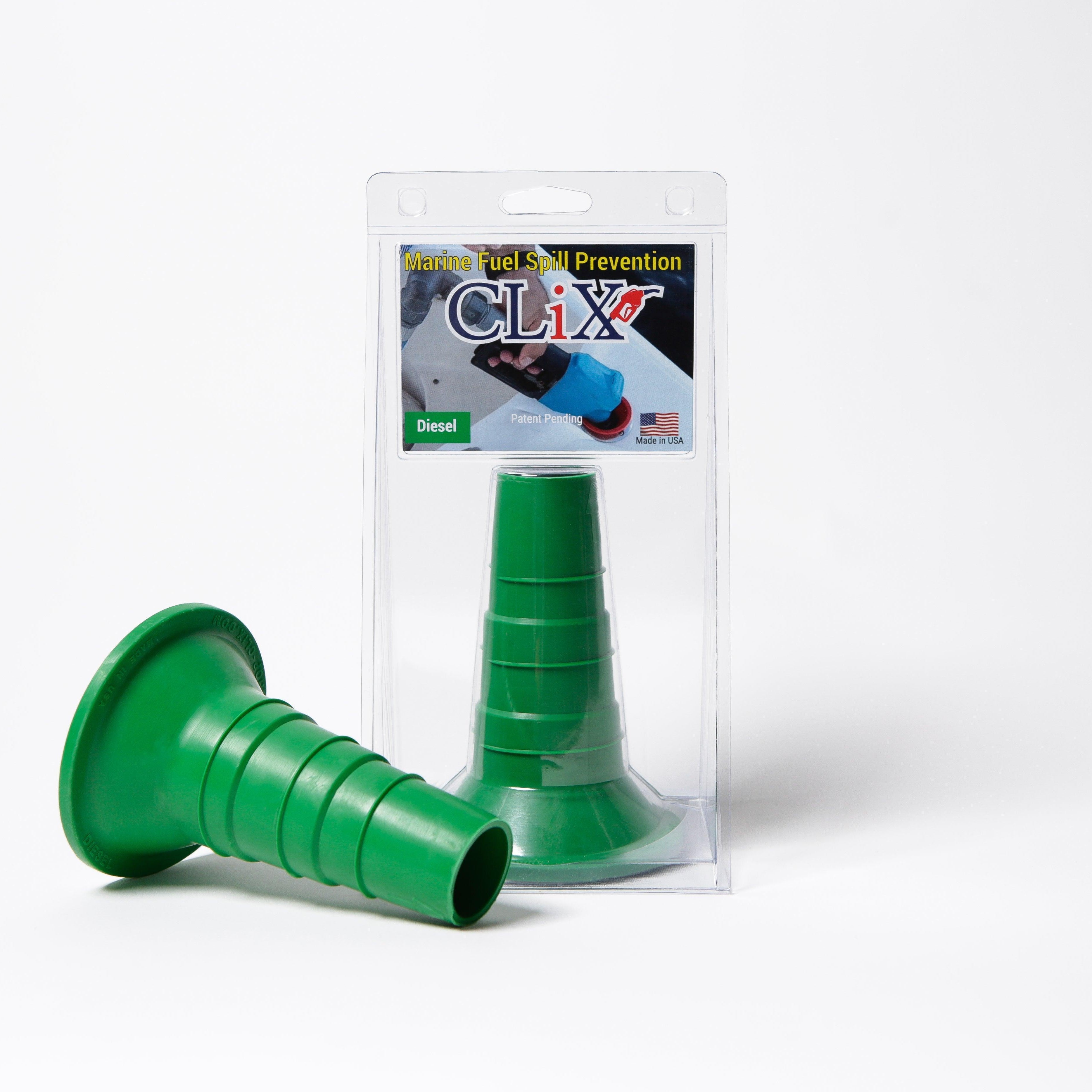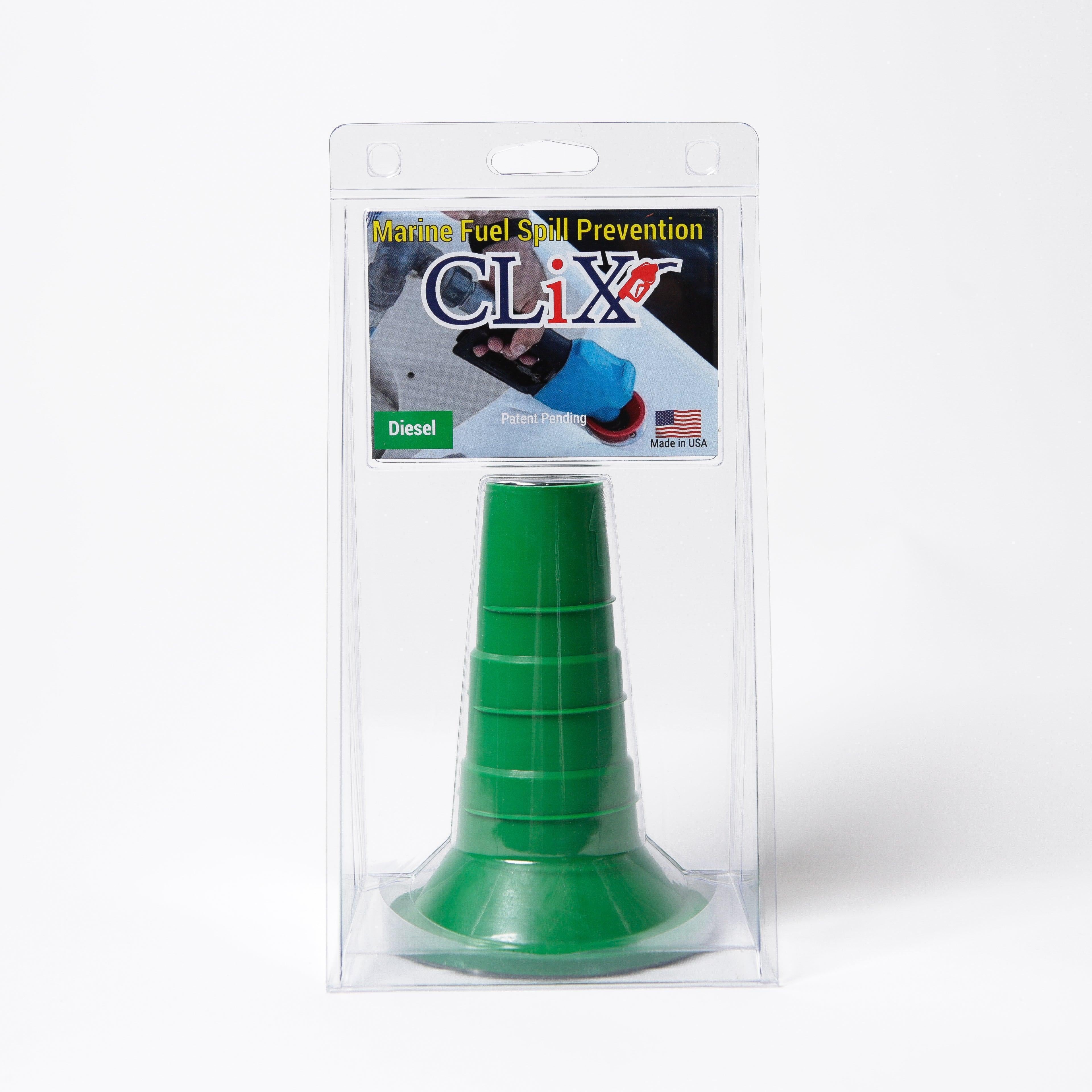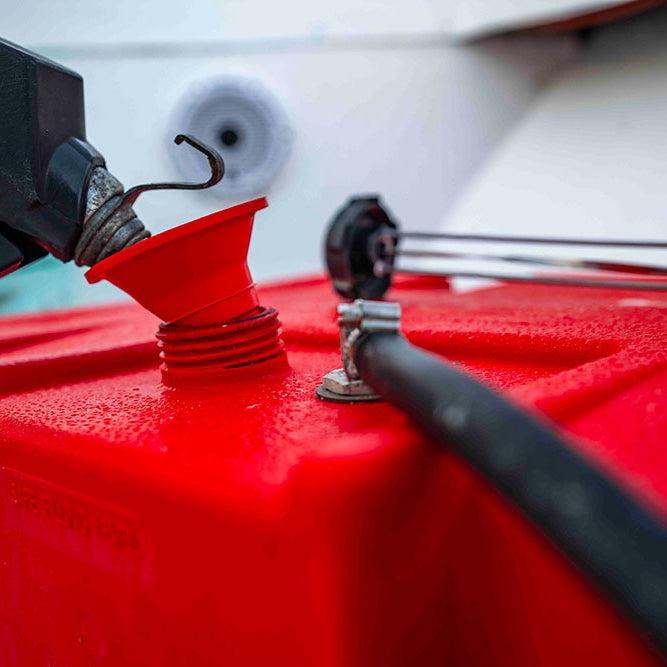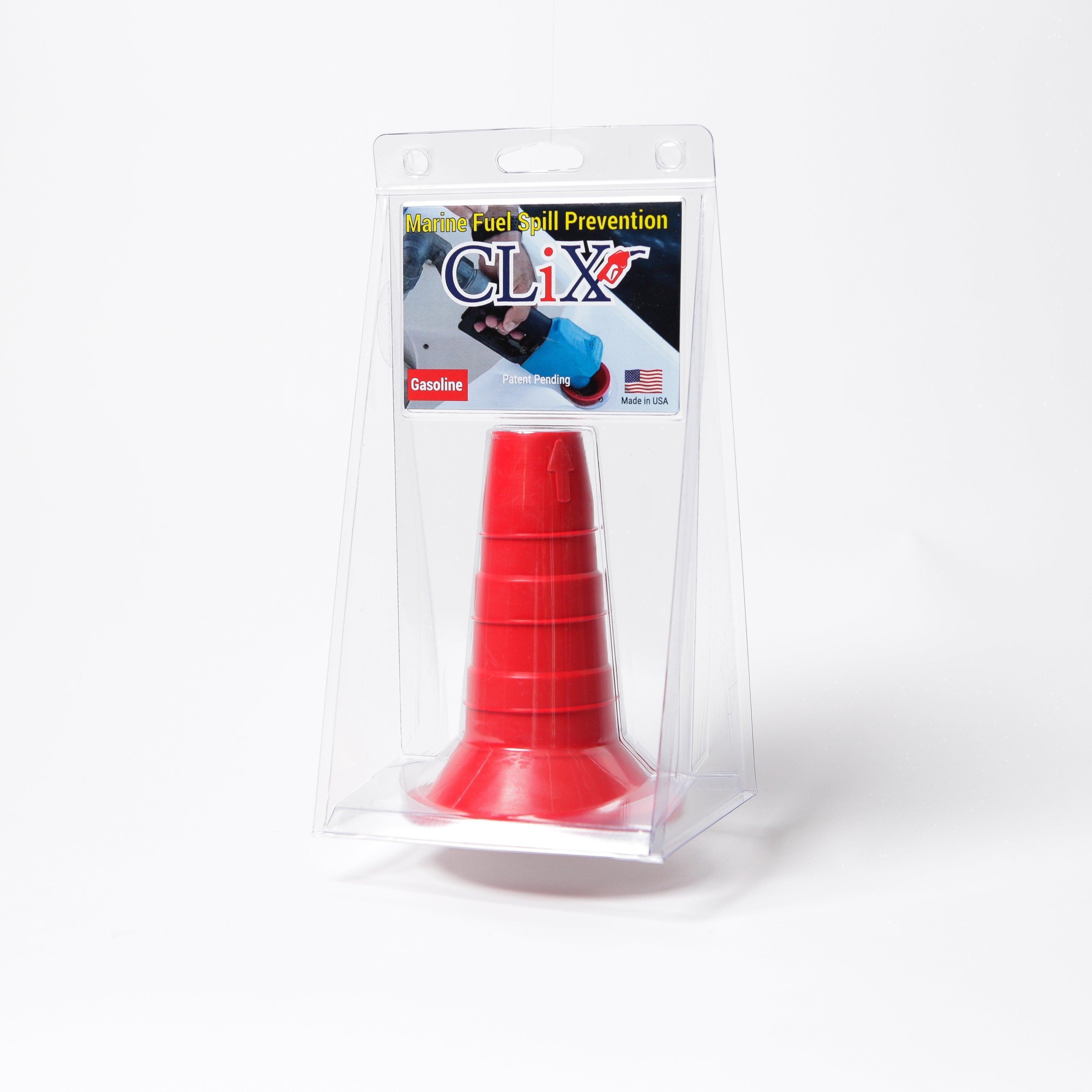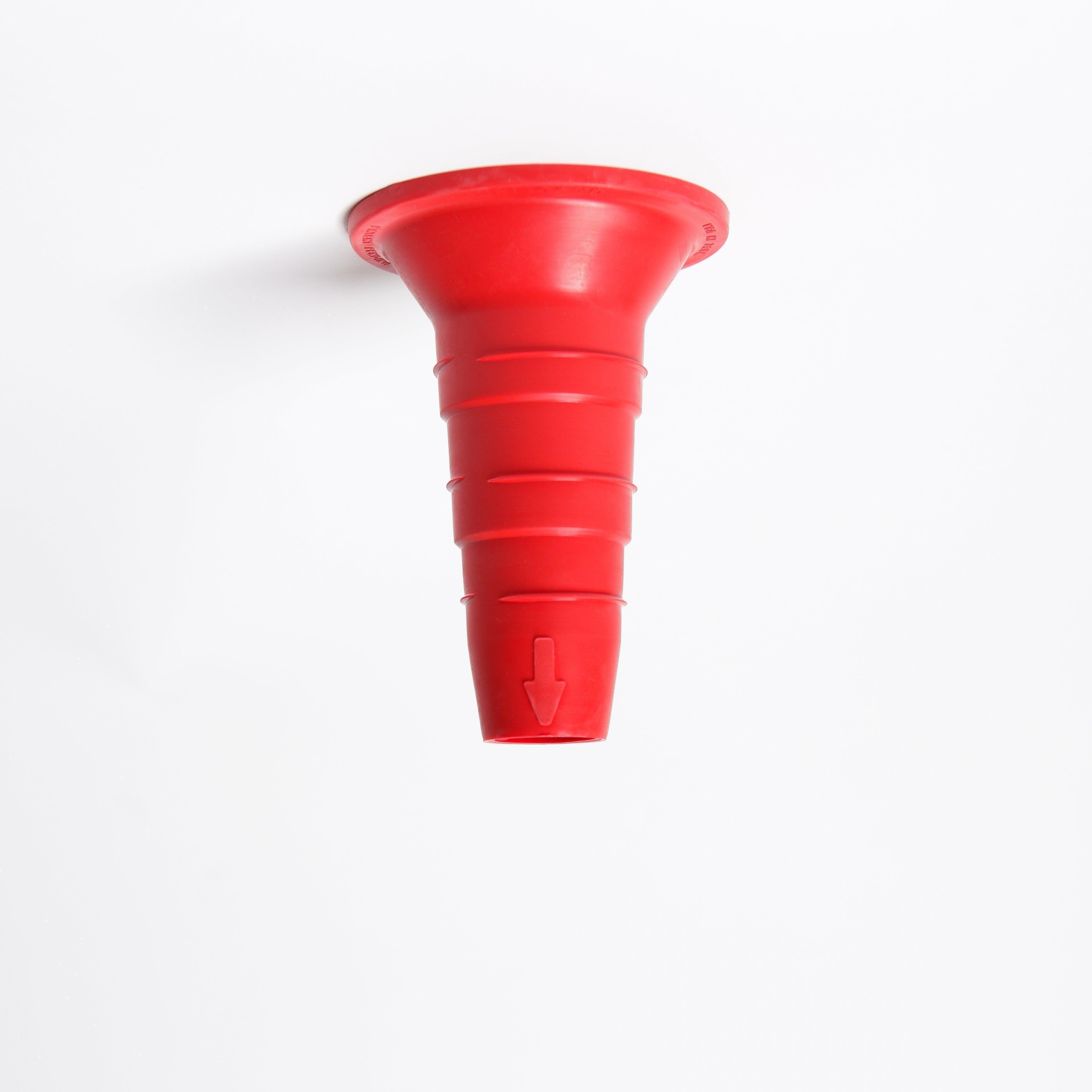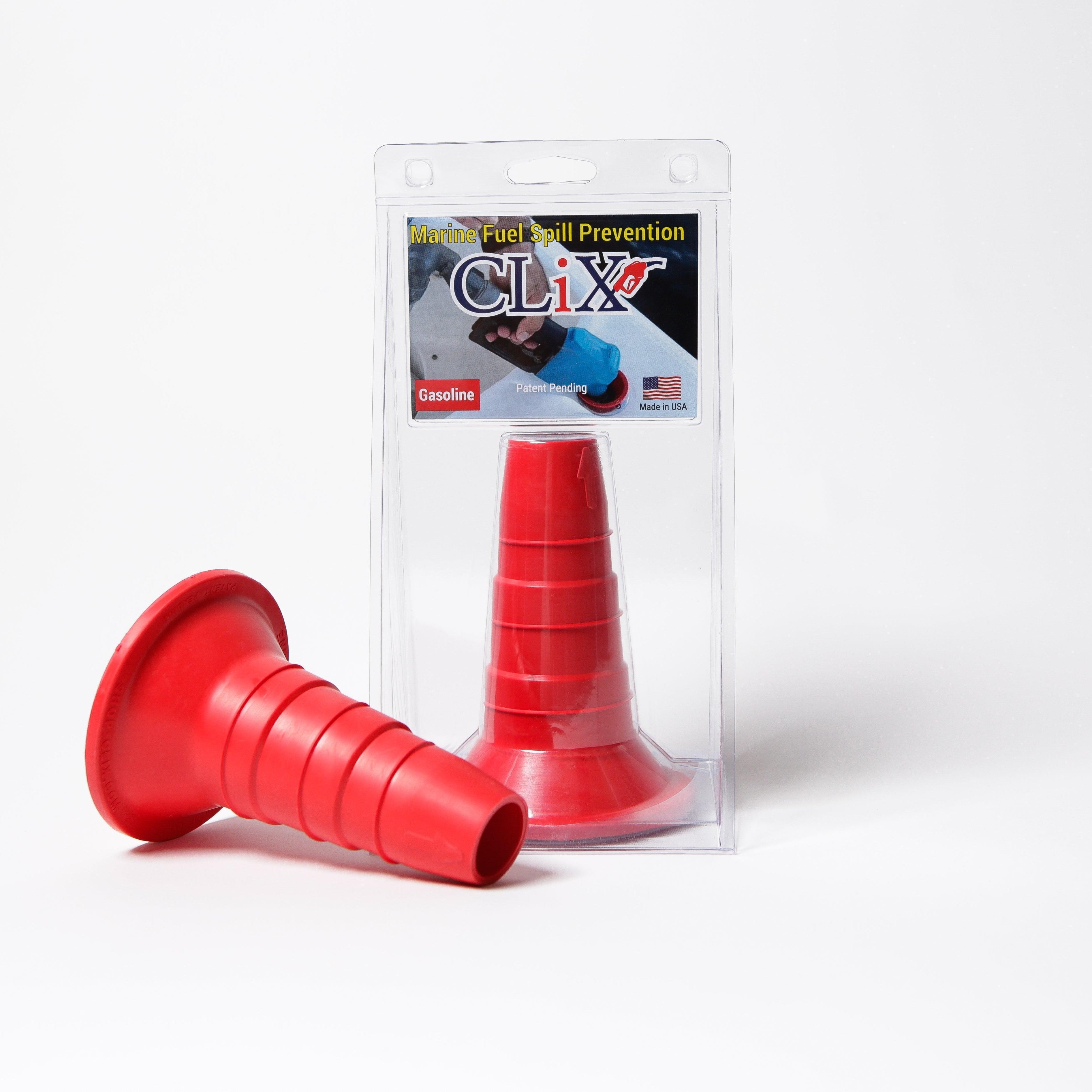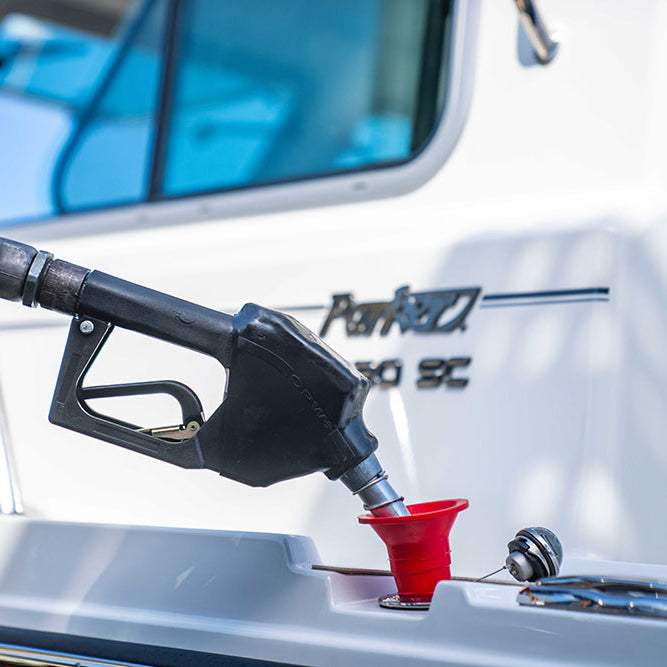
A fuel jug pump is a handy little device that moves gasoline or diesel from a portable container straight into your boat’s fuel tank. It completely gets rid of the need to lift, tip, and pour those heavy, awkward jugs. This simple tool is a game-changer for preventing dangerous spills, saving your back, and making the whole refueling process a lot safer and cleaner.
The End of Spills: A Smarter Way to Refuel Your Boat
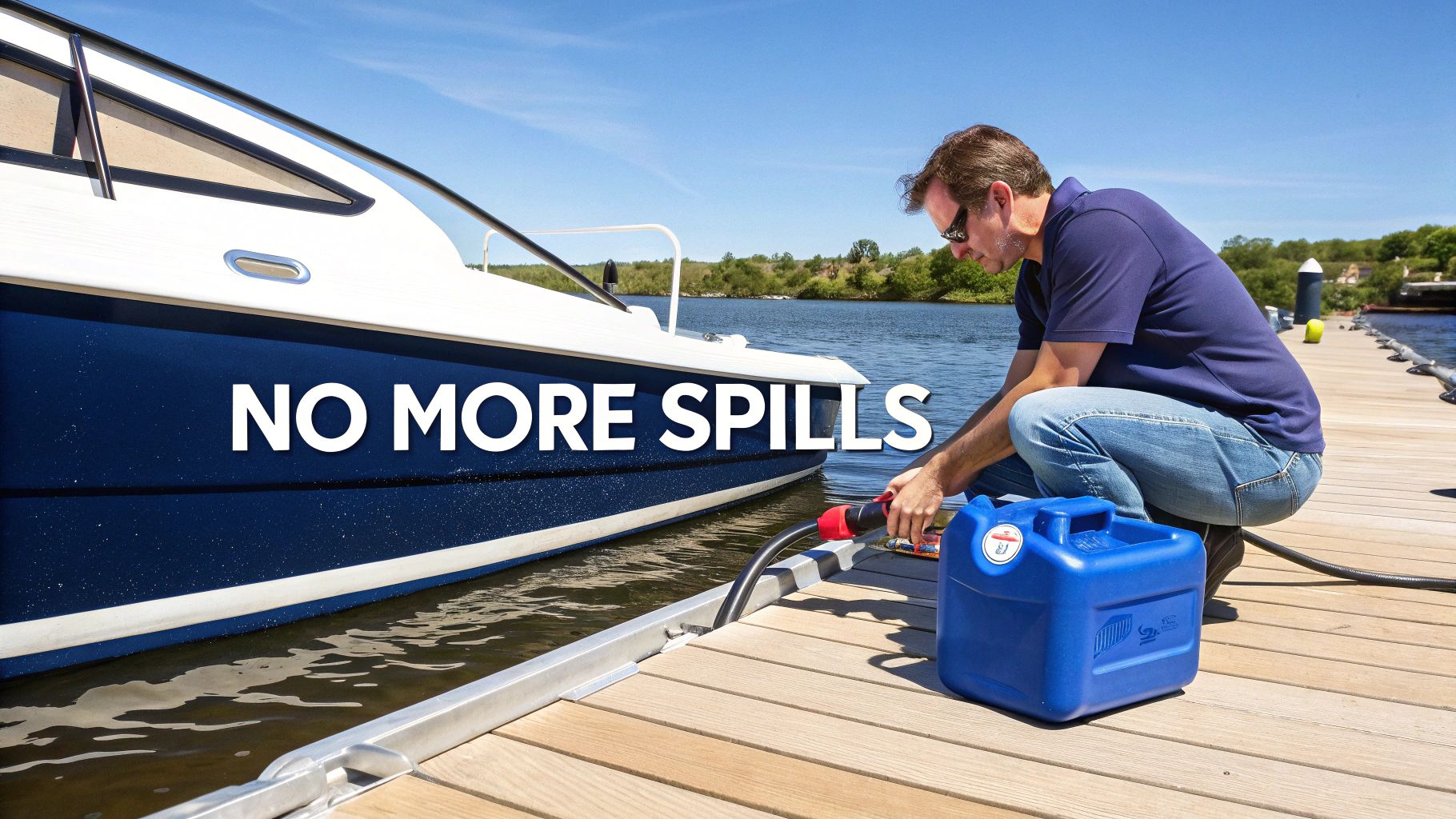
We’ve all been there. It’s a beautiful day at the dock, but the thought of refueling brings that familiar feeling of dread. You're faced with the clumsy, back-straining task of hoisting a heavy fuel jug over your boat’s gunwale, trying to aim for that small opening. It's a risky balancing act that too often ends with fuel splashing everywhere, creating a hazardous mess and a gasoline smell that sticks around for the rest of the day.
This guide is all about the modern solution to that age-old problem—the fuel jug pump. This straightforward device turns refueling from a dangerous chore into a clean, safe, and almost effortless task. It’s a fundamental shift in how boaters can handle one of their most essential routines.
Ditching the Old "Tip and Pour" Method
It’s time to forget the balancing act and the hazardous messes. For years, the only real option was to fight with gravity, which is messy, imprecise, and physically draining. A standard 5-gallon fuel jug weighs over 30 pounds, making spills practically guaranteed at some point. A fuel jug pump changes this dynamic completely.
Here’s how it makes a difference:
- Effortless Transfer: No more lifting or tilting heavy cans. The pump does all the work for you, moving fuel with just the press of a button or a simple manual crank.
- Spill Prevention: The pump creates a sealed, controlled flow from the jug to your tank. This simple change drastically cuts down the chance of spills that damage your boat and pollute the water.
- Increased Safety: By keeping the fuel contained, you minimize your exposure to flammable vapors and significantly reduce the risk of fire at the dock.
A fuel pump isn't just about convenience; it's a critical safety upgrade. It systematically eliminates the most common points of failure in manual refueling—human error, physical strain, and an unpredictable flow.
We'll show you how a fuel jug pump can make boating more enjoyable by getting rid of one of its biggest hassles. As you’ll see, adopting this tool is the first step toward a safer, cleaner experience on the water. For a deeper dive into how all the parts work together, our guide on the marine fuel fill system offers some great background info.
How Does a Fuel Jug Pump Actually Work?
Ever tried to pour gas from a heavy jug into your boat's tank? You know the drill: lift, tip, glug-glug-glug, and hope you don't make a huge, smelly mess. A fuel jug pump completely changes that game.
Think of it as a smart, motorized siphon. Instead of wrestling with a bulky, heavy can and relying on gravity, the pump does all the work for you. It creates a smooth, controlled flow of fuel, turning a frustrating chore into a simple, clean task.
A full 5-gallon jug can weigh over 30 pounds. A pump eliminates the need to lift that weight and awkwardly tilt it over your boat. It handles the heavy lifting, literally, so you can focus on getting the fuel where it needs to go without the strain or the spills.
The Parts That Make It Happen
Every fuel jug pump, whether it runs on batteries or you power it by hand, has a few essential parts working together. Once you see how they connect, you'll understand why these things are so effective.
Here’s a quick look at the main components:
- Intake Tube: This is the long, rigid "straw" that goes down into your fuel jug. It's designed to sit right at the bottom, making sure you get every last drop of fuel out.
- Pump Mechanism: This is the engine of the whole operation. Battery-powered models use a small motor to create suction, pulling fuel up and out. Manual pumps use a hand crank or squeeze bulb to do the same thing.
- Flexible Hose: After the fuel is pulled from the can, it travels through a flexible hose. This is what gives you the freedom to easily reach your boat's fuel inlet, even if it's in an awkward spot.
- Nozzle: This is the business end of the pump. You stick it directly into your fuel tank. The best pumps have an auto-stop sensor right in the nozzle that shuts off the flow automatically when your tank is full—no more overflows!
The real beauty of a fuel jug pump is how it creates a sealed path for the gas. From the moment it leaves the jug to when it enters your tank, the fuel is completely contained. That’s the secret to spill-free fueling.
This simple but effective system is what makes refueling so much better. It's less about brute force and more about precision and control. For a deeper dive into different pump types, check out our guide on portable gas pumps for boats.
At the end of the day, the pump is designed to give you a steady, manageable flow rate that stops the second you need it to. It's one of those tools that, once you use it, you'll wonder how you ever managed without it.
What to Look for in a Great Fuel Jug Pump
When you're shopping for a fuel jug pump, you're not just looking for a way to get gas from point A to point B. The best pumps are thoughtfully designed with features that make a real difference in safety, convenience, and how fast you can get back on the water. Knowing what to look for will help you pick a pump that makes refueling a breeze instead of a chore.
At its heart, a good pump turns a clumsy, manual job into a smooth, controlled process. This diagram shows just how simple and effective the system is.
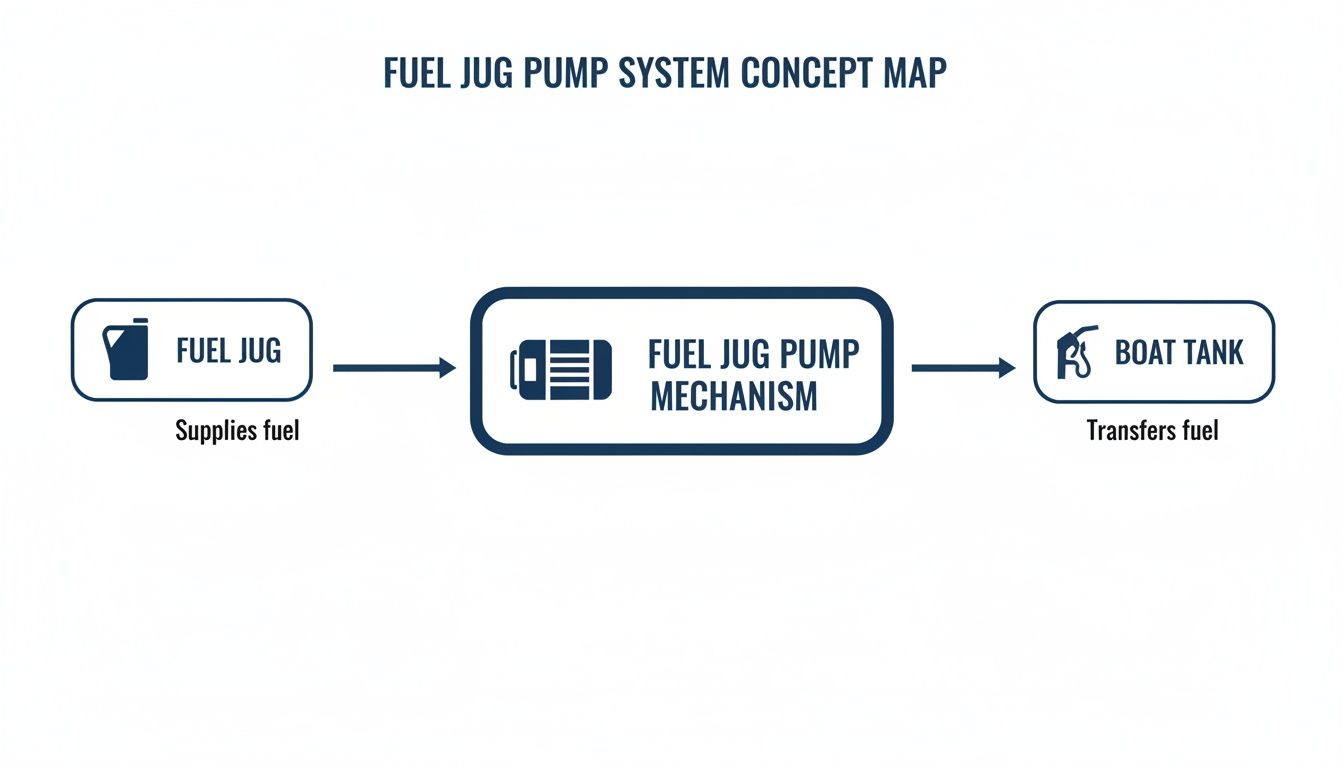
As you can see, the fuel makes a clean journey from the jug, through the pump, and straight into your boat's tank. The pump is the key to making this transfer completely spill-free.
Auto-Stop Technology: The Spill-Prevention MVP
If there’s one feature you absolutely want, it’s auto-stop technology. This is the same smart system you find on the pump at any gas station. A small sensor in the nozzle knows the moment your tank is full and instantly cuts off the fuel flow. This single feature eliminates the guesswork and stops overflows and spills before they can happen.
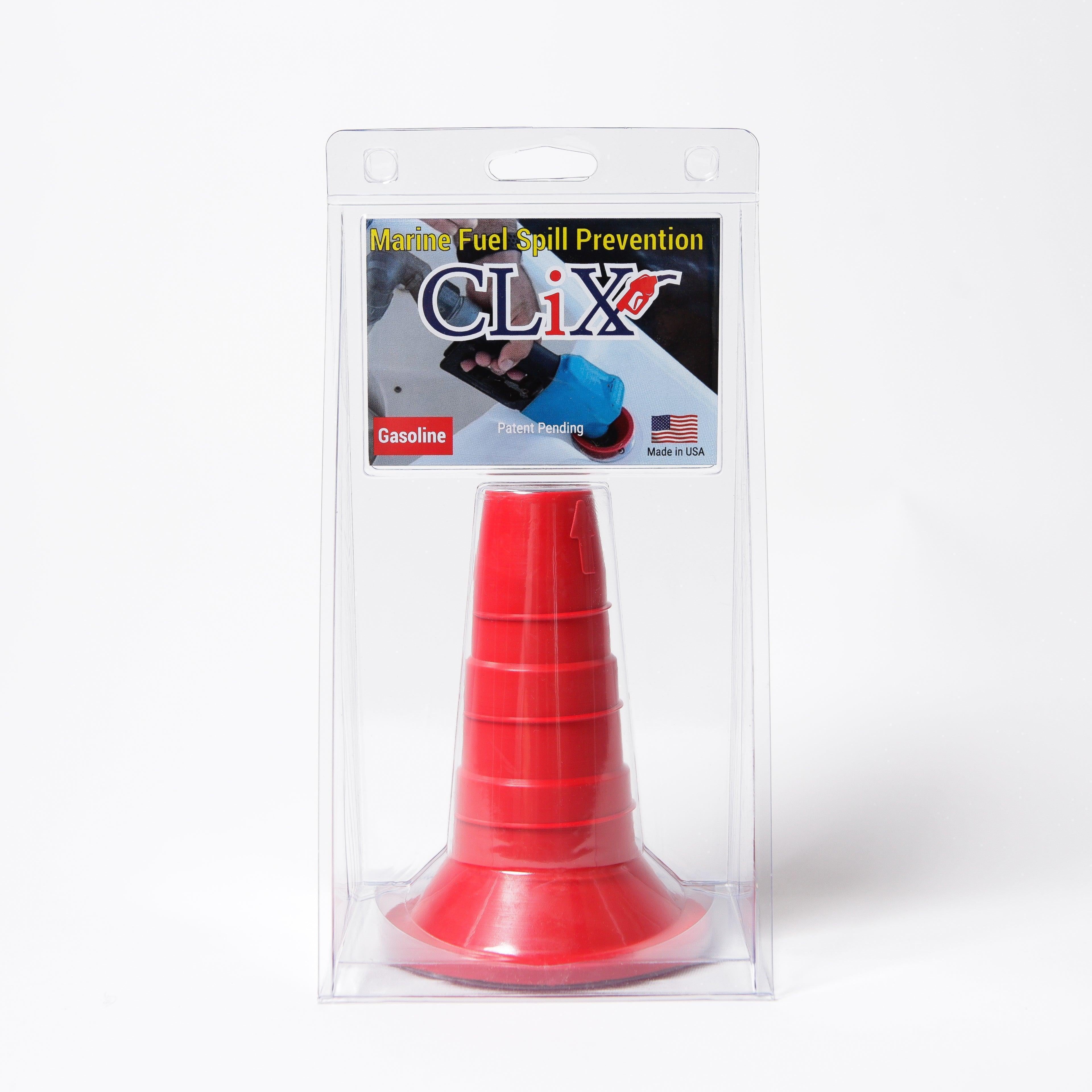
Without it, you’re stuck listening for that "gurgle" sound and hoping you pull the nozzle out in time. A pump with auto-stop, like the one in the CLiX system, takes human error out of the picture. You get a perfect, clean fill every single time.
Flow Rate and Power Source
A pump's flow rate is simply how fast it moves fuel, usually measured in gallons per minute (GPM). A higher GPM is fantastic for filling up a big boat tank quickly. But be careful—a rate that's too aggressive can cause splashing and back-pressure in smaller tanks.
You’ll also need to decide how you want to power it:
- Battery-Operated Pumps: These are all about convenience. Just push a button and get a steady, hands-free flow of fuel. They’re perfect for boaters who want the job done as quickly and easily as possible.
- Manual Pumps: These are simple, bulletproof, and don’t need batteries. You'll have to put in a little elbow grease (like cranking a handle), but they’re incredibly reliable and make for a great, no-fuss option.
The push for safer fueling is a global trend. As environmental rules get stricter, more boaters are ditching risky, old-school siphons for purpose-built systems like a high-quality fuel jug pump.
This shift is especially noticeable in North America, where regulations around spill prevention directly impact how products are made. This pressure forces manufacturers to build better, more reliable equipment, which is great news for all of us. You can dive deeper into these industry trends in this detailed pumps market research report.
Before we get to the final feature, let's look at how these modern pumps stack up against the old ways of doing things.
Fuel Jug Pump Feature Comparison
This table breaks down the key differences between traditional refueling methods and a modern fuel jug pump. It really highlights the leap forward in safety and ease of use.
| Feature | Traditional Method (Pouring/Siphoning) | Modern Fuel Jug Pump (e.g., CLiX) |
|---|---|---|
| Spill Prevention | High risk of overfills and spills due to guesswork and lack of control. | Auto-stop technology prevents overfills; sealed connection stops leaks. |
| Convenience | Physically demanding, awkward, and requires constant attention. | Simple one-button operation or easy manual crank; often hands-free. |
| Speed | Slow and inconsistent flow, especially when siphoning. | Consistent and predictable flow rate (measured in GPM) for faster fills. |
| Safety | Direct exposure to fumes and potential for fuel on skin. | Enclosed system minimizes fume exposure and direct contact with fuel. |
| Environmental Impact | High probability of spills polluting water and soil. | Significantly reduces the risk of fuel spills, protecting the environment. |
As you can see, the advantages of a modern pump go far beyond just moving fuel; they create a fundamentally safer and cleaner process.
Durability and Design
Last but not least, take a hard look at the pump’s construction. It absolutely has to be made from fuel-resistant plastics and metals that won’t break down over time. A cheap, flimsy hose or a badly fitting nozzle is just a leak waiting to happen.
Look for a solid build, a hose that's flexible but tough, and a nozzle designed to fit securely in different fuel inlets. These are the small details that separate a reliable tool you can count on from a gadget that will just let you down.
Choosing the Right Fuel Jug Pump for Your Boat
Picking the right fuel jug pump isn't about grabbing the most expensive one off the shelf. It’s about finding a tool that fits your boat, your fuel cans, and how you actually use them. Get this right, and refueling becomes a clean, simple, and safe task. Get it wrong, and you're in for a frustrating, messy time.
Before you even think about features, start with the basics: compatibility. Does the pump's intake tube actually reach the bottom of your fuel jugs? And just as important, does the nozzle fit snugly into your boat’s fuel inlet? A sloppy fit is an open invitation for spills and splashes.
Power Source and Flow Rate
Next up, you have to decide between going old-school with a manual pump or embracing convenience with a battery-powered one.
A manual pump is the very definition of reliable. There are no batteries to forget to charge and no electronics that can fizzle out at the worst possible moment. For boaters who want a bulletproof, failsafe option in their toolkit, you can't beat it.
On the other hand, a battery-powered pump is a game-changer for convenience. You push a button, and the fuel flows steadily without you having to do anything but watch. If you're filling up a big tank, this hands-free operation saves you a ton of effort and potential strain. It really comes down to a choice between absolute simplicity and modern ease.
Flow rate is another big piece of the puzzle, usually measured in gallons per minute (GPM). It's tempting to go for the highest number, but faster isn't always better. A high GPM is great for a large fuel tank, but it can easily overwhelm the smaller tank on a PWC or dinghy, causing fuel to splash back out. The key is to match the flow rate to your boat’s tank size.
Material Quality and Longevity
This might be the most important factor of all: the quality of the materials. A fuel jug pump has one job, and it’s a tough one. It has to stand up to constant contact with gasoline or diesel.
Make sure any pump you consider is built from fuel-resistant materials, like high-density plastics and metals that won't corrode. This is a non-negotiable for safety. Cheap, flimsy materials will degrade over time, leading to cracks and dangerous leaks. You don't want to mess around with fuel.
A well-built pump from a reputable brand also gives you a better shot at finding spare parts later on. The market for these tools, valued at roughly USD 129 million in 2024, is full of options, but good brands support their products. Being able to buy a new hose or filter means your pump will be a reliable part of your gear for years, not just a single season. You can dig deeper into these market trends in this detailed fuel transfer pump report.
Quick Guide to Selecting Your Fuel Jug Pump
To help you sort through the options, I've put together a simple table that breaks down the key decision points. Think of it as a checklist to run through before you make a purchase.
| Consideration | What to Look For | Best For... |
|---|---|---|
| Compatibility | Correct intake tube length and a secure, tight-fitting nozzle. | Every boater who wants a clean, leak-free connection. |
| Power Source | Manual (crank or siphon style) vs. Battery-operated models. | Manual for ultimate reliability; battery for convenience and ease. |
| Flow Rate (GPM) | A rate that matches the size of your boat's fuel tank. | Higher GPM for large boats; lower, more controlled GPM for PWCs and smaller vessels. |
| Material Quality | Durable, fuel-resistant plastics and corrosion-resistant metals. | Boaters who prioritize safety and want a tool that will last for years. |
Ultimately, the best pump is the one that makes your life easier and keeps fuel where it belongs: in your tank. By considering these factors, you can find a pump that’s a perfect match for your needs on the water.
Safety and Environmental Benefits You Can Count On
Choosing the right way to get fuel into your boat is about so much more than convenience. It's a huge deal for your personal safety and for the health of the very waterways you love to be on. Let’s be honest, the old "tip and pour" method is just asking for trouble, leading to spills that are both dangerous in the moment and damaging in the long run.
A good fuel jug pump creates a sealed, controlled flow from the jug to your tank. This simple change nearly eliminates the risk of fuel splashing onto a hot engine or into the water. That alone is a massive upgrade in dockside safety, stopping a potential disaster before it even has a chance to start.
Protecting Your Health and the Environment
Wrestling a heavy, awkward 40-pound fuel jug is more than just clumsy—it's a recipe for a sore back. The repetitive strain on your back and shoulders can lead to some pretty painful issues that can quickly spoil a day on the water. A fuel pump takes that physical load off your shoulders, letting the tool do the heavy lifting for you.
On the environmental side of things, the benefits are just as crucial. Even a tiny fuel spill can wreak havoc on marine life. Did you know a single gallon of spilled gasoline can contaminate up to one million gallons of water? That’s a staggering amount, and it’s poison for fish, plants, and the entire ecosystem.
By preventing spills before they happen, a fuel jug pump becomes one of your best tools for protecting the environment. It makes sure the fuel you paid for goes into your tank—and only your tank—safeguarding the beautiful, fragile places we all want to enjoy.
Of course, accidents can still happen. If you're ever faced with a spill, knowing what to do is critical. Our complete guide on fuel spill cleanup procedures walks you through the exact steps to minimize the damage and handle the situation safely.
A Smart Investment in Safety and Longevity
Keeping your boat in top shape is about more than just careful refueling; it involves thinking ahead. Just like learning how to properly winterize your boat engine, including fuel stabilization, is part of being a responsible boat owner, investing in a quality fuel pump is a proactive step that pays for itself in peace of mind.
And we're not the only ones who think so. The demand for safer fueling equipment is growing fast. The global automotive fuel transfer pump market, for instance, was valued at almost $2.1 billion in 2024. That growth is being pushed by boaters and other vehicle owners who are tired of the old, risky methods and are demanding better, more reliable solutions.
At the end of the day, using a pump gives you several layers of much-needed protection:
- Fire Prevention: It keeps highly flammable fuel contained and away from potential sparks or hot surfaces.
- Ergonomic Safety: It saves you from the back strain and potential injuries that come from manhandling heavy jugs.
- Environmental Protection: It’s a simple, effective way to stop fuel pollution at the source.
This one simple tool is a clear win—an investment in safer boating and a healthier planet for all of us.
When a Fuel Jug Pump Really Saves the Day
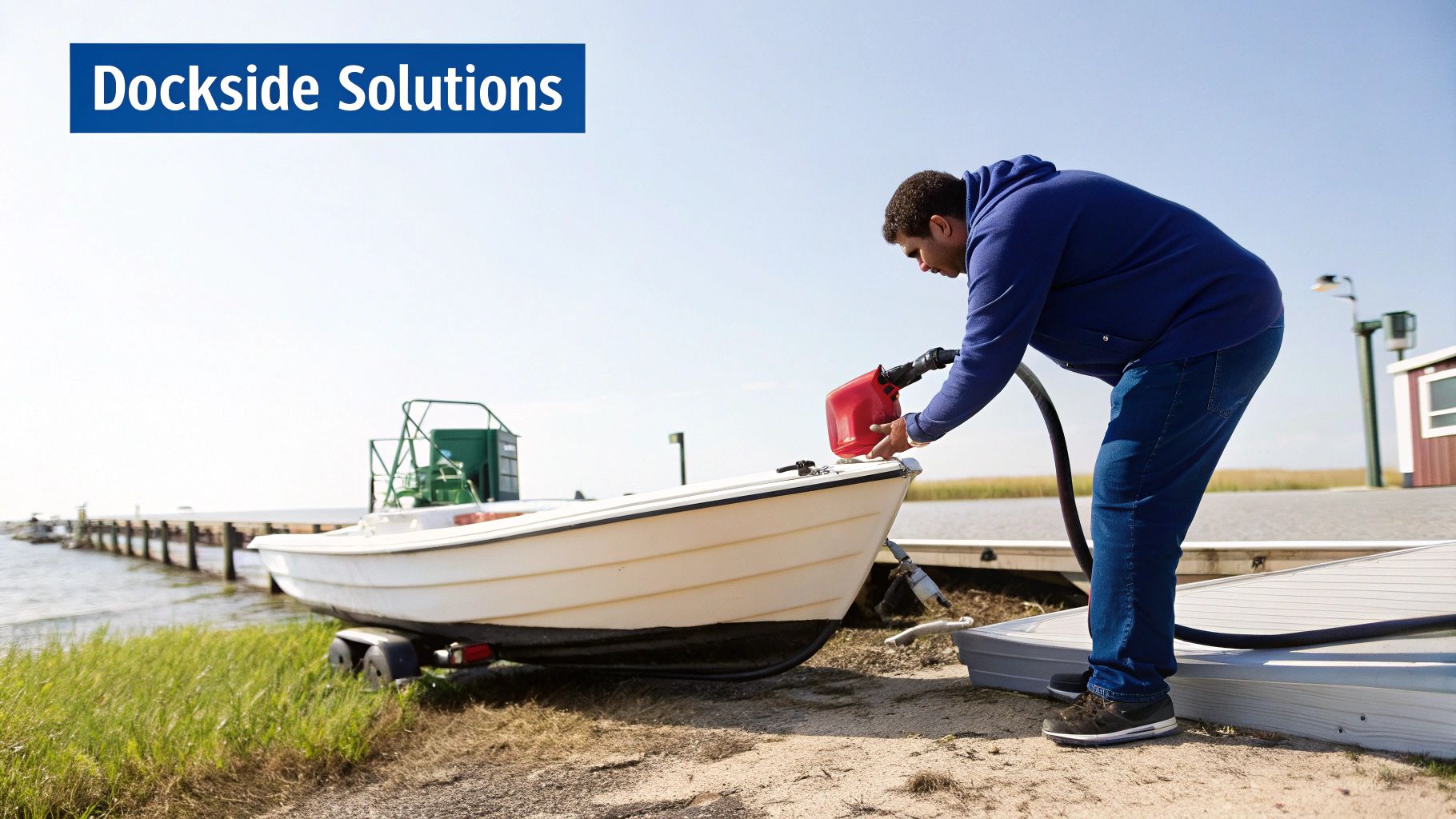
It’s one thing to talk about how these pumps work, but it’s another to see where they truly make a difference. Let's walk through some real-world situations every boater has probably faced, where a good fuel jug pump goes from a "nice-to-have" gadget to an absolute must-have tool.
Picture this: you've just trailered your fishing boat to a remote launch. There’s no fuel dock for miles, so you have to rely on the jugs you brought. Instead of wrestling a heavy, sloshing container while trying to balance on the gunwale, you can just leave the jug on the ground. Pop the hose into the fuel tank, press a button, and let the pump do all the heavy lifting. No strain, no spills.
Or how about topping off your pontoon boat at your private dock? The fuel fill is often tucked away in an awkward spot behind a seat or under a rail. A pump with a long, flexible hose makes reaching it a breeze. Even better, that auto-stop feature means you won’t have that heart-stopping moment when fuel suddenly gushes out of the overflow and down the side of your toon.
More Than Just a Fill-Up
A solid fuel pump is good for more than just your routine top-offs. Its real value lies in giving you controlled, safe fuel transfer for all sorts of essential boating tasks.
Take personal watercraft (PWCs), for example. Their fuel inlets are notoriously small and often placed at an angle that makes pouring from a can a guaranteed way to spill gas all over the place. A pump with a slender nozzle turns that messy job into a precise, clean fill-up every time.
A fuel pump shines brightest when conditions are less than ideal. It transforms tricky, frustrating fueling jobs into controlled, predictable tasks, letting you focus on getting back on the water.
This control is also huge for maintenance jobs. Need to prep your boat for winter? A pump is perfect for safely emptying a fuel tank into an approved container. It's a clean, controlled siphoning process that avoids the mess and hazard of trying to do it manually.
A Practical Tool for Every Boater
These examples really show how a pump’s design directly tackles the headaches we all face. It turns a dreaded chore into a fast, clean, and safe process.
Here are a few more times you’ll be glad you have one:
- Refueling a Dinghy: No more balancing a heavy jug over the water to fill up your small tender. You can do it safely and without spilling a drop.
- Mid-Trip Fueling: If you carry spare fuel for a long day on the water, a pump lets you refuel safely while at anchor, even with the boat gently rocking.
- Consolidating Fuel: Got a few half-empty jugs cluttering up the garage? Easily combine them into one to reduce clutter and waste.
In every one of these scenarios, the pump gets rid of the physical struggle and the serious risk of spilling fuel. It just fits right into your boating routine, making the whole experience that much better.
Got Questions About Fuel Jug Pumps? We've Got Answers.
When you're out on the water, you want things to be simple and reliable—fueling included. It's only natural to have a few questions before you trust a new piece of gear. Here are some straightforward answers to the things boaters most often ask about fuel jug pumps.
Let's clear up any confusion so you can feel confident you're making the right choice for hassle-free refueling.
What Kind of Fuel Can These Pumps Handle?
Good news here. Most well-made fuel jug pumps are built tough and can handle both gasoline and diesel without any issues. The materials they're made from are designed to resist the corrosive effects of these fuels.
The one golden rule is to never mix fuels. If you need to switch from gasoline to diesel, or vice-versa, you have to clean the pump out completely to avoid contaminating your engine. It's always a smart move to glance at the manufacturer's notes just to be sure, but a quality pump is usually a versatile tool.
The bottom line is that a quality fuel jug pump is designed for flexibility. Its sturdy construction means it can handle the common fuels you use on your boat, making it a dependable part of your standard equipment.
How Do I Keep My Fuel Jug Pump in Good Shape?
A little bit of care goes a long way. Maintenance is pretty simple, but it's key to making your pump last for season after season. After you finish fueling, let the pump run for just a few more seconds. This little step clears out any leftover fuel from the hose and the pump itself.
When it's time to put the boat away for the winter, make sure the pump is completely drained. If you're using a battery-powered model, pop the batteries out to stop any corrosion from building up. Every now and then, give the hoses a quick look-over for any cracks or signs of wear. If you spot any damage, replace them right away to avoid a dangerous leak.
My Pump Stopped Working. Now What?
Don't panic. If your battery-powered fuel jug pump suddenly quits, start with the simple stuff: check the batteries. More often than not, a fresh set is all it needs. If that doesn't do the trick, take a look at the pump's intake to see if any gunk or debris is causing a clog.
For a manual pump, the problem is usually a bad seal. If you're not getting any suction, check that it's sealed tightly onto the jug and that there aren't any sneaky cracks in the hose.
Ready to make refueling the easiest part of your day? CLiX Fueling Solutions offers a smarter system with auto-stop technology that protects your boat, your wallet, and the water. Check out our products and leave fueling messes behind for good.