If you’ve ever lugged a heavy, sloshing jerry can down a long dock, you know there has to be a better way. That better way is a portable gas caddy.
Think of it as your own personal, mobile gas pump for your boat, ATV, or generator. It’s a serious upgrade from the classic red can, built to safely move larger amounts of fuel without the back-breaking work and messy spills.
What Are Portable Gas Caddies and Why Do You Need One
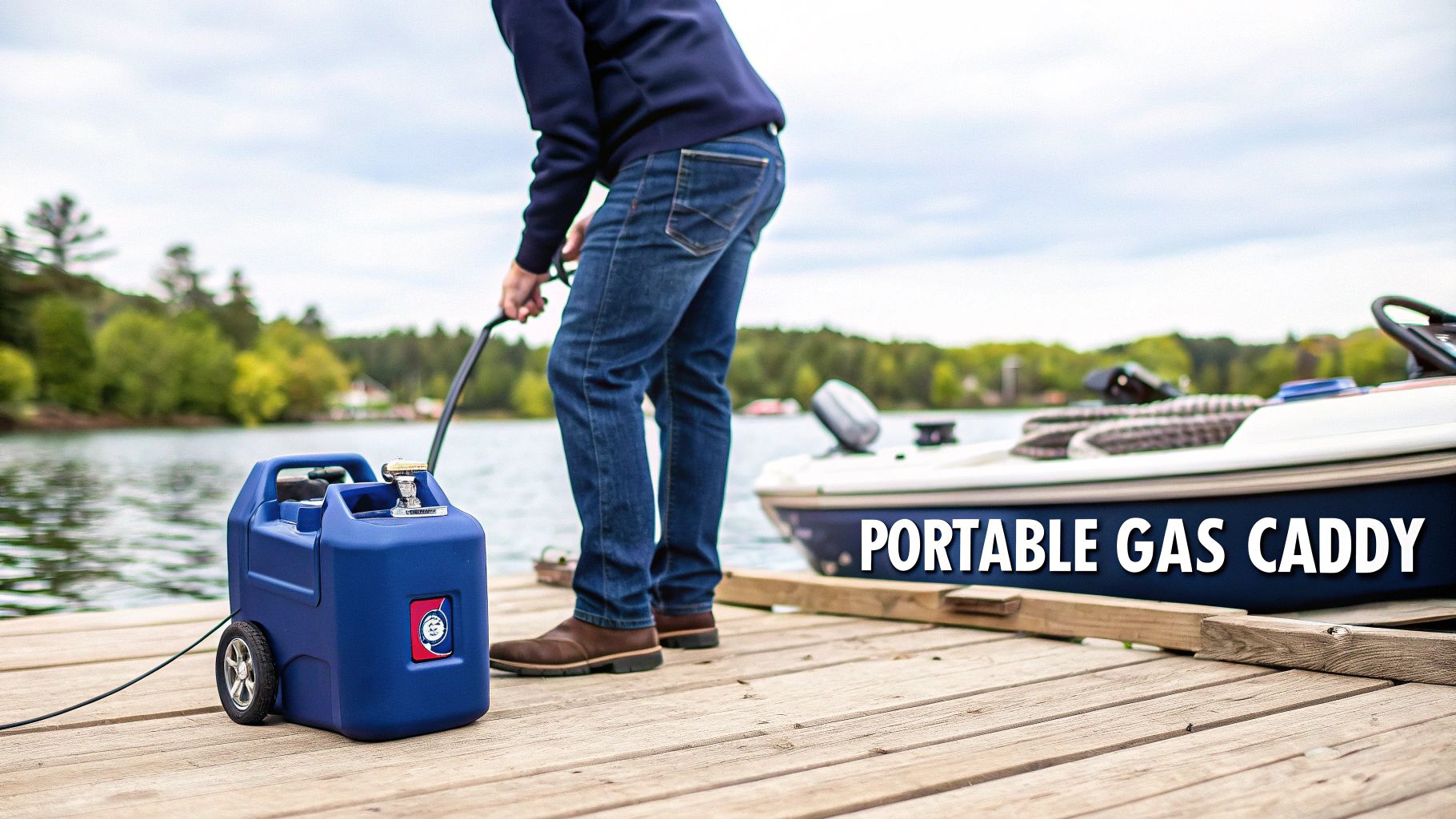
At its heart, a portable gas caddy is a tough container on wheels, usually holding 15 to 30 gallons of fuel, complete with its own hose and nozzle. This simple but brilliant design turns the awkward, risky job of refueling into a controlled and straightforward process. Instead of hoisting heavy cans and hoping for the best, you just roll your fuel supply right up to your boat or vehicle.
It's no surprise these caddies are becoming more common. With more people out on the water, exploring trails, and enjoying the outdoors, the old way of fueling just doesn't cut it. This isn't just a hunch; the global market for fuel storage containers is already valued at USD 29.9 billion and is expected to hit USD 47.3 billion by 2035, with portable containers like these leading the charge.
The Core Benefits of Using a Caddy
For anyone who needs to fuel up away from a gas station, a caddy solves some very real problems. The benefits go way beyond just holding more gas.
- Serious Safety: They're built to prevent spills and keep dangerous vapors contained, which cuts down on fire risk and environmental damage. Good models will have features like grounding wires and tight-sealing caps.
- Pure Convenience: The ability to wheel over 200 pounds of fuel without breaking a sweat is a massive plus, especially for boaters facing a long walk down the marina dock. A proper gas caddy for your boat saves your back and your patience.
- Time-Saving Efficiency: A larger tank means fewer trips to the gas station. That adds up to a lot of saved time, whether you're keeping a generator running at a remote job site or getting a fleet of jet skis ready for a weekend of fun.
A portable gas caddy turns a strenuous, multi-trip chore into a single, straightforward task. It’s the difference between wrestling with fuel cans and simply wheeling a dolly.
This idea of bringing fuel where it's needed isn't new. On a much larger scale, industries rely on services like mobile fueling trucks and on-site fueling to keep heavy machinery running. A personal gas caddy brings that same level of convenience right to your own recreational vehicles.
Understanding Key Safety Features and Real-World Risks
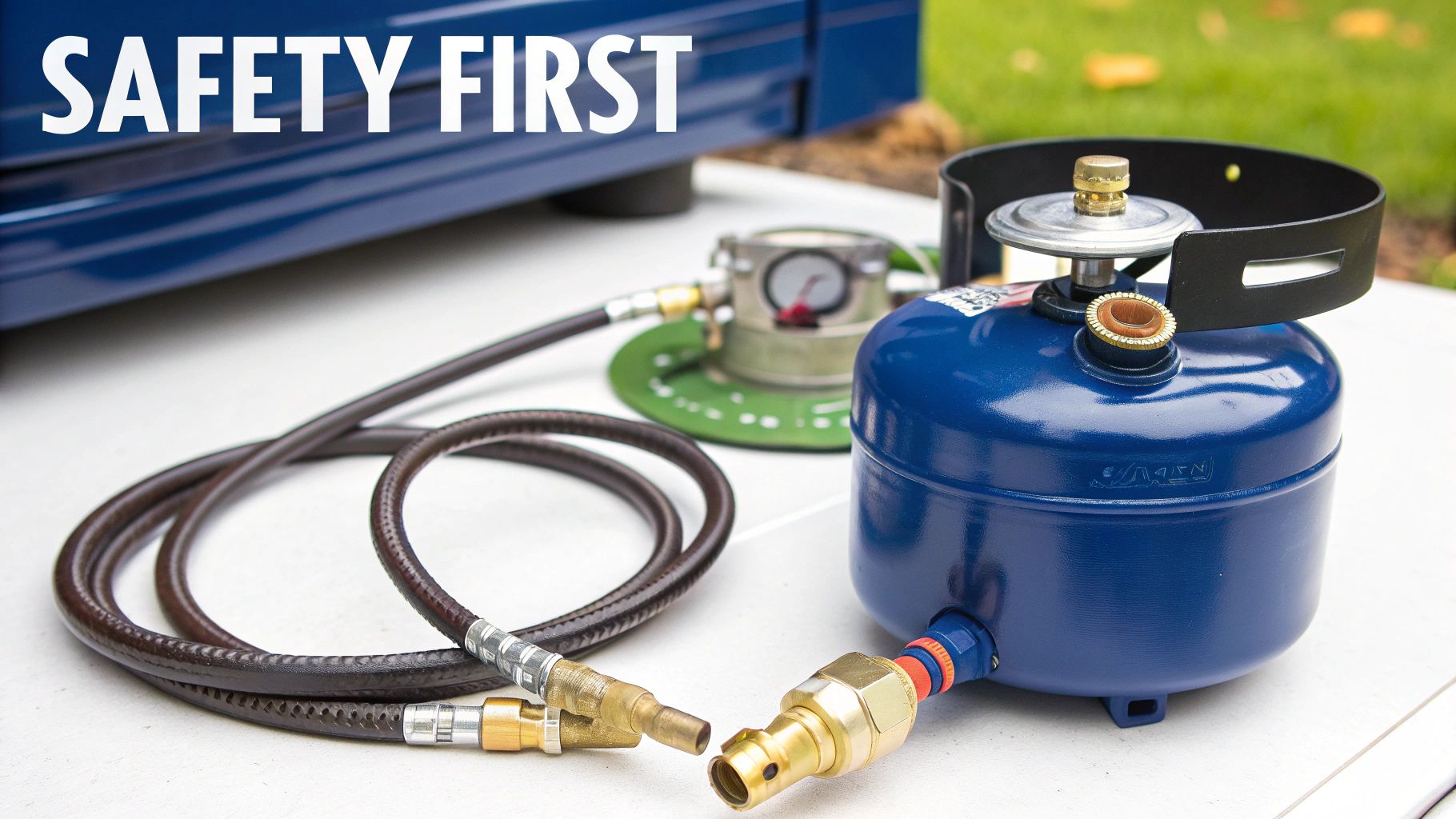
When you're dealing with gallons of gasoline, safety isn't just a bonus feature—it’s everything. Today’s portable gas caddies are built from the ground up to manage the risks that come with handling fuel. Getting to know these features makes it crystal clear why a proper caddy is a world away from a simple jerry can.
Think of a flame arrestor as a tiny, one-way security gate for fire. It's usually a small metal mesh screen inside the fill neck that lets fuel flow in but stops an external spark from igniting the fumes inside the tank. It’s a simple but brilliant first line of defense against disaster.
Another critical piece of the puzzle is the pressure-relief vent. Gasoline expands in the heat, creating a surprising amount of vapor pressure inside a sealed container. This vent acts like a safety valve, automatically releasing that excess pressure so the tank doesn't swell up or, in a worst-case scenario, rupture.
Built-In Prevention
It's not just the add-on parts; the very materials used to build a gas caddy are chosen for safety. The best manufacturers use materials specifically designed to combat the buildup of static electricity.
- High-Density Polyethylene (HDPE): Many of the top plastic caddies are made from a special conductive polymer that helps dissipate static charge harmlessly.
- Grounded Components: Steel caddies often come with grounding wires. You can clip these to your vehicle or boat to make sure any static charge is neutralized before you even start pumping.
These features all work in concert to prevent the most common causes of fuel-related accidents. The market for portable fuel storage is a massive USD 29.9 billion industry, and safety is a huge driver. With 28.6 billion liters of fuel being moved in portable containers each year and spills contributing to 15% of industrial fires, you can see why these designs matter. For a closer look, you can discover more insights about the portable safety market on gminsights.com.
The Human Factor and Everyday Dangers
Of course, a tool is only as safe as its operator. Even the most well-designed gas caddy can be dangerous if used incorrectly. The number one risk by a long shot is static discharge—that tiny, invisible spark that can cause a massive fire.
A classic example is filling a plastic gas caddy while it's sitting on a plastic truck bed liner. The friction can create a static charge that has nowhere to go. When the metal fuel nozzle gets close, that charge can jump, creating a spark right where you don't want one.
Spills are another huge problem. It’s not just the immediate fire hazard; the environmental damage can be devastating. A single gallon of spilled gas can contaminate thousands of gallons of water. To get a better handle on prevention, take a look at our guide on how to store gasoline safely and do your part to protect your gear and the environment.
How to Choose the Right Portable Gas Caddy
Picking the right portable gas caddy isn't about finding the fanciest model on the shelf. It’s about finding the right tool for the job. Just like you wouldn't use a sledgehammer to hang a picture frame, the caddy you need for your small fishing boat is completely different from one needed for a small fleet of ATVs. Getting this choice right means you'll have a tool that's not just convenient, but also safe and reliable for years.
The first thing to consider is what it's made of. This decision usually comes down to a classic trade-off between durability, weight, and cost.
- Steel Caddies: Think of these as the tanks of the gas caddy world. Steel is incredibly tough and puncture-resistant, making it ideal for rough-and-tumble environments like a job site. The downside? They're heavy and can rust if the coating gets scratched and you don't stay on top of maintenance.
- Polyethylene Caddies: These high-density plastic caddies are the popular choice for a reason. They're lightweight, won't ever rust (a massive plus for boaters), and are surprisingly durable. Their only real weakness is that they can become brittle over time if they live in direct sunlight, so it's best to store them out of the elements.
Match the Capacity to Your Needs
Once you’ve settled on a material, it's time to think about size. You don't want to be making a dozen trips to the gas station, but you also don't want to be wrestling with more fuel than you have to. It all comes down to what you're fueling and how much gas it drinks.
A nimble 15-gallon caddy is often the sweet spot for topping off a small boat or filling up a riding mower. It's manageable for one person and doesn't take up a ton of room in the garage.
If you have a bigger boat or need to refuel several toys like jet skis and ATVs, stepping up to a 30-gallon caddy makes a lot more sense. Keep in mind, a caddy this size can weigh over 200 pounds when full, so good wheels and a solid handle aren't just nice-to-haves—they're essential.
Understanding Your Pump Options
The pump is what does all the work, and it dictates how fast and easy refueling will be. There are three main options, each with its own pros and cons.
Choosing the right pump, material, and capacity can feel like a lot to juggle. This table should help simplify the decision-making process.
Choosing Your Gas Caddy Material Capacity and Pump
A detailed comparison to help you select the best portable gas caddy based on key features and intended use.
| Caddy Feature | Best For | Pros | Cons |
|---|---|---|---|
| Siphon/Gravity-Fed Pump | Small, infrequent jobs and budget-conscious users. | Super simple, no moving parts to break. | Very slow; you have to lift the caddy higher than the tank you're filling. |
| Manual Crank Pump | Regular use where you want a reliable, controlled flow. | Dependable and gives you great control over the flow rate. | Can be a bit of a workout for larger volumes. |
| Electric Pump | Frequent or high-volume fueling where speed is everything. | Effortless and incredibly fast fuel transfer. | Needs a power source (like a boat or car battery) and costs more upfront. |
At the end of the day, picking a pump comes down to how much you value your time and effort. A manual crank is a solid, reliable choice, but a good electric pump can turn a 15-minute chore into a quick, 2-minute job.
By weighing these key factors—material, capacity, and pump type—you can find the perfect caddy. For a deeper dive into specific models, check out our guide on the top portable gasoline container picks for safe fuel storage. A little research now will make every trip to the pump simpler and safer down the road.
Getting The Most Out of Your Gas Caddy: Safety and Best Practices
Having a good portable gas caddy is one thing, but knowing how to use it safely and effectively is what really matters. Proper handling isn't just about protecting your gear; it's about preventing accidents, protecting the environment, and making the whole process hassle-free. It all comes down to a simple, repeatable routine.
Your safety checklist starts the moment you pull up to the gas station pump. Before you do anything else, place your gas caddy on the ground. Never, ever fill it while it's sitting in the back of your truck, especially if you have a plastic bed liner. That’s a recipe for a static spark that could ignite fuel vapors. Grounding the caddy lets any static charge dissipate safely.
When it's time to fuel up your boat or generator, think about your setup. Find a stable, level spot for the caddy. Carefully uncoil the hose, making sure there are no kinks that could mess with the fuel flow or make the hose jump around. A steady hand and a slow, controlled pump speed are your best friends here—it’s the surest way to prevent splashes and spills.
A Quick Maintenance Checklist
Just like any other piece of equipment, your fuel caddy needs a little TLC to perform its best. A quick once-over before each use can stop a small issue from turning into a big headache.
- Inspect the Hose: Give the hose a good look. Do you see any cracks, brittleness, or leaks? A bad hose is a serious hazard and needs to be replaced right away.
- Check Your Seals: Make sure the fuel cap and any other gaskets are snug and in good shape. Worn-out seals can let dangerous vapors escape.
- Look at the Wheels and Axle: Are the wheels spinning freely? Is the axle secure? The last thing you want is a broken wheel when you're moving a full caddy that weighs nearly 200 pounds.
If you're using your caddy to power a generator for your travels, checking out reviews for the best RV portable generators can give you a better sense of your fuel needs and why a dependable caddy is so important.
When you're done, remember that proper storage is non-negotiable. Always keep your gas caddy in a well-ventilated area, far away from ignition sources like a pilot light on a water heater or furnace. It should never be stored inside your home or living space.
This simple guide breaks down the three main things to think about when choosing your caddy: what it's made of, how much it holds, and the kind of pump it has.
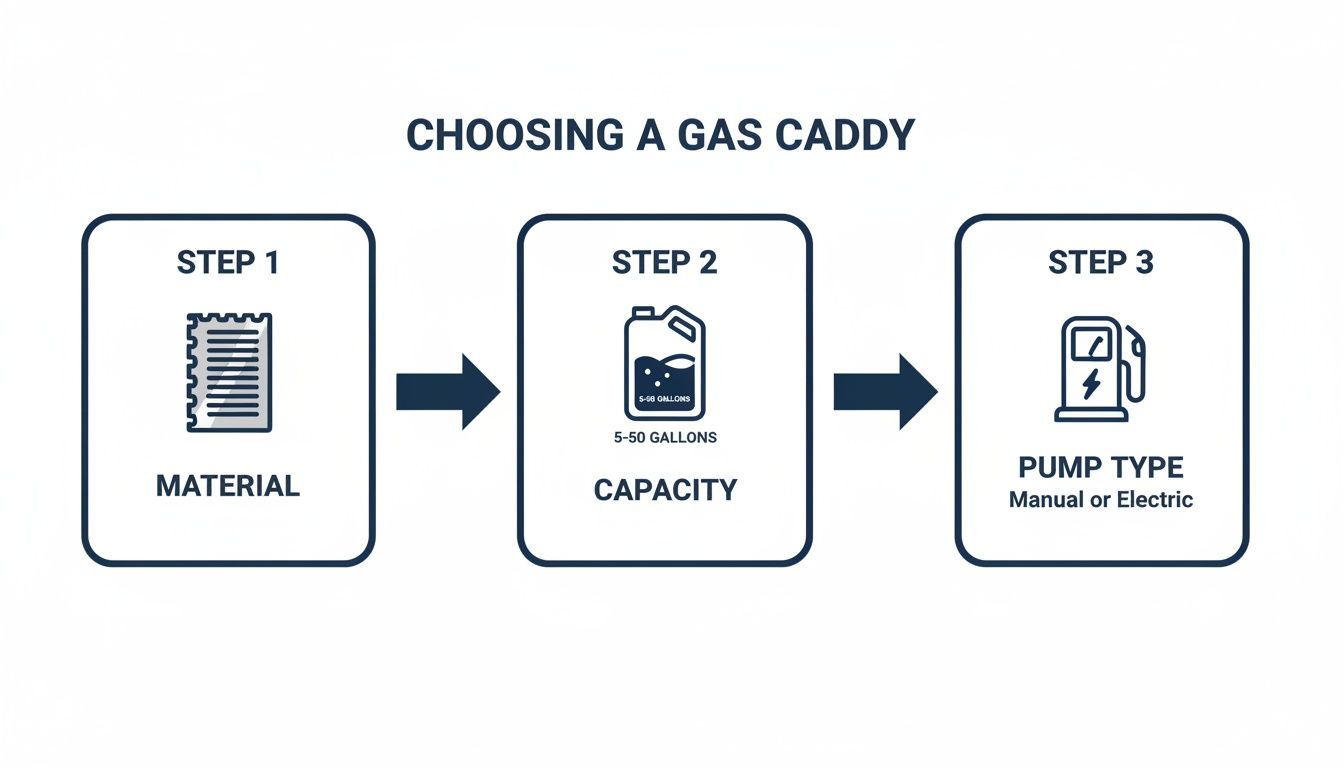
Think of it as a quick reference to match the right features to your specific needs, ensuring you get a caddy that's both safe and convenient.
Storing Your Caddy For The Off-Season
When it's time to put your caddy away for a few months, you have two good options. You can either drain it completely or fill it about 95% full and add a good fuel stabilizer. A nearly full tank has less air inside, which means less moisture buildup and less chance for the fuel to go bad.
Stick to these practices, and your portable gas caddy will be a reliable and safe tool for many seasons to come.
Navigating Fuel Transport Rules and Regulations
Transporting fuel isn't as simple as just filling up and driving off. It’s an activity governed by important rules designed to keep everyone safe, and using a portable gas caddy means you need to be in the know.
Thankfully, the regulations are pretty straightforward once you understand the basics. They exist for a very good reason: to prevent dangerous spills and fires on our roads and in our waters.
Federal and State Compliance
At the federal level, two main agencies set the standards for fuel transport. The Department of Transportation (DOT) is focused on the safe movement of hazardous materials—including gasoline—on highways. For any gas caddy to be legal for road use, it has to meet specific DOT construction and testing standards, proving it can handle the bumps and vibrations of travel without leaking.
The Environmental Protection Agency (EPA) also has a major say, but its focus is on preventing environmental damage. EPA rules often require features that control gas vapor emissions and stop spills before they happen. These regulations have had a huge impact on the design of the fuel cans and caddies we use today.
For example, the industry changed significantly after the 2009 EPA spill-proof mandate, which cut down on leaks by an estimated 80%. Now, portable solutions like gas caddies handle 15-20% of all non-stationary fuel used globally. Modern safety designs prevent over 90% of potential vapor ignitions, a huge leap forward. You can see how these standards have shaped the market by taking a closer look at the portable fuel market on Precedence Research.
On top of the federal rules, some states have their own, often stricter, requirements. The most well-known is the California Air Resources Board (CARB), which has tough standards for evaporative emissions. If you live in or travel through a state that follows CARB rules, you’ll need a caddy that meets those higher standards to stay on the right side of the law.
Special Rules for Marinas and Docks
Marinas are unique environments with their own set of rules, and for good reason. A fuel spill in the water is a serious environmental hazard that’s tough to clean up. When you bring a portable gas caddy to the dock, expect to run into some specific policies.
- Designated Fueling Areas: Many marinas will only allow you to refuel in specific zones that are equipped with spill containment kits to handle any accidents.
- Container Approval: The dockmaster may prohibit certain types of containers, often requiring models with specific safety certifications like UL or DOT approval.
- Spill Prevention Policies: It’s common practice to require the use of absorbent pads under your nozzle and hose connections to catch any drips.
Always check with the marina office before you roll your gas caddy down the dock. A quick question can save you from a hefty fine and help protect the very waters you love to be on.
Getting familiar with these rules ensures you can use your portable gas caddy safely and responsibly, no matter where your boat takes you.
Got Questions About Portable Gas Caddies? We've Got Answers.
Even after you've got the basics down, you're bound to have a few specific questions about using a portable gas caddy. We get it. Handling fuel can feel tricky, so let's clear up some of the most common things people ask.
Can I Actually Drive With a Full Gas Caddy in My Truck?
Yep, you absolutely can, but you have to do it the right way. The caddy needs to be a model approved by the Department of Transportation (DOT) and secured so it can't tip over or slide around.
Most importantly, keep it in an open, ventilated area like the bed of your truck. Never, ever put it inside an enclosed space like a car trunk or SUV cabin where fumes could build up to dangerous levels. It's also a good idea to double-check your state's laws—some have limits on how many gallons you can haul at once.
How Do I Ground a Plastic Gas Caddy?
This is a big one for safety, and thankfully, it's simple. The best way to prevent a static spark is to place the caddy directly on the ground before you start pumping gas into it.
The concrete at the gas station is a perfect conductor, allowing any static electricity to safely discharge. As an extra precaution, keeping the metal fuel nozzle in constant contact with the caddy’s fill neck also helps prevent any static buildup.
One common mistake is filling a caddy while it's sitting on a plastic truck bed liner. This can insulate it, allowing static electricity to build up and potentially create a spark—a recipe for disaster around gas fumes.
When Is It Time to Replace the Hose?
Give that hose a quick once-over for cracks, brittleness, or leaks before every single use. It only takes a second.
As a general rule, you should plan on replacing the entire hose every 3 to 5 years, even if it looks okay. The materials break down over time from exposure to fuel and the sun, and it's just not worth the risk.
Is It Okay to Store Fuel in the Caddy for a Long Time?
Not really. Gasoline starts to go bad after a few months. If you know you'll be storing fuel for more than 30 days, you absolutely need to add a good fuel stabilizer to the tank.
This will keep the gas fresh and prevent it from turning into a gummy mess that can clog up and ruin your boat's engine. And of course, always store the caddy somewhere cool and well-ventilated, far away from sparks or flames.
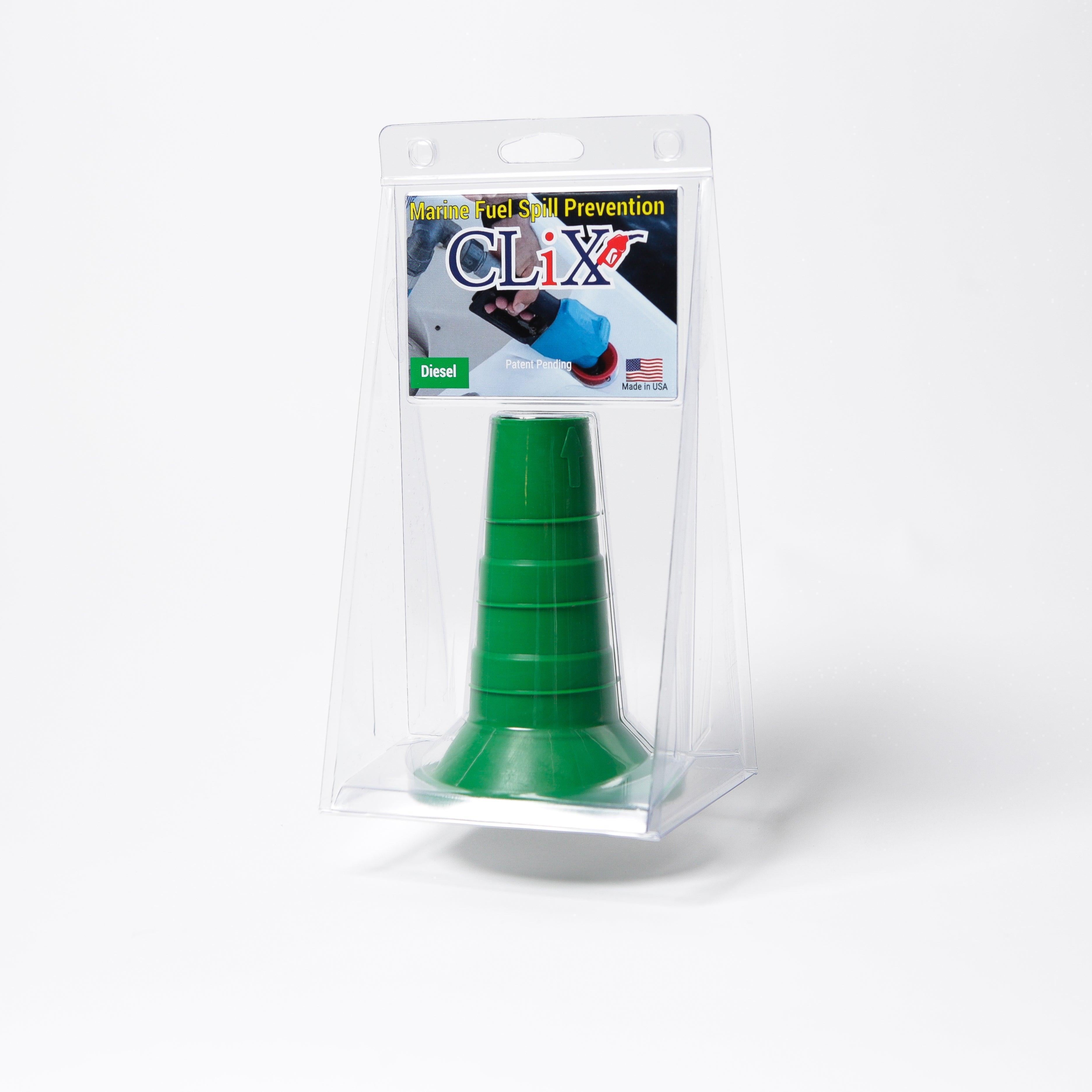
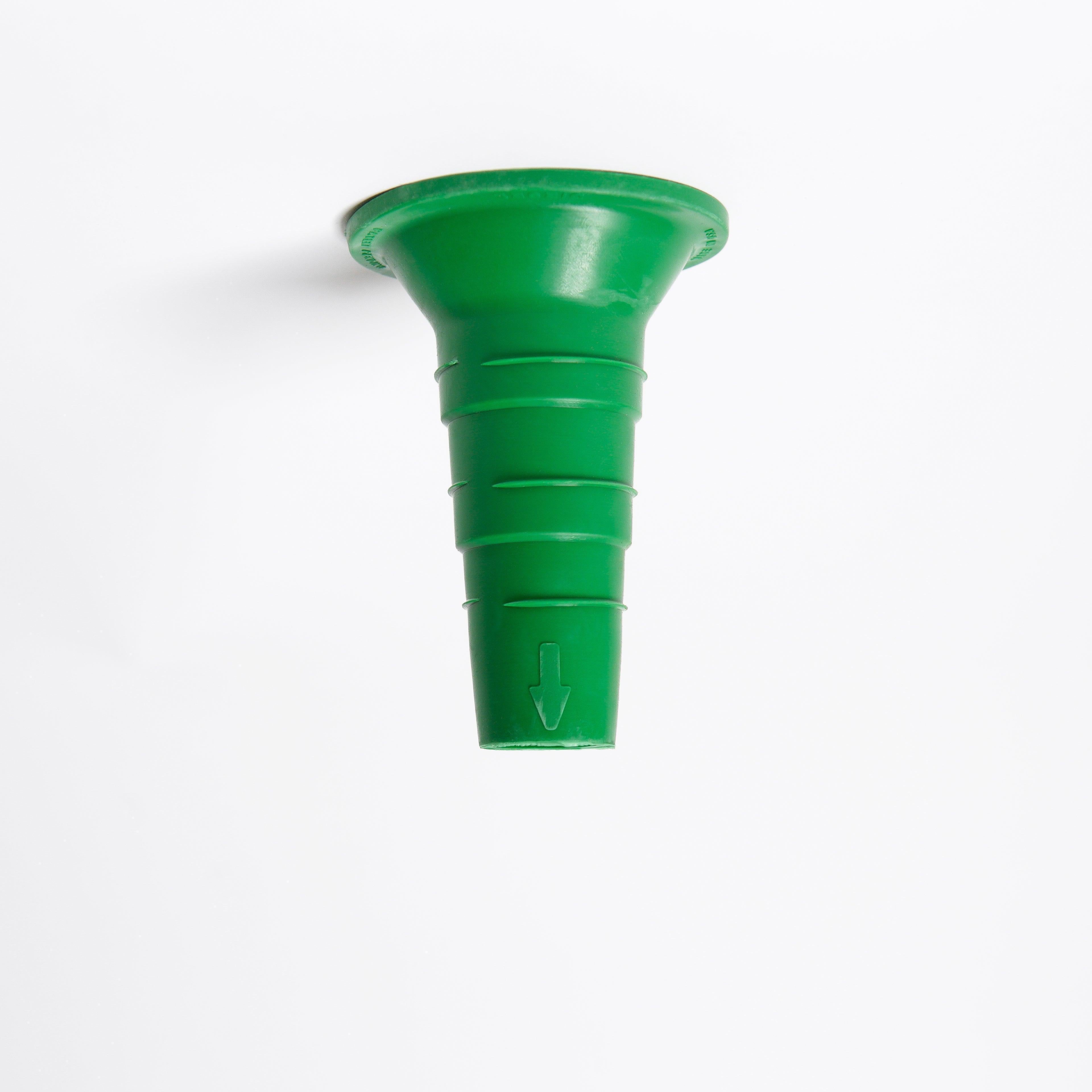
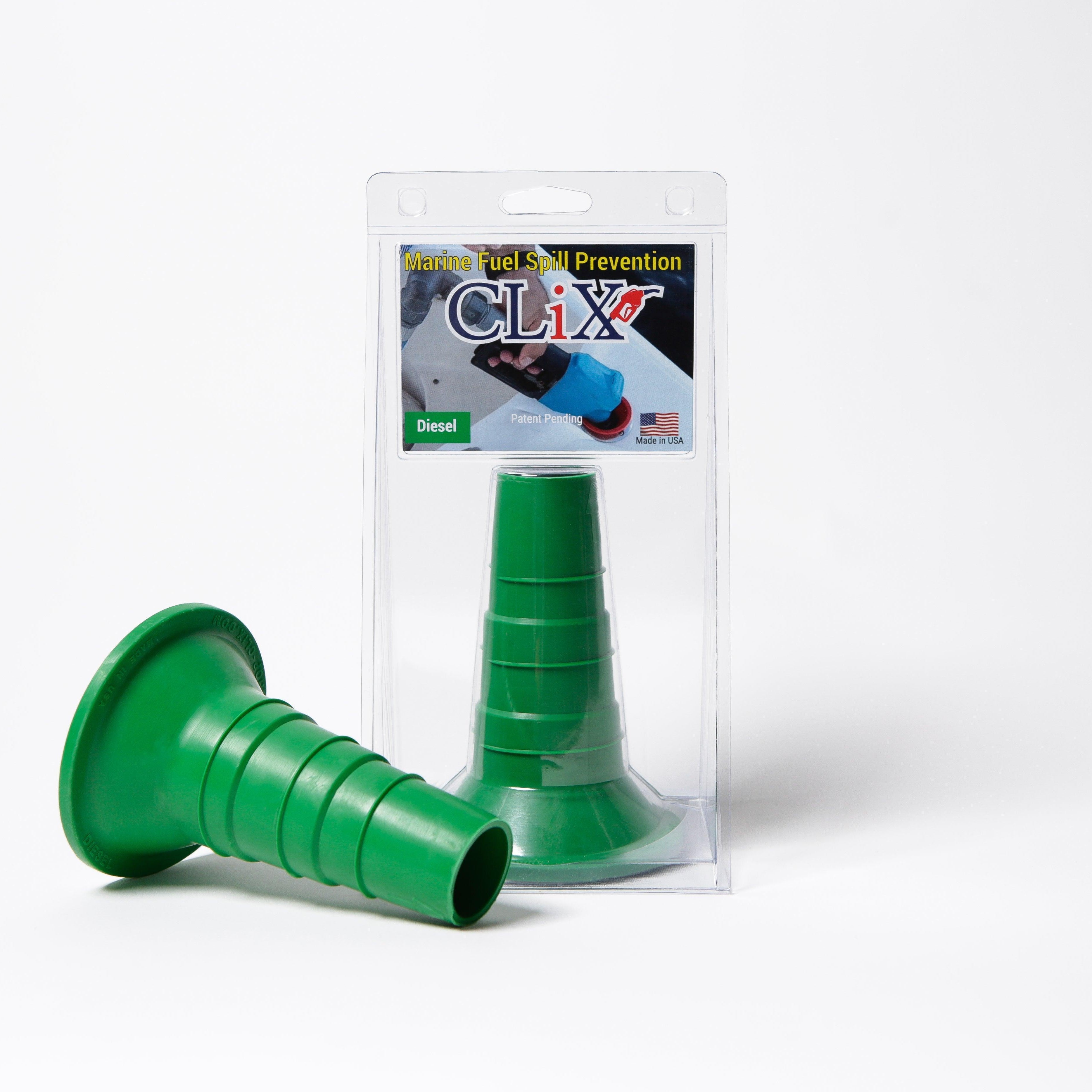
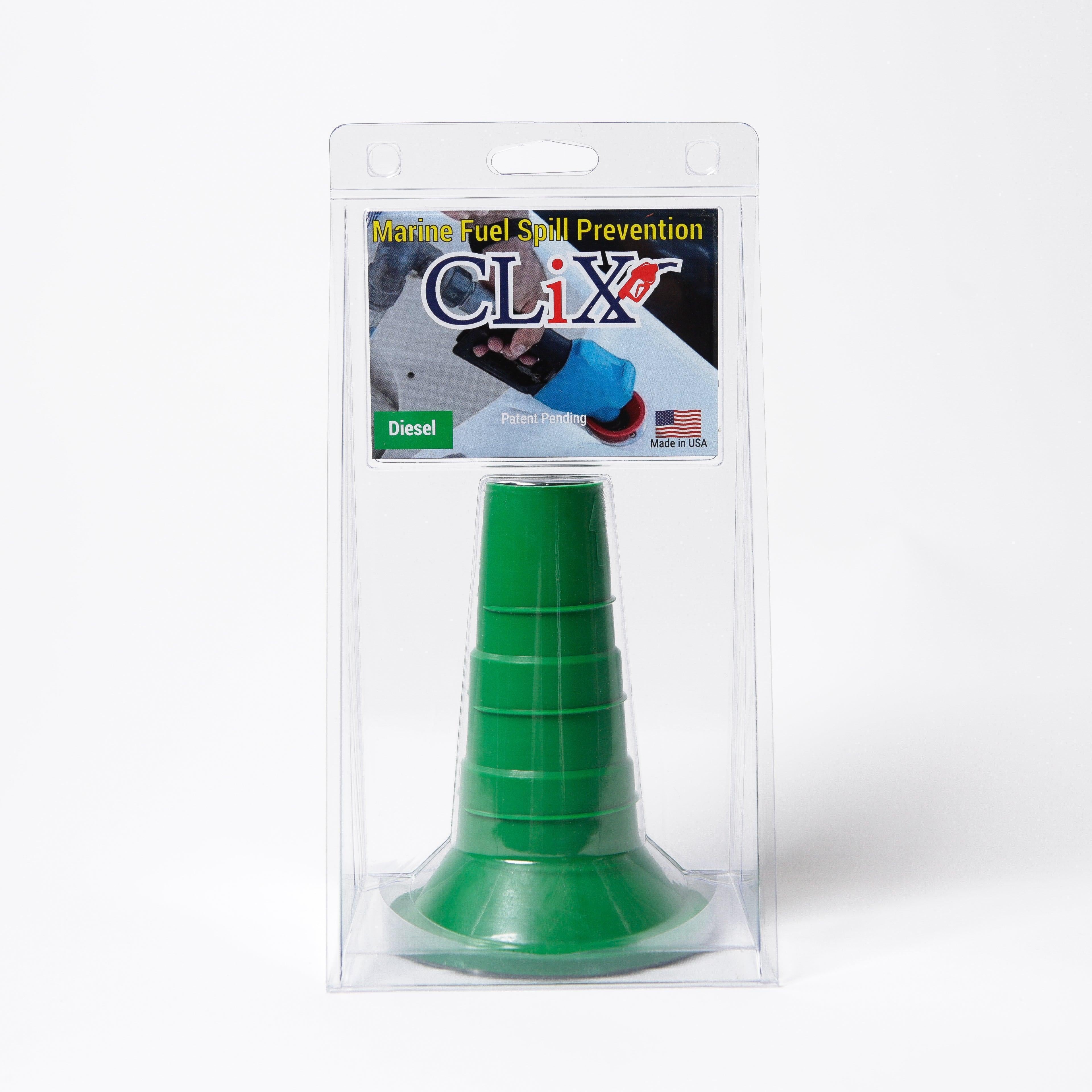
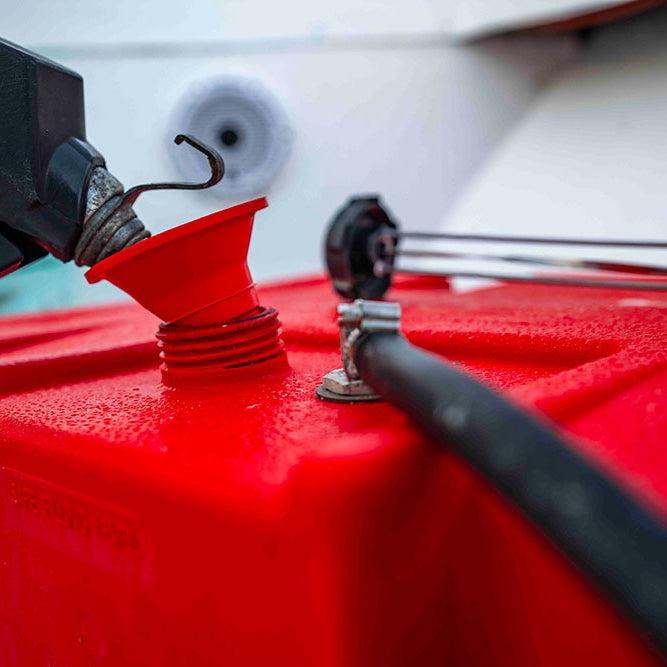
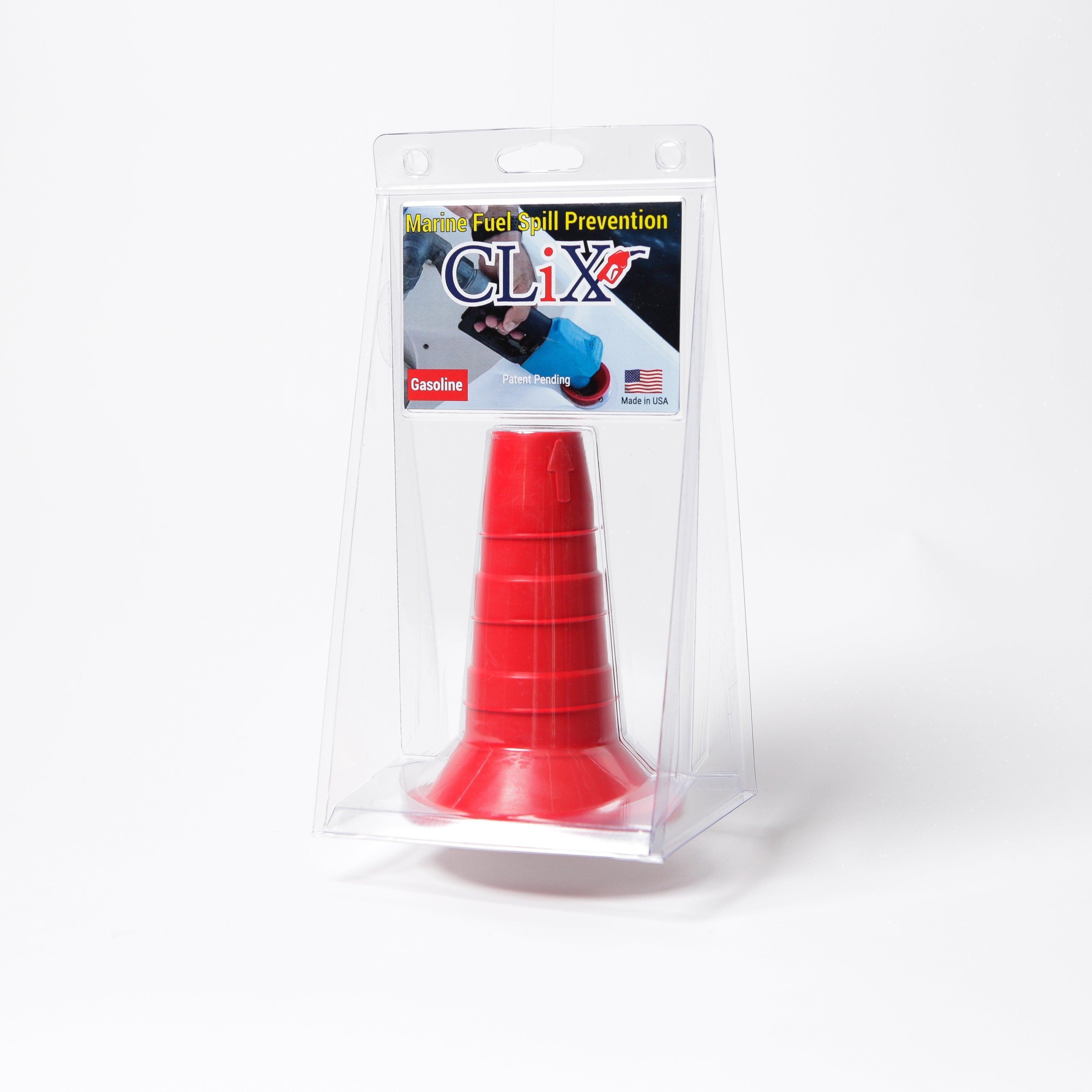
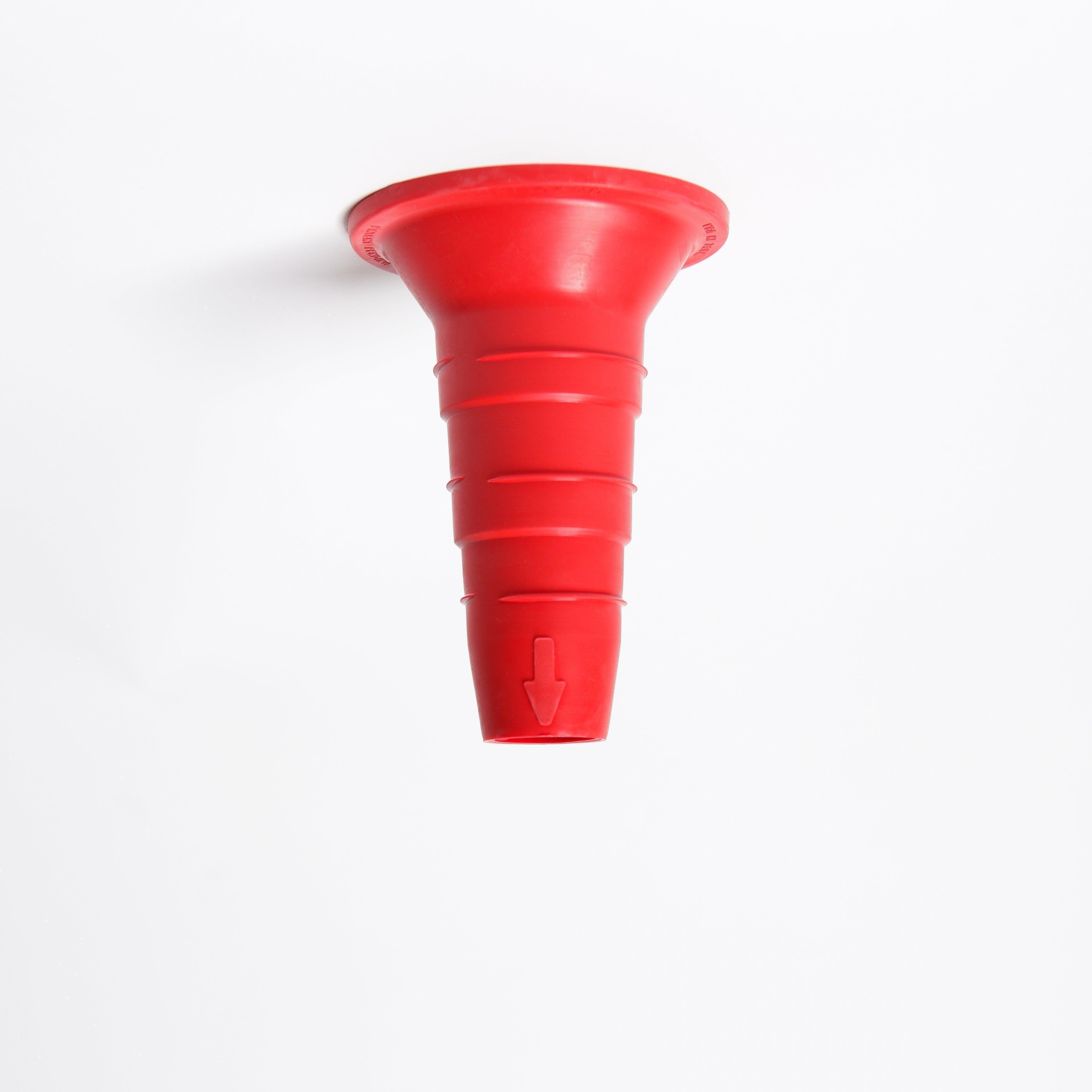
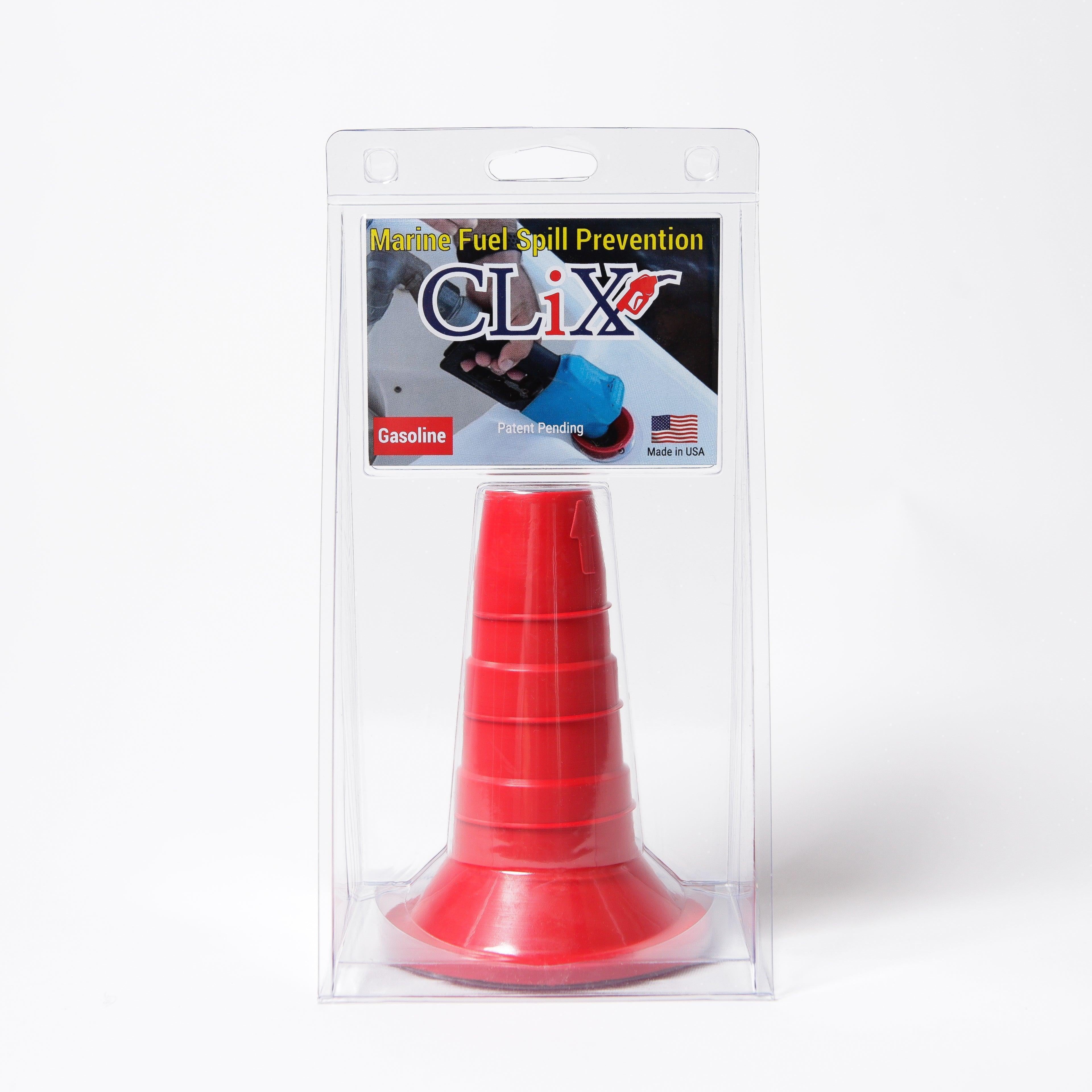
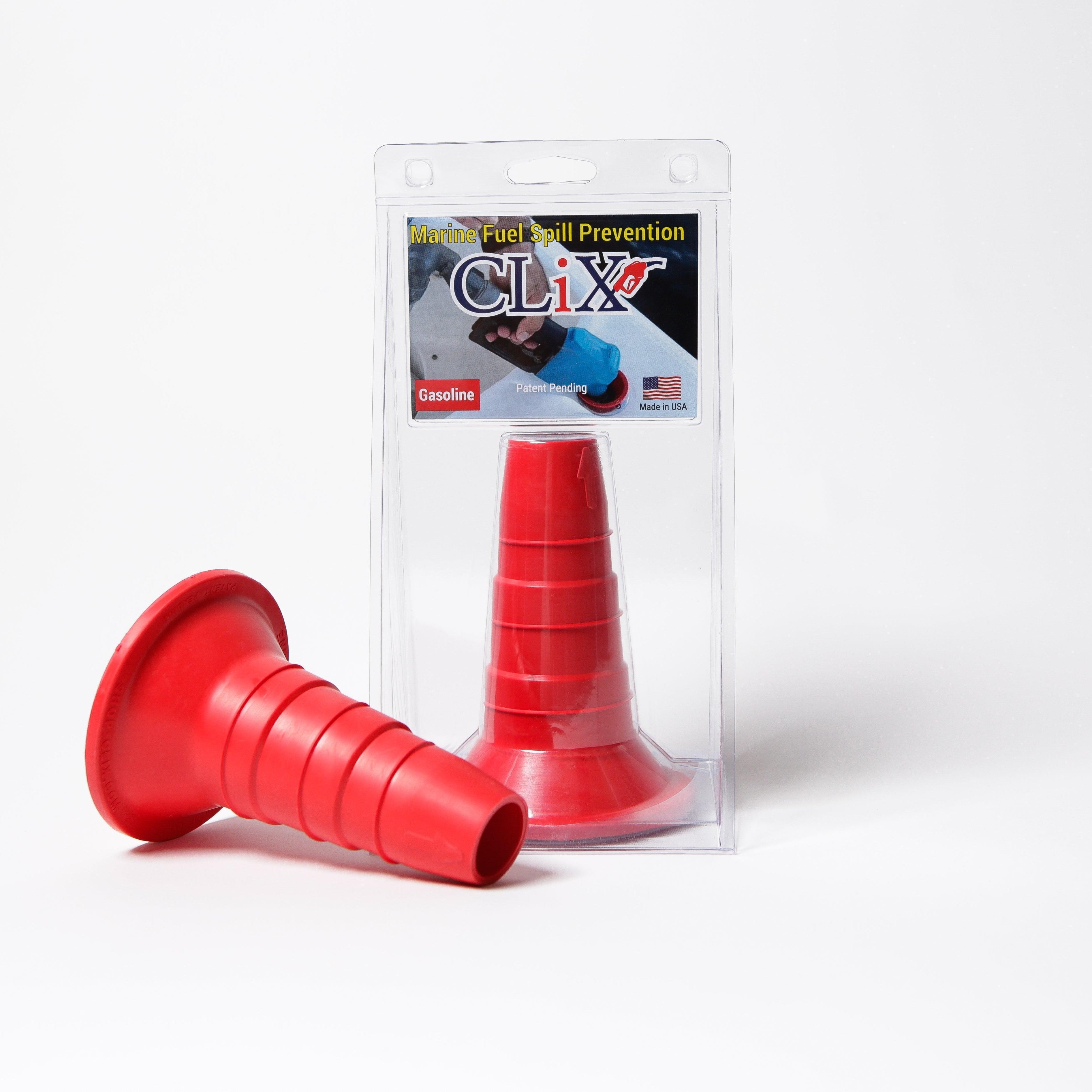
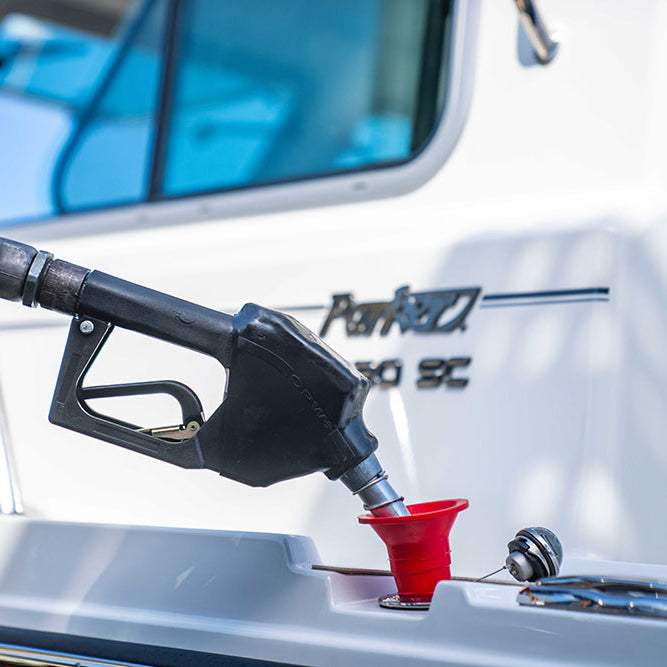
Want to take the guesswork and mess out of fueling your boat? The CLiX Fueling Solutions system gives you a perfect, spill-free fill-up every time by automatically shutting off the nozzle when your tank is full. It’s the simplest way to protect your boat, your wallet, and the water.
Learn more about our innovative fueling system at clixfueling.com.