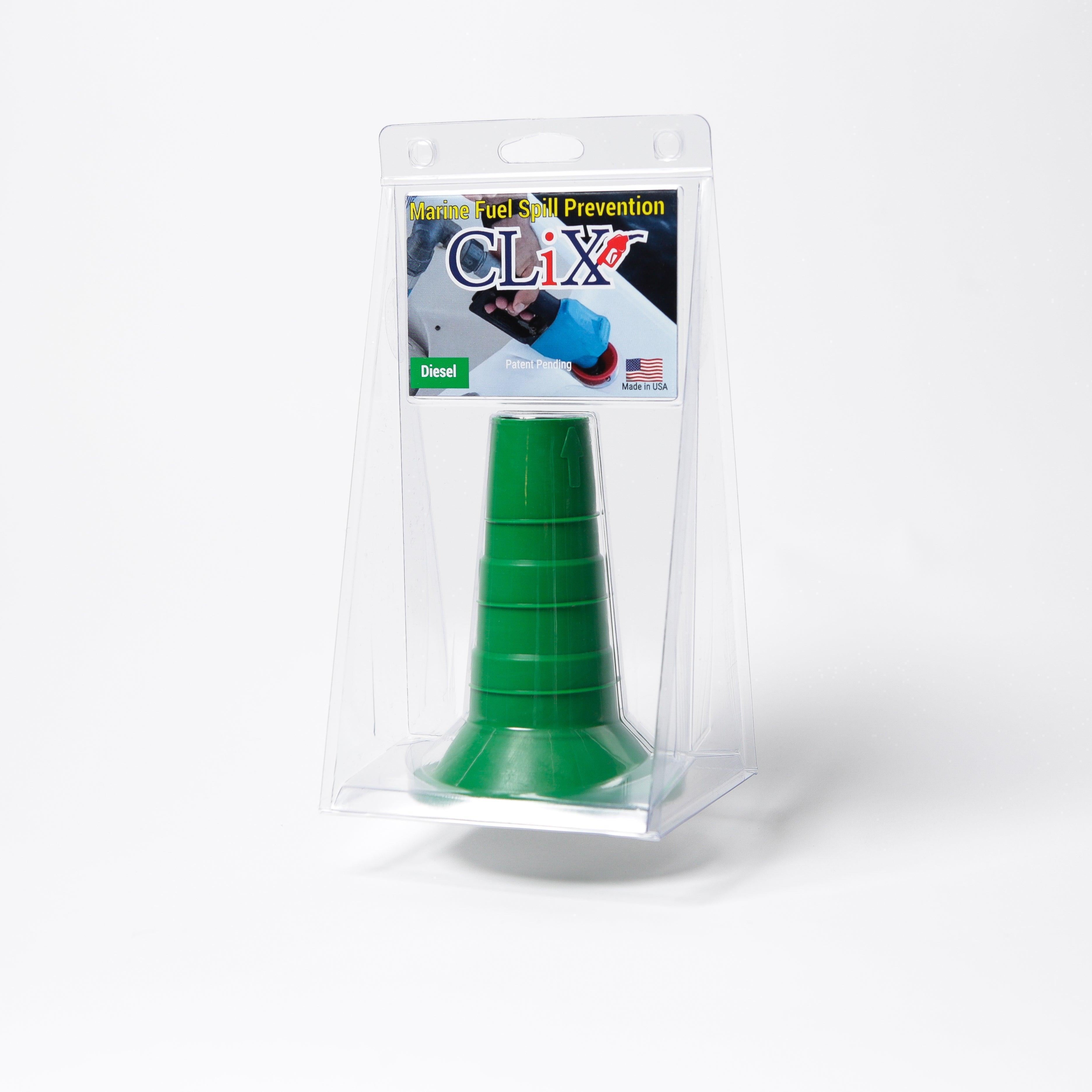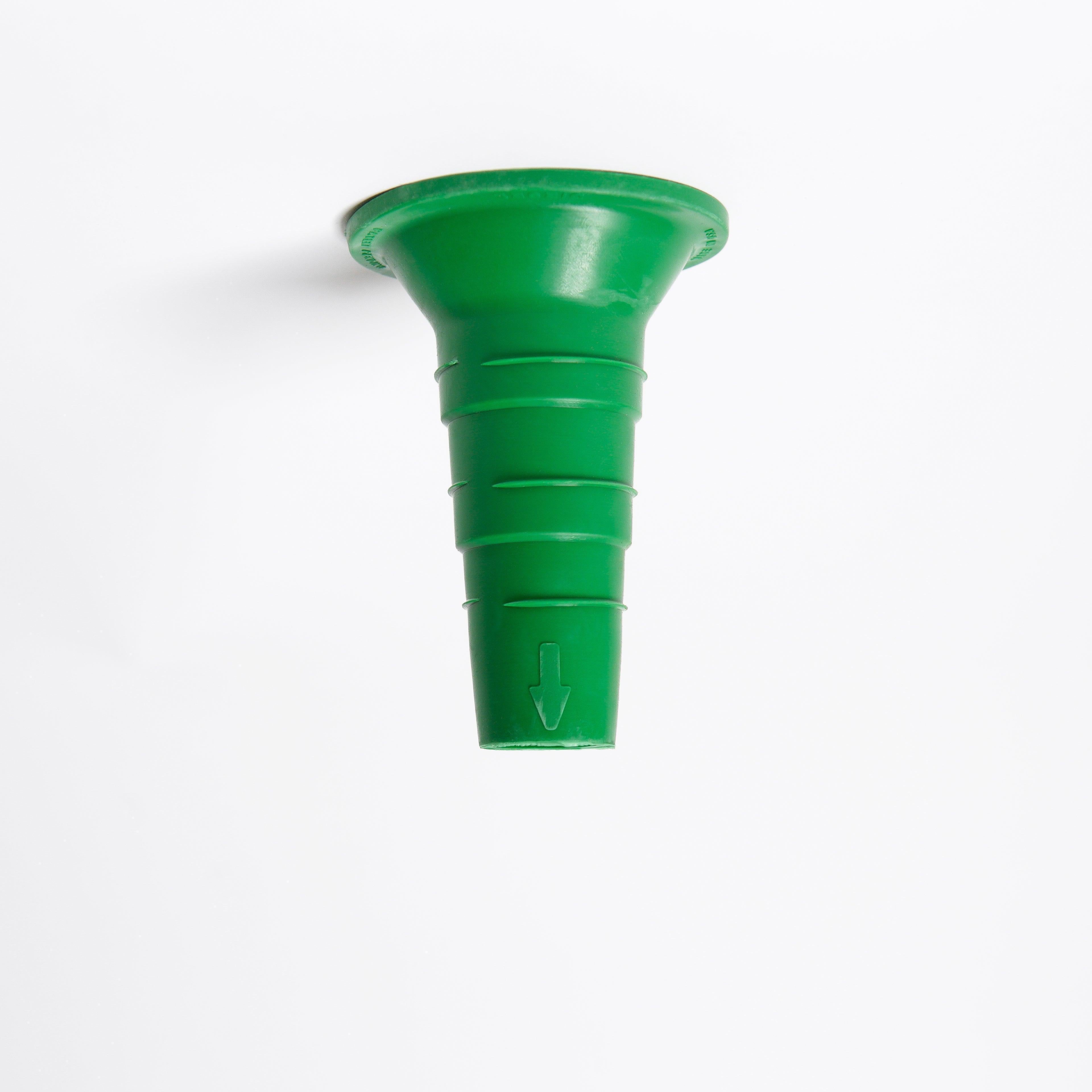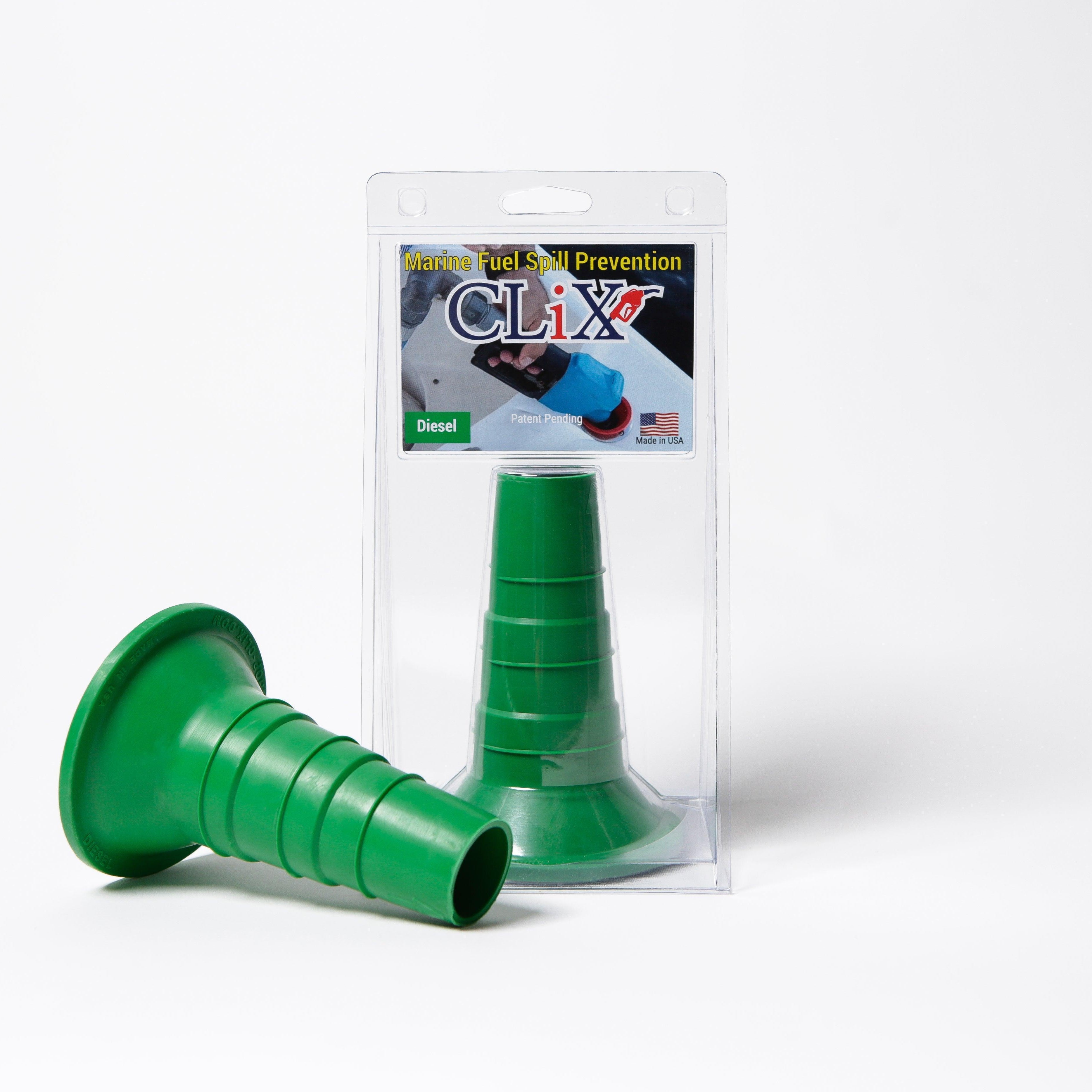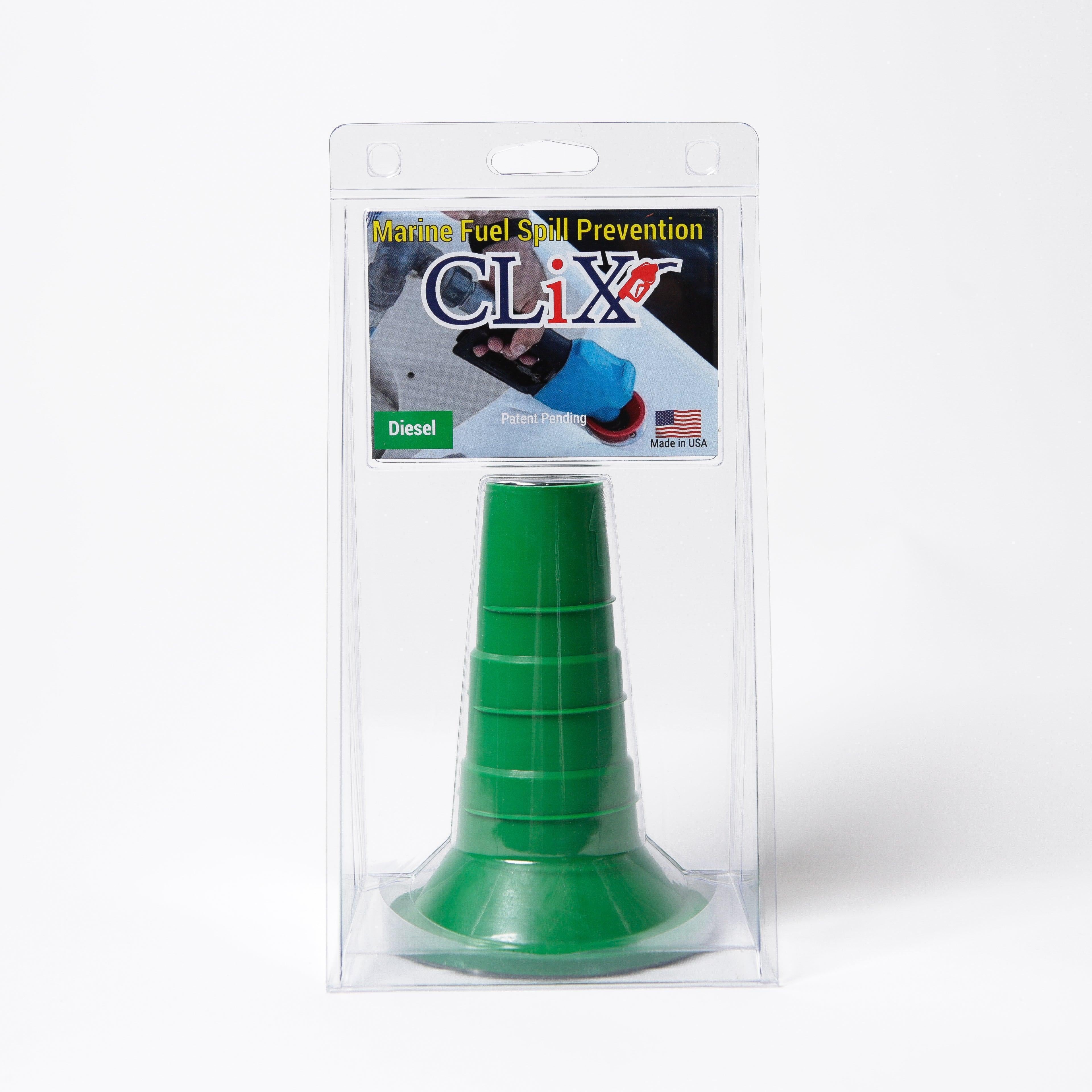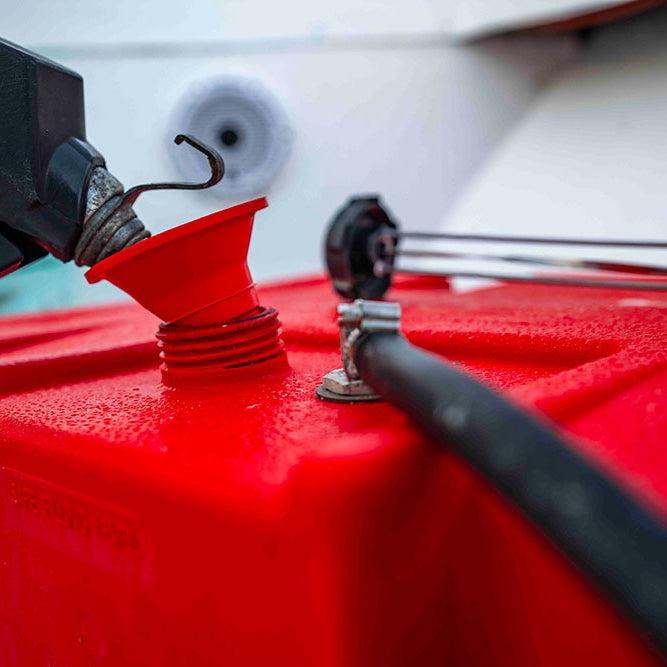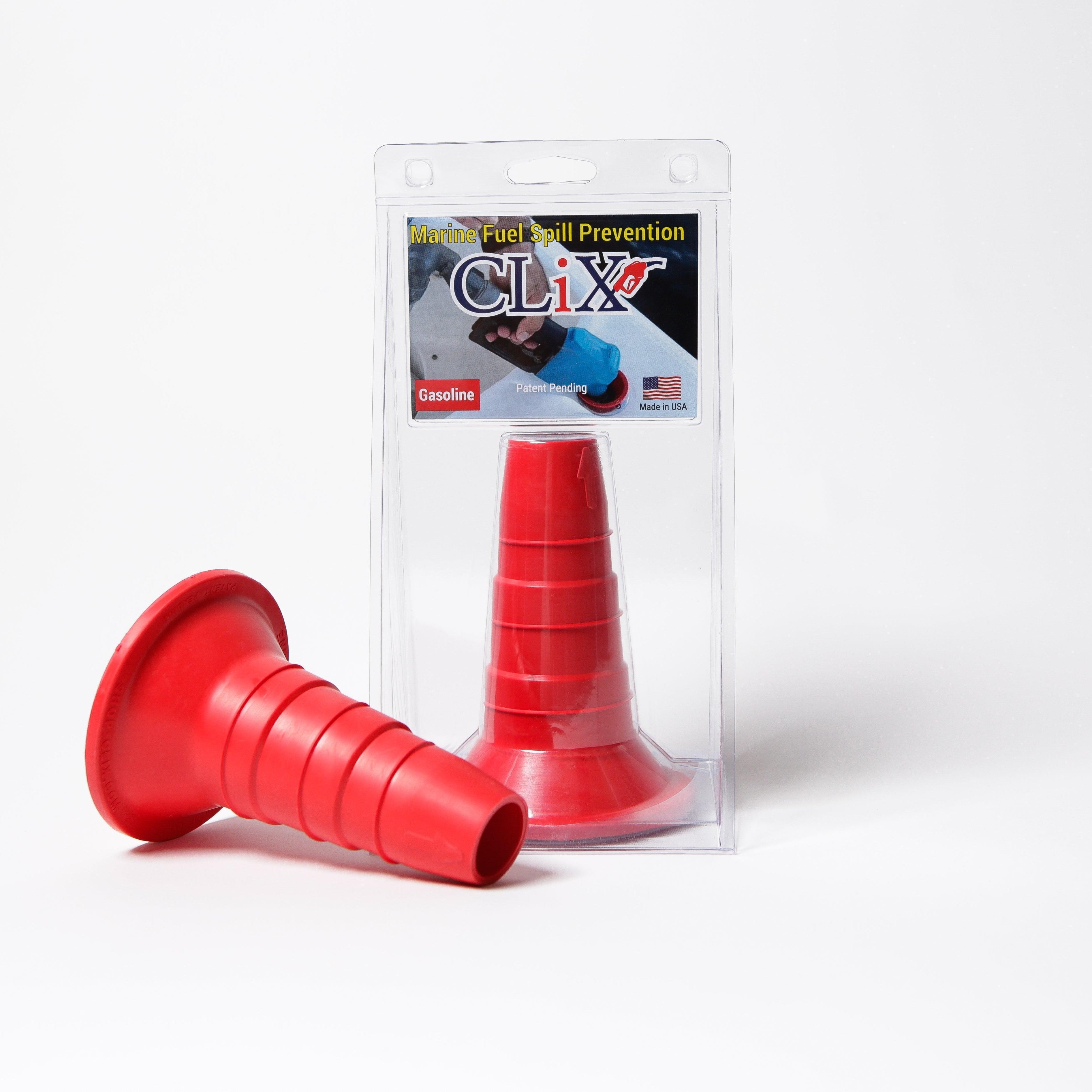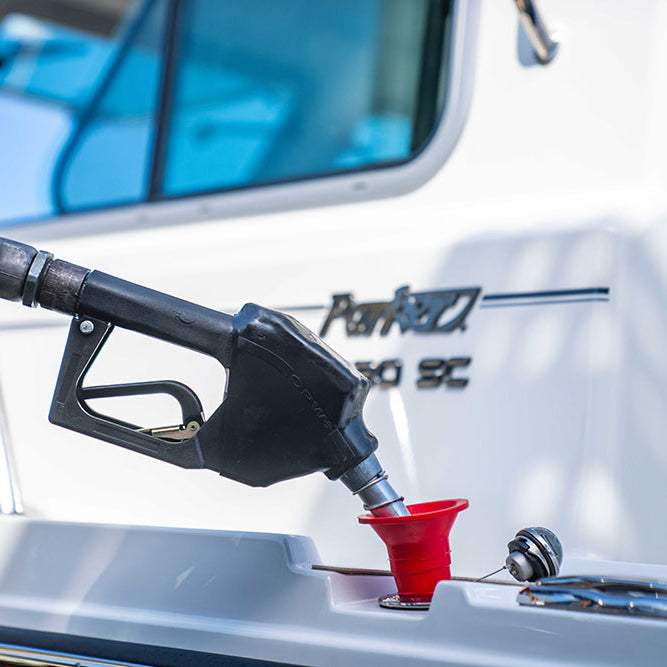
When you're fueling up your boat, the last thing you want to pour into your tank is contaminated fuel. A fuel funnel filter is a smart little tool that solves this problem right at the source. It’s a special funnel designed to catch things like dirt, rust, and water before they ever have a chance to get into your engine. Think of it as the first line of defense for your entire fuel system, especially when you're using fuel from marina pumps or portable cans that might not be perfectly clean.
Your Engine's First Line of Defense at the Pump
Imagine a security guard posted at the entrance to your boat's fuel tank. That's essentially what a fuel funnel filter does. Its job is straightforward but incredibly important: stop any gunk from getting in and causing headaches down the line. It's a simple concept, just like a coffee filter keeping grounds out of your cup, but it prevents expensive and potentially catastrophic engine damage.
Every time you refuel, you're rolling the dice. The fuel might look clean, but it could be hiding condensation from the marina's storage tank, tiny rust flakes from an old gas can, or sediment that got kicked up from the bottom. A good fuel funnel filter is engineered to catch all these troublemakers, giving you some much-needed peace of mind out on the water.
The Importance of Proactive Filtration
Protecting your engine starts way before you ever turn the key. Filtering fuel as it goes into the tank is your best shot at preventing some of the most common fuel system problems. Skipping this step can set off a chain reaction of issues that are much harder, and more expensive, to fix later.
A fuel funnel filter isn't just a handy accessory; it's a smart investment in your engine's health and reliability. By catching contaminants at the source, you stop them from ever reaching sensitive parts like fuel injectors and pumps.
The boating community is catching on. The global market for marine fuel filters was valued at USD 2.5 billion and is expected to keep growing. This isn't just a random statistic; it shows that more and more boat owners understand how critical good filtration is for keeping their engines running smoothly. If you're curious about the numbers, you can explore the full industry report on MordorIntelligence.com.
Taking this one simple step can dramatically cut your risk of engine failure. While the funnel is your first defense, it's just one piece of the puzzle. To learn about the next stage of protection, check out our guide on the role of a fuel water separator filter. And for keeping the entire system in top shape, it's always a good idea to consider professional comprehensive fuel system services.
How a Fuel Funnel Filter Actually Works
So, how does this simple-looking tool pull off such an important job? It's a smart mix of basic physics and some pretty cool material science, all working together to protect your engine. The process begins with the funnel's shape itself, which is built to guide fuel smoothly into your tank and cut down on the messy, dangerous splashes and spills we all hate.
But the real work happens inside, at the filter. Think of it as a bouncer at the door of your fuel tank, with a strict two-part mission: stop water and catch dirt. This isn't just a basic mesh; it's a purpose-built system designed to stop your engine’s worst enemies before they even get in.
This diagram breaks down the simple but powerful process of turning dirty fuel into the clean stuff your engine needs to run well.
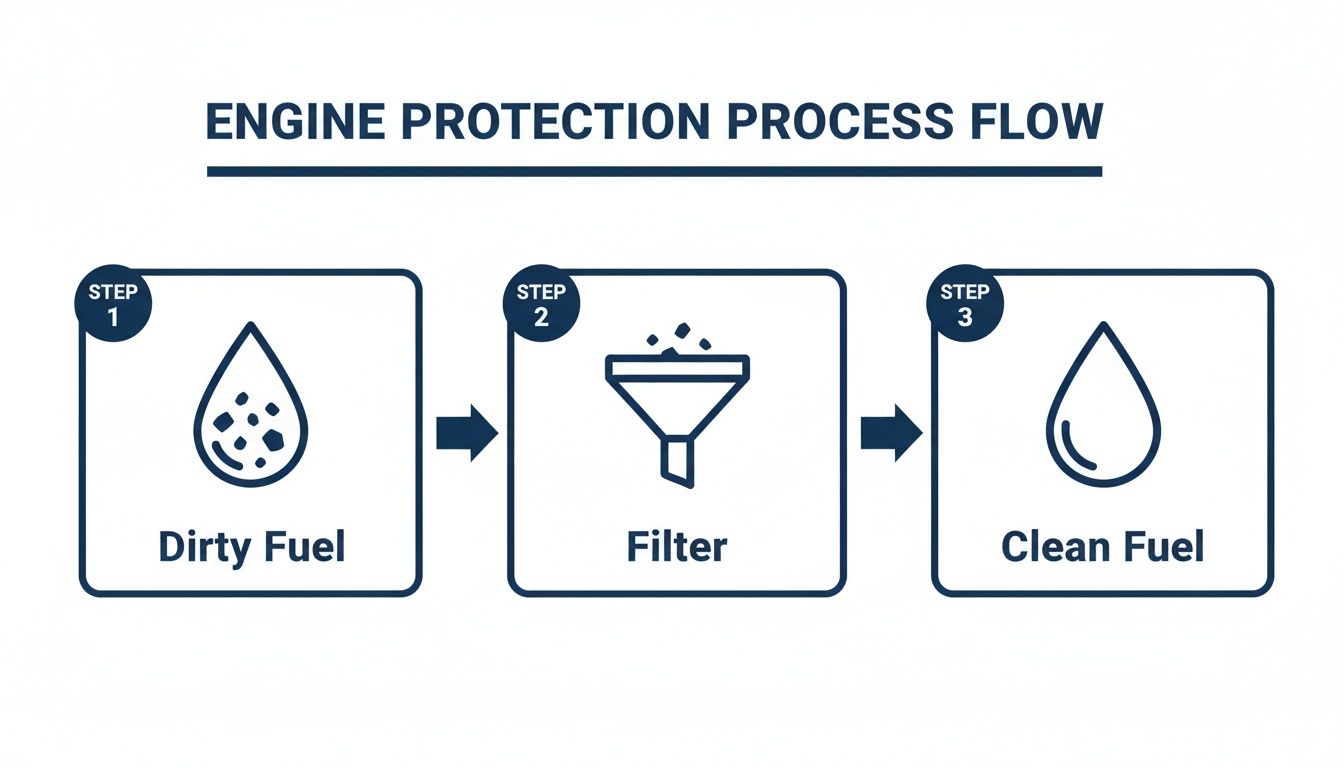
As you can see, the fuel funnel filter is that critical step in the middle, making sure only pure fuel gets to your engine's delicate parts.
The Two-Stage Filtration Process
The first line of defense is usually a hydrophobic coating on the filter material. Picture it like a high-quality rain jacket for the filter. It literally pushes water molecules away, making them bead up and separate from the fuel. Since fuel is lighter than water, the gas or diesel flows right through the filter, while the heavier water gets trapped and funneled into a collection sump at the bottom.
At the very same time, the second stage is kicking in. The filter itself is a super-fine mesh screen, with openings measured in microns. This screen is the physical wall that stops tiny bits of rust, sand, and other gunk in their tracks.
By tackling water separation and particle filtering in one smooth motion, the fuel funnel filter gives you complete protection. It neutralizes both liquid and solid threats before they ever have a chance to get into your fuel system.
This double-duty approach is exactly what makes a quality fuel funnel filter so valuable. It’s not just solving one problem; it's a whole defense system in one tool.
Understanding Micron Ratings
How well that physical screen works comes down to its micron rating. A micron is incredibly small—one-millionth of a meter—and the rating tells you the smallest particle size the filter is designed to catch.
- Higher Micron Rating (e.g., 100 microns): A filter with this rating will stop bigger stuff like sand and visible rust flakes, but it might let finer silt slip by.
- Lower Micron Rating (e.g., 50 microns): This offers much finer filtration, catching the tiny sediment that can easily clog modern, sensitive fuel injectors.
Picking the right micron rating really depends on how sensitive your engine is and how clean your fuel source usually is. Just remember, a lower number means better protection against smaller junk.
If you want to get into the nitty-gritty of how different screens work, you can learn more about a funnel with a filter screen and its uses. Once you get how this two-stage process works, it's easy to see how a humble funnel keeps your fuel clean from the pump all the way to your engine, giving you one less thing to worry about on the water.
The Real-World Benefits for Every Boater
Forget the technical jargon for a second. Let's talk about what using a fuel funnel filter actually does for you, the boater. This isn't just about theory; it's about real, tangible advantages that protect your boat, save you cash, and make your time on the water a whole lot smoother.
Think of it as a small, easy change to your fueling routine that pays you back in a big way—every single time you head out.
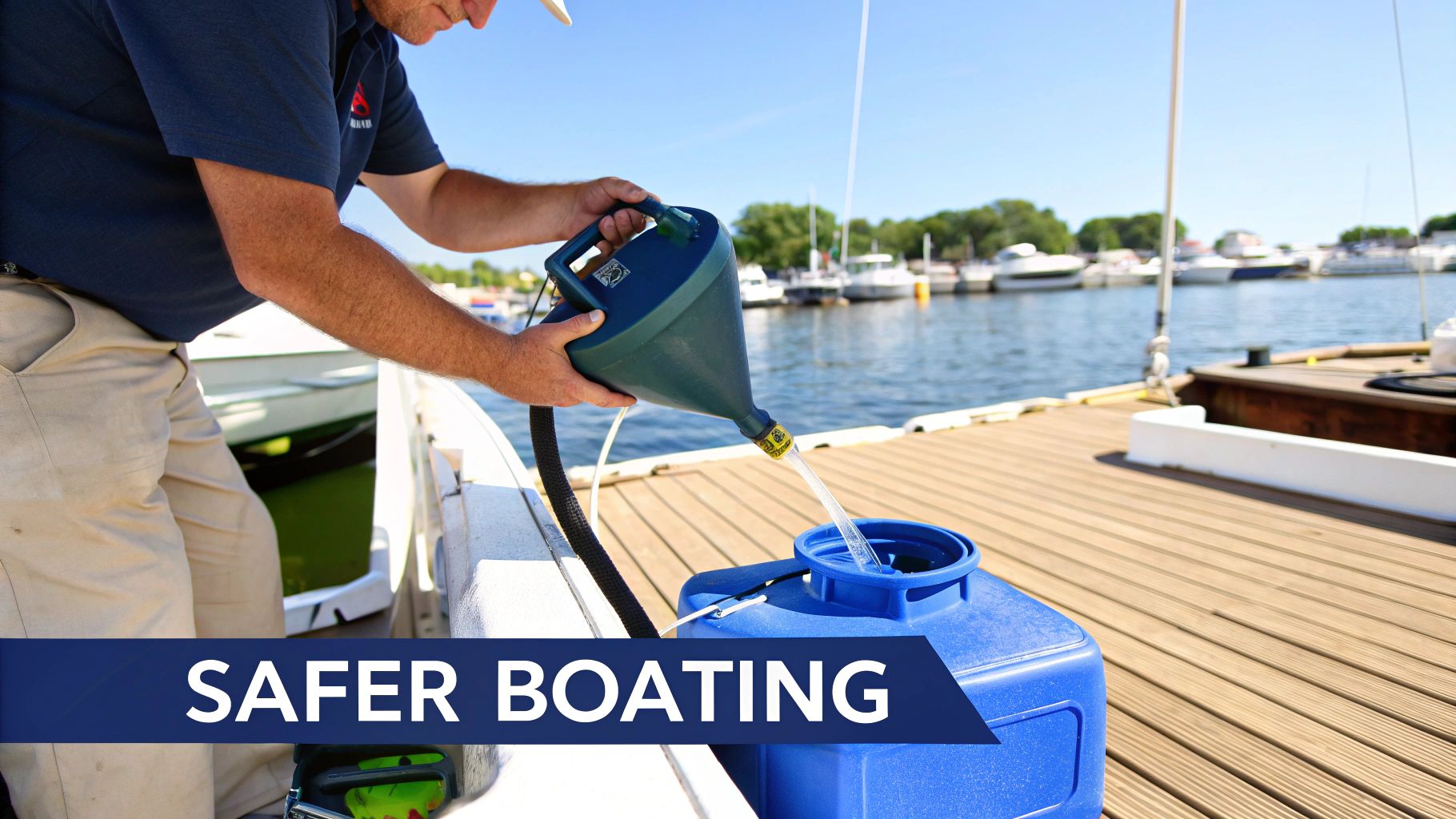
These benefits aren't abstract concepts. They solve the exact problems that give boat owners headaches, from sudden engine trouble to messy, costly spills at the dock.
Superior Engine Protection and Longevity
The single biggest payoff is protecting your engine. Dirty fuel is the number one enemy of a happy marine engine, leading to clogged injectors, busted fuel pumps, and even scored cylinder walls.
These aren't little annoyances. They're the kind of problems that can cause total engine failure, leaving you stranded and staring down a repair bill that easily runs into the thousands.
A fuel funnel filter is basically a bodyguard for your engine. By catching water, dirt, and other gunk before it ever gets into your tank, it prevents that slow, silent damage that destroys engines from the inside out. Cleaner fuel means less wear on crucial parts, which adds years to your engine's life and helps maintain its value.
This table breaks down exactly what you're up against and how a simple funnel filter stands in the way.
Fuel Contaminant Risks and Funnel Filter Solutions
| Contaminant | Risk to Engine | How a Fuel Funnel Filter Helps |
|---|---|---|
| Water | Causes corrosion, poor combustion, and phase separation in ethanol-blended fuels. | A hydrophobic screen separates and traps water, allowing only fuel to pass through. |
| Dirt & Sand | Clogs fuel injectors and filters, scores cylinder walls, and wears down fuel pumps. | The fine mesh screen acts as a physical barrier, catching particles before they enter the tank. |
| Rust & Debris | Originating from old fuel cans or marina tanks, this can quickly block the entire fuel system. | It filters out larger debris, ensuring only clean fuel makes it to your engine. |
| Organic Sludge | Algae and bacteria can grow in diesel, clogging filters and starving the engine of fuel. | It traps existing sludge from contaminated sources, preventing it from starting a colony in your tank. |
As you can see, the filter provides a crucial first line of defense against the most common threats to your engine's health.
Enhanced Performance and Fuel Efficiency
An engine that gets clean fuel just runs better. It’s that simple. When your fuel injectors are clear of tiny particles, they can spray a perfect, atomized mist into the combustion chamber. This optimization makes your engine feel more powerful and responsive the moment you hit the throttle.
Cleaner fuel combustion isn't just about a better feel; it directly improves your fuel efficiency. Your engine wrings every bit of power from each drop, meaning you get more knots per gallon and spend less of your day—and your money—at the fuel dock.
This boost in efficiency is a game-changer, whether you're cruising long distances or just pulling a wakeboarder. Your fuel budget stretches further, which means more time enjoying the water.
Environmental Responsibility and Spill Prevention
Using a fuel funnel filter is also a sign of a smart, responsible boater. A well-designed funnel helps guide the fuel flow directly into your tank, drastically cutting down on the splashes and overflows that happen all too easily.
Preventing even a small spill has a huge ripple effect:
- It Protects Marine Life: Fuel is highly toxic to fish and aquatic plants. Keeping it out of the water helps preserve the very environment we love to be in.
- It Helps You Avoid Costly Fines: Environmental laws are no joke. Boaters can face steep fines for fuel spills, even accidental ones.
- It Maintains Your Boat's Finish: Spilled fuel can eat away at your boat's gelcoat and ruin decals, forcing you into expensive cosmetic repairs.
Making a fuel funnel filter part of your standard gear is a simple, proactive way to protect the environment and sidestep unnecessary expenses. If you're ready to find the right one for your boat, our guide on the top fuel funnels with filters is a fantastic place to start. It's a small tool that delivers a true triple win for every boater.
How to Choose the Right Fuel Funnel Filter
Picking the right fuel funnel filter isn't as simple as grabbing the first one you see off the shelf. Let's be honest, they aren't all created equal, and the best one for your boat really comes down to your specific needs. If you make a smart choice now, you’ll get a tool that actually protects your engine, works with your refueling routine, and just makes life easier at the dock.
Think of it like choosing any other critical piece of gear for your boat. You have to match the tool to the job. That means looking past the price tag and digging into the features that will make a real difference for you.
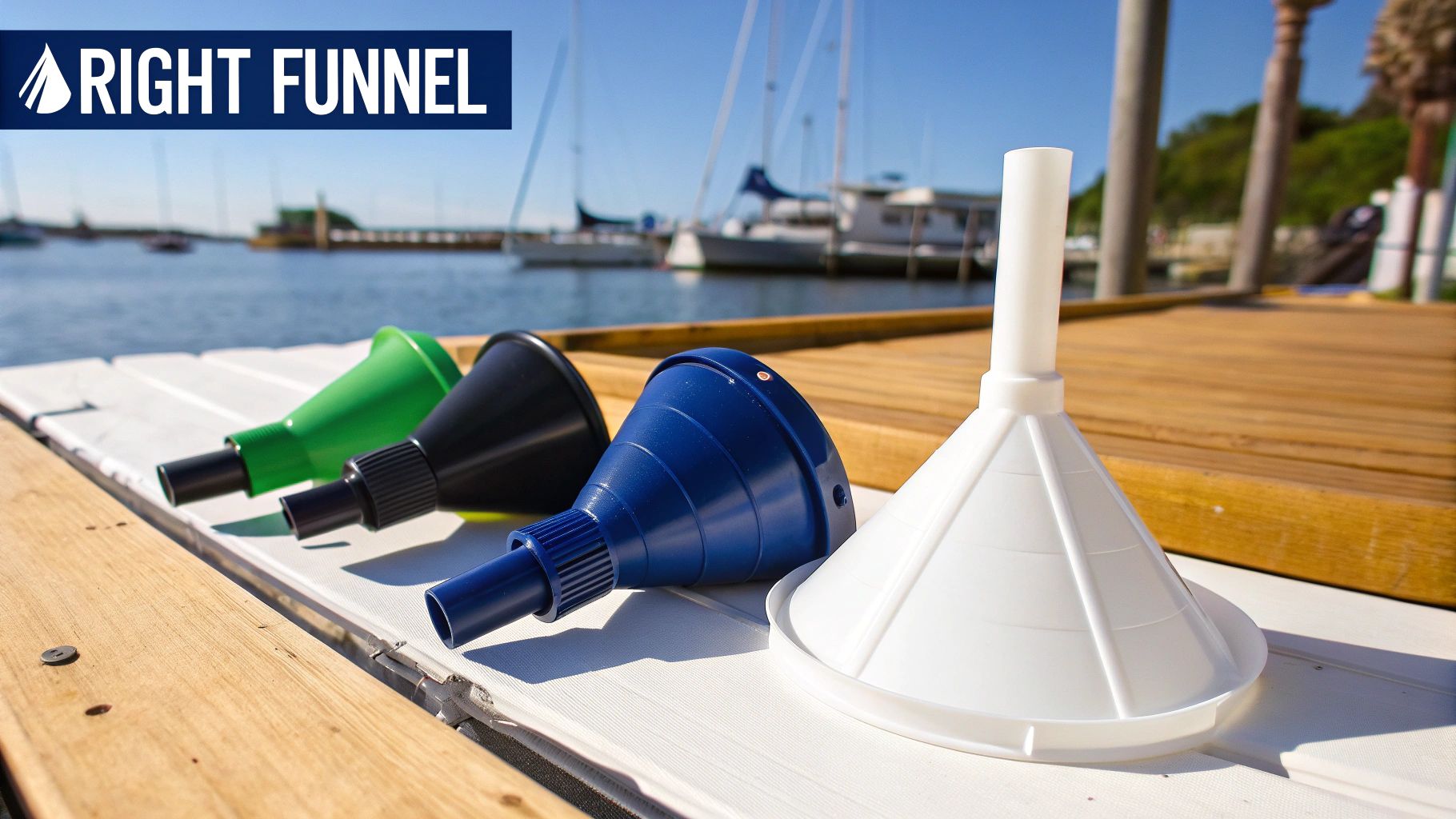
Key Features to Look For
When you start comparing different funnels, there are a few essential things you've got to focus on. These details are what separate a helpful piece of equipment from a frustrating bottleneck when you're trying to fuel up.
-
Flow Rate: Can the funnel actually keep up with the pump at the marina? A slow flow rate can easily double your time at the fuel dock, which is the last thing anyone wants. Look for a funnel built for a high flow, usually measured in gallons per minute (GPM).
-
Filtration Level: This is all about microns—and a lower number is better. A 50-micron filter will trap much smaller gunk than a 100-micron one, giving you far better protection, especially for sensitive modern engines.
-
Material Compatibility: You can't assume any plastic will do. Make sure the funnel is made from a material that’s right for your fuel, whether you’re using gasoline, diesel, or ethanol blends.
-
Smart Design: Keep an eye out for the little things that make a big difference. Features like a built-in water separator, an anti-splash lip to prevent messes, and a good ergonomic handle for a secure grip are worth their weight in gold.
Your goal is to find a fuel funnel filter that seamlessly integrates into your fueling process. The right features will make it an indispensable tool, not an afterthought.
A Checklist for Making Your Decision
Before you pull the trigger on a purchase, just run through these quick questions. The answers will point you straight to the best fuel funnel filter for your situation.
- What type of fuel do I use? (Diesel engines, for example, really benefit from top-notch water separation.)
- How fast is the pump at my marina? (Try to match the funnel's GPM to the pump’s output.)
- What size is my fuel tank opening? (Make sure the spout actually fits securely!)
- How sensitive is my engine to contaminants? (If you have a newer engine, a lower micron rating is the way to go.)
Answering these will help you cut through the noise and narrow the market down to a couple of solid choices. When you're looking at aftermarket options, understanding CAPA certified parts can also give you some peace of mind about quality and fit.
It's also worth noting that the market is always changing. Here in North America, the automotive fuel filter market is growing fast, thanks to stricter emission rules and more people getting into recreational boating. That’s good news for us, because it pushes companies to develop better filtration technology. This strong local market means we get better access to high-quality, innovative funnels designed for our specific needs.
What Even the Best Funnel Filter Can't Do
A high-quality fuel funnel filter is a fantastic first line of defense. Think of it as a bouncer at the door, making sure only clean fuel gets into your tank while keeping water and gunk out. It does an incredible job at that. But there’s one major problem it simply wasn't designed to solve.
No matter how sophisticated the filter is, it can't stop an overfill spill. You’re still stuck peering into the tank opening, listening for that change in sound that tells you it's almost full. That manual guesswork is precisely where things can go wrong, leading to a messy, hazardous, and expensive spill.
The Real Risk at the Fuel Dock
The problem isn't your filter's ability to clean fuel; it's the old-school process of filling up. Every boater knows that little shot of anxiety, trying to time the pump shut-off just right. A second of distraction, a chat with a fellow boater, and suddenly fuel is gushing onto your deck, staining the finish, polluting the water, and creating a dangerous fire hazard.
A fuel funnel filter purifies your fuel, but it doesn't manage the flow. To be truly safe at the pump, you need a solution that handles both contamination and overfills, making the entire process worry-free.
This is exactly where fueling technology has taken a major step forward, moving beyond just filtration to get to the heart of what causes spills in the first place.
The Next Step: Automatic Shut-Off Technology
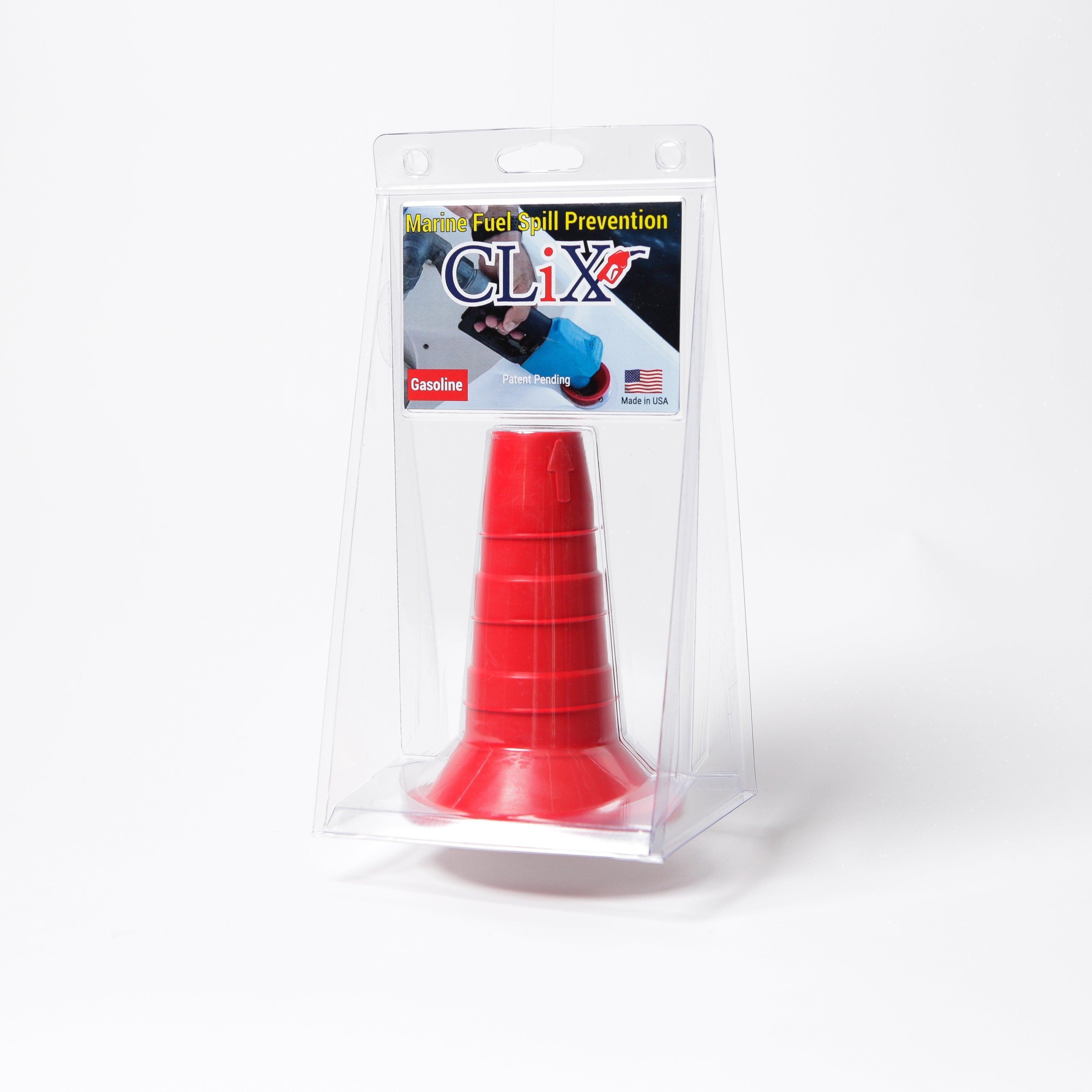
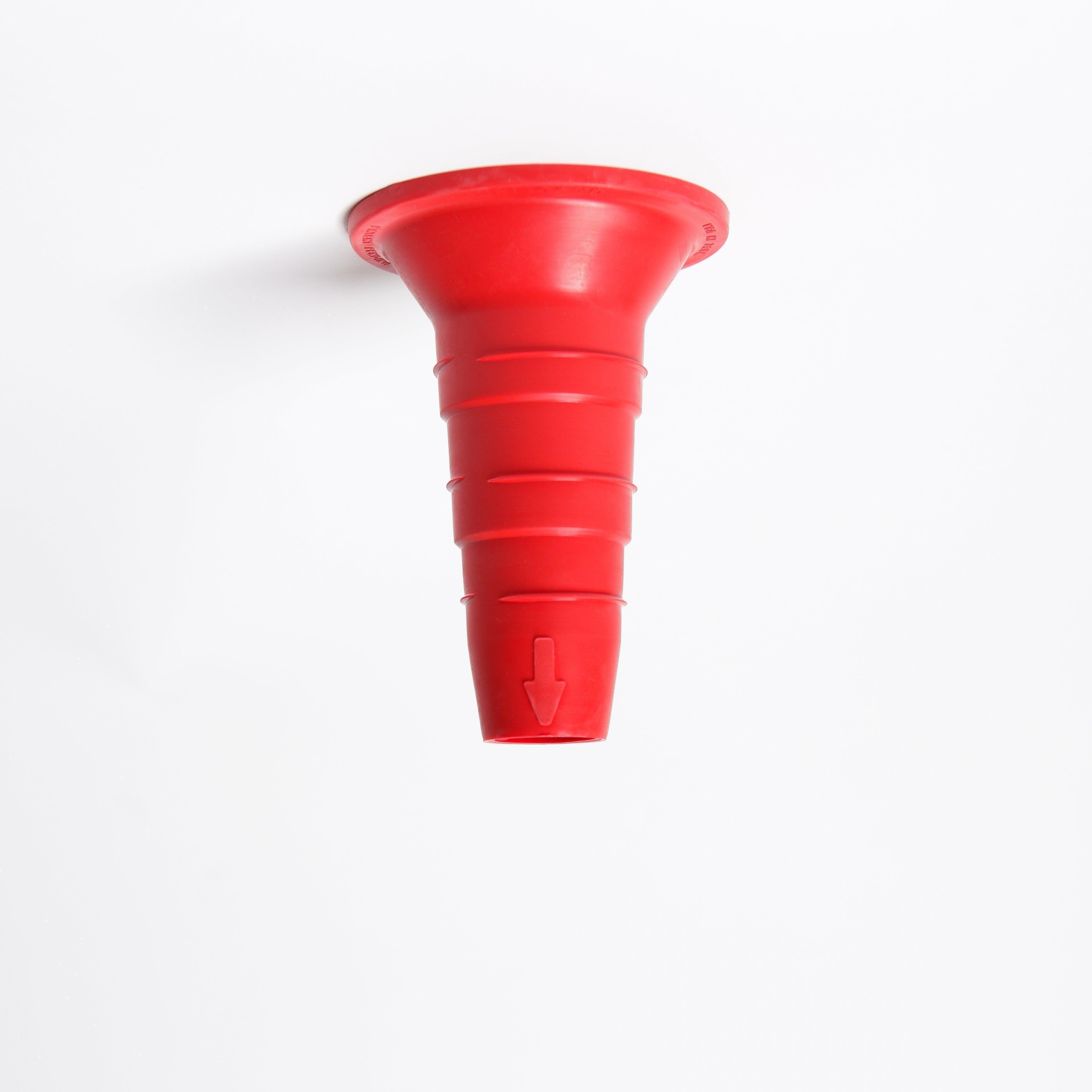
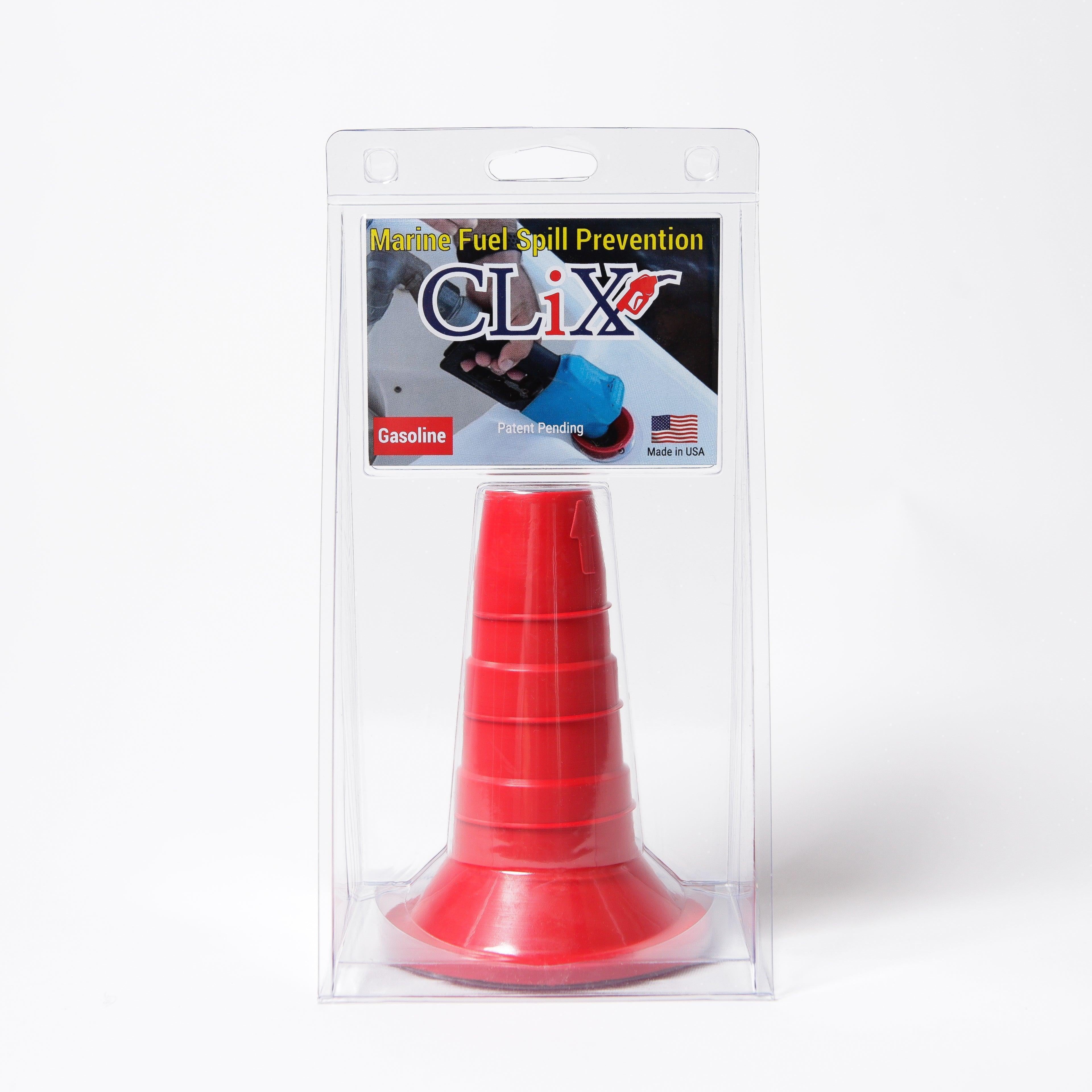
What if your fueling setup could automatically stop the flow the second your tank is full? That’s the simple but brilliant idea behind systems like the CLiX fueling system. It's not meant to replace your filter; it’s the missing piece that gives you complete peace of mind.
This technology takes all the guesswork out of the equation. Instead of you having to react to a nearly full tank, it proactively prevents the spill before it can even start. By pairing a great fuel funnel filter with an automatic shut-off system, you build a complete safety net for your boat.
This two-part approach gives you the best of both worlds, guaranteeing two critical outcomes:
- Your tank only gets clean fuel. The filter takes care of trapping debris and water.
- The fuel pump stops automatically. A system like CLiX prevents dangerous and costly overfills.
When you use them together, these tools give you total protection and convenience. They turn fueling from a risky chore into a simple, clean, and foolproof part of your boating routine.
Your Top Questions About Fuel Funnel Filters, Answered
Even when you know the basics, questions always pop up at the fuel dock. Getting good answers is the key to using your gear the right way, protecting your engine, and making sure every fill-up is clean and safe. We’ve pulled together some of the most common questions we hear from boaters to give you quick, practical advice.
Think of this as the real-world stuff that bridges the gap between knowing what a filter does and knowing how to handle it on your boat.
Can I Use the Same Funnel for Gas and Diesel?
You technically can, but you absolutely should not. This is a classic case of "just because you can, doesn't mean you should." Cross-contamination is a massive risk.
Even a tiny bit of gasoline in a diesel system can lower its flash point, creating a serious fire hazard. On the flip side, diesel residue in a gasoline engine can lead to a smoky mess, carbon buildup, and fouled-up spark plugs. It's just not worth the headache.
The best practice is simple: dedicate one funnel for gas and a separate one for diesel.
- Label them! Grab a permanent marker or some colored tape and make it obvious which is which.
- Store them apart. This simple step prevents you from grabbing the wrong one by mistake.
- Clean them with the right fuel. Only use a splash of clean gasoline to rinse a gas funnel, and diesel for a diesel one.
Keeping your fueling gear separate is one of the easiest and most important habits for responsible boat maintenance.
How Often Should I Clean My Reusable Filter?
There’s no magic number here; how often you clean your reusable fuel funnel filter really depends on how much you boat and the quality of the fuel you’re getting. The best rule of thumb is to give it a quick look before every single use.
A quick visual check is all it takes to see if debris or water has collected in the sump. If you're out on the water a lot, you might need to do a more thorough cleaning every few trips. A surefire sign it's time for a cleaning? The fuel flow starts to slow down.
Don't wait for a problem to clean your filter. A proactive approach is always better than a reactive one. By the time a filter is visibly clogged, you've already been restricting fuel flow or, worse, forcing contaminants toward your tank.
Cleaning it is easy. Just gently rinse the filter element with a small amount of clean fuel—the same type it’s meant for. This will dislodge any gunk without hurting the fine mesh. Let it air dry completely before using it again so you don't send any fumes or residue into your tank.
What Happens If My Funnel Filter Clogs Mid-Fueling?
First, don't panic. A clog in the middle of a fill-up is annoying, but it’s also a good sign—it means the filter just saved your engine from a big slug of gunk.
When this happens, stop fueling immediately.
Carefully lift the funnel out of the tank opening, trying not to spill the fuel that's trapped inside. Pour that leftover fuel into a separate, safe container. Whatever you do, do not try to force the fuel through the clogged filter.
From there, you’ll need to clean the filter element before you can get back to it. This is exactly why savvy boaters keep a spare filter cartridge or even a second funnel on board. It turns a potential day-ruiner into a minor pit stop.
Are More Expensive Funnel Filters Actually Better?
When it comes to marine gear, you almost always get what you pay for, and fuel filters are no exception. That cheap funnel might look tempting on the shelf, but a higher-quality model brings real-world advantages that are well worth the extra money.
Here’s what you’re paying for when you invest a little more:
- Better Materials: Premium funnels are made from tough, fuel-resistant plastics or metals that won’t degrade, crack, or get brittle after seasons of sun and fuel exposure.
- Superior Filtration: They typically have a lower micron rating, which means they catch incredibly fine particles of dirt and rust that cheaper filters simply let slide right into your tank.
- Higher Flow Rate: A well-designed funnel lets fuel flow through quickly and smoothly, so you spend less time at the pump without ever compromising on filtration.
- Smarter Features: You start seeing practical add-ons like anti-splash rings, comfortable handles, and more effective water separation chambers that make the whole process safer and cleaner.
Think of a quality fuel funnel filter as cheap insurance for your engine. It's a more reliable line of defense against contamination and is built to last, saving you a lot of potential trouble and money down the road.
Ready to stop worrying about filters and spills altogether? CLiX Fueling Solutions takes fueling safety to the next level with automatic shut-off technology, giving you a perfect, spill-free fill every single time. Protect your boat, the water, and your wallet by checking out our solutions at https://clixfueling.com.