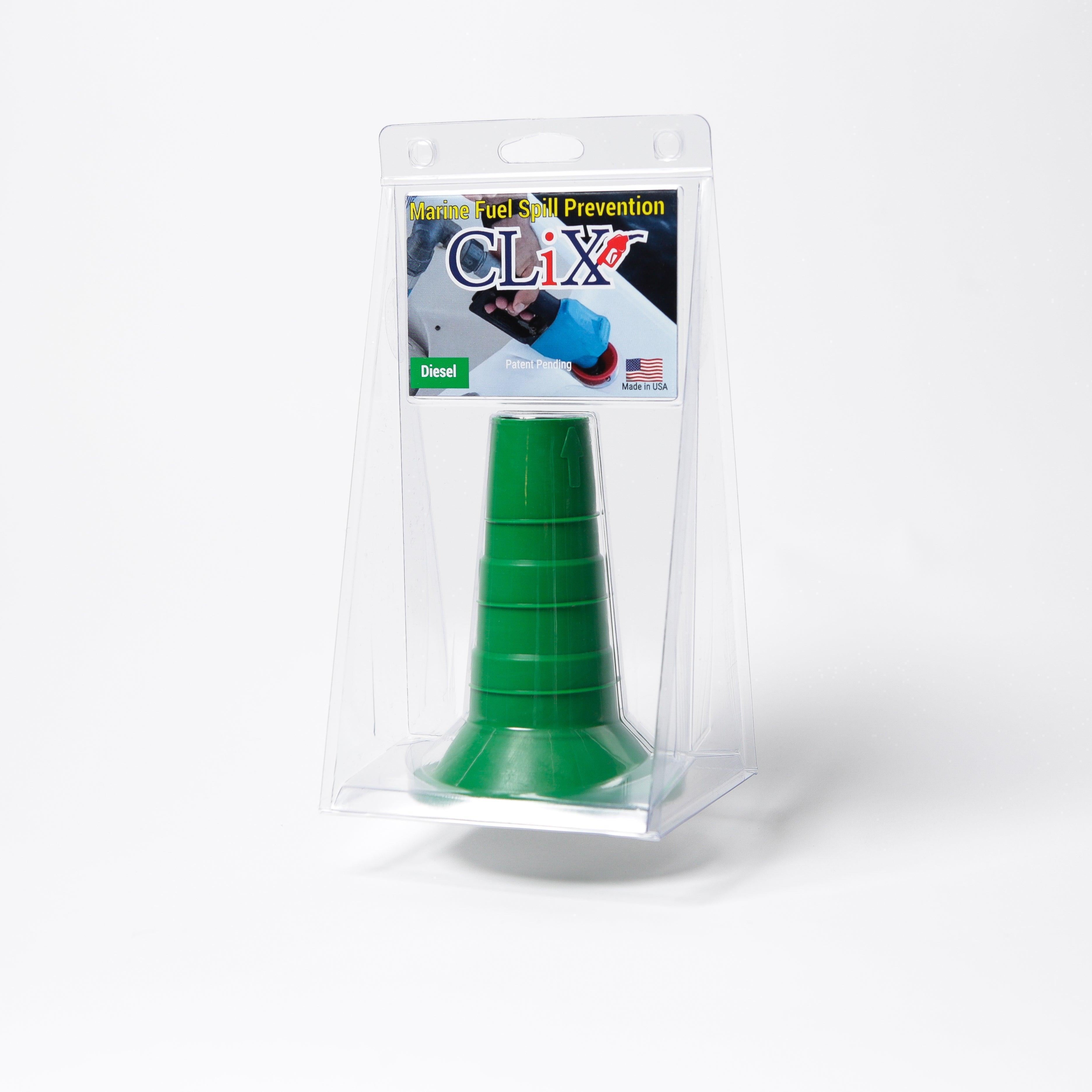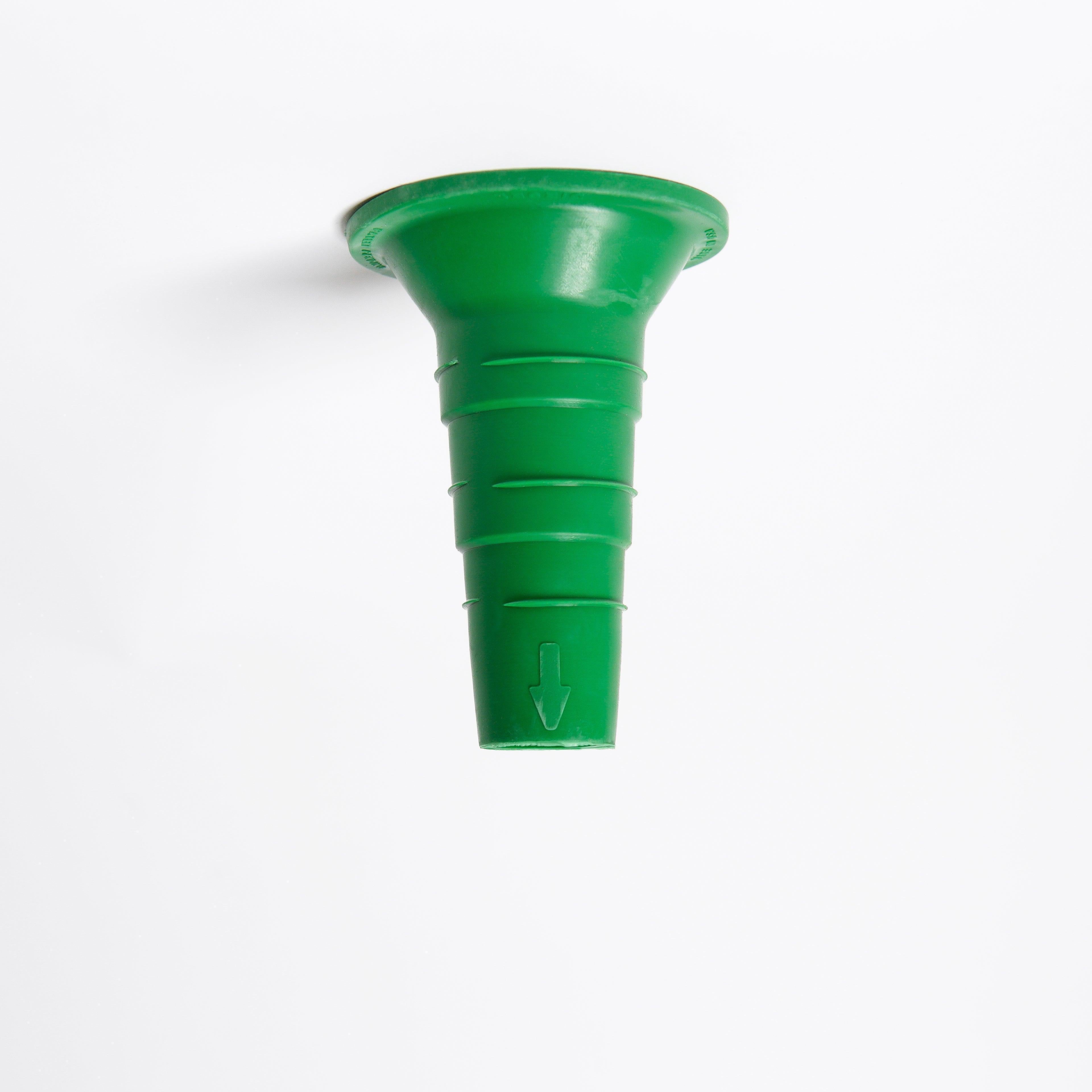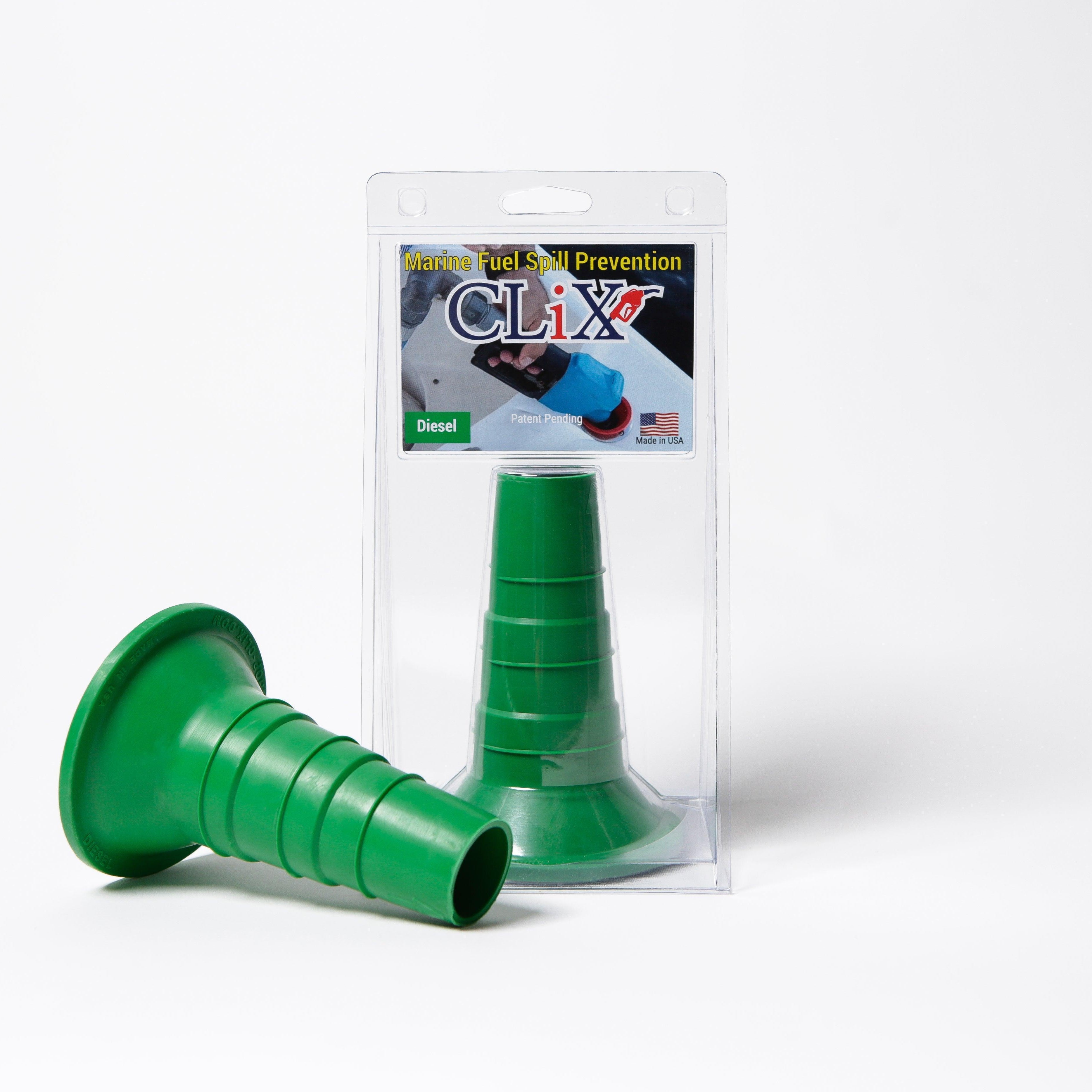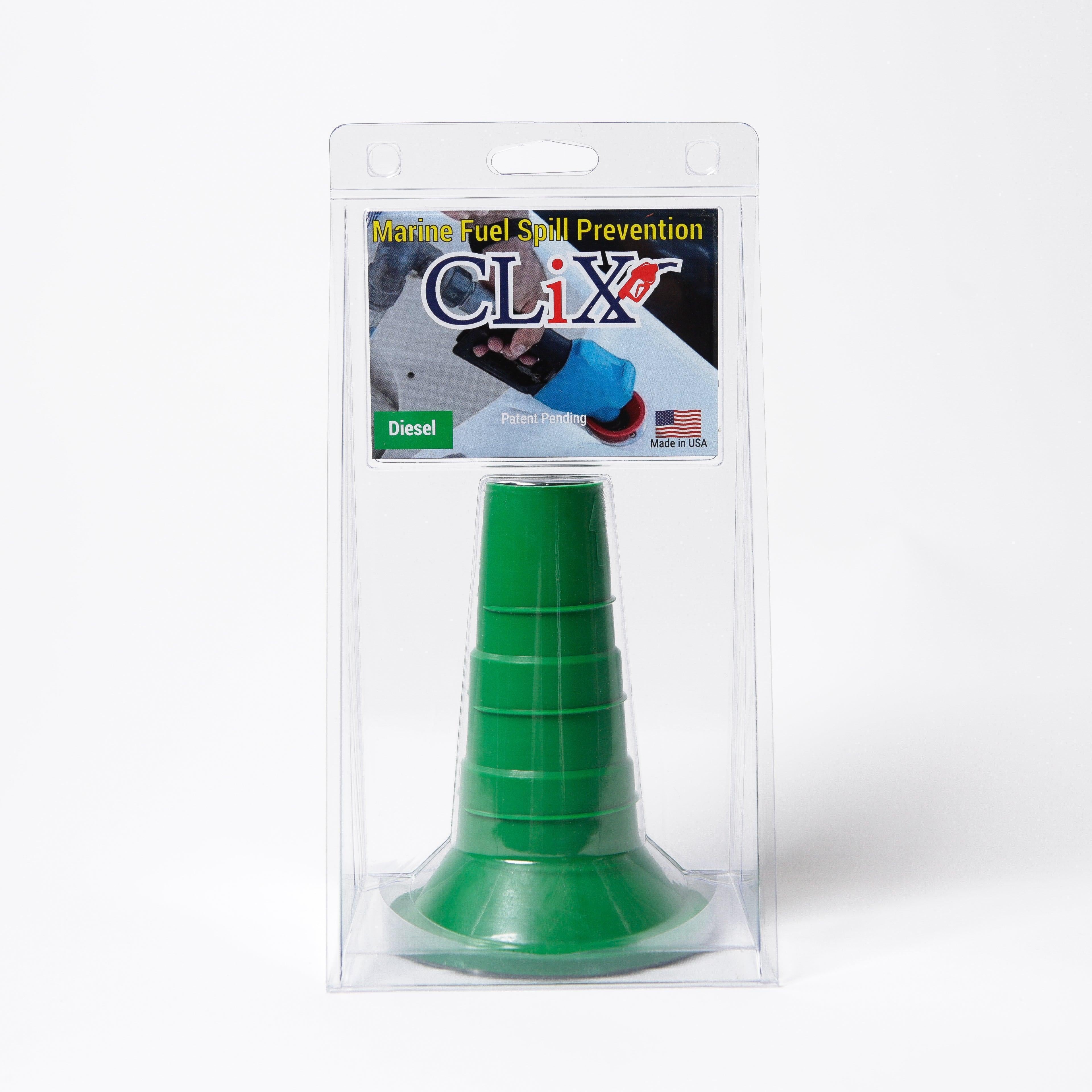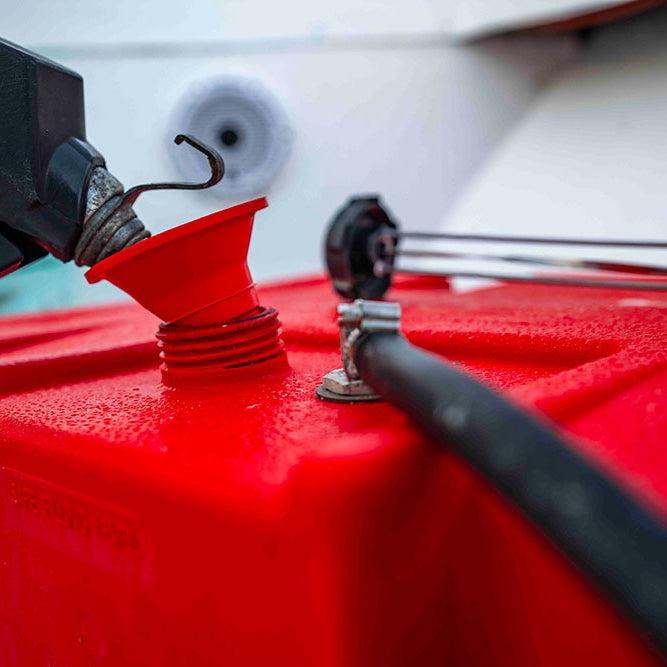
At its core, a flexible funnel hose is a simple, bendable tube connected to a funnel. It’s designed to help guide fuel from a portable jerry can into your boat's tank. Think of it as a flexible straw for your fuel can, helping you reach those awkwardly placed fuel fills without making a mess.
What Is a Flexible Funnel Hose and Why Do Boaters Use One?
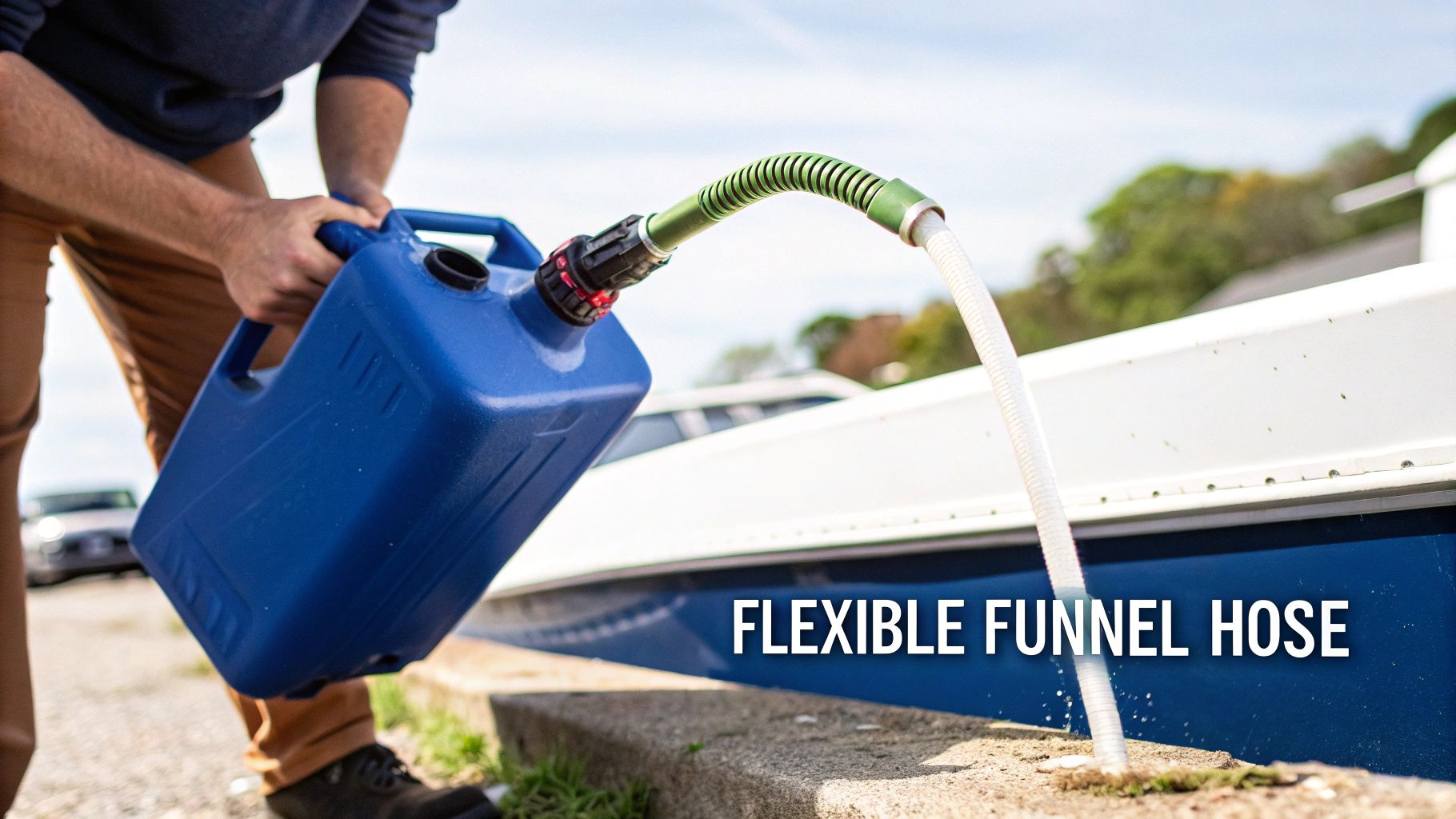
Anyone who's tried to refuel a boat from a heavy gas can knows it can feel like a clumsy balancing act. The fuel fill is often tucked away in a tricky spot, making a direct pour nearly impossible. Spilling gasoline or diesel on the deck—or worse, into the water—is a real risk. This common frustration is exactly what a flexible funnel hose is supposed to fix.
Its main job is to create a direct, less-messy path for the fuel. Because the hose can bend, boaters can angle it around seats, cleats, and other deck hardware that would otherwise get in the way.
Common Marine Fueling Scenarios
This simple tool really shines in situations where you need precision and the ability to maneuver around obstacles. For boaters, this often means:
- Fueling Tenders and Dinghies: These smaller boats are notorious for having fuel fills in tight spaces where a rigid spout just won’t work.
- Topping Off Personal Watercraft (PWCs): Jet skis can be tough to fuel without splashing everywhere, and a hose helps direct the flow cleanly into the small opening.
- Reaching Recessed Fuel Fills: On many boats, the fuel intake is located below the gunwale, so you need a tool that can bend downward to reach it.
A flexible funnel hose acts as a basic bridge, connecting the fuel can to the tank. While it helps aim the fuel, it offers no control over the flow rate or preventing spills once the tank is full.
The appeal is understandable—it's cheap, simple, and seems like a straightforward solution to a universal problem. But that simplicity is also its biggest weakness. Since it’s a completely manual tool, it puts all the responsibility on you to avoid overfills and spills.
For a closer look at the mechanics of a basic funnel with a tube, you can learn more about how these simple devices operate. Understanding the basics makes it easier to see both their handiness and their very real limitations.
The Hidden Dangers and Practical Benefits for Boaters
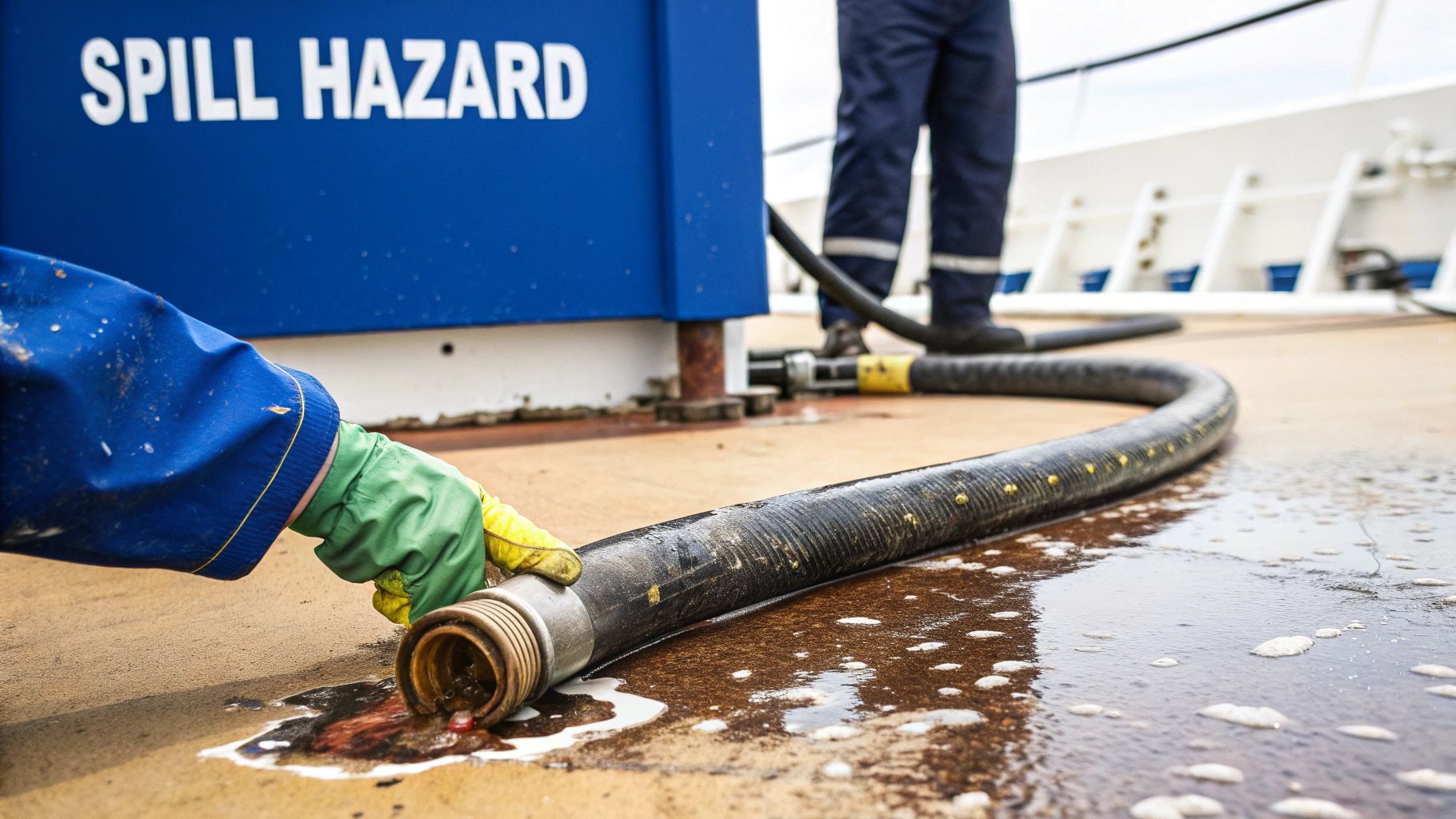
A flexible funnel hose seems like a simple, cheap solution for getting fuel into those awkwardly placed tanks. But that very simplicity is what makes it so risky. The biggest and most obvious danger? Spills.
Think about it: unlike a gas pump nozzle, these funnels have no automatic shut-off. That means the entire job of preventing an overfill rests squarely on your shoulders. You’re left listening for that subtle change in sound as the tank gets full—a tricky task with the wind blowing and other boats buzzing around the marina. It’s a recipe for a messy, and environmentally harmful, spill right into the water.
The Problem with Venting and Material Breakdown
Another common headache is fuel "burping." If you pour too fast, you can trap air in the fuel line. That air pressure builds up until it suddenly forces a geyser of fuel back out the fill, splashing all over your deck and, if you're unlucky, all over you. A basic funnel hose does absolutely nothing to prevent this.
Then there's the hose material itself. Many of the cheaper options on the market just aren't built to handle modern fuels, especially those with ethanol blends. Over time, the fuel eats away at the plastic, making it brittle and prone to cracking. A tiny, unseen crack is all it takes to cause a serious leak the next time you refuel.
The core limitation of a flexible funnel hose is its passive design. It provides a path for fuel but offers no active safety features to prevent overfills, backsplash, or leaks from material failure.
Picture this: you're at the fuel dock, and for just a second, a passing boat grabs your attention. In that split second, your tank overfills. Now you've got corrosive gasoline stripping your boat's gelcoat and polluting the waterway, all because your fueling tool couldn't tell you it was full. It’s moments like these that expose the deep-seated flaws of this seemingly simple device.
How to Select a Reliable Flexible Funnel Hose
If a flexible funnel hose is still your go-to tool for certain jobs on the boat, picking the right one is everything. It's the difference between a safe, clean transfer and a dangerous mess. Not all hoses are created equal, and grabbing the wrong one can lead to cracked plastic, fuel spills, and a whole lot of frustration.
The absolute first thing to check is the material. You need a hose that is explicitly labeled as fuel-grade and built to handle petroleum products. Many look-alike hoses will quickly break down when they meet gasoline or diesel, getting brittle and cracking before you know it.
Key Selection Criteria
When you're comparing options, zero in on the features that actually matter for safety and a long service life. A decent flexible funnel hose should check a few important boxes:
- Fuel Compatibility: Make sure the material can handle modern fuels. E10 gasoline, with its ethanol content, is much harder on plastics than old-school gas, so compatibility is non-negotiable.
- Hose Diameter: A wider hose generally allows for better airflow, which can help reduce the chances of fuel "burping" back at you. It's not a foolproof solution, but it definitely helps.
- Built-in Screen: Look for a model with a small mesh screen at the end. These are usually made of brass or stainless steel and do a great job of catching any gunk from your fuel can before it gets into your engine.
The biggest mistake you can make is grabbing a generic industrial or garden hose and thinking it'll work for fueling. It won't, and the difference is critical for preventing leaks.
It's easy to get confused when searching online, as results often mix in products for completely different uses. The market for flexible garden hoses or industrial hoses is a world away from the specialty hoses needed for marine fueling.
For a deeper dive into what makes a quality hose—regardless of its purpose—you might find a guide to flexible vacuum hoses useful. Many of the same principles about material science and durability apply.
Best Practices for Safe Fueling and Maintenance
Even the most well-designed flexible funnel hose is only as safe as the person holding it. When you're dealing with fuel, there’s no room for shortcuts. Turning a risky job into a simple, routine task all comes down to following a solid process and paying attention from start to finish.
Before you even unscrew the gas cap, get into the habit of taking a moment to look around. You should always implement a quick, on-the-spot safety check like a Take 5 risk assessment to spot any immediate dangers. Is there anything nearby that could create a spark? Is the area well-ventilated? Do you have stable footing? This simple pause can make all the difference.
Safe Fueling Step-by-Step
Using one of these hoses safely isn't complicated, but rushing is your worst enemy. Nearly every spill happens when someone is in a hurry. Just take your time and follow these steps every single time.
- Get a Secure Fit: Make sure the funnel end is seated firmly in the boat's fuel fill. A loose connection is an invitation for the hose to pop out and create a huge mess.
- Pour Slow and Steady: Don't just dump the fuel in. Start with a slow, controlled pour. This prevents air from getting trapped, which is what causes that dangerous "burp" of fuel to splash back at you.
- Listen for the Signs: Pay attention to the sound of fuel filling the tank. You'll often hear the pitch change or a gurgling sound as it gets close to full. That's your cue to slow down.
- Never Walk Away: Stay focused on the job until you're completely done. Distractions are the leading cause of fueling accidents.
The most important thing to remember is that you are the safety feature. A flexible funnel hose has no automatic shut-off—you are the one in control.
Essential Maintenance for Your Hose
A little bit of care goes a long way in keeping your gear in good shape and preventing a nasty surprise. A cracked or brittle hose is a spill waiting to happen.
Before each use, give the hose a quick once-over. Bend it a little and check for any small cracks, stiffness, or signs of wear. After you're done fueling, wipe off any leftover fuel, as it can eat away at the material over time.
Store it somewhere cool and dark, away from direct sunlight. UV rays are brutal on plastics and will degrade your hose much faster. Taking these simple steps ensures your gear is ready and reliable when you need it.
For a deeper dive into overall onboard safety, check out our guide on the complete boat fueling safety playbook.
Beyond the Hose: The Modern Solution for Spill-Free Fueling
Let's be honest, the problems with a basic flexible funnel hose—the spills, the dreaded overfills, and the environmental damage—aren't just minor annoyances. They're engineering flaws that can be solved. Trying to be careful helps, but it’s like putting a bandage on a leaky pipe. The real issue is that a simple hose has zero active safety features. You’re left guessing when the tank is full, and hoping for the best.
This manual, "hope-it-doesn't-spill" method is outdated and frankly, unreliable. The smart alternative isn't just a better funnel; it's a completely different way of thinking. Imagine making a secure, sealed connection from your fuel can's nozzle straight to your boat’s fuel fill.
This infographic shows the old-school safety dance we all have to do with a traditional hose.
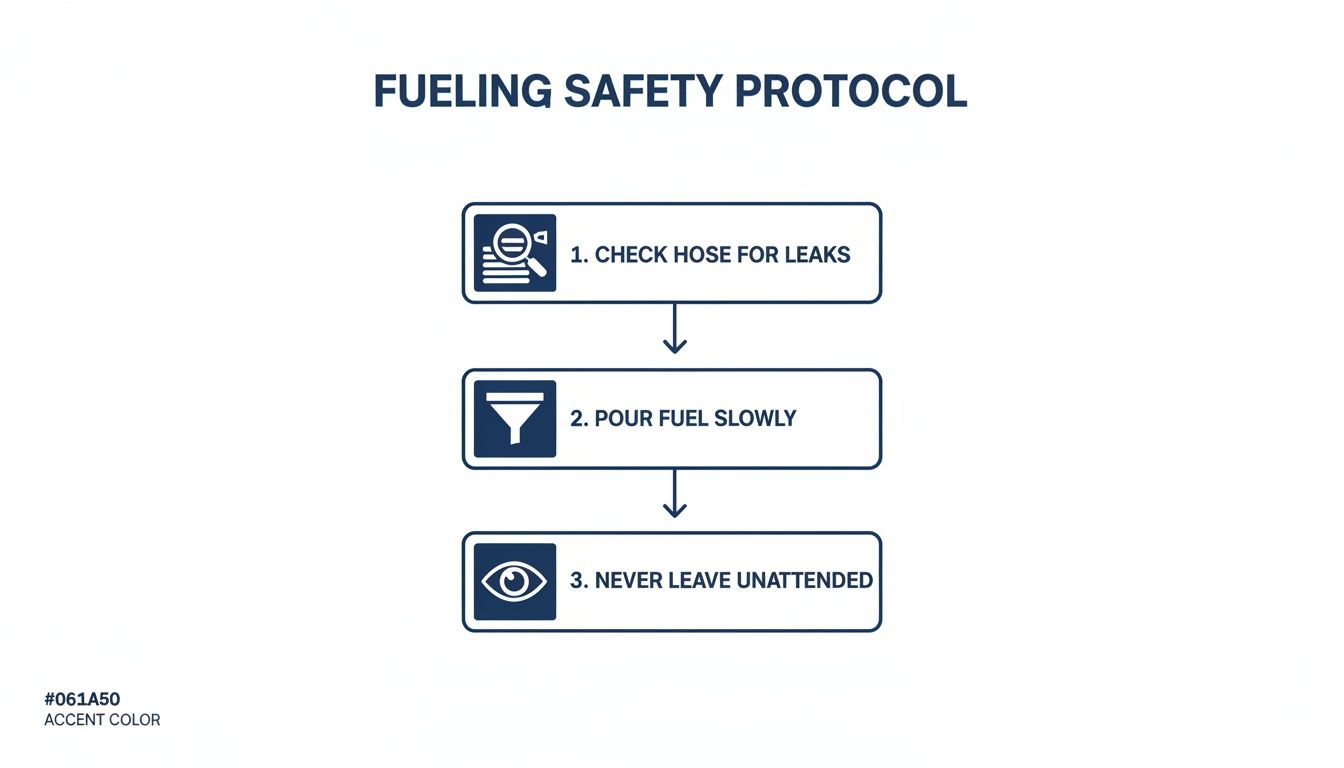
While these steps are absolutely necessary for manual fueling, they prove a critical point: you, the boater, are the only safety feature in the system.
The Power of an Automatic Shut-Off
The real game-changer is an integrated automatic shut-off feature. It works just like the nozzle at a gas station pump. The system senses when the tank is full and instantly stops the fuel flow. With this one feature, overfills and spills become a thing of the past.
A dedicated fueling system transforms refueling from a high-stakes guessing game into a predictable, clean, and safe process. It’s not an accessory; it’s a fundamental upgrade for any safety-conscious boater.
This kind of system creates a closed loop, which lets your boat's vent do its job properly without that dangerous "burp" of fuel splashing back at you. Every drop of gas goes exactly where it belongs—in your tank. For any boater who cares about keeping our waters clean, this level of control gives you a peace of mind that a simple hose just can't match.
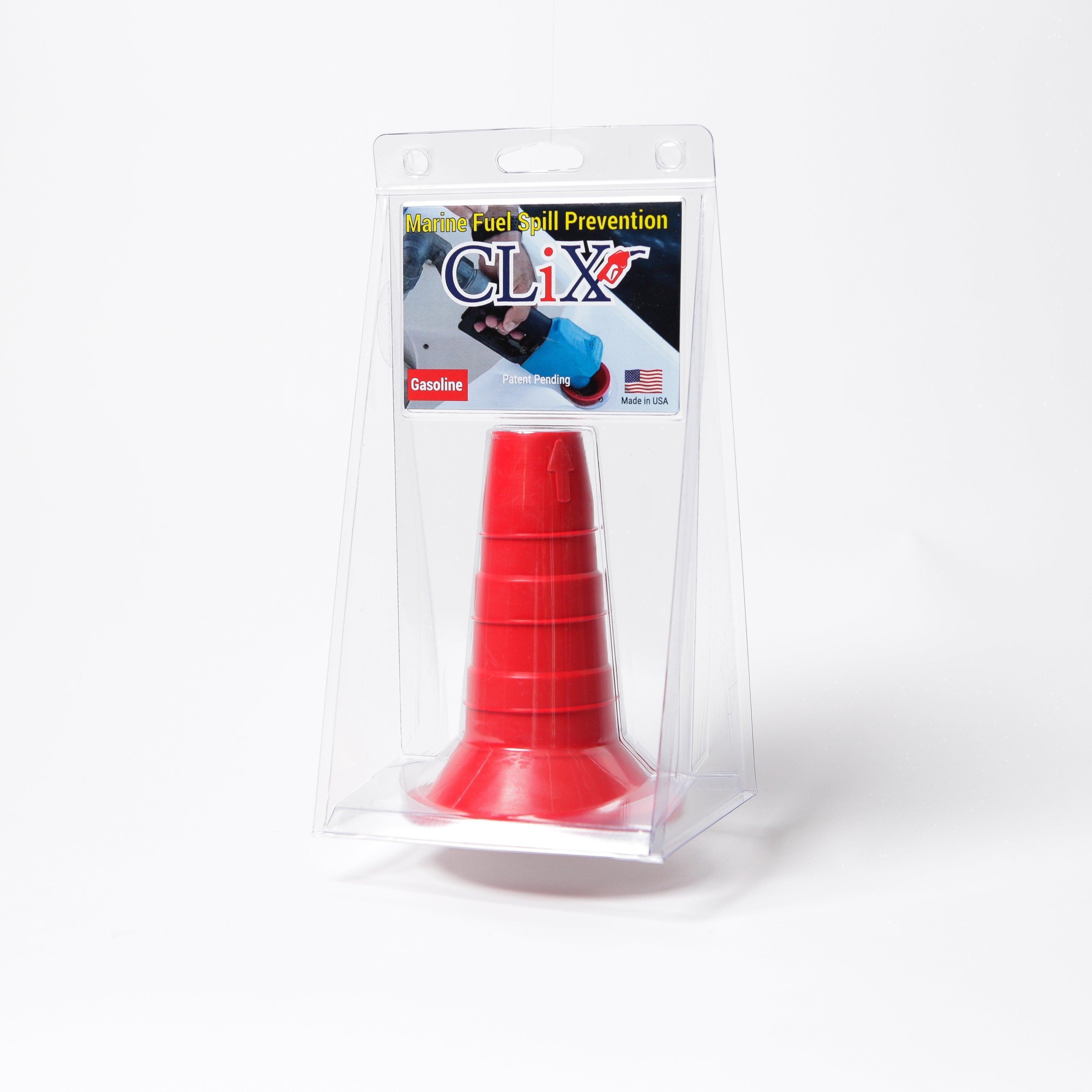
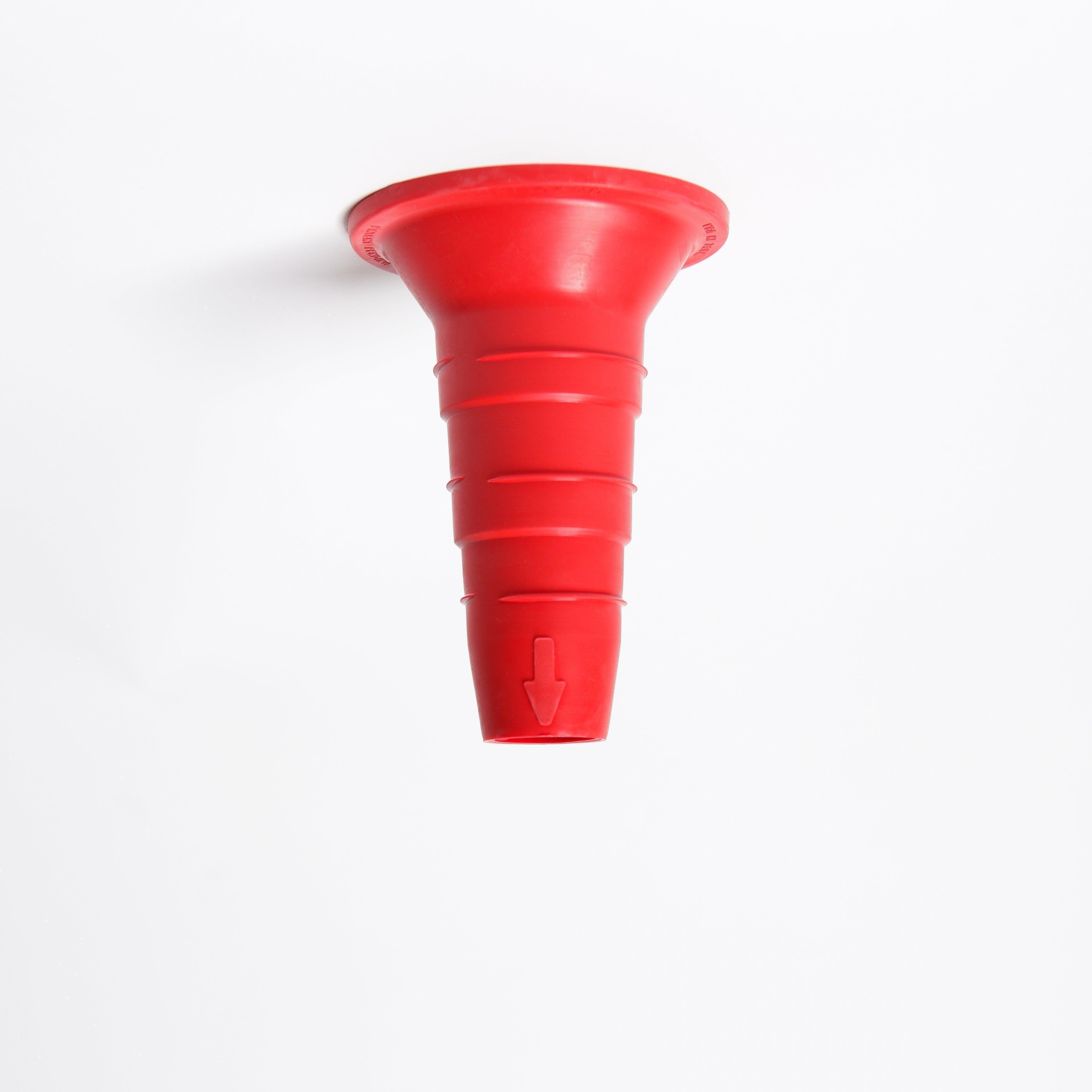
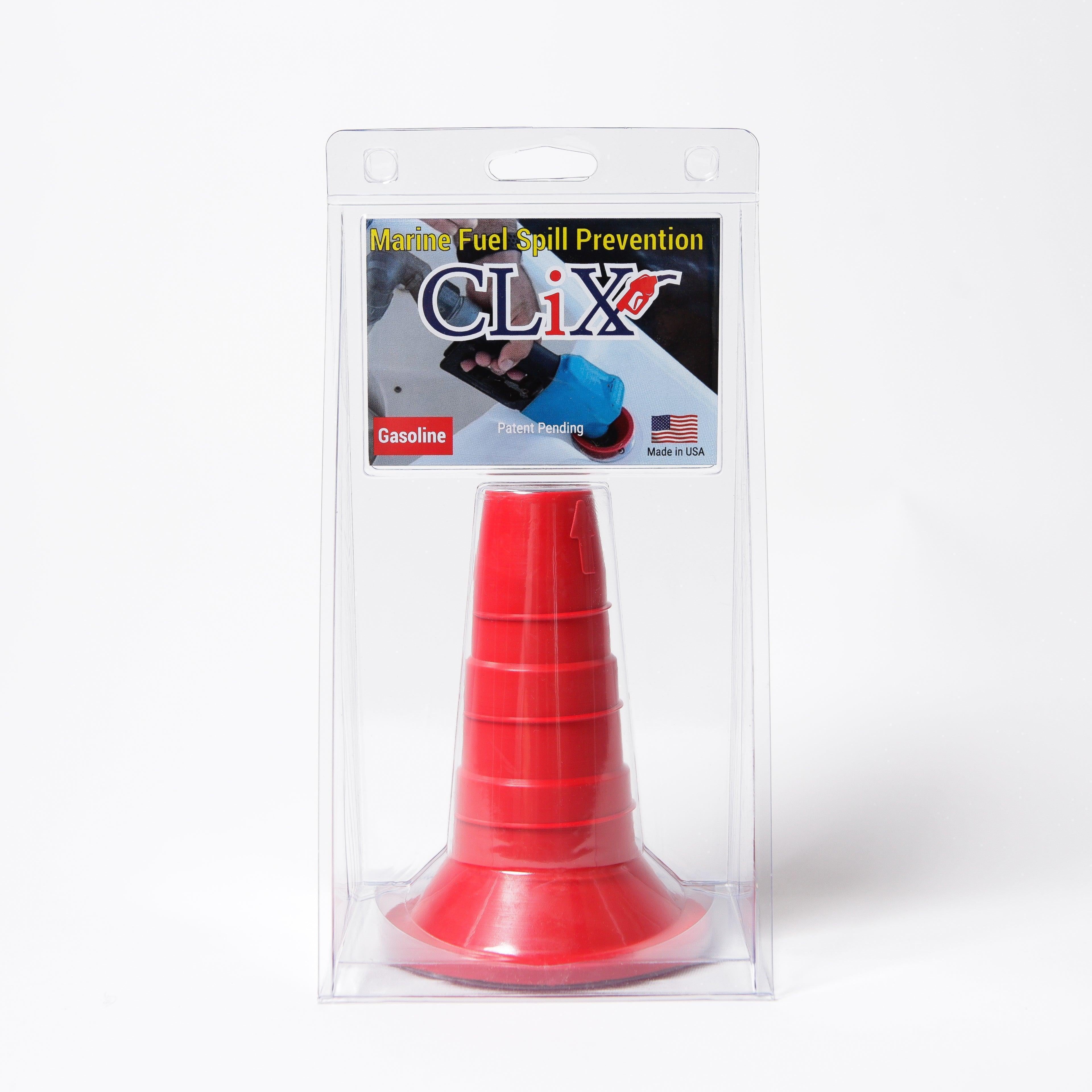
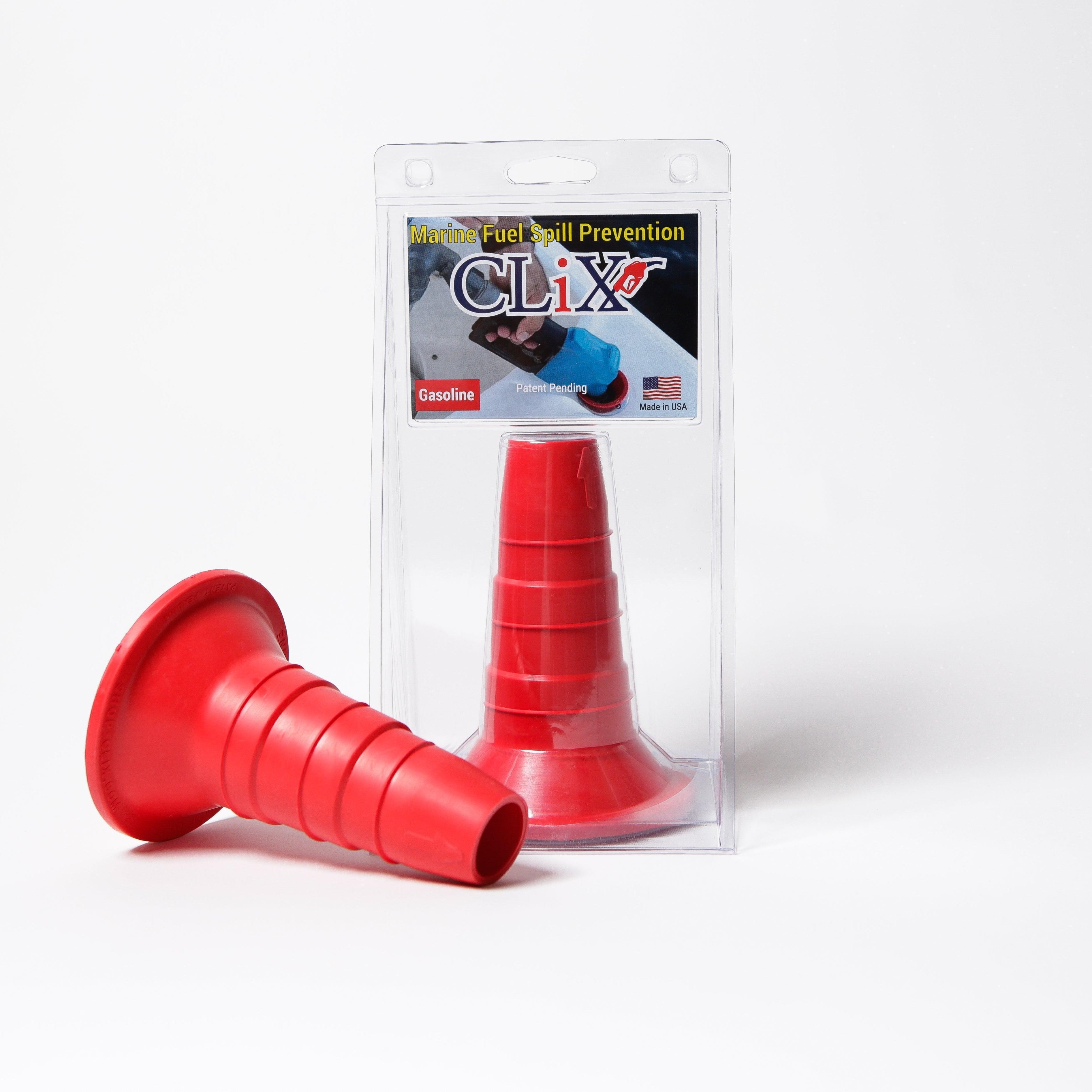
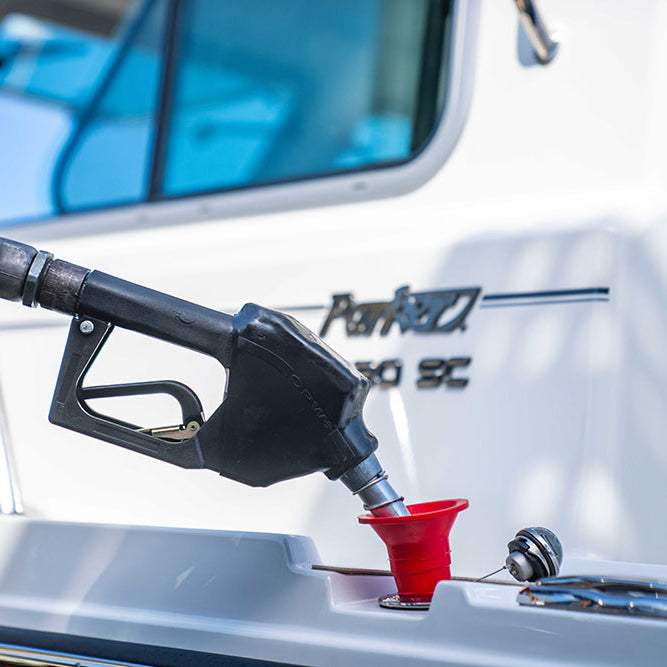
Products like CLiX Fueling Solutions were designed specifically to fix these common problems, finally bringing gas-station-level safety to fueling from a portable can. To see exactly how these systems operate, check out the technology behind a modern boat fuel fill station.
Common Questions About Fueling Your Boat
If you've spent any time around boats, you know that fueling can be a tricky business. Doing it right keeps you, your boat, and the water safe. Let's tackle some of the most common questions boaters ask about getting fuel from the can to the tank without the mess.
Can I Just Grab Any Flexible Hose to Fuel My Boat?
That’s a definite no. Using a standard garden hose or any old plastic tube for fuel is a recipe for disaster. Gasoline and diesel are harsh chemicals that will eat right through regular plastics, causing them to crack, leak, and create a serious spill hazard.
You absolutely need a hose that is specifically made for handling fuel. Look for one that's clearly marked as safe for petroleum and can stand up to today's ethanol-blended fuels. But even with the right material, a simple hose and funnel combo doesn't solve the biggest problem: the ever-present risk of overfilling.
How Can I Stop Fuel from Splashing Back When I’m Pouring?
We've all been there. You're pouring fuel, and suddenly it "burps" back at you, splashing all over the deck. This usually happens when air gets trapped in the fuel line because you're pouring too fast. With a basic funnel hose, your only real option is to pour incredibly slowly and listen for the gurgling sound to change—a method that’s more art than science and still very prone to spills.
The best way to prevent that messy splash-back is to create a sealed connection at the fuel fill. A sealed system lets your boat's own vent do its job, releasing air and preventing the pressure buildup that shoots fuel back out.
A dedicated fueling system that seals to your boat’s fuel fill is a much safer bet. It lets the tank vent properly and keeps the fuel where it belongs.
What’s the Best Way to Know When My Tank Is Actually Full?
Trying to guess by listening for a change in sound or trusting a finicky dash gauge is just asking for trouble. One small distraction is all it takes to overfill the tank, sending fuel onto your deck and into the water.
The only truly reliable way to know your tank is full is to use a device with an automatic shut-off, just like the pump at the gas station. Modern marine fueling systems bring that same critical safety feature to portable cans. They automatically stop the flow the second your tank is full, preventing a spill every single time. It takes the guesswork out of the equation and gives you real peace of mind.
Ready to eliminate spills for good? CLiX Fueling Solutions offers the automatic shut-off safety you need for a clean, stress-free fueling experience every time. Discover the difference at https://clixfueling.com.