When you're out on the water, the last thing you want to worry about is running out of fuel. That's where a good portable marine fuel tank comes in—it's your ticket to staying out longer and exploring farther. These aren't just any old gas cans; they're specifically designed to safely carry and store fuel for your boat.
Why Your Portable Fuel Tank is More Than Just a Container
Think of your portable fuel tank as a lifeline. It's not just a box that holds gasoline; it's what keeps your engine running and gets you back to the dock safely. Picking the right one is a critical decision that ensures you won't be left stranded miles from shore.
You need to trust your fuel tank completely, just like a skydiver trusts their reserve parachute. A cheap or poorly maintained tank can lead to engine failure, dangerous leaks, or just a ruined day on the water. It’s a simple piece of gear, but getting it right is fundamental to safe boating.
The Real Meaning of Freedom on the Water
A reliable portable marine fuel tank offers more than just extra range—it gives you peace of mind. It lets you chase that sunset or explore that hidden cove without constantly glancing at the fuel gauge. This guide is all about helping you make a smart choice.
We'll walk through everything you need to know, including:
- Materials: What's the real difference between a tough plastic tank and a sturdy metal one?
- Capacity: How to figure out the right size for your boat and the kind of trips you take.
- Safety: The must-know tips to prevent spills that are dangerous for you and the environment.
- Maintenance: Simple habits that will keep your tank in great shape season after season.
The goal here isn't just to buy a tank. It's to invest in a reliable fuel system that keeps you safe and lets you enjoy your time on the boat. A good tank prevents problems before they even start, from debris clogging your engine to hazardous vapor leaks.
When you've got the right tank, you can stop worrying about the "what ifs" and just focus on the experience. It’s about having the confidence that you’re prepared for a full day on the water, no matter where it takes you. That kind of preparation is what boating freedom is all about.
Comparing Different Types of Portable Fuel Tanks
Picking the right portable fuel tank for your boat isn’t a one-size-fits-all deal. It really comes down to your boat, how you use it, and what you’re willing to spend. The first big decision you’ll face is the material—and these days, that means choosing between modern plastics and old-school metal.
Think of it like picking between a pair of high-tech composite hiking boots and a classic set of all-leather ones. They both get you down the trail, but they offer different trade-offs in weight, durability, and upkeep. Getting a handle on these differences is the first step to finding the perfect tank for your vessel.
Plastic Versus Metal Tanks
Walk through any marine supply store, and you'll see that most portable tanks today are made from high-density polyethylene (HDPE). There’s a good reason for its popularity. This stuff is tough, UV-stabilized, lightweight, and won't rust—a perfect match for the harsh marine environment. Plus, plastic tanks are usually easier on the wallet.
On the other side of the aisle, you have metal tanks, typically built from steel or aluminum. These are the tried-and-true veterans of fuel storage. They're incredibly tough against punctures and are favored by many boaters who just want a rugged, rigid tank they can trust. They are heavier, though, and you’ll need to keep an eye out for corrosion, but their proven longevity speaks for itself.
Let’s put them head-to-head to see how they really stack up.
Plastic vs Metal Portable Marine Fuel Tanks
This table gives a quick rundown of the pros and cons you’ll want to weigh when deciding between a plastic or metal tank.
| Feature | Plastic (Polyethylene) Tanks | Metal (Steel/Aluminum) Tanks |
|---|---|---|
| Durability | Excellent resistance to dents and corrosion. Can become brittle over many years of sun exposure. | Highly resistant to punctures and abrasion. Susceptible to rust (steel) or corrosion (aluminum) if protective coatings are damaged. |
| Weight | Significantly lighter, making them easier to carry and transport from your vehicle to the boat. | Heavier, which can impact your boat's balance and make them more difficult to handle when full. |
| Cost | Generally more affordable and widely available in various sizes and shapes. | Higher upfront cost due to material and manufacturing processes. |
| Safety | Will not spark if dropped or scraped against a hard surface. | Can potentially create a spark if dropped, requiring more careful handling. |
Ultimately, a well-maintained tank of either material will serve you well. The choice often boils down to balancing budget, weight, and your own personal preference for handling and long-term durability.
Exploring Different Tank Designs
Beyond the material, portable tanks come in a few common designs, and the style you pick can make a real difference in convenience and how you manage fuel on the water.
-
Integrated Tanks: These are what you see on most small to medium-sized boats. They are complete, self-contained units that often include a built-in fuel gauge and a hose ready to connect to your outboard. Their all-in-one design makes things incredibly simple.
-
Jerry Can Style: You can't beat the classic jerry can for its rugged, easy-to-haul design. While many are just for transport, marine-rated versions come with the proper venting and fittings to hook right into a fuel line. They're a fantastic, versatile option for your main fuel supply or just as a reliable backup.
If you want to get into the nitty-gritty of specific models, our team put together a guide with reviews of top portable gasoline containers for 2025.
The design of your tank directly impacts your day on the water. An integrated tank with a clear gauge takes the guesswork out of your fuel level, while a couple of compact jerry cans might give you more flexible storage options on a crowded deck.
Your choice of tank is a bigger part of your overall safety than you might think.
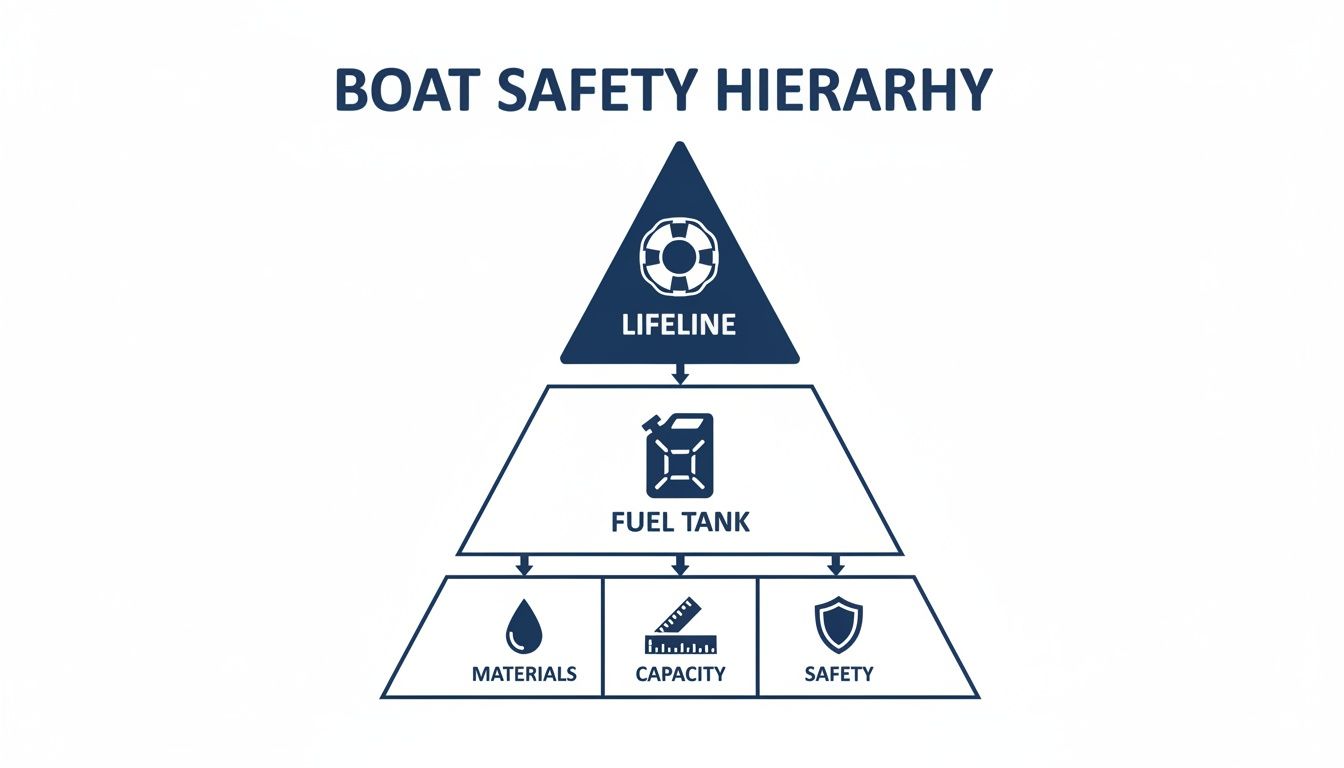
As you can see, the fuel tank sits right at the heart of the safety pyramid. Its material, capacity, and built-in safety features are fundamental to keeping you safe out there.
The Special Case of Bladder Tanks
What if you need to go the extra mile but don't want to permanently install a bigger tank? That’s where flexible bladder tanks come in. Made from a tough, pliable material, these tanks can be rolled up and stashed away when they're empty, freeing up precious deck space.
Think of a bladder tank as a collapsible water bottle for your boat. It’s there when you need extra range for a long trip and gone when you don't. They aren't really meant to be a primary tank, but for auxiliary fuel on a long-range fishing trip or cruise, they’re a brilliant solution.
Choosing the Right Tank Capacity for Your Boat
There's nothing that ruins a great day on the water faster than realizing you're running low on fuel. It’s a boater's worst nightmare, and it's completely avoidable. Picking the right size for your portable marine fuel tank isn't just about maximizing your time out there; it's a fundamental part of staying safe.
A common mistake is to just grab the biggest tank you can find. Sure, more fuel means more range, but it also means more weight. That extra weight can mess with your boat's handling, performance, and even its fuel economy. The real goal is finding that perfect balance—enough fuel to get you where you're going and back, with a comfortable reserve, without bogging your boat down.
The Boater's Rule of Thirds
For generations, boaters have relied on a simple, time-tested principle for fuel management: the "rule of thirds." It’s easy to remember and incredibly effective.
- Use one-third of your fuel to get to your destination.
- Use one-third of your fuel to get back home.
- Keep one-third of your fuel in reserve for the unexpected.
That last third is your lifeline. Think of it as your insurance policy against a sudden change in weather, a strong current that wasn't in the forecast, or even a situation where you need to help another boater in distress. Following this rule ensures you'll never be sweating it on the trip back to the dock.
The rule of thirds takes the guesswork out of fuel planning. It’s what separates hoping you have enough gas from knowing you do, no matter what the water throws at you.
To actually use this rule, though, you first need a solid idea of how much fuel your boat really burns.
Calculating Your Real-World Fuel Needs
Your boat's fuel consumption isn't a fixed number you can just look up. It changes constantly based on how you're running it and the conditions you're in. To figure out what size tank you truly need, you have to think about these moving parts.
Key Factors Influencing Fuel Consumption:
- Engine Horsepower and Type: It's no surprise that a big, thirsty two-stroke engine will guzzle gas way faster than a modern, efficient four-stroke outboard.
- Boat Size and Weight: A heavier boat simply needs more muscle—and more fuel—to move. Don't forget to account for the weight of your passengers and all your gear, too.
- Water Conditions: Plowing through choppy waves or fighting a strong current makes your engine work much harder, burning a lot more fuel than gliding across calm, glassy water.
- Typical Trip Duration: How do you use your boat? Are you making quick trips to a nearby fishing hole, or are you planning all-day adventures exploring the coastline? How you spend your time on the water is the clearest sign of how much fuel you'll need.
Think about it this way: a fisherman in a small jon boat might be perfectly happy with a 3-gallon tank for a few hours on the lake. But a family with a 20-foot center console heading out to the islands for the day will need a lot more—maybe even a couple of 6-gallon tanks—to have peace of mind. For a deeper dive into these calculations, check out our guide on how to maximize your boat’s fuel tank capacity and range.
It all comes down to finding that sweet spot. A bigger tank gives you a great sense of security and a longer leash, but it's also heavier to lug around and might slightly impact performance. By thinking through your boating habits and sticking to the rule of thirds, you can pick a portable fuel tank that’s just right for you.
Mastering Fuel Safety and Spill Prevention
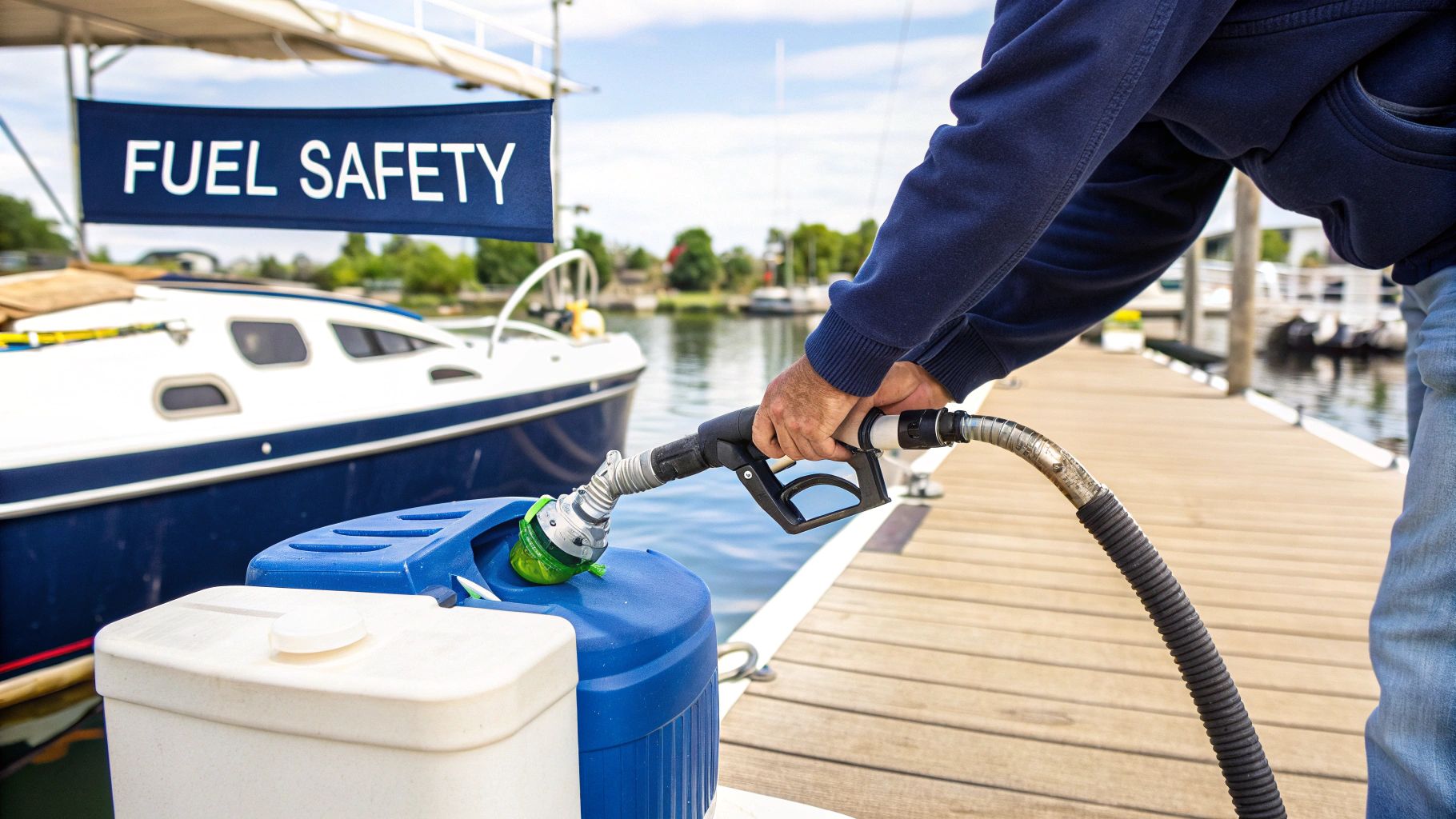
Handling fuel is one of the most critical moments of any day on the water. We’ve all been there—a little distraction, a moment of guesswork, and suddenly you have a dangerous mess on your hands. Getting a handle on a few key safety practices isn’t just about checking a box; it’s about protecting yourself, your passengers, your boat, and the very water you love to be on.
Think of fueling your boat like a pilot’s pre-flight check. It’s a routine that demands your full attention, every single time. Simple steps, like making sure you have good ventilation to carry away flammable vapors and grounding the fuel nozzle to prevent static sparks, are completely non-negotiable.
The High Cost of a Simple Spill
Fuel spills are a much bigger deal than just a messy inconvenience. Did you know a single gallon of gasoline can contaminate thousands of gallons of water? That’s a massive impact on marine life and delicate ecosystems. On top of that, spills can stain your boat's beautiful gelcoat, eat away at vinyl upholstery, and create a dangerously slippery deck.
Preventing spills isn't just a nice idea—it's a core responsibility for every boater out there. The good news is, modern technology is finally catching up, making it easier than ever to fuel up cleanly and safely by taking the guesswork out of the equation.
A Modern Solution for an Old Problem
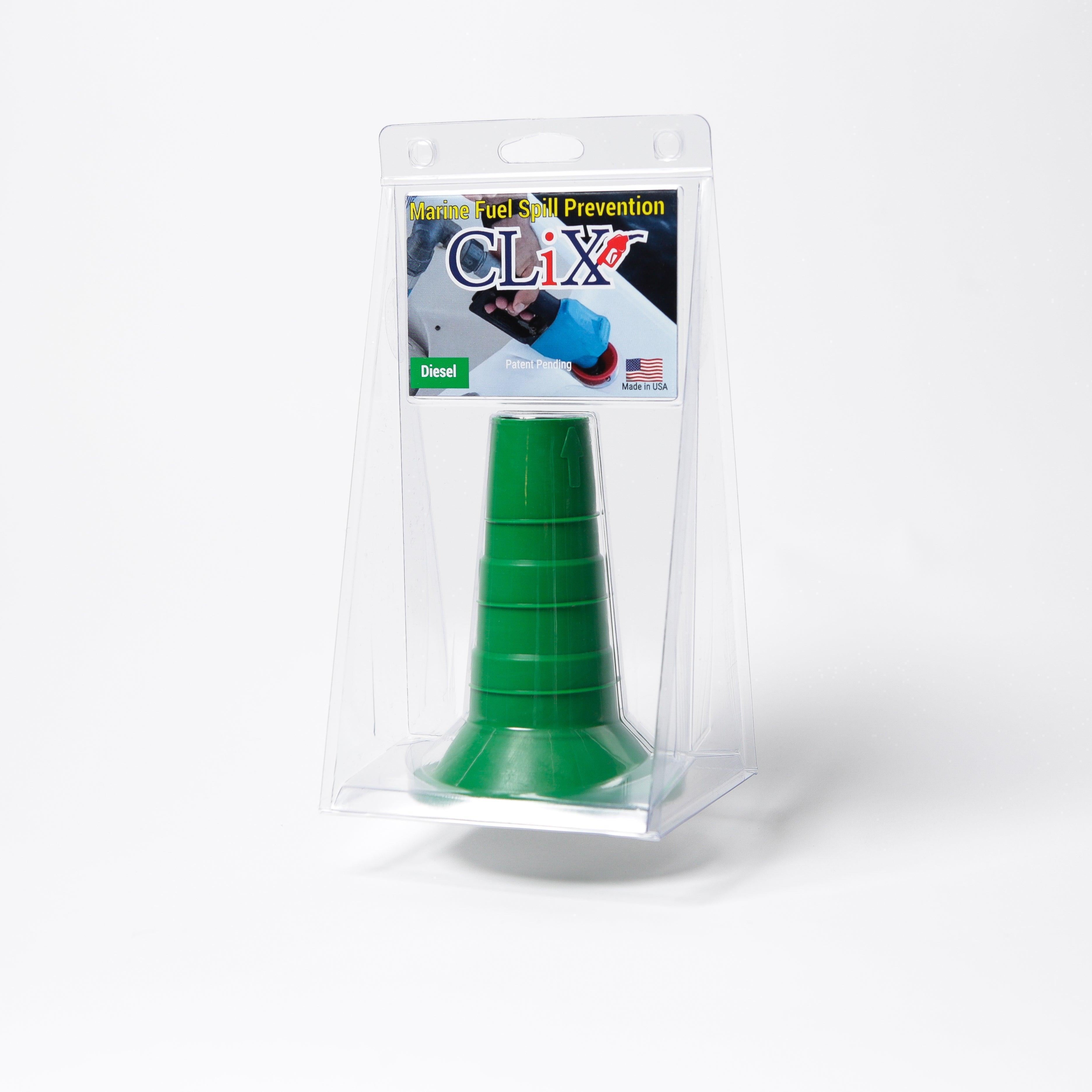
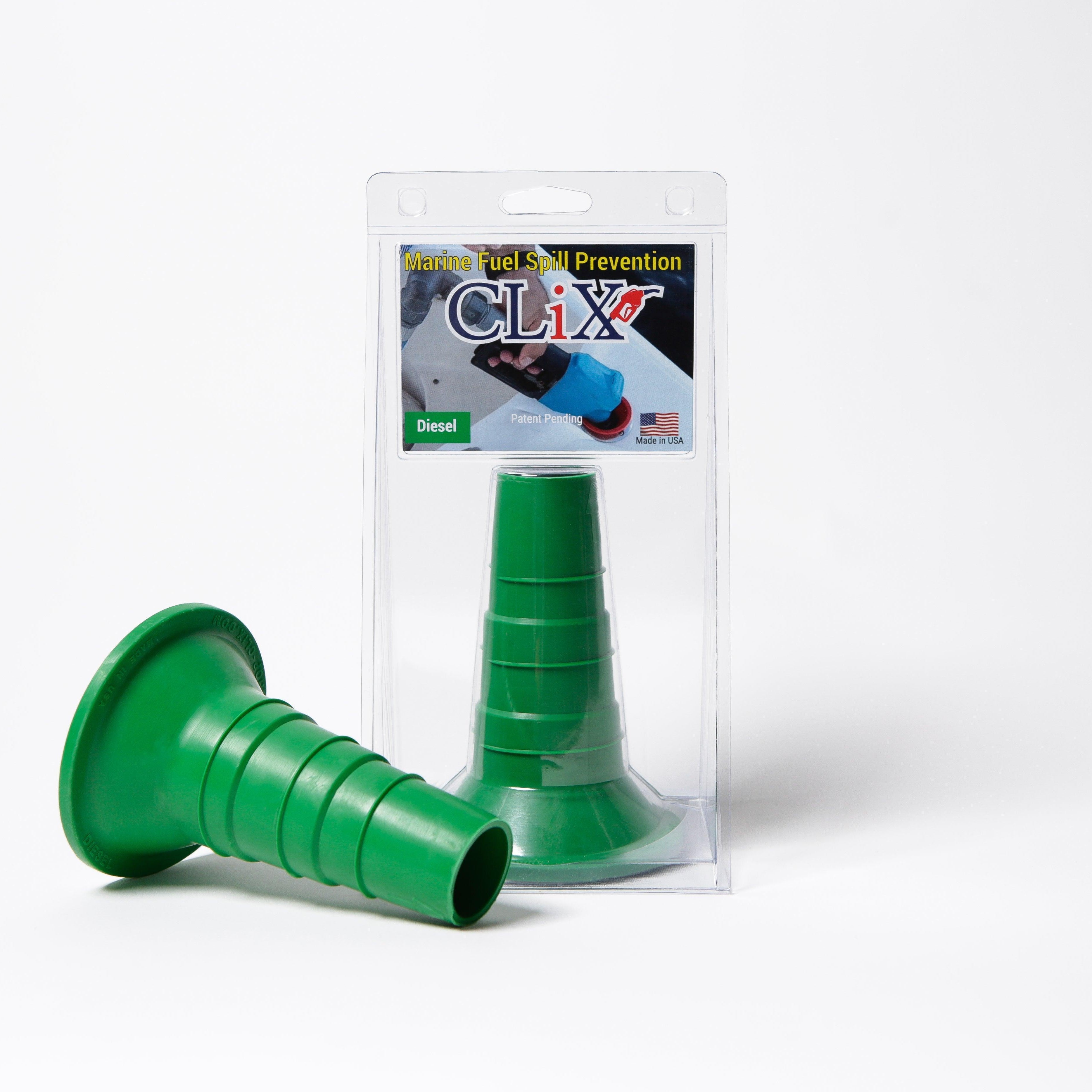
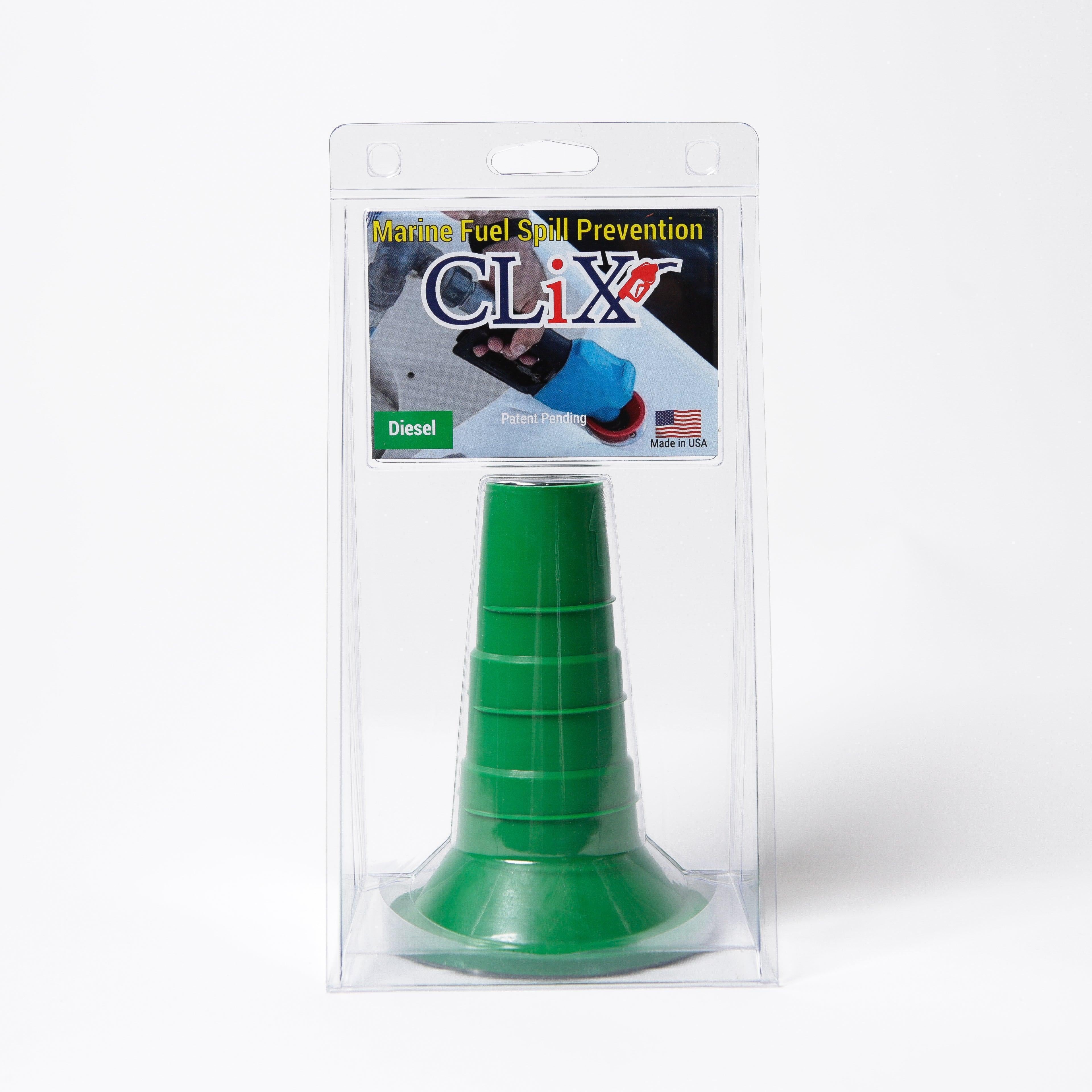
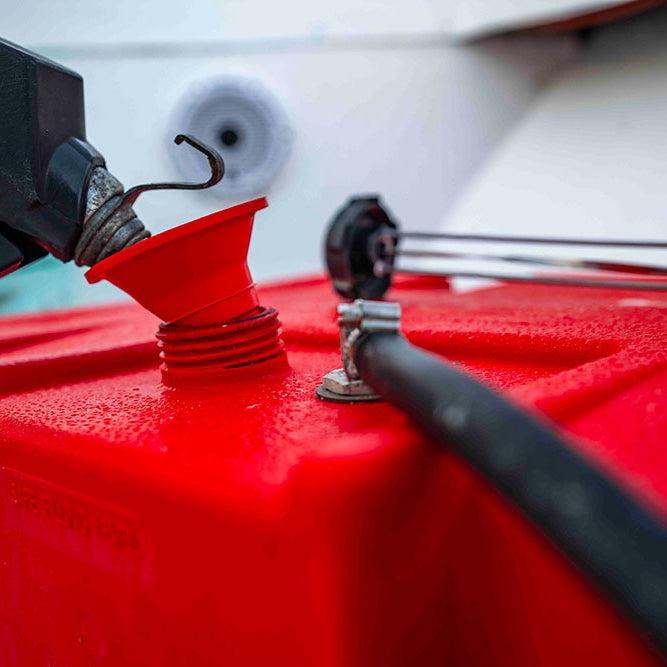
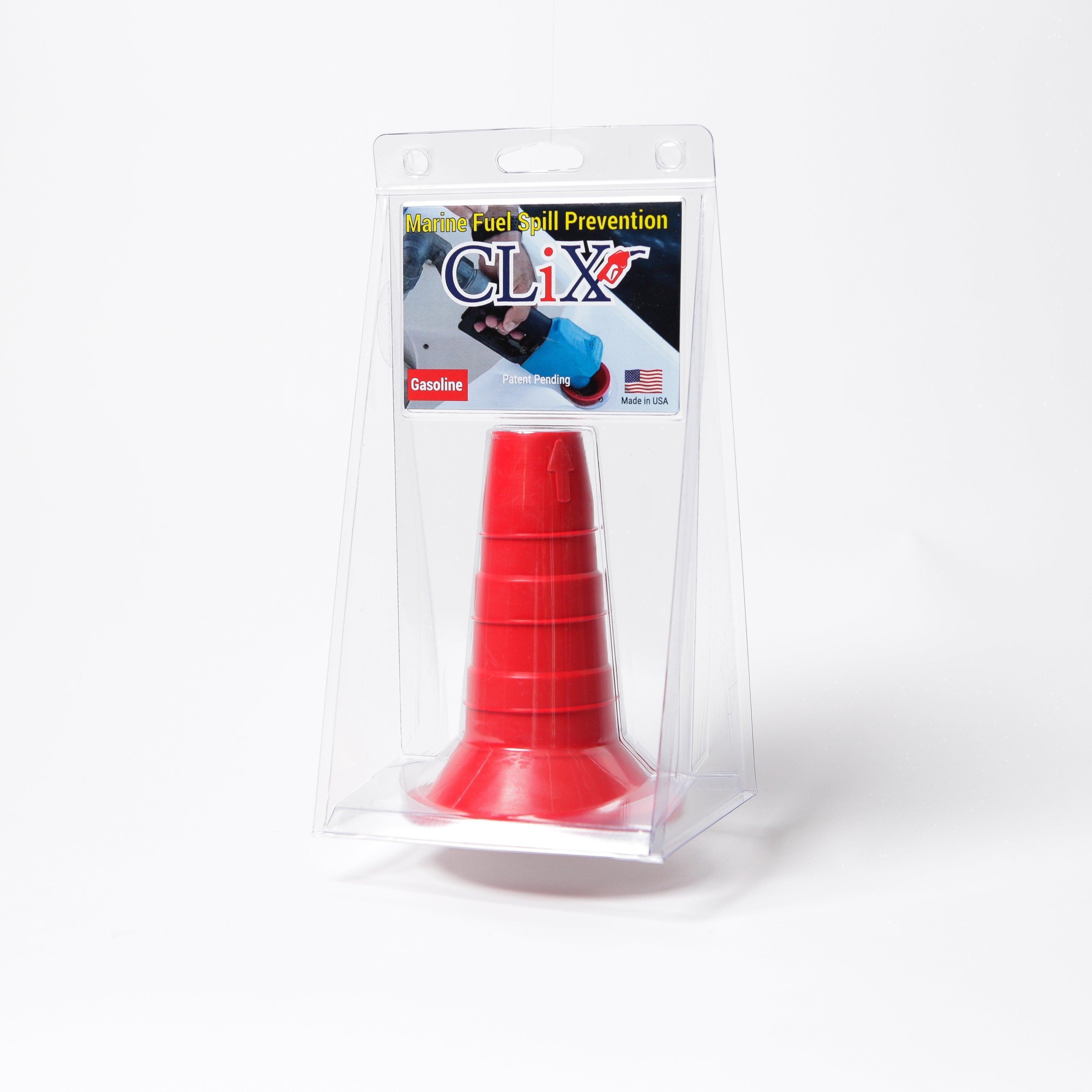
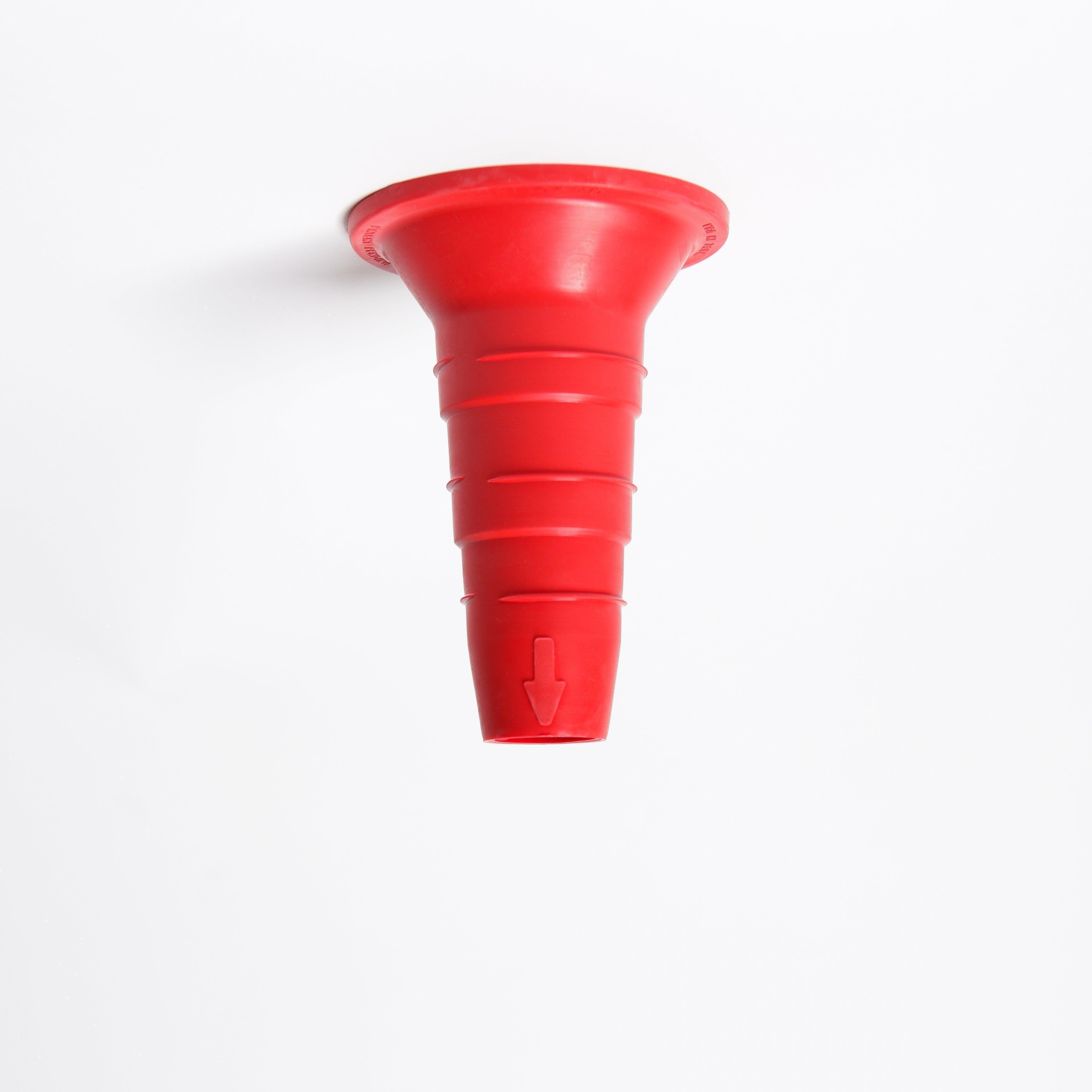
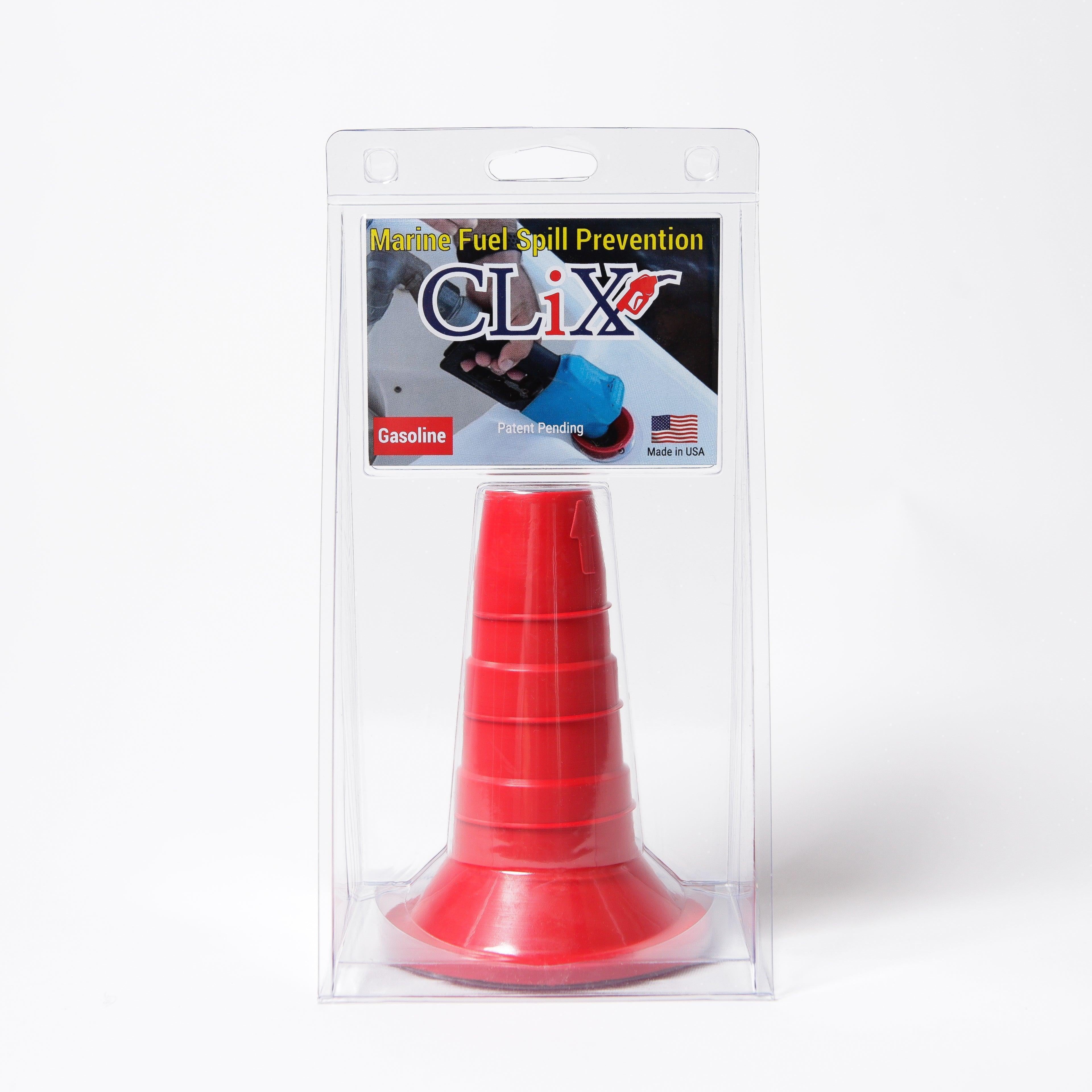
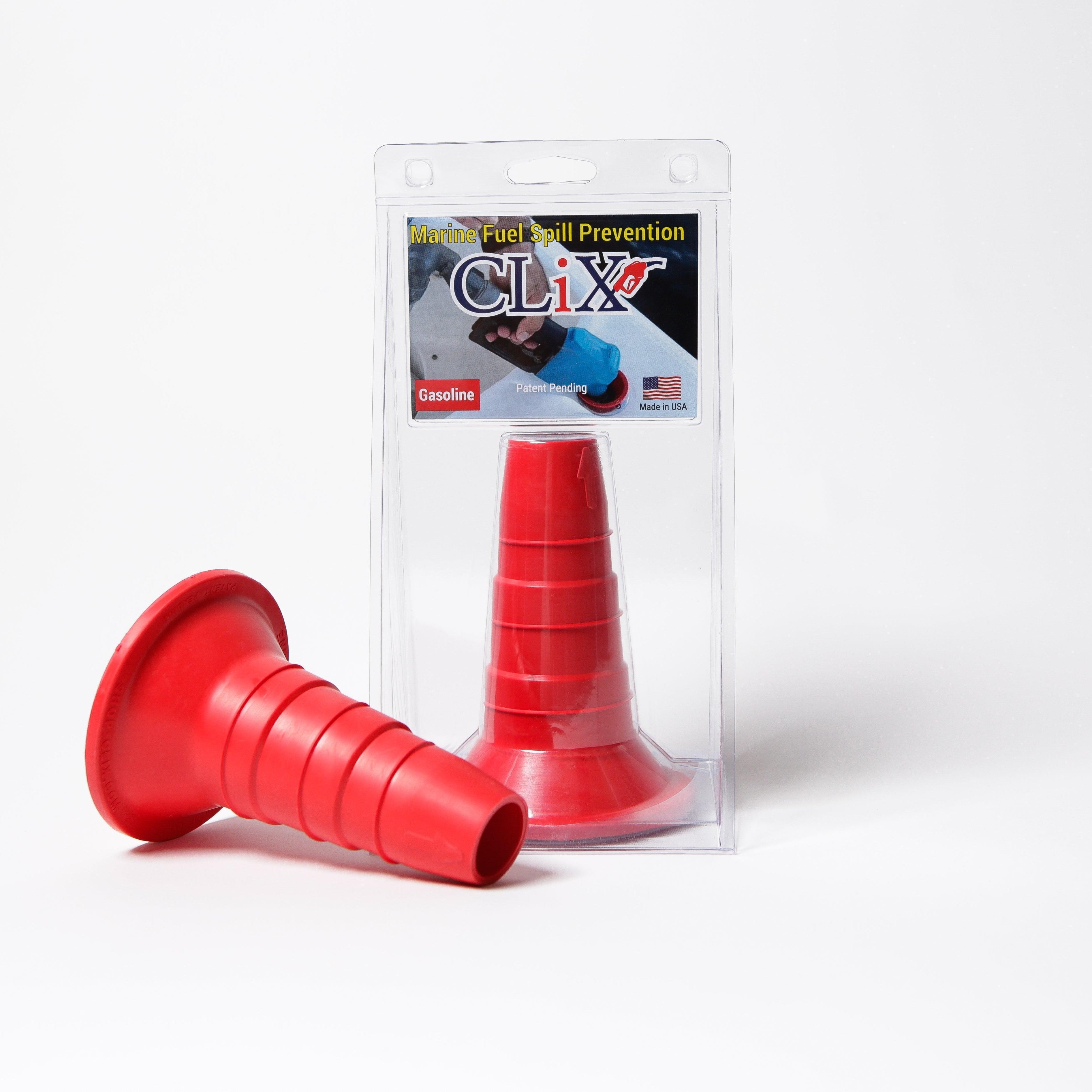
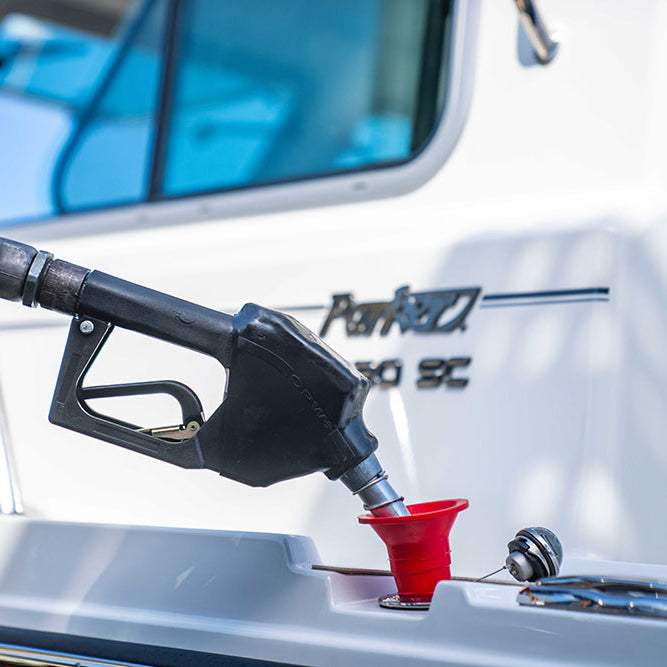
For decades, the best we could do was listen for that gurgling sound as a tank got full or just guess when to stop pumping. This old method is exactly why we get that dreaded "fuel burp"—the messy overflow of gasoline that runs down the side of the hull and straight into the water. This is where an innovative tool like CLiX Fueling Solutions completely changes the game.
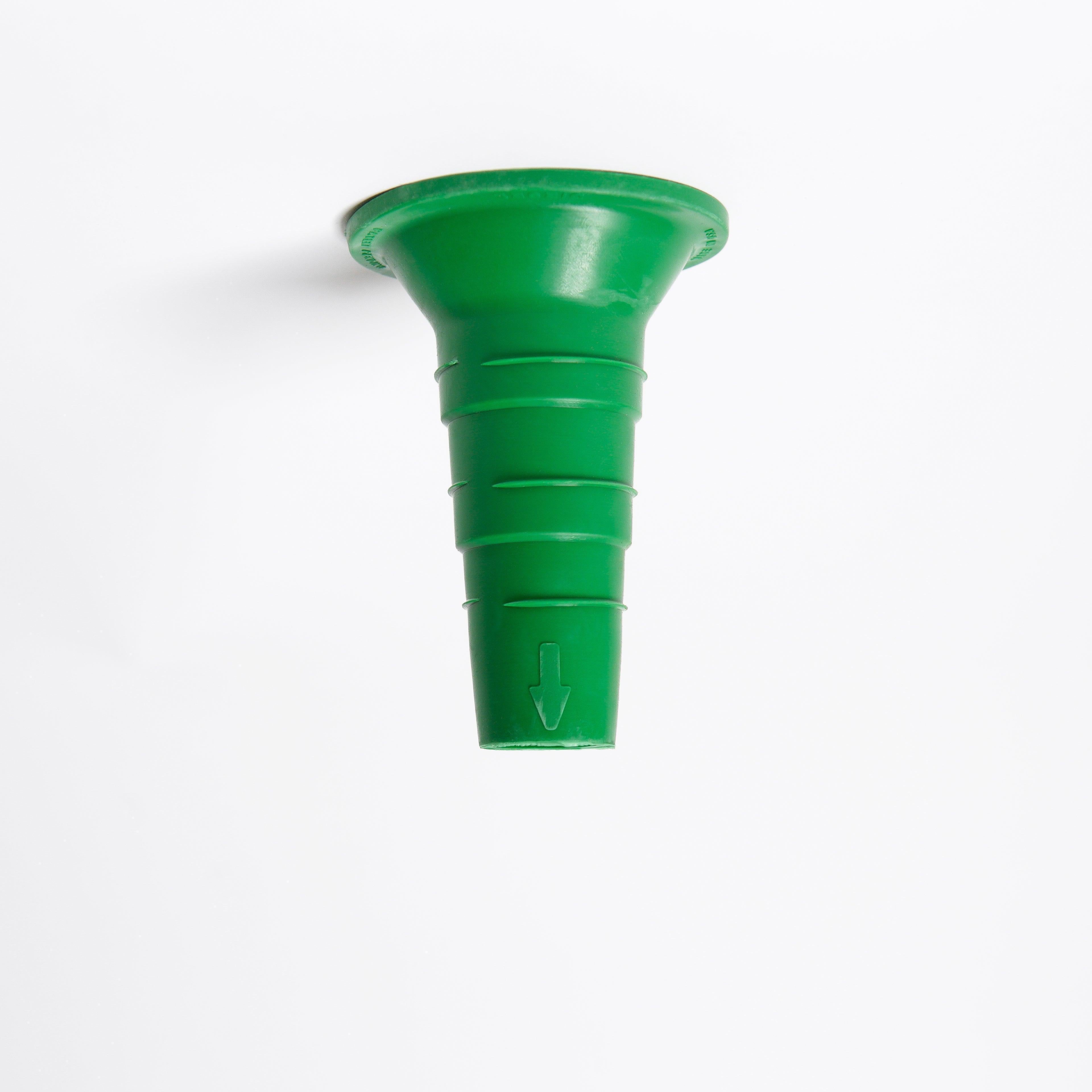
CLiX is a smart connector that attaches right to your boat's fuel fill, creating a secure, sealed connection with the fuel nozzle. Its magic lies in an automatic shut-off that stops the flow the instant your tank is full. It’s a simple but brilliant piece of tech that prevents overfills before they can even start, making the whole process clean, efficient, and way less stressful.
By taking human error out of the equation, tools like CLiX transform fueling from a risky guessing game into a precise, safe, and repeatable process. It’s a huge step forward for responsible boating.
Proactive safety measures like this are becoming more important as the whole marine industry shifts toward being more environmentally conscious. You can dive deeper into how these connectors work in our guide to the marine fuel fill process.
Aligning Safety with Sustainability
This push for safer, cleaner boating is part of a much bigger wave. The sustainable marine fuels market is booming, signaling a major industry-wide shift. This market, estimated at USD 13.22 billion, is projected to explode to roughly USD 648.79 billion at an incredible compound annual growth rate of 47.60%. For us boaters, this means the future is one where environmental responsibility isn’t just encouraged—it’s expected.
This massive industry transformation really drives home the value of adopting smarter, cleaner technologies at every level, right down to how we fill our portable marine fuel tanks.
Non-Negotiable Fueling Protocols
Whether you have the latest gadget or not, some safety rules are timeless. Committing these steps to memory will dramatically cut your risk of accidents.
Before You Fuel:
- Moor Securely: Make sure the boat is tied up tight to the dock. No drifting.
- Extinguish Everything: Kill the engines, shut down all electronics, and put out any open flames (like a galley stove).
- Clear the Area: Get all your passengers off the boat and safely onto the dock.
- Ventilate: Open up hatches, ports, and windows to let any potential fumes escape.
During Fueling:
- Ground the Nozzle: Always keep the metal fuel nozzle in direct contact with your boat’s metal fill pipe. This prevents a static spark from building up and igniting vapors.
- Don't Get Distracted: This isn't the time to check your phone. Keep your eyes on the task from start to finish.
- Fill Slowly: A slow, steady rate prevents splashing and reduces the chance of a "burp."
After You Fuel:
- Wipe Up Spills: Use an absorbent pad to immediately clean up any drips. Don’t just wash it into the water.
- Run the Blower: If you have an inboard engine, run the bilge blower for at least four minutes to clear out any hidden fumes.
- The Sniff Test: Before you even think about starting the engine, do a final "sniff test" in the bilge and cabin. If you smell gas, don't start the engine.
By combining these tried-and-true safety practices with smart, modern solutions, you can ensure every trip starts and ends on a high note. It's all about building a culture of responsibility that protects the people, the boats, and the waters we all share.
Maintenance and Storage for Long-Term Reliability
Think of your portable fuel tank as a critical piece of safety gear. Just like the rest of the equipment on your boat, its reliability comes down to how well you take care of it. A little proactive maintenance and smart storage will keep it working flawlessly for years, preventing those frustrating fuel-related engine problems that can ruin a day on the water.
Ignoring your tank is a lot like never checking the air in your spare tire. You won't realize there's a problem until you're stranded and desperately need it to work. Giving it some attention during the season—and especially before you put it away for the winter—protects your investment and gives you peace of mind every time you head out.
Creating a Simple Inspection Routine
The easiest way to stop big problems is to catch them when they're small. Make it a habit to give your tank a quick once-over before every single trip. It takes less than a minute but can save you a world of headaches later on.
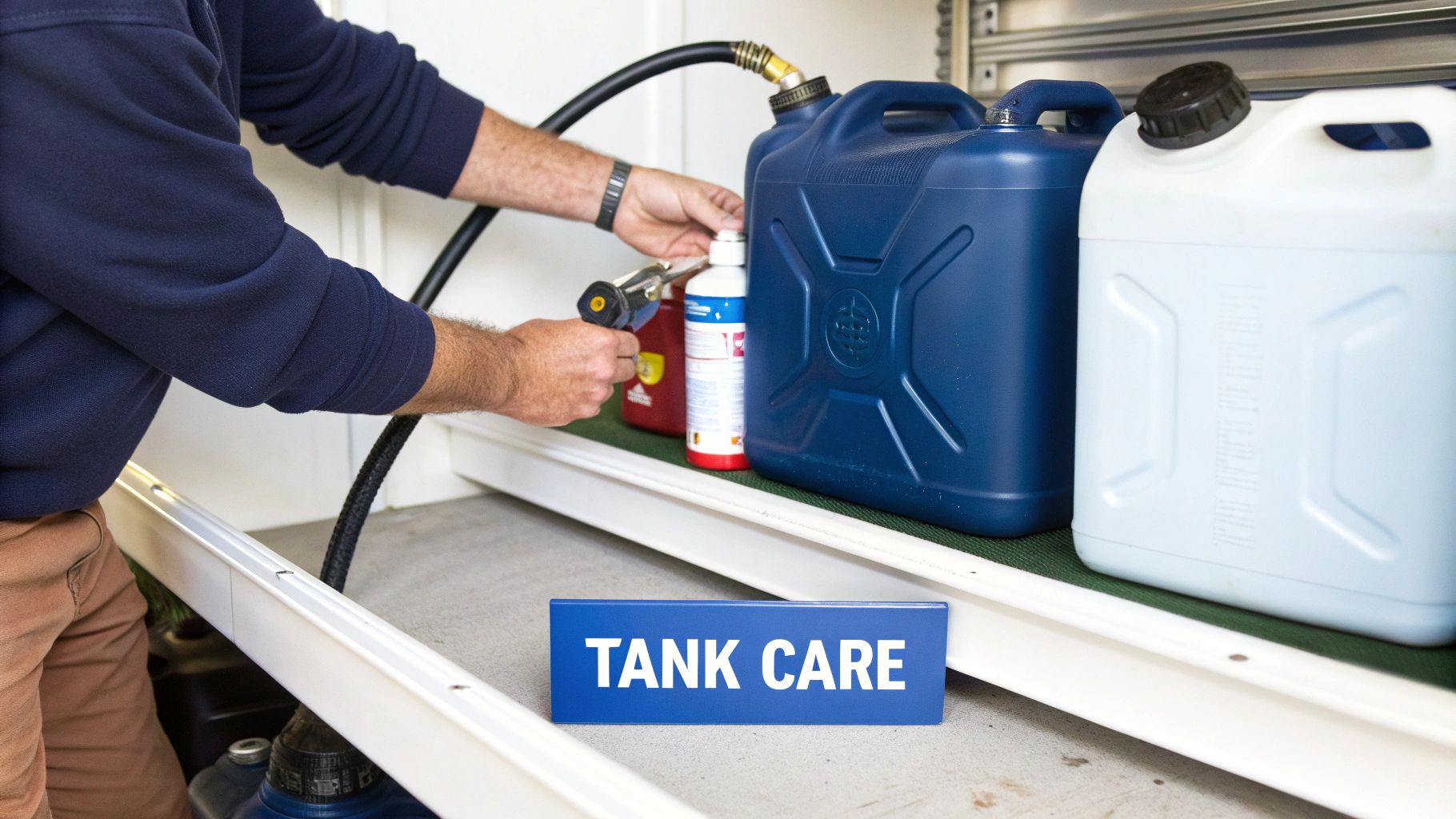
Here’s a quick checklist for your pre-launch inspection:
- Look for Cracks and Leaks: Give the whole tank a good visual scan. Pay close attention to the seams and fittings where problems often start. Even a hairline crack can get much worse with the boat's vibration and pressure changes.
- Check the Seals: Pop the fuel cap and inspect the gasket inside. If it looks dry, cracked, or totally flattened, it’s not creating a proper seal. That means fuel vapors can escape and water can get in.
- Inspect the Hose: Run your hand along the fuel line, feeling for any cracks, soft spots, or kinks. The connection points are the most common failure spots, so double-check that the clamps are snug and secure.
The Critical Role of Fuel Stabilizer
Here's a fact that surprises a lot of boaters: modern gasoline with ethanol can start going bad in as little as 30 days. As it breaks down, it creates a sticky gum and varnish that will clog up your fuel lines, filters, and carburetor. That’s a recipe for a poorly running engine, or one that won't start at all.
This is exactly why using a marine-grade fuel stabilizer is non-negotiable, especially when you're storing the boat.
A good stabilizer essentially acts like a preservative for your fuel. It stops oxidation in its tracks and prevents "phase separation," which is when the ethanol and any absorbed water fall out of the gasoline and settle at the bottom of your tank. Getting in the habit of adding it with every fill-up is smart, but it's absolutely essential before long-term storage.
Think of fuel stabilizer as an insurance policy for your engine. A few dollars for a bottle can easily save you hundreds in fuel system repairs down the road.
Off-Season Storage Best Practices
How you store your portable tank over the winter can make or break its lifespan and the health of your engine come springtime. There are really two main strategies here, and the best one for you depends on where you'll be storing it.
Option 1: Fill It Up (The Preferred Method)
- Top the tank off to about 95% capacity. This leaves just a little room for expansion but minimizes the air inside, which is what holds moisture and leads to condensation.
- Add the right amount of a quality marine fuel stabilizer. After that, run the engine for a few minutes to make sure that treated fuel gets pulled all the way through the lines and carburetor.
Option 2: Run It Dry
- Empty the tank completely. This is the safest bet if you can’t store the tank in a place with a stable temperature, since it removes any chance of fuel going bad.
- Once empty, let the tank air out in a ventilated area for a bit before sealing it up for storage.
No matter which route you take, where you store it is key. You need a cool, dry, and well-ventilated spot away from any potential ignition sources like a furnace, pilot light, or water heater.
This kind of careful maintenance is part of a bigger picture. The global market for fuel tanks, valued at USD 39.81 billion, is expected to hit USD 68.45 billion, underscoring just how important reliable fuel storage is across all industries. For boaters, it’s a reminder that investing a little time in maintaining your gear pays off.
And of course, it’s not just about the fuel tank. For more great tips on keeping all your gear in top shape against the elements, check out this guide on general marine gear maintenance in saltwater.
Staying on the Right Side of Fuel Regulations
Knowing the rules of the water is every bit as important as knowing how to read a chart. For any responsible boater, that means getting familiar with the regulations for portable fuel tanks and building safe fueling habits. These rules aren't just paperwork; they're smart, practical standards designed to prevent accidents and protect the waters we all love to be on.
Think of it like the safety gear in your car—the seatbelts and airbags. You don't think about them every day, but they're built to strict standards for a good reason. It’s the same idea with your boat’s fuel system. Authorities like the U.S. Coast Guard (USCG) and the Environmental Protection Agency (EPA) have set clear standards for safety and design.
What the Rules Require
Any new portable marine fuel tank you buy today is built to meet specific federal standards. These regulations cover everything from the plastics and metals used to the little safety features you might not even notice.
Here’s what regulations mandate for modern tanks:
- Automatic Venting Systems: Tanks need to manage the pressure changes that happen as temperatures fluctuate, all without leaking dangerous fumes. This is why you see those complex, multi-part caps on newer cans.
- Spill-Proof Designs: A tank has to be designed to keep fuel inside even if it gets knocked over. This is a must-have safety feature on a boat that's constantly in motion.
- Durable Construction: The materials have to be tough enough for the marine world, holding up against fuel, constant sun exposure, and the inevitable bumps and scrapes.
Thanks to these rules, you can trust that any portable tank you buy off the shelf has been engineered with safety as the top priority.
Fueling Best Practices Everyone Should Follow
Beyond the gear itself, how you handle fuel is what truly matters. Whether you're at a crowded fuel dock or just topping off from a jerry can, a consistent and safe routine is your best defense against spills and fire. A small mistake can have big consequences, not just for your boat but for the entire marine environment.
Proper fueling isn't optional—it's a critical part of boating. It’s one of those moments that requires your undivided attention to prevent spills, which can lead to hefty fines, environmental harm, and a serious fire risk.
This push for cleaner, safer fueling is happening all across the boating world. For example, the global market for marine LNG fuel tanks is already worth $2.5 billion and growing. While that’s on the commercial side, this trend shows a huge industry-wide shift toward safer and more eco-friendly fuel systems, and the innovations eventually trickle down to us recreational boaters. You can read more about these market trends and their impact on fuel safety.
Your Fueling Safety Checklist
Make these steps a habit every single time you refuel:
- Kill Everything: Turn off the engine, all electronics, and extinguish any open flames (like a galley stove).
- Everyone Off: Get all passengers off the boat and onto the dock.
- Ground the Nozzle: Keep the fuel nozzle in constant contact with the boat’s fill opening. This prevents static sparks.
- Don't Top Off: Fill the tank slowly. Never fill it to the very brim—leave about 10% empty for fuel expansion on a hot day.
- Wipe Up Spills: Keep an absorbent pad handy and wipe up any drips immediately.
By using the right equipment and sticking to these simple but crucial steps, you're doing your part to keep boating safe and responsible for everyone.
Got Questions? We've Got Answers
Even with the best gear, you're bound to have a few questions. Let's tackle some of the most common ones we hear from boaters about portable fuel tanks, so you can head out on the water with total confidence.
How Long Does Fuel Last in a Portable Boat Tank?
This is a big one. Untreated gasoline, especially the ethanol-blended stuff you find at most pumps, can start going bad in as little as 30 days. The ethanol is the real troublemaker here—it loves to absorb moisture right out of the air, which leads to water contamination, phase separation, and gunk building up in your fuel system.
The fix? A quality marine fuel stabilizer. It’s a non-negotiable for boaters, especially for off-season storage. Adding stabilizer can keep your fuel fresh for a year or even longer. Just be sure to follow the instructions on the bottle to get the mix right.
Can I Use a Regular Car Gas Can on My Boat?
In a word: no. It might seem like a simple swap, but using a standard red plastic gas can from the auto parts store is a serious safety hazard on a boat.
Marine-grade portable fuel tanks aren't just regular cans with a fancy label. They're built to strict U.S. Coast Guard and EPA standards, with crucial safety features like proper venting for pressure changes and secure fuel line connections that automotive cans simply don't have.
These tanks are also made from materials designed to survive the marine world—sun, salt, and constant motion. Using the wrong can isn't just a bad idea; it goes against safety regulations.
What Is the Safest Way to Secure a Portable Tank?
A loose fuel tank is a recipe for disaster. If it slides around or tips over in rough seas, you could be looking at a broken fuel line, a dangerous spill, and a major fire risk.
Securing your tank properly is easy:
- Find the Right Spot: Put the tank in a well-ventilated area so fumes can escape.
- Strap It Down: Use heavy-duty straps or a dedicated hold-down kit to make sure it can't move.
- Keep It Clear: Make sure the fuel line can run straight without kinking and that the tank isn't blocking your path to safety gear or an exit.
Taking a minute to secure your tank before you cast off is one of the simplest and most important safety checks you can do.
Ready to stop worrying about spills and overflows every time you fuel up? The patented system from CLiX Fueling Solutions automatically shuts off the nozzle when your tank is full, protecting your boat and the water. Find out how you can get a safer, cleaner fueling experience by visiting https://clixfueling.com.