For any boater, a portable marine gas tank is more than just a piece of equipment—it's your lifeline. It’s what gives you the freedom to explore, the range to find that perfect fishing spot, and the peace of mind knowing you have enough fuel to get back to the dock safely.
Why Your Portable Gas Tank Is More Than Just a Container
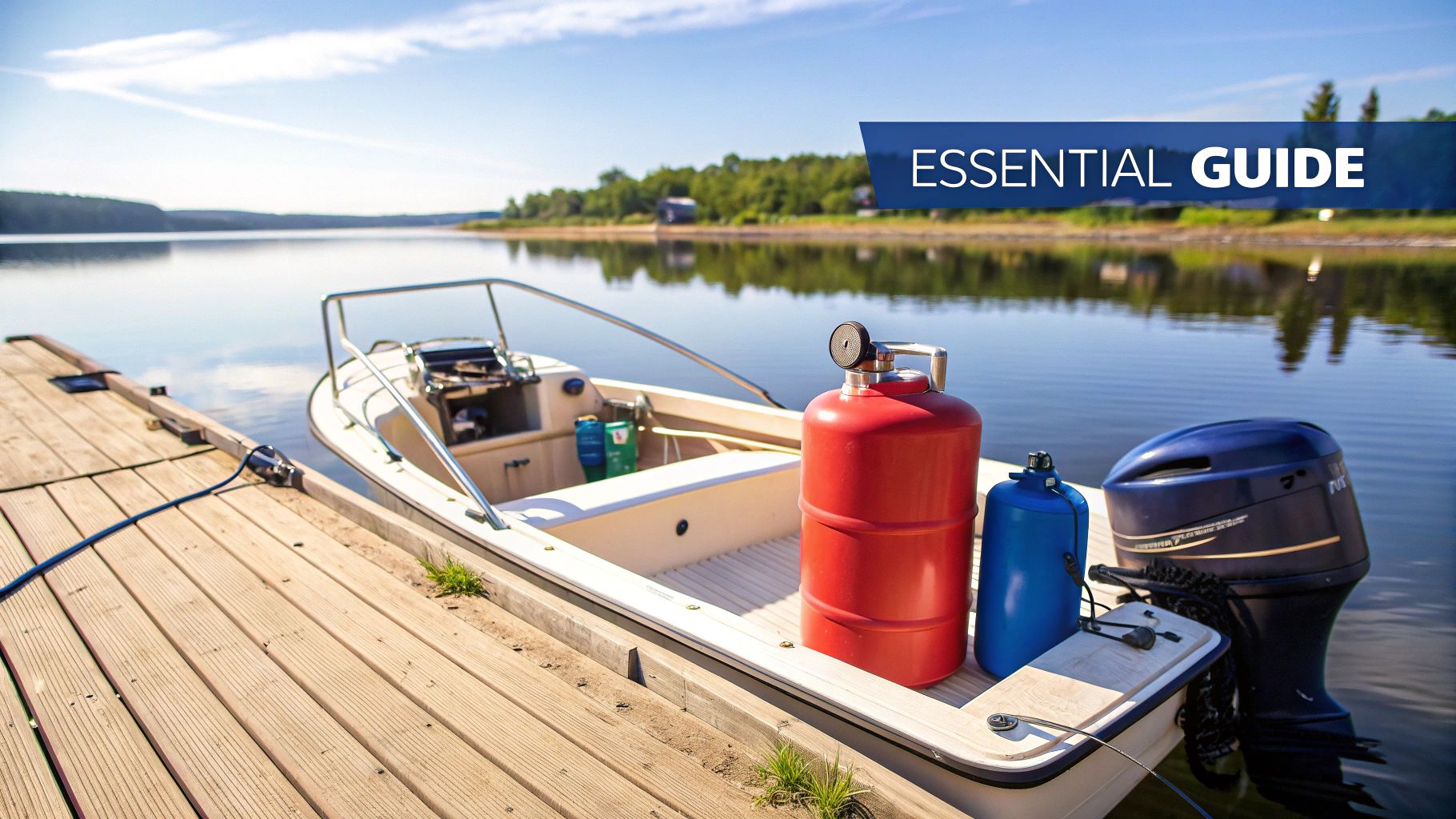
For a huge number of boaters, the humble marine portable gas tank is the core of their entire fuel system. It’s what powers weekend adventures and quiet morning cruises. Think of it less like an accessory and more like the heart of your engine—without it, you're not going anywhere.
But as any experienced boater will tell you, these tanks aren't without their headaches. We've all been there: guessing fuel levels by shaking the tank, worrying about running empty miles from shore, and dealing with the messy, smelly, and dangerous problem of overfills. A single spill can ruin your boat’s finish, pollute the water, and create a serious fire risk.
Moving Beyond Guesswork and Spills
The old-school way of fueling often felt like a guessing game. You'd shake the tank, try to peer into the dark opening, and hope for the best. That kind of uncertainty can ruin a perfect day on the water or, in a worst-case scenario, leave you stranded and calling for a tow.
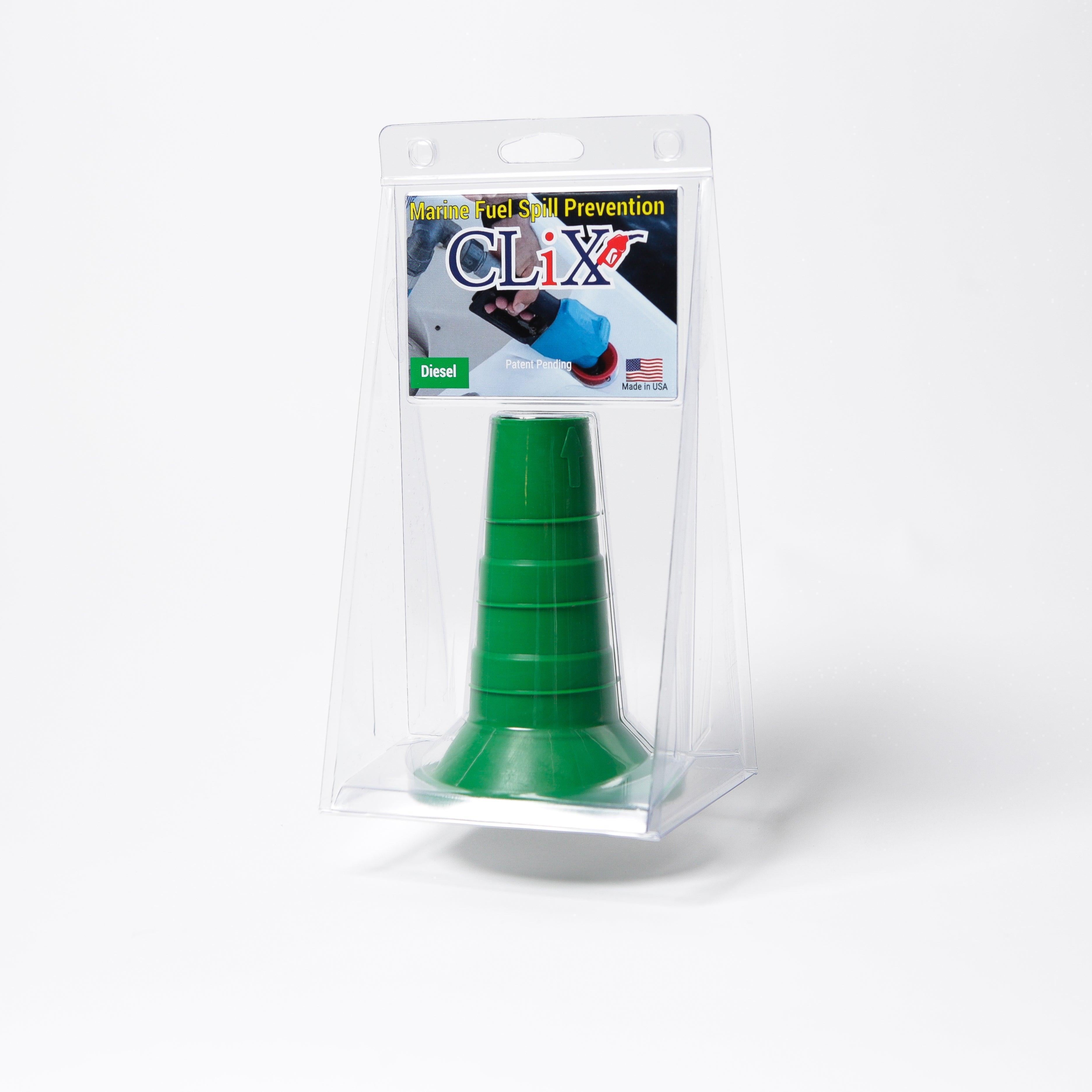
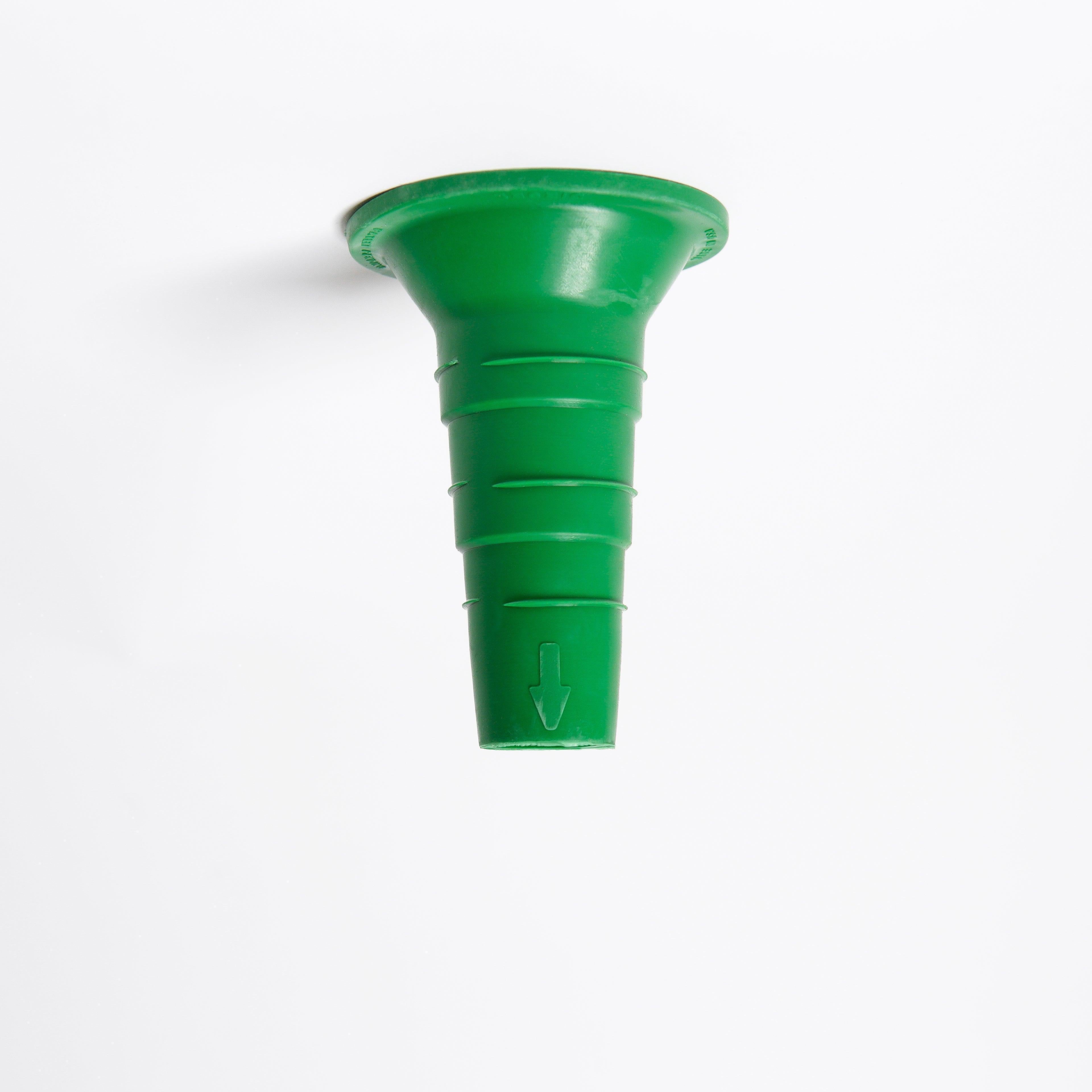
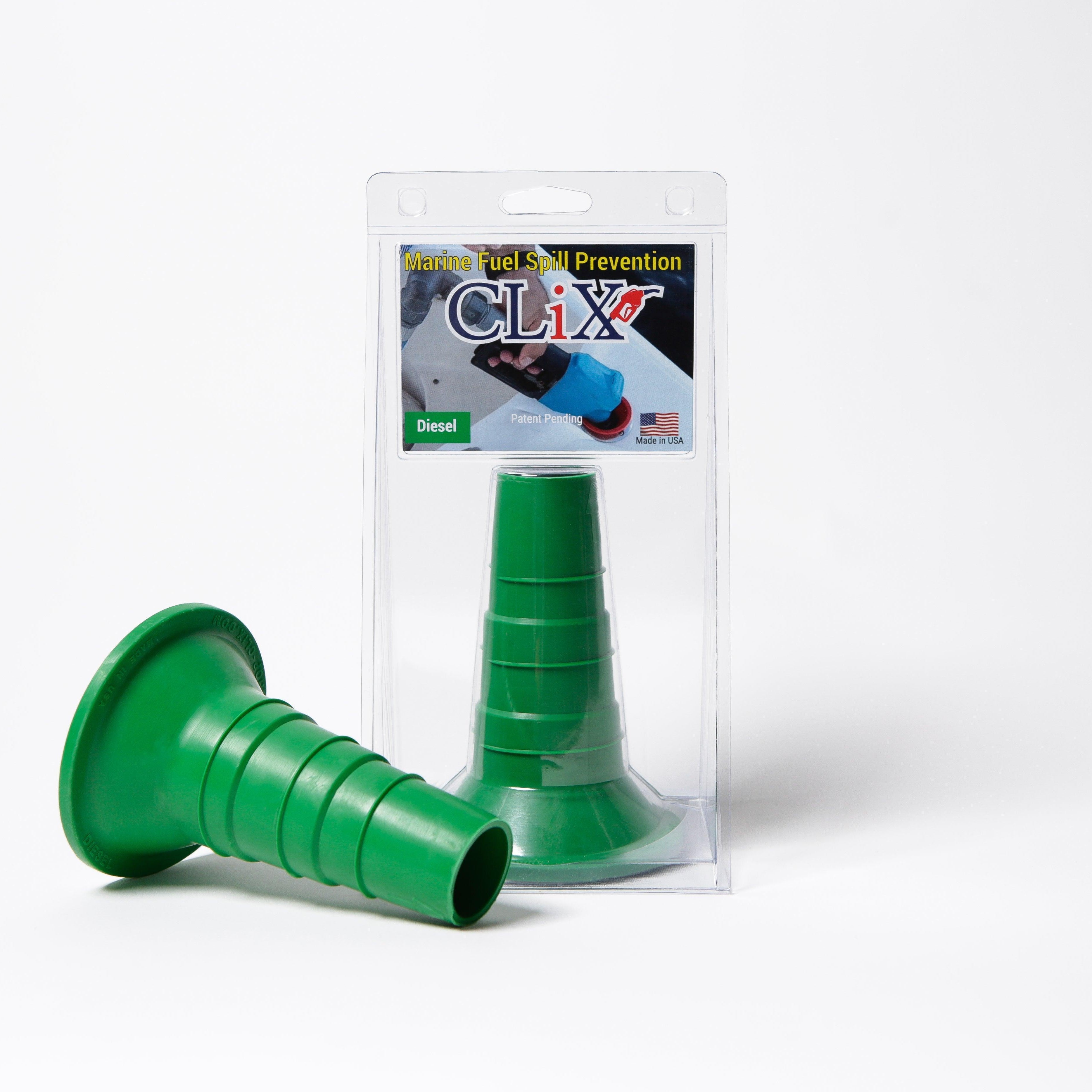
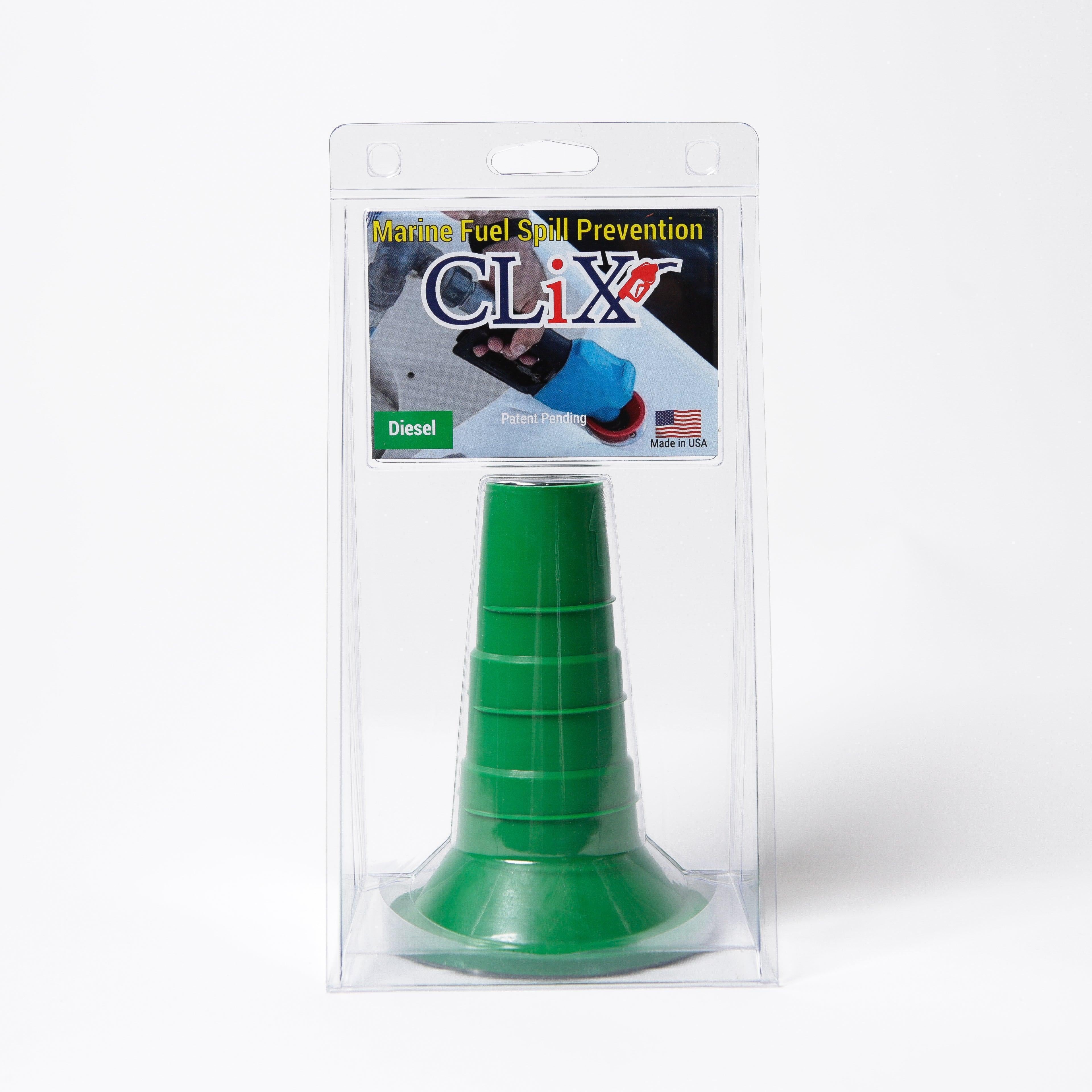
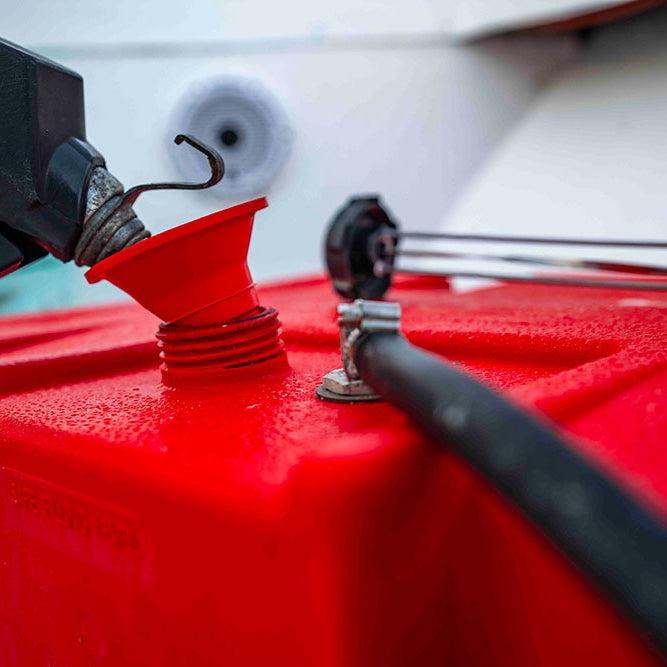
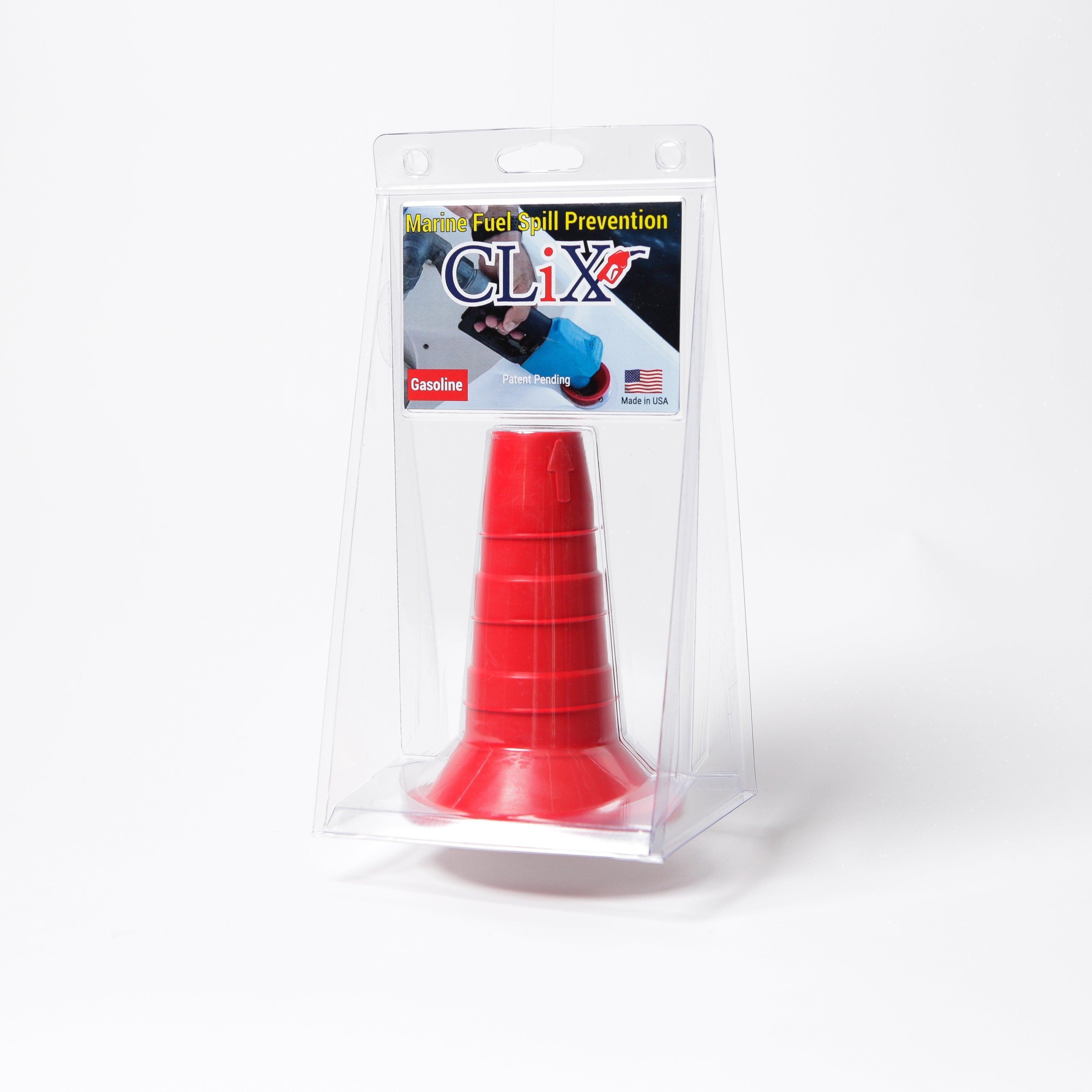
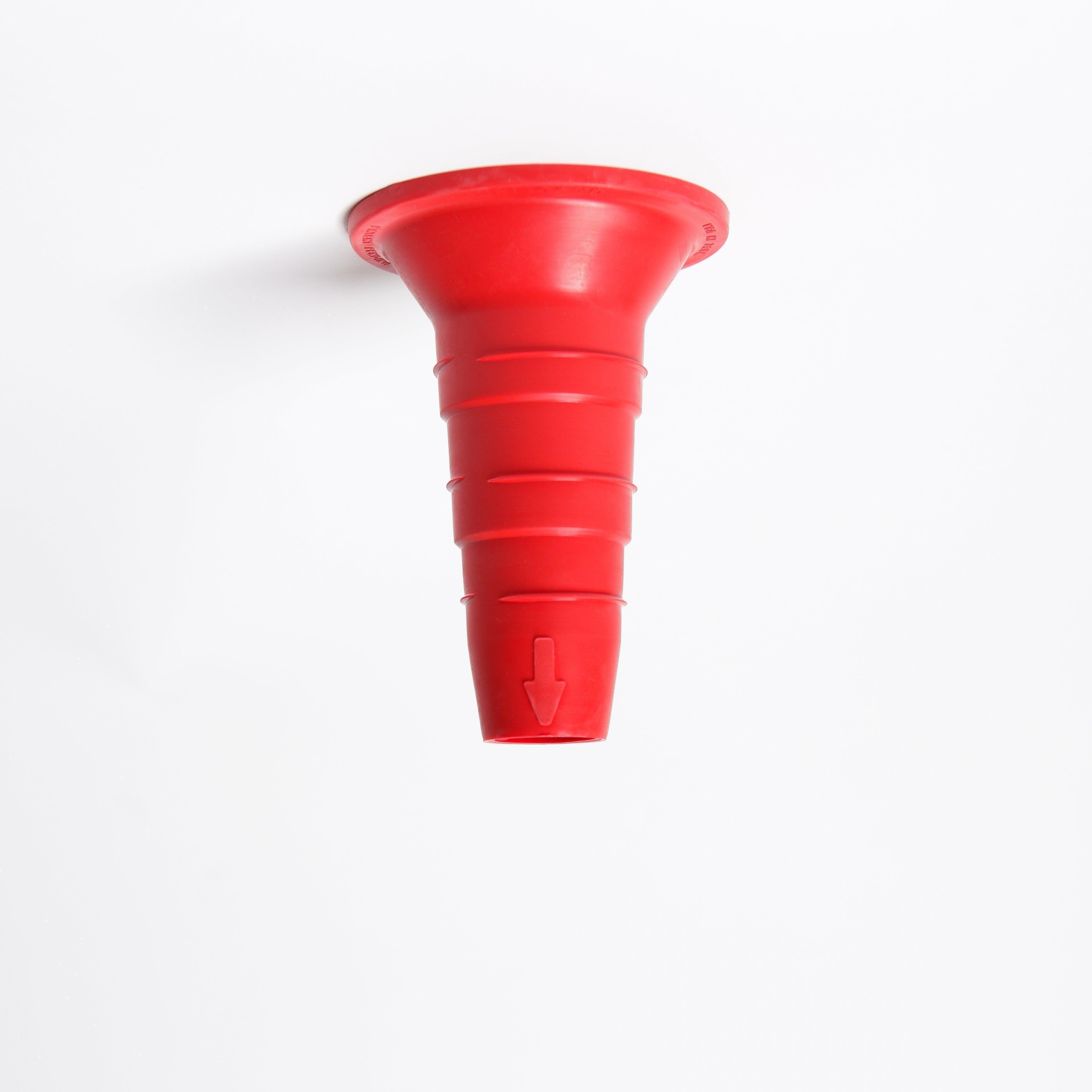
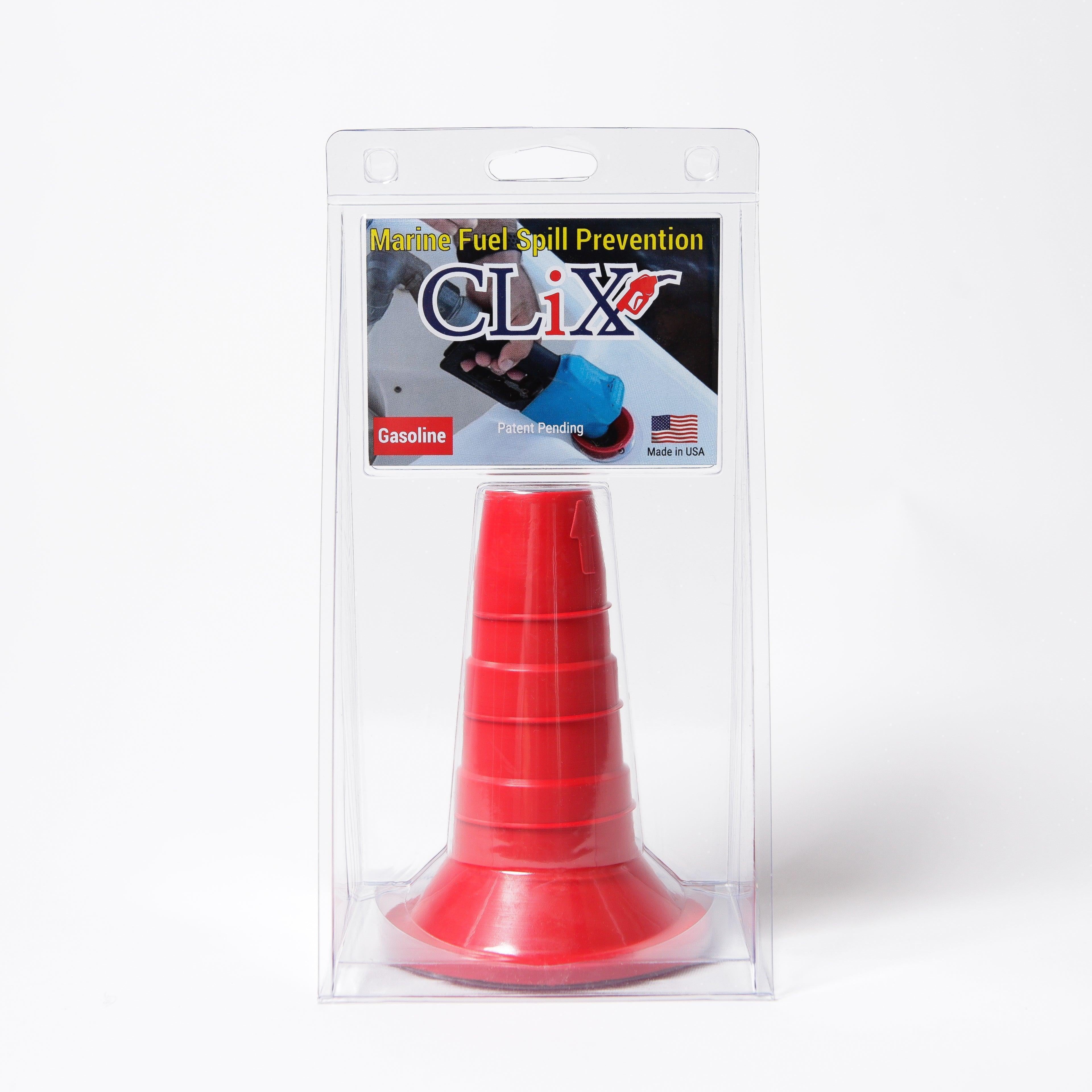
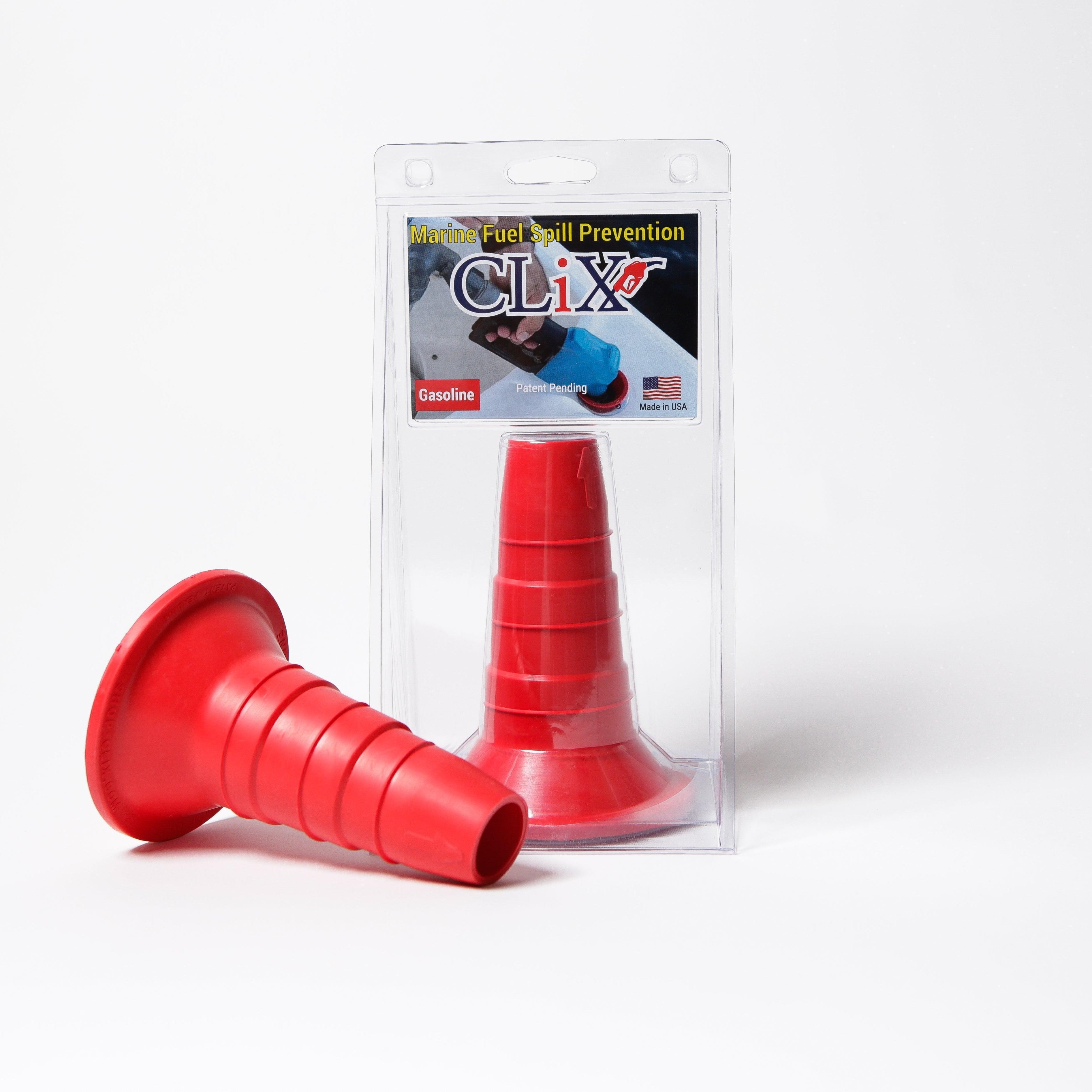
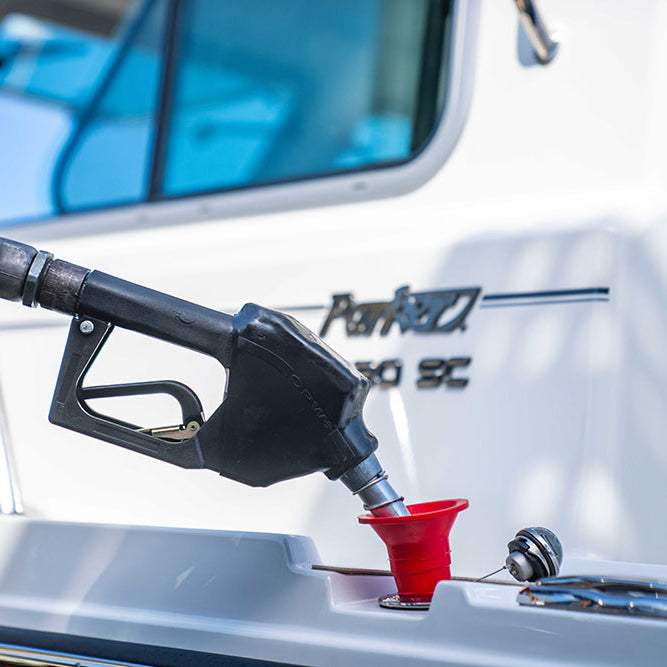
Thankfully, we're moving past the days of fuel anxiety and hazardous spills. Modern systems are designed specifically to solve these problems. A great example is the CLiX Fueling System, which offers a spill-free, automatic shutoff that completely eliminates overfills. It's a simple fix that makes sure every expensive drop of fuel gets into your tank, not on your boat or in the water.
A single quart of oil or gasoline can contaminate up to 250,000 gallons of water. That staggering number shows just how critical it is to prevent even small spills. Protecting our waterways starts with safer fueling habits.
This guide is here to walk you through everything you need to know to choose, use, and maintain your marine gas tank like a pro. We'll cover all the essentials, including:
- Different Types and Materials: We'll break down the pros and cons of plastic versus metal tanks and the various designs available.
- Capacity and Weight: Learn how to pick the right size for your boat's needs without overloading it or compromising performance.
- Safe Fueling Practices: Get step-by-step instructions for handling fuel responsibly and preventing spills.
- Maintenance and Storage: Discover the best ways to keep your tank in great shape season after season.
Understanding Different Types of Marine Fuel Tanks
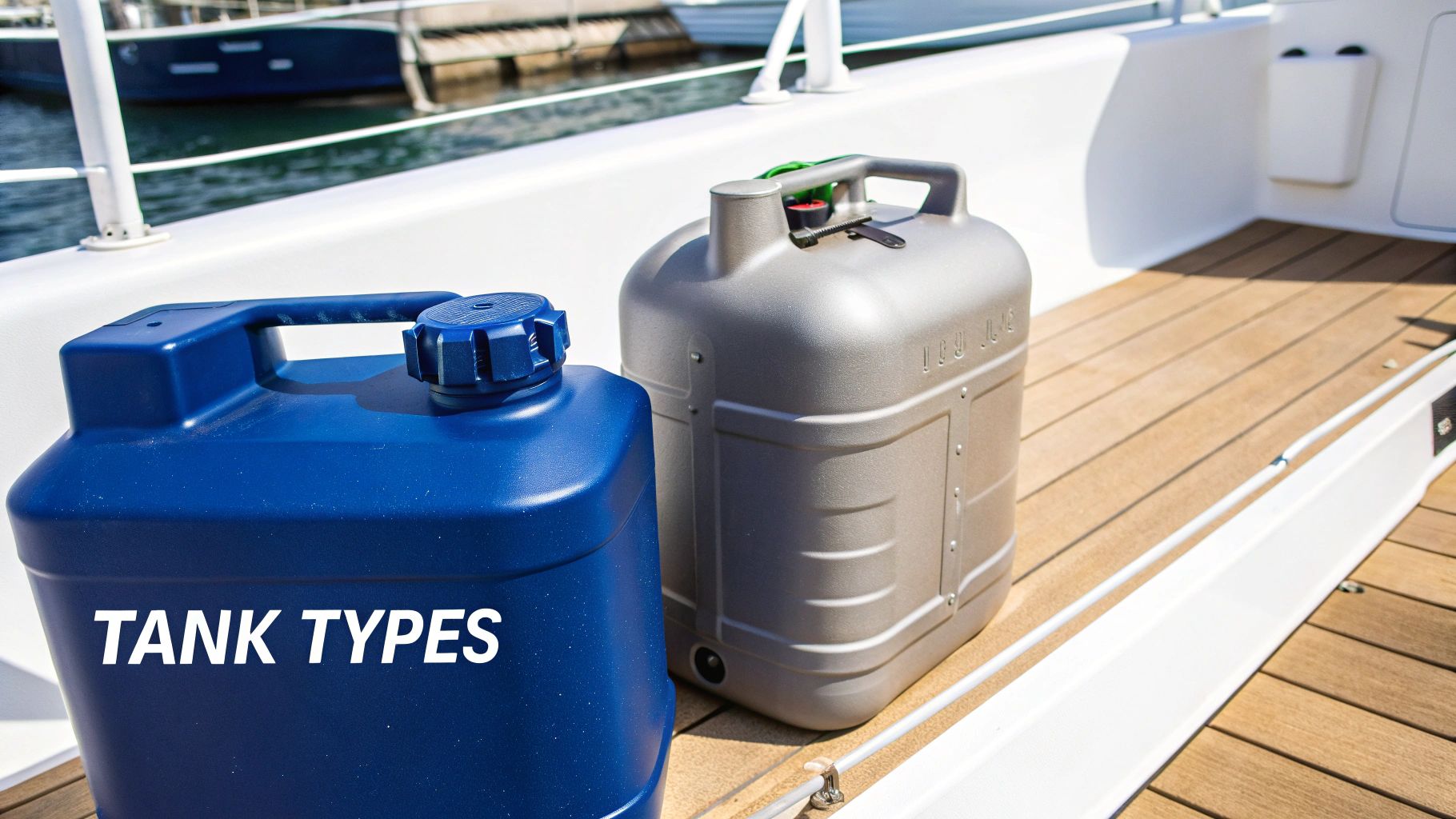
Picking out a marine portable gas tank isn't something you do on a whim. It’s a lot like choosing the right gear for any serious hobby—the details matter. The material it's made from, its shape, and its features all have a real impact on how it performs out on the water, not to mention your safety and how long it lasts.
It’s no surprise that these tanks are everywhere. Recreational boating is a massive pastime, and portable fuel tanks are a cornerstone of the experience. The market for them has grown to over USD 1.1 billion, and marine use makes up a huge 41.3% chunk of that. That tells you just how many of us rely on these things every single weekend.
Plastic vs Metal The Great Material Debate
Your first big decision is going to be about the material. You'll mainly find tanks made from either high-density polyethylene (HDPE) plastic or metal, and they each bring something different to the table.
Plastic tanks, specifically those made of HDPE, have pretty much become the standard for good reason. They're light, they can't rust (a massive plus in a marine environment), and they’re easier on the wallet. Plus, since they're molded in one seamless piece, there are fewer weak spots where a leak could start down the road.
On the flip side, you have metal tanks, usually built from coated steel or aluminum. These things are tough. They can take a beating, resist punctures better than plastic, and don't swell as much under pressure. The downside? They're heavier and you have to stay on top of maintenance to keep rust and corrosion at bay, especially if you're boating in saltwater.
To help you sort it out, here’s a quick rundown of how they stack up.
Plastic vs Metal Marine Gas Tanks at a Glance
| Feature | High-Density Polyethylene (Plastic) | Metal (Steel/Aluminum) |
|---|---|---|
| Corrosion Resistance | Excellent. Completely immune to rust. | Fair to Good. Requires maintenance to prevent corrosion, especially in saltwater. |
| Weight | Lightweight and easy to carry. | Heavier and more cumbersome. |
| Impact Durability | Good. Modern plastics are tough but can be punctured by sharp impacts. | Excellent. Offers superior resistance to punctures and dents. |
| Cost | More affordable upfront. | Typically more expensive. |
| Maintenance | Low maintenance. Just needs cleaning. | Requires regular checks for scratches, rust, and coating integrity. |
Ultimately, choosing between plastic and metal comes down to your priorities. Do you value lightweight convenience and zero rust, or rugged, puncture-proof durability? For most of us out on the lake for the weekend, a good quality plastic tank is the practical choice.
You can get a more detailed breakdown in our guide on choosing portable gas containers for boats.
Tank Designs for Every Boating Need
Beyond what it's made of, the actual shape of the tank can make a big difference in how you use it. Designers have come up with a few common styles to fit different boats and how people use them.
You’ll generally run into three main types:
- Low-Profile Tanks: These are the short, wide ones. Their low center of gravity is perfect for smaller vessels like jon boats or inflatables because they’re far less likely to tip over when the water gets choppy.
- Vertical Tanks: Tall and skinny, these are designed to save deck space. If you have a crowded boat, you can tuck one of these into a corner or locker and keep your deck clear.
- Tanks with Built-in Gauges: A lot of newer tanks come with a fuel gauge right on the cap or body. They're not always pinpoint accurate, but they beat the old "shake and guess" method, which is never a great idea.
At the end of the day, the right tank is the one that fits your boat and your needs. By thinking through the materials and designs, you can pick one that makes your time on the water safer, easier, and a whole lot more fun.
Choosing the Right Capacity and Design for Your Boat
Picking the right portable gas tank for your boat is a classic trade-off. It’s not about grabbing the biggest one off the shelf; it's about finding the perfect match for your boat, your trips, and your own strength. Think of it like packing for a camping trip—too little gear and you’re in trouble, but too much and you can barely carry the pack.
Fuel works the same way. A nimble little 3-gallon tank is perfect for zipping across the lake in a small jon boat. But for a long day of fishing miles from shore, that same tank would leave you dangerously short. For that, you'd want a 6-gallon or even a 12-gallon tank. The goal is to hit that sweet spot between having enough range and not wrestling with a tank that's too heavy or bulky.
How Much Fuel Do You Really Need?
Before you can pick a tank, you need a good handle on how much fuel your boat actually drinks. Every boat and engine combo is a little different, but you don't need a degree in fluid dynamics to figure it out. There’s a simple, time-tested rule that boaters swear by.
It’s called the Rule of Thirds, and it's your best friend for staying safe on the water.
The Rule of Thirds for Fuel Management
Always plan on using one-third of your fuel to get where you're going, one-third to get back, and keeping the final one-third in reserve. That reserve is for the unexpected—a sudden storm, a strong current, or just deciding to explore a bit longer.
Let’s put it into practice. Say your typical afternoon fishing trip burns through about 4 gallons of gas. Heading out with just a 4-gallon tank is cutting it way too close. The Rule of Thirds tells you to bring at least 6 gallons: 2 gallons to get out, 2 gallons to get back, and a crucial 2 gallons for peace of mind.
Don't Forget the Weight and Portability
Once you’ve got your capacity figured out, it's time for a reality check on weight. Fuel is surprisingly heavy. A single gallon of gasoline weighs about 6 pounds. That means a full 6-gallon portable tank tips the scales at around 36 pounds, plus the weight of the plastic tank itself. A 12-gallon tank? You're looking at close to 75 pounds.
That extra weight affects your boat’s performance, but more importantly, it affects you. Lugging a 75-pound tank from your truck, down the dock, and onto a rocking boat is a completely different ballgame than carrying a light 3-gallon tank.
Here's how the trade-offs usually stack up:
- Higher Capacity: Gives you more range and less fuel anxiety, but it’s heavy, takes up valuable deck space, and can be a real pain to move around.
- Lower Capacity: Super easy to carry and stash, but it seriously limits how far you can go. You might find yourself needing to haul multiple tanks anyway.
For this reason, many boaters find that two 6-gallon tanks are a much better solution than one massive 12-gallon tank. You get the same amount of fuel, but in two much more manageable packages that are easier to carry and secure on board.
Look for Smart, Stable Designs
A modern portable tank is more than just a plastic jug. The little design details make a huge difference in how safe and easy it is to use, especially when the water gets choppy.
A good handle is a non-negotiable feature. It's not just for comfort; it's about safety. A well-designed, multi-position grip lets you get a firm, balanced hold, which drastically reduces the chances of dropping a full, heavy tank.
Next, look at the base of the tank. You want something with a wide, low-profile footprint. This design is much more stable and far less likely to tip over and start sliding across the deck when you hit a big wake. The best tanks also have built-in grooves or channels for tie-down straps, making it easy to lock them in place.
Finally, get familiar with the vent system. Newer EPA-compliant tanks have automatic vents to handle pressure buildup as the temperature changes. Knowing whether your tank’s vent is automatic or needs a manual twist is critical for preventing fuel from expanding and leaking.
Mastering Safe Fueling Practices to Prevent Spills
Handling gasoline on or near the water demands your full attention. It’s not just about getting fuel in the tank—it’s about doing it safely every single time. A small mistake can quickly escalate into a big problem, so developing a safe, consistent fueling routine is one of the most important skills any boater can learn. It’s about protecting yourself, your passengers, your boat, and the environment.
Every step in the fueling process, from grounding the tank to watching the fill level, is a critical safety measure. Think of them less as suggestions and more as non-negotiable rules for a safe day on the water.
The Dangers of Pressure Buildup
Ever left a can of soda in a hot car? A marine gas tank sitting in the sun behaves in a similar way. As the temperature climbs, the gasoline inside expands and creates vapor, which builds up pressure inside the tank. If you don't manage that pressure correctly, it can force fuel right out of the nozzle or vent the moment you open it, creating a dangerous spill.
This is why modern, EPA-compliant tanks are designed with automatic vents to release this pressure safely. Still, you should always treat them with caution. Crack the cap open slowly and listen for the "hiss" of escaping vapor, making sure to point the opening away from your face.
Getting this right starts with choosing the right tank in the first place.
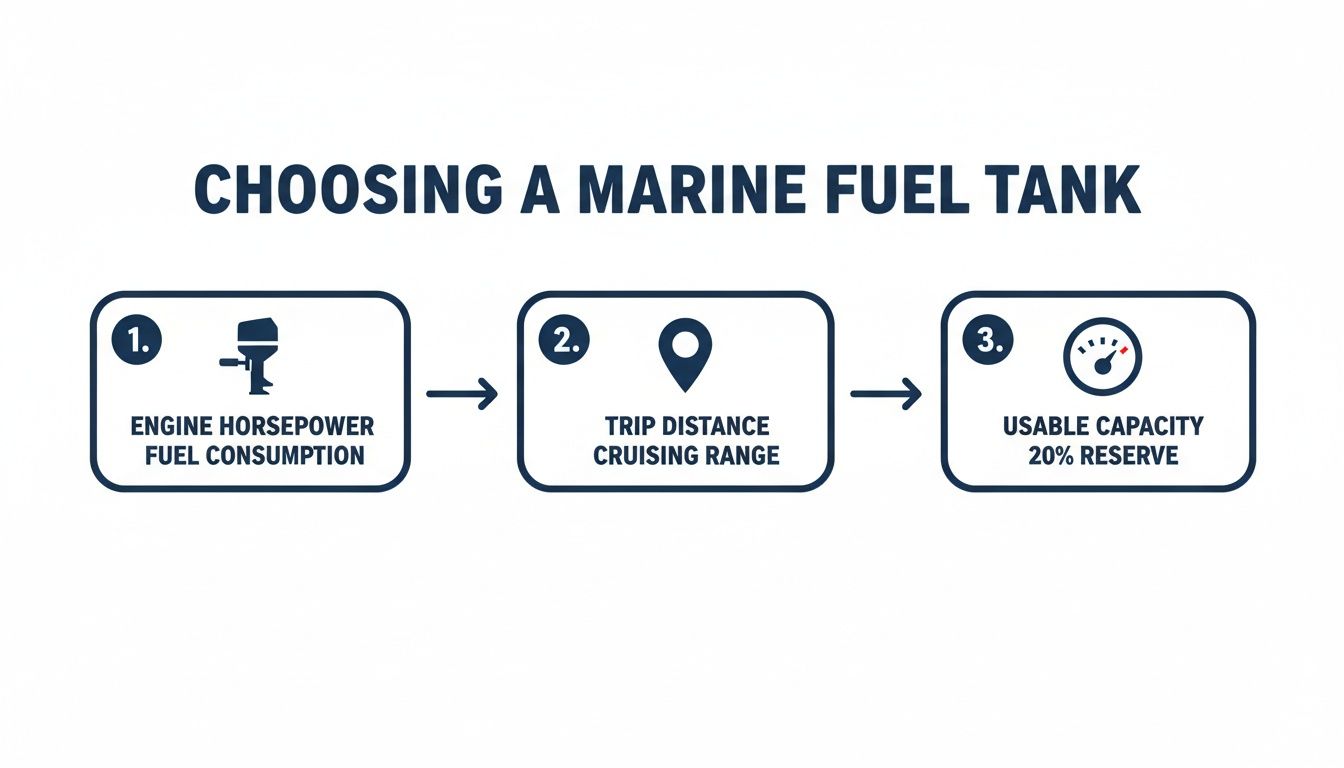
As the flowchart shows, everything from your engine's needs to your planned trip distance plays a part in selecting the safest, most effective tank for your boat.
A Step-by-Step Guide to Safe Fueling
A consistent, unhurried procedure is your best defense against accidents. Slow down, eliminate distractions, and follow these steps every time.
- Prepare the Area: First things first, get all passengers off the boat. Shut down the engine and any electrical equipment. Extinguish all open flames—and yes, that includes cigarettes.
- Remove the Tank: Whenever possible, take the portable tank completely out of the boat and place it on a level spot on the dock. This simple step prevents stray fuel from dripping into your bilge, where the fumes can accumulate and create a serious explosion hazard.
- Ground the Nozzle: Static electricity is a silent but very real fire risk. Before you even start pumping, touch the metal fuel nozzle directly to the fill opening of the tank. Keep them in contact for the entire time you are fueling. This grounds the connection and prevents a static spark from igniting fuel vapors.
- Fill Slowly and Carefully: This isn't a race. A slow, steady stream is much easier to control and drastically reduces the chance of a splash-back or overflow.
- Avoid Overfilling: Never fill a tank all the way to the brim. Gasoline needs room to expand as the temperature changes. A good rule of thumb is to fill it to about 90% capacity and no more.
- Secure and Inspect: All done? Wipe up any drips immediately with an absorbent pad. Screw the cap on tightly, then give the tank a quick once-over for any leaks before putting it back in the boat.
"Overfills and spills aren't just messy—they're a significant source of pollution. A single gallon of spilled fuel can contaminate up to one million gallons of water, creating a toxic environment for marine life."
The High Cost of Fuel Spills
A fuel spill is far more than just an inconvenience; the consequences are severe. Spills from portable tanks are a major environmental headache. In some busy boating areas, improper fueling is blamed for up to 40% of all hydrocarbon pollution. The U.S. Coast Guard logs over 3,000 fuel spill incidents from recreational boats every year, and many of them involve a portable marine gas tank.
The financial hit can be just as bad, with cleanup efforts costing a fortune and boat owners facing hefty fines. This is where modern fueling technology really proves its worth.
Preventing Spills with Smarter Solutions
For years, boaters have relied on listening for the gurgling sound to guess when a tank is nearly full. It's an unreliable method that almost guarantees an overfill at some point. This is exactly the problem that automated solutions were designed to fix.
Systems like the CLiX Fueling System offer a foolproof way to stop spills before they happen. It attaches right to your tank and works with the gas pump nozzle to automatically shut off the fuel flow when the tank is full—just like your car. The guesswork is completely eliminated.
- No More Overfills: You get a perfect, safe fill every time. The system stops the flow before fuel can spill out of the tank.
- Environmental Protection: It's a direct way to prevent fuel pollution, protecting the very water you love to be on.
- Boat Protection: Spilled gasoline is nasty stuff that can damage your boat’s gelcoat, decking, and upholstery. An automatic system keeps your investment looking its best.
For more tips on the best places and practices for filling up, check out our detailed guide on where portable gas tanks should be filled. By adopting these best practices and using modern tools, you can make fueling a safe, clean, and stress-free part of every boating trip.
Maintaining and Storing Your Portable Tank Correctly
A marine portable gas tank is built tough, but it’s not invincible. Just like the rest of your essential boating gear, it needs a little TLC to work safely and reliably when you need it most. Proper care isn't just about making the tank last longer—it’s about preventing dangerous leaks and saving yourself from costly engine repairs down the line.Think of it as a quick pre-flight check for your fuel system. A few minutes of inspection before each trip and some smart off-season storage habits can make all the difference. Neglecting these simple steps can lead to cracked plastic, bad fuel, and water in your gas—a perfect recipe for a ruined day on the water.
Your Essential Inspection Checklist
Before you cast off, get into the habit of giving your tank a quick but thorough once-over. This simple routine helps you spot small issues before they blow up into serious problems.
What to Look For:
- Cracks and Leaks: Run your eyes over the entire tank body, paying extra attention to the seams and corners. Look for any hairline cracks, wet spots, or that unmistakable smell of gasoline.
- Damaged Hoses: Your fuel line is your engine's lifeline. Check for any cracks, kinks, or general brittleness. Squeeze the primer bulb—it should feel pliable, not hard or cracked.
- Failing Seals and Gaskets: Take a look at the gasket inside the fuel cap and around the fuel line connector. If it looks dried-out or cracked, it can't do its job of keeping water out and fumes in.
- Swelling or Discoloration: A tank that looks bloated or severely faded is a bad sign. It often means the plastic is breaking down from UV exposure and internal pressure, which seriously weakens it.
A swollen or deformed tank is a serious red flag. This indicates excessive pressure buildup or material fatigue, and the tank should be replaced immediately to avoid a potential rupture.
Preventing Fuel Degradation and Contamination
The fuel inside your tank needs attention, too. Modern gasoline can start to go bad in as little as 30 days. As it breaks down, it creates gums and varnish that will happily clog your engine’s fuel system. Water is an even bigger enemy, often getting in through a bad cap seal or just from condensation.
To fight back, just follow two simple rules. First, always add a good fuel stabilizer if you know the gas will be sitting for more than a month. It keeps the fuel fresh and stops those nasty deposits from forming. Second, try to store your tank mostly full. This leaves less empty space inside for condensation to form.
For a deeper dive, you can learn more about how to store gasoline safely in our detailed guide.
Preparing Your Tank for Off-Season Storage
When it's time to put the boat away for the winter, getting your portable tank prepped is a critical step.
- Treat or Empty: The best approach is to fill the tank almost to the top with fresh, ethanol-free gas (if you can get it) and add a quality fuel stabilizer. This protects both the tank and your engine's fuel system.
- Clean the Exterior: Give the outside of the tank a good wipe-down to get rid of any salt, dirt, or grime that's built up over the season.
- Find a Safe Spot: Store the tank in a cool, dry, well-ventilated space. Keep it out of direct sunlight and far away from any potential ignition sources, like a furnace or water heater.
- Loosen the Vent: Slightly loosen the vent screw on the cap. This allows the tank to "breathe" as temperatures change, preventing it from swelling up under pressure.
Frequently Asked Questions About Marine Gas Tanks
Even after you've got a handle on the basics, questions always pop up. It's one thing to understand how the system works, and another to deal with the day-to-day realities of using portable fuel tanks. Let's finish up by tackling some of the most common questions boaters ask.
These are the practical things you wonder about at the dock or when you're loading up the car. Getting good answers here is key to staying safe and keeping your boat running smoothly.
How Often Should I Replace My Marine Gas Tank?
You won't find a stamped expiration date on a portable marine tank, but they certainly don't last forever. Your own eyes are the best tool for knowing when it's time for a replacement. For those common red plastic (HDPE) tanks, you're looking for signs of old age—fading or discoloration, the plastic getting brittle, or any cracks, especially around the seams and fittings.
If you store it properly and keep it out of the sun, a quality plastic tank should give you 5 to 10 years of good, safe service. Metal tanks can go even longer, but you have to be on constant alert for any signs of rust.
The golden rule is simple: if you find a leak, see the tank swelling or warping, or notice the fuel line connector or cap seals are damaged, replace it immediately. No exceptions. A bad tank is a serious safety risk.
Can I Use a Regular Red Gas Can for My Boat?
It might seem tempting to grab that standard red gas can from the garage, but you absolutely shouldn't. Using one on a boat is a bad idea and, in most places, it's against the law. Marine tanks are built differently. They're designed to take a beating from constant vibration, sun, and saltwater.
They have to meet strict U.S. Coast Guard standards. This means tougher construction and special caps that won't leak when you're bouncing around in choppy water. Stick with a tank that's clearly marked for marine use—it's the only way to be both safe and legal.
What Is the Best Way to Deal with Water in My Fuel?
Water in the fuel is a boater's oldest enemy. It can cause all sorts of engine trouble, from rough running to a complete stall. If you think you've got water in your tank, the only real fix is to drain it completely into a proper container. From there, you'll need to take the bad fuel to a local hazardous waste facility.
The best defense is a good offense. Here’s how to keep water out in the first place:
- Keep it capped: Make sure your tank's cap is always screwed on tight.
- Store it smart: When you’re not using the tank, keep it somewhere dry.
- Filter as you fill: A funnel with a built-in water separator is a great investment.
- Use a stabilizer: A quality fuel stabilizer helps manage any small amounts of moisture that might sneak in.
How Do I Legally Transport Fuel in My Car?
When you need to move fuel in your vehicle, safety and regulations are paramount. First off, make sure your tank is a DOT-approved container. Always secure it upright in the trunk of your car or the bed of your truck so it can’t tip, slide, or roll around. Never, ever transport it inside the passenger cabin.
Before you drive off, double-check that the cap is on tight and any vents are closed to stop fumes and fuel from escaping. It's also a good idea to crack a window to keep the air circulating.
Ready to stop guessing at the pump and prevent dangerous spills for good? CLiX Fueling Solutions provides a foolproof, automatic shutoff system for a perfect fill, every time. Learn how to upgrade your fueling safety at clixfueling.com.