When you think of portable fuel tanks for boating, the classic 5-gallon gas tank is probably the first thing that comes to mind. It's the most common size out there, and for good reason—it hits that perfect sweet spot between providing decent range and still being light enough to manage. These tanks, usually made of tough, corrosion-proof plastic, are the lifeblood for smaller outboard motors and a critical backup for larger boats.
Why 5-Gallon Gas Tanks Are a Boating Essential
For anyone who spends time on the water, that red 5-gallon tank is just as important as a life jacket or an anchor. It’s your ticket to freedom and peace of mind. That tank lets you explore a little further from the marina, knowing you’ve got the fuel to get home safely. After all, you can’t exactly pull over and hike to the nearest gas station when you're a few miles offshore.
This is why getting a handle on your fuel situation is a non-negotiable skill for any boater. The 5-gallon size is incredibly practical. When full, it weighs about 35 pounds—definitely hefty, but one person can still lug it down a shaky dock and get it onto the boat without too much trouble. For most small to mid-size outboards, that’s enough gas for hours of fun, whether you're fishing a quiet cove or just cruising around.
The Foundation of Smart Fuel Management
These tanks are more than just plastic jugs; they’re the building blocks of a solid fuel plan. Many seasoned boaters live by the "rule of thirds," and portable tanks make it easy to follow.
- One-third of your gas is for the trip out.
- One-third is for the trip back.
- One-third is kept in reserve for the unexpected—like a strong headwind, bad weather, or needing to help a fellow boater.
When you use multiple 5-gallon tanks, you can physically separate your fuel. It’s simple: one tank is for your main run, and the other is your "don't touch" reserve. No more guessing how much you have left.
Having a dedicated reserve tank isn't just a good idea; it's a fundamental part of safe boating. It’s the cheapest and most reliable insurance you can have against getting stranded.
More Than Just a Container
It's also crucial to remember that a marine-grade fuel tank isn't the same as the can you use for your lawnmower. These are specifically built to survive life on the water. They're designed to handle constant vibrations, brutal sun exposure, and the corrosive bite of saltwater. You can dive deeper into what makes them unique in our detailed guide on marine portable fuel tanks.
At the end of the day, these tanks give boaters control and self-reliance. They bridge the gap between planning a trip and actually enjoying it, turning fuel anxiety into confidence. Learning how to use them effectively is a rite of passage for becoming a truly capable skipper.
Choosing Between Plastic and Metal Fuel Tanks
When you're picking out a 5 gal gas tank for your boat, one of the first decisions you'll make is about the material. For years, the classic steel "jerry can" was the go-to, but if you look around any marina today, you'll see that high-density polyethylene (HDPE) plastic tanks have pretty much taken over. This isn't just a random trend; it's a smart evolution driven by the tough, wet world of boating.
Think about it like this: you wouldn't put regular street tires on a serious off-road truck. Same idea here. Metal tanks, as rugged as they seem, are incredibly vulnerable to rust and corrosion, especially around saltwater. Even a tiny scratch in the paint creates an opening for corrosion to creep in, eating away at the tank from the inside and setting you up for a dangerous leak.
Modern plastic tanks, on the other hand, are made for this environment. They’re completely rust-proof and surprisingly tough, shrugging off the kind of bumps and dings that would dent a metal can. Plus, quality marine tanks are molded in a single piece, which means there are no welds or seams to fail—those are often the weakest points on old-school metal cans.
The Clear Advantages of Modern Plastic Tanks
The benefits of HDPE go way beyond just avoiding rust. For anyone spending time on the water, these practical pluses make a real difference in day-to-day safety and convenience.
- Lighter Weight: A full 5-gallon tank of gas is already a hefty 35 pounds. A plastic tank is significantly lighter than a metal one, which you'll appreciate when you're carrying it down a slippery dock or hoisting it into the boat.
- Built-in UV Protection: Good marine tanks have UV inhibitors baked right into the plastic. This is huge because it stops the sun from turning the material brittle and causing it to crack after a few seasons.
- Enhanced Stability: You’ll notice many plastic marine tanks have a low, wide shape. That lower center of gravity is a simple but brilliant feature that helps keep the tank from tipping over and spilling fuel when the water gets choppy.
Staying prepared with your fuel supply is a cornerstone of safe boating, as this graphic neatly sums up.
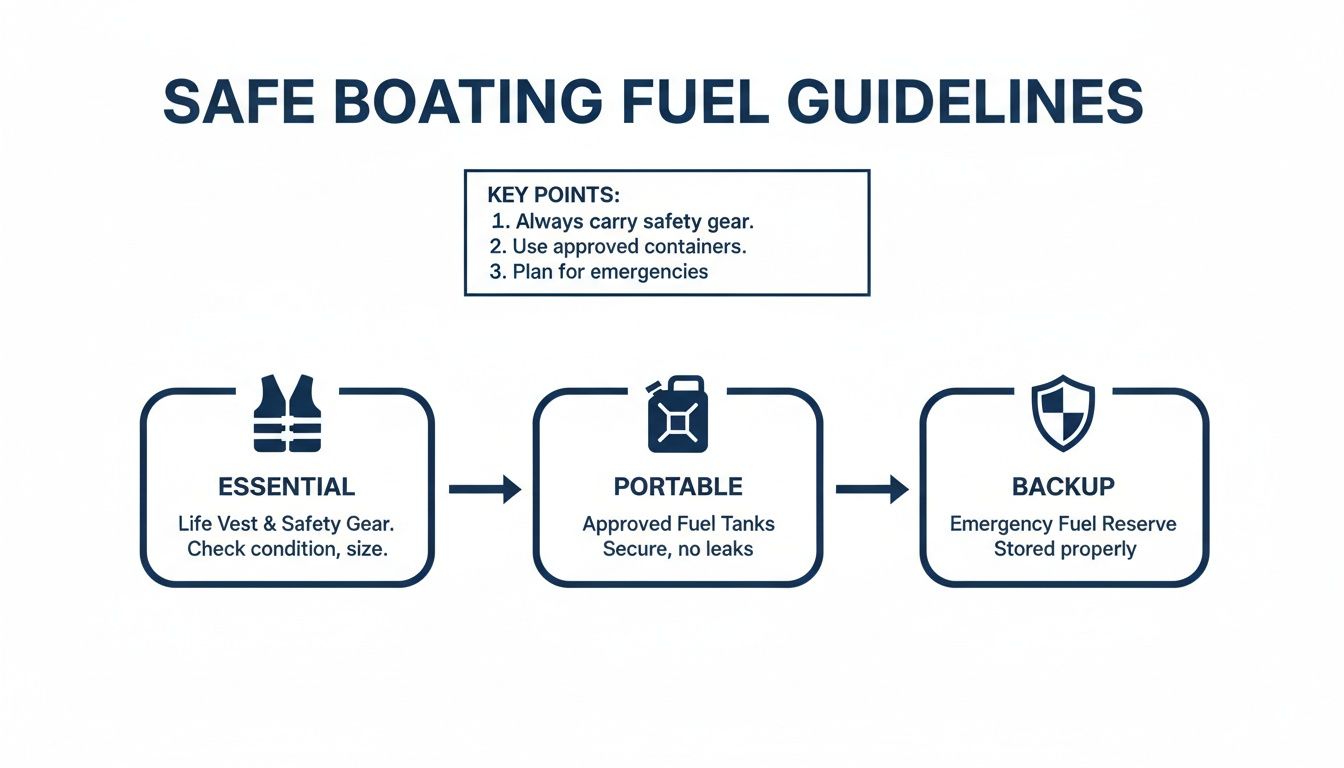
It’s easy to see how a dependable portable tank fits right into your overall safety plan, alongside your other essential gear.
Comparing Plastic vs Metal 5-Gallon Marine Gas Tanks
To make the choice crystal clear, let's break down how these two materials stack up for marine use.
| Feature | Plastic (HDPE) Tanks | Metal Tanks |
|---|---|---|
| Corrosion Resistance | Excellent; completely immune to saltwater and rust. | Poor; rusts easily, especially once scratched or dented. |
| Weight | Lighter and much easier to carry and maneuver. | Heavier, making it more awkward to transport. |
| Durability | Very high impact resistance; flexes instead of denting. | Can be punctured or dented, compromising its structure. |
| Construction | Usually seamless, which minimizes potential leak points. | Has welds and seams that can weaken and fail over time. |
| UV Resistance | Good, especially in tanks with built-in inhibitors. | Depends entirely on a paint coating that can chip or fade. |
| Cost | Generally more affordable and a better long-term value. | Often more expensive and may need earlier replacement. |
When you look at the comparison, it's clear why the market has shifted. For nearly every recreational boater, a modern, marine-grade HDPE plastic 5 gal gas tank is simply the smarter, safer, and more reliable option. It's a piece of gear designed from the ground up to handle exactly what the marine environment throws at it.
Mastering Fuel Handling Safety on the Water
Handling gasoline on a boat is a whole different ballgame than filling up your car. Out on the water, the combination of a volatile liquid and an enclosed space demands your full attention and respect. One careless mistake, one stray spark, and you’ve got a serious problem on your hands. Every boater needs to have these safety basics down cold.
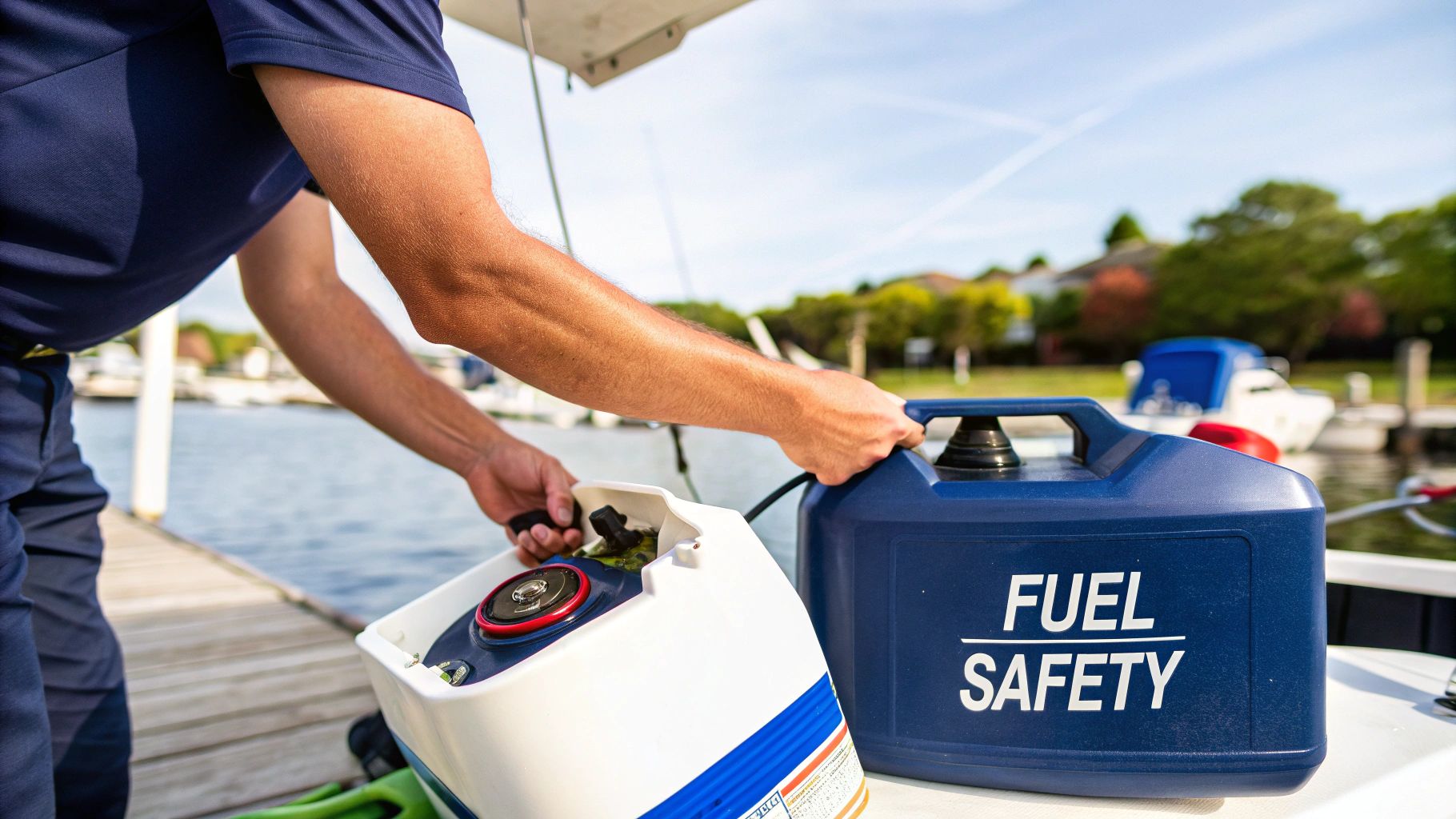
Here's the thing about gasoline fumes: they’re invisible, heavier than air, and incredibly flammable. They don't just blow away on the breeze. Instead, they sink and pool in the lowest points of your boat, like the bilge, creating a hidden explosive hazard. Any little spark—from a bad wire, static electricity, even just starting your engine—can set it off.
Grounding and Ventilation: The Dynamic Duo of Fuel Safety
Before you even think about twisting open a fuel cap, two words need to be running through your head: grounding and ventilation. These aren't just good ideas; they're the absolute, non-negotiable rules for preventing a disaster.
First, get the air moving. If you have a blower, run it for a solid four to five minutes before and after you fuel up. No blower? Open every hatch, port, and window you can to create a good cross-breeze. This is your number one defense against dangerous fume buildup.
Next up is grounding. Static electricity is a silent but powerful ignition source. A tiny, unseen spark can jump from the fuel nozzle to your tank, and that's all it takes. To stop this from happening, always keep the metal fuel nozzle in direct contact with the tank’s fill opening. This connection creates a safe path for any static charge to dissipate.
A classic mistake is trying to refill a portable 5 gal gas tank while it's still sitting in the boat. Don't do it. Always, always take the tank out and place it on the dock or shore first. This keeps any potential spills or fumes from getting trapped inside your vessel.
Nailing these two principles will drastically cut down your risk of a fuel-related accident.
The Right Equipment for the Job
This is no place to cut corners. Using the right gear is just as important as using the right technique.
- EPA and CARB Compliance: Only use 5 gal gas tanks that are certified by the Environmental Protection Agency (EPA) and the California Air Resources Board (CARB). These labels mean the tank is built to prevent vapor leaks and has passed rigorous safety tests.
- Inspect Before You Fill: Give your tank a quick once-over every time you use it. Look for cracks, brittle-looking plastic, or a worn-out seal on the cap. A compromised tank is an accident waiting to happen.
- Use the Right Nozzle: Stick with approved fuel nozzles and funnels. Trying to rig up some makeshift solution is just asking for a spill or a static spark.
These standards exist for one reason: to protect you, your boat, and the environment.
Step-By-Step Safe Fueling Procedure
Let's put it all together. Follow this simple checklist every time you handle fuel, and it'll become second nature.
- Secure the Boat: Make sure you're tied up securely to the dock.
- Extinguish Everything: Put out any cigarettes, turn off the grill, and kill any other open flames. Shut down the engine, electronics, and anything else that could create a spark.
- Disembark Passengers: For safety's sake, have everyone get off the boat before you start.
- Remove the Tank: Lift the portable tank out of the boat and set it on a stable spot on the dock.
- Ground and Fill: Press the fuel nozzle firmly against the tank's opening and keep it there the entire time you're filling. Go slow to prevent splashing.
- Don't Overfill: This is a big one. Leave about 5% of the tank empty. Gas expands in the heat, and this "ullage" space prevents it from being forced out of the vent.
- Wipe Up Spills: If you do spill a little, wipe it up immediately with an absorbent rag. Wait to dispose of the rag properly once you're back on shore.
- Seal and Return: Screw the cap on tight, then put the tank back in the boat and secure it so it can’t slide around or tip over.
This methodical approach helps eliminate the simple human errors that cause most accidents. And the numbers don't lie; fuel-related issues are linked to a startling 25% of all boating accidents worldwide, often tied to mistakes made with small, portable tanks. You can dive deeper into the data that influences the global fuel tank market at databridgemarketresearch.com. By making these safe handling practices a habit, you’re doing your part to keep everyone on the water safer.
Say Goodbye to Spills: How to Fuel Your Boat Cleanly Every Time
We’ve all been there. You’re filling up the boat, listening intently, and then—whoosh—gasoline gushes out of the fill port. It’s a frustrating moment that’s bad for your boat's finish, your wallet, and the very water you're there to enjoy. The problem is simple: unlike your car, there's no reliable way to know when your 5-gallon gas tank is about to hit its limit.
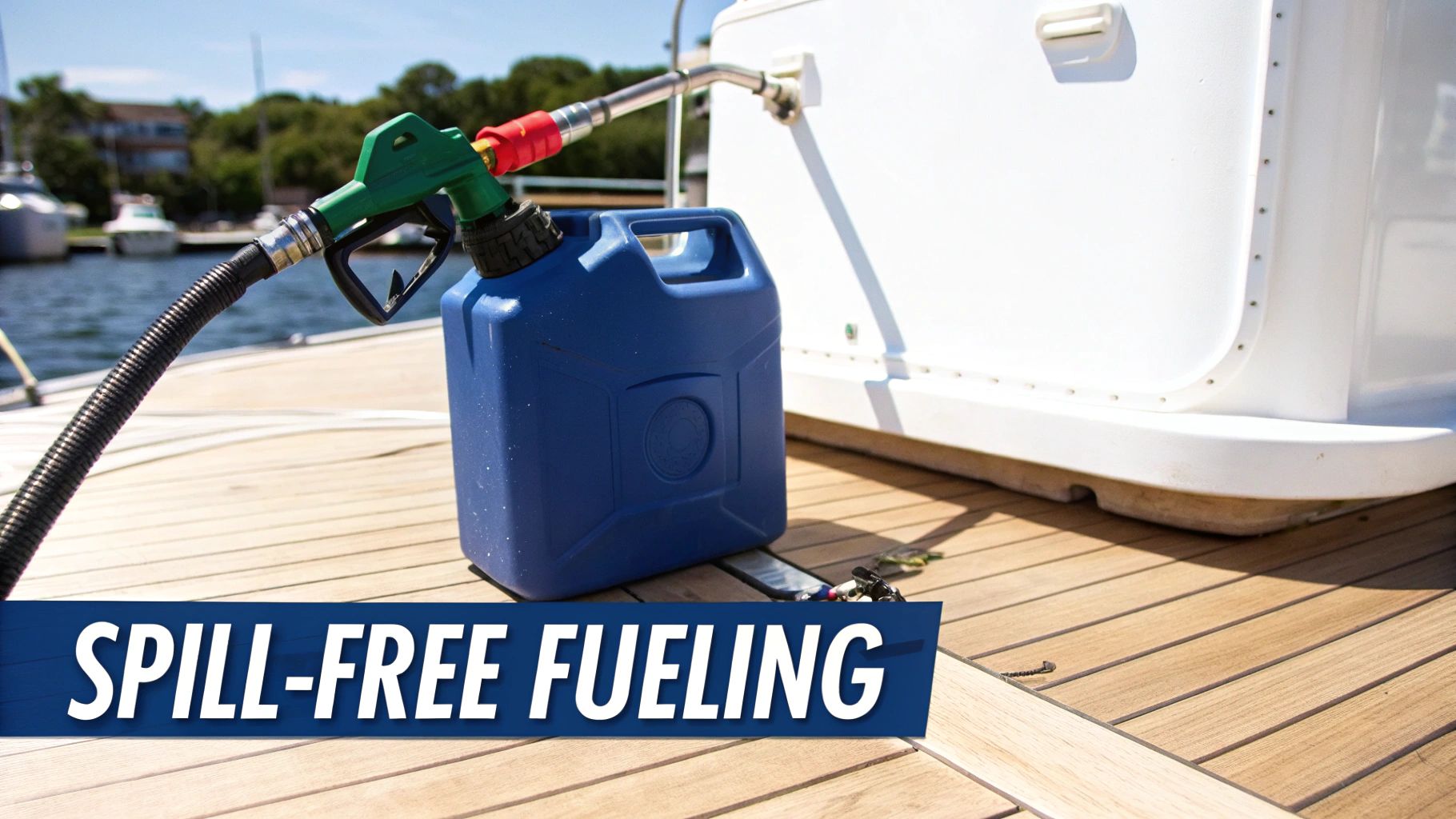
This constant guesswork is a recipe for problems. You either play it safe and underfill, leaving precious range back at the dock, or you push it too far and create a hazardous mess. Spilled gasoline can strip wax, eat away at gelcoat, and ruin decals, which means costly repairs. Even worse, just a few drops of fuel can contaminate thousands of gallons of water, harming marine life.
The Guessing Game Is a Losing Game
At its core, the issue is a total lack of feedback. You listen for that gurgling sound that signals a full tank or try to peek down a dark fill neck, but you’re basically fueling blind. It's an imprecise and stressful method that turns a routine chore into a gamble. If you want to dive deeper into this common headache, we've covered the challenges of perfecting your gas tank filling technique before.
But what if you could take all that guesswork out of the equation? Imagine having the same confidence at your boat’s fuel port that you do at the gas station pump.
A Modern Fix for an Age-Old Problem
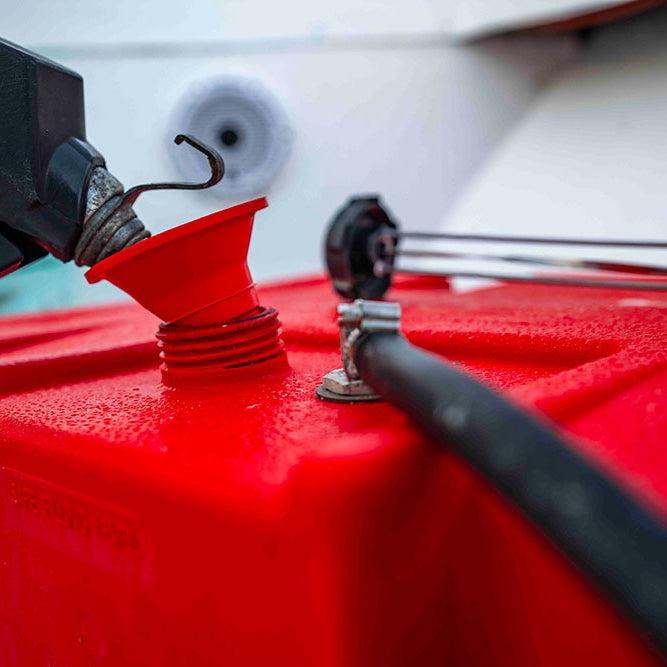
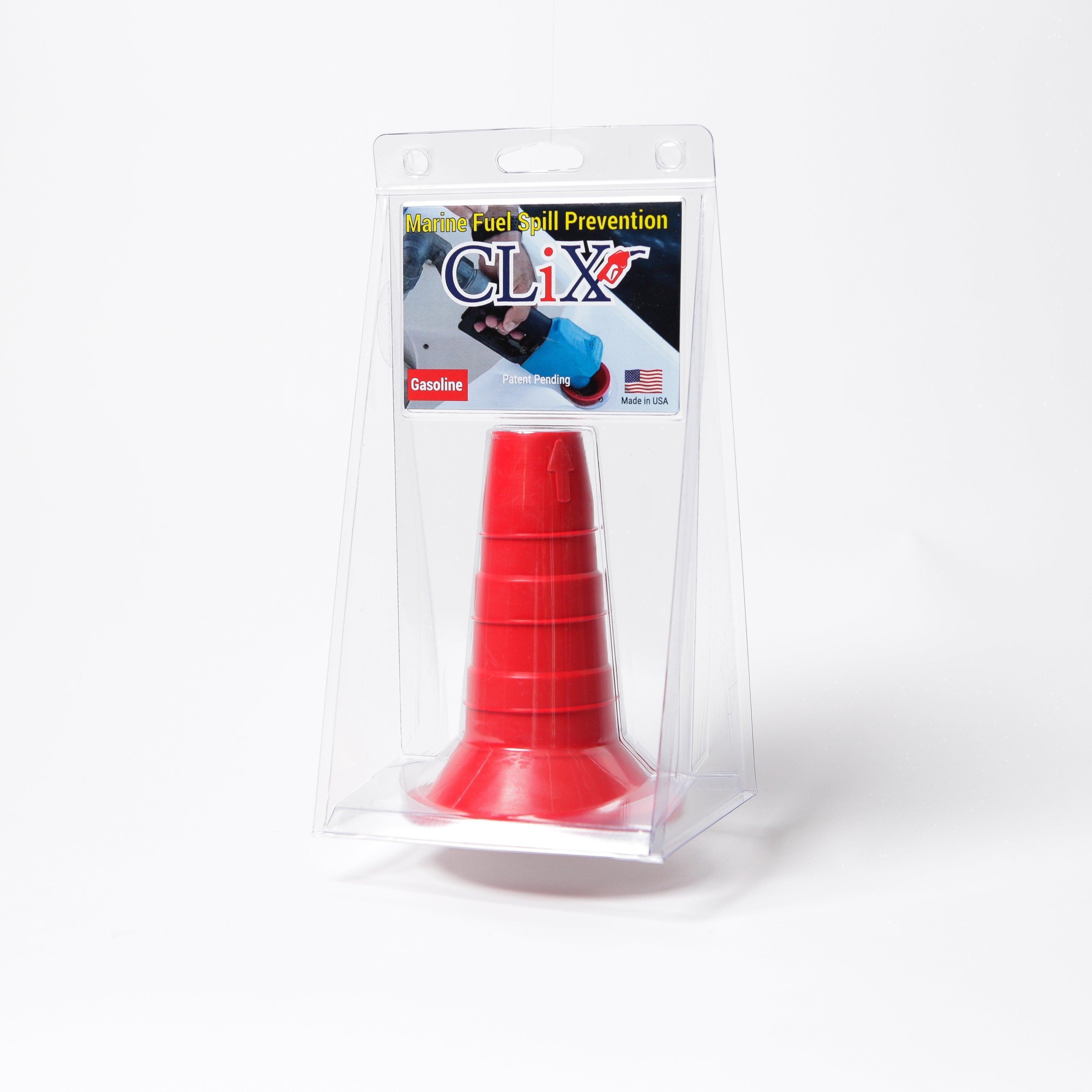
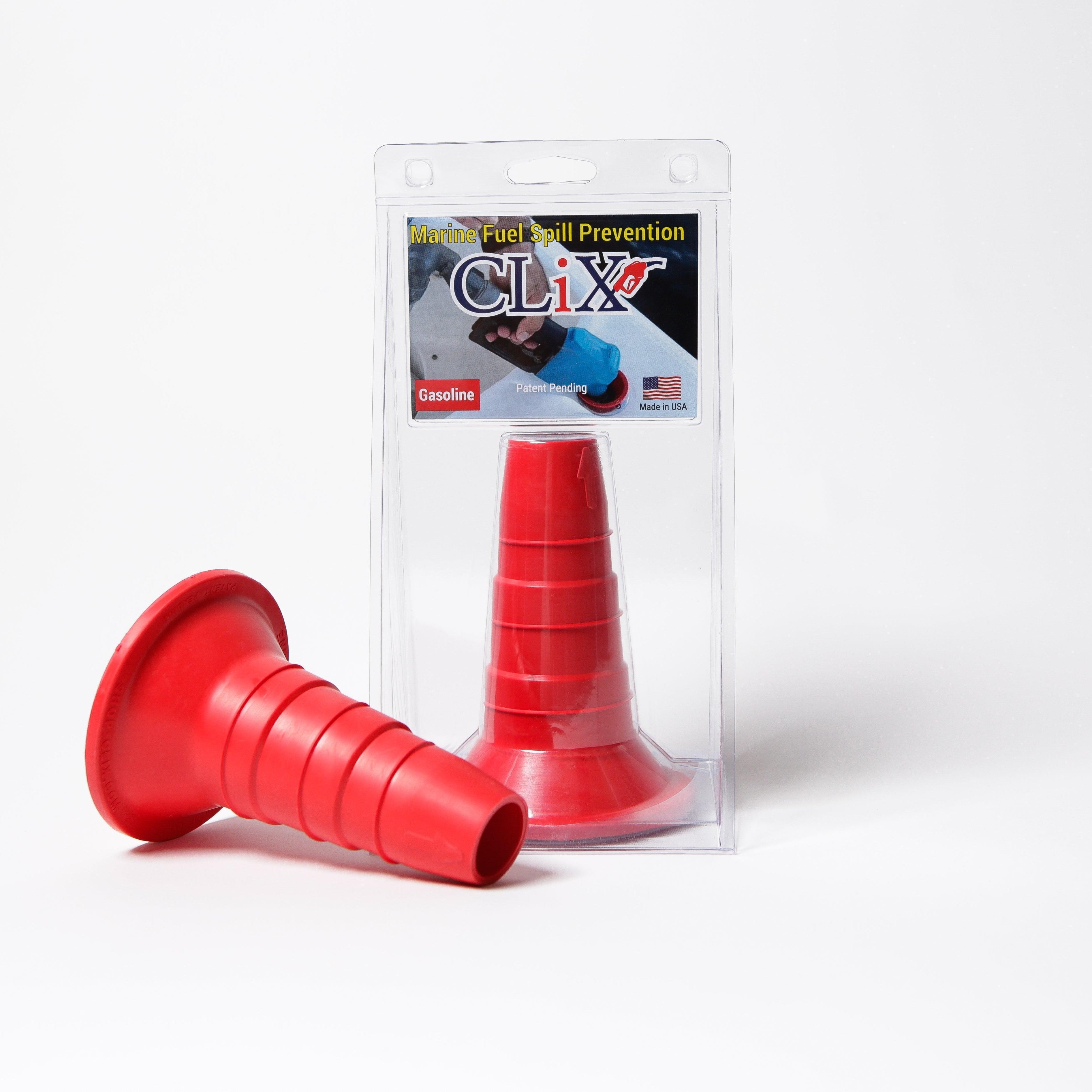
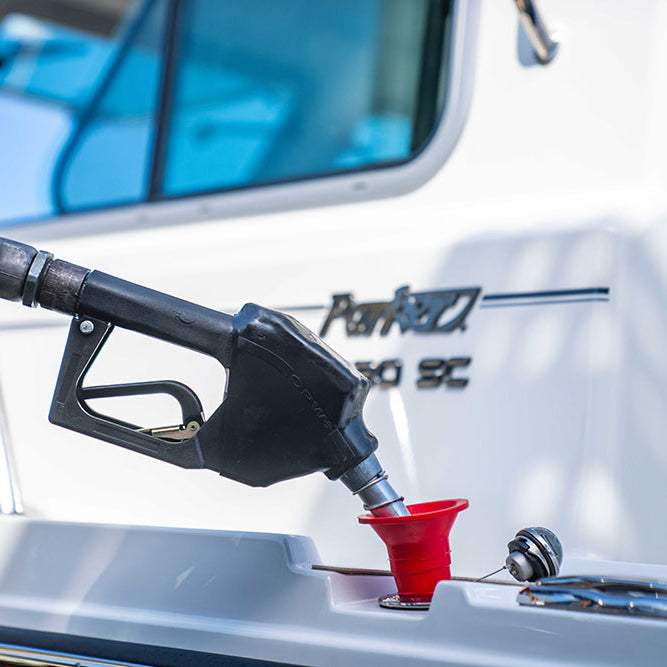
The best way to stop a spill is to prevent it from ever happening. The trick is to stop the fuel flow automatically the second the tank is full. Think of it like the auto shut-off nozzle at the gas station, but purpose-built to work with your boat and portable 5-gallon gas tanks.
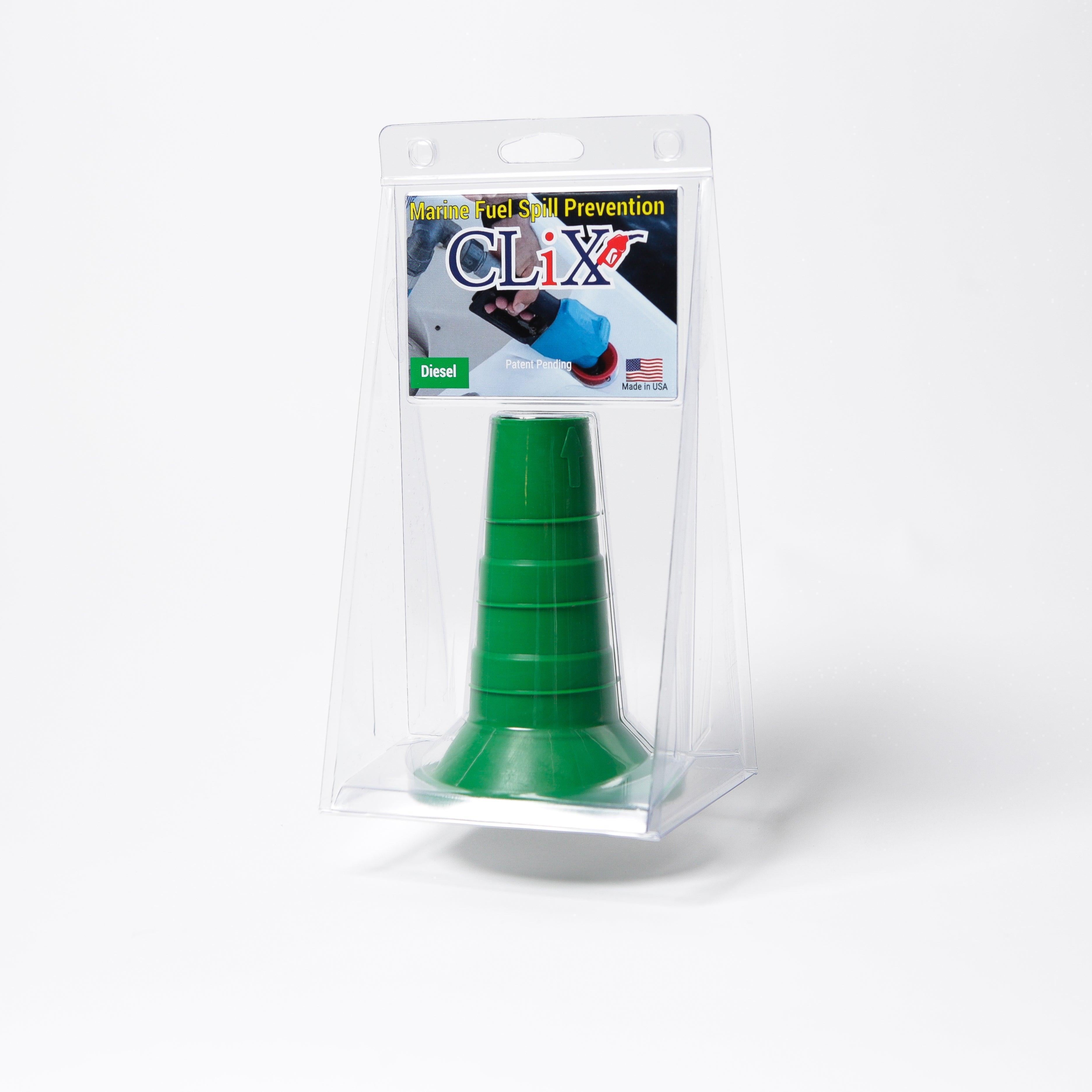
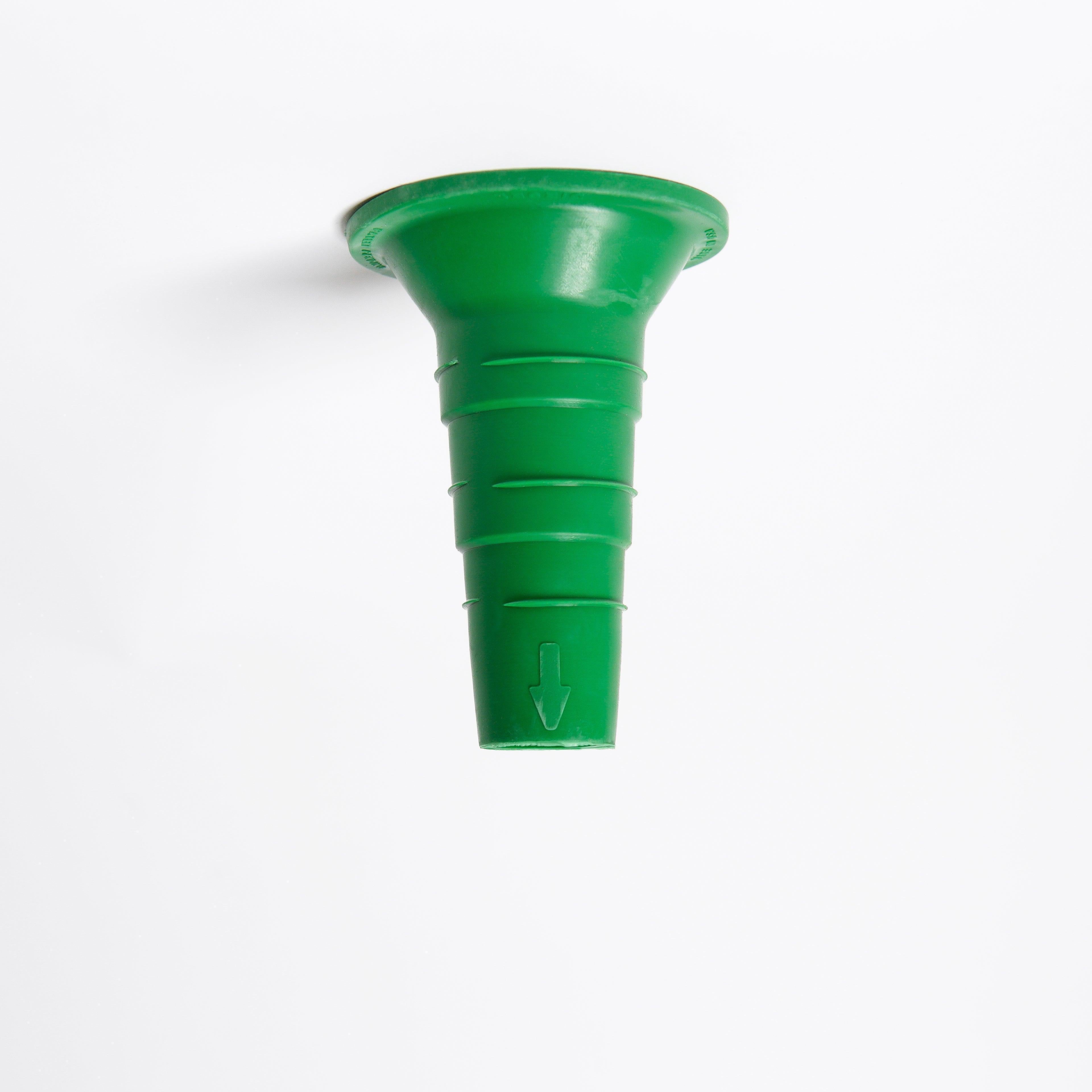
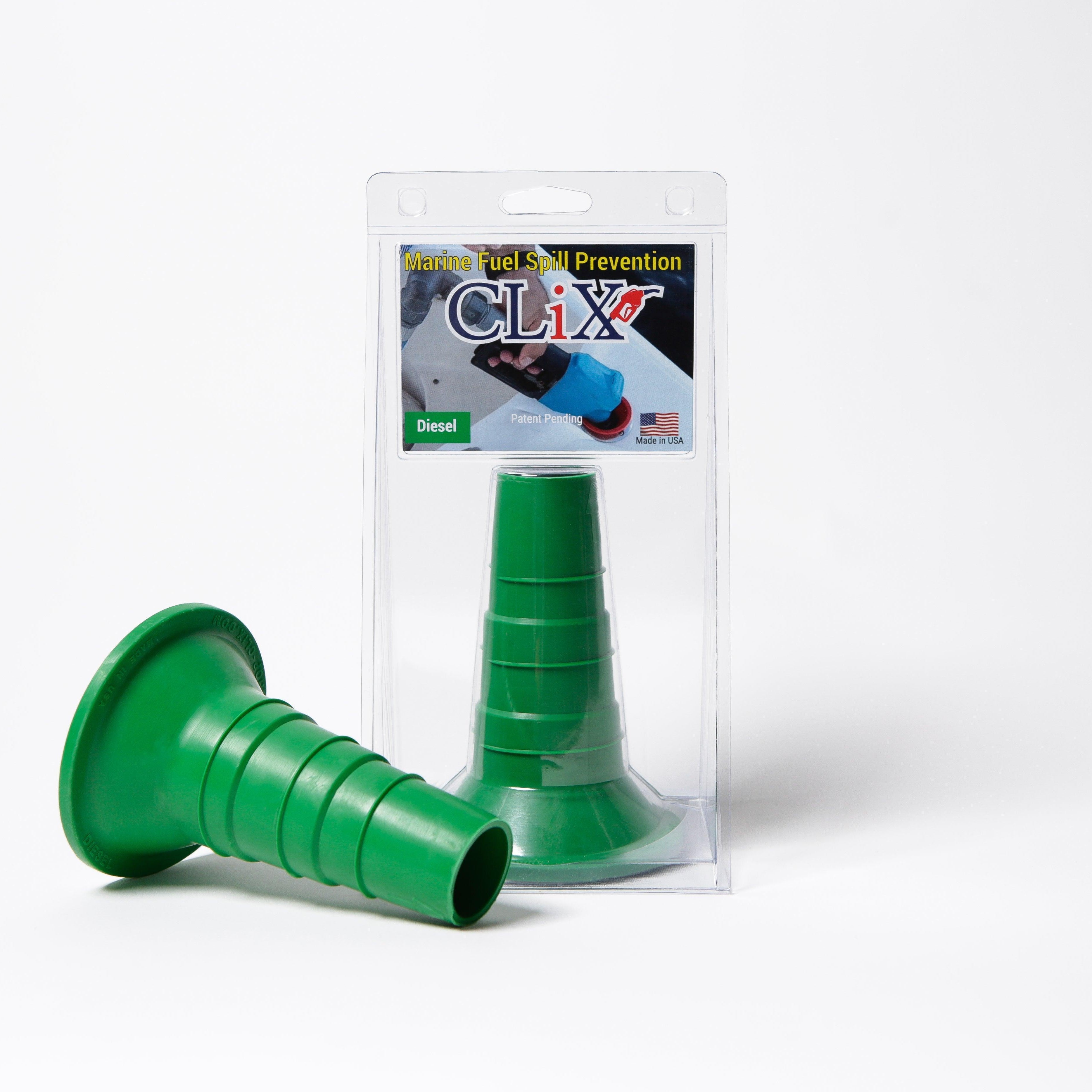
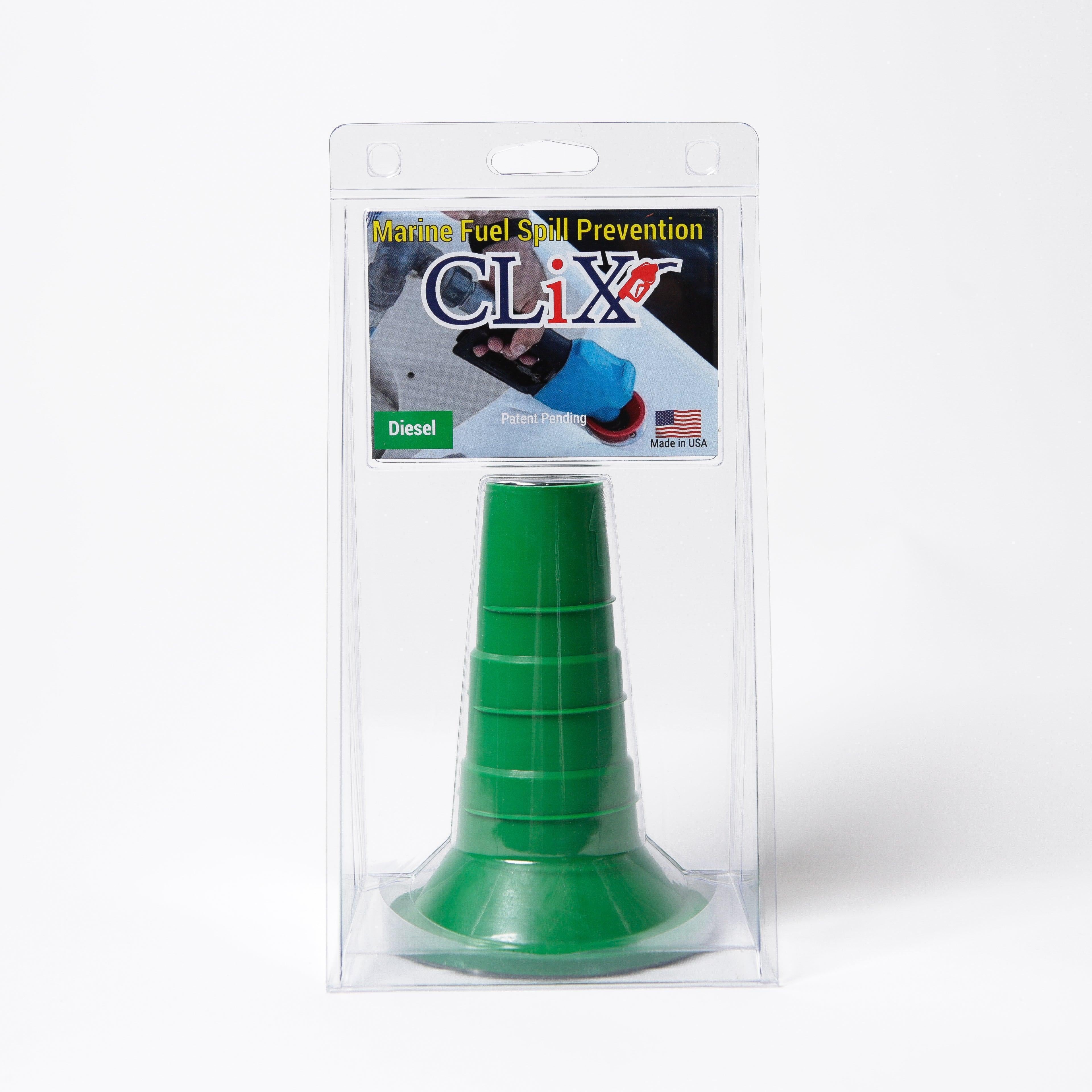
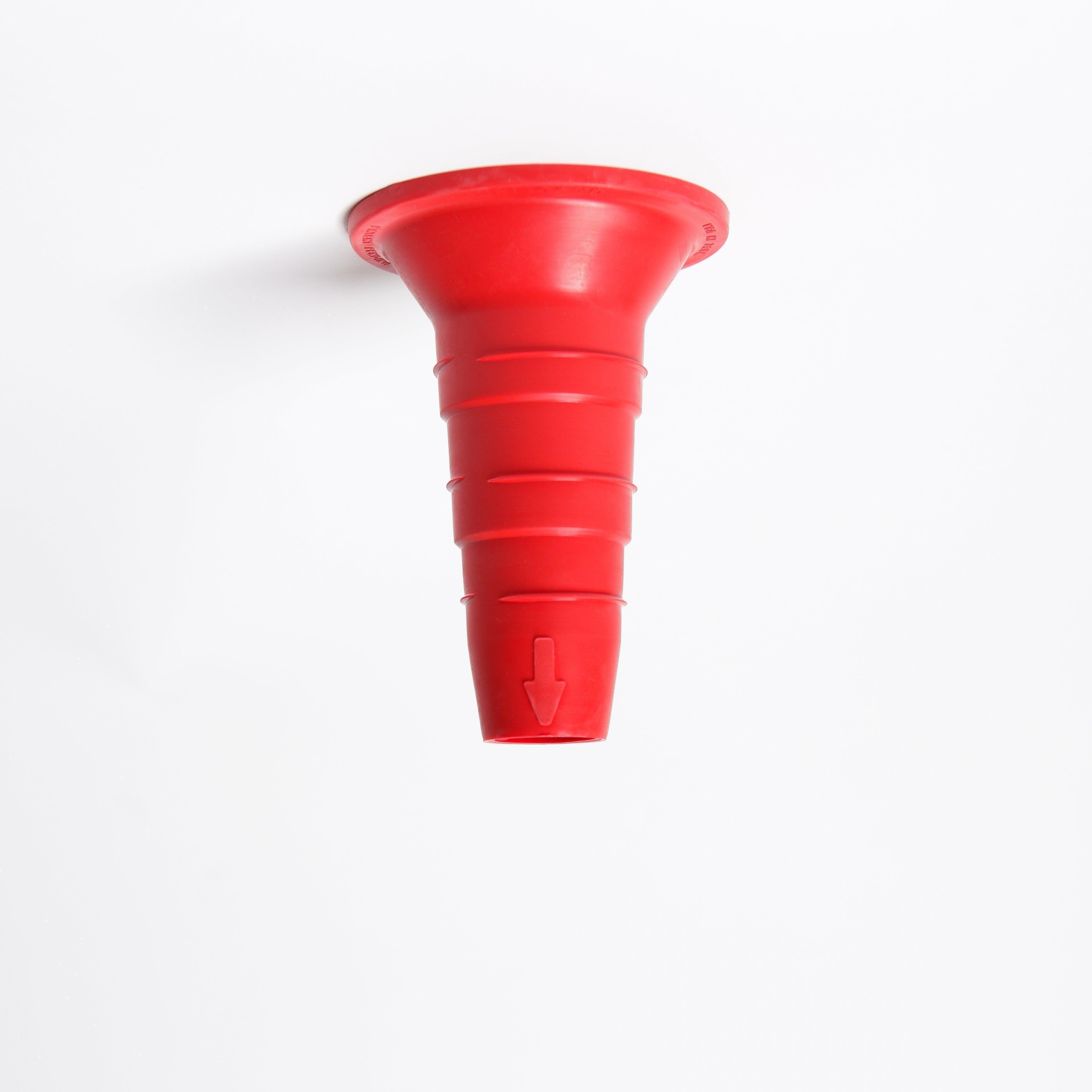
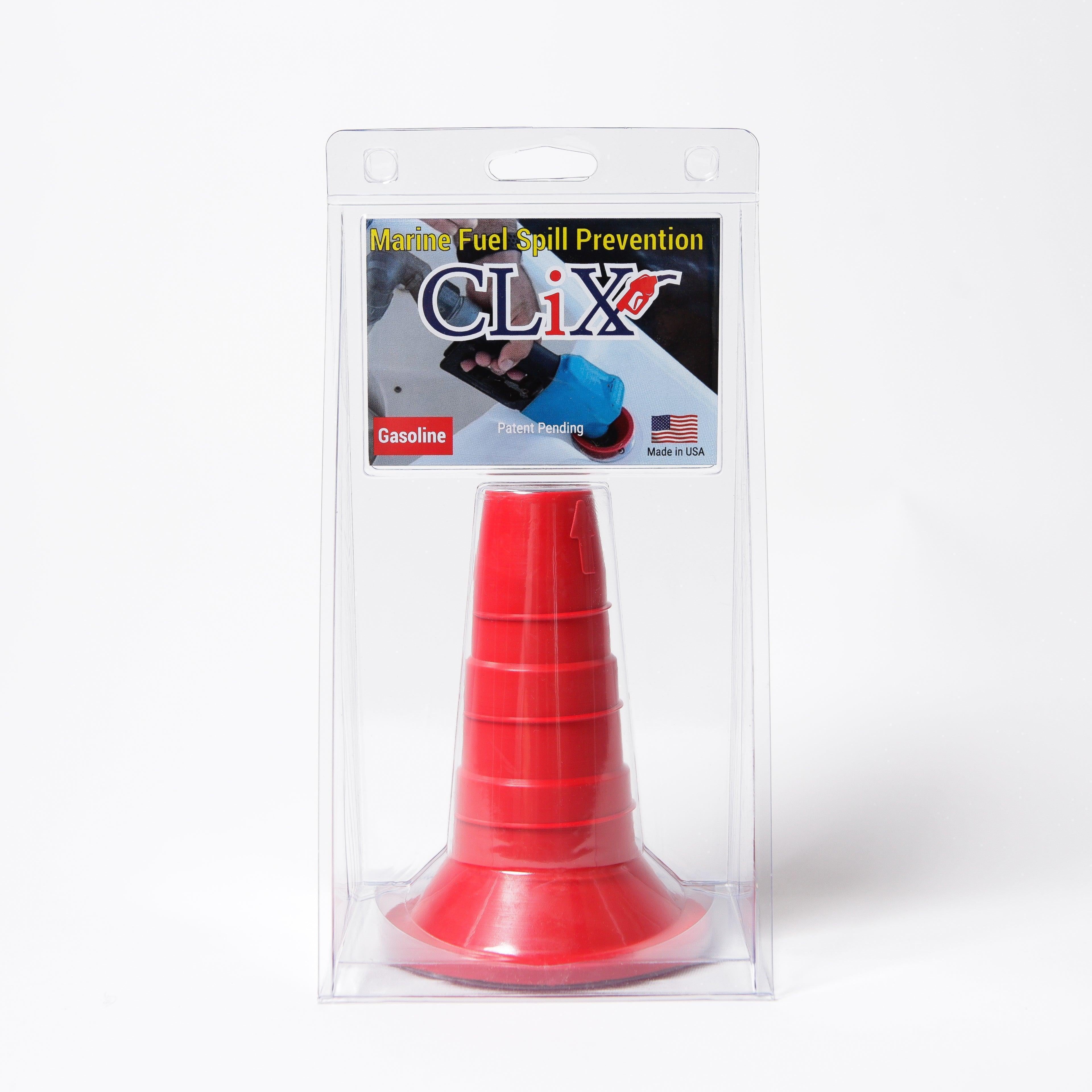
This is exactly what systems like CLiX Fueling Solutions were designed for. They create a clean, sealed connection between your fuel can and the boat's fill port. A smart mechanism inside detects when the tank is full and instantly stops the flow. No more frantic listening, no more leaning over the gunwale, and—most importantly—no more spills.
By creating an automatic shut-off, you transform fueling from a reactive, messy chore into a proactive, clean, and safe process. It's about adding precision and control where there was once only guesswork.
This straightforward, effective approach offers real-world benefits every boater will appreciate.
- Protects Your Investment: Keeps corrosive gasoline from damaging your boat’s expensive gelcoat, paint, and graphics.
- Saves Money: Stops fuel from being wasted, ensuring every drop you pay for actually goes into your tank.
- Guards the Environment: Wipes out a common source of water pollution, helping keep our waterways pristine.
- Reduces Stress: Gives you peace of mind, knowing you can fill your tank to the perfect level every single time without the worry.
Ultimately, achieving spill-free fueling isn't about getting better at guessing. It’s about switching to a smarter, more reliable method. By adopting a system with an automatic cutoff, you can finally make overfills a thing of the past and get back to what you really love—enjoying your time on the water.
Extending the Life of Your Gas Tank
A good 5 gal gas tank is built tough for the marine world, but it's not invincible. A little bit of routine care goes a long way, and you can easily keep your tank safe and reliable for many seasons. Honestly, it's less about complicated procedures and more about building a few simple, smart habits.
Just think of your gas tank like any other essential piece of gear. You wouldn't ignore your engine or your safety equipment, right? Well, your fuel tank deserves that same level of attention. It really boils down to two things: regular check-ups and smart storage. Get those right, and you'll stop small issues from turning into big, dangerous problems.
The Power of Routine Inspections
Before you head out on the water, just take a quick 30 seconds to look over your fuel tank. This simple visual check is your best defense against leaving the dock with a problem waiting to happen. You're basically looking for any red flags that could compromise the tank.
- Check for Cracks: Look closely at the seams, corners, and right around the fittings. Even a tiny hairline crack can become a major leak once it's bouncing around on the boat.
- Inspect for Brittleness: How does the plastic feel? If it seems unusually hard, faded, or has a chalky texture, that’s a telltale sign of UV damage. The sun has made the material brittle, and it's much more likely to fail.
- Examine the Seals: Pop open the fuel cap and check the gasket. This little rubber ring is what stops fuel from splashing out and vapors from escaping. Make sure it’s still soft and flexible, not cracked or warped.
Think of this as your early warning system. It helps you catch trouble while it’s still an easy fix, not an emergency miles from shore.
Smart Storage Practices for Longevity
Where and how you store your 5 gal gas tanks between trips makes a huge difference, not just for the tank itself, but for the fuel inside. Believe it or not, gasoline can start to go bad in as little as 30 days, creating gummy varnish that will clog up your fuel lines and wreck your engine.
If you do nothing else, use a quality marine fuel stabilizer. It's the single best thing you can do for long-term storage, preventing fuel from breaking down for a year or even longer. Your engine will thank you with reliable starts every time.
For short-term storage, like a few weeks between trips, just find a cool, dry, and well-ventilated spot. Keep it out of direct sunlight and away from anything that could cause a spark. Heat makes fuel expand and builds up vapor pressure, putting unnecessary stress on the tank.
When it comes to long-term storage, like over the winter, you have two options. You can either run the tank completely dry or fill it up to about 95% and add stabilizer. A nearly full tank leaves very little room for air, which means less moisture can get in and contaminate your fuel with condensation.
Giving your tank a good cleaning every so often is also a crucial maintenance step. If you want to dive deeper into that process, we have some expert advice on how to perform a thorough marine fuel tank cleaning to keep your whole fuel system in top shape. By pulling all these habits together—inspecting, storing, and cleaning—your portable tanks will be a trusty part of your adventures for years to come.
Got Questions About 5-Gallon Gas Tanks? We've Got Answers.
When you're dealing with something as crucial as fuel, a few questions are bound to pop up, even when you think you have it all figured out. Getting straight, simple answers is the best way to handle your 5-gallon gas tanks safely and confidently. Let's tackle some of the most common things we hear from boaters.
Think of this as your quick-reference guide. From how long you can store fuel to why your tank looks like it's about to pop in the sun, getting these basics down will make your life on the water a whole lot easier.
How Long Can I Safely Store Gas in a Portable Tank?
You might be surprised to learn that untreated gasoline goes bad pretty quickly. It can start to break down in as little as 30 days. Generally, you can expect it to last about three to six months in a properly sealed tank before it starts causing headaches for your engine. Over time, oxidation creates gummy junk that loves to clog up fuel systems.
The good news? You can easily extend its life by adding a quality marine fuel stabilizer.
- With a Stabilizer: A good stabilizer can keep fuel fresh for a year, sometimes even longer. It's a must-do for winterizing your boat or for any long-term storage.
- Ideal Storage Conditions: Store the tank in a cool, well-ventilated spot out of direct sunlight. This simple step slows down evaporation and helps keep the fuel in good shape.
Can I Just Use a Regular Car Gas Can for My Boat?
We hear this one a lot, and the answer is a hard no. It's a bad idea, plain and simple, and can be downright dangerous. While a red plastic can from the hardware store might look the part, it’s not designed for the harsh marine world.
Marine-specific tanks are built tougher to handle constant vibration, punishing UV rays, and corrosive saltwater. Even more importantly, they have the right fittings and materials to work with marine fuel lines and engines. Using a standard car can is a gamble with safety, compatibility, and boating regulations—one that's just not worth taking.
Think of it this way: a marine tank isn't just a container; it's a piece of purpose-built equipment. It's a critical part of your boat's fuel system, designed to keep you and your engine safe.
What's the Safest Way to Transport a Full Gas Tank?
Moving fuel around requires a bit of care to prevent spills and accidents. The golden rule is to always transport a full 5-gallon gas tank in an upright and secured position. You have to make sure it can't tip over or slide around while you're on the move.
The best spot is in an open area, like a truck bed, where any fumes can easily blow away. If you have to use a car, a well-ventilated trunk is your next best bet. But you should absolutely never transport gasoline inside the passenger cabin. And before you pull out of the driveway, give the cap an extra twist to make sure it's sealed up tight.
Why Does My New Gas Can Swell Up in the Sun?
Seeing your new gas can bulge out like a balloon on a hot day can be a little unsettling, but don't worry—it's supposed to do that. It's actually a safety feature built into modern, EPA-compliant fuel cans. They’re designed as sealed systems to stop harmful vapors from escaping into the air.
When things heat up, the gasoline and the vapor inside expand, increasing the pressure and causing the can to swell. The heavy-duty plastic is more than capable of handling this pressure. Just remember to vent it before you use it: slowly and carefully loosen the cap in a well-ventilated area, far away from any sparks or flames.
Stop the guesswork and fuel spills for good. CLiX Fueling Solutions offers a clean, automatic shut-off system that makes refueling your boat safe and simple every single time. Protect your boat and the environment by visiting the CLiX Fueling Solutions website to learn more.