If you've ever tripped over a bulky, upright jerry can on a boat, you know how awkward and out-of-place they can feel. A flat gas container is the purpose-built solution to that exact problem. It’s a low-profile fuel tank designed to fit neatly within a boat's hull, making the most of your space while boosting stability.
Unlike its top-heavy cousins, the wide, flat shape of these tanks lowers your boat's center of gravity. The result? A safer, smoother ride on the water.
Decoding the Flat Gas Container Design
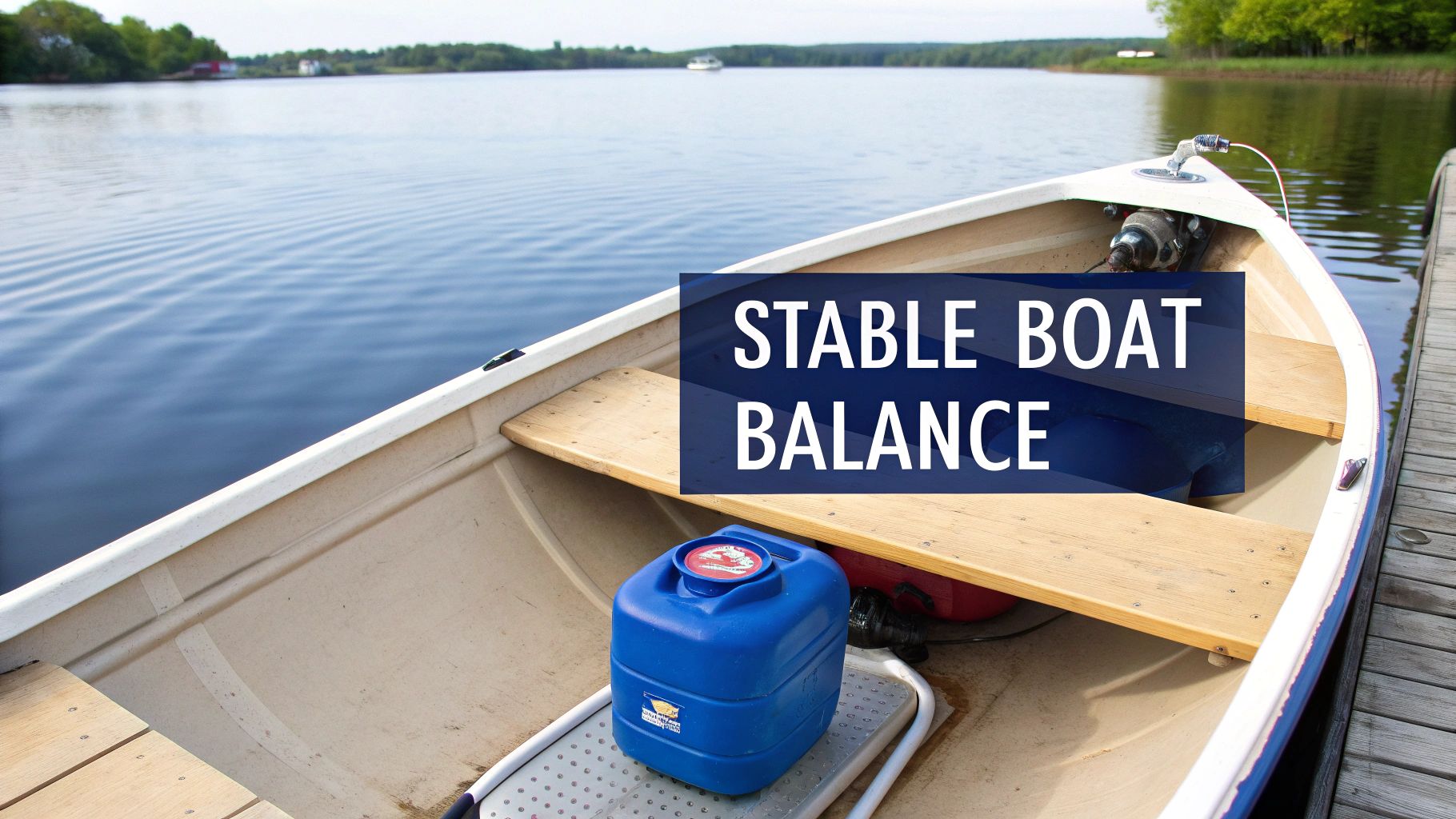
Think of a flat gas container less like a simple tank and more like a smart addition to your vessel's foundation. Standard portable fuel cans are often a clumsy afterthought, creating clutter and potential hazards on deck. They can slide around in rough water, throwing off your boat’s balance when you least expect it.
A flat gas container is engineered from the ground up to prevent this. The design philosophy is simple but incredibly effective: spread the weight of the fuel low and wide. By integrating with the natural contours of the hull, it becomes part of the boat itself.
Lowering the Center of Gravity
By keeping the fuel's weight down low and close to the waterline, a flat tank has a surprisingly big impact on your boat's performance and safety. A lower center of gravity makes the boat far less prone to rocking and tipping, which gives you a much more stable and predictable ride.
For anyone on the water, this translates directly to a better experience:
- Enhanced Stability: Your boat will feel more planted and secure, which is a huge confidence booster in choppy conditions or during sharp turns.
- Improved Handling: With better balance, the boat responds more crisply to your steering and throttle adjustments.
- Increased Safety: A stable boat means less risk of passengers losing their footing or gear shifting around unexpectedly.
Optimizing Onboard Space
Beyond stability, the low-profile shape is a game-changer for space efficiency. These tanks tuck away neatly under seats, inside storage compartments, or along the hull, freeing up precious deck space.
Suddenly, you have more room for fishing gear, coolers, or just for passengers to move around without feeling cramped. This makes flat tanks an absolute must for smaller boats where every inch counts. You can dive deeper into the different types of marine gas containers and their benefits in our related guide.
To give you a better sense of these containers, here's a quick breakdown of their key features and what they mean for you out on the water.
Key Features of a Modern Flat Gas Container
| Feature | Benefit for Boaters | Why It Matters |
|---|---|---|
| Low-Profile Shape | Fits under seats or in compartments, freeing up deck space. | Maximizes usable area on smaller vessels for gear and passenger comfort. |
| Wide Footprint | Spreads fuel weight across a larger area for a lower center of gravity. | Dramatically improves stability, reduces rocking, and enhances safety. |
| Durable Construction | Made from high-density, UV-resistant polymers. | Withstands harsh marine environments, sun exposure, and fuel sloshing. |
| Integrated Fittings | Molded handles and secure tie-down points. | Ensures the tank stays put in rough seas and is easy to handle. |
This design isn't just a convenience; it's a cornerstone of modern recreational boating safety.
Most boat fuel tanks today are designed as flat gas containers specifically to fit snugly within hulls. For small boats, a 5-gallon capacity is pretty standard. Medium-sized vessels might carry anywhere from 20-50 gallons, with a 40-gallon tank being a popular choice for balancing range and weight.
Why Flat Fuel Tanks Are a Game Changer for Boaters
Switching to a flat gas container isn't just a minor upgrade; it's one of those changes that genuinely makes your time on the water better. The benefits go way beyond the technical specs on a product page—they affect how your boat handles, how much space you have, and even your impact on the environment. It’s a practical move that pays off every single time you cast off.
The biggest win here is stability. Picture a standard, upright jerry can sliding around on deck. Its high center of gravity can make a smaller boat feel surprisingly unsteady. A flat fuel tank is designed to do the complete opposite.
By spreading the weight of the fuel low and wide across the hull, it lowers your boat's center of gravity. That simple bit of physics makes your vessel feel more planted in the water, cutting down on that side-to-side rocking that can ruin a perfectly good day.
Confidence in Any Condition
That added stability isn't just for glassy-calm days. When the water gets choppy or you hit a wake from a passing boat, a lower center of gravity helps your vessel settle down faster and more smoothly. You feel more in control, which lets you navigate with more confidence—a huge safety plus for everyone from seasoned skippers to weekend warriors.
On top of that, the low-profile design of a flat gas container is a masterclass in using space wisely. On any boat, but especially a smaller one, deck space is gold. Clunky, vertical tanks just get in the way, creating trip hazards and clutter.
A well-designed flat tank reclaims that valuable real estate, sliding neatly under a seat or into a storage locker. Suddenly, you have more room for coolers, fishing gear, or just for people to move around without bumping into everything.
Protecting the Waters We Love
Beyond performance and convenience, choosing the right fuel tank is also about being a good steward of the marine environment. We all know how damaging fuel spills are to wildlife and water quality. Unfortunately, traditional cans that aren't properly secured are a frequent culprit.
A securely mounted flat gas container cuts that risk way down. Its stable design keeps it from tipping, and modern tanks are built as sealed systems to prevent leaks and overflows.
Here’s a quick look at how a flat tank helps keep our waters clean:
- No More Tipping: With a wide base and low profile, it’s practically impossible for the tank to fall over, even when things get rough.
- Safer Fueling: A stable tank provides a steady platform for fueling, which is the first step in preventing messy and harmful overfills.
- Secure, Leak-Proof Connections: Today's flat tanks are designed to connect tightly to your fuel line, stopping drips and vapor from escaping.
By keeping fuel where it belongs, you’re not just protecting the environment—you’re also avoiding the hefty fines that can come with a spill. It’s a smart decision for your boat, your wallet, and the waters you enjoy.
Choosing the Right Flat Gas Container for Your Boat
Picking out the perfect flat gas container isn’t just another item on your pre-launch checklist. It’s a decision that directly impacts your boat’s safety, performance, and how you use your space on the water. It really comes down to finding that sweet spot between the right material, the right size, and a perfect fit for your vessel.
Thinking through these factors beforehand saves you a ton of headaches down the road. This decision tree is a great way to see how most boaters think through their priorities.
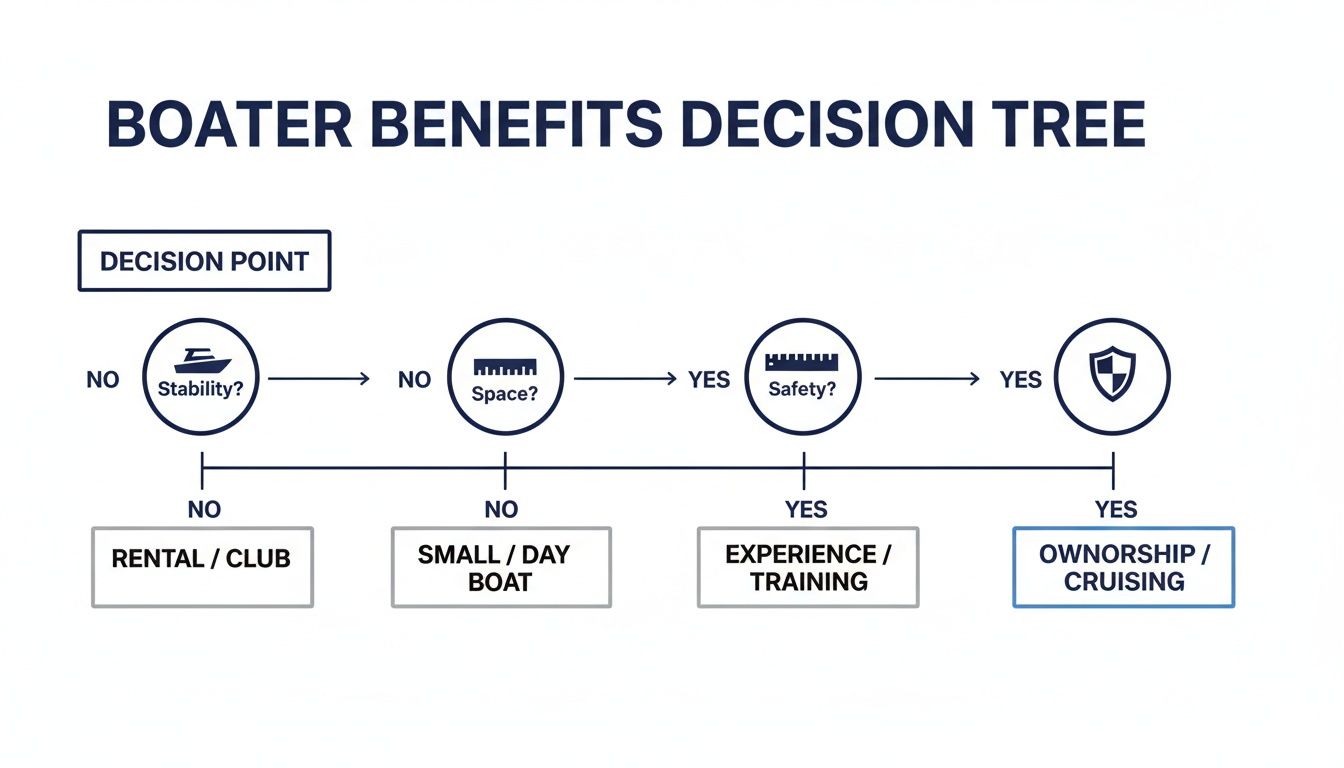
As you can see, it all boils down to stability, space, and safety. The best flat tank is one that nails all three, giving you a much better—and safer—day out on the water.
Why Material Matters Most
The material of your gas tank is its first line of defense, especially in the harsh marine world. What works in freshwater might not hold up to the abuse of saltwater, so this is a choice you want to get right from the start.
To make it easier, here's a quick comparison of the most common materials you'll find.
Comparing Flat Gas Container Materials
| Material Type | Primary Advantage | Best For | Consideration |
|---|---|---|---|
| High-Density Polyethylene (HDPE) | Lightweight, durable, and resists corrosion | Most recreational boaters in both salt and freshwater | Can degrade over time with prolonged, direct UV exposure |
| Aluminum | Lighter than steel with excellent corrosion resistance | Boaters wanting a durable, long-lasting upgrade from plastic | More expensive than HDPE and can corrode without proper care |
| Stainless Steel | Unmatched durability and corrosion resistance | Serious boaters who demand the absolute best and longest lifespan | The heaviest and most expensive option, but a true long-term investment |
Ultimately, your choice here depends on your budget and how you use your boat. HDPE is a fantastic, reliable workhorse, while aluminum and stainless steel are serious upgrades for those who need maximum durability.
Getting the Capacity and Range Right
Figuring out the right size tank is a classic balancing act. Go too small, and you'll have "range anxiety" every time you leave the dock. Go too big, and you're just lugging around extra weight that hurts your boat's handling and burns more fuel.
A good rule of thumb I’ve always followed is the "one-third" principle.
- Use one-third of your fuel to get where you're going.
- Use one-third to get back to the dock.
- Keep one-third in reserve for emergencies or unexpected detours.
Think about your engine's fuel consumption—its GPH, or gallons per hour, at your typical cruising speed. For example, if your boat burns 5 GPH and you're planning a four-hour trip, you'll want at least 30 gallons on board. That covers the 20 gallons for the trip and leaves you a comfortable 10-gallon reserve.
Fittings and Compatibility
Last but definitely not least, you have to make sure the new tank will actually work with your boat's fuel system. This isn't a place for "close enough."
Check the fittings for your fuel line, vent line, and fuel sending unit. They all need to match your boat's connections perfectly to prevent fuel leaks, which are incredibly dangerous. For a closer look at different types of tanks available, you can explore our guide on portable gas containers for boats. An exact fit is non-negotiable for a safe, reliable setup.
How to Achieve Spill-Free Fueling Every Time
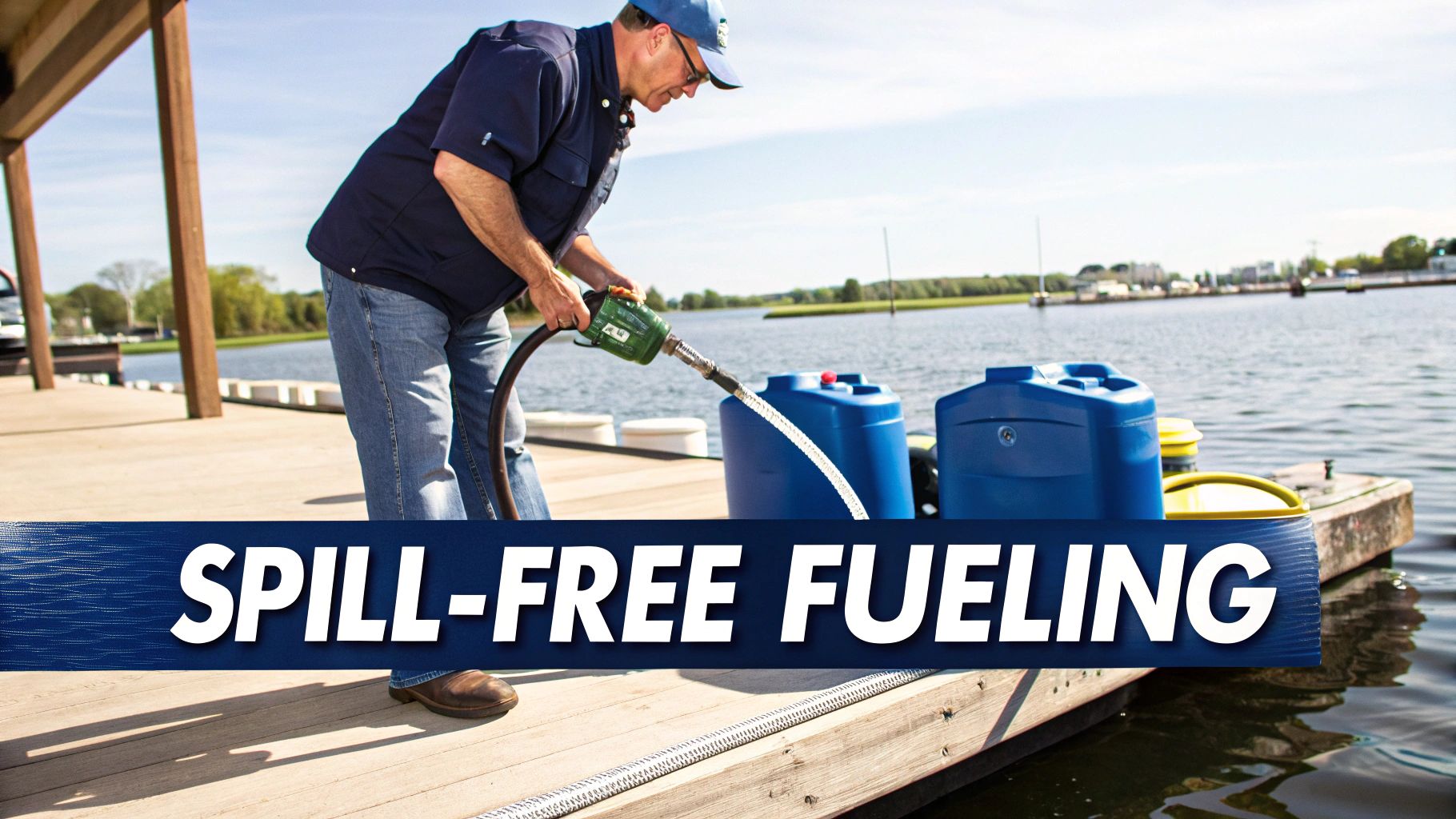
Choosing a quality flat gas container is a huge step toward making your time on the water safer and more organized. It tackles the annoying problems of tippy cans and wasted space, but that only solves half of the fuel safety puzzle. The container itself can't stop the messy, dangerous, and expensive problem of fuel spills right at the dock.
This is where a little bit of smart technology makes all the difference. An overfill happens in a flash, sending gasoline or diesel splashing onto your deck and straight into the water. It’s a moment every boater has nightmares about—trying to listen for that "gurgle" from the tank vent and yanking the nozzle out before it’s too late.
The Smart Solution to a Common Problem
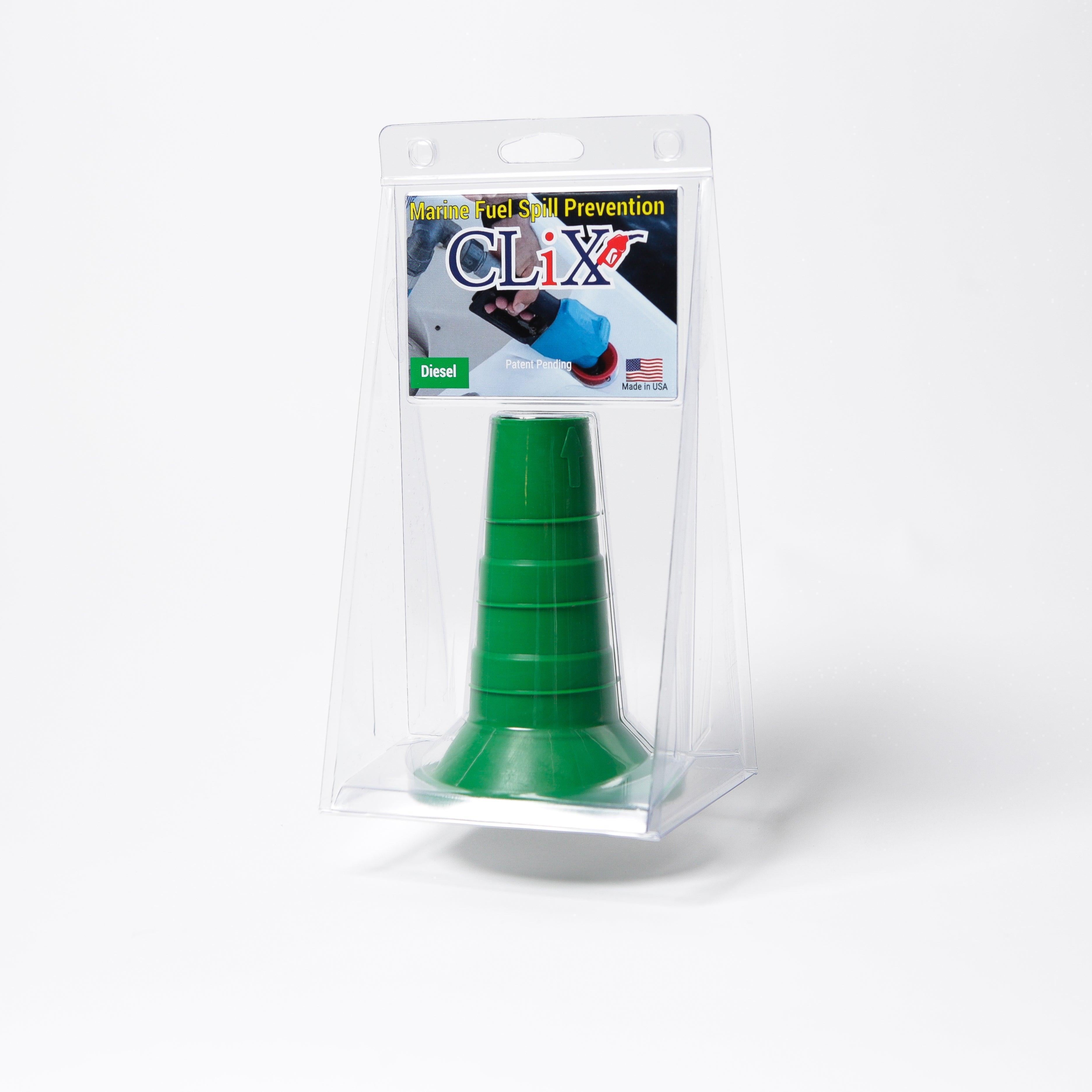
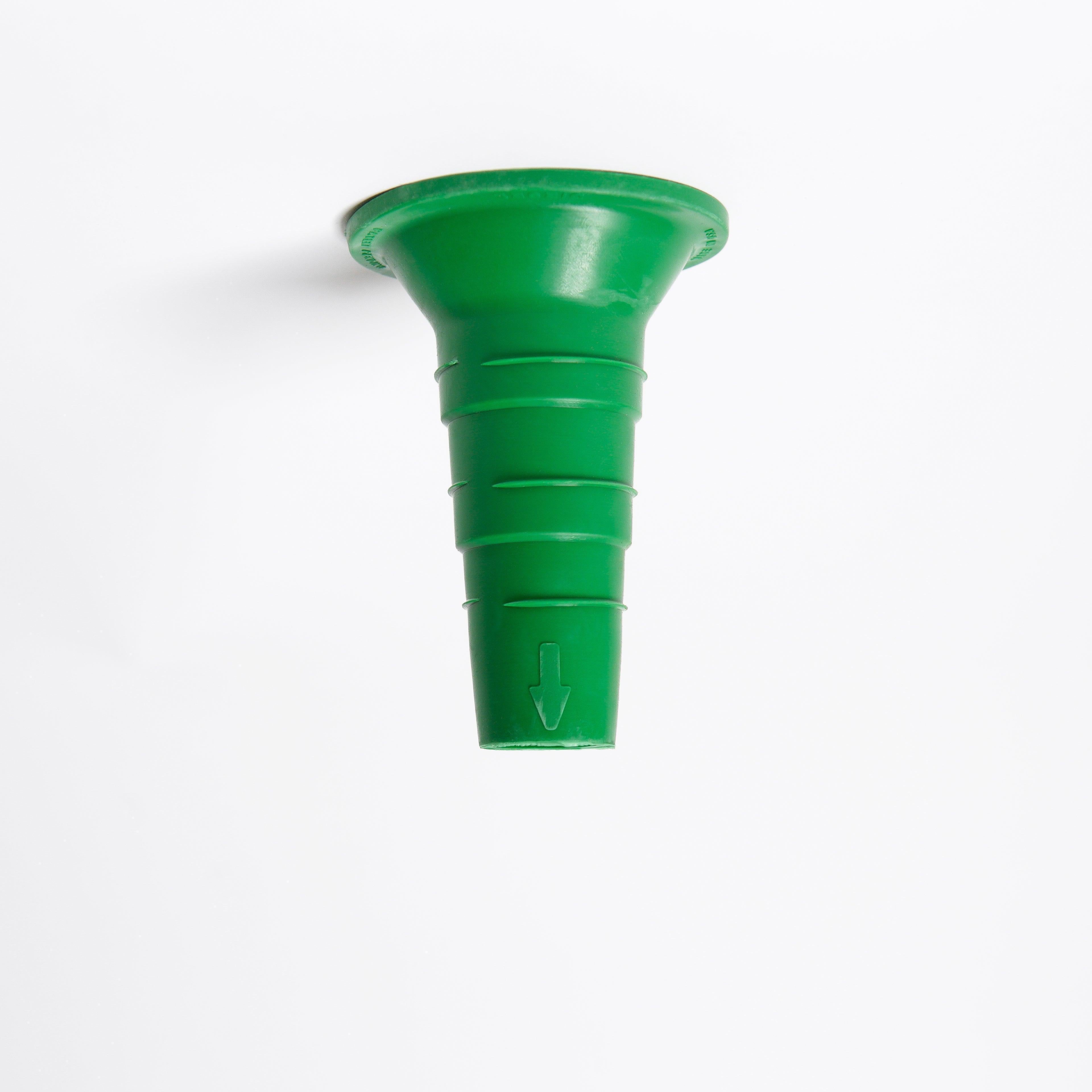
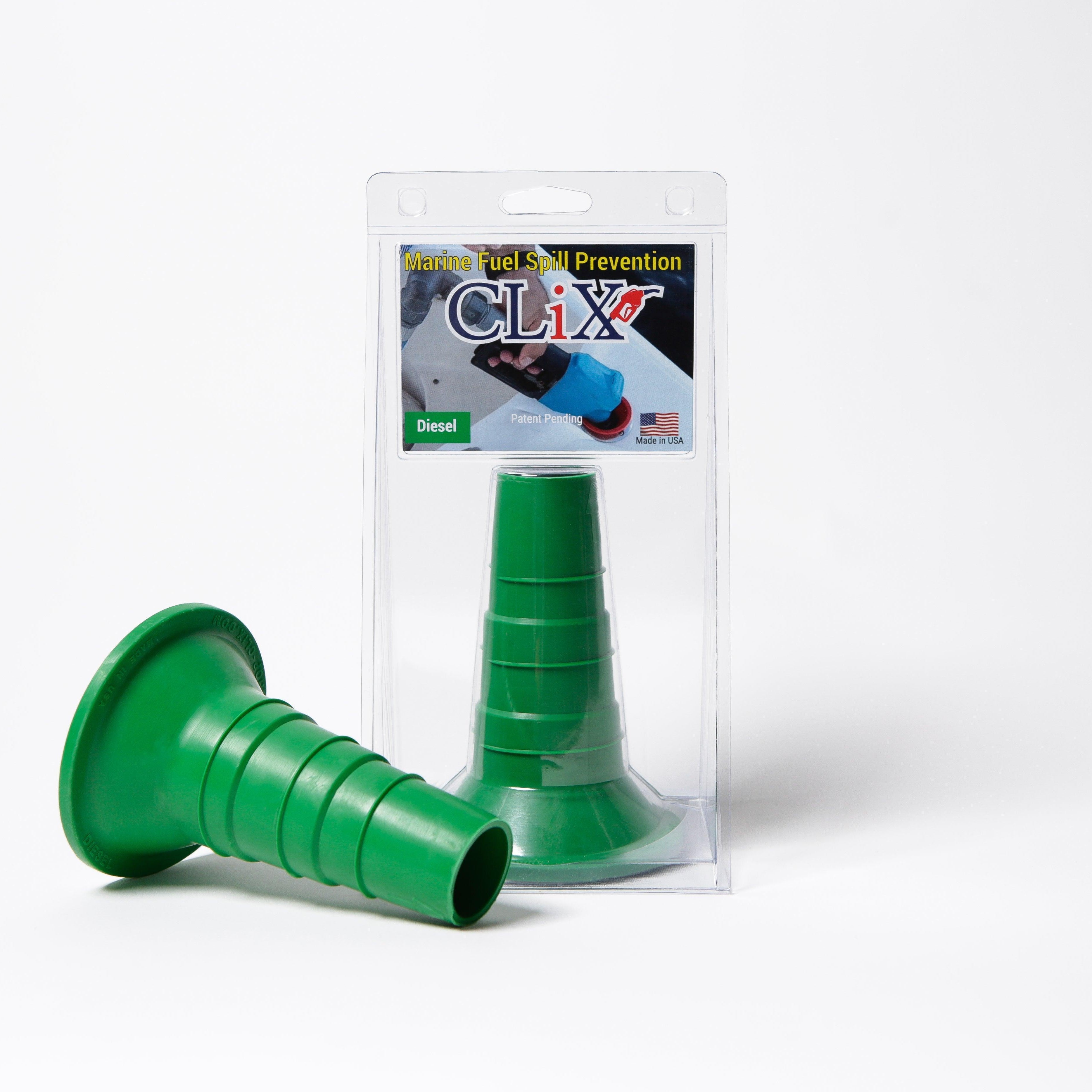
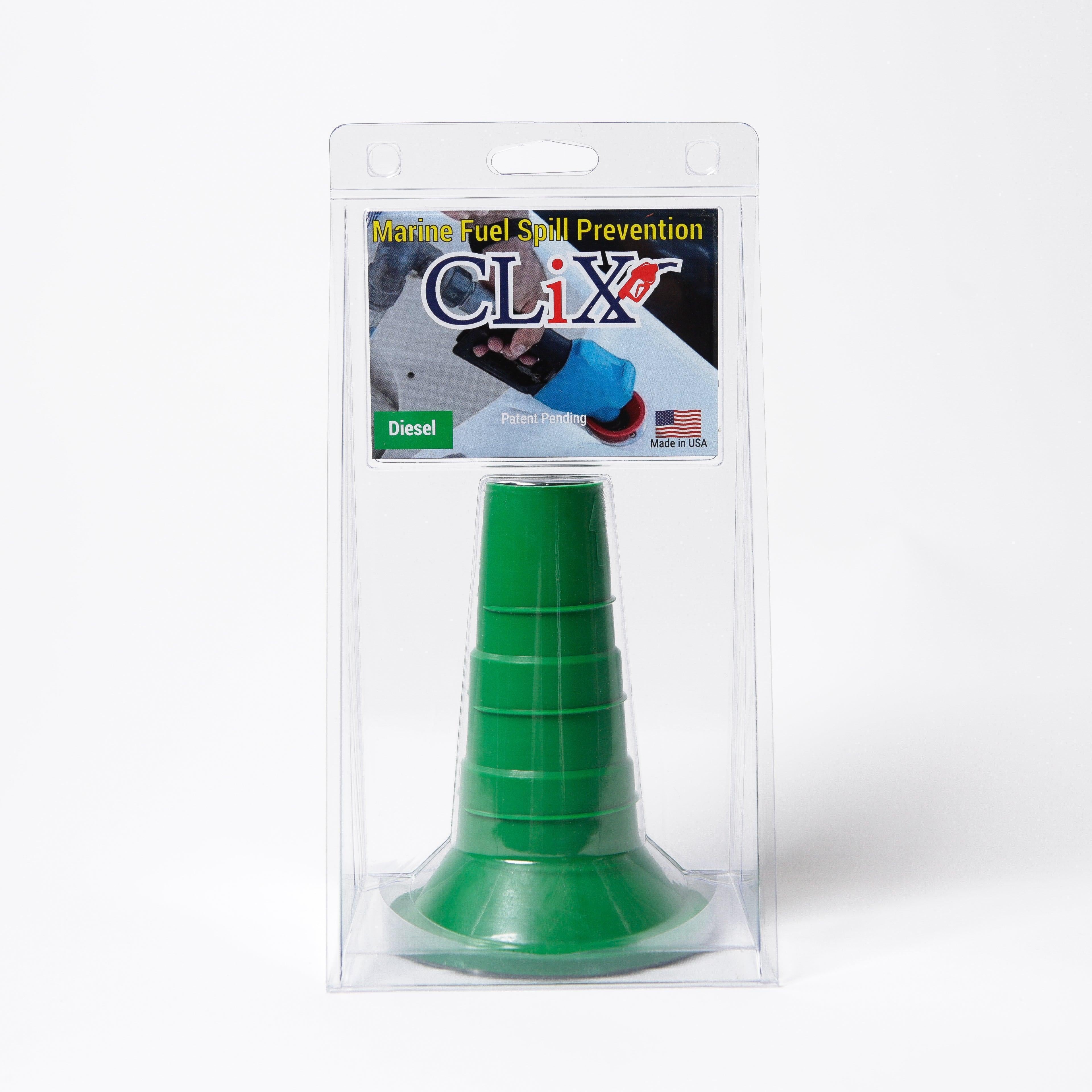
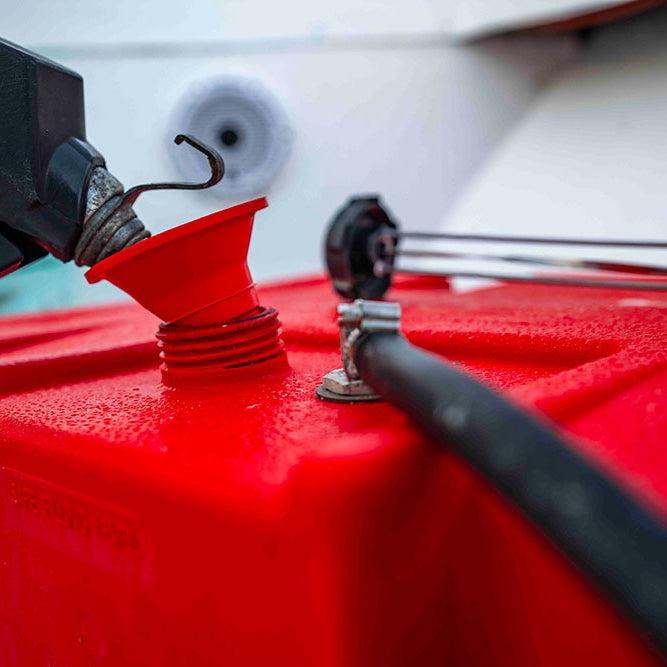
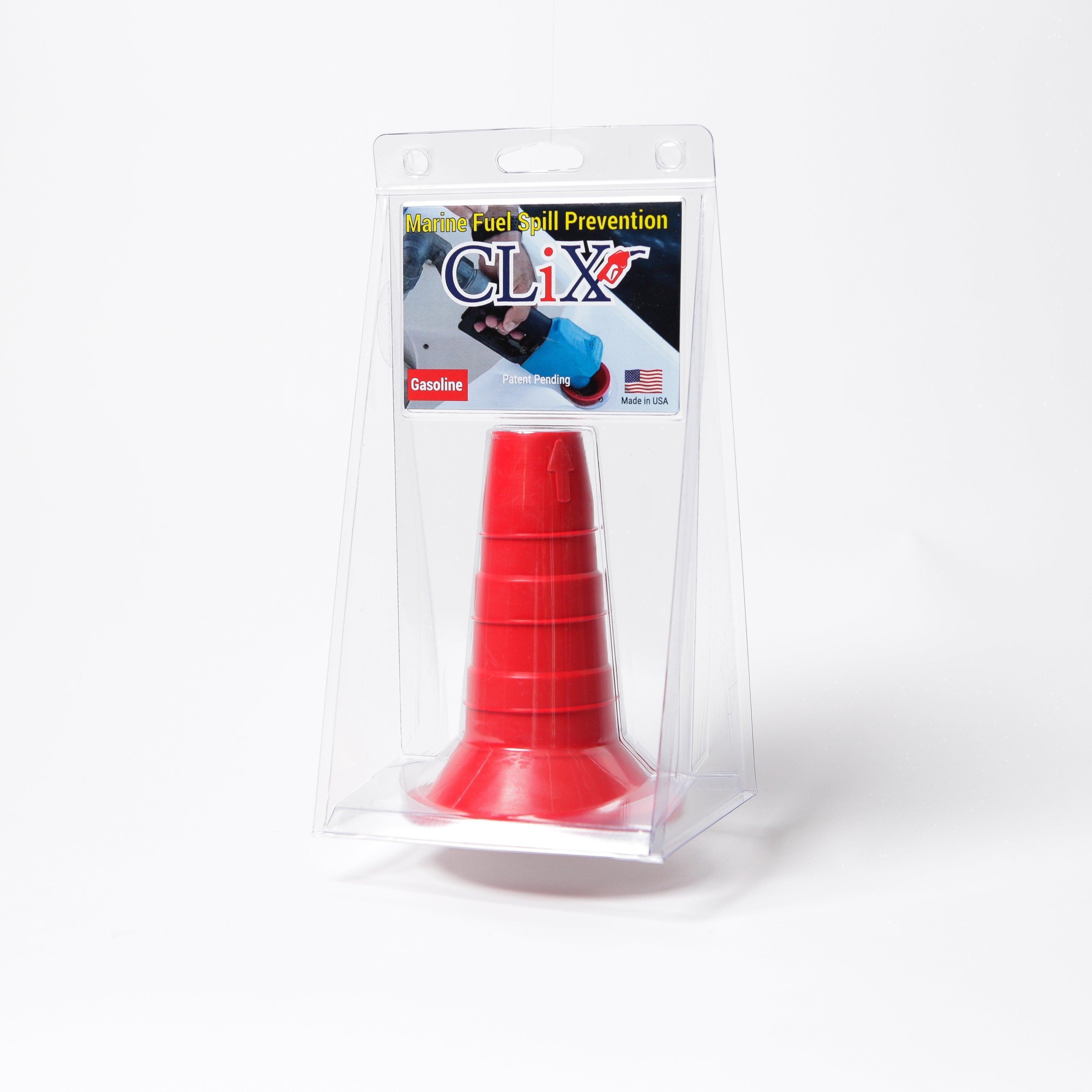
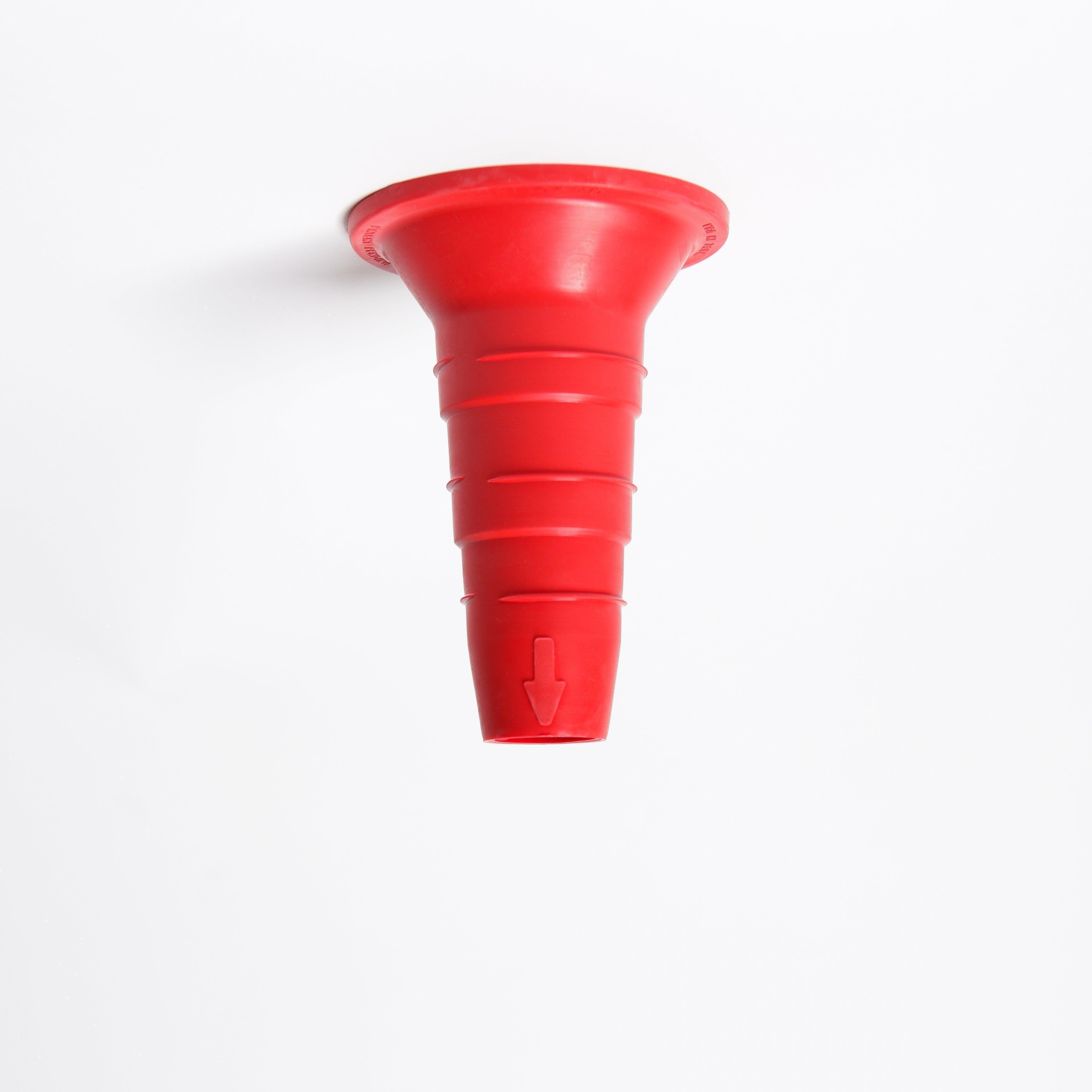
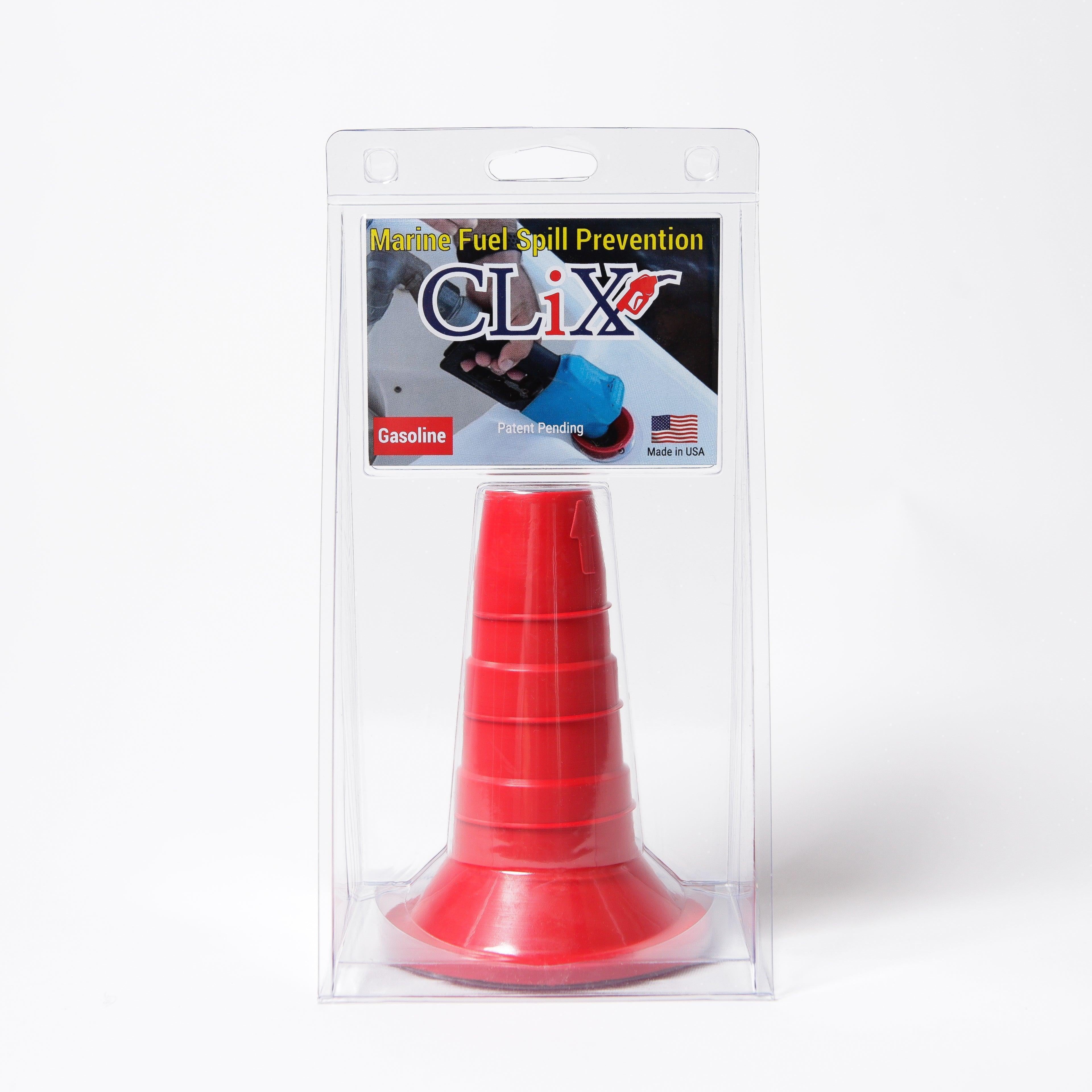
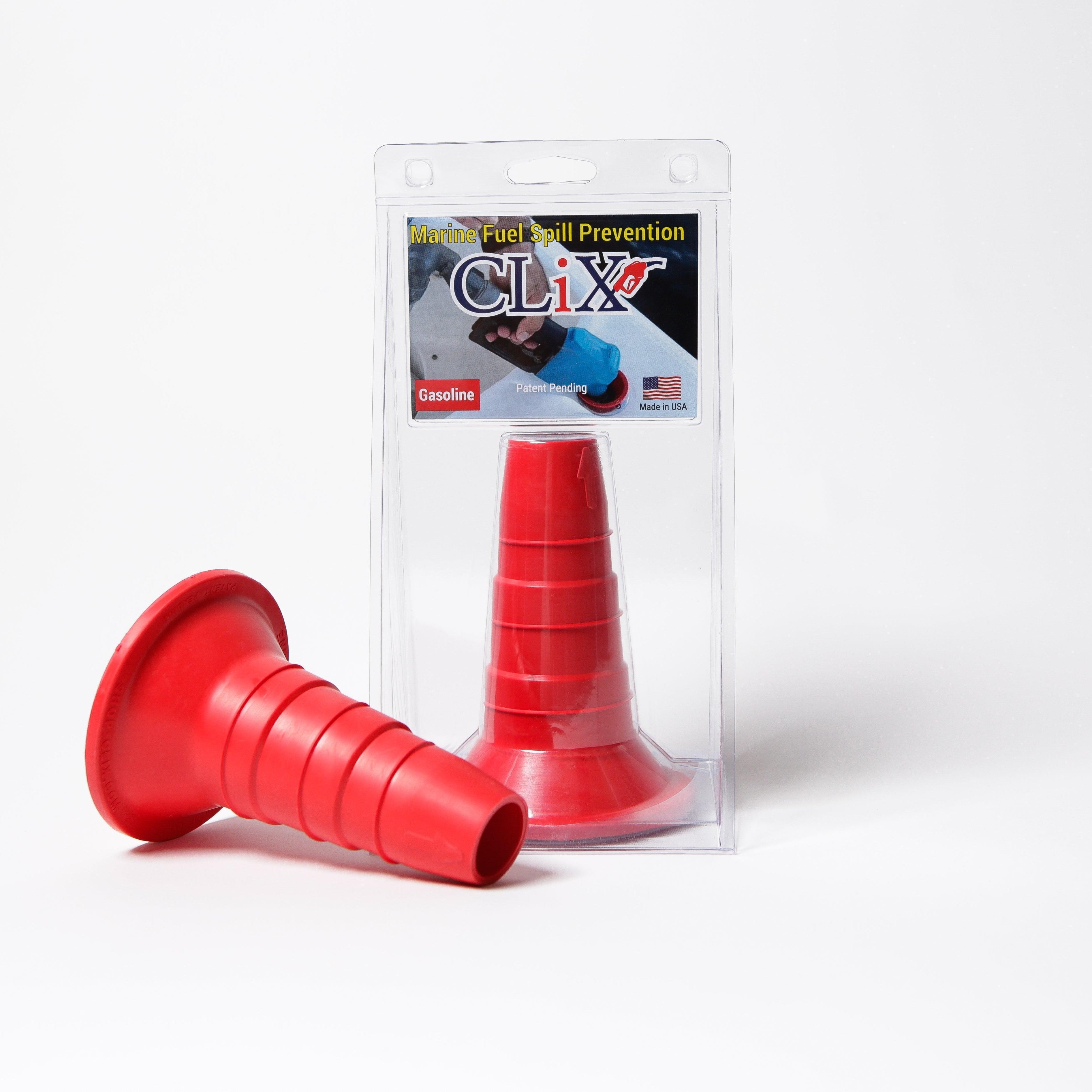
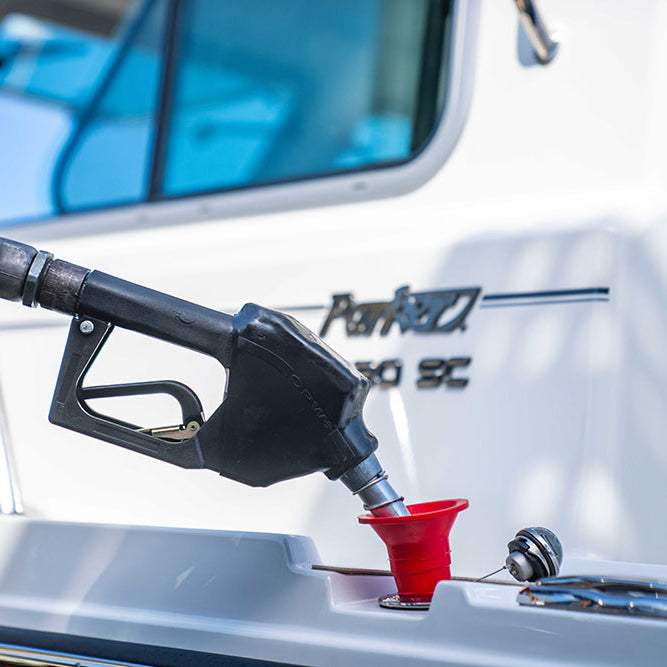
Now, imagine a device for your boat that knows exactly when your tank is full and shuts off the fuel flow automatically. That's the simple but brilliant idea behind the CLiX Fueling system. It’s the missing link between your stable flat gas container and the fuel pump, creating a foolproof way to fill up without spills.
Think of it like this: your flat tank is the stable foundation, and a system like CLiX is the intelligent gatekeeper. It completely removes the guesswork, guaranteeing the fuel stops flowing the second your tank is full. No more rainbow sheens on the water, no more hazardous cleanup, and no more watching your money spill overboard.
By pairing a stable tank with a smart fueling device, you create a truly worry-free experience. This proactive approach is the single most effective way to prevent costly and environmentally damaging spills.
This combination of a secure flat gas container and an automatic shutoff device turns what used to be a stressful task into a simple, clean, and repeatable process.
How Automatic Shutoff Technology Works
The beauty of the CLiX system is its reliability. It works on a mechanical principle that’s a lot like the auto-shutoff feature on the gas pump you use for your car, but it's been perfectly adapted for the unique needs of a boat.
As you start fueling, the device lets fuel flow freely. But as the tank fills up, the rising fuel and vapor pressure trigger a mechanism inside the CLiX unit. That instantly stops the flow from the nozzle, preventing even a single drop from overfilling the tank or splashing out of the vent. Our guide on best practices for filling a gas tank dives deeper into how this all works.
This auto-shutoff design gives you a few major wins:
- Precision: It’s far more accurate than trying to guess by ear or sight, reacting instantly the moment the tank is full.
- Safety: It dramatically lowers the risk of fire by keeping flammable fuel from spilling onto a hot deck or engine.
- Environmental Protection: It keeps harmful pollutants out of our waterways, helping to protect the marine life we all enjoy.
The system was also designed to be universally compatible. It connects right to your boat's standard deck fill, which means it works seamlessly with just about any flat gas container you might be using, whether for gasoline or diesel. It’s a simple upgrade that adds a massive layer of safety to your boat without any complicated installation.
Essential Safety Rules for Marine Fueling
Having the right flat gas container is a great start, but every boater needs to know the basic rules of fueling. These aren't just suggestions or red tape; they are life-saving measures designed to prevent fires, explosions, and costly spills. Following them is the best way to protect yourself, your passengers, and the water you love.
In the U.S., the Coast Guard (USCG) and the Environmental Protection Agency (EPA) set the safety standards for fueling boats. You don't need to memorize the entire rulebook, but you do need to make a few key principles a regular part of your fueling routine.
Pre-Fueling Safety Checklist
Before you even think about picking up the fuel nozzle, a quick safety check should be automatic. A few moments of preparation can head off the most common fueling accidents before they have a chance to happen.
Make these steps a non-negotiable habit:
- Secure the Vessel: Tie your boat securely to the dock. The last thing you want is for it to drift while the fuel is flowing.
- Extinguish All Flames: Shut down everything. That means all engines, electronics, and any open flames from stoves or heaters.
- Close All Openings: Close all ports, windows, and hatches. This prevents dangerous gasoline vapors from creeping into your cabin or bilge.
- Get Passengers Ashore: Ask anyone not directly involved with fueling to step onto the dock until you're finished.
Grounding and Preventing Static Sparks
Static electricity is the invisible enemy at the fuel dock. Gasoline vapors are heavier than air and can pool in low areas on your boat, creating a perfect recipe for an explosion from a single tiny spark. Grounding is how you eliminate that risk.
Always keep the fuel nozzle in direct metal-to-metal contact with your boat's fuel fill opening. This simple act grounds the connection, preventing a static spark from jumping the gap.
Ignoring these rules can have serious consequences. A look at 2015 boating stats in the US shows over 4,500 accidents, with improper fueling and spills contributing to 10-15% of them. These incidents caused over $100 million in damages.
Without an auto-stop feature, it's estimated that 25% of boaters accidentally overfill their tanks, leading to fuel-soaked bilges and repairs that can easily top $5,000. You can explore a detailed breakdown of these boating statistics to get a clearer picture of the risks.
Pairing a properly installed flat gas container with an automatic shutoff system like CLiX is the smartest way to stay safe and compliant. This setup doesn't just help you meet regulations; it adds a crucial layer of defense against the most common dangers at the fuel dock.
Got Questions About Flat Gas Containers? We've Got Answers.
Even with the best gear, it’s natural to have questions about installation, upkeep, and making sure everything works together. Getting straight answers is key to handling your boat’s fuel system safely and with confidence. Let's tackle some of the most common questions we hear about using a flat gas container and keeping your setup in prime condition.
We’ll cover everything from whether you should install a tank yourself (spoiler: probably not) to spotting the warning signs that your old tank is on its last legs. Think of this as your cheat sheet for making smart decisions that protect your boat and everyone on board.
Can I Install a New Flat Gas Container Myself?
Look, I get the appeal of a good DIY project. But when it comes to a boat's fuel system, this is one job best left to the pros. We always recommend hiring a certified marine technician, and for good reason.
A professional knows the ins and outs of marine fuel systems, which are subject to incredibly strict safety rules. They’ll make sure every fitting is tight, the tank is vented properly to prevent dangerous fumes from building up, and the whole setup meets U.S. Coast Guard standards. Messing this up isn't just a mistake—it's a serious fire hazard.
Paying for professional installation isn't an expense, it's an investment in safety. The peace of mind you get from knowing a critical system was installed correctly is worth every penny.
What Are the Signs My Current Tank Needs to Be Replaced?
Your fuel tank lives a tough life, and it won't last forever. The trick is to catch problems early, before a small leak turns into a massive headache miles from the dock. A quick visual inspection now and then can save you from a world of hurt later.
Keep an eye out for these tell-tale signs:
- Plastic Tanks: Look for cracks, a chalky or faded surface, or spots that feel brittle. Sun and time can do a number on plastic, and these are signs the material is breaking down.
- Metal Tanks: Search for any rust or corrosion, especially around the seams and fittings. Even a tiny bit of "weeping" from a weld is a major red flag.
- That Lingering Smell of Fuel: If you constantly smell fuel in the bilge or cabin, don’t ignore it. That’s your boat screaming at you that there's a leak somewhere in the system that needs to be found—and fast.
As a rule of thumb, if your tank is pushing 15-20 years old or showing any of these signs, it’s time to start shopping for a replacement.
Does the CLiX Fueling System Work with Any Flat Gas Container?
Yes, and that’s one of its best features. The CLiX system was designed from the ground up to be universal. It works with just about any standard marine fuel setup you can think of, no matter the brand, material, or size of your tank.
Here's why: the device doesn't connect to the flat gas container itself. Instead, it attaches directly to your boat's existing fuel deck fill—that port on the outside of your hull where you stick the nozzle. This means it fits right into your current system without you having to change a single thing on the tank. It works perfectly for both gasoline and diesel, too.
This makes it a remarkably simple and effective upgrade. You can add a crucial layer of safety and spill prevention to your boat in just a few minutes, turning every fill-up into a clean, safe, and worry-free process.
Ready to make fuel spills a thing of the past? CLiX Fueling Solutions gives you the automatic shutoff technology you need for a safe and clean fueling experience, every single time.
Discover how CLiX can protect your boat and the environment today