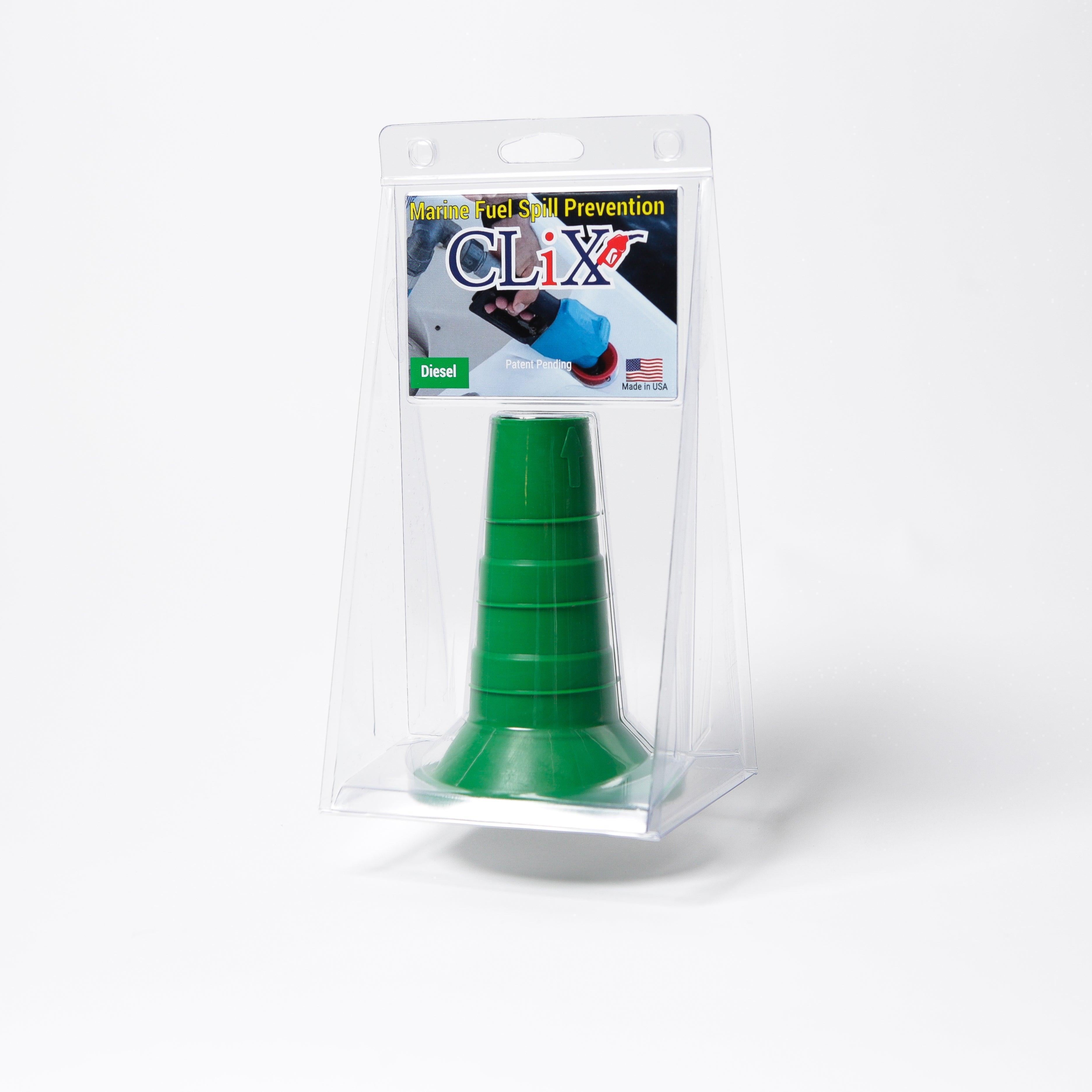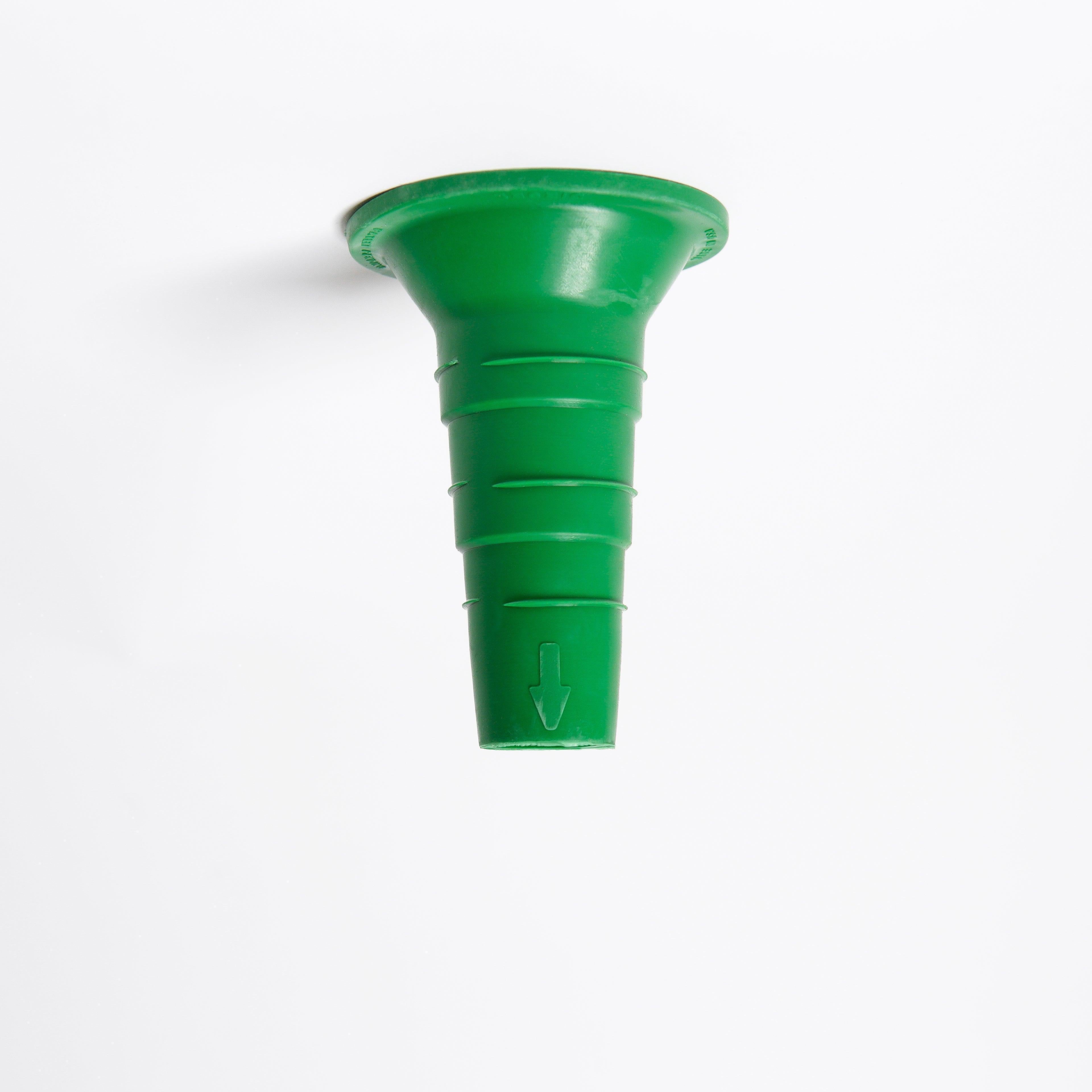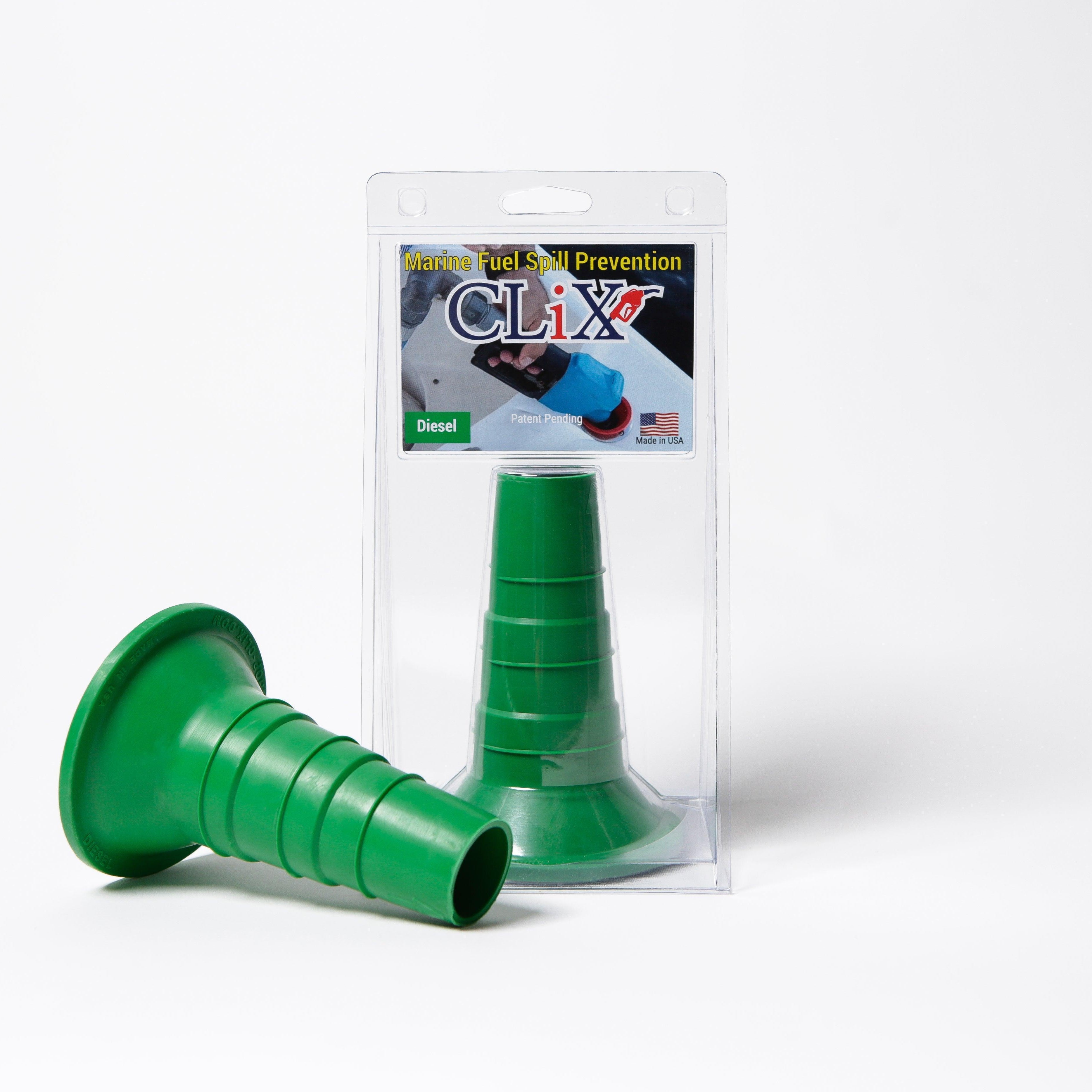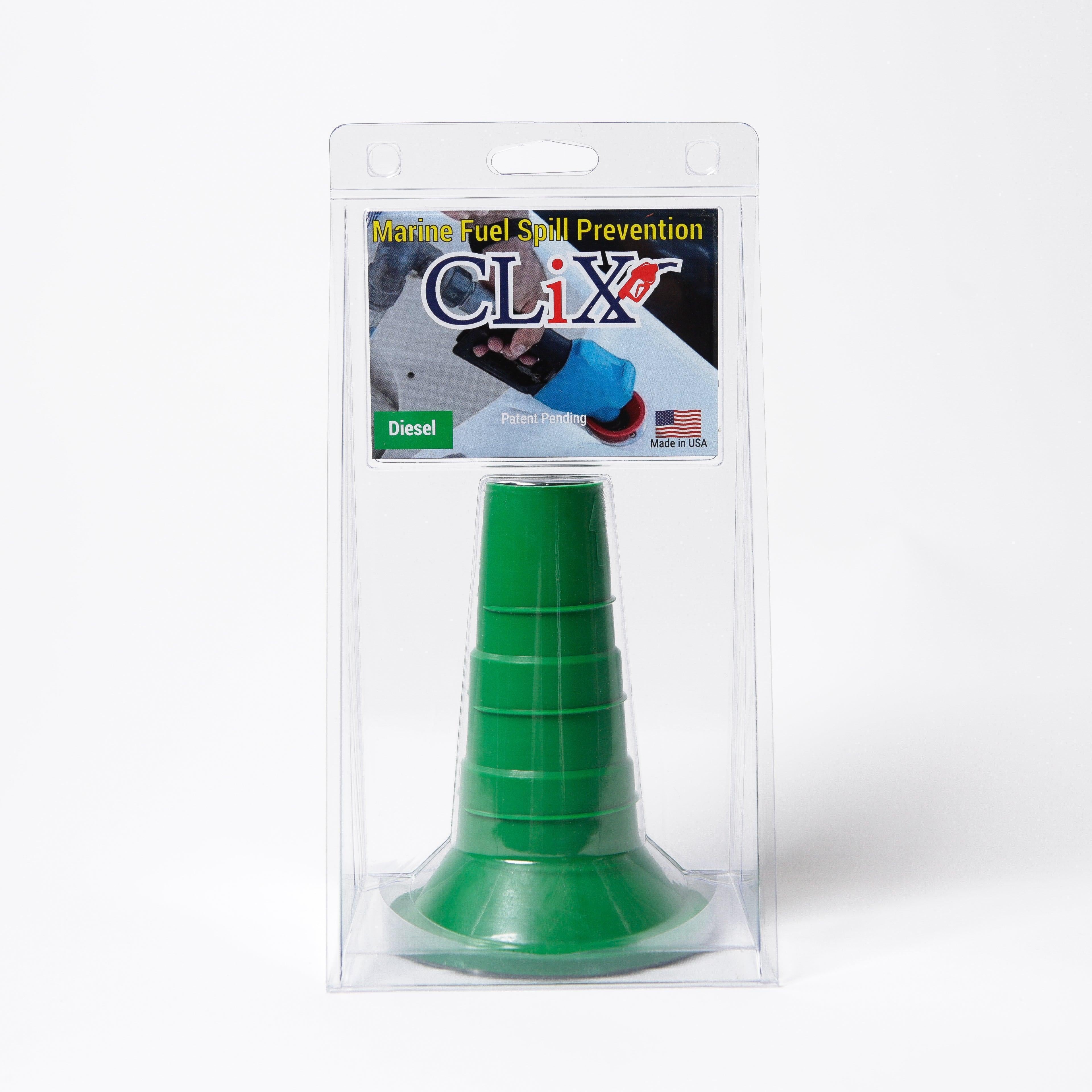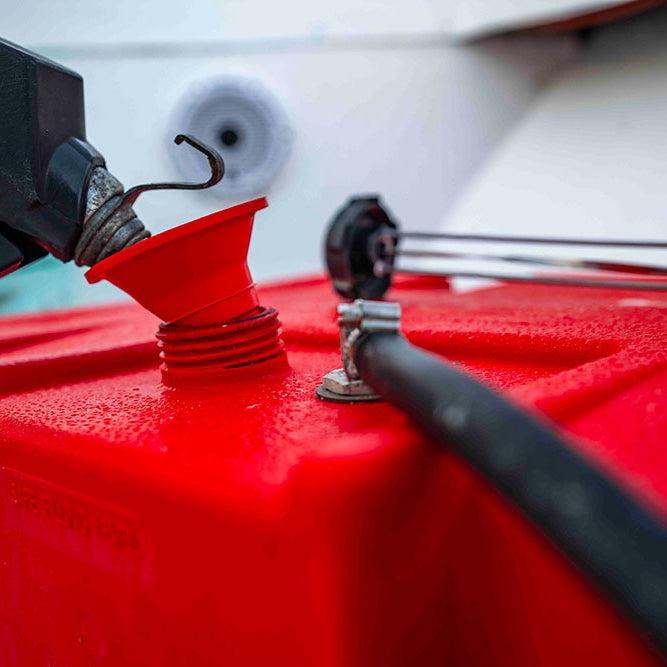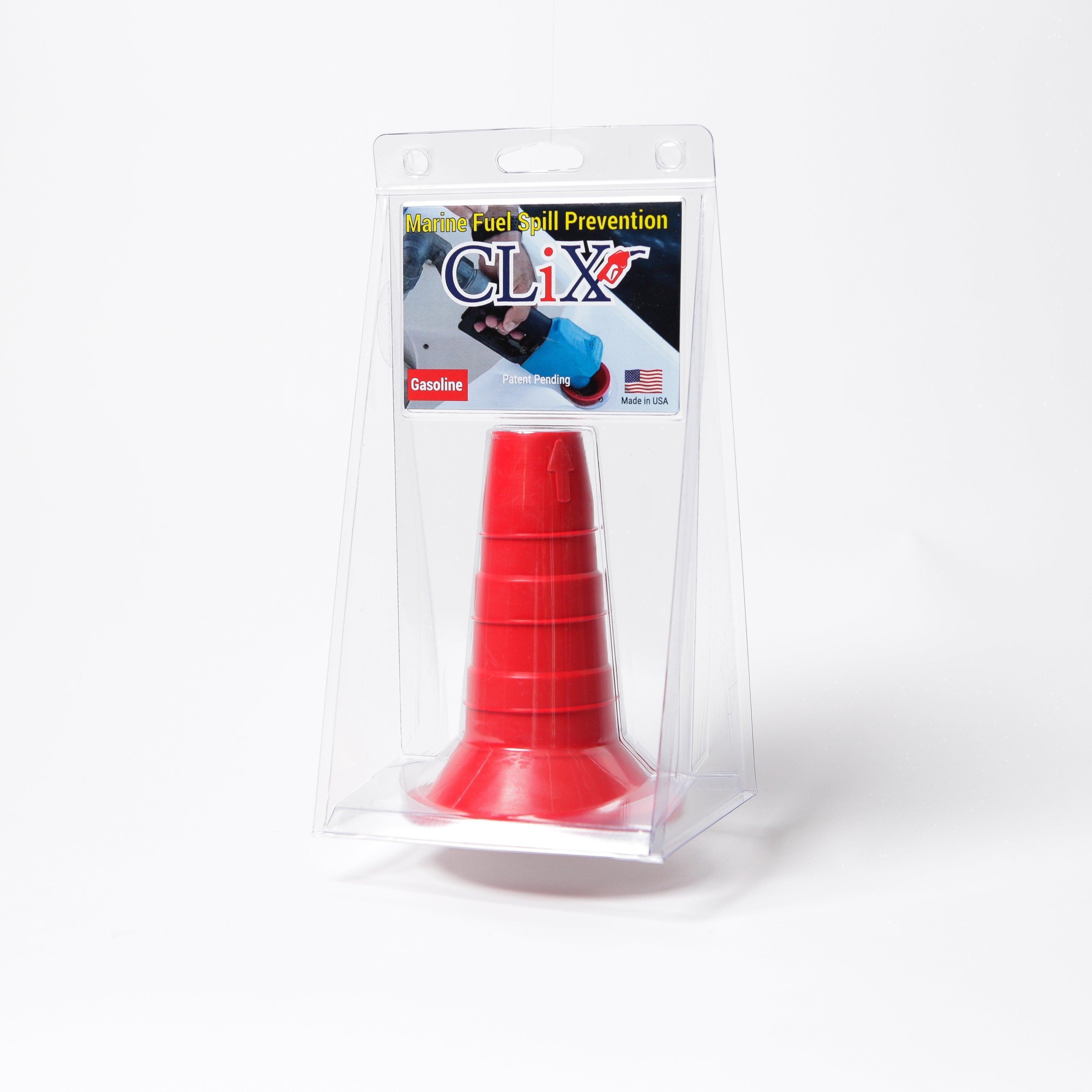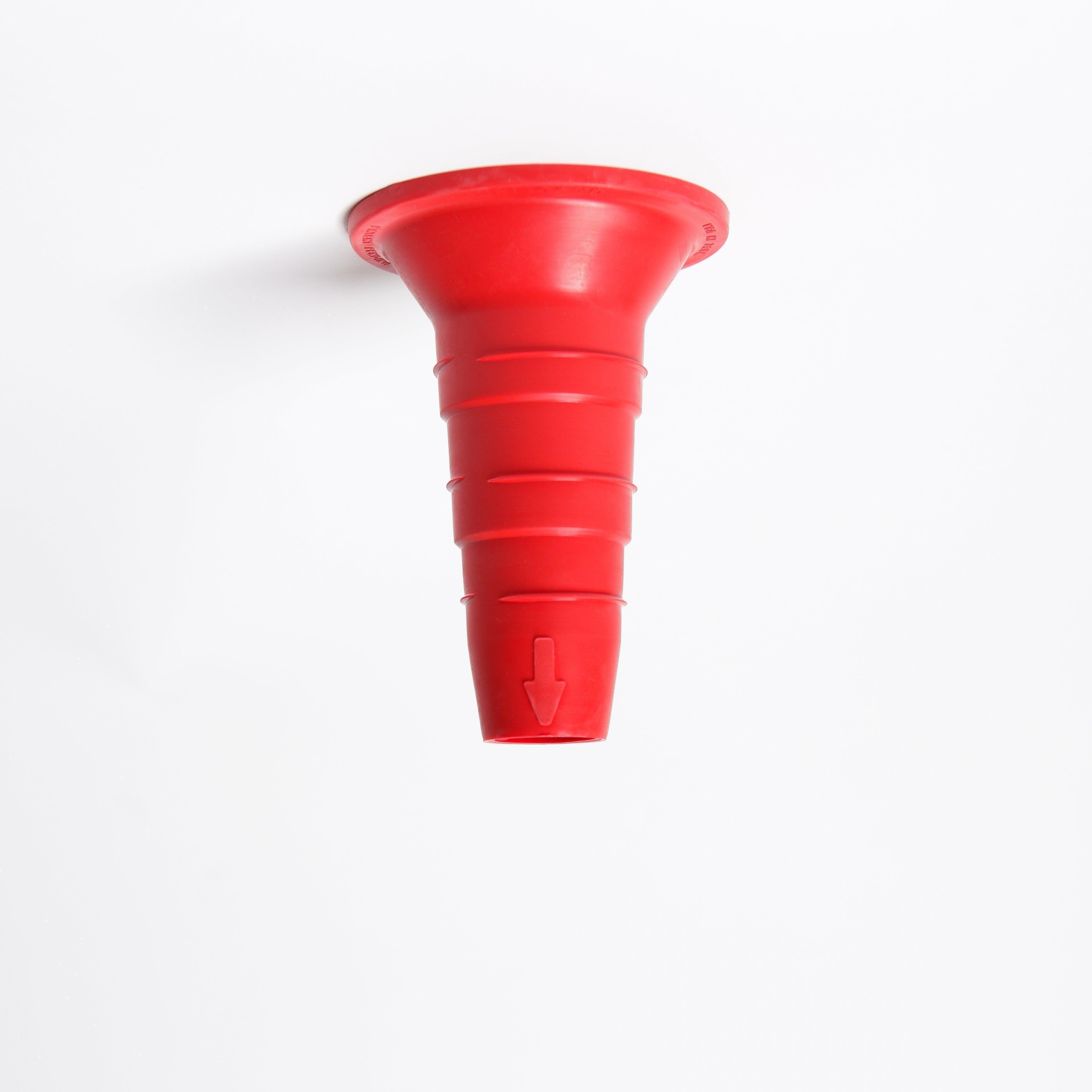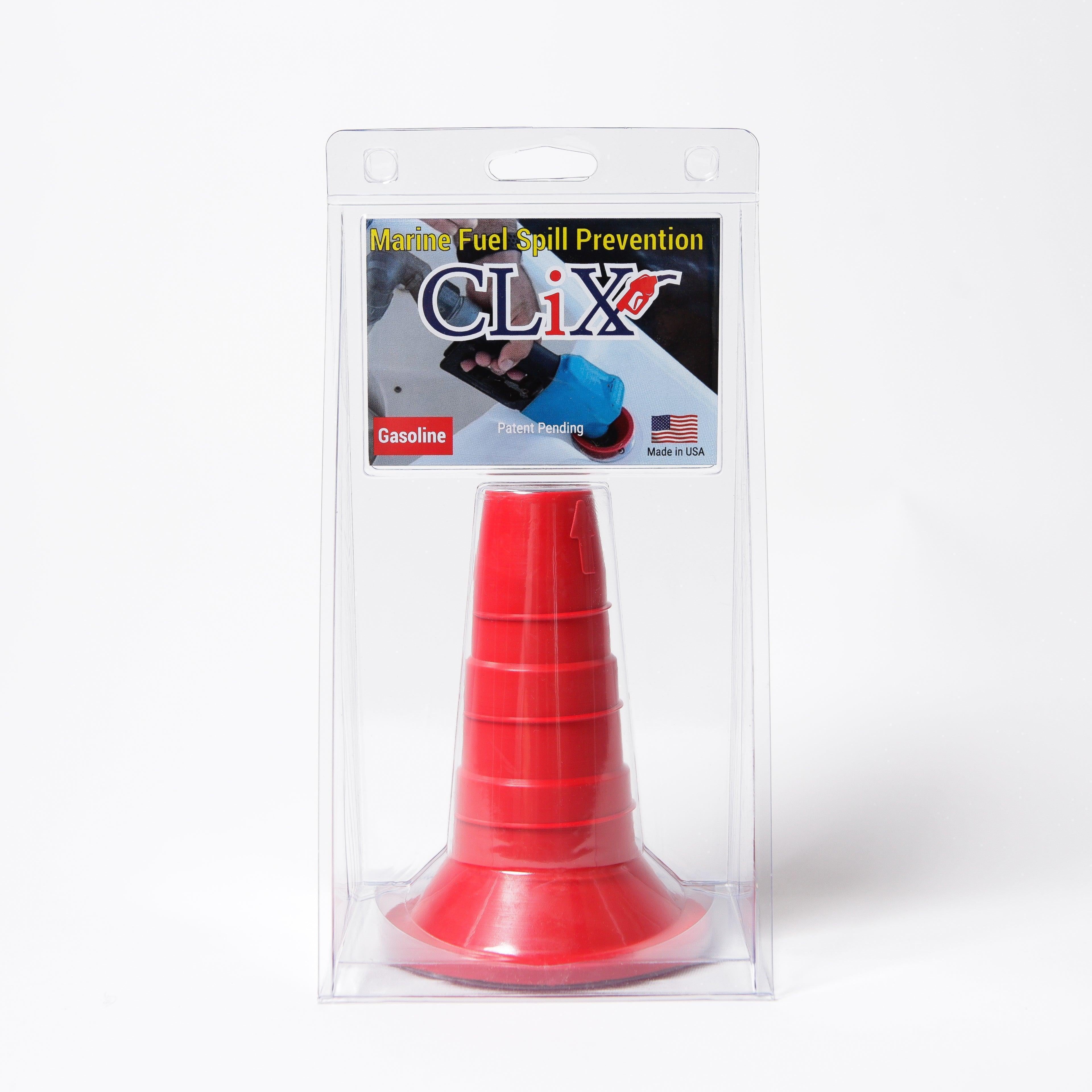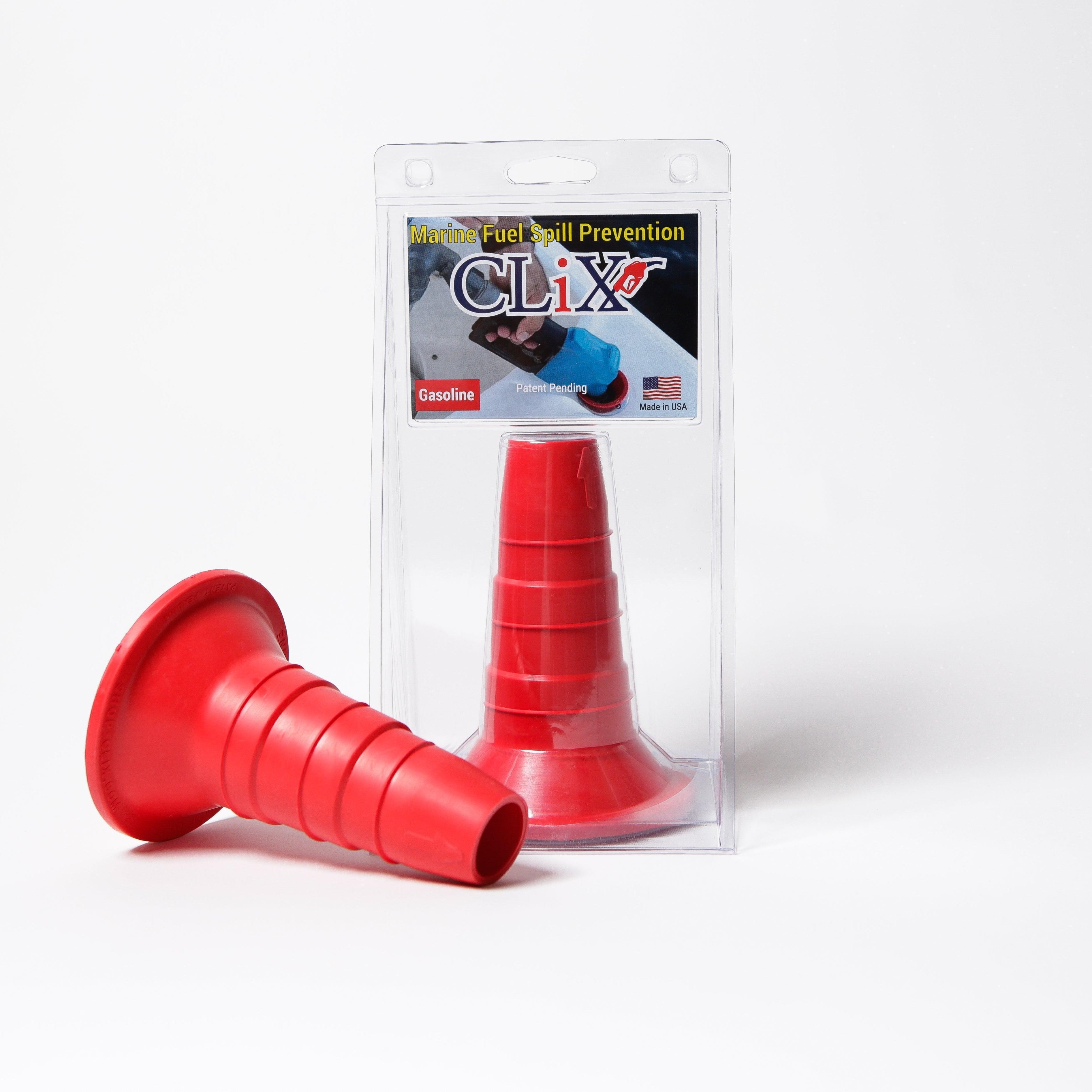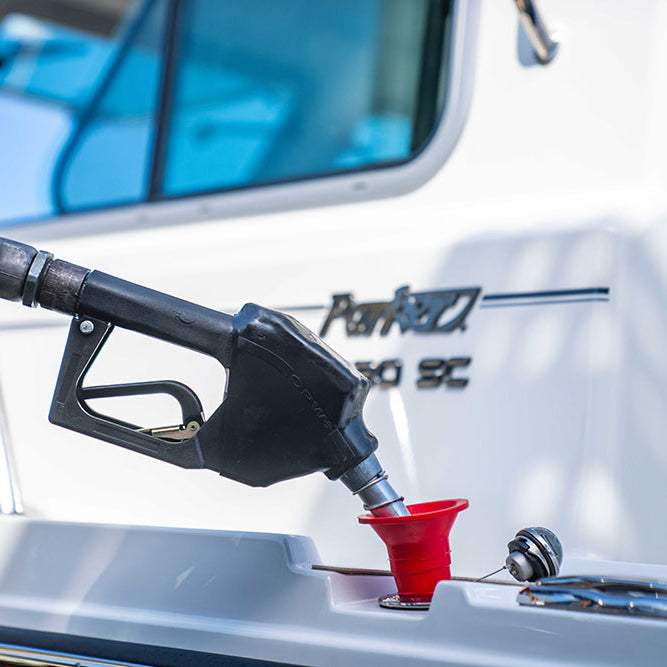
A water separator funnel is one of the smartest, simplest tools a boater can own. It's a special type of funnel designed to catch water, dirt, and other gunk before it gets into your fuel tank. Think of it as a high-tech strainer that only lets pure, clean fuel pass through.
It’s your first and best defense against fuel contamination, stopping problems right at the source.
Why Clean Fuel Is Your Engine's Best Friend
Nothing ruins a day on the water faster than a sputtering engine, and contaminated fuel is often the culprit behind those costly repair bills. Your boat's engine is a finely-tuned piece of machinery that absolutely depends on clean fuel to run smoothly.
You might be surprised where contaminants come from. They can sneak in from old fuel cans, form as condensation inside your tank, or even come directly from the pump at the marina. Once that junk gets into your fuel system, it starts causing all sorts of trouble.
The Hidden Dangers of Contaminated Fuel
Bad fuel acts like liquid sandpaper inside your engine's delicate parts. It grinds away at sensitive components, clogs up fuel injectors, and makes your engine run rough. Water is especially nasty—it promotes rust and corrosion from the inside out, which can lead to total engine failure.
Running on dirty fuel is a gamble, and the stakes are high. Here’s what you're risking:
- Engine Sputtering and Stalling: Blocked fuel lines mean your engine isn't getting the fuel it needs. This can cause it to sputter or die completely, which is the last thing you want when you're miles from the dock.
- Expensive Component Damage: Water and debris can quickly ruin fuel pumps and injectors. We're talking repairs that can easily run into thousands of dollars.
- Reduced Engine Lifespan: Constantly feeding your engine contaminated fuel just wears it out faster. It's a surefire way to shorten its life.
Taking a moment to prevent fuel contamination is always cheaper than dealing with the aftermath. Protecting your fuel supply is a direct investment in your engine's health and your peace of mind on the water.
Keeping your engine fed with clean fuel is a cornerstone of smart boat ownership and a key factor to reduce overall fleet maintenance costs. A water separator funnel is simply the easiest way to make sure every drop you pour is pure.
How a Water Separator Funnel Works
You might think there’s some complex magic going on, but the science behind a water separator funnel is actually a pretty clever and simple use of physics. The whole thing boils down to a specially treated filter screen that knows how to tell the difference between fuel and nasty stuff like water and grit.
This special filter has a hydrophobic coating. The easiest way to picture it is like a high-tech raincoat for your fuel. This coating literally pushes water molecules away, stopping them dead in their tracks. But gasoline and diesel? They're less dense and have a different chemical makeup, so they slip right through the mesh without any trouble.
Gravity and Hydrophobic Filters: The One-Two Punch
Think of it like a screen door on a hot summer day. It lets the breeze (your fuel) in but keeps the bugs (debris) and raindrops (water) out. A water separator funnel operates on the same basic idea, just with a much more sophisticated screen.
As you pour fuel through the funnel, two things happen at once:
- Filtration: The screen physically blocks solid particles—dirt, rust, and other gunk.
- Separation: At the same time, that hydrophobic coating repels the water. Since water is heavier than fuel, it sinks.
It’s this dual-action design that makes the funnel so darn effective. Gravity takes over, pulling the heavier water and solids down into a collection area at the bottom of the funnel, often called a sump. This sump traps all the junk, keeping it safely away from the clean fuel that has already passed into your tank.
This simple line of defense is what stands between you and serious engine damage.
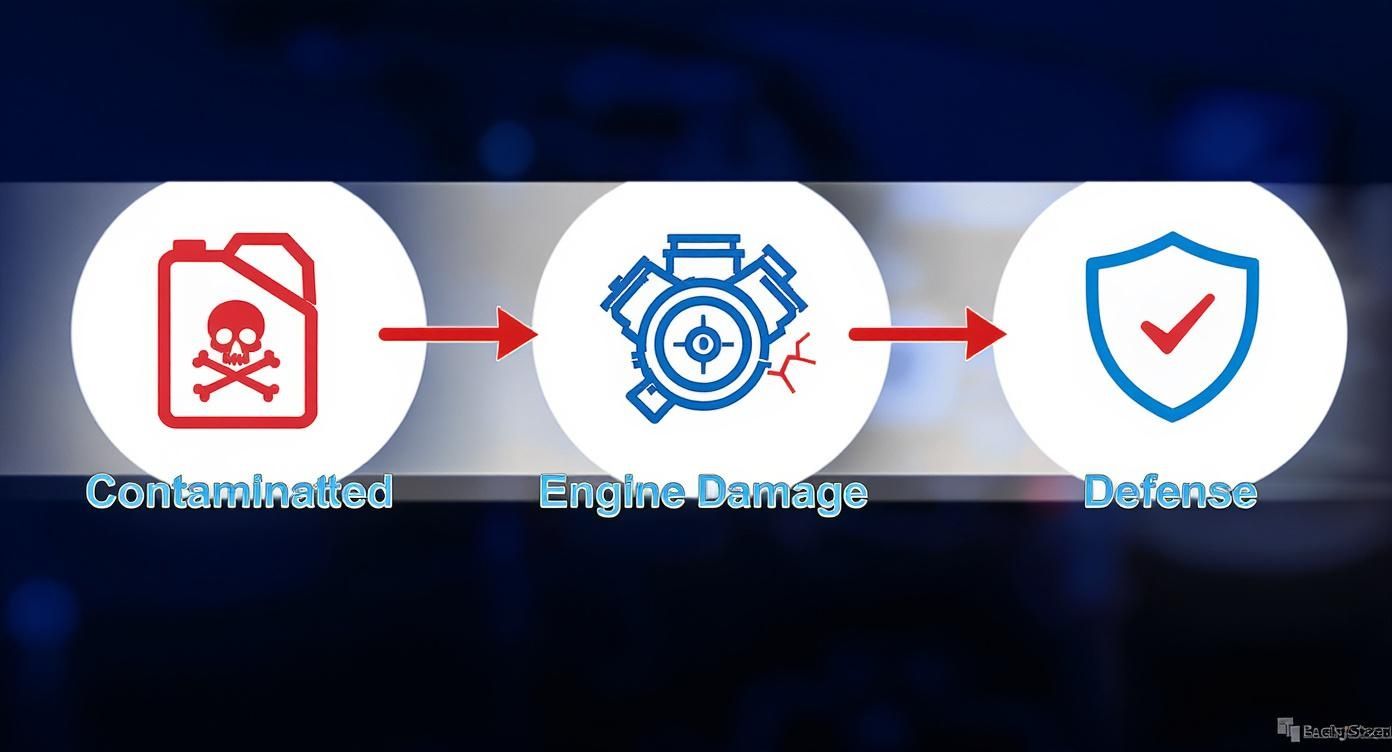
The flowchart above really drives the point home, showing the direct line from bad fuel to a busted engine and why this funnel is such a critical barrier.
Why This Matters So Much for Your Engine
This straightforward separation process is absolutely vital for the health of your engine. And it’s not just boaters who are catching on. The global market for fuel filter water separators was valued at around $3.36 billion USD and is on track to hit $5.5 billion USD by 2035. That's a huge jump, and it shows a growing awareness everywhere—from marine to automotive—about just how important clean fuel is for keeping an engine running for the long haul.
By physically blocking water and debris right as you're fueling, a water separator funnel acts as the first and best line of defense for your entire fuel system. It’s the most direct way to stop contamination before it ever gets a chance to cause corrosion, clog injectors, or lead to a total engine failure.
If you want to get into the nitty-gritty of how different filters work, our comprehensive guide on the fuel water separator filter is a great place to start. Getting a handle on this technology is the first step toward protecting your investment and ensuring your engine fires up reliably, every single time.
The Real Payoff: Why You Need a Water Separator Funnel
Let’s be honest, using a water separator funnel is about more than just pouring clean gas. It’s about the real-world, long-term benefits that save you money, time, and a whole lot of headaches. While clean fuel is the immediate result, the true value lies in all the problems you'll never have to deal with.
Think of it as a cheap insurance policy for your engine's most critical parts. Every single time you refuel, you're taking an active step to prevent some seriously expensive damage.
Preventing Costly and Catastrophic Engine Damage
The most obvious win here is protecting the delicate, high-precision components inside your engine. Water and gunk are absolute poison to a modern fuel system, causing everything from rust and corrosion to clogs and total failure. A good funnel stops that poison at the source.
This one simple habit helps you sidestep some nasty repair bills:
- Expensive Injector and Fuel Pump Replacements: These parts are engineered with incredibly tight tolerances. It doesn't take much—just a tiny speck of dirt or a drop of water—to clog them up or cause premature wear. The result? Poor engine performance and a repair bill that can easily climb into the thousands.
- Internal Corrosion: When water gets into your fuel system, it settles at the bottom and starts creating rust. Those rust flakes then get sucked into the fuel lines, causing even more blockages and damage downstream.
- A Shorter Engine Lifespan: It's just common sense. An engine that’s consistently fed clean, pure fuel is going to run better and last a whole lot longer. Preventing contamination is one of the smartest things you can do to protect your investment.
By physically blocking contaminants right at the fuel can, a water separator funnel tackles the root cause of an estimated 70-80% of all fuel system failures. It’s the best frontline defense you can get.
Keeping You Safe and Reliable on the Water
For anyone on a boat, the biggest benefit is simply reliability. An engine that quits a few miles from the dock isn't just an inconvenience; it can quickly become a dangerous situation. Bad fuel is one of the top reasons engines stall, and that's the last thing you want when the weather turns or you're far from help.
Using a water separator funnel every single time you fuel up gives you confidence. It’s the peace of mind that comes from knowing you’ve done everything you can to ensure your engine will run when you need it most. This lets you focus on enjoying your day on the water instead of worrying about what might be lurking in your fuel tank.
This small, proactive habit is a key part of safe boating. For a deeper dive into how this simple tool works, our guide to fuel filter funnels breaks it down even further. It's a small investment that pays for itself the very first time it saves you from a single costly repair or a dangerous breakdown.
How to Choose the Right Water Separator Funnel
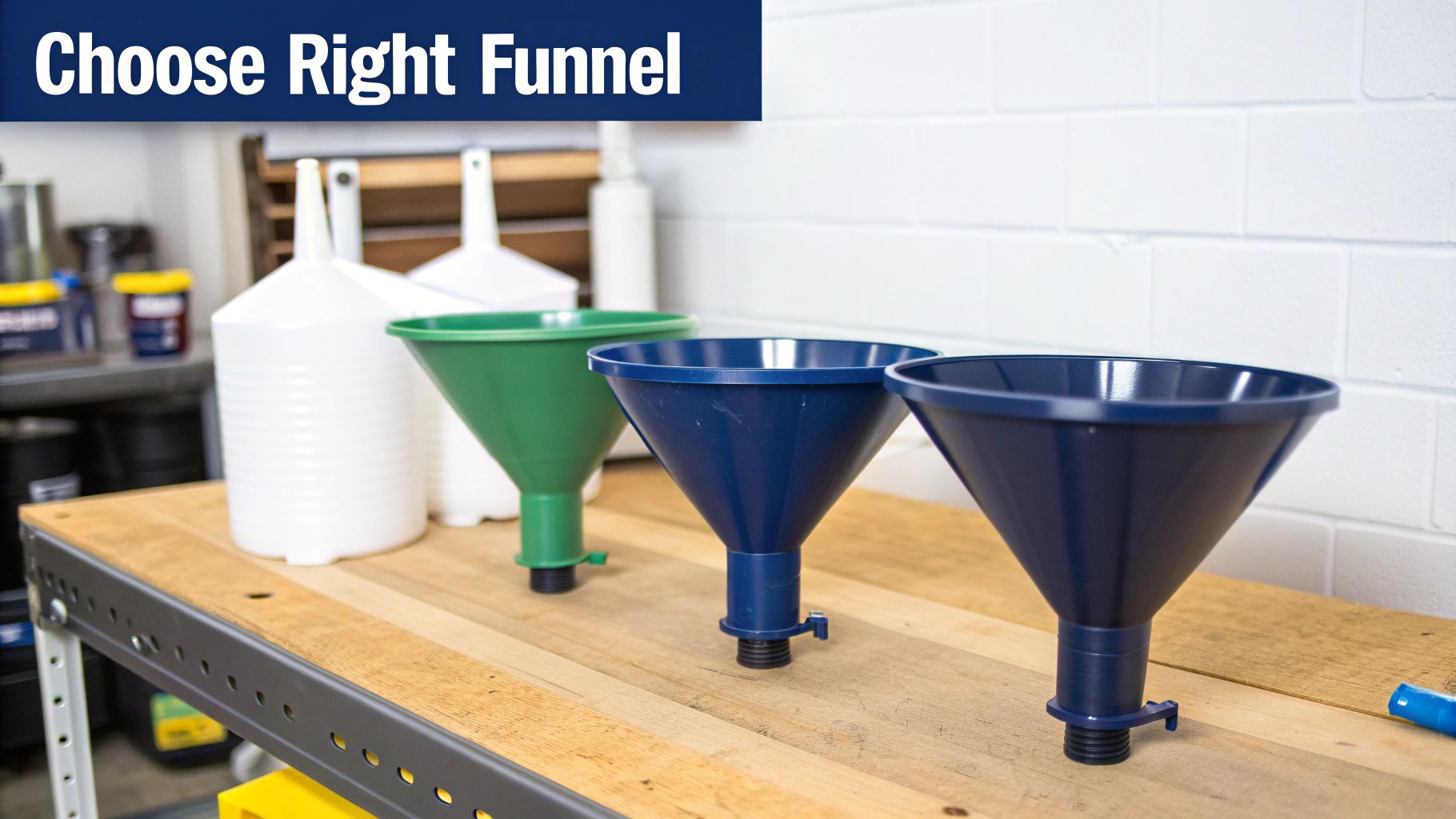
Picking the right water separator funnel isn't as simple as grabbing the first one you see. The funnel that works great for a small jet ski is going to be completely wrong for a big sportfishing boat. It’s all about matching the tool to the job.
If you get this right, you’ll have a reliable piece of gear that makes fueling up a breeze. Nail it down by focusing on three things: the flow rate, the micron rating, and what the funnel is actually made of. These are the specs that really matter.
What's the Flow Rate?
Put simply, flow rate is how fast the fuel moves through the funnel. It's usually measured in gallons per minute (GPM). A low flow rate can turn a quick top-off into a long, frustrating wait at the fuel dock, especially with a big tank.
Think about how you refuel. If you're just filling a 5-gallon portable tank for a dinghy, a slower funnel is no big deal. But if you’re pumping 50 gallons into your main tank, you'll want something that can keep up.
To help you decide, let's look at how different funnels stack up.
Feature Comparison of Water Separator Funnel Types
This table breaks down the features of common funnel sizes, from small portable models to larger ones designed for bigger jobs. It’s a quick way to see which one aligns with your boat and your needs.
| Feature | Small Funnel (e.g., F1C) | Medium Funnel (e.g., F8C) | Large Funnel (e.g., F15C) |
|---|---|---|---|
| Flow Rate | 2.5 GPM | 5 GPM | 12 GPM |
| Best For | Small engines, PWC, portable cans | Most recreational boats, generators | Large vessels, commercial use, farm equipment |
| Portability | Excellent, easy to store | Good, fits in most storage lockers | Bulky, requires dedicated storage space |
| Filtration | Standard debris and water removal | Enhanced filtration for engine protection | High-capacity for heavy-duty filtering |
| Price | $ | $$ | $$$ |
As you can see, the right choice is a trade-off. You might want the speed of a large funnel, but you have to consider if you have the space to store it and if the price makes sense for your boat size.
Decoding the Micron Rating
The micron rating tells you exactly how small of a particle the filter can stop. A lower number means it catches finer gunk. You might think smaller is always better, but there’s a balance to be struck.
- Coarse Filtration (50+ microns): These are great for catching the big stuff like rust flakes and obvious dirt.
- Medium Filtration (20-40 microns): This is the sweet spot for most boaters. It provides solid protection without slowing down the flow rate too much.
- Fine Filtration (10 microns or less): This offers the absolute best protection but can really slow things down, especially if the fuel you're using isn't perfectly clean to begin with.
For the average boater, a medium-micron filter is the perfect all-rounder. It gives you peace of mind without making fueling a chore.
Material and Build Quality
The stuff a funnel is made of matters. It determines how long it will last and how safe it is to use. Most quality funnels are made from tough polymers that can stand up to gasoline and diesel without breaking down.
You’ll want to look for one made from static-conductive polypropylene. This is a huge safety feature, as it helps prevent static sparks when you're pouring fuel. Also, pay attention to the design—a comfortable handle and a deep sump to catch the bad stuff make a world of difference. A well-made funnel just feels solid.
Investing in a good one means it will be part of your gear for years. For more tips on what works for different boats, see our guide on choosing the right fuel funnel for a boat.
Proper Use and Maintenance Tips
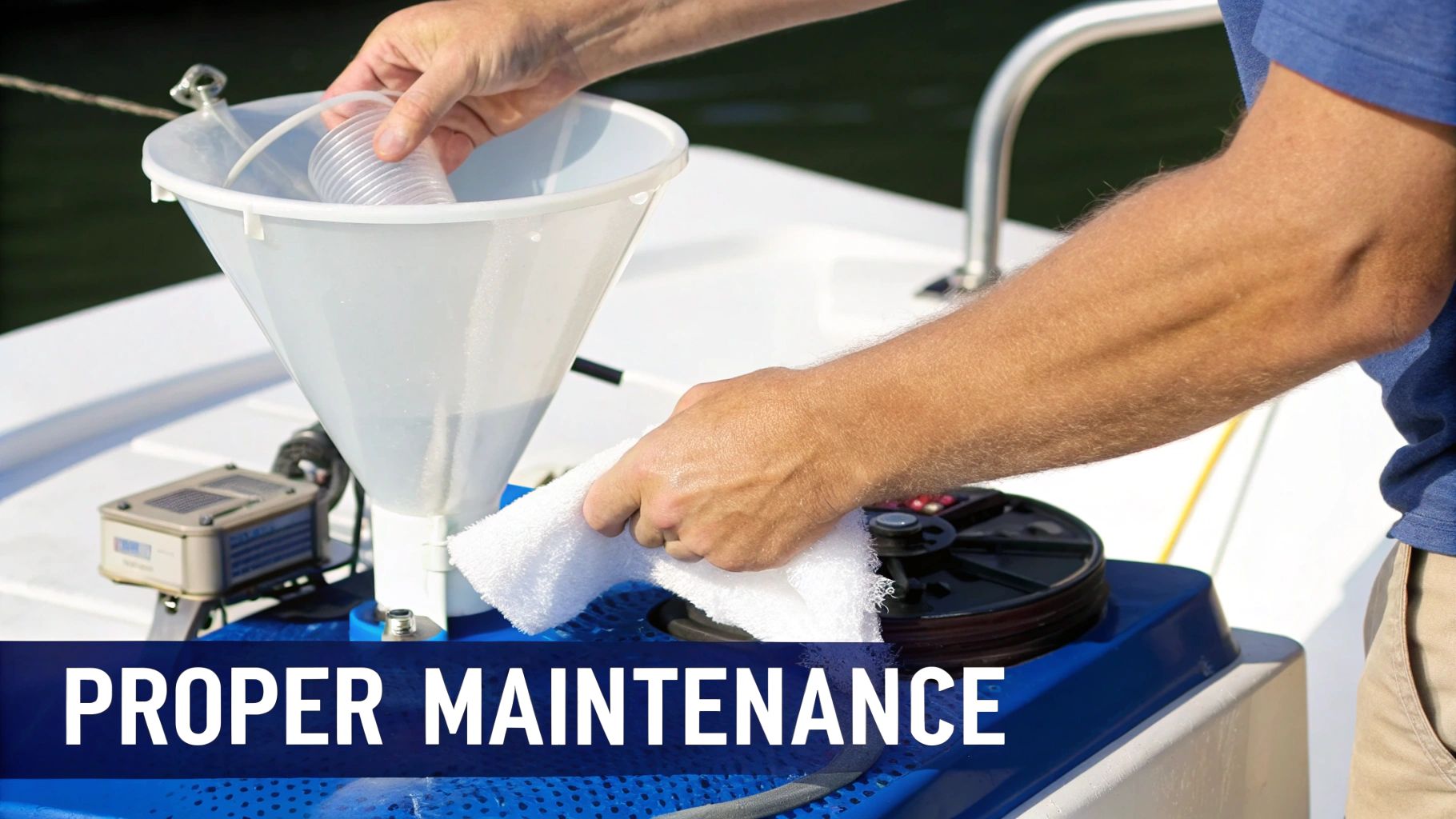
Having a water separator funnel on board is a great start, but getting the most out of it comes down to proper use and a little bit of upkeep. Think of it like any other essential tool in your kit—a bit of care ensures it works perfectly every single time you need it. A few simple habits will keep your funnel protecting your engine for years to come.
The secret to making these funnels work their magic is all in the pour. Resist the urge to just dump fuel in as fast as possible. A steady, controlled pour is key, as it gives the filter the time it needs to separate water and catch debris without getting overwhelmed.
Using Your Funnel for Maximum Effect
To get the best results, it helps to follow a quick routine every time you fuel up. It only takes a moment but makes a world of difference.
- Inspect Before Use: First, give the funnel a quick once-over to check for any cracks or damage.
- Position Securely: Make sure it’s seated firmly in the fuel tank opening. You want a snug fit to prevent any accidental spills.
- Pour Slowly and Steadily: This is the most important part. A consistent flow lets the hydrophobic screen do its job of repelling water while the filter traps any gunk.
- Check the Sump: When you’re done, take a peek into the funnel’s sump. You might be shocked at the amount of water and grit it’s collected!
That last step is a real eye-opener. Seeing what your funnel has just stopped from entering your fuel tank is the best reminder of why you're using it in the first place.
Always empty the collected water and debris from the sump after every single use. If you let that contaminated gunk sit in there, it can create a nasty buildup and make the funnel less effective next time.
Keeping Your Funnel Clean and Ready
Keeping your funnel in top shape is surprisingly easy and ensures it has a long, effective life. The filter is largely self-cleaning, so you don’t need any harsh chemicals or scrub brushes.
- Avoid Harsh Solvents: Whatever you do, never use strong chemicals or detergents on the screen. They can strip away the delicate hydrophobic coating, which would completely ruin its ability to separate water from fuel.
- Gentle Rinsing: The best way to clean it is to just turn it upside down and give it a firm tap to knock out any trapped debris. If it needs a little more, a quick rinse with a small amount of clean fuel will do the trick.
- Air Dry Completely: After a rinse, always let the funnel air dry completely before you put it away. Storing it while it's still damp can lead to mildew and will hurt the filter's ability to repel water on the next fill-up.
Following these simple steps will make sure your funnel is always ready to stand guard over your engine.
Common Questions About Water Separator Funnels
Even a simple tool like a water separator funnel can bring up a few questions. Getting the right answers helps you use it with confidence and get the most protection for your engine. Let's dig into some of the things boaters ask most often.
One of the biggest questions is whether these funnels solve all the problems that come with modern fuels, especially those mixed with ethanol. It's a great question, and the answer is important.
Can This Funnel Fix Fuel with Ethanol Issues?
A water separator funnel is a champ at getting rid of "free" water—the actual droplets that have separated out and are sloshing around in the bottom of your fuel can. It physically blocks this water from ever reaching your tank, which is a huge win against corrosion.
But here’s the catch: it can’t remove water that ethanol has chemically absorbed. When fuel and water go through phase separation, the water molecules bond with the ethanol. At that point, no physical filter in the world can pull them apart.
Think of your funnel as the first line of defense. It stops the big, obvious water contamination. But you'll still want a quality fuel stabilizer to manage the moisture that ethanol absorbs right into the fuel itself.
They work best as a team. The funnel catches the loose water droplets, and the stabilizer handles the absorbed moisture.
How Often Should I Clean My Water Separator Funnel?
The best habit you can get into is to check the sump for water and junk after every single use. It takes two seconds and ensures it's clean and ready for the next time you need it.
You only need to do a full-on cleaning every so often. If you notice fuel starting to flow through it more slowly than usual, that's your cue.
- To Clean: Just use a little mild soap and water, or even just swish a bit of clean fuel around in it.
- To Dry: This part is critical. Always let the funnel air dry completely before using it again. The screen needs to be totally dry for its water-repelling magic to work.
Why Is My Funnel Flow Rate So Slow?
If your funnel starts to flow slowly, don't get frustrated—it's actually a good sign! It means the filter is doing exactly what it's supposed to do and has clogged itself with all the gunk you want to keep out of your engine.
A quick, gentle cleaning should get it flowing freely again. If it's still slow after you've cleaned it, that might be a sign that your fuel source is incredibly dirty.
Beyond just filtering, making sure fueling is a spill-free process is a big deal for safety and the environment. That’s where products from CLiX Fueling Solutions come in. They create a secure connection to your fuel fill and automatically shut off the nozzle when you’re full, stopping messy and dangerous overflows before they happen. Learn more about spill-free fueling at clixfueling.com.