Picture this: you're miles offshore, enjoying a perfect day, when your engine coughs and sputters to a stop. That extra fuel you brought along is your lifeline, but only if it's stored in a safe, reliable container. Picking the right small fuel containers is easily one of the most important safety decisions any boater can make.
Why Your Choice of Fuel Container Matters
Out on the water, that simple red can is more than just a box for fuel—it’s a critical piece of safety gear. The wrong one can lead to dangerous spills, engine-killing fuel contamination, or worse, a devastating fire caused by leaking vapors.
This guide isn't just about the basics. We're going to dive deep into what makes a container truly safe and effective for the harsh marine environment, covering everything from regulations to real-world handling tips.
More Than Just a Plastic Can
You have to think of your fuel container as a specialized tool built for a tough job. A flimsy, uncertified can might be fine for the lawnmower, but it’s a huge risk at sea. Between the constant rocking of the boat, corrosive saltwater, and punishing UV rays, marine-grade fuel cans are built to a much higher standard.
It's no surprise that the market for proper fuel storage is booming. The global market was valued at an estimated USD 29.9 billion in 2025, and portable fuel containers lead the pack, holding a 36% market share. This growth is fueled by people like us who love boating and other outdoor activities. You can dig into the numbers in a full report from Fact.MR.
A good fuel container does more than just hold fuel. It protects your boat, your crew, and the very waters you enjoy. It's the unsung hero of a great day on the water.
What This Guide Will Cover
Whether you're a new boat owner trying to get it right or a seasoned marina operator committed to safety, this guide has you covered. We’ll break down everything you need to make smart choices.
Here’s what we’ll get into:
- Materials and Construction: We’ll look at the pros and cons of modern plastics versus old-school metal cans for marine use.
- Safety and Regulations: You’ll learn how to read the labels and make sense of the USCG and EPA rules that matter.
- Practical Handling: We'll walk through the best practices for safely filling, transporting, and stashing your fuel.
- Maintenance and Spill Prevention: Get practical advice on inspecting your gear and what to do if a spill happens.
By the time you're done, you'll know exactly how to choose, use, and maintain your fuel containers, making sure every trip is a safe one.
Plastic vs. Metal: Picking the Right Fuel Container for Your Boat
When you're choosing a small fuel container, the first big decision is the material. Think of it like picking a hull for your boat—are you looking for modern and lightweight (plastic), or do you need a rugged, classic workhorse (metal)? Each one has its own set of pros and cons, especially when you throw sun, salt, and choppy water into the mix.
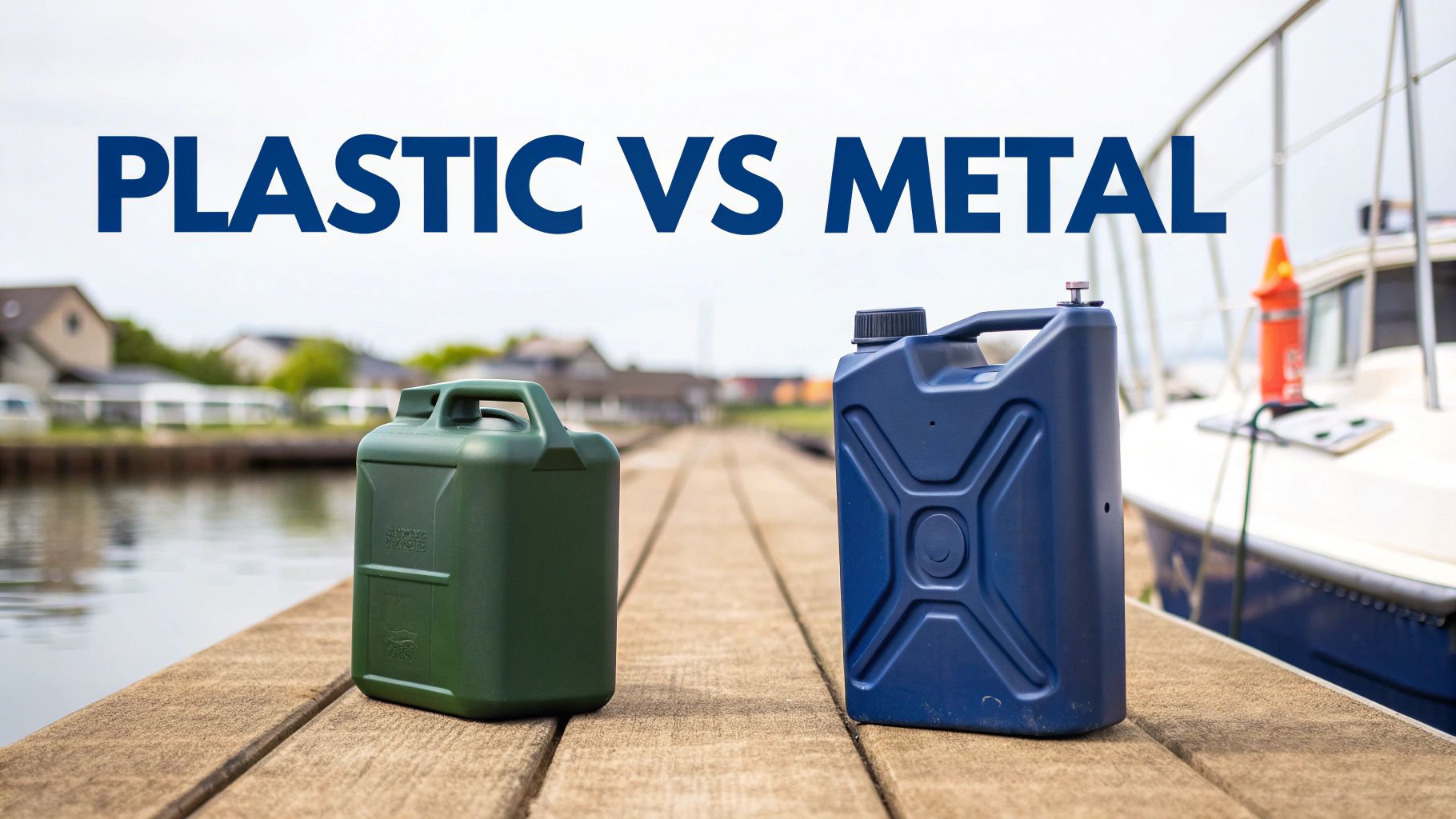
This isn't just about looks or cost. It’s about how that can is going to hold up to the realities of boating life—the constant exposure to saltwater, the baking sun, and the inevitable bumps and scrapes along the way. Let's dig into what really matters for each type.
The Case for Plastic Containers
Most boaters you see on the docks these days are using modern plastic containers, and for good reason. These cans, usually made from high-density polyethylene (HDPE), are incredibly lightweight. That makes a huge difference when you're lugging a full can down a long dock or trying to handle it on a boat that's rocking in the waves.
Their biggest advantage in the marine world is simple: they don't rust. Splashed with saltwater? No problem. Unlike metal, HDPE won't corrode. They're also surprisingly tough and can take a decent knock without denting, often just bouncing back from minor drops.
But plastic has its weak spots. Constant, direct sunlight will eventually make the material brittle, which can lead to cracks. Plastic is also more permeable than metal, meaning a very small amount of fuel vapor can escape through the walls over time. This is why good ventilation is so important wherever you store them. Our guide on the best portable gas containers for boats dives deeper into what features make a container truly marine-ready.
The Strength of Metal Containers
Metal fuel cans, typically made of steel or aluminum, are the heavy-duty champions of the world. Their main draw is their unmatched durability and puncture resistance. If you're a commercial operator or a boater heading into rugged, remote waters, a quality metal can is built to handle just about anything you can throw at it.
Metal is also far better at containing fuel vapors because it's non-permeable. This makes it a great choice for longer-term storage or for use in enclosed areas where fume buildup is a serious concern. They’re also totally opaque, which shields the fuel inside from UV degradation.
Of course, the trade-offs are weight and corrosion. Steel cans are heavy, even when empty. If that protective coating gets scratched—and on a boat, it will—rust will set in fast when exposed to saltwater. Aluminum is the lighter, rust-proof alternative, but it usually comes with a bigger price tag.
Comparing Plastic vs Metal Marine Fuel Containers
To make the choice easier, here's a quick side-by-side look at how these two materials stack up for marine use.
| Feature | Plastic Containers (HDPE) | Metal Containers (Steel/Aluminum) |
|---|---|---|
| Corrosion Resistance | Excellent. Impervious to rust from saltwater. | Poor to Good. Steel will rust if scratched. Aluminum is rust-proof. |
| Durability | Good. Resists dents but can become brittle with UV exposure over time. | Excellent. Highly resistant to punctures and physical damage. |
| Weight | Lightweight. Easy to carry and handle, even when full. | Heavy. Steel is notably heavy; aluminum is lighter but still heavier than plastic. |
| Vapor Permeation | Fair. Some vapor can permeate through the plastic walls. | Excellent. Non-permeable, providing superior vapor containment. |
| Cost | Lower. Generally more affordable upfront. | Higher. Typically more expensive, especially for aluminum models. |
Ultimately, the best choice depends on how you use your boat. For the average recreational boater, a high-quality plastic container is often the most practical and cost-effective option. For those who demand maximum durability for commercial or extreme use, metal is hard to beat.
Navigating Marine Fuel Safety Regulations
On the water, safety rules aren’t just friendly suggestions—they're firm laws. They exist to protect you, your passengers, your boat, and the marine environment we all share.
Cutting through the legal jargon is a must for every boater, because these regulations directly affect how you’re allowed to handle and store small fuel containers. Knowing your responsibilities is about more than just avoiding a fine; it’s about preventing a fire or explosion that could ruin a lot more than just your day.
The U.S. Coast Guard (USCG) and the Environmental Protection Agency (EPA) are the main players here. They set the standards for pretty much everything related to marine fuel, from the big built-in tanks down to the portable cans you bring aboard. Their goal is to make sure any container on a vessel can handle the unique abuse of a marine setting, from the constant rocking and rolling to corrosive salt spray. This is why you can't just grab any old gas can from the garage—it has to be specifically approved for marine use.
USCG and EPA Container Approval
Here’s the first and most important rule: only use approved containers. How do you know? Just look at the can itself. A USCG-approved or EPA-compliant portable fuel container will have clear markings stamped right on it.
This stamp of approval means the container has been put through its paces and tested for:
- Durability and Puncture Resistance: It's tough enough to handle the inevitable bumps and scrapes of life on a boat.
- Leak-Proof Seals: The gaskets and caps are designed to stay sealed tight, even when the boat is pitching and rolling in choppy water.
- Proper Venting: Certified cans have special mechanisms to safely release pressure buildup from heat without spewing explosive fumes into the air.
Having a non-compliant container on your boat is a huge gamble. If you get inspected, you could face a fine. But more importantly, you're carrying an unnecessary fire hazard. Understanding these rules is a core part of responsible boat operation, which underscores the crucial role of a Dive Boat Captain in marine safety and their expertise in fuel management.
The Critical Importance of Ventilation
Gasoline is incredibly volatile, and it’s the fumes—not the liquid—that are the real danger. A single cup of spilled gasoline can produce explosive vapors with the power of several sticks of dynamite. This is why proper ventilation isn’t just a good idea; it’s a life-saving necessity.
Tossing a gas can into an unventilated boat compartment, like a sealed locker or down in the bilge, is like setting a time bomb. As the day heats up, the fuel expands and vapors push their way out of the can. If those fumes have nowhere to go, they can quickly build up to an explosive level. All it takes is a tiny spark from a battery connection, a bilge pump kicking on, or even a bit of static electricity to ignite them with terrifying force.
According to the U.S. Coast Guard (USCG), fires and explosions are one of the top five causes of boating accidents, and many are traced back to bad fueling practices. Regulations mandate specific requirements for boat fuel systems, including proper ventilation for any compartment containing a gasoline tank or engine. While these rules often focus on permanently installed tanks, the science and the danger are exactly the same for portable cans. You can learn more about these vital USCG regulations to get a deeper understanding of the risks.
Securing Containers and Marina Rules
Once you're underway, a loose fuel can is a disaster waiting to happen. In rough seas, it can turn into a heavy projectile, smash into equipment, or even rupture and spill fuel everywhere. It’s a non-negotiable rule: you must secure your fuel containers properly.
Always secure them upright in a designated, well-ventilated spot where they won’t be baking in the direct sun. Use heavy-duty straps or a purpose-built rack to ensure they can’t tip over or slide around.
Back at the dock, marinas have their own set of strict rules to protect everyone. These often include:
- No Fueling at the Slip: Most marinas flat-out prohibit filling portable cans or boat tanks anywhere except the designated fuel dock.
- Storage Restrictions: You might find limits on how much extra fuel you can keep on your boat while it’s tied up in a slip.
- Spill Prevention Mandates: Marinas will expect you to have absorbent pads on hand during fueling to catch any drips before they hit the water.
These regulations are in place for a good reason. A single fuel-related accident can endanger dozens of people and cause serious environmental damage. By knowing the rules and following them, you’re doing your part to keep our boating community safe.
How to Safely Handle Your Fuel Container
Picking the right fuel container is a great start, but it's only half the battle. The real test of a boater’s commitment to safety is how they handle fuel every single time. From the gas station pump all the way to your boat’s tank, sticking to a safe, consistent routine is your best defense against spills, fires, and other nasty surprises.
Treating fuel with respect isn’t complicated, but it absolutely demands your full attention. The whole process really boils down to three simple stages: filling the container, moving it securely, and storing it properly. Get these right, and you turn a potentially hazardous chore into just another safe and predictable part of a great day on the water.
Filling Your Container the Right Way
It’s amazing how many mistakes happen right at the gas station. We get complacent, we're in a hurry, but this is exactly where a strict safety checklist is non-negotiable. The biggest danger? A tiny spark from static electricity, which can be catastrophic around fuel vapors.
The American Petroleum Institute (API) has crystal-clear guidelines on this. They make it a point to warn everyone: never fill a portable fuel container while it's inside a car, sitting on a truck bed liner, or on your boat. You have to place the container directly on the ground before you start pumping. This one simple step safely grounds the container, getting rid of any static buildup that could otherwise ignite the fumes. If you want to get into the details, you can review the full safety recommendations from the API.
Here’s a step-by-step checklist to follow every time you fill up:
- Ground It: Always, always, always place your fuel can on the pavement before you even think about grabbing the nozzle.
- Stay Connected: Keep the metal fuel nozzle in constant contact with the container's opening while you're filling. This continuous bond prevents static sparks from having a chance to form.
- Go Slow: Don't just jam the trigger. Start with a slow, steady flow to cut down on splashing and vapor buildup.
- Don't Top It Off: Never fill a container to the very brim. The API recommends leaving at least 5% of the container empty. This space, or "ullage," gives the fuel room to expand on hot days without building up dangerous pressure or leaking.
- Seal It Tight: The second you’re done, screw that cap on firmly. Give the gasket a quick look to make sure it's creating a good, tight seal.
For an even closer look at best practices, check out our guide on the correct procedure for filling a gas container. It's packed with extra tips specifically for boaters.
This simple visual guide boils down the core principles of marine fuel safety into three key actions. First, make sure your container is approved for the job. Next, secure it properly for the ride. Finally, always give it proper ventilation during storage.

If you can master these three steps—Approve, Secure, and Ventilate—you’ve built a rock-solid safety routine for handling any portable fuel container, whether you're on land or on the water.
Transporting Fuel Securely
Okay, your container is full. Now you have to get it from the gas station to your boat without any drama. An unsecured fuel can is a massive hazard, both in your car and once you get it on your vessel.
Think about it: in a moving car or a rocking boat, a loose fuel can becomes a heavy, unpredictable projectile. A sudden stop or a big wave can send it flying, and a spill or a rupture is the last thing you want.
Always secure your small fuel containers so they're standing upright and can't move. In a car, the trunk or the bed of a pickup is the best spot—well away from you and your passengers. Use bungee cords or tie-down straps to make sure it can’t slide around or tip over. Once you're on the boat, find a designated, well-ventilated area that's out of direct sunlight and lock it down so it stays put, even in choppy seas.
Storing Fuel Safely On and Off the Water
Storing fuel correctly is all about preventing fires and keeping your fuel from going bad. Whether it’s at home or on the boat, the rules are pretty much the same: keep your containers away from heat, sparks, and where people live and sleep.
Best Practices for Storing Fuel at Home:
- Shed or Garage: The best place by far is a detached shed or garage with good ventilation. This keeps flammable vapors safely away from your house and things like water heaters or furnaces that can kick on and create a spark.
- Keep It Away from Ignition Sources: Never, ever store fuel near electrical motors, open flames, or literally any device that could create a spark.
- Get It Off the Floor: Place the container on a stable shelf to protect it from moisture and accidental kicks or bumps.
When you're storing fuel on your boat, you're looking for a spot that's both secure and well-ventilated. An open-air location on deck is often a much better choice than a sealed compartment where fumes can build up to dangerous levels. The whole idea is to minimize risk by keeping fuel isolated from heat, electricity, and people.
Keeping Your Containers in Top Shape and Preventing Spills
Your fuel container isn't just a simple jug; it's a vital piece of safety equipment. It deserves the same attention you give the rest of your boat's gear.
Just as you wouldn't head out with a frayed rope or a dead battery, you shouldn't trust a neglected fuel can. A quick, regular check-up is non-negotiable. Finding a tiny crack on the dock is a minor inconvenience. Finding it miles offshore could be a catastrophe.
Your Quick Maintenance Checklist
Before you even think about filling it, give your fuel container a quick once-over. This simple habit takes less than a minute and is your best defense against leaks, dangerous vapor buildup, and potential fires.
Here’s what to look for every single time:
- Look for Cracks & Damage: On plastic cans, run your eyes over the entire surface, paying close attention to the bottom corners and around the handle. For metal cans, look for any deep dents, rust spots, or signs of corrosion, especially along the welded seams.
- Check Gaskets & Seals: The small rubber gasket inside the cap is the most critical part. It should be soft and flexible, not dry, brittle, or cracked. If it's damaged or missing, the can is no longer safe.
- Test the Spout: Modern spouts have spring-loaded safety mechanisms. Give it a quick push to make sure it moves smoothly and snaps back into a sealed position on its own.
A fuel container with a bad seal has graduated from a simple storage jug to an active hazard. Fuel vapors are incredibly flammable and are the primary cause of boat fires. A faulty gasket is an open invitation for them to escape.
Good storage practices are just as important as these pre-use checks. To learn more, check out our detailed guide on how to store gasoline safely.
Spill Prevention and What to Do if One Happens
Even the most careful boater can have an accident. A sudden wave during fueling or a moment of distraction is all it takes to cause a spill. That’s why having a plan is just as crucial as preventing a spill in the first place.
Under the Federal Water Pollution Control Act, any spill that leaves a visible sheen on the water must be reported to the National Response Center (NRC). It’s the law. This is why groups like the BoatUS Foundation urge all boaters to keep a small, dedicated spill kit on board. For more details, you can read up on the official reporting requirements and boater responsibilities on the NRC's official site.
Your spill kit doesn't need to be huge, but it does need to be handy. It should include:
- Absorbent Pads: These are specifically made to soak up oil and fuel while repelling water.
- An Absorbent "Sock" or "Boom": This is used to wrap around the spill to stop it from spreading.
- Nitrile Gloves: To protect your skin from the fuel.
- A Disposal Bag: A tough, sealable plastic bag for contaminated materials, which must be disposed of properly back on shore.
If a spill happens, don't panic—act. Your first move is to stop the source. Second, deploy your kit to contain and absorb the fuel. Finally, make the required call to the NRC. Quick, responsible action is how we protect the waterways we all love.
How to Choose the Right Fuel Container
Picking the right fuel can might seem like a small detail, but getting it right is a huge part of staying safe and legal on the water. With so many options out there, how do you make the right call?
It's actually pretty simple. Just think through a few key questions about how you boat. This practical checklist will help you cut through the noise and find a container that’s a perfect fit for your boat, your habits, and your peace of mind.
Here’s a quick guide to walk you through it.
| Consideration | Question to Ask | Recommendation/Tip |
|---|---|---|
| Your Boating Style | Is this for emergencies, or do you need to extend your range regularly? | For a just-in-case backup, a small 1- to 3-gallon can is perfect. For longer trips or fueling a tender, a 5- or 6-gallon container makes more sense. |
| Fuel Type | What kind of fuel are you carrying? | This is non-negotiable. Red for gasoline, Yellow for diesel, and Blue for kerosene. Stick to the color code to avoid dangerous mix-ups. |
| Storage Location | Where will the can live on your boat and at home? | If it's exposed on deck, go for a UV-resistant plastic can. For a ventilated locker, a sturdy metal can offers great vapor control. |
| Safety & Compliance | Is the container certified and built to last? | Always look for EPA and CARB compliance stamps. These aren't suggestions; they're legal requirements confirming the can meets modern safety standards. |
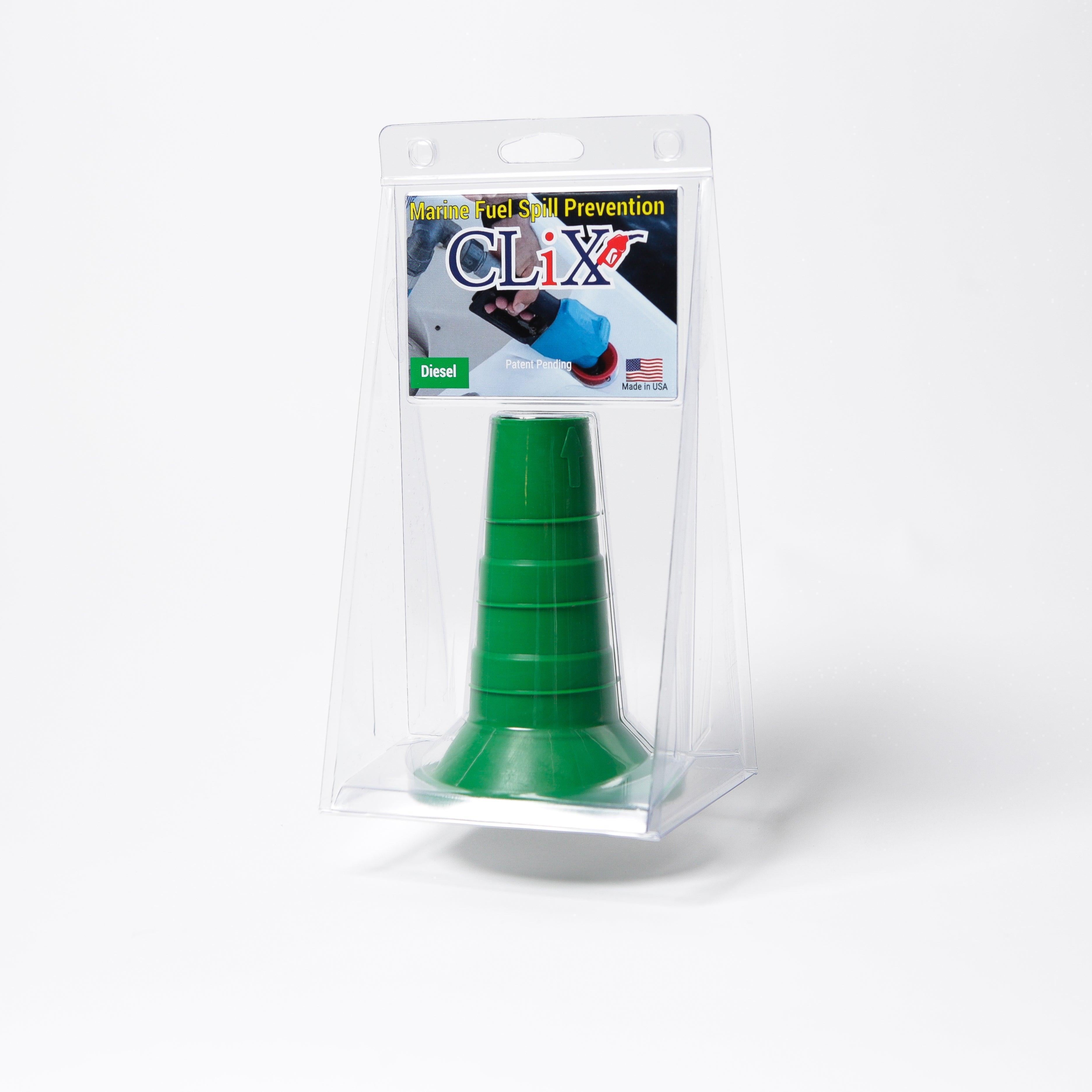
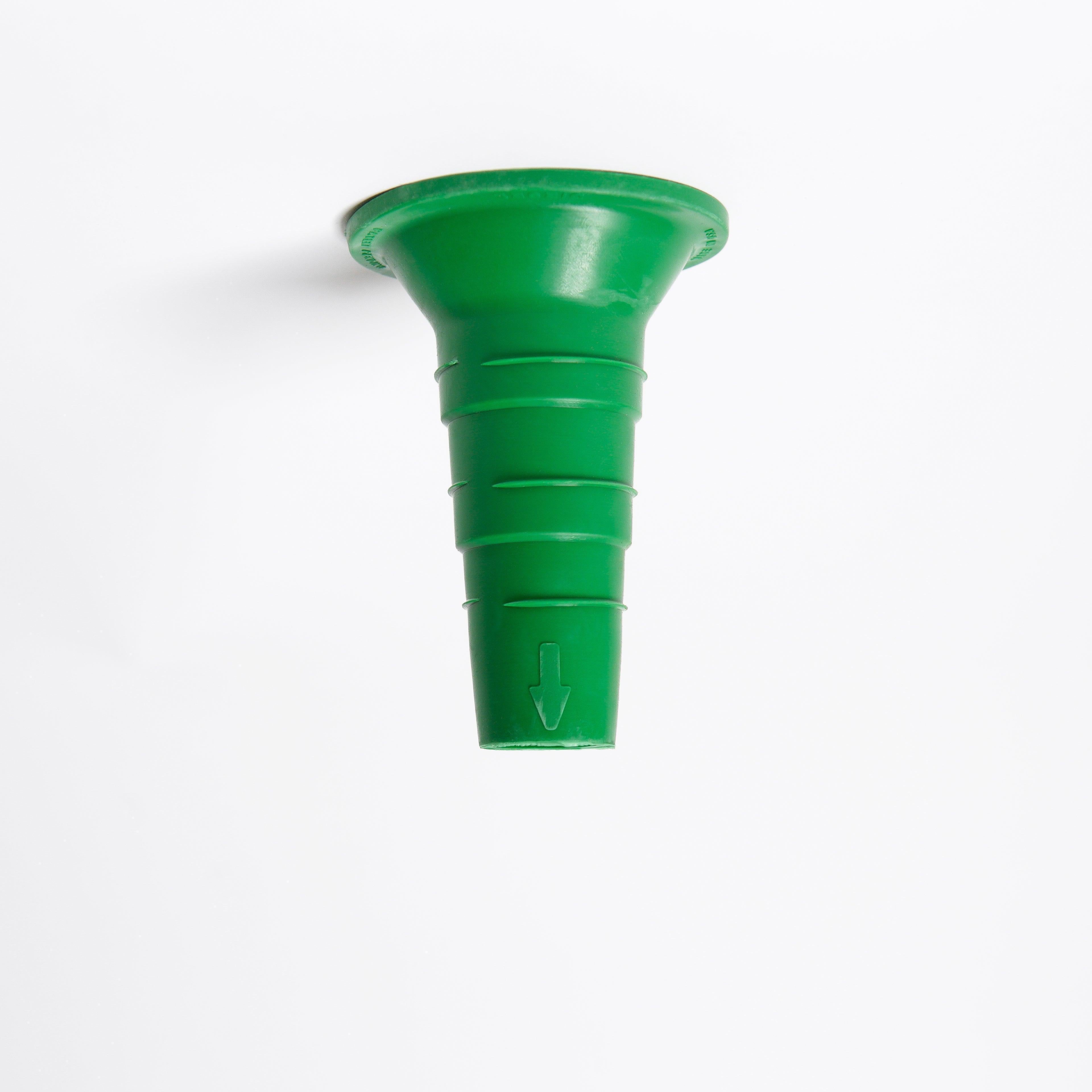
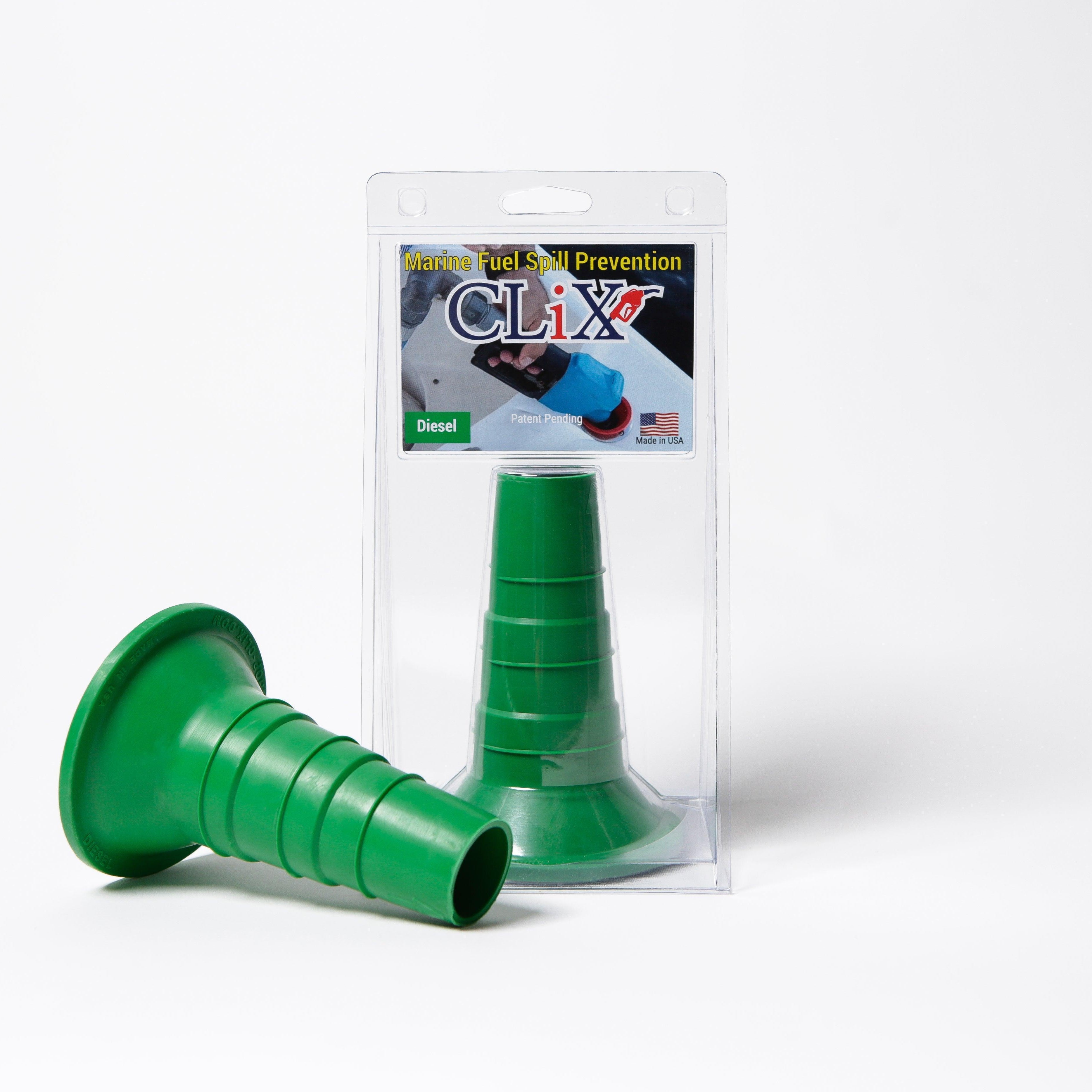
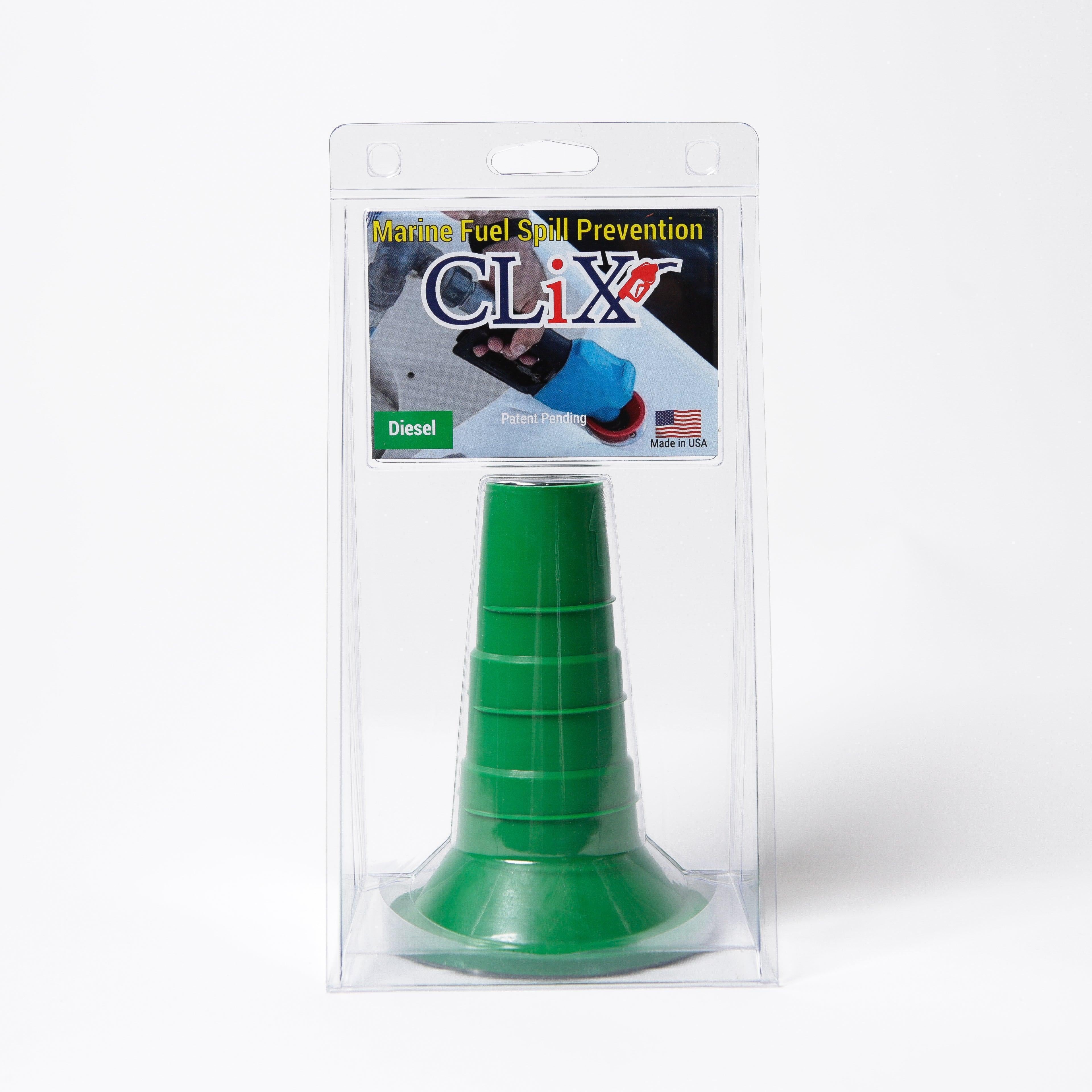
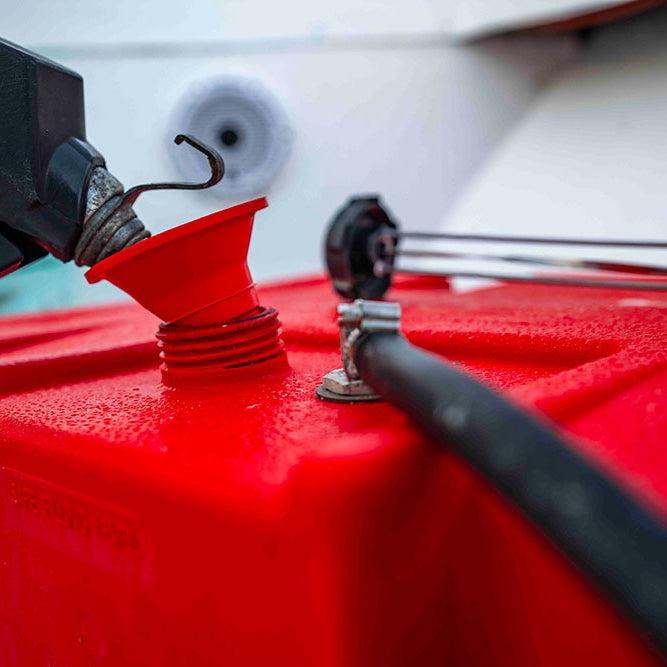
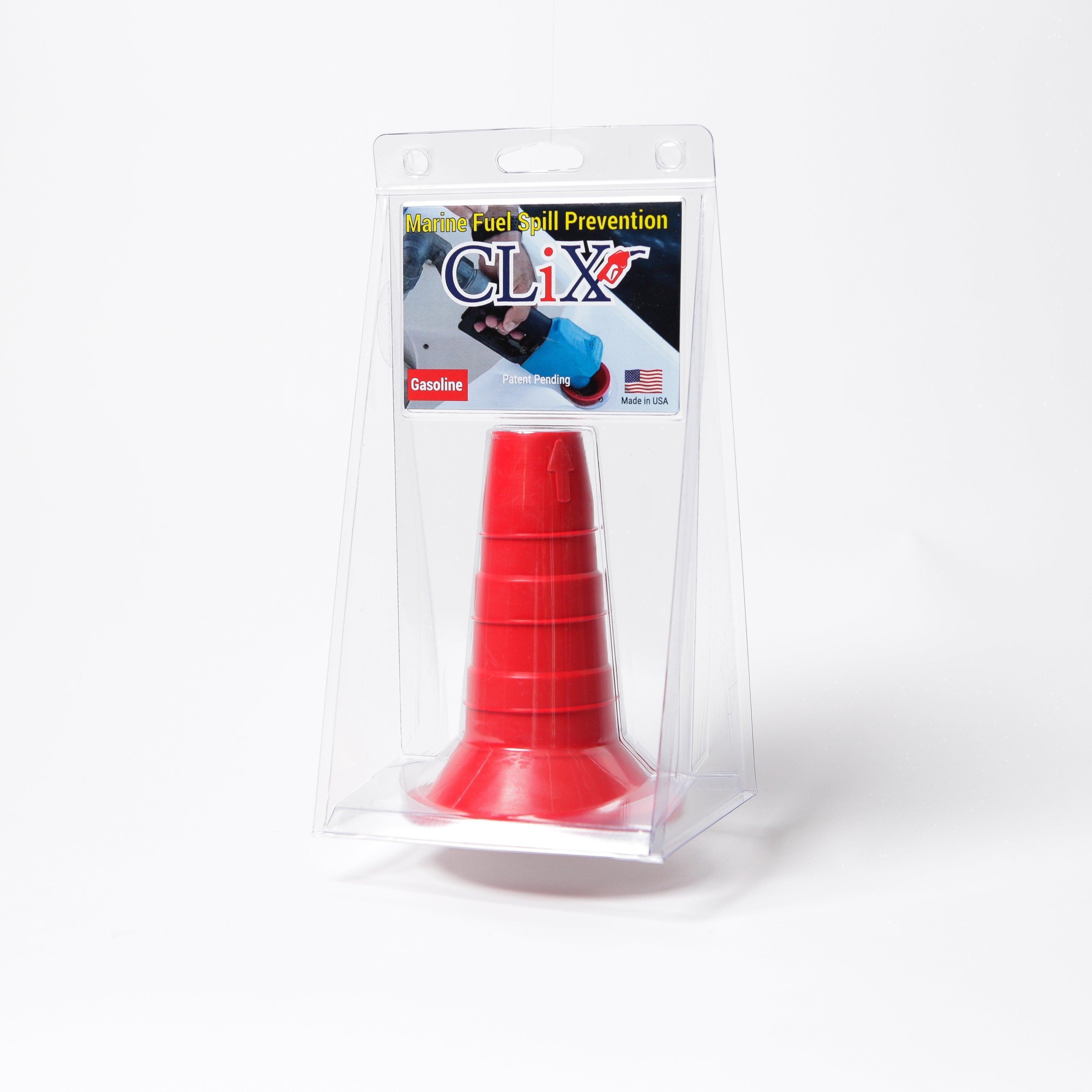
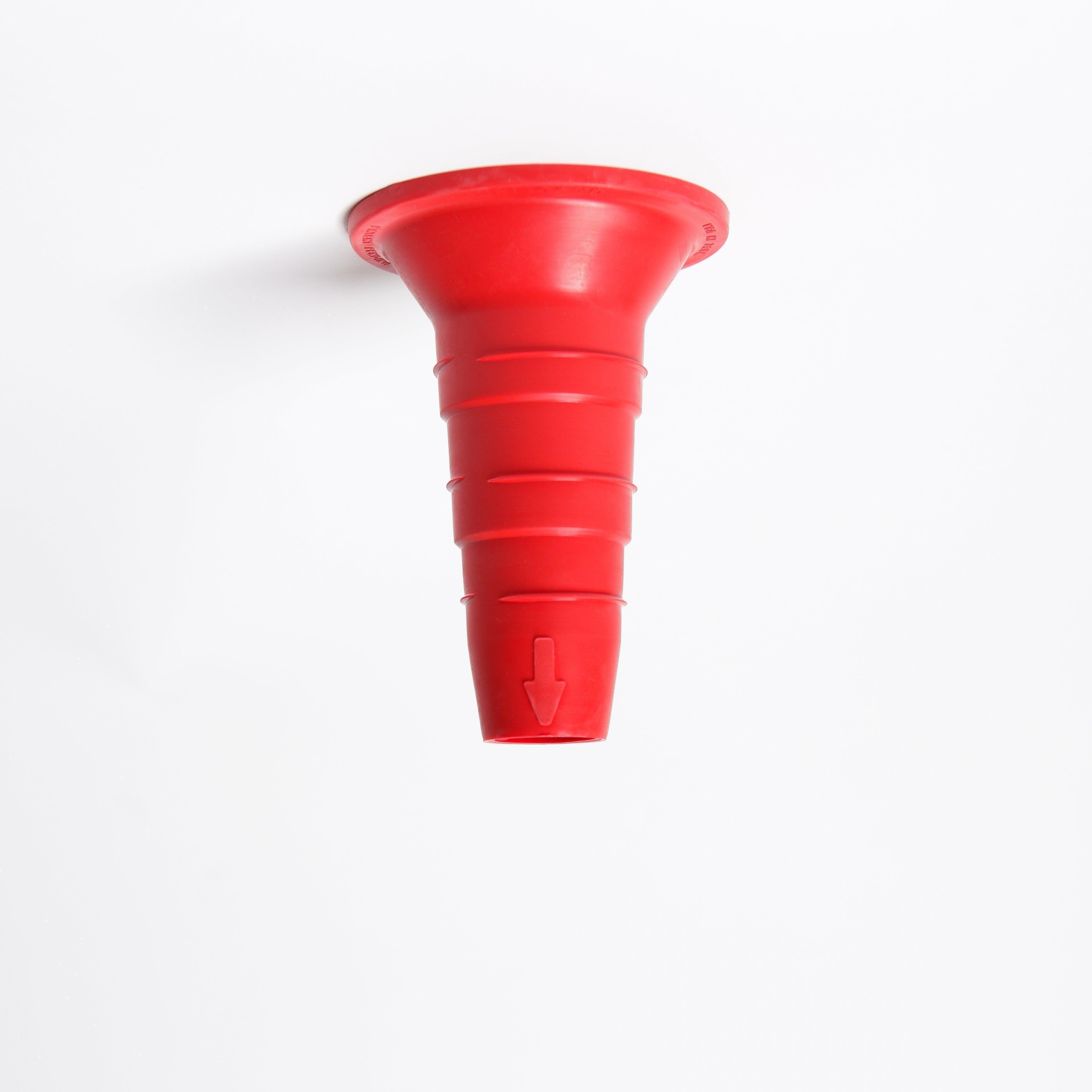
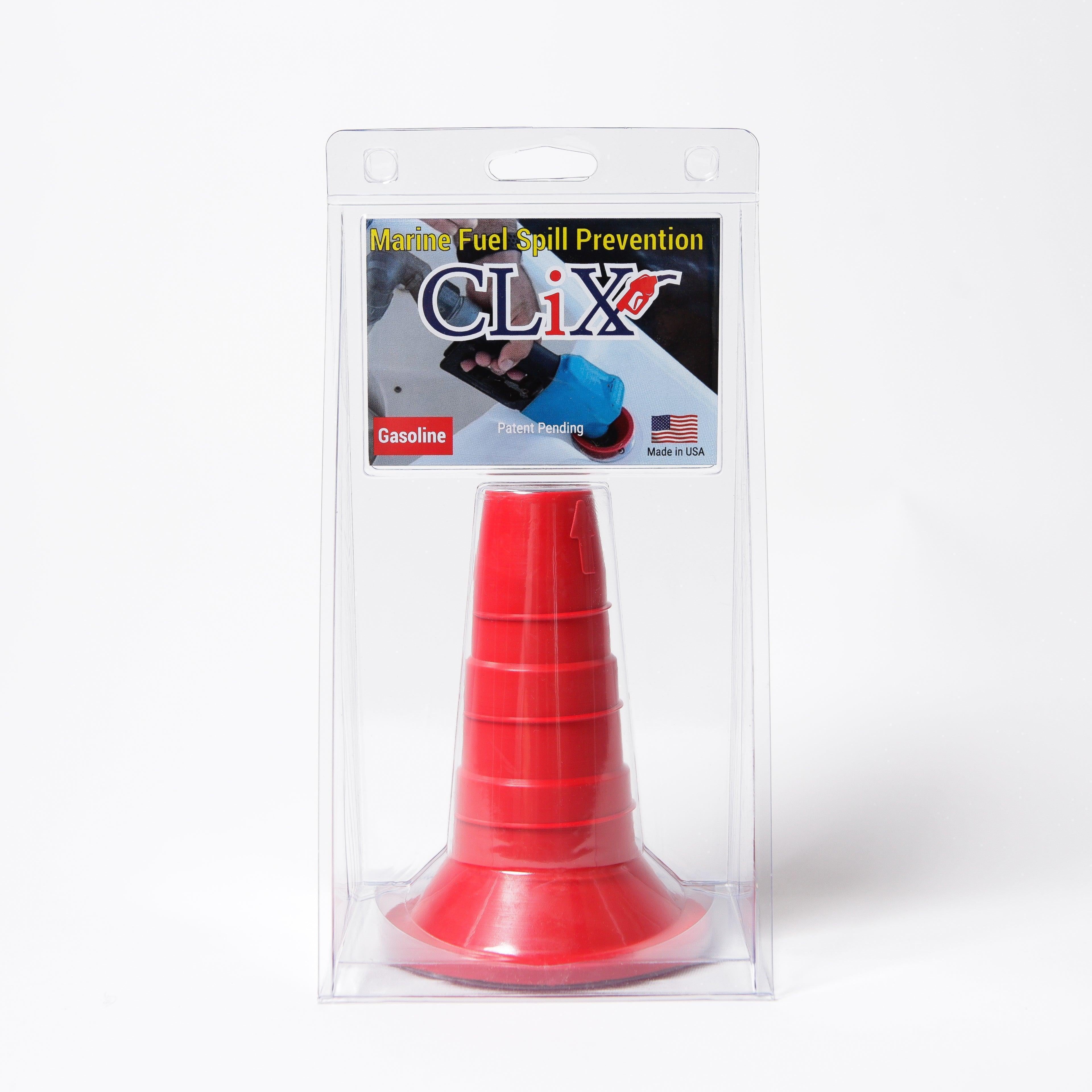
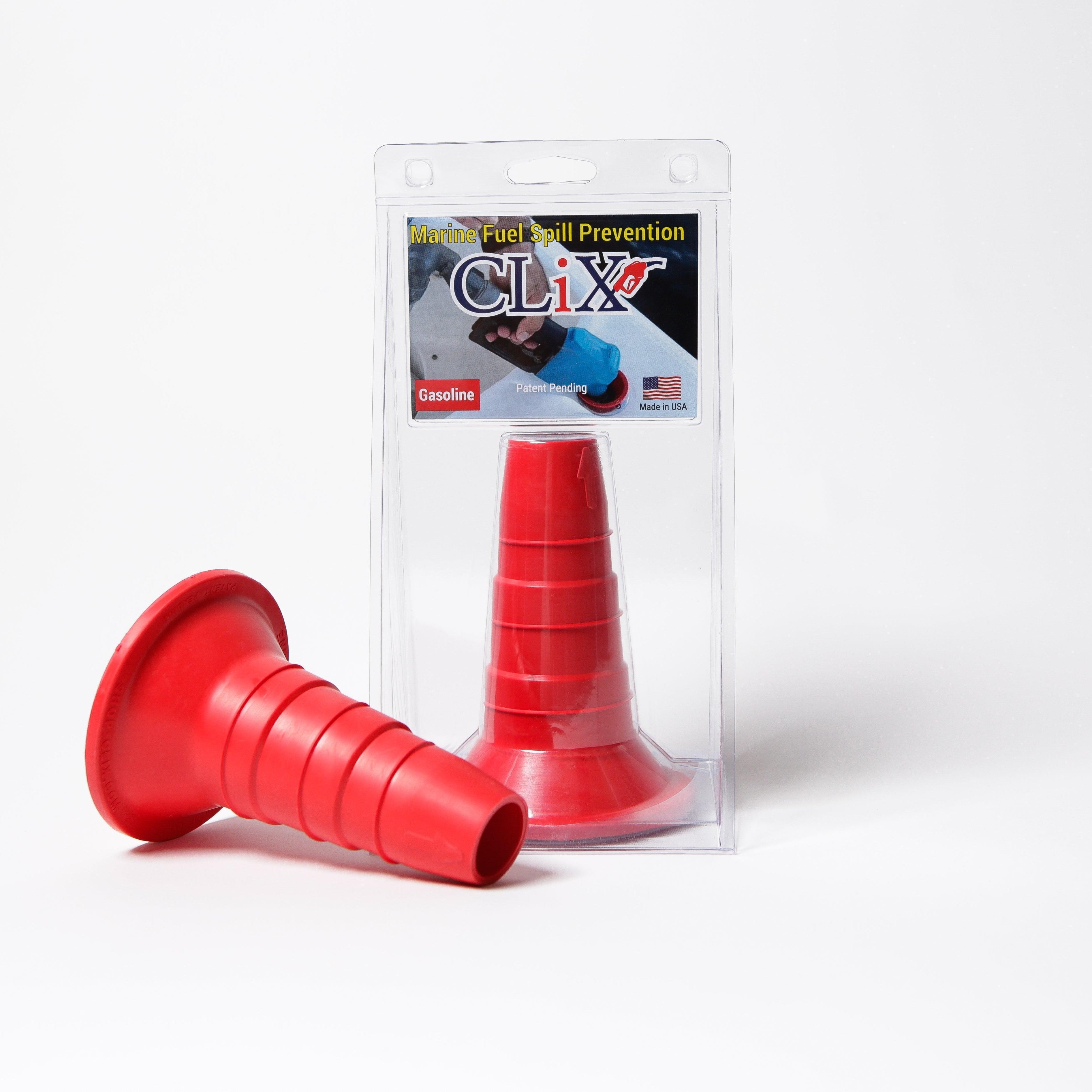
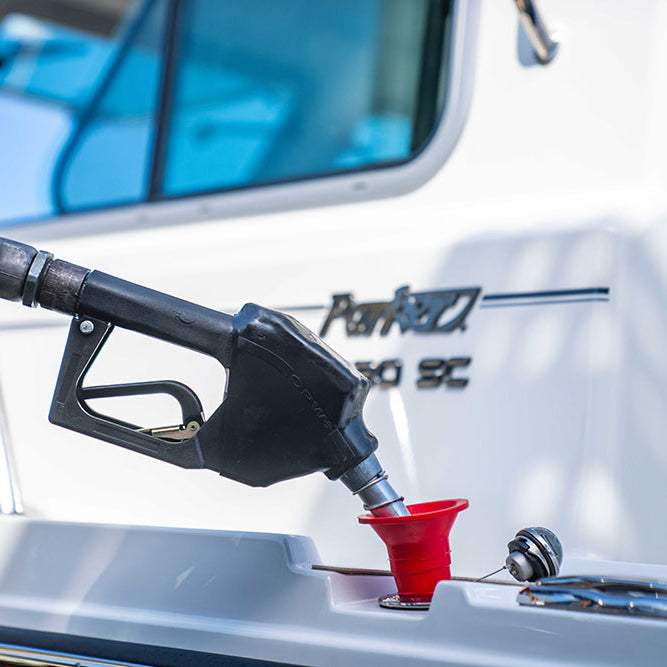
| Ease of Use | How easy is it to actually pour the fuel without making a mess? | Test the spout. A good self-venting, spill-proof nozzle is worth its weight in gold. Also, consider systems like CLiX Fueling Solutions that offer integrated, spill-free connections. |
By taking a moment to answer these questions before you buy, you’ll end up with a fuel container that’s not just a piece of plastic or metal, but a reliable and safe tool for your boating adventures. It’s a small investment of time that pays off big in safety and convenience.
Got Questions About Fuel Cans? We've Got Answers.
Even the most seasoned boaters run into questions now and then. Let's tackle some of the most common ones that come up when you're dealing with small fuel containers.
How Long Is It Safe to Store Gasoline?
Gasoline has a shorter shelf life than you might think. Today's ethanol-blended gas can start breaking down in just 3 to 6 months. As it ages, it attracts water, creates nasty gummy deposits, and loses its punch, which can lead to tough starts or even engine trouble.
The best rule of thumb for your boat is to use fresh fuel whenever you can. If you absolutely need to store it, pour a good marine fuel stabilizer into a full can. This can stretch its life up to a year or more by stopping oxidation and keeping water from separating out.
Think of a fuel stabilizer as a preservative for your gas. It slows down the chemical reactions that make fuel go bad, so it's still fresh and clean when you need it.
Is a Fuel Stabilizer Really Necessary?
If you're just storing fuel for a few weeks, you can probably skip it. But if you're prepping for the off-season or keeping a spare can on board for emergencies, a stabilizer is cheap insurance. It’s a tiny investment that protects your engine from the huge headache and expense of bad fuel.
How Should I Get Rid of an Old Fuel Container?
Whatever you do, don't just toss an old fuel can in the trash. Even a can that seems empty is full of flammable vapors and leftover fuel, making it hazardous waste. A cracked or damaged container is a serious fire risk and needs to be handled properly.
Here’s the right way to dispose of one:
- Find Your Local Drop-Off: Get in touch with your city or county's waste management office. They'll tell you where the closest hazardous waste collection site is.
- Follow Their Rules: These facilities have very specific instructions for accepting fuel containers to keep everyone safe.
Disposing of it correctly keeps sanitation workers safe and prevents fuel from polluting the environment.
Ready to make fueling your boat safer and simpler? The innovative system from CLiX Fueling Solutions eliminates dangerous spills and overfills, giving you peace of mind at the fuel dock. Discover how CLiX can transform your fueling experience today.