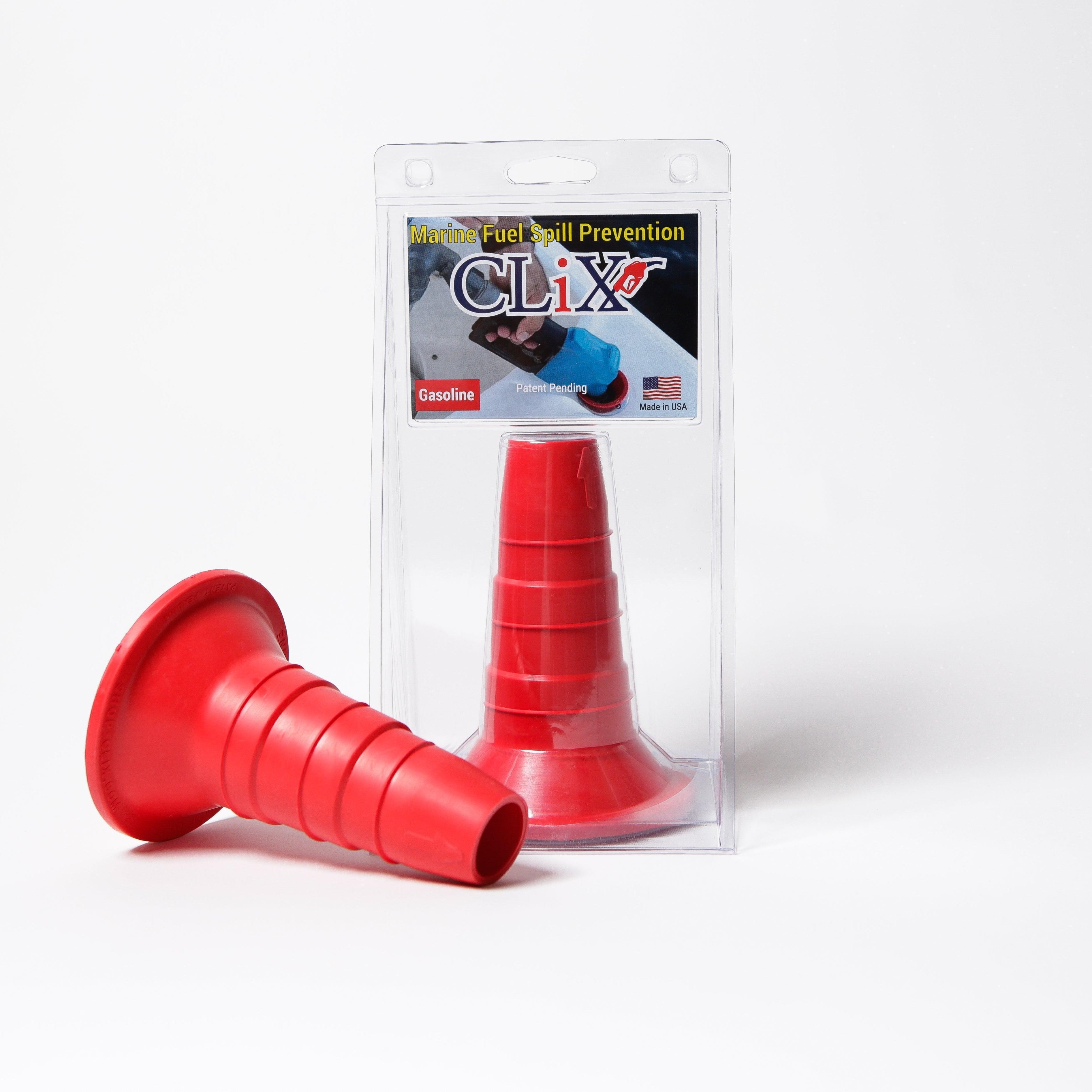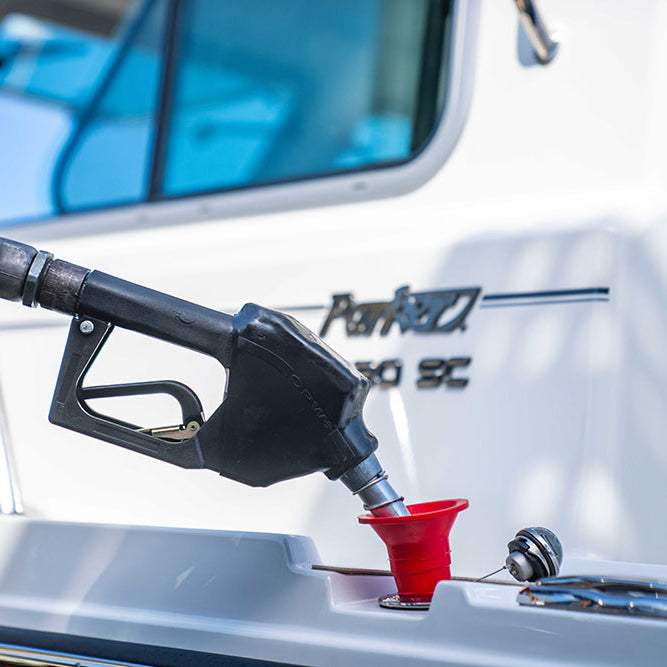
A portable fuel container isn't just another piece of gear to stow on your boat—it's one of the most essential safety items you can have. Think of it as your lifeline. It's the backup plan that turns a potential crisis into a minor hiccup, ensuring you always have what you need to get back to shore safely.
Why a Portable Fuel Container Is Essential for Boating
For any boater, the open water means freedom. But that freedom is directly tied to a reliable fuel supply. Running out of gas miles from the dock isn't just an annoyance; it can be downright dangerous, leaving you stranded and exposed to changing weather. A portable fuel container is your insurance policy against that exact scenario.
This simple piece of equipment offers incredible peace of mind, completely changing the feel of a day on the water by getting rid of that nagging "what if" anxiety. It lets you explore a little further, stay out a little longer, and face the unexpected with confidence. Whether it’s powering a small dinghy or serving as an emergency reserve for your main vessel, its role is vital.
The Core Functions of a Marine Fuel Can
The real value of a good fuel container goes far beyond just emergencies. It serves a handful of practical purposes that make every trip safer and more flexible. It's no surprise that the global portable fuel tank market, valued at around USD 1.2 billion in 2023, is expected to climb to USD 2.1 billion by 2032. That growth is heavily fueled by the recreational boating world. You can dive deeper into these trends in this detailed report on portable fuel tanks.
Here’s what these containers really do for you:
- Emergency Reserve: This is its number one job. A spare 3 to 6 gallons can be the difference between making it back to the marina on your own and calling for an expensive tow.
- Range Extension: Planning a longer trip or heading to a remote fishing spot? A portable can gives you the freedom to push your boundaries without worrying about the return journey.
- Auxiliary Power: It's the perfect way to fuel smaller engines, like the one on your tender, dinghy, or a small kicker motor used for trolling.
A portable fuel container isn't just about carrying extra gas. It's about carrying confidence. Knowing you have a backup plan allows you to focus on enjoying your time on the water, not worrying about your fuel gauge.
Common Scenarios Where You Need a Spare Can
To really appreciate why a spare can is so important, think about the real-world situations every boater could face. Having a dedicated and properly filled portable fuel container can solve problems before they even start.
Here's a quick look at the most common reasons you'll be glad you have one on board.
Primary Uses for Portable Fuel Containers on a Boat
| Use Case | Primary Function | Key Benefit |
|---|---|---|
| Main Tank Runs Dry | Emergency Refueling | Avoids being stranded and needing costly assistance. |
| Exploring Remote Areas | Extending Operational Range | Enables longer trips and access to less-traveled waters. |
| Powering a Dinghy | Auxiliary Fuel Supply | Provides fuel for a tender without tapping the main tank. |
| Fueling a Kicker Motor | Isolated Fuel Source | Ensures fuel for trolling or as a backup motor. |
From preventing emergencies to enabling new adventures, it’s clear that a portable container is a must-have for any boater.
Choosing the Right Material for Your Marine Fuel Can
When you're picking out a portable fuel container for your boat, the material it's made from is a bigger deal than you might think. A can that sits in a garage has it easy. A marine fuel container, on the other hand, is in a constant battle with saltwater, punishing UV rays, and the endless motion of the boat. Getting the material right is the first step toward safety and durability on the water.

The two main contenders are high-density polyethylene (HDPE) plastics and the old-school metals like steel or aluminum. Each has its own distinct personality, with pros and cons that will directly affect how you refuel and how long your can lasts.
The Case for Modern Plastics
Walk down the dock at any marina, and you'll see a sea of red plastic fuel cans. There's a good reason why HDPE plastics have become the go-to for most recreational boaters. First and foremost, they're lightweight. Lugging a full can from your truck to the boat is much less of a chore, and handling it on a rocking deck is far easier.
Don't mistake lightweight for flimsy, though. Modern HDPE is incredibly tough and can take a surprising amount of abuse without denting or cracking. But its real superpower in the marine world is that it’s completely rust-proof. Saltwater spray and humid air that would eat away at metal are no match for plastic.
The Enduring Strength of Metal
Metal fuel containers, or "jerry cans," have a rugged reputation earned from decades of military and industrial use. Their main selling point is raw durability. A well-made steel or aluminum can is built like a tank and can handle serious punishment, which is why they’re often favored by long-range cruisers and commercial fishermen.
This trusted performance has built a huge market. Jerry cans, a key type of portable fuel container, represented a global market of around USD 2.9 billion in 2025, with projections to nearly double by 2035. This growth is a testament to their rugged, leak-proof construction in fields where failure is not an option.
The trade-off? Metal cans are heavy, which can be a real pain for routine use. They also need more TLC. If the protective coating gets scratched, rust can set in, compromising the can's integrity.
Deciding between plastic and metal really comes down to what you need most. Here's a quick breakdown to help you compare.
Plastic vs Metal Fuel Containers for Marine Use
| Feature | Plastic (HDPE) | Metal (Steel/Aluminum) |
|---|---|---|
| Weight | Lightweight and easy to carry | Significantly heavier, especially when full |
| Corrosion Resistance | Excellent; completely rust-proof | Prone to rust if the coating is damaged |
| Durability | High impact resistance, but can be punctured | Extremely rugged and puncture-resistant |
| Cost | Generally more affordable | Higher initial cost |
| Maintenance | Minimal maintenance required | Requires regular checks for rust and coating wear |
| UV Resistance | Good, but can degrade over many years | Excellent; not affected by UV exposure |
Ultimately, the choice comes down to your specific needs. Plastic offers everyday convenience and won't corrode, while metal delivers unmatched toughness for the most demanding situations. As technology advances, innovative solutions like graphene coatings are even emerging to give materials an extra layer of protection in harsh environments.
Key Design Features to Look For
Beyond the basic material, the small details of a portable fuel container's design make a huge difference in how safe and easy it is to use. A poorly designed spout can turn refueling into a frustrating, messy, and even dangerous task.
No matter which material you choose, make sure your can has these features:
- Spill-Proof Spouts: Modern cans are required to have spouts that seal automatically. This isn't just a gimmick—it prevents dangerous vapor leaks and messy fuel spills that harm the environment.
- Ergonomic Handles: A full 5-gallon can of gas weighs over 30 pounds. You need a comfortable handle that provides a solid, balanced grip for carrying and pouring.
- Venting Mechanisms: Fuel expands and contracts with temperature. A proper vent lets this pressure escape safely, keeping the can from swelling up like a balloon or collapsing.
- Child-Resistant Caps: This is a non-negotiable safety feature. A good cap design keeps fuel secure and prevents kids from accidentally opening it.
By thinking through both the material and these critical design points, you can find a fuel container that’s safe, reliable, and perfectly suited for life on the water.
Understanding Marine Fuel Safety Regulations
Let's get one thing straight: handling fuel on the water is a completely different ballgame than filling up your car. The risks are higher, the environment is unforgiving, and a simple mistake can lead to disaster. That’s why a solid framework of safety regulations exists—not to make your life difficult, but to prevent fires, spills, and explosions.
These rules, mostly coming from the U.S. Coast Guard (USCG), cover everything from how your fuel container portable is built to where you can stash it on your boat. Think of them as the shared safety manual for the entire boating community. Following them is the single best thing you can do to protect your boat, your crew, and the waters you love.
Why Container Certifications Matter
Ever notice those little labels or embossed symbols on a fuel can? They aren't just for show. They’re critical certifications, proving the container has passed tough safety and performance standards. Ignoring them is like using untested climbing gear—it’s a gamble you simply can’t afford to take.
When you’re shopping for a container, keep an eye out for two key certifications:
- UL (Underwriters Laboratories): This mark is your assurance that the container has been rigorously tested for durability, leak resistance, and overall safety.
- ASTM (American Society for Testing and Materials): This one certifies that the container and its parts, like the spout and cap, meet specific industry benchmarks for quality and design.
A can with these labels has been engineered to handle the unique beatings of a marine environment—fuel exposure, temperature swings, and getting knocked around. It's your first line of defense against a fuel-related catastrophe.
Safe Onboard Storage Practices
So you’ve got a certified container. Great. Now, where you put it on your boat is just as important. Gasoline fumes are heavier than air, meaning they sink and can collect in low spots like bilges or unventilated compartments, creating a serious explosion risk. Proper storage is all about managing this invisible danger.
The USCG is very clear on how to store a fuel container portable on a recreational vessel. The number one rule is to keep it in an open, well-ventilated area. This allows any potential vapors to blow away safely instead of building up inside your boat.
"The golden rule of onboard fuel storage is ventilation. Never, ever store a portable fuel container in an enclosed cabin, an engine compartment, or any space where fumes can get trapped. A tiny leak in the wrong place can turn your boat into a ticking time bomb."
The best spots are usually on an open deck or in a cockpit locker that gets plenty of fresh air and is far from ignition sources like batteries or electrical wiring. Always make sure the container is secured so it can't tip over or slide around. A loose, full can becomes a dangerous projectile in rough water.
Understanding Ventilation Requirements
Ventilation isn't just a friendly suggestion; it's a non-negotiable part of boating safety. While modern marine fuel cans are designed to manage vapor pressure, they can only work correctly if they're stored in a space with good airflow.
- Preventing Fume Buildup: Constant air movement keeps explosive vapors from concentrating to dangerous levels.
- Managing Pressure: Fuel expands in the heat and contracts in the cold. Ventilation helps the container safely release the pressure that builds up on a hot day.
- Compliance and Safety: Following ventilation rules keeps you on the right side of federal regulations and dramatically cuts your risk of a fire.
At the end of the day, all these rules work together. A certified container is safe by design, but only if it's stored securely in a well-ventilated spot. When you understand and respect these simple principles, fueling just becomes another routine part of a safe day on the water.
Choosing the Right Size Fuel Can for Your Boat
Picking the right size for your portable fuel container is a classic balancing act. It's easy to assume that bigger is always better, but trust me, wrestling with a massive, sloshing can that eats up valuable deck space is no fun. The real goal is to find that perfect sweet spot: enough extra fuel to give you genuine peace of mind, but not so much that it clutters your boat.
Think of it like the spare tire in your car. You don't haul around a full-sized fifth wheel just for driving around town; you carry a compact spare that’s designed to get you to the nearest service station. Your reserve fuel can serves the exact same purpose. It’s not there to double your boat's range—it's there to guarantee you can always get back to the dock.
Applying the Boater's Rule of Thirds
There's a time-tested principle in boating called the "rule of thirds," and it's a brilliant little strategy for managing your fuel and staying safe. The rule is simple:
- One-third of your fuel to get to your destination.
- One-third of your fuel to get back.
- One-third held in reserve for emergencies.
That final third is where your portable container really proves its worth. It becomes a dedicated, physical reminder of your safety margin. If a trip ends and you haven't touched it, you know your planning was spot-on. But if you do need it, it’s there to handle unexpected headwinds, strong currents, or just a simple miscalculation.
Matching Container Size to Your Boat
There’s no magic number here—the right size depends entirely on your boat and how you use it. But we can definitely narrow it down with some practical, real-world examples.
- Small Tenders and Dinghies: A compact 1- to 3-gallon can is usually plenty. These boats sip fuel, so a small container provides a huge safety net without taking up what little space you have.
- Mid-Sized Fishing or Recreational Boats (18-25 feet): This is the sweet spot for the classic 5- or 6-gallon container. It gives you a substantial amount of reserve fuel, often good for an extra hour or more of run time. It's perfect for when a great fishing trip runs a little long or a headwind slows your trip home. We dive deep into why this size is so popular in our guide on the 5-gallon boat fuel tank.
- Larger Cruisers: Even though big boats have massive main tanks, a portable can is still a smart idea for powering a generator or a small kicker motor. A 5- to 6-gallon container is still the most practical choice for these jobs.
Picking a size is all about assessing realistic risk. Just ask yourself, "How much fuel would I need to get from my furthest planned point back to the nearest safe harbor?" That number is your ideal reserve capacity.
At the end of the day, the versatility of these containers is why they're so popular. The global market for portable fuel tanks is expected to hit around USD 1.5 billion in 2025, growing at a rate of about 5.4% CAGR. This demand just goes to show how essential they are for boaters and anyone else who needs a reliable, refillable fuel source on the go. If you're interested in market trends, you can discover more insights about fuel storage containers.
By thinking through your boat’s actual needs and sticking to the rule of thirds, you can pick a portable fuel container that gives you maximum security without getting in your way.
Safe Fueling Practices From Shore to Ship
Handling gasoline is serious business, and it demands your full attention whether you're at a gas station or on the water. It only takes one stray spark or a little spilled fuel to turn a great day out into a dangerous one. But if you follow a consistent, step-by-step process, refueling with a portable fuel container will just become a safe and simple part of your routine.
The whole safety mindset starts long before you get anywhere near the dock. It begins right at the gas station, where the risk of static electricity is a very real thing. You should never, ever fill a portable gas can while it’s inside a car, sitting in a truck bed, or resting on your boat's deck. A plastic bed liner or the carpet in your trunk acts as an insulator, which can allow a dangerous static charge to build up.
Step 1: Filling Your Container on Land
First things first: always place your container on the ground before you start pumping. This simple move grounds the can, letting any static electricity discharge harmlessly into the pavement. As you fill, make sure to keep the pump nozzle in direct contact with the rim of the can’s opening. This creates a solid connection that prevents a static spark from jumping the gap.
It's also crucial that you don't fill the container to the very top. Gasoline needs room to expand as it heats up. Leaving a bit of air space—filling it to about 95% capacity—prevents pressure from building up inside the can. Once you're done, tighten the cap securely, wipe off any drips, and you’re ready to transport it safely.
Step 2: Preparing Your Boat for Fueling
Once you're at your boat, don't rush. Taking a few moments to create a safe environment before you even think about opening a fuel container is the most important part of the process.
Run through this pre-fueling checklist every single time:
- Moor the Boat Securely: Tie up your boat so it won't drift or shift while you’re transferring fuel.
- Get Everyone Off: Ask any passengers not helping with the fueling to step onto the dock. This clears your workspace and keeps them safe.
- Power Everything Down: Turn off the engine and all electronics. If you can, shut off the main battery switches, too.
- Close All Openings: Shut every hatch, port, and cabin door. This prevents gasoline fumes from creeping into enclosed spaces where they can accumulate.
- No Smoking or Open Flames: This one’s a no-brainer. Make sure there are no cigarettes, grills, or any other open flames anywhere near the boat.
This handy graphic illustrates the "rule of thirds"—a core concept for managing your fuel and ensuring you always have enough to get home safely.
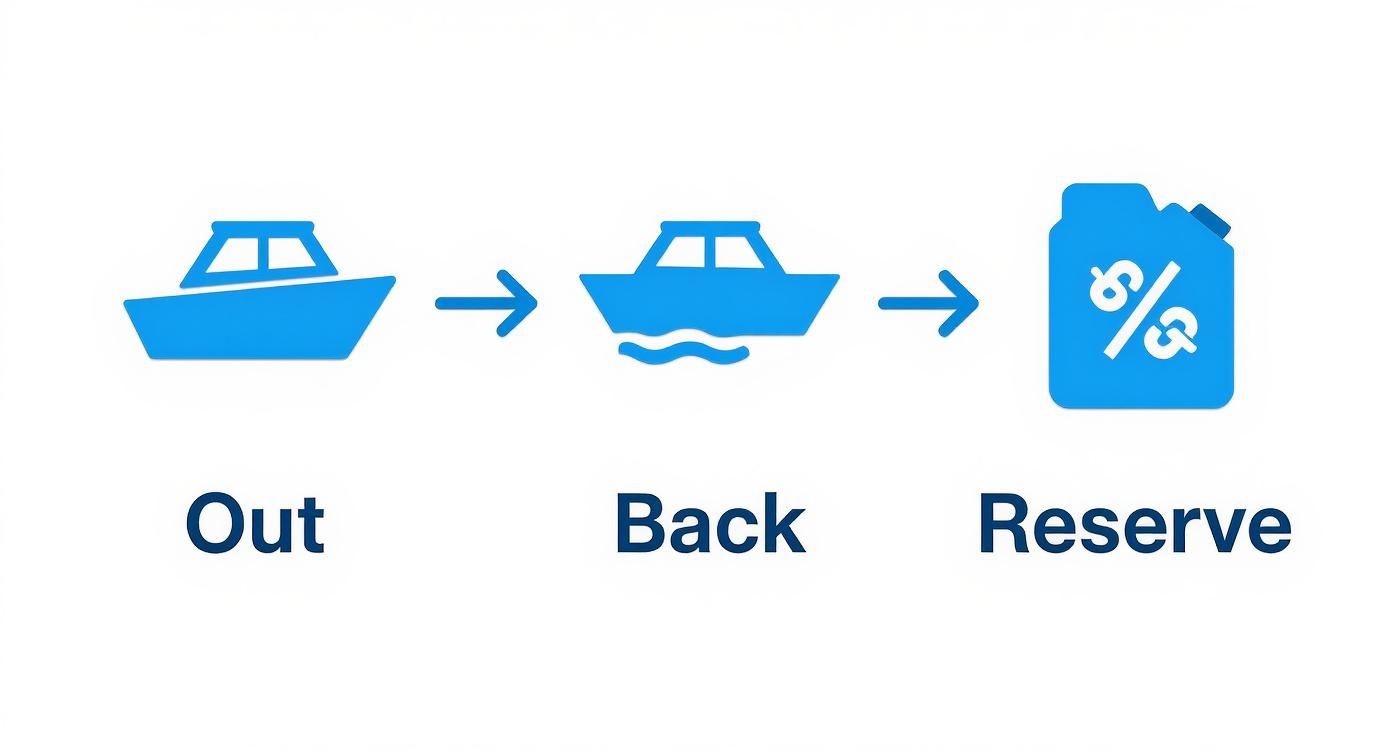
Think of that portable container as your dedicated reserve. It's the safety net that guarantees you have a way back to the dock.
Step 3: Transferring Fuel Safely on the Water
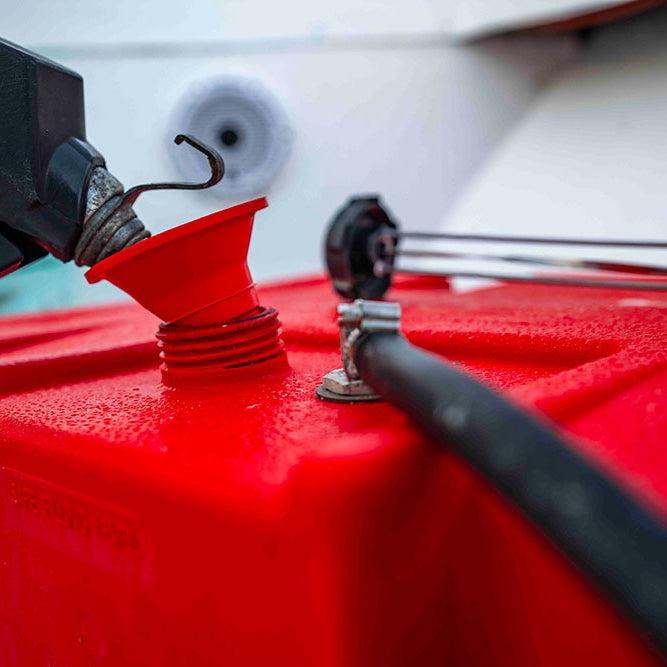
With the boat properly prepped, you're ready to transfer the fuel. Keep an absorbent pad or a rag handy to place around the fuel intake; it'll catch any drips before they become a problem. When it's time to pour, use a good funnel or a quality spout designed for your specific portable fuel container to maintain a steady, controlled flow. This is one of the most important steps, and you can get more details in our post about where portable gas tanks should be filled.
The key to a safe fuel transfer is to be slow, deliberate, and focused. Rushing the process is the fastest way to cause a spill or an accident. Take your time and maintain control of the container from start to finish.
After the transfer, immediately wipe up any spills with your absorbent pad. Screw the cap back on your boat’s fuel tank and also on the empty portable container. Don't start the engine just yet! First, open all the hatches and doors to let the boat air out for at least five minutes. Finally, do a quick "sniff test" in the bilge and near the engine. If you smell gas, don't even think about turning the key until you've found and fixed the source. This methodical approach makes fueling just another safe and predictable part of a great day on the water.
How to Properly Store and Maintain Your Fuel Container
A top-notch fuel container is a smart investment in safety, but it's only as good as the care you give it. Proper storage and maintenance aren't just about making the can last longer; they're about keeping your fuel fresh and, most importantly, keeping your boat safe. A little consistent care goes a long way.
Think of your fuel container like any other critical piece of gear. You wouldn’t leave your GPS out in the rain or forget to change your engine oil, right? Your fuel can deserves that same level of attention to prevent cracks, leaks, and bad fuel that could ruin a day on the water.
Ideal Storage Locations for Safety and Longevity
Where you keep your container matters just as much as how you use it. The big three goals are simple: keep it out of direct sunlight, away from anything that could cause a spark, and in a place with plenty of airflow.
On the boat, that means securing it on an open deck or inside a dedicated, ventilated locker. Never, ever store it in an enclosed cabin or the engine compartment where dangerous fumes could build up. Back on land, a shed or a well-ventilated garage is your best bet. Avoid basements completely, since gasoline vapors are heavier than air and can settle in low spots, creating a serious hazard.
For a deeper dive, our guide on how to store gasoline safely walks you through all the details.
Simple Maintenance and Inspection Routines
Getting into the habit of regular inspections is the best way to catch a problem before it starts. It only takes a minute, so give your container a quick once-over before every single use.
- Check for Cracks and Damage: Look over the entire container, paying close attention to the seams and the base. You're looking for stress marks, deep gouges, or any visible cracks.
- Inspect Seals and Gaskets: That little O-ring or gasket inside the cap does a huge job preventing leaks and vapors from escaping. Make sure it’s soft and flexible, not cracked or dried out.
- Test the Spout: Check that the spill-proof mechanism works smoothly and that the cap tightens down to create a solid seal.
A fuel container's biggest enemies are UV radiation and physical stress. A container stored in direct sunlight will become brittle over time, while one that's constantly dropped or scraped is at risk of developing weak spots.
What about the fuel inside? Using a marine-grade fuel stabilizer is a must, especially if that gas will be sitting for more than 30 days. Stabilizer stops fuel from breaking down and creating the gummy varnish that loves to clog up your engine’s fuel system.
When a container finally gives up the ghost—becoming brittle, developing a leak you can't fix, or having damaged threads—it's time to retire it responsibly. First, take any old or contaminated fuel to a local hazardous waste facility. Never dump it down a drain or on the ground. Once it's empty, call your local waste management service to find out their specific procedure for getting rid of the old plastic or metal container.
Frequently Asked Questions About Portable Fuel Containers
Even after you've got the basics down, real-world questions always pop up when you're handling fuel on your boat. Let's tackle some of the most common ones we hear from boaters to make sure you can handle your fuel with complete confidence.
How Long Can I Safely Store Gasoline?
This is a big one. You might be surprised to learn that untreated gasoline can start going bad in as little as 30 days. As it breaks down, it creates gummy varnish that can clog up your fuel lines and carburetor, which is the last thing you want to deal with out on the water.
The fix is simple: always add a quality marine fuel stabilizer to your portable container right when you fill it up. This is especially important if you think the fuel might sit for more than a month. With a good stabilizer, you can keep that gas fresh and ready to use for up to a year, sometimes even longer, depending on the product and how you store it.
Can I Use a Regular Automotive Fuel Can on My Boat?
It's a tempting shortcut, but you really shouldn't. While a red can from the auto parts store looks a lot like a marine one, there are key differences that matter. For any container you bring on board, it absolutely must meet marine safety standards set by the U.S. Coast Guard (USCG) and carry certifications from groups like UL (Underwriters Laboratories).
Marine-grade containers are built tough for the boating environment:
- Corrosion Resistance: They're made to hold up against constant saltwater spray and damp air.
- UV Protection: The plastic or metal is treated to prevent the sun from breaking it down over time.
- Durability: They are built to withstand the constant rocking, bouncing, and vibration that comes with being on a boat.
Using a standard automotive can isn't just a safety risk; it could get you a fine from the Coast Guard. Always look for the proper marine certification labels on the container before you buy.
What Is the Safest Way to Transport a Fuel Container?
Getting your fuel from the gas station to the dock safely is just as important as how you use it on the boat. First rule: never transport a fuel can inside your car's passenger area. Fumes can build up quickly and create a serious fire hazard.
The best spot is in the trunk of your car or, even better, the open bed of a truck. Make sure you secure it in an upright position so it can’t tip, slide, or roll around while you're driving. A simple bungee cord or a cargo strap does the job perfectly. It’s also a good idea to crack a window to keep fresh air circulating, just in case any vapors do escape.
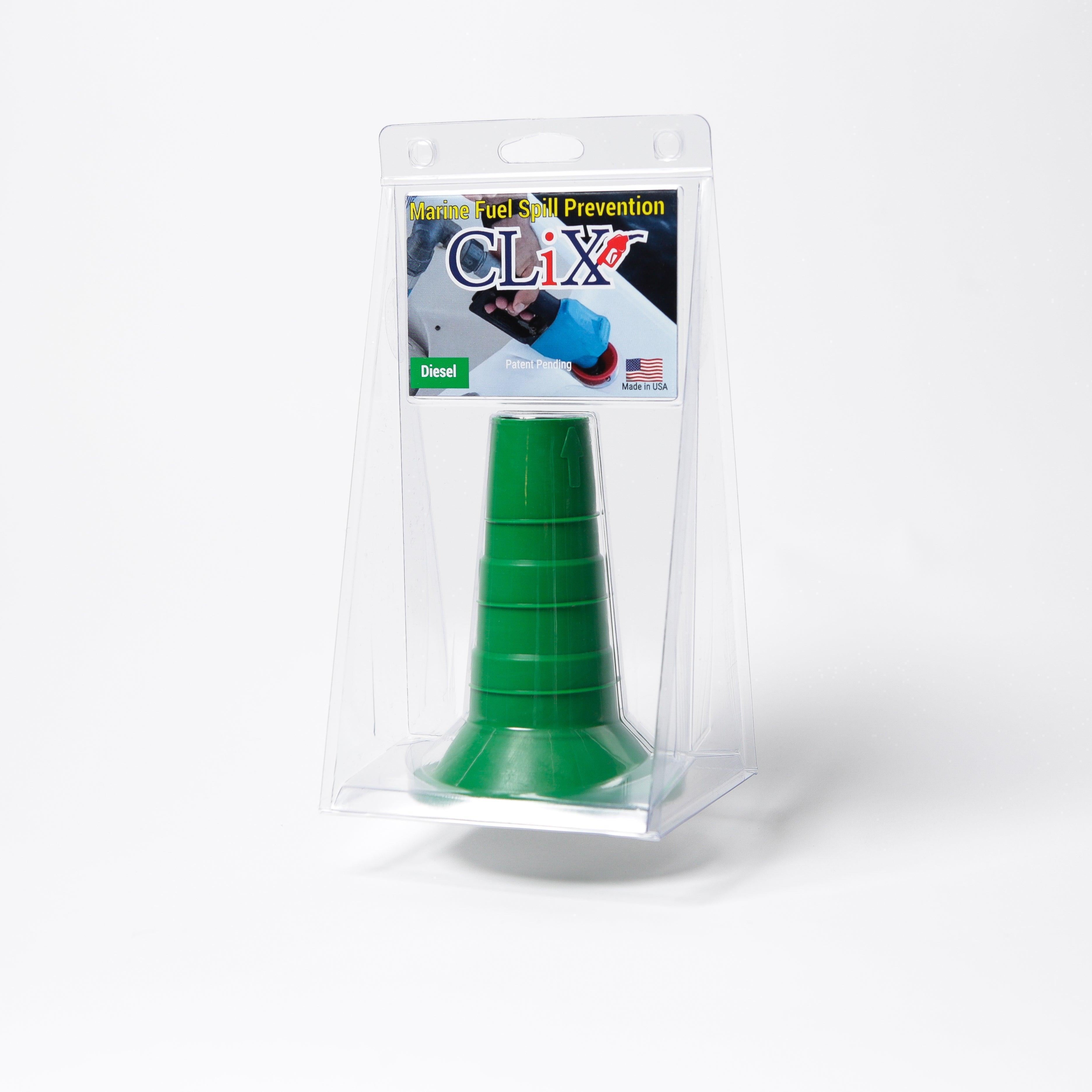
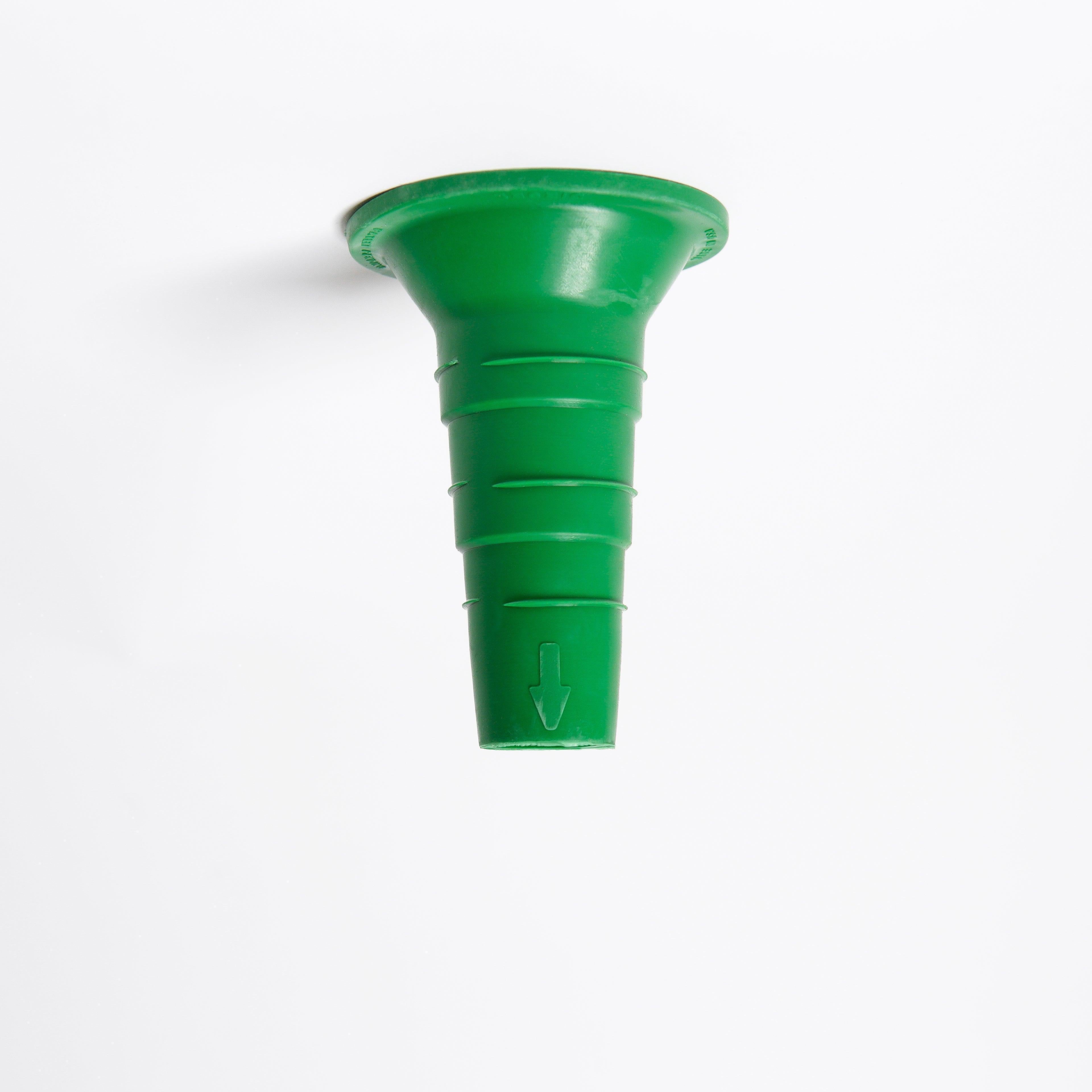
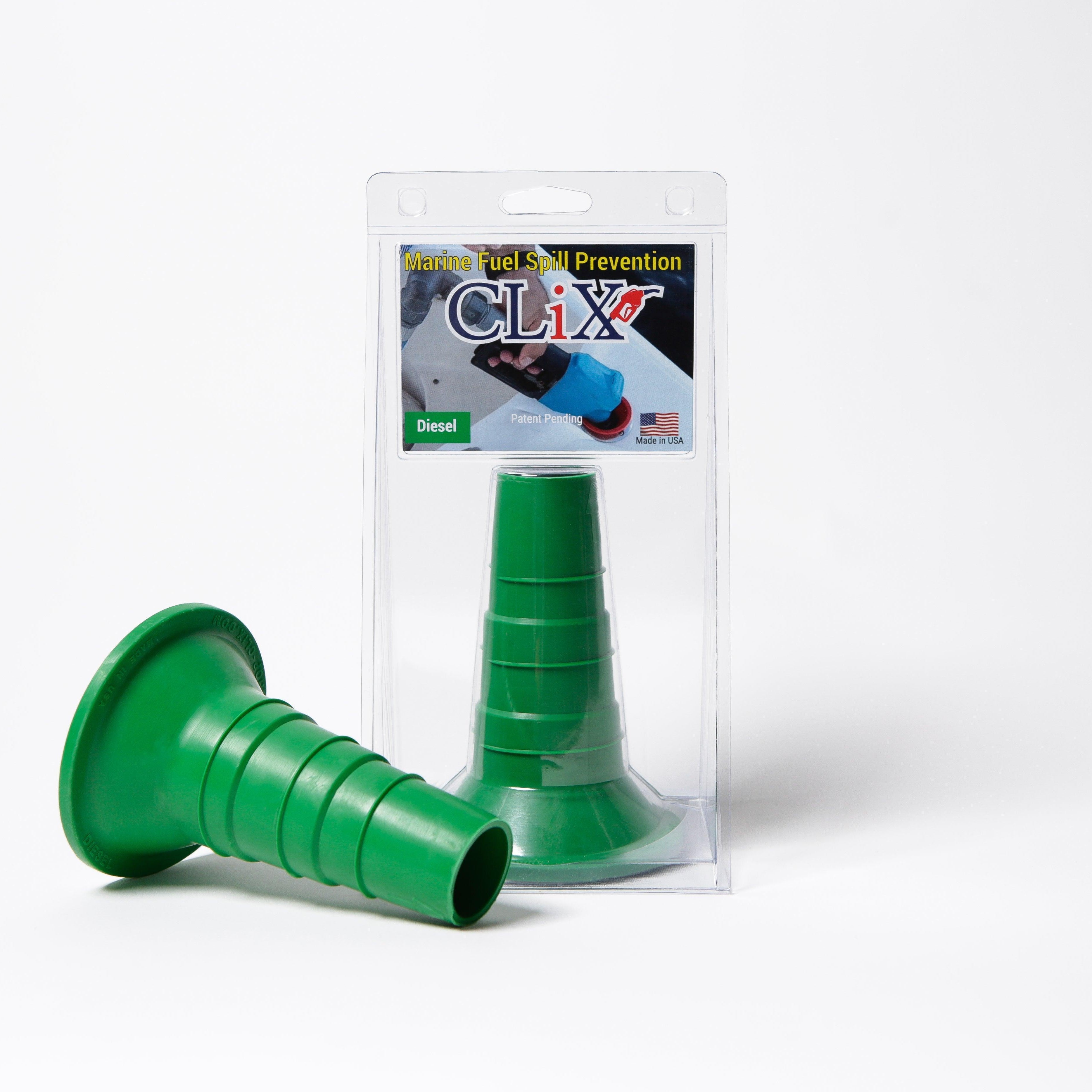
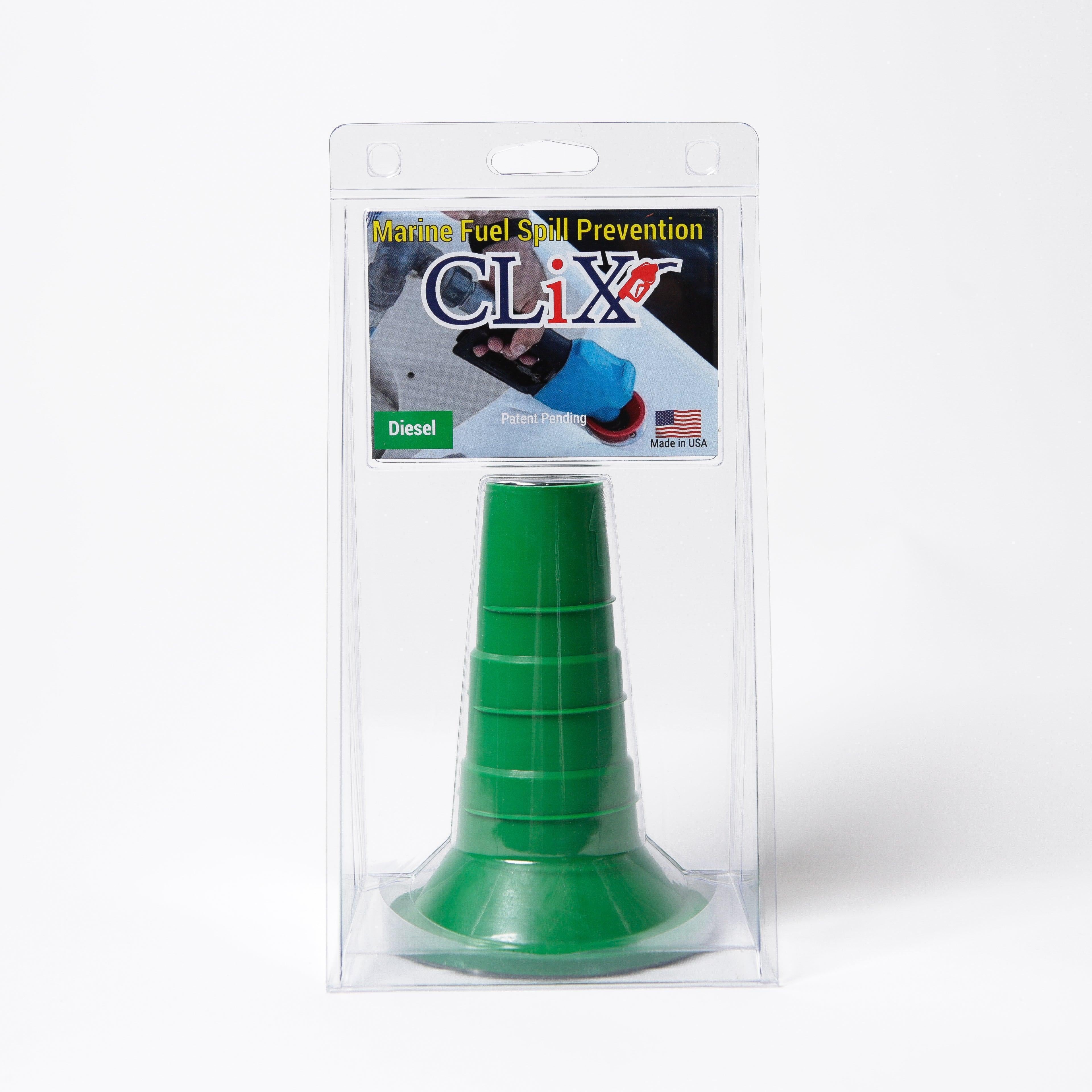
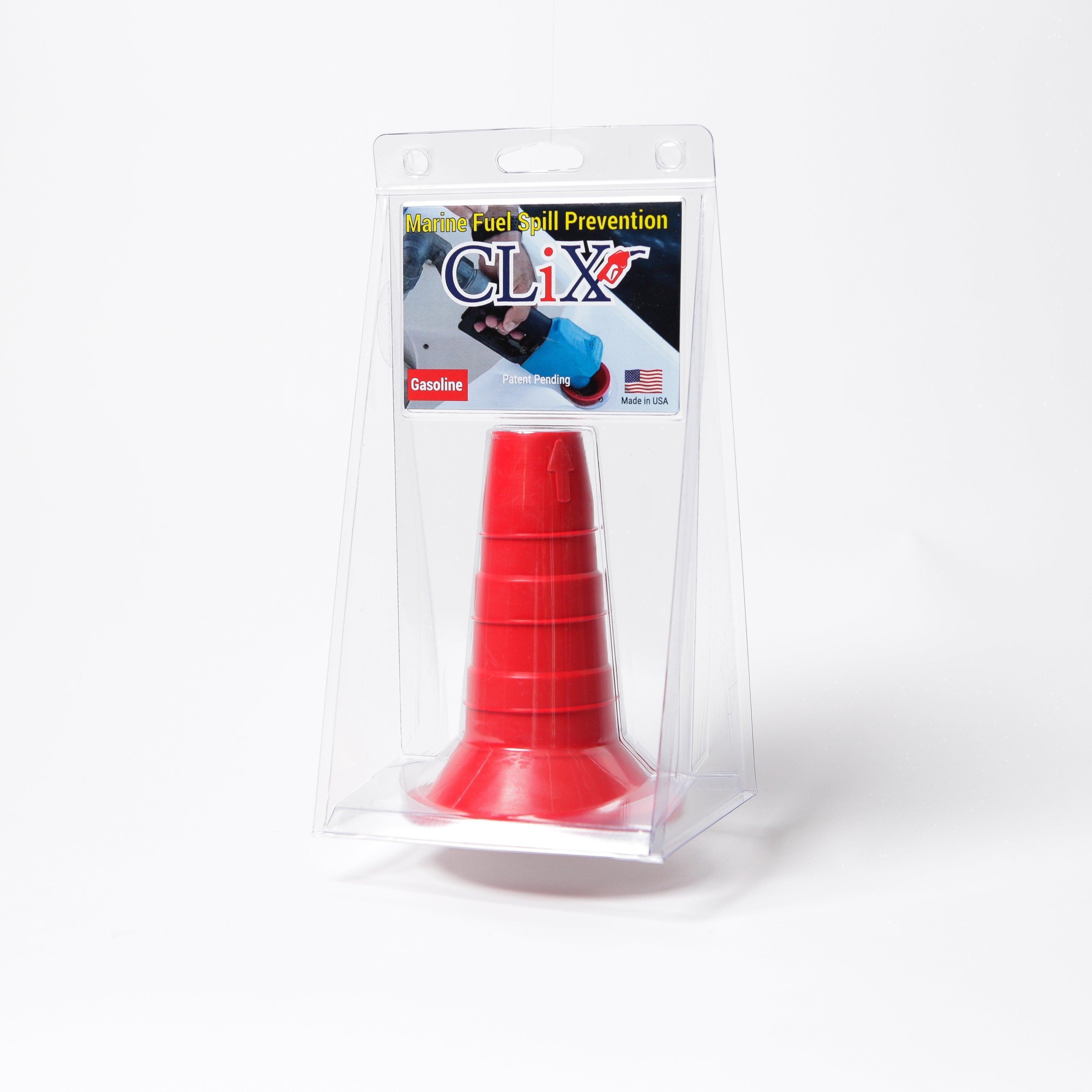
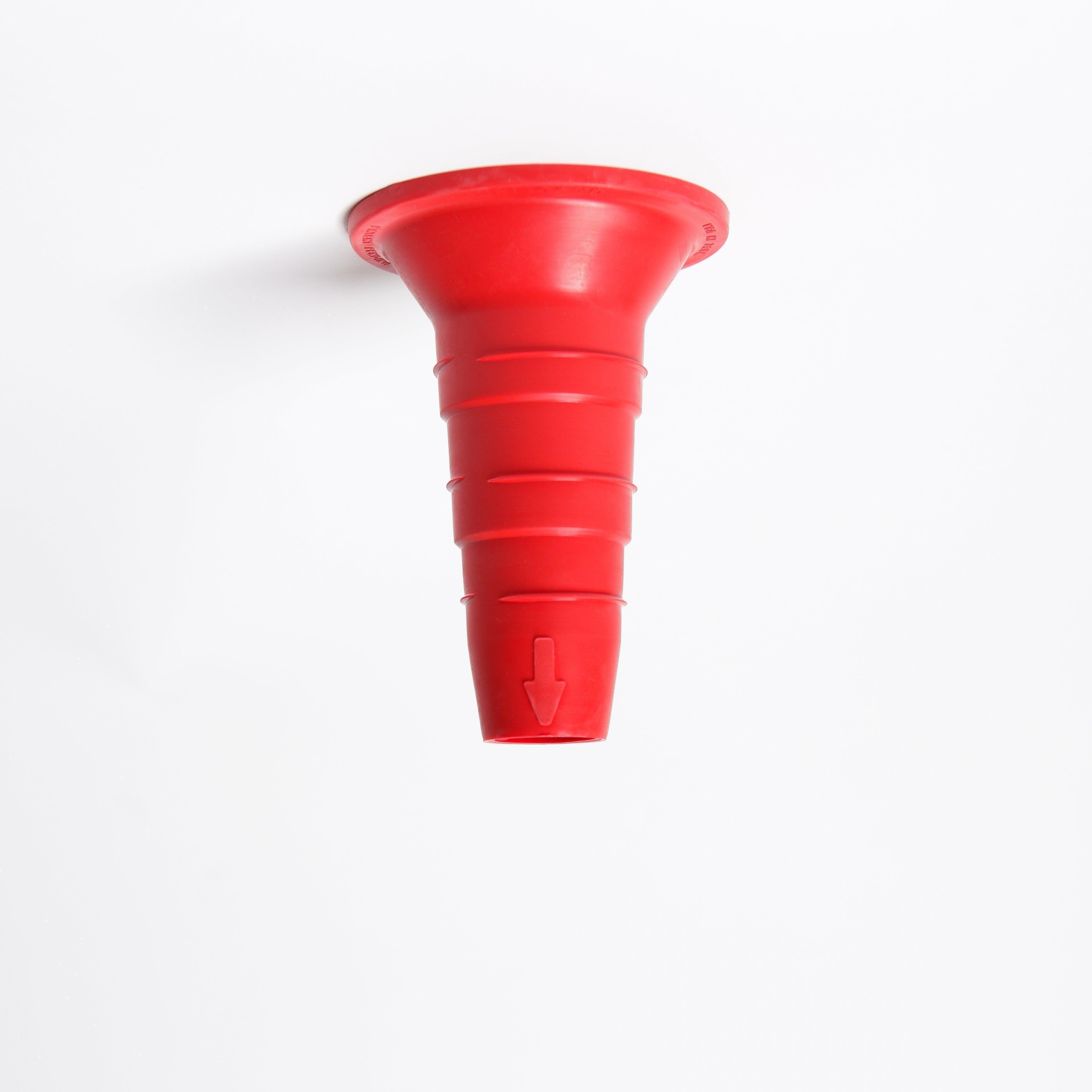
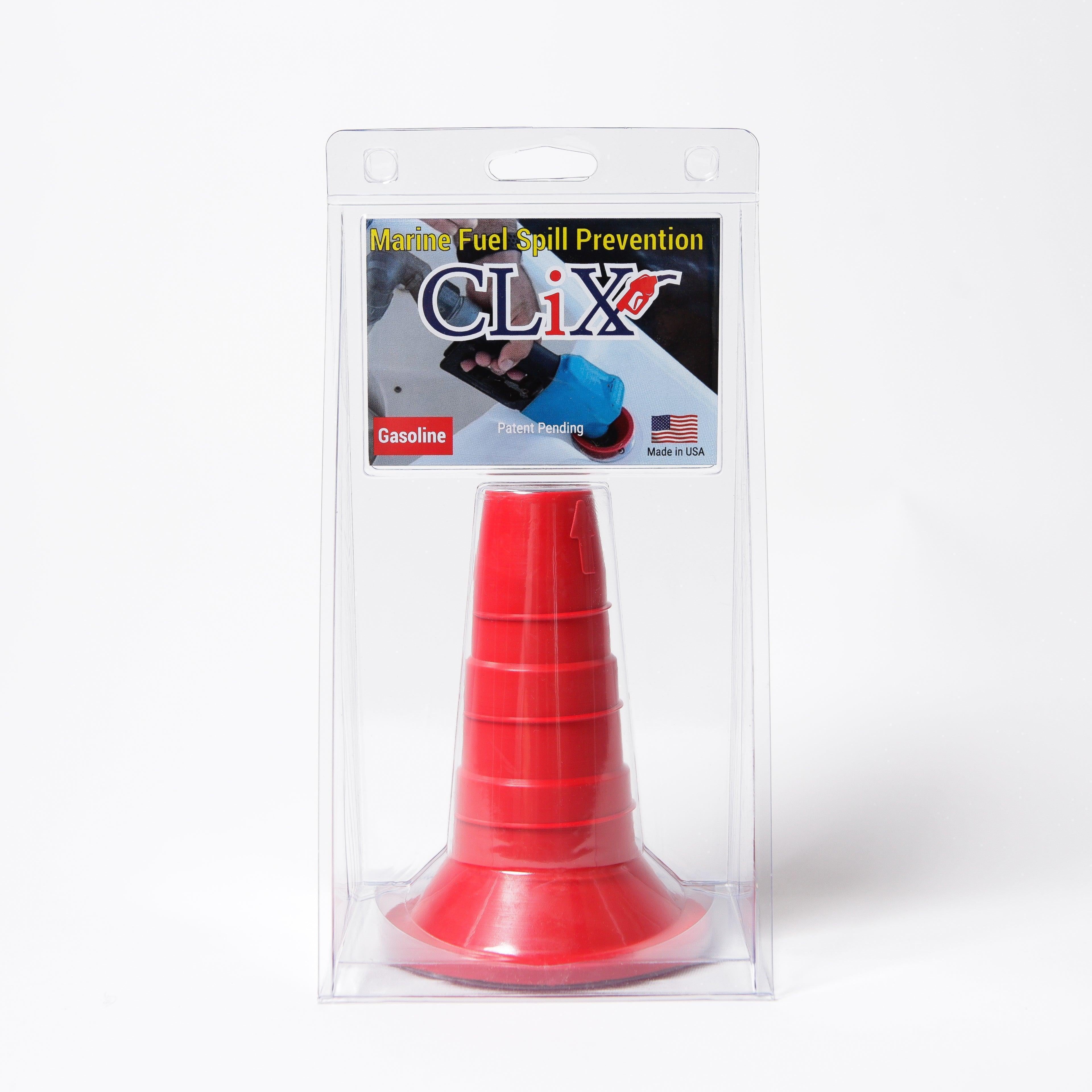
Ready to make every fueling experience safe and spill-free? CLiX Fueling Solutions offers a smarter way to refuel, preventing costly overfills and protecting the environment. Discover the CLiX difference today!