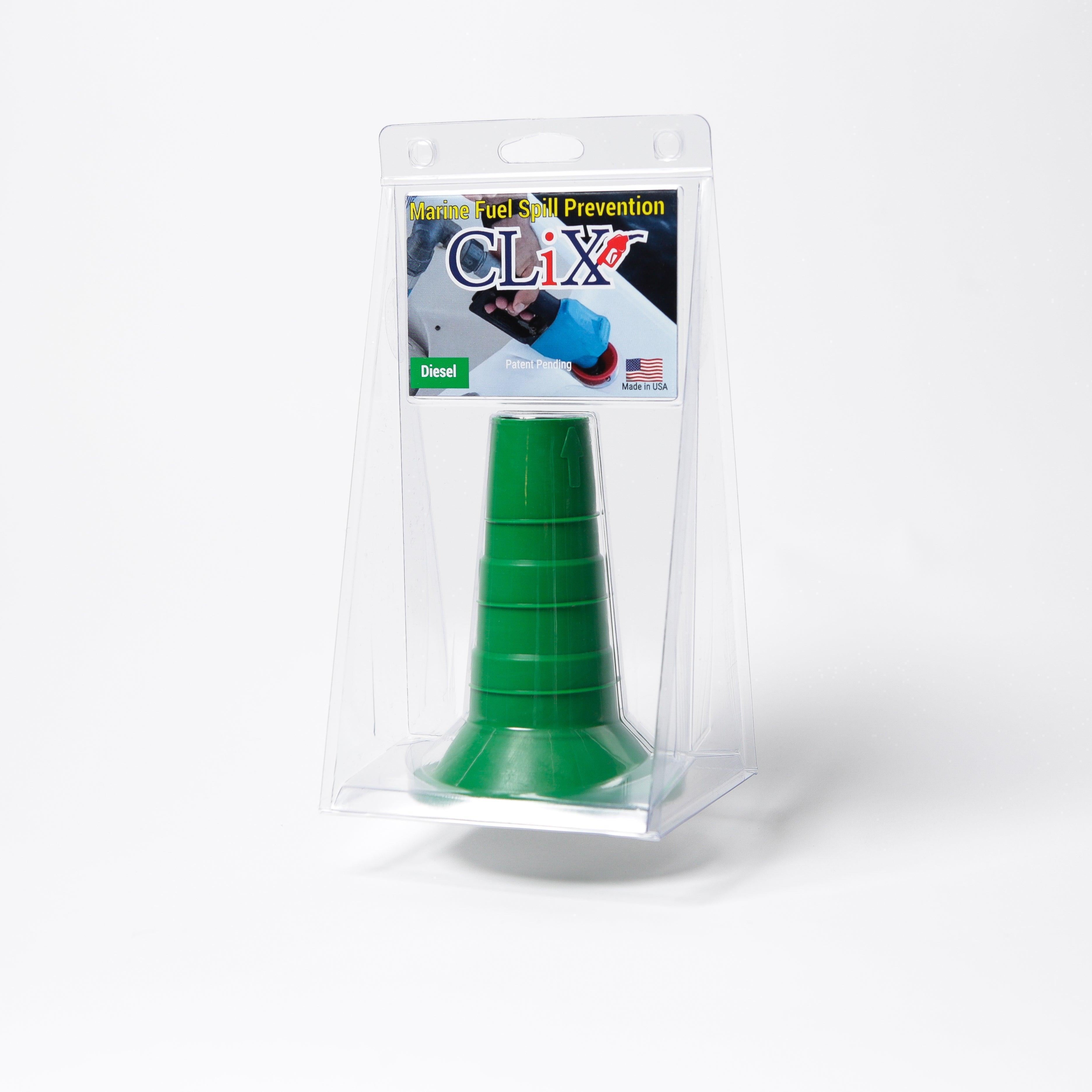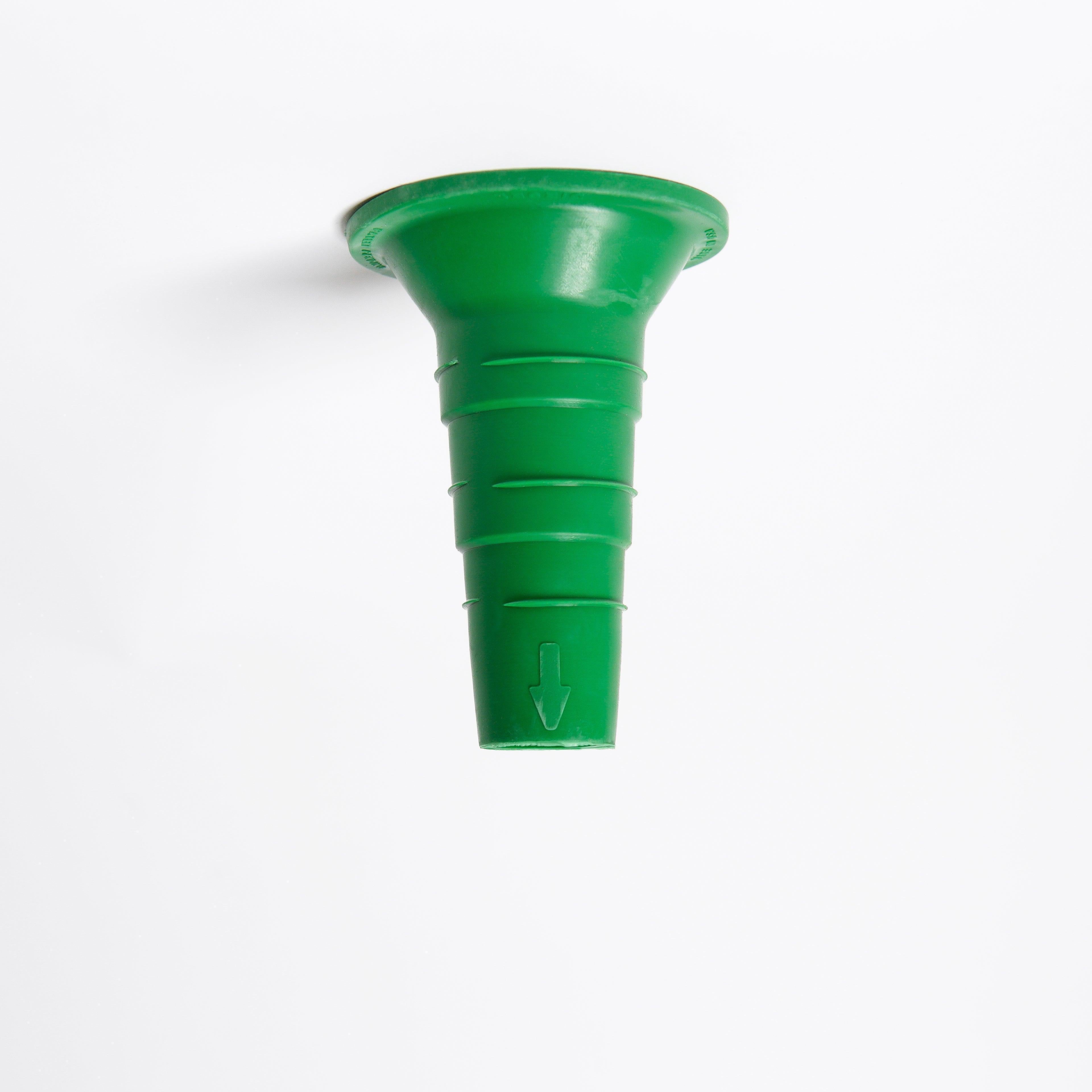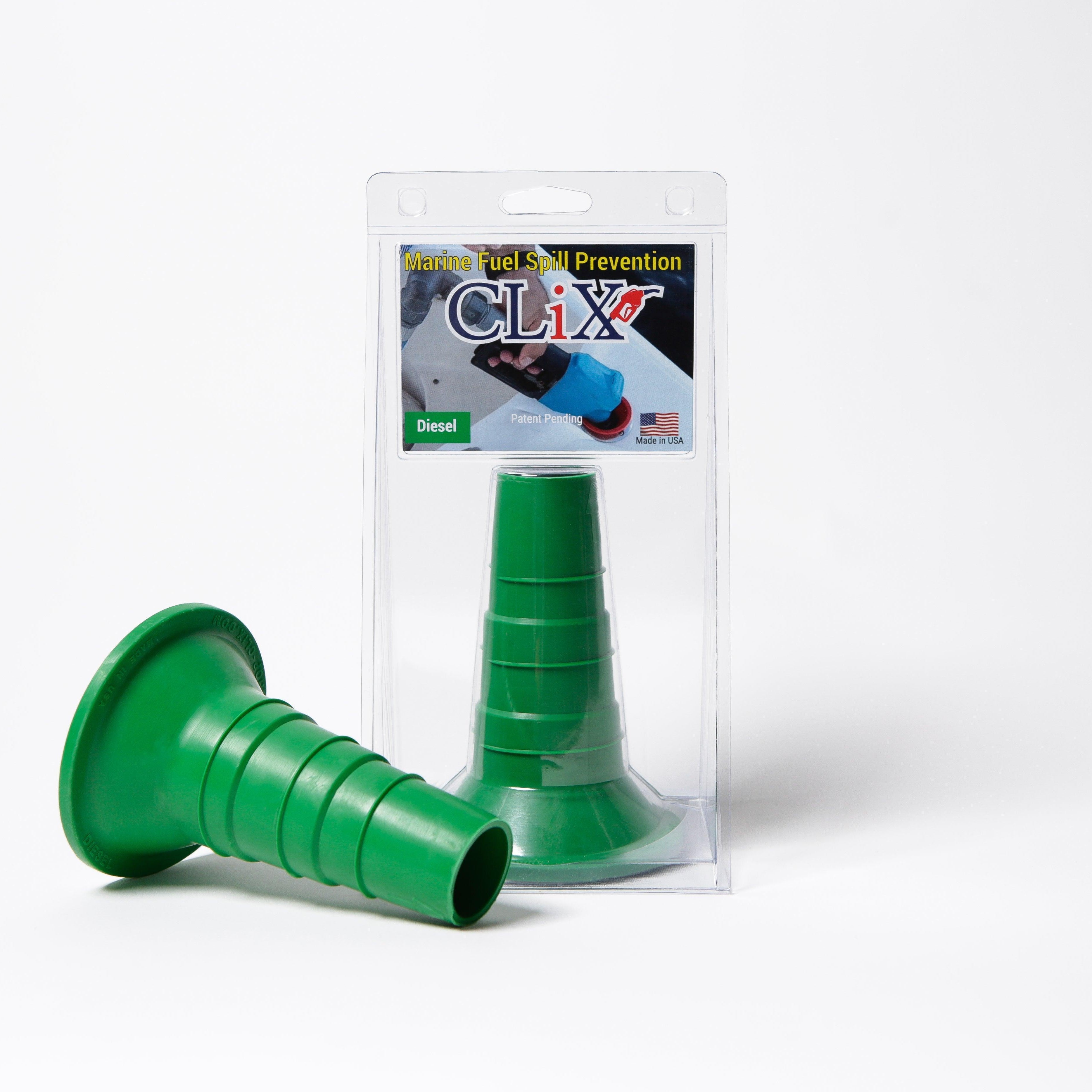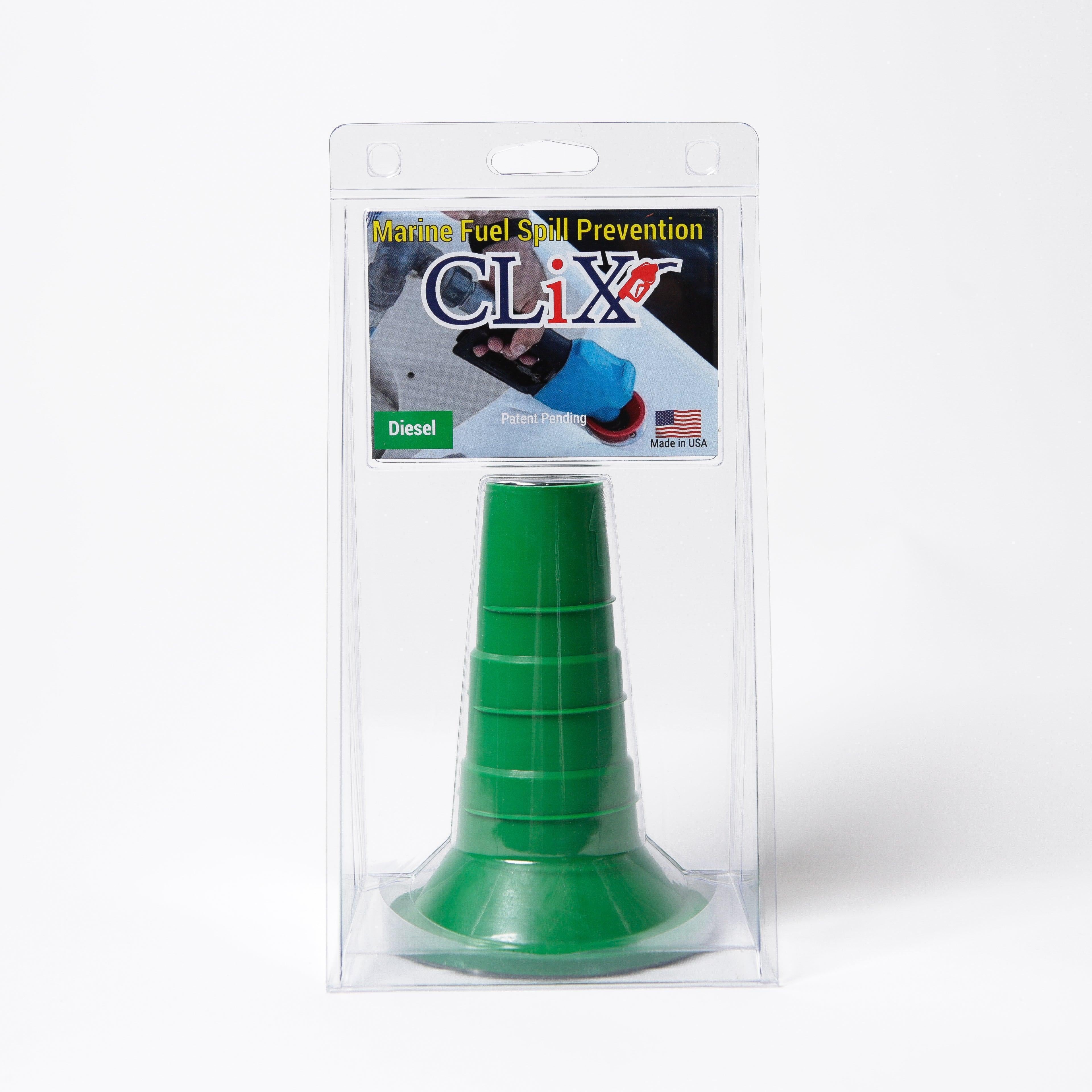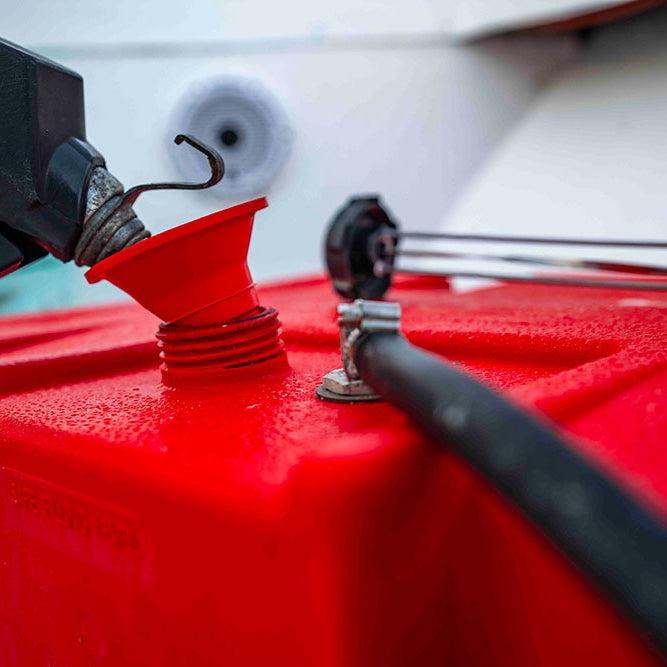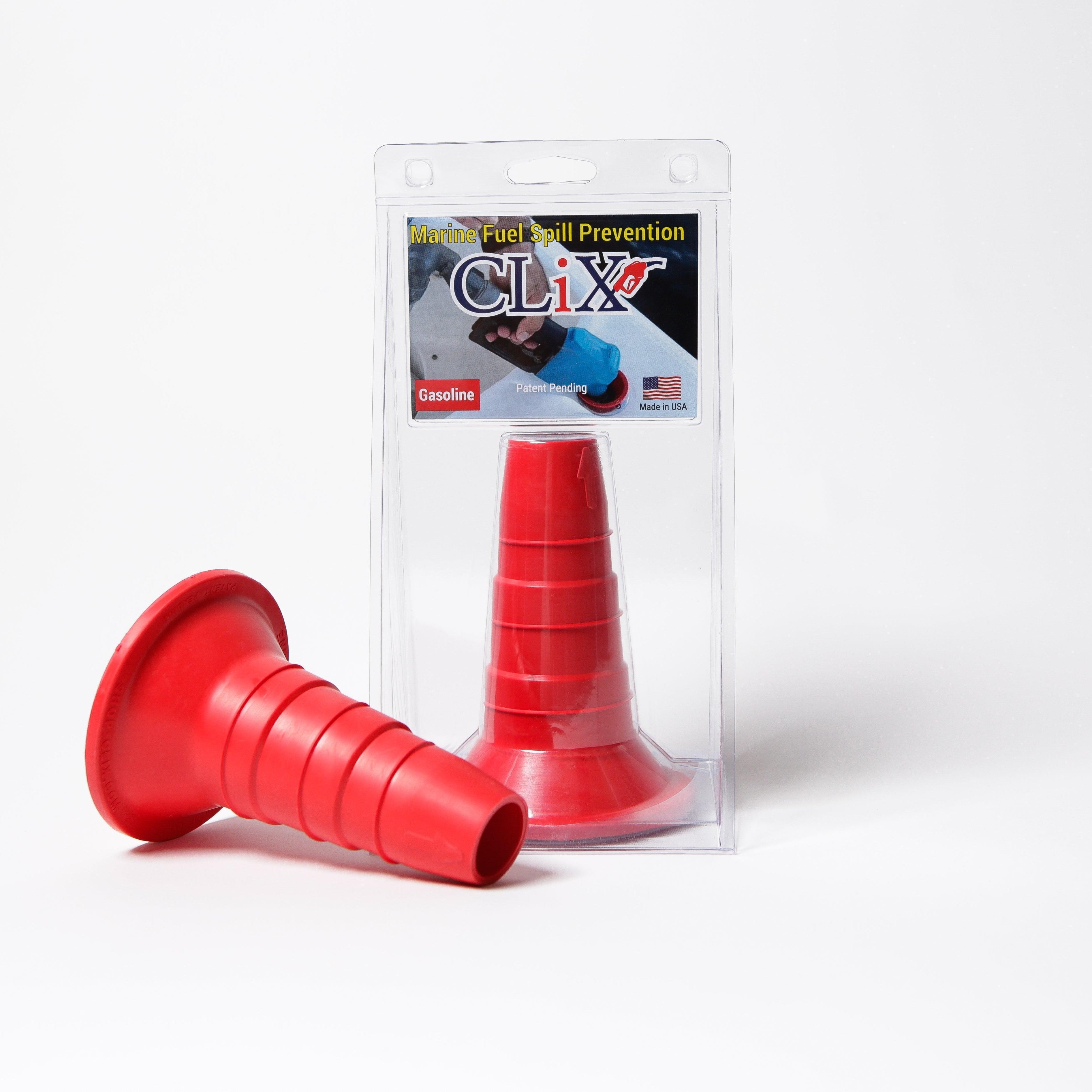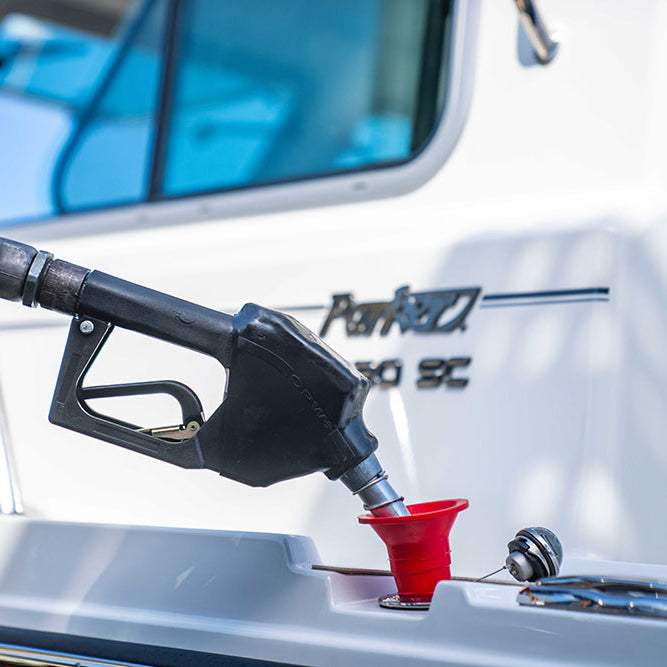
Ever seen a fuel hose at a marina or industrial site with a coiled spring wrapped around the end? That’s an anti-kink hose spring, and it’s a deceptively simple piece of equipment that solves some serious problems.
It’s essentially a mechanical coil that slides over the part of the hose right where it connects to the spigot or nozzle. Its entire purpose is to prevent the hose from bending too sharply. A sharp bend creates a kink, which chokes off fuel flow and can cause dangerous pressure spikes. This little spring is a huge deal for keeping fueling operations safe and running smoothly.
Why Fuel Hoses Kink (And How a Spring Is the Fix)
That frustrating kink in a heavy-duty hose isn't just an annoyance—it's a sign of a deeper issue that comes down to basic physics and the materials involved. Once you understand why it happens, you'll see why a spring is such a clever solution.
The Physics Behind the Kink
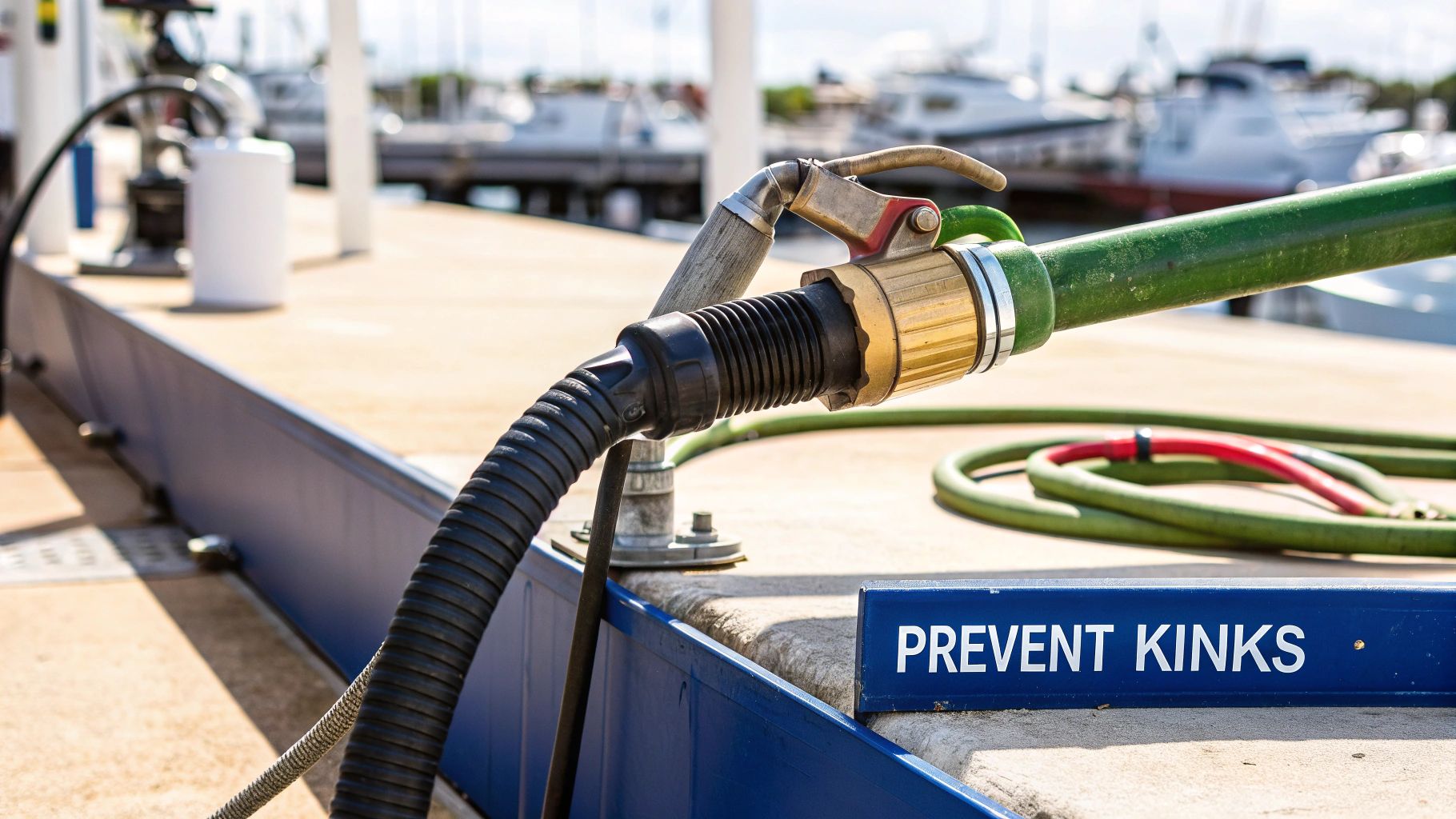
Think about how a fueling hose is used, especially around a dock. It's constantly being pulled, dragged, and twisted at awkward angles. The connection point—either at the pump or the nozzle—becomes a pivot point. When you pull the hose away from that fixed spot, all the force and stress zero in on that one small section of the hose, causing it to buckle and collapse inward. You’ve got a kink.
It’s just like folding a piece of paper. A gentle curve is fine, but a sharp crease weakens the paper permanently. The same thing happens with your hose, but the stakes are much higher.
- Material Fatigue: Every time that hose bends and flexes in the same spot, its internal structure gets weaker. After a while, the material just doesn't have the resilience to spring back, making it even more prone to kinking.
- Restricted Flow: A kink is a bottleneck. It dramatically cuts down the fuel's flow rate, which means it takes longer to fill a tank and puts a lot of extra strain on the pump.
- Safety Hazards: That sudden pressure change from a kink can cause the nozzle to kick back unexpectedly. In a worst-case scenario, a fitting could fail entirely, leading to a serious fuel spill.
The Spring as the Solution
This is where the anti-kink hose spring shines. It’s a beautifully simple mechanical fix to a common problem. By wrapping around that vulnerable section of the hose, the spring distributes the bending force over a much larger area.
Instead of letting the hose bend at a sharp, damaging angle, the spring forces it into a gradual, gentle curve.
Key Takeaway: The spring doesn't get rid of the bend—it manages it. Think of it as an external skeleton that reinforces the hose wall, keeping it from collapsing under stress. That simple support is what separates a reliable, efficient operation from a constant headache.
This is a big deal in high-stakes environments. For a marina owner, slow pumps from kinked hoses mean frustrated boaters and lost business. For a fleet manager, it means replacing expensive hoses way too often and dealing with operational downtime.
The market for industrial hoses, which was valued at a whopping USD 11.3 billion in 2023, depends on simple, effective solutions like this. In fact, newer hose designs that integrate spring technology have been shown to cut leakage by up to 40% in certain uses and reduce safety incidents by 25-50% in areas with a lot of movement. You can discover more insights about these market trends and see just how big of an impact they have.
How to Choose the Right Anti Kink Hose Spring
Picking the right anti-kink hose spring isn't as simple as grabbing one off the shelf. If you get it wrong, you’re looking at premature wear on your hose, a kinked-up mess, or even a dangerous fueling situation. Let's get into the practical details that really matter so you can match the right spring to your specific setup.
It really boils down to three things: the material it’s made from, its diameter, and the thickness of the wire (the gauge). Nailing these three from the get-go is the secret to a reliable, long-lasting solution that actually protects your equipment.
Material Matters Most
First things first, where are you using this thing? The environment is the single biggest factor in choosing the right material. A spring destined for a saltwater marina has completely different needs than one at a freshwater dock or an industrial fueling site. Get this wrong, and you'll be replacing it a lot sooner than you'd like.
- Stainless Steel: For any marine environment, this is the only way to go. Its ability to resist corrosion is absolutely essential when you're dealing with constant saltwater spray and humid air. A standard steel spring will just rust out and fail in no time.
- Plated Steel (Zinc or Chrome): This is a solid, budget-friendly choice for freshwater locations or industrial settings where you aren't fighting off salt. It gives you good protection from rain and general moisture.
Sure, a stainless steel spring might cost a few extra bucks upfront, but that small investment saves you the headache and expense of swapping out a rusted spring every season.
The right material isn't a preference; it's a requirement based on your operating environment. Mismatching the material to the environment is the number one cause of premature spring failure.
When you're weighing your options, a quick comparison can make the decision crystal clear.
Anti Kink Hose Spring Material Comparison
| Material | Corrosion Resistance | Durability | Best Use Case |
|---|---|---|---|
| Stainless Steel | Excellent | Very High | Saltwater marine, harsh chemical environments |
| Zinc-Plated Steel | Good | High | Freshwater, general industrial, dry climates |
| Chrome-Plated Steel | Good | High | High-visibility areas, less harsh environments |
| Standard Steel | Poor | Medium | Indoor or dry use only (not recommended for fueling) |
As you can see, stainless steel is the clear winner for any job near the coast. Don't let a lower price tag on another material tempt you if you’re working with saltwater.
Matching Diameter and Wire Gauge
Alright, with the material sorted, let's talk about getting the right fit. An improperly sized anti kink hose spring just won't give your hose the support it needs.
Sizing the Diameter
You're aiming for a snug fit. The inner diameter of the spring needs to be just a hair larger than the outer diameter of your fuel hose. It should slide on smoothly without a fight, but it shouldn't be so loose that it rattles around. A loose spring can’t distribute the bending stress properly, which defeats the whole purpose.
Choosing the Wire Gauge
The thickness of the spring’s wire dictates its stiffness, and this is a crucial choice.
- Heavy-Duty Gauge: A thicker wire makes for a stiffer, more robust spring. This is exactly what you want for a busy commercial dock where hoses get pulled hard and at sharp angles all day long.
- Lighter Gauge: Thinner wire gives you more flexibility. This works well for private docks or personal boats where the hose isn't under constant heavy strain and you need a bit more maneuverability.
When looking at different options, you'll see various designs like medium barrel springs, which come in different stiffness levels for specific applications. Getting that stiffness just right is key.
If you want to dive deeper into the hoses themselves, our Your Guide to Marine Fuel Transfer Pump Hose is a great resource.
A Practical Guide to Flawless Installation
An anti-kink hose spring is only as good as its installation. Think of it less as a simple accessory and more as a crucial piece of safety gear. Getting it right the first time is key to protecting your fueling hose, ensuring a consistent flow, and preventing dangerous kinks from forming.
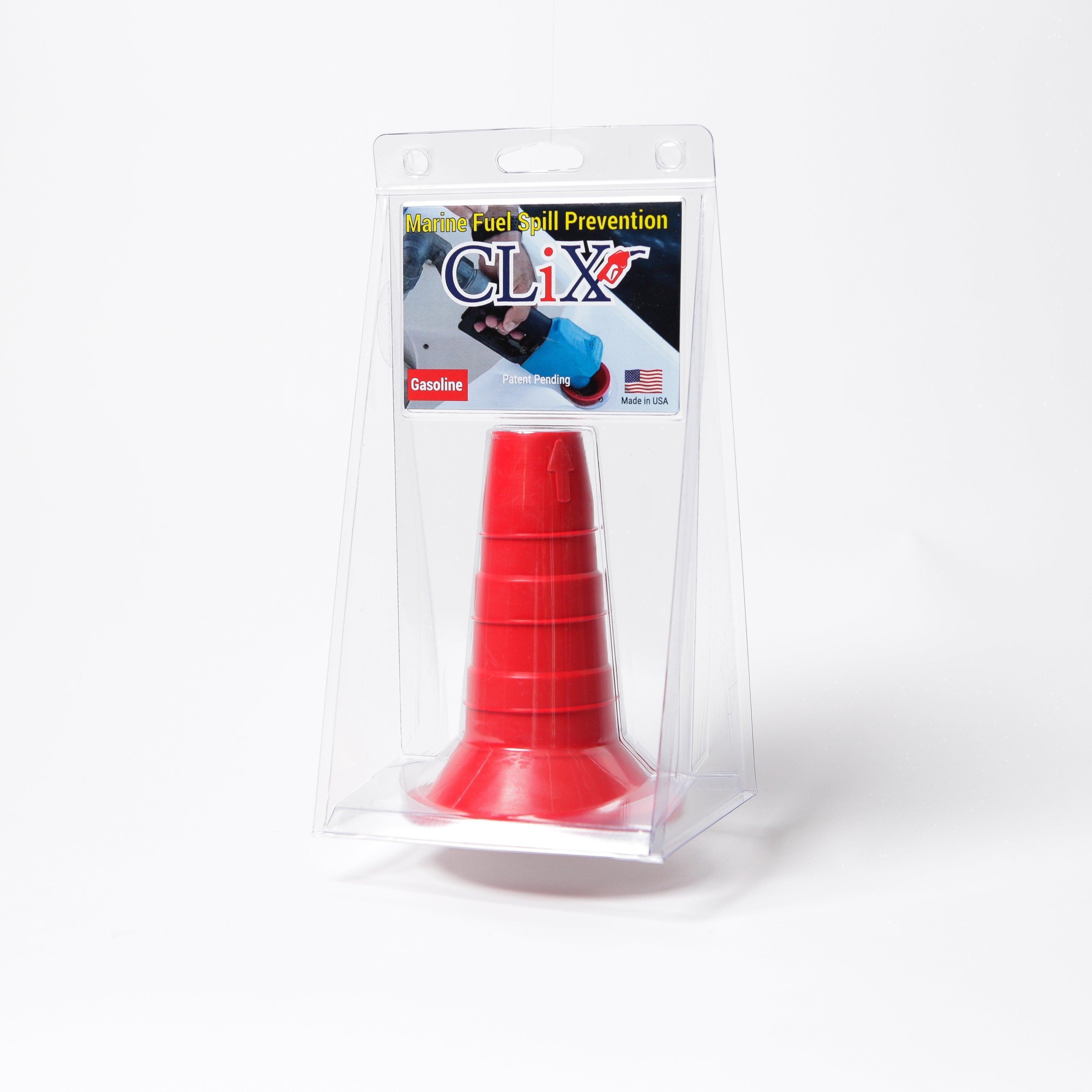
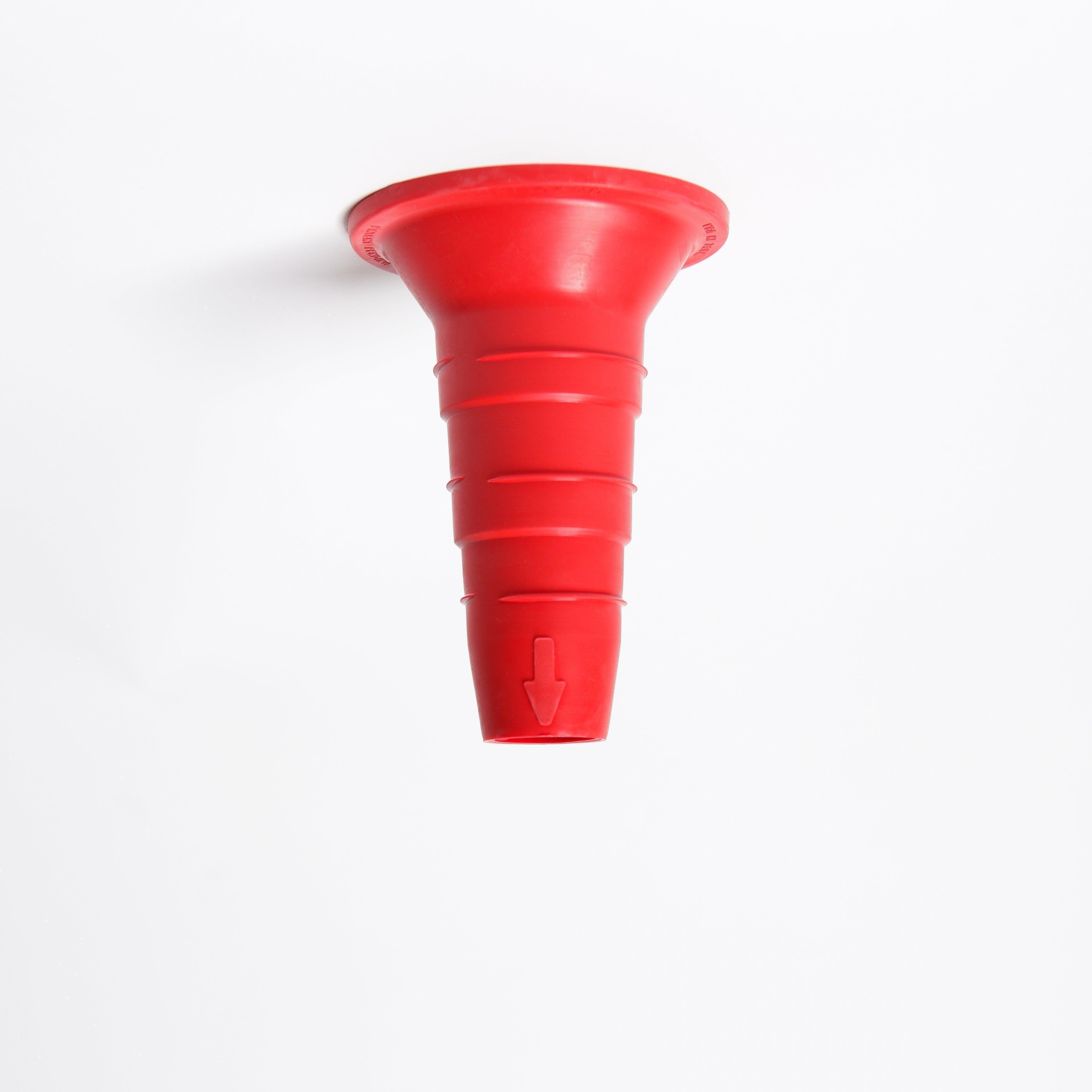
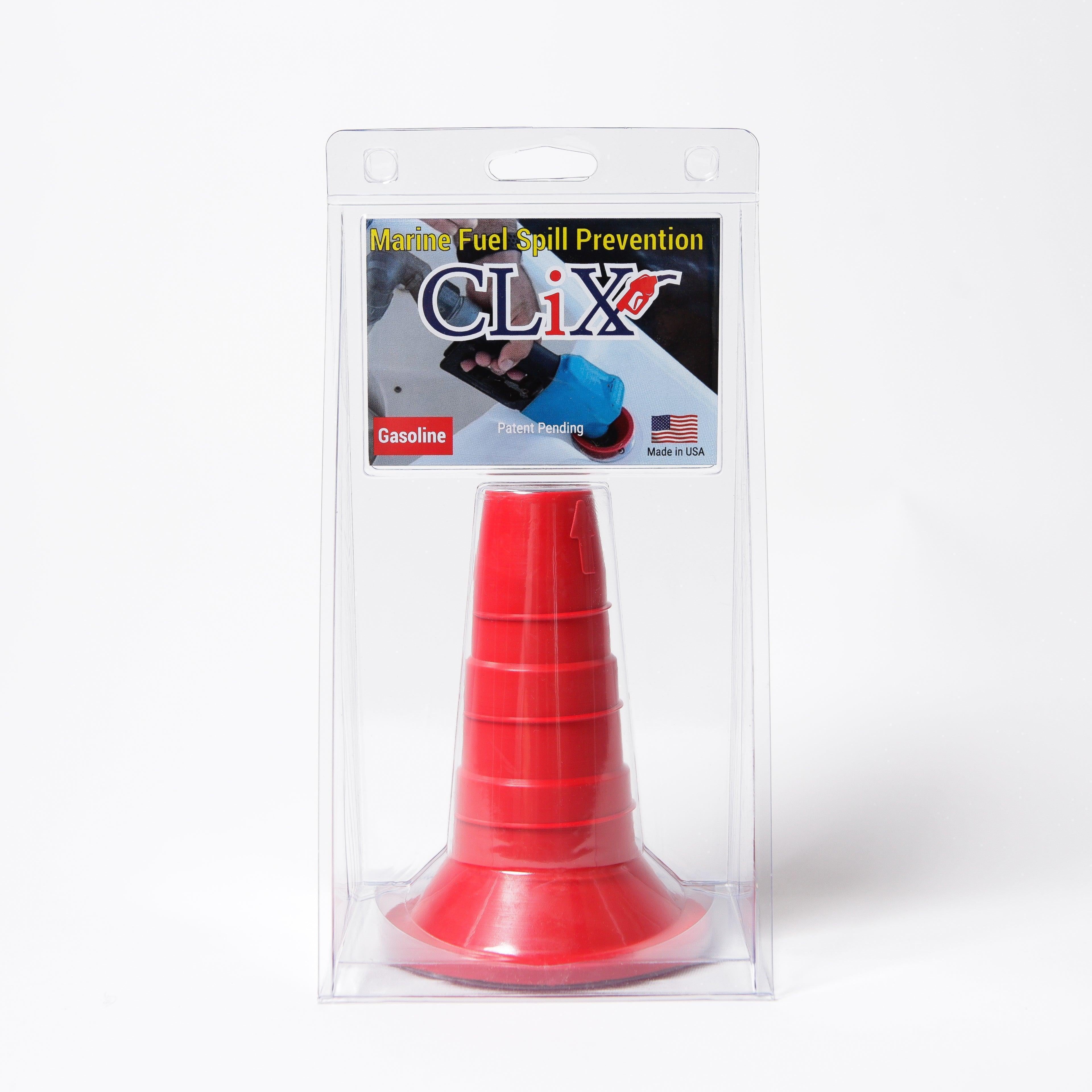
Let's walk through the right way to get this done, using the CLiX system as our guide.
First Things First: Inspect Your Gear
Before you even touch the spring, take a good, hard look at your hose and fittings. It’s a classic mistake to slap a brand-new spring on a hose that’s already on its last legs. That’s just a band-aid solution.
Check the hose thoroughly, paying close attention to the last couple of feet near the fitting where most of the stress happens. You're looking for any signs of trouble:
- Cracking
- Bulging
- Abrasion
Also, give the fitting itself a once-over. Is there any corrosion? Are the threads stripped? Fixing these small issues now will save you from major headaches down the road.
Prep Work: Making the Job Easy
Once you’ve given your hose a clean bill of health, it’s time to prep. A common rookie mistake I see is people trying to muscle a dry spring onto a dry hose. This is a recipe for frustration and can easily scuff up the hose's outer jacket.
Here’s a pro tip: a little lubrication goes a long way. Grab some silicone-based lubricant or even just some soapy water. A light coating on the inside of the spring and the end of the hose will make the whole process glide along smoothly.
Expert Insight: You're aiming for a snug fit, not a wrestling match. If you have to fight to get the spring on, stop and double-check your sizing. A spring that's too tight can actually constrict the hose, and one that's too loose won't offer the support you need.
This handy infographic breaks down the simple but critical process for making sure you have the right parts before you start.
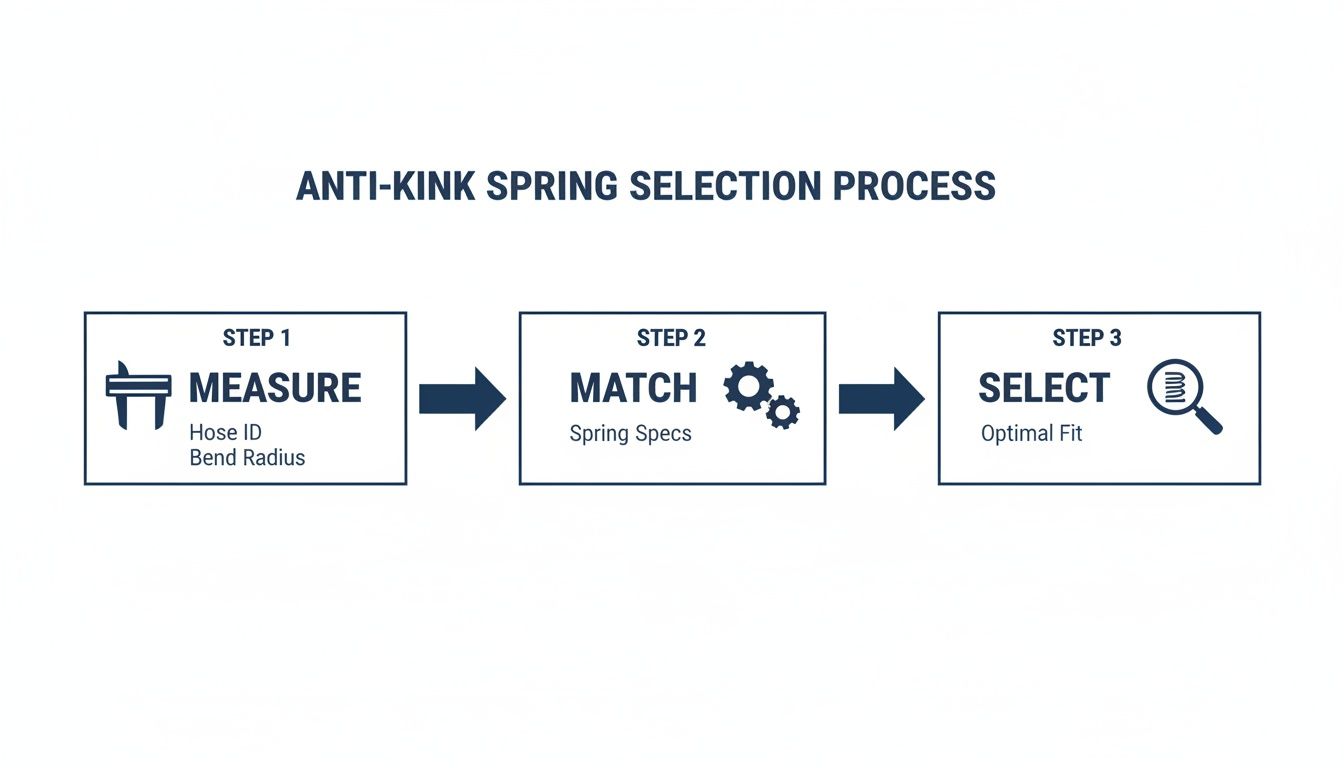
Following these "measure, match, and select" steps is the best way to guarantee your installation is both effective and built to last.
The Installation: Putting It All Together
With everything prepped, you’re ready for the main event. Just remember the golden rule: slide the spring onto the hose before you attach the nozzle or fitting.
- Slide the Spring On: Gently twist the spring as you push it over the lubricated end of the hose. It should move easily into position without much force.
- Position It Correctly: Make sure the spring covers the entire area that takes the most bending stress. For most setups, this means seating it flush against the base of where the fitting will be.
- Attach the Fitting: Now you can securely attach your nozzle or quick-connect fitting, like the ones used with the CLiX system. As you tighten it down, the fitting will help lock the spring into its final, secure position.
If you’re working with marine fuel lines, getting the fitting attached correctly is absolutely critical for preventing leaks. For a more detailed guide on that, check out our post on 5/16" marine fuel line installation and care.
The demand for this kind of technology tells you all you need to know about its value. The global air hose market, where anti-kink tech is a game-changer, was valued at $3.2 billion in 2024 and is expected to reach $4.8 billion by 2030. One logistics company reported saving $42,000 annually just on hose maintenance after making the switch, with the investment paying for itself in under four months.
Once your spring is installed, it’s ready to protect your equipment and keep your fueling operations running smoothly for years to come.
Simple Maintenance and Troubleshooting Tips
Even though an anti-kink hose spring is built to last, a little proactive care goes a long way, especially in the harsh world of marine fueling. A quick inspection now and then can be the difference between a minor tweak and a major operational headache. Think of it as a quick check-up for one of the hardest-working parts of your fueling rig.
This doesn't have to be some complicated, time-sucking process. A simple visual check every few weeks is usually all you need to catch a small problem before it turns into a big one.
Conducting a Routine Inspection
When you're giving your spring a once-over, you’re mainly looking for the two biggest enemies of metal in a marine environment: corrosion and fatigue. In saltwater settings, even top-quality stainless steel will eventually show signs of wear.
Keep an eye out for these specific warning signs:
- Discoloration or Pitting: Look for any hints of rust or tiny pits forming on the spring's surface. This is one of the first signs that its protective layer is starting to break down.
- Deformation: Are the coils still uniform and evenly spaced? Any bent, stretched, or compressed sections tell you the spring has been over-stressed and might not be providing the support it should.
- Cracks: Look very closely where the spring meets the hose fitting. This is a high-stress point, and it’s where you’re most likely to spot tiny fatigue cracks starting to form.
One of the easiest things you can do is give the spring a quick rinse with fresh water after you're done fueling. It's a simple habit that washes away corrosive salt residue and can seriously extend the life of your equipment.
Regular cleaning isn’t just for looks—it’s a critical step in stopping the chemical reactions that cause corrosion. Salt and grime trap moisture against the metal, speeding up its decay.
Common Issues and Simple Fixes
Even with a perfect installation, things can sometimes go sideways. The good news is that most common issues are easy to troubleshoot and fix right there on the dock, without needing special tools or causing a lot of downtime.
Problem: The Spring Has Slipped Out of Position
Over time, all the movement and vibration from the hose can make the spring slide down, leaving the critical bend point unprotected. It’s a pretty common issue, but the fix is easy.
- The Fix: Just slide the spring back to where it belongs, making sure it’s snug against the base of the fitting. If you want a more permanent fix, add a stainless-steel hose clamp right below the spring. The clamp acts as a stopper and will keep it from slipping again.
Problem: The Spring Feels Loose
If the spring is rattling around or just feels loose on the hose, that’s a dead giveaway you’ve got the wrong size. A loose anti-kink hose spring can't properly distribute the bending forces, which completely defeats its purpose.
- The Fix: Your only real option here is to swap it out for the right size. Take a careful measurement of your hose’s outer diameter and find a spring with an inner diameter that gives you a snug, secure fit. This is the only way to guarantee it's doing its job and protecting your hose.
Improving Safety and Environmental Responsibility
An anti-kink hose spring might seem like a simple piece of hardware, but in the world of marine fueling, it's a critical tool for risk management. It does a lot more than just stop your hose from bending. It's a direct investment in a safer, more compliant, and environmentally sound operation. Think of it as a crucial link in the chain of keeping things running smoothly and safely.
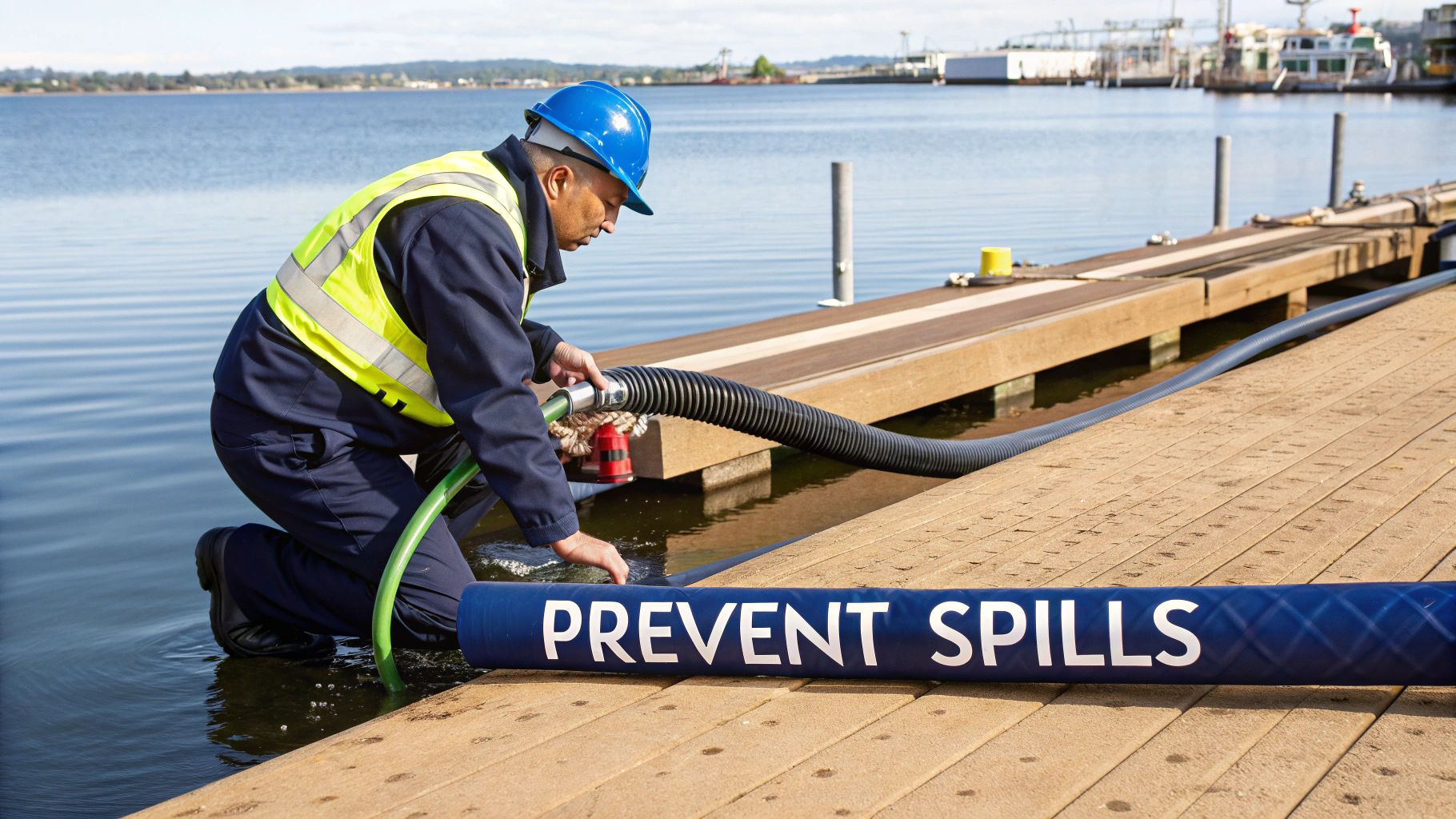
When a hose is kink-free, you get a steady, uninterrupted flow of fuel. The moment a hose kinks shut, the pressure inside can spike in an instant. This sudden jolt can cause a dangerous nozzle kickback, which is a real risk for both the operator and the vessel they're fueling.
That pressure surge doesn't just stop at the nozzle, either. It puts a massive strain on the hose fittings and connections. Over time, these repeated pressure shocks are what cause fittings to fail—and a failed fitting is a major cause of serious fuel spills. The spring prevents all this by forcing the hose into a gradual, gentle curve, keeping the fuel flow predictable and under control.
Preventing Costly Environmental Spills
Beyond the immediate safety of your crew, the environmental stakes are huge. A single fuel spill can devastate a marine ecosystem, not to mention the massive regulatory fines and cleanup costs that follow. An anti-kink hose spring is one of your best lines of defense against this kind of disaster.
By reinforcing the most vulnerable part of the hose—right at the fitting—the spring drastically cuts down the odds of a catastrophic failure. Picture a busy commercial marina where hoses get dragged across docks and pulled around sharp corners all day long. Every one of those unprotected bends is a weak point just waiting to give way.
The spring turns your hose from a potential liability into a reliable asset. It’s a small investment upfront that can literally save you tens of thousands of dollars in cleanup costs, fines, and operational downtime.
This is all about proactive prevention, which is the core of modern fuel handling best practices. Instead of just reacting to spills after they happen, the goal is to build a system where they're far less likely to occur in the first place. The spring is a perfect example of this principle in action. It’s a simple, mechanical safeguard that works every single time. For a deeper dive into best practices, check out our complete guide to marine fuel fill safety.
Enhancing Operational Integrity
When you commit to safety and environmental care, it says a lot about your entire operation. Using equipment like an anti-kink hose spring shows a professional approach to managing risk and a deep respect for the environment you work in.
Here’s how it strengthens your day-to-day operations:
- Reduces Equipment Strain: A steady, consistent flow means less wear and tear on your pumps, nozzles, and fittings. This helps extend the life of your entire fueling system.
- Minimizes Downtime: Preventing hose failures means your fueling station stays up and running, which keeps customers happy and avoids costly interruptions.
- Boosts Professional Reputation: A clean, safe, and efficient operation is the best way to build trust with both your clients and the regulators.
In the end, that humble-looking hose spring plays a huge role. It's not just an accessory; it's an essential piece of gear for any responsible fueling operation that wants to protect its people, its profits, and the planet.
Clearing Up Common Questions About Anti-Kink Hose Springs
Even after you get the hang of how these springs work, some practical questions always pop up. I've heard just about all of them from operators and boat owners over the years, so let's tackle the most common ones.
Getting these details right can save you a lot of headaches down the road and help you get the most out of your gear.
Can I Put a New Spring on an Old Hose?
Absolutely. You can definitely retrofit an anti-kink spring onto a hose you're already using, but there’s a major catch: the hose itself has to be in solid shape.
The process is straightforward enough—you'll take off the nozzle, slide the spring on, and then re-secure the fitting. But before you even think about starting, give that hose a really good look-over. Check for any cracks, weird bulges, or soft spots, paying close attention to the end where all the stress happens.
Slapping a new spring on a worn-out hose is just a band-aid. It won't fix the real problem, which is that the hose is already compromised.
Tight Coils vs. Wide Coils: What's the Real Difference?
The spacing between the coils is a huge deal—it completely changes how the spring behaves in terms of flexibility and support.
- Tightly Coiled Springs: These are your heavy-duty workhorses. They offer maximum, rigid support, which is perfect for industrial hoses that get bent sharply at the same fixed point day in and day out.
- Widely Coiled Springs: These give you a lot more flexibility. They allow the hose to move around more freely while still preventing those sharp, damaging kinks from forming. This is the go-to choice when your hose needs a wider range of motion.
The decision really comes down to your daily use. If you have a stationary pump, the rigid support of a tight coil is ideal. But if you’re pulling a hose around a large area, you'll need the flexibility of a wider coil.
How Do I Know for Sure I've Got the Right Size?
Sizing is everything. If the fit isn't right, the anti-kink hose spring simply won't do its job properly. You're looking for a snug fit—not so tight you have to fight to get it on, but definitely not loose.
The spring's inner diameter should be just a hair larger than your hose's outer diameter. It needs to slide on smoothly but shouldn't have room to jiggle or rattle around. A loose spring can't properly distribute the bending stress, which defeats the whole purpose.
The best way to nail the measurement is with a pair of calipers. Measure the outer diameter of your hose, then check that number against the manufacturer’s sizing chart. It’s a quick, simple step that ensures you get the effective support right where you need it.
Ready to stop fighting with kinks and upgrade your fueling setup for good? Check out the durable, reliable springs from CLiX Fueling Solutions to find the perfect fit for your operation at https://clixfueling.com.