A portable marine fuel tank is exactly what it sounds like: a tough, easy-to-carry container built to safely hold and deliver fuel to your boat's outboard engine. For smaller boats, this tank isn't just an accessory—it's the heart of the whole operation, giving you the range you need for a quick fishing trip or a full day exploring the coastline.
Understanding Your Portable Marine Fuel Tank
Think of your portable tank as your boat's own personal gas station. Millions of boats are just too small for a built-in tank, making these portable containers an absolute necessity. They’re what give you the freedom to venture far from the marina and turn a simple outing into a real adventure.
The real beauty is in their portability. You can pull the tank right off your boat, pop it in your car, and fill it up at any gas station. This simple convenience lets you skip the often higher prices and long lines at the marina fuel dock.
The Role of a Portable Tank on Your Boat
A portable marine fuel tank is much more than just a plastic jug for gas. It's a key part of your boat's fuel system, engineered to handle the tough marine environment. These tanks are built to take a beating from constant movement, sun exposure, and saltwater spray.
Here’s what a portable fuel system really does for you:
- Extends Your Range: This is the big one. It lets you carry enough fuel to travel farther and stay out longer without constantly checking the gauge.
- Gives You Flexibility: You can easily keep a full spare on board. When one tank runs dry, just swap it out and keep going—a smart move for anyone planning a long day on the water.
- Keeps You Safe: Unlike a standard gas can, marine-grade tanks are built to meet strict U.S. Coast Guard and EPA standards for durability and vapor control.
Why You Can't Just Use a Regular Gas Can
So, why not just grab that red jerry can from the garage? The answer comes down to the unique and harsh realities of being on the water. A boat is always moving, which means fuel is constantly sloshing around. A standard container simply isn't built to stop leaks or manage vapor pressure under those conditions.
A purpose-built marine fuel tank is designed from the ground up to handle life on a boat. It has special vents to manage the expansion and contraction of fuel in the heat and secure fittings that you just won't find on a regular can.
Even with these purpose-built tanks, boaters still face one universal frustration: the messy, wasteful, and dangerous fuel spill. We’ve all been there, trying to guess when the tank is full, only to have gasoline overflow onto the deck and into the water. It damages your boat, pollutes the environment, and wastes money.
This guide will walk you through how to avoid these problems, starting with picking the perfect tank for your boat.
Comparing Plastic and Metal Fuel Tanks
Picking the right material for your portable fuel tank is one of the most important gear decisions you'll make for your boat. It’s a choice that directly affects how durable your setup is, how much it weighs, and what it costs. The two main options you'll find on the shelf are high-density polyethylene (plastic) and the more traditional metals like aluminum or steel.
At first glance, it seems like a simple choice. But in the harsh marine environment, each material comes with its own set of pros and cons. Getting a handle on these differences will help you pick a tank that not only fits your boat but also stands up to how you use it on the water.
The Rise of Plastic Marine Fuel Tanks
Walk through any marina or boat supply shop today, and you'll be surrounded by plastic fuel tanks. Their popularity is no accident. Modern plastic tanks, usually made from high-density polyethylene (HDPE), deliver a great mix of affordability, low weight, and surprising toughness.
This isn't just a trend; it's a market shift. The global fuel tank market is expected to grow from USD 19.55 billion in 2024 to USD 29.33 billion by 2032. Plastic tanks are leading the charge, holding the biggest market share at 46.5%, mostly because they’re light and naturally fight off corrosion. You can get a deeper dive into these market trends and what they mean for boaters.
So, why do so many boaters grab a plastic tank? Here’s the breakdown:
- Corrosion Resistance: This is the big one. Unlike metal, plastic will never rust or corrode, even when constantly splashed with saltwater.
- Lightweight and Portable: A plastic tank is a heck of a lot lighter than its metal counterpart, which makes lugging it from your truck to the dock much easier.
- Seamless Construction: Most are molded in one solid piece. That means no seams or welds that could spring a leak or fail down the road.
- Cost-Effective: Let's be honest, budget matters. Plastic tanks are usually cheaper upfront, putting them in reach for just about everyone.
This diagram is a great reminder of the essentials, from staying safe to getting the most range out of every gallon.
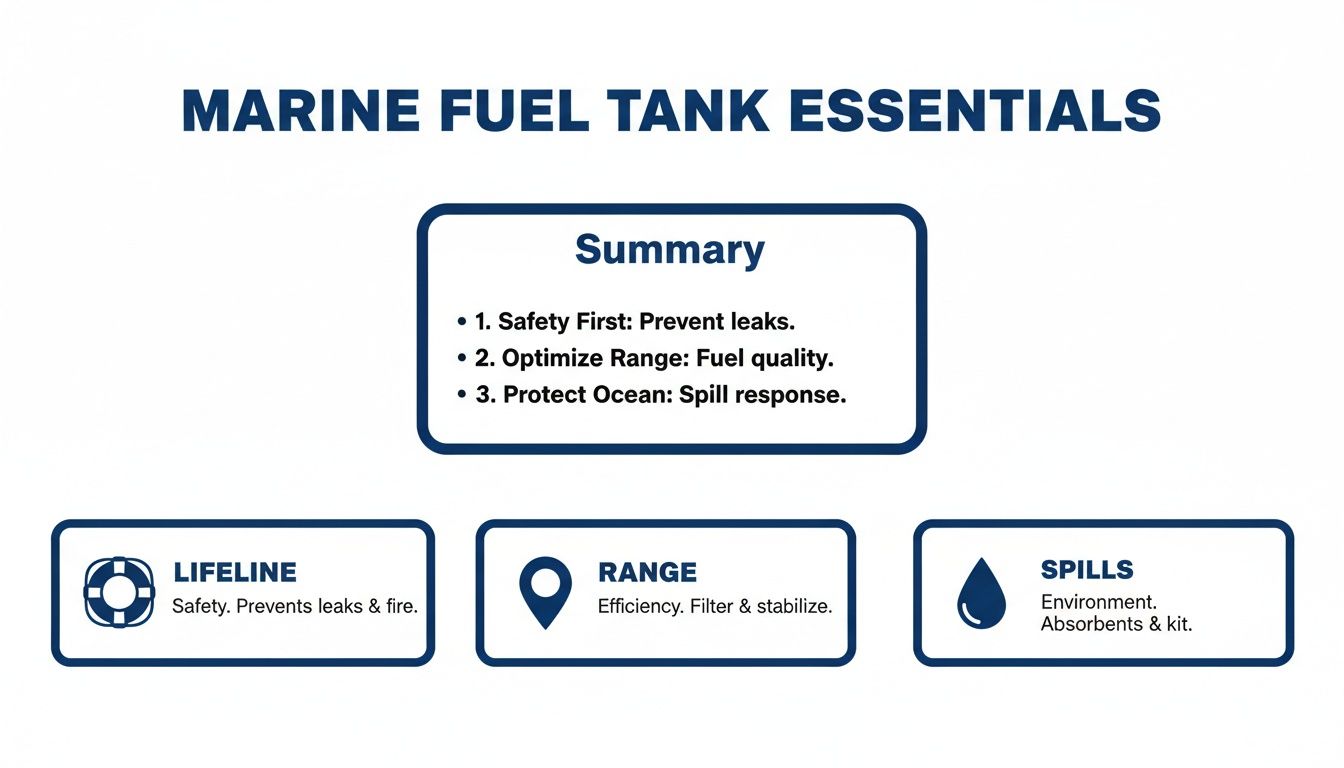
Whether you choose plastic or metal, proper handling is key. Your tank is your lifeline out on the water, and knowing how to manage it helps you maximize your range and, most importantly, prevent dangerous spills.
The Enduring Strength of Metal Fuel Tanks
While plastic tanks are everywhere, metal ones still have a solid place in the boating world, especially for folks who need absolute, rock-solid durability. These tanks, typically built from aluminum or coated steel, are the heavy-duty workhorses of portable fuel storage.
Their main selling point is pure toughness. A metal tank can take a beating—it’s far more resistant to punctures and hard impacts than a plastic one. If you're navigating rocky coves or your boat earns its keep in a commercial setting, the peace of mind that comes with a metal tank is priceless.
Of course, that toughness comes with a few trade-offs. Metal tanks are heavier, no two ways about it, which can make them a pain to move around. They’re also prone to rust and corrosion if their protective coating gets scratched or worn away, so they demand a bit more attention to keep them in safe working order.
A metal fuel tank is like a classic cast-iron skillet—it's heavier and needs a bit more care, but with proper maintenance, it can withstand incredible abuse and last for decades.
Ultimately, the right choice really boils down to how and where you boat. For the average weekend boater, the convenience of plastic is tough to beat. But for anyone who needs their gear to be bombproof, a metal tank is still the superior option.
Making the Right Choice for Your Boat
So, which tank should you get? There’s no single "best" answer—it all comes down to your priorities. To narrow it down, think about three key things: the environment you boat in, how often you’ll be hauling the tank around, and your budget.
A side-by-side comparison can really help make the differences clear.
Portable Marine Fuel Tank Comparison
Here’s a quick look at how the two main materials stack up against each other.
| Feature | Plastic (Polyethylene) Tanks | Metal (Aluminum/Steel) Tanks |
|---|---|---|
| Durability | Good; resistant to dents but can be punctured. | Excellent; highly resistant to punctures and impacts. |
| Corrosion | Completely rust-proof and ideal for saltwater. | Can rust or corrode if coating is compromised. |
| Weight | Lightweight and very easy to handle. | Significantly heavier, making transport more difficult. |
| Cost | More affordable and budget-friendly. | Higher initial cost. |
| Maintenance | Low; requires basic cleaning and inspection. | Requires regular checks for rust and coating damage. |
For most recreational boaters, a plastic portable marine fuel tank is the go-to choice. It's reliable, easy to handle, and does the job well. But if your adventures call for the toughest gear you can find, the lasting strength of a metal tank is an investment that pays for itself.
Essential Safety and Compliance Rules
When you're out on the water, safety and regulations go hand-in-hand. Let's face it, handling fuel has its risks. That's why organizations like the U.S. Coast Guard (USCG) and the Environmental Protection Agency (EPA) have set up clear rules for every portable fuel tank marine operators use. These aren't just friendly suggestions—they're legal requirements designed to keep you, your boat, and the environment safe from fires, explosions, and spills.
It’s every boater’s job to know these rules. They cover everything from the materials your tank is made of to the right way to fill it, making sure your gear can handle the unique challenges of a marine setting. Following them is the best way to protect yourself, your passengers, and the waterways we all love to enjoy.
Understanding Key Regulatory Standards
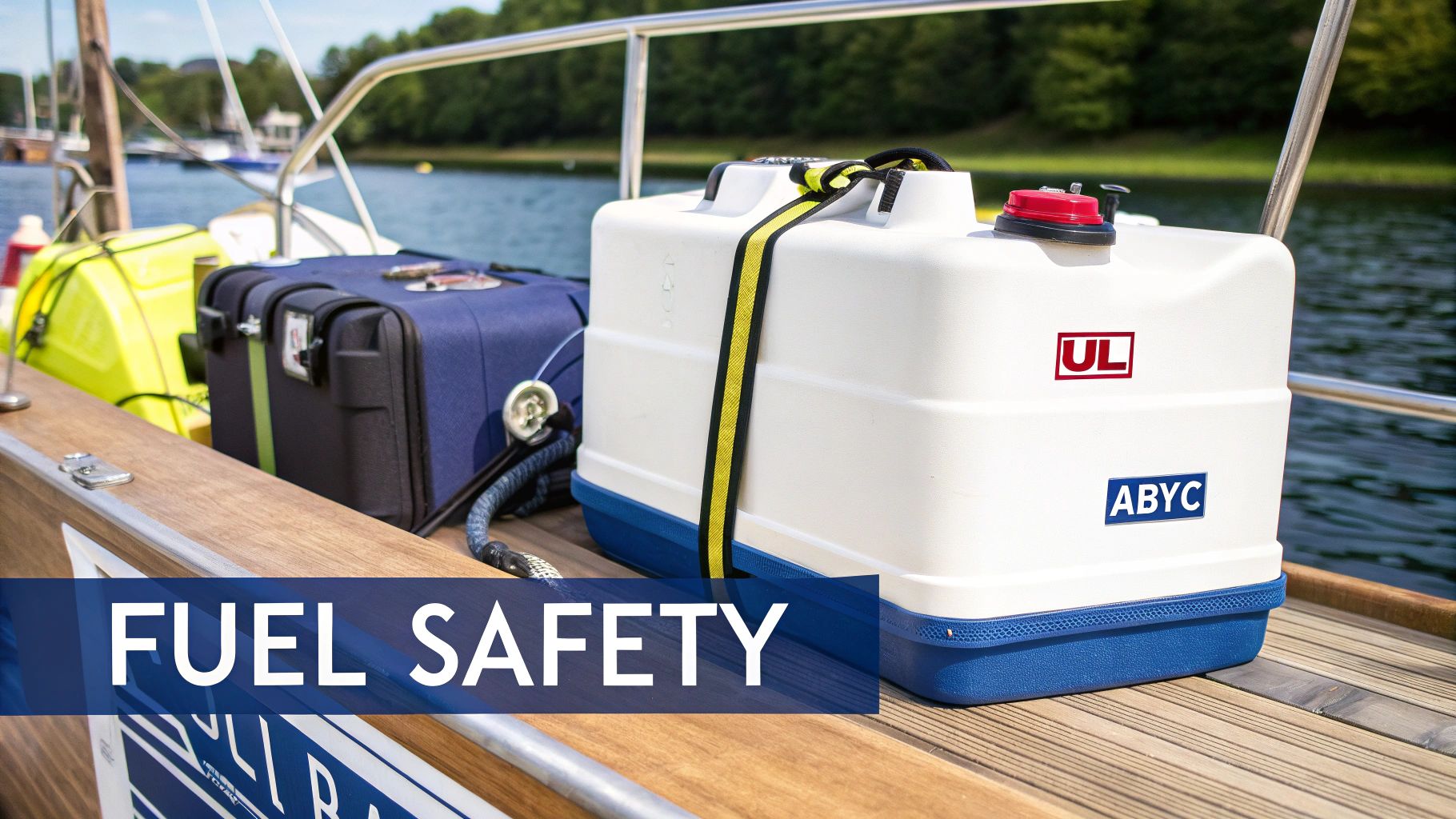
If you look closely at a proper marine fuel tank, you’ll see a few official-looking labels and codes. They aren't just for show; they're your proof that the tank meets strict safety standards. Think of them as a seal of approval from the industry's top watchdogs.
Two of the most important certifications to look for are:
- ABYC (American Boat & Yacht Council): This group sets the gold standard for boat building and repair in the U.S. An ABYC-compliant tank is built tough to resist leaks, corrosion, and fuel vapors seeping through the plastic.
- UL (Underwriters Laboratories): A UL listing, specifically UL 1185 for portable marine fuel tanks, means the product survived a barrage of tests for fire resistance, durability, and overall solid construction.
A certified tank is your first line of defense against a fuel-related disaster. It guarantees the design and materials can safely contain gasoline or diesel in a constantly moving, sloshing environment without failing.
Whatever you do, never use a standard red plastic gas can from the hardware store on your boat. Those cans are missing the critical safety features needed for marine use, like secure fittings and proper vents. Using one isn't just illegal—it's incredibly dangerous.
Safe Handling and Fueling Procedures
Buying the right tank is only half the battle; handling it safely is just as critical. The riskiest part of the process is fueling, where a small spark from static electricity can ignite fuel vapors in an instant. That’s why you should always follow a strict safety checklist.
The golden rule is simple: never, ever fill a portable tank while it's inside your boat or vehicle. Static electricity can build up easily, and a single spark is all it takes to cause a fire. Always take the tank out and place it on the dock or ground while you fill it. This grounds the tank and neutralizes any static charge. For a full rundown, it's worth reading up on where portable gasoline fuel tanks should be filled to ensure you're doing it right every time.
The environmental stakes are high, too. According to NOAA, marine fuel spills add up to around 10,000 gallons each year in U.S. waters. A shocking 40% of that comes from small boats, often from something as simple as overfilling a tank.
Securing and Ventilating Your Tank Onboard
Once your tank is full, the next job is to secure it properly on the boat. An unsecured tank can become a heavy, dangerous projectile in rough water, and a rupture could spill fuel everywhere. Use tie-down straps or place it in a designated compartment to keep it from sliding around.
Proper ventilation is just as important. Gasoline fumes are heavier than air and can sink into low spots like the bilge, creating a ticking time bomb.
- Always store your tank in a well-ventilated spot.
- Make sure the tank’s vent is open while the engine is running to prevent a vacuum from starving your motor of fuel.
- Remember to close the vent tightly during transport and storage to keep fumes from escaping.
By making these safety and compliance rules a core part of your boating routine, you can make sure every trip is as safe and responsible as it is fun.
How to Choose the Right Size Fuel Tank
Picking the right size for your portable marine fuel tank isn't just a guessing game—it's about striking the perfect balance. You need enough fuel for your engine and your intended trip, but you don't want a tank so big it becomes a heavy, awkward hazard on your boat.
Think of it like packing for a hike. You wouldn't lug a giant pack for a quick afternoon walk, and you wouldn't try to survive a week-long trek with just a tiny daypack. Getting your fuel capacity right is the first step to a great, stress-free day on the water.
Calculate Your Fuel Consumption
First things first, you need to know how thirsty your engine is. Most outboard motor specs will tell you their fuel consumption at wide-open throttle (WOT), measured in gallons per hour (GPH). A solid rule of thumb for a four-stroke engine is that it will burn about one gallon of fuel per hour for every 10 horsepower.
So, if you have a 30 HP four-stroke, you can expect it to use around 3 GPH when you're flying across the water at top speed. For a four-hour trip running mostly at full throttle, you’re looking at a minimum of 12 gallons.
A boater’s golden rule is the “rule of thirds.” Plan on using one-third of your fuel to get out, one-third to get back, and keep one-third in reserve. You never know when you'll hit bad weather or strong currents, and that extra fuel can be a lifesaver.
Nailing down these numbers is key. For a more detailed look, our guide can help you better understand your boat's fuel tank capacity and maximize your range and plan your trips with more confidence.
Match the Tank to Your Boat and Trip
Once you’ve got a handle on your fuel burn, you can pick a tank that makes sense for your boat and how you use it. A small jon boat has completely different needs than a day cruiser.
Here are a few common setups:
- Small Jon Boats and Tenders (3-6 Gallon Tanks): These are perfect for short hops on calm lakes or for zipping from the main boat to the shore. They're light, easy to carry, and don't take up much space.
- Mid-Size Fishing Boats (6-12 Gallon Tanks): If you're heading out for a full day of fishing, a tank in this range is usually the sweet spot. A 12-gallon tank gives you a comfortable reserve for boats with engines in the 25-50 HP range.
- Larger Skiffs and Day Cruisers (Multiple 12+ Gallon Tanks): For those longer trips, especially offshore, carrying two or more tanks is the way to go. It extends your range and gives you a critical backup if something goes wrong.
Consider the Tank’s Physical Shape
Last but not least, think about the actual shape of the tank. Its physical dimensions play a big role in how stable it is and where you can safely stash it on your boat.
- Low-Profile Tanks: These are wider and flatter, which gives them a low center of gravity. That makes them incredibly stable and much less likely to tip over when the water gets choppy.
- Tall or Upright Tanks: These take up less floor space, which is a big plus on a cluttered deck. The trade-off is that they're less stable, so you absolutely have to make sure they are strapped down securely.
In the end, the best portable fuel tank marine setup is one that meets your engine’s needs without cluttering your deck or making your boat unsafe. Take a few minutes to do the math, think about your typical day on the water, and choose a tank that fits your boat like a glove.
How CLiX Prevents Messy Fuel Spills
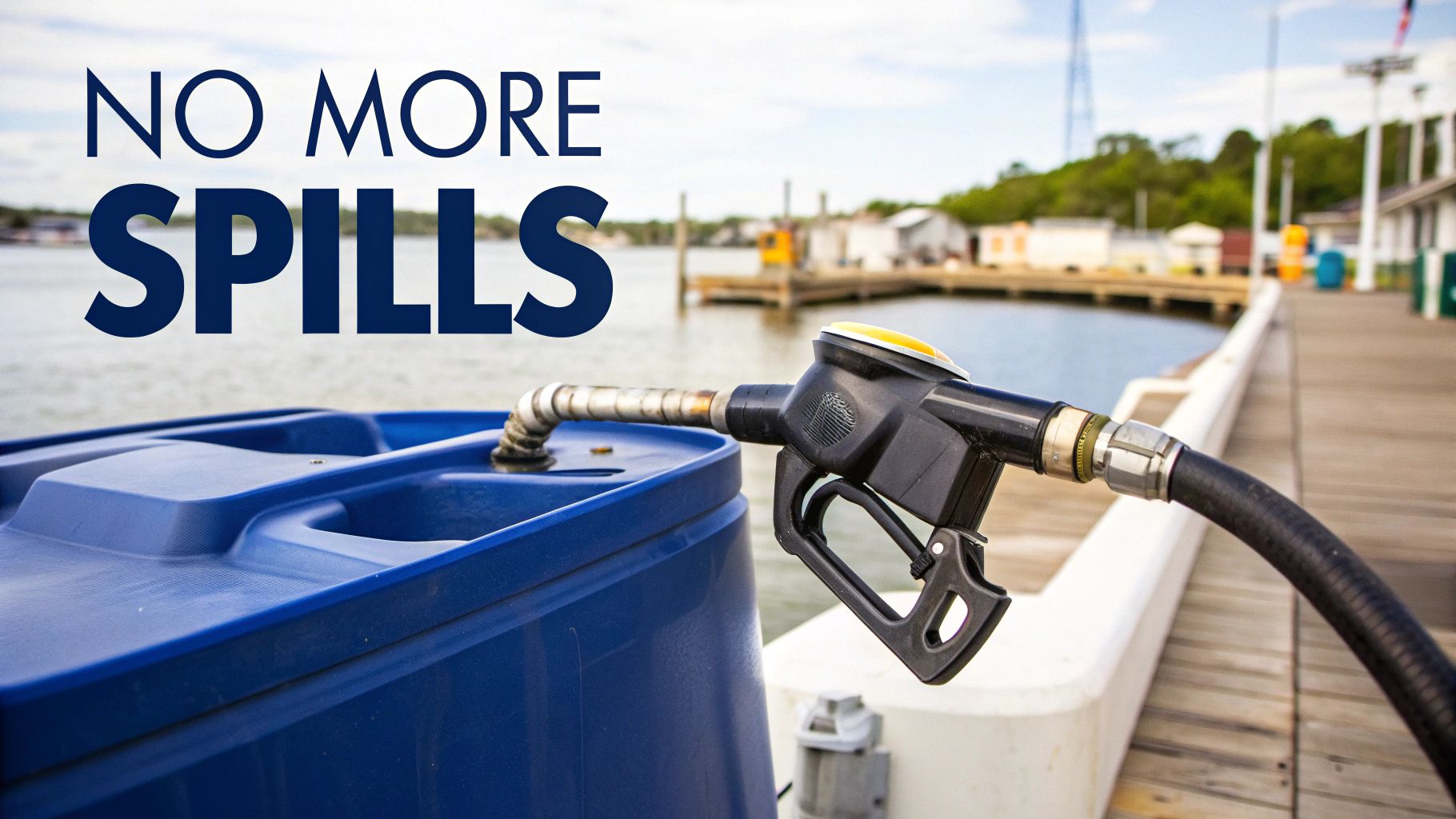
Every boater knows the feeling all too well. You're at the fuel dock, nozzle in hand, trying to guess when your portable tank is full by the sound it makes. You lean in, listen closely, and suddenly—whoosh—gasoline gushes out, spilling onto the deck and into the water. It's frustrating, hazardous, and a complete waste of money.
These spills aren't just a minor nuisance. They eat away at your boat's gelcoat, create a serious fire hazard, and pollute the very water we love. A U.S. Coast Guard study from the early 2020s highlighted over 1,200 fuel-related incidents with recreational boats each year, and a huge number of those were from overfilling a portable fuel tank marine operators rely on.
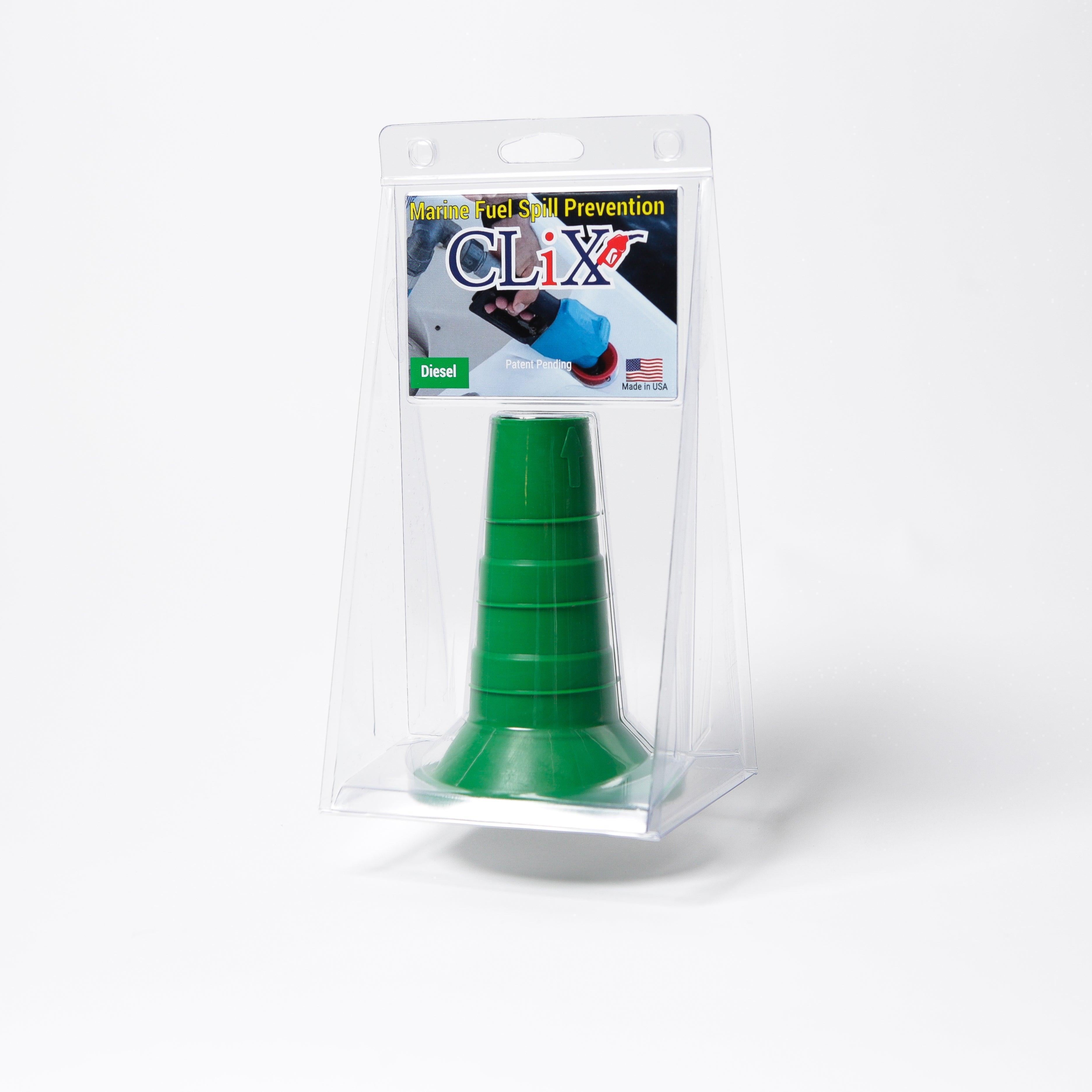
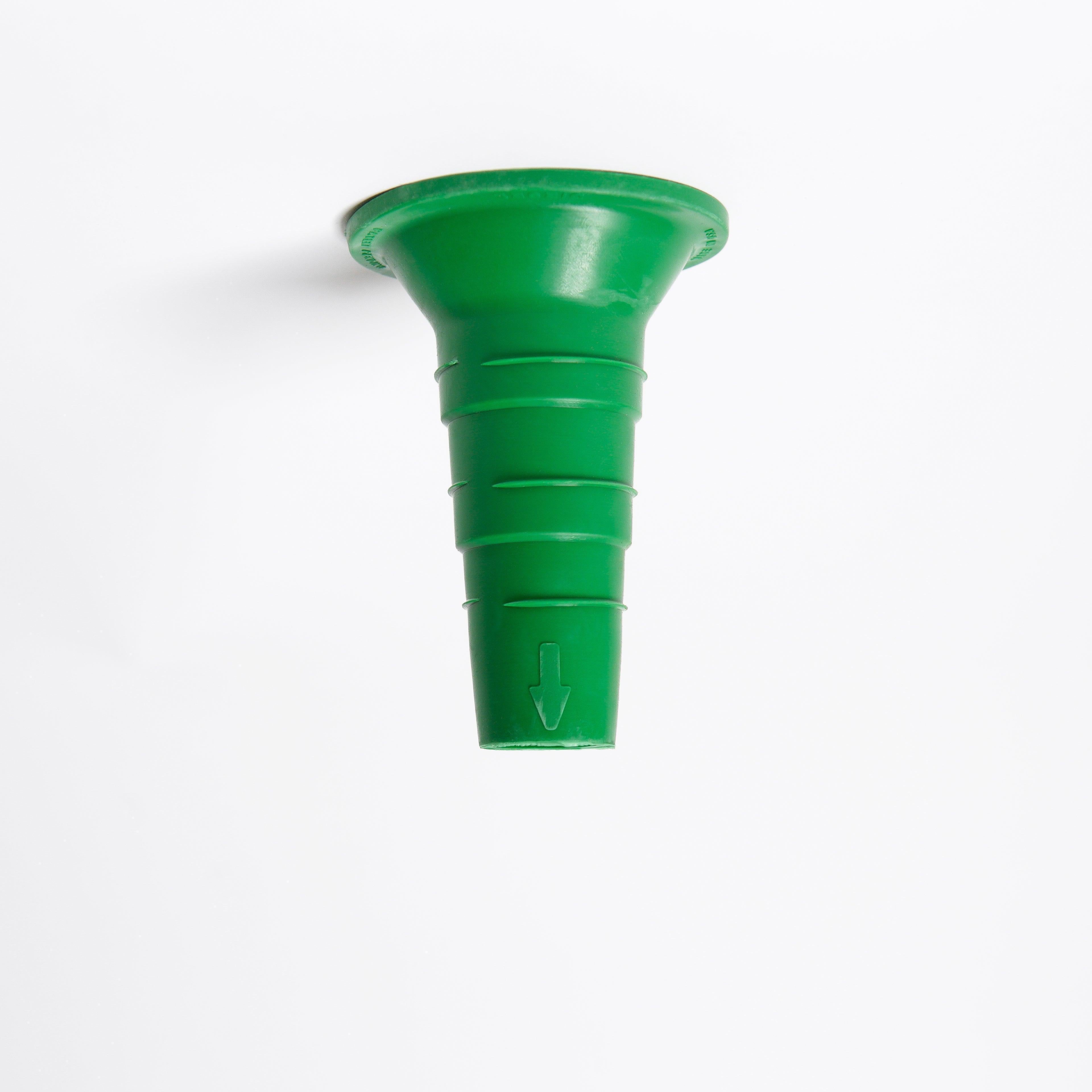
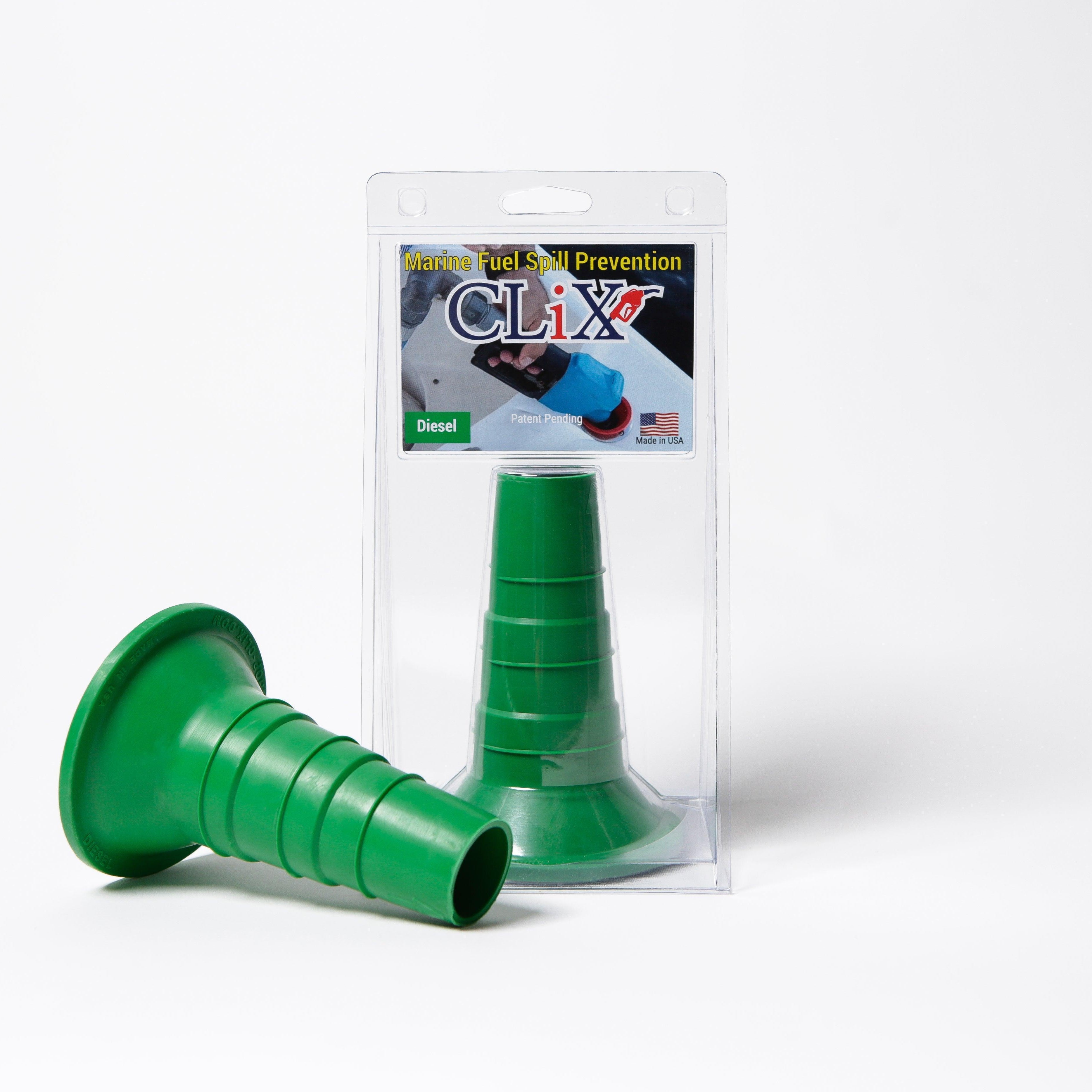
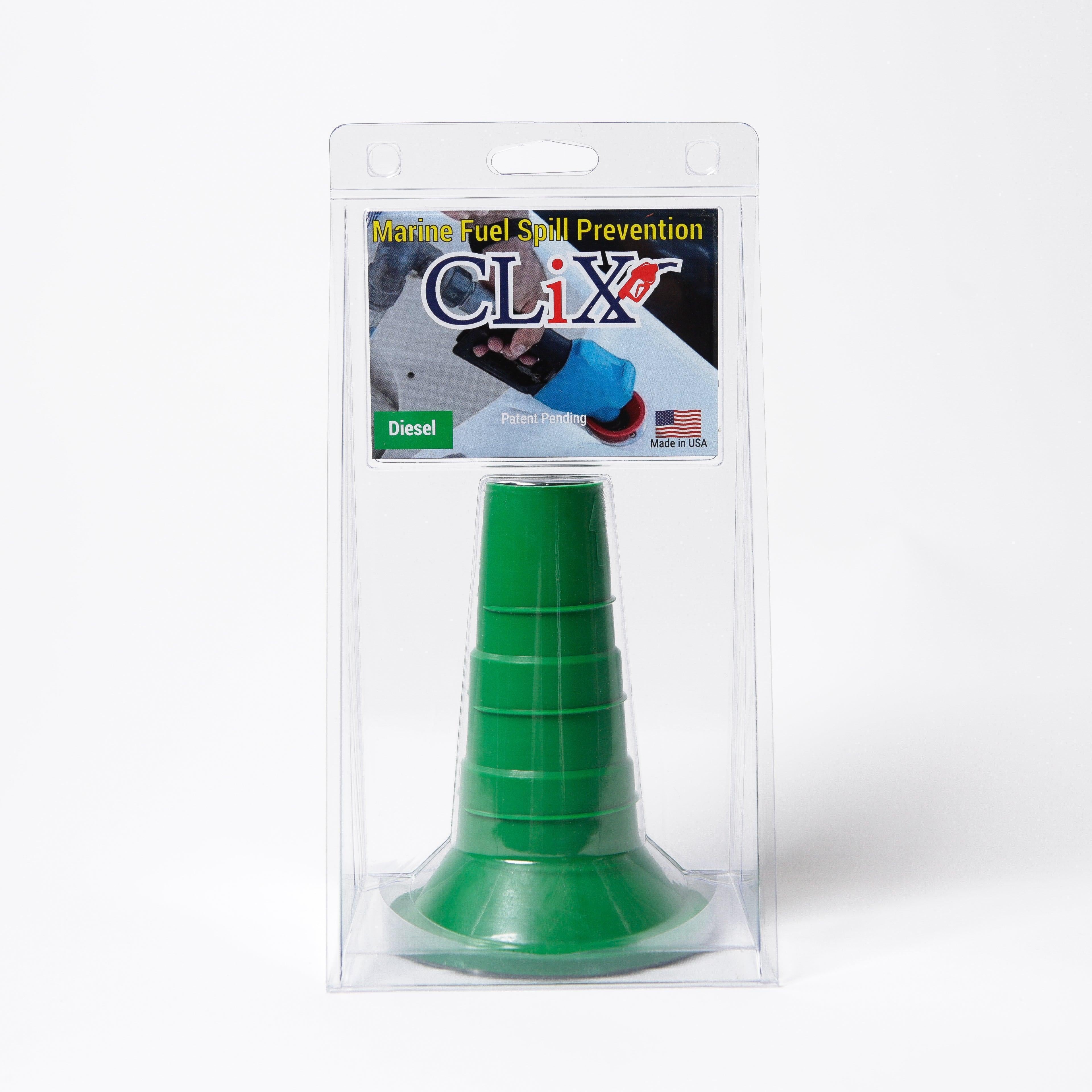
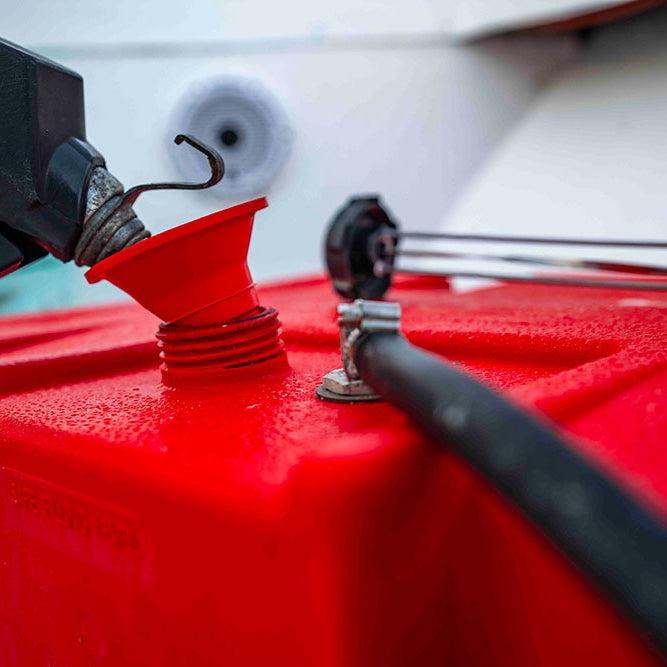
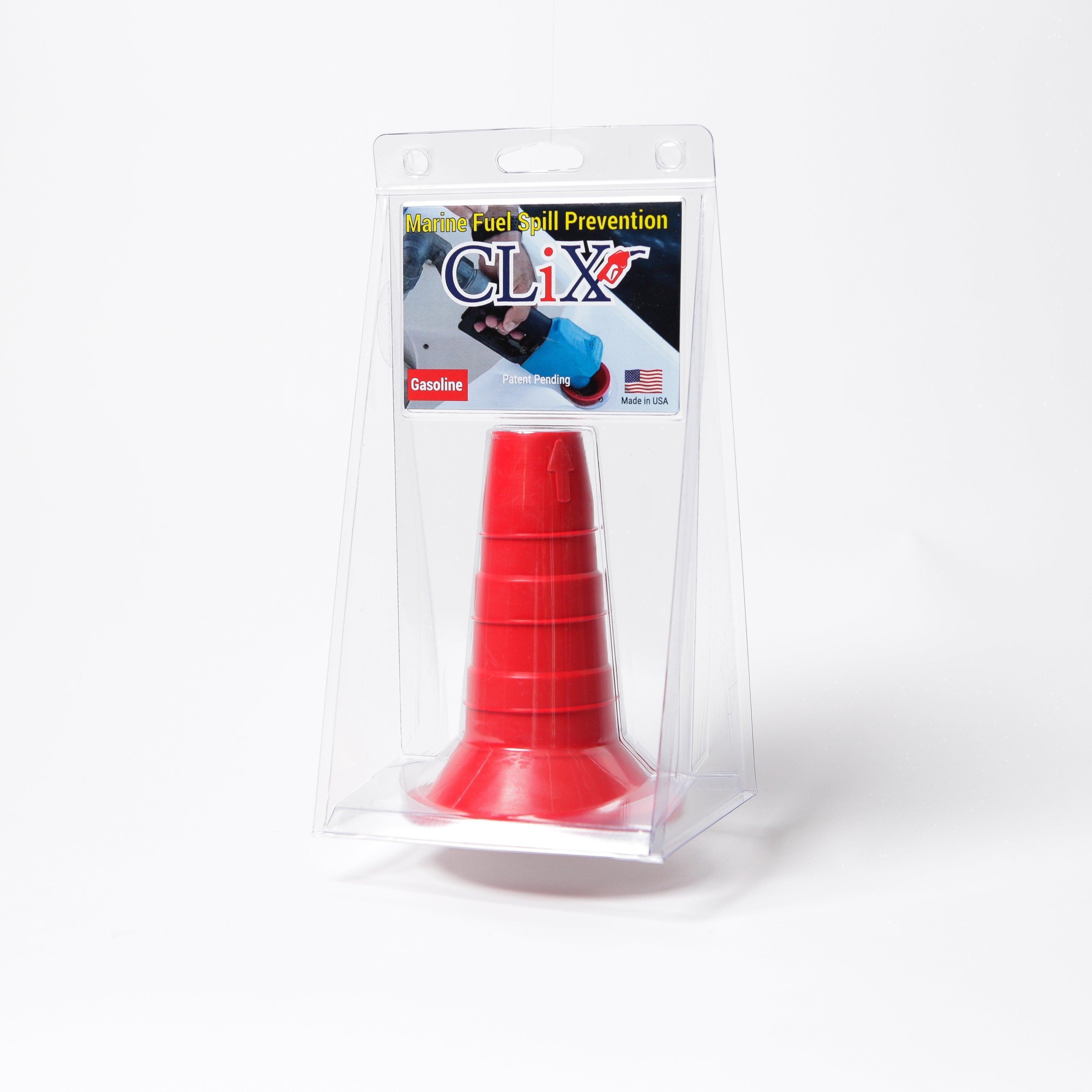
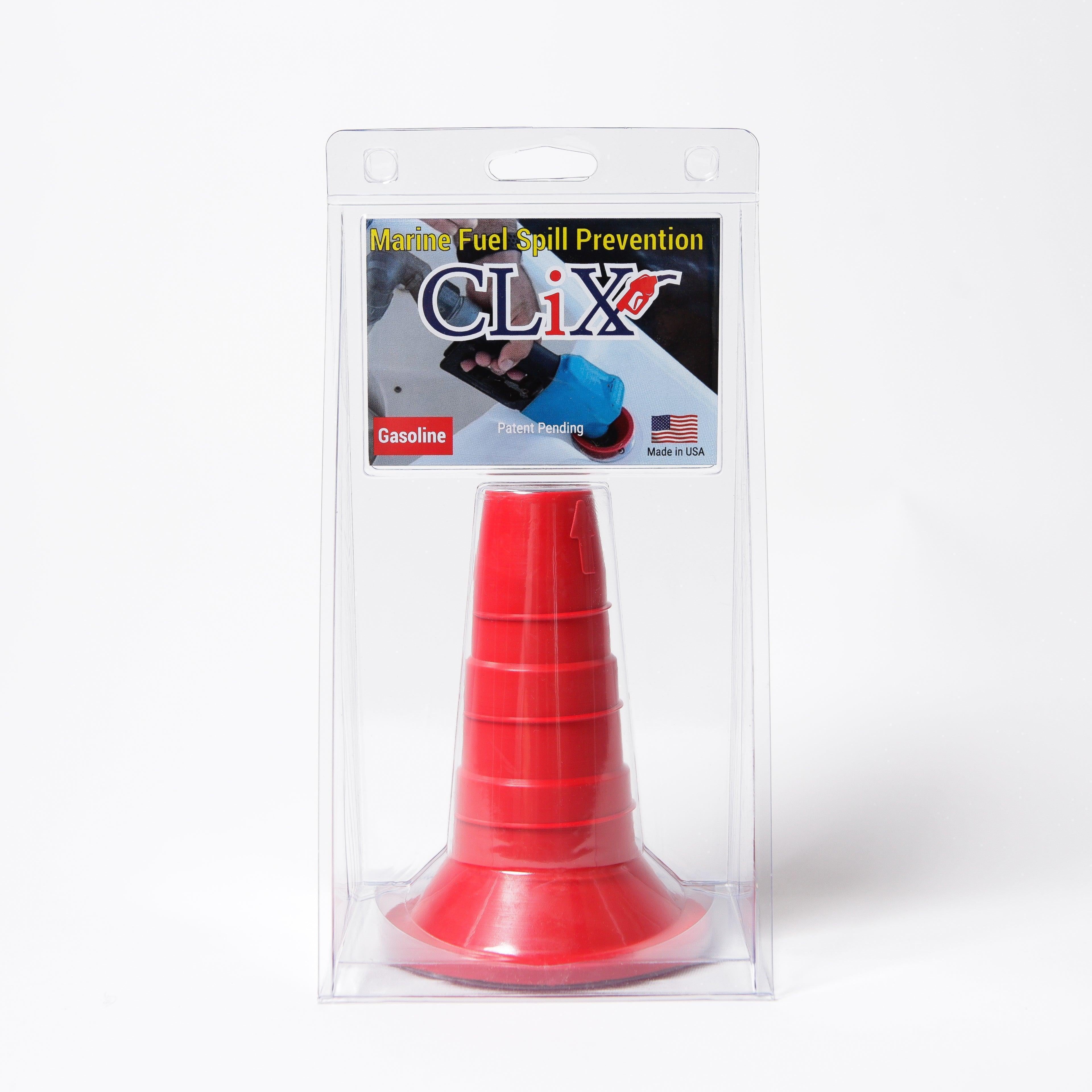
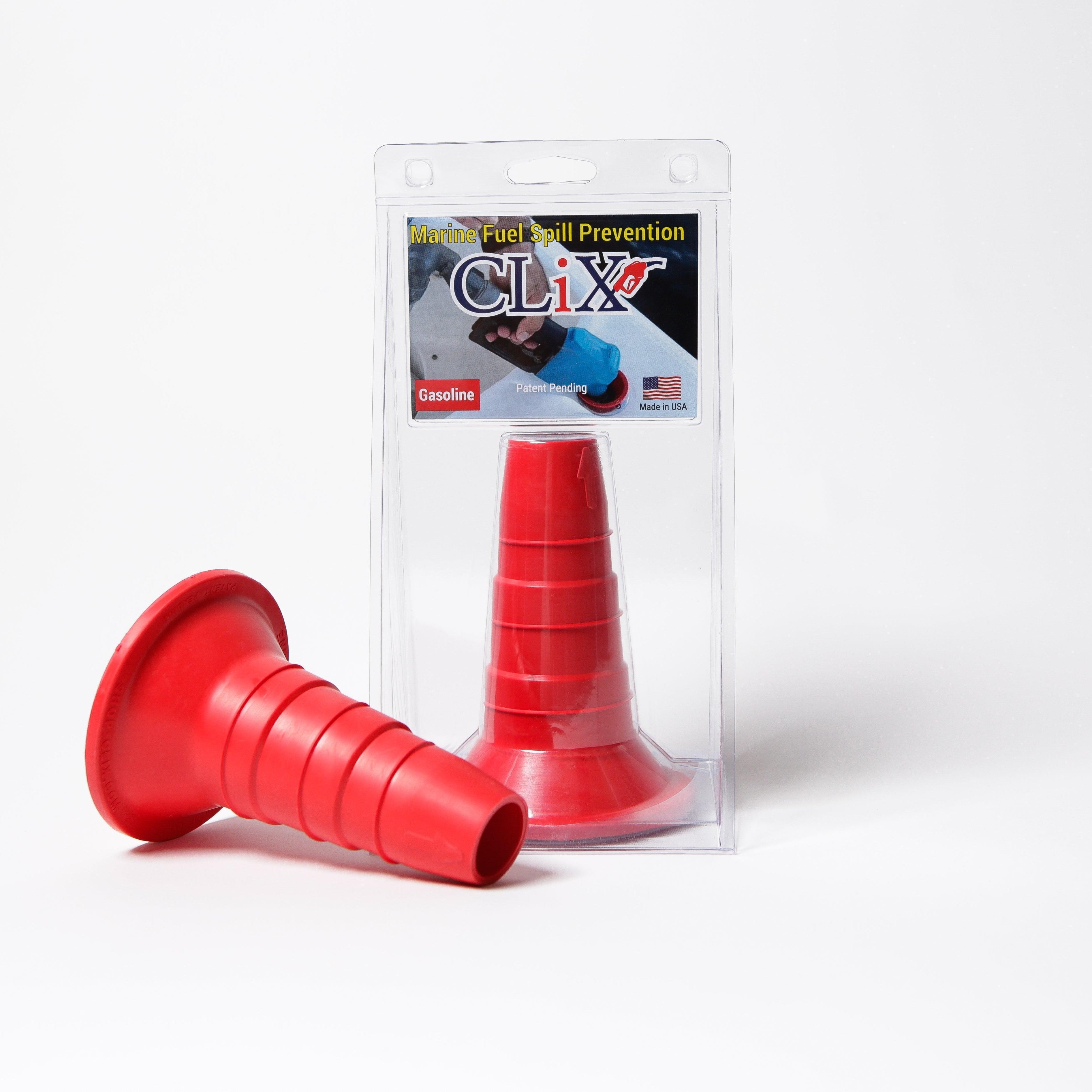
This is exactly the problem CLiX Fueling Solutions was created to fix. It's a brilliantly simple device that takes all the guesswork out of fueling, stopping overfills for good.
The Smart Science Behind a Spill-Proof Fill
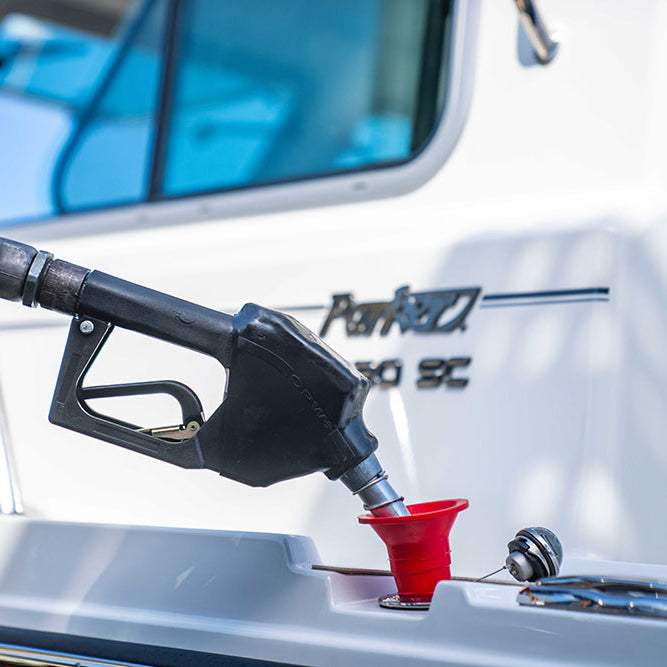
Think about filling up your car—the pump clicks off automatically when the tank is full, right? CLiX brings that same smart, reliable technology to your boat's portable fuel tank. It’s a clever system that works perfectly with any standard auto-shutoff nozzle you'd find at a gas station or marina.
Here’s the simple breakdown of how it works:
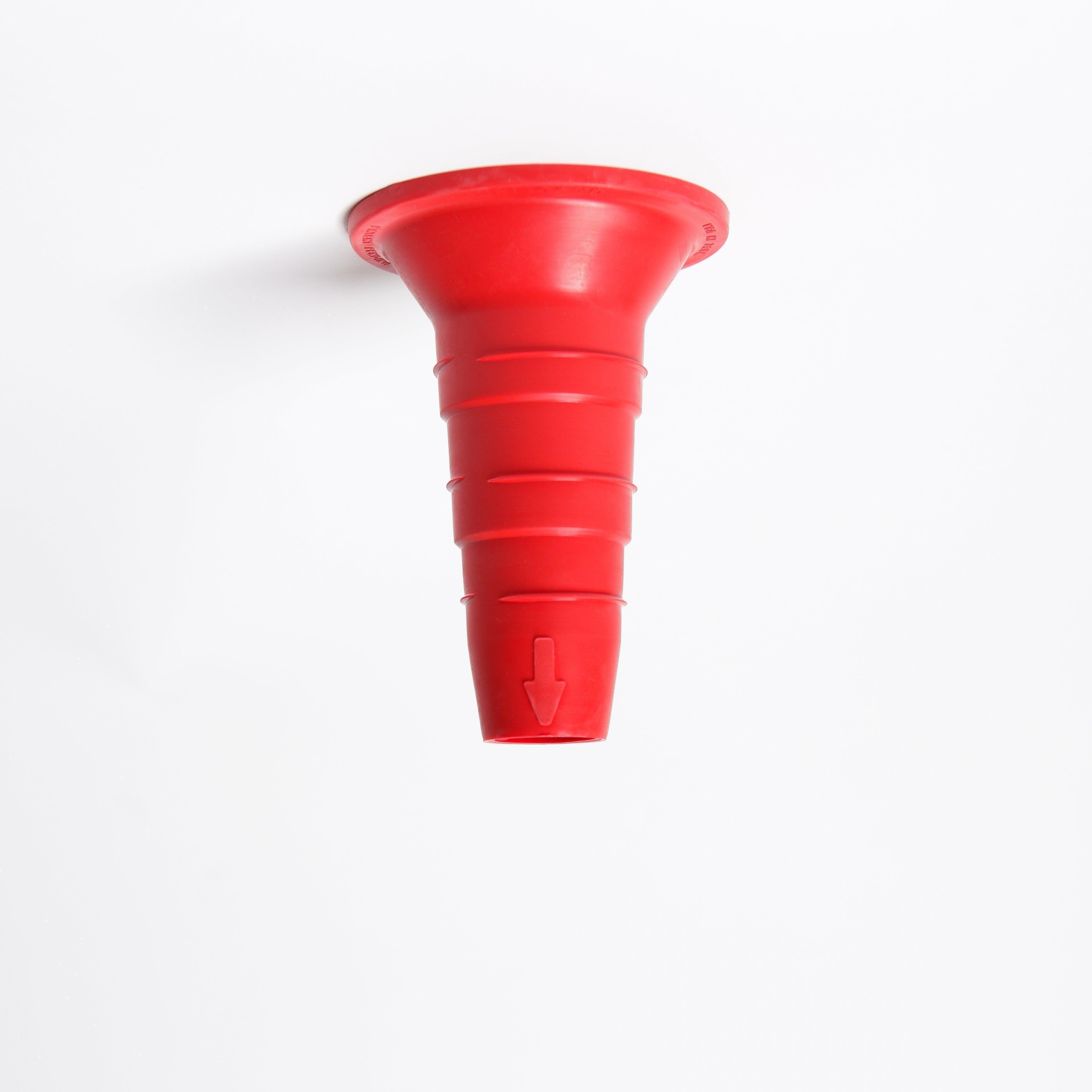
- Easy Attachment: The CLiX unit screws right onto the opening of your portable tank, creating a perfect seal.
- Air Pressure at Work: As fuel flows in, it pushes the air out. That air needs somewhere to go, so it creates back pressure that travels up a tiny tube inside the CLiX device.
- The Click You Know: The moment the fuel level reaches the bottom of the CLiX unit, that back pressure instantly triggers the sensor in the pump nozzle, shutting off the flow.
It's a closed-loop system that talks directly to the fuel pump. No more listening, no more guessing, and absolutely no more spills. The fuel stops at precisely the right moment, every single time.
It means you can fill your portable tank with the same easy confidence you have when filling your truck. The whole process becomes clean, quick, and completely stress-free.
Real-World Benefits for Every Boater
Adding a CLiX to your fueling routine isn't just a small upgrade; it delivers real, immediate benefits. You’re not just stopping a mess—you're protecting your boat, your wallet, and the environment.
The advantages are crystal clear:
- Protect Your Boat: Spilled fuel is harsh stuff. It can damage your boat's expensive gelcoat and peel off decals, leaving you with costly repairs. CLiX keeps your deck spotless.
- Boost Your Safety: Eliminating spills means no dangerous fuel fumes lingering around your boat or the dock, drastically cutting down the risk of a fire.
- Save Money: Every drop of fuel that overflows is money poured down the drain. CLiX guarantees that you only pay for the gas that actually makes it into your tank.
- Stay Compliant: Fuel spill regulations are getting stricter. Using CLiX helps you avoid fines and shows you're doing your part to keep our waterways clean.
Countless boaters have already found out how much peace of mind this simple tool provides. For anyone ready to make fueling less of a chore, the CLiX system for gas tanks is a true game-changer. It's a must-have piece of gear for anyone who cares about safety, cleanliness, and efficiency at the fuel dock.
Proper Maintenance and Storage Practices
A good portable marine fuel tank is built tough, but how long it lasts—and how reliable it is—really comes down to you. Proper maintenance isn't just about protecting your gear; it's one of the most important safety routines you can have. A little bit of care goes a long way in preventing headaches with your fuel system and keeping you safe out on the water.
This really just means keeping an eye out for the usual signs of wear and tear. Fuel, wild temperature swings, and constant sun exposure are hard on any material. If you make a quick tank inspection part of your pre-launch checklist, you'll spot small problems before they turn into big, dangerous ones.
Performing Routine Inspections
Think of inspecting your fuel tank like doing a quick walk-around of your car and trailer before hitting the road. It’s a fast but absolutely essential safety check. Before you head out, just take a minute to look over the whole tank, focusing on the spots that take the most abuse.
Here’s what to look for:
- Cracks and Leaks: Get a good look at the tank body, paying extra attention to the seams and fittings. You're searching for any visible cracks, damp spots, or that tell-tale smell of gas that signals a slow leak.
- Hoses and Connections: Feel the fuel line. Is it getting brittle, cracked, or mushy? Make sure the primer bulb is still soft and squeezable, and check that the connectors "click" firmly onto both the tank and the engine.
- Seals and Gaskets: The O-ring inside the fuel cap is your main defense against fumes escaping and water getting in. Check that it’s soft, whole, and not cracked. A dried-out, crusty seal is a failure waiting to happen.
A compromised fuel system is one of the biggest safety risks on a boat. Catching a brittle fuel line or a cracked fitting on the dock can prevent a dangerous fuel leak and potential fire out on the water.
Cleaning and Off-Season Storage
Keeping your tank clean and storing it right is key to a healthy fuel system, especially when you’re laying the boat up for the winter. Over time, little bits of gunk, water, and debris can settle at the bottom. The last thing you want is for that sludge to get sucked into your fuel line and clog up your engine's carburetor or injectors.
To get the most life and performance out of your tank, it needs a good cleaning now and then. For some useful tips that apply to marine tanks too, check out a practical guide to cleaning petrol tanks.
When it’s time to put the boat away, you’ve got two options for the fuel tank: store it totally empty or almost completely full. The worst thing you can do is leave it half-full. All that empty space inside allows moisture in the air to condense on the tank walls, which means you'll end up with water in your fuel.
Storing Full:
- Fill the tank to about 95% capacity. This leaves just enough room for the fuel to expand a bit with temperature changes.
- Add a good marine fuel stabilizer. This stuff is essential for keeping the gas from going bad and turning into varnish that gums up your engine.
- This approach works because it leaves very little air inside, which means almost no room for condensation.
Storing Empty:
- Drain every last drop of fuel out of the tank.
- Let the tank air out completely to make sure all the fumes are gone before you put it away.
No matter which way you go, always store your portable tank in a cool, dry, and well-ventilated spot. Keep it out of direct sunlight and far away from any potential sources of ignition, like a furnace or water heater. A garage or a shed is perfect—just never, ever store it inside your house.
Frequently Asked Questions
You've got the basics down, but on-the-water experience always brings up new questions. Let's tackle some of the most common things boaters ask about their portable fuel tanks, focusing on the practical side of keeping your gear in top shape.
How Often Should I Replace My Portable Fuel Tank?
This is a great question, but there's no single "use by" date stamped on these tanks. Generally, you can expect a quality plastic tank to last anywhere from 5 to 10 years.
But here's the thing: the marine world is tough. Constant sun, saltwater spray, and big temperature shifts all take their toll. Your best bet is to trust your own eyes.
Keep a lookout for these tell-tale signs of trouble:
- Brittleness or Cracking: If the plastic feels stiff and fragile, or you see any hairline cracks starting to form, it’s time for a new one.
- Discoloration: Has your tank faded badly? That's a sign that UV rays have weakened the plastic.
- Stubborn Leaks: If you're finding leaks around seams or fittings that tightening won't fix, the tank itself is compromised.
The bottom line? Don't wait for a small issue to become a major hazard. The moment you see significant wear and tear, replace the tank.
Can I Use a Regular Red Gas Can for My Boat?
In a word: no. It might be tempting to grab that red can from your garage, but it's a huge mistake and illegal on the water. A certified portable fuel tank marine model is worlds apart from a standard gas can.
Why? It all comes down to safety. Marine-specific tanks are built to meet strict U.S. Coast Guard and EPA regulations. They have leak-proof fittings, proper vents to handle fuel vapor expansion, and are made of materials tough enough to handle the non-stop vibration and pounding of a boat. Using a regular can is asking for a fire or a dangerous fuel spill.
What's the Safest Way to Transport a Full Fuel Tank in My Car?
Getting fuel from the pump to the boat requires a little common sense to avoid spills or a car full of fumes. Your main goals are simple: keep the tank upright and let fresh air circulate.
Here’s a quick checklist for the trip:
- Keep It Stable: The best spot is an open area, like a truck bed or the trunk. Use bungee cords or tie-down straps to make sure it can't tip over or slide around when you turn or stop.
- Ventilate, Ventilate, Ventilate: Crack a window open. This prevents gas fumes from building up inside your vehicle, which is incredibly important for safety.
- Seal It Up: Before you even start the car, give the fuel cap a final twist to make sure it's tight and check that the vent is closed. This simple check stops vapors and fuel from escaping.
Following these steps means your fuel gets to the water without any drama, so you can focus on enjoying your day.
Ready to eliminate spills and make fueling your boat simple and safe? CLiX Fueling Solutions offers the ultimate peace of mind. Discover how our spill-proof technology can protect your boat and the environment at https://clixfueling.com.