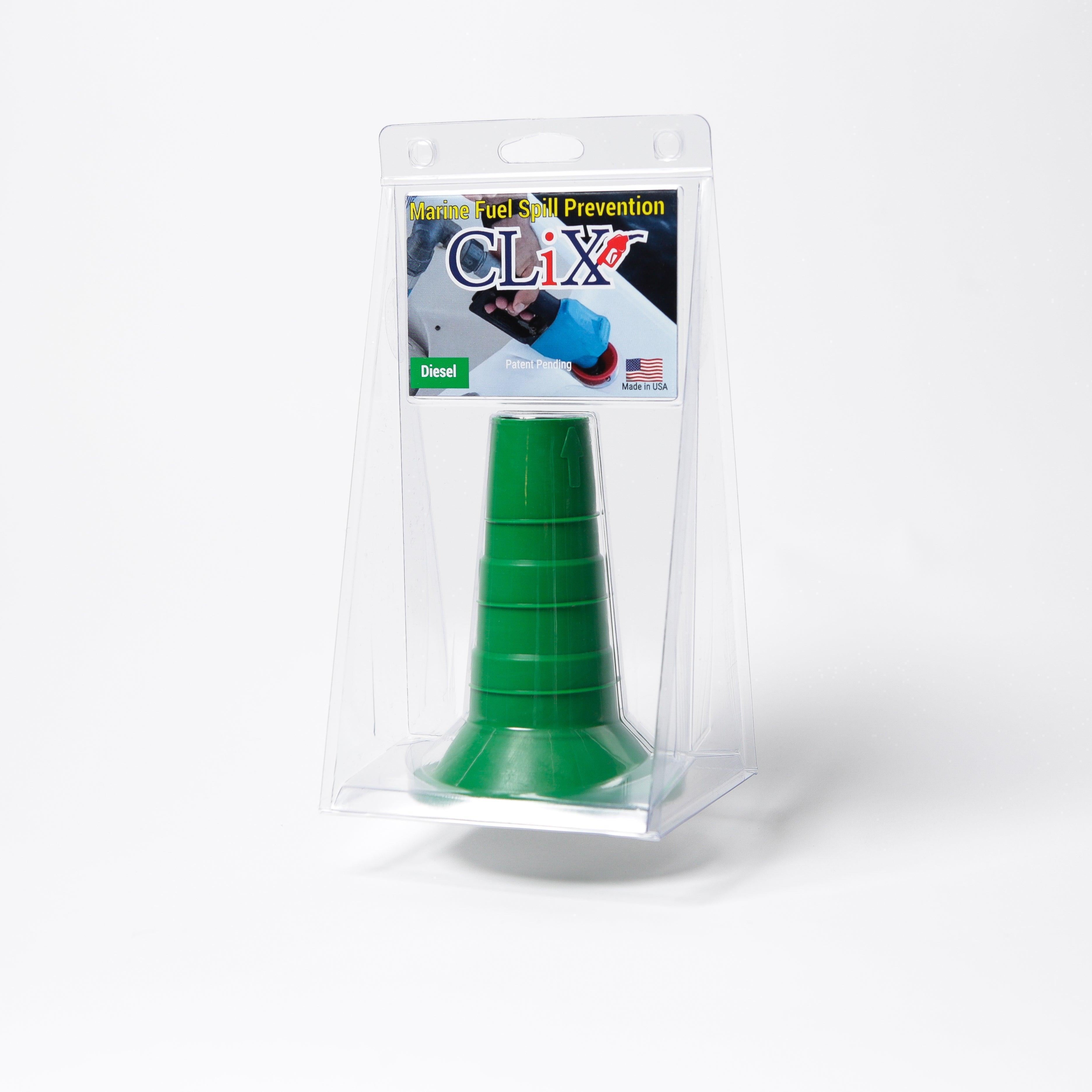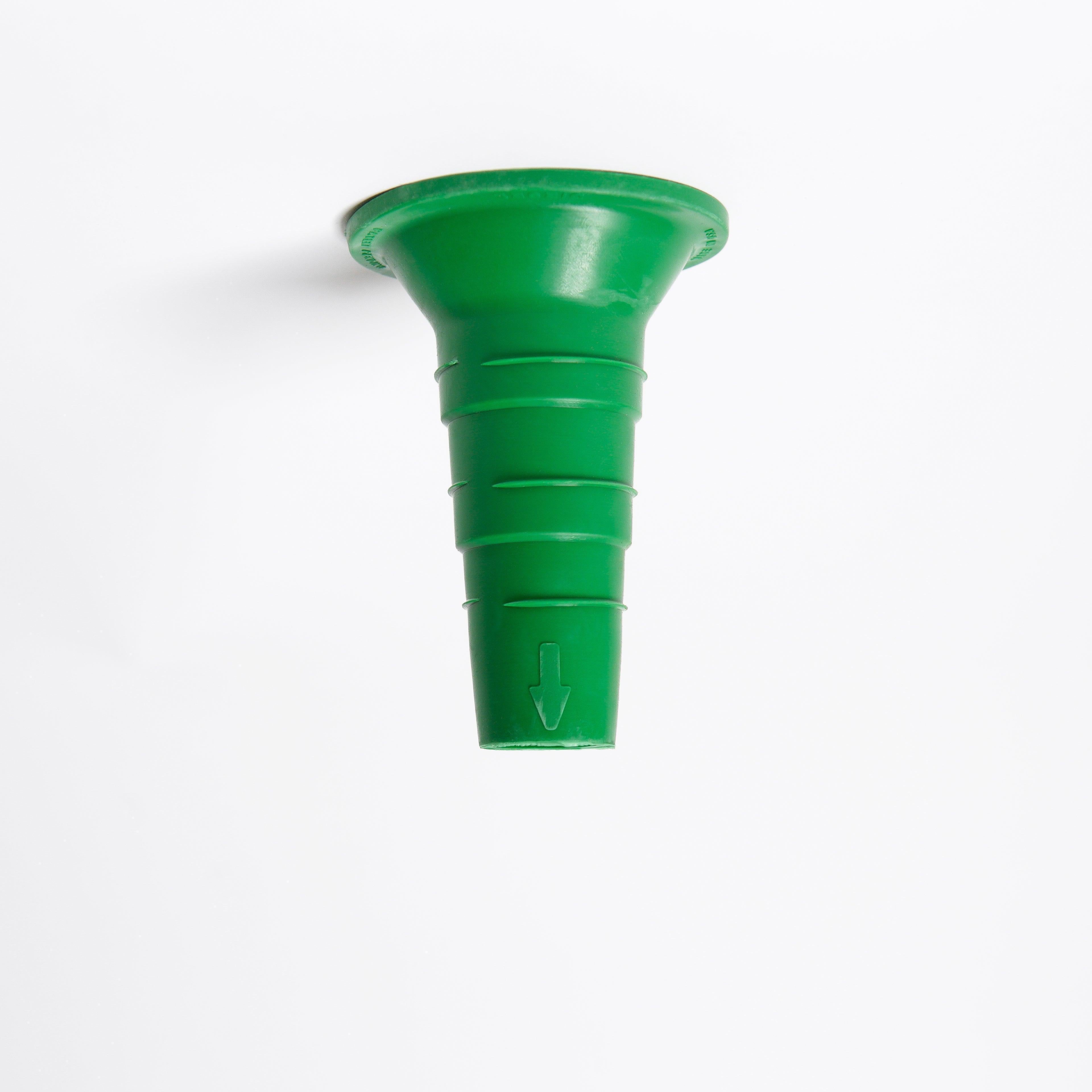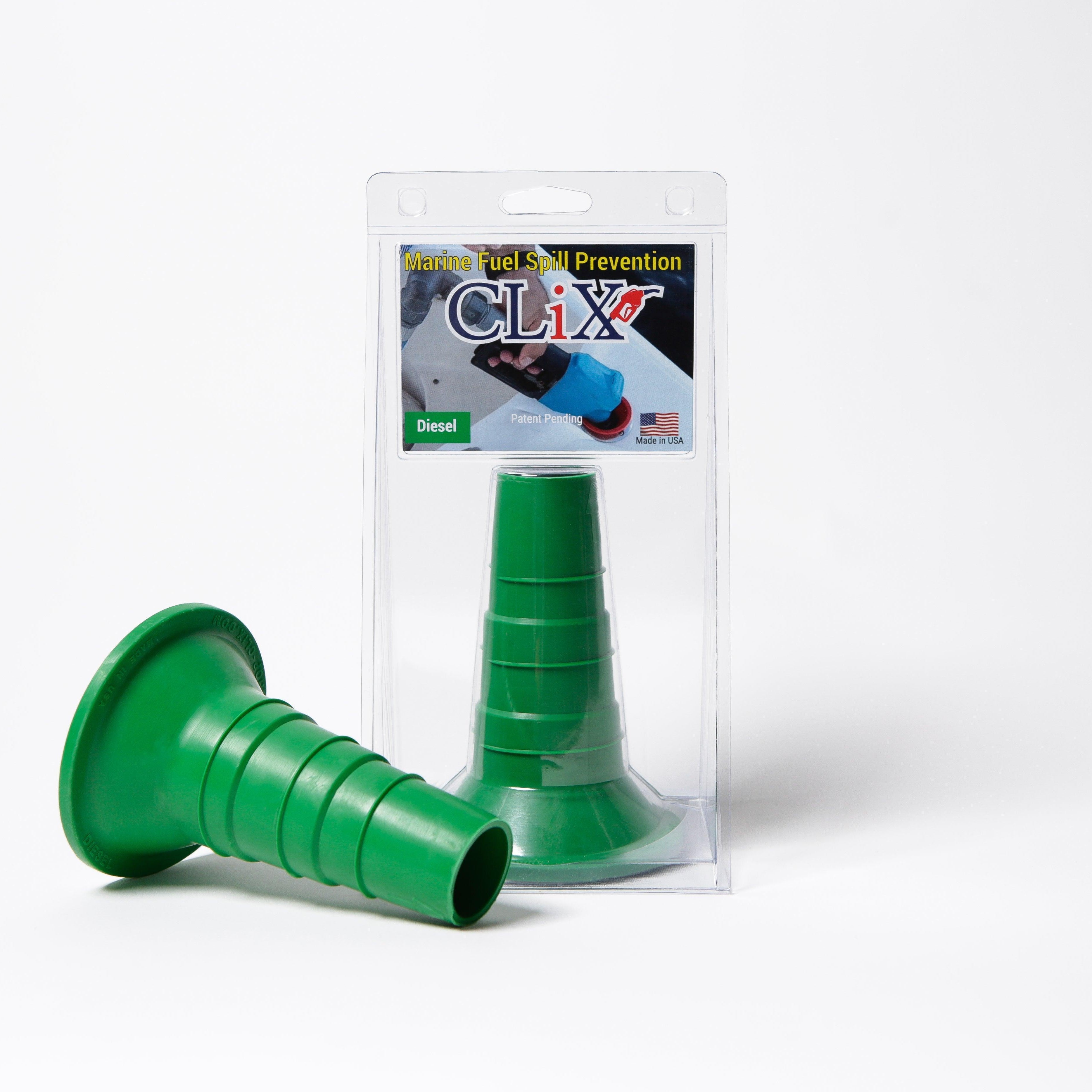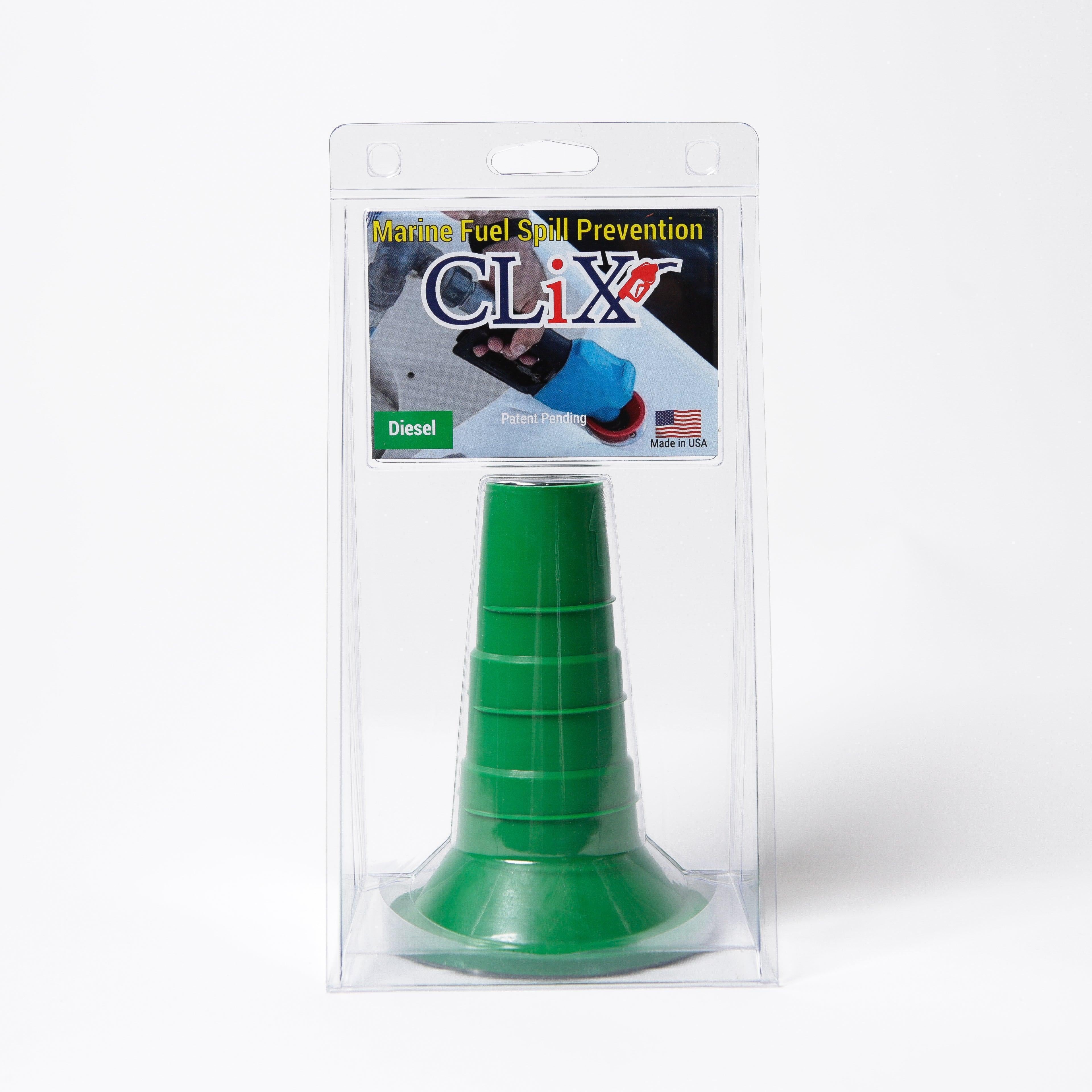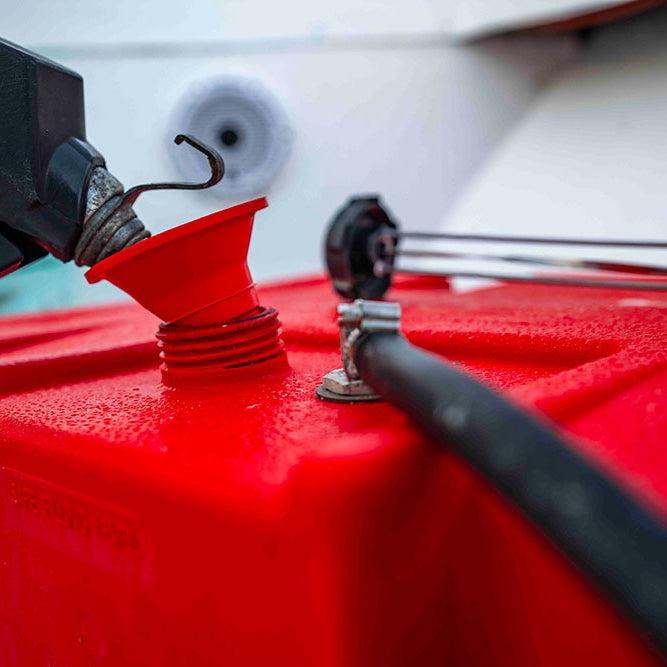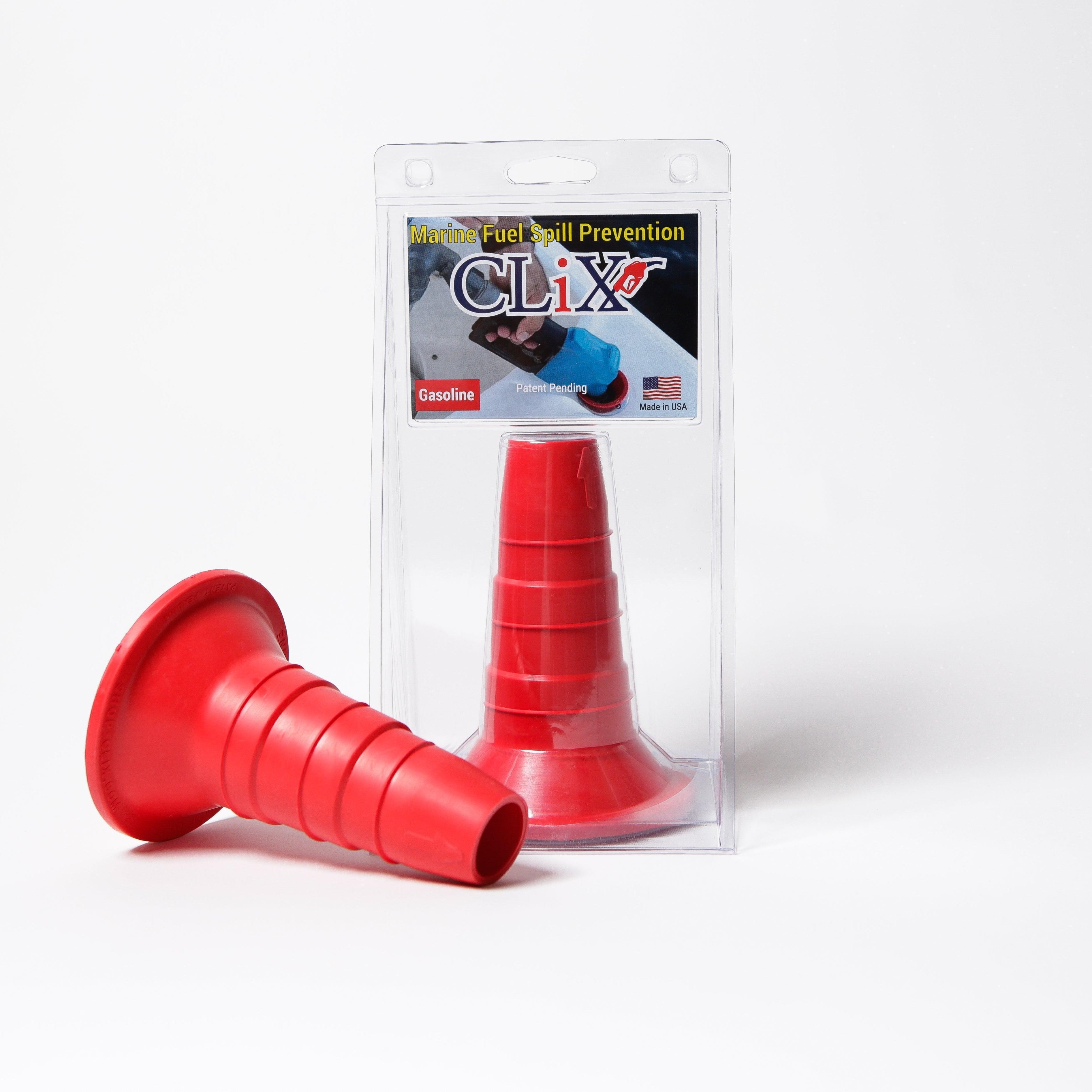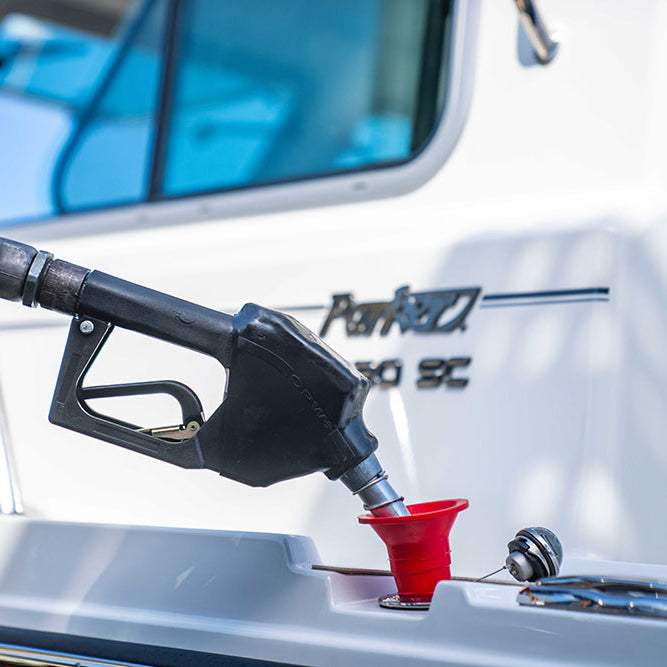
A funnel with screen might seem like a basic piece of gear, but for any boater, it’s one of the smartest, simplest tools you can have on board. It’s designed to do two things at once: guide fuel neatly into your tank and, more importantly, filter out all the gunk that could wreck your engine.
What a Funnel with Screen Actually Does for Your Boat
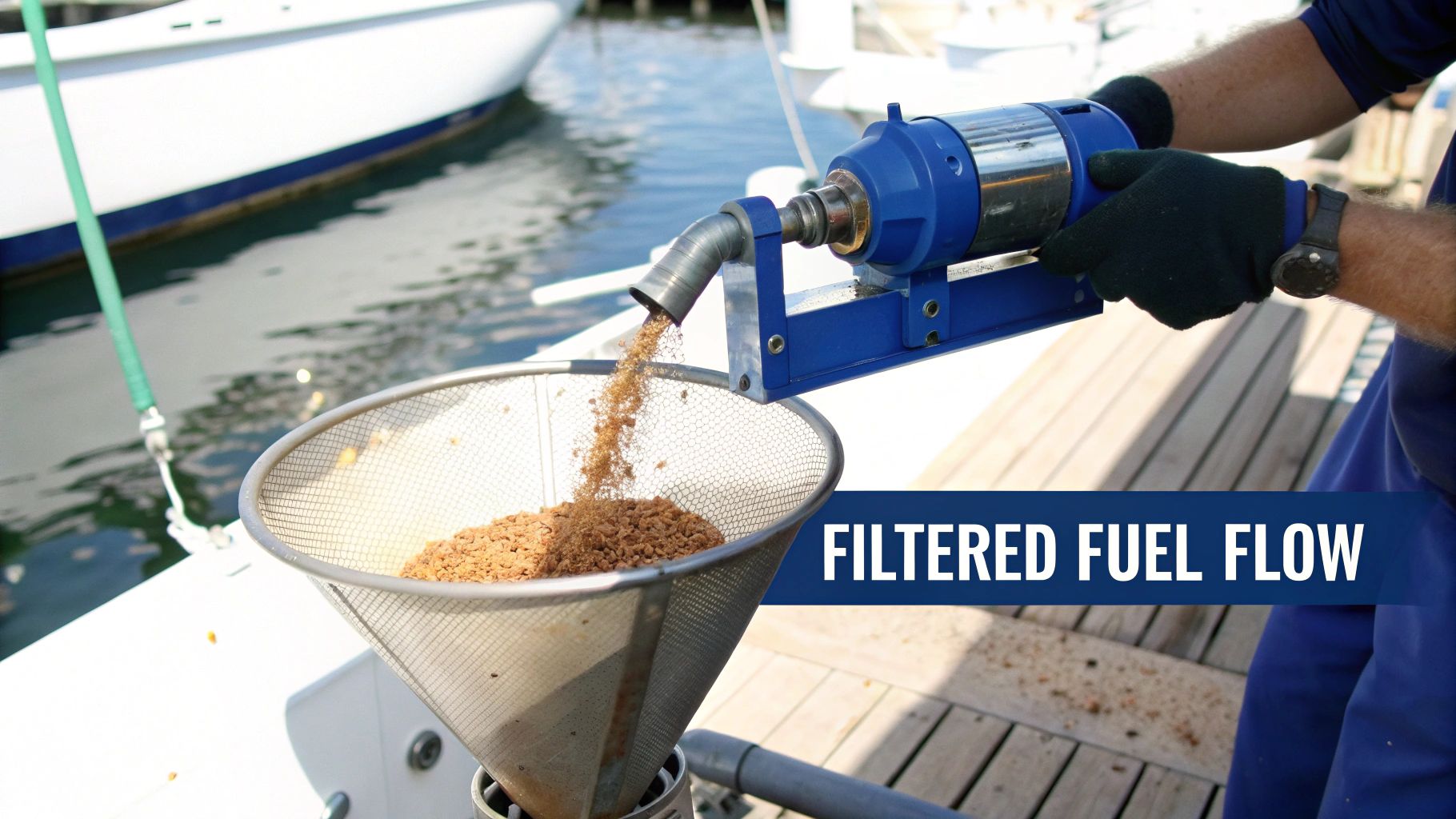
Think of a screened funnel as your engine's personal bodyguard at the fuel dock. It tackles two critical jobs every time you fill up, offering serious protection with a deceptively simple design.
On one hand, the classic funnel shape does what you'd expect—it helps you pour fuel without making a mess. This alone is a big deal, preventing those annoying little spills that can stain your deck or create a slippery hazard.
The Power of Filtration
The real value, though, is tucked inside: the built-in mesh screen. This little filter is surprisingly effective, acting like a sieve to stop solid contaminants before they ever have a chance to get into your fuel system.
You might think fuel from the marina is perfectly clean, but that's not always the case. Underground storage tanks can collect rust, sediment, and dirt over the years, and that debris can easily end up in your boat. A funnel with a screen catches it on the spot.
This simple step is vital for protecting key engine parts:
- Fuel Injectors: These have tiny openings that clog easily, leading to rough performance or a complete breakdown.
- Carburetors: Debris can block small jets and passages, causing your engine to stall or idle poorly.
- Fuel Filters: Your boat already has filters, but using a screened funnel takes the load off them, making them last much longer.
By making sure only clean fuel gets into your tank, you head off a whole chain of potential problems. It’s a tiny investment that pays off big time in engine reliability and helps you avoid frustrating and expensive repairs.
Understanding Its Limitations
While a funnel with screen is a champion at filtering out solid particles, it's crucial to know what it can't do. This tool is all about filtration, not spill prevention.
It won't stop your fuel tank from overfilling. A fuel spill from an overflowing tank is a much bigger, more hazardous, and environmentally damaging event. The funnel's job is to stop contaminants, which is a completely different—though still very important—part of safe fueling.
To learn more about how to use one effectively, check out this great guide on the boat gas funnel. Ultimately, it's an essential tool, but it's just one piece of the puzzle for responsible boating.
Why Clean Fuel Is Your Engine's Best Friend
Think of your boat’s engine like a high-performance Swiss watch. It’s a complex piece of machinery built for precision. Now, imagine dropping a pinch of sand into those tiny, intricate gears. That’s exactly what you’re doing when you pour contaminated fuel into your tank—it only takes one microscopic particle to jam up the works and cause a serious breakdown.
It's a hard truth, but the fuel you pump often has unwanted hitchhikers. Whether it's coming from the marina's large storage tank or your own jerry cans, fuel can easily pick up all sorts of debris. These tiny contaminants aren't just an annoyance; they're a direct threat to your engine's health and your safety on the water.
The Unwanted Passengers in Your Fuel
You’d be surprised what can end up in your fuel. Even if it looks crystal clear, it could be carrying a cocktail of engine-killing particles that a good funnel with screen is designed to trap.
Some of the most common culprits include:
- Rust Flakes: These little gremlins often break free from older steel fuel tanks and storage cans.
- Dirt and Sand: Tiny grains can sneak into fuel cans during transport or if they're left open for even a moment.
- Paint Chips: Flakes from a worn fuel nozzle or the area around your boat's tank opening can easily fall in.
- Other Debris: It's not uncommon for insects, grass, or other bits of organic material to find their way into an open container.
These particles might be small, but they act like liquid sandpaper grinding away at your fuel system. They can wear down critical components, score delicate surfaces, and slowly chip away at your engine's performance.
A single clogged fuel injector can slash your engine's power by up to 20%. You'll notice it in poor acceleration, rough idling, and a surprising jump in fuel consumption. Stopping that debris before it even hits the tank is the first, best step.
From Annoyance to Engine Failure
So what happens when one of these particles gets into your tank? It begins a destructive journey straight to the heart of your engine. It gets sucked into the fuel lines, and its first stop is usually the fuel filter. Over time, enough of these particles will clog the filter, effectively starving your engine of the fuel it needs.
If a piece of debris is small enough to slip past the filter, it can get lodged in a fuel injector nozzle. This completely messes up the fine, misty spray of fuel your engine needs, leading to an unbalanced fuel-air mix. The result? Your engine might start to sputter, lose power, or just refuse to start. That’s a bad day on the water, especially if you’re miles from shore.
It’s crucial to remember that a screened funnel is your first line of defense against these solid particles. However, it can't stop water, which is another common and incredibly destructive contaminant. To really protect your engine, it’s worth understanding the role of a dedicated fuel water separator filter.
This clean-fuel mindset isn't just for your boat's main engine, either. It applies to everything you power up, from your dinghy's outboard to the best RV portable generators you might have on board. Using a screened funnel for all your equipment is a simple, smart habit that pays off in reliability every single time.
The Hidden Costs of a Simple Fuel Spill
While a funnel with screen is a fantastic gatekeeper against engine-killing debris, it only solves half the problem. The bigger, messier, and far more expensive issue is the fuel spill—something a simple funnel does absolutely nothing to prevent. Overfilling your tank isn't just an inconvenience; it kicks off a chain reaction of financial and environmental headaches that can stick with a boat owner for years.
A single splash of fuel can instantly eat into your boat’s expensive gelcoat, leaving a permanent stain that tanks its resale value. That same slick on deck creates a serious slip-and-fall hazard for you and your passengers. But the real damage happens below the waterline. Even a tiny amount of fuel is toxic to marine life, poisoning the very environment we all love.
This infographic lays out some of the biggest threats that bad fuel and spills pose to your boat's ecosystem.
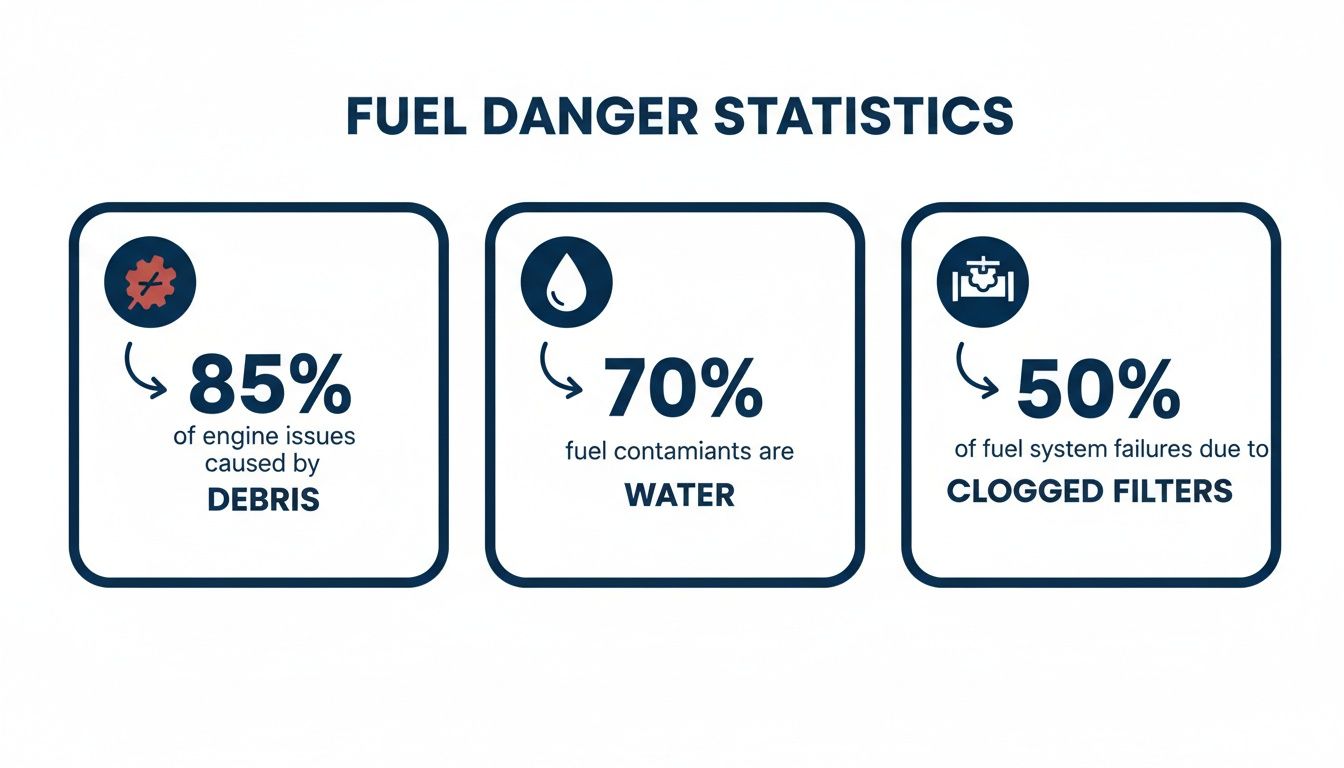
As you can see, contaminants like water and gunk are huge problems. But stopping spills before they happen is just as critical for responsible boating.
The Staggering Price of an Overfill
It's easy to brush off a little overflow at the pump, but the numbers tell a scary story. Fuel spills are a massive financial drain on both boaters and marinas. With over 80 million recreational boaters in North America and Europe, even a tiny spill rate adds up fast.
Industry data reveals a shocking reality. Take a mid-sized marina that does 10,000 fuelings a year. A seemingly tiny overfill rate of just 0.03% means about three spills annually. Each one of those incidents can cost anywhere from $2,000 to $15,000 in cleanup fees, environmental fines, and lost business. Those figures, pulled from reports by the EPA and Chemical Safety Board, show how a moment of distraction can quickly snowball into a five-figure mistake.
The true cost of a fuel spill goes way beyond the fines. It includes the permanent hit to your boat's value, the potential for long-term environmental liability, and the damage to a marina's reputation.
More Than Just a Mess
The fallout from a spill goes far beyond your bank account. The environmental toll is severe. Spilled fuel creates a toxic film on the water that suffocates aquatic plants and animals. This is where the limitations of a standard funnel with screen become painfully clear.
A screened funnel is great at filtration, but it's clueless about prevention.
- Filtration vs. Prevention: A screened funnel is built to catch solid particles. It has zero ability to stop the flow of fuel once the tank is full.
- Human Error: Let's be honest—most spills happen because we get distracted. A simple funnel can't solve for that.
Filtering your fuel is a smart, proactive move for your engine's health. But stopping the spill in the first place is what truly makes you a responsible boater. If the worst does happen, knowing what to do is key. Our expert response guide on fuel spill cleanup procedures walks you through the critical steps. This just underscores the need for tools designed specifically for spill prevention, not just for catching debris.
How to Choose and Maintain Your Fueling Funnel
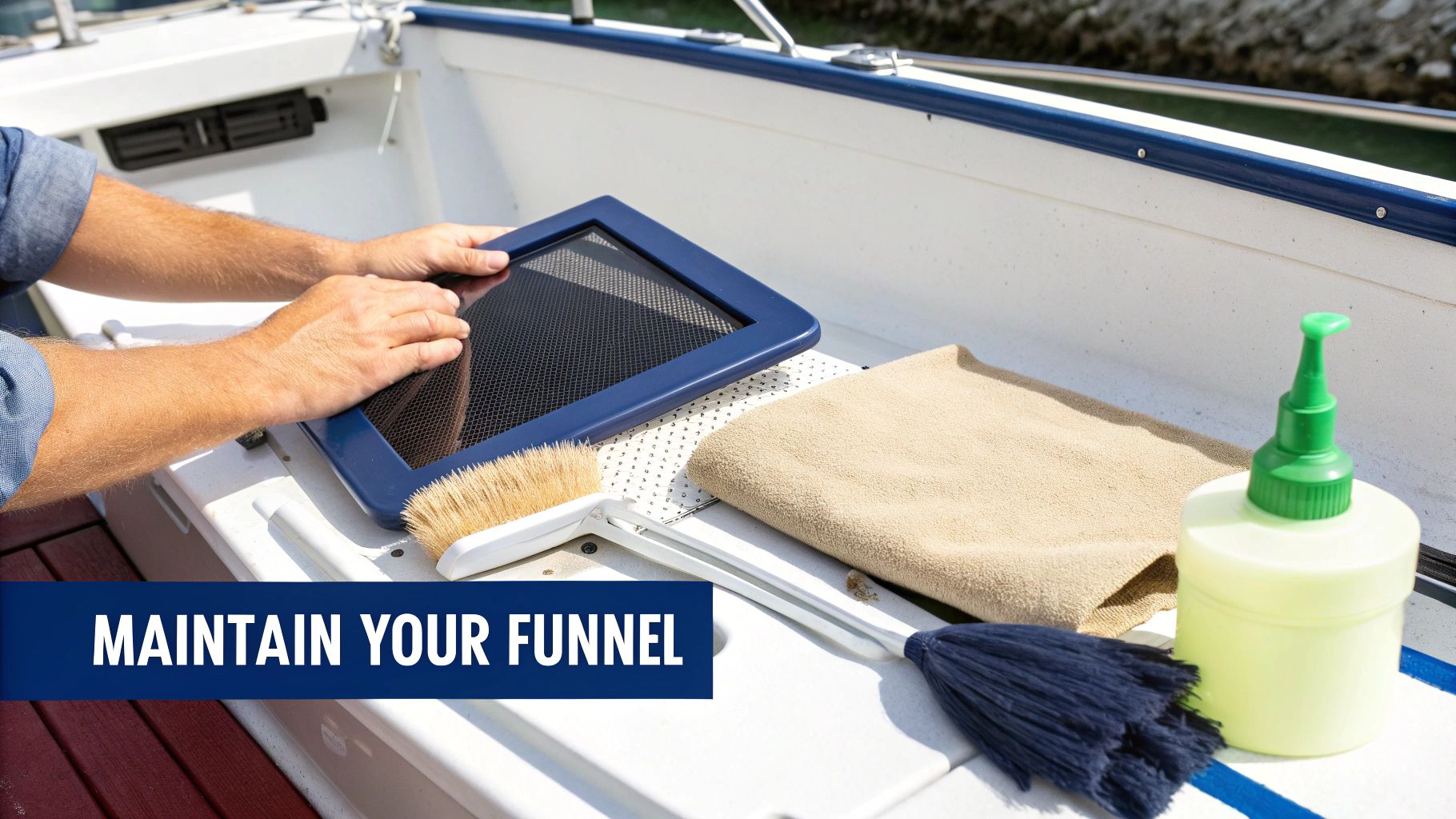
Grabbing the right funnel with a screen isn't just a matter of picking one off the shelf. The best one for you really boils down to your boat, the type of fuel you use, and even how often you're at the pump. Once you have it, keeping it clean is just as crucial for making sure it does its job every single time.
Think of it like any other piece of essential gear on your boat. The material, design, and how well you take care of it all contribute to its reliability. A poorly chosen or gunked-up funnel can easily fail, letting debris slip past or, even worse, adding new contaminants right into your fuel system.
Selecting the Right Funnel for Your Boat
Not all funnels are built the same, and when you’re shopping for one, a few key features can make all the difference out on the water. Focusing on these will help you land a tool that’s both effective and a heck of a lot easier to handle.
To help you cut through the noise, here's a quick guide on what to look for when you're comparing options.
Funnel Feature Comparison Guide
| Feature | What To Look For | Why It Matters |
|---|---|---|
| Material | High-quality, chemical-resistant plastic or metal (like stainless steel). | Prevents the funnel itself from degrading over time and leaching nasty chemicals or plastic bits into your fuel. |
| Screen Mesh Size | A fine mesh (for diesel) or a balanced, medium mesh (for gasoline). | A finer mesh catches more tiny particles but can slow fueling. A coarser one is faster but might miss fine sediment. |
| Ergonomics & Design | A sturdy handle, a wide mouth to catch splashes, and a flexible or angled spout. | These simple design elements make fueling safer, cleaner, and less of a chore, especially with hard-to-reach tanks. |
| Flow Rate | Look for anti-splash rings or venting features designed for smooth, fast flow. | A funnel that can't keep up with the pump is a recipe for spills. Good design ensures fuel flows through quickly. |
Ultimately, the best funnel is the one that fits your boat and your routine. A small skiff with an easy-to-reach tank has totally different needs than a larger cruiser with a recessed fuel port tucked away under a seat.
Keeping Your Funnel Clean and Ready
This part is simple but absolutely non-negotiable: a dirty funnel defeats its whole purpose. After every use, take a minute to clean it out. This stops gunk from building up and prevents any cross-contamination next time you fuel up.
First, wipe out any leftover fuel with a clean, lint-free rag. Next, wash the funnel body and the screen with a mild solvent or degreaser to get rid of any trapped particles.
Let it air dry completely before you put it away. Storing it in a clean, dry spot—like a dedicated locker or a clean bag—keeps it from collecting dust and grime between uses. And every so often, give the screen a good look for any tears, holes, or corrosion. If it's compromised, it's time for a new funnel.
Going Beyond the Funnel for Total Fueling Safety
A funnel with a screen is fantastic for keeping your engine healthy, but it only stops solid gunk from getting into your tank. It’s time to talk about the elephant on the dock: what happens when you get distracted and the tank fills up faster than you realize? In that split second, your screened funnel is just a spectator to a messy, dangerous, and expensive overfill.
This is the huge gap in fueling safety that a simple funnel just can’t close. Its job is filtration, not prevention. For real peace of mind and to be a truly responsible boater, you need something that stops the number one cause of fuel spills—plain old human error.
This is where automatic shutoff systems come in. They represent the next step up in fueling safety.
The Definitive Solution to Overfills
Imagine fueling your boat without constantly leaning over to listen for that gurgle or nervously eyeing the fuel gauge. An automatic shutoff system is designed to do one thing, and do it perfectly: it cuts the fuel flow the instant your tank is full. No guesswork, no distractions, no spills.
These devices create a sealed, reliable connection between the fuel nozzle and your boat's fuel tank. As the tank fills to capacity, the system automatically triggers the pump nozzle to click off, just like it does when you fill up your car. It’s a beautifully simple concept with a powerful impact, completely taking the risk of an overfill off the table.
An automatic shutoff system doesn't replace your funnel with a screen; it completes the safety equation. One tool keeps your fuel clean on the way in, and the other makes sure no fuel gets out.
Why Guesswork Is So Dangerous
Trying to time your fill-up by sound or relying on a boat's notoriously fickle fuel gauge is just asking for trouble. Fuel spills are devastating in marine environments, where a single overflow can poison a fragile ecosystem. In the U.S. alone, recreational boating accounts for over 14,000 fuel spills every year, dumping more than 100,000 gallons of toxic fuel into our waters.
This isn't a victimless crime. Those spills smother aquatic life, and studies have shown that in busy waterways, up to 80% of marine mammals have signs of toxin buildup from this exact kind of pollution. You can read more about the environmental impact of fuel spills on DataHorizzonResearch.com.
Creating a Complete Safety System
A truly safe fueling routine means covering all your bases. The funnel takes care of the small stuff—the rust, dirt, and debris that can wreck your engine. The automatic shutoff system handles the big stuff—the catastrophic spills that damage your boat, your wallet, and the environment.
When you use both tools together, you create a complete, layered system:
- Filtration: Your funnel with a screen acts as the gatekeeper, stopping solid particles right at the entry point.
- Prevention: Your automatic shutoff device acts as the ultimate failsafe, stopping the fuel flow before a spill can even begin.
While the application is a bit different, the concept of a layered approach is common in other industries that rely on safe fuel handling, like those using agricultural tank monitoring systems to prevent spills and manage levels. Adopting this mindset protects you from every angle and turns fueling into the clean, safe, and stress-free part of boating it should be.
Got Questions About Fueling? We've Got Answers
Even if you’ve been on the water for years, fueling can still feel a little tricky. Let's be honest, nobody wants to be that person at the fuel dock. Getting straight answers to common questions is the best way to feel confident every time you fill up.
Here, we’ll tackle some of the most frequent things boaters ask about using a funnel with a screen and other key safety topics. We'll cut through the confusion and give you some practical, no-nonsense advice.
With Modern Fuel Filters, Do I Really Still Need a Screened Funnel?
That's a fantastic question, and the answer is a hard yes. Here’s the best way to think about it: your boat's built-in fuel filter is like the security guard inside a building—it's the last line of defense. A funnel with a screen, on the other hand, is the guard at the front gate, stopping trouble before it even gets close.
Your onboard filter is made to catch tiny particles, but it wasn't designed to handle big stuff like rust flakes from an old fuel can or a bit of sand that blew in. When it gets hit with that kind of junk, it clogs up fast. Using a screened funnel pre-filters the fuel, catching all that nasty debris and taking a massive load off your primary filter.
This one simple step helps your main filter do its job better and last way longer. More importantly, it keeps your entire fuel system cleaner, which means you're far less likely to have your engine sputter or die when you're miles from shore.
What's the Right Way to Clean My Funnel?
A dirty funnel is worse than no funnel at all—it just puts all the gunk from your last fill-up right back into your fresh fuel. Keeping it clean is simple, but you have to do it right.
- Wipe It Down: Right after you're done, grab a clean, lint-free rag and wipe out any leftover fuel from inside the funnel and the spout.
- Give It a Good Wash: Use a mild solvent or a good degreaser to wash the funnel and the screen. A small, soft brush is great for getting any stubborn bits out of the mesh.
- Rinse and Dry Completely: Rinse everything with clean water, then let it air dry. I mean completely dry. Any trapped moisture can cause rust or contaminate your fuel next time.
- Store It Smart: Don't just toss it in a locker. Keep it in a clean, dry spot, maybe in a sealed bag or its own container, so it doesn't collect dust and dirt before you need it again.
Can I Use the Same Funnel for Both Gas and Diesel?
You technically can, but you absolutely shouldn't. Using one funnel for both gas and diesel is just asking for trouble with cross-contamination. Even a thimbleful of gasoline in a diesel tank can lower the fuel's flash point, creating a serious safety risk and potentially wrecking sensitive engine parts.
It goes the other way, too. Diesel residue in your gasoline can lead to a smoky engine, incomplete combustion, and fouled-up spark plugs. The only safe play here is to have two separate funnels, clearly labeled for "Gas" and "Diesel." It completely eliminates the risk and protects your engine.
Funnel with a Screen vs. an Automatic Shutoff System—What’s the Difference?
This is probably the most important thing to get straight for total peace of mind at the pump. A funnel with a screen and an automatic shutoff device are not the same thing. They solve two totally different problems.
A funnel with a screen is a filtration tool. Its only job is to stop gunk from getting into your tank. An automatic shutoff system is a prevention tool. Its job is to stop the fuel flow before you have an overfill spill.
One protects the inside of your engine. The other protects the outside of your boat, the water, and your wallet. They aren't interchangeable; they work together as part of a complete safety system.
The threat of a fuel spill is a constant headache for boaters. We've all seen it happen—someone gets distracted for a second, and suddenly there's a rainbow sheen spreading from their boat. It's more common than you'd think. Looking at the data, there's roughly one overfill for every 3,300 fuel transfers worldwide. With over 12 million recreational boats in the US, that adds up to thousands of preventable spills every single year. You can dive deeper into overfill prevention strategies on Emerson.com if you're curious. An automatic system just takes that risk off the table.
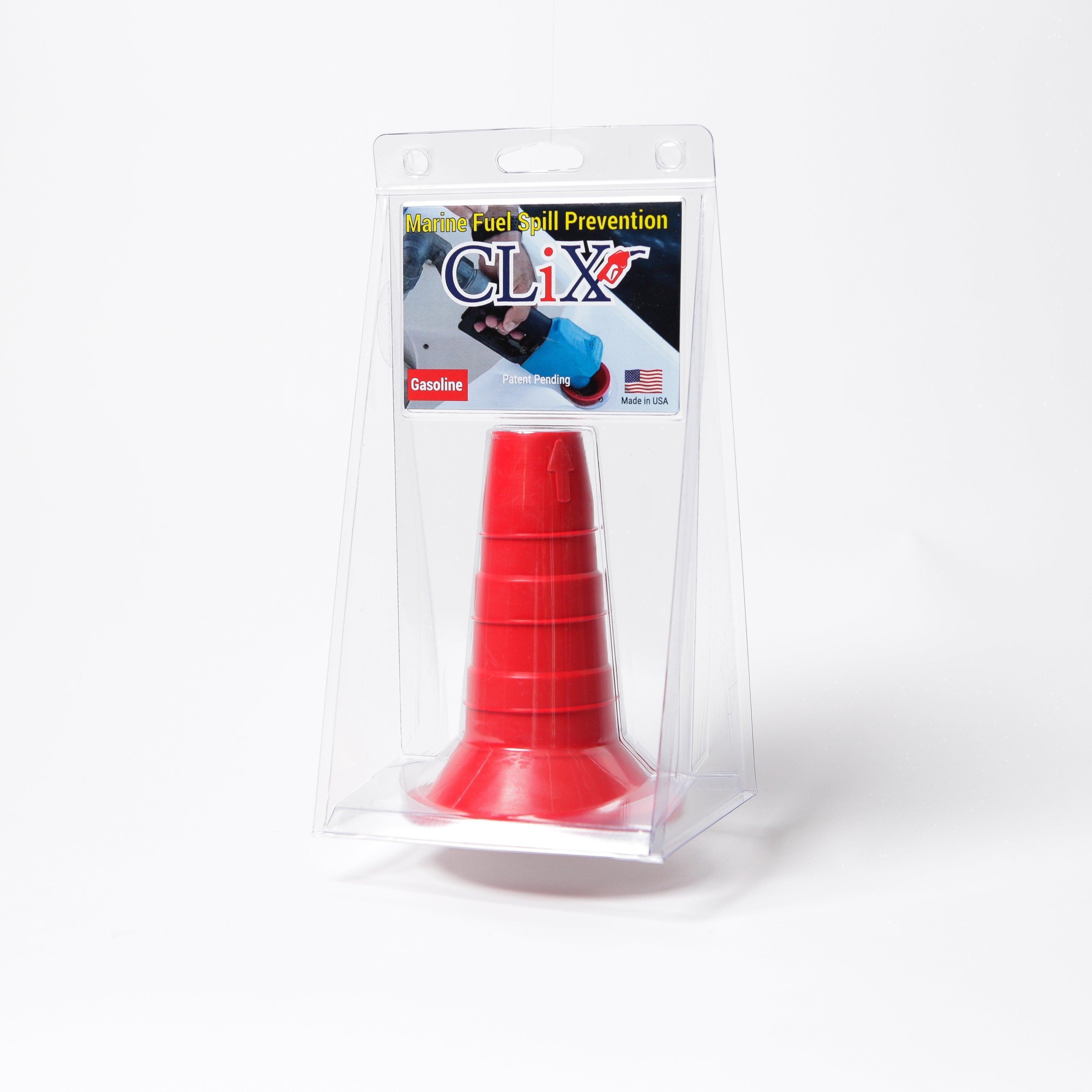
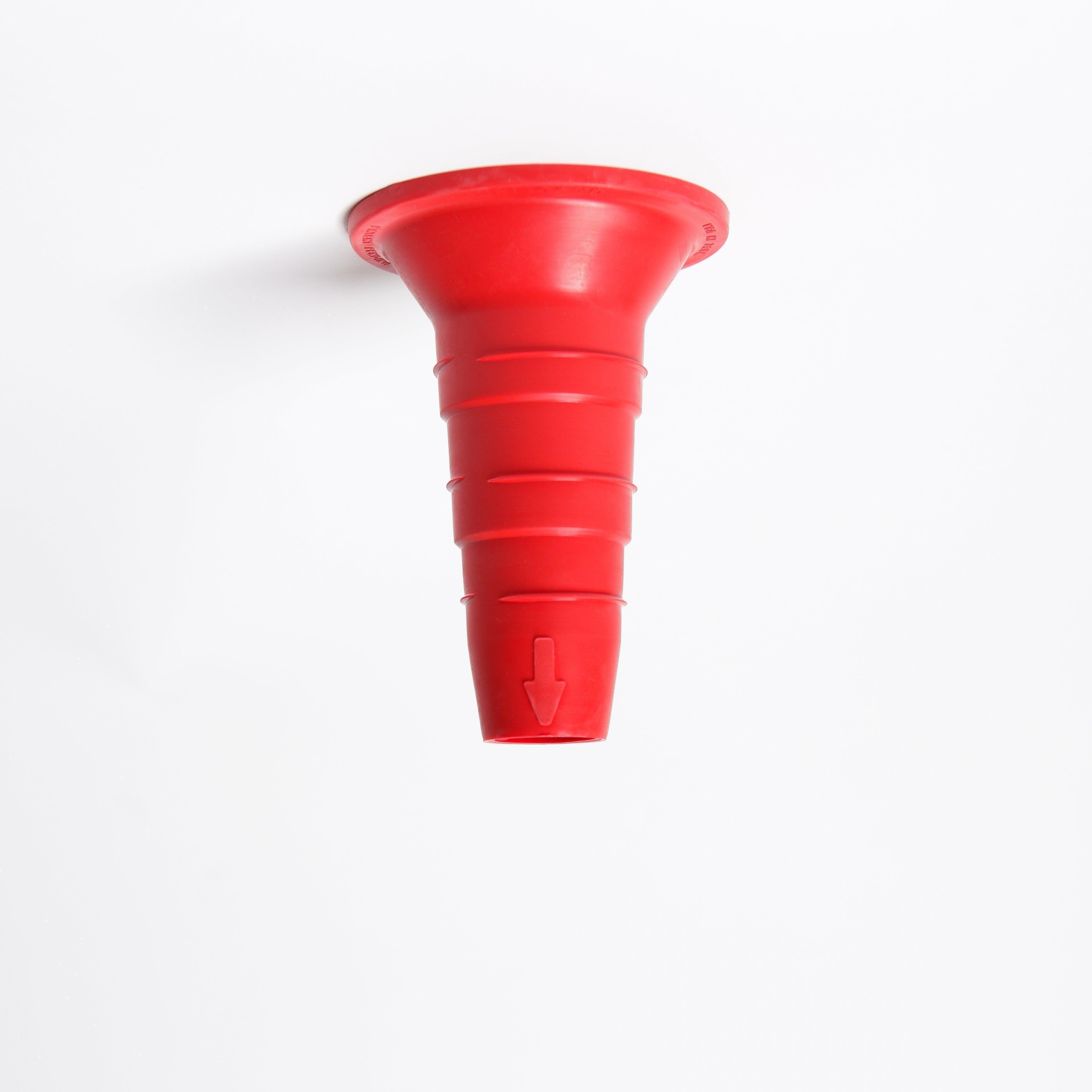
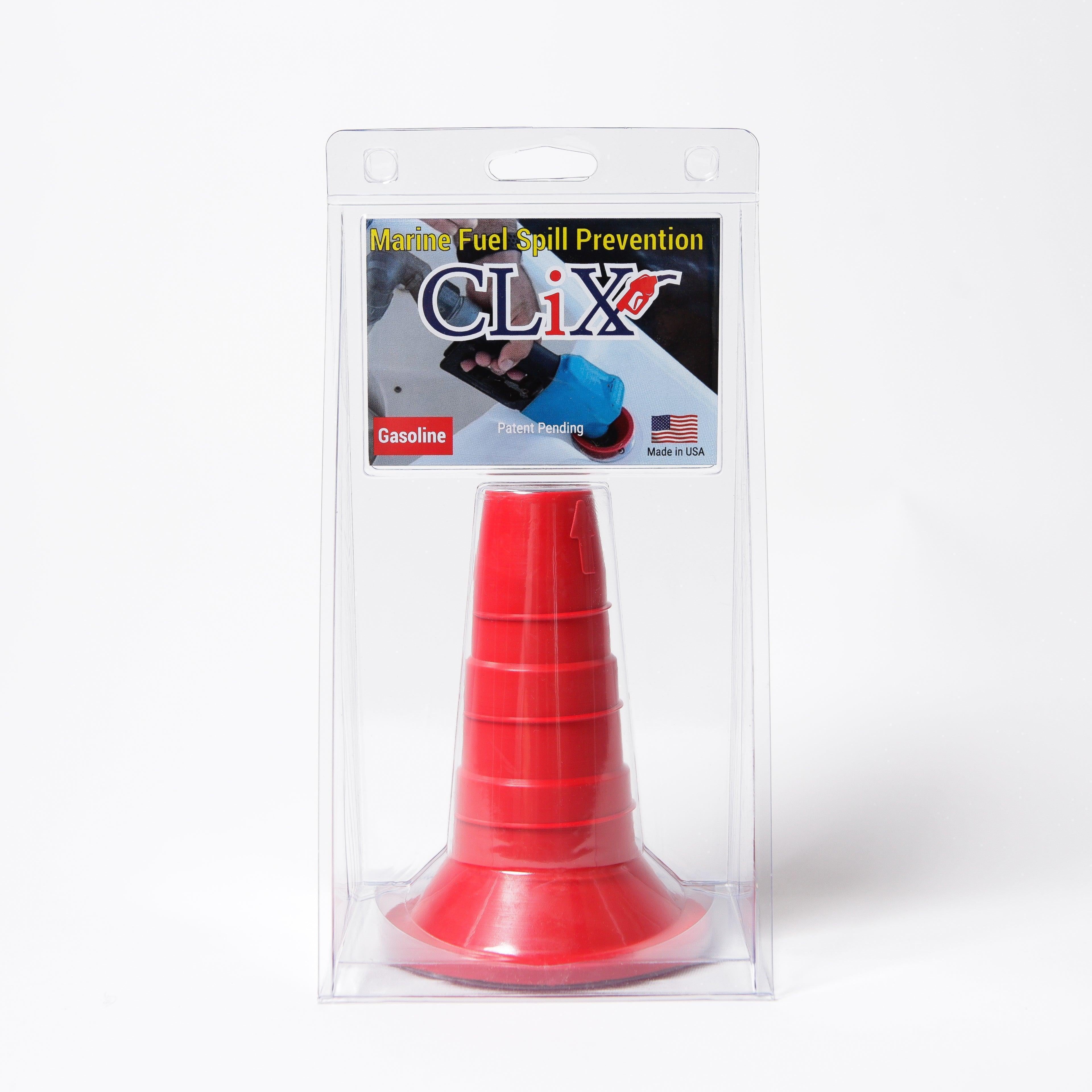
If you want a truly spill-free, stress-free day at the fuel dock, filtration alone isn't going to cut it. You need to protect your boat and the water you love with a solution that stops overfills before they start. CLiX Fueling Solutions was designed to give you exactly that peace of mind. Learn more about how CLiX can make every fill-up safe and clean at clixfueling.com.