When we talk about storing gas containers properly, we're talking about more than just finding a spot for them. It’s a deliberate practice of securing fuel in approved containers, keeping them in well-ventilated areas, and making sure they're far from any potential ignition source. The goal is to stop dangerous fumes from building up and prevent accidental spills.
For anyone with a boat, this means using marine-rated cans, securing them so they can't tip over, and sticking to some very strict rules, both on the water and back on shore. This isn't just a friendly suggestion—it’s the single most important safety protocol you have.
Why Proper Gas Container Storage Is Your First Line Of Defense
Picture your boat as a small, self-contained world where everything needs to work together safely. In that world, gasoline is easily the most volatile element. Its fumes are heavier than air, which is a crucial fact to remember. It means they can sink and collect in low, hidden spaces like your bilge or small compartments, silently creating a ticking time bomb.
Storing a gas can the wrong way turns a potential risk into an active threat. A loose cap, a tiny crack you can barely see, or a can left to bake in the sun can release these invisible fumes. All it takes is a single spark—from starting your engine, a bad wire, or even static electricity—to turn a perfect day on the water into a catastrophe.
The Real-World Risks of Getting It Wrong
It's all too easy to get complacent about fuel storage, but the consequences of a mistake can be devastating. Beyond the obvious danger of fire or explosion, fuel leaks create a whole host of other serious problems.
- Environmental Damage: A fuel spill, even a small one, is toxic to marine life and can poison waterways for years to come.
- Vessel Damage: Gasoline is corrosive. It can eat away at hoses, wiring insulation, and even fiberglass, leading to expensive and complicated repairs.
- Health Hazards: Breathing in concentrated gas fumes can lead to dizziness, headaches, and serious long-term respiratory problems.
Safe storage isn’t just about ticking a box or following a rule. It’s an active, ongoing process of managing risk. It protects your boat, your passengers, and the beautiful marine environments you love to explore.
Understanding the Scale of the Issue
The need for proper gas containers storage isn’t a niche concern; it’s part of a massive global industry. The market for fuel storage containers was valued at USD 28.6 billion and is only getting bigger. Portable cans—the kind we use on our boats—make up a huge 36% of that market.
With millions of recreational boats out there, even a tiny percentage of storage mistakes adds up to thousands of preventable accidents every single year.
This guide is designed to give you practical, actionable advice. To really nail down your first line of defense in fuel safety, it helps to understand related concepts, like advanced gas analysis for hydrogen storage safety. We'll walk through the concrete steps and best practices that are the bedrock of responsible boat ownership. For a complete rundown, you can also check out our guide on how to store gasoline safely.
How To Choose The Right Marine Gas Container
Picking the right gas can for your boat is a lot like choosing your life jackets. It's not just about having one—it's about having the right one for the job. Not all gas containers are created equal, especially when you throw them into the rough-and-tumble world of boating.
The constant sloshing, beating sun, and corrosive saltwater demand something far tougher than the average can you’d grab for your lawnmower. The right choice prevents dangerous fumes, stops spills before they happen, and keeps you, your crew, and your boat safe.
Materials Matter Most: HDPE vs. Metal
When you get down to it, you’ve got two main options for approved marine gas containers: high-density polyethylene (HDPE) plastic or good old-fashioned metal. Each has its pros and cons, and what's best for you really depends on how you use your boat.
HDPE plastic cans are what you’ll see most often on recreational boats, and for good reason. They're lightweight, they'll never rust, and they don't cost an arm and a leg. Modern plastic containers are also surprisingly tough, capable of taking a beating without puncturing.
Metal cans, on the other hand, are the heavy-duty workhorses. They can last a lifetime if you take care of them and won't swell up in the summer heat like plastic sometimes can. The trade-off? They're heavier, pricier, and if you scratch that protective coating, rust becomes a real problem—especially in saltwater.
Comparing Marine-Grade Gas Container Materials
This quick comparison should help you decide which material fits your needs on the water.
| Feature | Approved Plastic Containers (HDPE) | Approved Metal Containers (Steel/Aluminum) |
|---|---|---|
| Corrosion Resistance | Excellent; will not rust. | Good, but susceptible to rust if scratched. |
| Durability | High impact resistance; can dent but won't puncture easily. | Very high; extremely puncture-resistant but can dent. |
| Weight | Lightweight and easy to handle. | Heavier and more cumbersome. |
| Cost | Generally more affordable. | More expensive upfront. |
| Sun Exposure | Can degrade over many years if not UV-stabilized. | Not affected by UV rays, but can get very hot. |
At the end of the day, both are solid choices as long as they meet the right safety standards. It often comes down to personal preference and budget.
Decoding Certifications and Essential Features
Beyond the material, you need to look for a few key seals of approval and features. These aren't just suggestions; they are your guarantee that the container is built for the marine environment.
The two big ones you absolutely need to see are certifications from the US Coast Guard (USCG) and the Environmental Protection Agency (EPA). USCG approval confirms the can meets strict fire and durability tests. EPA certification means it’s designed to trap harmful gas vapors instead of letting them escape.
Regulations like the EPA's Tier 3 standards are a huge deal. They require cans to reduce harmful vapor emissions by as much as 60% compared to older models. For boaters, this is critical—it cuts down on air pollution and, more importantly, reduces the risk of explosive fumes building up in a locker or bilge.
Modern cans also come with some non-negotiable safety features. Make sure yours has:
- Flame Arrestors: This is a small metal screen in the spout that stops a spark from turning your gas can into a bomb. It's a simple but vital piece of tech.
- Automatic Shut-Off Spouts: These spring-loaded spouts stop the flow of fuel the second you lift them from the tank, preventing those messy and dangerous spills.
- Low-Permeation Walls: Newer containers use multi-layer plastic or special coatings to keep gasoline vapors from slowly seeping right through the walls of the can.
Making the right choice upfront is the easiest way to handle fuel safely. For a deeper dive, check out our guide on portable gas containers for boats. Remember, a high-quality, certified container isn't just a purchase; it's an investment in your safety and peace of mind on the water.
Best Practices For Storing Gas Onboard Your Boat
Getting your hands on a proper marine-grade gas container is just the start. The real test of your commitment to safety is how and where you store it once you're on board. Storing fuel on a boat isn't about finding a convenient spot; it’s about a methodical approach to managing one of the biggest risks you'll face on the water.
It helps to think of gasoline fumes as invisible water. Because they're heavier than air, they'll "flow" down to the lowest parts of your boat, pooling in the bilge or any unventilated locker. All it takes is a single stray spark to turn that vapor into a catastrophe. Your entire storage strategy is built around preventing that from ever happening.
Before you even think about storage, you need the right container. This chart breaks down what to look for.
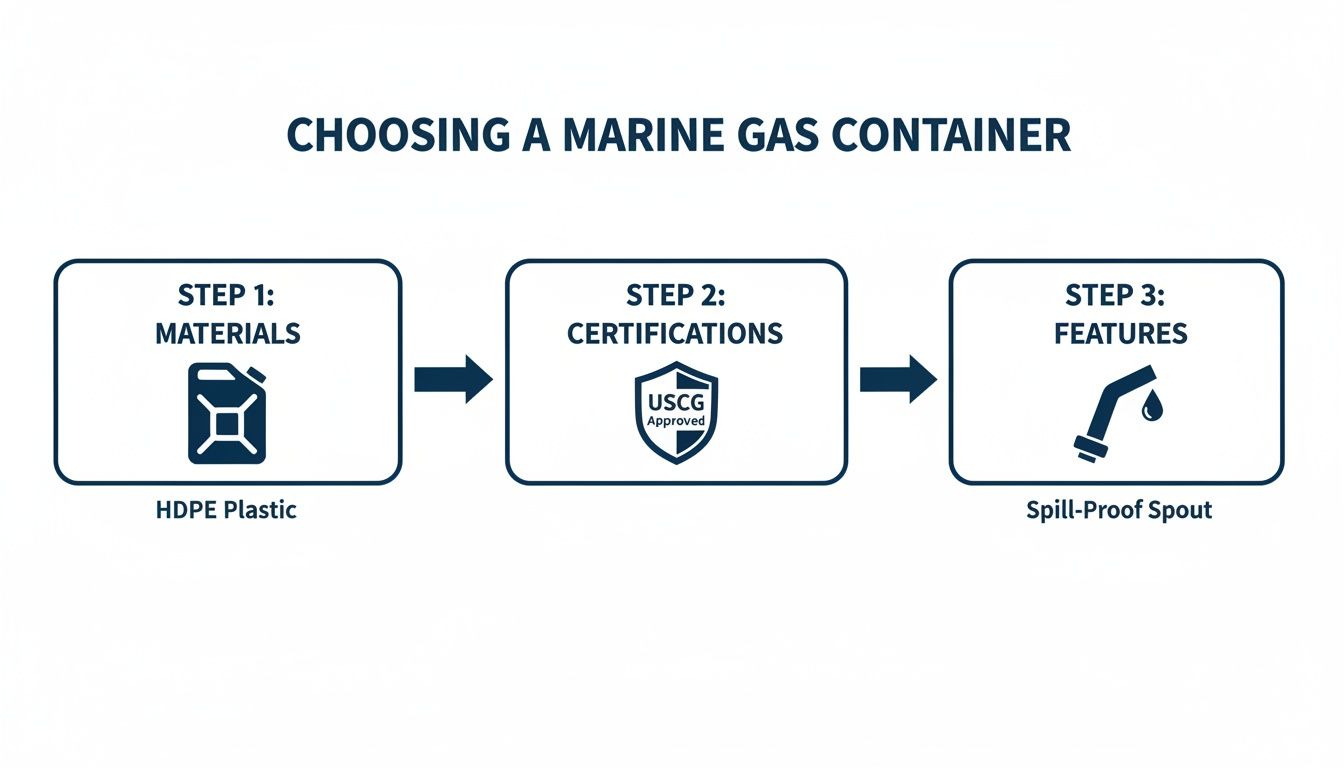
As you can see, it all begins with the right material, followed by the correct certifications, and finally, the modern safety features that matter. Once you've checked those boxes, you can figure out where to safely put it.
Finding The Safest Storage Location
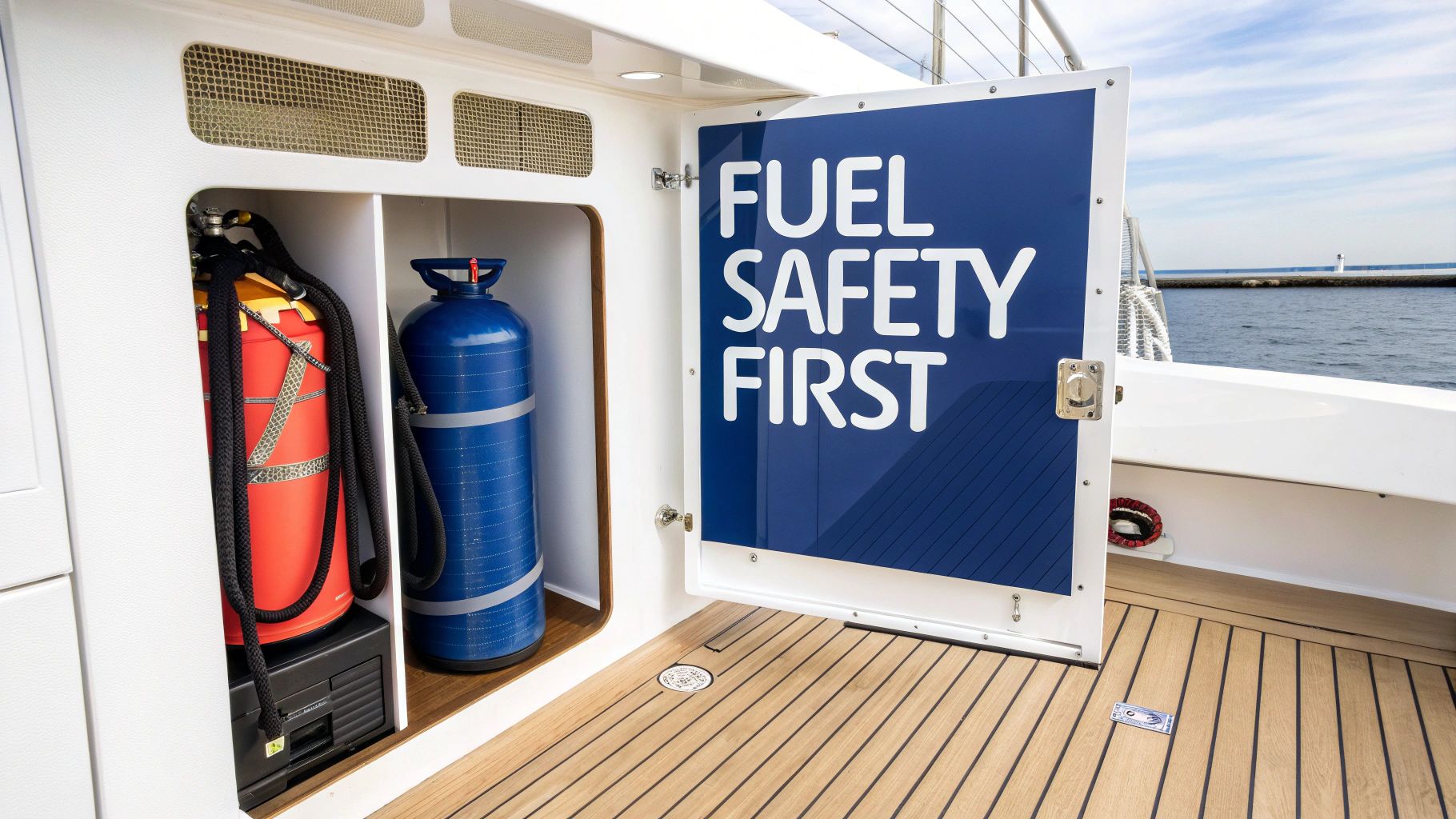
Location, location, location. The best place for a portable gas can is somewhere with plenty of ventilation, well away from the cabin, and as far as possible from anything that could create a spark. Never, ever store fuel in an engine compartment, near electrical panels, or next to a battery.
The gold standard is a dedicated, externally vented fuel locker. These are specifically designed to channel any fumes safely overboard. If your boat doesn’t have one, your next-best bet is a secure spot on an open deck where fresh air is constantly circulating.
The Golden Rule of Onboard Fuel Storage: Store fuel where any vapors will be whisked away by fresh air, never giving them a chance to collect inside the boat.
And don't forget about the sun. Direct sunlight heats the container, causing the gasoline to expand. That increased pressure can force vapors right out of the vent. Whenever you can, keep your containers in a shaded but airy spot to keep them cool. It’s a simple step that makes a huge difference.
Secure Your Containers For Rough Seas
A boat is always moving. Waves and sharp turns can turn anything that isn't tied down into a projectile. A loose gas can is just a disaster waiting to happen—it could tip, leak, or even break open if it slams into a hard surface. Securing your containers isn't optional.
Always keep your fuel containers standing upright. This keeps the spout and vents oriented correctly to prevent leaks. Use heavy-duty straps or specially made chocks to lock them down so they can't slide or tip, no matter how choppy it gets.
- Use Quality Straps: Get marine-grade tie-downs with corrosion-resistant buckles. They’re built for the saltwater environment.
- Check Them Regularly: Before you head out, give the straps a good pull to make sure they're still tight.
- Position for Stability: If you can, wedge containers against a bulkhead or inside a rack to naturally limit their movement.
This isn’t just about preventing spills; it protects the container itself from getting damaged. The truth is, most fuel-related accidents are preventable. The US Coast Guard sees around 4,000 boating accidents annually involving fuel, many caused by overfilling tanks or leaky, poorly stored cans. You can learn more about these marine fuel safety statistics and the damage they cause. A few extra moments spent securing your fuel can make all the difference.
Keeping Your Fuel Safe Ashore: At The Dock Or At Home
Your responsibility for fuel safety doesn't end when you tie up the boat. Once you’re back on land, the rules for storing gas containers are just as critical, whether you're keeping them in a garage, a shed, or a dedicated marina locker. The main idea is always the same: stop flammable vapors from building up and keep them far away from any potential spark.
Think of gasoline fumes as a slow, invisible leak. These vapors are heavier than air, so they'll creep along the floor and settle in the lowest spots. This is exactly why a pilot light on a water heater or a stray spark from a workshop tool can turn a simple storage area into a serious hazard. Proper shore-side storage is all about creating a safe, isolated home for your fuel.
Your Home Storage Safety Checklist
Storing gas at home takes a bit of common sense and planning. A detached shed or a well-ventilated garage is usually your best bet, but even then, you need to take specific precautions. The goal is to make sure your fuel storage doesn't become a risk to your home and family.
Here are the absolute must-dos for storing fuel at home:
- Distance is Your Best Friend: Keep gas containers at least 50 feet away from any ignition source. That means pilot lights, furnaces, water heaters, electrical motors—anything that can create a spark.
- Ventilation is Key: The area needs good airflow to the outside. This is non-negotiable, as it prevents those dangerous fumes from concentrating.
- Keep it Cool and Dry: Store containers out of direct sunlight. Heat makes fuel expand, which increases the pressure inside the can and can force vapors out.
- Never Inside the House: It is never, ever safe to store gasoline inside your living space. This includes an attached garage that has a door leading directly into your house.
For a deeper dive, check out our article on where to safely store your gas cans for more detailed guidance.
Guidelines For Marinas and Dockside Storage
For marina operators, providing safe fuel storage isn't just a courtesy—it's a fundamental part of keeping the entire facility and its patrons safe. This means strictly following standards set by organizations like the National Fire Protection Association (NFPA) as well as local fire codes. Often, this involves providing dedicated, properly ventilated storage lockers built specifically for flammable liquids.
These lockers are much more than simple metal boxes. They’re engineered systems designed to contain spills and vent fumes safely away from boats and high-traffic dock areas. By investing in the right infrastructure, marinas protect people and property while significantly reducing their own liability.
Upgrading to compliant systems is a smart business move. Industry surveys show that marina operators who invest in modern, compliant fuel storage can cut maintenance costs by an average of 15%. This comes from fewer spills, less cleanup, and less corrosion damage to docks and equipment. You can find more insights on the benefits of modern fuel storage containers.
In the end, whether you're at home or at the dock, the rules for storing gas containers come down to respecting the simple physics of fuel. Understand its volatility, take these deliberate precautions, and you’ll ensure your fuel remains a helpful tool, not a hidden danger.
Your Guide To Inspection And Emergency Preparedness
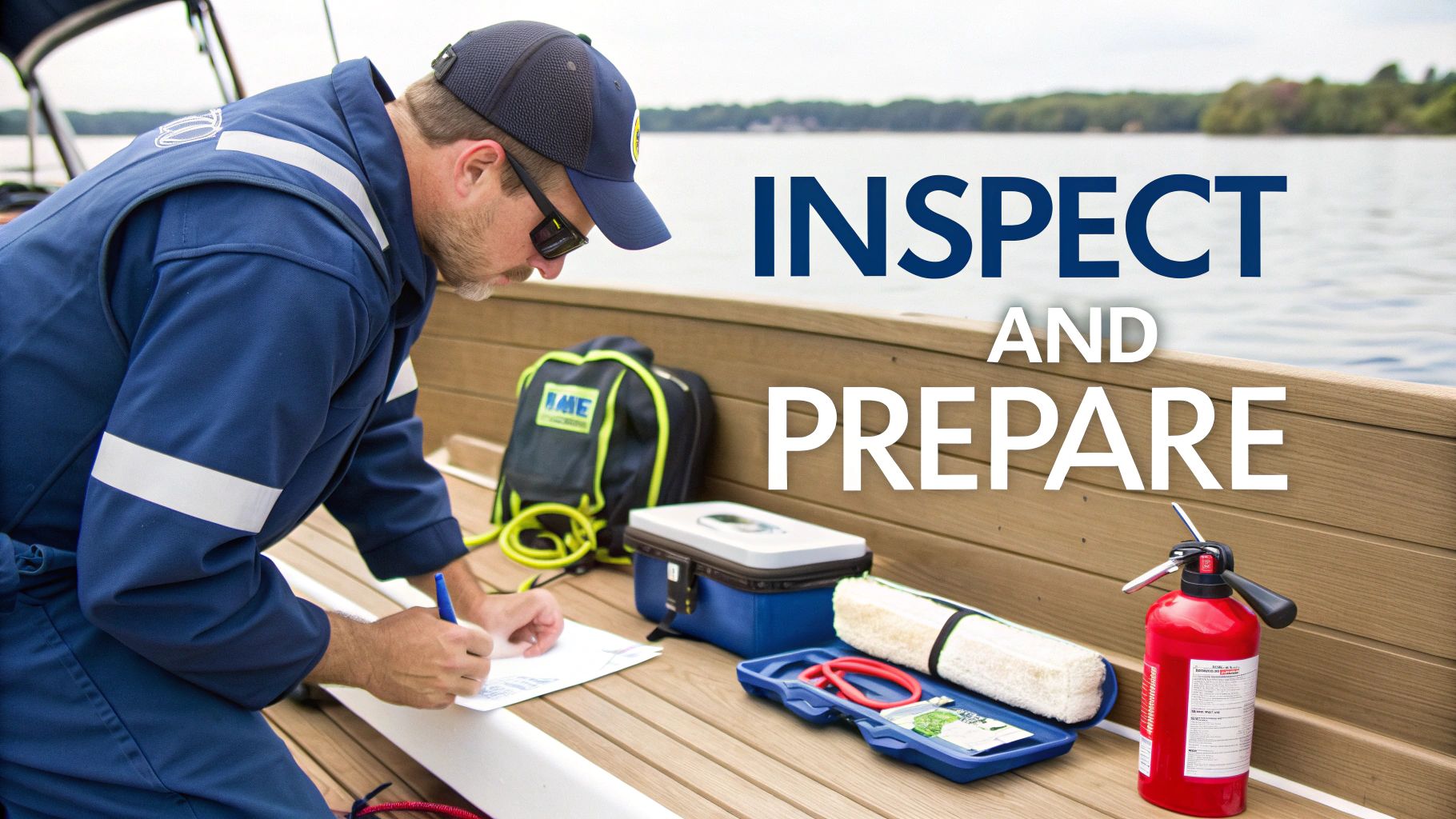
When it comes to gas container storage, a proactive safety plan is always better than a reactive one. The best way to handle a crisis on the water is to prevent it from ever happening. That means making routine inspections a non-negotiable part of your boating life.
Think of your gas can as a critical piece of safety gear, right up there with your life jackets and flare gun. Day after day, it’s exposed to sun, saltwater, and the constant motion of the boat, all of which can wear it down. A quick, regular checkup helps you spot small problems before they become dangerous leaks.
This isn't about being paranoid; it's about being smart and prepared. A few minutes of inspection before you head out provides the peace of mind that your fuel is stored safely, letting you focus on actually enjoying your time on the water.
Creating Your Simple Inspection Checklist
You don’t need to be a marine mechanic to give your gas containers a solid safety check. All it takes is a simple, consistent routine. Your main goal is to hunt for any signs of wear and tear that could compromise the container's integrity.
Get in the habit of running through this list at least once a month and always before a long trip. It’s a tiny time investment that pays off big in safety.
A regular inspection routine is the cornerstone of safe fuel handling. This simple checklist covers the key points to examine each month.
Monthly Gas Container Safety Checklist
| Check Point | What to Look For | Action if Issue is Found |
|---|---|---|
| Container Body | Look for any deep scratches, dents, or visible cracks, especially along the seams. Check for swelling or discoloration, which can indicate material fatigue. | Replace the container immediately. Even a small crack can quickly worsen under pressure and lead to a leak. |
| Seals and Gaskets | Inspect the rubber or plastic gasket inside the cap and around the spout. It should be pliable and free of cracks or brittleness. | If the seal is dry, cracked, or missing, replace it. Many manufacturers sell replacement cap and spout assemblies. |
| Spout and Vent | Ensure the spout mechanism operates smoothly and the cap closes tightly. If your can has a separate vent, check that it opens and closes properly. | A faulty spout or vent can cause dangerous pressure buildup or lead to spills. Replace the component or the entire can if it cannot be repaired. |
| Labels | Confirm that all warning labels and capacity markings are still legible. This is important for safety and for compliance with regulations. | If labels are faded or peeled off, consider replacing the container. Clear markings are essential for safe handling. |
Checking these four simple things can make all the difference in catching a potential failure before it happens.
Responding To A Fuel Spill
Even with the best precautions, accidents happen. If you have a fuel spill, your immediate, calm, and correct response is crucial to protect yourself, your boat, and the environment. The worst thing you can do is panic.
First things first: stop the source of the spill if you can do so safely. That might mean tightening a loose cap or carefully setting a tipped container upright. Next, immediately kill all ignition sources. Shut down engines, turn off all electronics, and extinguish any open flames, like a galley stove.
The most critical rule in a spill situation is to prevent a spark at all costs. Gasoline vapors are highly flammable, and containing the liquid fuel is only half the battle. Ventilating the area to disperse fumes is just as important.
Once the immediate fire risk is under control, switch your focus to containment. This is where a well-stocked spill kit becomes your best friend. Every boat should have one, and it should include:
- Absorbent Pads: These are specifically designed to soak up fuel and oil while repelling water.
- Marine-Rated Fire Extinguisher: Make sure it’s easily accessible and everyone on board knows how to use it.
- Gloves and Goggles: Personal protection is key. Keep fuel off your skin and out of your eyes.
Given that fuel is a major fire hazard on a boat, knowing which fire extinguishers you need is vital for an effective emergency response. And remember, always follow proper disposal procedures for used absorbent pads and materials—they are considered hazardous waste.
How Modern Tech Can Prevent Spills Before They Happen
Proper gas containers storage is the bedrock of marine fuel safety, but even the most careful storage plan can't completely get rid of the risks that pop up during fueling itself. The second you open a container to pour, the door opens for a simple mistake. This is where today’s technology steps in, adding that final, critical layer to your safety net.
While checklists and steady hands are vital, the biggest threat of a spill often comes from overfilling the tank. It’s an incredibly common—and expensive—mistake that wastes fuel, damages the environment, and creates a massive fire hazard. Technology helps by taking the guesswork out of the equation.
Beyond the Spout: The Rise of Smart Fueling
For a long time, the best we could do was use spill-proof spouts, which were a great improvement. The problem is, they still count on you to know exactly when to stop pouring. Modern solutions take it a step further by using automation to stop overfills right at the source, giving you a much more reliable defense against spills.
Think of it like the automatic shutoff on the pump at a gas station, but built specifically for the demands of boating. These systems are designed to sense when a tank is full and cut the fuel flow instantly. This not only stops spills while you're filling up but also helps make sure the portable cans you're storing aren't dangerously over-pressurized from being too full to begin with.
Innovations in spill-proof designs for fuel transfer can reduce waste by up to 20-30%. Preventing these spills saves money on fuel, protects a vessel's bilge and hull from corrosive gasoline damage, and safeguards fragile marine ecosystems. You can learn more about the market for advanced fuel storage containers.
How Automatic Shutoff Systems Work
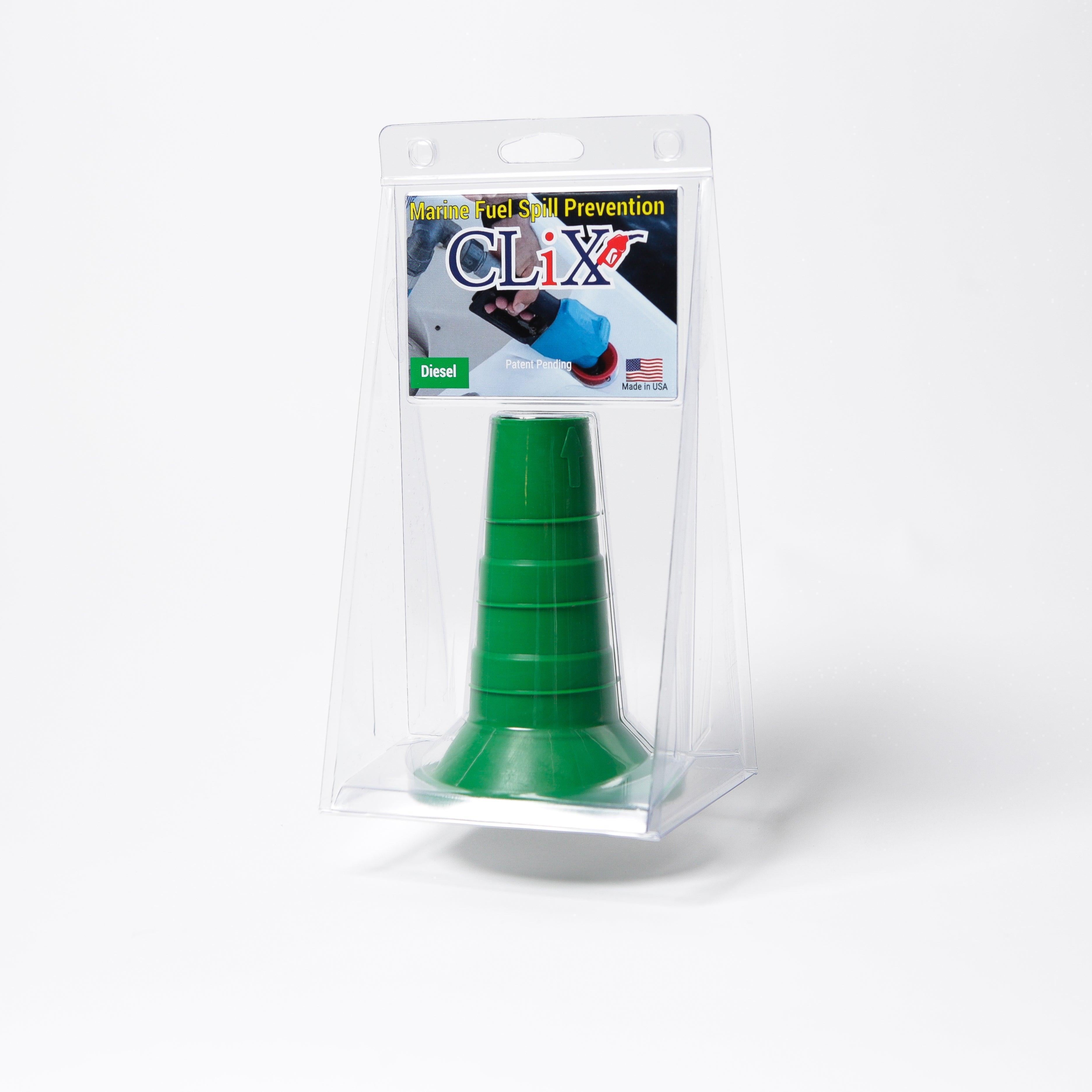
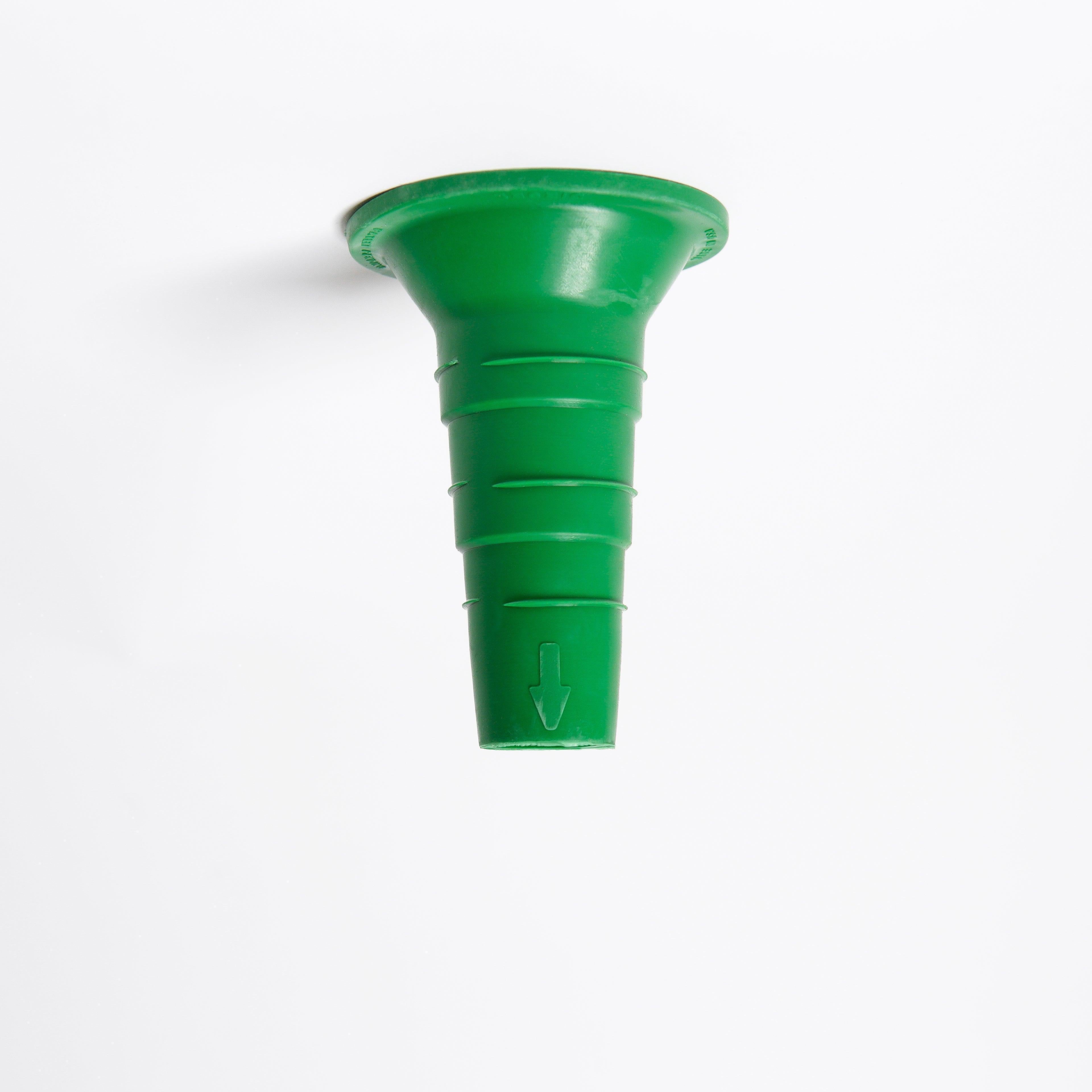
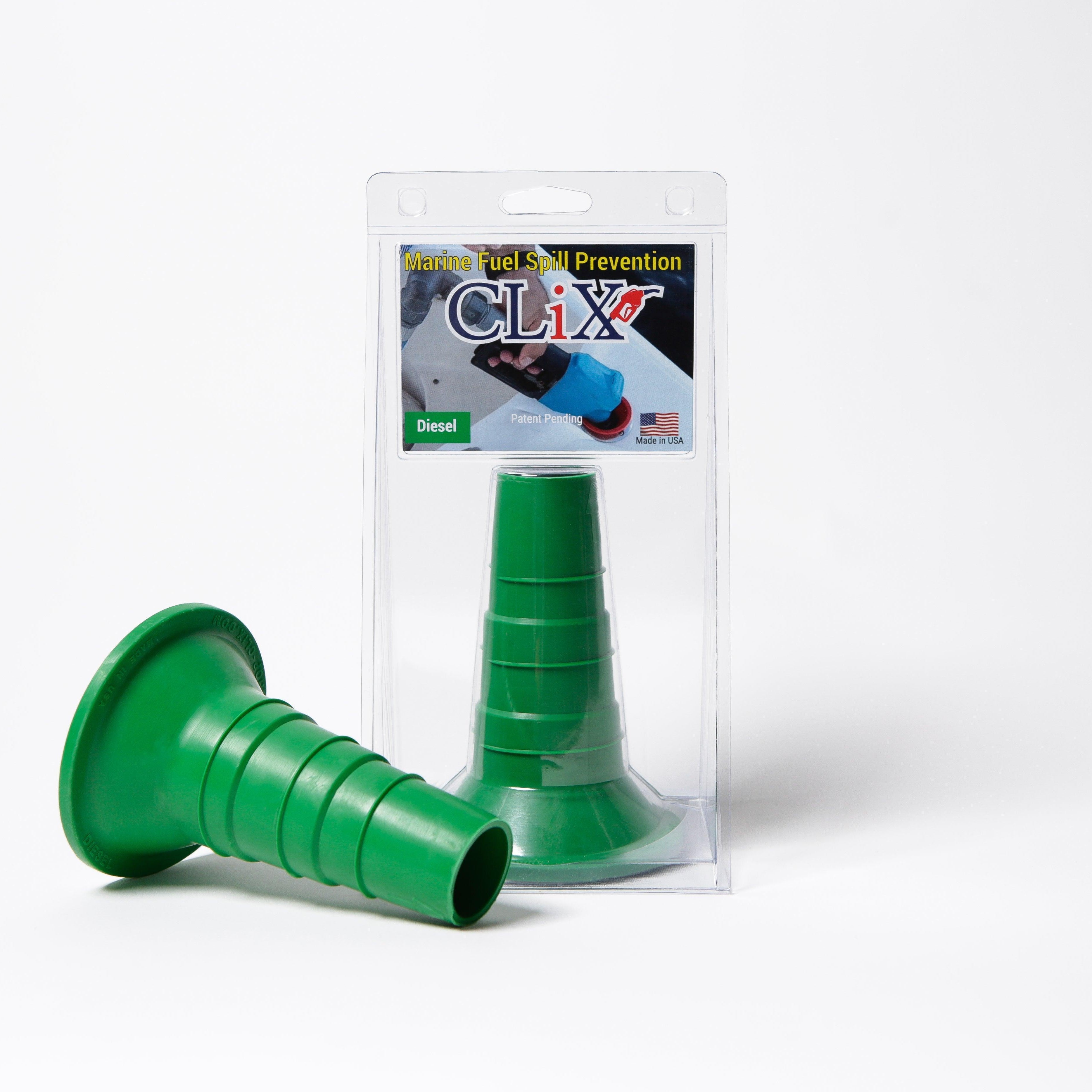
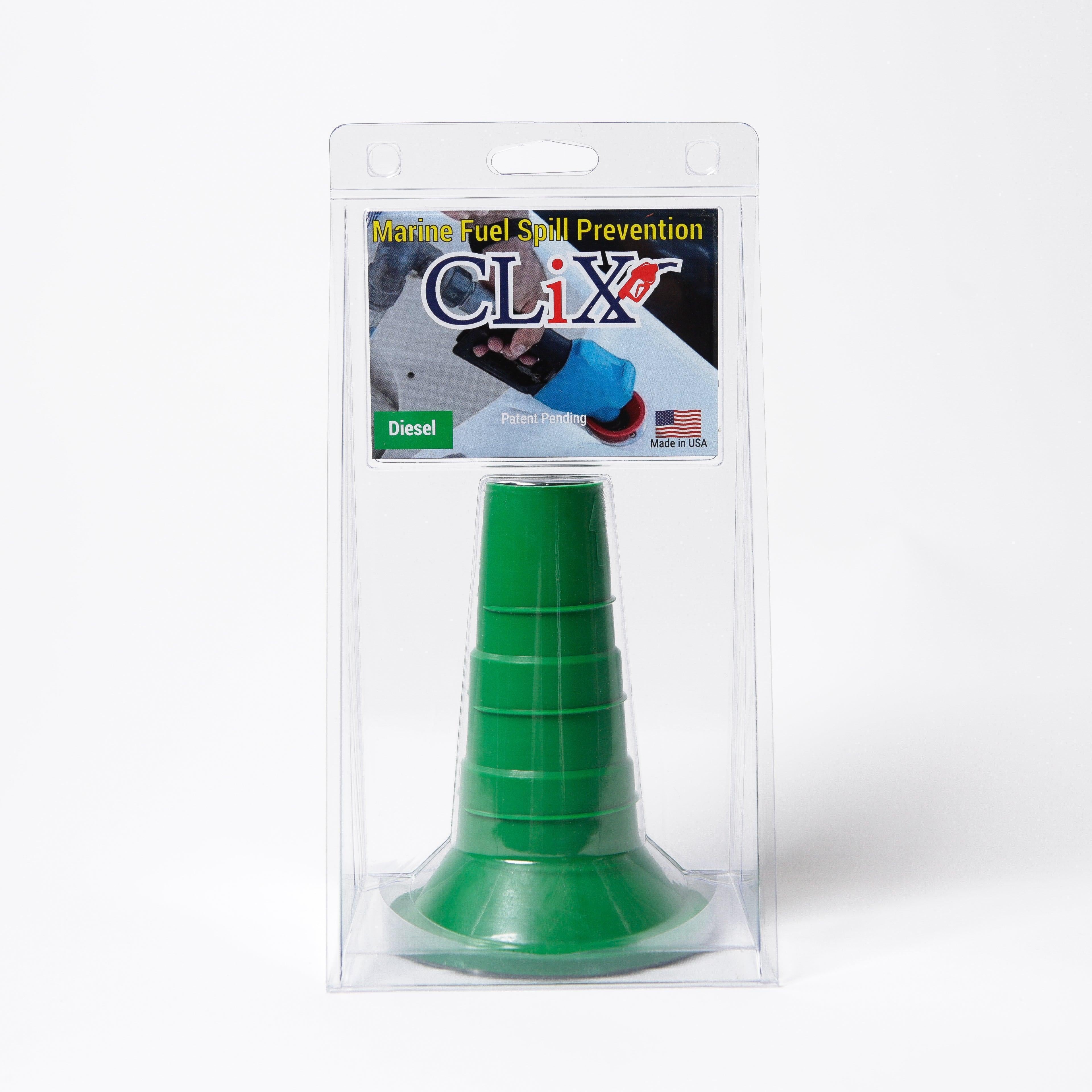
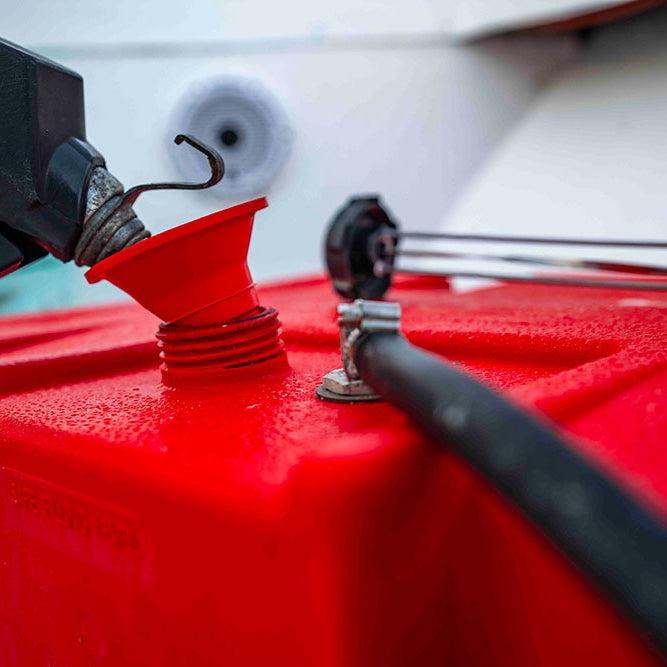
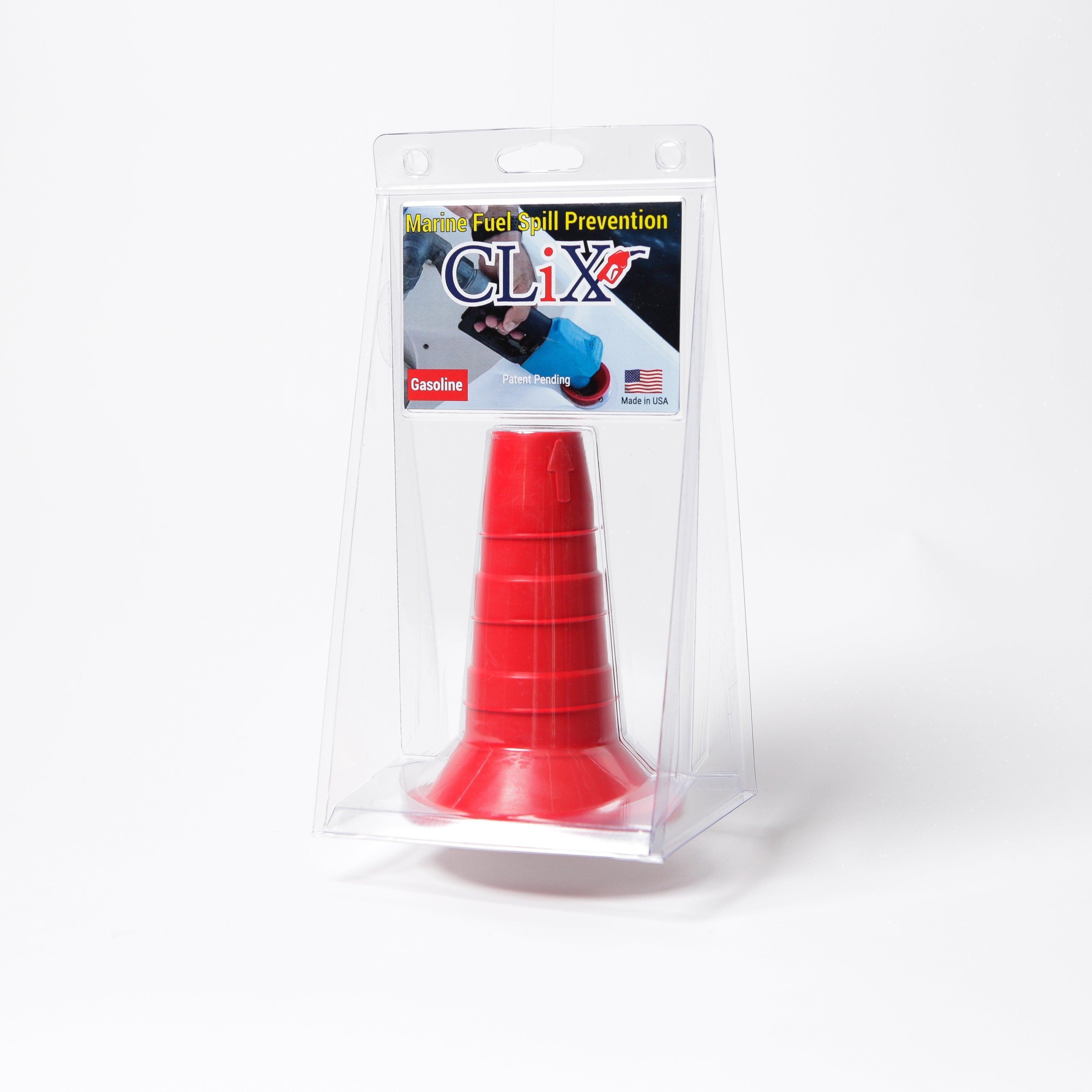
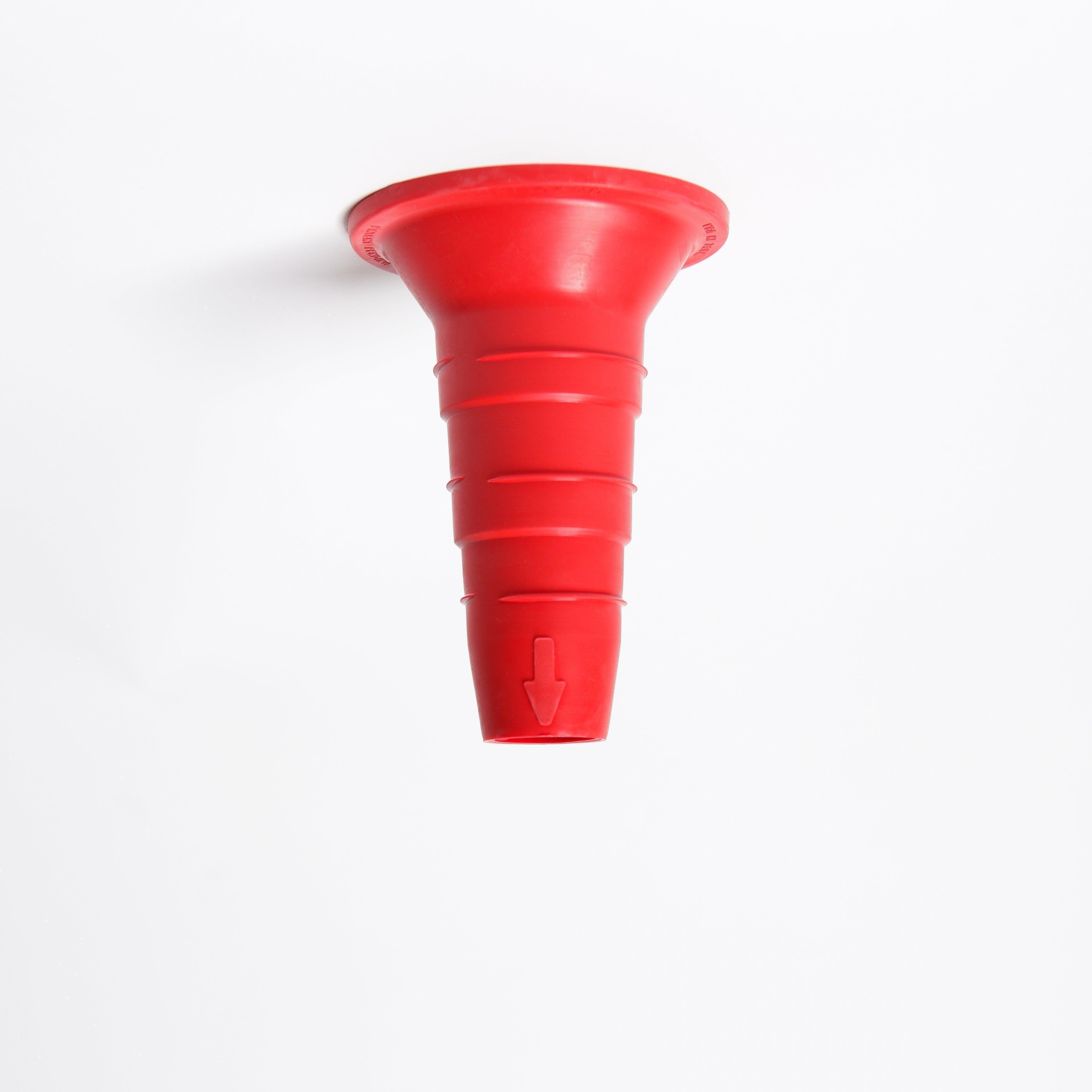
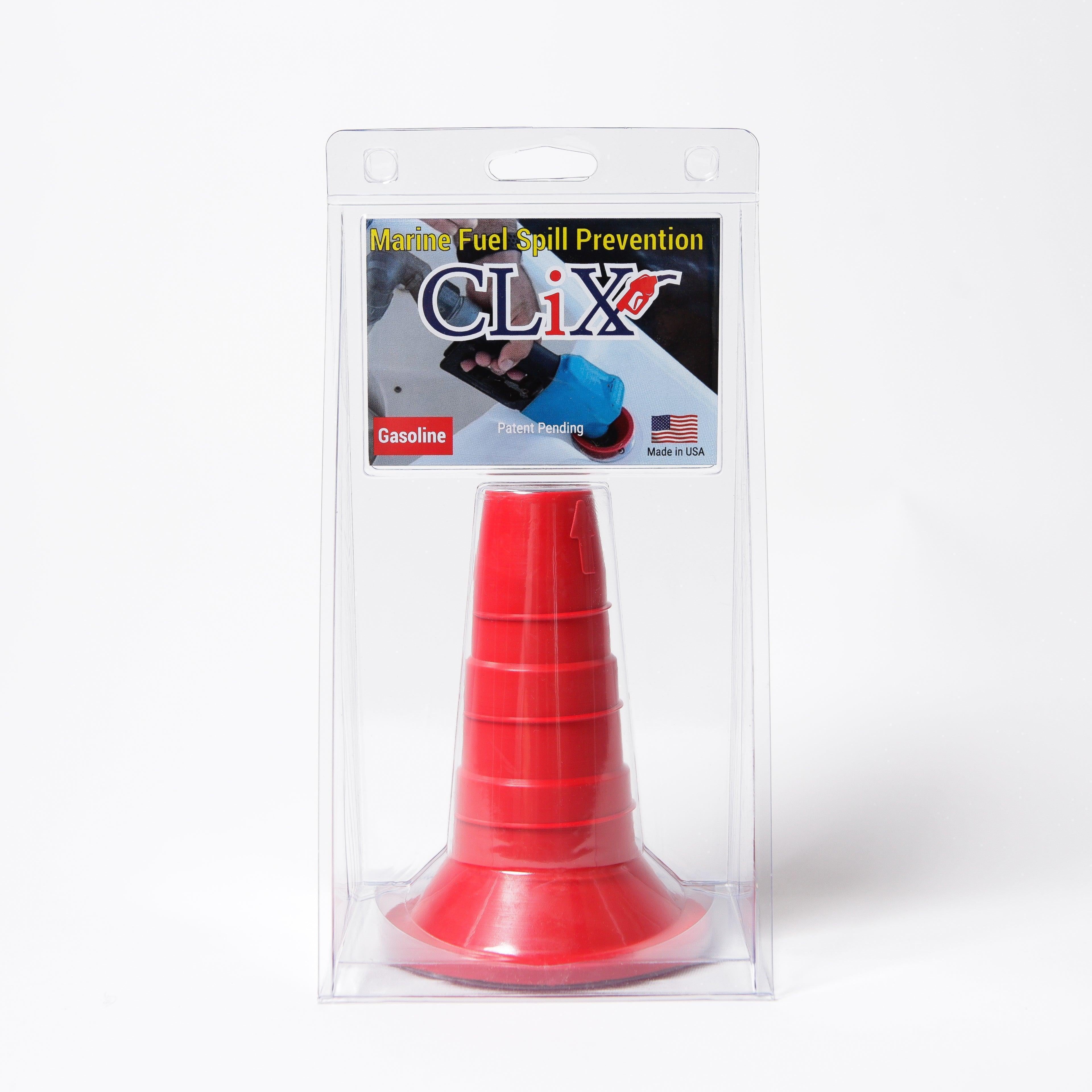
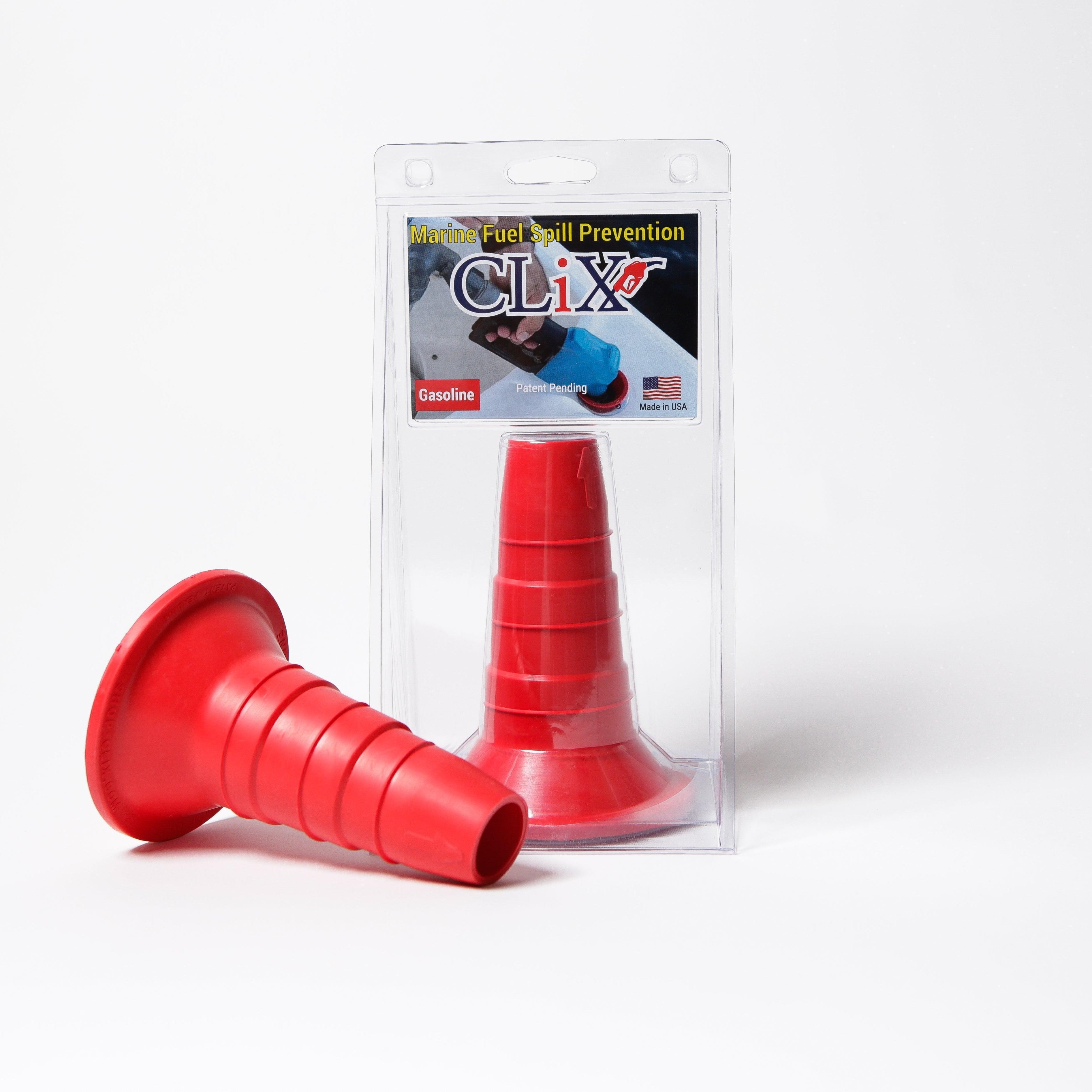
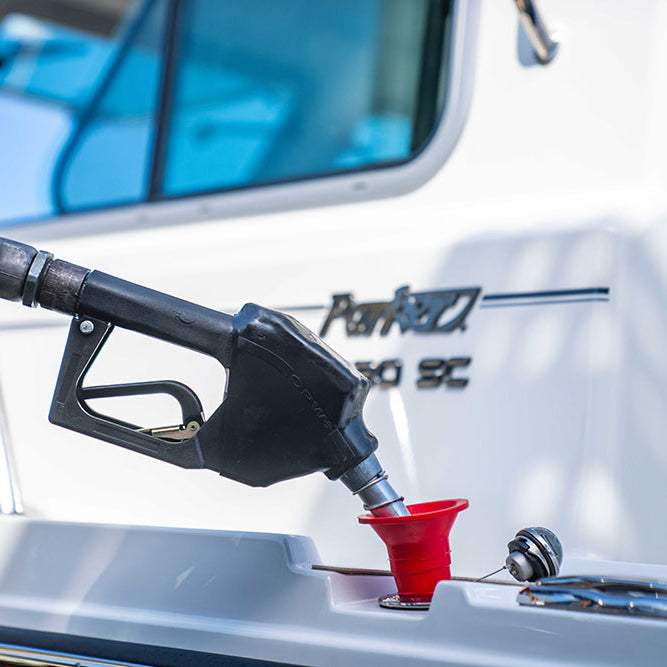
The idea behind this tech is beautifully simple. Systems like CLiX Fueling Solutions use a special receiver that you install on your boat’s fuel tank and a nozzle that attaches to your portable gas can. When you connect them, they form a secure, vapor-tight seal.
As the fuel starts to flow, the system keeps an eye on the tank’s fill level. The instant the fuel hits the receiver, it triggers an immediate, automatic shutoff in the nozzle. No hesitation, no overflow.
This automated process gives you a few major wins:
- Prevents Overfills: It completely takes the risk of accidentally overflowing your tank off the table.
- Reduces Fume Exposure: That sealed connection means fewer harmful gasoline vapors escape into the air you’re breathing.
- Minimizes Drips and Spills: The instant cutoff prevents those messy drips that always seem to happen when you pull a regular spout out.
By bringing smart technology into your fueling routine, you’re closing the loop on your safety plan. You're pairing the best practices of proper gas container storage with a modern tool that actively stops the most common cause of fuel spills. It’s this combination of smart habits and smart gear that gives you true peace of mind on the water.
Got Questions About Storing Gas Cans? We’ve Got Answers.
Even when you’ve got the basics down, real-world questions always pop up. Let's tackle some of the most common ones we hear from boaters, giving you clear, straightforward advice to handle those tricky situations and stay safe.
How Long is Gas Actually Good For in a Portable Can?
You might be surprised to learn that modern gasoline, especially the kind with ethanol, doesn't last very long. You're looking at a shelf life of just three to six months before it starts to go bad. Over time, it can suck moisture out of the air, separate, and create a gunky mess that will do a number on your engine's fuel system.
The best way to fight this is with a quality fuel stabilizer. If you know the fuel is going to sit for more than a month, don't skip this step. A good stabilizer can keep your gas fresh for a year or more, which means your engine will start right up when you're ready to hit the water.
Pro Tip: For the longest possible shelf life, add a stabilizer, seal the approved container tightly, and store it somewhere cool and dark. This simple routine protects your engine from the headaches that old, degraded fuel can cause.
Is it Okay to Leave a Gas Can in My Car or Truck?
While you obviously need to transport gas cans in your vehicle, leaving them there long-term is a terrible idea. Cars and trucks get incredibly hot, especially in the sun. That heat causes the gas to expand, pressure to build, and flammable fumes to escape the container. An enclosed space like a car trunk is the last place you want those fumes to concentrate.
When you're on the move, just follow these simple rules:
- Strap it down. Make sure the container is secure and can't tip over or slide around.
- Crack the windows. Good ventilation is key to keeping fumes from building up inside.
- Unload it immediately. As soon as you get where you're going, take the gas can out of your vehicle.
Seriously, never treat your car as a storage shed for gasoline.
Can I Just Mix My Old Gas with a Fresh Tank?
Mixing old, unstabilized gas with fresh fuel is a gamble you don't want to take. Think of it like pouring a little muddy water into a glass of clean drinking water—it ruins the whole thing. The old fuel can contaminate your fresh supply, introducing water and sediment that can clog up your engine.
The right move? Dispose of the old fuel properly. Most local communities have hazardous waste collection sites that will take it off your hands. Always start with clean, fresh fuel. It’s the safest bet for your boat and your peace of mind.
At CLiX Fueling Solutions, we think smart tech is the key to closing the loop on fuel safety. Our automatic shutoff system eliminates the human error that leads to dangerous spills, making every fill-up a safe one. See how we can help you make fueling safer and cleaner.