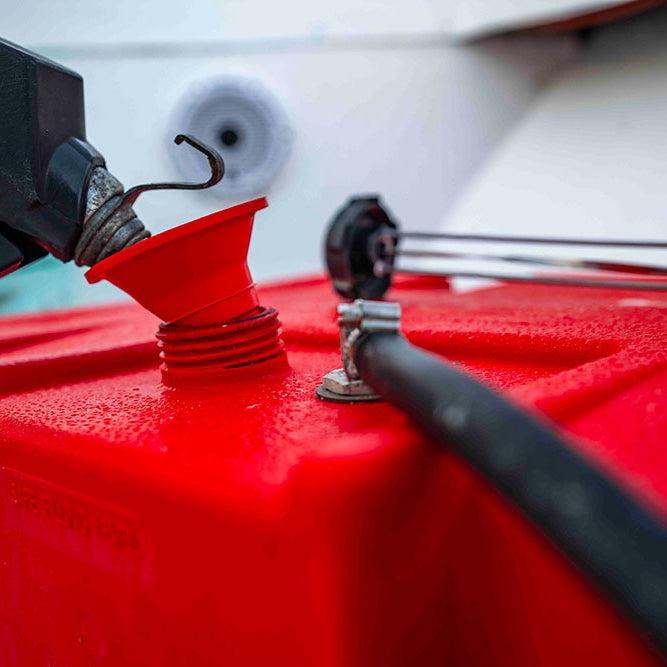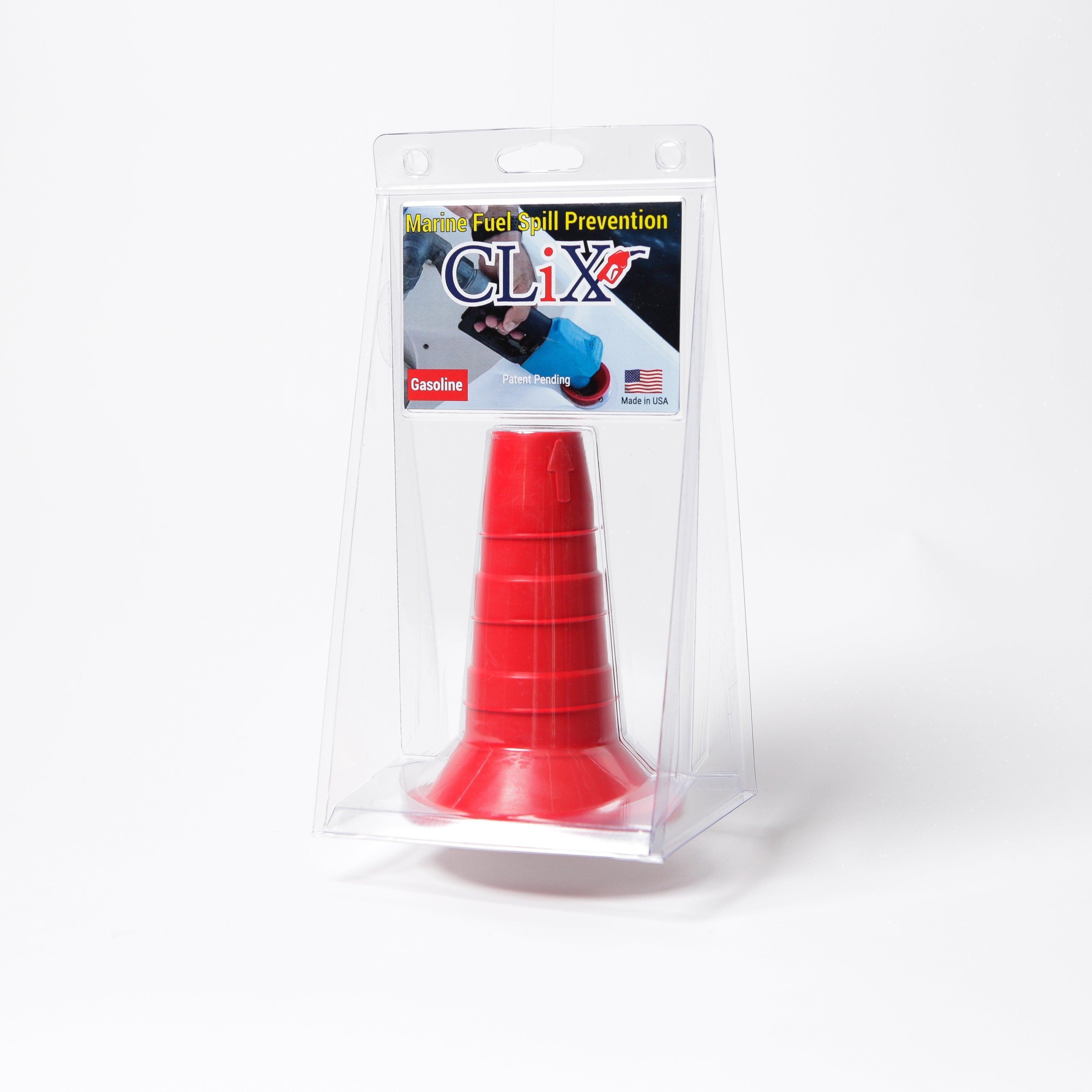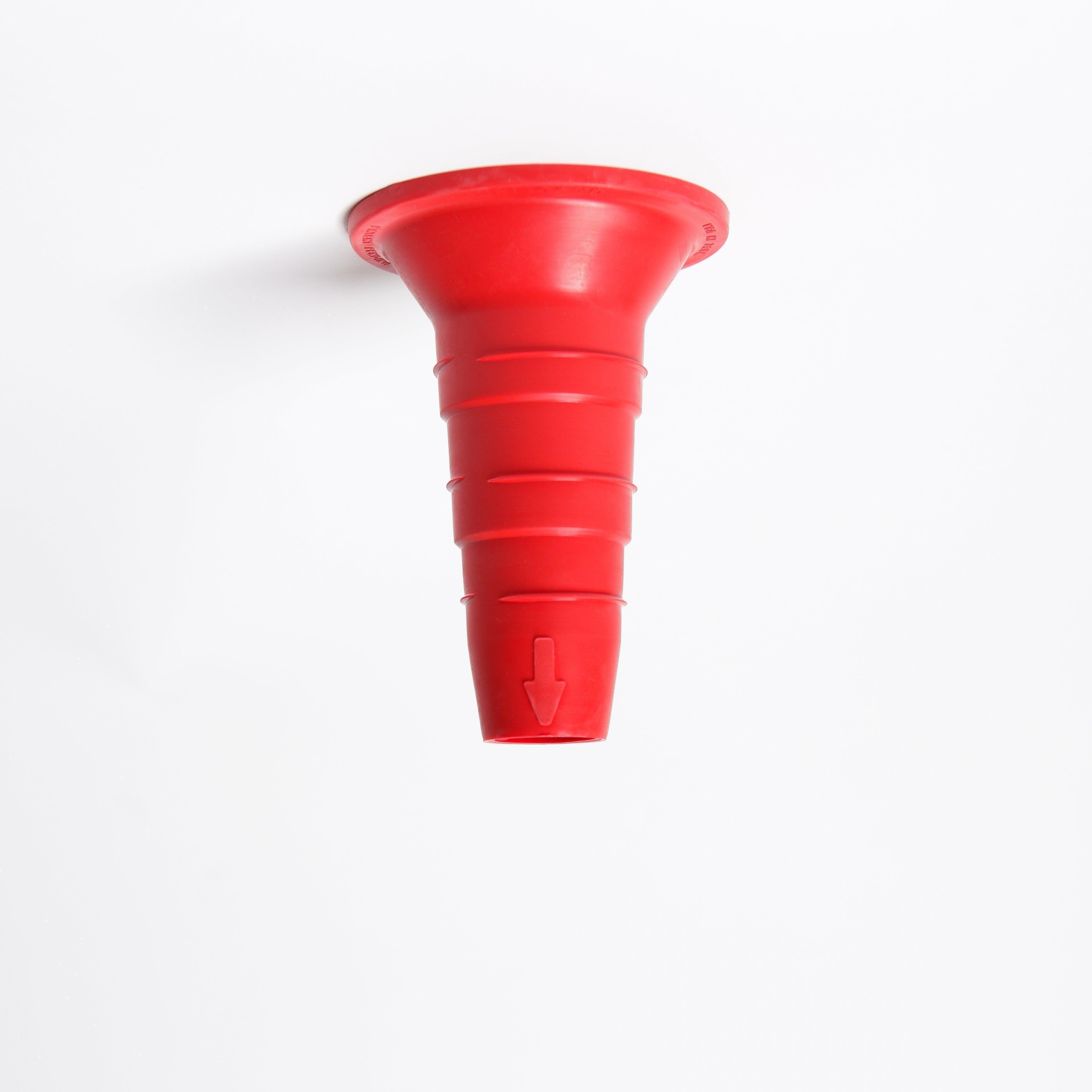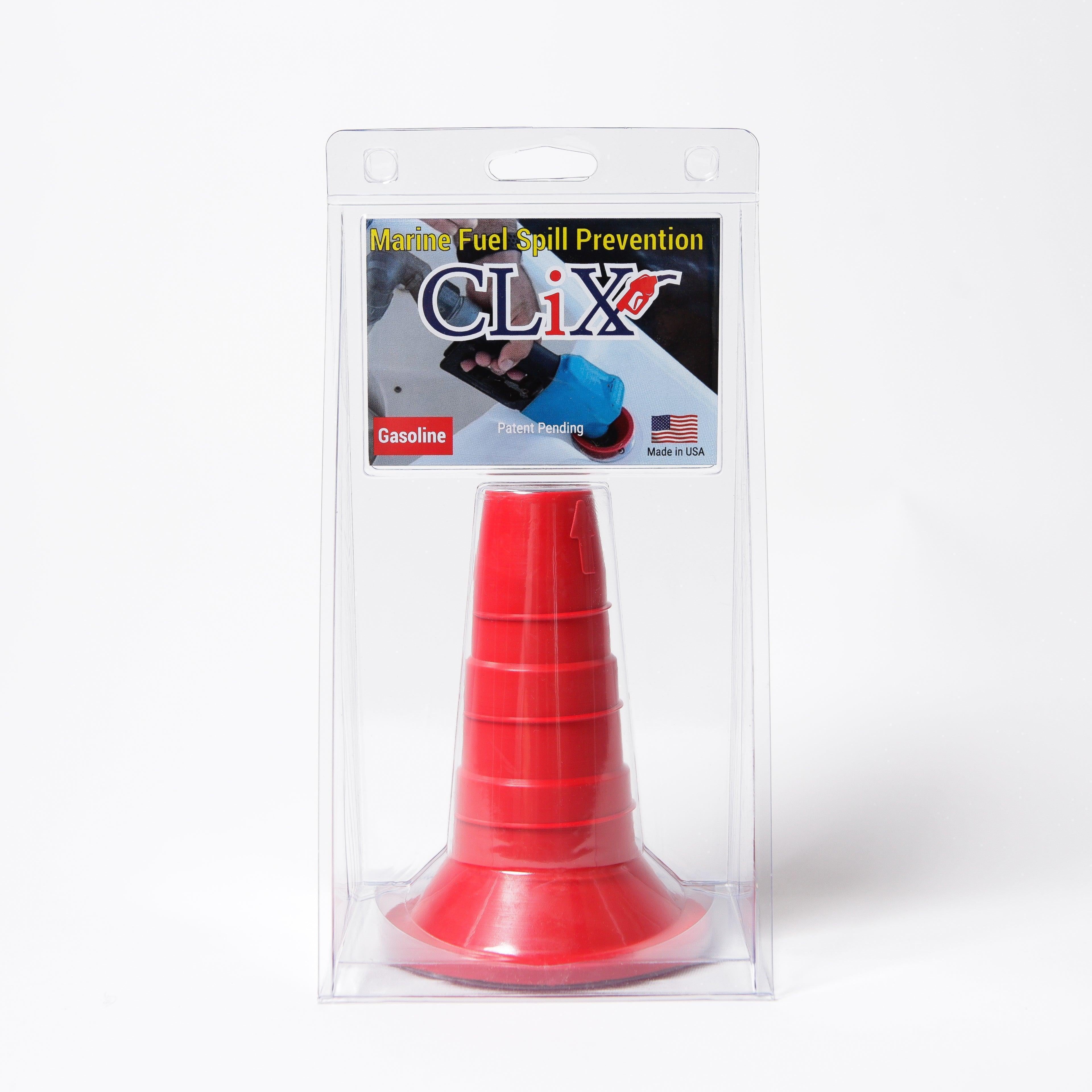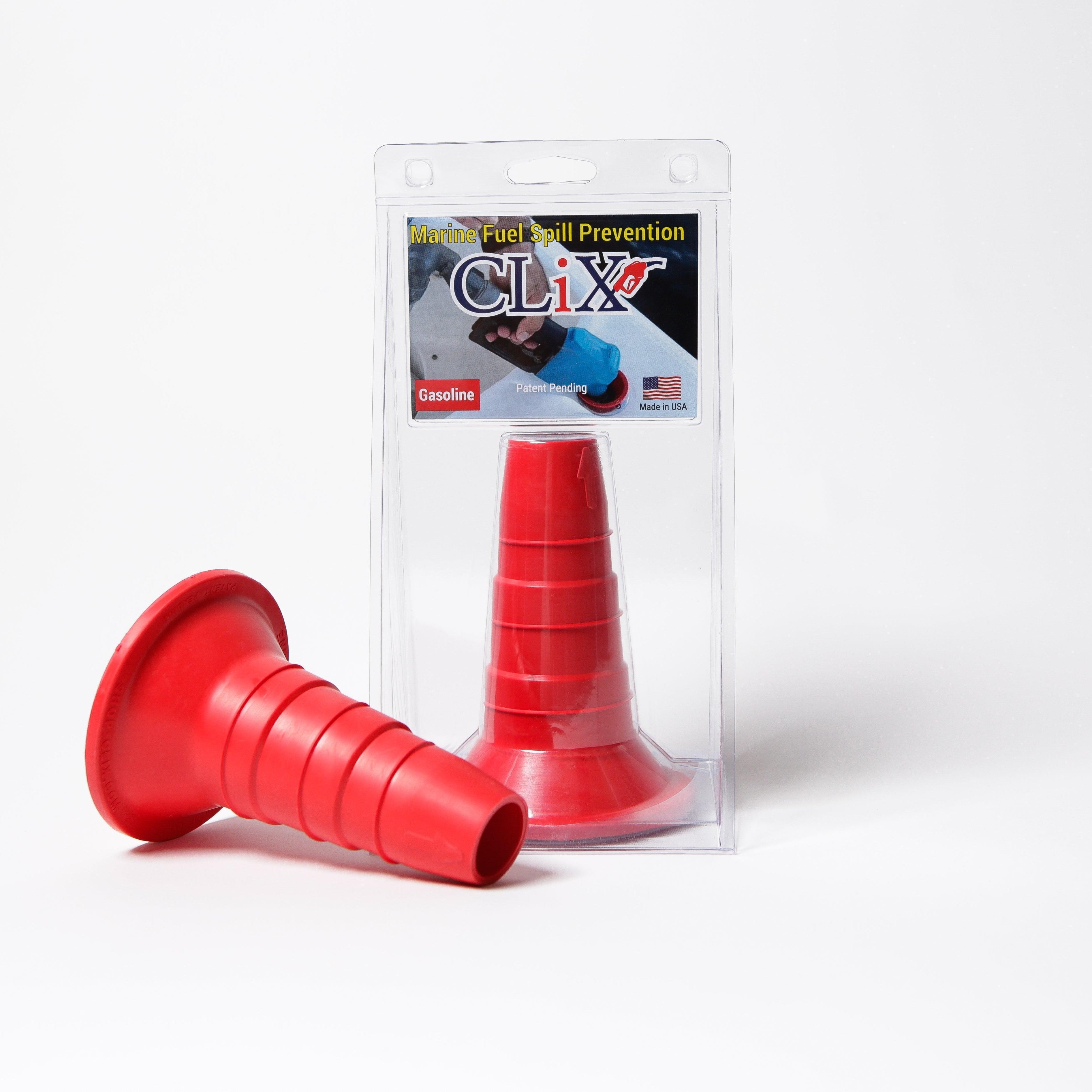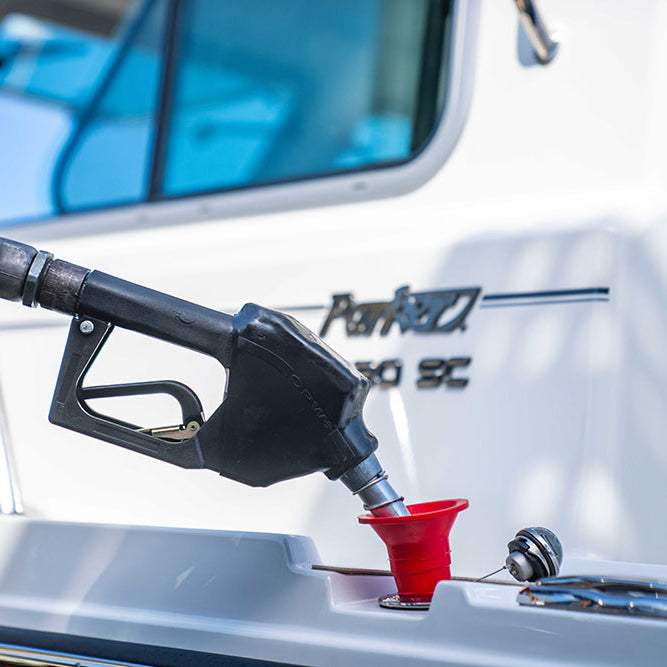
It takes just one bad batch of fuel to turn a perfect day on the water into an engine-stalling nightmare. That’s why using a funnel filter for your fuel is your absolute first line of defense. Think of it as a gatekeeper, stopping water, rust, and debris before they can ever get into your tank. It's a simple tool that protects your engine from the nasty surprises hiding in marina fuel pumps and portable jerry cans.
Why Clean Fuel Is Non-Negotiable
Picture this: you're miles offshore, the sun is shining, and suddenly your engine sputters and dies. The culprit? A single clogged fuel injector, taken out by a tiny piece of gunk from a questionable fill-up. This isn't just an inconvenience; it’s a serious safety hazard that can leave you stranded. This exact scenario plays out for boaters every season, all because of something totally preventable.
The fuel you pump is almost never as clean as you think. Contaminants are everywhere:
- Water Contamination: This is the big one. Water often comes from condensation inside the marina’s large storage tanks or even your own boat's tank. It causes corrosion, feeds microbial growth (the dreaded "diesel bug"), and can lead to complete engine failure.
- Rust and Sediment: Old fuel tanks, both at the dock and on your boat, flake off tiny rust particles that love to clog sensitive engine parts.
- Hidden Debris: It's amazing what can end up in fuel. Dirt, grime from old jerry cans, or just careless handling at the pump can introduce particles that will wreak havoc on your fuel injectors and pumps.
The Ripple Effect of Dirty Fuel
These tiny invaders don't just cause your engine to stall out. They start a chain reaction of expensive problems, like scored cylinder walls, damaged piston rings, and total fuel pump failure. We’re talking repairs that can easily run into the thousands of dollars, not to mention ruining your boating season. You can learn more about how a fuel water separator filter works as part of a total protection strategy.
This is exactly why you shouldn't think of a funnel filter as just another accessory. It's a critical piece of safety gear.
"A funnel filter isn’t just about protecting your engine—it’s about protecting your time on the water, your investment, and your safety. It’s the cheapest insurance policy you can buy against a bad day offshore."
The need for better fuel filtration isn't just a boater's concern; it's a global trend. The fuel filters market is expected to jump from USD 4.3 billion to USD 7.4 billion by 2035. This huge growth is driven by stricter emissions standards and the simple fact that modern, high-precision engines are incredibly sensitive to contamination. Grabbing a quality funnel filter fuel system is a small, smart move that prevents a world of hurt down the line.
Selecting the Right Funnel Filter Fuel System
Choosing the right funnel filter fuel system is a bigger deal than you might think. It’s not about just grabbing the first one off the shelf. The wrong choice can lead to frustratingly slow refueling, lousy filtration, or even have the funnel itself break down if it's not compatible with your fuel type. A good funnel is purpose-built, whether you're running on gasoline or diesel.
If you have a gasoline-powered boat, especially one running on ethanol blends like E10, the material of the funnel is a huge factor. Ethanol is notorious for degrading certain plastics over time, which means your funnel could actually become the source of contamination. You'll want to look for funnels made from materials like conductive polypropylene, specifically rated to handle gasoline and ethanol.
Diesel engines, however, have a different arch-nemesis: water. A quality diesel funnel absolutely must be great at separating water from the fuel. These often feature a special hydrophobic screen or a sump area designed to trap water and keep it far away from your tank.
Understanding the Numbers That Matter
When you start comparing different funnel filters, two numbers are going to jump out at you: the micron rating and the flow rate. These specs tell you how well the filter cleans your fuel and how fast you can get the job done.
- Micron Rating: This is all about the size of the junk the filter can catch. A lower number means it's trapping smaller particles. For general use, a 100-micron filter is usually enough to catch bigger debris like rust flakes. But if your engine has sensitive, high-pressure fuel injectors, you'll be much better off with a finer filter—something under 50 microns.
- Flow Rate (GPM): This is measured in Gallons Per Minute and tells you how quickly fuel can pour through the funnel. Trust me, a low flow rate can make filling up from a 5-gallon jerry can feel like an eternity. Try to match the GPM to how you typically refuel to avoid getting stuck at the dock.
A classic mistake is grabbing the finest filter you can find without thinking about the flow rate. Sure, a 10-micron filter offers incredible protection, but it might be so slow that it turns a quick refueling stop into a major chore.
This flowchart breaks down the simple logic behind protecting your engine every single time you add fuel.

It’s a straightforward reminder: using a filter is the only way to be sure you're safeguarding your engine from nasty contaminants. For a closer look at different models and what they offer, you can explore our comprehensive guide on fuel filter funnels.
Little Design Details That Make a Big Difference
Beyond the technical specs, look for smart design features that make life easier. An anti-splash rim is a lifesaver for preventing messy spills. A comfortable, ergonomic handle might not seem important until you're holding a heavy fuel can at an awkward angle.
Some of the best funnels even have a built-in sump that lets you see the water and gunk it's collecting. It's like getting an instant report card on the quality of your fuel.
The demand for better filtration isn't just a marine thing. The automotive fuel filter market was valued at USD 5.84 billion, with the aftermarket segment making up over 70% of that. This tells us people are actively looking for filtration that's better than what comes standard from the factory. And with diesel filters holding a massive 48.37% market share, it’s clear that these engines have very specific needs.
How to Refuel Safely and Prevent Spills
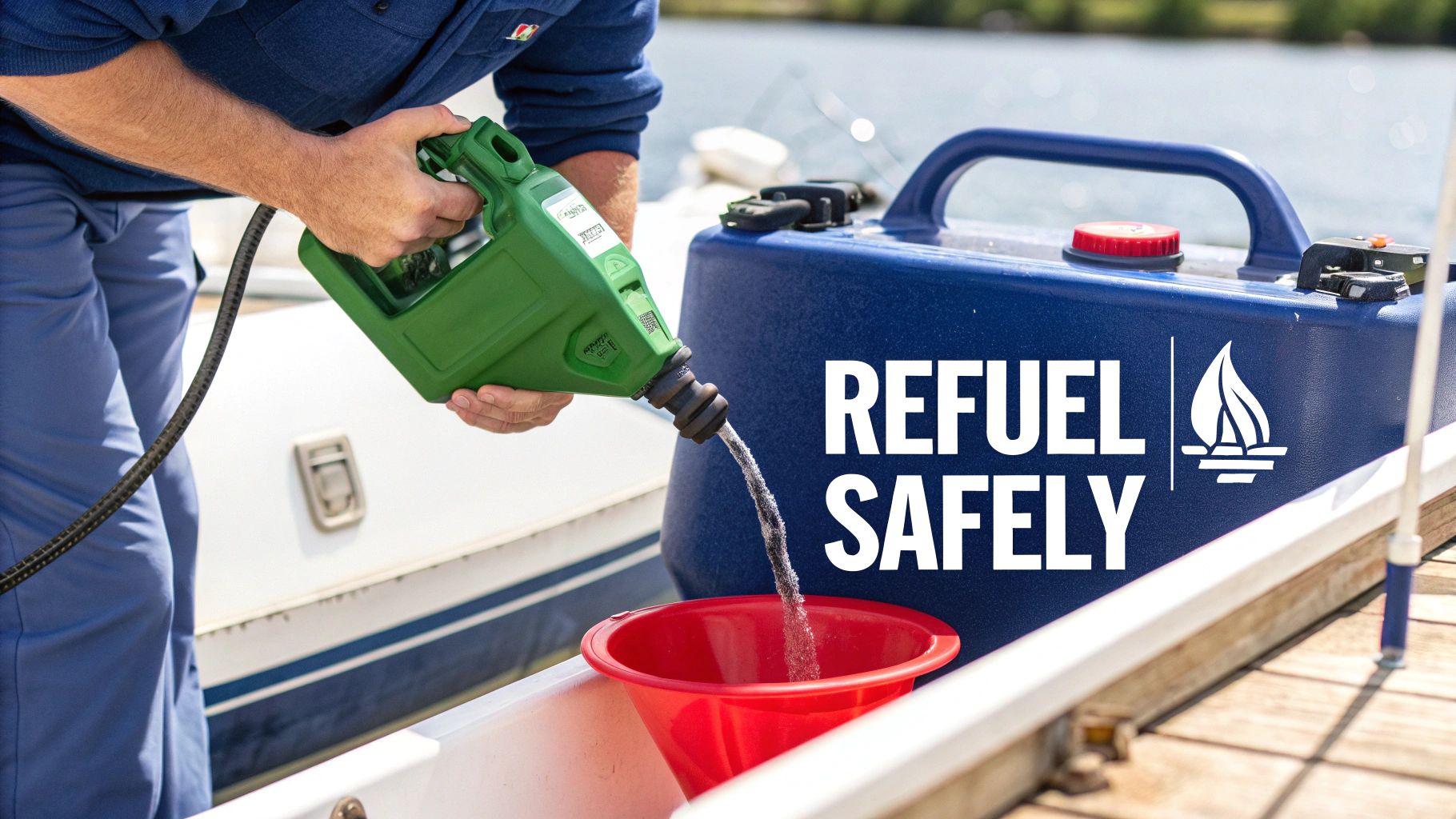
Mastering the art of refueling is about more than just pouring. It’s a deliberate process that protects your boat’s engine and the environment around you. Any seasoned boater makes refueling look effortless, but that ease comes from a well-practiced routine. Using a funnel filter fuel system correctly is a huge part of that, turning a potentially messy chore into a clean, safe, and efficient task.
Before a single drop of fuel even leaves the can, a quick series of checks sets you up for success. This isn't just about ticking boxes; it's about building smart habits that prevent the most common—and costly—refueling mistakes.
Pre-Fueling Safety Checks
Your first move should always be to get your boat and the immediate area prepped. This simple bit of prep work can be the difference between a smooth top-off and a dangerous spill or fire hazard from static discharge.
- Grounding is Key: If your funnel is made from conductive plastic, make sure it stays in contact with the metal deck fill. That simple connection helps dissipate any static electricity that might build up as fuel flows.
- Spill Pads at the Ready: Always have an absorbent spill pad or a dedicated rag placed right around the deck fill opening. Even with the steadiest hand, a small splash or drip can happen. Being prepared turns a potential mess into a non-issue.
- Quick Funnel Check: Give your funnel a quick once-over. Is the filter screen clean and clear of debris from its last use? A clogged filter will slow your flow rate to a crawl and cause frustrating backups.
Mastering the Pouring Technique
Once you’re prepped, the focus shifts to the pour itself. This is where a steady hand and a little finesse make all the difference. An unstable funnel or an aggressive, glugging pour is a recipe for a spill.
First, seat the funnel firmly into the deck fill. It should sit securely without any wobble. If it feels loose, take a second to reposition it until it’s stable. A wobbly funnel is one of the top causes of those dreaded over-the-side spills. For a deeper dive into why a secure connection is so important, our article on the marine fuel fill system offers some great insights.
When you start pouring from your jerry can, go slow. Tip the can to a controlled angle that creates a smooth, steady stream—not a gurgling, splashing mess. This lets the funnel filter fuel system do its job without getting overwhelmed, which can cause fuel to back up and spill right out of the top.
Listen as you pour. As the tank gets close to full, you'll hear a distinct change in the sound—a higher-pitched gurgle. That's your cue to slow way down and get ready to stop.
Monitoring the Filter During Fueling
A good funnel filter doesn't just block gunk; it shows you exactly what it's catching. As you pour, keep an eye on the filter's sump area. If you see water starting to collect or a bunch of sediment showing up, that’s a big red flag about your fuel source.
If you spot a significant amount of water, it's smart to stop fueling immediately. Empty the water out of the funnel's sump and seriously reconsider using that batch of fuel if you can. Catching that slug of water at the funnel is a far better outcome than finding it in your engine's fuel-water separator later on. This real-time feedback is one of the best reasons to use a high-quality funnel filter every single time you refuel.
Keeping Your Funnel Filter Clean and Effective
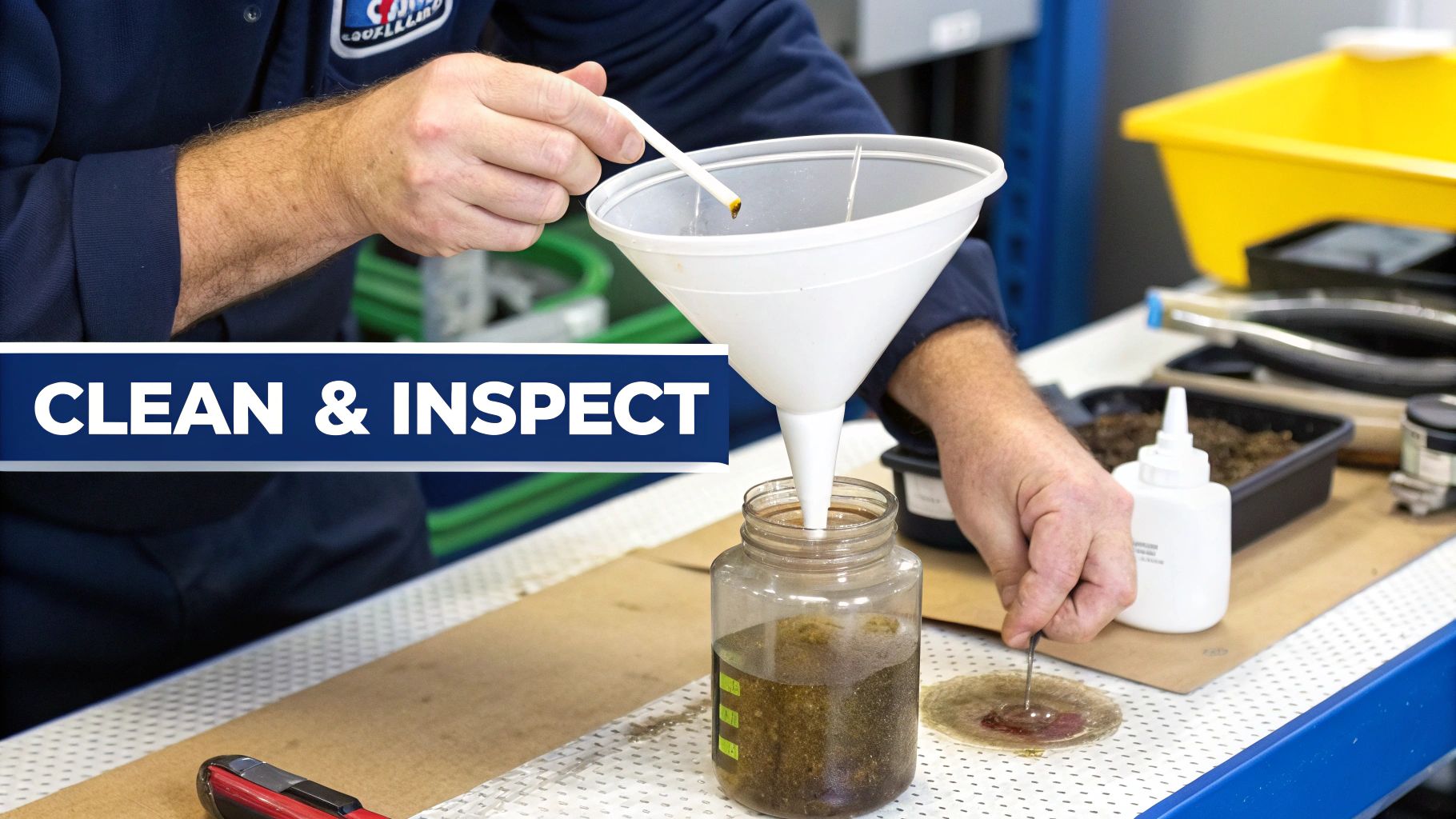
A good funnel filter is one of your engine's best friends, but it can't do its job if it's dirty. A clogged or poorly maintained funnel can actually put the gunk you're trying to stop right back into your tank. The good news is, keeping it in top shape is easy with a simple, consistent routine.
Think of it like this: you wouldn't brew your morning coffee with a used, dirty filter. The same idea applies here. Letting your funnel sit with grime and water in it completely defeats the purpose.
Your Quick Post-Fueling Routine
The absolute best time to clean your funnel is right after you use it. Don't wait. It takes less than a minute and prevents debris from drying and caking onto the filter screen, which makes it much harder to clean later.
First, make sure any leftover fuel is safely drained into an approved container. Then, just flip the funnel upside down and give it a solid tap. This will knock out most of the water and sediment that has collected in the sump. For most fill-ups, that's really all it takes.
A Quick Word of Warning: Never, ever use harsh household cleaners, solvents, or stiff brushes on your funnel. Chemicals like bleach or ammonia will eat away at the plastic and can destroy the fine filter screen, turning your best defense into a source of contamination.
When to Do a Deep Clean and Inspection
Every few months, or if you know you just took on a questionable batch of fuel, it's a good idea to give your funnel a more thorough once-over. This is your chance to catch small problems before they become big ones out on the water.
Here’s a quick checklist to run through:
- Flush with Clean Fuel: Grab a small amount of clean gasoline or diesel (use whatever your engine takes) and swirl it around inside the funnel. This will dislodge any stubborn residue. Pour the used fuel into a proper disposal container.
- Check the Filter Screen: This is critical. Hold the funnel up to a light source and carefully inspect the mesh screen for any tears, holes, or bent sections. Even a tiny pinhole is enough to let damaging particles through.
- Inspect the Funnel Body: Look over the entire plastic body for cracks, paying close attention to the spout and handle areas where stress occurs. A small crack can quickly turn into a dangerous leak.
- Examine Seals and Gaskets: If your funnel has O-rings or other seals, check that they're still soft and flexible, not cracked or brittle.
The importance of clean fuel isn't just a boater's concern; it's a massive global industry. The automotive fuel filter market was valued at around USD 1.77 billion and is projected to hit USD 2.67 billion by 2035. This growth is all about protecting modern engines and meeting efficiency standards, which just goes to show how vital good filtration is. You can see the full breakdown in this automotive fuel filter market report.
Once your funnel is clean and completely dry, the final step is storing it properly. Pop it into a clean plastic bag to keep dust and dirt out. That way, it’s always ready to go for your next trip to the fuel dock.
Troubleshooting Common Refueling Issues
Even with a perfect refueling routine, you’re bound to hit a snag eventually. A sudden slowdown in fuel flow or a surprising amount of gunk collecting in your funnel filter can be a real headache, but don't worry—these issues are usually simple to diagnose and fix right there on the dock.
Most of the time, these problems aren't a sign that your gear is failing. Instead, they're a direct signal about the quality of the fuel you're trying to pump. Learning to read these signs helps you solve the immediate issue and sidestep much bigger engine troubles down the road.
Why Is My Fuel Flow Suddenly So Slow?
This is the number one problem boaters run into, and it almost always points to a clogged filter. If you were pouring at a steady clip and the flow suddenly drops to a trickle, the filter screen has likely just caught a big slug of debris or water from your fuel can.
Whatever you do, don't try to force more fuel through it.
Here’s the game plan:
- Stop Pouring: First thing's first—stop fueling immediately to prevent a messy overflow.
- Check the Source: Peer inside your jerry can or look at the fuel nozzle. See any visible dirt, rust flakes, or a milky, cloudy appearance? That’s almost certainly your culprit.
- Clean the Filter: Carefully empty the funnel, get rid of the gunk it caught, and give the screen a quick wipe-down before you try again.
If the flow clogs up again right away with the same batch of fuel, it’s a clear sign that the fuel is just too dirty to use safely. Trying to run that through your engine is asking for trouble.
A slow flow rate isn't a failure; it's your funnel filter doing its job perfectly. Think of it as an early warning system screaming, "Stop! This fuel is junk." Listening to that warning is one of the smartest things you can do for your engine.
What Does a Lot of Water in the Sump Mean?
Finding a surprising amount of water collected in your funnel’s sump can be a bit alarming, but it’s a critical catch. It’s telling you that your fuel source, whether it’s a marina pump or a storage can, is seriously contaminated with water.
Even a little bit of water is bad news, as it can kickstart microbial growth and cause major corrosion in your fuel tank and lines.
When you see this, you need to stop refueling immediately and figure out where that water came from. Do not put another drop of that fuel in your tank. If you're at a fuel dock, let the marina staff know right away. Their main storage tanks might have an issue that could impact every boater fueling up after you.
This simple observation could save you from thousands of dollars in repairs and a dead engine out on the water.
Common Questions About Fuel Funnel Filters
Even the most seasoned boaters run into questions when it comes to the nitty-gritty of maintenance. When you're dealing with something as critical as your fuel system, you want clear answers. Let's tackle some of the most common questions we get about using fuel funnel filters.
Getting these details right isn't just about ticking a box; it's about protecting your engine from expensive damage and making sure you're refueling safely.
Can I Use the Same Funnel for Gasoline and Diesel?
That's a hard no. Using the same funnel for both gasoline and diesel is one of those mistakes you only make once. The risk of cross-contamination is sky-high, and the consequences are serious.
Just a few drops of gasoline in your diesel fuel can lower its flashpoint, turning it into a significant fire hazard. Flip that around, and diesel residue in a gasoline engine will foul up your spark plugs, create a ton of smoke, and leave nasty carbon deposits all over your engine's internals.
The only safe way to do this is to have two separate funnels, each clearly marked for its specific fuel. Many are already color-coded—red for gas, yellow for diesel—to make it almost impossible to grab the wrong one.
How Often Should I Replace the Filter Element?
How long your filter lasts really boils down to two things: the type of funnel you have and the quality of the fuel you're putting through it. A lot of the newer funnels have a built-in stainless steel screen that, with a bit of care, will last for years. You just clean it, and you're good to go.
If your model uses replaceable filters or cartridges, you'll want to give it a quick visual check every time you use it.
- Is the fuel flowing slowly? If you've cleaned the filter and the fuel still just trickles through, the media is probably clogged for good. Time for a new one.
- Can you see any damage? Hold the filter element up to the light. Any visible tears, holes, or warped spots mean it's compromised. Even a pinhole is enough to let contaminants sneak through.
When in doubt, always follow the manufacturer's recommendations for your specific model. A new filter element is cheap insurance compared to a major engine repair.
Is a Funnel Filter Enough on Its Own?
A funnel filter is a fantastic tool, but think of it as your first line of defense, not the whole army. It's an essential pre-filter, but it absolutely does not replace your boat's main, engine-mounted fuel-water separator. The two are designed to work as a team.
Your funnel filter is there to catch the big stuff right at the source—chunky debris, rust flakes from an old fuel can, or a slug of water. It stops the worst of it from ever getting into your tank in the first place.
From there, your onboard separator takes over. It's a much more sophisticated filter designed to pull out tiny, emulsified water droplets and microscopic particles that the funnel screen can't catch. Using both gives you a multi-stage defense that ensures your engine gets the cleanest fuel possible.
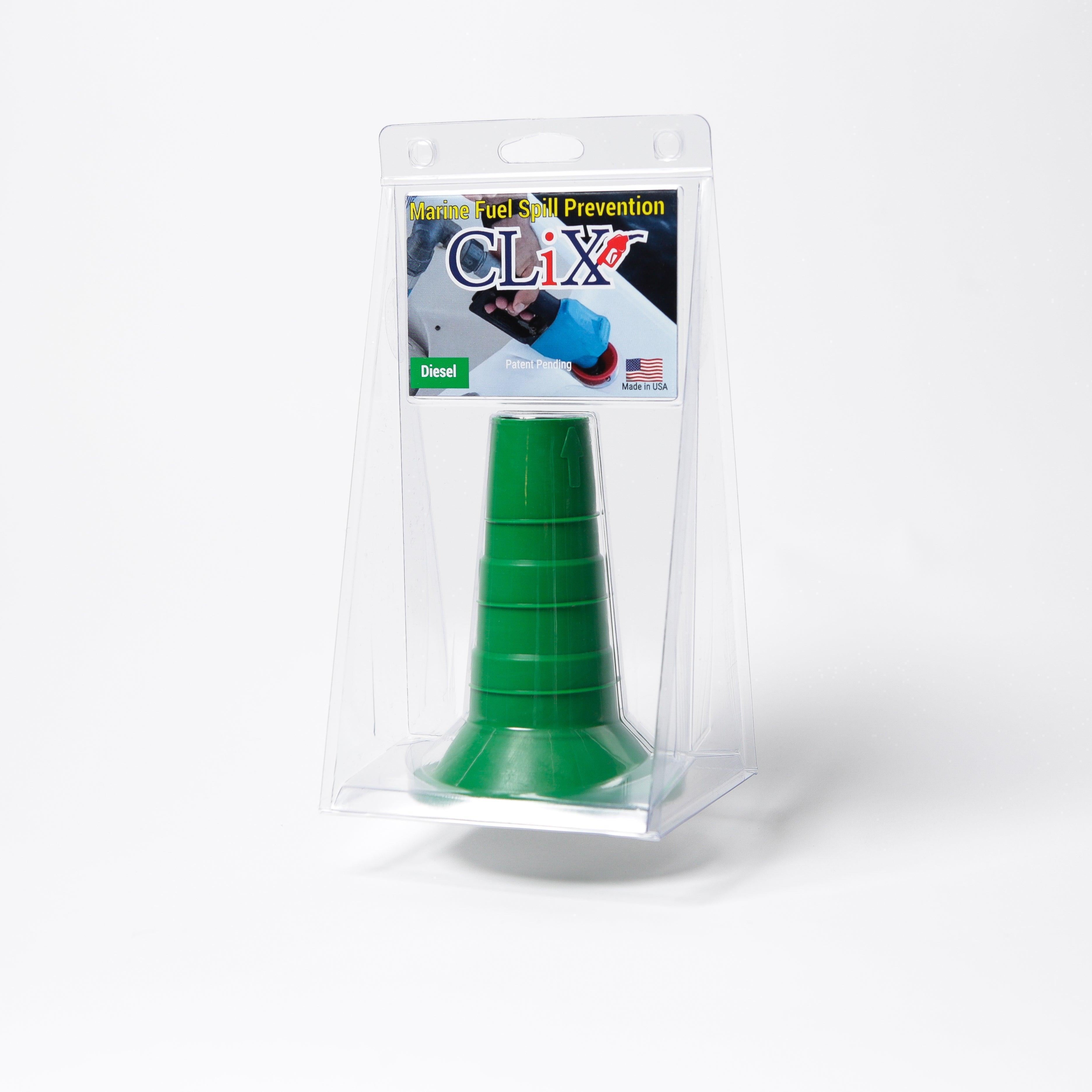
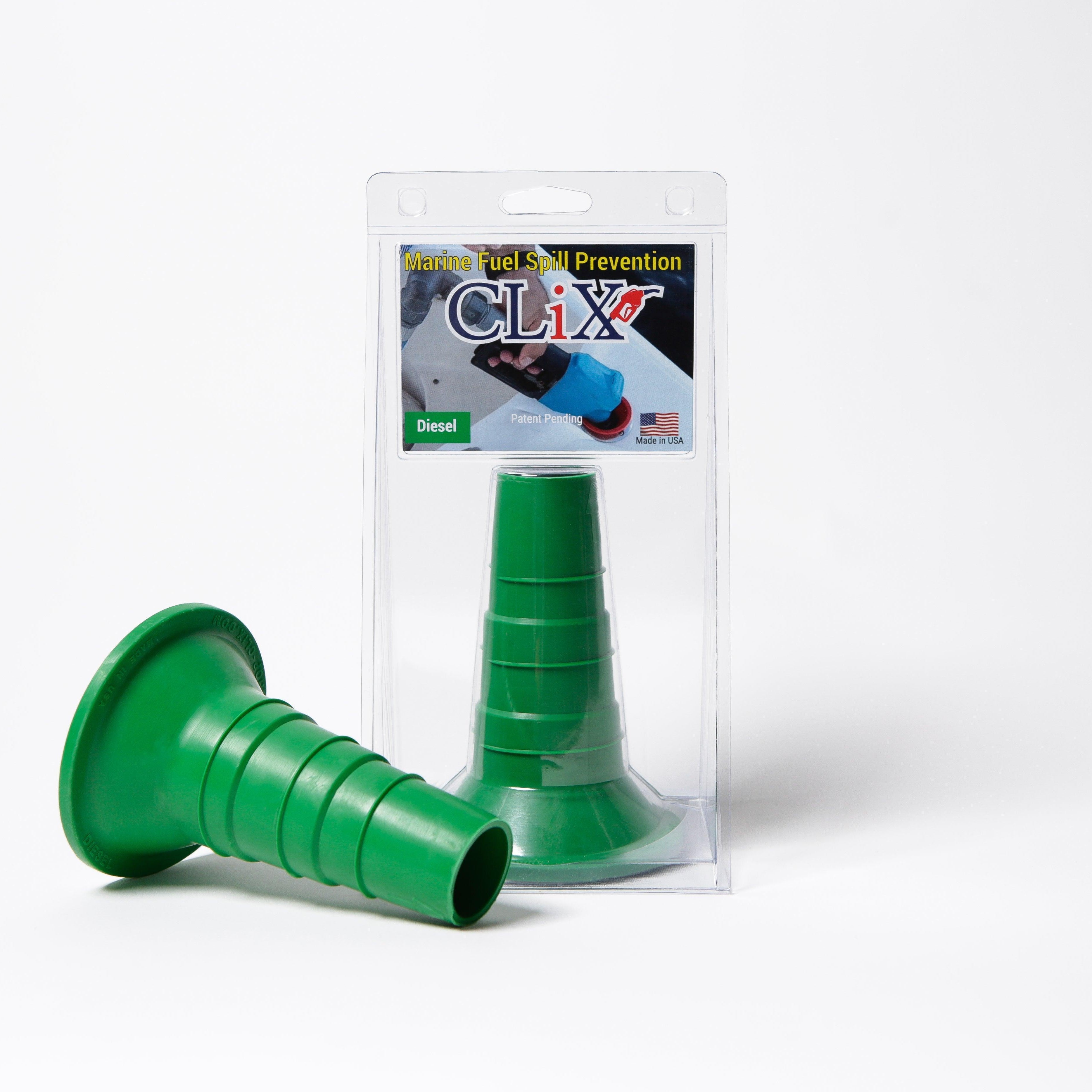
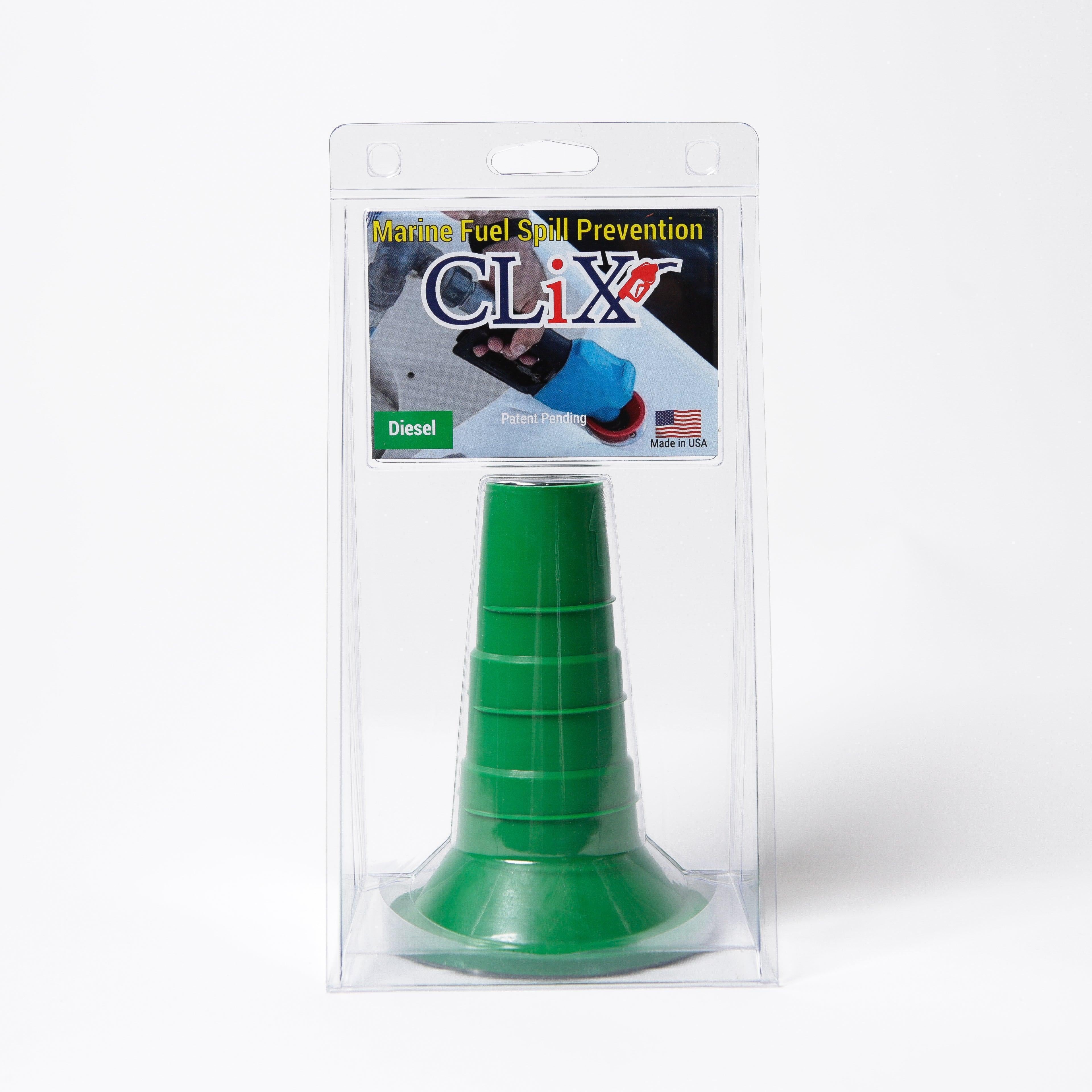
At CLiX Fueling Solutions, we're all about making refueling smarter and safer. A quality funnel filter is key to protecting your engine, and our spill-proof system is the perfect complement to protect your boat and the water from messy fuel spills.
See how you can get a cleaner, spill-free fill-up at https://clixfueling.com.