When you're out on the water, miles from the nearest dock, your portable gas tank is more than just a convenience—it's your lifeline. These aren't just any old fuel cans; they are specialized containers built to take a beating in a tough marine environment, all while keeping dangerous fuel and fumes safely locked away.
Why Your Portable Gas Tank Is a Critical Safety Tool
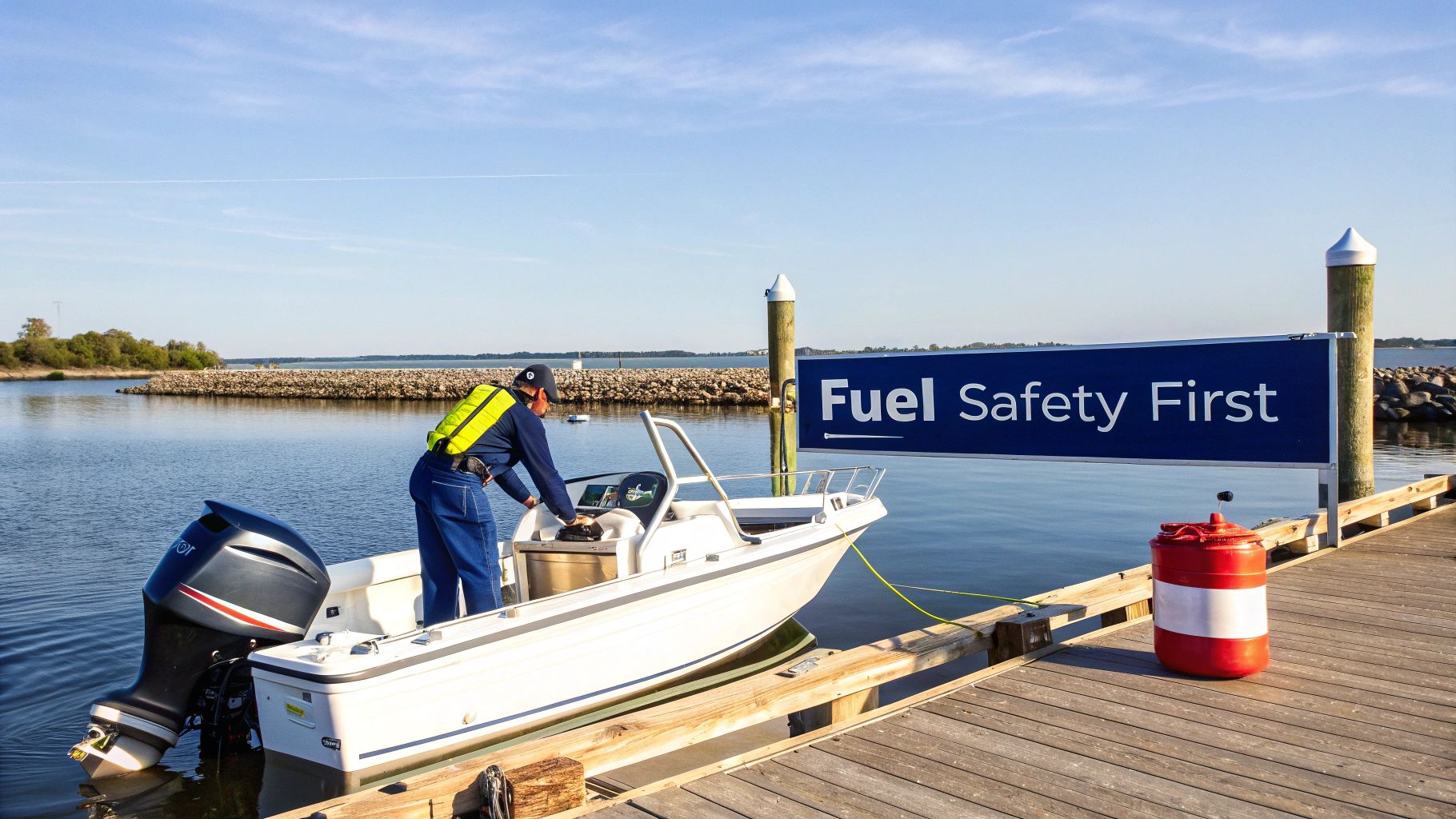
There’s nothing like the freedom of being on the water, but that freedom hangs on having a smart, reliable way to manage your fuel. A great day can quickly turn sour if you're constantly eyeing the fuel gauge or trying not to spill gas while refueling in choppy water. For many boaters, a portable tank isn't just a backup; it's their main fuel source.
Think of it as the heart of your boat’s operational safety. A shoddy tank can cause your engine to cut out, leaving you stranded. A poorly sealed one can leak flammable vapors, turning your boat into a ticking time bomb.
The Modern Boater's Dilemma
Every boater knows that sinking feeling when the fuel gauge drops faster than expected. It’s a common worry, but the challenges go way beyond just running dry.
- Environmental Responsibility: Even a small spill from overfilling can damage fragile marine life, and the cleanup costs can be steep.
- Safety Risks: Leaks don't just create slick, dangerous surfaces; they release explosive fumes into a small, enclosed space.
- Regulatory Compliance: Using the wrong type of tank or a damaged one can get you slapped with fines and safety violations.
A well-maintained marine portable gas tank is your first line of defense against the most common on-water emergencies. It provides not just fuel, but peace of mind.
This need for reliable fuel solutions is clear when you look at the numbers. The global market for portable fuel tanks, which includes the marine portable gas tanks we all rely on, was valued at around USD 2.8 billion and is expected to hit USD 4.6 billion by 2033. This surge is driven by recreational boaters who need that extra range and flexibility. You can dig into more of this data over at DataHorizzon Research.
A Path to Safer Fueling
The good news is that modern gear is finally catching up to these age-old problems. Innovations in fueling tech are making the messy, stressful job of refueling a clean, precise, and worry-free task.
This guide will walk you through everything you need to know about choosing, using, and maintaining your tanks to keep every trip fun and safe. Getting this one piece of equipment right is a huge step, and you can build on it with our complete safe boating checklist.
Choosing the Right Marine Fuel Tank for Your Boat
Picking the right portable fuel tank involves more than just grabbing the first one you see. You've got to think about the tank's material, its size, and how it fits with your specific boat and the way you use it. It's a bit like choosing tires for a vehicle—the zippy sports car tires won't do you any good on a rugged off-road truck. Your boat’s fuel system is no different; getting this choice right is crucial for safety and a hassle-free day on the water.
The first big decision you'll face is the material. Portable marine tanks are almost always made from one of two things: a heavy-duty plastic called high-density polyethylene, or metal, like steel or aluminum. Each material brings its own set of pros and cons to the table, especially when dealing with the harsh marine environment.
Plastic vs Metal Tanks
There's a good reason you see so many modern plastic tanks out there. Made from high-density polyethylene (HDPE), these tanks are the go-to for most boaters. They’re tough as nails, won’t rust or corrode from saltwater exposure, and can even absorb a few bumps and knocks without getting dented. That resilience makes them perfect for the typical jostling they'll experience on a smaller boat.
Metal tanks, on the other hand, are the tanks you choose when you need ultimate ruggedness. They are far less likely to swell up from fuel vapor pressure and are incredibly resistant to being punctured. The trade-off? Steel tanks will rust if their protective coating gets scratched, and both steel and aluminum will dent, which could potentially make them unstable.
The material you choose directly impacts your tank's lifespan and its ability to withstand sun, salt, and physical stress. For most recreational boaters, the corrosion resistance of a high-quality plastic tank offers the best balance of durability and low maintenance.
To help you weigh the options, let’s lay it all out in a simple comparison.
Comparing Portable Marine Fuel Tank Materials
This table breaks down the key differences between plastic and metal tanks to help you decide which material is the right fit for your boating needs.
| Feature | Plastic (High-Density Polyethylene) | Metal (Steel/Aluminum) |
|---|---|---|
| Corrosion Resistance | Excellent; impervious to rust and saltwater. | Good to Fair; requires protective coatings to prevent rust (steel) or pitting (aluminum). |
| Impact Resistance | Good; flexes to absorb impacts, resists cracking. | Excellent; highly resistant to punctures but can dent permanently. |
| Weight | Lighter and easier to carry when full. | Heavier, which can make transport more difficult. |
| UV Resistance | Good; modern tanks have UV inhibitors, but can degrade over long-term sun exposure. | Excellent; not affected by UV radiation. |
| Maintenance | Low; requires simple cleaning and inspection for cracks. | Moderate; needs regular checks for rust, corrosion, and coating integrity. |
Ultimately, the choice comes down to your priorities. If you want a lightweight, low-maintenance option that stands up to corrosion, plastic is your best bet. If maximum puncture resistance is your main concern and you don't mind the extra weight and upkeep, a metal tank could be the way to go.
Matching Capacity to Your Needs
Once you’ve landed on a material, it’s time to pick a size. This is all about finding that sweet spot between having enough range to explore confidently and not weighing down your boat with fuel you don’t need.
Portable marine gas tanks typically come in a few standard sizes:
- 3 Gallons: This size is perfect for tiny boats, dinghies, or just as a small "get home" reserve. It’s light and easy to handle but doesn't offer much range.
- 6 Gallons: This is by far the most common size for small- to mid-sized boats. It gives you a solid amount of fuel for a day trip without being a beast to carry.
- 12 Gallons: You'll want this for longer excursions or for boats with thirstier engines. Just remember, a full 12-gallon tank can weigh over 75 pounds, which is a serious consideration when you have to lug it from your car to the dock.
To figure out the right capacity, think about your engine’s fuel consumption and how long you’re typically out on the water. A great rule of thumb is the "one-third" principle: plan to use one-third of your fuel to get where you're going, one-third to get back, and always keep one-third in reserve for emergencies. You can dive deeper into the nuances of different setups in our complete guide to understanding boat fuel tanks. A little forethought here goes a long way in making sure you're ready for anything.
Mastering Fuel Safety and Storage on the Water
You’ve picked out the perfect portable gas tank for your boat. Great. Now comes the part that really matters: handling it safely. On any vessel, the fuel you carry is hands-down the most dangerous substance onboard, and treating it with anything less than total respect is just asking for trouble.
Think about it—a poorly stored tank is a ticking time bomb. Between the summer heat, a random spark, or just the natural buildup of vapor pressure, a beautiful day on the water can turn into a nightmare in a split second. Let's make sure that never happens.
The Golden Rules of Fuel Tank Storage
Proper storage is your first and best line of defense. The whole idea is simple: stick your tank in a spot that eliminates as many risks as possible. That means keeping it away from heat, sparks, and anything that could knock it around.
The number one rule? Your tank needs to live in a well-ventilated area. Gasoline fumes are heavier than air, and if they don't have a place to escape, they'll pool in low spots, creating a seriously explosive situation.
Here are the absolute must-dos for safe storage:
- Keep It Cool: Never, ever store a fuel tank near the engine compartment, batteries, or any other gear that gets hot or could throw a spark.
- Stay Out of the Sun: Direct sunlight is bad news. UV rays slowly break down the plastic, and the heat causes the fuel to expand, building up dangerous pressure inside the tank.
- Lock It Down: Always make sure your tank is secured upright so it can’t tip over or slide around when the water gets choppy. Bungee cords or dedicated tank chocks are perfect for this.
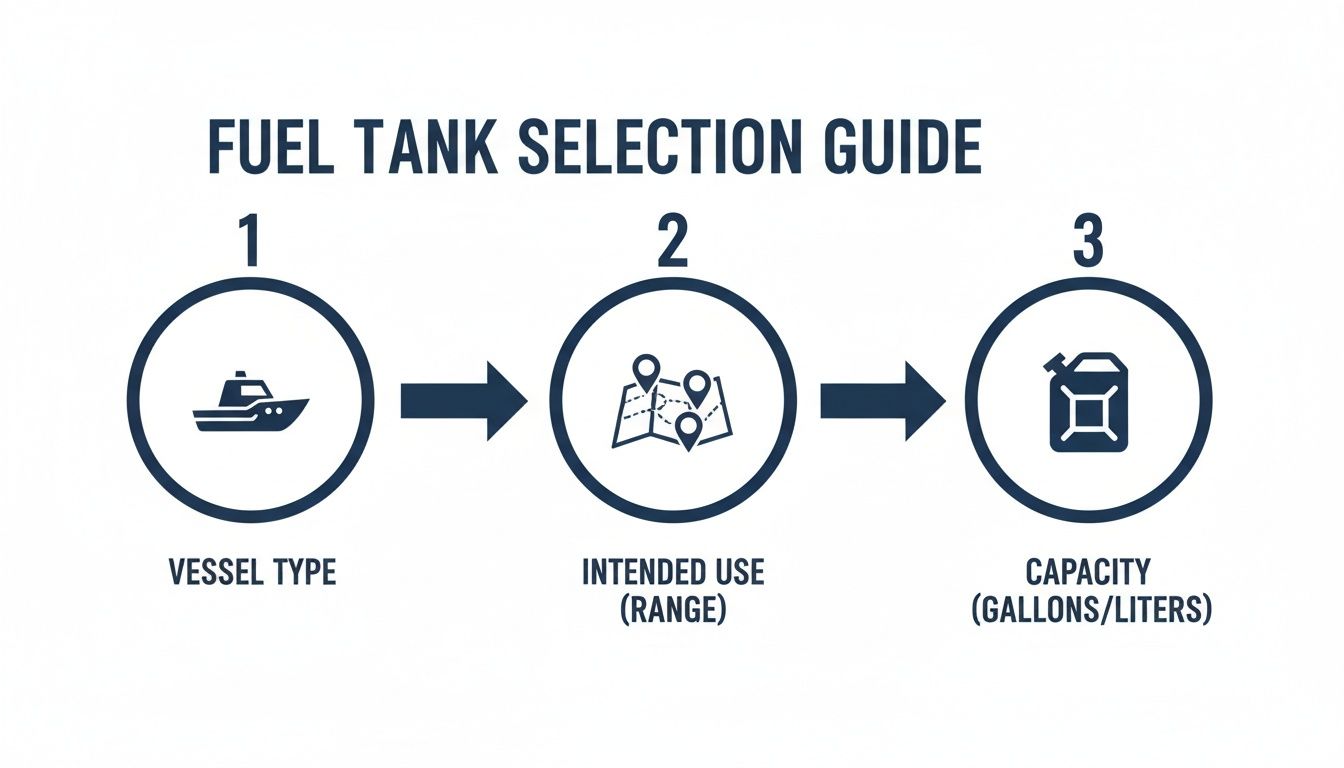
This guide breaks down how to pick the right tank in the first place, from your boat type to the range you need.
 Getting this part right is the foundation of safe fuel management. For a deeper dive, check out our full guide on how to store gasoline safely on our blog.
Why Your Tank Needs to Breathe: Vents and Vapor
Your fuel tank isn't just a sealed box; it needs to breathe. As temperatures fluctuate and your engine sips fuel, the pressure inside changes. That little vent, usually on the cap, is there to manage that pressure so the tank doesn’t get squeezed or swell up.
A clogged vent is a huge problem. It can create a vacuum that starves your engine of fuel, causing it to stall right when you need it most. Even worse, on a hot day, a blocked vent can let pressure build until the tank bloats or, in a worst-case scenario, ruptures.
Make this part of your pre-launch checklist: check the vent. If it’s a manual screw-type, crack it open before starting the engine. If you have a newer EPA-compliant tank with an automatic vent, just make sure the cap is clean.
This quick, five-second check can prevent one of the most common and easily avoided headaches on the water.
The Hidden Danger of That "One Last Splash"
We’ve all seen it, and maybe we’ve all done it: trying to squeeze every last drop of fuel into the tank. That little "top-off" is one of the biggest mistakes a boater can make.
Spilled gasoline is so much more than a smelly mess. It eats away at your boat’s gelcoat, pollutes the water, and the fumes create an immediate and serious fire hazard. The numbers really bring this risk into focus.
The market for portable fuel tanks is set to hit USD 2,275.30 million by 2031, meaning more tanks—and more risk—are out there. According to the US National Transportation Safety Board, a shocking 25% of fuel-related boat fires are traced back to overfilling. It’s a simple mistake with devastating consequences.
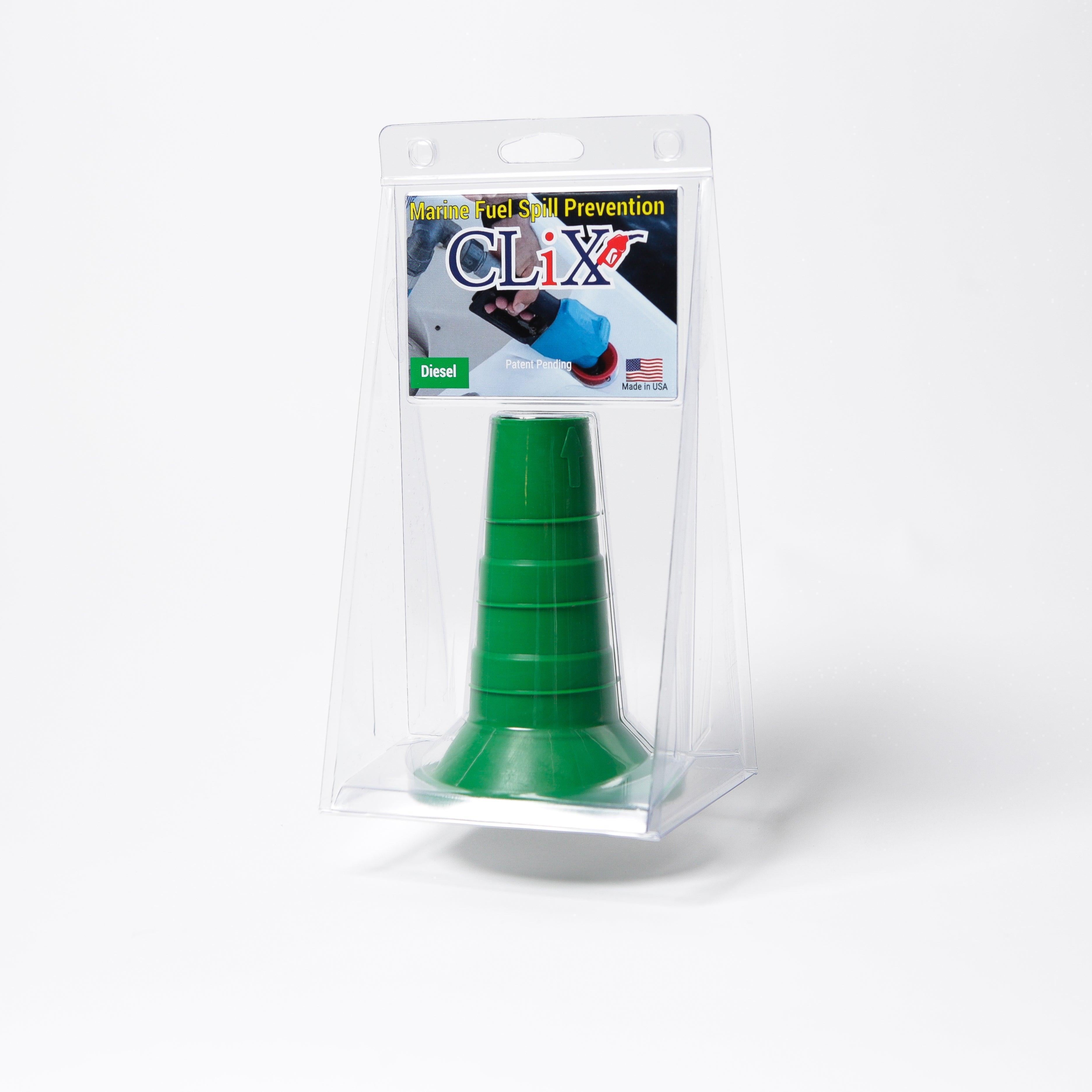
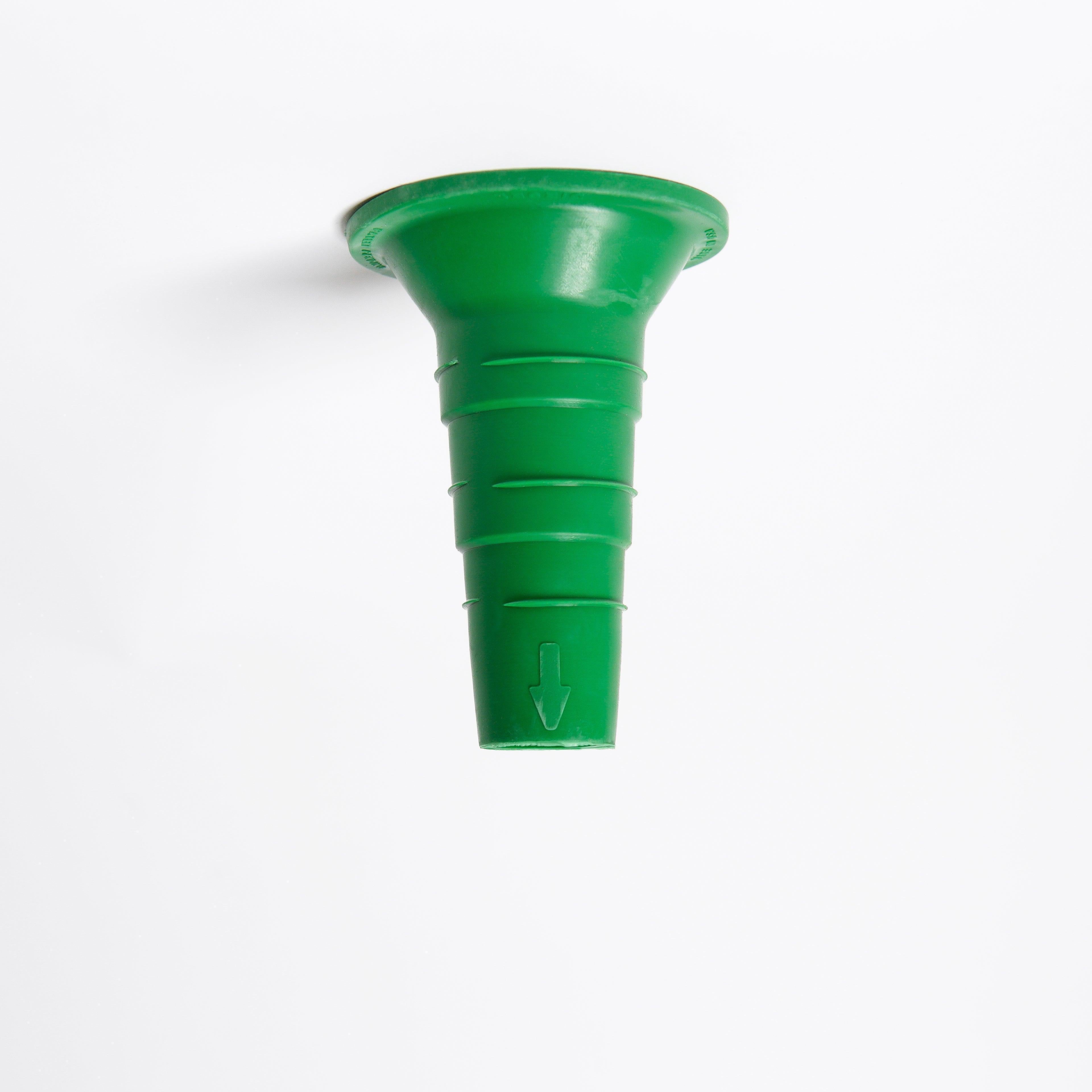
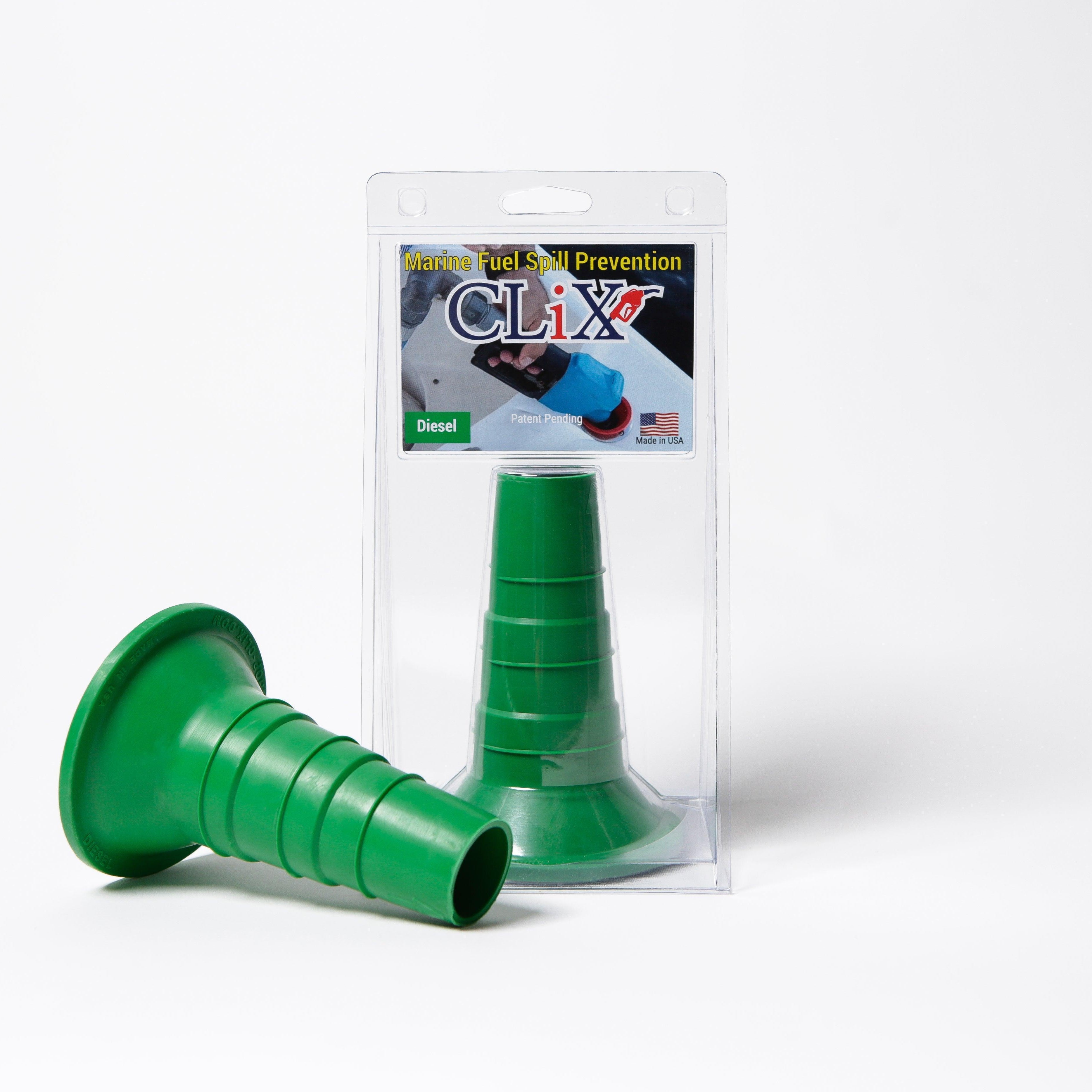
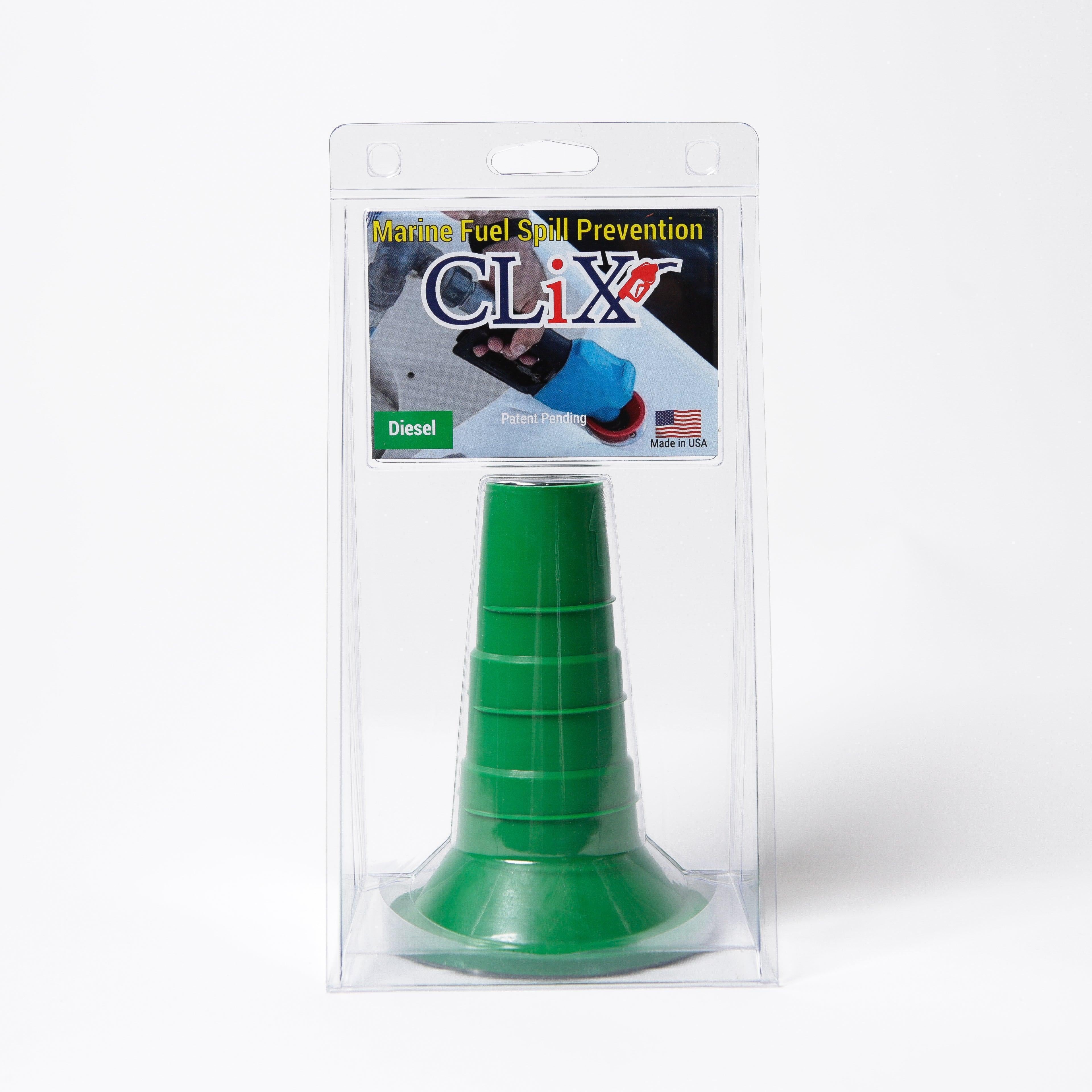
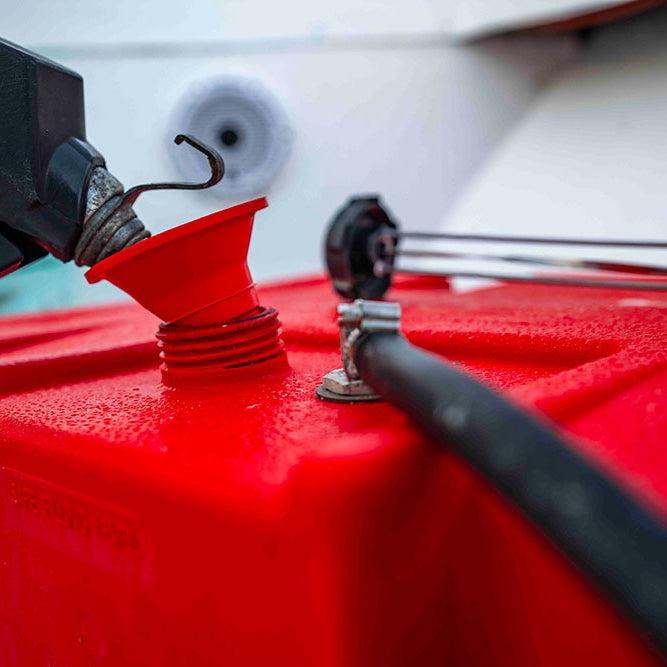
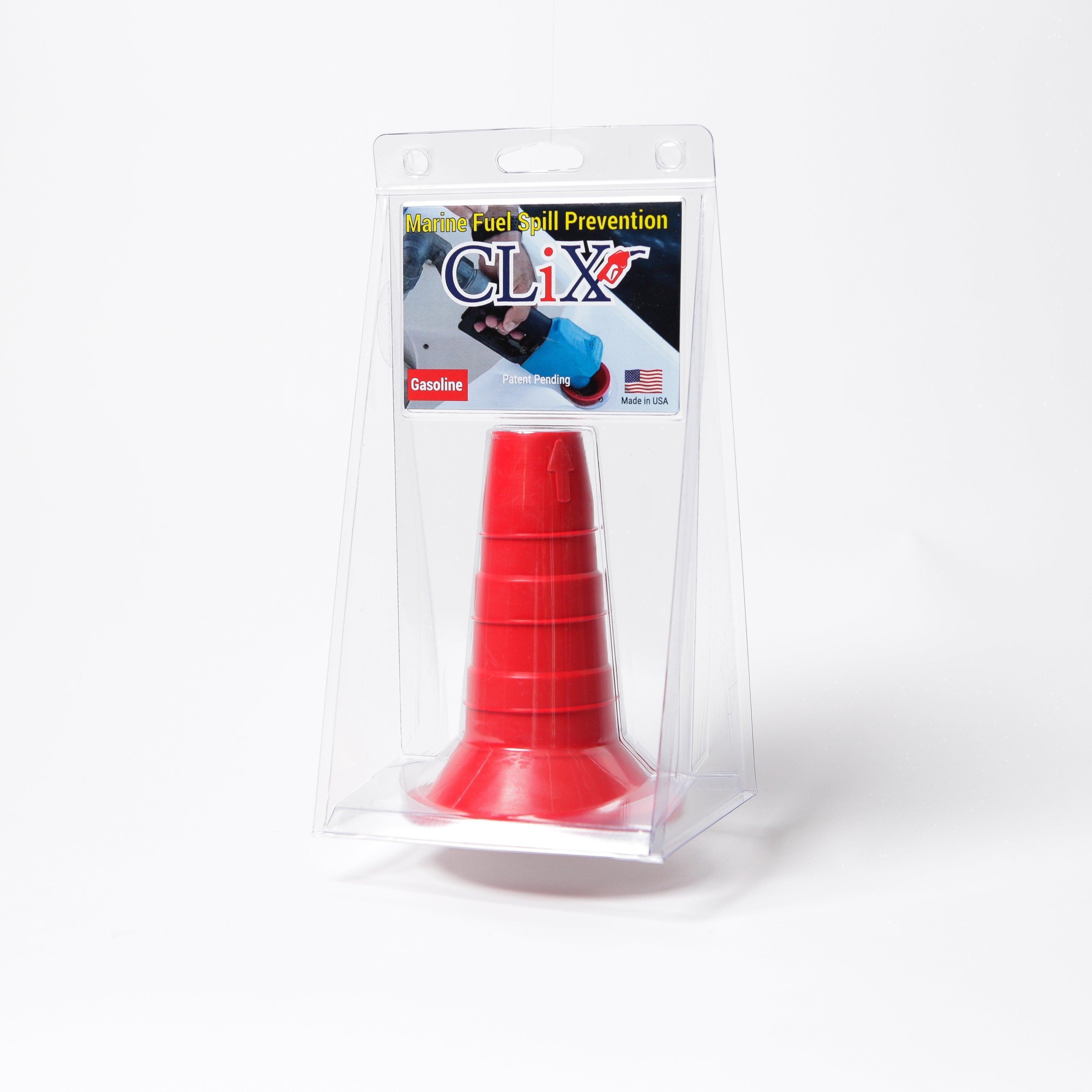
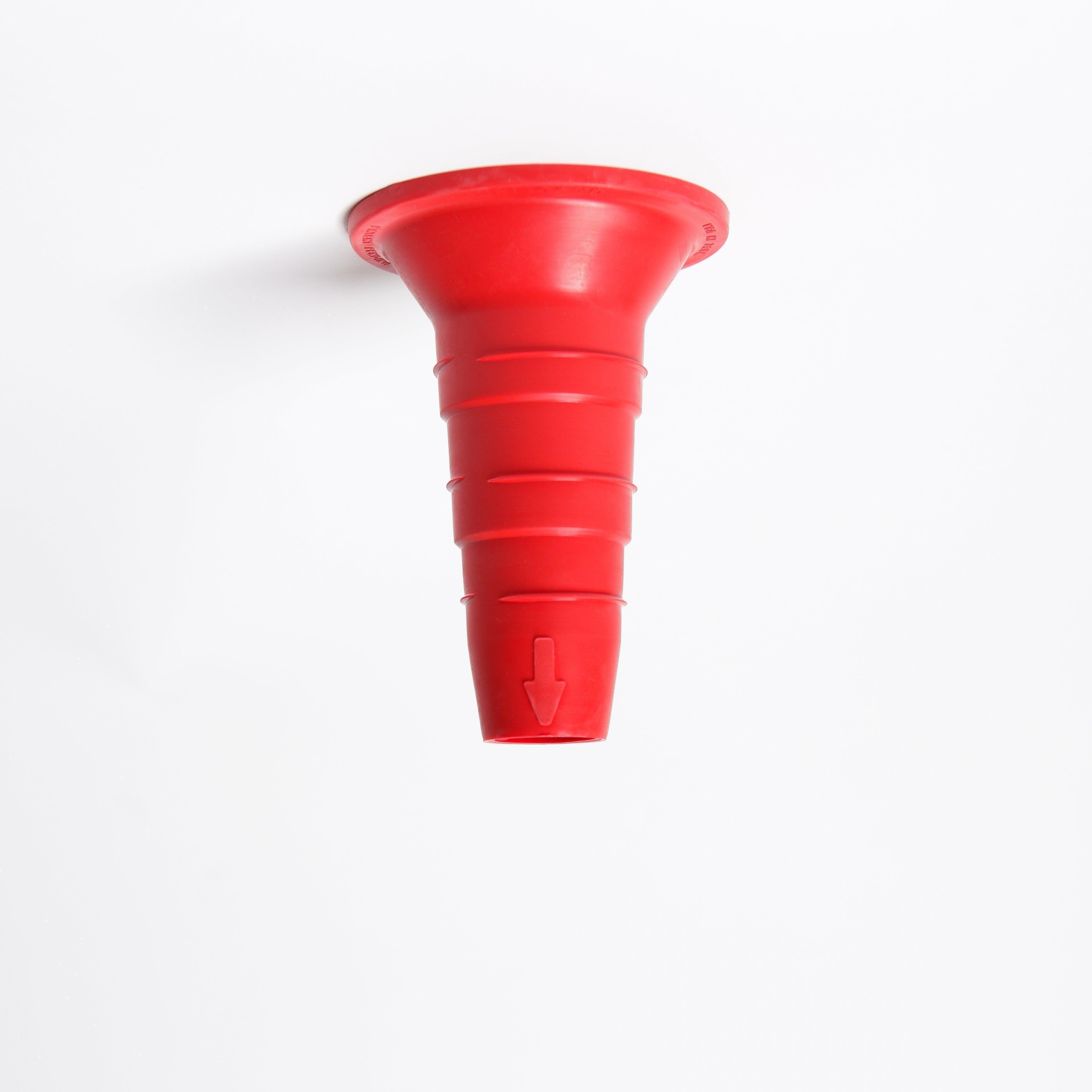
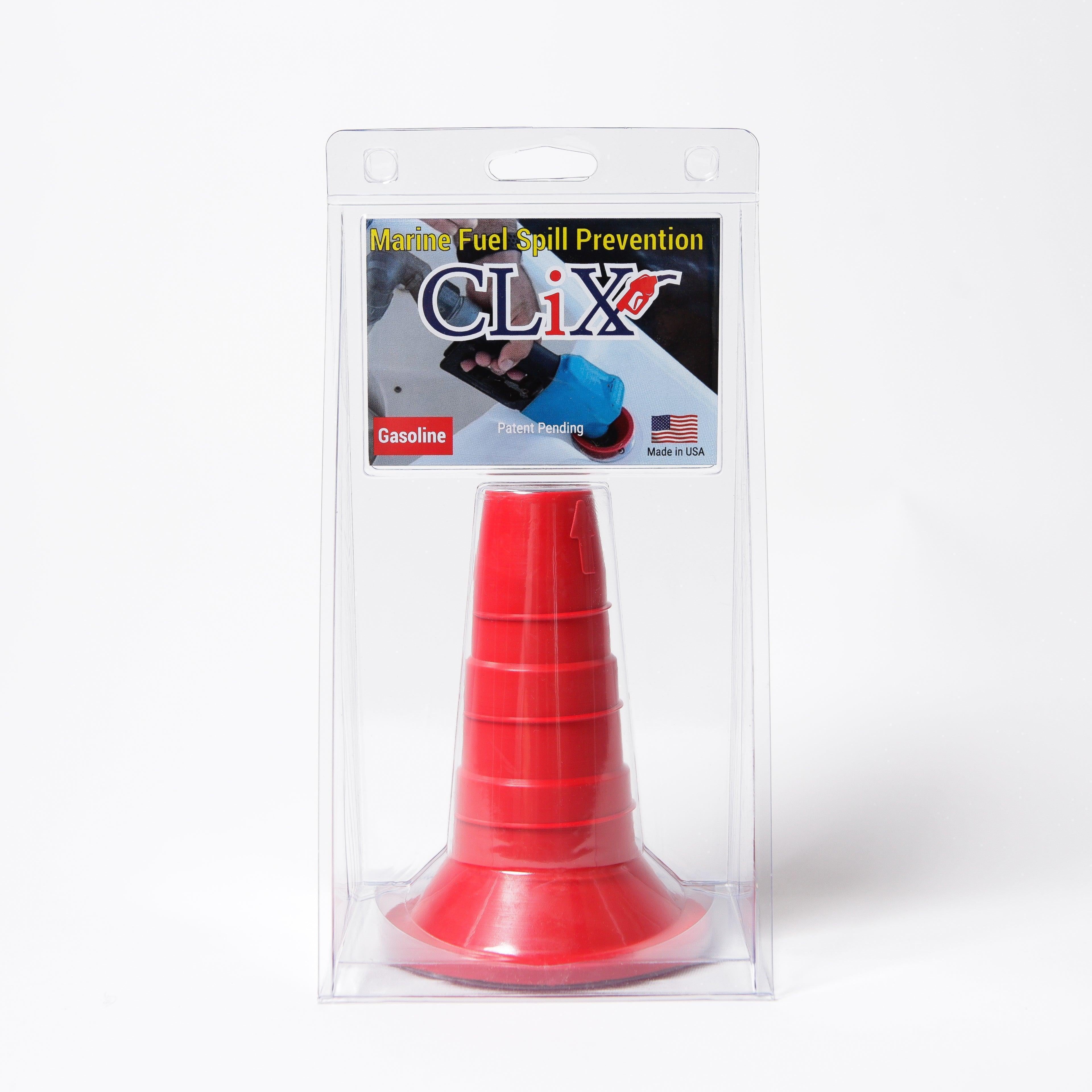
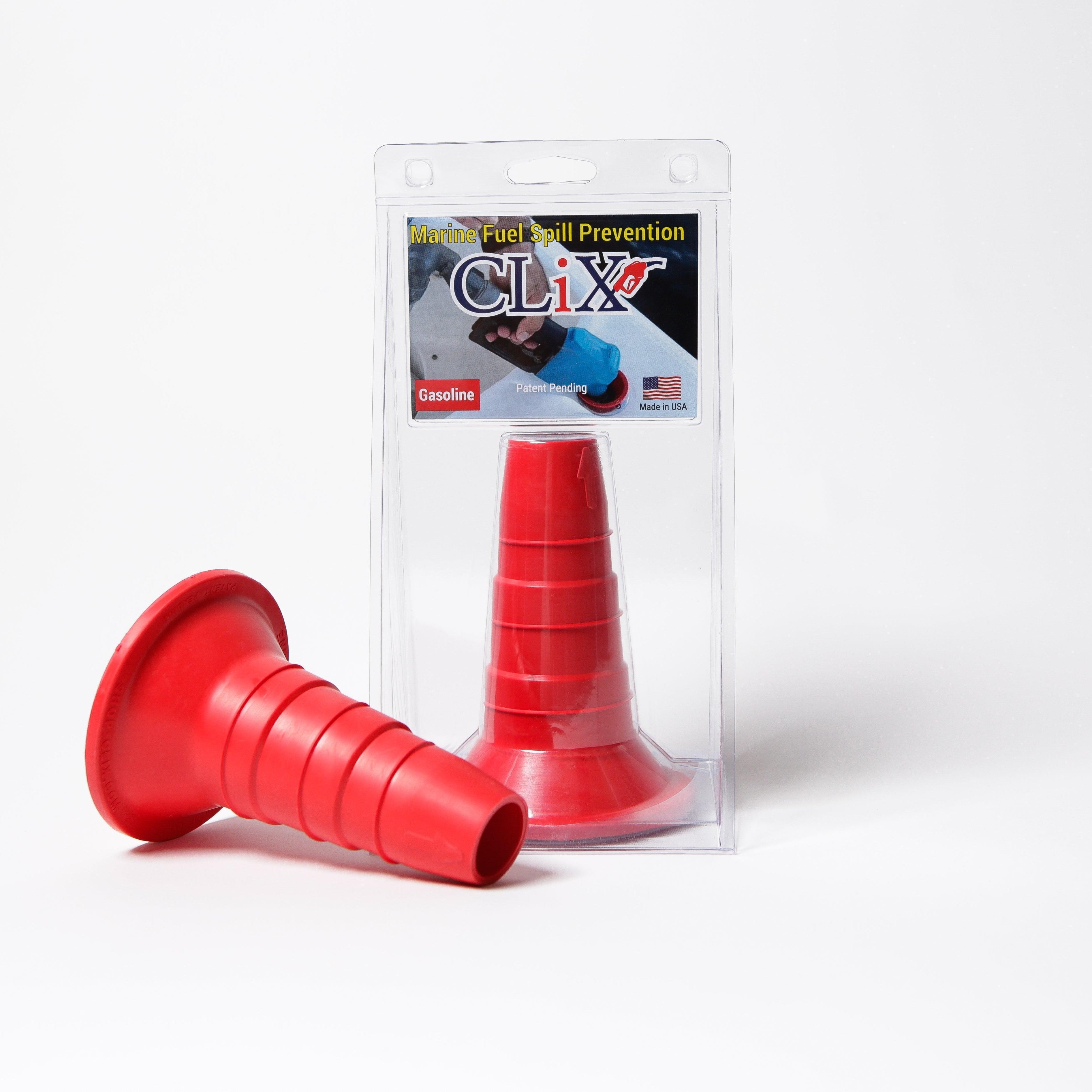
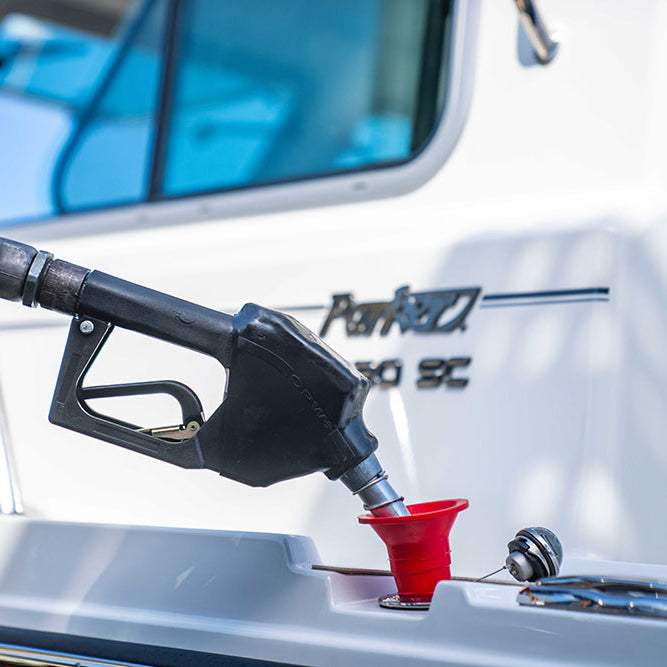
This is exactly where a tool like CLiX Fueling Solutions proves its worth. By automatically shutting off the flow, it takes the guesswork out of fueling and makes it virtually impossible to overfill your tank. It directly tackles one of the leading causes of fuel spills and fires. To really get a handle on safety, it helps to understand where gasoline fits into the bigger picture of the nine classes of dangerous goods, which provides a solid foundation for responsible handling.
The High Cost of a "Simple" Fuel Spill on Your Boat
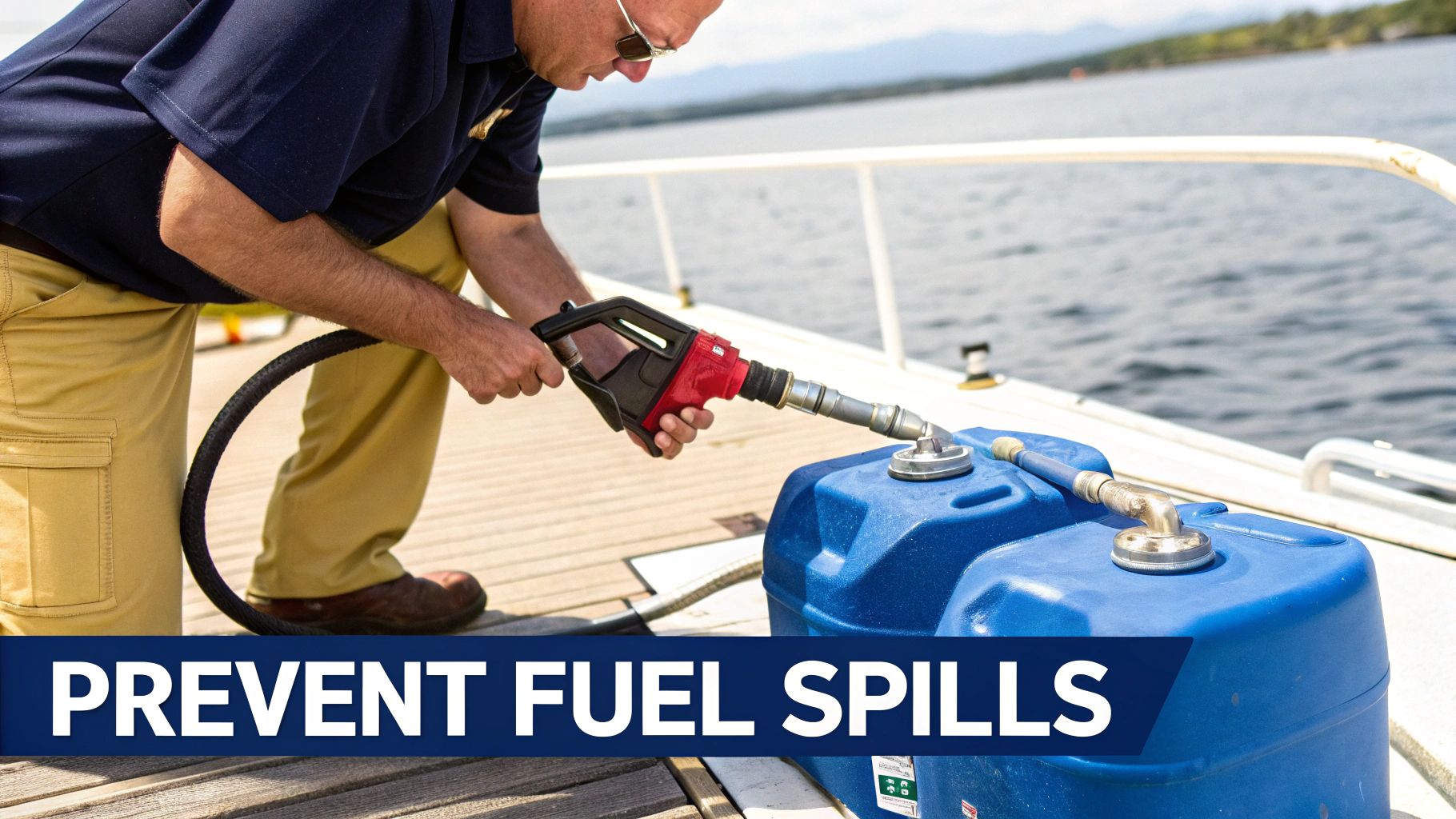
Let's be honest—a fuel spill on your boat is never just a quick wipe-up. It's a messy, dangerous, and surprisingly expensive mistake that can sour a perfect day on the water and take a real bite out of your wallet. One of the most common culprits? Overfilling a portable gas tank. It’s an easy slip-up that turns a routine chore into a serious headache.
The financial sting goes far beyond the price of a few lost ounces of fuel. Gasoline is a powerful solvent that can wreak havoc on your boat, eating away at gelcoat, staining fiberglass, and ruining non-skid surfaces. The repair bills for that kind of damage can easily climb into the hundreds, if not thousands, of dollars. And that's before we even talk about potential environmental fines.
The Hidden Costs You Don't See Coming
When you overfill a tank, you're not just wasting fuel; you're kicking off a domino effect of expenses. Here's where the real damage is done.
- Wasted Gas: It might not seem like much, but spilling a little fuel every time you fill up adds up over a boating season. It's literally pouring money into the water.
- Boat Damage: That spilled gas can permanently discolor your boat's gelcoat or even soften it, compromising the protective layer over the fiberglass.
- Steep Environmental Fines: Under regulations like the Clean Water Act, spilling fuel into the water is a serious offense. Fines can be surprisingly hefty, even for small, accidental spills.
The true cost of a fuel spill is never just the price of the gas. It's the combined total of repair bills, potential fines, and the lasting harm to the environment. That’s why prevention is every boater's best policy.
More Than Just a Stain on Your Deck
The damage isn't just cosmetic or financial. Even a single drop of gasoline can create an ugly sheen that spreads across a huge area of water, blocking sunlight that aquatic plants need to survive. It's a poison that works its way up the food chain, starting with the smallest organisms.
Many of us have been there, trying to guess the fuel level by sound or sight, and it’s a big part of the problem. It’s no surprise that surveys show overfill rates can be as high as 20-30%. All those small, frequent spills add up, costing boat owners and marinas millions in cleanup and repairs every year. Even worse, EPA data suggests these spills account for 10-15% of the pollution in popular boating spots.
Thinking about the risks associated with improper chemical spill cleanup on land gives you an idea of why handling marine spills correctly is so critical. It's all about preventing bigger problems down the line.
Taking the Guesswork Out of Fueling
We’ve all tried the old-school method: listening for the gurgle that tells you the tank is almost full. But with wind, waves, and engine noise, it's a guessing game at best. One distraction is all it takes to miss your cue and end up with a spill. This is where a smarter solution makes all the difference.
A modern fueling system with an automatic shutoff feature completely changes the game. It works just like the nozzle at a gas station, automatically stopping the flow of fuel the second the tank is full. No more guessing, no more listening, and absolutely no chance of overfilling.
This isn't just about making life easier; it's a vital tool for protecting your boat, your safety, and the beautiful marine environment we all share. By eliminating the #1 cause of refueling spills, you can be a more responsible boater and make sure every drop of expensive fuel ends up exactly where it should be—in your tank.
Keeping Your Fuel Tanks in Shipshape: A Maintenance Guide
Think of your portable marine gas tank as one of the unsung heroes on your boat. It sits there, sloshing with fuel, baking in the sun, and getting splashed with saltwater. Just like you wouldn't skip an oil change, giving your tank a little attention is key to making sure it’s safe, reliable, and ready to go. Ignoring it is asking for trouble, especially when you're miles from the dock.
A quick visual check before each trip is your first line of defense. Seriously, it takes five minutes and can help you spot a small issue before it becomes a massive headache. You're just looking for anything that doesn't seem right, from the tank itself to the fuel line connected to it.
Your Pre-Launch Inspection Checklist
Before you even think about casting off, take a moment to eyeball your entire fuel setup. The tank is the obvious starting point, so look closely for any signs of wear that could lead to a leak.
What you're looking for depends on the material.
For plastic tanks, watch out for:
- Cracks or Fading: Pay close attention to the areas around handles and fittings. Even tiny hairline cracks are a no-go. If the color looks seriously faded, that's a sign the sun's UV rays are doing a number on the plastic.
- Bulging or Swelling: If your tank looks like it's puffing out its chest, that's a major red flag. It points to too much pressure inside, which could be from a blocked vent or just intense heat.
- Brittleness: Give it a feel. If the plastic feels hard and brittle instead of having a little give, its time is up.
For metal tanks, the classic culprits are a bit different:
- Rust and Corrosion: This is the big one. Check every inch, but especially the seams and around the filler neck where moisture can get trapped.
- Dents: A big dent isn't just a cosmetic flaw; it can weaken the metal and hide a tiny fracture that's just waiting to leak.
A fuel tank is only as strong as its weakest point. Making a habit of checking the tank, lines, and connectors isn't just a good idea—it's essential for safe boating.
Don't Forget the Lines and Fittings
The tank is only half the battle. The fuel line, that trusty primer bulb, and the connectors at each end are just as critical. These parts get twisted, flexed, and clicked on and off all the time, so they wear out.
Give the primer bulb a good squeeze. Does it feel mushy, cracked, or slow to pop back into shape? Time for a new one. A failing primer bulb can let air into the line, which will make your engine sputter and die at the worst possible moment. While you're at it, check the connectors on both the tank and engine side. They should click on with a solid, satisfying feel and have no signs of fuel residue—a tell-tale sign of a slow leak.
The Shelf Life of Your Fuel
Fuel, especially the ethanol-blended stuff we all use now, doesn't stay fresh forever. If your boat sits for a while, like during the off-season, the fuel can go bad. It starts to absorb moisture right out of the air, leading to something called phase separation.
This is when the ethanol and water team up, separate from the gasoline, and sink to the bottom of your tank. That sludgy, water-logged mix is poison for your engine, causing corrosion and all sorts of performance problems. The easiest way to avoid this is to use a good marine fuel stabilizer. Just add it to your tank before you put the boat away for an extended period to keep the fuel potent and your engine protected.
When to Call It Quits: Retiring Your Tank
Even the best-maintained tank won't last a lifetime. As a solid rule of thumb, you should plan on replacing a quality plastic tank every 5 to 10 years. If your tank lives in direct sunlight or deals with wild temperature swings, that lifespan will be on the shorter end of the scale.
And if you see any of those big red flags we talked about—deep gouges, a tank that’s constantly bloated, or any cracking—don't hesitate. Retire it immediately. A new tank is a small price to pay for peace of mind and avoiding a dangerous failure out on the water.
Troubleshooting Common Portable Fuel Tank Problems
When your outboard sputters and dies, it’s natural to point the finger at the engine. But before you start pulling things apart, take a deep breath. More often than not, the real culprit is hiding somewhere between your fuel tank and the motor.
A few simple checks on your portable tank can save you a world of frustration (and a costly trip to the mechanic). Think of your fuel system as a chain—it's only as strong as its weakest link. A blocked vent, a bad connection, or some water in the gas can stop you dead in the water. Learning how to spot these common issues will get you back underway in no time.
Diagnosing a Blocked Fuel Tank Vent
One of the most common—and most overlooked—problems is a blocked fuel tank vent. Your tank needs to breathe. As fuel flows out, air needs to flow in to take its place. If the vent is clogged or closed, a vacuum forms inside the tank, choking off the fuel supply.
The classic symptom? Your engine starts up just fine but then coughs and stalls after running for a few minutes.
If that sounds familiar, try slightly loosening the fuel cap. If you hear a distinct whoosh of air rushing in and the engine’s performance suddenly improves, you’ve found your culprit.
- For Manual Vents: Make it a habit to loosen the vent screw a few turns before you even start the engine.
- For Automatic Vents: These can get gummed up with salt, dirt, or other debris. Sometimes, a quick rinse with fresh water is all it takes to get things working again.
A simple vent check should be a core part of your pre-launch routine. This five-second action prevents the most common cause of an engine mysteriously dying under power.
Checking for Water in Your Fuel
Water in the fuel is another massive headache for boaters. This is especially true with modern ethanol-blended gasoline, which loves to absorb moisture right out of the air. Over time, that water can collect at the bottom of your tank, leading to an engine that runs rough or won't start at all.
To check for water, you'll need a clear glass jar. Use the primer bulb to pump a small sample of fuel from the bottom of your tank into the jar. Let it settle for a few minutes. Since water is heavier than gas, it will sink to the bottom, forming a separate, bubbly layer. It’s usually pretty obvious.
If you see that dreaded layer, your only real option is to drain the tank completely and start over with fresh, clean fuel. Using a good fuel stabilizer can go a long way in preventing this, particularly if you're storing the boat for a while.
Testing Fuel Lines and Connectors
Finally, take a look at the fuel lines and connectors—the last link in the chain. A tiny crack in the hose or a worn-out O-ring in a connector can cause the system to suck in air instead of fuel, starving your engine and causing it to sputter.
Start with a visual inspection. Run your hands along the entire fuel line, feeling for any cracks, hard spots, or general brittleness. Give the primer bulb a good squeeze. It should feel firm and spring back. If it stays squished or feels mushy, it’s time for a new one.
Next, check the connectors at both the tank and the engine. They should snap into place with a satisfying click. If a connection feels loose or wobbly, that’s a red flag that the internal seal has failed and you're likely sucking air.
Your Top Questions About Marine Gas Tanks Answered
Even after you get the basics down, you’re bound to have a few more questions about your portable gas tanks. That's perfectly normal. Getting straight answers is the best way to feel confident and stay safe out on the water.
Let's dive into some of the most common things boaters ask about their fuel systems. Think of this as your go-to cheat sheet for quick, practical advice you can use right away.
How Often Should I Replace My Portable Gas Tank?
There’s no hard-and-fast expiration date stamped on these tanks, but a solid rule of thumb for plastic tanks is to replace them every 5-10 years. The real deciding factors are sun exposure and general wear and tear. A tank that’s always getting baked by the sun will have a much shorter life than one that’s stored in the shade.
But forget the calendar for a second. You should replace your tank immediately if you see any of these warning signs:
- Deep scratches or gouges that look like they could weaken the plastic.
- Constant bulging or swelling, which is a huge red flag for a serious pressure issue.
- Cracks or a chalky, faded look, which means UV rays have broken down the plastic.
- A persistent fuel smell when the cap is on tight. That means vapors are escaping.
Metal tanks might last longer, but they aren't invincible. If you spot serious rust, especially along the welds, or any deep dents, it’s time to retire that tank.
Can I Store a Gas Tank in My Car Trunk or Boat Cabin?
Absolutely not. This is one of the most critical safety rules in boating, and breaking it can have catastrophic consequences. Stashing a portable gas tank in an enclosed, unventilated area—like a car trunk, an SUV, or a boat cabin—is an invitation for disaster.
Gas fumes are heavier than air, so they sink and pool in low spots. A single spark from static electricity, a faulty wire, or a stray electrical component is all it takes to ignite those fumes.
Safety First: Always transport and store your portable marine gas tanks in a well-ventilated space, secured so they can't tip over. The open deck of your boat or the bed of a pickup truck are the right places for them.
What’s the Big Deal with EPA-Compliant vs. Older Tanks?
The main difference all comes down to controlling fumes. The newer, EPA-compliant tanks are designed to stop fuel vapor from leaking into the air.
You might remember the older tanks with a simple screw vent on the cap. You had to remember to open it before running the engine and close it afterward. If you forgot, it just let fumes out constantly. Modern tanks, on the other hand, have automatic, self-venting caps that are much smarter. They keep the system sealed unless the internal pressure builds up to a specific level, at which point they release just enough to be safe. It’s a closed-system design that's way better for air quality and dramatically cuts down on fuel spills.
Will an Automatic Shutoff Nozzle Work with My Tank?
Yes, and it’s one of the best and easiest safety upgrades you can make. Smart fueling solutions like CLiX were created to be universally compatible. They’re designed to fit the standard filling necks you'll find on just about every portable marine gas tank out there, whether it's brand new or a few years old.
That universal fit means pretty much any boater can finally stop the dangerous guesswork of knowing when the tank is full. It turns refueling from a risky chore into a precise, clean, and spill-free process, every single time.
Ready to make every refueling experience completely spill-free? The innovative design from CLiX Fueling Solutions takes the guesswork out of filling your tank, protecting your boat, your wallet, and the environment. See how it works at https://clixfueling.com.